Social & External
The people behind it
João Borges
himself
Américo Boavida
Agostinho Neto
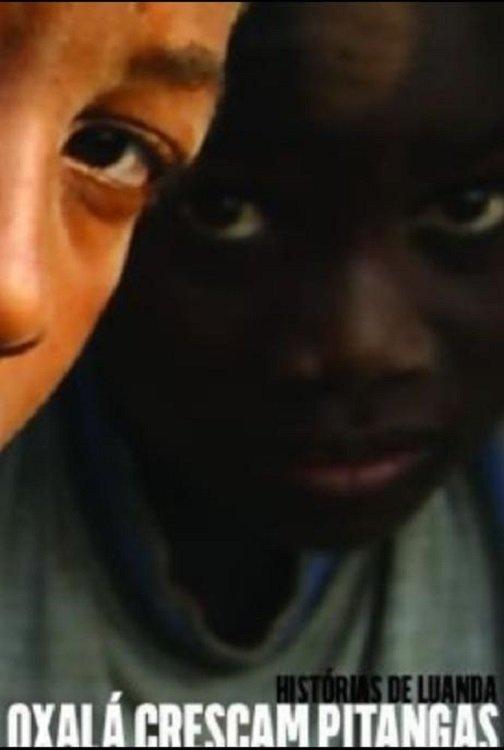
Angola: thirty years of independence, three years of peace. Capital, Luanda, a city built for 600 thousand people where four million now live. Ten characters guide us through different ways of living and interpreting the city. People from all of the country's provinces meet at this crossroads. They are the life of the city, transforming it by inventing ways to make money and reinventing themselves.
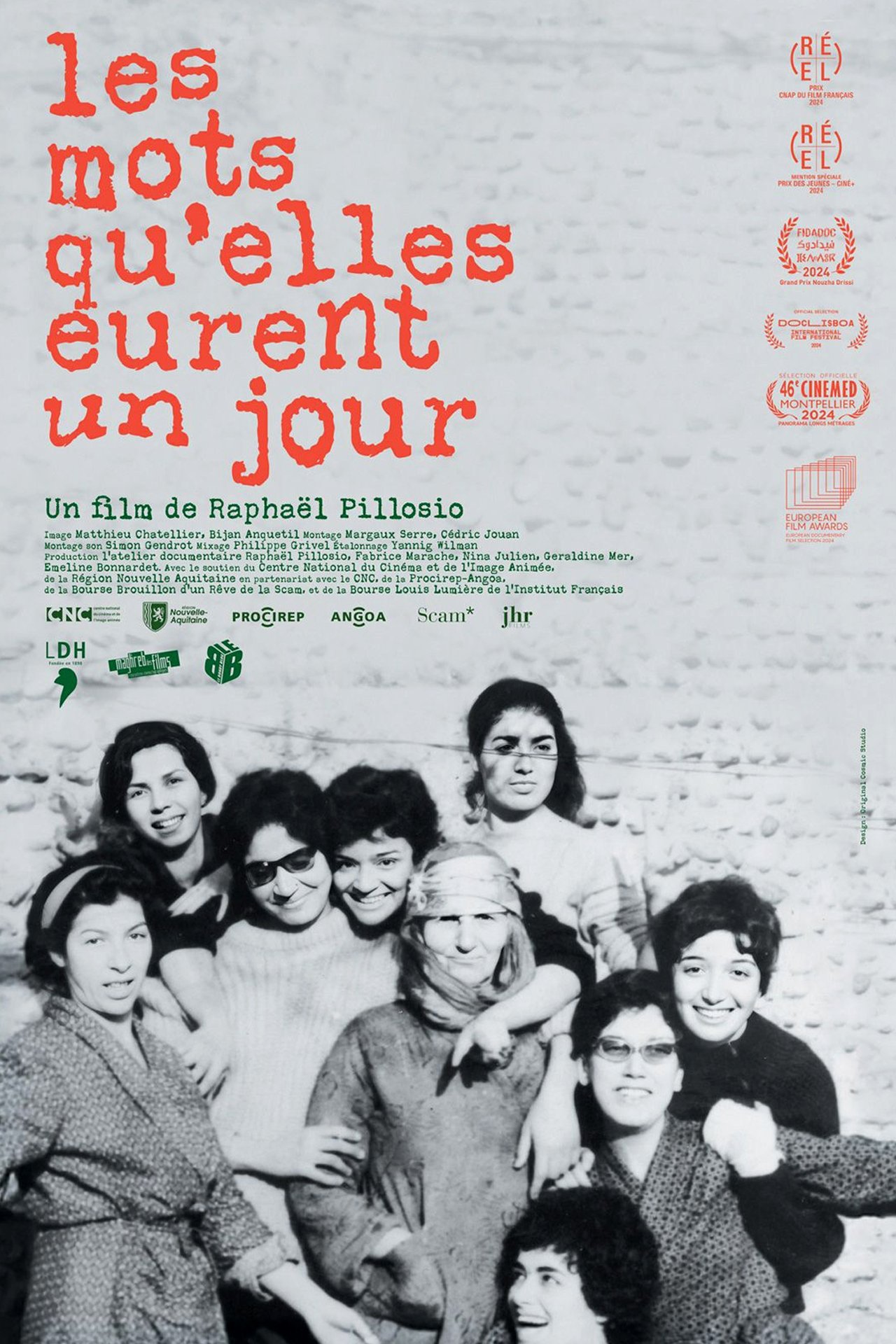
1962, at the end of the Algerian War, Algerian independence activists are released from Rennes prison. For one night, filmmaker Yann Le Masson films them. They tell him their vision for the future of Algeria and the place women must occupy in the new society to be built. Fifty years later, with the soundtrack missing, Raphaël Pillosio sets out to find these women. Two deaf people set about lip-reading the women filmed by Yann Le Masson, revealing snatches of sentences, words cut short by the camera's shifts. An investigative film in which the few activists still alive discover their old testimonies and tell us their silent story. The reconstruction of the lost soundtrack will remain in suspense; no happy ending will come to absorb the absence, to cancel the ferocious operation of time. An essay film about cinema that depicts their disappearance, and forever keeps them alive.
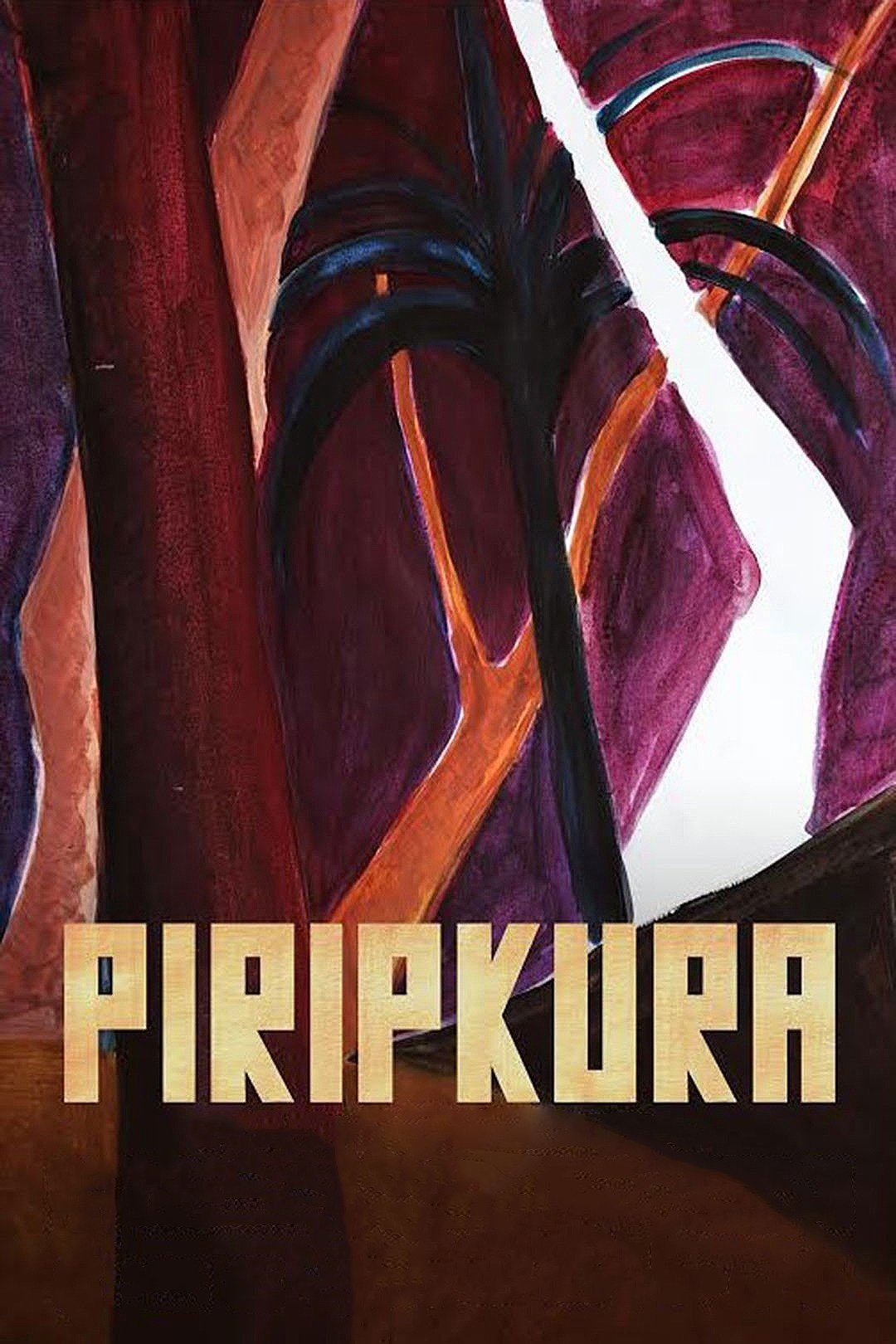
The last two surviving members of the Piripkura people, a nomadic tribe in the Mato Grosso region of Brazil, struggle to maintain their indigenous way of life amidst the region's massive deforestation. Living deep in the rainforest, Pakyî and Tamandua live off the land relying on a machete, an ax, and a torch lit in 1998.
An investigative documentary on the Angolan conflict, filmed on location in Portuguese-controlled Africa by Robert M. Young and first broadcast in 1961. (Note: Originally broadcast as an episode of NBC’s White Paper series (1961), but listed separately due to its independent documentary production, hazardous field filming, major journalistic impact, and sustained scholarly treatment as a standalone documentary work.)
The film sheds light on a country in which, after twenty-seven years of war and three years of official peace, there is an overwhelming discrepancy between poor and rich. A sensitive and respectful approach towards a traumatised society.
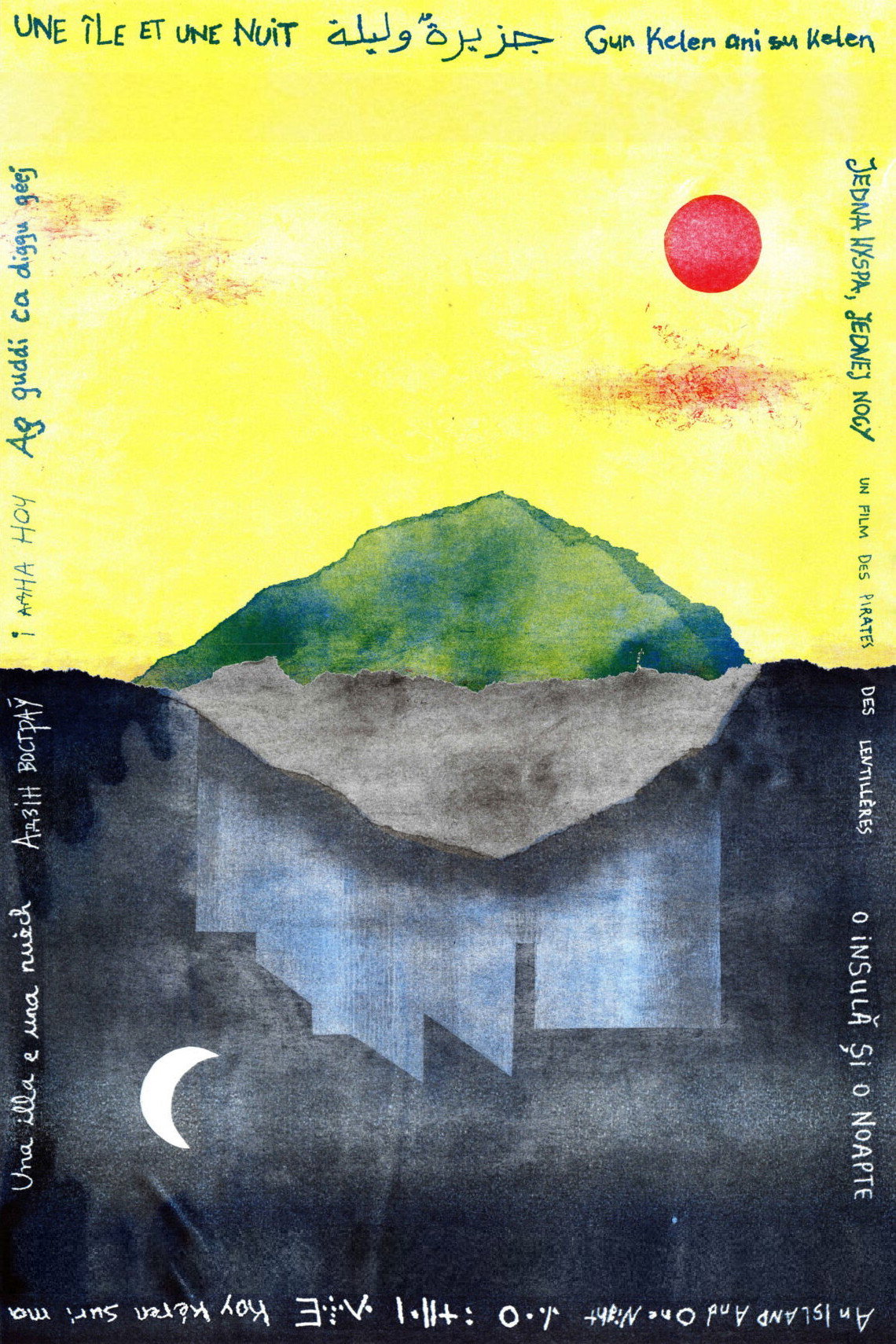
Around the fire, travellers and pirates recount their memories, their dreams, their battles. From one language to another, from story to story, we hear the roar of the storm and the rustle of the leaves, the menacing sirens and the wild dances, the clash of the swords and the song of the birds. Until dawn, a thousand and one paths take shape on this imaginary yet real island.
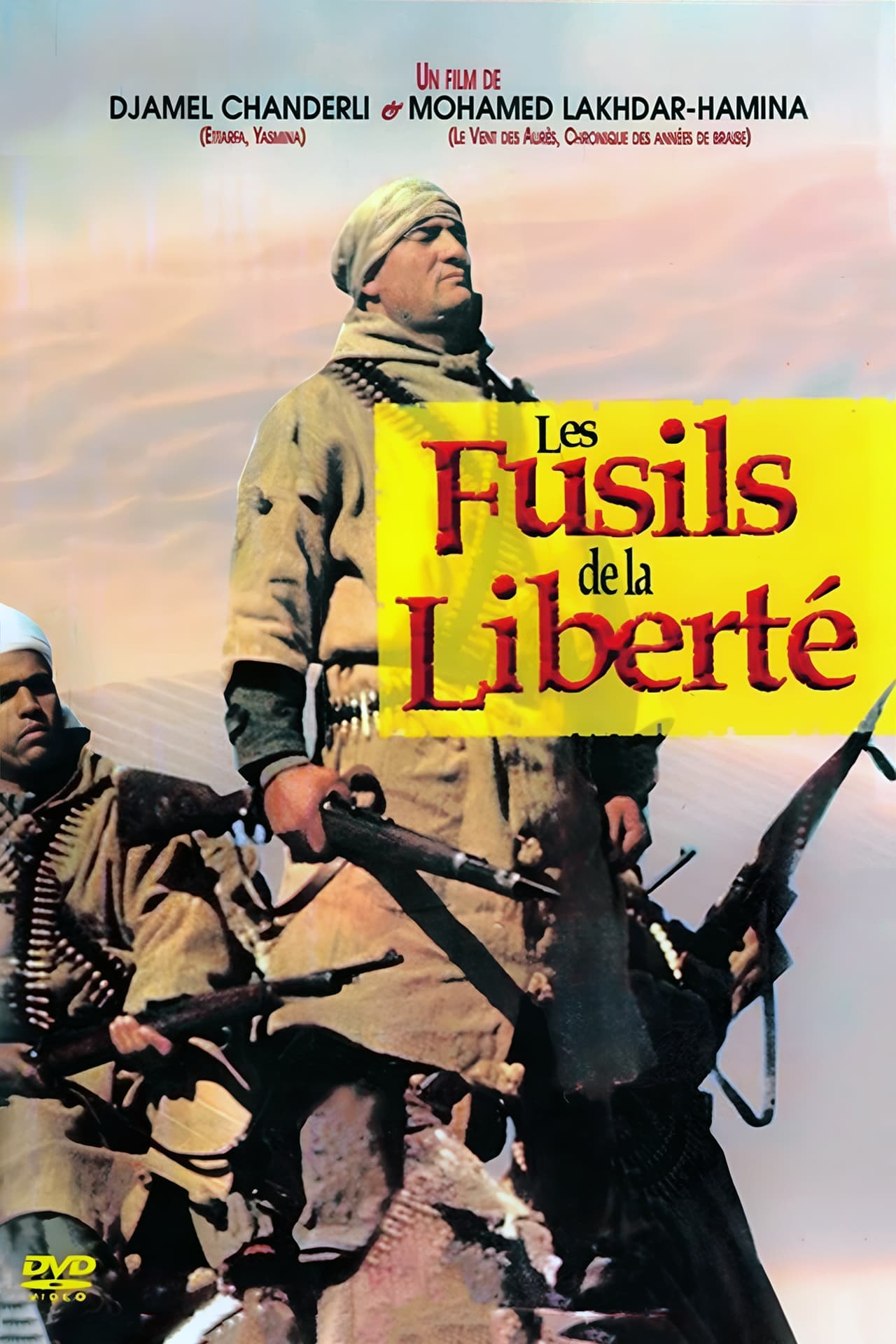
This docu-fiction recounts the difficulties overcome by an ALN detachment whose perilous mission is to transport weapons and ammunition from Tunisia across the Algerian Sahara during the Algerian liberation war (1954-1962) against the French army of occupation.
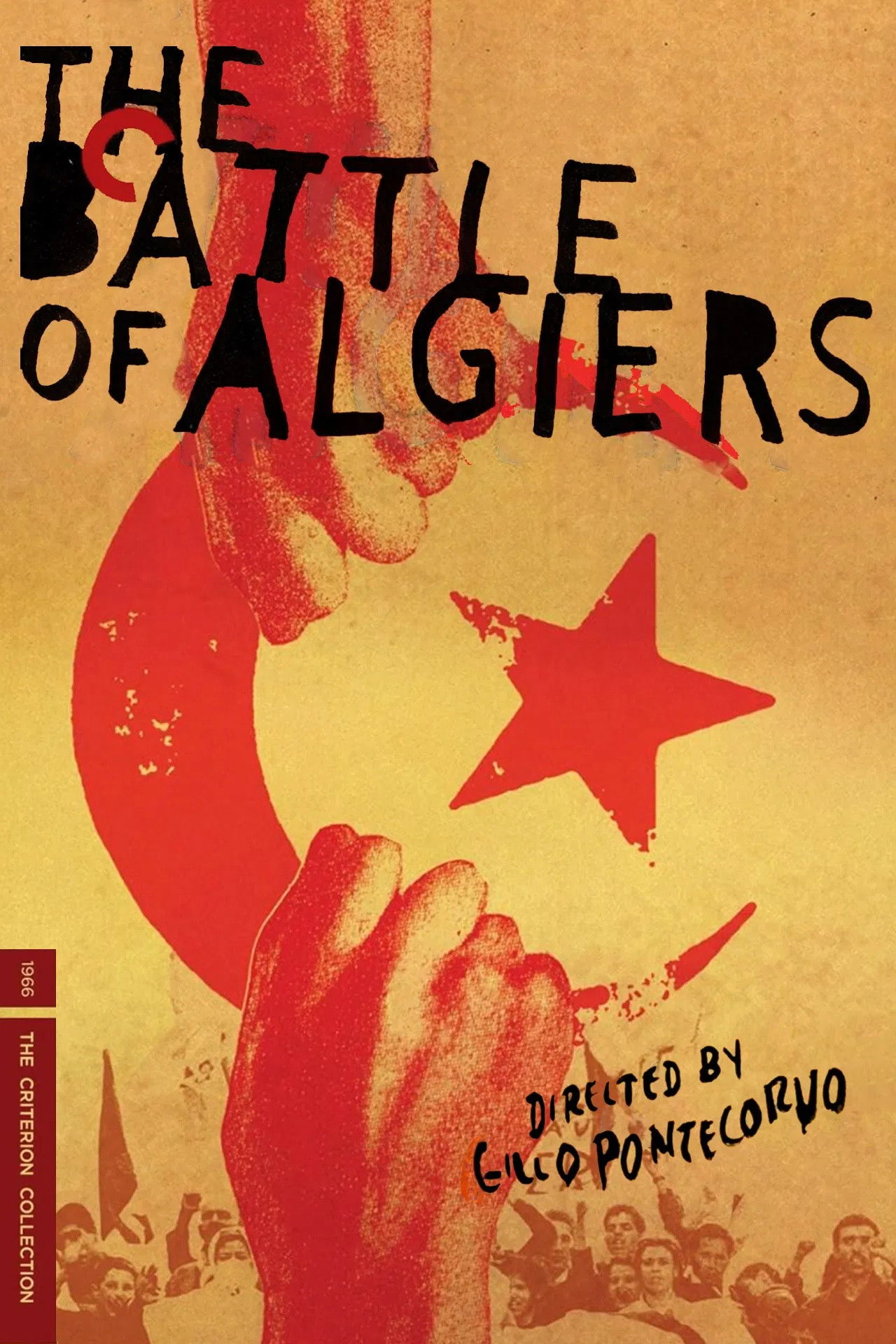
Made just three years after the end of the French-Algerian War (1954-1962), Gillo Pontecorvo's The Battle Of Algiers instantly ignited discussions of this complex historical period. Using the film as a point of reference, this 2004 documentary attempts to reconstruct the Algerian experience of the battle for independence.
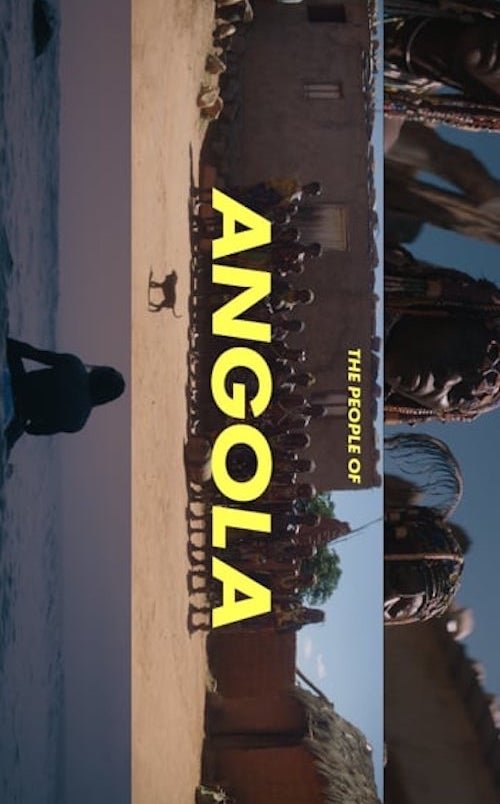
An anthropological film of the people of Angola.
While the center of Angola's capital Luanda is now ranked as one of the most expensive places in the world, the majority of the city's population lives in abject poverty. But young people are rebelling and creating their own counterculture with their own music styles and acrobatic dances, using the "ghetto" as a trademark to define their style.
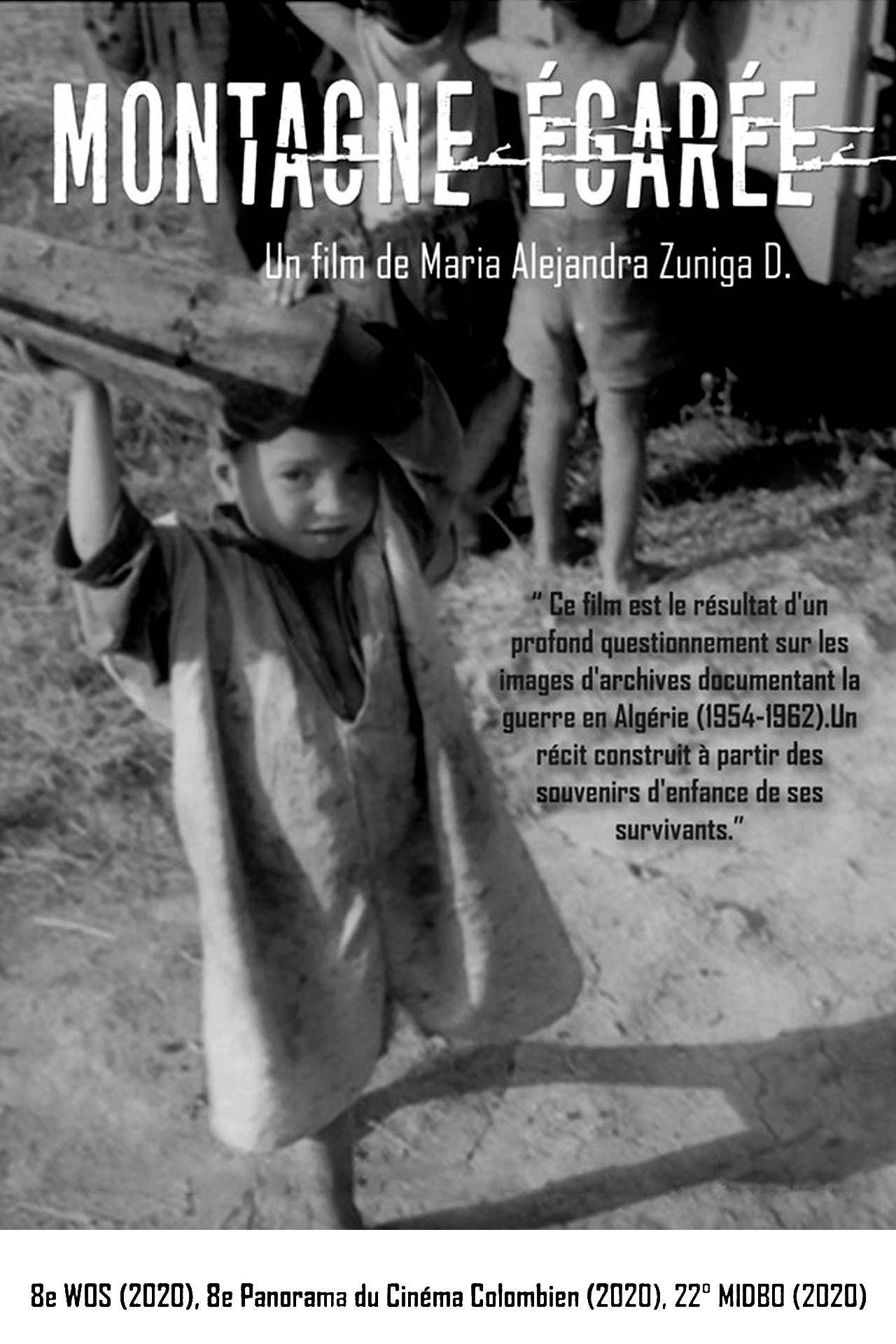
On November 1, 1954, the National Liberation Front of Algeria announced the war for the country's independence. France, colonizer since 1830, hastened to reinforce its military contingent in the four corners of the country and to prevent the advance of the rebels. A little Chaoui, born in a mountainous region of the country, sees his placid childhood collapse in the middle of a crossfire that he does not understand. The story, inspired by real testimonies, is constructed with images from the archives of the French army. From this apparently dissociated dialogue between image and word arises a sensitive homage to the memory that rests in the archives and to the ignored voice of its protagonists.
Scenes from the three last days of the festival in which the population of the old Kingdom of Jau participate yearly.
Sissako visits a war-torn Angola after thirty years of war in search of a friend and thereby through interviews reflects on the lost utopias of a generation of Africans who experienced the liberation struggles. His camera is witness to the dislocation and despair of those he encounters living in Angola, however he also discovers the resilient spirit of Africa and optimism for its future in unexpected ways.
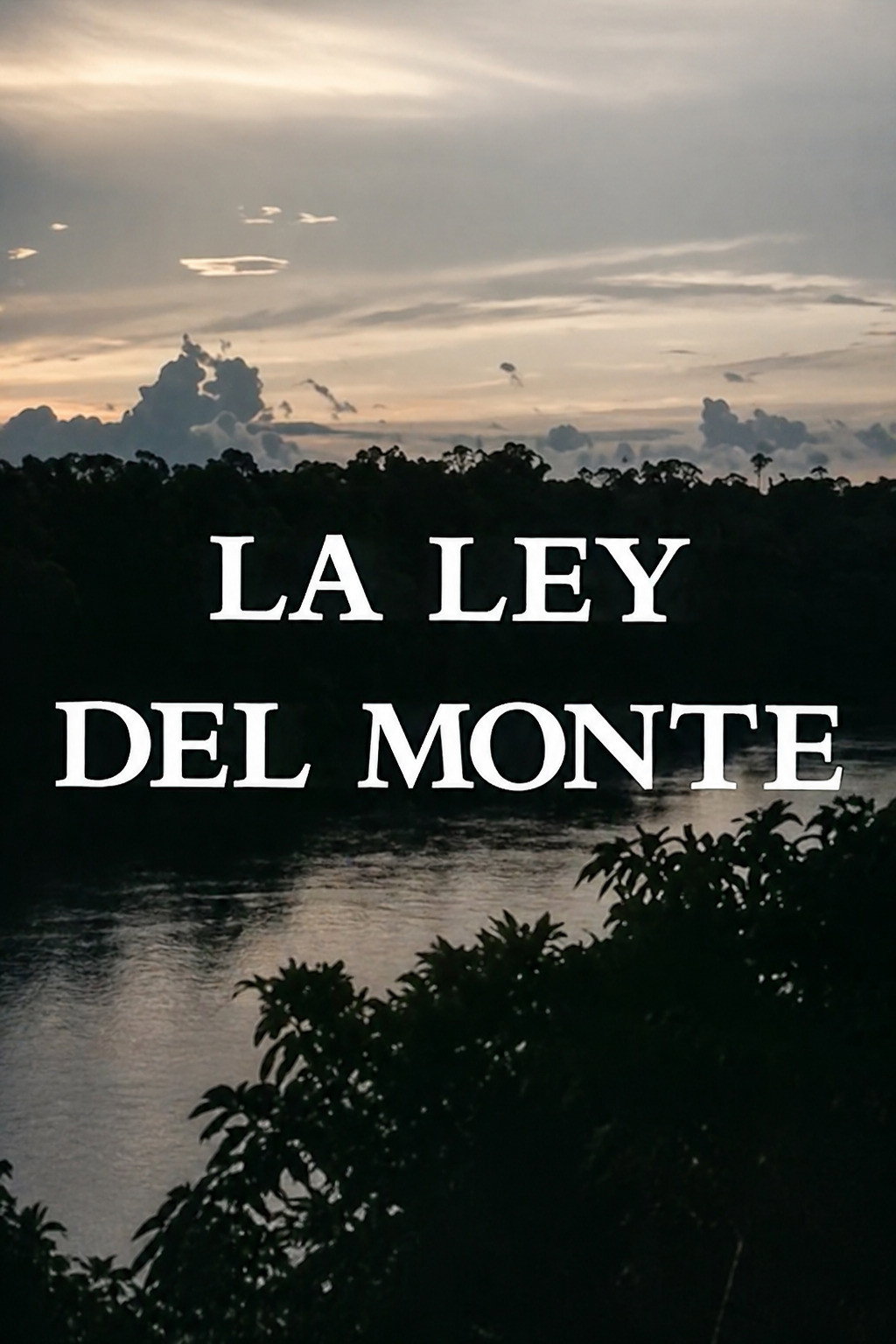
Shows the colonization process in the nature reserves of La Serranía de la Macarena and Bajo Caguán in Caquetá. The settlers and a FARC leader describe the causes of the burning of the forests and the role of the guerrillas in areas where there is no state presence.
RAI documentary filmed in 1996 about Angola, whose people, after more than ten years of anti-colonial struggle and twenty of civil war, still suffer due to the amount of active landmines scattered all over the country.
Blood Diamonds is a made-for-TV documentary series, originally broadcast on the History Channel, that looks into the trade of diamonds which fund rebellions and wars in many African nations. The program focuses primarily on two nations: Sierra Leone and Angola. Diamonds which are traded for this purpose are known as blood diamonds.
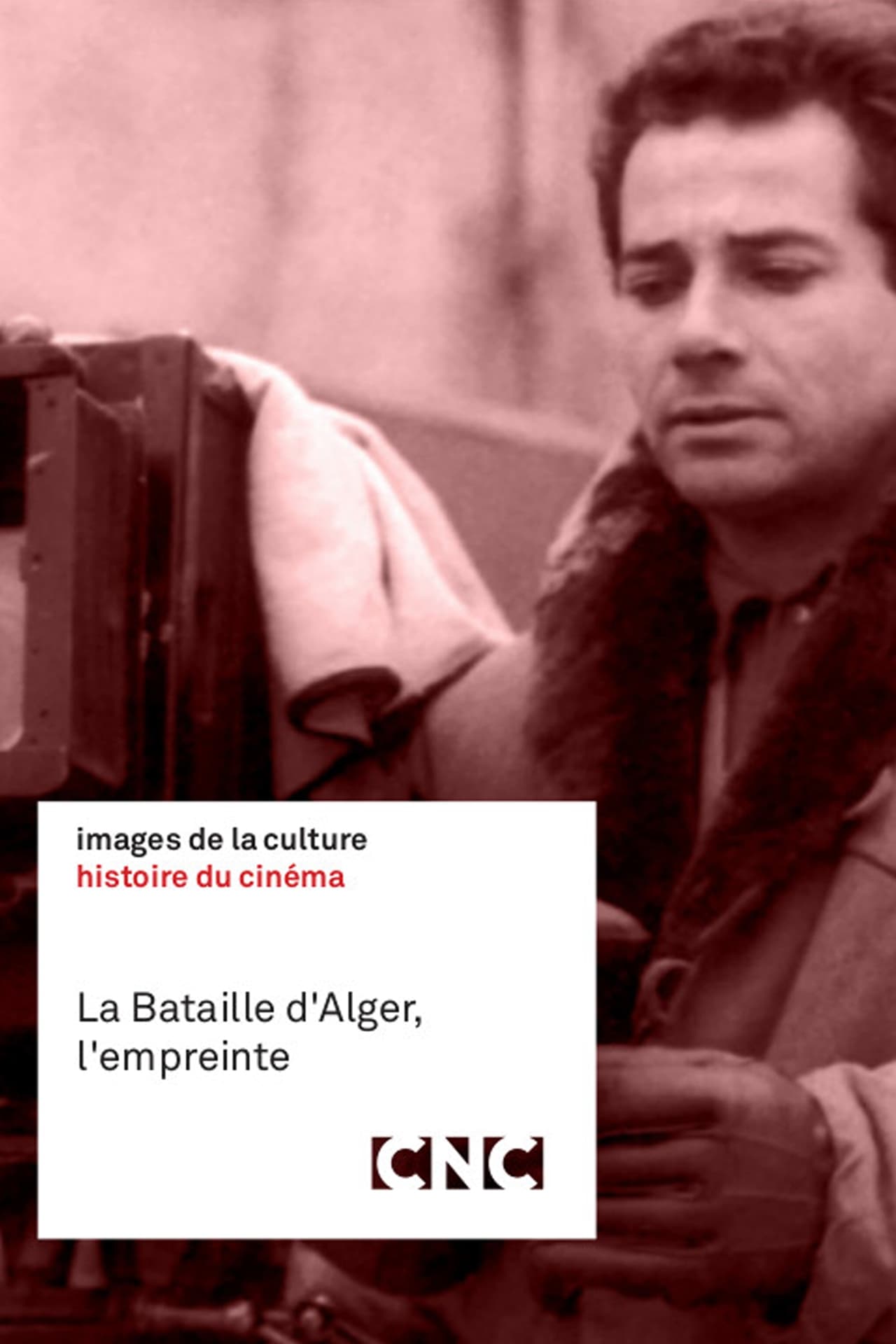
Cheikh Djemaï looks back on the genesis of Gillo Pontecorvo’s feature film, The Battle of Algiers (1965). Through archive images, extracts from the film and interviews with personalities, the filmmaker retraces the journey of a major work - from the events of the Algiers Casbah (1956-1957) to the presentation of the Lion of 'Or causing the anger of the French delegation in Venice - which left its mark as much in the history of cinema as in that of Algeria.
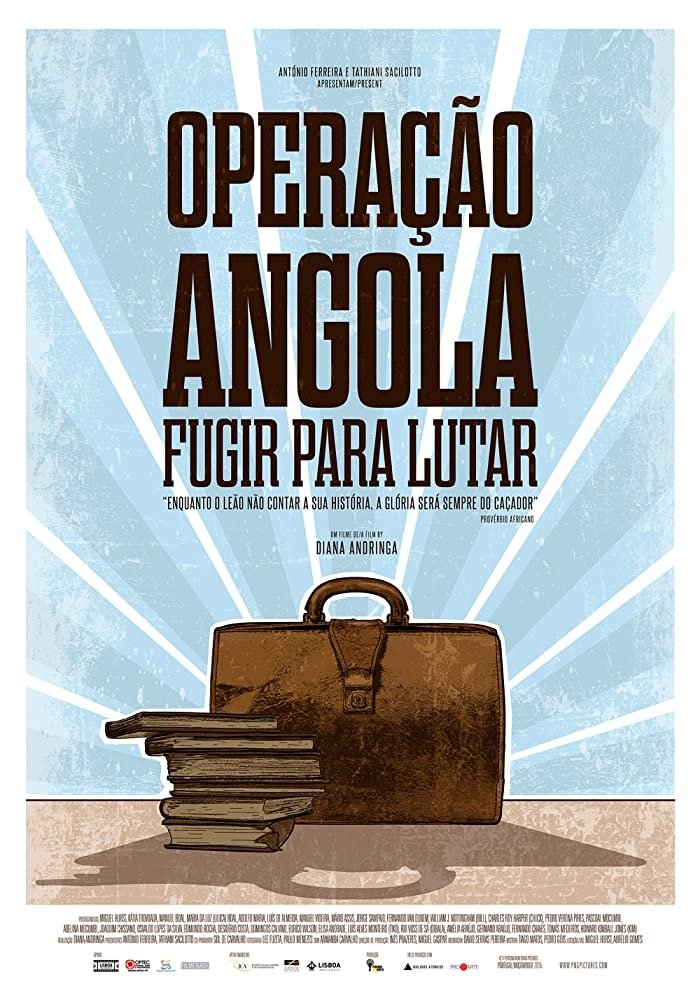
In 1961 the liberation struggles start in Angola against the portuguese colonial power. The African students in Portugal fear for their safety and plan to flee outside the country. With the help of Theology students, French and North-American pastors, the operation code name "Angola" fled over 100 african students abroad towards freedom, amongst them several future leaders of african countries.
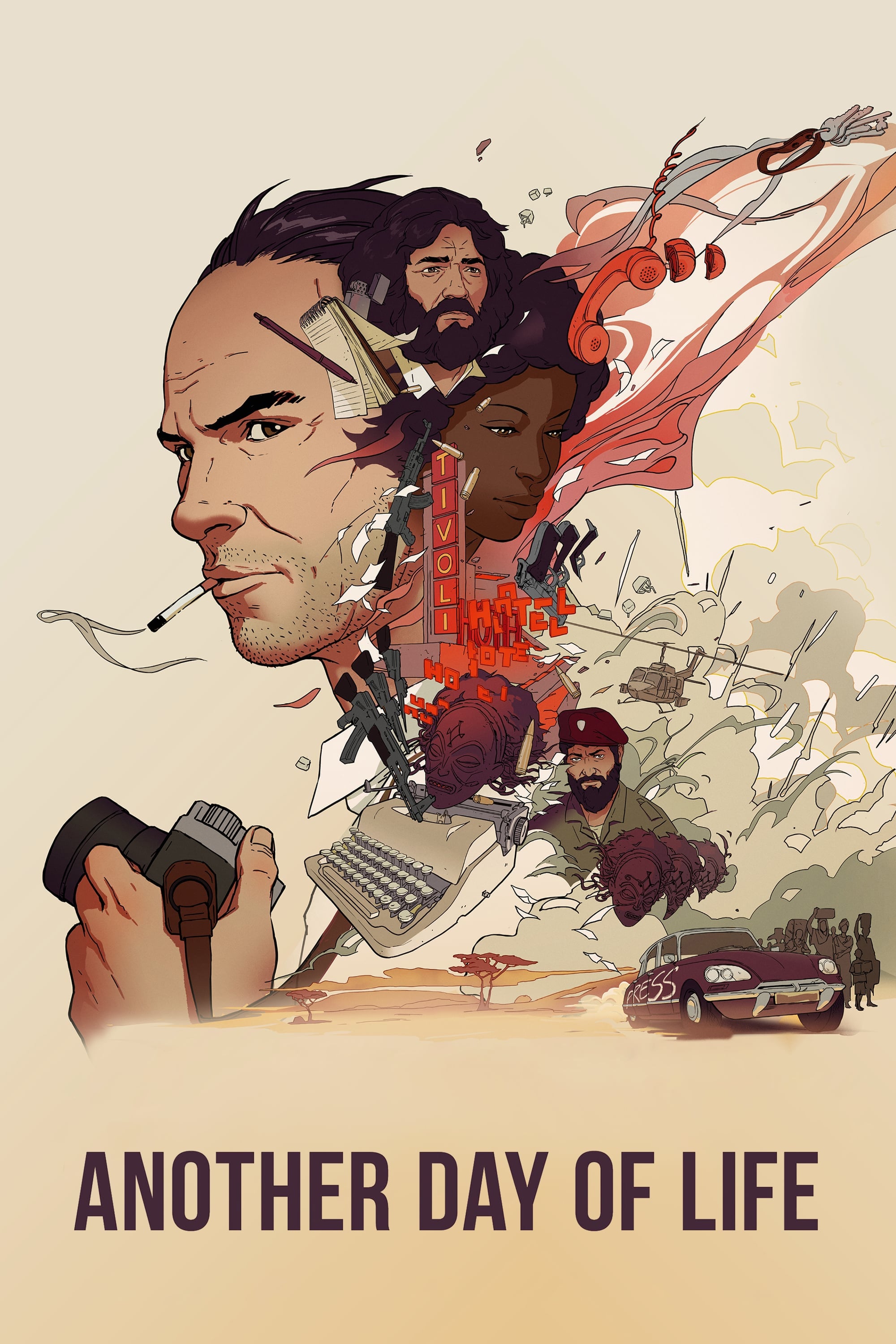
In 1975, Ryszard Kapuściński, a veteran Polish journalist, embarked on a seemingly suicidal road trip into the heart of the Angola's civil war. There, he witnessed once again the dirty reality of war and discovered a sense of helplessness previously unknown to him. Angola changed him forever: it was a reporter who left Poland, but it was a writer who returned…
In an intimate and joyful story of love in the face of loss, celebrated poets Andrea Gibson and Megan Falley find strength—and unexpected hilarity—in what might be their final year together.
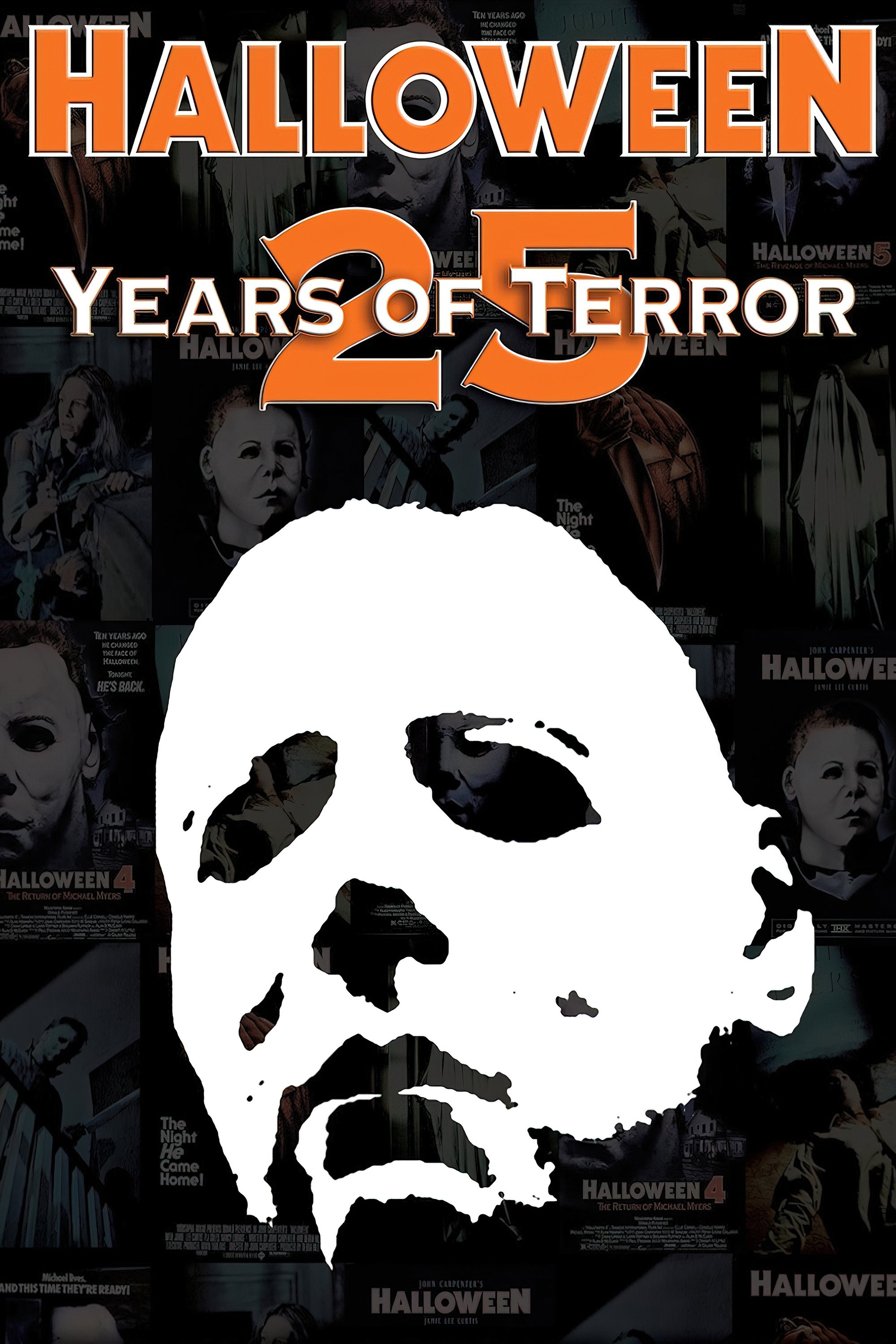
Follow the evolution of the 'Halloween' movies over the past twenty-five years. It examines why the films are so popular and revisits many of the original locations used in the films - seeing the effects on the local community. For the first time, cast, crew, critics and fans join together in the ultimate 'Halloween' retrospective.
A documentary on the expletive's origin, why it offends some people so deeply, and what can be gained from its use.
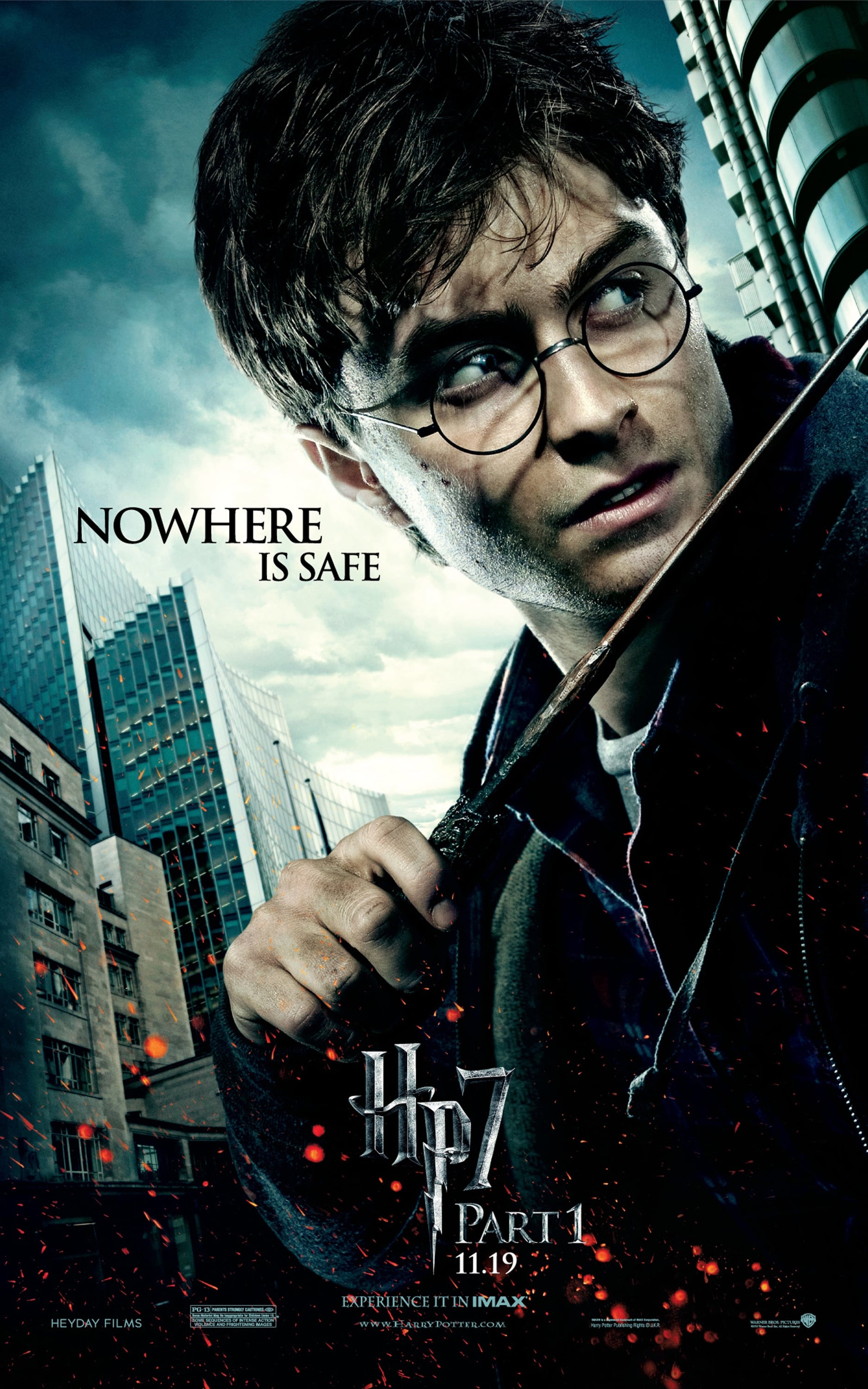
To mark the release two weeks ago of the eighth and final movie in the series, Robbie Coltrane narrates a countdown of the movie franchise's best moments. From Harry's first meeting with Ron and Hermione aboard the Hogwarts Express through to magical mysteries.
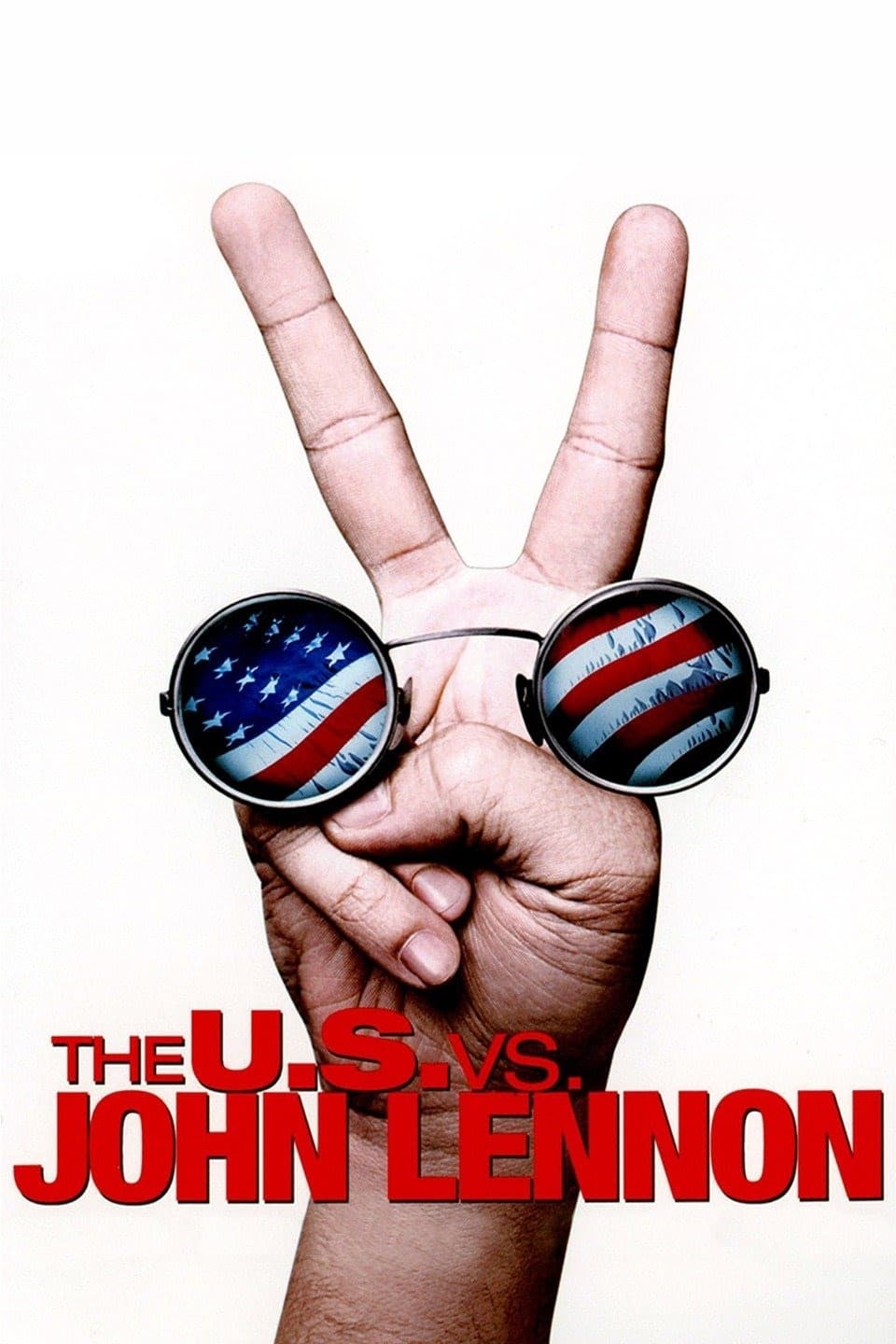
A documentary on the life of John Lennon, with a focus on the time in his life when he transformed from a musician into an antiwar activist.
From the heights of her modeling fame to her tragic death, this documentary reveals Anna Nicole Smith through the eyes of the people closest to her.
Ranjit, a farmer in India, takes on the fight of his life when he demands justice for his 13-year-old daughter, the victim of a brutal gang rape. His decision to support his daughter is virtually unheard of, and his journey unprecedented.
A visual montage portrait of our contemporary world dominated by globalized technology and violence.
Director Michael Apted revisits the same group of British-born adults after a 7 year wait. The subjects are interviewed as to the changes that have occurred in their lives during the last seven years.
Over 35 years after Bob Lazar's revelations, this documentary exposes secrets of a facility the government still denies. Featuring Lazar's testimony, recreations, and new evidence, it reopens a case that continues to spark global curiosity
An inside look at one of the most anticipated movie sequels ever with James Cameron and cast.
Through deeply personal interviews with her siblings and an examination of the photographs, letters, and belongings left behind, Mariska assembles a new portrait of her mother Jayne Mansfield, an extraordinary and complex woman.
Explores the true story of the notorious Jesse James, how the myth developed during his lifetime, and how the legends have persisted over 100 years after his death at the hands of his former friend, Robert Ford.
Stars of "The Walking Dead," Andrew Lincoln and Danai Gurira, walk down memory lane and visit iconic locations where pivotal moments between their characters, Rick and Michonne, were filmed.
A deep dive into the making of the Paranormal Activity films with first time ever interviews with cast and crew, never-before-seen footage from the movies, and a preview of the seventh installment in the franchise.
A documentary about the making of David Fincher's 2008 film THE CURIOUS CASE OF BENJAMIN BUTTON. Virtually every element in the evolution of the Fincher's film is documented here, from the project's attachment to numerous other directors during the 1990s, to its shoot in 2006 and 2007 in New Orleans, to its complex, CGI-intensive postproduction process.
A compilation of over 30 years of private home movie footage shot by Lithuanian-American avant-garde director Jonas Mekas, assembled by Mekas "purely by chance", without concern for chronological order.
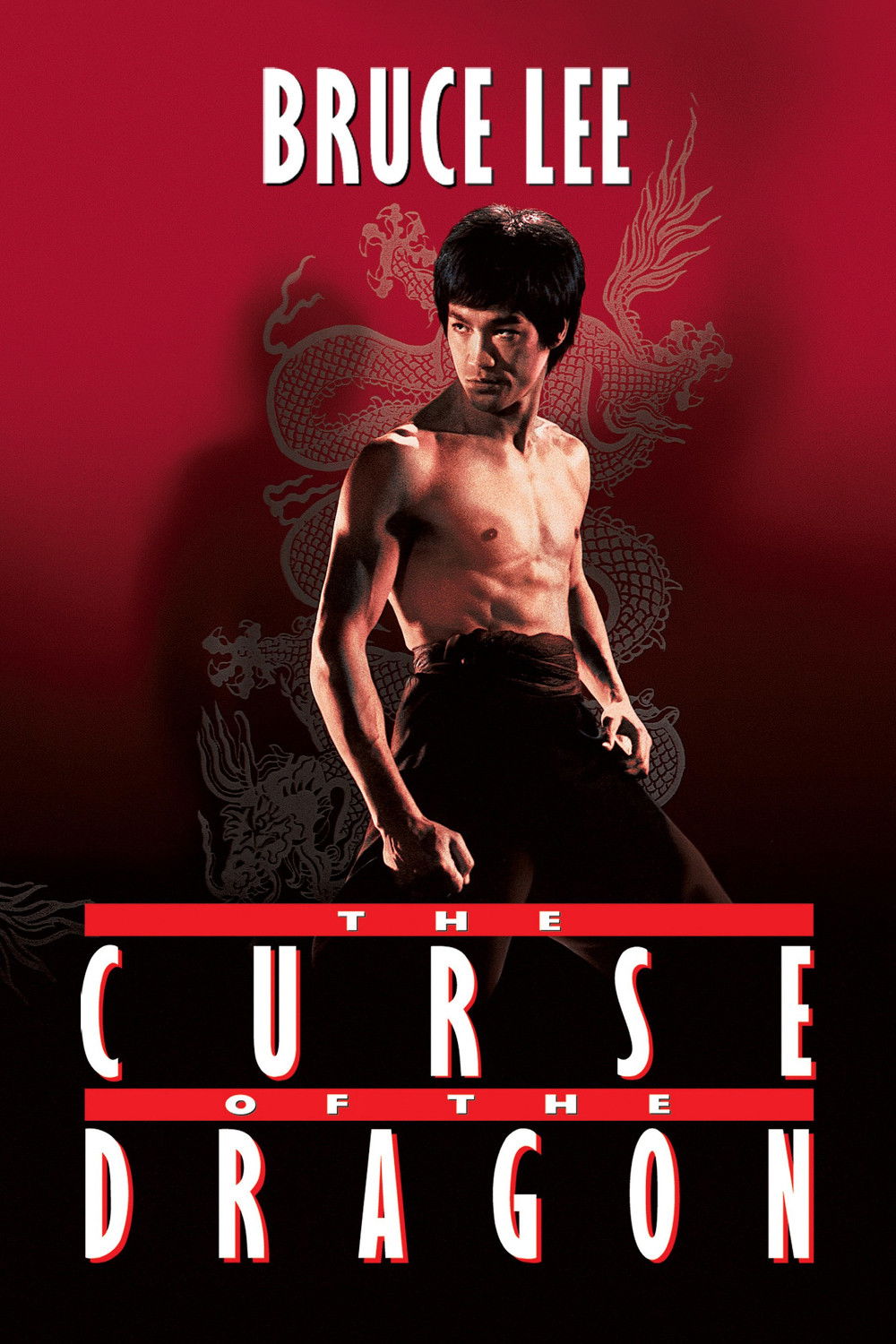
A 1993 documentary film about Bruce Lee. The film includes interviews from some of his fellow students and opponents who worked alongside him in his movies.
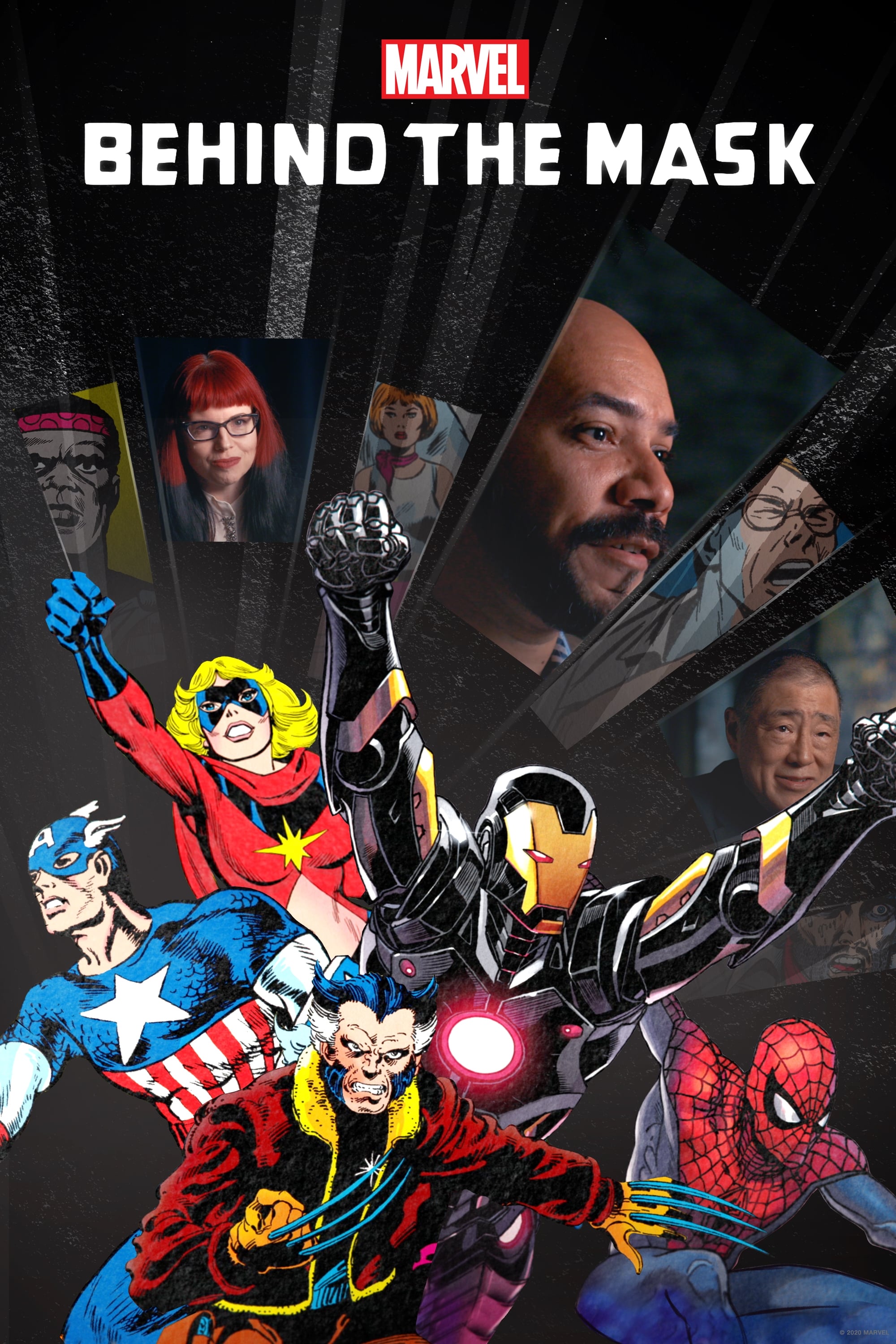
A documentary special that explores the power of identity behind the iconic superheroes we know and love today. These legendary Marvel creations and stories have not only reflected the world outside our window – they have become a reflection of our own identities and who we truly are.