Social & External
The people behind it
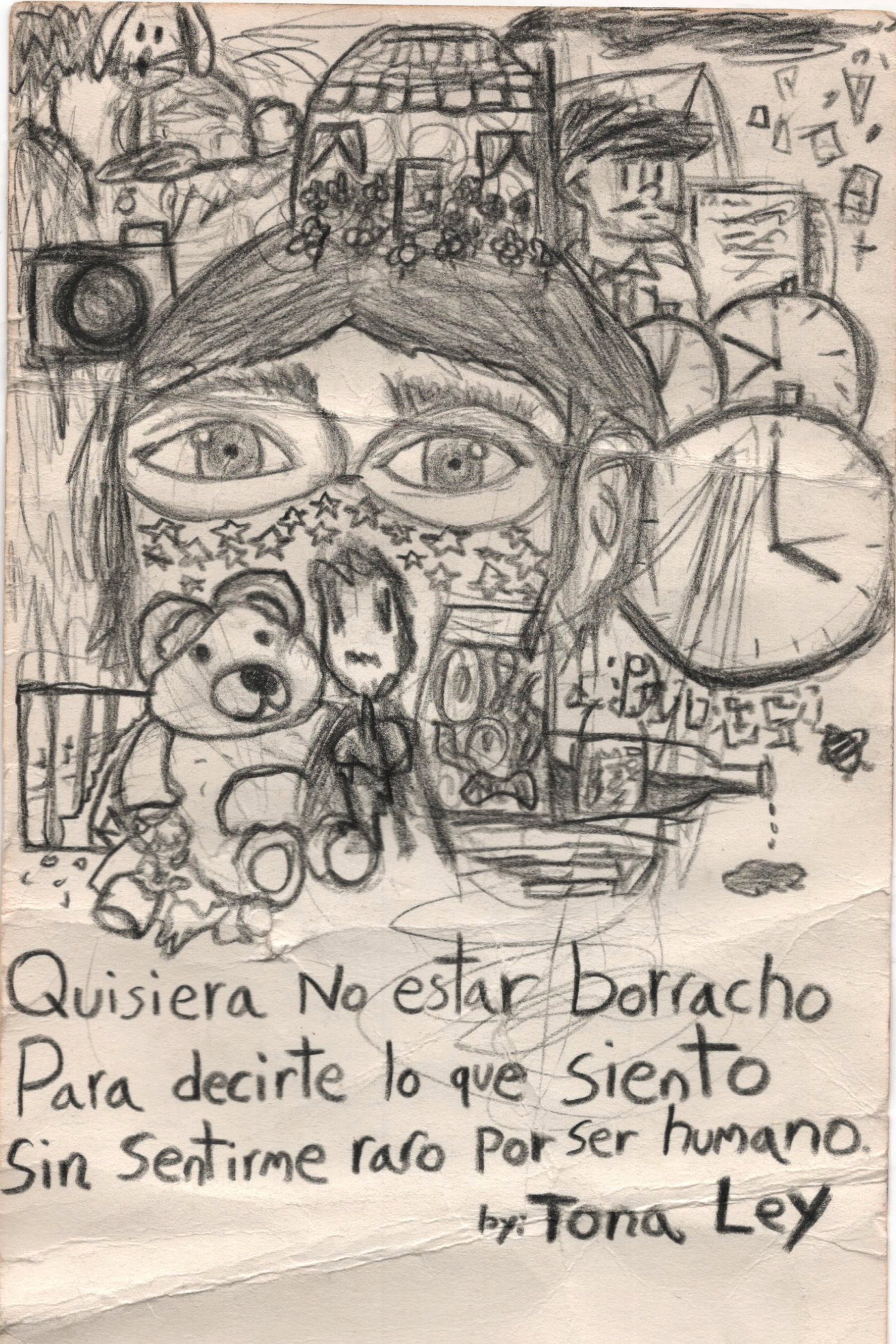
Tona Ley
J. Guillermo Regalado
Memo
guillaume de egpi
Guillaume
Deborah Almodovar
Mabel
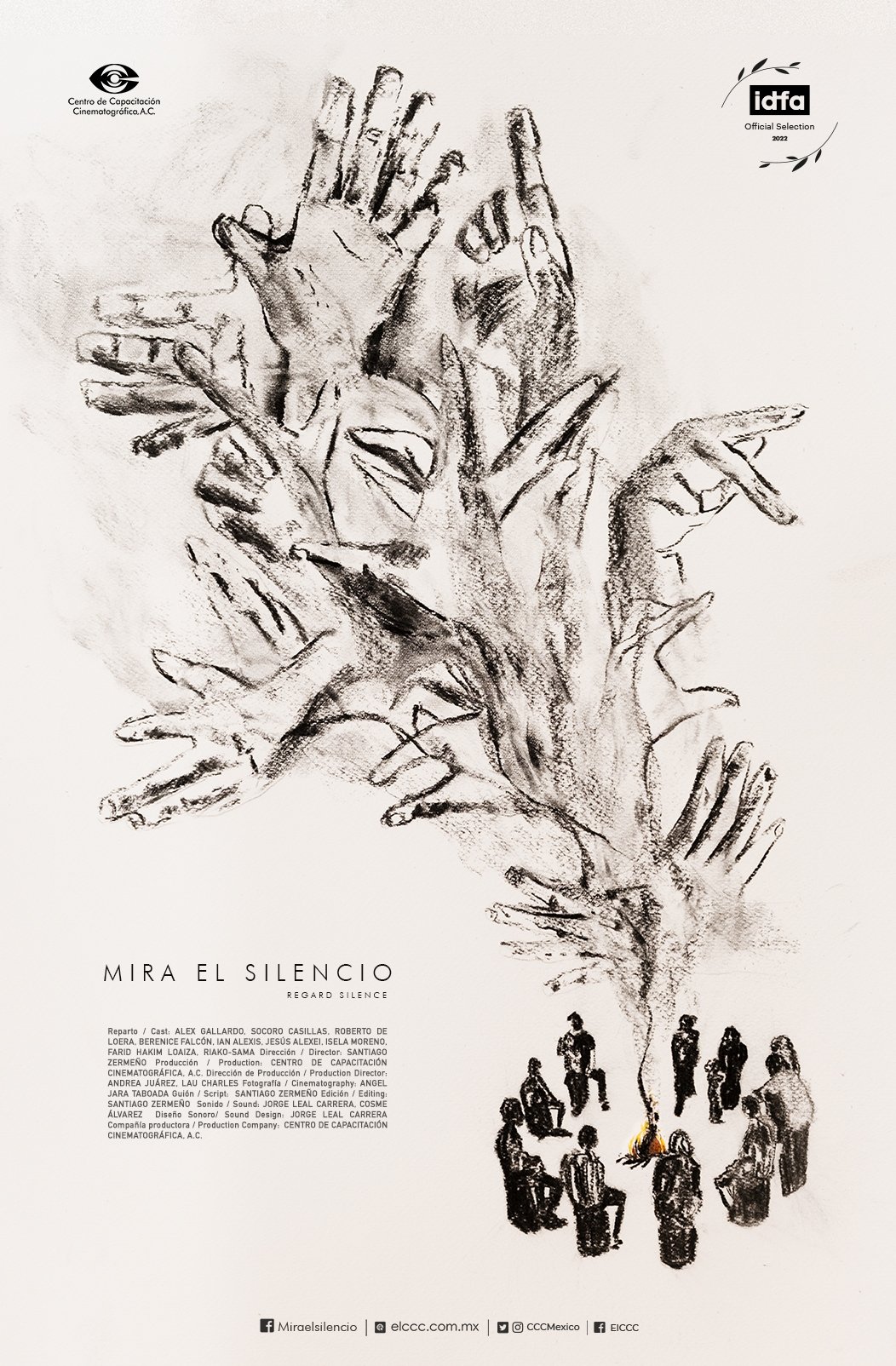
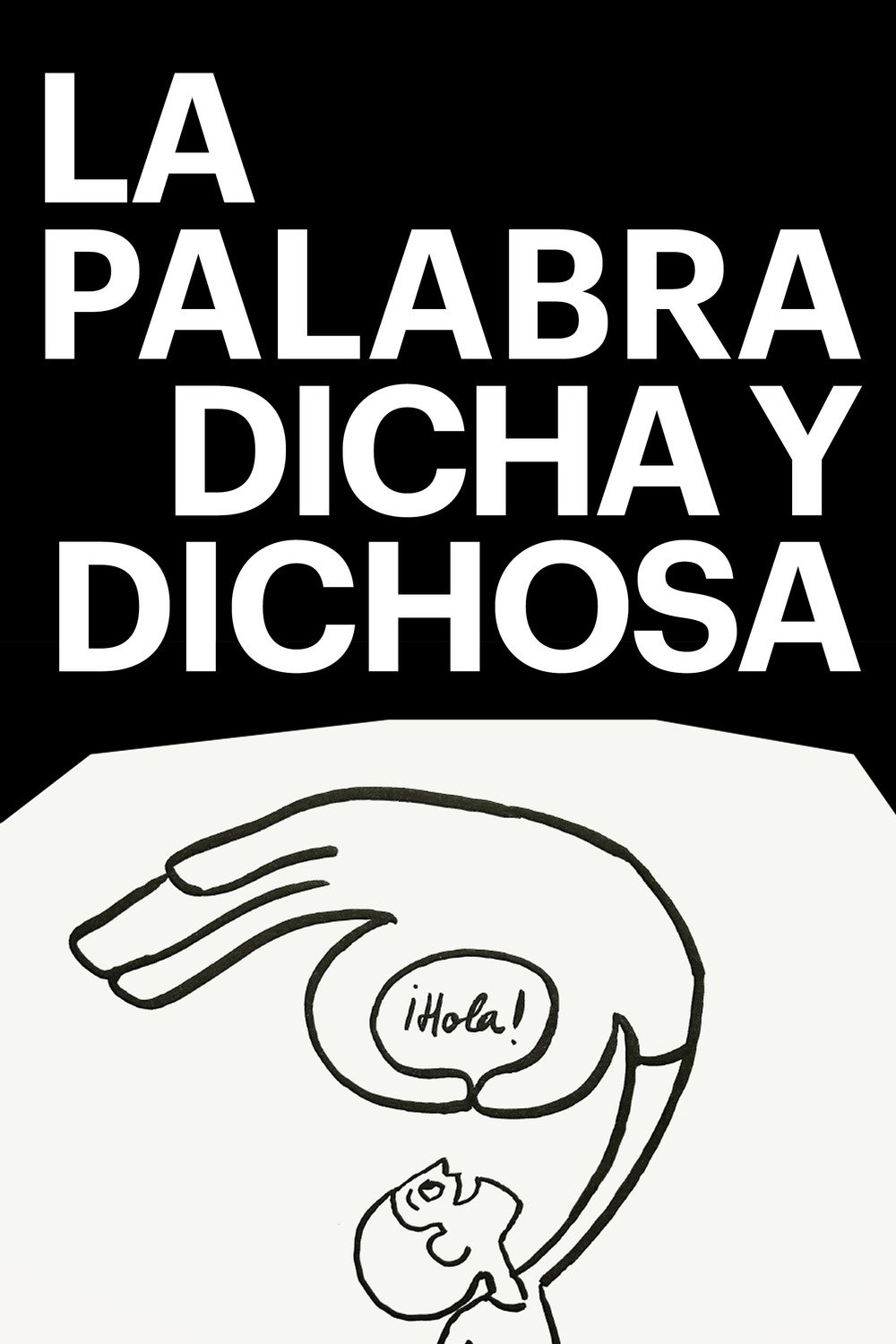
“I love poetry because it makes me feel like my mind expands.” In Regard Silence, that's the very first sentence expressed—in sign language of course. Watching the poems signed by deaf people in this film has a similarly mind-expanding effect. That’s because sign language—the Mexican version in this case—is a very different means of communication than written or spoken language.
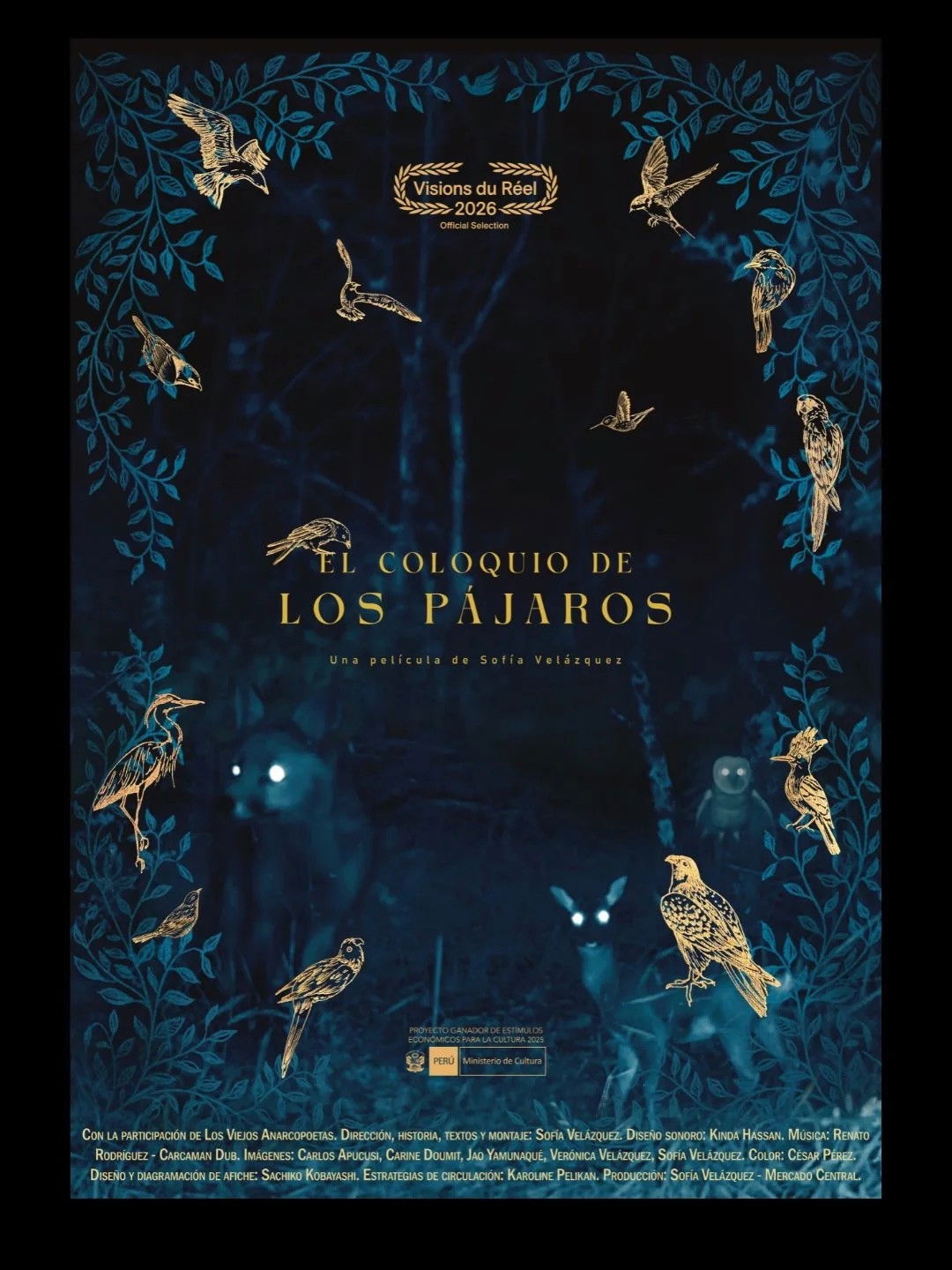
There was once a group of Peruvian anarchist poets forced into hiding who, during their secret meetings, sought to assume a non-human identity. Drawing on the famous Persian fable of the same name, the filmmaker translates the power of poetry and friendship into images and sound, serving as def iant stances against the established order.
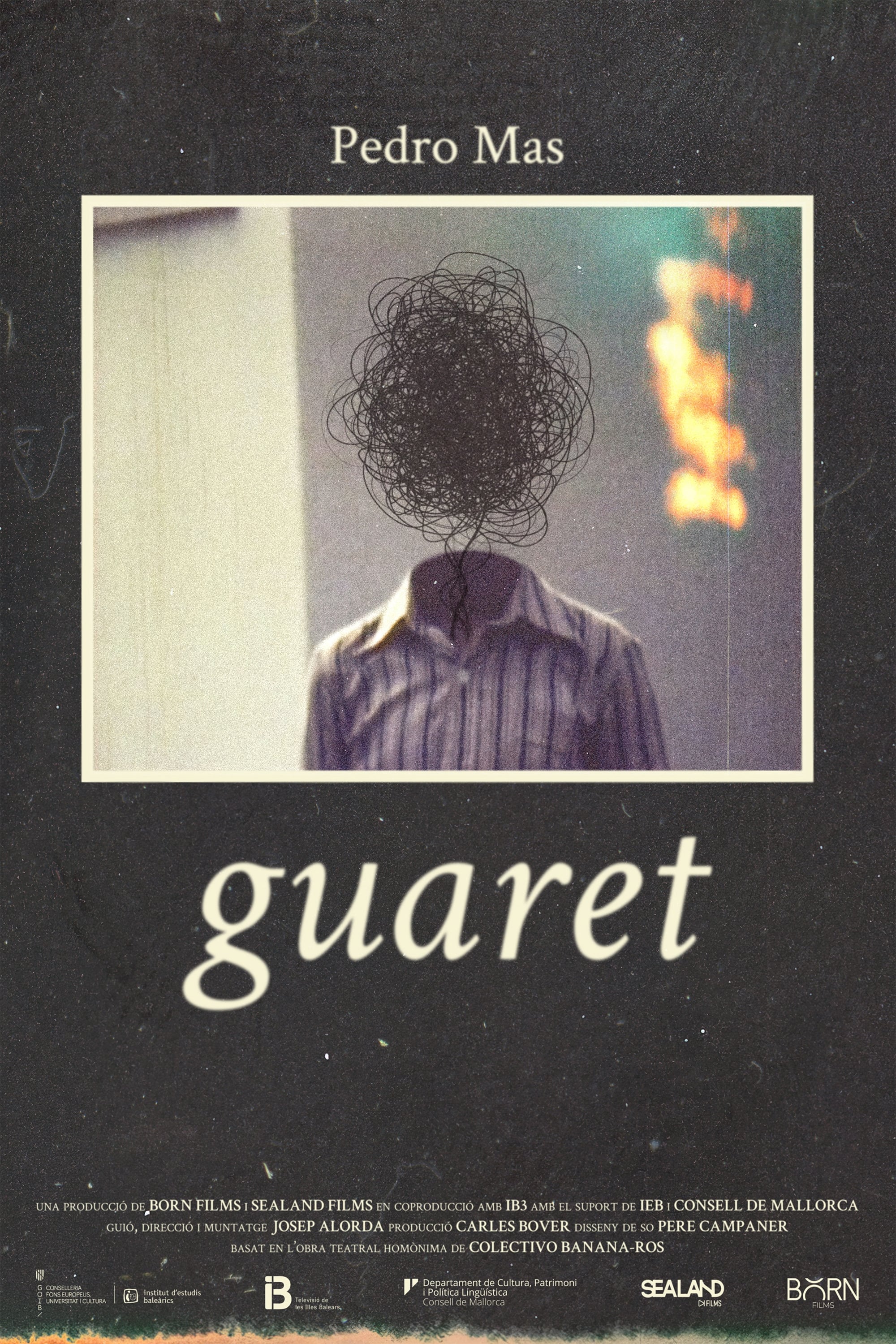
Pedro is Mallorcan, born to a mother from Burgos and a father from Mallorca. Due to his distant relationship with his father, Pedro doesn't fully master Mallorcan as a language. He turns to the works of Damià Huguet to remember his father, as only his poems can fill the void left by his death. The poet's words transport Pedro to his childhood and his roots, even though many of the words are unknown to him, despite them belonging to his language. This becomes the driving force behind the protagonist's search for his own identity, his origins, what it means to be a man, father-son relationships, collective identity, and "mallorquinness". Pedro constantly questions the emotions stirred by Huguet's poetry, and, most importantly, who he is and where he belongs.
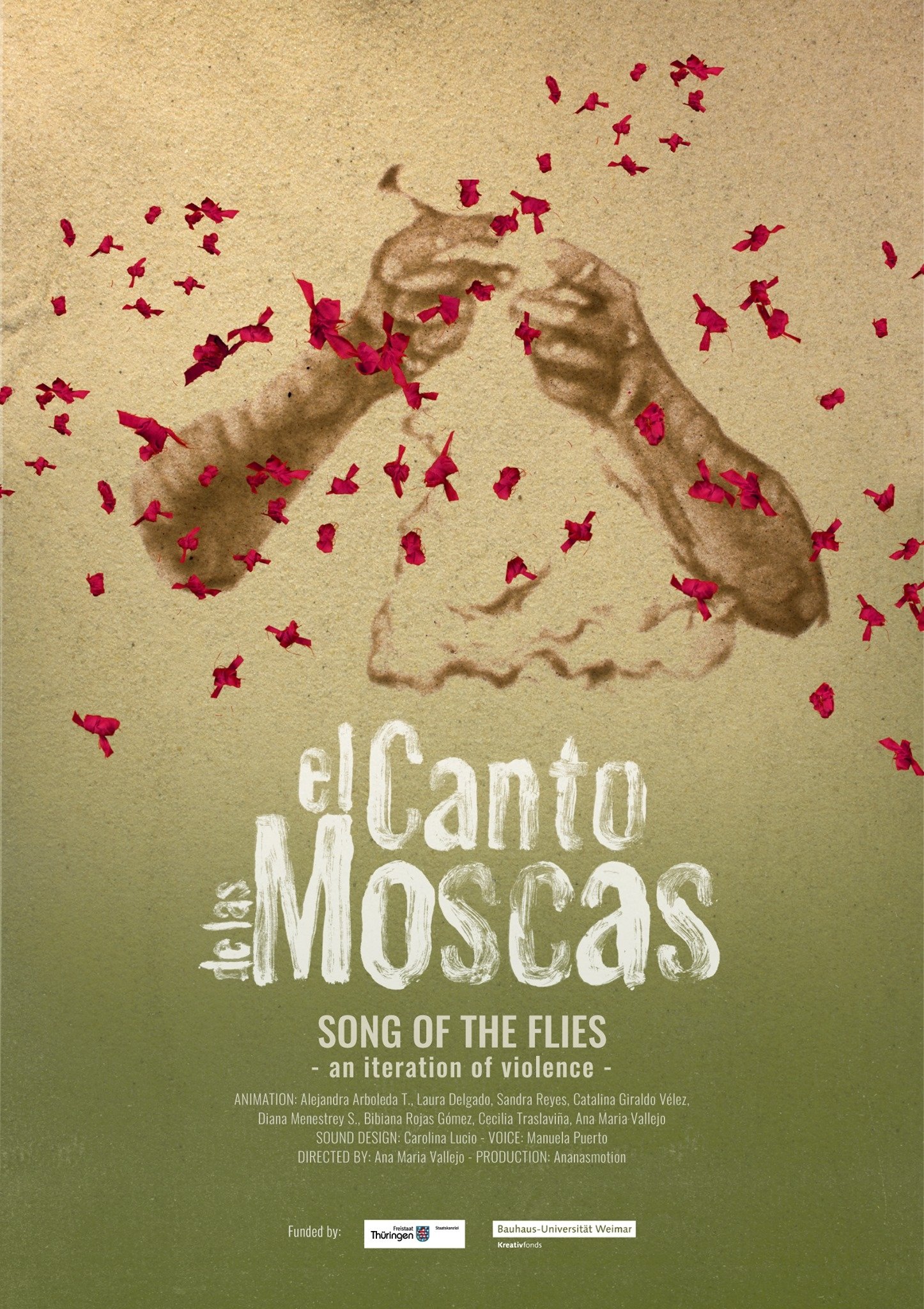
The experimental animated film Song of the Flies (El Canto de las Moscas), translates the desolation caused by the violence of the Colombian armed conflict through the poetic voice of Maria Mercedes Carranza (1945–2003) and the audiovisual dialogue between 9 Colombian women. In 24 places, as a transit over the course of a day (Morning, Day, Night) a map of terror is drawn where massacres took place in Colombia in the 1990s. Archival images, the artists’ personal memories and the use of loops and analogue materials bring to life the landscapes ravaged by violence and build a polyphony of memory and mourning, a universal song of pain.
Valentina seeks refuge from the incessant waves of her mind in the pages of her upcoming poetry book Lapislazuli, trying to keep her life from slipping away like sand through her fingers. With words from her poem Citrino, we journey through a range of emotions and feel the ups and downs of her Borderline Personality Disorder.
Portugal, 1975. A time of rough changes. A young gay artist trapped in a small seaside town ran by communist winds. Al Berto, the writer, embodies an entire moving generation. He and his friends exude youth, eccentricity and hope for the future - but right after the fall of Portugal's dictatorship system, the country is not yet ready for his love story.
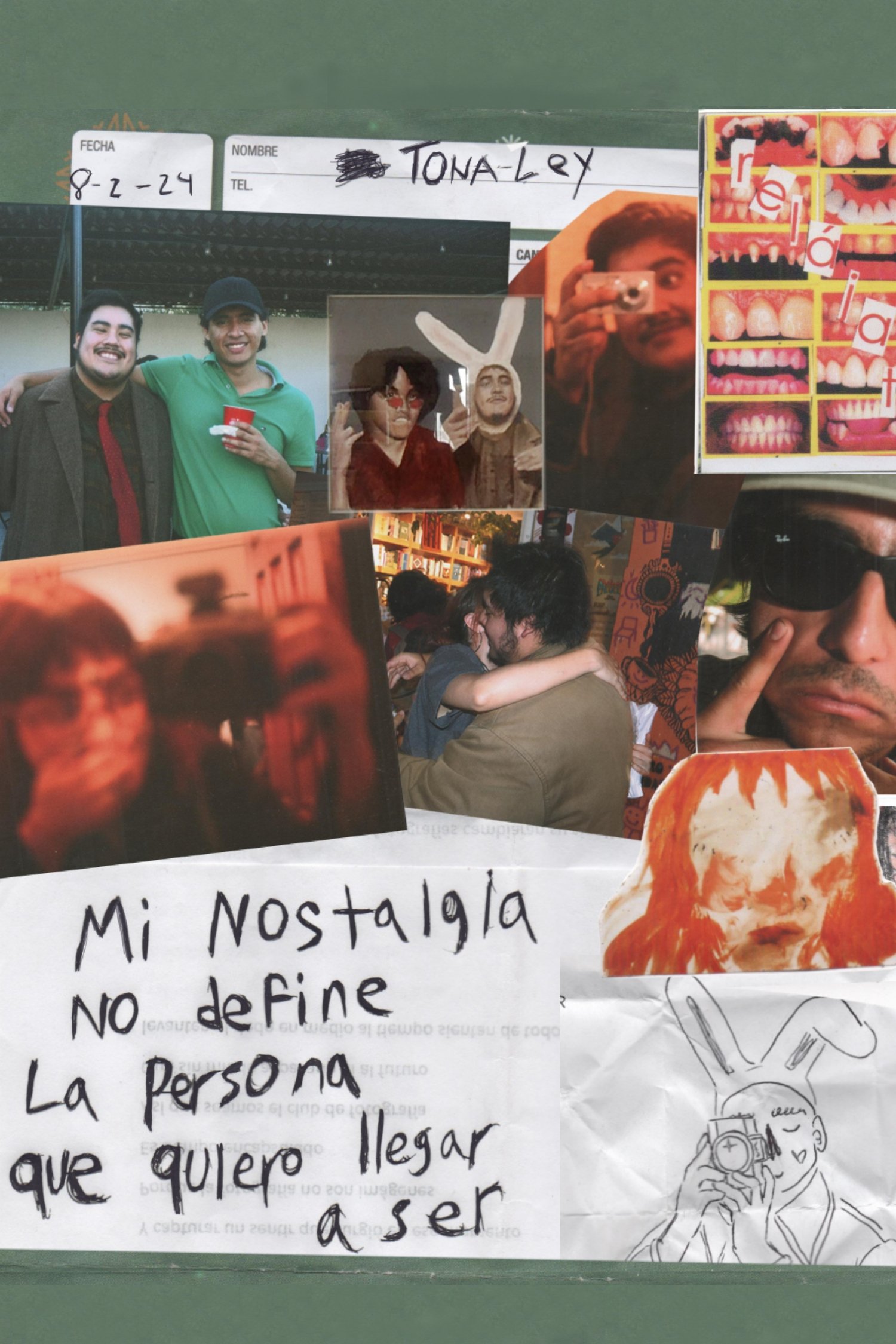
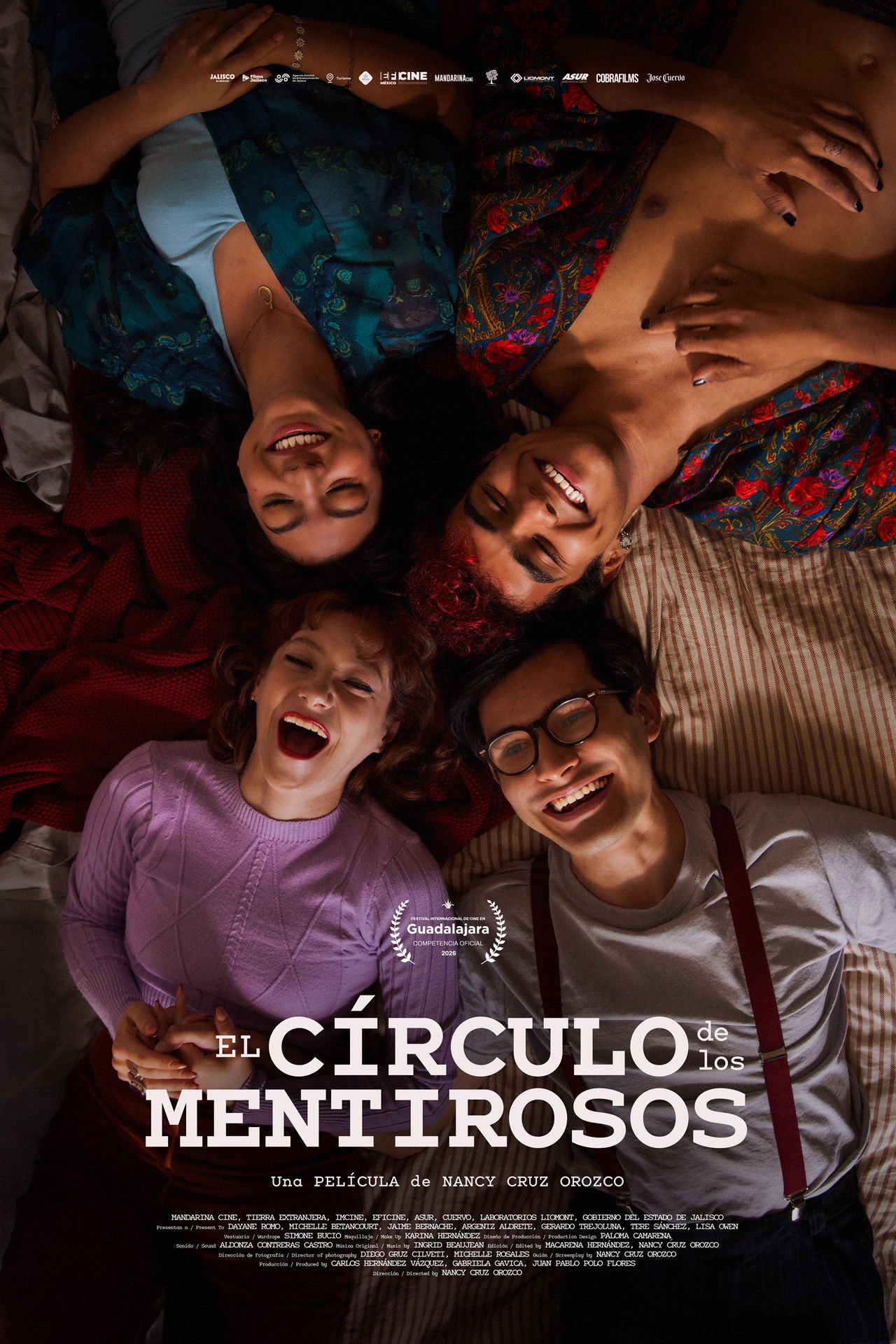
Cecilia arrives in Guadalajara for the first time to study at the Faculty of Literature and become a writer. There she meets Nicolás and Aristeo, young men who claim to be the founders—though in reality the only members—of the Underground Ultraism, a literary movement that aims to change Mexican literature. Through them, she meets Pita, an irreverent and openly bisexual poet with whom she forms a genuine bond. Cecilia finds a new sense of belonging in this group, until the friendship holding it together begins to fracture under the weight of envy.
Honoré and Grégoire prepare their mother’s funeral. They are faced with the common and individual expenses inherent to funerals in Porto-Novo (Benin). Money is the nerve of their concern.
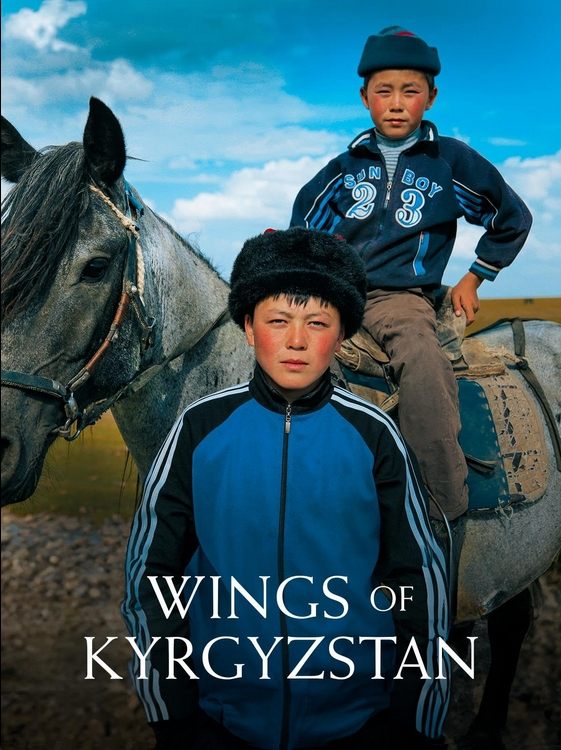
Wings of Kyrgyzstan (2019) This reverent cinematic journey is a deep lyrical look into the lives of diverse mountain families, vivid portraits of young men and women, semi nomads, who have one foot deep in their ancestral past, and one reaching for a new future.
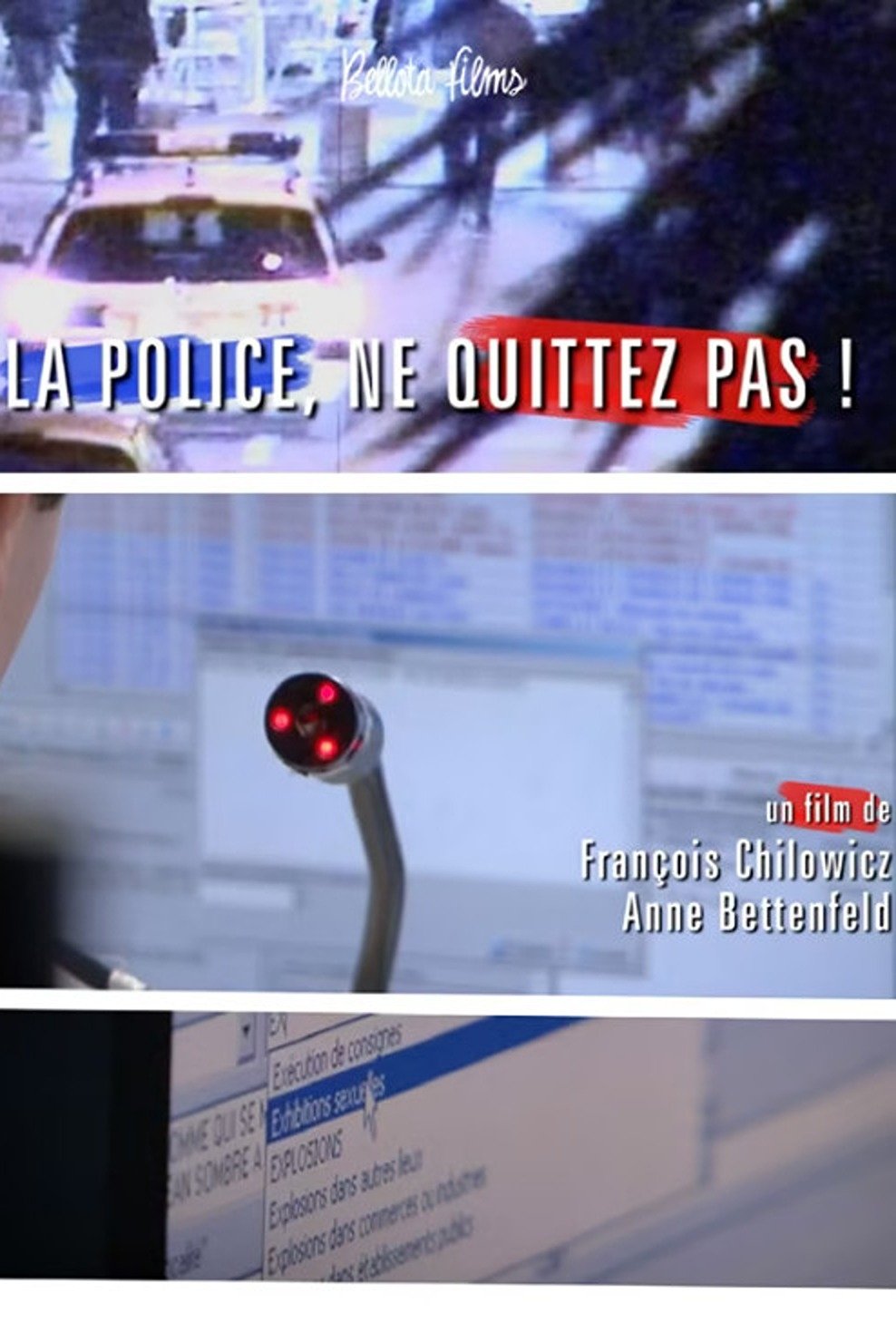
Accidents, theft, violence, disturbances. Calls to 17, the police emergency number, are intended for urgent situations. In reality, the number of calls keeps increasing, with many being considered "non-urgent." However, these calls capture raw moments of emotion, distress, or anxiety, offering insight into a society facing a growing sense of insecurity. How do officers, expected to handle everything and sometimes the impossible, manage their demanding work?
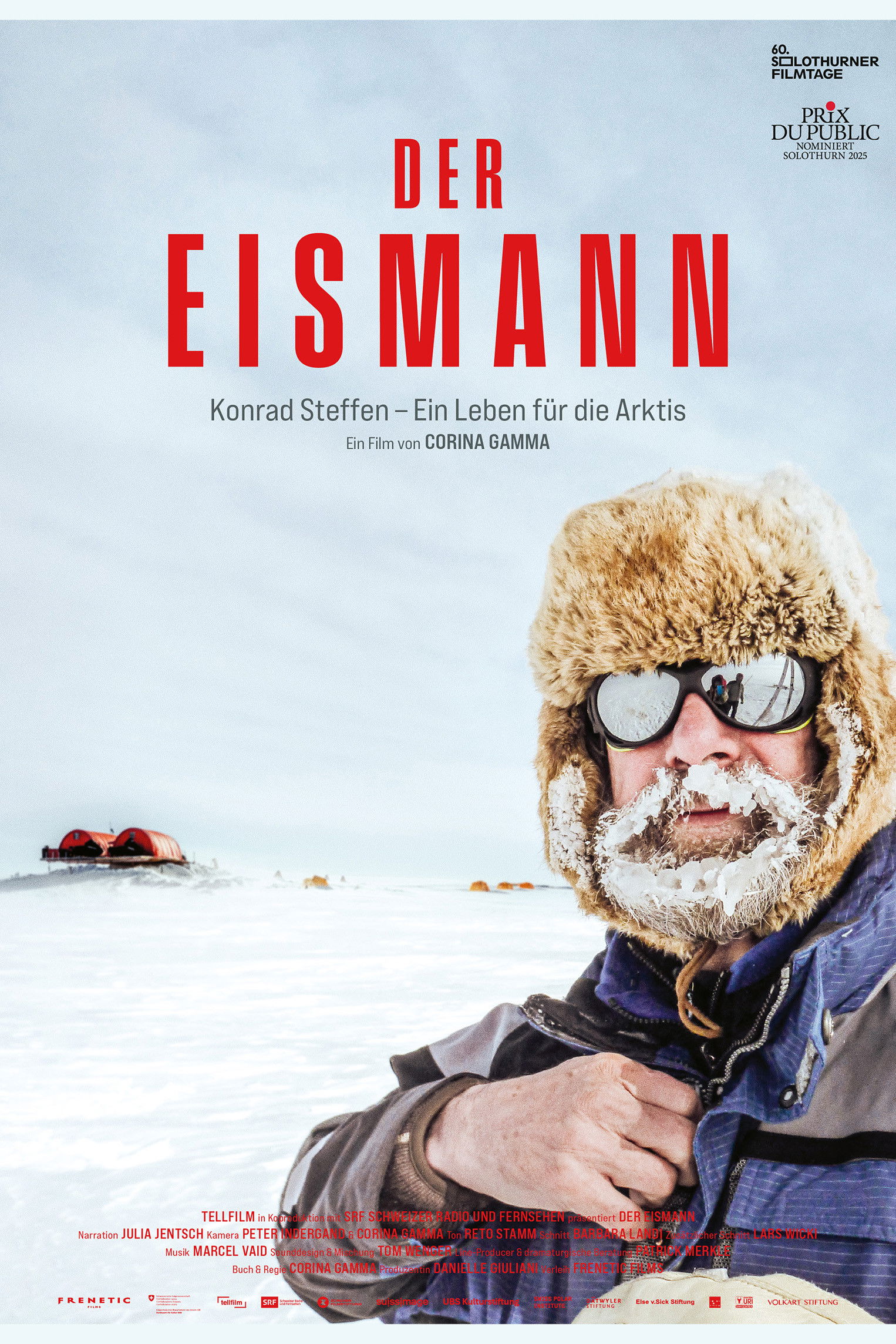
In August 2020, the well-known Swiss polar researcher Konrad Steffen died on the Greenland ice. It is suspected that he fell into a crevasse covered in fresh snow while on a routine trip to a measuring station. To this day, there is no trace of him.
The President of East Timor (Timor-Leste), Xanana Gusmao, takes us on a breathtaking and intimate journey. Revelations from the 24-year Resistance against Indonesian occupation, to the present-day challenges of the world's youngest nation.
Le Mirail, Toulouse. Crime, rioting, religion, and terrorism: it seems there is no common ground between the different communities of the ghetto. The divisions are widening beyond control. This documentary offers straight talk, rooted in time and trust. It can be direct or abrupt, sometimes even confusing or shocking, but it is essential in forming the first few threads of a dialogue. Only through learning and understanding can we resist the reflex to reject the Other.
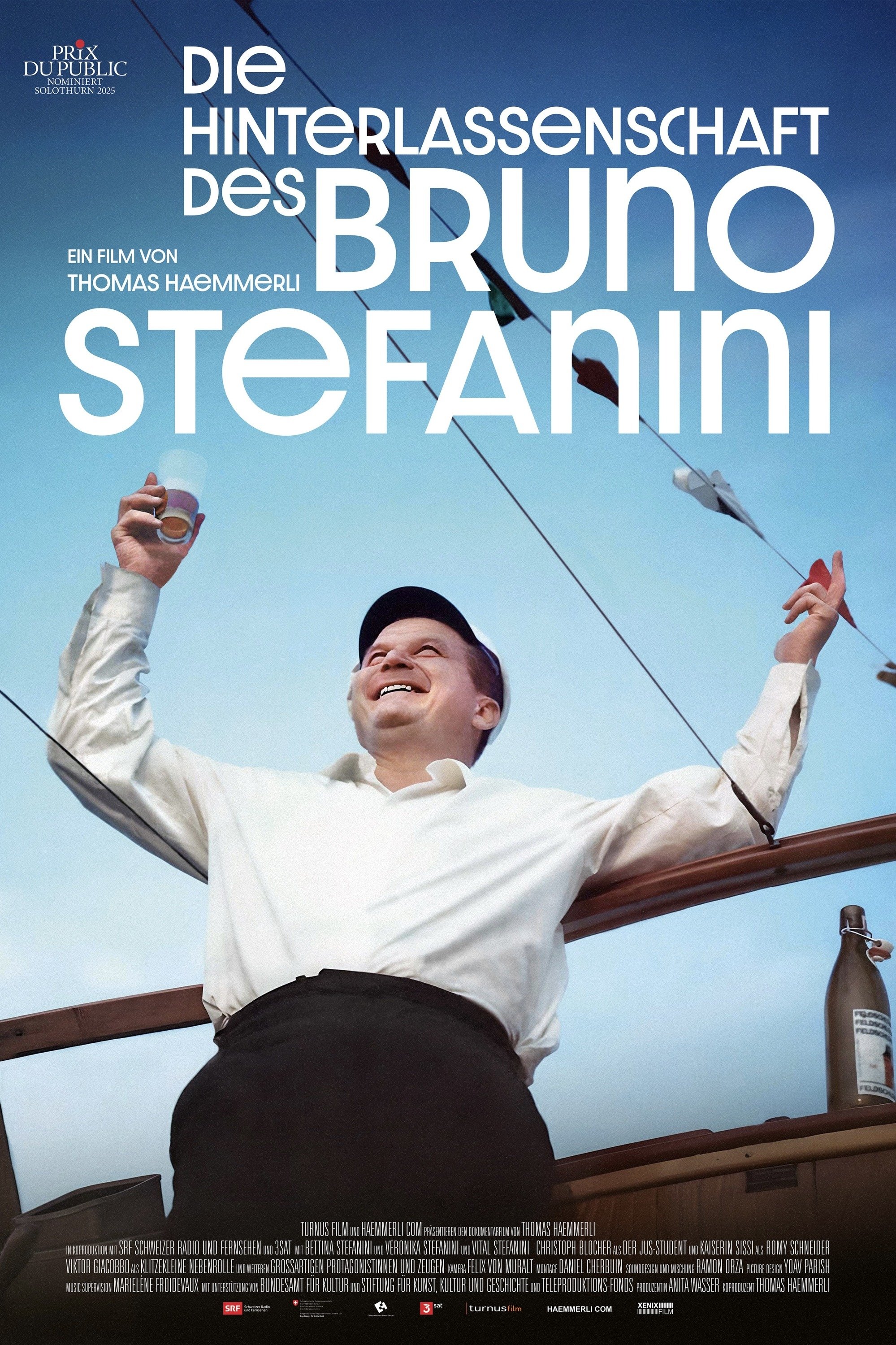
From the son of an immigrant to a billionaire building contractor: Bruno Stefanini has a crazy biography. This documentary chronicles Stefanini's conflict with army abolitionists and squatters as well as his passion for collecting everything from tanks and works of art to Empress Sissi's underpants, castles and nuclear bunkers. When he died, his entire estate was lost in a huge, moldy mess.
A documentary chronicling Queen and Lambert's incredible journey since they first shared the stage together on "American Idol" in 2009.
An inside look at one of the most anticipated movie sequels ever with James Cameron and cast.
A purely observational non-fiction film that takes viewers into the ethically murky world of end-of-life decision making in a public hospital.
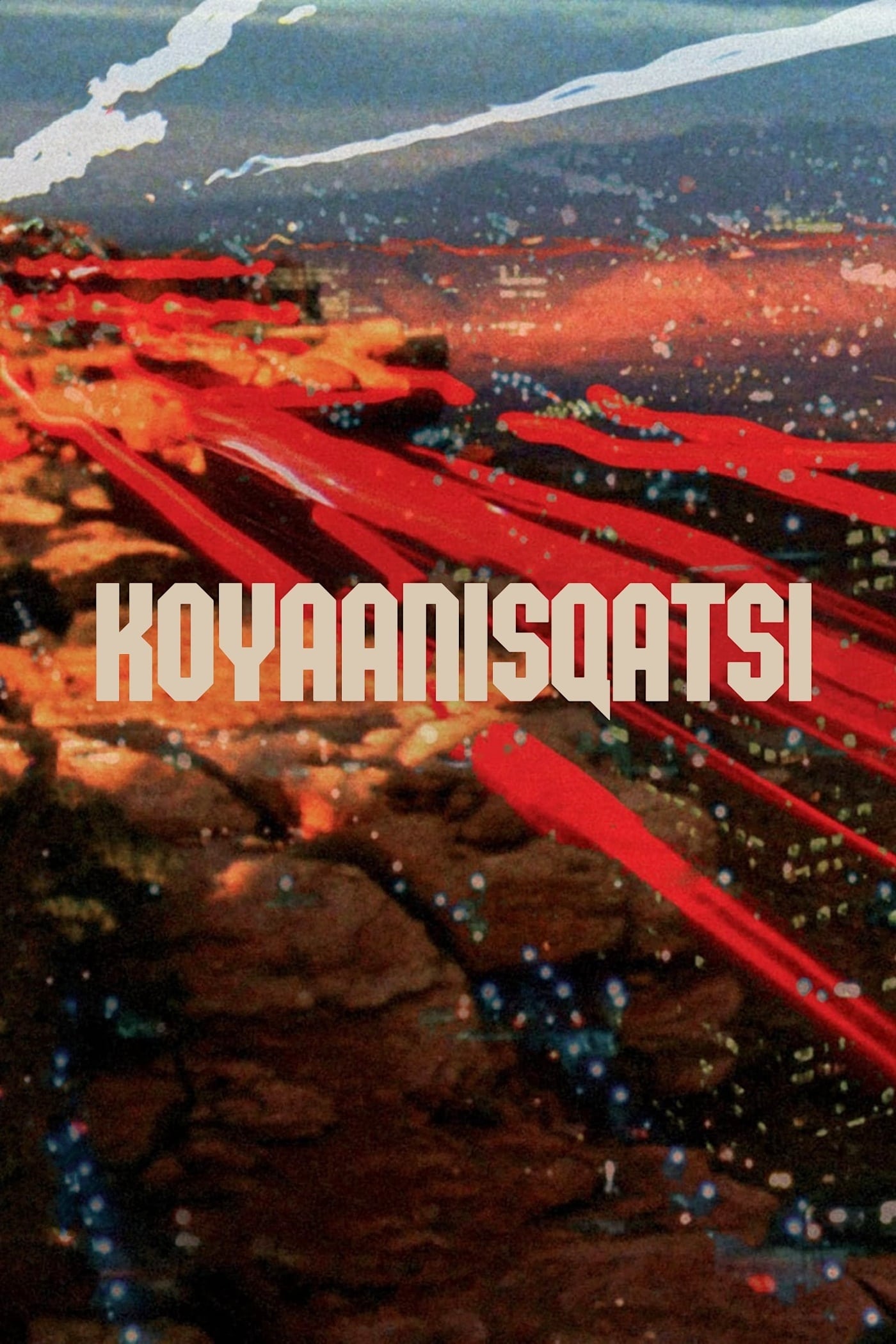
Takes us to locations all around the US and shows us the heavy toll that modern technology is having on humans and the earth. The visual tone poem contains neither dialogue nor a vocalized narration: its tone is set by the juxtaposition of images and the exceptional music by Philip Glass.
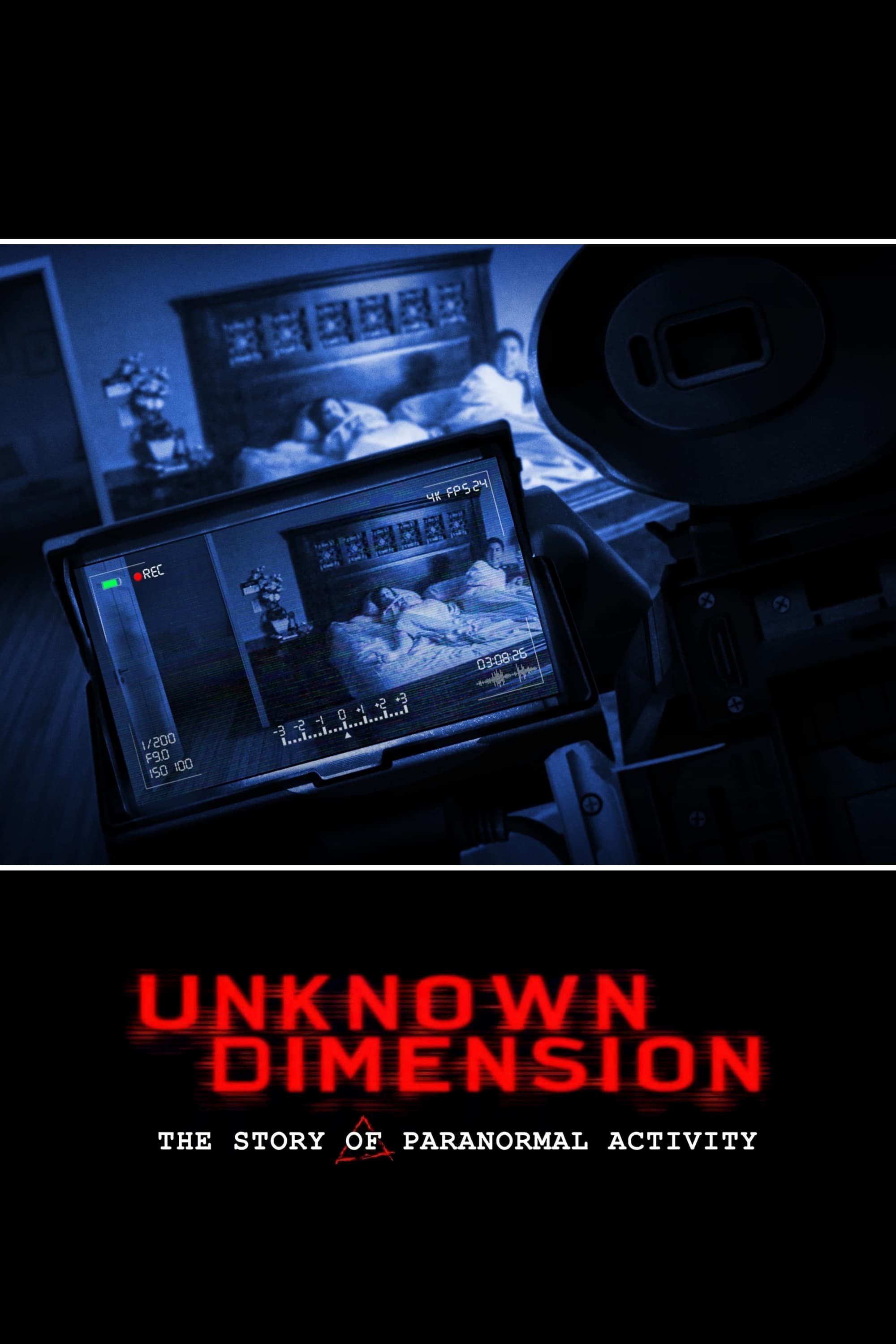
A deep dive into the making of the Paranormal Activity films with first time ever interviews with cast and crew, never-before-seen footage from the movies, and a preview of the seventh installment in the franchise.
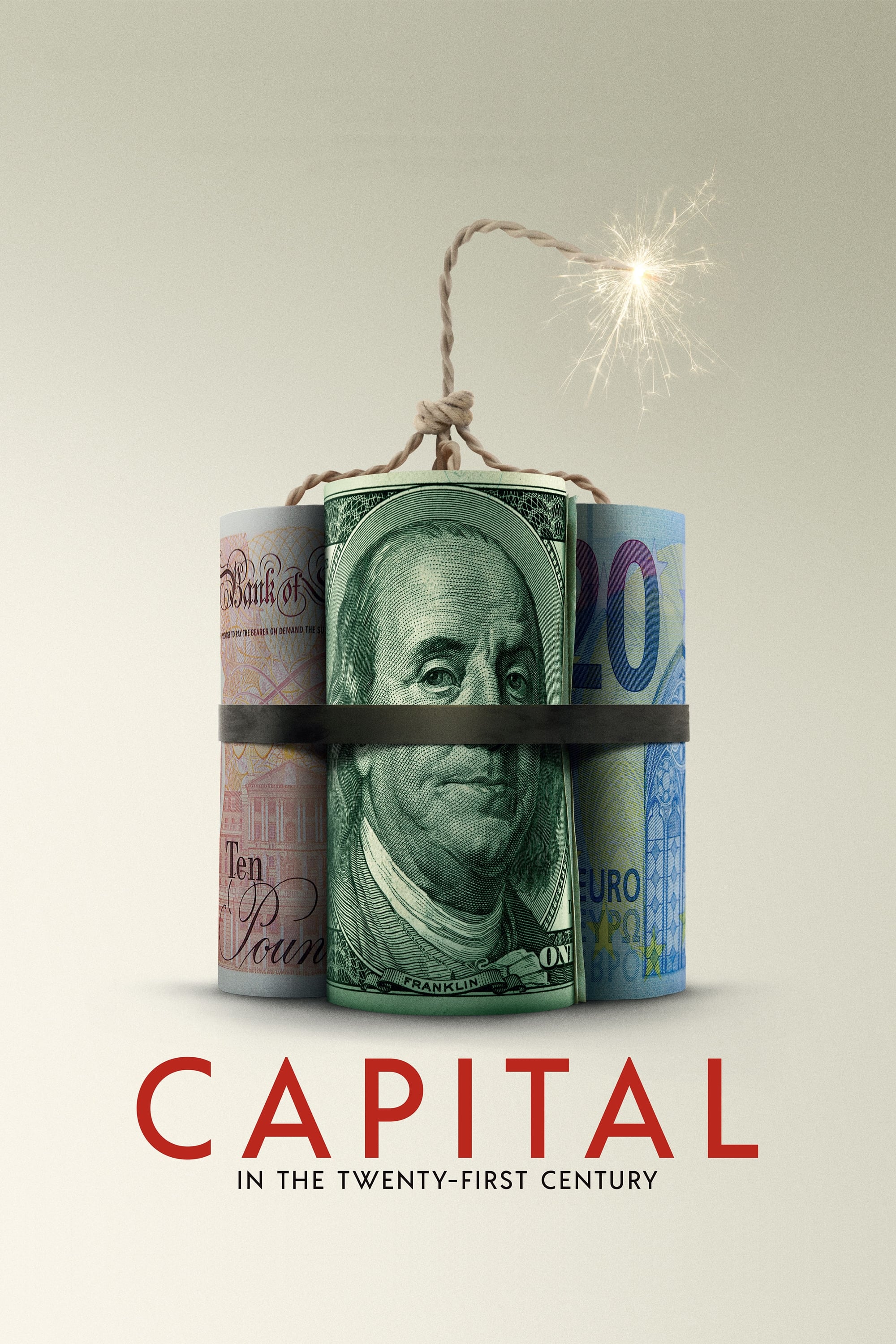
Film adaptation of French economist Thomas Piketty's ground-breaking global bestseller of the same name: an eye-opening journey through wealth and power.
SEDUCED AND ABANDONED combines acting legend Alec Baldwin with director James Toback as they lead us on a troublesome and often hilarious journey of raising financing for their next feature film. Moving from director to financier to star actor, the two players provide us with a unique look behind the curtain at the world's biggest and most glamourous film festival, shining a light on the bitter-sweet relationship filmmakers have with Cannes and the film business. Featuring insights from directors Martin Scorsese, 'Bernando Bertolucci' and Roman Polanski; actors Ryan Gosling and Jessica Chastain and a host of film distribution luminaries.
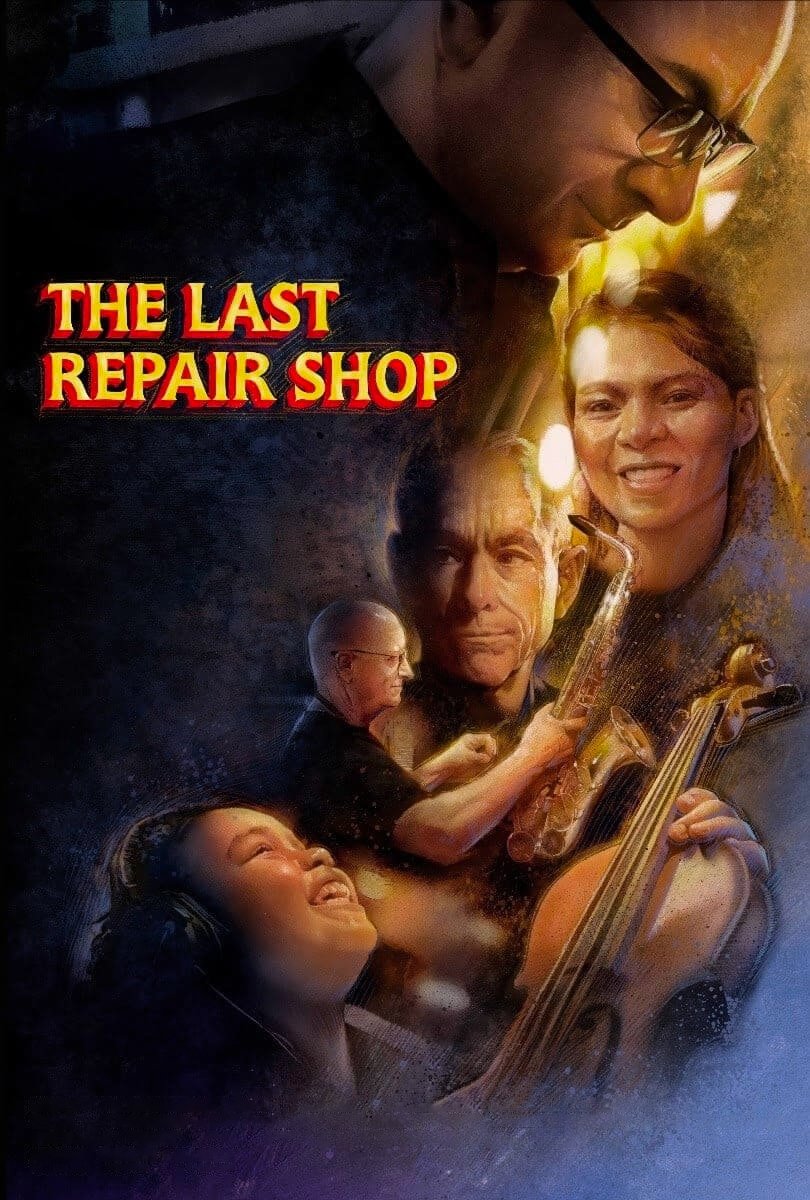
In a warehouse in the heart of Los Angeles, a dwindling handful of devoted craftspeople maintain more than 80,000 student musical instruments, the largest remaining workshop in America of its kind. Meet four unforgettable characters whose broken-and-repaired lives have been dedicated to bringing so much more than music to the schoolchildren of this city.
Daniel Craig candidly reflects on his 15 year adventure as James Bond. Including never-before-seen archival footage from Casino Royale to the upcoming 25th film No Time To Die, Craig shares his personal memories in conversation with 007 producers, Michael G Wilson and Barbara Broccoli.
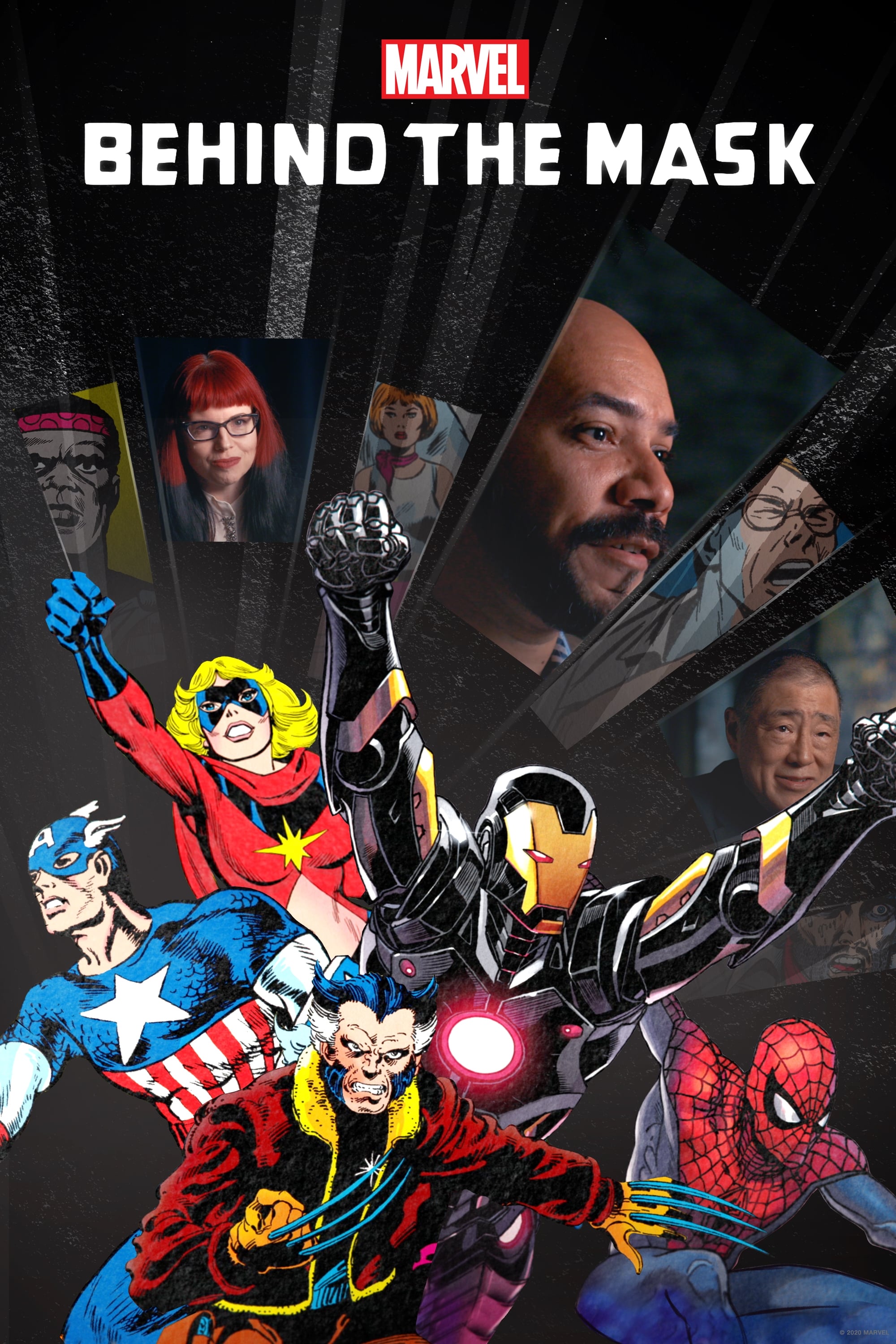
A documentary special that explores the power of identity behind the iconic superheroes we know and love today. These legendary Marvel creations and stories have not only reflected the world outside our window – they have become a reflection of our own identities and who we truly are.
Musician and performance artist Laurie Anderson reflects on the deaths of her husband Lou Reed, her mother and her beloved dog.
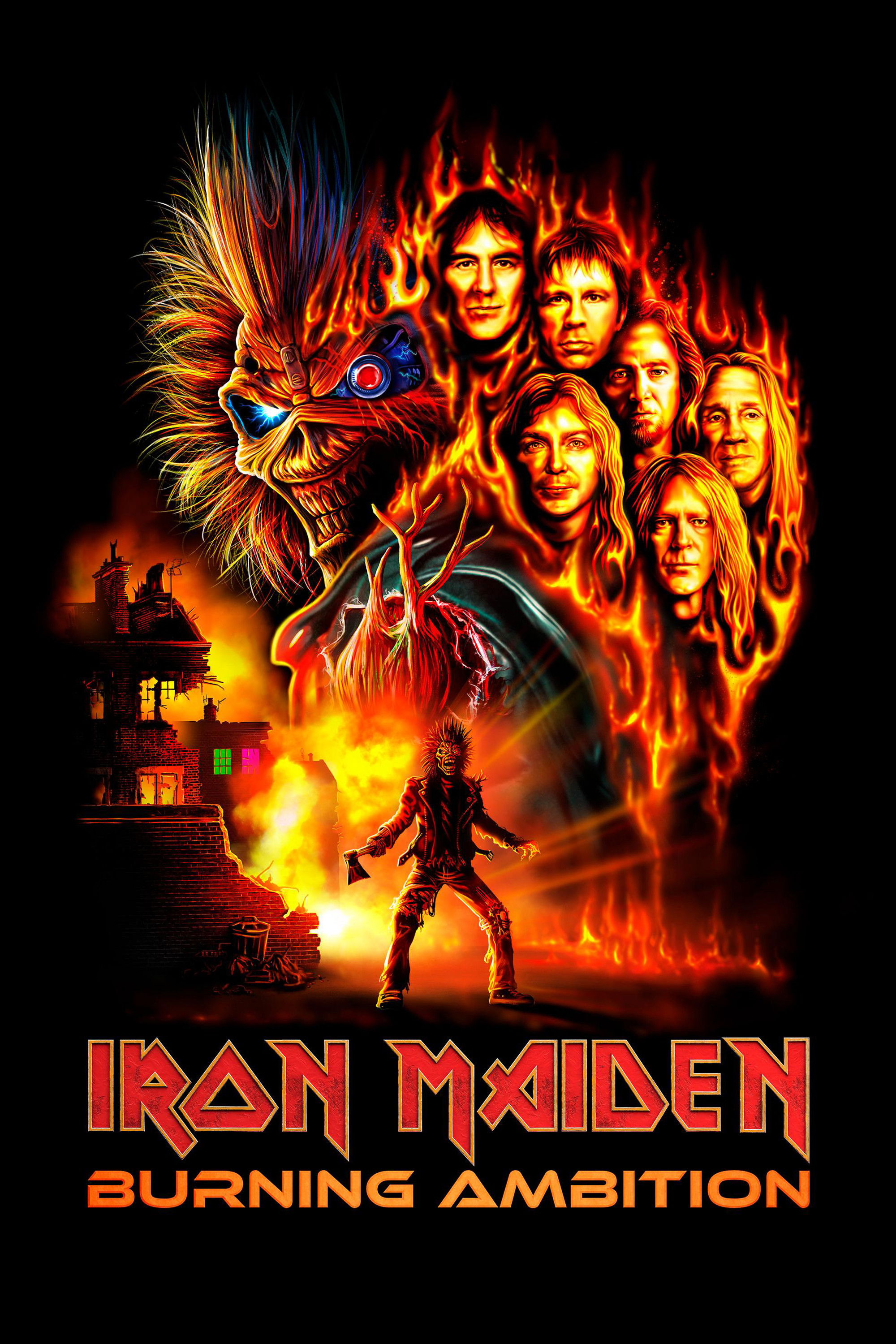
With unprecedented access to the official archives and intimate recollections from the band, both current and past, Iron Maiden: Burning Ambition invites fans to experience one of the most iconic journeys in music history. Spanning five decades, this electrifying documentary charts the band’s rise from the pubs of East London to the world’s biggest stadiums. Featuring exclusive interviews with band members and contributors such as Javier Bardem, Lars Ulrich and Chuck D, as well as all-new animated sequences of the band's legendary mascot, Eddie, the film offers a rare and intimate look at Iron Maiden’s uncompromising vision and unwavering connection with their truly global army of fans.
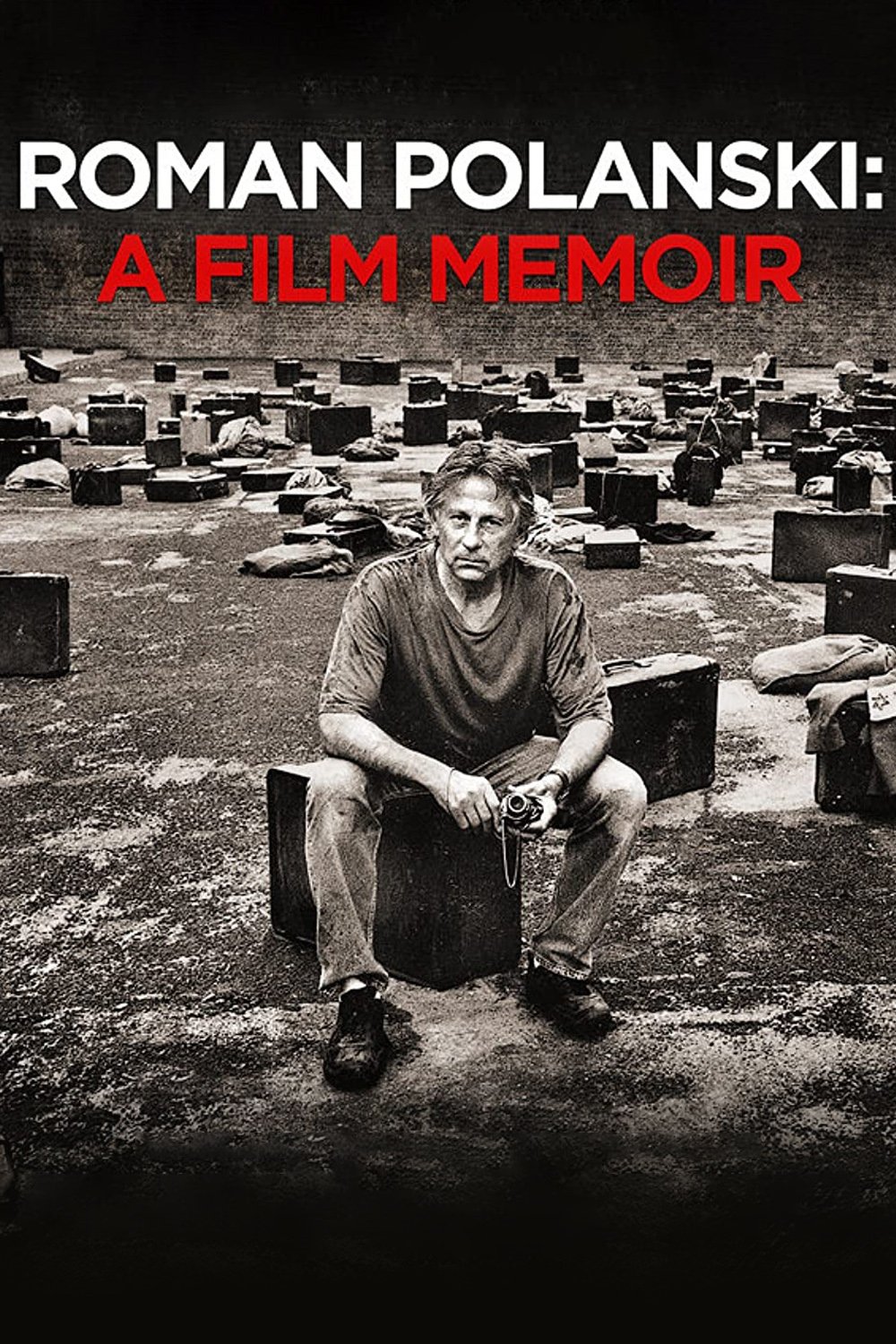
An interview with film director Roman Polanski conducted during his period of house arrest, discussing his life and work.
Through deeply personal interviews with her siblings and an examination of the photographs, letters, and belongings left behind, Mariska assembles a new portrait of her mother Jayne Mansfield, an extraordinary and complex woman.
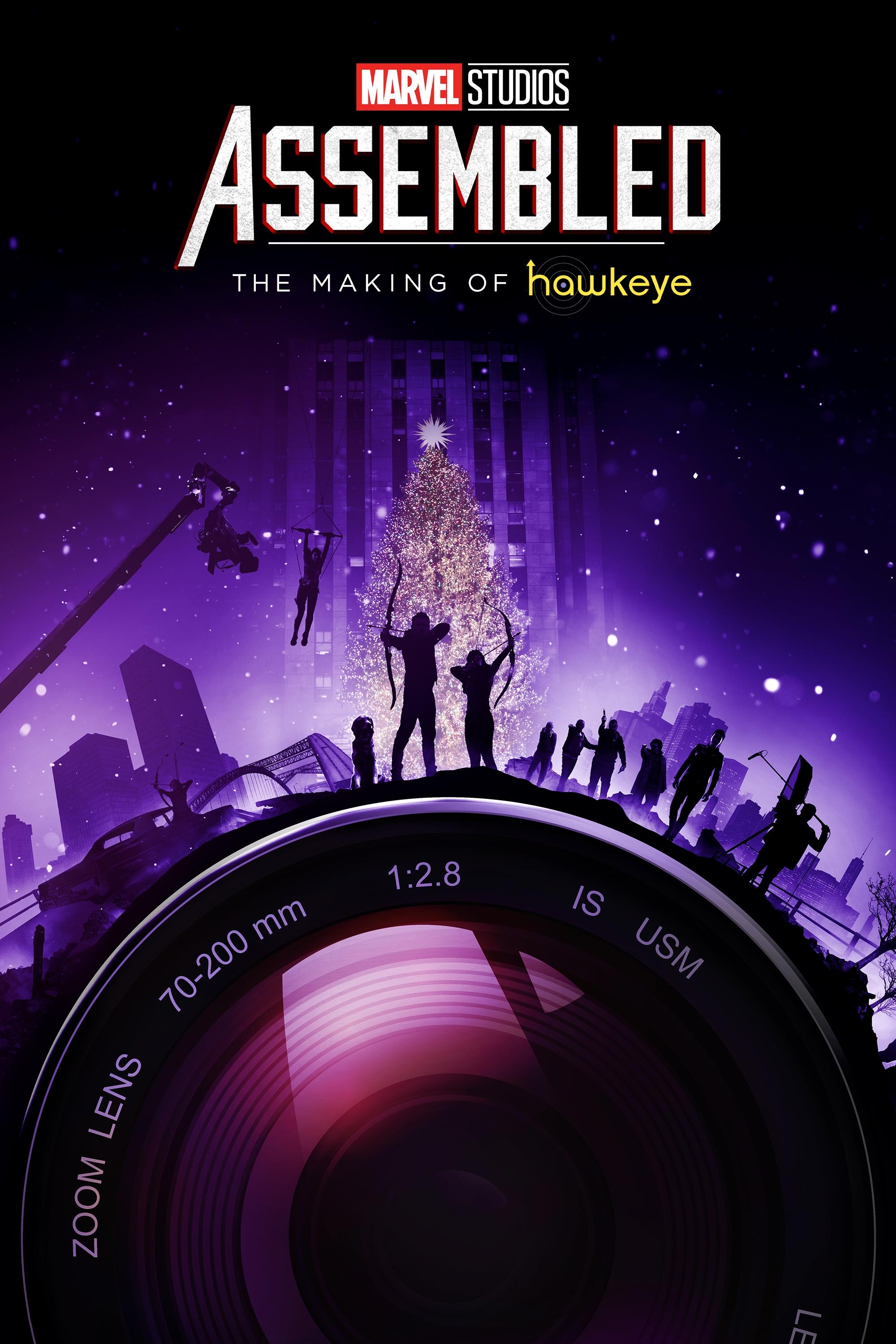
Join the likes of Jeremy Renner, Hailee Steinfeld, Florence Pugh, and Vincent D’Onofrio as they reveal how Marvel Studios’ “Hawkeye” was conceived and created. Witness firsthand what it took to pull off the show’s pulse-pounding action set pieces, and discover how iconic characters from the pages of Marvel Comics such as Kate Bishop were adapted and brought to life for the six-episode series.
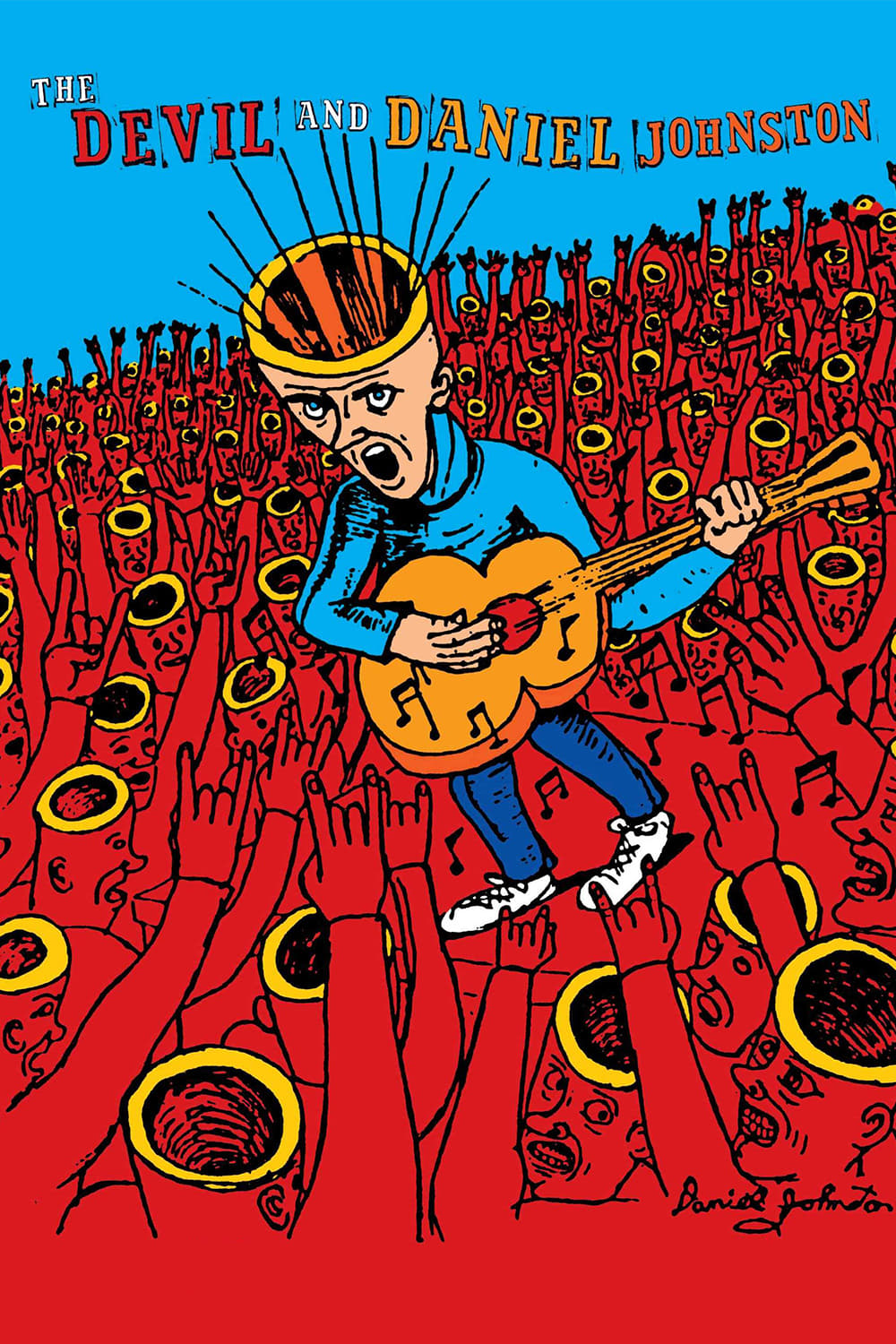
This 2005 documentary film chronicles the life of Daniel Johnston, a manic-depressive genius singer/songwriter/artist, from childhood up to the present, with an emphasis on his mental illness and how it manifested itself in demonic self-obsession.
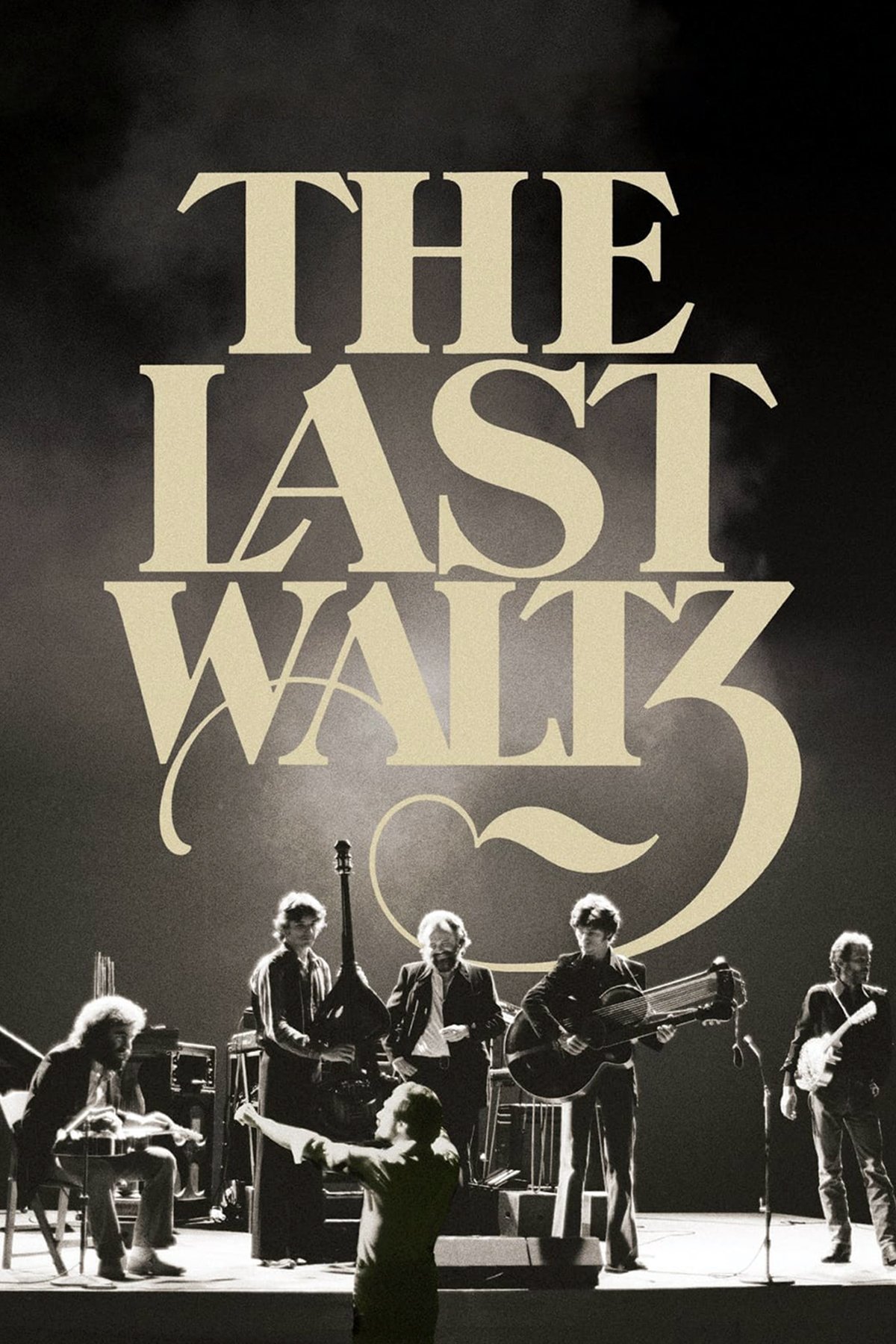
Martin Scorsese's documentary intertwines footage from The Band's incredible farewell tour with probing backstage interviews and featured performances by Eric Clapton, Bob Dylan, Joni Mitchell, Van Morrison, and other rock legends.
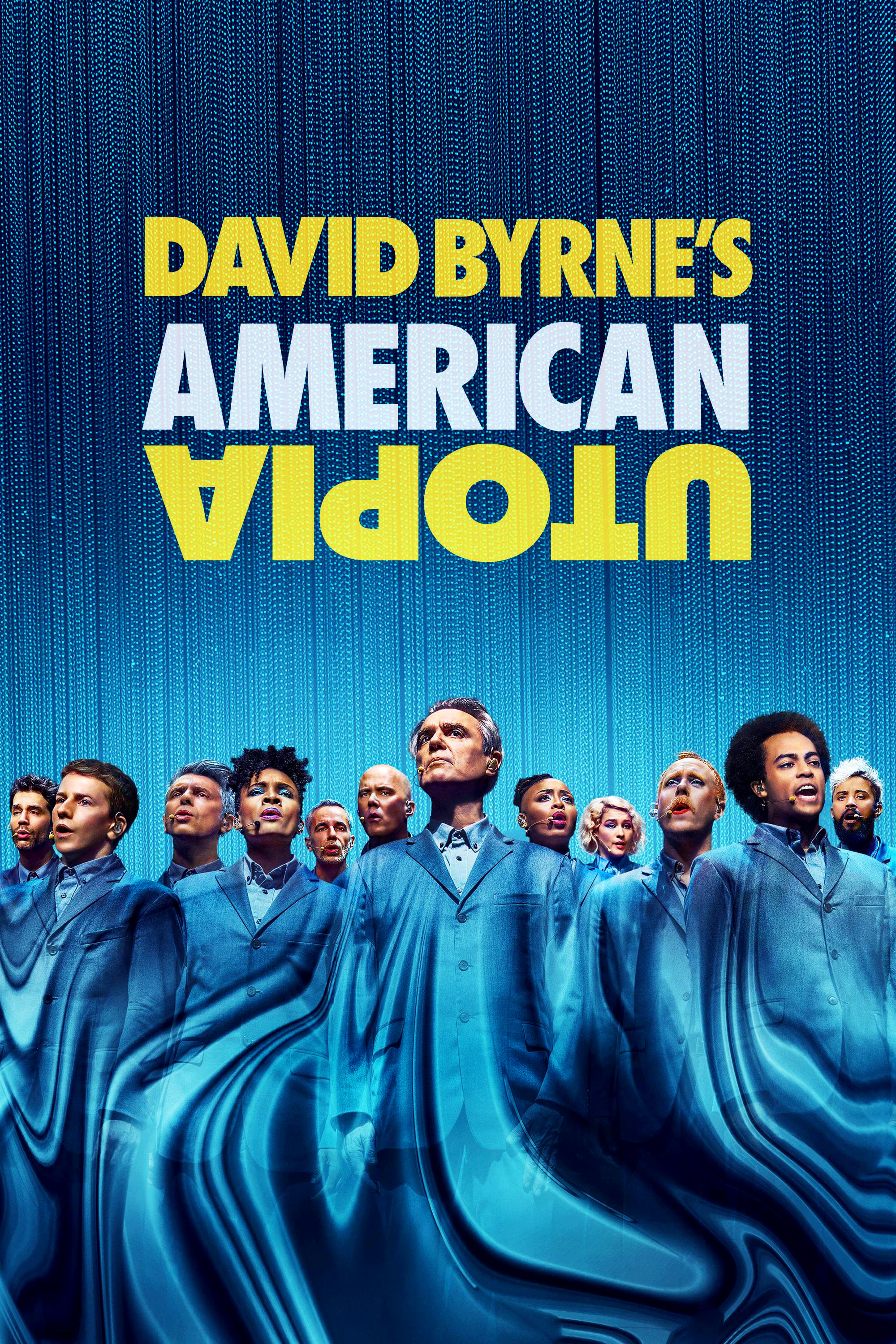
A filmed version of David Byrne's Broadway show, a unifying musical celebration that inspires audiences to connect to each other and to the global community.
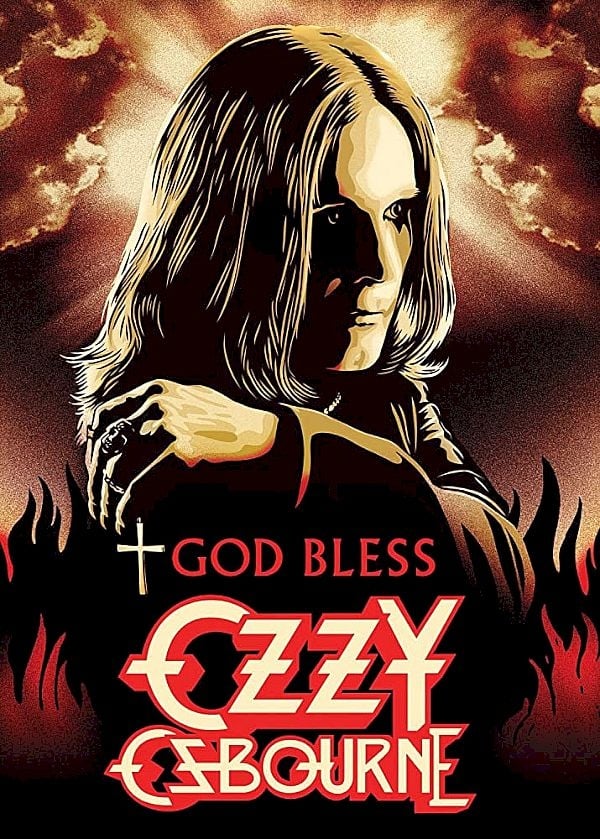
Featuring never before seen footage uncovered from the archives and interviews with Paul McCartney, Tommy Lee and others, God Bless Ozzy Osbourne is the first documentary to take viewers inside the complex mind of rock's great icon.
JB Smoove and Martin Starr host a celebration of 20 years of "Spider-Man" movies, from the Sam Raimi trilogy to Marc Webb's movies and the trio from Jon Watts.