Social & External
The people behind it
Featuring expert insights and informative graphics, this documentary takes a deep dive into the story of McDonald's, a brand that revolutionized the way we eat and consume.
Debunking the mythology surrounding the 16th century French prophet, Nostradamus.
A modern and fast-paced cinematic documentary that aims to trace, understand and demonstrate the historical and unwavering links between the United States, Bordeaux and its wines. An investigation like no other, Eastbound Westbound lets the viewer understand how this Franco-American friendship around Bordeaux wines had its starting point in the 18th century around the greatest connoisseur of fine wines and lover of Bordeaux, the American Thomas Jefferson, US Ambassador to Paris and third President of the United States. To better demonstrate Thomas Jefferson’s legacy, this intimate relationship between the two winegrowing continents is illustrated through interlinked portraits of wine families, from many and varied backgrounds but all sharing a real passion for wine. Leading players in their field, they produce some of the best wines in the world.
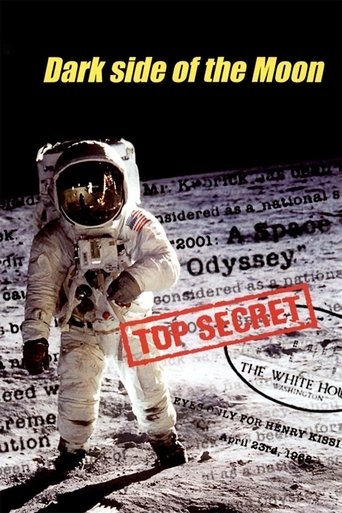
A French documentary or, one might say more accurately, a mockumentary, by director William Karel which originally aired on Arte in 2002 with the title Opération Lune. The basic premise for the film is the theory that the television footage from the Apollo 11 Moon landing was faked and actually recorded in a studio by the CIA with help from director Stanley Kubrick.
A fascinating archaeological and scientific investigation on the world's best-selling book. When was the Bible written ? Who wrote it? Under what circumstances ? For what purpose ? These questions have long remained unanswered. With the discovery of the Dead Sea Scrolls in 1947, the thorough study of the texts, the advances in science, and the recent archaeological discoveries, one of the greatest historical mysteries is gradually being unveiled. Meet the most eminent specialists in the Bible who try to unearth brand new information and answer the enigmatic and fundamental question : who wrote the Holy Book ?
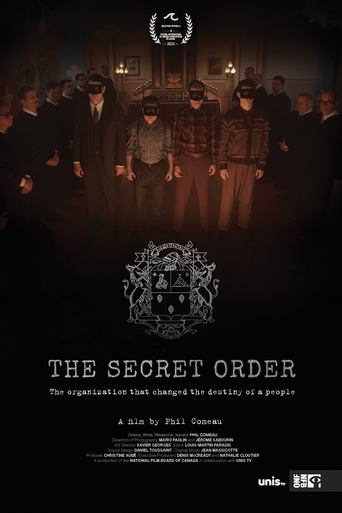
For decades, pupils at the children's village of Riaumont, in northern France, run by Catholic monks and priests, were abused: until 2019, thousands of children suffered beatings, forced labor and sexual violence.
The incredible story of Lucrezia Borgia (1480-1519), daughter of Pope Alexander VI (1431-1503), deliberately used politically by her powerful family and historically slandered as a poisoner and incestuous femme fatale. But who was the real Lucrezia?
A day-to-day record of the construction of the Confederation Bridge linking Prince Edward Island to the mainland, Abegweit reveals some of the innovations that made this mammoth project one of the most impressive engineering feats in Canadian history.
Coffee is the second most important commodity in the world after oil. The drink has a long history and what's more, its effect seems to be stimulating in two senses.
She's been around for so many decades but hasn't aged a day. She's had more than 180 different jobs; she's been president, she's been to the moon, and she's done all the things that women aspire to do. She has a massive closet, and thousands of different outfits. Barbie is way more than just a 12-inches long piece of plastic, she is way more than a toy. The legendary blond bombshell has grown into a phenomenon and a children's sensation. Wildly revolutionary, Barbie broke barriers, shattered glass ceilings, and has inspired countless dreams, wonder and imagination, with her signature color: Pink. The history of the doll is a testament to its enduring appeal and impact. Things have changed for her the same way things changed for women. Whatever we may think about Barbie - love or loathe her - it is impossible to ignore her worldwide impact. Let's step into the beautiful world of Barbie and take a look at her cultural revolution through the decades.
In one of those wonderful coincidences of history, lumière, the French word for “light,” was also the last name of brothers Auguste and Louis, whose brilliant invention, the cinematograph, helped to inaugurate the most beloved art form of the last 130 years. Institute Lumière director Thierry Frémaux uses Lumière, Le Cinema! to guide the viewer through over a hundred shorts—some famous, some forgotten, some never before seen—directed by Lumière and company. In the process, Frémaux illuminates how the brothers employed the camera as a creative instrument as they (and their operators) mastered framing, staging, and subject selection for quotidian and exotic microdocumentaries as well as the first ever fictional motion pictures. The result is not only a glorious re(telling) of the genesis of cinema but a profound meditation on the beautiful world captured—and the mysterious world imagined—by the Lumières.
By decoding ancient hieroglyphic texts, Jean-François Champollion gave voice to an enigmatic civilization, but behind his legendary feat is a mysterious brother who made it possible. The recent discovery of correspondence between Jean-François Champollion and his brother Jacques-Joseph now allows us to fully understand how a young, self-taught genius was able to make one of the most important discoveries of the 19th century. Without the ingenuity and unfailing support of his older brother, Jean-François would never have succeeded in solving this enigma, which had international repercussions. With animated sequences of their private correspondence, and with the help of archives and expert analysis, this film revisits this unique scientific, human and intellectual adventure to celebrate the bicentenary of the decoding of hieroglyphics.
Louis XIV's ship La Lune was wrecked off Toulon in November 1664. The ship was returning from an expedition to the Barbary Coast with nearly one thousand people on board, simple seamen or nobles of the highest rank. Discovered by a submarine in 1993, the wreck lies in 90 metres of water. In a state of magificent preservation, like some underwater Pompei, she will, starting in 2012, be the subject of an exceptional archeological investigation, bringing together history and robotics, the expertise of archeologists and the passion for the deep.
The story of Nisar Ahmed Khan, told through his children and the people he served, a spiritual guide whose followers still visit his tomb on his birth and death anniversaries. And alongside how his family spends a few days at the village keeping his traditions alive.
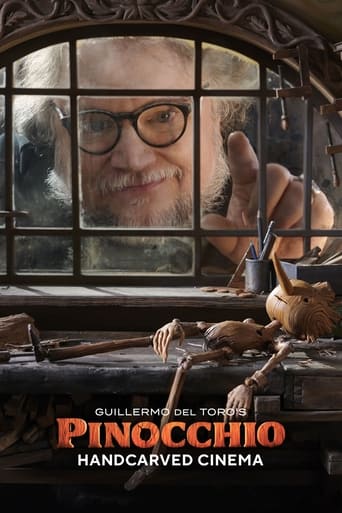
With mesmerizing footage and time lapses of animators at work, this behind-the-scenes special captures the artistry of a unique tale years in the making.
Director Claude Lanzmann spent 11 years on this sprawling documentary about the Holocaust, conducting his own interviews and refusing to use a single frame of archival footage. Dividing Holocaust witnesses into three categories – survivors, bystanders, and perpetrators – Lanzmann presents testimonies from survivors of the Chelmno concentration camp, an Auschwitz escapee, and witnesses of the Warsaw Ghetto Uprising, as well as a chilling report of gas chambers from an SS officer at Treblinka.
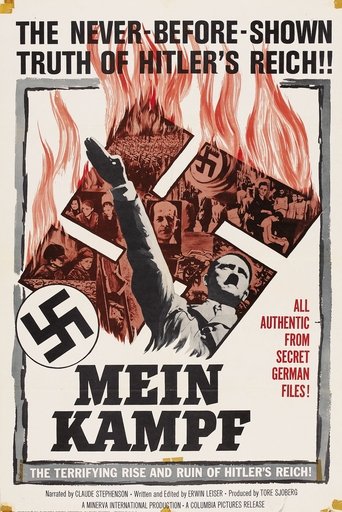
Filmmaker Alain Resnais documents the atrocities behind the walls of Hitler's concentration camps.
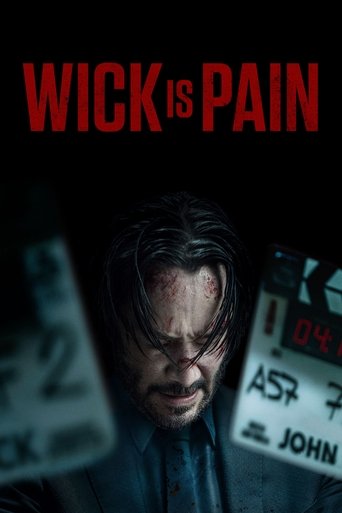
Witness the never-before-seen footage and true story behind the John Wick phenomenon – from independent film to billion-dollar franchise.
A look behind the lens of Christopher Nolan's space epic.
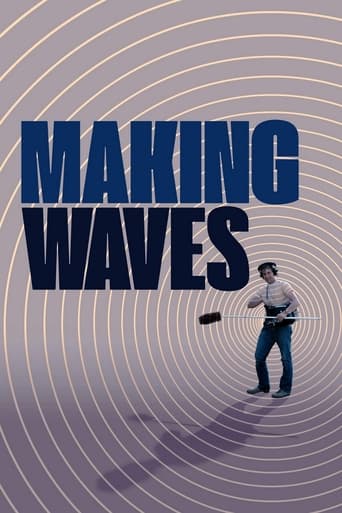
The history of cinematic sound, told by legendary sound designers and visionary filmmakers.
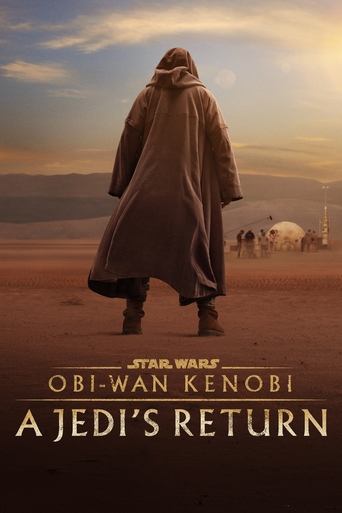
This special explores the return of Obi-Wan Kenobi and Anakin Skywalker to the screen, as well as Ewan McGregor and Hayden Christensen to their classic roles. Director Deborah Chow leads the cast and crew as they create new heroes and villains that live alongside new incarnations of beloved Star Wars characters, and an epic story that dramatically bridges the saga films.
The film goes behind the scenes of the 1999 sci-fi movie The Matrix.
An account of the extraordinary life of film pioneer Georges Méliès (1861-1938) and the amazing story of the copy in color of his masterpiece A Trip to the Moon (1902), unexpectedly found in Spain and restored thanks to the heroic efforts of a group of true cinema lovers.
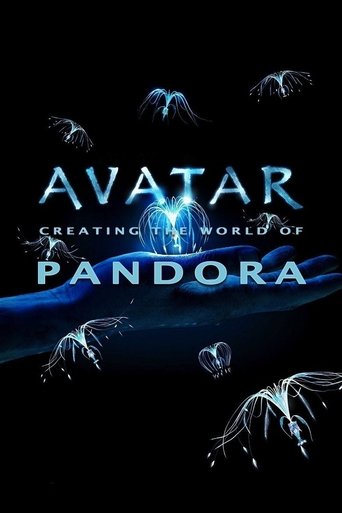
The Making-of James Cameron's Avatar. It shows interesting parts of the work on the set.
Captured during Billie Eilish's sold-out world tour, a concert experience from one of the most celebrated and successful artists of her generation, presented in immersive 3D.
Capturing Avatar is a feature length behind-the-scenes documentary about the making of Avatar. It uses footage from the film's development, as well as stock footage from as far back as the production of Titanic in 1995. Also included are numerous interviews with cast, artists, and other crew members. The documentary was released as a bonus feature on the extended collector's edition of Avatar.
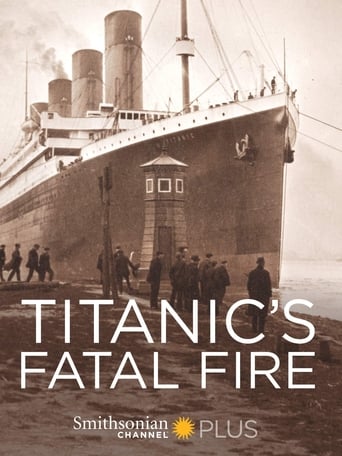
For the 20th anniversary of "Titanic," James Cameron reopens the file on the disaster.
The definitive 3½-hour documentary about the troubled creation and enduring legacy of the science fiction classic 'Blade Runner', culled from 80 interviews and hours of never-before-seen outtakes and lost footage.
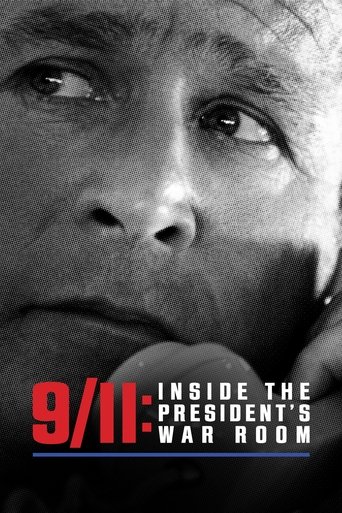
Experience the events of September 11, 2001 through the eyes of President Bush and his closest advisors as they personally detail the crucial hours and key decisions from that historic day.
The story lives forever in this feature-length documentary that charts the making of Star Wars: The Rise of Skywalker.
Cameramen and women discuss the craft and art of cinematography and of the "DP" (the director of photography), illustrating their points with clips from 100 films, from Birth of a Nation to Do the Right Thing. Themes: the DP tells people where to look; changes in movies (the arrival of sound, color, and wide screens) required creative responses from DPs; and, these artisans constantly invent new equipment and try new things, with wonderful results. The narration takes us through the identifiable studio styles of the 30s, the emergence of noir, the New York look, and the impact of Europeans. Citizen Kane, The Conformist, and Gordon Willis get special attention.
Egyptian archaeologists dig into history, discovering tombs and artifacts over 4,000 years old as they search for a buried pyramid in this documentary.
Working men and women leave through the main gate of the Lumière factory in Lyon, France. Filmed on 22 March 1895, it is often referred to as the first real motion picture ever made, although Louis Le Prince's 1888 Roundhay Garden Scene pre-dated it by seven years. Three separate versions of this film exist, which differ from one another in numerous ways. The first version features a carriage drawn by one horse, while in the second version the carriage is drawn by two horses, and there is no carriage at all in the third version. The clothing style is also different between the three versions, demonstrating the different seasons in which each was filmed. This film was made in the 35 mm format with an aspect ratio of 1.33:1, and at a speed of 16 frames per second. At that rate, the 17 meters of film length provided a duration of 46 seconds, holding a total of 800 frames.
Featuring interviews from members of the casting, production design, costume design, and creature effects teams, follow the behind-the-scenes journey of bringing the Harry Potter books to the small screen. Find out how the new Golden Trio were found, and celebrate the commitment to detail of the artists, craftspeople, and technicians who have come together to bring the wizarding world to life.