A feature about philosophy, perception and imprisonment in Aldo Lado's Giallo "Short Night of Glass Dolls".
Social & External
The people behind it
Howard S. Berger
narrator
A film about the contrasts between Czechoslovakia and Bulgaria in 1968. A film that reveals the mechanisms of censorship and propaganda during communism. A film about how information about events in Czechoslovakia was distorted in Bulgaria.
Showing his own original footage of Prague Spring, director Evald Schorm describes the atmosphere these days in 1968.
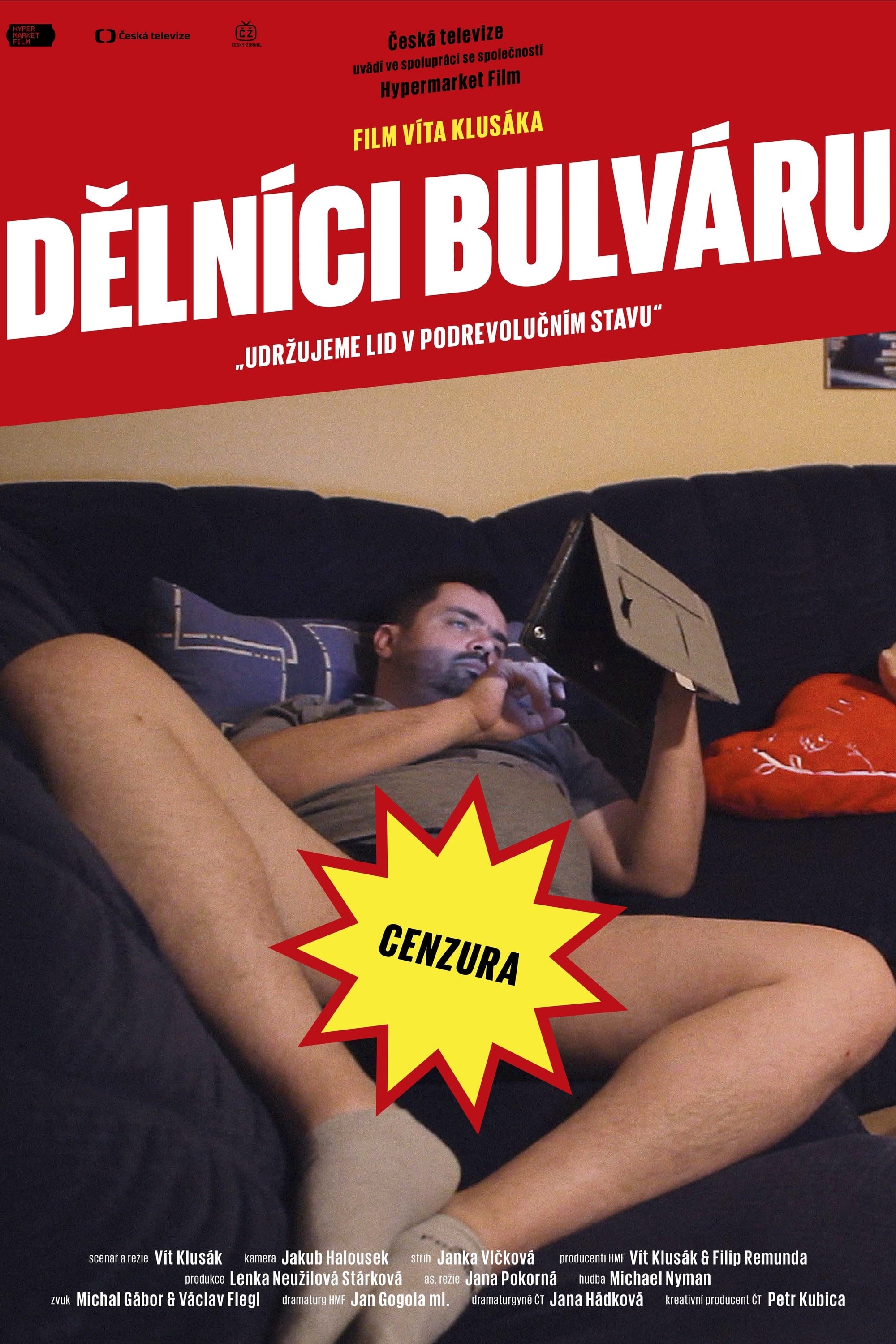
This documentary study of the mechanisms that turn the gears of the tabloids is conducted by the unique figure Pavel Novotný. This editor-in-chief of one of the most widely read Czech media outlets of the time, providing news from the world of show business and human misfortune, gets straight to the point. Readership is a fetish, an absolute alibi for all invasions of privacy and every transgression of good ethics. Seen up close, the whole cluster of disreputable reports looks like a staged tableau. Before the eager eyes of an anxious public, celebrities willingly or unwillingly perform acts that the scrutiny of the all-powerful tabloid workers attributes racy significance to.
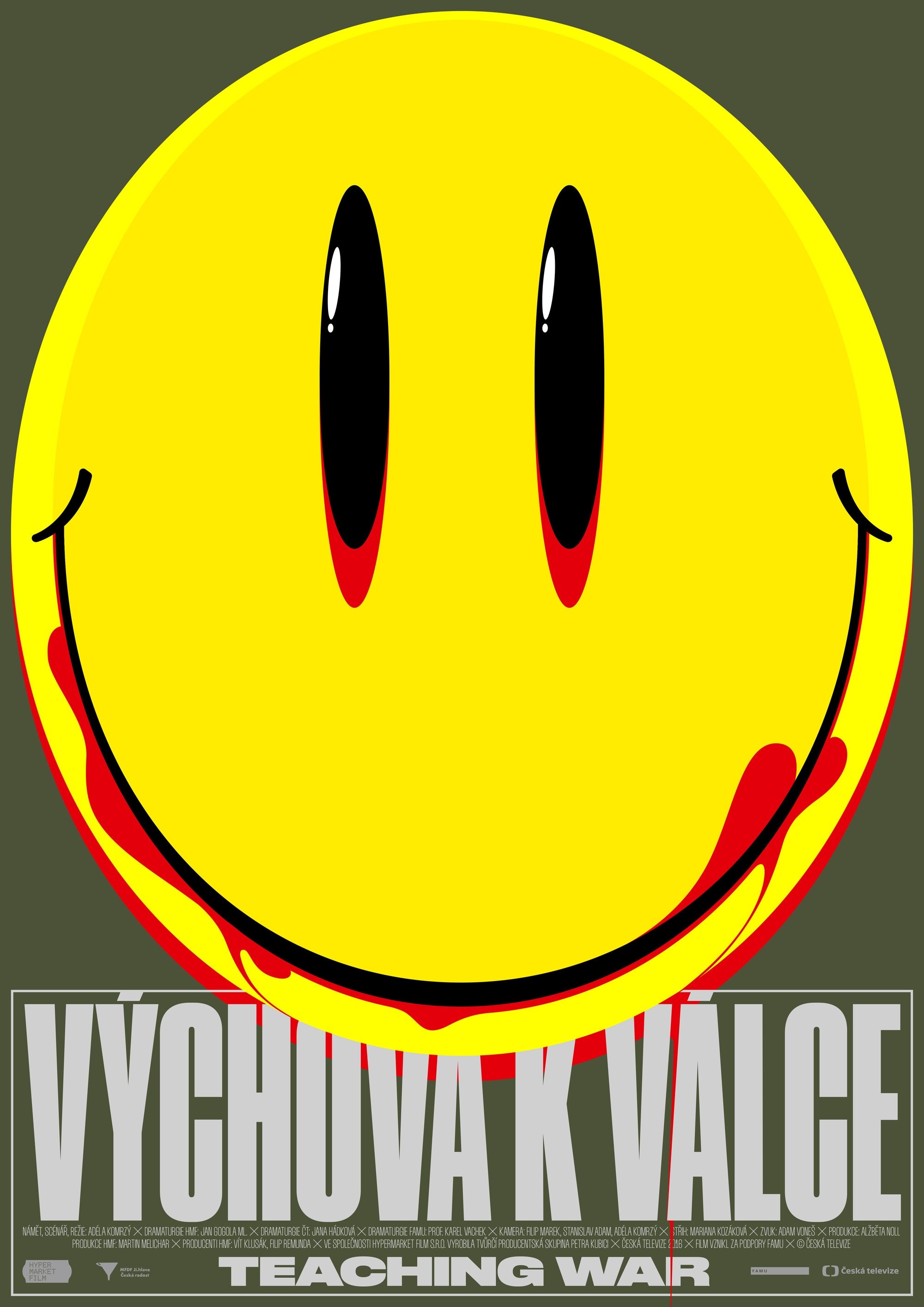
This episode from the Czech Journal series examines how a military spirit is slowly returning to our society. Attempts to renew military training or compulsory military service and in general to prepare the nation for the next big war go hand in hand with society’s fear of the Russians, the Muslims, or whatever other “enemies”. This observational flight over the machine gun nest of Czech militarism becomes a grotesque, unsettling military parade. It can be considered not only to be a message about how easily people allow themselves to be manipulated into a state of paranoia by the media, but also a warning against the possibility that extremism will become a part of the regular school curriculum.
An interview with Italian actress Silvia Collatina about her role in Lucio Fulci's "Murderock".
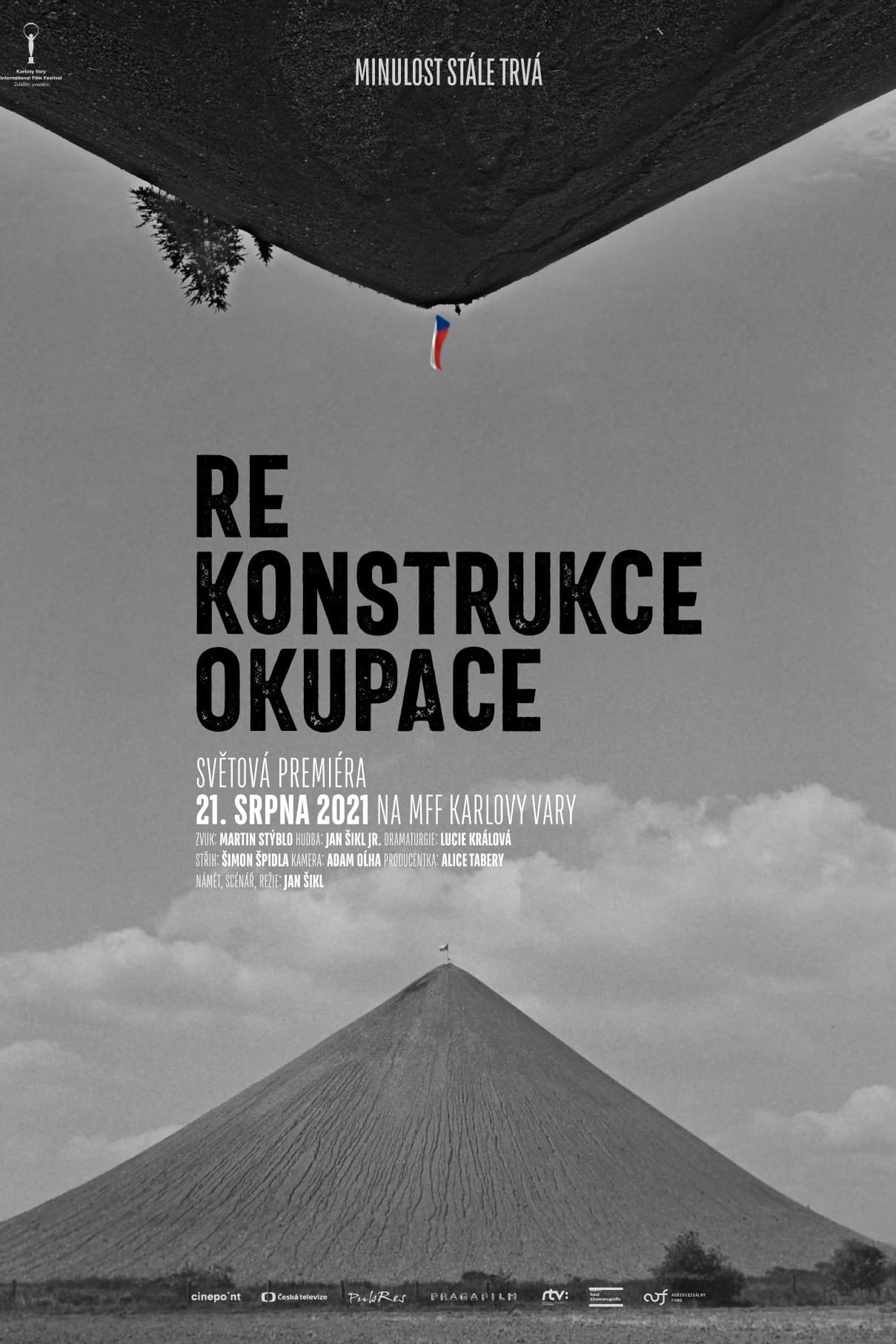
Documentary filmmaker Jan Sikl came across several hours of footage showing the Warsaw Pact invasion of Czechoslovakia in private film archives. 53 years later, historical memory awakens from a long slumber with this reconstruction of the occupation, a cinematic adventure of a truly archeological nature.
A visual essay about the 5 classic Giallo films by Italian director Sergio Martino.
An analysis of the critical themes in Dario Argento's 70s Giallo "Deep Red".
An interview with Nicoletta Elmi about her days as a child actress.
Italian director Enzo Milioni reminisces about his career and his 1978 giallo "The Sister of Ursula".
Author Stephen Thrower analyzing the themes and characters of Mario Bava's proto-slasher "A Bay of Blood".
Documentary about Mario Bava's film "The Girl Who Knew Too Much" and its impact on the Giallo genre.
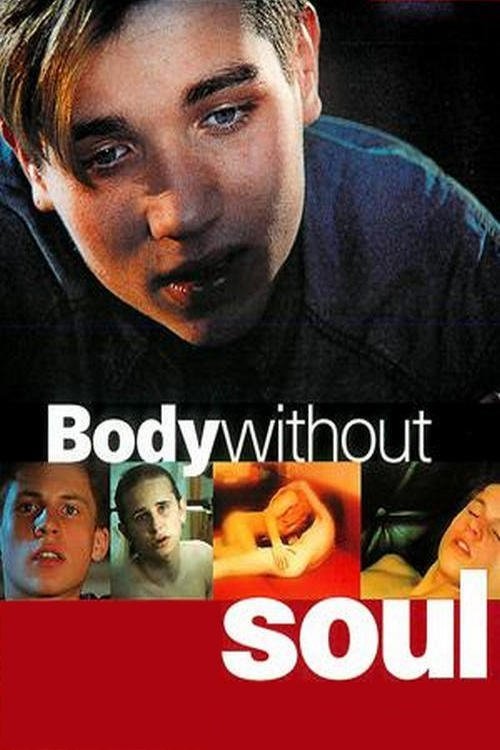
A stark documentary about young male prostitutes in Prague, aged 15 to 18, who work the streets, train stations, and clubs. Through candid interviews and behind-the-scenes footage of gay porn shoots, the film explores their lives, struggles, and dreams, touching on themes of exploitation, identity, AIDS, and survival.
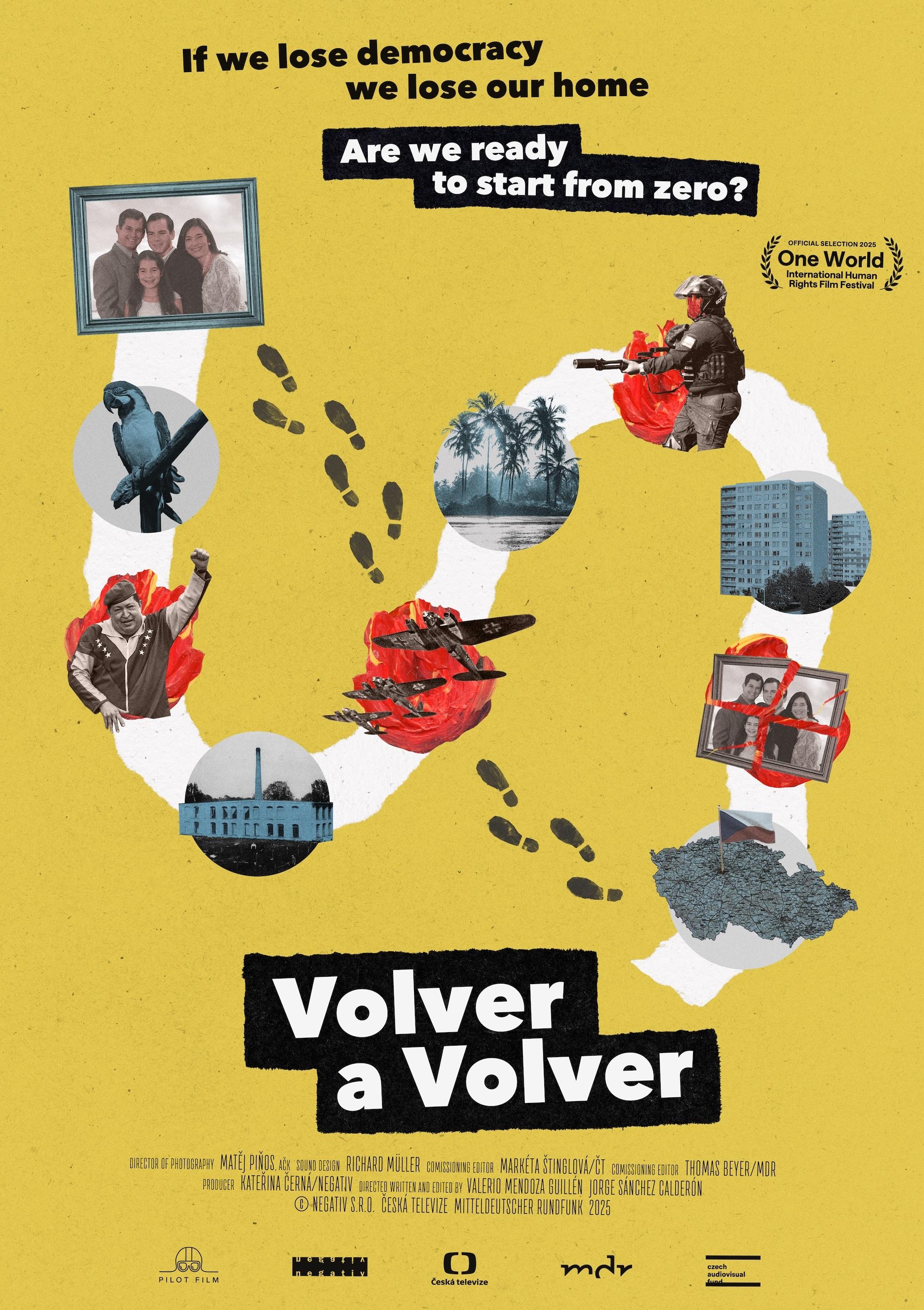
The Sykora family are only four people out of millions of Venezuelans that have recently escaped their collapsing country. They land in the Czech Republic, the country where Grandpa Jan was born, but also a place utterly strange to them. In a matter of months their savings have almost gone and job seeking becomes a nightmare. Again, the dream of just having a normal life starts to vanish. Will the family manage not to crumble along the way?
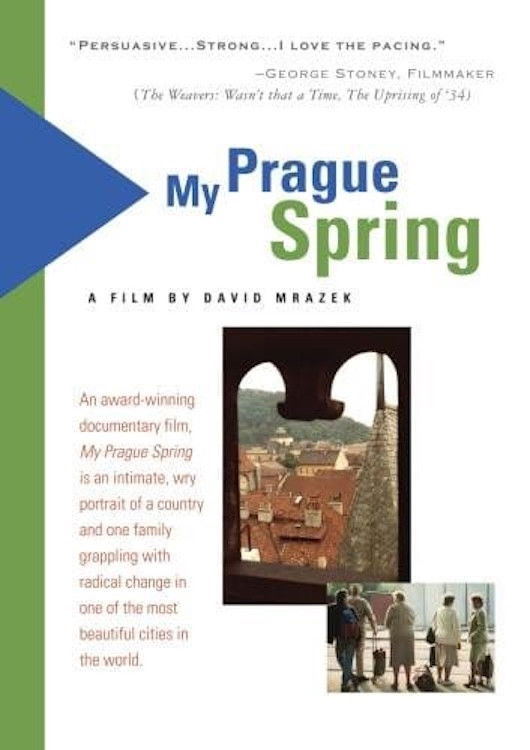
In its "velvet revolution" of 1989, the people of Czechoslovakia toppled its communist dictatorship and embraced democracy and capitalism. By January 1993, the country had peacefully split in two. In the early 1990s, thousands of American college graduates began flocking to Prague, where they could postpone entering the "real world," and live cheaply in a beautiful undiscovered European city. Throughout that decade more and more tourists crossed the statue-lined Charles Bridge in search of old world beauty previously hidden by communist isolation. But what of the people who cross the Charles Bridge on their way to work every morning? Who are the Czechs? What is their history? What is their future? My Prague Spring is an award-winning film that vividly humanizes a resilient people who have survived a tumultuous history. In the spring of 1990, a Czech-American filmmaker spent four months living with his Czech relatives, and opened an intimate window into an uncertain world.
An interview with actress Florinda Bolkan about her performances in the films "Don't Torture a Duckling" and "Lizard in a Woman's Skin".
An interview with film critic Kat Ellinger who discusses the themes of Dario Argento's giallo "The Bird with the Crystal Plumage" and its relations to Fredric Brown's novel "The Screaming Mimi."
In this visual essay, author Alexandra Heller-Nicholas reflects on the recurring theme or perception in Dario Argento's filmography.
A video discussion about Lucio Fulci's classic Giallo "Don't Torture a Duckling".
A video essay about 1972 Giallo "Don't Torture a Duckling", focusing on accusations of misogyny against director Lucio Fulci.
Al Pacino's deeply-felt rumination on Shakespeare's significance and relevance to the modern world through interviews and an in-depth analysis of "Richard III."
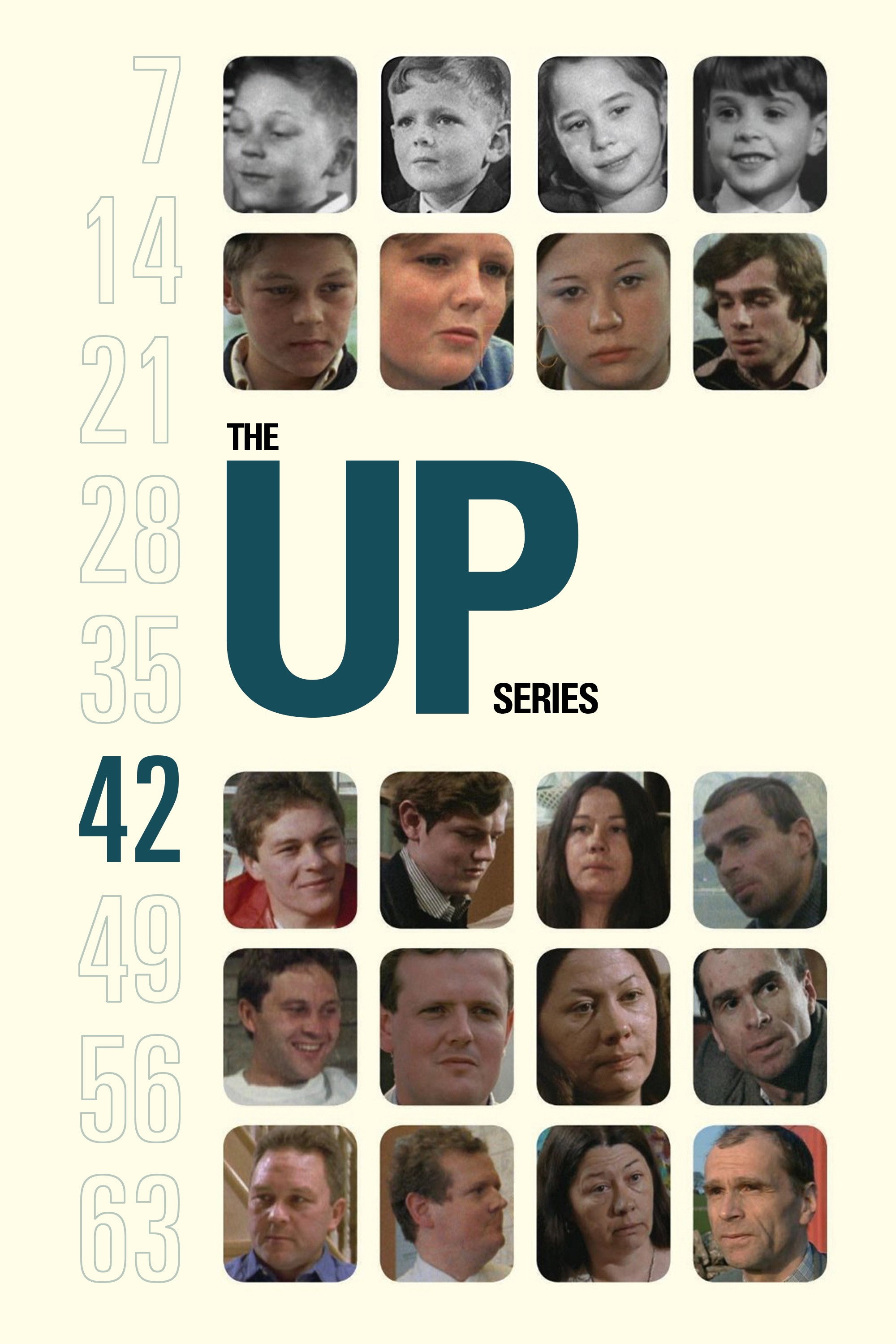
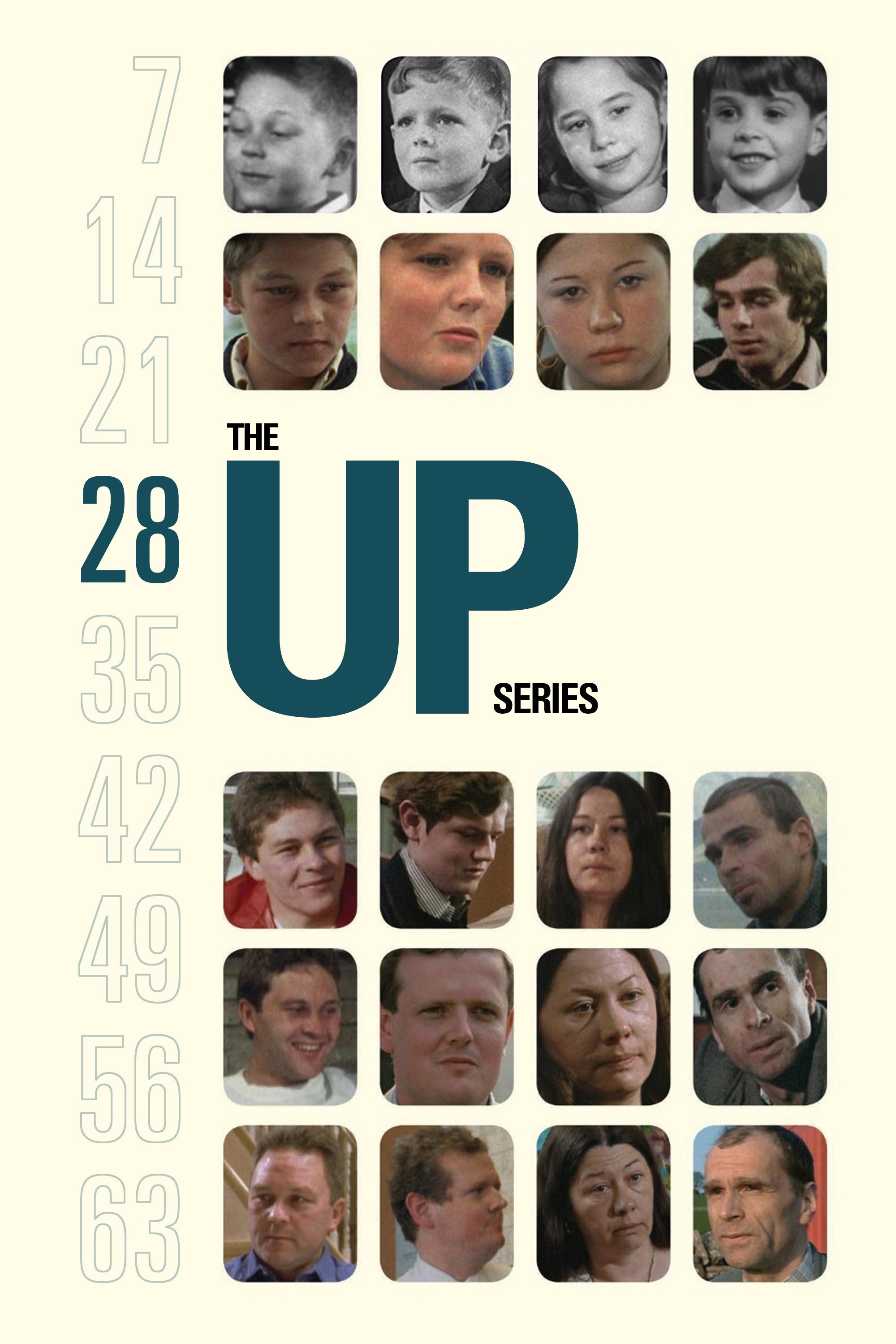
Director Michael Apted revisits the same group of British-born adults after a 7 year wait. The subjects are interviewed as to the changes that have occurred in their lives during the last seven years.
The life and career of an actor, artist, and icon. His own journey through his own camera.
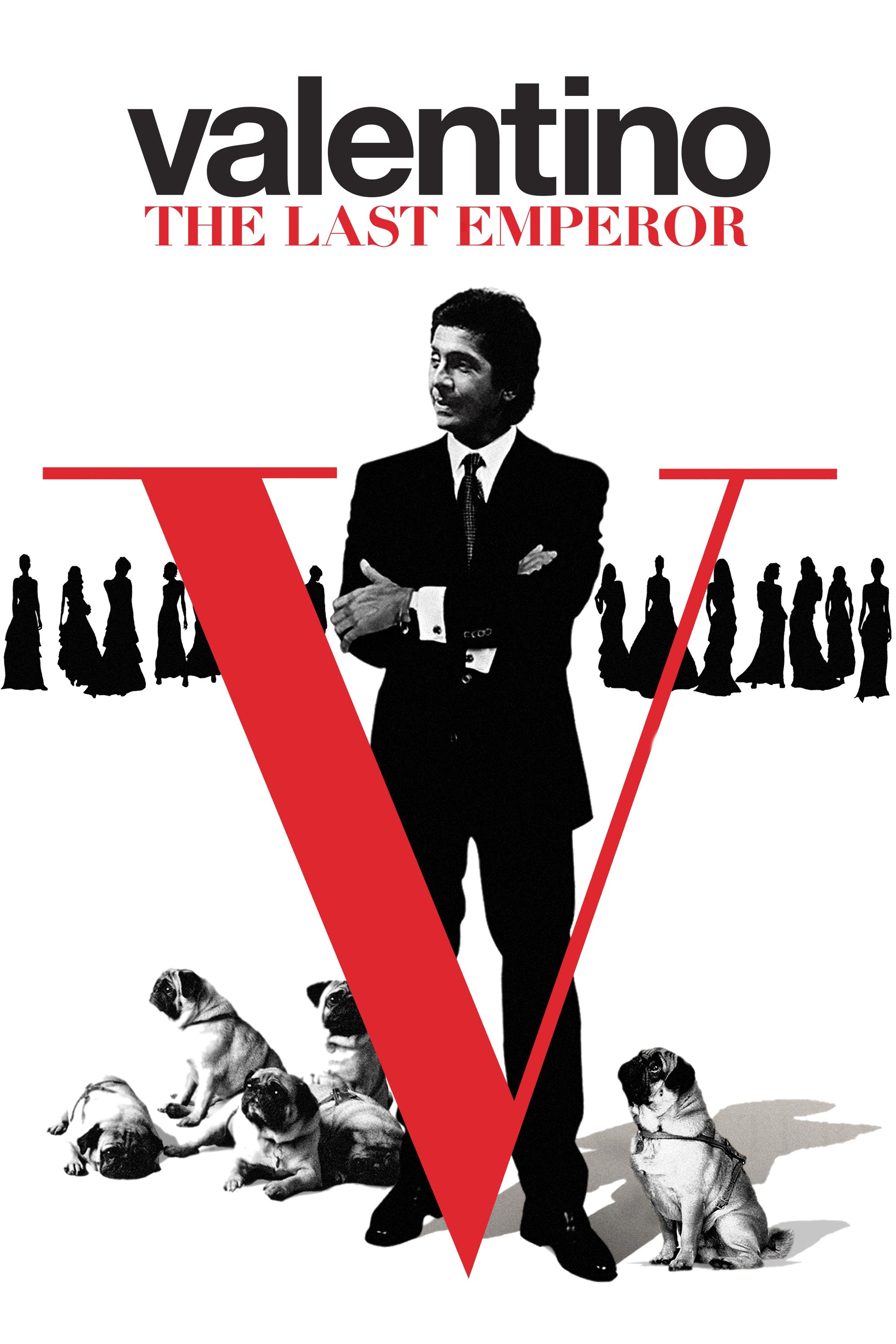
Film which travels inside the singular world of one of Italy's most famous fashion designers, Valentino Garavani, documenting the colourful and dramatic closing act of his celebrated career and capturing the end of an era in global fashion. However, at the heart of the film is a love story - the unique relationship between Valentino and his business partner and companion of 50 years, Giancarlo Giammetti. Capturing intimate moments in the lives of two of Italy's richest and most famous men, the film lifts the curtain on the final act of a nearly 50-year reign at the top of the glamorous and fiercely competitive world of fashion. (Storyville)
An inside look at one of the most anticipated movie sequels ever with James Cameron and cast.
Through deeply personal interviews with her siblings and an examination of the photographs, letters, and belongings left behind, Mariska assembles a new portrait of her mother Jayne Mansfield, an extraordinary and complex woman.
The life and career of one of comedy's most inimitable modern voices, Mr. Gilbert Gottfried.
Artists in LA discover the work of forgotten Polish sculptor Stanislav Szukalski, a mad genius whose true story unfolds chapter by astounding chapter.
The film follows adventurer Jeff Johnson as he retraces the epic 1968 journey of his heroes Yvon Chouinard and Doug Tompkins to Patagonia.
A visual montage portrait of our contemporary world dominated by globalized technology and violence.
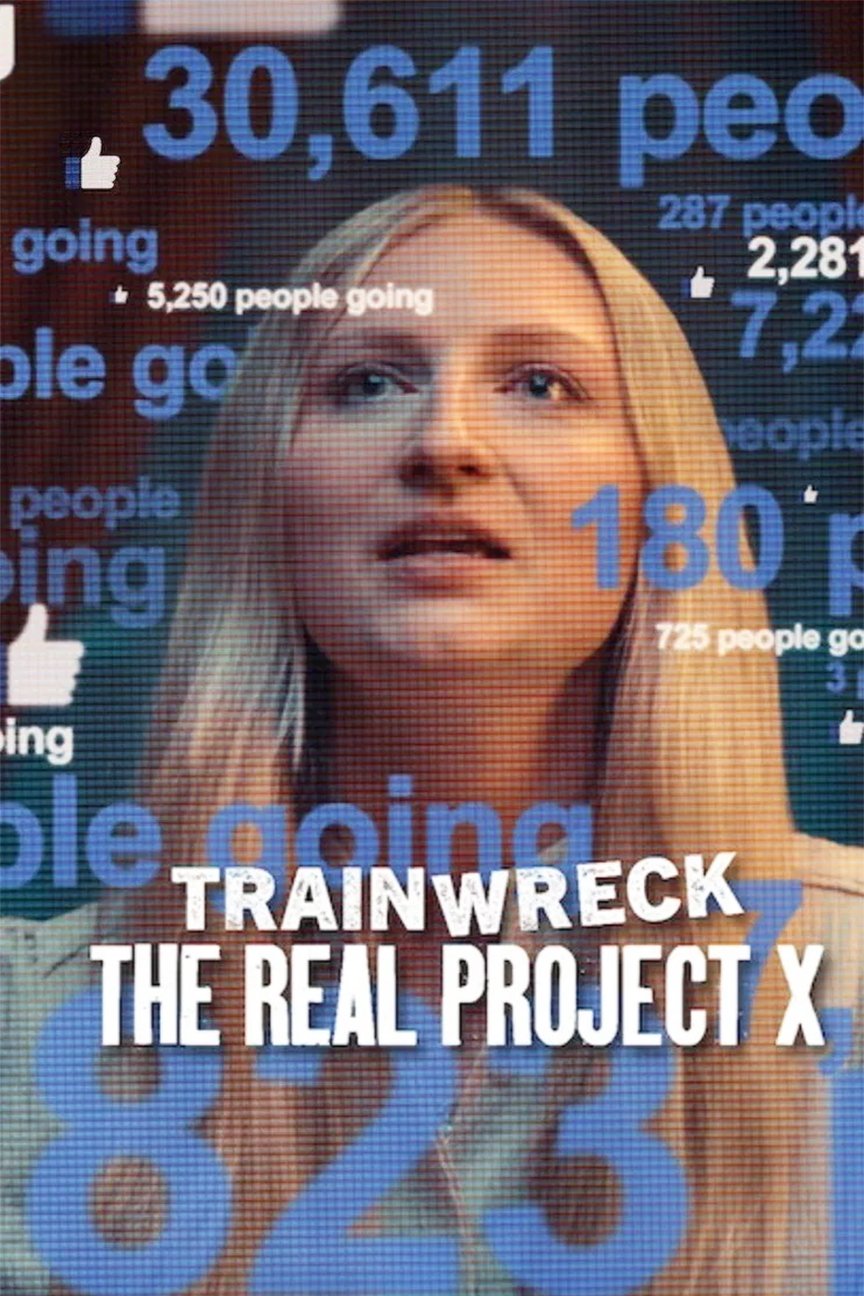
A night of drunken chaos rocks a quiet Dutch town in this shocking documentary about a teen's birthday invite that accidentally went viral on Facebook.
A documentary examining the decade of the 1970s as a turning point in American cinema. Some of today's best filmmakers interview the influential directors of that time.
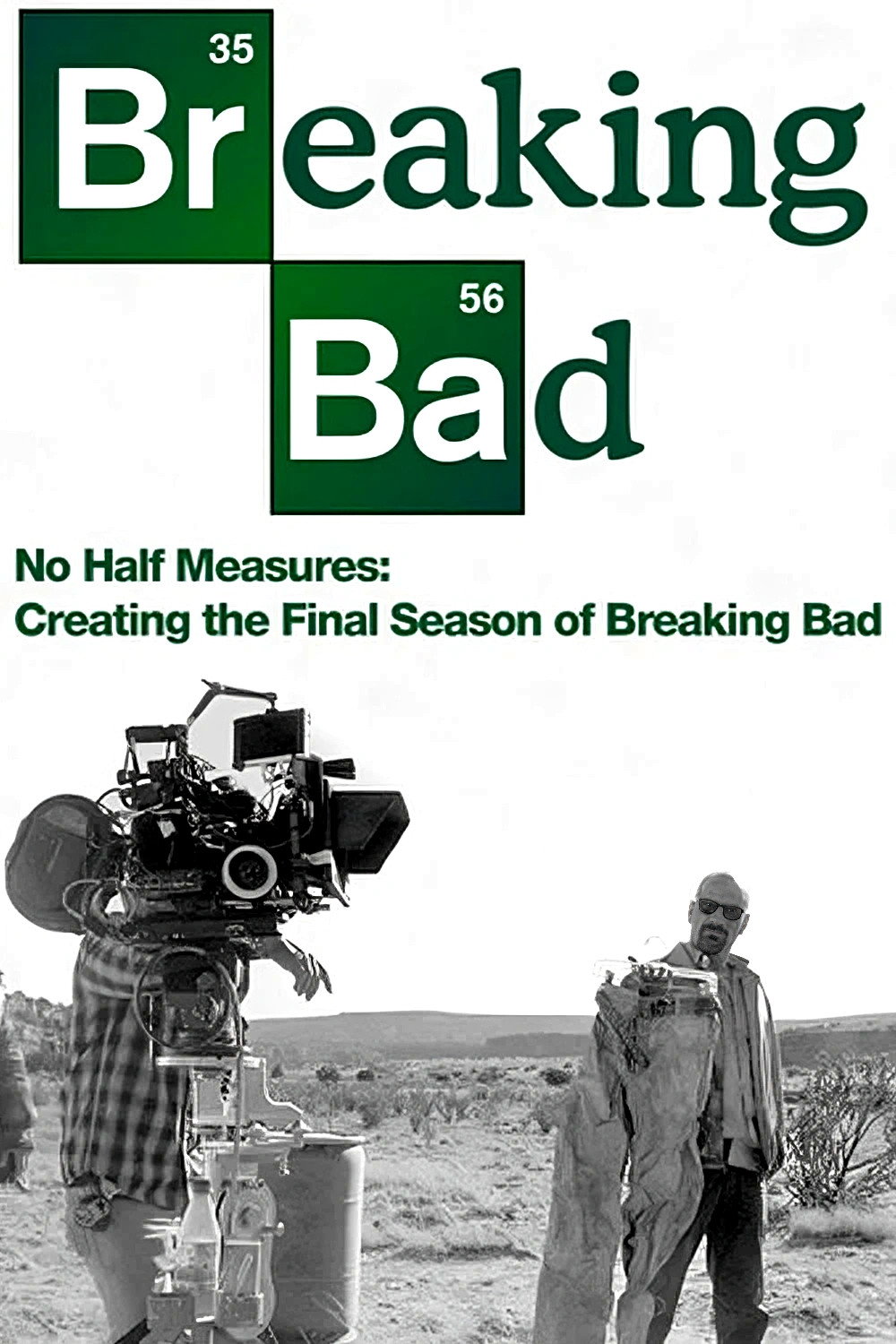
A documentary about the making of season five of the acclaimed AMC series Breaking Bad.
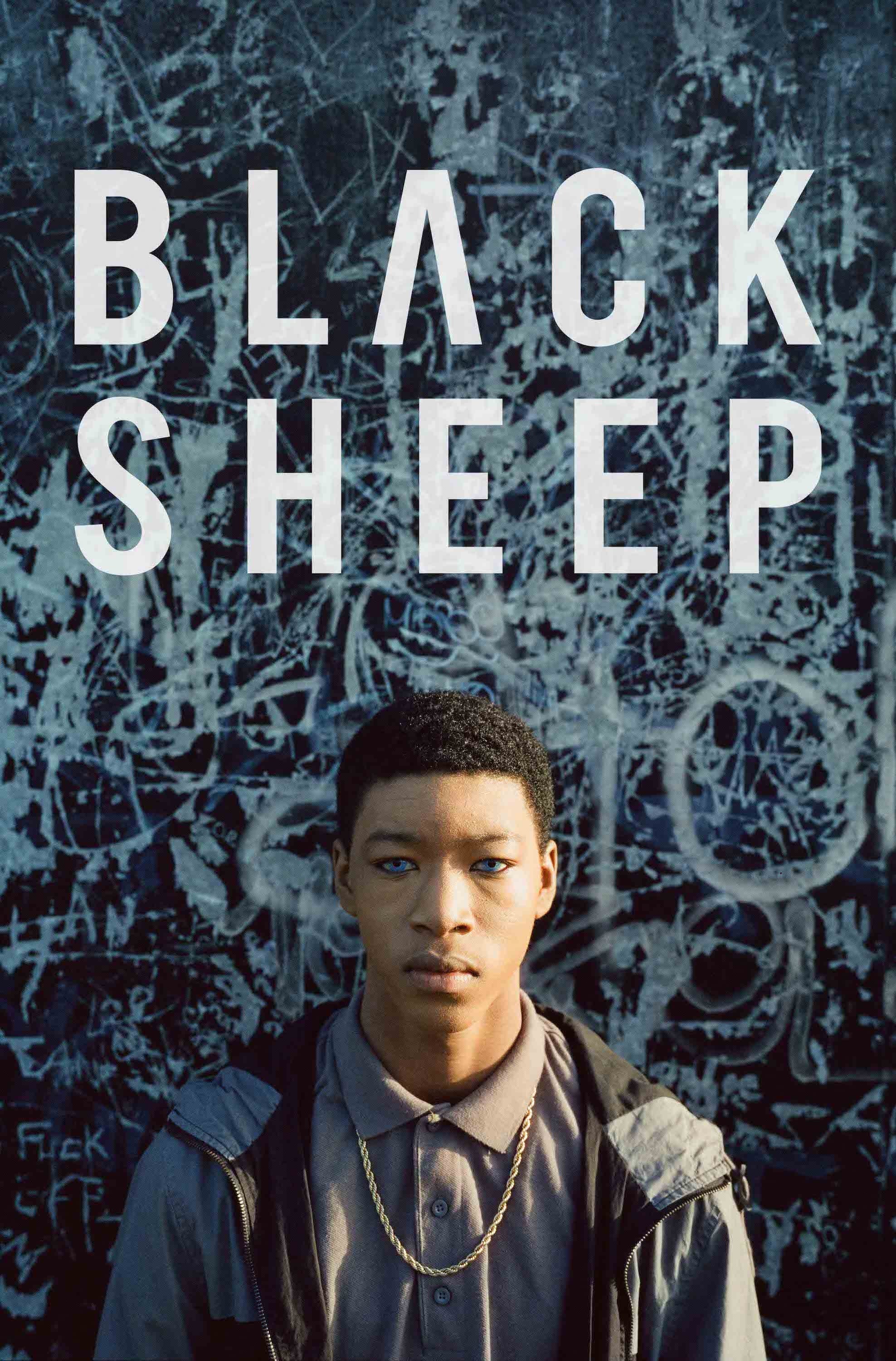
After the high-profile killing of Damilola Taylor, Cornelius' family move out of London. But when they discover their new town is run by racists, Cornelius takes a drastic step to survive.
Featuring interviews with filmmakers and industry legends, discover the origins and evolution of The Joker, and learn why The Clown Prince of Crime is universally hailed as the greatest comic-book supervillain of all time.
Musician and performance artist Laurie Anderson reflects on the deaths of her husband Lou Reed, her mother and her beloved dog.
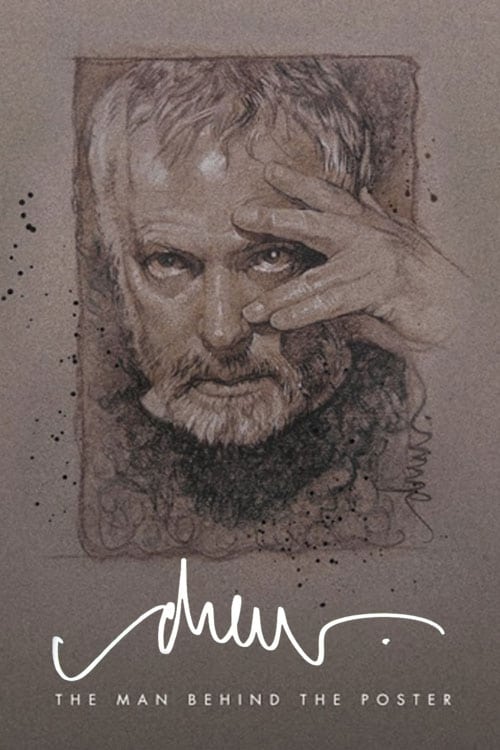
A documentary on legendary movie-poster artist Drew Struzan.
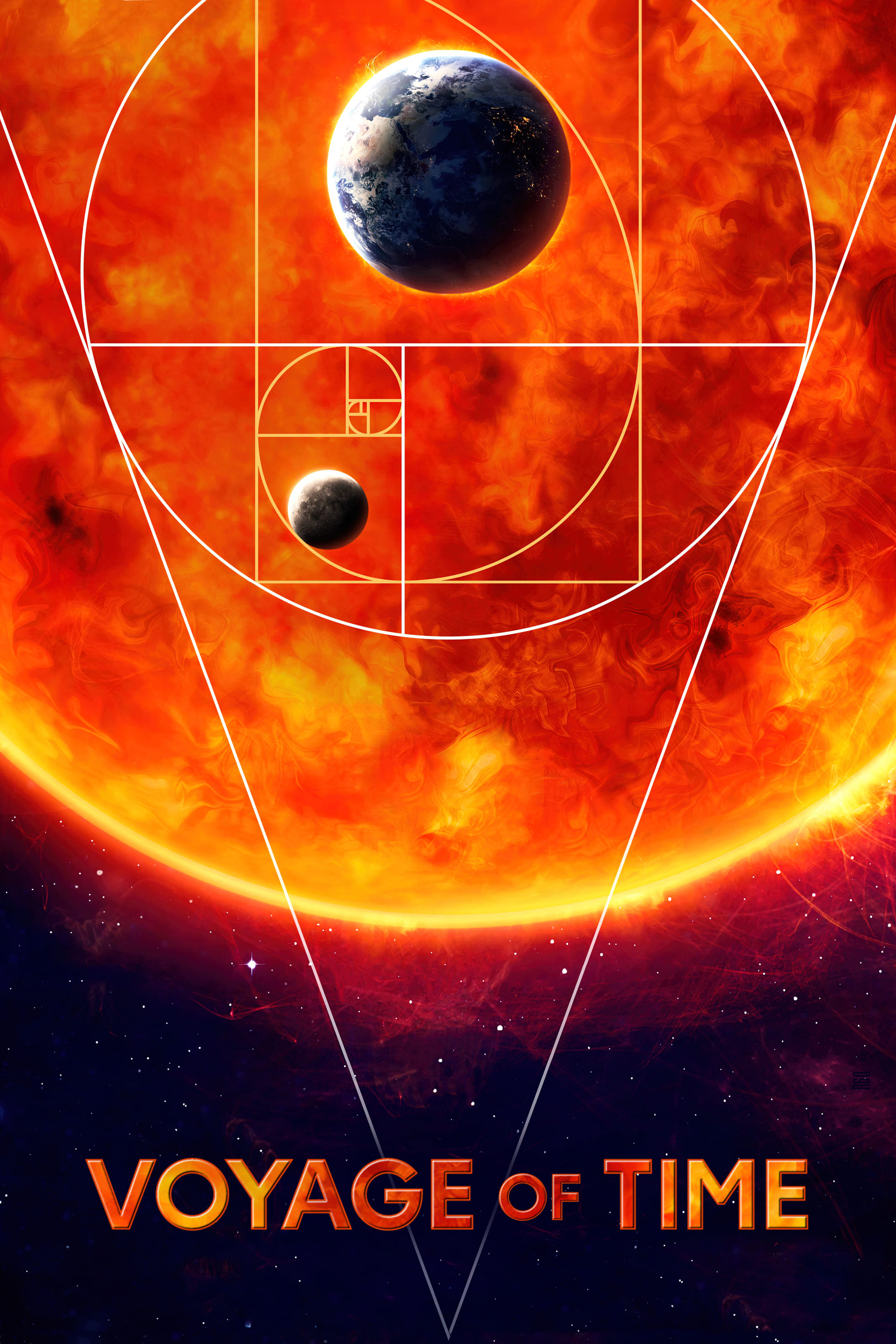
A celebration of the universe, displaying the whole of time, from its start to its final collapse. This film examines all that occurred to prepare the world that stands before us now: science and spirit, birth and death, the grand cosmos and the minute life systems of our planet.
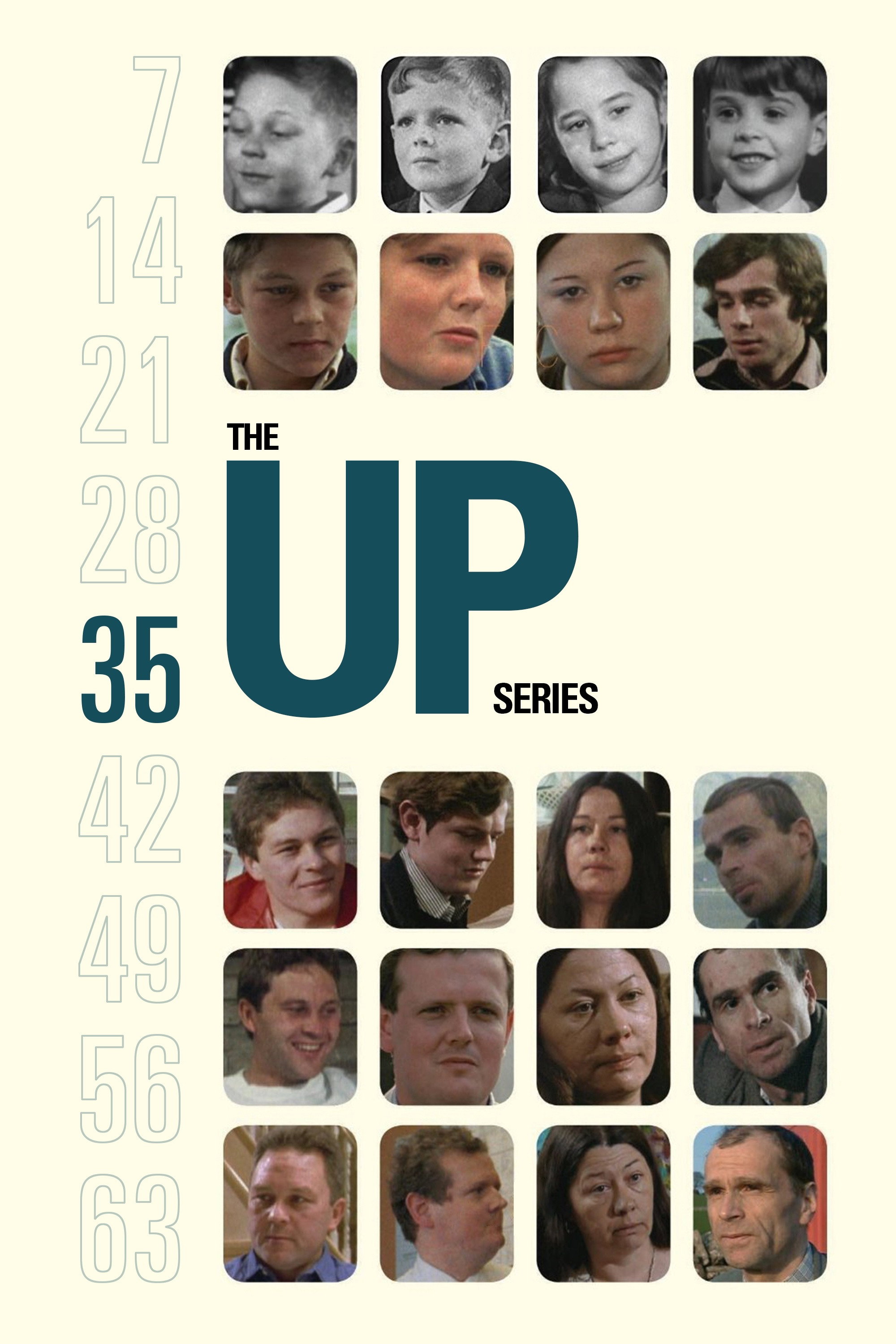
Just two years away from turning 30, participants in Michael Apted's documentary series are facing serious questions of identity and purpose, wondering whether they've found their place in the world.