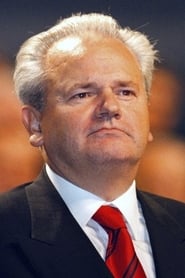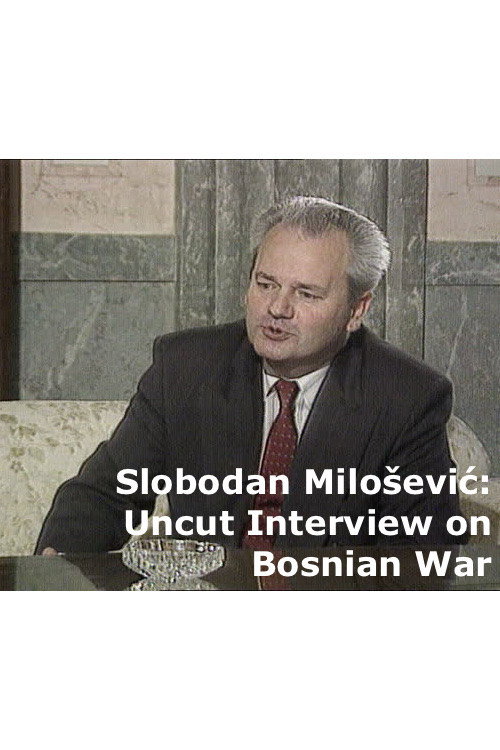
An uncut 1992 ITN interview with Serbian President Slobodan Milošević discussing the Bosnian War.
Social & External
The people behind it
Slobodan Milošević
Self
As one of Belgrade’s last DIY anti-nationalist spaces faces closure, its community gathers for a final night — a farewell that becomes a quiet act of resistance.
A documentary film about the life and career of Momcilo Vukotic, one of the most significant footballers of Partizan and Yugoslav football. The film follows his sports career through interviews with former teammates, rivals and family, as well as his interests outside football, including painting and theater. Momcilo Moca Vukotic, won three Yugoslav championship titles as a player in 1976,1978 and 1983. As a sports-director, he won two tittles in 1986 and 1987. With the team from Humska street, he played 791 games in total, from 1968 till 1985. As a coach, he won Yugoslavia cup and Supercup in 1989. The film won awards for the best feature-length documentary film at the 14th International Sports Film Festival in Zlatibor as well as at the 3rd Budva Sports and Arts Film Festival.
World War II, 1943. Mallory and Miller, the heroes who destroyed the guns of Navarone, are sent to Yugoslavia in search of a ghost from the past.
We follow Timi, an energetic young skater who always seems to say more with his board than with words
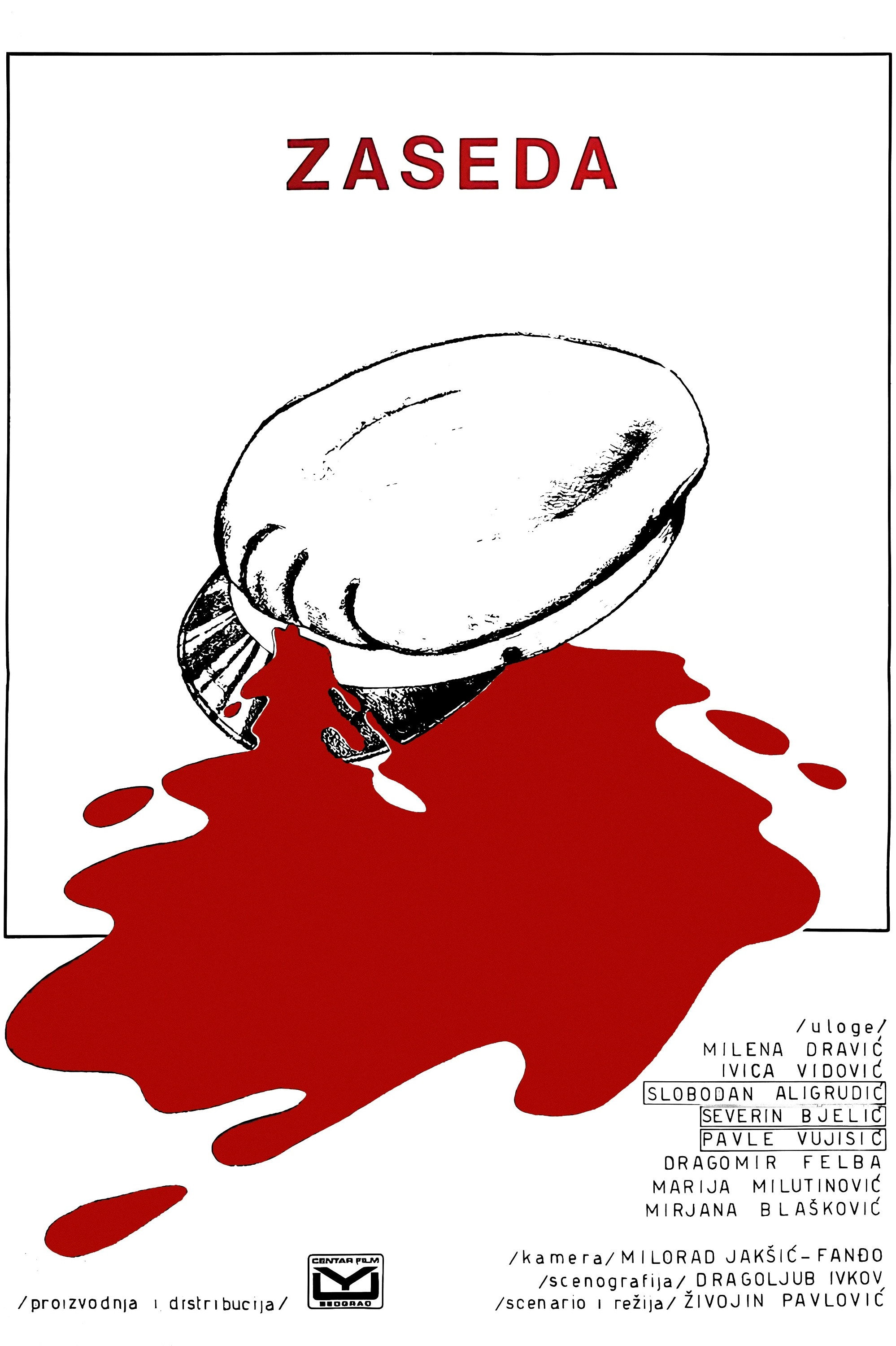
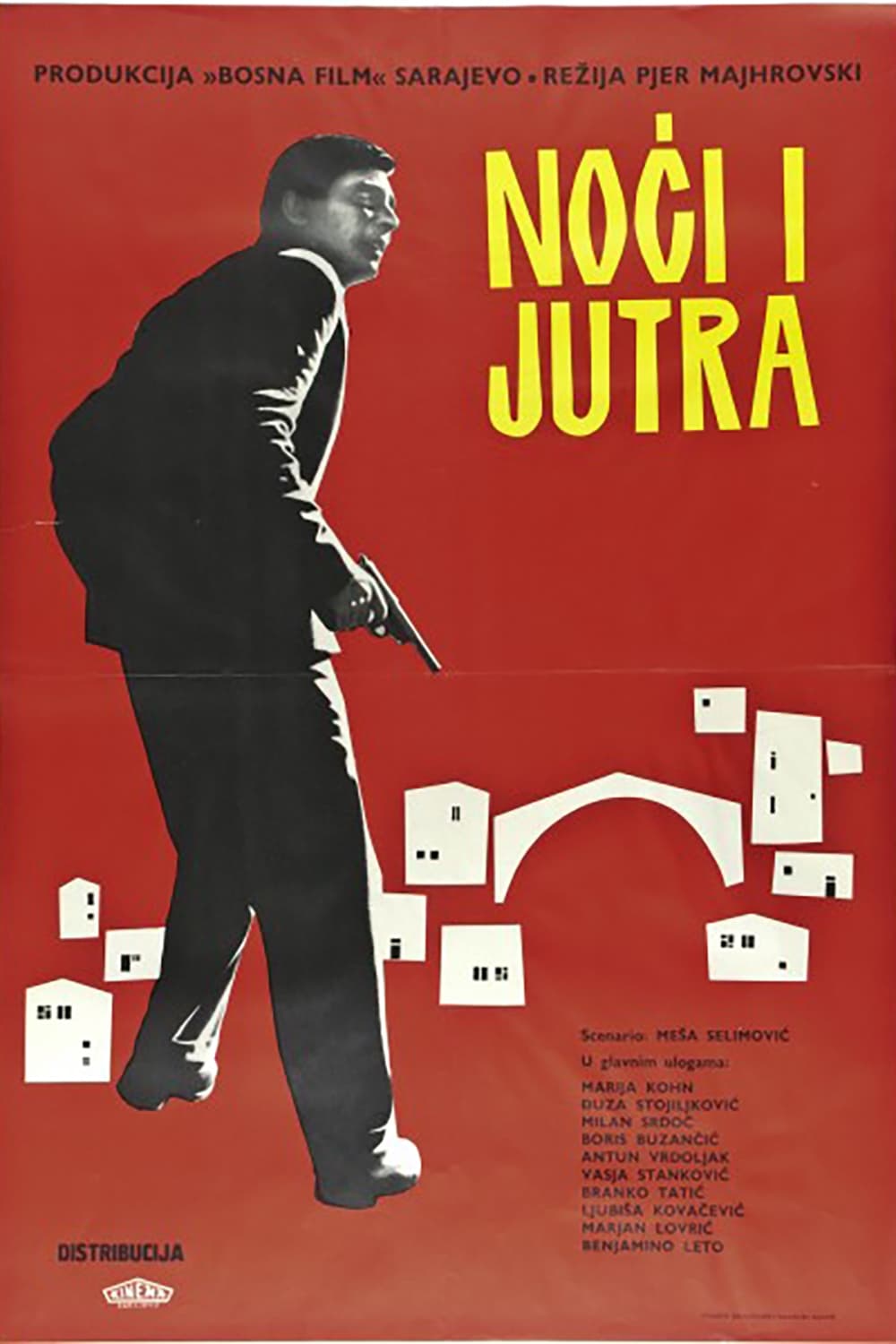
Idealistic young man supports the party and the new Yugoslavia's communist regime, but soon gets involved in various political and criminal machinations becoming more and more confused about what's right and what's wrong.
A documentary about vivid punk and alternative rock scene of Subotica, the northernmost Serbian city, through the periods of communism, tyranny of the 1990s regime, and economic transition at the beginning of XXI century. Seen through the eyes of its witnesses, these musicians and creative artists deliberately refused the imposed way of behavior, hence staying "invisible" to everyday people.
After forty years of fighting Moscow, Washington won the Cold War, and NATO found a way to expand eastward; however, there was one loose end to the problem: Yugoslavia was not a satellite of the USSR…
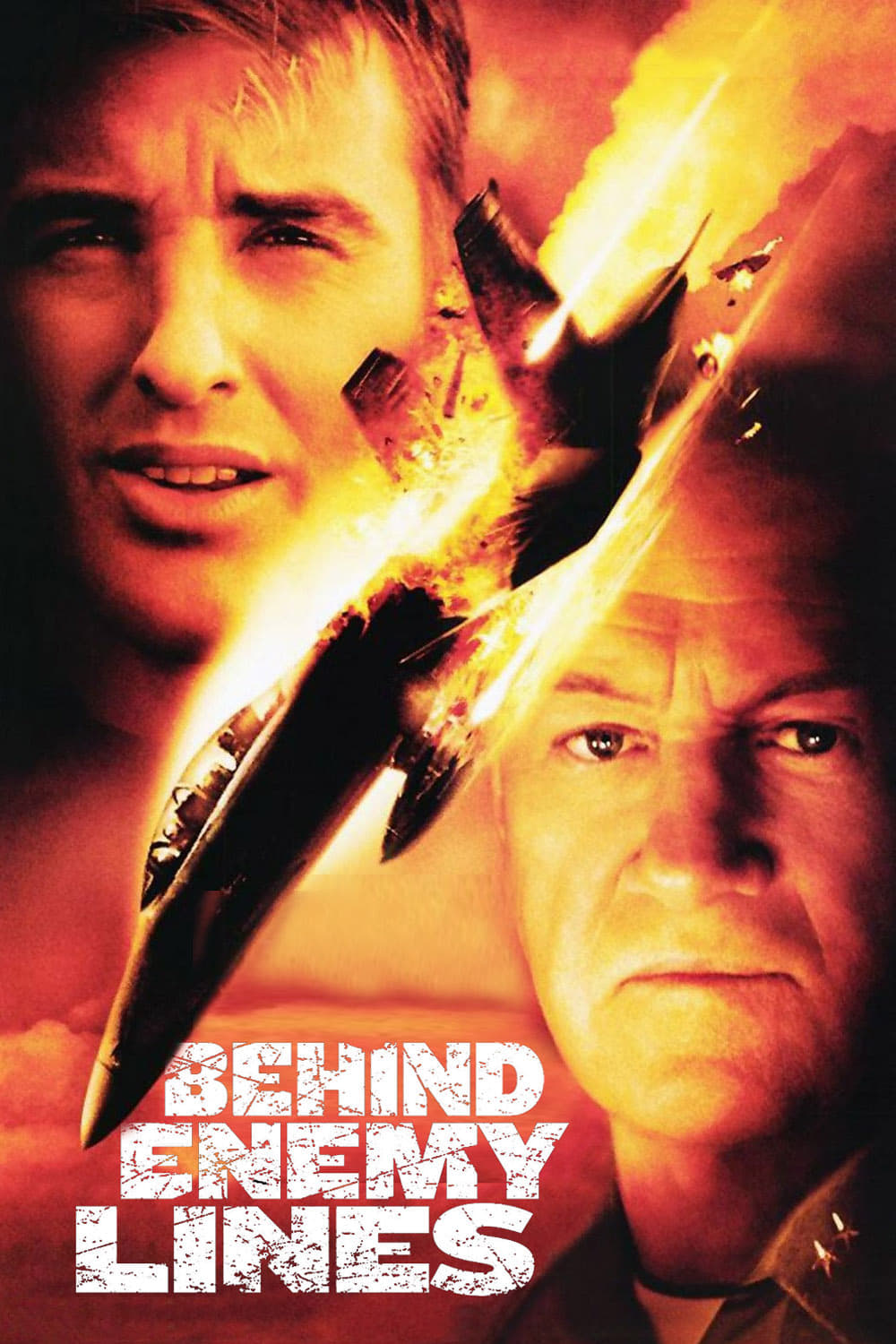
While flying a routine reconnaissance mission over Bosnia, fighter pilot Lt. Chris Burnett photographs something he wasn't supposed to see and gets shot down behind enemy lines, where he must outrun an army led by a ruthless Serbian general. With time running out and a deadly tracker on his trail, Burnett's commanding officer, Admiral Reigart, decides to risk his career and launch a renegade rescue mission to save his life.
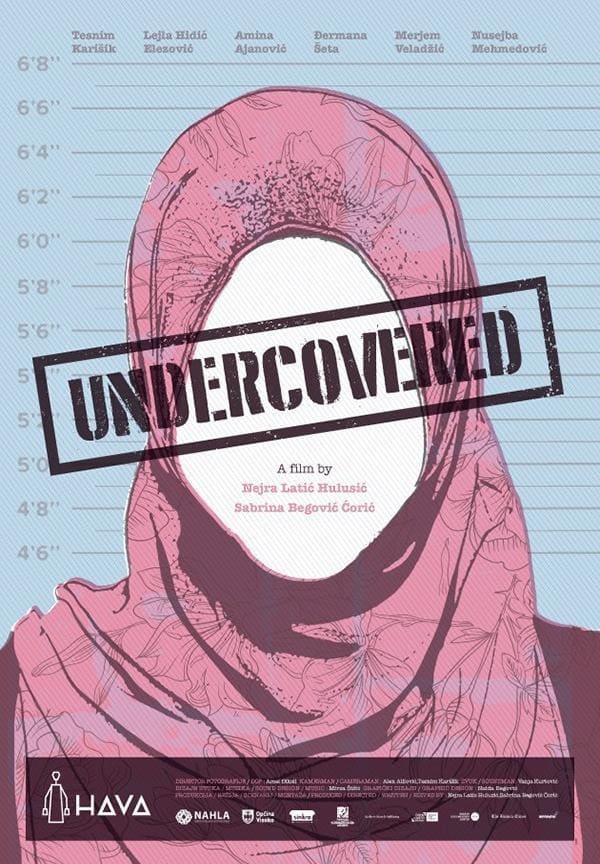
Following the 2001 terrorist attacks on New York City, one item of clothing has gained a scandalous global reputation: the headscarf. All over the world, a major debate is going on about whether Muslim women should be allowed to wear the headscarf in public.
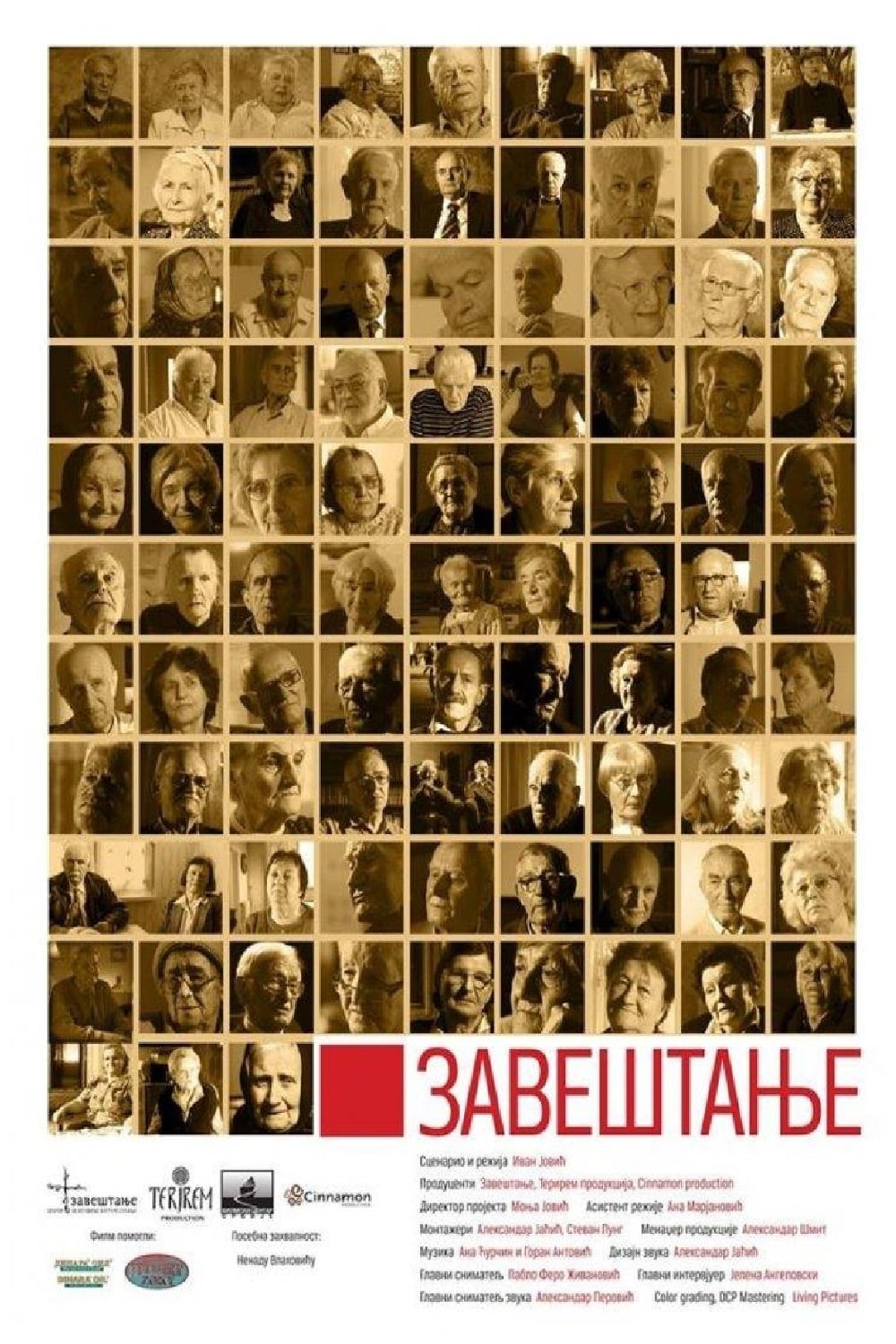
In this film the last living witnesses of the events from Second World War are telling their stories and thus transferring silenced victim’s voices to present times.
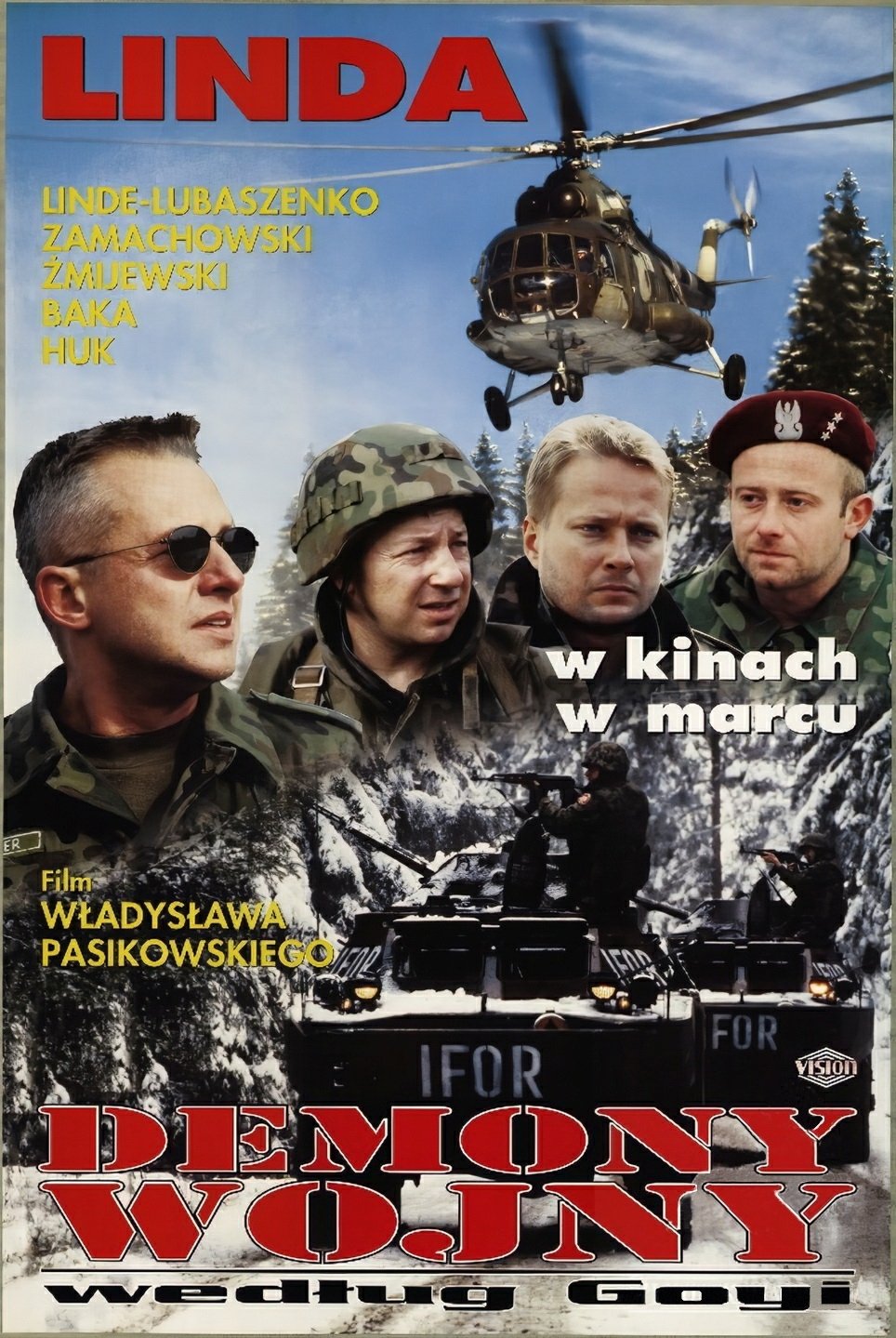
A detachment of the Polish IFOR forces in Bosnia is led by Major Keller, who is being investigated for insubordination during a patrol in Srebrenica. The investigation is to be led by two arriving officers - Lieutenant Czacki and Major Kusz who will also replace Keller as CO. When the camp's RTO receives a communication from a downed Norwegian chopper, Keller ignores his standing orders and leads a platoon to rescue the crew.
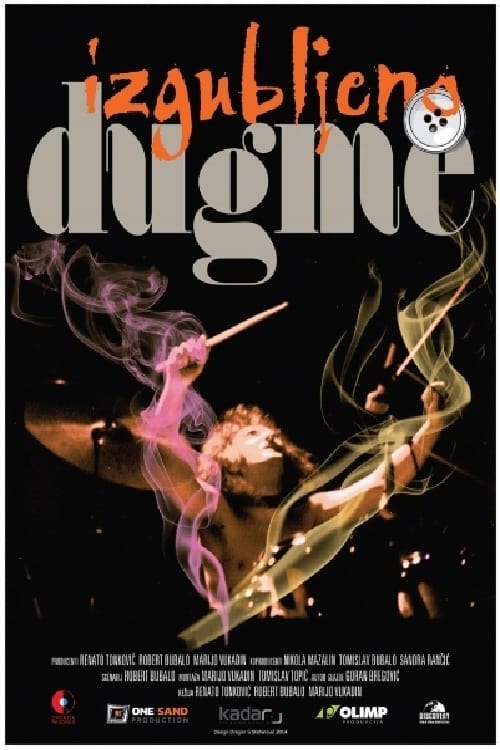
A documentary about Goran Ivandic 'Ipe', the drummer of most popular Yugoslav rock band of all time, Sarajevo-based "Bijelo dugme" (White Button). Ivandic's fatal jump from the balcony of hotel Metropol in Belgrade in 1994 sparked much controversy around his fate.
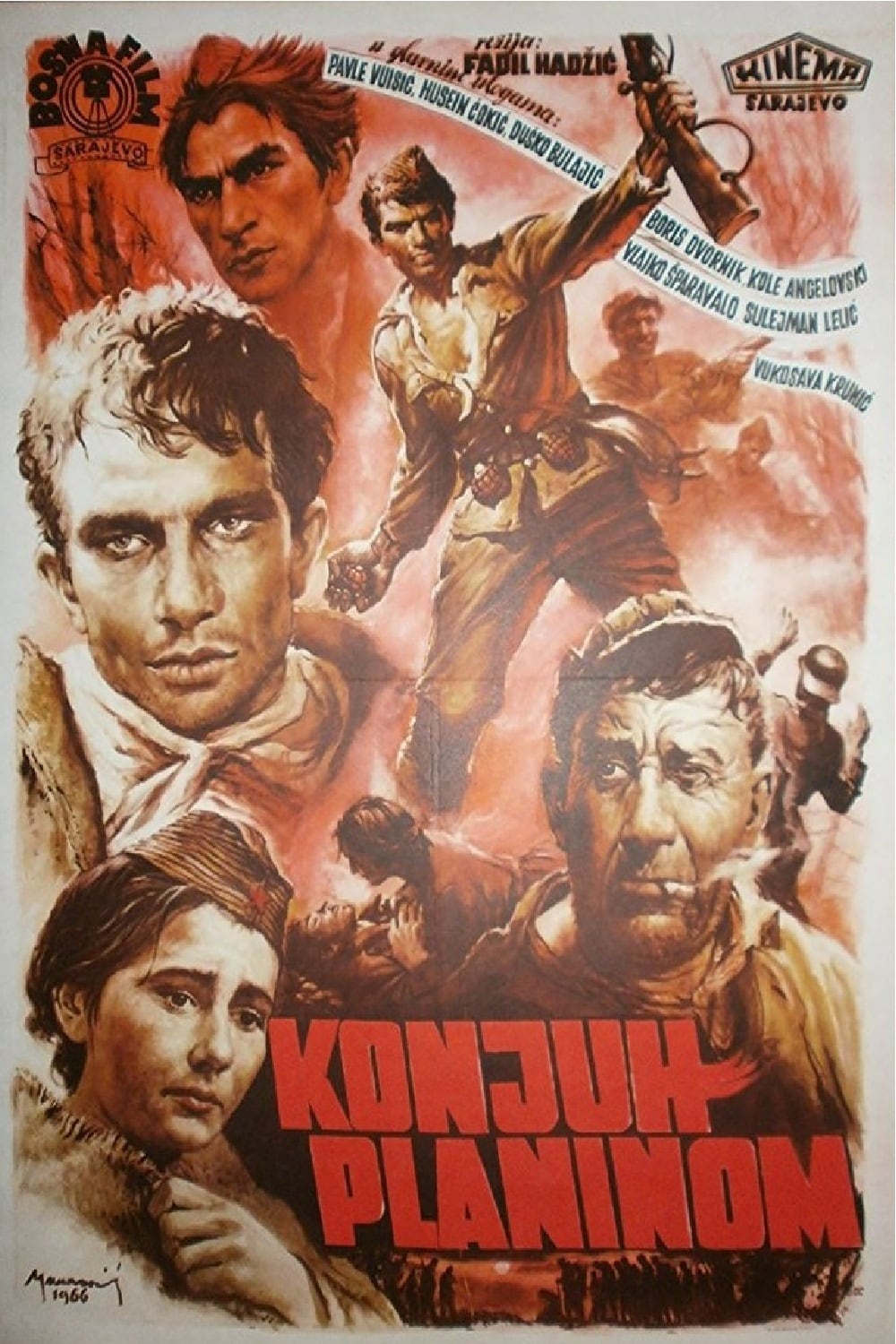
An exciting story of Husine coalminers who formed a partisan batch and put up an armed resistance during WW2 in Bosnia and Herzegovina.
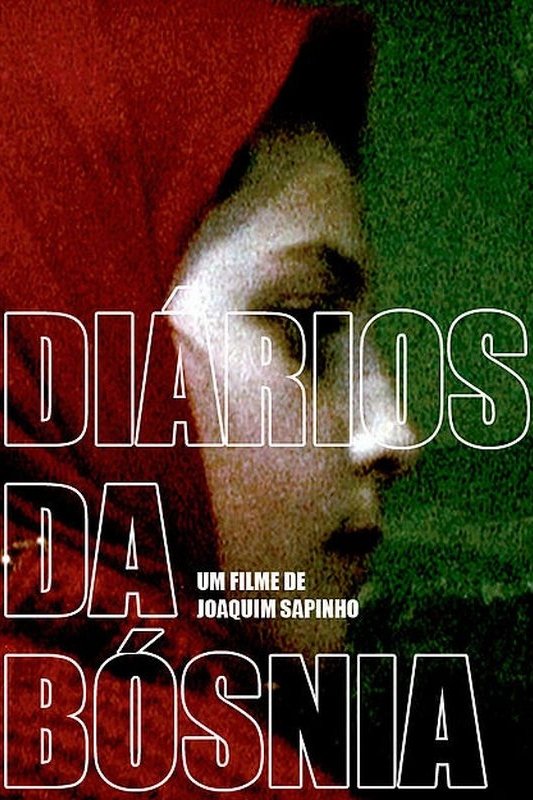
I went to Bosnia after war ended, in 1996, when the Danton Peace Accord was being implemented. Bosnia had been divided in two entities, which separated the two main opposing forces of the conflict; the Serb Bosnians and the Muslim Bosnians. Two years later, in 1998, I returned to Bosnia... This movie is a diary of the two voyages, in which I deal with the memories of the war, the death and destruction and with the victim’s struggle who don’t know how to return home.
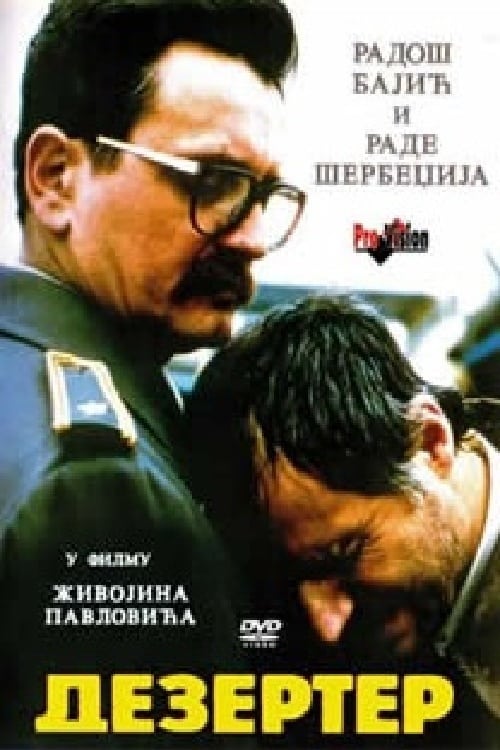
During the Yugoslav break-up, Federal Army officer is fed up with war and takes some leave in Belgrade. However, it turns out that he is less haunted by war horrors than with some sentimental skeletons in the closet. He meets his former comrade and best friend who is AWOL, but can't report him because he had an affair with his wife.
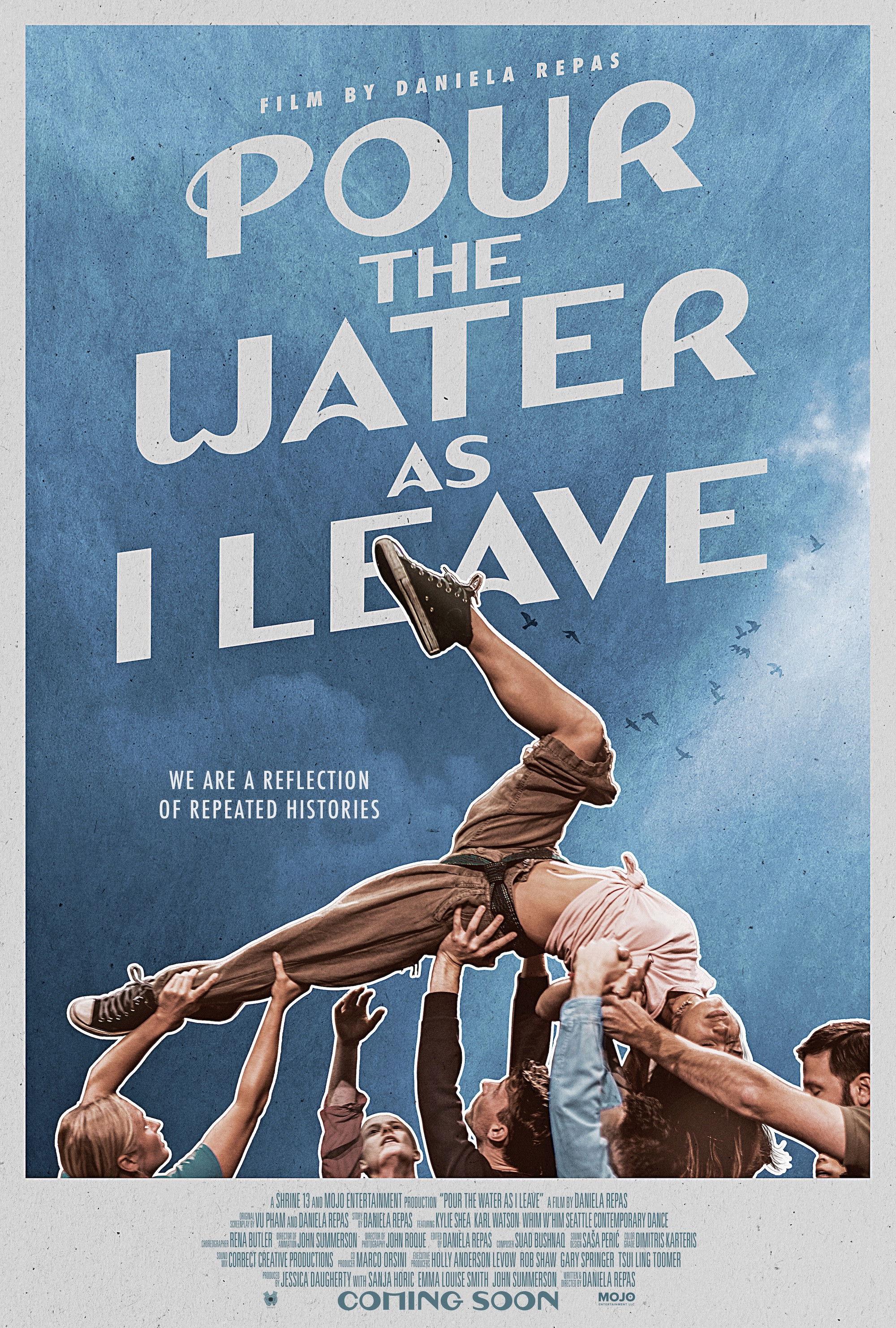
A surreal exploration of the war in Bosnia told through the unbreakable spirit of seven of her people whose strength to leave was as powerful as the fight to stay. Through the lens of diaspora, the film captures not just the weight of displacement, but the defiant act of survival and the unwavering pursuit of home, no matter where the journey leads.
A partisan battalion who was surrounded from all sides brings up decision to enter the city, so that the fighters could rest and recover. Due to fear of one of the partisans, the enemy discovers their plan, but fails to sabotage it.
A young boy plays an accordion in a shopping mall. Béla Tarr picks up the camera one more time to shoot his very last scene. It is his anger about how refugees are treated in Europe, and especially in Hungary, that drove him to make a statement.
A Yugoslav man, dying after being shot while attempting to help defend his village, writes a letter of encouragement and hope to his unborn child, explaining what he was fighting for in resisting the Nazi invasion of his homeland. A John Nesbitt's Passing Parade short.
On a small island in the Adriatic, tensions rise between the local population and the forces of the Yugoslav People's Army. The locals try to fight the enemy with song, dance, music and motivational speeches, but, major Aleksa, the head of the batallion situated on the island, threatens to blow their barracks up with everyone inside them if the civilians don't retreat.
Amid the failing counteroffensive, a journalist follows a Ukrainian platoon on their mission to traverse one mile of heavily fortified forest and liberate a strategic village from Russian occupation. But the farther they advance through their destroyed homeland, the more they realize that this war may never end.
Prelude to War was the first film of Frank Capra's Why We Fight propaganda film series, commissioned by the Pentagon and George C. Marshall. It was made to convince American troops of the necessity of combating the Axis Powers during World War II. This film examines the differences between democratic and fascist states.
A documentary about World War I with never-before-seen footage to commemorate the centennial of Armistice Day, and the end of the war.
“The Soviet Story” is a story of an Allied power, which helped the Nazis to fight Jews and which slaughtered its own people on an industrial scale. Assisted by the West, this power triumphed on May 9th, 1945. Its crimes were made taboo, and the complete story of Europe’s most murderous regime has never been told. Until now...
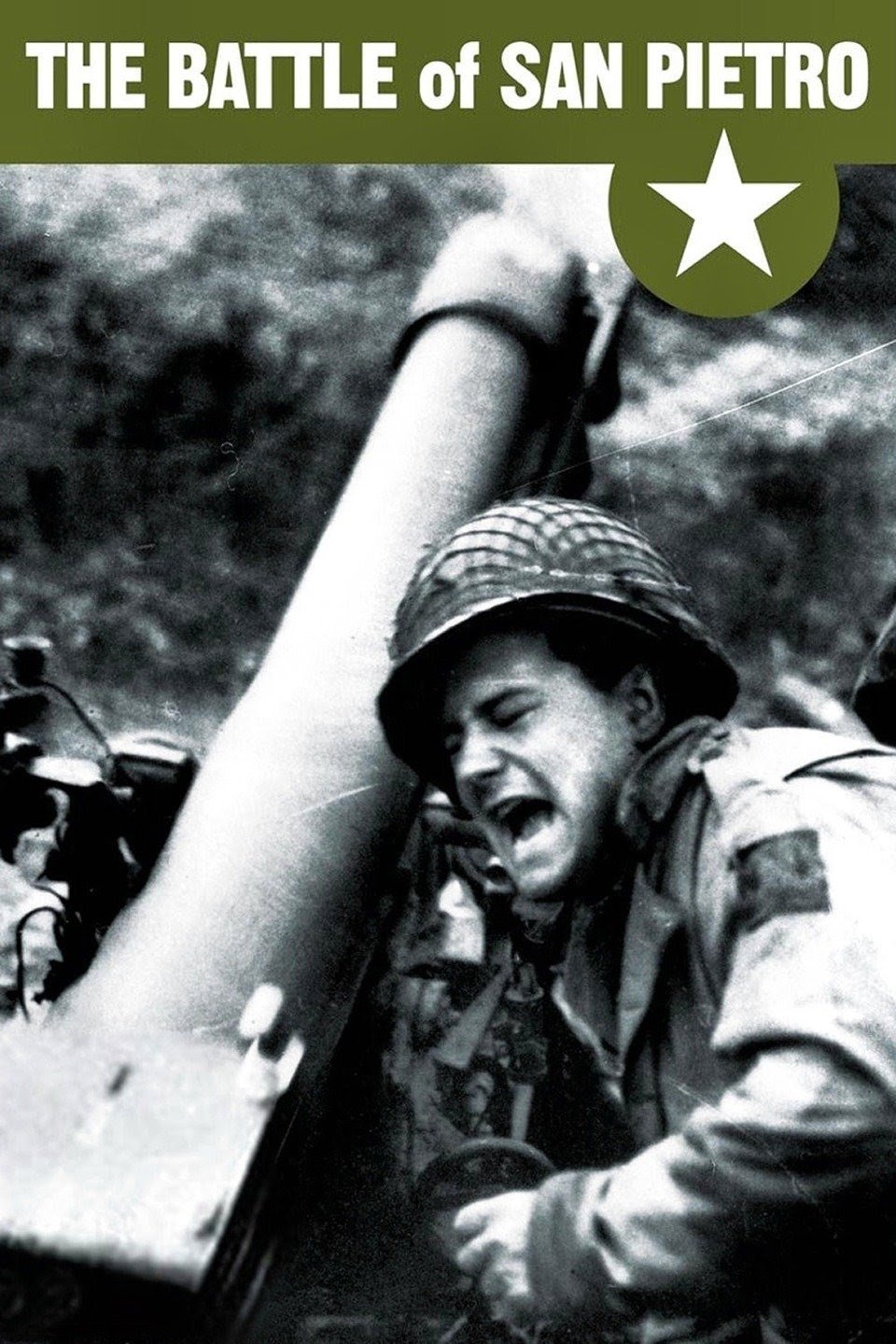
This documentary movie is about the battle of San Pietro, a small village in Italy. Over 1,100 US soldiers were killed while trying to take this location, that blocked the way for the Allied forces from the Germans. Preserved by the Academy Film Archive in 2005.
Meet the real-life airmen who inspired Masters of the Air as they share the harrowing and transformative events of the 100th Bomb Group.
Director Michael Apted revisits the same group of British-born adults after a 7 year wait. The subjects are interviewed as to the changes that have occurred in their lives during the last seven years.
Through deeply personal interviews with her siblings and an examination of the photographs, letters, and belongings left behind, Mariska assembles a new portrait of her mother Jayne Mansfield, an extraordinary and complex woman.
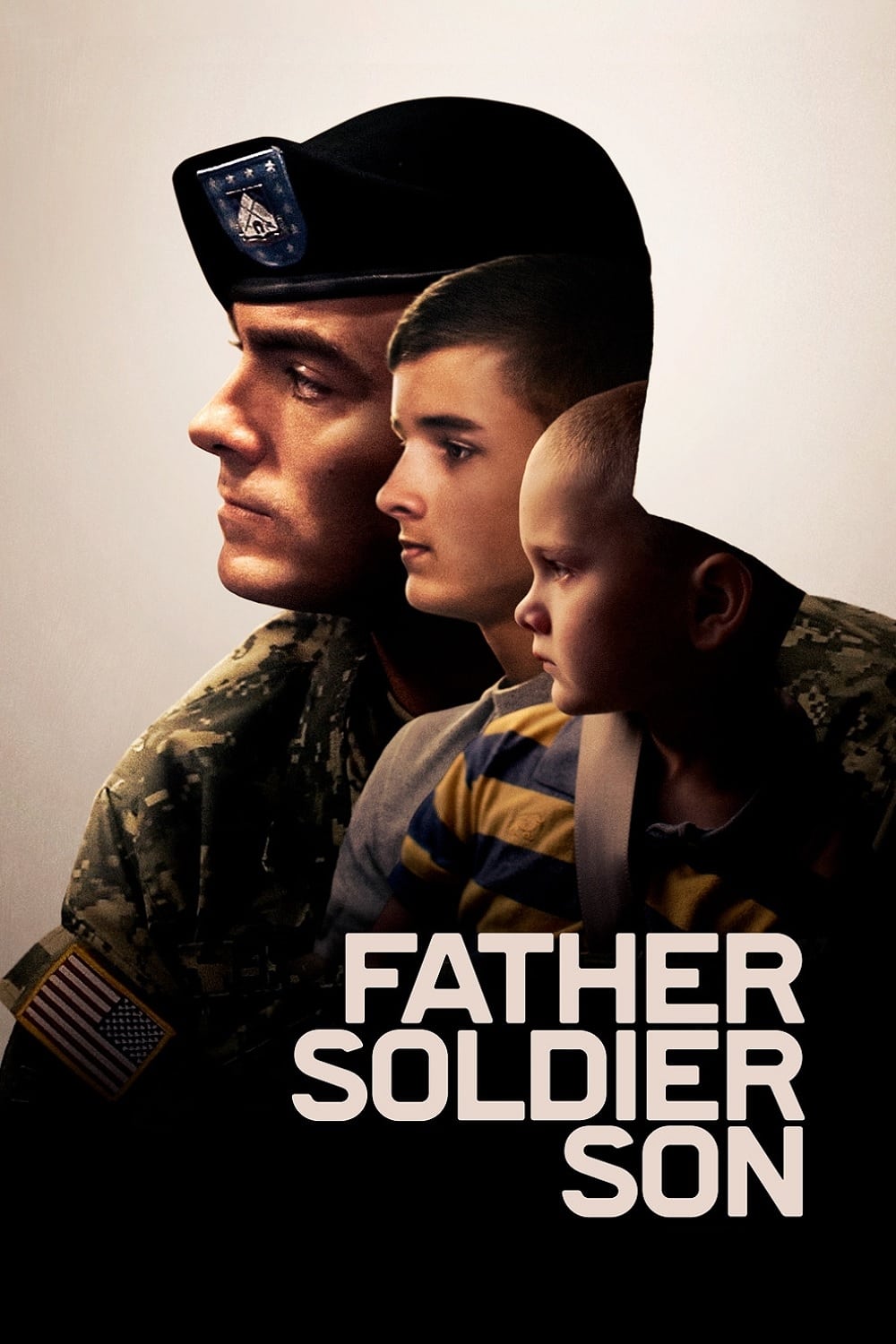
When Sgt. First Class Brian Eisch is critically wounded in Afghanistan, it sets him and his sons on a journey of love, loss, redemption and legacy.
A love letter from a young mother to her daughter, the film tells the story of Waad al-Kateab’s life through five years of the uprising in Aleppo, Syria as she falls in love, gets married and gives birth to Sama, all while cataclysmic conflict rises around her. Her camera captures incredible stories of loss, laughter and survival as Waad wrestles with an impossible choice– whether or not to flee the city to protect her daughter’s life, when leaving means abandoning the struggle for freedom for which she has already sacrificed so much.
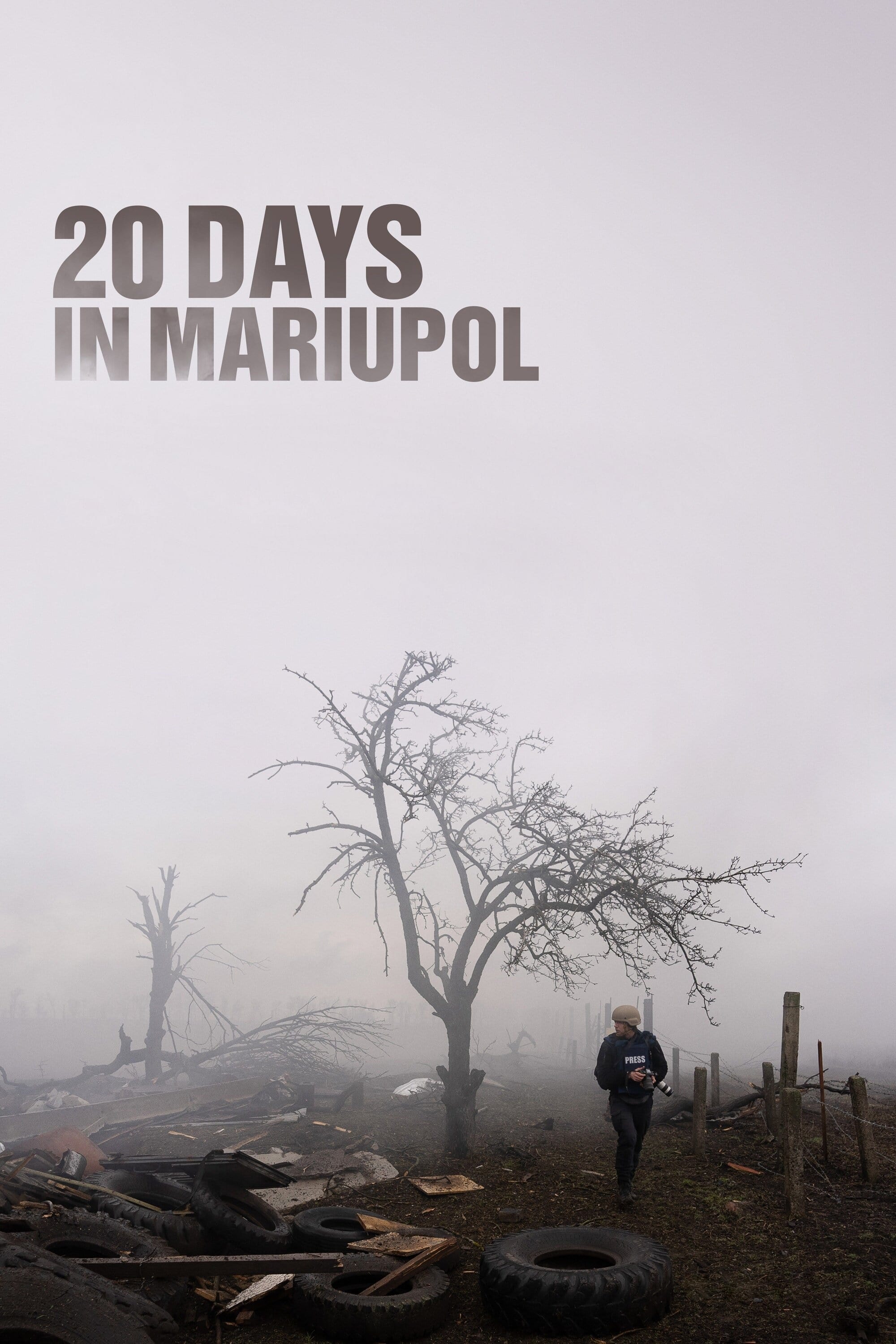
As the Russian invasion begins, a team of Ukrainian journalists trapped in the besieged city of Mariupol struggle to continue their work documenting the war's atrocities.
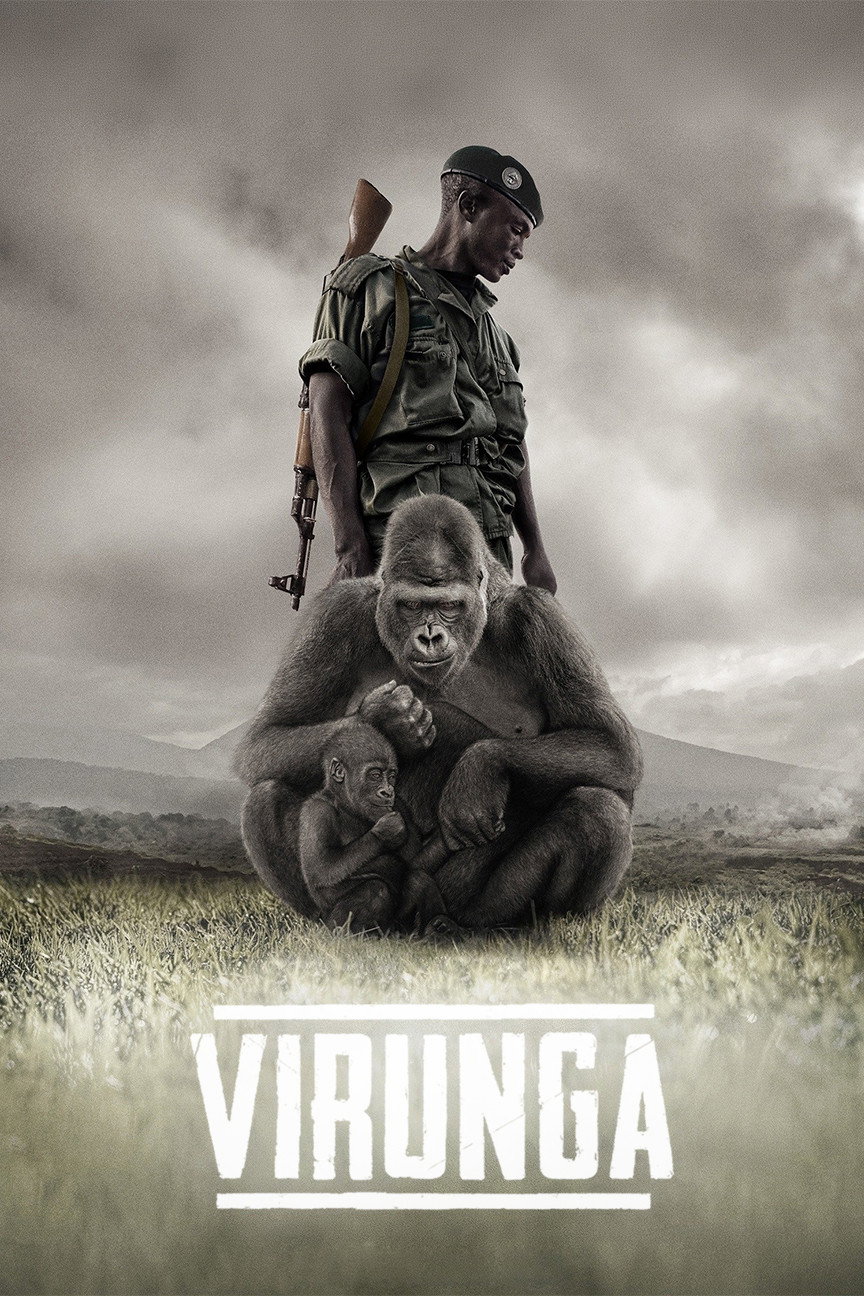
Virunga in the Democratic Republic of the Congo is Africa’s oldest national park, a UNESCO world heritage site, and a contested ground among insurgencies seeking to topple the government that see untold profits in the land. Among this ongoing power struggle, Virunga also happens to be the last natural habitat for the critically endangered mountain gorilla. The only thing standing in the way of the forces closing in around the gorillas: a handful of passionate park rangers and journalists fighting to secure the park’s borders and expose the corruption of its enemies. Filled with shocking footage, and anchored by the surprisingly deep and gentle characters of the gorillas themselves, Virunga is a galvanizing call to action around an ongoing political and environmental crisis in the Congo.
Al Pacino's deeply-felt rumination on Shakespeare's significance and relevance to the modern world through interviews and an in-depth analysis of "Richard III."
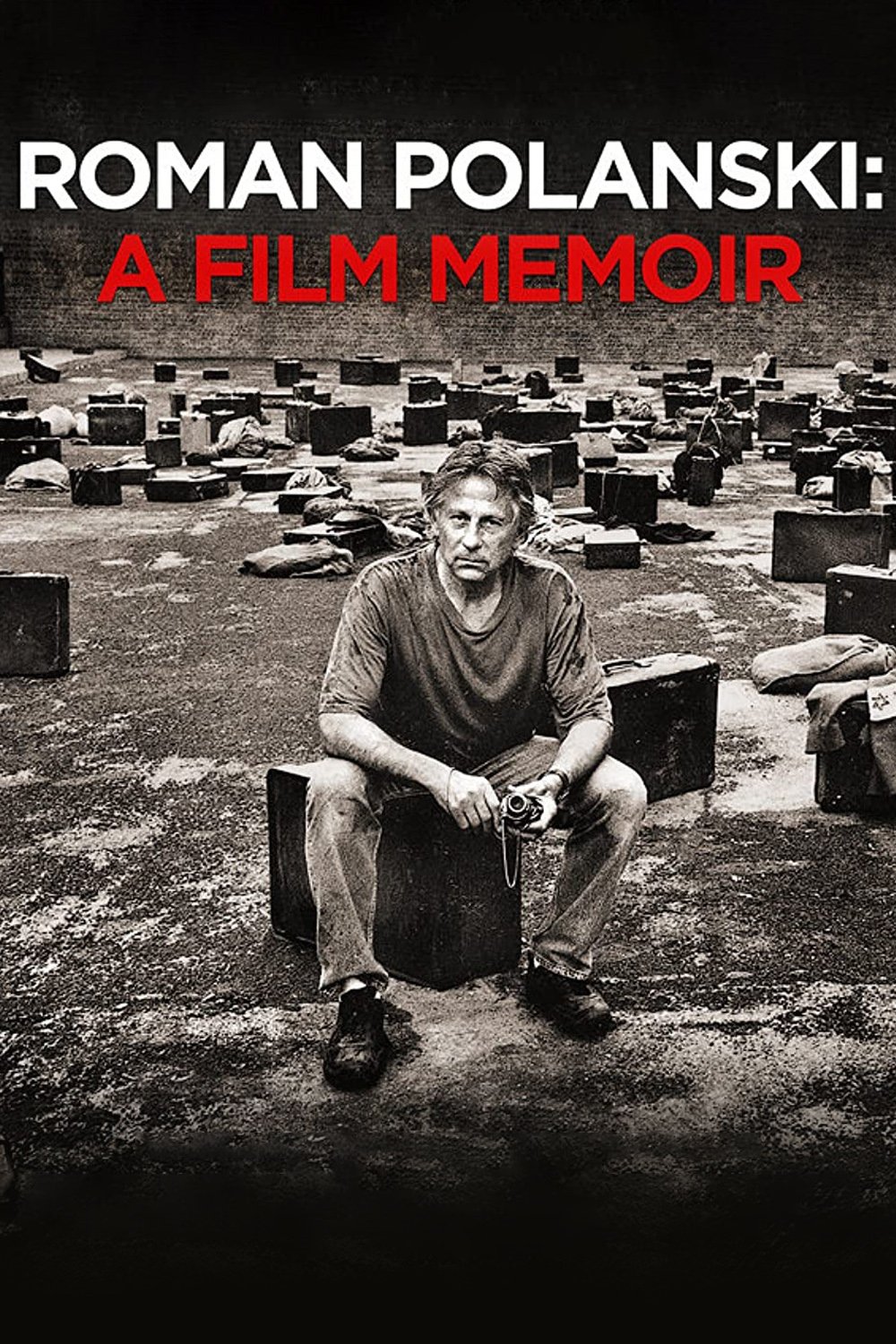
An interview with film director Roman Polanski conducted during his period of house arrest, discussing his life and work.
In an intimate and joyful story of love in the face of loss, celebrated poets Andrea Gibson and Megan Falley find strength—and unexpected hilarity—in what might be their final year together.
"Trinity and Beyond" is an unsettling yet visually fascinating documentary presenting the history of nuclear weapons development and testing between 1945-1963. Narrated by William Shatner and featuring an original score performed by the Moscow Symphony Orchestra, this award-winning documentary reveals previously unreleased and classified government footage from several countries.
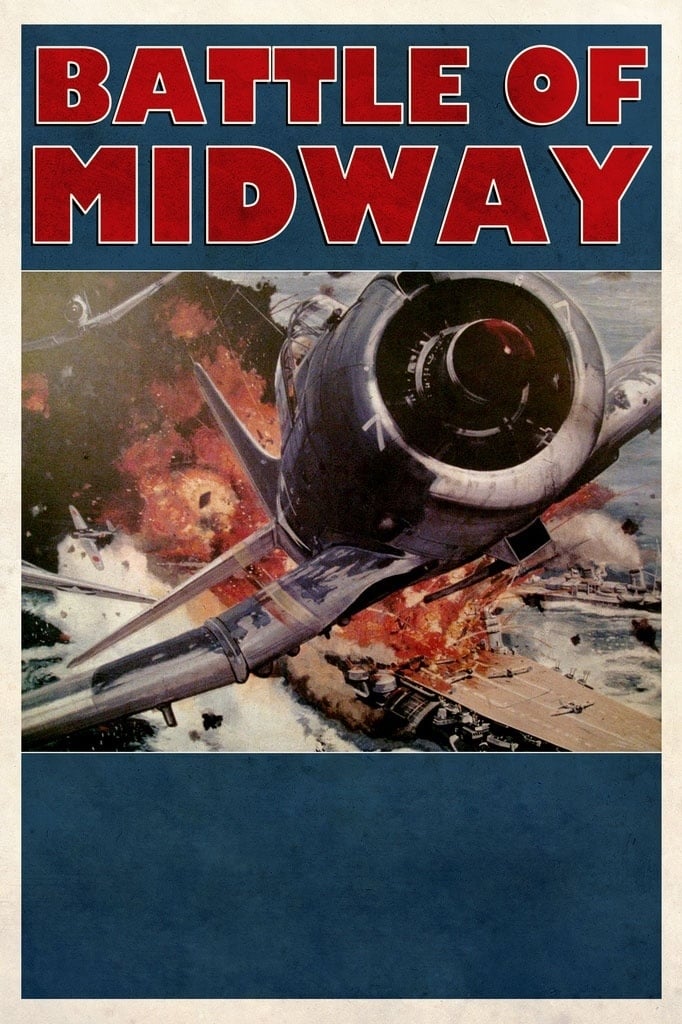
The Japanese attack on Midway in June 1942, filmed as it happened. Preserved by the Academy Film Archive, in partnership with Twentieth Century Fox Film Corporation, in 2006.
An inside look at one of the most anticipated movie sequels ever with James Cameron and cast.
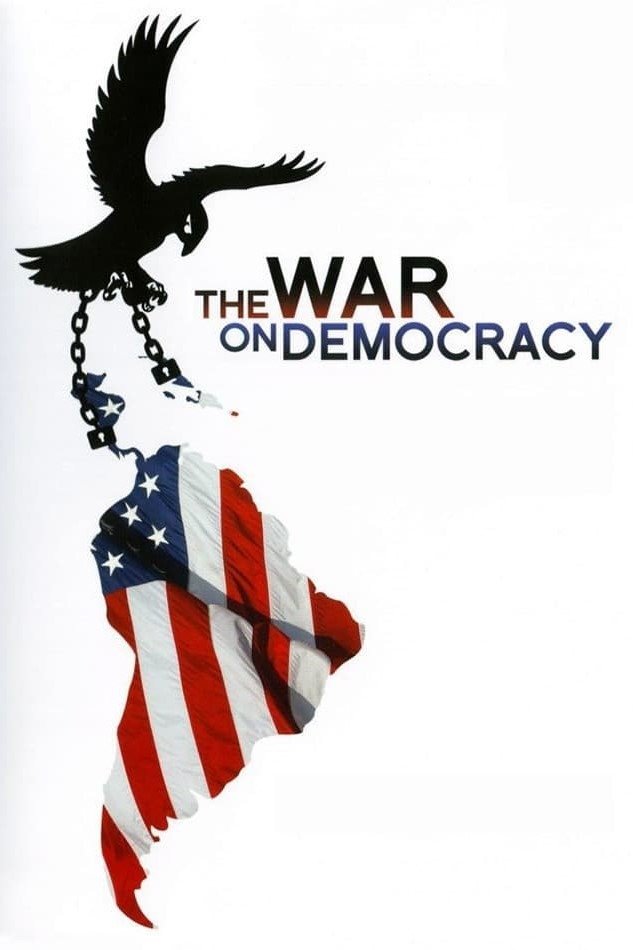
Set both in Latin America and the United States, the film explores the historic and current relationship of Washington with countries such as Venezuela, Bolivia and Chile. Pilger says that the film "...tells a universal story... analysing and revealing, through vivid testimony, the story of great power behind its venerable myths. It allows us to understand the true nature of the so-called "war on terror". According to Pilger, the film’s message is that the greed and power of empire is not invincible and that people power is always the "seed beneath the snow".
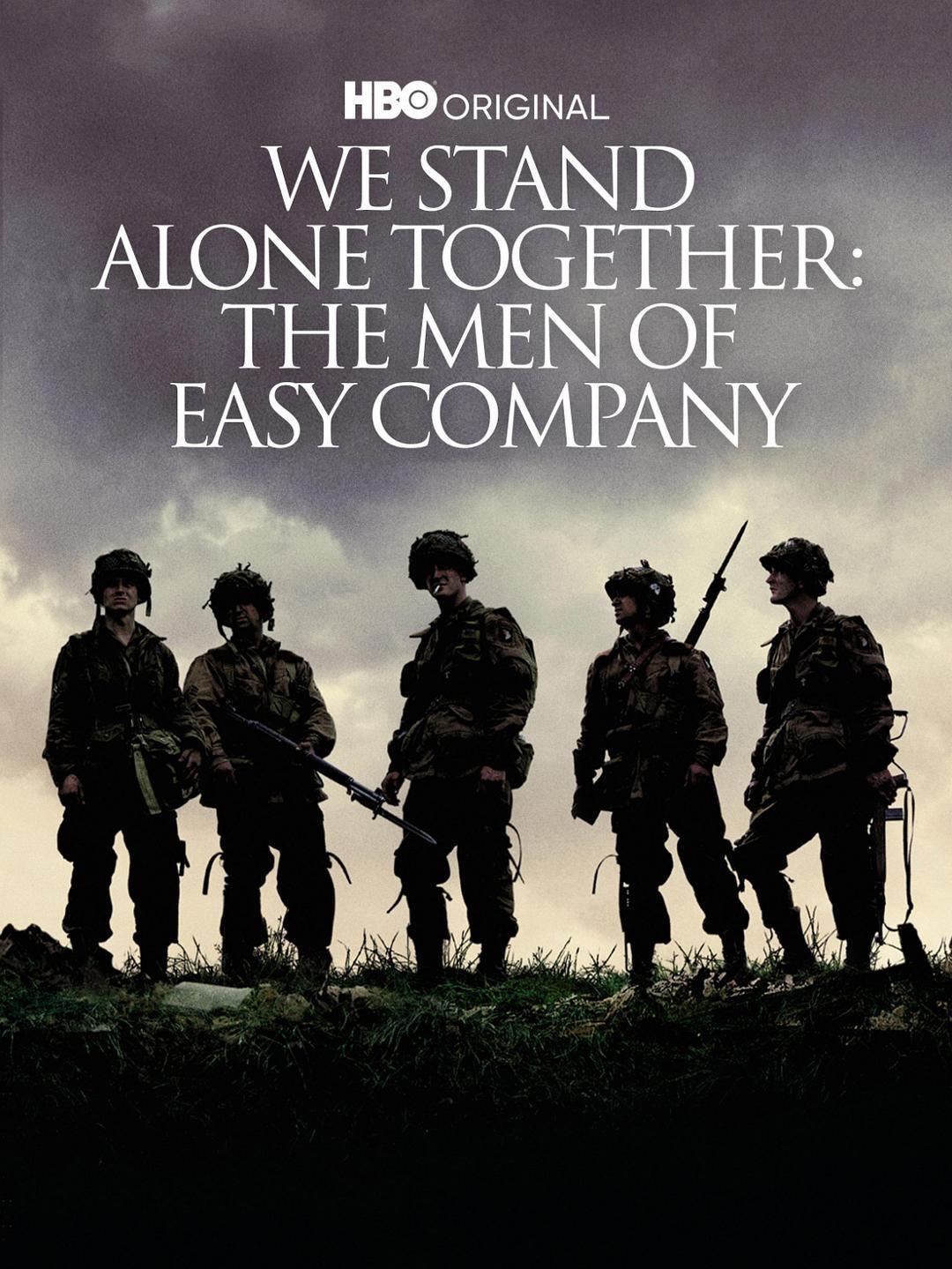
Over a period of two years, Mark Cowen and his crew travelled to thirty U.S. states and ten European cities, to interview the veterans of Easy Company. The stories told by the veterans themselves, create a history of the Second World War from the point of view of this heroic company of men, made famous in the mini-series Band of Brothers.