Social & External
The people behind it
GG FÁKỌ̀LÀDÉ
Amylton de Almeida (Voz)
Gustavo Guilherme da Conceição
Pesquisador
Izah Cândido
Produtor
Joel Barcellos
Jece Valadão
Bernardo Graça
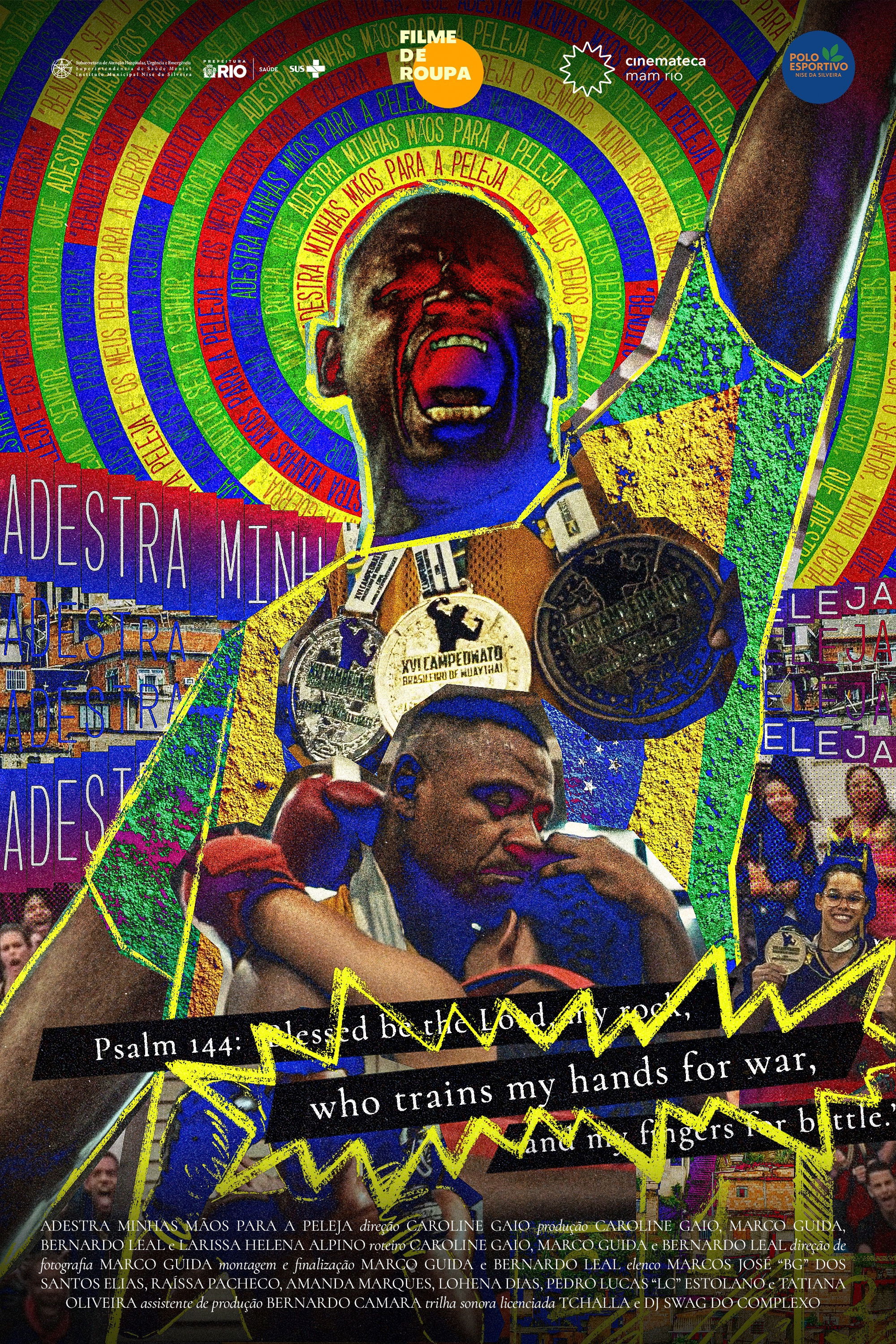
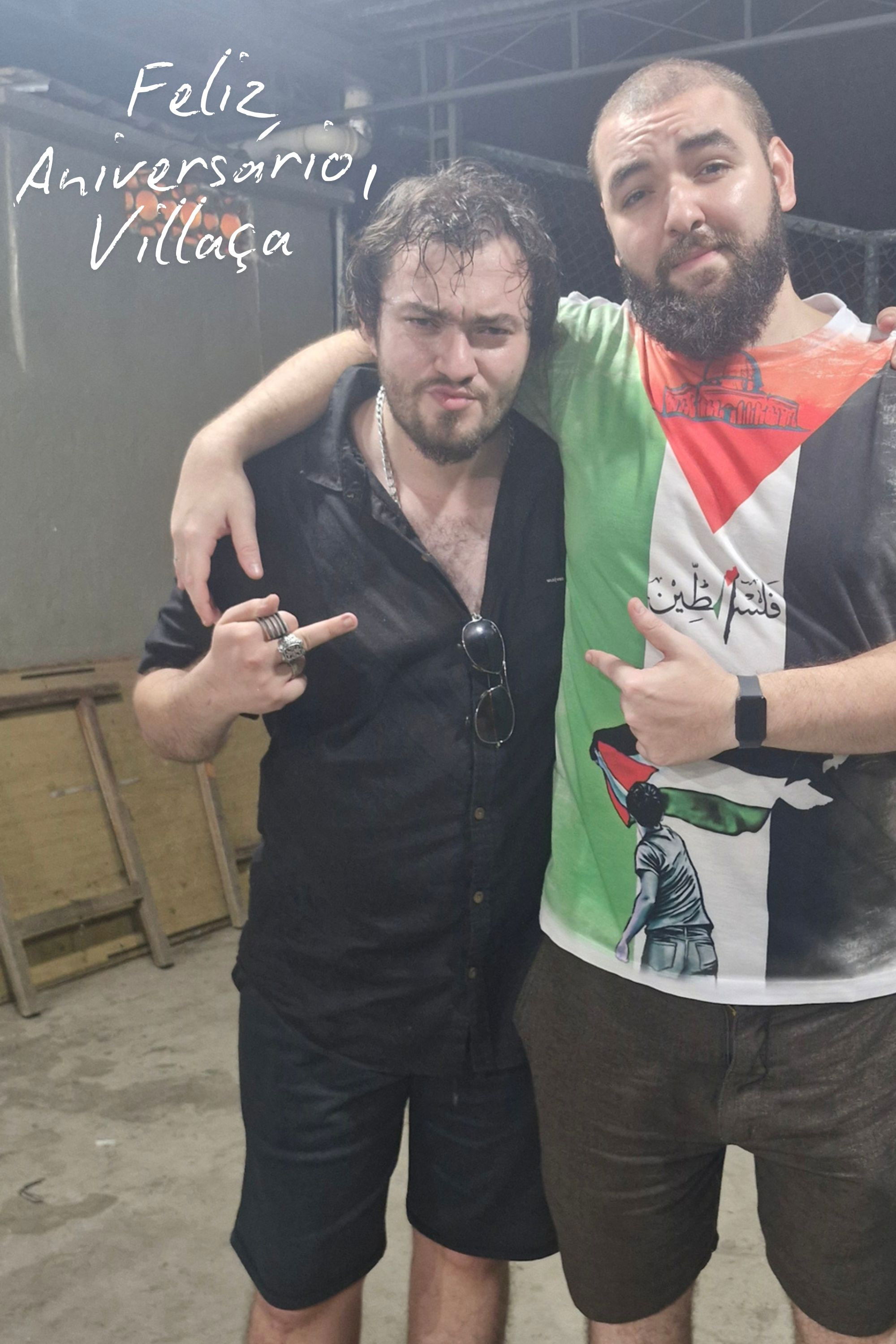
Founding a social Muay Thai project in the North Zone of Rio de Janeiro, Mestre BG and his competitors face the adversities of an underfunded project and fight to win their place on the podium. The challenges intensify when one of the students, Raíssa Pacheco, secures a spot to compete in a South American championship in Uruguay.
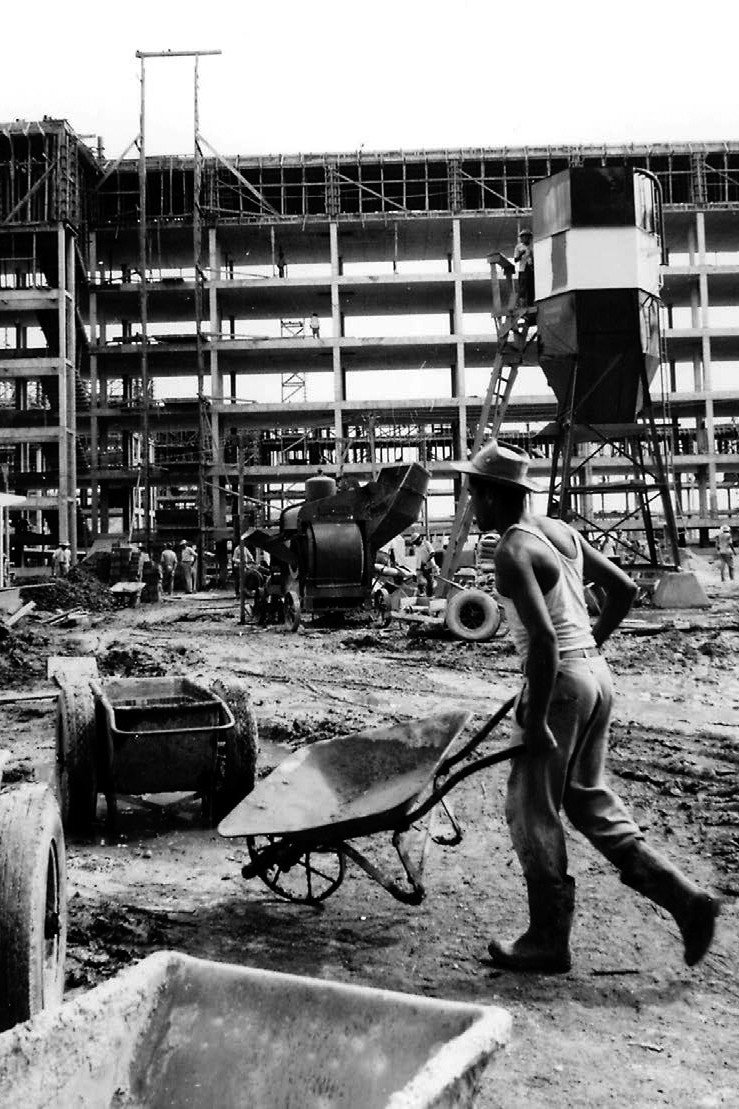
The Cruspian Experience is a documentary made in June 1986 about CRUSP, the University of São Paulo’s student housing complex, from its occupation by students fighting for housing in 1963. The CRUSP portrayed in the film was an important center of political resistance to the military dictatorship during the 1960s and 1970s, as well as a space for diverse forms of community life and experimentation in the 1980s. The documentary features accounts by José Dirceu, then a student and later a prominent Brazilian politician who went on to serve as a minister during Lula’s government and was subsequently convicted and imprisoned on corruption charges. The documentary was directed by Nilson Queiróz Couto and received the “Prêmio Estímulo” (Incentive Award) from the São Paulo State Secretariat of Culture.
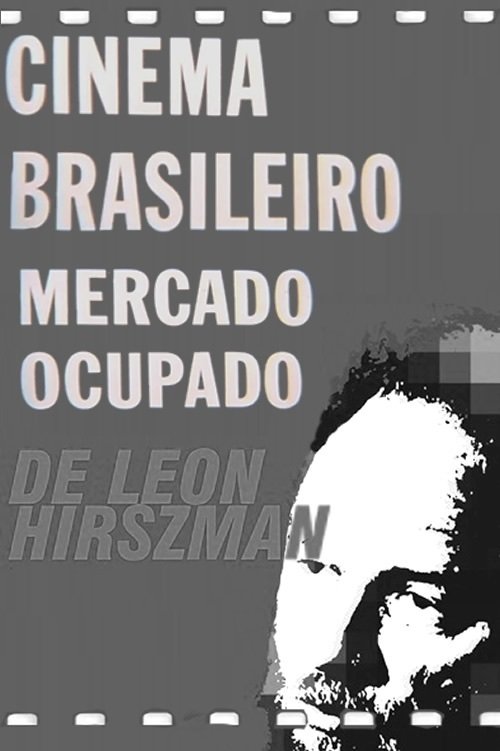
Documentary by Leon Hirszman about the economic conditions of film production in Brazil, produced in 1975 with sponsorship from Embrafilme and kept unreleased since then.
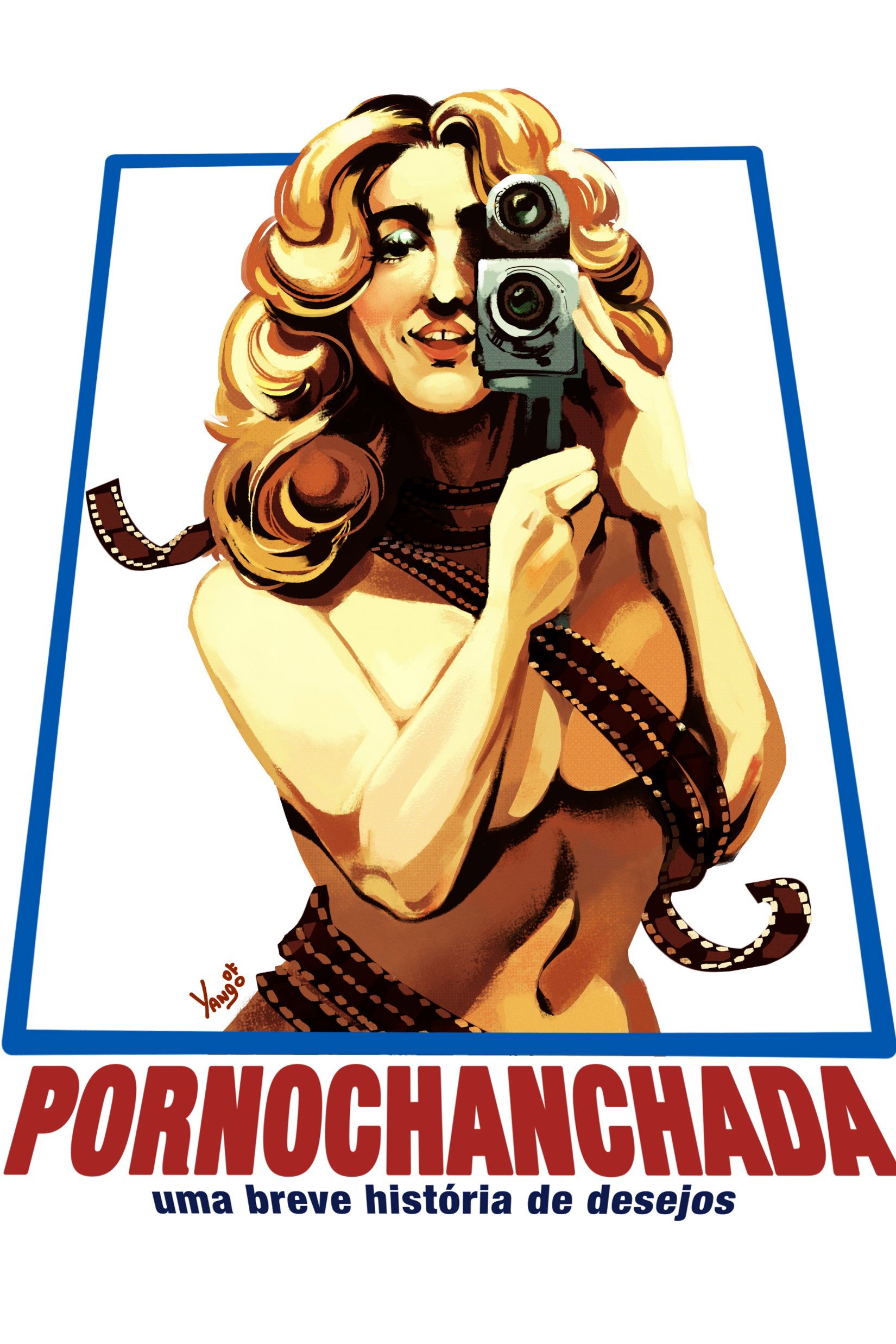
Among bodies, jokes, eye-catching posters, and packed movie theaters, pornochanchada became one of the most popular- and contradictory- phenomena in Brazilian cinema. This documentary delves into a cinema of excess and irreverence to investigate how, during the military dictatorship, films apparently considered “minor” became box-office successes and exposed the fractures of a conservative, unequal, and closely watched country.
A Brazilian production that portrays a journey of struggle, faith, hope and transformation through powerful life experiences.
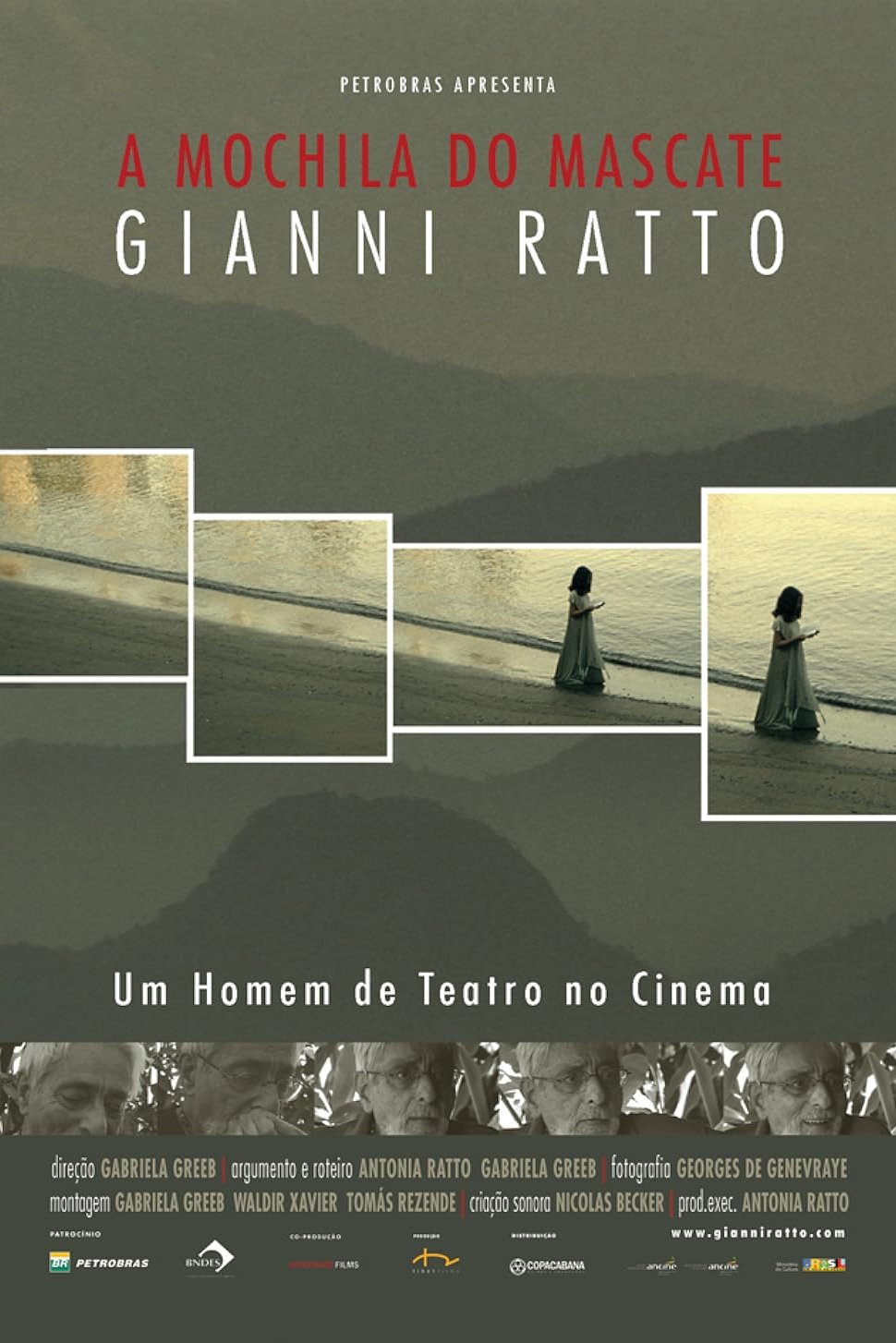
From Italian set designer to Brazilian stage director, Gianni Ratto, born in Italy in 1916 and based in Brazil since 1954, retraces the geographical path of his life, accompanied by his daughter, passing through Genoa, Milan, Florence, São Paulo, and Rio de Janeiro, visiting places and people who marked his journey. At each encounter, Gianni speaks of his work and reveals the ideas of someone who not only executes but also thinks about theater from a humanist perspective.
In Taquaritinga, a small city in the countryside of São Paulo, Brazil, old movie theaters were once places of gathering, memory, and access to culture. Through the stories of these places, What Lies Between explores what remains when the screens go dark and the theaters disappear, reflecting on memory, urban transformation, and the democratization of cinema in Brazil.
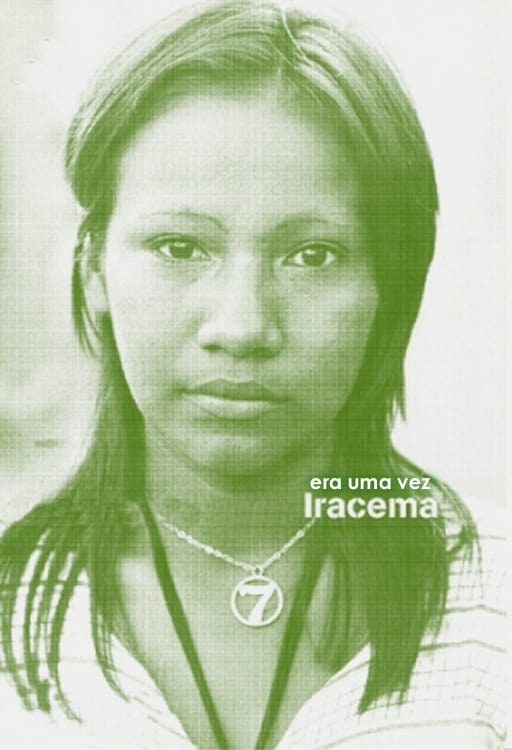
A making-of directed by Bodanzky himself, the documentary discusses the language of the film Iracema - Uma Transa Amazônica 30 years after it was made, gathering interviews with the authors, actors, critics and the filmmakers themselves.
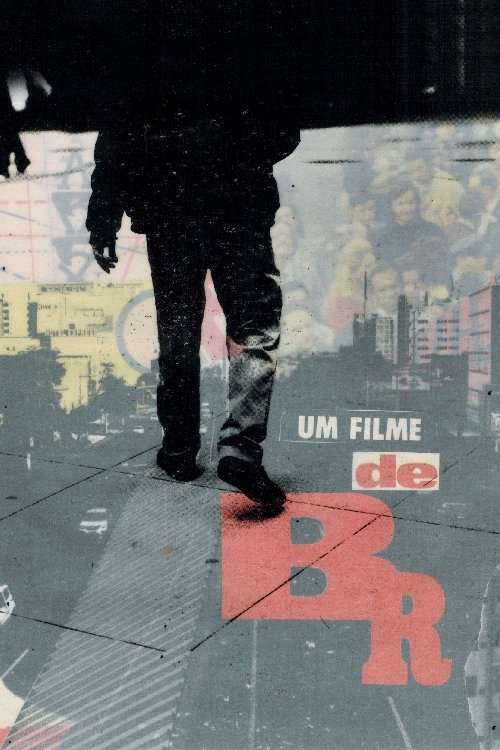
Four researchers record their perceptions as they walk through the patch of the BR-116 that goes through Canoas, Rio Grande do Sul, Brazil, looking for characters who’ve had their lives connected throughout the highway. The BR-116, the largest road in Brazil, crosses 10 states and connects Fortaleza to the municipality of Jaguarão, at the Uruguayan border, while also going through Canoas, splitting the city in two. The documentary brings testimonies from different people who share their life stories. “A Highway Movie” (2025) is the work that concludes Wender Zanon’s trilogy on Canoas, which starts with “This Is Canoas, Not Poa” (2021), followed by “Essays on a city” (2024).
A string of threatening emails escalates into a revenge plot involving a newly married US marshal and his ex-girlfriend.
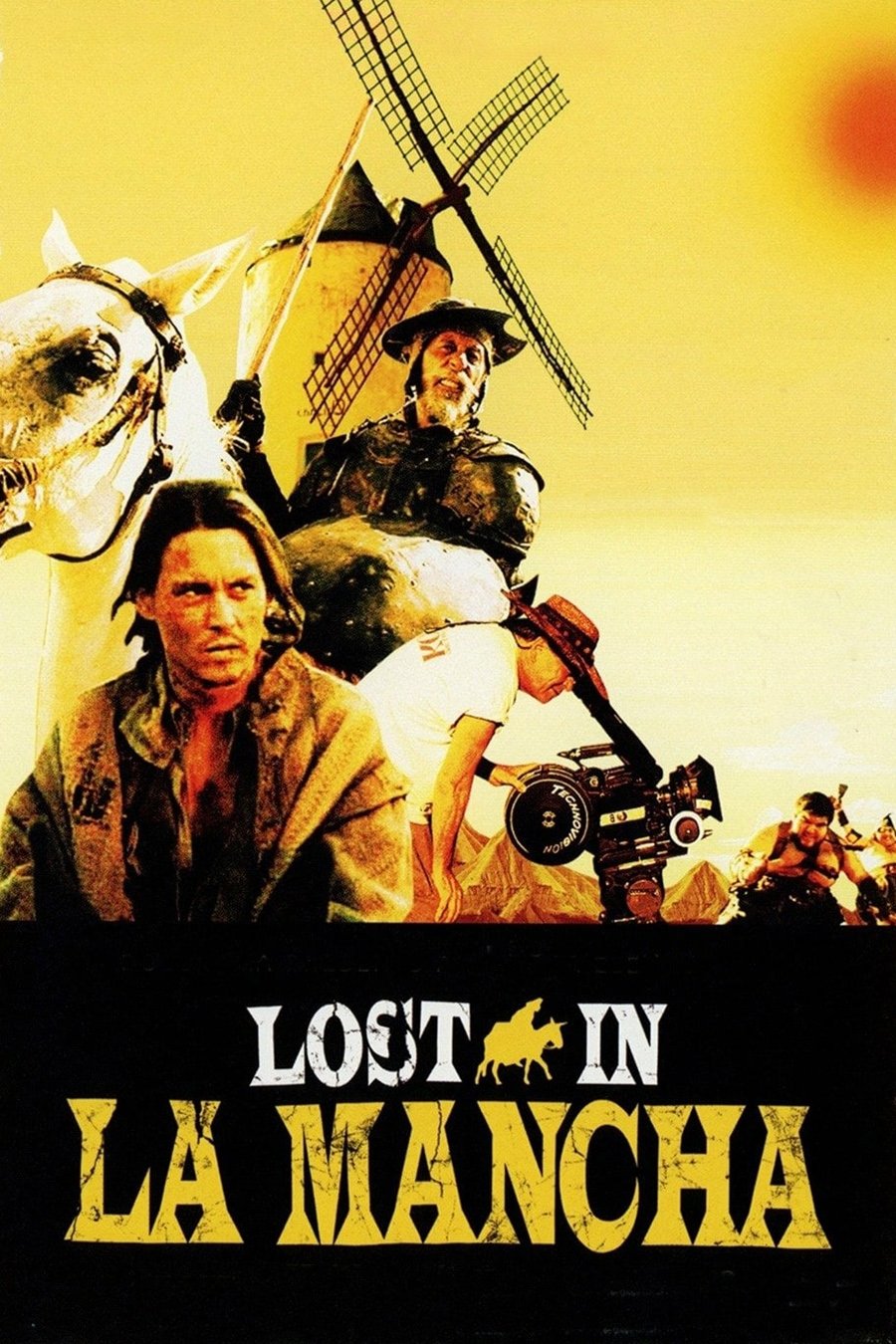
Fulton and Pepe's 2000 documentary captures Terry Gilliam's attempt to get The Man Who Killed Don Quixote off the ground. Back injuries, freakish storms, and more zoom in to sabotage the project.
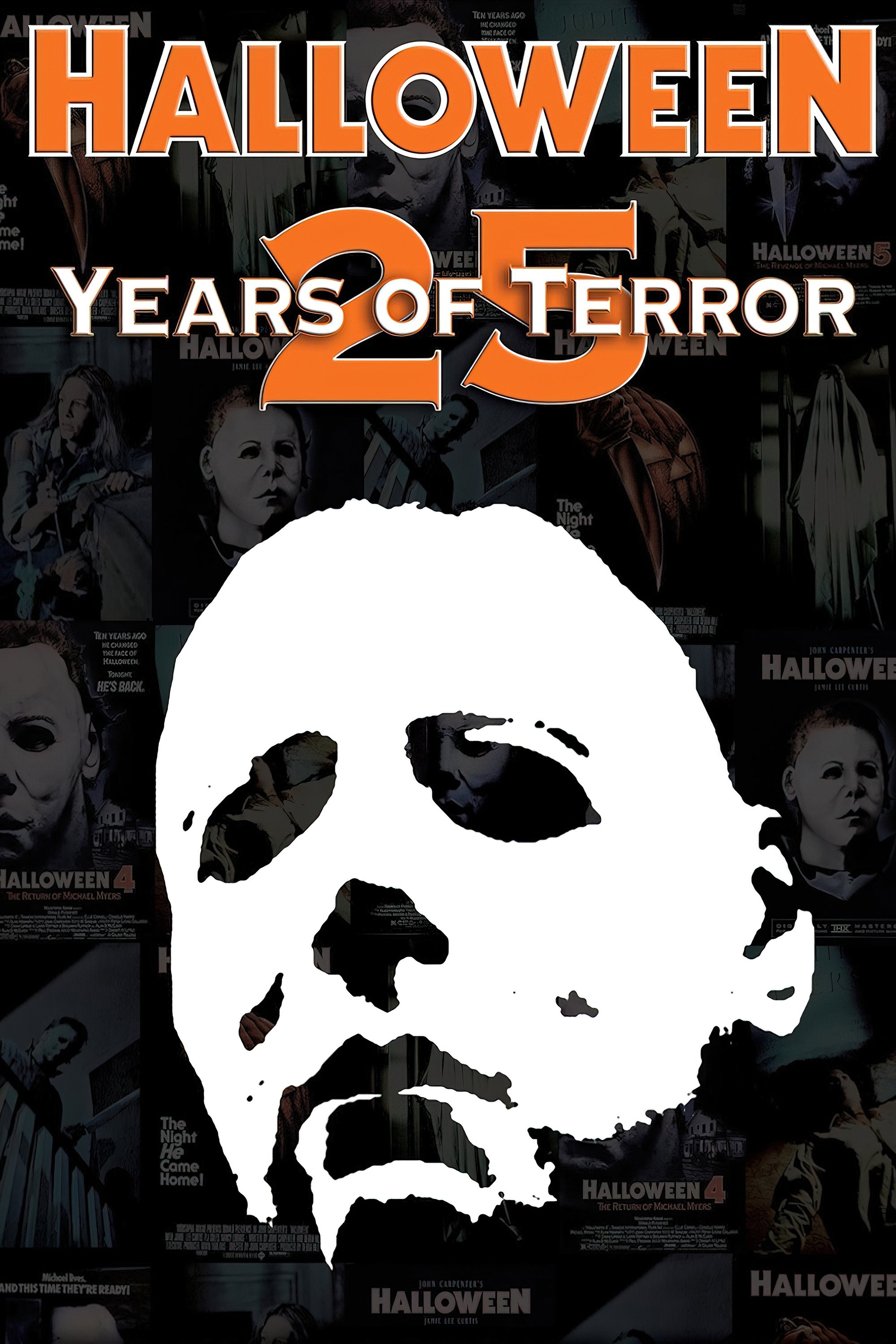
Follow the evolution of the 'Halloween' movies over the past twenty-five years. It examines why the films are so popular and revisits many of the original locations used in the films - seeing the effects on the local community. For the first time, cast, crew, critics and fans join together in the ultimate 'Halloween' retrospective.
A documentary on the expletive's origin, why it offends some people so deeply, and what can be gained from its use.
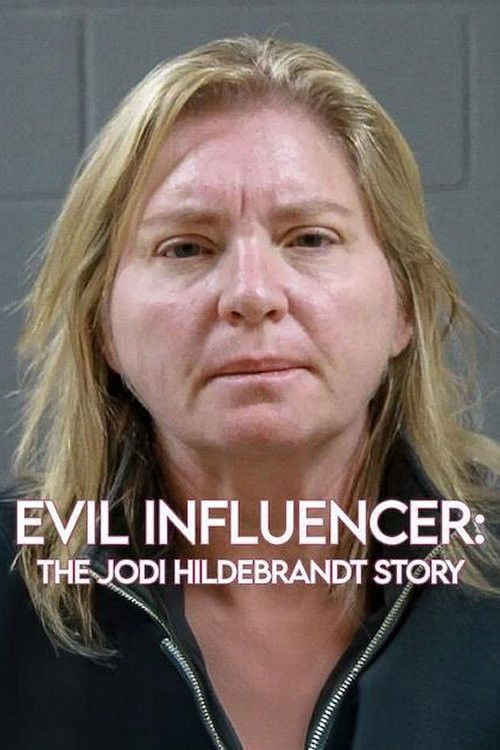
Unravel the case of Utah therapist Jodi Hildebrandt, whose child abuse arrest with parenting YouTuber Ruby Franke exposed a twisted tale of manipulation.
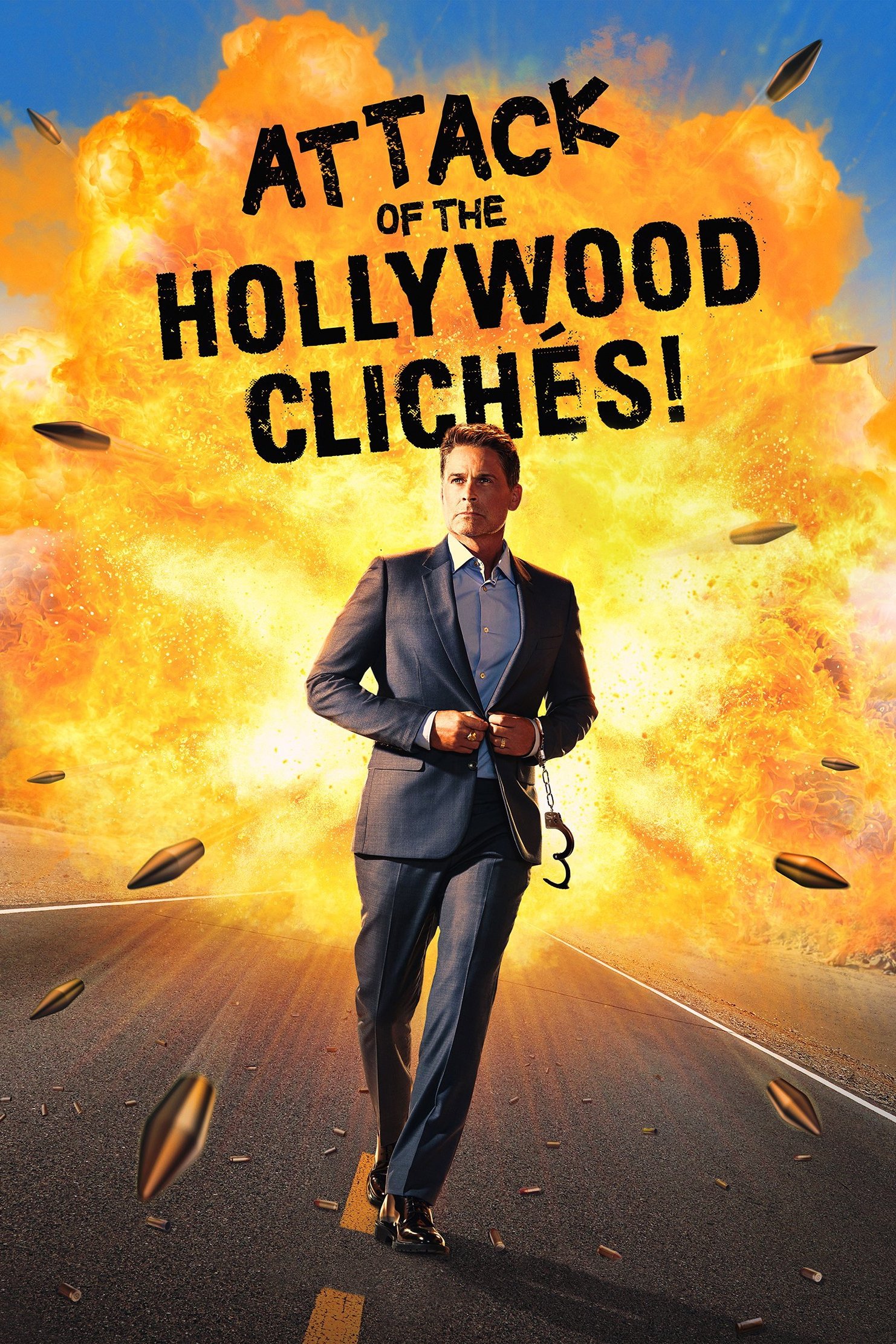
One-man armies, meet-cutes, casual strolls away from huge explosions — stars and industry insiders toast and roast these cinematic chestnuts and more.
From the heights of her modeling fame to her tragic death, this documentary reveals Anna Nicole Smith through the eyes of the people closest to her.
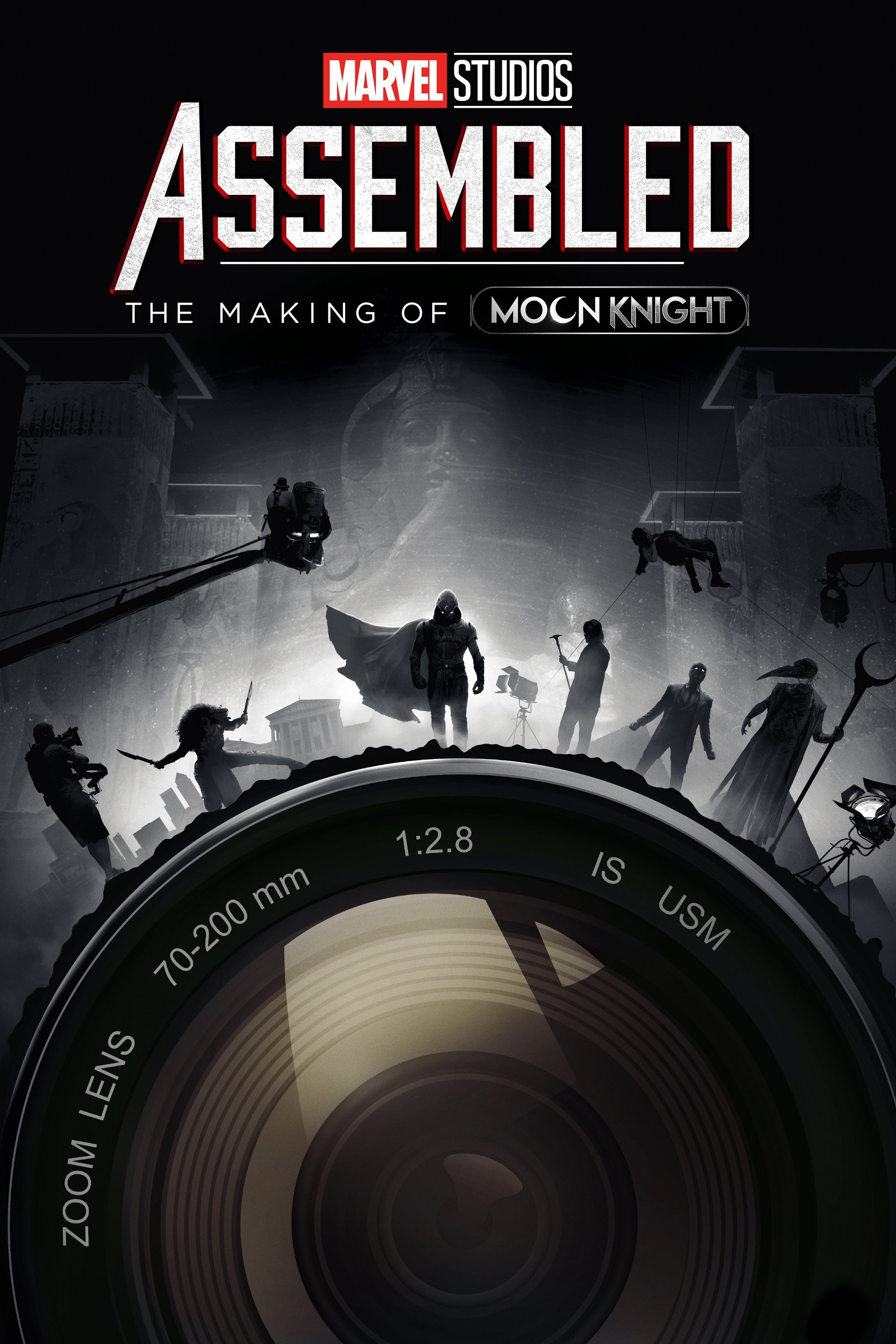
Join the likes of Oscar Isaac and Ethan Hawke as they reveal how Marvel Studios' Moon Knight was painstakingly brought to life. Through insightful interviews with cast and crew, along with immersive footage from the set, and a candid "roundtable discussion" with the series' directors, this "making-of" pulls back the curtain on the groundbreaking series of Marvel Studios' newest hero.
Alexander McQueen's rags-to-riches story is a modern-day fairy tale, laced with the gothic. Mirroring the savage beauty, boldness and vivacity of his design, this documentary is an intimate revelation of McQueen's own world, both tortured and inspired, which celebrates a radical and mesmerizing genius of profound influence.
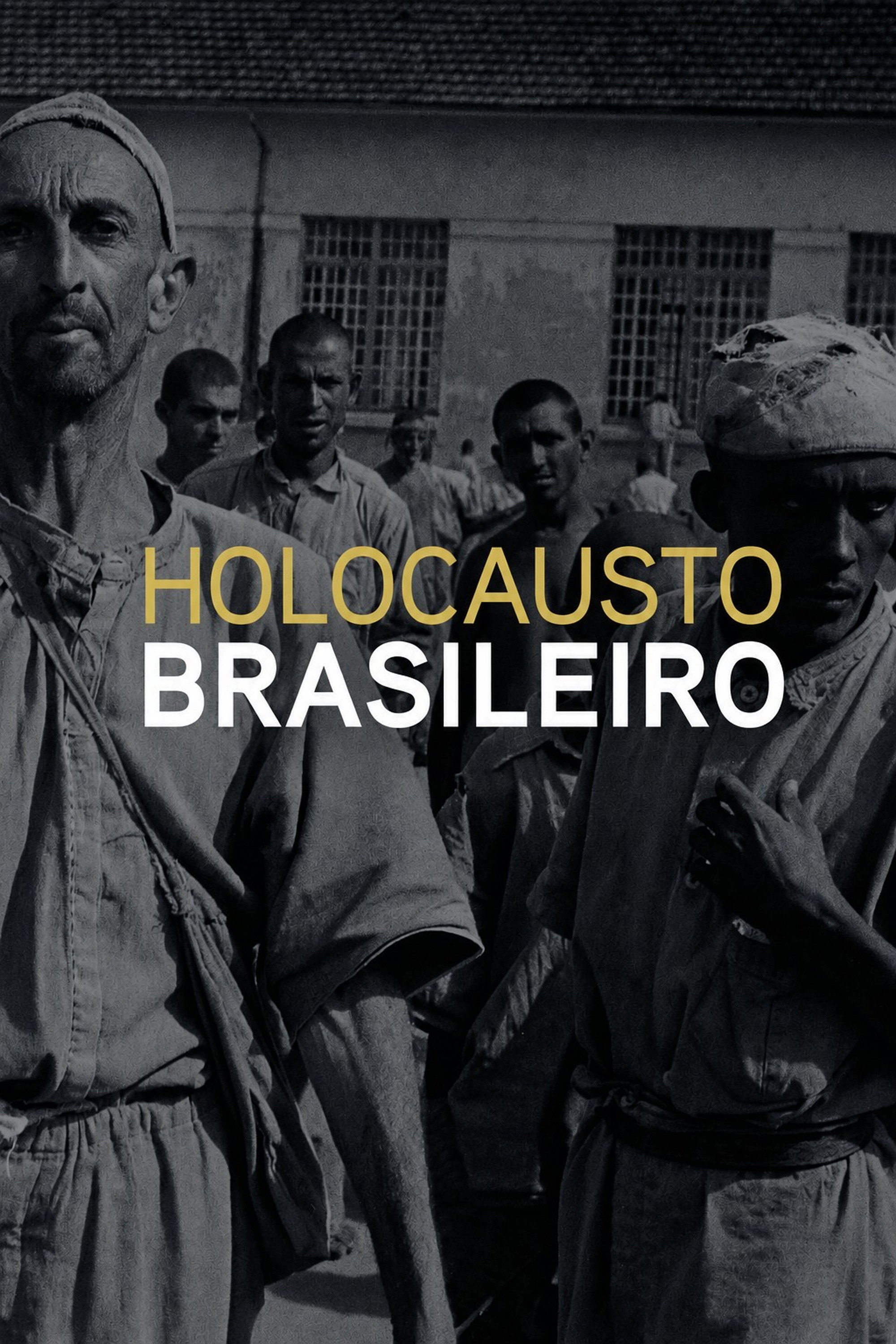
Award-winning journalist Daniela Arbex examines the horrors of the Colônia psychiatric hospital, where more than 60,000 people were killed over decades.
City of God – 10 Years Later investigates what happened to the actors who took part in the award-winning film directed by Fernando Meirelles and Katia Lund. This documentary shows what City of God’s worldwide success meant to their lives. Were the actors prepared for the film’s success? Did the social background of some of them prove stronger than the opportunity that came their way?
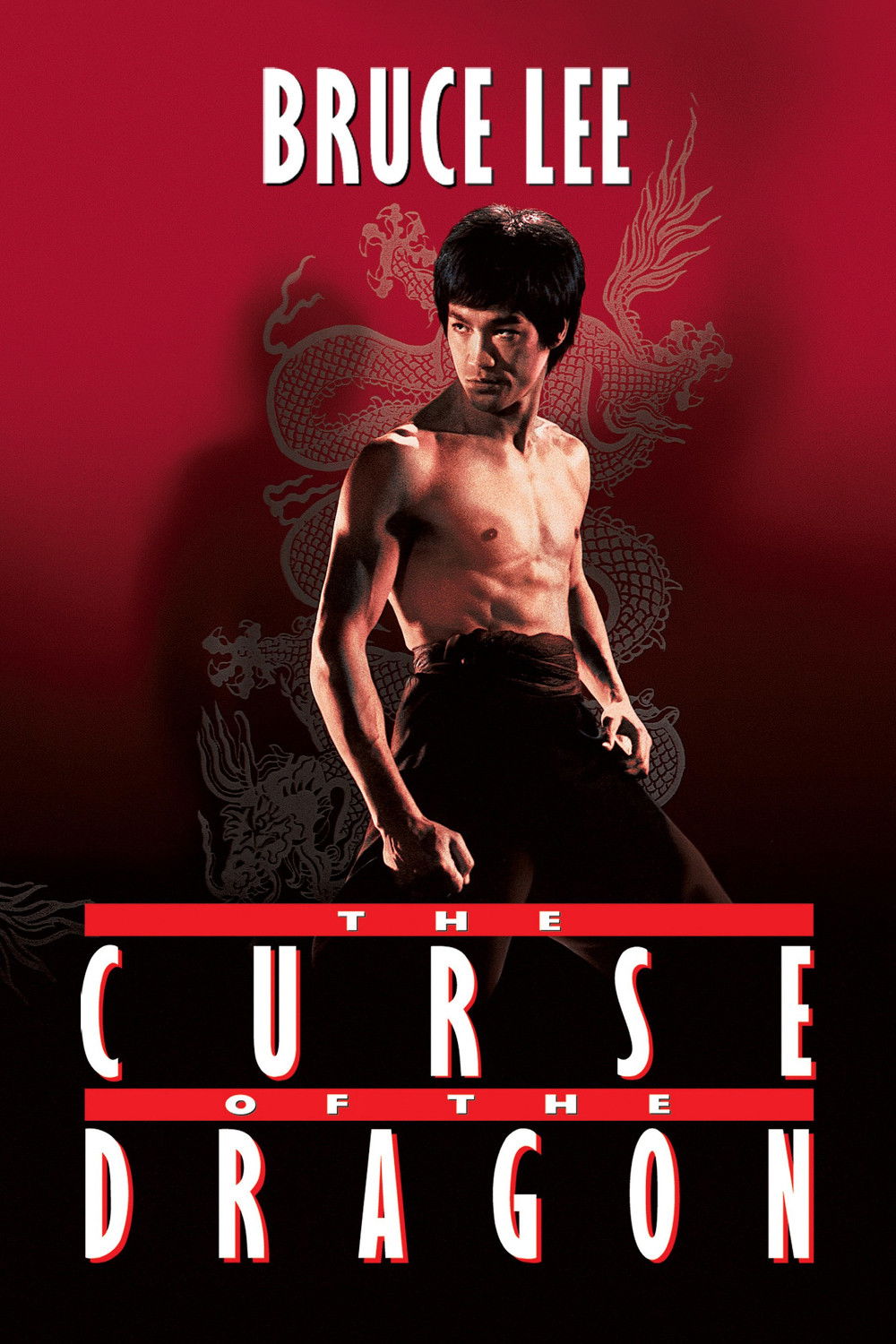
A 1993 documentary film about Bruce Lee. The film includes interviews from some of his fellow students and opponents who worked alongside him in his movies.
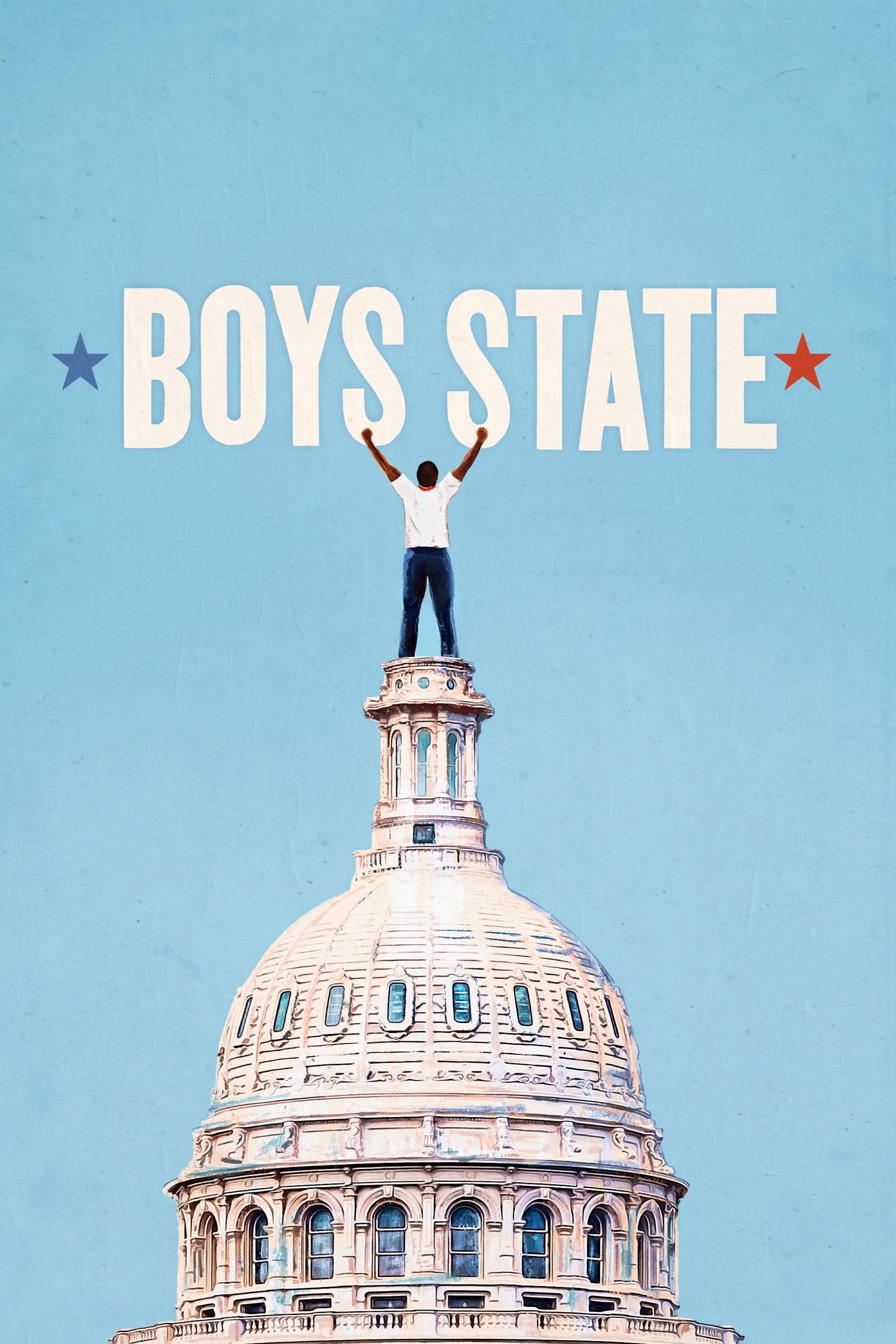
This raucous journey into the heart of democracy captures an unusual rite of passage: 1,100 teenage boys from across Texas coming together to build a representative government from the ground up.
A love letter from a young mother to her daughter, the film tells the story of Waad al-Kateab’s life through five years of the uprising in Aleppo, Syria as she falls in love, gets married and gives birth to Sama, all while cataclysmic conflict rises around her. Her camera captures incredible stories of loss, laughter and survival as Waad wrestles with an impossible choice– whether or not to flee the city to protect her daughter’s life, when leaving means abandoning the struggle for freedom for which she has already sacrificed so much.
In an intimate and joyful story of love in the face of loss, celebrated poets Andrea Gibson and Megan Falley find strength—and unexpected hilarity—in what might be their final year together.
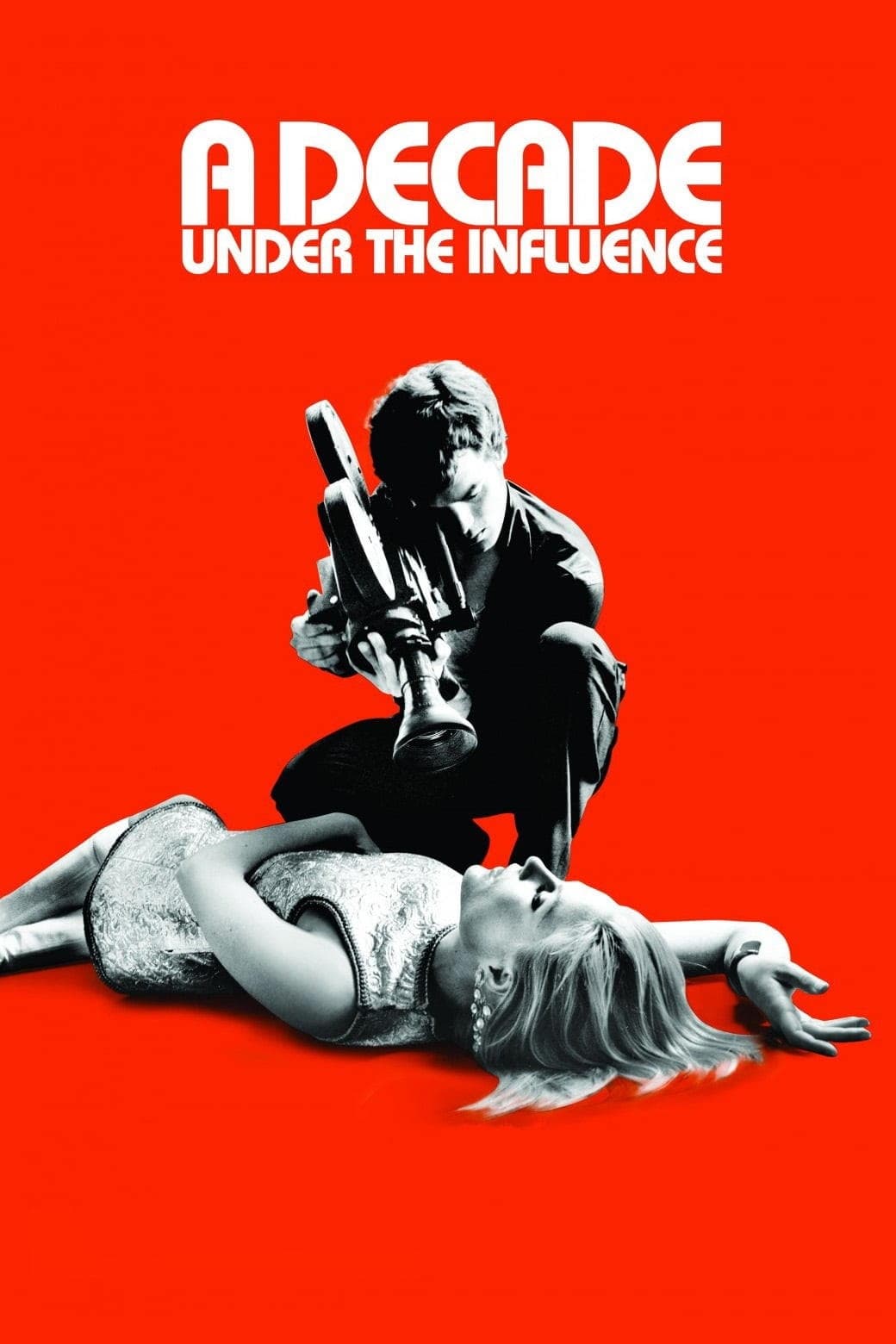
A documentary examining the decade of the 1970s as a turning point in American cinema. Some of today's best filmmakers interview the influential directors of that time.
When Allied forces liberated the Nazi concentration camps in 1944-45, their terrible discoveries were recorded by army and newsreel cameramen, revealing for the first time the full horror of what had happened. Making use of British, Soviet and American footage, the Ministry of Information’s Sidney Bernstein (later founder of Granada Television) aimed to create a documentary that would provide lasting, undeniable evidence of the Nazis’ unspeakable crimes. He commissioned a wealth of British talent, including editor Stewart McAllister, writer and future cabinet minister Richard Crossman – and, as treatment advisor, his friend Alfred Hitchcock. Yet, despite initial support from the British and US Governments, the film was shelved, and only now, 70 years on, has it been restored and completed by Imperial War Museums under its original title "German Concentration Camps Factual Survey".
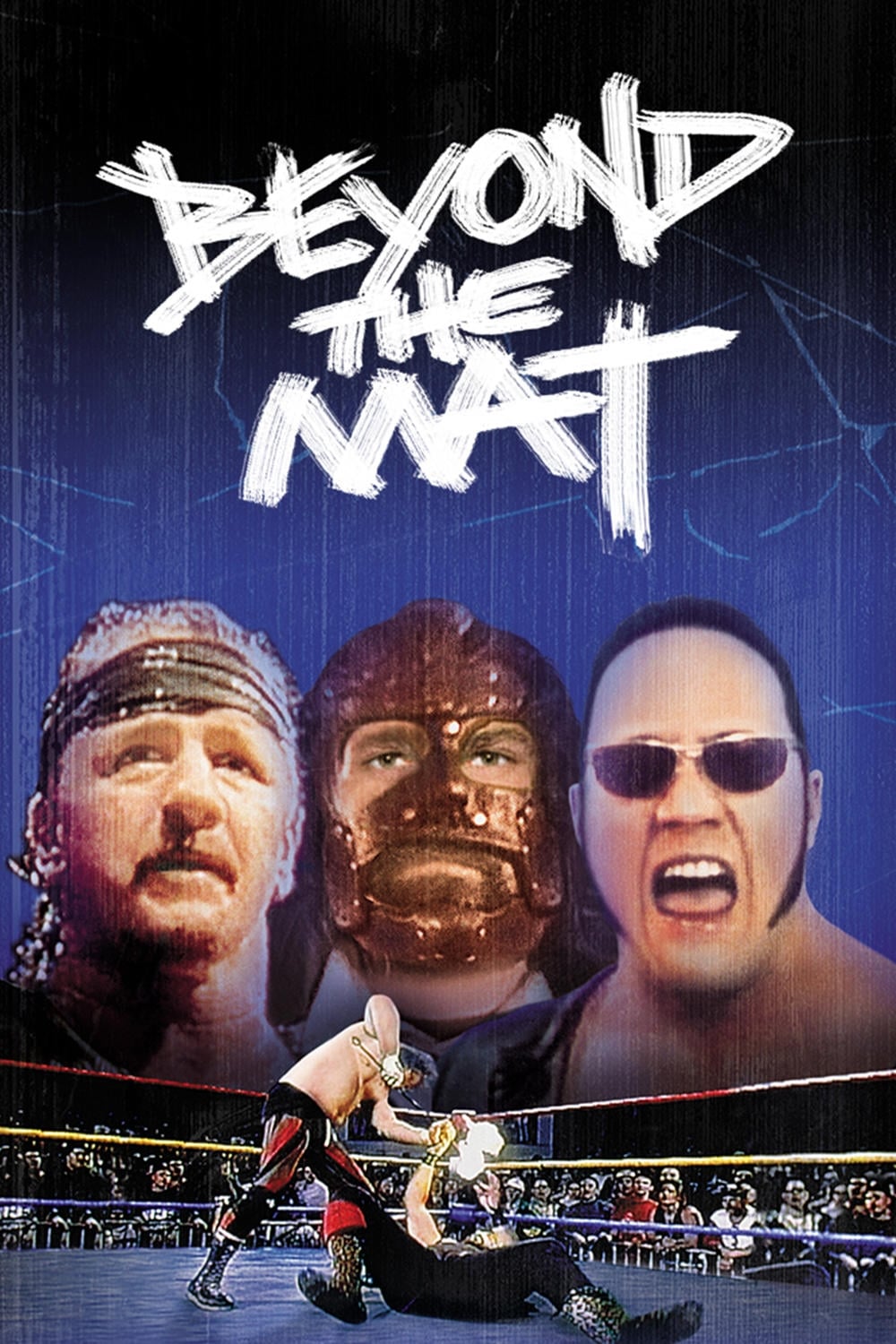
A heartfelt documentary focusing on the day-to-day lives of professional wrestlers, some on the rise, some on the wane, and others fighting for their lives.
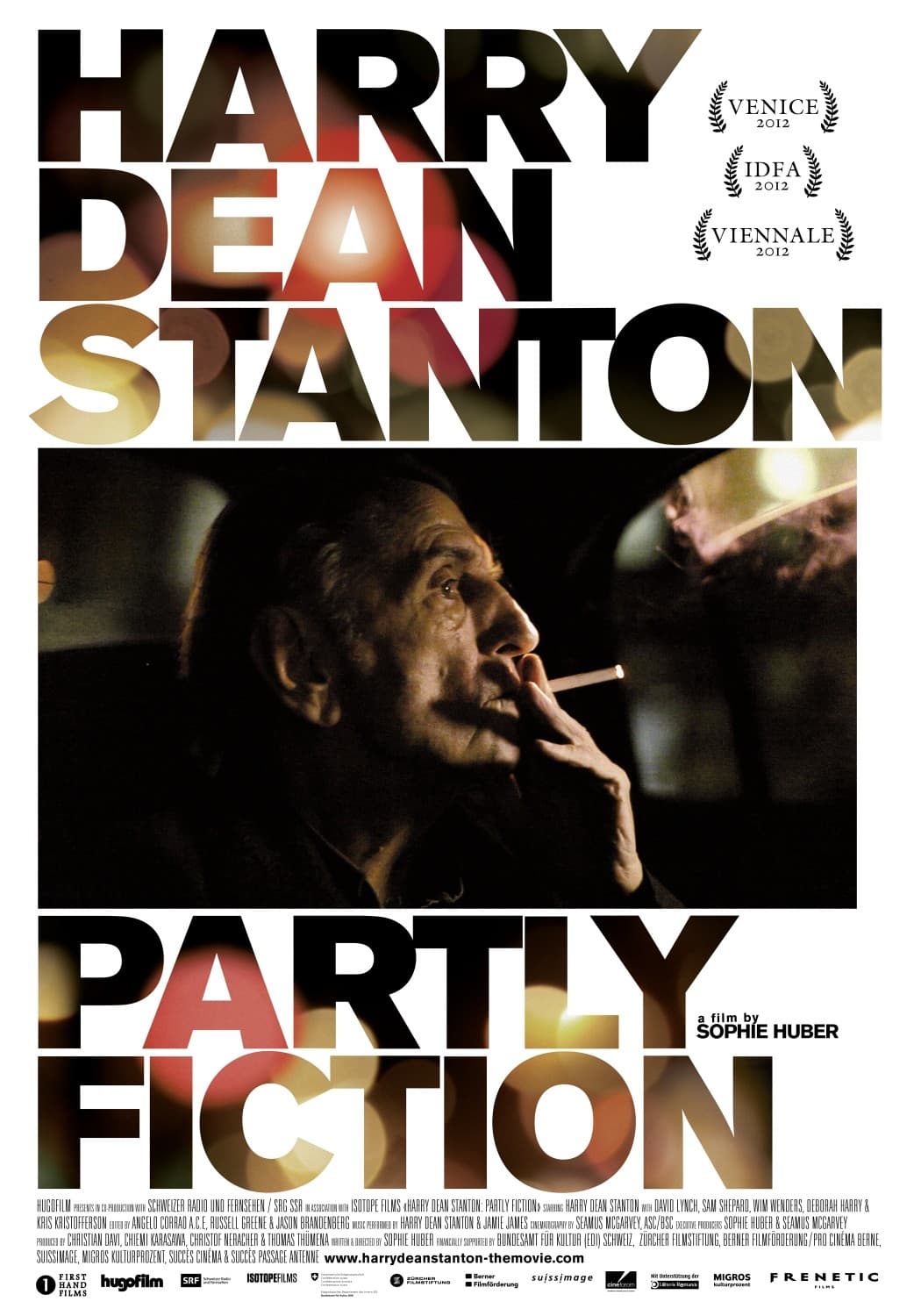
An impressionistic portrait of the iconic actor Harry Dean Stanton comprised of intimate moments, film clips from some of his 250 films and his renditions of American folk songs.
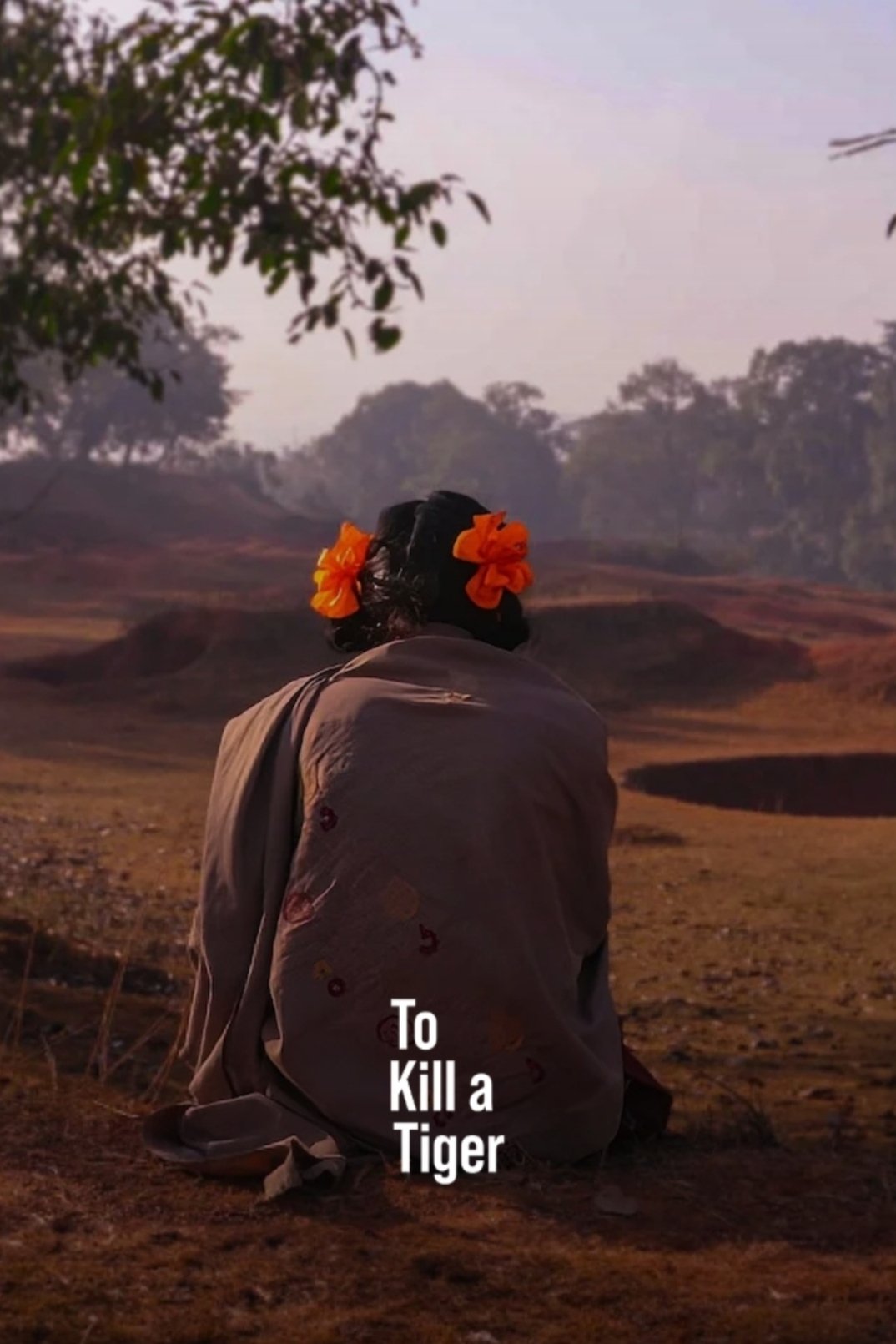
Ranjit, a farmer in India, takes on the fight of his life when he demands justice for his 13-year-old daughter, the victim of a brutal gang rape. His decision to support his daughter is virtually unheard of, and his journey unprecedented.