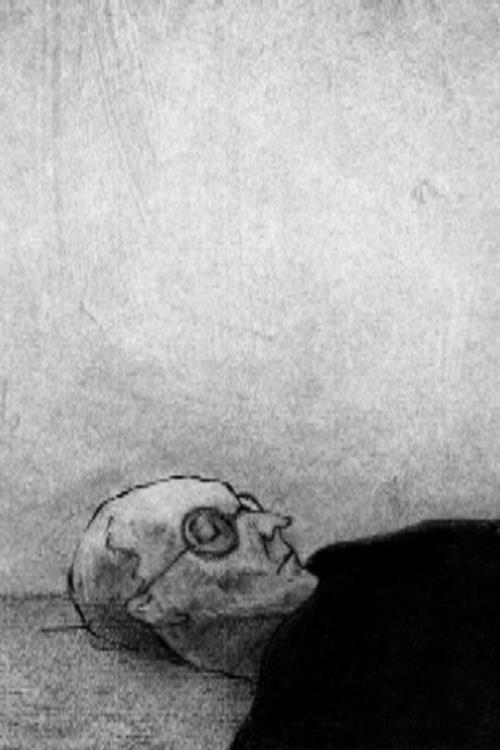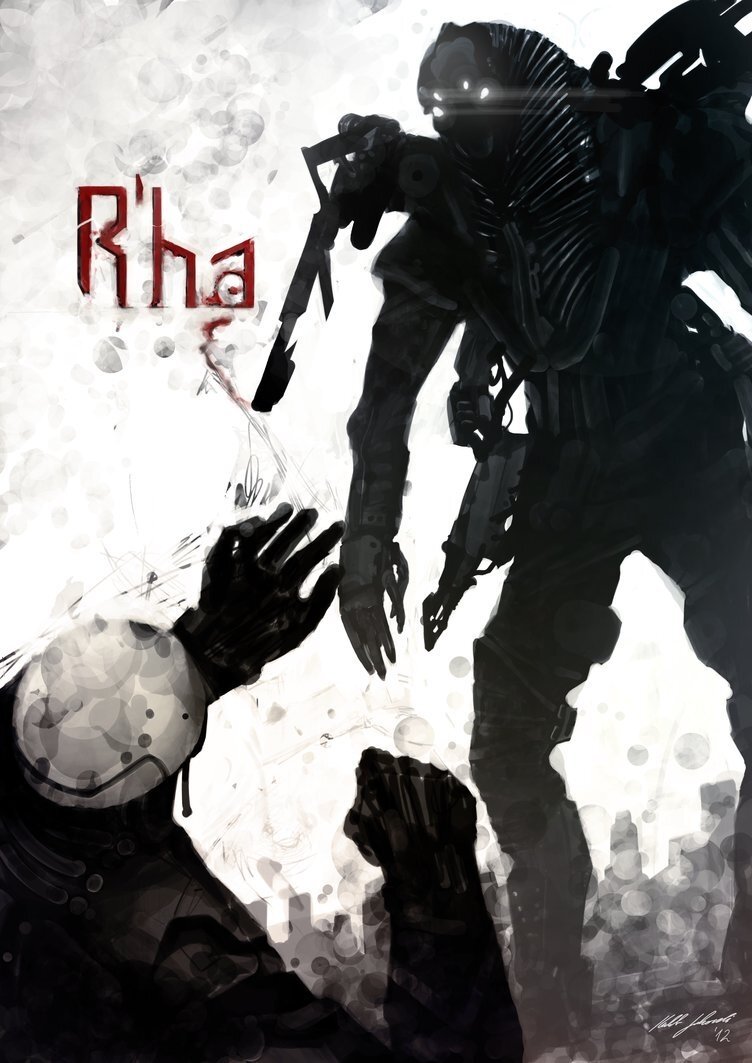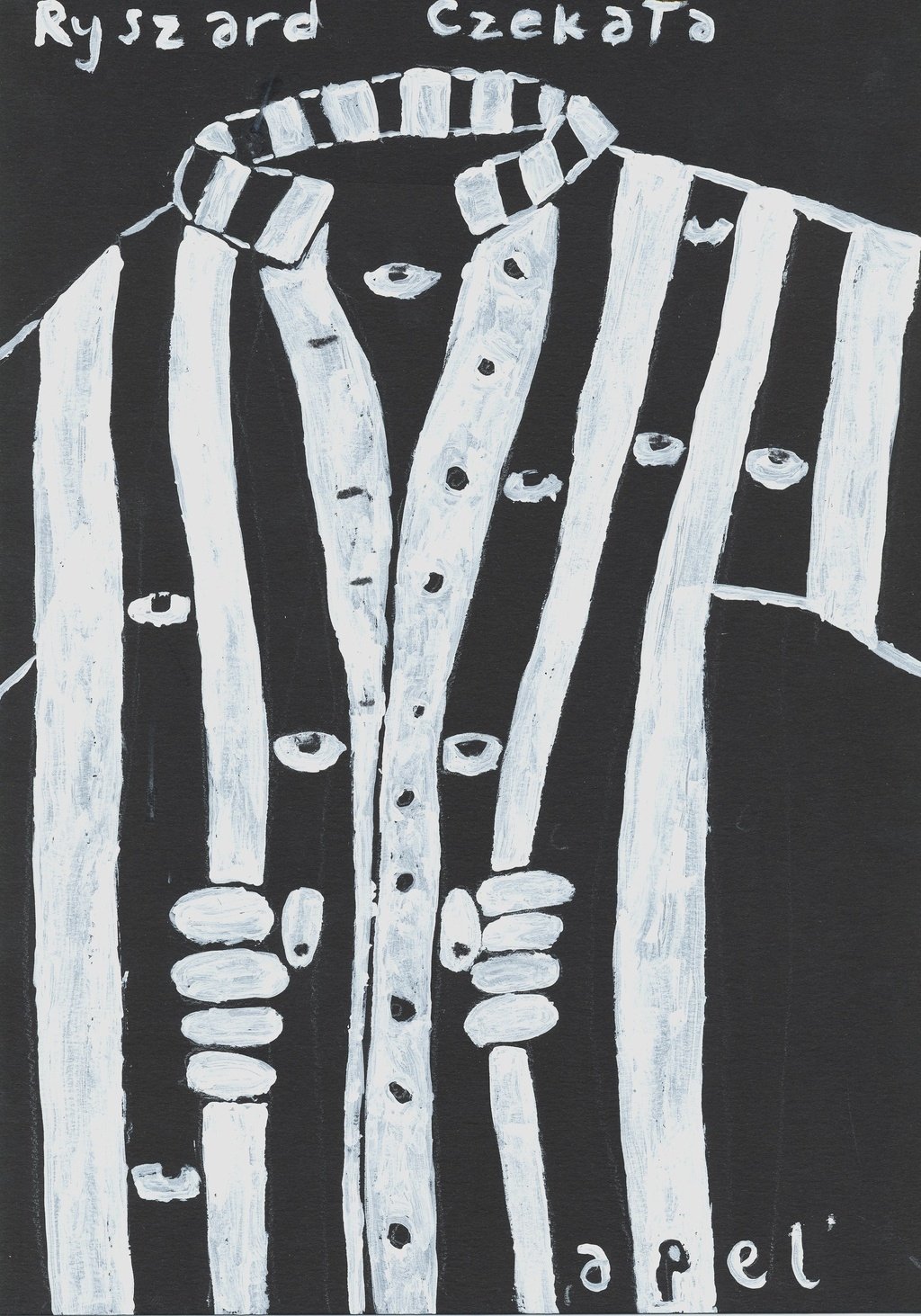
A penal gymnastics session is underway during a roll call in a concentration camp. A brutal voice shouts furious commands: "nieder - auf!" (down – up!). One of the prisoners will not obey the commands, another one will almost survive
Social & External
Amina, a young woman (17) is pregnant and afraid to give birth. For a consolation and advice she goes to older women but their stories scare her even more.
An untidy room. Empty beer tins, empty wine bottles, a half-empty glass of whisky... A girl is getting up absent-mindedly and starts preparing herself. YOUR morning starts. Lazy and hard-to-wake-up YOU. The emoticon is ME watching over YOU. I play tricks on YOU, while YOU are playing the guitar and drinking. One day, in town, YOU walk past THE CHILDHOOD FRIEND who is buying an Anemone I liked, and remembering that I liked them, YOU rush out to buy them. THE CHILDHOOD FRIEND displays the Anemone with care. One day, years after I died, YOU hear noise from the closet. Opened, YOU see MY garden right in front of YOU. Overflowing emotions of ME and YOU. When exiting from the room with memories, a picture of the Anemone that YOU painted is displayed in YOUR new room.
A loose interpretation of the Minoan myth, as seen through the monster's point of view. Abandoned in a labyrinthine island, the childlike minotaur has as his only companion a playful red ball and a multitude of mirrors. When he sees his own image he imagines himself dancing in perfect synchronicity with a mysterious other. But new characters are brought to the island, and they don't behave like his choreographed twins. Confused and frustrated, the creature has to learn to adapt to a world of uncertainty. But when he can't, the monster's true nature is revealed. Most of the character animation was originally hand-drawn on a light table, cut out and mounted on rigid cardboard. This was done so that each replacement could stand up vertically within a three-dimensional set. The set was then lit with fibre-optic lights and shot in stop-motion, using a 16mm Bolex camera. Some of the animation was done as hinged cut-out puppets on glass, using a multi-plane rig.
I remember the games I played when I was young. We were happy playing together, but, looking back, I realize I used the games to satisfy my own desires. It was a child’s selfcentered behavior. But adult lovers, too, display immature sides in their relationships. Consumed by self-love, they act like children. I have tried to illustrate this kind of love through the metaphor of children’s games.
A father tries to stay connected with his unconscious daughter through music. He plays a windup music box and hopes she can hear it while fighting with his own emotions to stay strong. Meanwhile, his daughter follows the melody in her dreams and looks for a way back.
The tragic tale of two unlucky amphibians and a series of escalating blunders that ends their flirting for good.
Two men in adjoining duplexes, good friends, are enchanted by the song of a bird. One buys a small harmonica and learns to play it; he keeps his neighbor awake. The neighbor buys a larger harmonica, and an arms race ensues; the instruments get larger, until it's a piano vs. a pipe organ, and then they start bringing in larger groups of friends until an entire orchestra is playing the 1812 Overture. The houses collapse from all this, atop the dueling orchestras, and on their way up to heaven, the man puts his small harmonica up for sale.
The story centers around two close siblings, Ylion and Callysia. One day, because the siblings' father tried to capture a unicorn, Callysia is spirited away. A decade later, Ylion has grown up to become a powerful warrior. With a sword of unicorn horn from the king, Ylion sets off for the mid-air garden where unicorns live.
An animated film made without the use of a camera using the technique of drawing and painting directly on a film strip, illustrating a grandfather's ballad, the protagonist of which seeks an explanation for the cruel phenomena of the world around him. Rockets thrown to the ground and bombs exploding, a car falling off a cliff, a driver driving a man on the street or a policeman firing a gun at an opponent - images of this type of catastrophic behavior are intertwined with the recurring image of a man running somewhere.
The carefree forest animals imagine spring will last forever. However, winter comes and the animals soon realize that their lives are in danger. What they need is a hero; what they need is Crow: The Legend.
Avant-garde analog animation techniques in stark black and white dramatize the effect of white men’s violence on an African jungle.
A psychotic killer with an affection for snails is welcomed by an abused wife in this gruesome comedy.
A young poet falling in love. A city that awaits a drama to unfold. A time of sadness and conformity, a time of decisions. There is light, there is hope, there is poetry behind the dark clouds of our world.
A lost tale from Batman's past, the Dark Knight tracks a strange giant to the mysterious lair of Hugo Strange.
Mermaid is in a jar, and unless I loosen the top she's not coming out to kill me.
The story takes place in Uzbekistan. A girl is traveling to visit her grandfather. The train stops at a small, remote station surrounded by sand dunes. There, at the station, a little white, lonely camel calf is wandering around. He meets the girl and offers to guide her straight through the dunes to her grandfather’s house, which he knows. Along the way, the new friends meet other desert dwellers.
The plot is based on the eponymous fable by Ivan Krylov.
Mater the tow truck travels from country to country as he retells his infamous but unbelievable stories.
"Beachworld" is set in the distant future. Federation ship ASN-29 crashed on an unknown planet, only two members of the crew survived - Shapiro and Rand. They find themselves on an uninhabited planet. Desert, that stretches out in all directions. No food and no water. Despair and insanity creep up on survivals, sand devours everything and very soon they discover that they are not alone on the planet.
A new-to-town carer forms an unlikely bond with her first patient, an elderly man with onset dementia, and together they find ways to reconcile with their pasts and help each other overcome their sense of loneliness.
Produced and presented as evidence at the Nuremberg war crimes trial of Hermann Göring and twenty other Nazi leaders, this film consists primarily of dead and surviving prisoners and of facilities used to kill and torture during the World War II.
The true story of WWII's notorious Sobibor Nazi death camp, where a courageous inmate orchestrates and leads the escape of over 300 prisoners.
When loyalty to country becomes loyalty to a lie, one teen risks everything to expose the truth. With the Gestapo closing in, he must decide what it really means to be a good German.
Ilsa, a warden at a Nazi death camp that conducts experiments on prisoners, strives to prove that women can withstand more pain and suffering than men, and therefore should be allowed to fight on the frontlines.
When Allied forces liberated the Nazi concentration camps in 1944-45, their terrible discoveries were recorded by army and newsreel cameramen, revealing for the first time the full horror of what had happened. Making use of British, Soviet and American footage, the Ministry of Information’s Sidney Bernstein (later founder of Granada Television) aimed to create a documentary that would provide lasting, undeniable evidence of the Nazis’ unspeakable crimes. He commissioned a wealth of British talent, including editor Stewart McAllister, writer and future cabinet minister Richard Crossman – and, as treatment advisor, his friend Alfred Hitchcock. Yet, despite initial support from the British and US Governments, the film was shelved, and only now, 70 years on, has it been restored and completed by Imperial War Museums under its original title "German Concentration Camps Factual Survey".
A propaganda film during World War II about a boy who grows up to become a Nazi soldier.
The story of Auschwitz's twelfth Sonderkommando — one of the thirteen consecutive "Special Squads" of Jewish prisoners placed by the Nazis in the excruciating moral dilemma of assisting in the extermination of fellow Jews in exchange for a few more months of life.
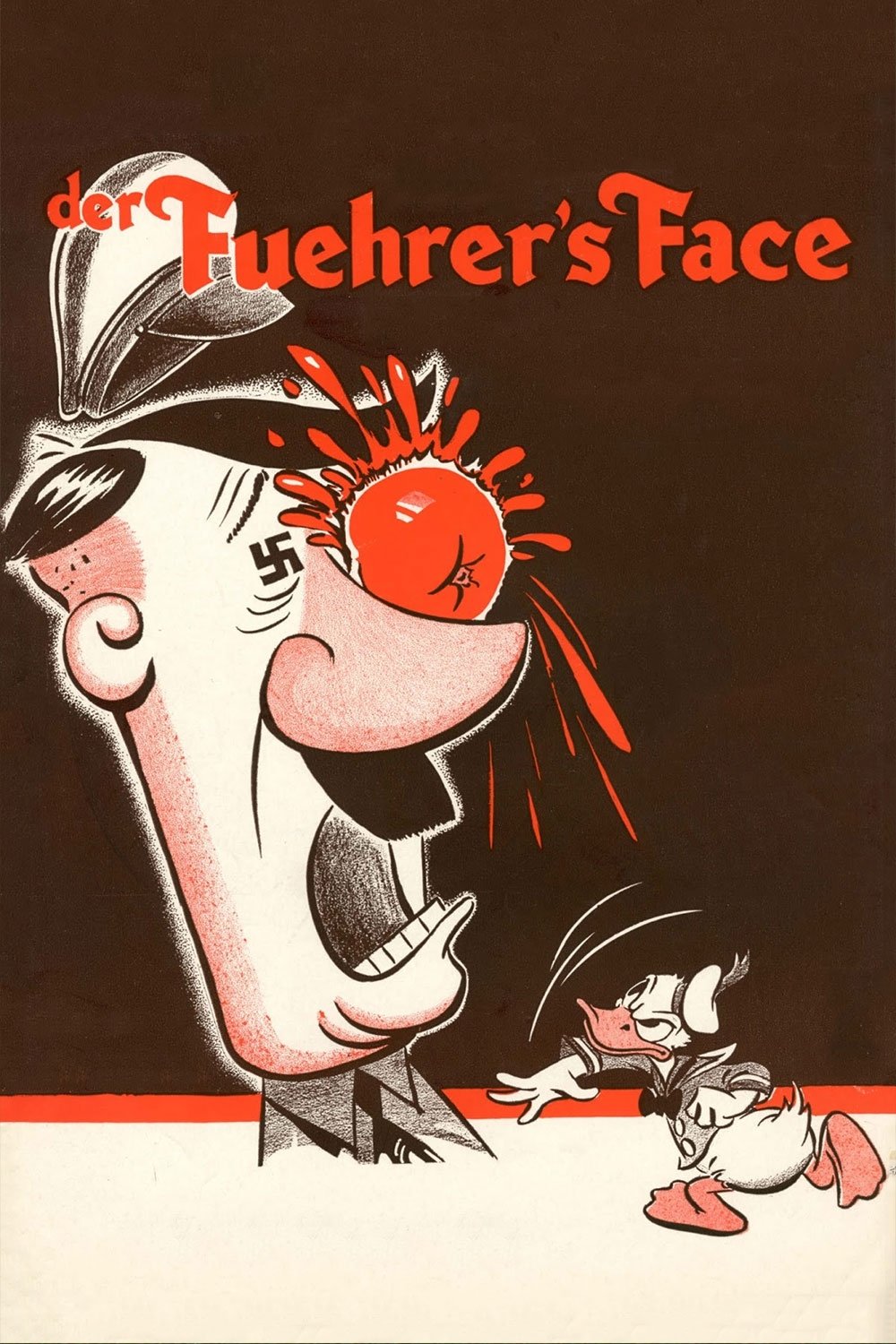
A marching band of Germans, Italians, and Japanese march through the streets of swastika-motif Nutziland, serenading "Der Fuehrer's Face." Donald Duck, not living in the region by choice, struggles to make do with disgusting Nazi food rations and then with his day of toil at a Nazi artillery factory. After a nervous breakdown, Donald awakens to find that his experience was in fact a nightmare.
Max is a handsome young man who, after a fateful tryst with a German soldier, is forced to run for his life. Eventually Max is placed in a concentration camp where he pretends to be Jewish because in the eyes of the Nazis, gays are the lowest form of human being. But it takes a relationship with an openly gay prisoner to teach Max that without the love of another, life is not worth living.
A burned-out paramedic tries to survive his last 24 hours on the job while training a new recruit.
A prisoner leads his counterparts in a protest for better living conditions which turns violent and ugly.
Harry Haft is a boxer who fought fellow prisoners in the concentration camps to survive. Haunted by the memories and his guilt, he attempts to use high-profile fights against boxing legends like Rocky Marciano as a way to find his first love again.
In the Warsaw ghetto in 1943, Jews rise against the Nazis.
Based on the true story of the greatest treasure hunt in history, The Monuments Men is an action drama focusing on seven over-the-hill, out-of-shape museum directors, artists, architects, curators, and art historians who went to the front lines of WWII to rescue the world’s artistic masterpieces from Nazi thieves and return them to their rightful owners. With the art hidden behind enemy lines, how could these guys hope to succeed?
When Andrew Briggman — a young soldier in the US Army during the invasion of Afghanistan — witnesses the murderous behavior of fellow soldiers, under the direction of a malevolent Sergeant, he faces a moral dilemma. His increasingly-violent platoon becomes suspicious that someone in their ranks has turned on them, and Andrew begins to fear for his safety. A fictionalized dramatization based on a true story.
The commandant of Auschwitz, Rudolf Höss, and his wife Hedwig, strive to build a dream life for their family in a house and garden next to the camp.
When a Jewish songstress is plucked from the stage and sent to Auschwitz, she and other musicians find themselves assigned to a terrible task—using their talents to soothe fellow prisoners who are sentenced to die in the gas chambers.
Daniel Craig candidly reflects on his 15 year adventure as James Bond. Including never-before-seen archival footage from Casino Royale to the upcoming 25th film No Time To Die, Craig shares his personal memories in conversation with 007 producers, Michael G Wilson and Barbara Broccoli.
Filmed and edited in intimate vérité style, this movie follows visionary medical practitioners who are working on the cutting edge of life and death and are dedicated to changing our thinking about both.
It is 1940. The first transport of prisoners arrives at the newly created concentration camp Auschwitz. One of them is Tadeusz “Teddy” Pietrzykowski, pre-war boxing champion of Warsaw. The camp officers force him to fight in the ring for his and other prisoners’ lives. However, his every win strengthens the hope that Nazis are not invincible. Auschwitz officers notice the growing resistance. The confrontation with the authorities of the camp becomes inevitable.