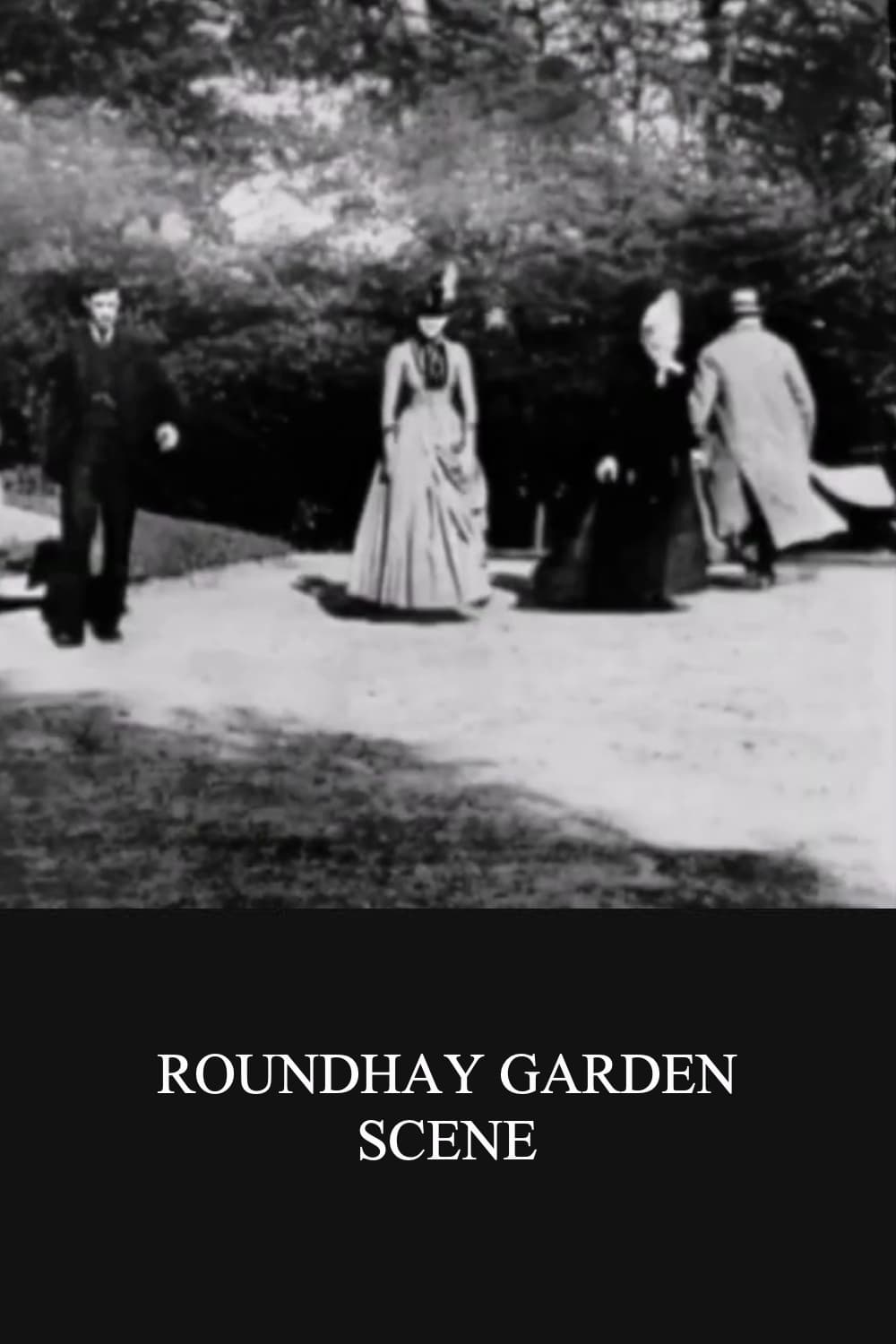
1909, cinematography by Frank Ormiston-Smith.
Social & External
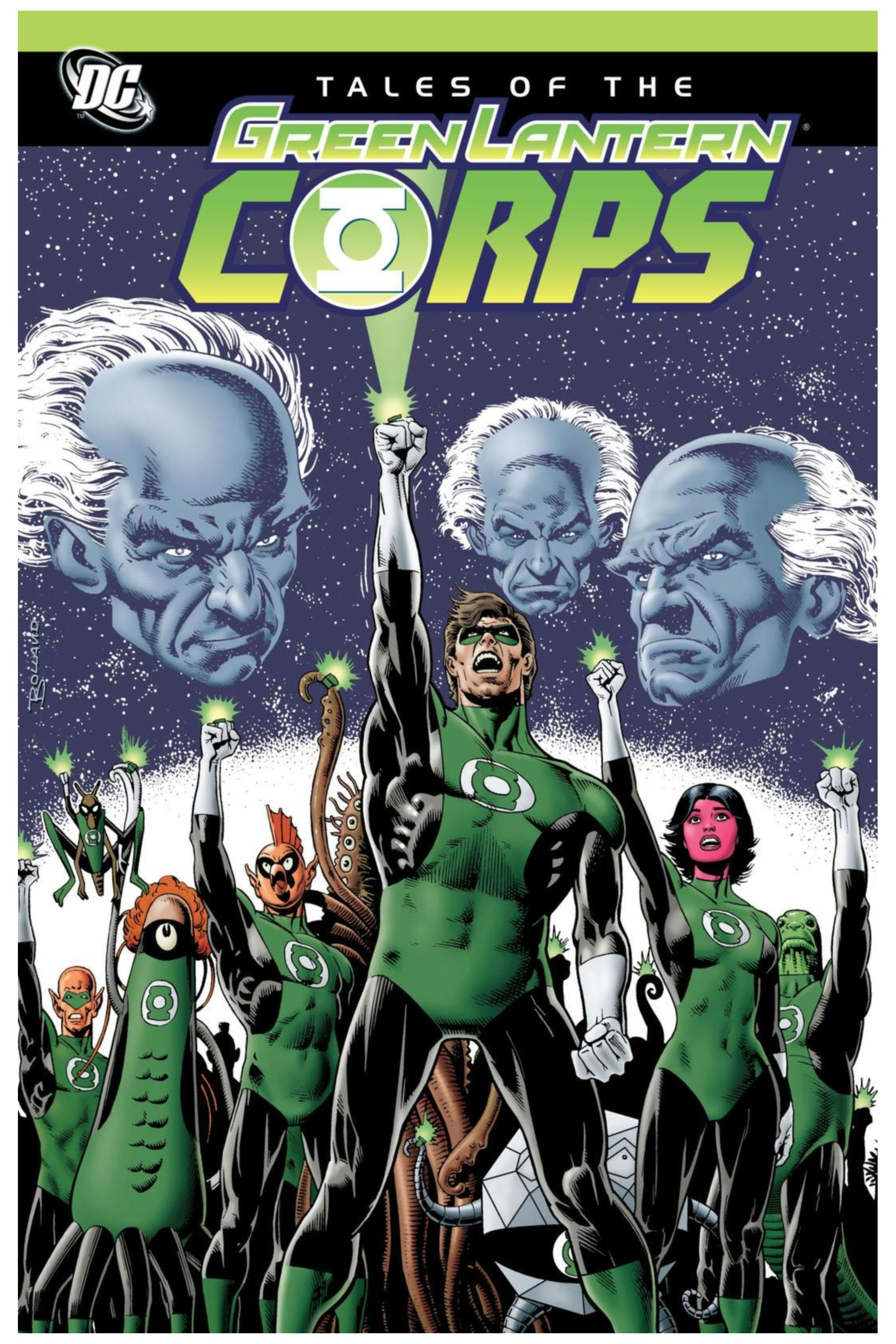
Documentary talking about bravery in the context of Green Lantern, the hero, and the Green Lantern Corps.
A historical account of the postal service through the centuries, from early communication to the late 1960s.
Exploration of the ordinary lives led by women of different classes—a college professor, an unmarried woman, and a seasoned drama artist. They unveil the societal intricacies woven into their social backgrounds, with typical evening talks besides them. Gripping tales of yore immersed in the metaphorical embrace of their surroundings, their familial shelters are emblematic of resilience and protection, where profound truths lie hidden within the depths of the commonplace.
Five women, members of the Sans Papiers, talk about the history and reasons for founding the organisation, as well as their most important demands, like getting permits of residence for refugee women so they don't depend on their husbands' status.
In the minds of people, Brussels is no longer a geographical location; it is now a myth-surrounded centre, where decisions are made regarding future life in Europe. The most brilliant minds from the European countries have convened in Brussels: former state leaders, highly-placed officials, advisors, translators and interpreters, as well as family members of all these people. Together, they comprise a sort of separate planet ruled by special laws and using new methods of communication; it is a place of a high concentration of power and all sorts of creature comforts. The anxiety following the 2016 attacks on Brussels has taken everyone by surprise, and the question whether to stay on Planet Brussels now comes up increasingly often. The Brexit news gave completely different kind of concussion to the commonly established center of Europe.
A filmmaker's search for Yambo Ouologuem, a once famous writer who no longer wants to see any white people. Along the way, he meets five university students interested in the relationship between Africa and the West and who question the desire to go somewhere else, to leave the country and with it the culture that is theirs and their parents'.
Short film about performance, realized when Nam June Paik participated in Karlheinz Stockhausen's piece "Originale" in Cologne in 1961.
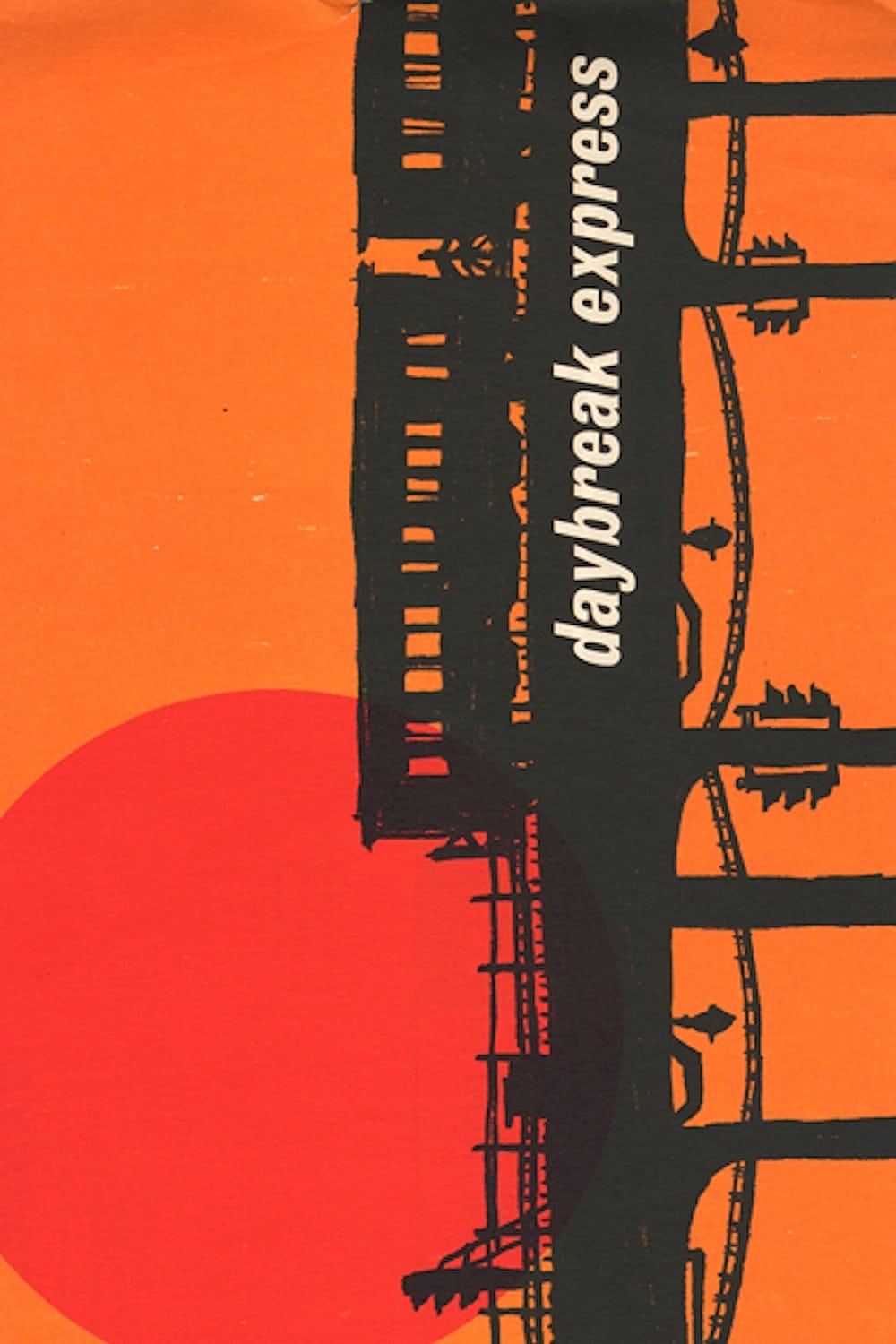
Set to a classic Duke Ellington recording "Daybreak Express", this is a five-minute short of the soon-to-be-demolished Third Avenue elevated subway station in New York City.
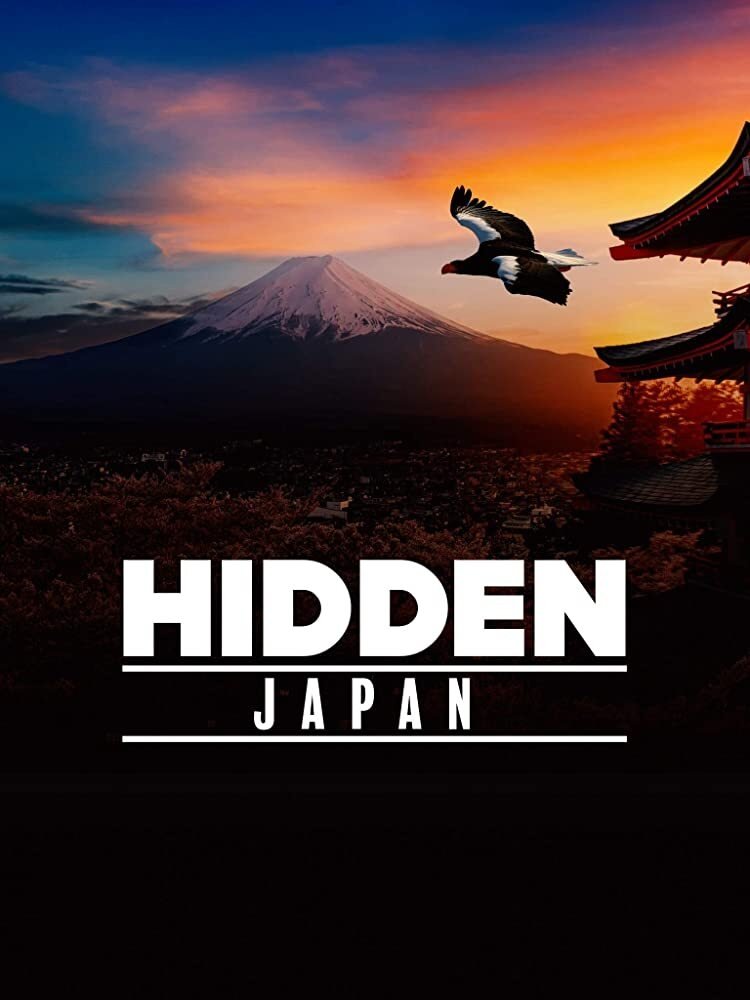
The culture of Japan is incredible, from bloom festivals to ultra-modern cities. But there are also more than 130 mammals and 600 bird species dwelling in Japan’s 6852 islands. This island chain is long enough to span climate zones, providing a huge range of habitat.
In a dry unforgiving part of Australia, a man and his wife have set up home and live stock to make their living. Just when it seemed the drought and lack of finances were getting to be too much, things change: BP is looking for a suitable area to attempt the world land speed record.
George Albert Smith and Charles Urban snaffled the plum job of travelling to Italy to take a series of views of Italy for the Warwick Trading Company, including this one. The long panning shots of Pompeii linger respectfully, as a tourist would, before the camera finally raises its eye to the mighty volcano looming in the distance beyond.
A documentary that follows Zach Kleyn, a famous race walker, over the course of 3 years.
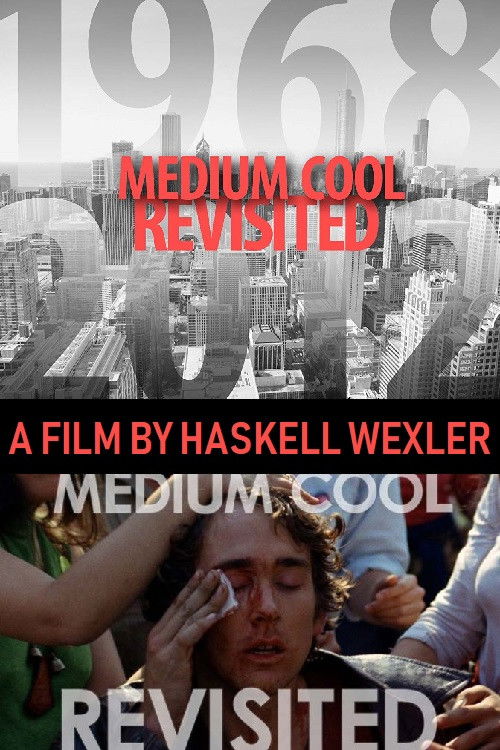
Haskell Wexler revisits the themes of his previous work "Medium Cool" on the occasion of the Occupy demonstrations in Chicago in 2012.
A documentary expose on the first Gulf War.
A hand-filmed 32-minute documentary of the Skinny Puppy's 1988 'Head Trauma' tour of Europe by Dwayne Rudolph Goettel. Edited by Nivek Ogre in 2005.
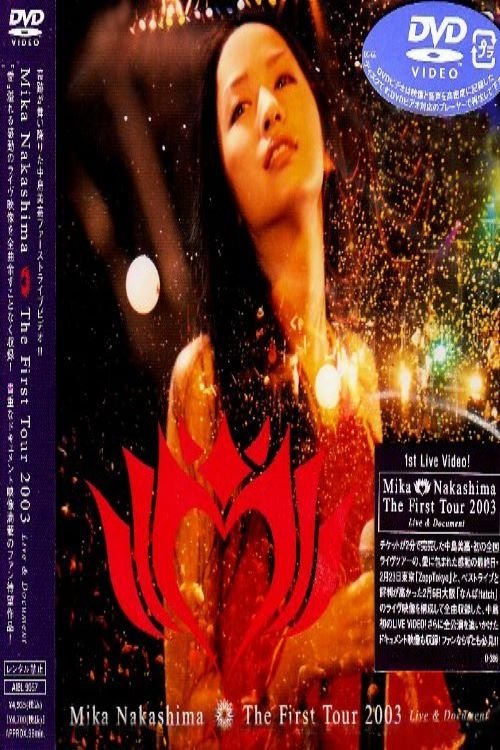
Concert film and documentary from Mika Nakashima's First Tour 2003 performed on February 23, 2003 at Zepp Tokyo.
Live concert documentary that was filmed during her "Sokenbicha Natural Breeze 2001 Happy Live" tour. In addition to the live show, it contains extensive backstage and behind-the-scenes footage. It also includes live perfomrance fragments from the 6 venues throughout Japan of her first tour.
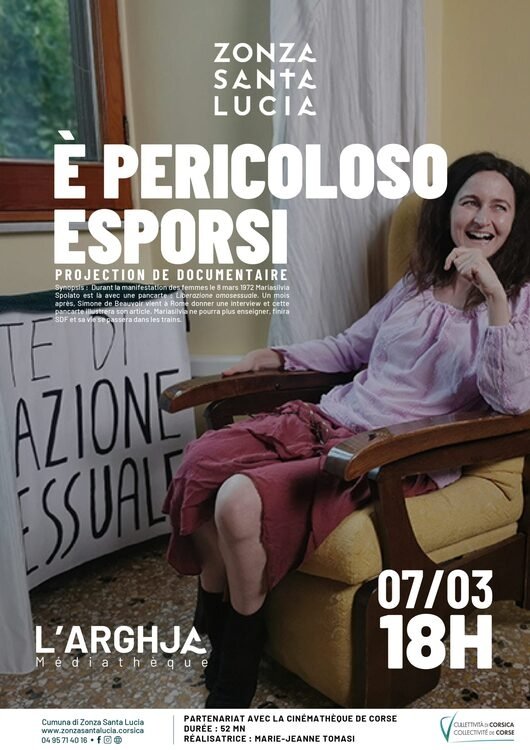
During the women's demonstration on March 8, 1972, Mariasilvia SPOLATO was there with a placard: Liberazione omosessuale. A month later, Simone de Beauvoir came to Rome to give an interview, and this placard illustrated her article. Mariasilvia could no longer teach, ended up homeless and spent her life on the trains.
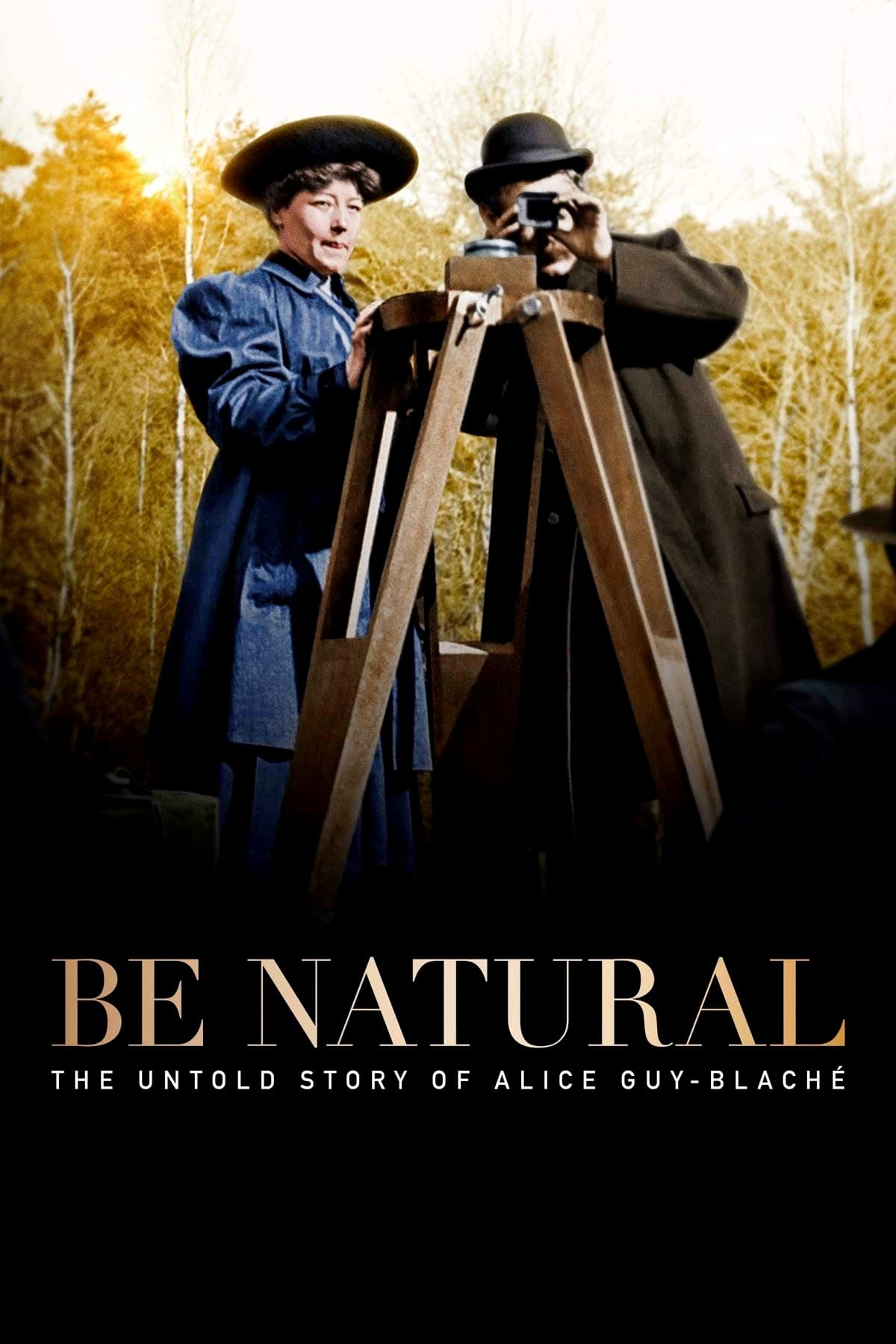
The epic life story of Alice Guy-Blaché (1873–1968), a French screenwriter, director and producer, true pioneer of cinema, the first person who made a narrative fiction film; author of hundreds of movies, but banished from history books. Ignored and forgotten. At last remembered.
Daniel Craig candidly reflects on his 15 year adventure as James Bond. Including never-before-seen archival footage from Casino Royale to the upcoming 25th film No Time To Die, Craig shares his personal memories in conversation with 007 producers, Michael G Wilson and Barbara Broccoli.
Ranjit, a farmer in India, takes on the fight of his life when he demands justice for his 13-year-old daughter, the victim of a brutal gang rape. His decision to support his daughter is virtually unheard of, and his journey unprecedented.
When Allied forces liberated the Nazi concentration camps in 1944-45, their terrible discoveries were recorded by army and newsreel cameramen, revealing for the first time the full horror of what had happened. Making use of British, Soviet and American footage, the Ministry of Information’s Sidney Bernstein (later founder of Granada Television) aimed to create a documentary that would provide lasting, undeniable evidence of the Nazis’ unspeakable crimes. He commissioned a wealth of British talent, including editor Stewart McAllister, writer and future cabinet minister Richard Crossman – and, as treatment advisor, his friend Alfred Hitchcock. Yet, despite initial support from the British and US Governments, the film was shelved, and only now, 70 years on, has it been restored and completed by Imperial War Museums under its original title "German Concentration Camps Factual Survey".
In an intimate and joyful story of love in the face of loss, celebrated poets Andrea Gibson and Megan Falley find strength—and unexpected hilarity—in what might be their final year together.
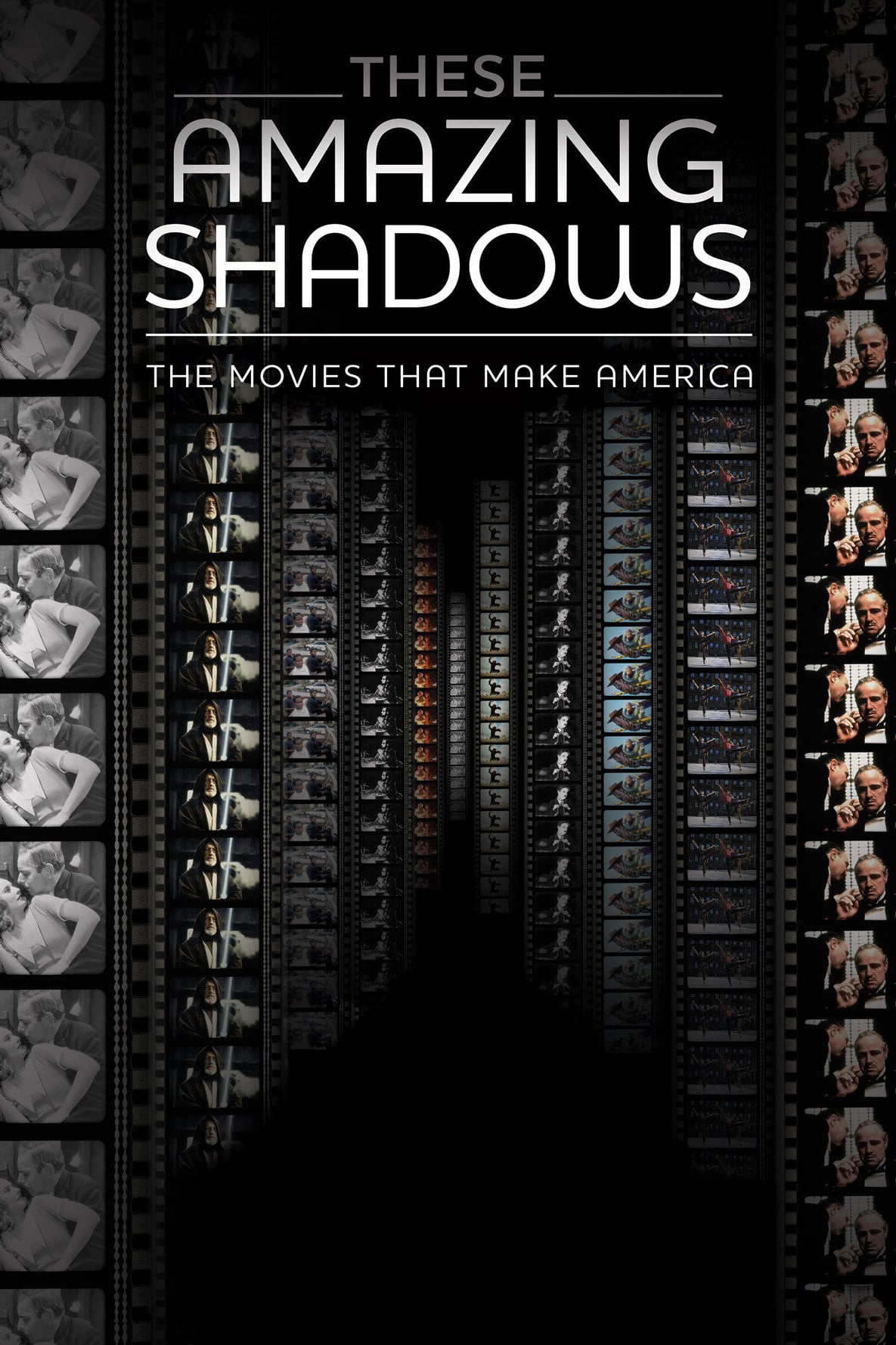
Tells the history and importance of The National Film Registry, a roll call of American cinema treasures that reflects the diversity of film, and indeed the American experience itself.
The earliest surviving motion-picture film, and believed to be one of the very first moving images ever created, was shot by Louis Aimé Augustin Le Prince using the LPCCP Type-1 MkII single-lens camera. It was taken on paper-based photographic film in the garden of Oakwood Grange, the Whitley family house in Roundhay, Leeds, West Riding of Yorkshire (UK), on 14 October 1888. The film shows Adolphe Le Prince (Le Prince’s son), Mrs. Sarah Whitley (Le Prince’s mother-in-law), Joseph Whitley, and Miss Harriet Hartley walking around in circles, laughing to themselves, and staying within the area framed by the camera. Roundhay Garden Scene is often associated with a recording speed of around 12 frames per second and runs for about 2 to 3 seconds.
A documentary about the life and films of director John Ford.
Explores the true story of the notorious Jesse James, how the myth developed during his lifetime, and how the legends have persisted over 100 years after his death at the hands of his former friend, Robert Ford.
In 1972, a seemingly typical shoestring budget pornographic film was made in a Florida hotel: "Deep Throat," starring Linda Lovelace. This film would surpass the wildest expectation of everyone involved to become one of the most successful independent films of all time. It caught the public imagination which met the spirit of the times, even as the self-appointed guardians of public morality struggled to suppress it, and created, for a brief moment, a possible future where sexuality in film had a bold artistic potential. This film covers the story of the making of this controversial film, its stunning success, its hysterical opposition along with its dark side of mob influence and allegations of the on set mistreatment of the film's star.
Follow the evolution of the 'Halloween' movies over the past twenty-five years. It examines why the films are so popular and revisits many of the original locations used in the films - seeing the effects on the local community. For the first time, cast, crew, critics and fans join together in the ultimate 'Halloween' retrospective.
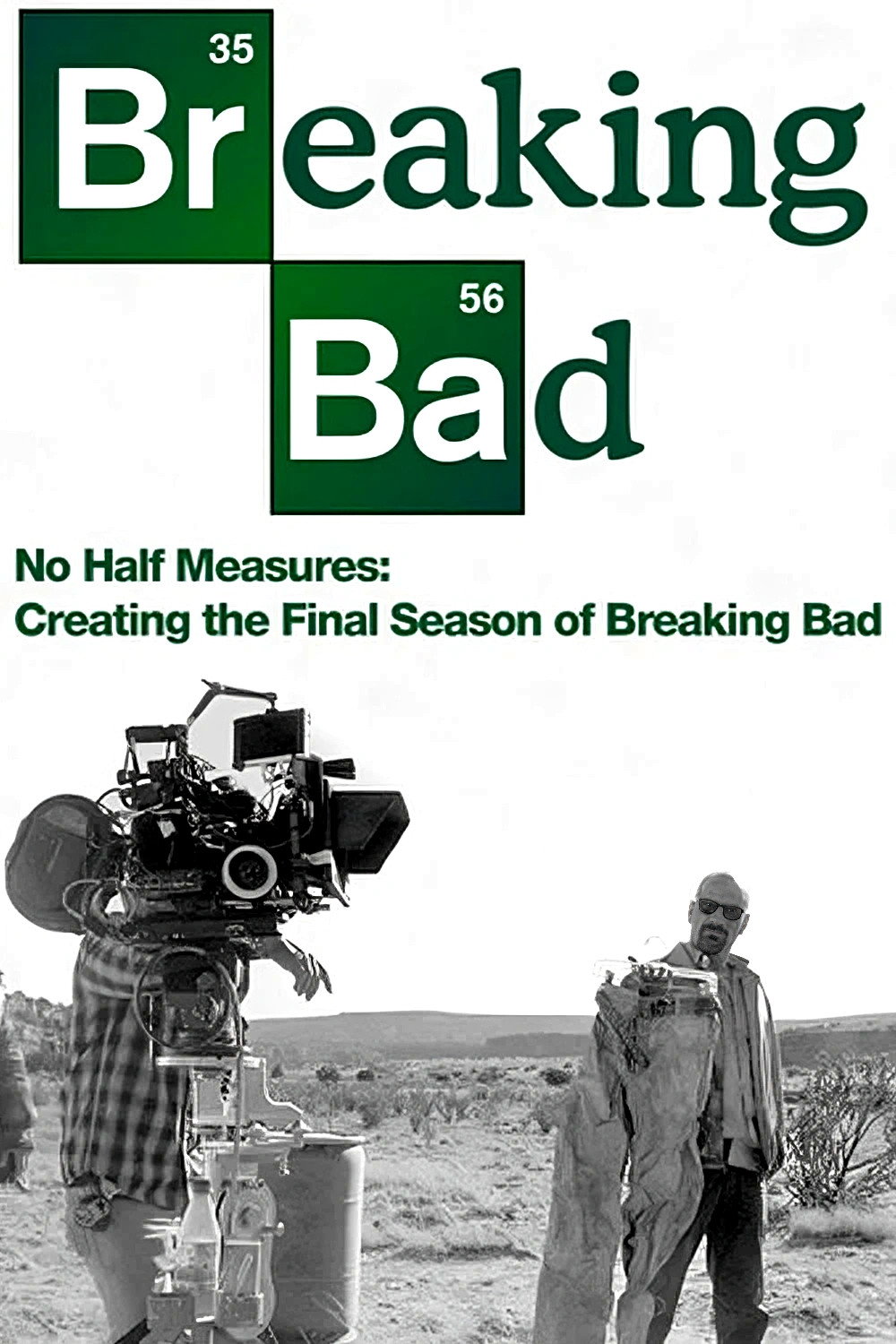
A documentary about the making of season five of the acclaimed AMC series Breaking Bad.
A compilation of over 30 years of private home movie footage shot by Lithuanian-American avant-garde director Jonas Mekas, assembled by Mekas "purely by chance", without concern for chronological order.
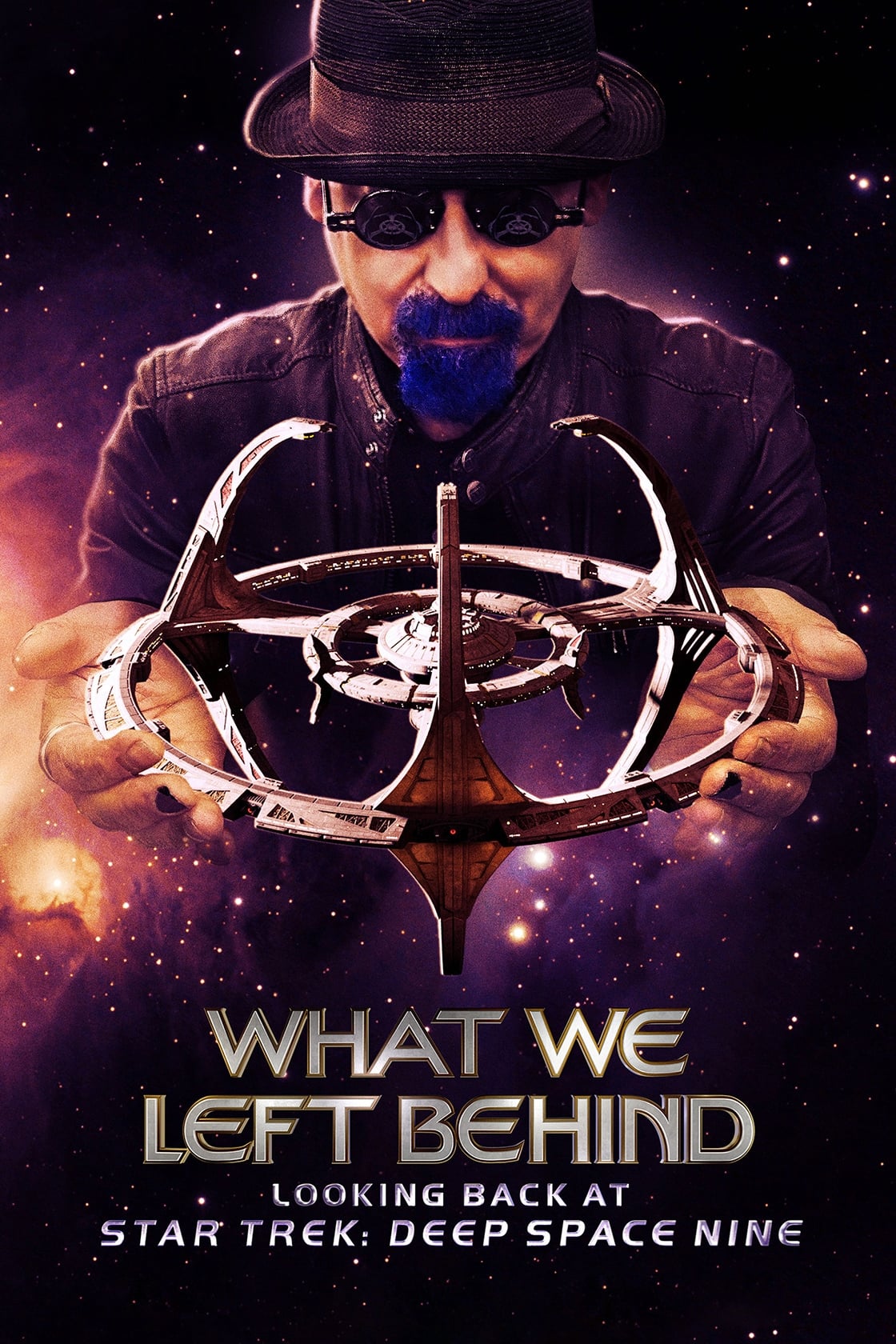
A documentary exploring the legacy of Star Trek: Deep Space Nine, the reasons it went from the black sheep of Star Trek to a beloved mainstay of the franchise, and a brainstorm with the original writers on what a theoretical eighth season of the show could look like.
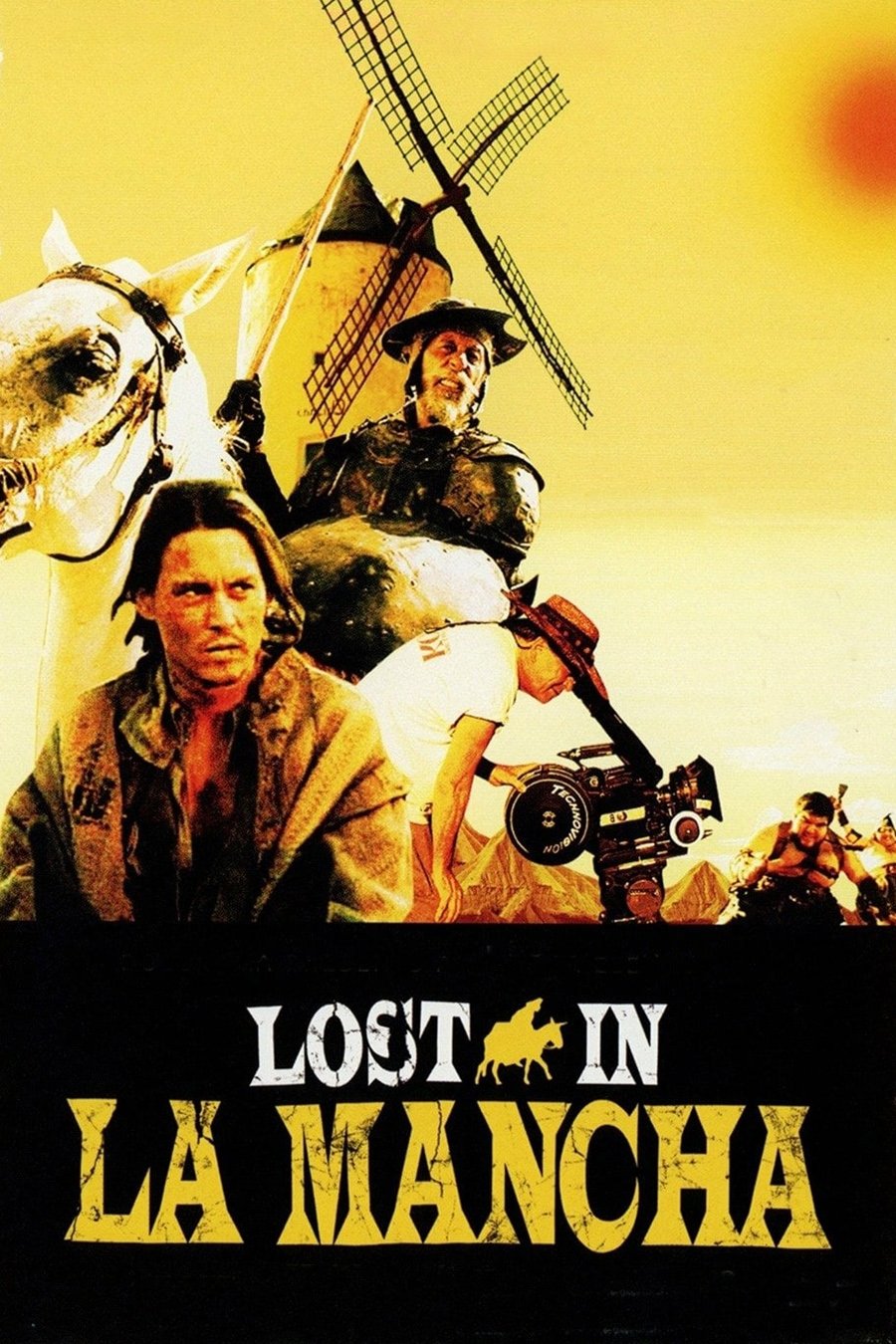
Fulton and Pepe's 2000 documentary captures Terry Gilliam's attempt to get The Man Who Killed Don Quixote off the ground. Back injuries, freakish storms, and more zoom in to sabotage the project.
A visual montage portrait of our contemporary world dominated by globalized technology and violence.
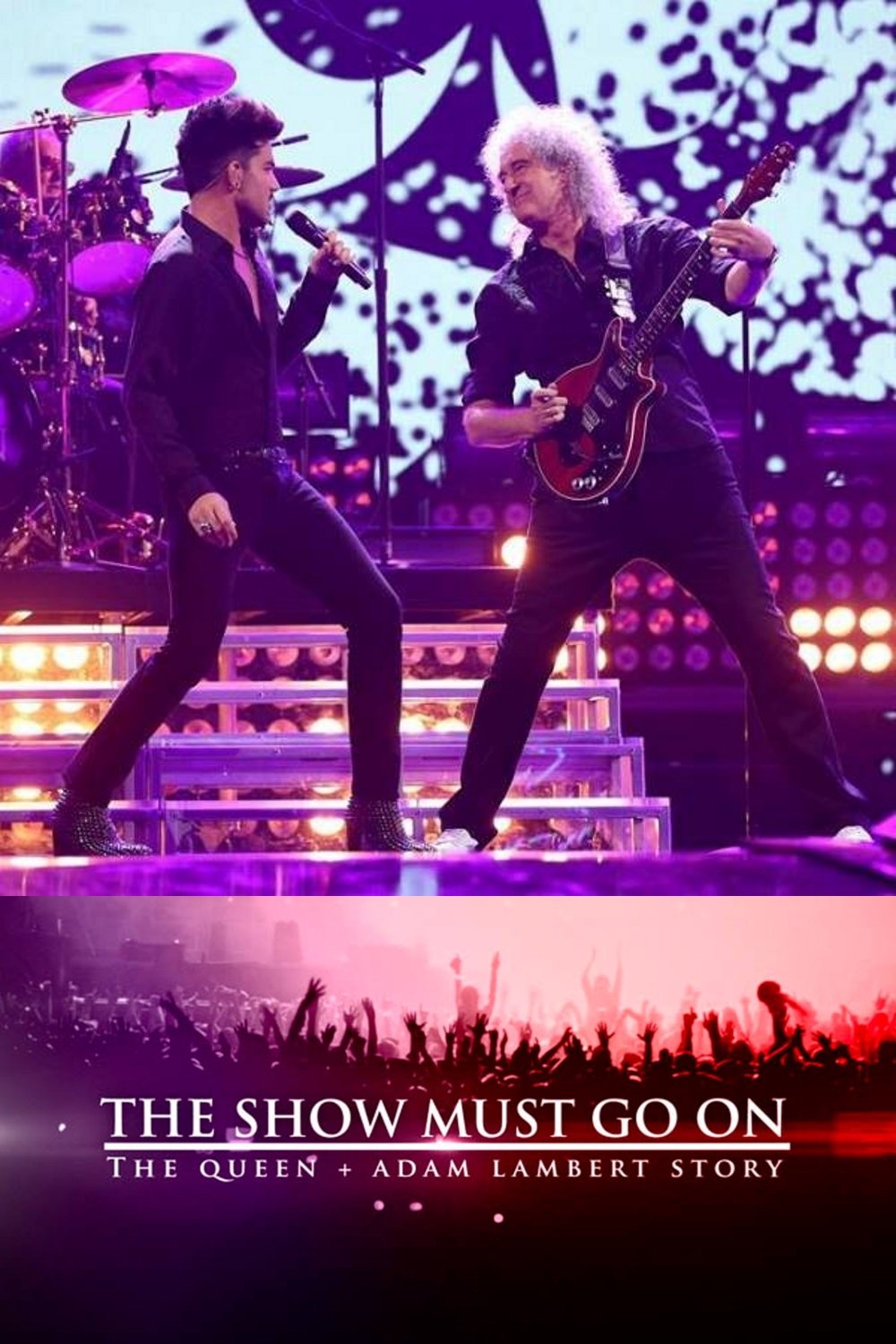
A documentary chronicling Queen and Lambert's incredible journey since they first shared the stage together on "American Idol" in 2009.
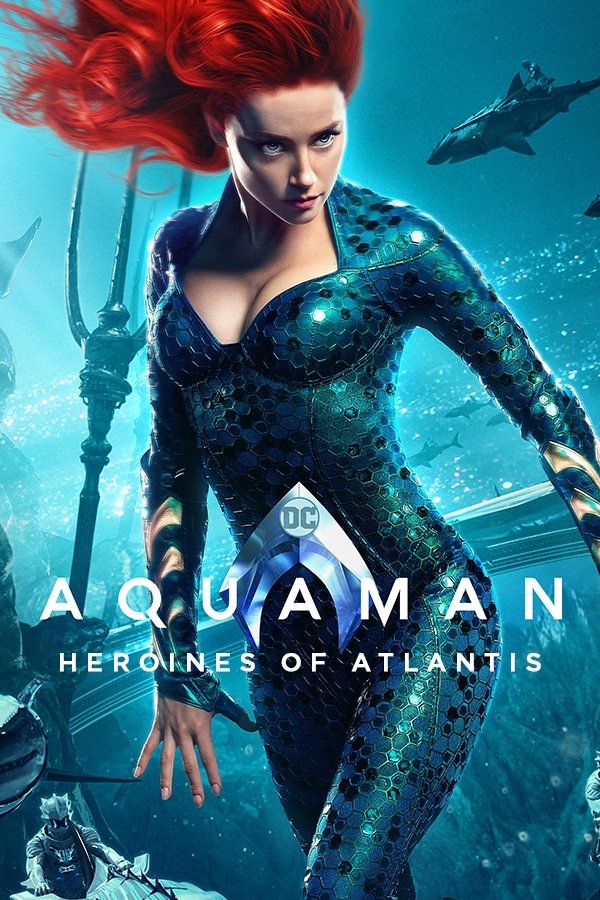
Amber Heard and Nicole Kidman discuss their characters Mera and Atlanna.
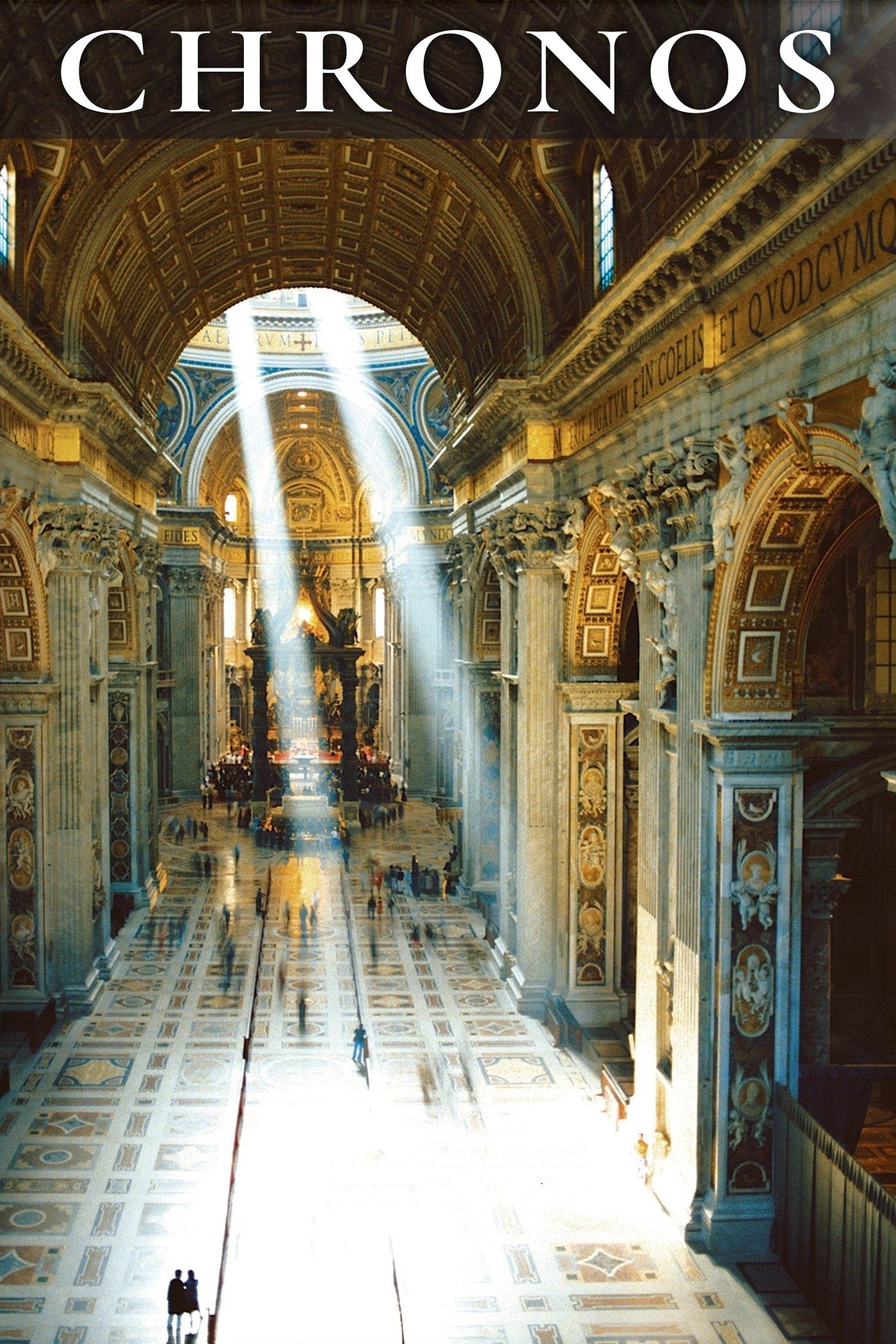
Carefully picked scenes of nature and civilization are viewed at high speed using time-lapse cinematography in an effort to demonstrate the history of various regions.
Brilliant, long in-the-works story of the life and art of the world's greatest comedian and the cinema's first genius, Charlie Chaplin. Produced, written and directed by renowned film critic Richard Schickel.