A newsreel documenting King George VI's inspection of Australian troops stationed in England, alongside scenes of their military training and off-duty recreation.
Social & External
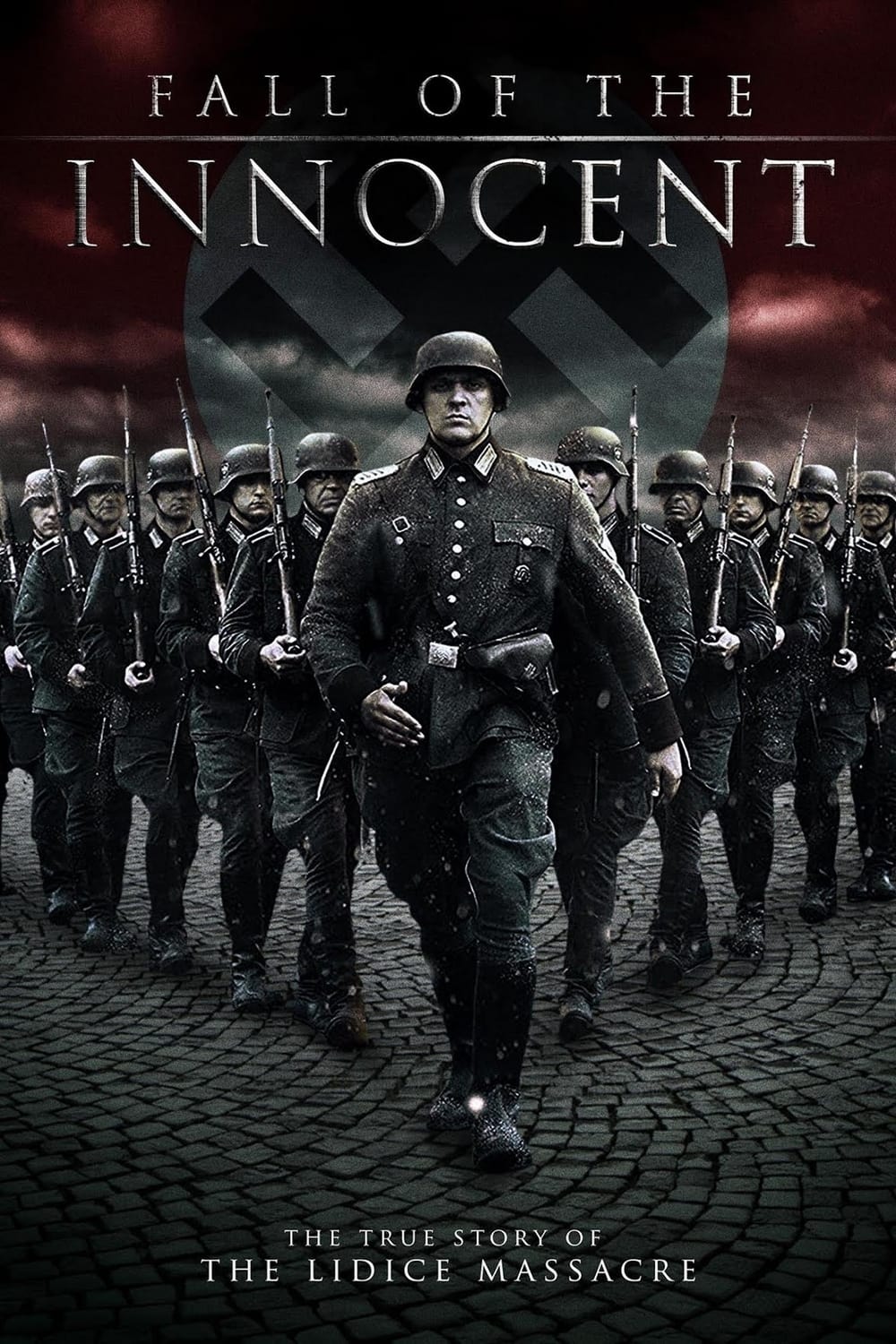
Czechoslovakia, 1941. As the war continues, Reich Protector Reinhard Heydrich arrives in Nazi-occupied Prague and establishes a regime of terror that will force freedom fighters to act. But the price to pay will be too high.
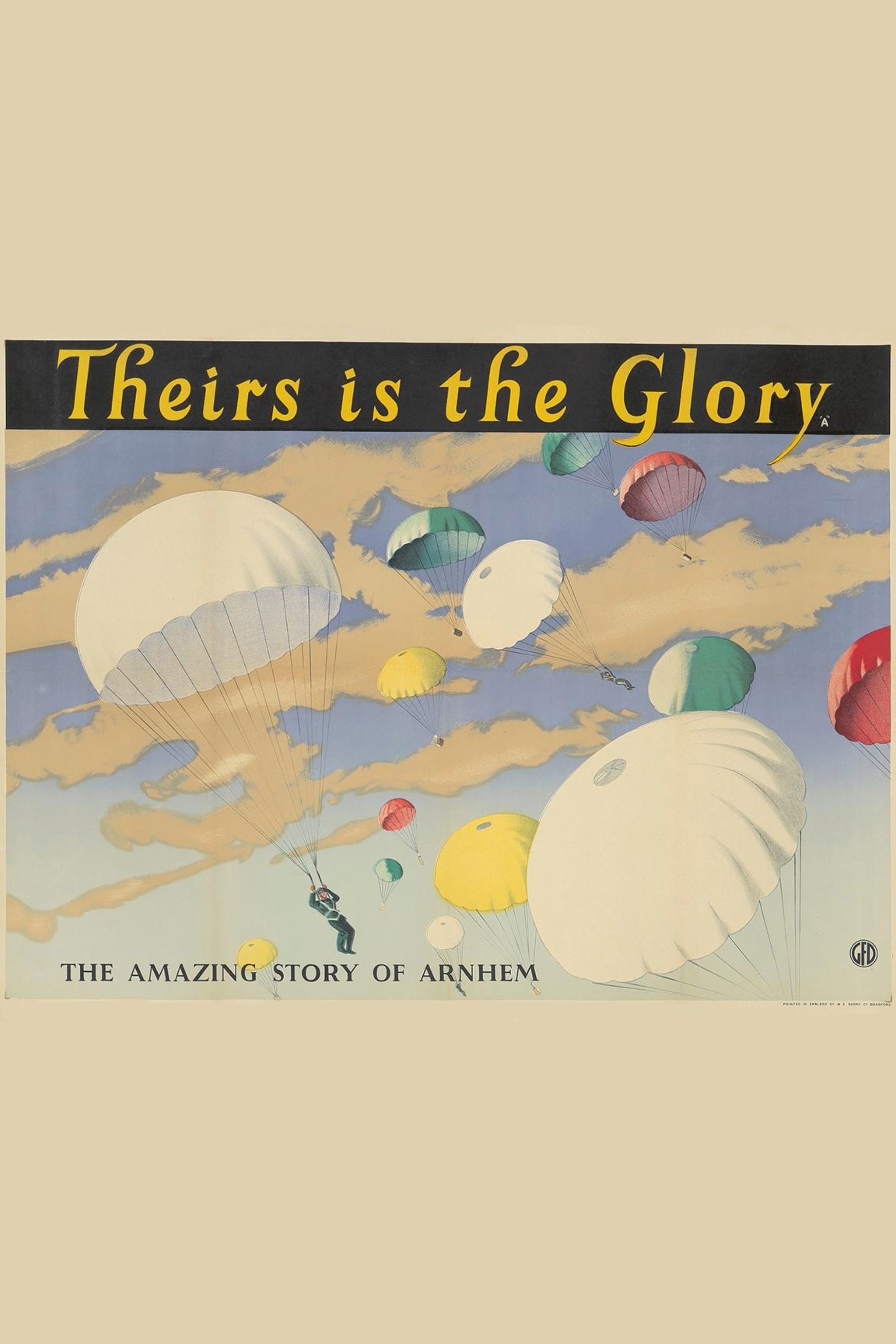
Re-enactment of World War 2 Battle of Arnhem using the survivors from the battle.
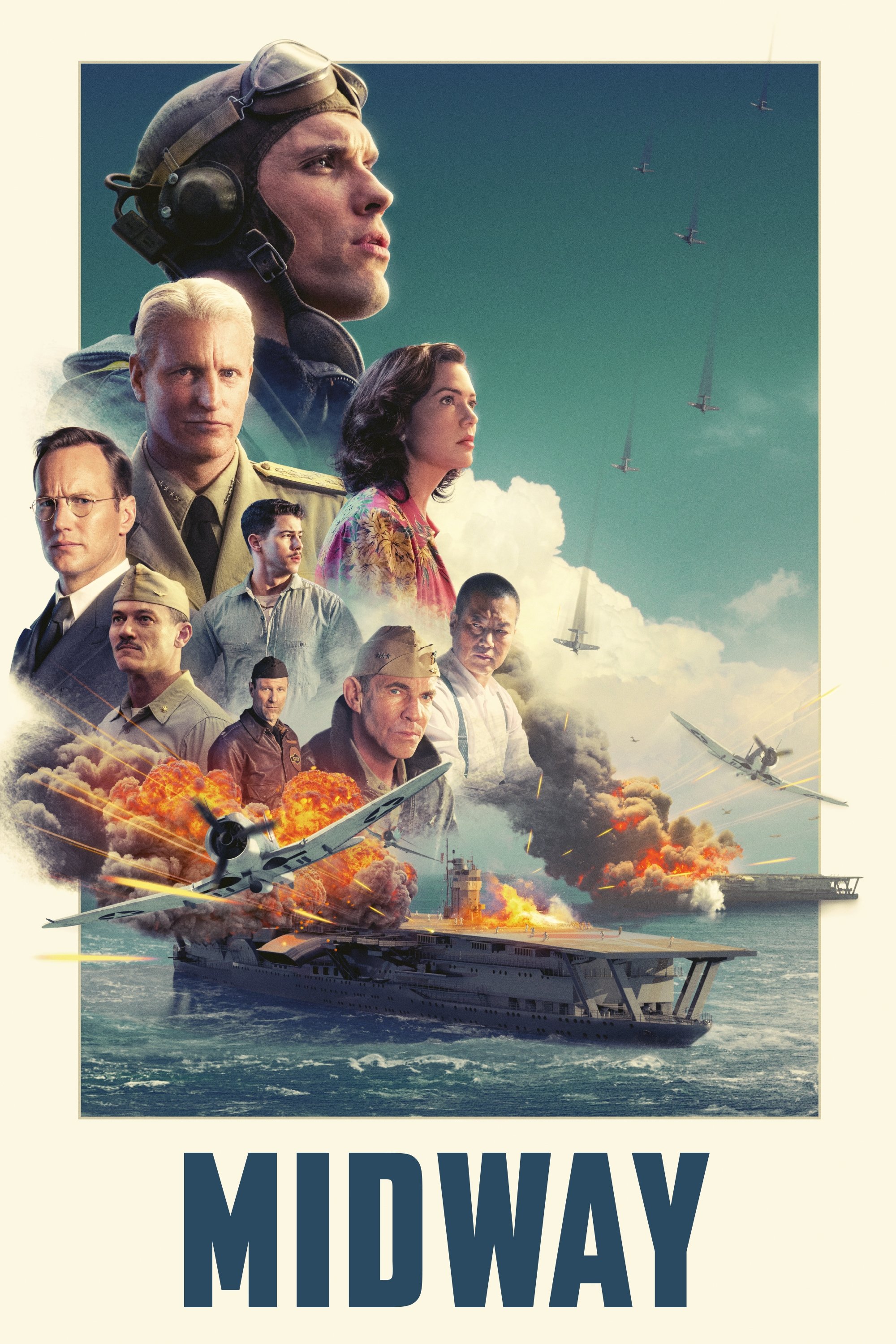
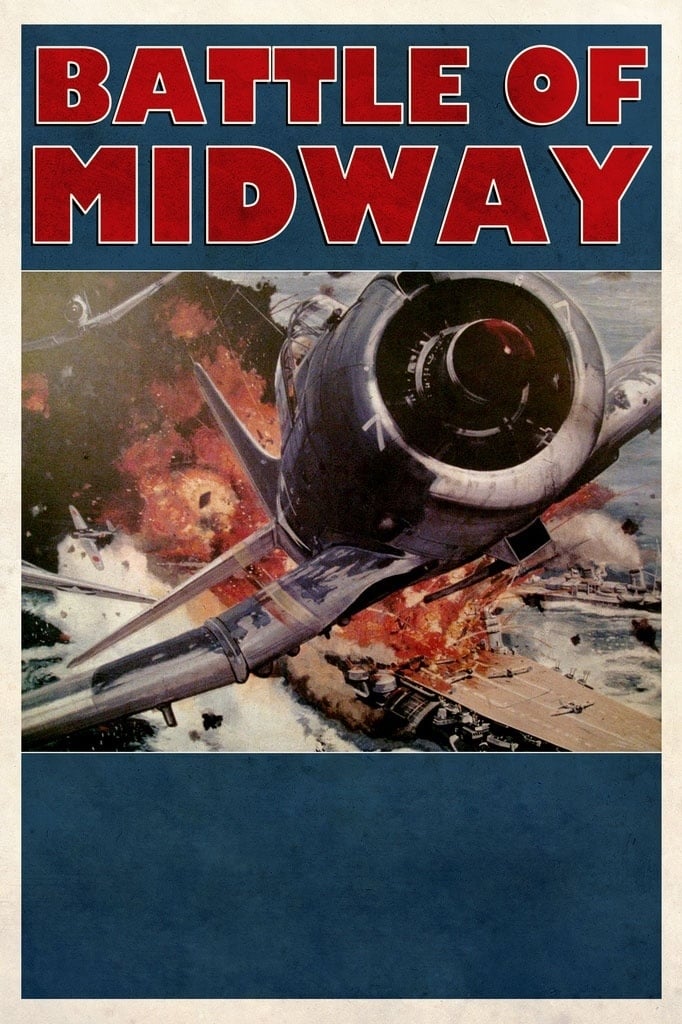
The story of the Battle of Midway, and the leaders and soldiers who used their instincts, fortitude and bravery to overcome massive odds.
The story follows the Kosovar partisan hero known as Lisi (Oak), from WWII days, subsequent liberation, until mid-1960s. Lisi was a brave warrior, yet he and his generation remains largely uneducated. However his nephew starts as a courier, and becomes doctor afterwards.
Located nearly 80 kilometres north of Berlin, Germany, the former municipality of Ravensbrück was home to a prison between 1939 and 1945 that became a concentration camp designed specifically for women. It was built by order of Heinreich Himmler, a high dignitary of the Third Reich and head of the SS. Of the more than 130,000 people who were deported there, almost 90,000 never returned. Based on witnesses, international experts and computer-generated images, the document reveals the atrocities committed in Ravensbrück.
A depiction of the last living generation of German participants in Adolf Hitler’s Third Reich.
Communicating simultaneously to all 53 of the FBI’s field offices from his headquarters in the Department of Justice, this issue puts J. Edgar Hoover right at the heart of America’s fight against internal espionage during the war. Featuring footage from the FBI Academy in Quantico, Virginia, the film follows the progress of a new officer, dramatically depicting the investigation of a murder case involving the theft of top secret materials from a gas mask factory.
The centrepiece of this March of Time film is the dramatised sequence showing the FBI infiltration of a group of American Nazis, whose espionage and sabotage operations are run from the backroom of a local restaurant. The film’s message - that the FBI is more than a match for German spies - is reinforced by the focus on new techniques such as covert filming and forensic evidence analysis, helped by an army of administrative staff working alongside the Bureau’s 4,500 special agents.
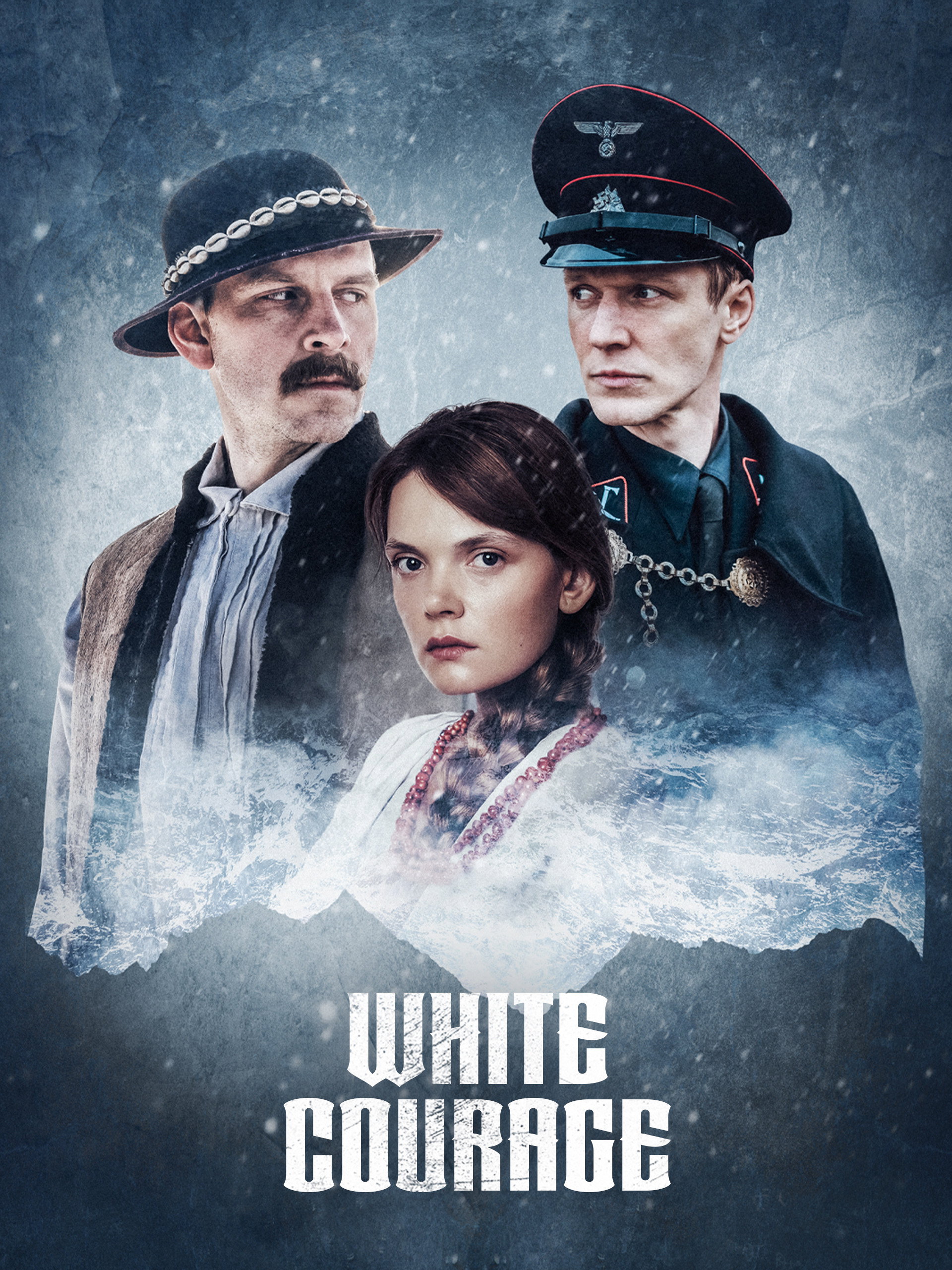
The film tells the story of two Highlander brothers – Maciek and Andrzej. After the death of their father, which Andrzej contributed to, and the loss of his beloved Bronka, Andrzej leaves the family home. On his way, he meets the mysterious Wolfram, an anthropologist and climber. He shares with him his mountaineering technique and knowledge about the Prague origins of the highlanders. Andrzej returns to Zakopane, war breaks out. To protect the Highlanders from wartime destruction, he wants to persuade them to cooperate with the Germans. Andrzej and Maciek are standing on opposite sides of the barricade. The brothers' confrontation is bloody and painful.
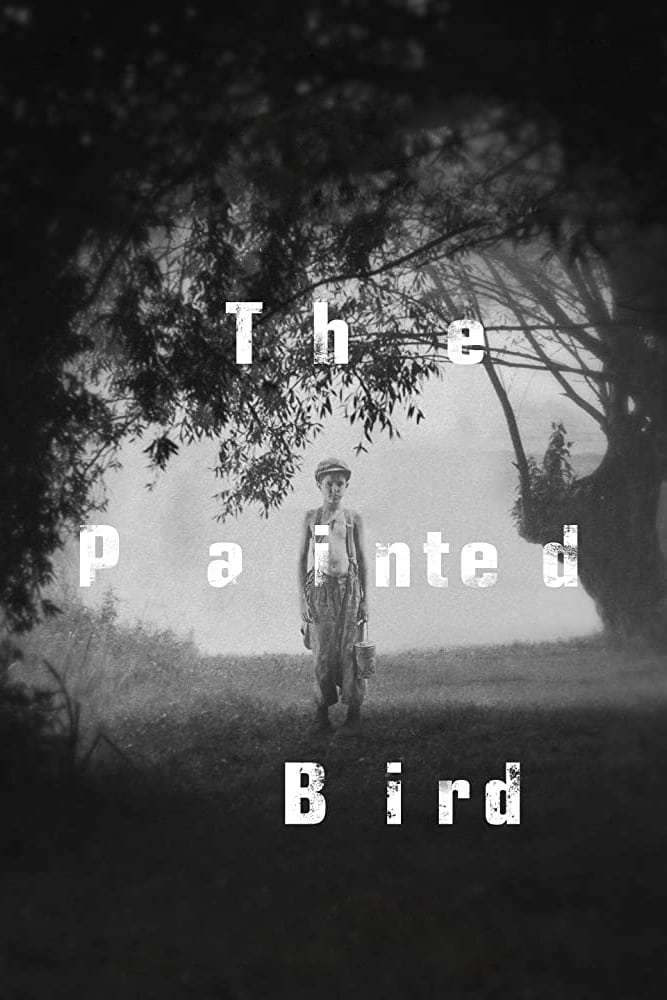
After losing his parents, a young Jewish boy wanders Eastern Europe, seeking refuge during World War II.
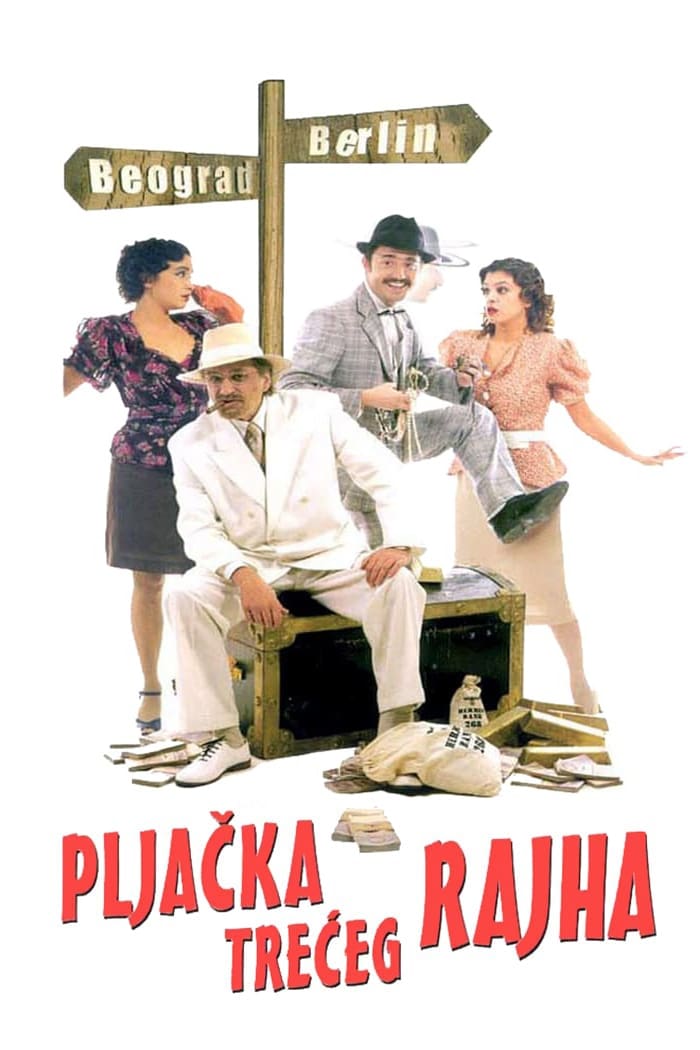
During 1941 in Belgrade, two well-known thieves try to carry out the biggest robbery of Nazi authorities ever.
In the final days of the battle of Manila during World War II, fanatical Japanese naval forces barricade themselves inside the walls of Intramuros, the ancient Spanish walled city of Manila. In a suicidal last stand, the Japanese hold many thousand Filipinos captive within the fortress, despite the incessant bombardment of United States artillery. An American war correspondent, Murray, arrives at the front line where a guerrilla unit led by American Lieutenant Sorenson makes contact with a young Filipino fighter, Nardo, who has escaped the fortress through a sewer passage. Nardo proposes a plan to rescue the prisoners through the tunnel.
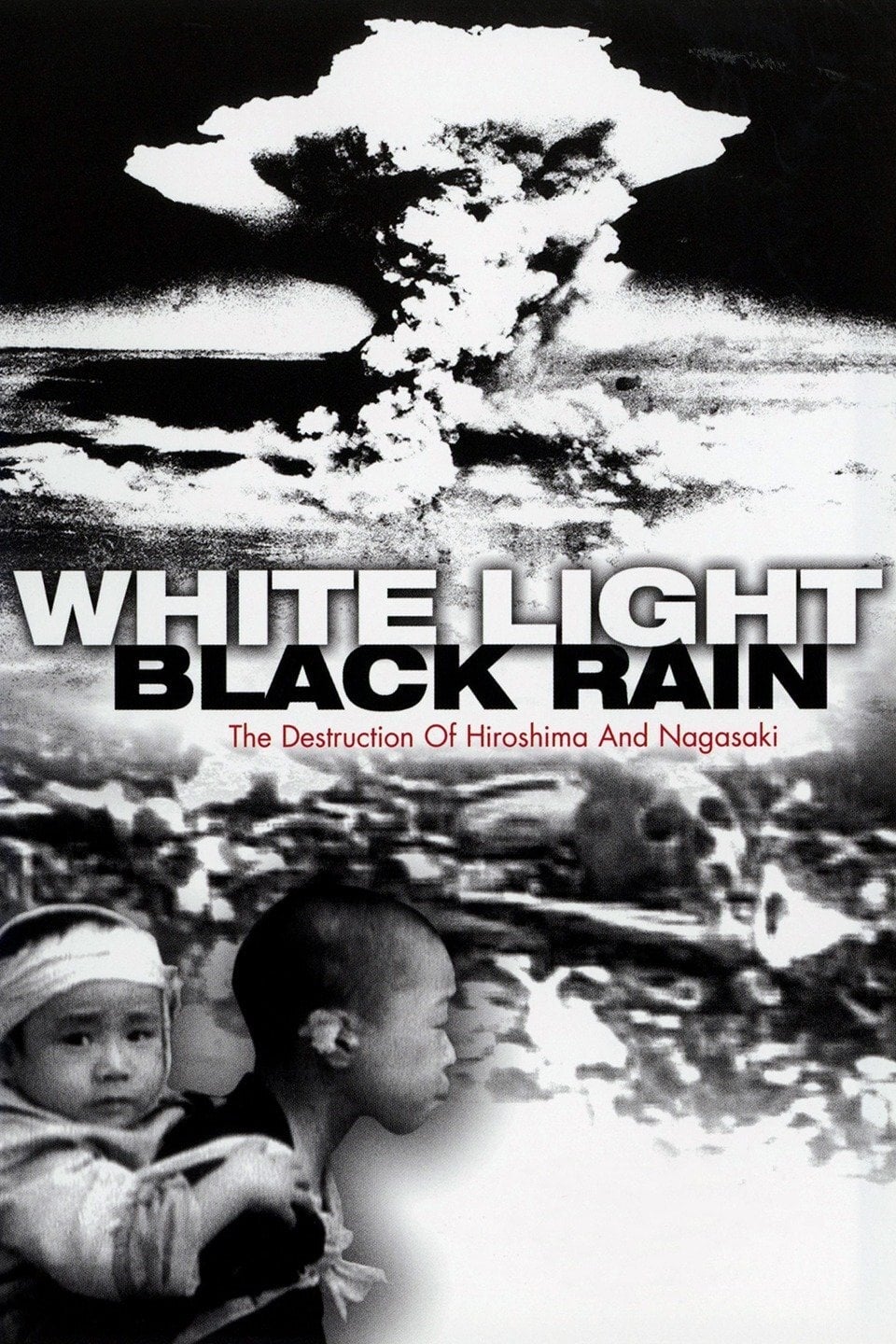
Steven Okazaki presents a deeply moving look at the painful legacy of the first -- and hopefully last -- uses of nuclear weapons in war. Featuring interviews with fourteen atomic bomb survivors - many who have never spoken publicly before - and four Americans intimately involved in the bombings, White Light/Black Rain provides a detailed exploration of the bombings and their aftermath.
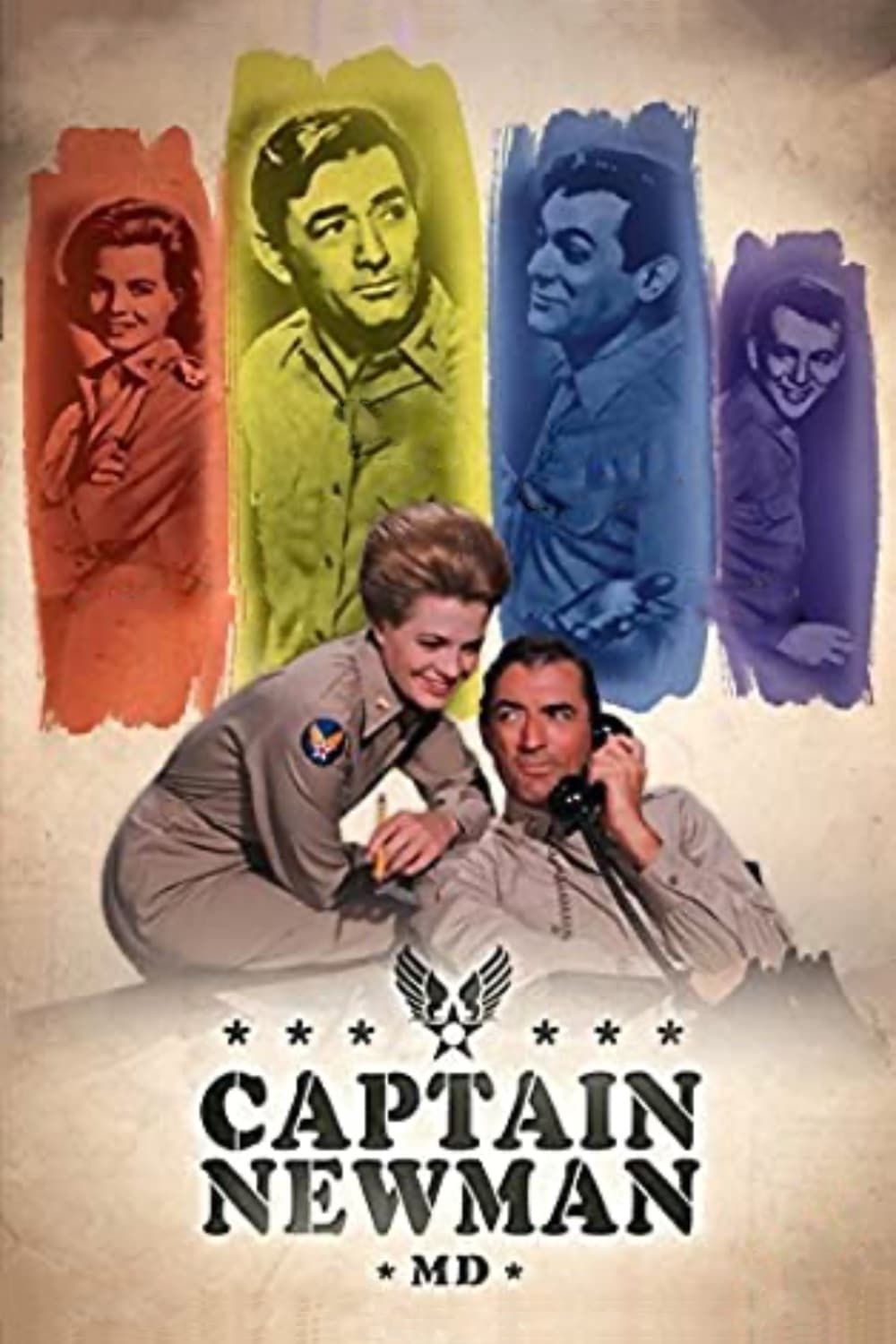
In 1944, Capt. Josiah J. Newman is the doctor in charge of Ward 7, the neuropsychiatric ward, at an Army Air Corps hospital in Arizona. The hospital is under-resourced and Newman scrounges what he needs with the help of his inventive staff, especially Cpl. Jake Leibowitz. The military in general is only just coming to accept psychiatric disorders as legitimate and Newman generally has 6 weeks to cure them or send them on to another facility. There are many patients in the ward and his latest include Colonel Norville Bliss who has dissociated from his past; Capt. Paul Winston who is nearly catatonic after spending 13 months hiding in a cellar behind enemy lines; and 20 year-old Cpl. Jim Tompkins who is severely traumatized after his aircraft was shot down. Others come and go, including Italian prisoners of war, but Newman and team all realize that their success means the men will return to their units.
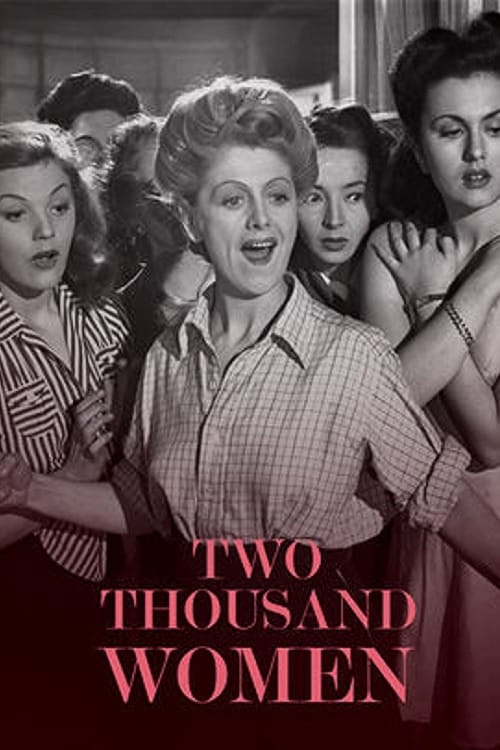
During the Second World War, three downed English airmen hide out with women's internment camp in France.
On the 8th September 1943, thousands of allied prisoners of war escaped into the Italian countryside following the country's surrender. The occupying Germans hunted these escapers who were helped and sheltered by the brave and kind Italian Contadini, farmers who put their families and homes at great risk by doing so. Made by a crew of students in Leeds, England with very limited resources and funds, it is based on the director's great-grandfather and his experiences as an escaped British POW in Italy during WWII.
Prelude to War was the first film of Frank Capra's Why We Fight propaganda film series, commissioned by the Pentagon and George C. Marshall. It was made to convince American troops of the necessity of combating the Axis Powers during World War II. This film examines the differences between democratic and fascist states.
Amid the failing counteroffensive, a journalist follows a Ukrainian platoon on their mission to traverse one mile of heavily fortified forest and liberate a strategic village from Russian occupation. But the farther they advance through their destroyed homeland, the more they realize that this war may never end.
“The Soviet Story” is a story of an Allied power, which helped the Nazis to fight Jews and which slaughtered its own people on an industrial scale. Assisted by the West, this power triumphed on May 9th, 1945. Its crimes were made taboo, and the complete story of Europe’s most murderous regime has never been told. Until now...
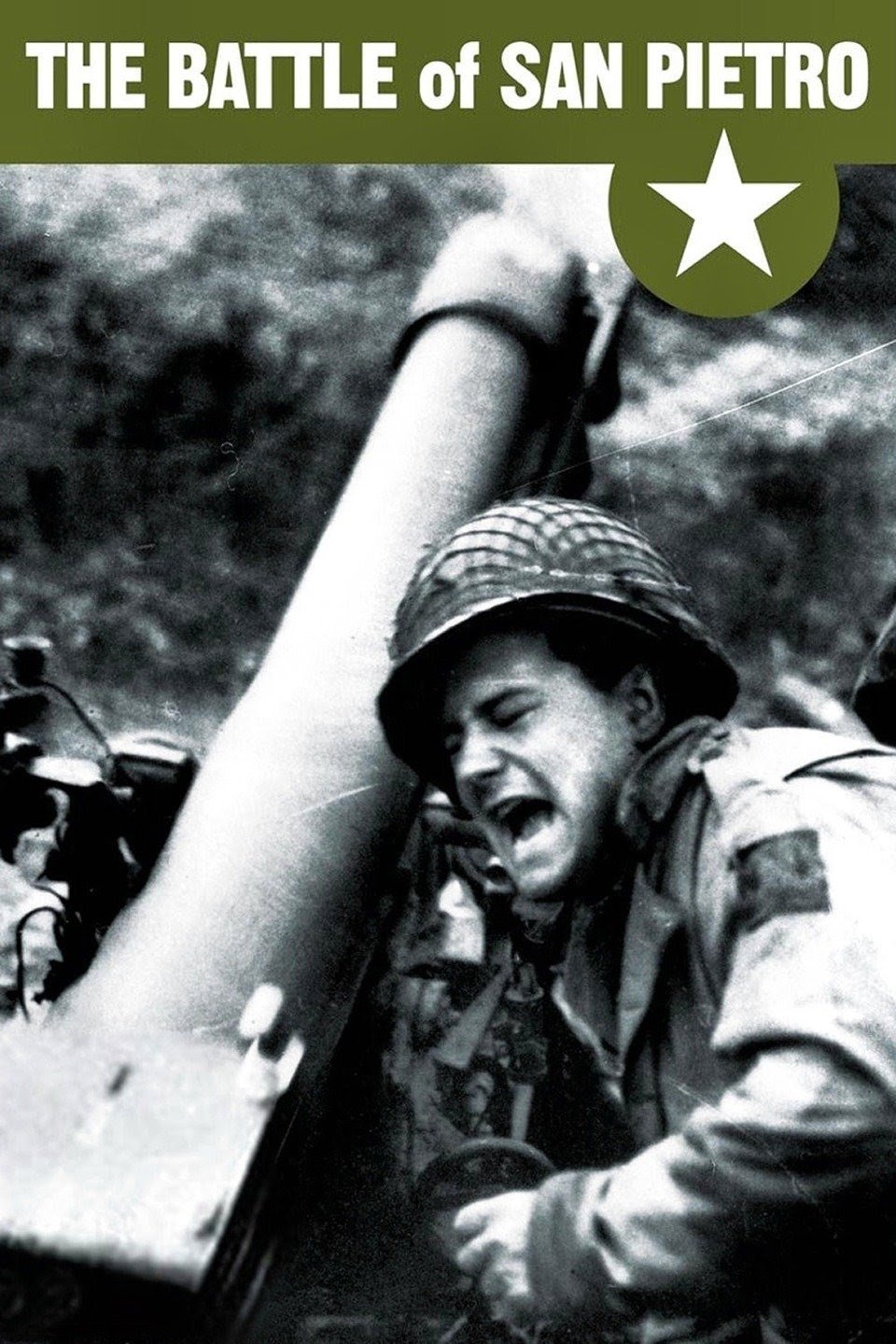
This documentary movie is about the battle of San Pietro, a small village in Italy. Over 1,100 US soldiers were killed while trying to take this location, that blocked the way for the Allied forces from the Germans. Preserved by the Academy Film Archive in 2005.
A documentary about World War I with never-before-seen footage to commemorate the centennial of Armistice Day, and the end of the war.
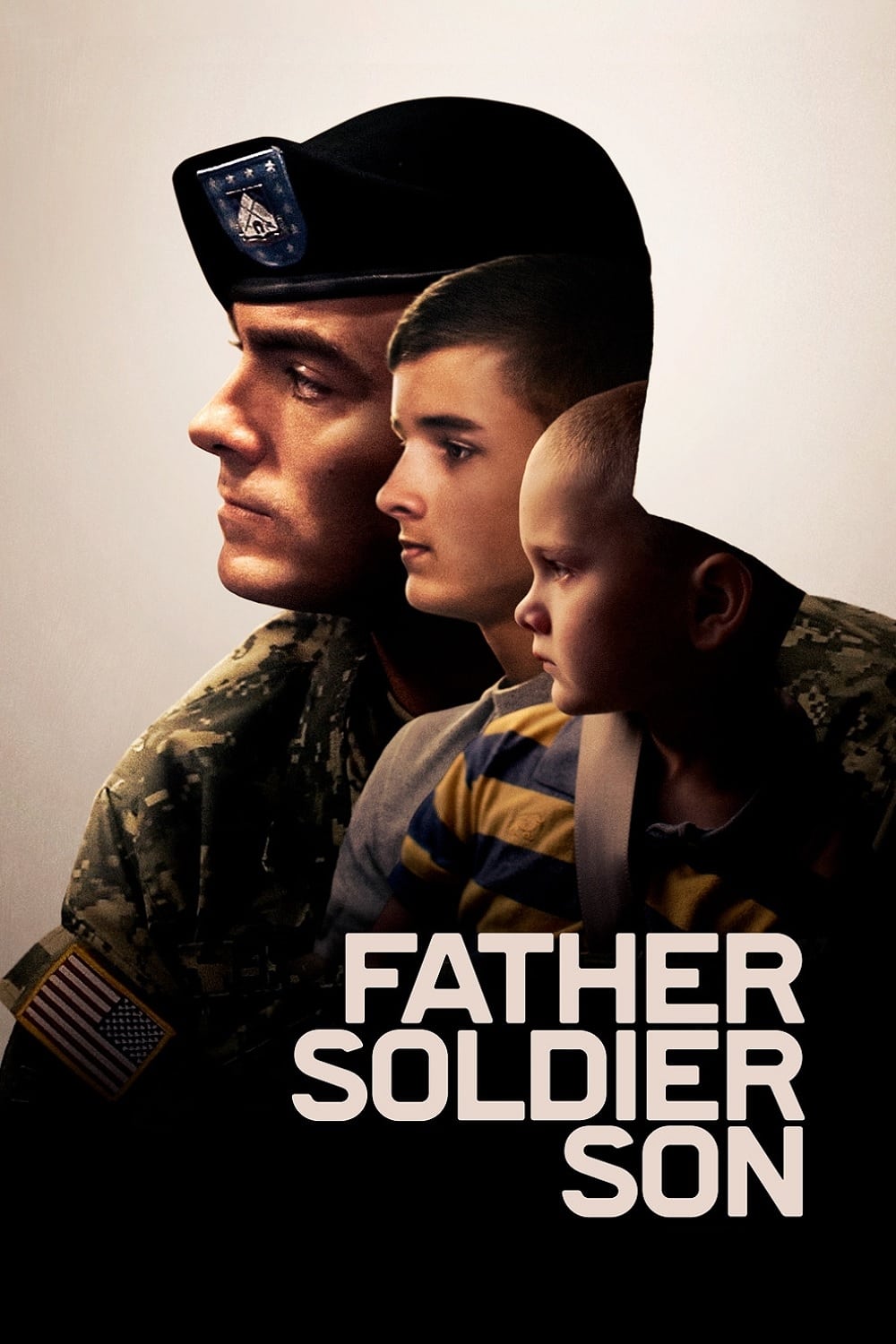
When Sgt. First Class Brian Eisch is critically wounded in Afghanistan, it sets him and his sons on a journey of love, loss, redemption and legacy.
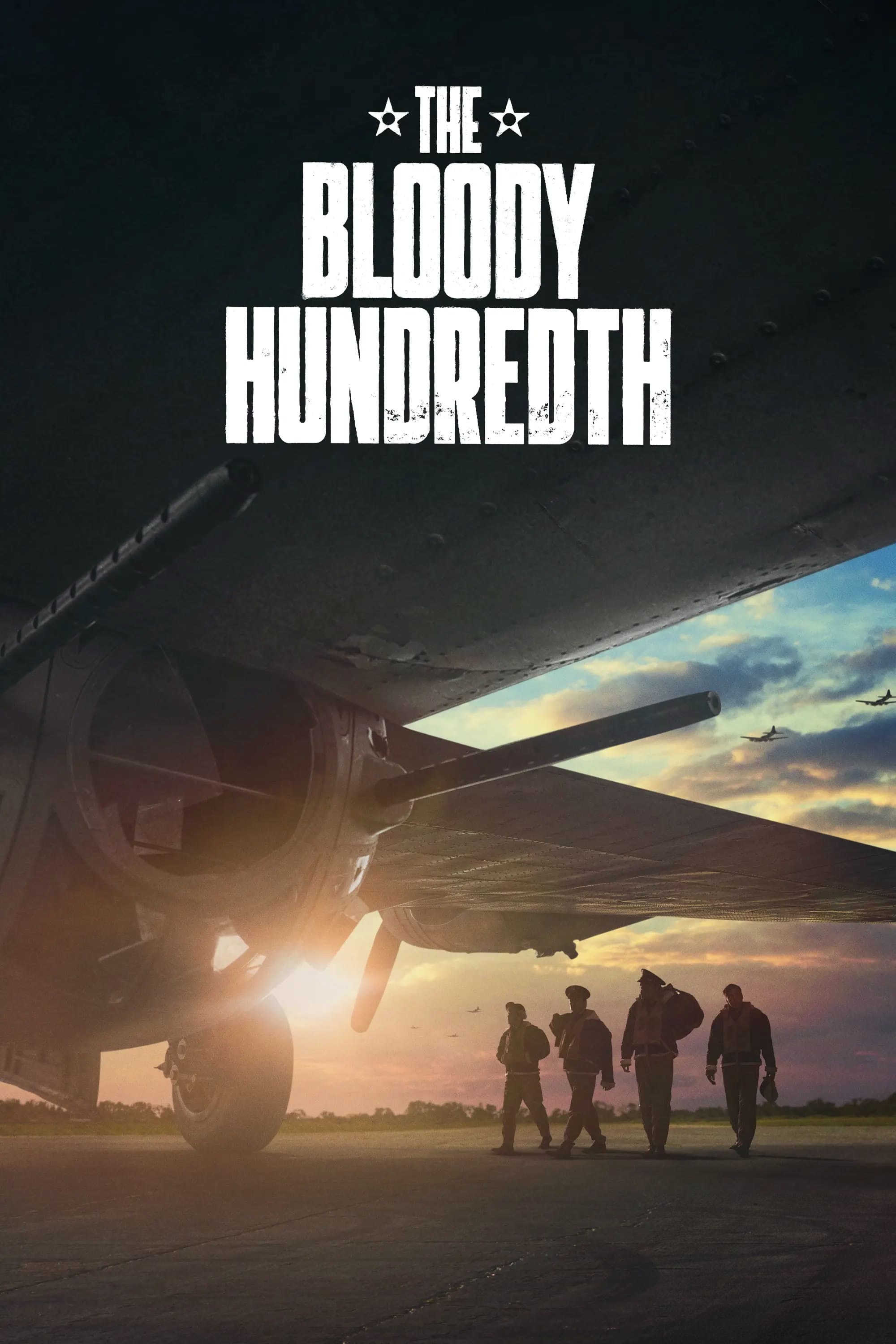
Meet the real-life airmen who inspired Masters of the Air as they share the harrowing and transformative events of the 100th Bomb Group.
The Japanese attack on Midway in June 1942, filmed as it happened. Preserved by the Academy Film Archive, in partnership with Twentieth Century Fox Film Corporation, in 2006.
"Trinity and Beyond" is an unsettling yet visually fascinating documentary presenting the history of nuclear weapons development and testing between 1945-1963. Narrated by William Shatner and featuring an original score performed by the Moscow Symphony Orchestra, this award-winning documentary reveals previously unreleased and classified government footage from several countries.
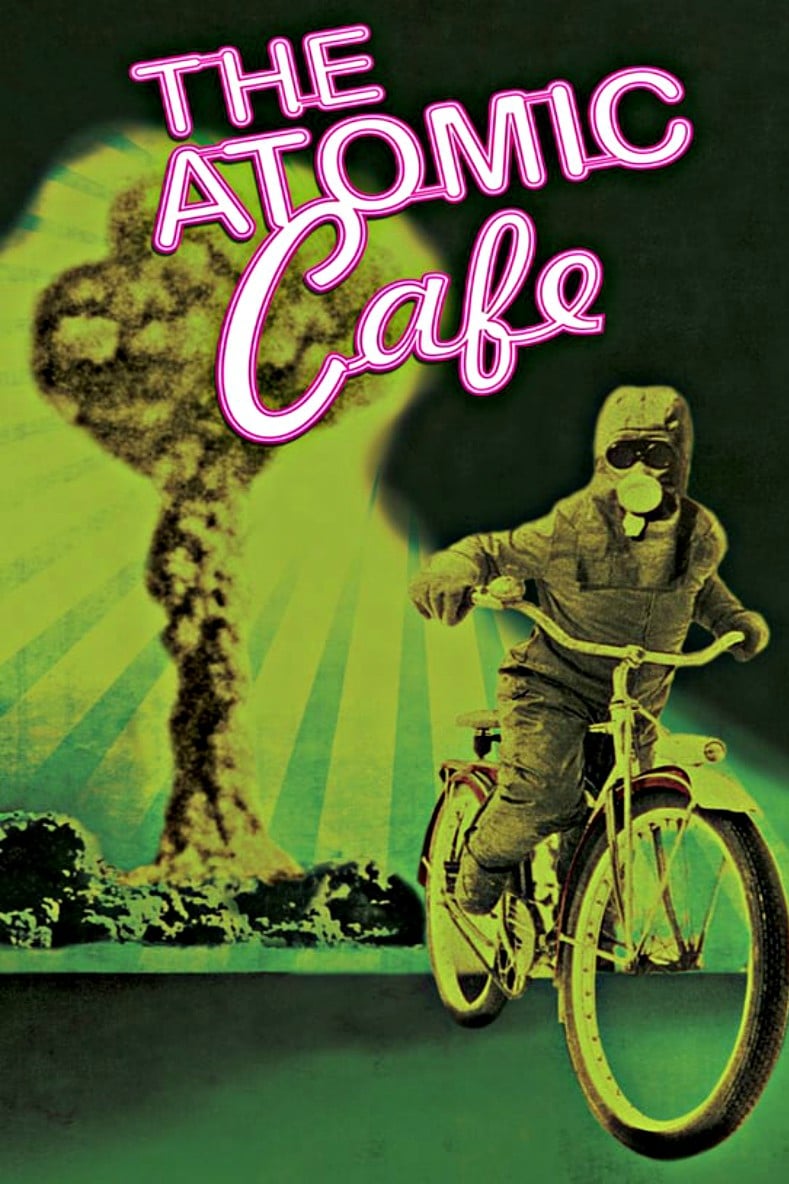
A disturbing collection of 1940s and 1950s United States government-issued propaganda films designed to reassure Americans that the atomic bomb was not a threat to their safety.
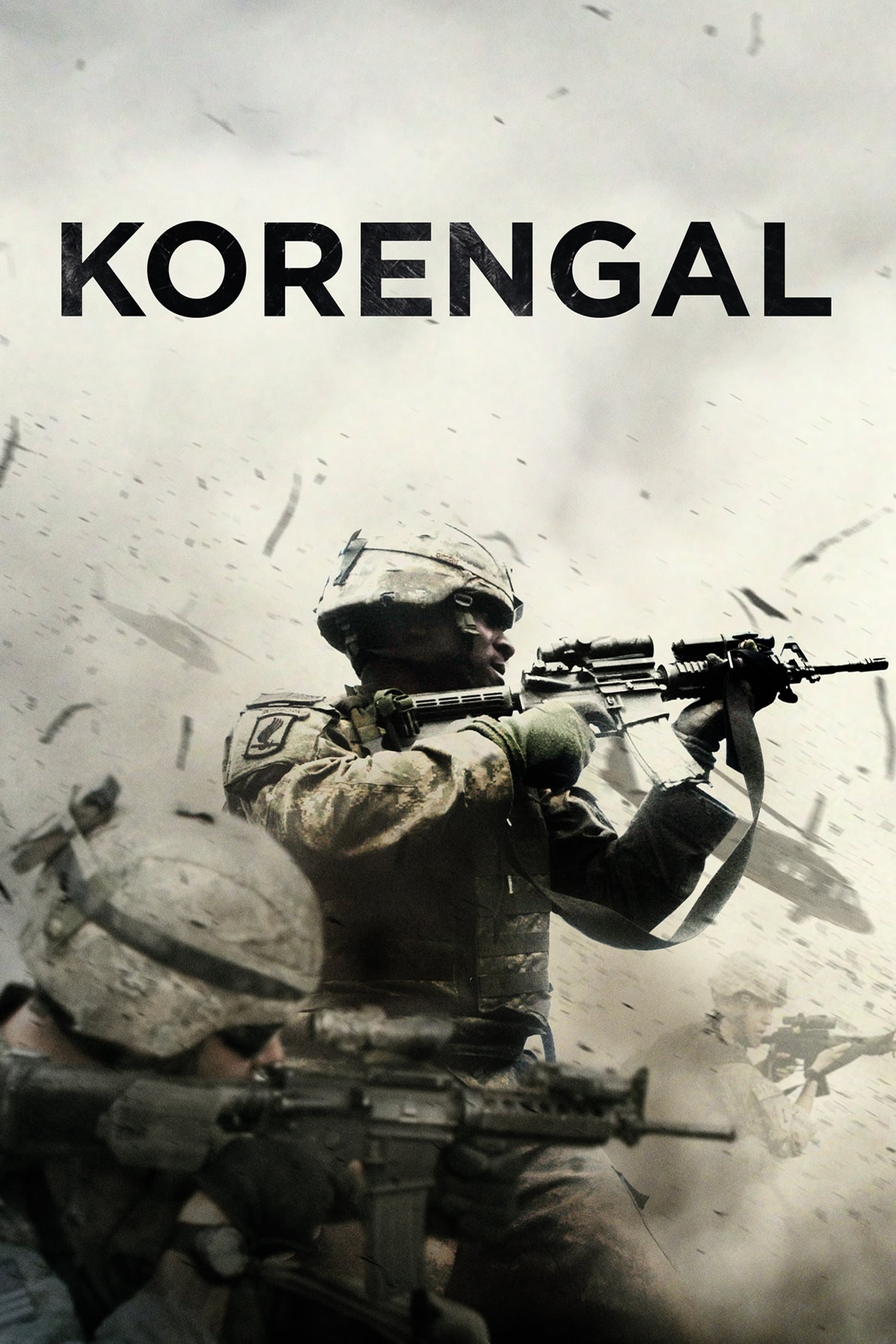
Korengal picks up where Restrepo left off; the same men, the same valley, the same commanders, but a very different look at the experience of war.
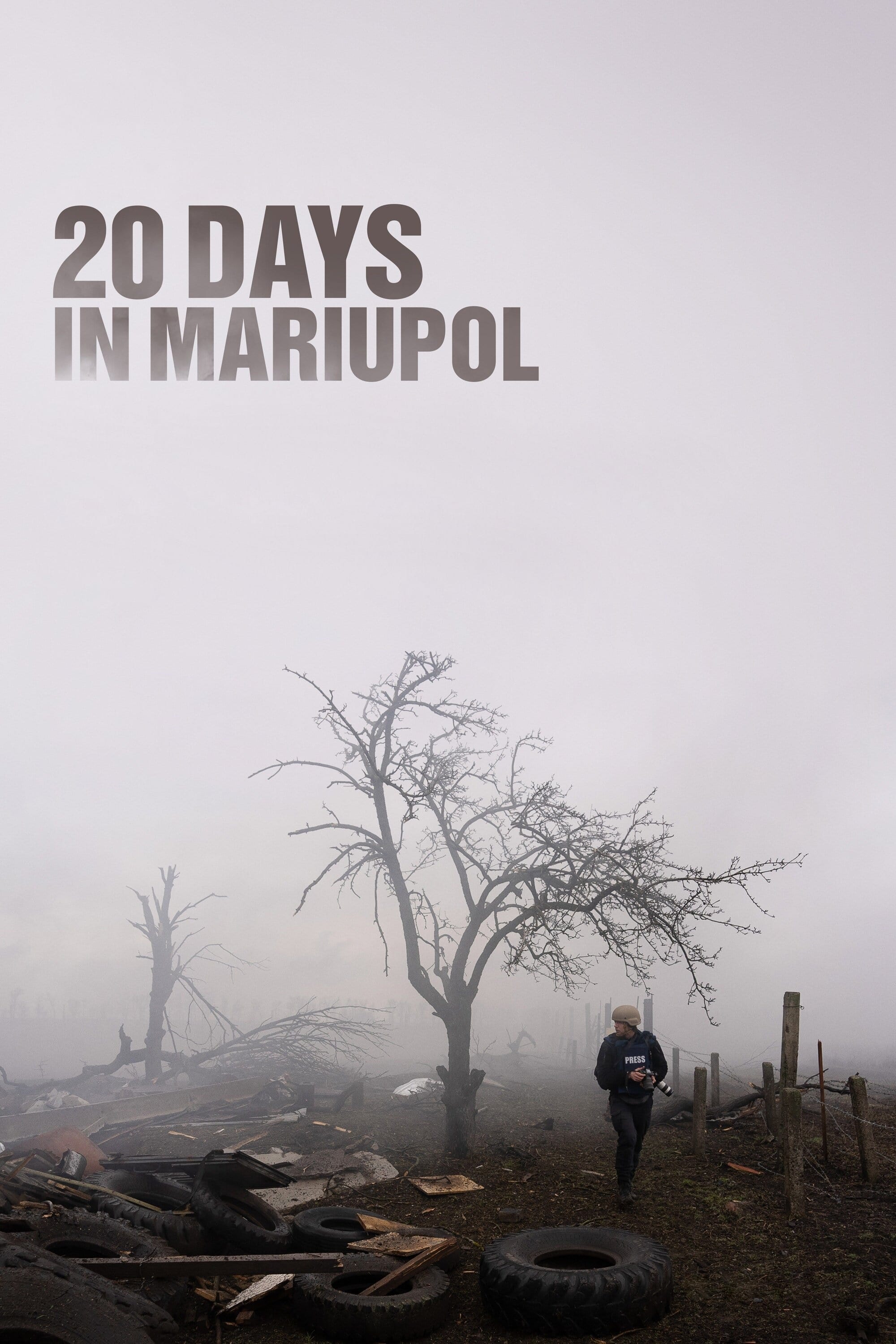
As the Russian invasion begins, a team of Ukrainian journalists trapped in the besieged city of Mariupol struggle to continue their work documenting the war's atrocities.
A love letter from a young mother to her daughter, the film tells the story of Waad al-Kateab’s life through five years of the uprising in Aleppo, Syria as she falls in love, gets married and gives birth to Sama, all while cataclysmic conflict rises around her. Her camera captures incredible stories of loss, laughter and survival as Waad wrestles with an impossible choice– whether or not to flee the city to protect her daughter’s life, when leaving means abandoning the struggle for freedom for which she has already sacrificed so much.
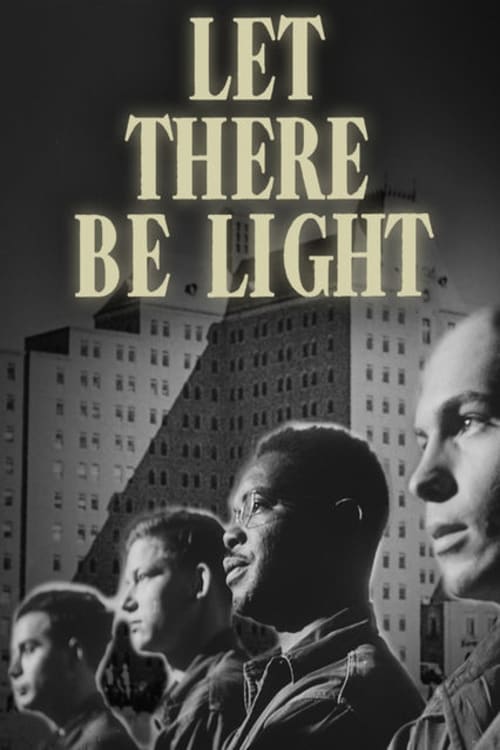
The final entry in a trilogy of films produced for the U.S. government by John Huston. Some returning combat veterans suffer scars that are more psychological than physical. This film follows patients and staff during their treatment. It deals with what would now be called PTSD, but at the time was categorised as psychoneurosis or shell-shock. Government officials deemed this 1946 film counterproductive to postwar efforts; it was not shown publicly until 1981.
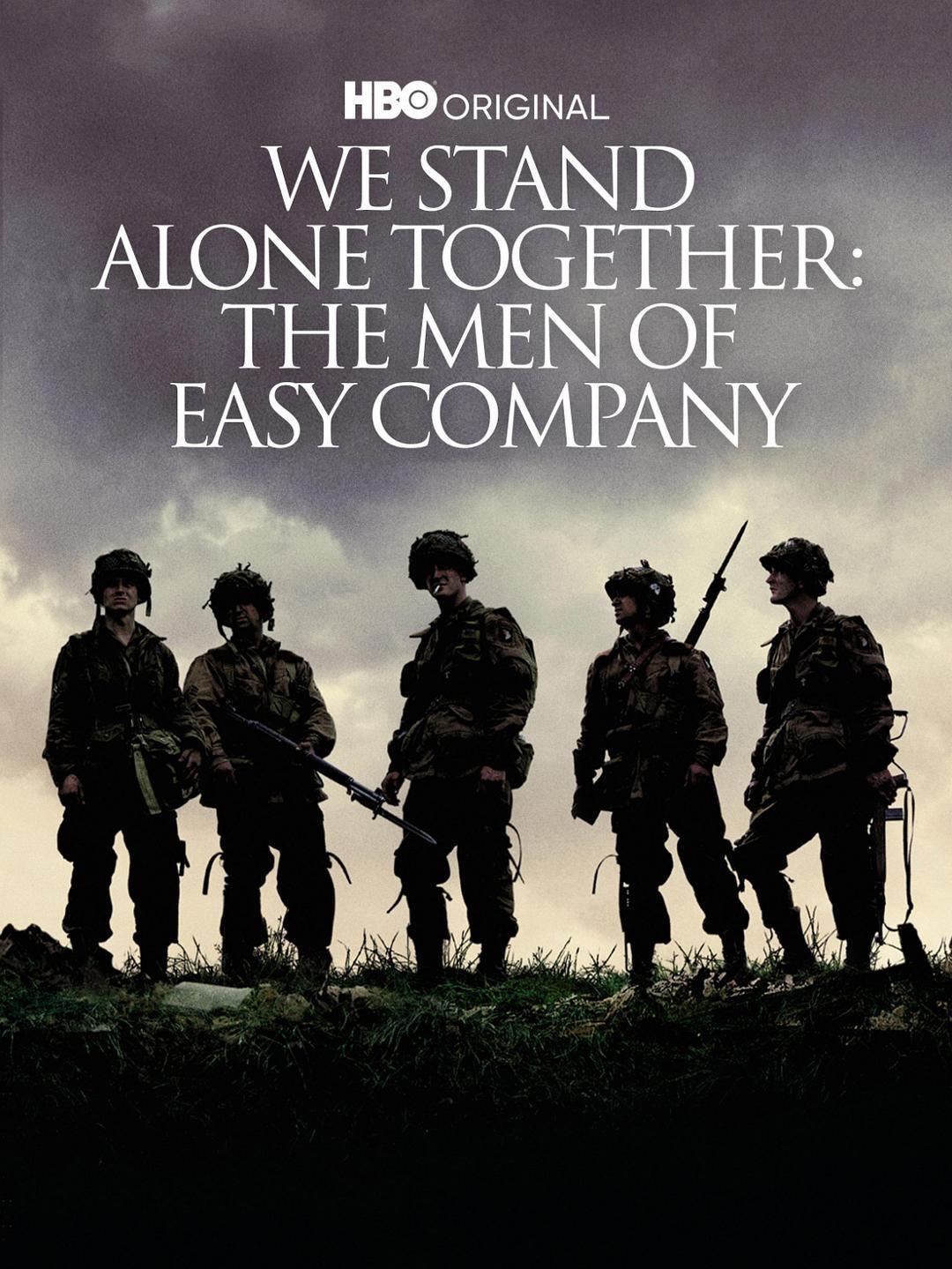
Over a period of two years, Mark Cowen and his crew travelled to thirty U.S. states and ten European cities, to interview the veterans of Easy Company. The stories told by the veterans themselves, create a history of the Second World War from the point of view of this heroic company of men, made famous in the mini-series Band of Brothers.
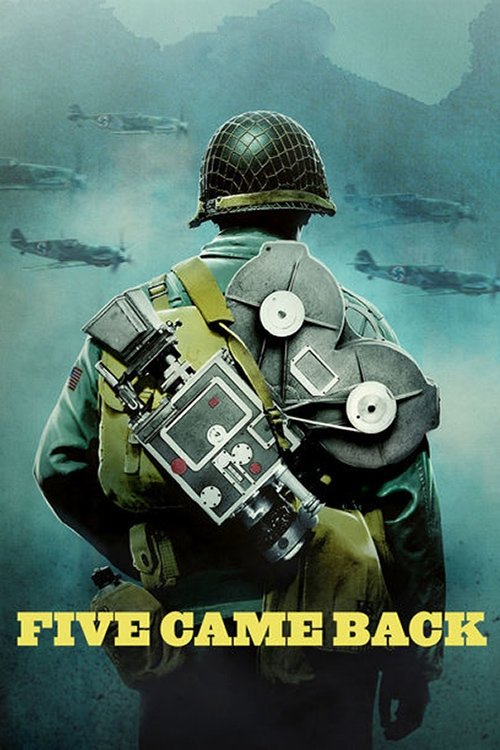
The extraordinary story of how Hollywood changed World War II – and how World War II changed Hollywood, through the interwoven experiences of five legendary filmmakers who went to war to serve their country and bring the truth to the American people: John Ford, William Wyler, John Huston, Frank Capra, and George Stevens. Based on Mark Harris’ best-selling book, “Five Came Back: A Story of Hollywood and the Second World War.”
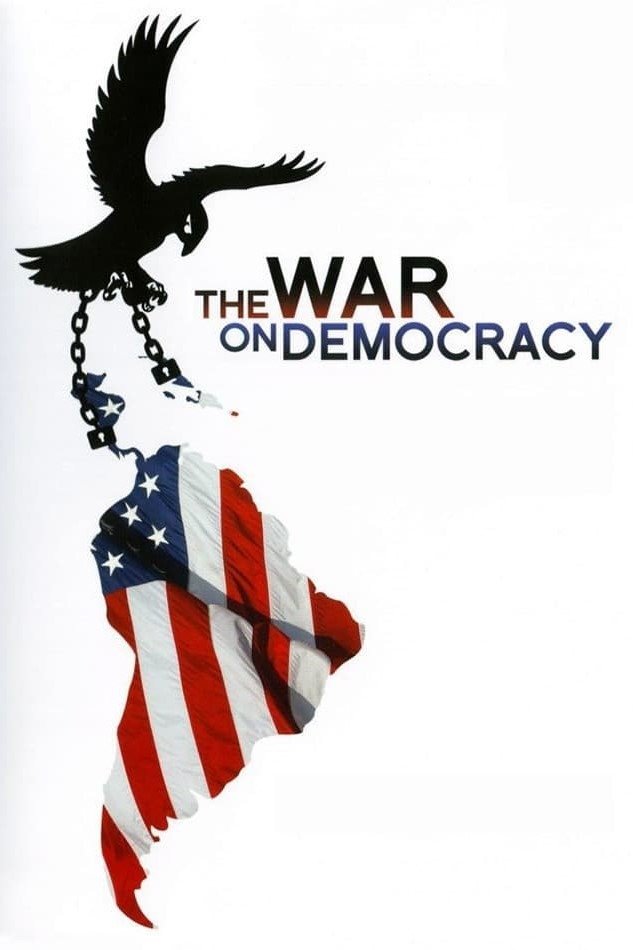
Set both in Latin America and the United States, the film explores the historic and current relationship of Washington with countries such as Venezuela, Bolivia and Chile. Pilger says that the film "...tells a universal story... analysing and revealing, through vivid testimony, the story of great power behind its venerable myths. It allows us to understand the true nature of the so-called "war on terror". According to Pilger, the film’s message is that the greed and power of empire is not invincible and that people power is always the "seed beneath the snow".
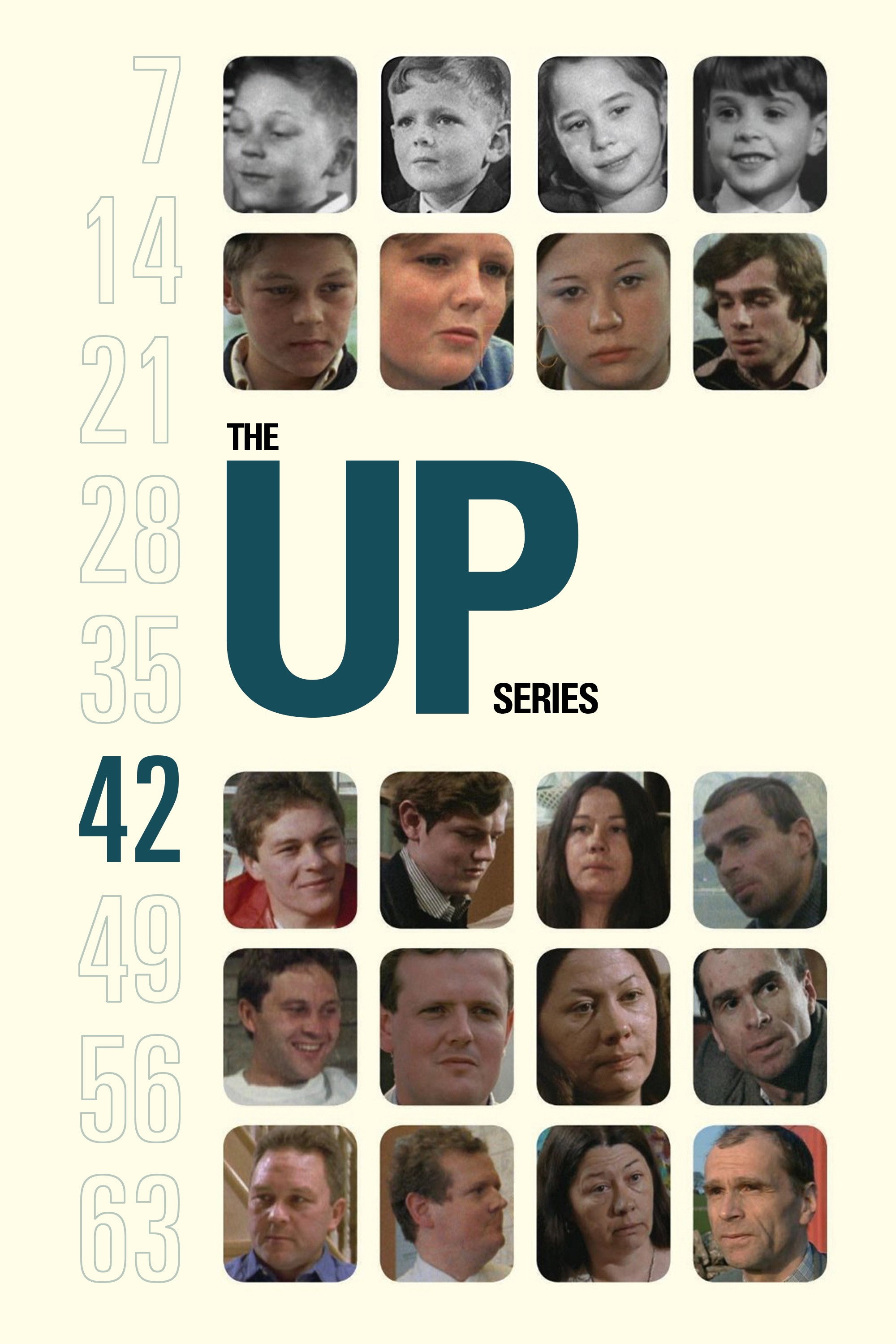
Director Michael Apted revisits the same group of British-born adults after a 7 year wait. The subjects are interviewed as to the changes that have occurred in their lives during the last seven years.
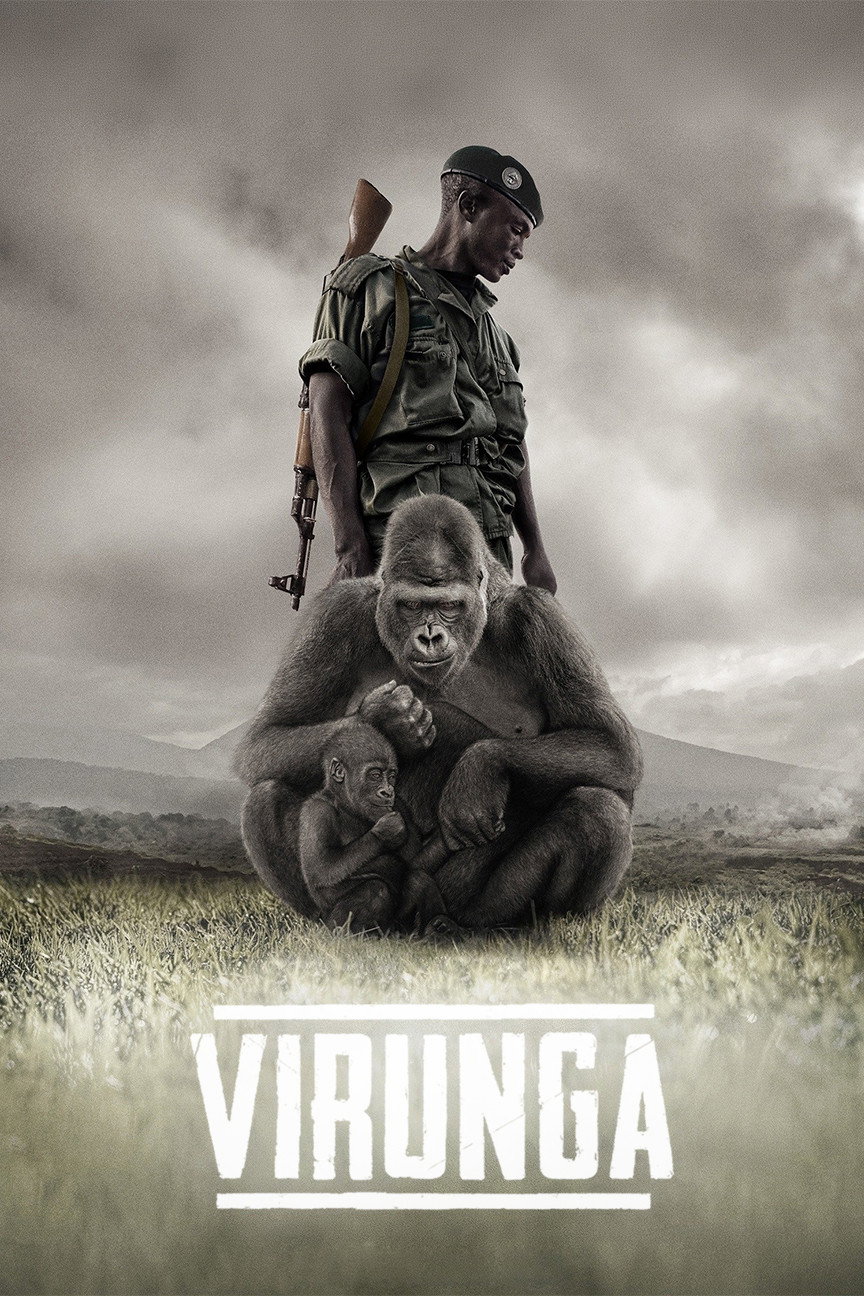
Virunga in the Democratic Republic of the Congo is Africa’s oldest national park, a UNESCO world heritage site, and a contested ground among insurgencies seeking to topple the government that see untold profits in the land. Among this ongoing power struggle, Virunga also happens to be the last natural habitat for the critically endangered mountain gorilla. The only thing standing in the way of the forces closing in around the gorillas: a handful of passionate park rangers and journalists fighting to secure the park’s borders and expose the corruption of its enemies. Filled with shocking footage, and anchored by the surprisingly deep and gentle characters of the gorillas themselves, Virunga is a galvanizing call to action around an ongoing political and environmental crisis in the Congo.
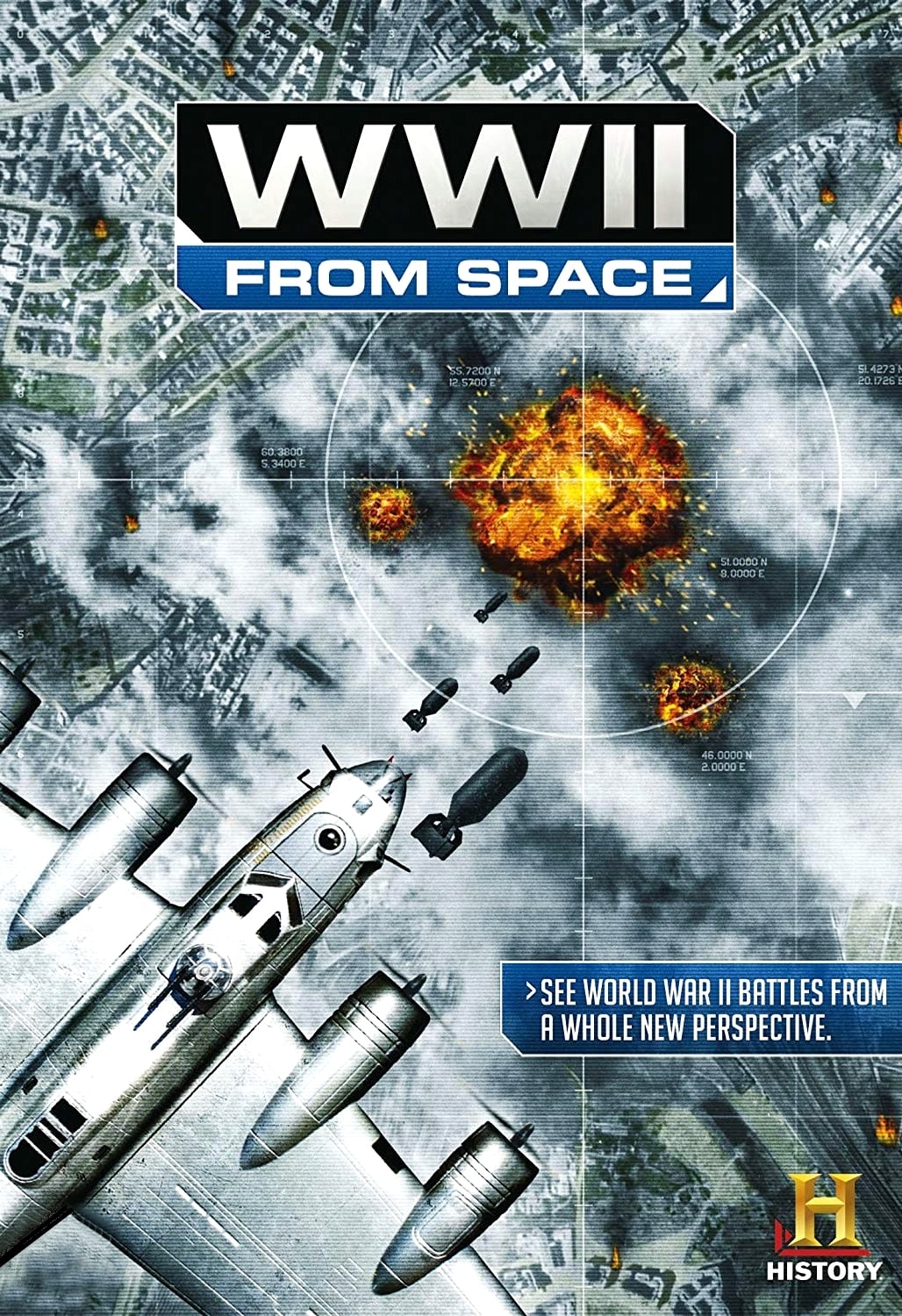
WWII from Space delivers World War II in a way you've never experienced it before. This HISTORY special uses an all-seeing CGI eye that offers a satellite view of the conflict, allowing you to experience it in a way that puts key events and tipping points in a global perspective. By re-creating groundbreaking moments that could never have been captured on camera, and by illustrating the importance of simultaneity and the hidden effects of crucial incidents, HISTORY presents the war's monumental moments in a never-before-seen context. And with new information brought to the forefront, you'll better understand how a nation ranked 19th in the world's militaries in 1939 emerged six years later as the planet's only atomic superpower.