Social & External
The people behind it
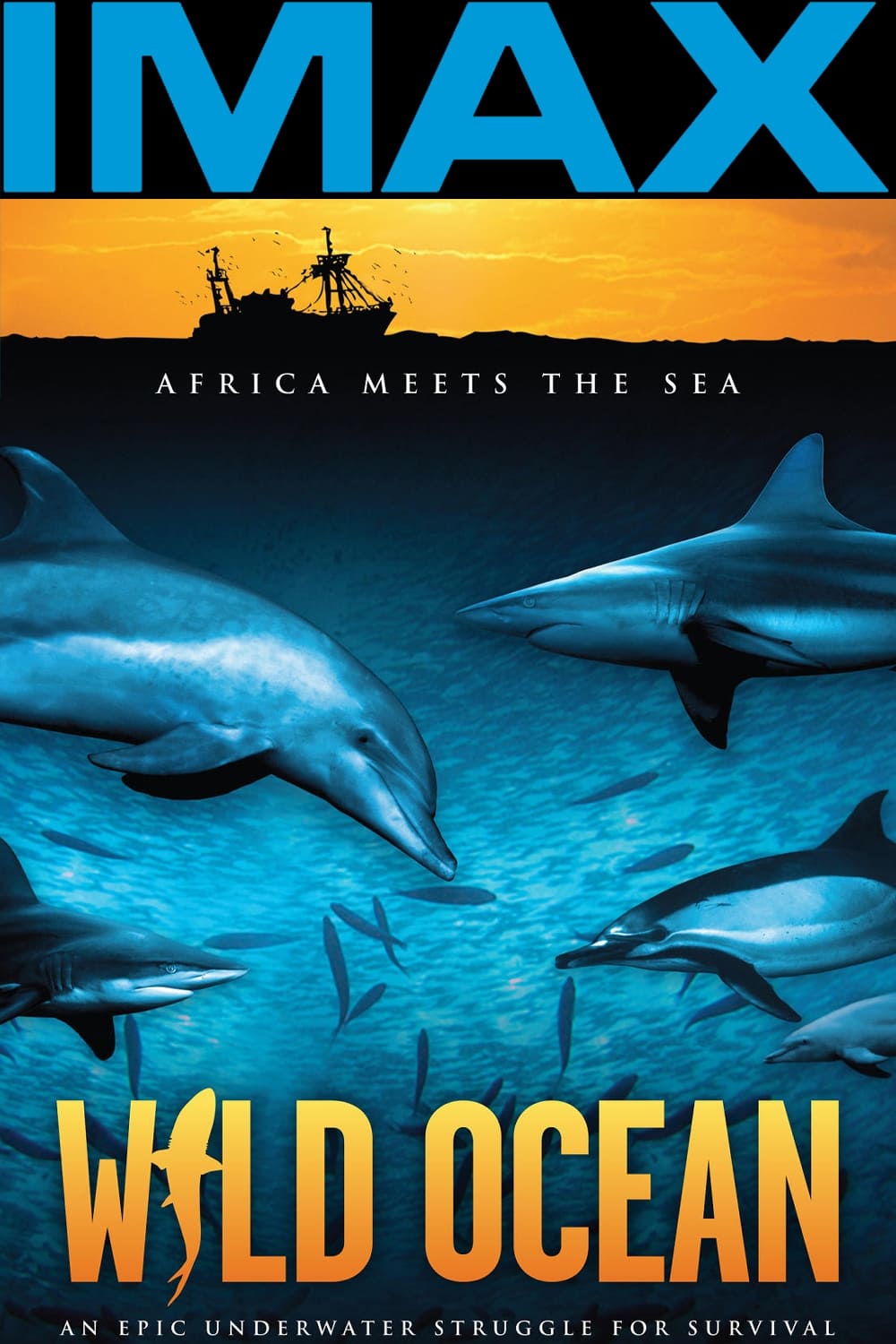
Wild Ocean is in an uplifting, giant screen cinema experience capturing one of nature's greatest migration spectacles. Plunge into an underwater feeding frenzy, amidst the dolphins, sharks, whales, gannets, seals and billions of fish. Filmed off the Wild Coast of South Africa, Wild Ocean is a timely documentary that celebrates the animals that now depend on us to survive and the efforts by the local people to protect this invaluable ecological resource. Hope is alive on the Wild Coast, where Africa meets the sea.
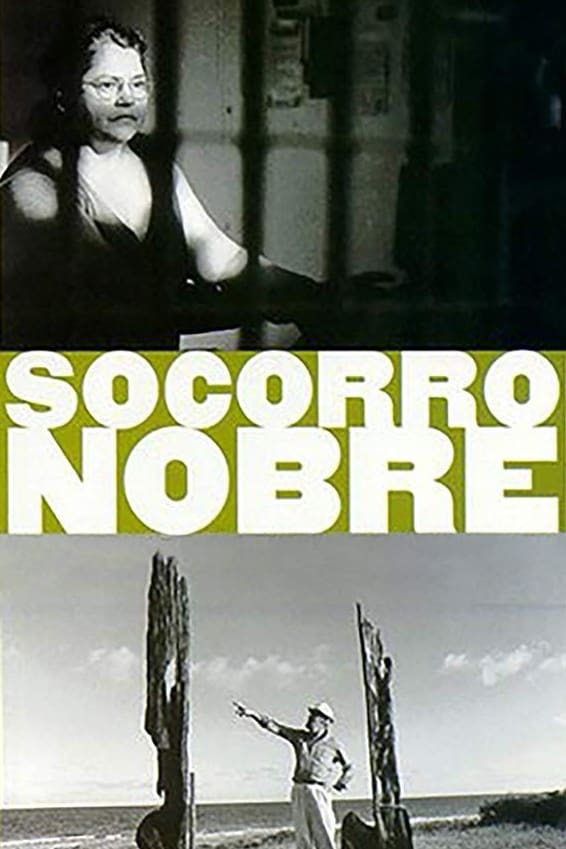
When the inmate Maria do Socorro Nobre reads an article about the Polish artist Franz Krajcberg in Veja magazine, she decides to write a letter to him. Socorro was sentenced to more than twenty-one years in a prison for women in Salvador, Bahia, while Franz is a tormented artist that lost his family and lived his childhood in a ghetto in Poland but survived the Holocaust. Franz moved to Brazil and recovered life wish living close to nature and inspires Socorro to dream with life again.
This public-school educational film warns of the dangers of cheating. John Taylor is struggling with his algebra course, and convinces his friend Mary to show him her answers during the tests. But when he is caught, his reputation among his fellow students, along with his student-council seat, is put in jeopardy.
A scientific film essay, narrated by Phil Morrison. A set of pictures of two picnickers in a park, with the area of each frame one-tenth the size of the one before. Starting from a view of the entire known universe, the camera gradually zooms in until we are viewing the subatomic particles on a man's hand.
This short documentary explores just how the film Pumping Iron revolutionized the fitness industry and created an international icon in Arnold Schwarzenegger. It also touches on what Hollywood's idea of an action star was and is.
Tornado Alley documents two unprecedented missions seeking to encounter one of Earth’s most awe-inspiring events—the birth of a tornado. Filmmaker Sean Casey’s personal quest to capture the birth of a tornado with a 70mm camera takes viewers on a breathtaking journey into the heart of the storm. A team of equally driven scientists, the VORTEX2 researchers, experience the relentless strength of nature’s elemental forces as they literally surround tornadoes and the supercell storms that form them, gathering the most comprehensive severe weather data ever collected.
A film that will not only delight and entertain the aviation enthusiast but also educate and inspired renewed interest in aviation by the traveling public.
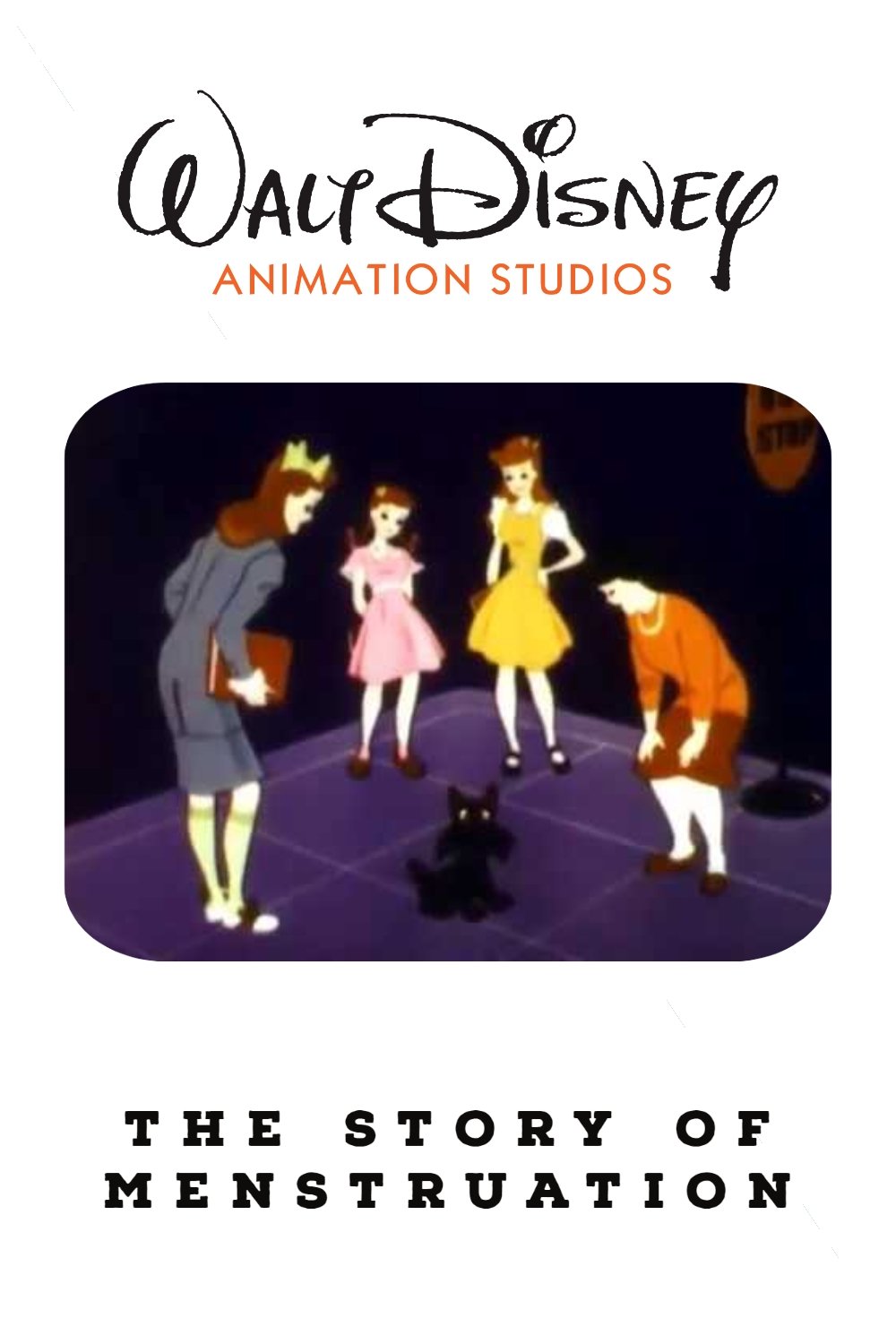
A basic explanation of the purpose and process of menstruation, told largely with diagrams.
Egypt's only modernist architect Hassan Fathy (1900-1989) was committed to ecology and sustainability in his architecture. This film takes us with slow steps, in still images, to two villages he created. Fathy's historically grounded, forward-looking designs prompt us to reflect on the past as well as contemplate new solutions for the future.
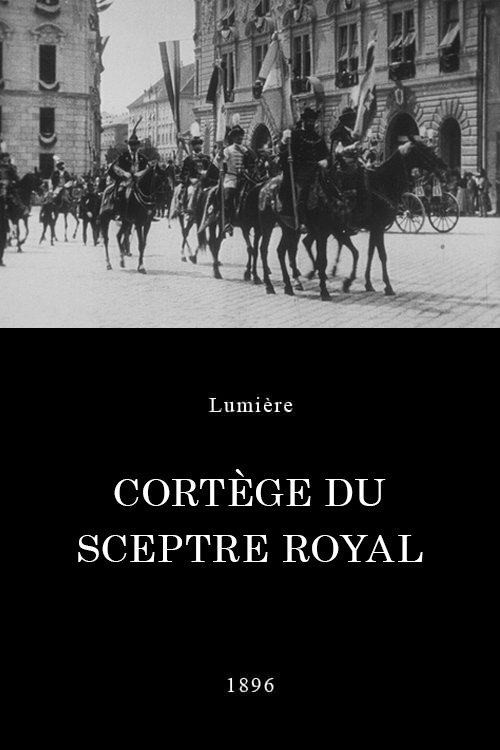
These two views were taken during the celebrations given in 1896 on the occasion of the millennium of the foundation of the kingdom of Hungary. Horsemen and men on foot parade, all dressed in historic uniforms.
Cao Fei recorded her experiences within the online social platform Second Life. The result is a wistful, surreal vision of an alternative reality sprung from the pop culture fantasies and hyper-consumerism of contemporary urban China, while also trying to transcend its real-life limitations. It can be seen as an answer to the challenge posed by River Elegy: how to envision a new Chinese destiny founded on principles of individuality, creativity, discovery, and freedom. The film also reflects the contemporary condition of the virtual supplanting our experience of the real.
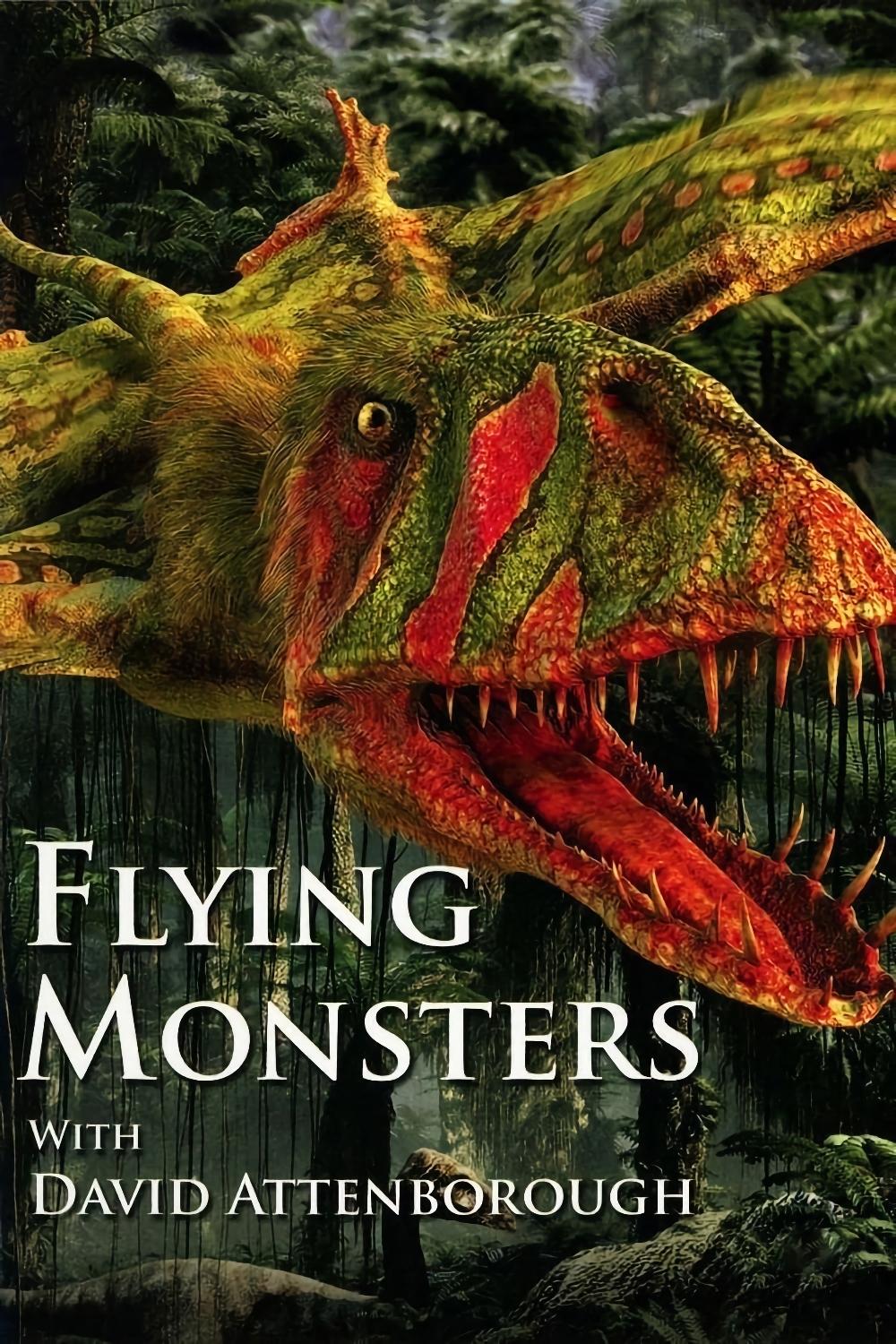
220 million years ago dinosaurs were beginning their domination of Earth. But another group of reptiles was about to make an extraordinary leap: pterosaurs were taking control of the skies. The story of how and why these mysterious creatures took to the air is more fantastical than any fiction. In Flying Monsters 3D, Sir David Attenborough the world’s leading naturalist, sets out to uncover the truth about the enigmatic pterosaurs, whose wingspans of up to 40 feet were equal to that of a modern day jet plane.
An exploration of Rodez Cathedral and its stained glass windows: praying figures and scientific imagery. A study on color, repetition and flickering consisting of 292 photographs.
While filming professional bullriders for a commercial at the national rodeo in Houston, Texas, Spike Jonze befriended two suburban teenagers who aspired to be cowboys. The documentary chronicles an afternoon in their lives.
The camera shows the vivid paintings by late Júlio Régio, with a narrative by his brother, while guitar tunes underline the mood and rhythm of the cinematography.
A dream walk through the United States of America; a meditation on the thoughts and ideals of its inhabitants, as they are exposed in their silent but eloquent home movies.
Learn today's simple, step-by-step way to make more money with less effort...and have fun! Phyllis Diller shares her "garage sale secrets" with you, digging into closets, plowing through old boxes and clearing out the attic as she organizes an attractive, moneymaking garage sale.
A portrayal of the Mexican Day of the Dead consisting of still shots and narration. Deals with the special objects and events surrounding the annual Mexican celebration of “All Souls Day”. It is not only a rich flood of folk art, but a view of the way that the Mexicans have come to terms with death. Searched out with the help of Alexander Girard and a moving guitar score by Laurindo Almeida.
[…] Though the highs and lows of human experience are all here, it's often the gimcrack set design and fashion chops in these vintage clunkers that really wow – the pot-holder sweater vests, ponytails decorated with yarn, hippies with crumb-catching moustaches, banana-seat bikes and a hard rain of Quaaludes and amphetamines to illustrate the dangers of drug addiction. It is hard to believe anyone would buy the goofball cause-and-effect of that pill-popper's weather pattern in "Drugs Are Like That". Co-produced by the Miami Junior League and narrated by Anita Bryant in this cheery little hand-slapper, a kid stealing cookies from a cookie jar is implied to be headed down a bad road to Bowery bum rolls and LSD parties. (from: http://clatl.com/atlanta/av-geeks-greatest-hits-lessons-learned/Content?oid=1268313)
Daniel Craig candidly reflects on his 15 year adventure as James Bond. Including never-before-seen archival footage from Casino Royale to the upcoming 25th film No Time To Die, Craig shares his personal memories in conversation with 007 producers, Michael G Wilson and Barbara Broccoli.
Featuring interviews with filmmakers and industry legends, discover the origins and evolution of The Joker, and learn why The Clown Prince of Crime is universally hailed as the greatest comic-book supervillain of all time.
SEDUCED AND ABANDONED combines acting legend Alec Baldwin with director James Toback as they lead us on a troublesome and often hilarious journey of raising financing for their next feature film. Moving from director to financier to star actor, the two players provide us with a unique look behind the curtain at the world's biggest and most glamourous film festival, shining a light on the bitter-sweet relationship filmmakers have with Cannes and the film business. Featuring insights from directors Martin Scorsese, 'Bernando Bertolucci' and Roman Polanski; actors Ryan Gosling and Jessica Chastain and a host of film distribution luminaries.
An inside look at one of the most anticipated movie sequels ever with James Cameron and cast.
In an intimate and joyful story of love in the face of loss, celebrated poets Andrea Gibson and Megan Falley find strength—and unexpected hilarity—in what might be their final year together.
A feature length documentary about the all-women team at the helm of Pixar's original feature, Turning Red. With unprecedented behind-the-scenes access to Director Domee Shi and her core leadership crew, this story shines a light on the powerful professional and personal journeys that brought this incredibly comical, utterly relatable, and deeply heartfelt story to the screen.
This revealing documentary honors the legendary Sidney Poitier—iconic actor, filmmaker, and civil rights activist. Featuring interviews with Denzel Washington, Spike Lee, Halle Berry, and more.
A purely observational non-fiction film that takes viewers into the ethically murky world of end-of-life decision making in a public hospital.
Amber Heard and Nicole Kidman discuss their characters Mera and Atlanna.
This special explores the return of Obi-Wan Kenobi and Anakin Skywalker to the screen, as well as Ewan McGregor and Hayden Christensen to their classic roles. Director Deborah Chow leads the cast and crew as they create new heroes and villains that live alongside new incarnations of beloved Star Wars characters, and an epic story that dramatically bridges the saga films.
A string of threatening emails escalates into a revenge plot involving a newly married US marshal and his ex-girlfriend.
A compilation of over 30 years of private home movie footage shot by Lithuanian-American avant-garde director Jonas Mekas, assembled by Mekas "purely by chance", without concern for chronological order.
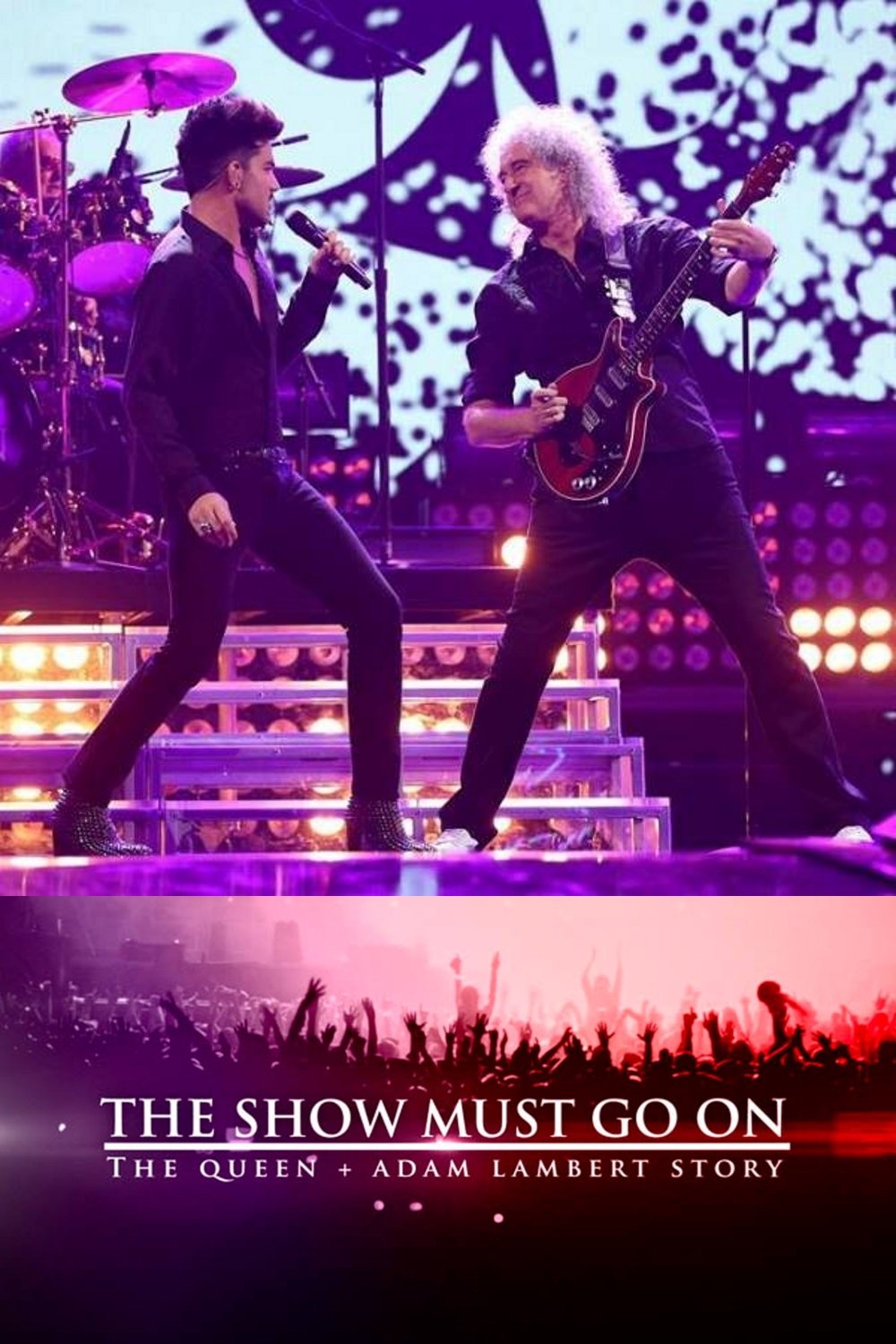
A documentary chronicling Queen and Lambert's incredible journey since they first shared the stage together on "American Idol" in 2009.
Al Pacino's deeply-felt rumination on Shakespeare's significance and relevance to the modern world through interviews and an in-depth analysis of "Richard III."
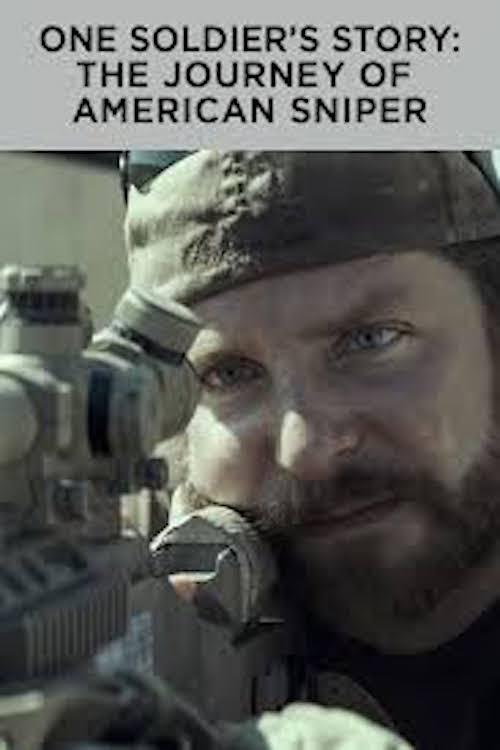
Join director Clint Eastwood and his creative team, along with Bradley Cooper and Sienna Miller, as they overcome enormous creative and logistic obstacles to make a film that brings the truth of Navy SEAL Chris Kyle's story to the screen.
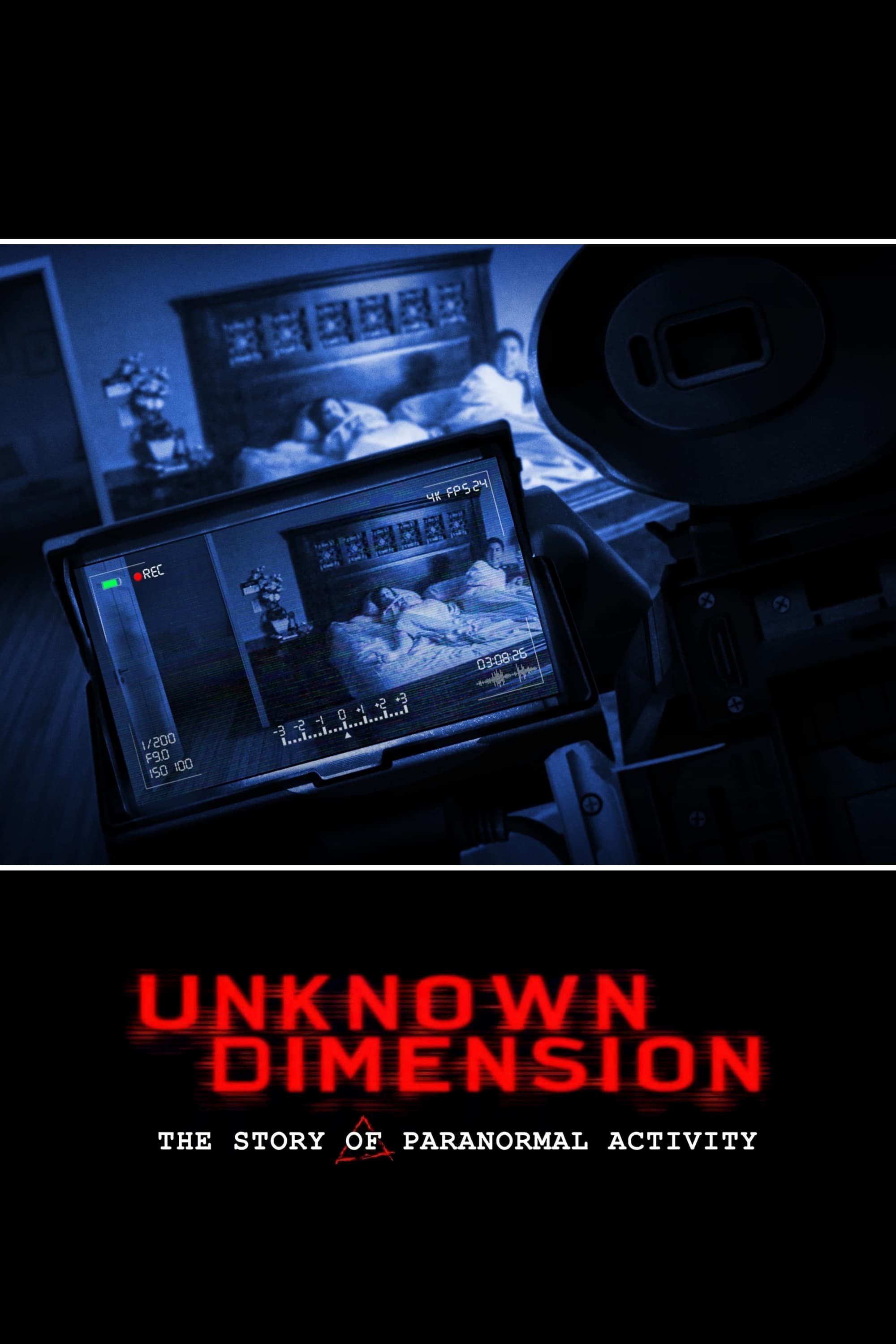
A deep dive into the making of the Paranormal Activity films with first time ever interviews with cast and crew, never-before-seen footage from the movies, and a preview of the seventh installment in the franchise.
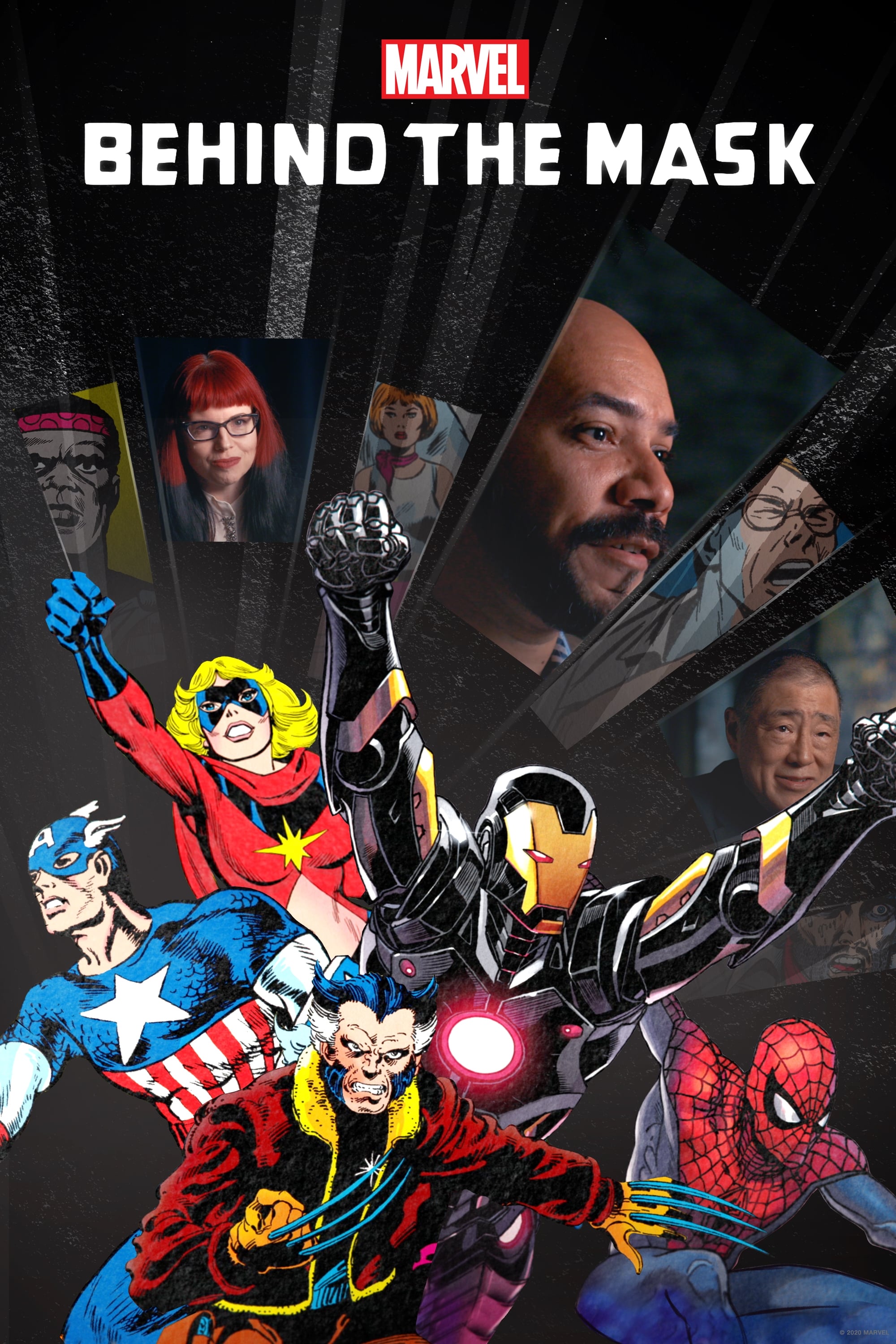
A documentary special that explores the power of identity behind the iconic superheroes we know and love today. These legendary Marvel creations and stories have not only reflected the world outside our window – they have become a reflection of our own identities and who we truly are.
Those who knew iconic funnyman John Candy best share his story, in their own words, through never-before-seen archival footage, imagery, and interviews.
Using the book 'Fragments', which collects Marilyn Monroe's poems, notes and letters, and with participation from the Arthur Miller and Truman Capote estates who have contributed more material, each of the actresses will embody the legend at various stages in her life.
A subjective documentary that explores various theories about hidden meanings in Stanley Kubrick's classic film The Shining. Five very different points of view are illuminated through voice over, film clips, animation and dramatic reenactments.