Poetic film about the struggle of man's will and muscles against nature, about the rock-climbers who prevent landslides and eliminate their consequences.
Social & External
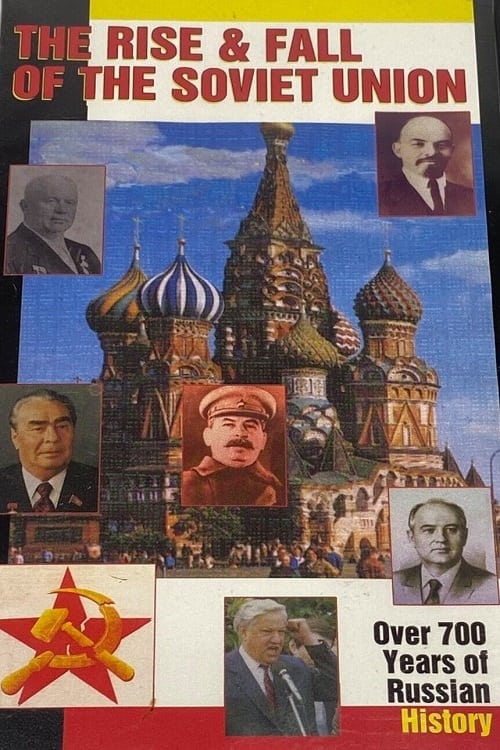
Historic Russian battles to repel invaders serve as prelude to the story of events that redrew the map of Eastern Europe and parts of Asia in the 20th century. Following the turmoil of the Bolshevik Revolution, Communist Russia faces the venom of Nazi aggression. 1940's film footage reveals the harsh reality of total war, as the Red Army and Soviet civilians alike confront a brutal and tenacious enemy. The following decades are darkened by tensions between the USSR and foreign powers, and violent measures taken to silence voices of dissent. Finally, the Soviet people's yearning for a freer society leads to accelerating reforms and the ultimate dissolution of the USSR.
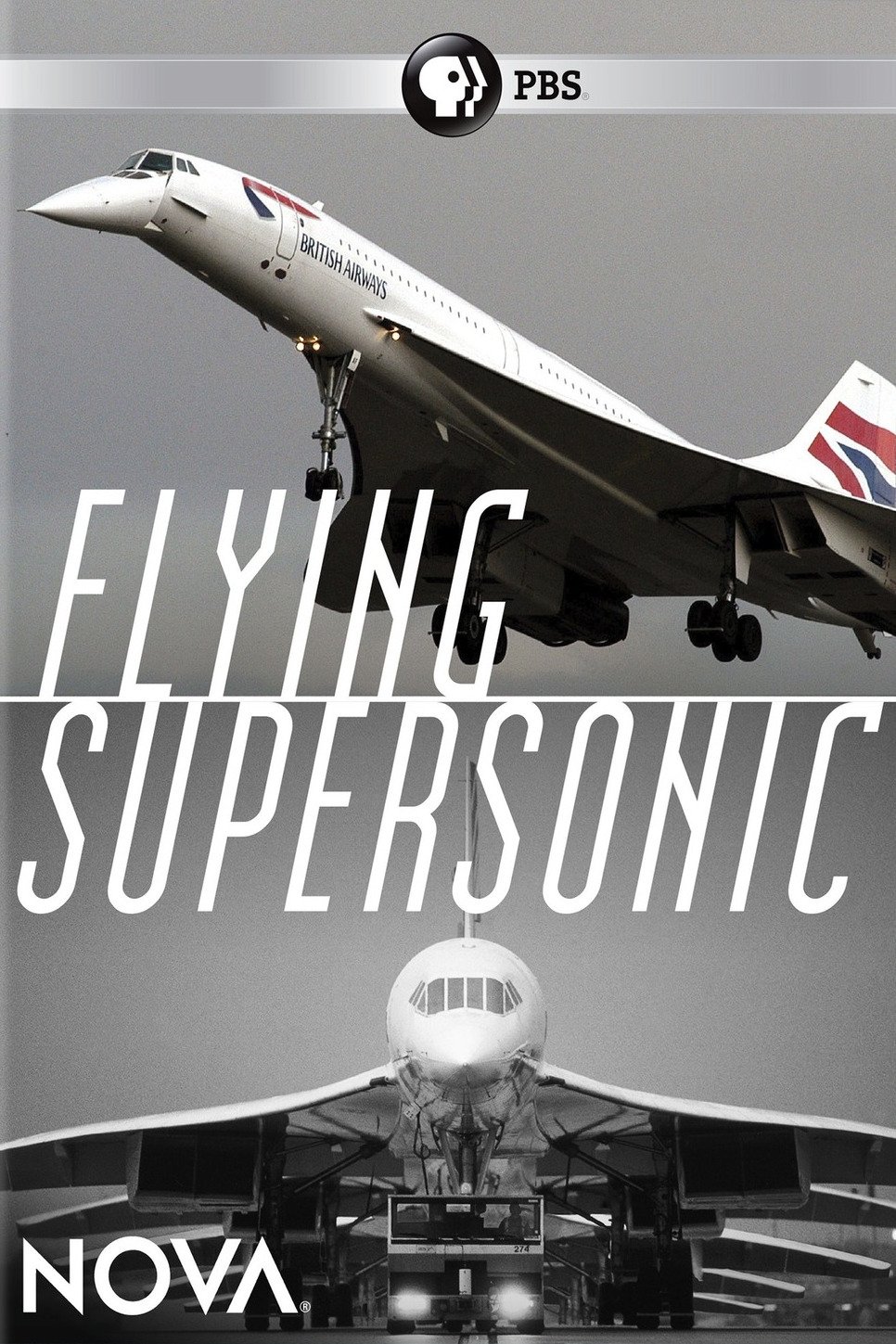
Thundering across the sky on elegant white wings, the Concorde was an instant legend. But behind the glamour of jet setting at Mach 2 were stunning scientific innovations and political intrigue. Fifteen years after Concorde's final flight, this documentary takes you inside the historic international race to develop the first supersonic airliner. Hear stories from those inside the choreographed effort to design and build Concorde in two countries at once - and the crew members who flew her.
Jean-Claude Rousseau's Jeune femme à sa fenêtre lisant une lettre is not only his first medium-length film, but a chance to discover this filmmaker whom Jean-Marie Straub has called, along with Frans Van de Staak and Peter Nestler, the greatest working in Europe. With this newly restored print there is also a possibility to discover the relationship between Rousseau's art of filming and Jan Vermeer's famous painting. As Prosper Hillairet wrote in 1988, four years after Rousseau had finished Jeune femme ... (for the first time as we know today): «Without adopting the usual systematic spirit and form of cinéma structurel, Rousseau presents us with simple images and leaves it at that. Keeps the image in hand. A minimalist and ascetic expression of cinema: a shot that lasts.»
First part of the collaborative project "Brise-Glace" showing the diverse travels on the icebreaker "Frej". Directed by Jean Rouch.
Basically an artist is also a terrorist, the protagonist thinks in an unguarded moment. And if he is a terrorist after all, then he might just as well be one. Not an instant product, but an experimental feature in which diary material is brought together to form an intriguing puzzle.
Sarah is a debt collector who lives among the inhabitants of the village of Guimbal on the island of Panay. She wants to find the young man who appeared to her in a dream and goes to the island of Negros. Here, as she interacts with the inhabitants, Sarah continues her search, gathering memories of life and war, dreams, myths, legends, songs and stories that she takes part in and at times revolve around her. She is the daughter of an ancient mermaid, a revolutionary, a primordial element, a virgin who was kidnapped and hidden away from the sunlight. “The film is a retelling of fragments of the American occupation. Dialogue, shot in the Hiligaynon language, is not translated but used as a tonal guide and a tool for narration. Using unscripted scenes shot where the main character was asked to merely interact with the villagers, I discard dialogue and draw meaning from peoples’ faces, voices, and actions, weaving an entirely different story through the use of subtitles and inter-titles.”
A silent succession of black-and-white photographs of the city of Montreal.
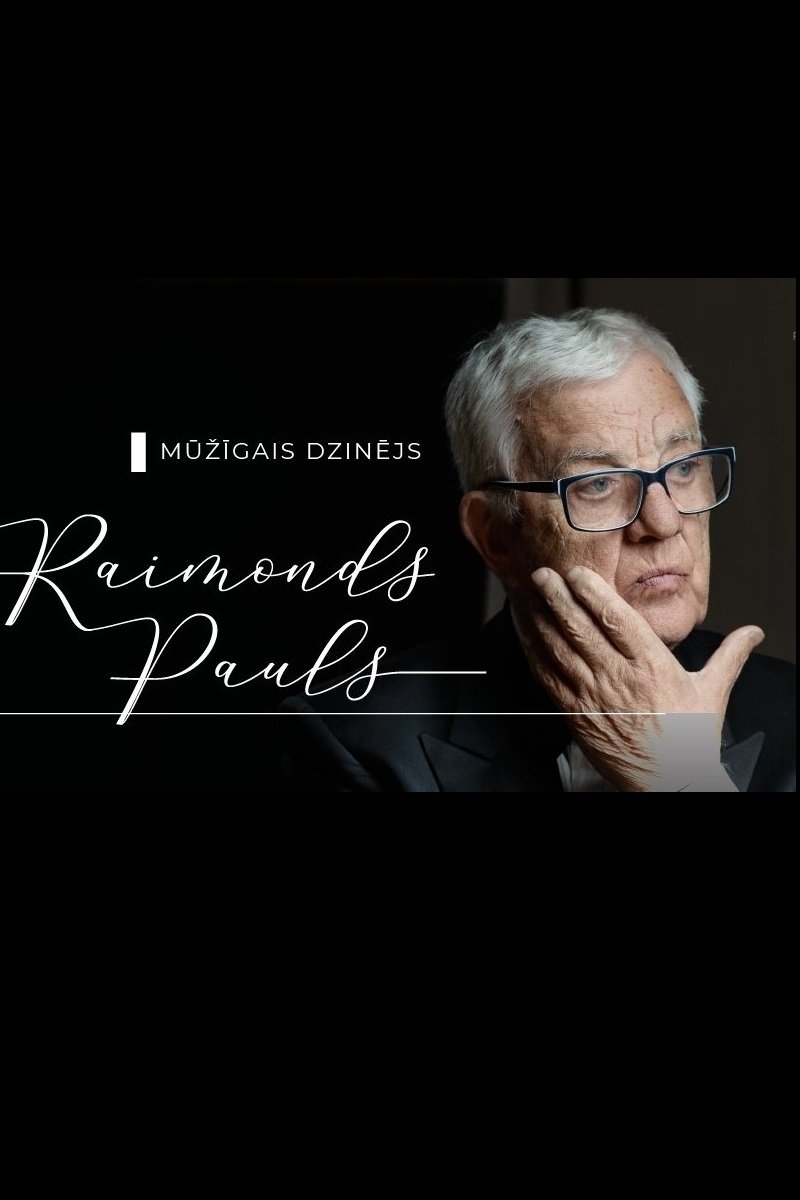
Raimonds Pauls is almost 85 years old, rehearses almost every day and performs at least once a week. What drives him? Not only he is the most popular composer in Latvia: his songs are sung all over the world. "Dāvāja Māriņa" is so popular in Japan that Paul received the Japanese Order of the Rising Sun. In concerts, he collaborates with world stars of Latvian origin - soprano Elīna Garanča, organist Iveta Apkalna, conductor Mariss Jansons. The Latvian Television film crew follows him during the pandemic, realizing that the restrictions and threats of Covid-19 hardly stop the Maestro in the course of his eternal engine. How does he cope with the challenges that time imposes on a person's physical form and the loneliness when most friends have passed away? What is the source of his inexhaustible lifestyle and creative spirit?
Folk portraiture, images of children in suburbia.
In the small town of Kansk, the Krasnoyarsk Territory many years in a row there is an international festival of short experimental films, which has a strong reputation throughout the world. "Russia as a dream" is an international project, shot by a team of authors and united directors, artists, poets. Each of the guests of the 14th International Kan Video Festival held in 2015 was invited to participate in the creation of a general film, the theme of which was the relationship of man and landscape, civilization and nature, reality and sleep.
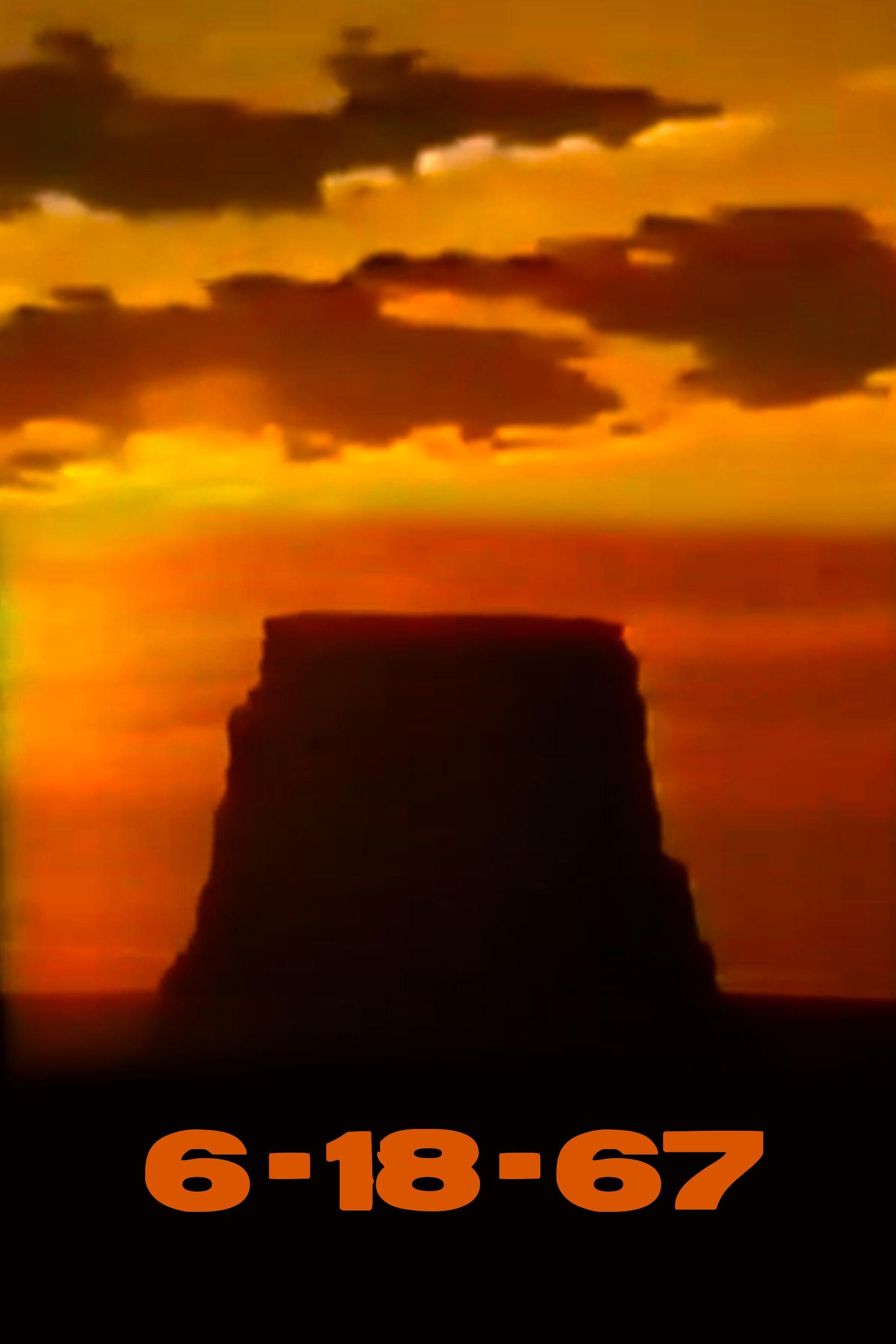
Filmed during the production of the Columbia Pictures western "Mackenna’s Gold," this short work presents a non-narrative visual study of the Arizona desert. Rather than documenting the film set itself, "6-18-67" assembles landscape images, time-lapse photography, and ambient sound into an abstract record of place and duration.
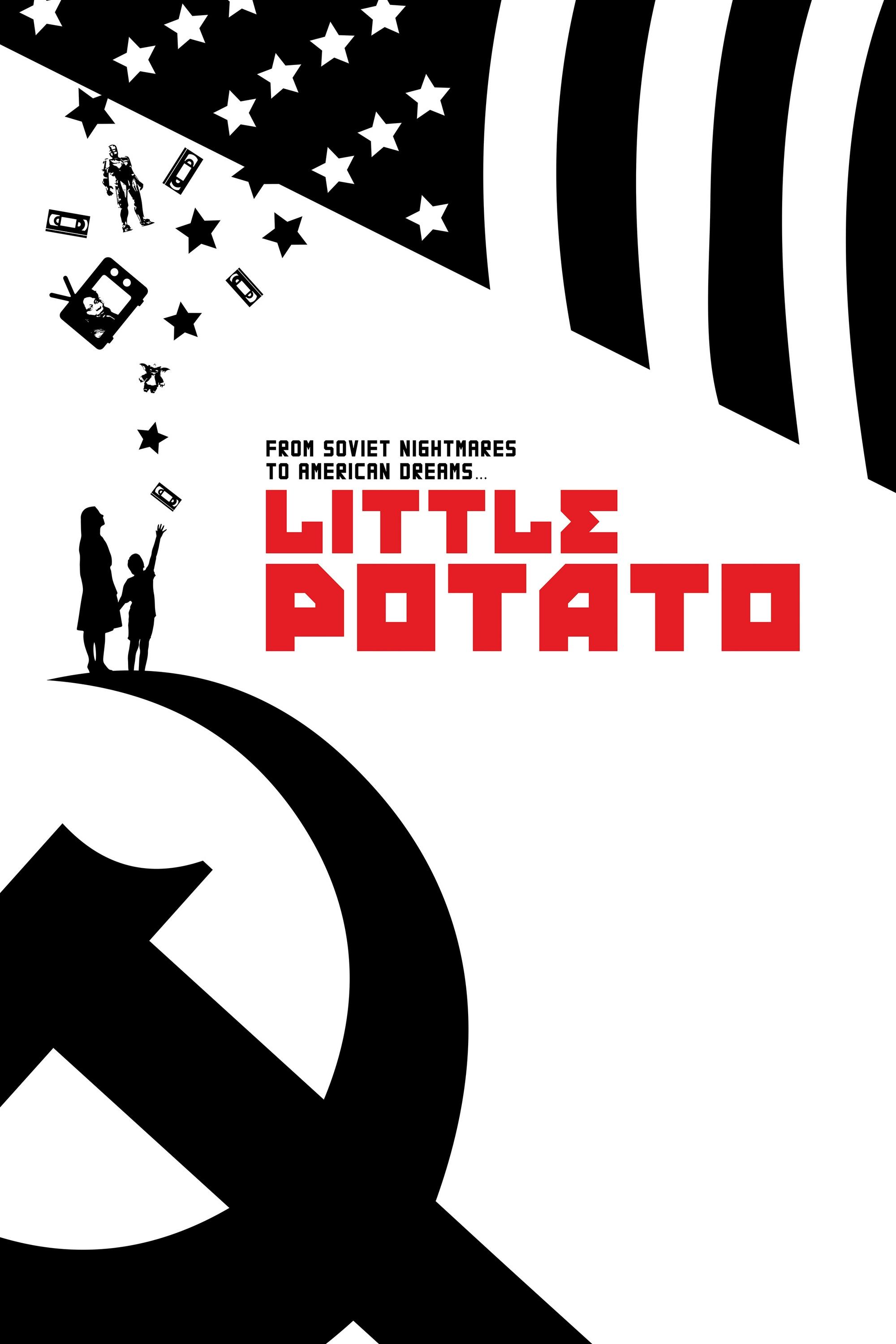
Wes Hurley's autobiographical tale of growing up gay in Soviet Union Russia, only to escape with his mother, a mail order bride, to Seattle to face a whole new oppression in his new Christian fundamentalist American dad.
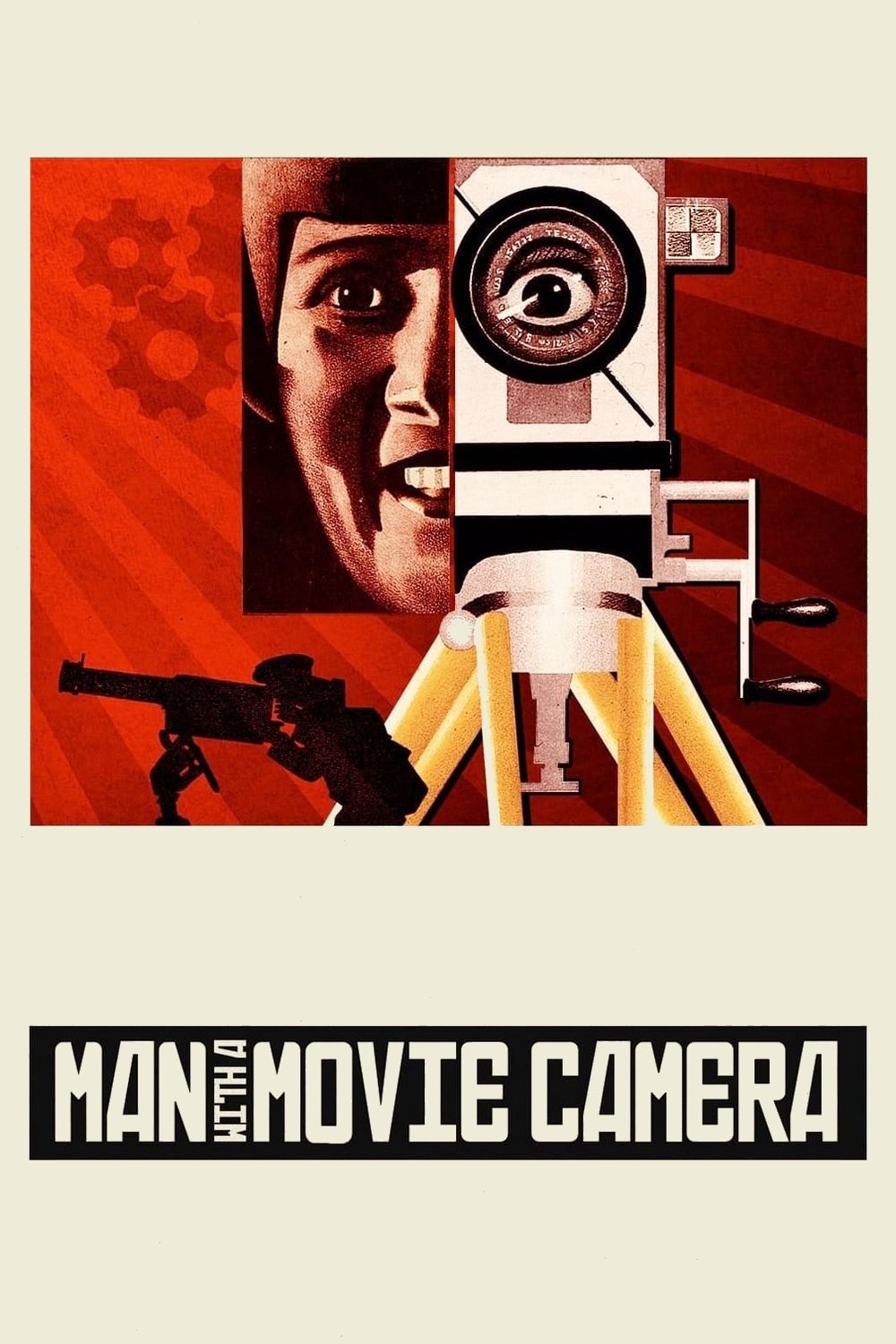
A cameraman wanders around with a camera slung over his shoulder, documenting urban life with dazzling inventiveness.
An experimental ethnographic documentary that criticizes the colonizer view of anthropology.
Alex and José, is a 16mm single channel projection that explores gender, movement and form.
Combining high definition and Super 8 footage, Lampedusa is composed of interwoven narratives based on a series of real events. In 1831, a volcanic island suddenly erupted from the sea a few kilometers off the southern coast of Sicily. An international dispute ensued, as a number of European powers laid claim to this newfound “land”. The island receded below sea level six months later, leaving only a rocky ledge under the sea…
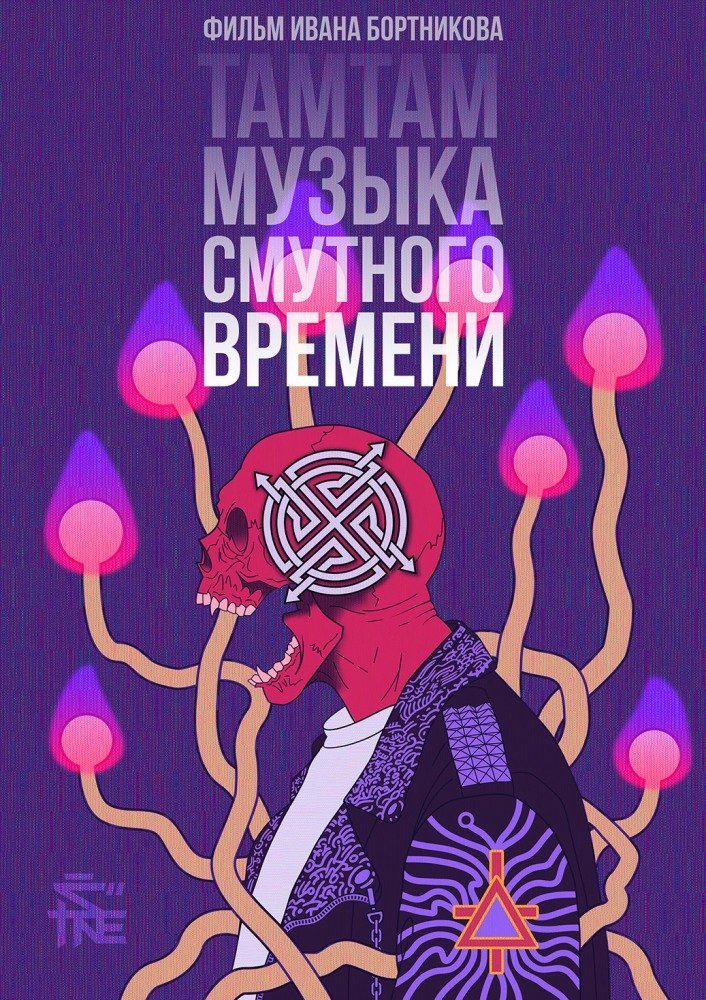
Documentary film about the first St. Petersburg music club TaMtAm. It existed since 1991 upon 1996 and was held by Vsevolod Gakkel, ex-cellist of "Аквариум". The concept was modelled on cult NY club CBGB-OMFUG. Despite its controversial history this is the place where a new generation of Russian punk music was discovered.
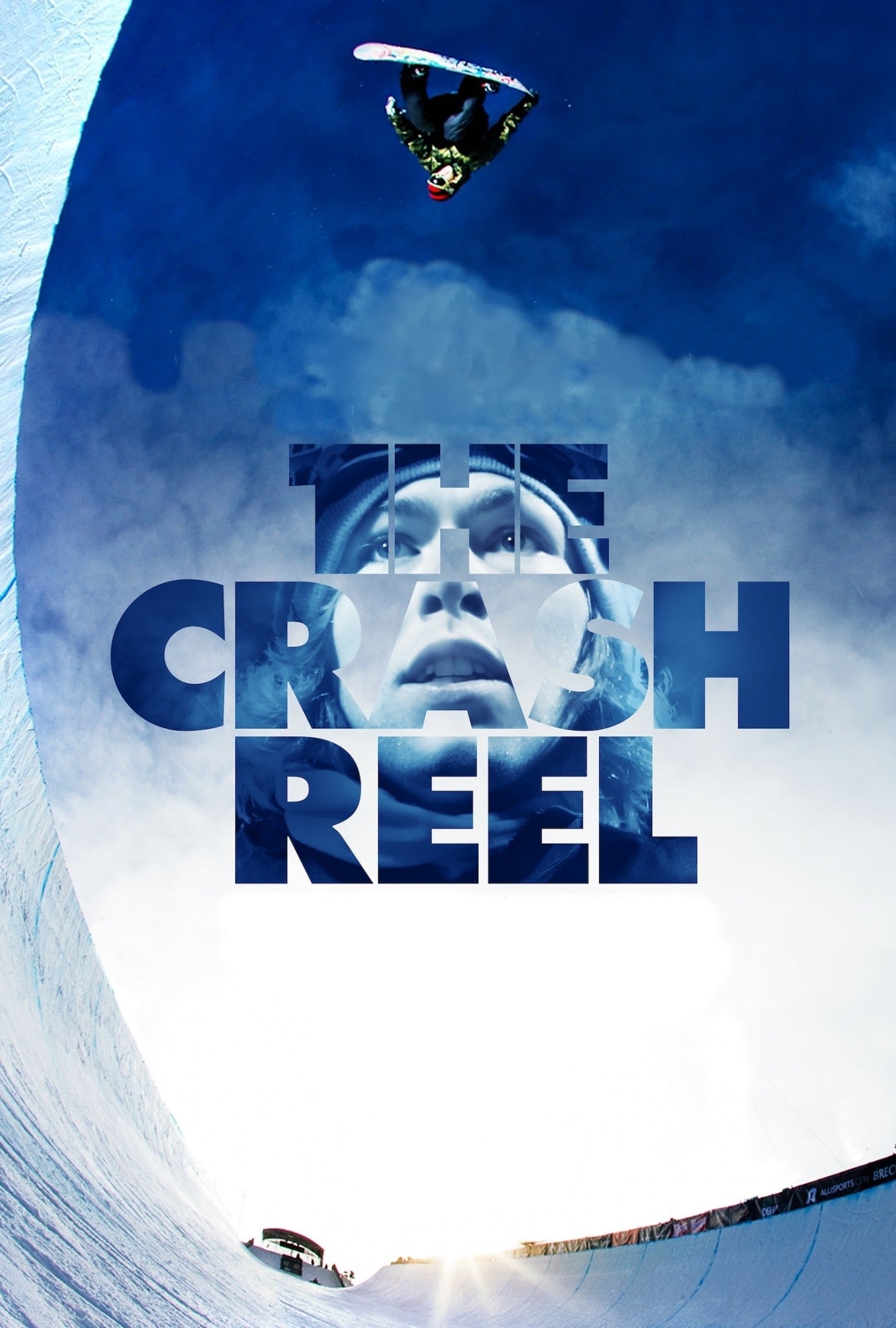
The Crash Reel tells the story of a sport and the risks that athletes face in reaching the pinnacle of their profession. This is Kevin Pearce’s story, a celebrated snowboarder who sustained a brain injury in a trick gone wrong and who now aims, against all the odds, to get back on the snow.
A visual montage portrait of our contemporary world dominated by globalized technology and violence.
When Allied forces liberated the Nazi concentration camps in 1944-45, their terrible discoveries were recorded by army and newsreel cameramen, revealing for the first time the full horror of what had happened. Making use of British, Soviet and American footage, the Ministry of Information’s Sidney Bernstein (later founder of Granada Television) aimed to create a documentary that would provide lasting, undeniable evidence of the Nazis’ unspeakable crimes. He commissioned a wealth of British talent, including editor Stewart McAllister, writer and future cabinet minister Richard Crossman – and, as treatment advisor, his friend Alfred Hitchcock. Yet, despite initial support from the British and US Governments, the film was shelved, and only now, 70 years on, has it been restored and completed by Imperial War Museums under its original title "German Concentration Camps Factual Survey".
A detailing of the rise to prominence and global sporting superstardom of six supremely talented young Manchester United football players (David Beckham, Nicky Butt, Ryan Giggs, Paul Scholes, Phil and Gary Neville). The film covers the period 1992-1999, culminating in Manchester United's European Cup triumph.
A documentary that explores the downloading revolution; the kids that created it, the bands and the businesses that were affected by it, and its impact on the world at large.
In the Realms of the Unreal is a documentary about the reclusive Chicago-based artist Henry Darger. Henry Darger was so reclusive that when he died his neighbors were surprised to find a 15,145-page manuscript along with hundreds of paintings depicting The Story of the Vivian Girls, in What is Known as the Realms of the Unreal, of the Glodeco-Angelinnian War Storm, Cased by the Child Slave Rebellion.
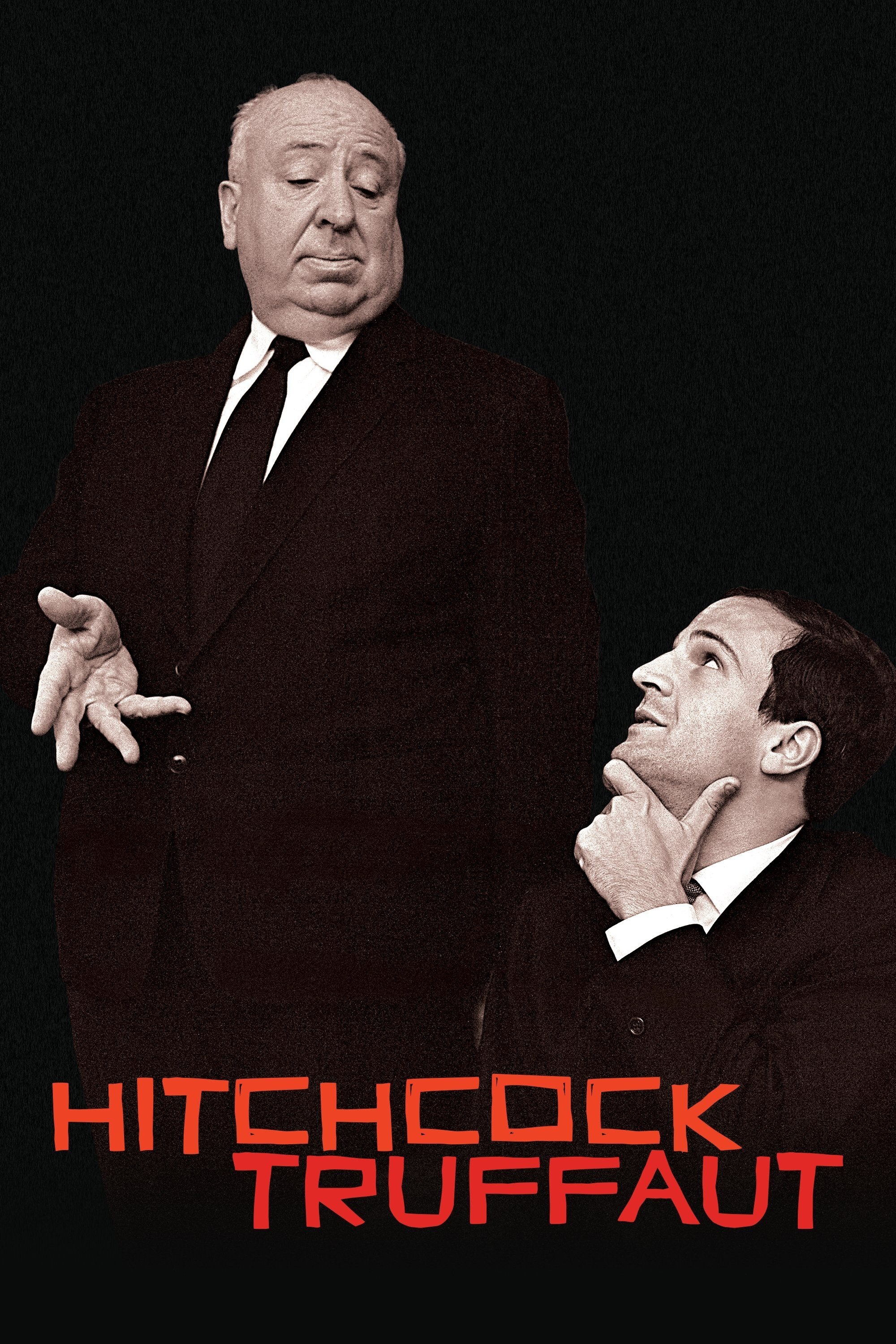
Filmmakers discuss the legacy of Alfred Hitchcock and the book “Hitchcock/Truffaut” (“Le cinéma selon Hitchcock”), written by François Truffaut and published in 1966.
An exploration of technologically developing nations and the effect the transition to Western-style modernization has had on them.
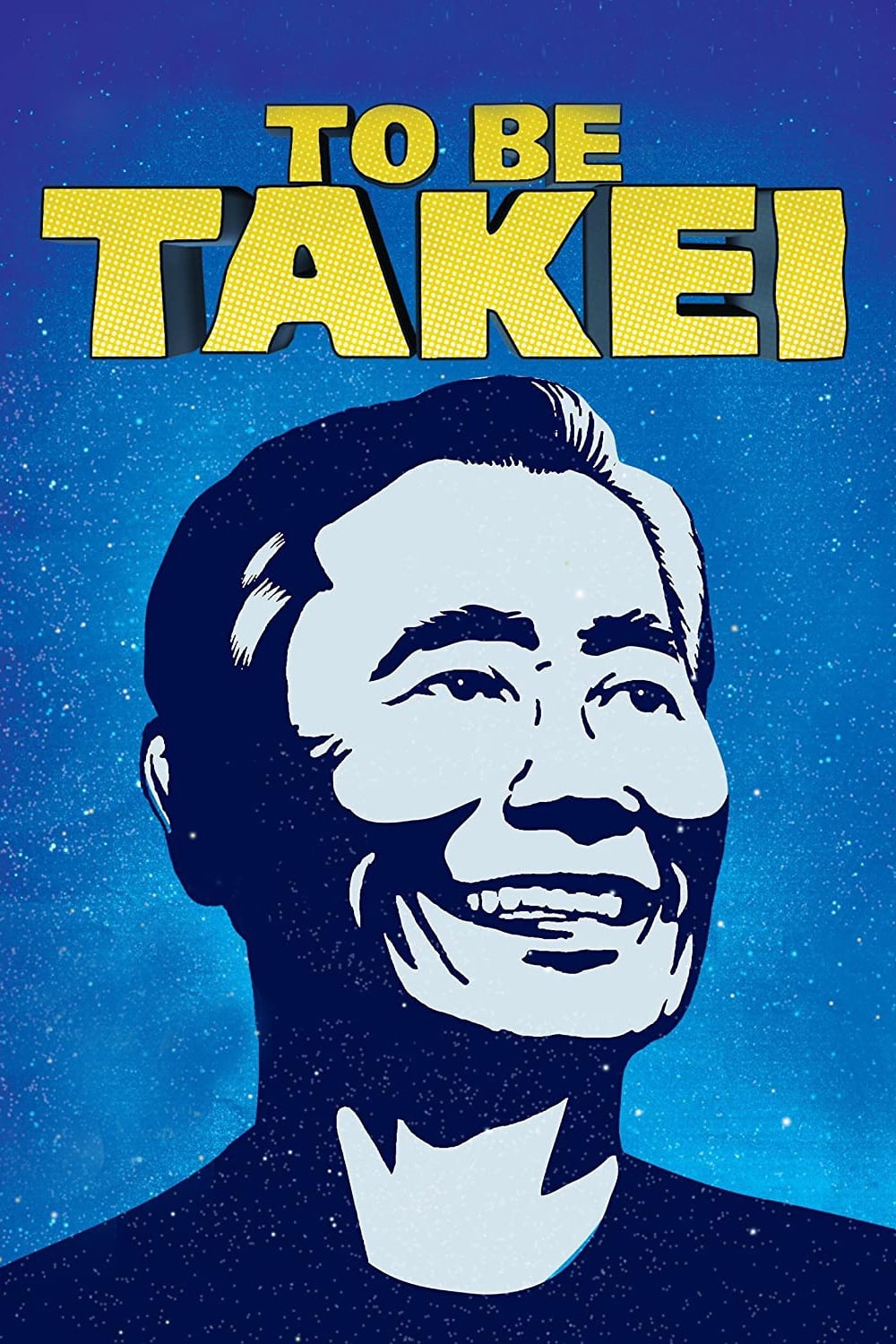
Over seven decades, actor and activist George Takei journeyed from a World War II internment camp to the helm of the Starship Enterprise, and then to the daily news feeds of five million Facebook fans. Join George and his husband, Brad, on a wacky and profound trek for life, liberty, and love.
A documentary about the life and films of director John Ford.
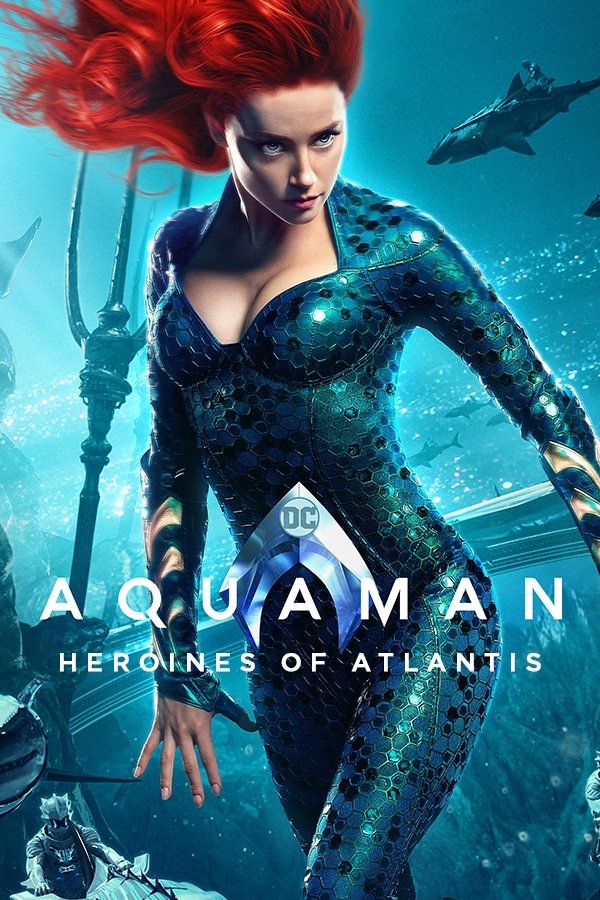
Amber Heard and Nicole Kidman discuss their characters Mera and Atlanna.
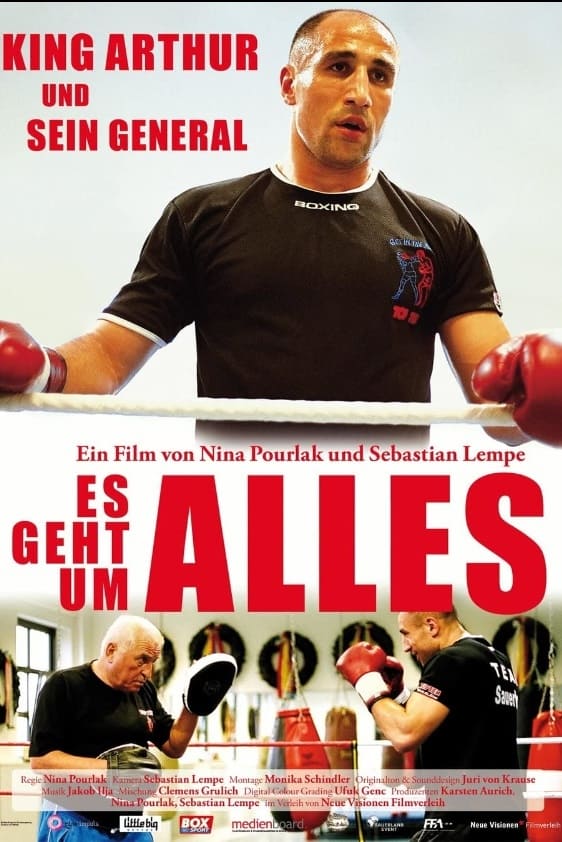
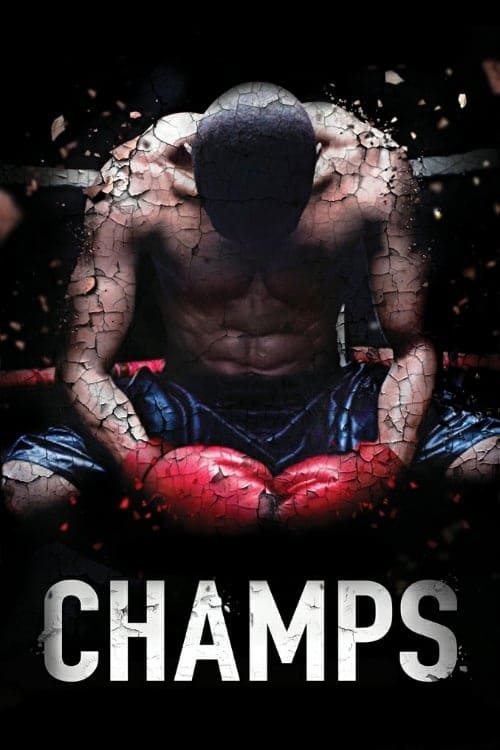
A documentary about the sport of boxing, as seen through the eyes of champions Mike Tyson, Evander Holyfield and Bernard Hopkins.
Using the book 'Fragments', which collects Marilyn Monroe's poems, notes and letters, and with participation from the Arthur Miller and Truman Capote estates who have contributed more material, each of the actresses will embody the legend at various stages in her life.
SEDUCED AND ABANDONED combines acting legend Alec Baldwin with director James Toback as they lead us on a troublesome and often hilarious journey of raising financing for their next feature film. Moving from director to financier to star actor, the two players provide us with a unique look behind the curtain at the world's biggest and most glamourous film festival, shining a light on the bitter-sweet relationship filmmakers have with Cannes and the film business. Featuring insights from directors Martin Scorsese, 'Bernando Bertolucci' and Roman Polanski; actors Ryan Gosling and Jessica Chastain and a host of film distribution luminaries.
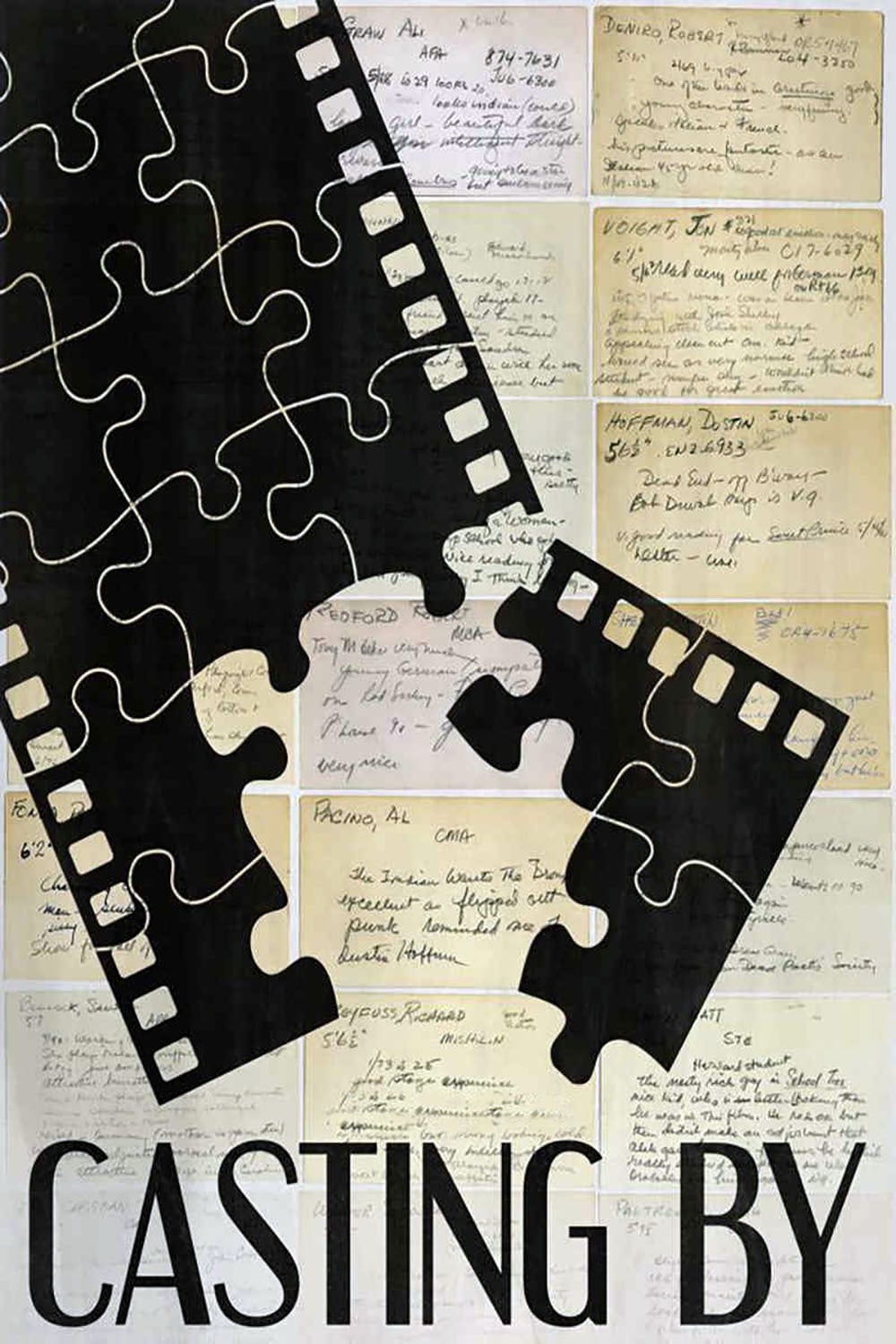
This essential new documentary pays tribute to the legacy of the late, legendary casting director Marion Dougherty and shines a light on one of the most overlooked and least understood crafts in filmmaking.
Al Pacino's deeply-felt rumination on Shakespeare's significance and relevance to the modern world through interviews and an in-depth analysis of "Richard III."
From the heights of her modeling fame to her tragic death, this documentary reveals Anna Nicole Smith through the eyes of the people closest to her.
The Making-of James Cameron's Avatar. It shows interesting parts of the work on the set.
A look behind the lens of Christopher Nolan's space epic.
A young Indigenous game warden arrests an infamous poacher only to discover that the poacher knows the location of a plane carrying millions of dollars that has crashed in a frozen lake. When a group of criminals and dirty cops are alerted to the poacher’s whereabouts, the warden and the poacher team up to fight back and escape across the treacherous lake before the ice melts.