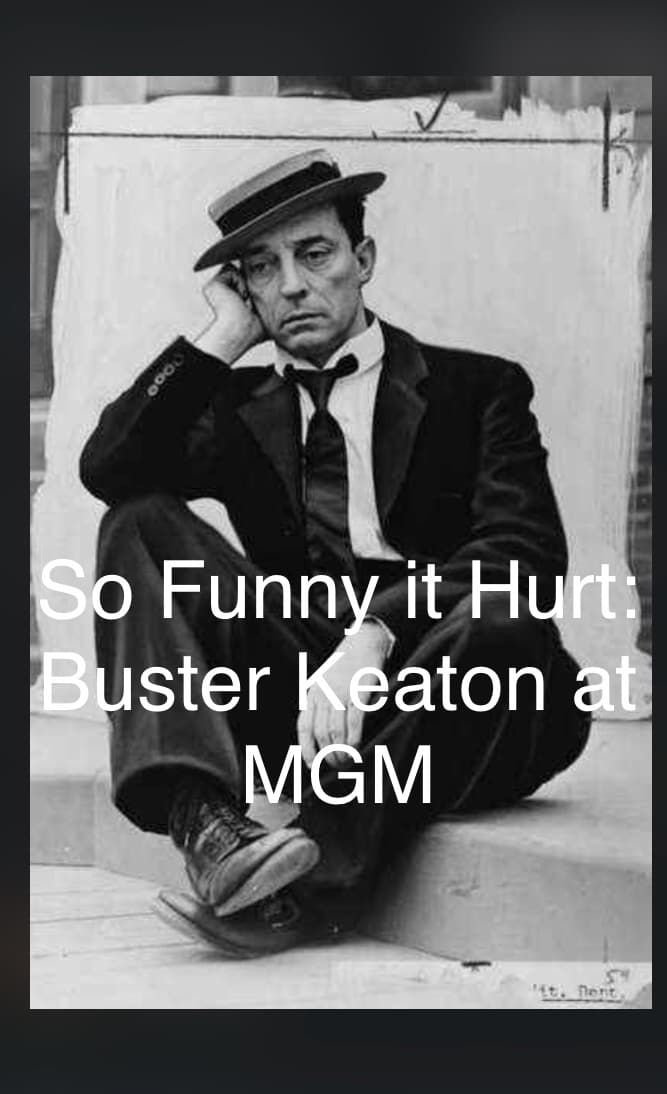
A Turner Classic Movies (TCM) documentary about Keaton's discontented relationship with MGM and the events that eventually led to his career downfall.
Social & External
The people behind it
James Karen
Self - Host / Narrator
Buster Keaton
Self (archive footage)
Louis B. Mayer
Irving Thalberg
Roscoe Arbuckle
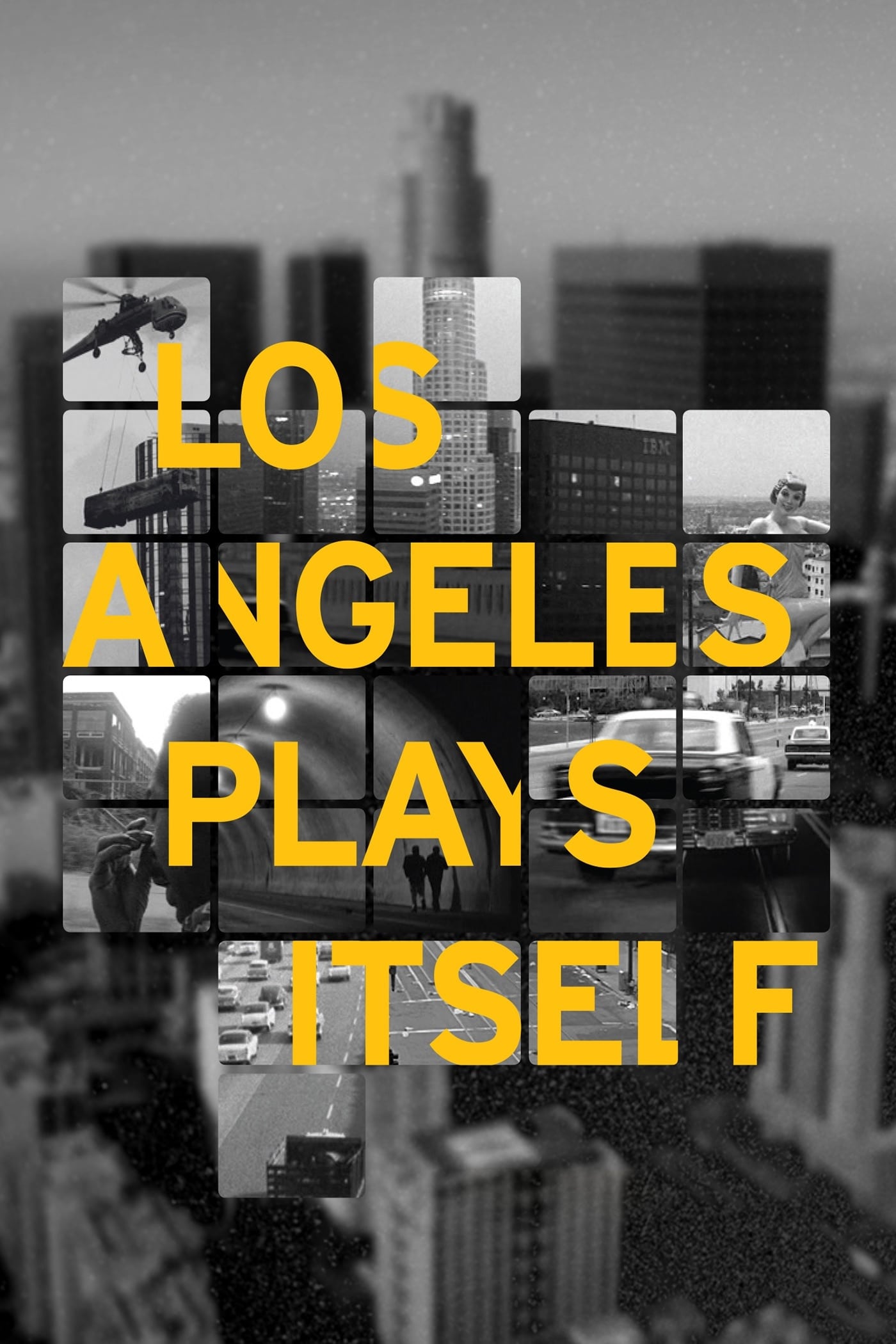
The Californian sun, which lights up the city, lights up again every evening in cinemas all over the world". Guided by these words from Blaise Cendrars, L.A. L.A. END is a stroll through Los Angeles, among the remnants of Hollywood's Golden Age. Following in the footsteps of a Marilyn Monroe lookalike, we meet a gallery of characters who paint a sensitive portrait of a bygone era that gradually becomes a portrait of a woman.
For decades Italian genre cinema dominated the world and before changing beyond recognition it went to unthinkable places. Giants don't die quietly however and this is the story of an industry's most absurd, extreme, blood-soaked fight for survival. Through dozens of brand new interviews, and never-before-seen archival materials, with the men and women who were there during one of the most unique moments in film history, MASTERS OF MAYHEM tells their stories of scandal, contradictions, drama and outrage.
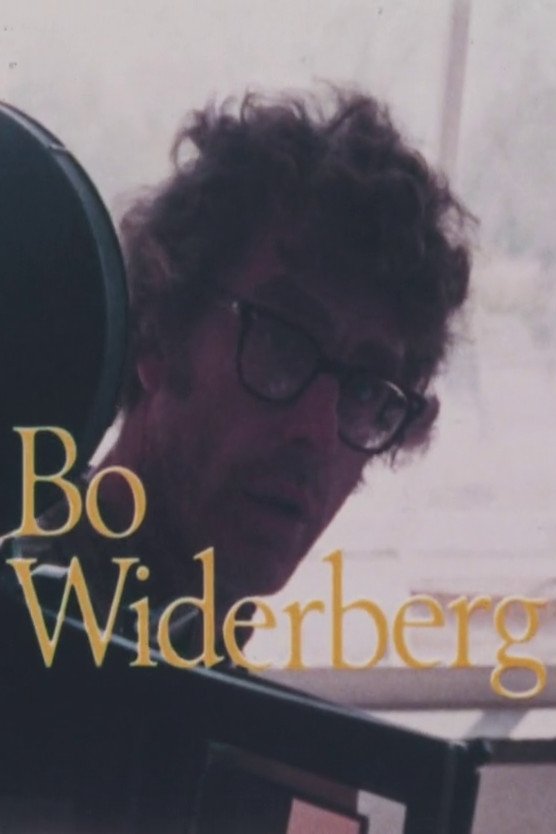
Documentary which follows Bo Widerberg during the making of 'Man on the Roof', 'The Butt' and a failed theater production.
See how the VeggieTales episodes are made! Plus, hear the heart and purpose of VeggieTales from the creators, Phil Vischer and Mike Nawrocki, as they sit down for an entertaining conversation with Matt and Laurie Crouch.
A documentary following Terry Gilliam through the creation of "Twelve Monkeys."
Dan Aykroyd, John Candy, Gilda Radner and Cheech and Chong present this compilation of classic bad films from the 50's, 60's and 70's. Special features on gorilla pictures, anti-marijuana films and a special tribute to the worst film maker of all-time, Ed Wood.
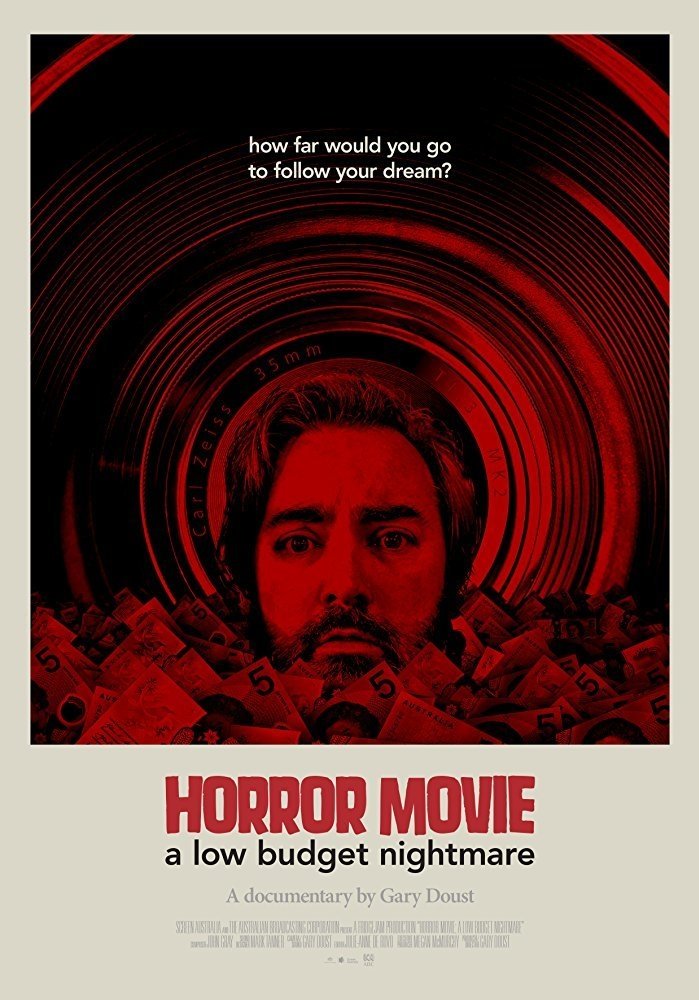
A filmmaker's lifelong dream quickly becomes his worst nightmare when he attempts to make a low budget horror film about an aborted fetus that seeks revenge on its family.
The story of the creation of The Spirit of the Beehive, a film directed by Víctor Erice in 1973.
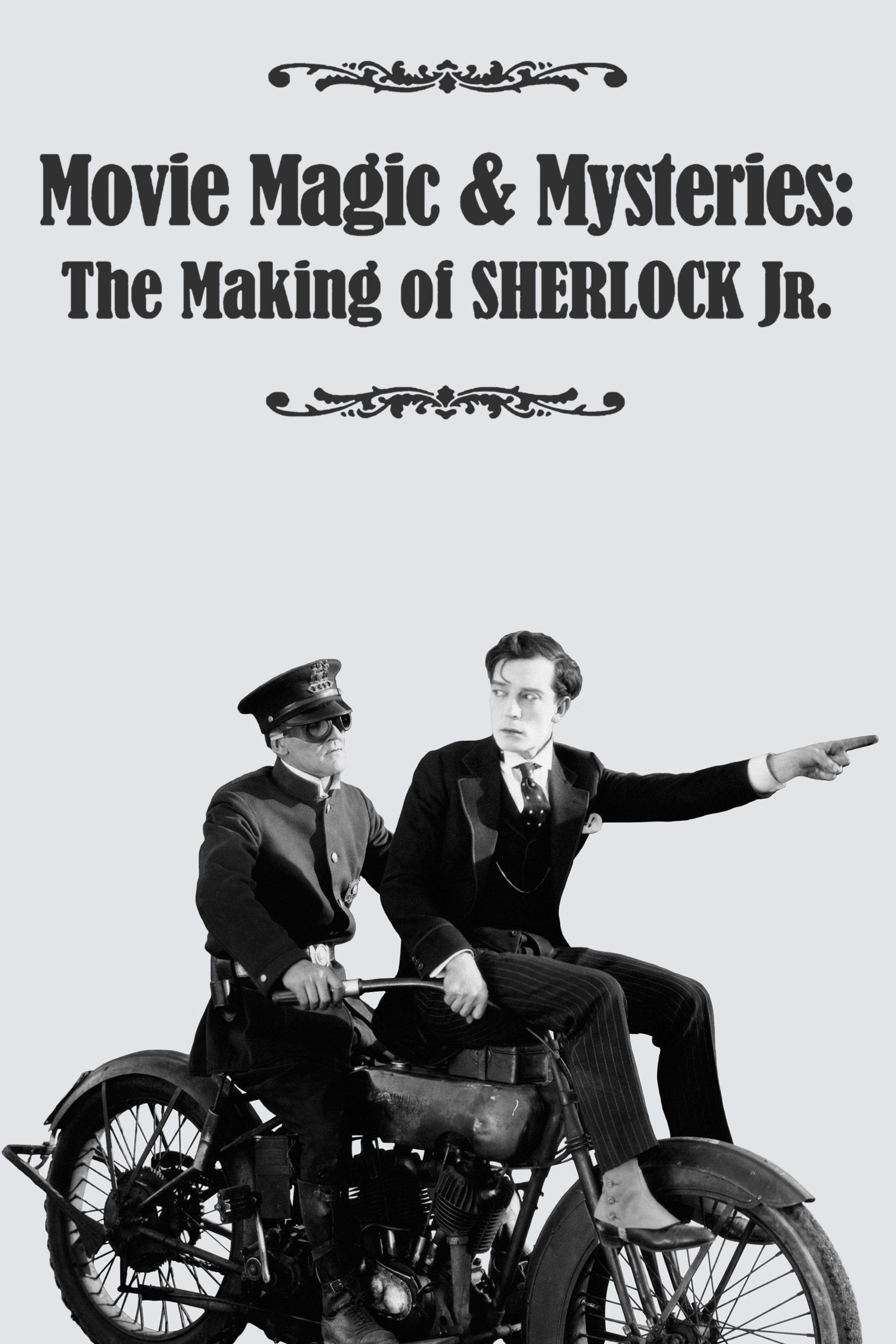
Documentary about the making of Buster Keaton's silent comedy classic, Sherlock Jr. (1924).
Documentary about the Buster Keaton short Hard Luck (1921).
A short documentary on the works of Buster Keaton.
The special effects in The Play House (1921) are discussed.
Ben Model discusses scoring music for silent movies.
The actors in My Wife's Relations (1922) are discussed in this documentary.
Bruce Lawton discusses Buster Keaton's The Blacksmith (1922), a film that Keaton had dismissed as a "lesser" work.
A short documentary on Buster Keaton's The Frozen North (1922), regarding how the events of Fatty Arbuckle's trial and William S. Hart's quick condemnation of Arbuckle, were reflected in the film.
In this visual essay John Bengtson, author of Silent Echoes: Discovering Early Hollywood Through the Films of Buster Keaton, provides a tour of where Seven Chances was filmed, comparing archival images with contemporary photos, and sharing stories of Mrs. Eleanor Keaton's visit to the Seven Chances church.
Four visual essays by Silent Echoes author John Bengtson identifying Buster Keaton's shooting locations for his many short films produced between 1920-1923, many in the streets surrounding his former Hollywood studio, the same studio where, a few years earlier, Charlie Chaplin had made his brilliant series of Mutual shorts.
The history of cinematic sound, told by legendary sound designers and visionary filmmakers.
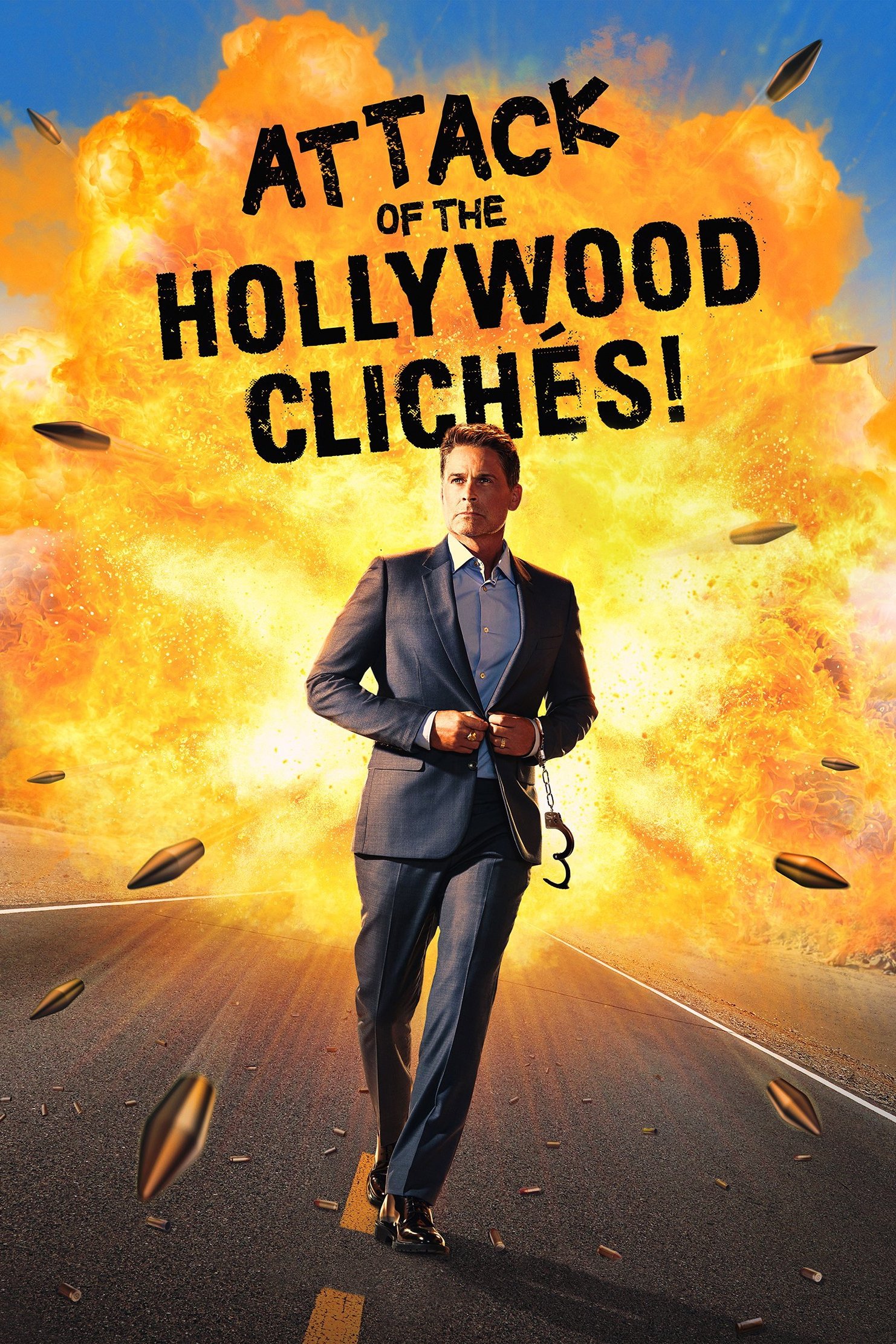
One-man armies, meet-cutes, casual strolls away from huge explosions — stars and industry insiders toast and roast these cinematic chestnuts and more.
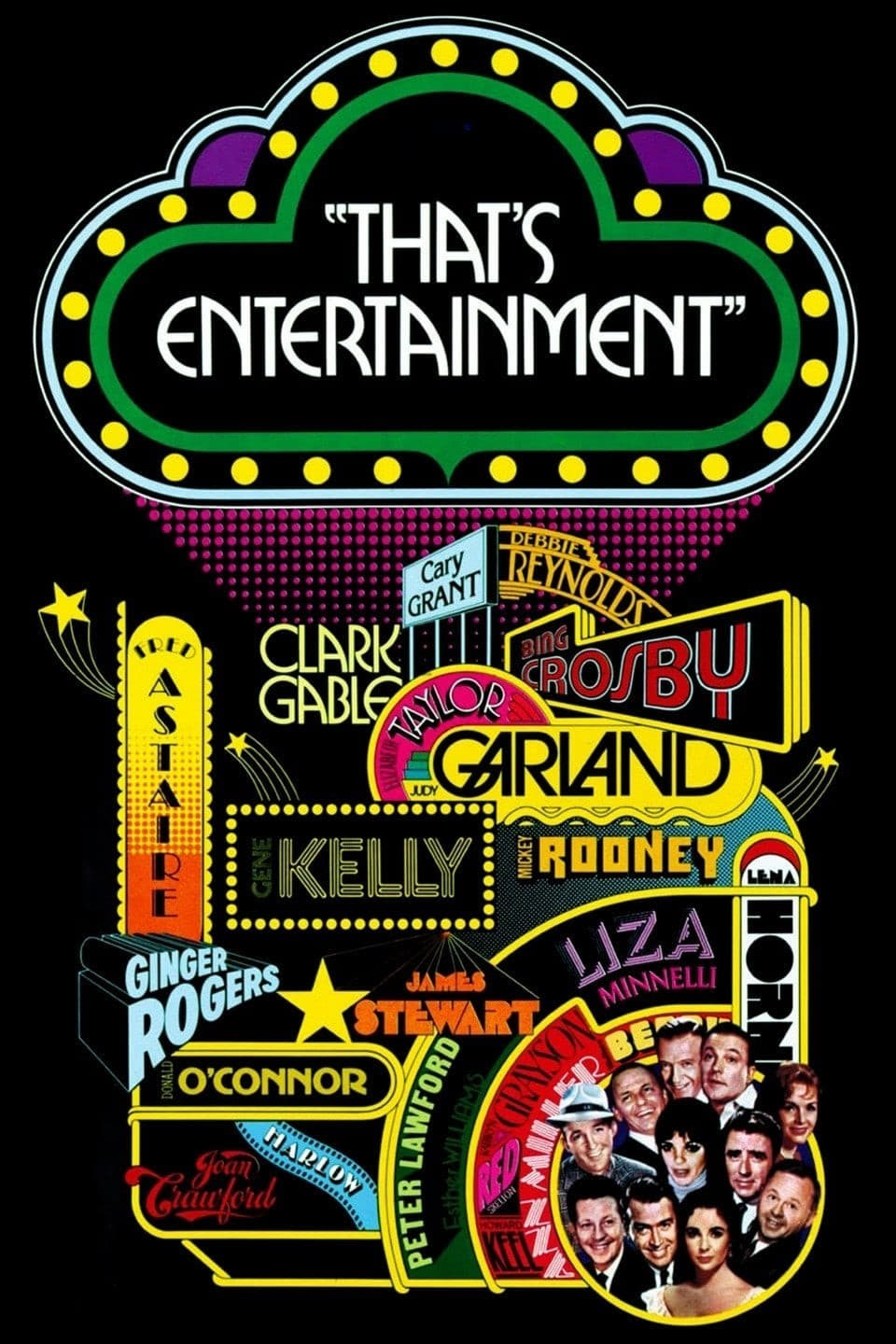
Various MGM stars from yesterday present their favorite musical moments from the studio's 50 year history.
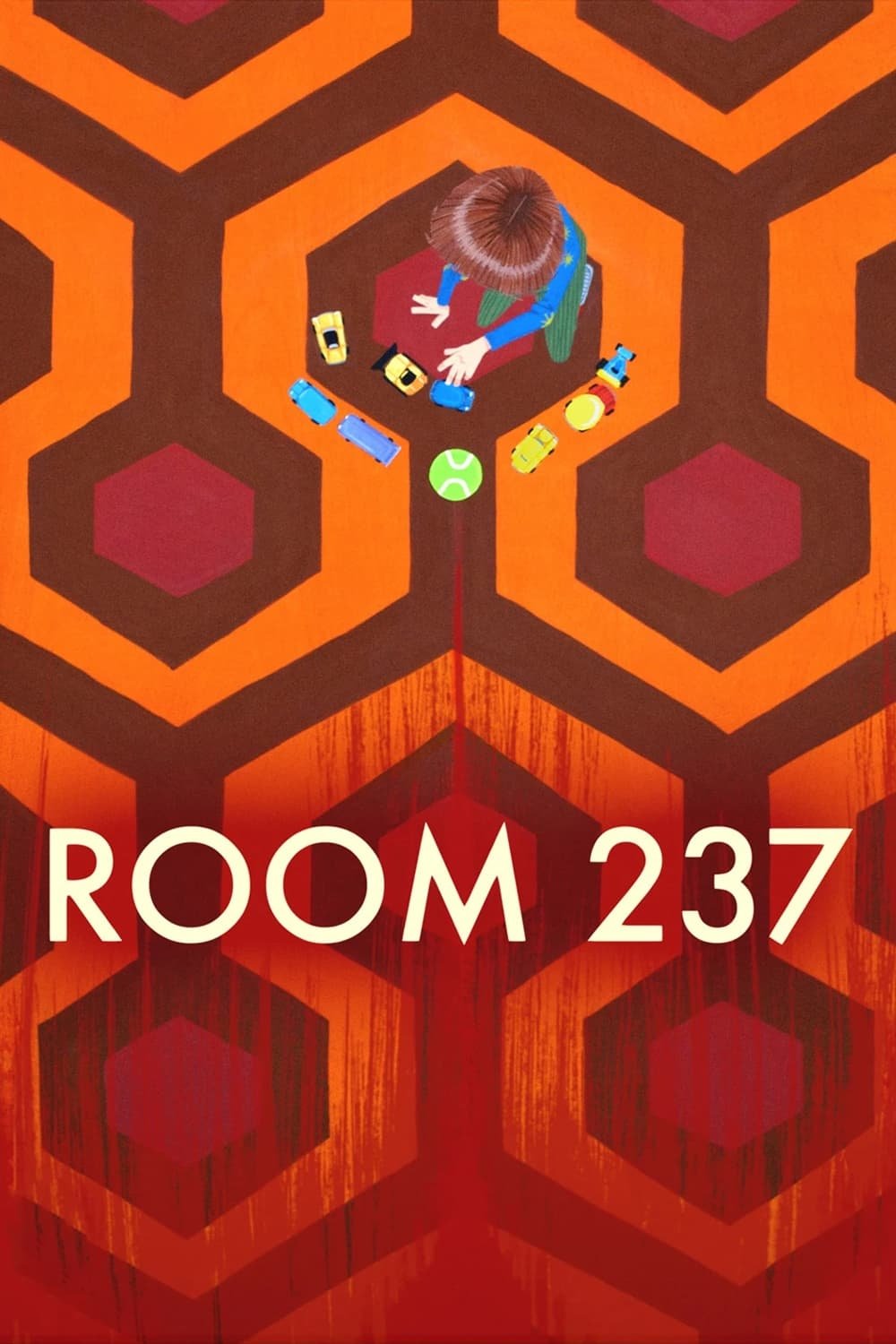
A subjective documentary that explores various theories about hidden meanings in Stanley Kubrick's classic film The Shining. Five very different points of view are illuminated through voice over, film clips, animation and dramatic reenactments.
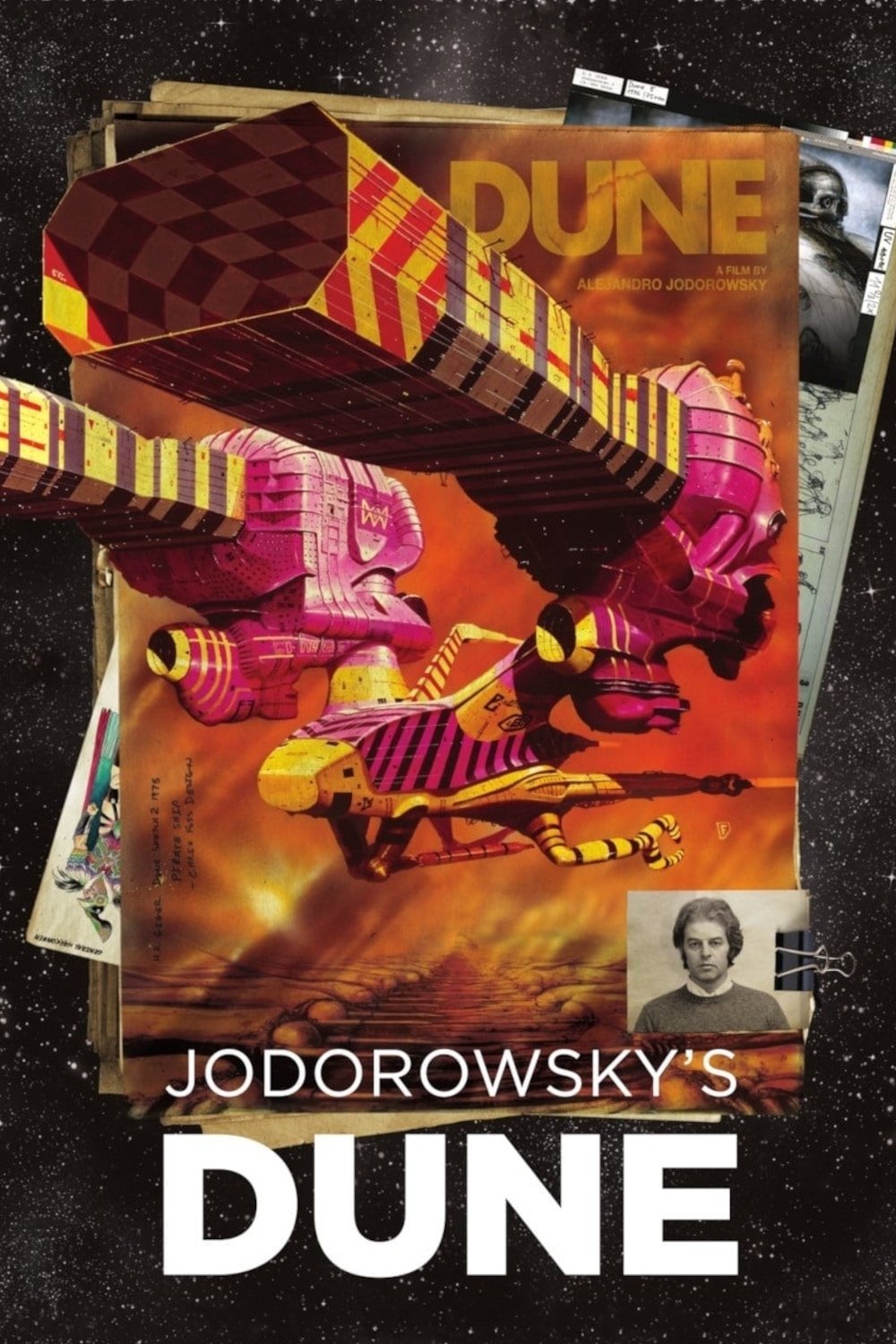
In 1974, Chilean-French director Alejandro Jodorowsky embarked on the quixotic project of adapting Frank Herbert's influential novel Dune (1969) for the big screen. After investing two years, and millions of dollars, the gigantic project ended in failure; but the artists Jodorowsky brought together to carry it out continued to work together, and ended up laying the foundations for modern science fiction cinema.
From a prolific career in film and television, Anton Yelchin left an indelible legacy as an actor. Through his journals and other writings, his photography, the original music he wrote, and interviews with his family, friends, and colleagues, this film looks not just at Anton's impressive career, but at a broader portrait of the man.
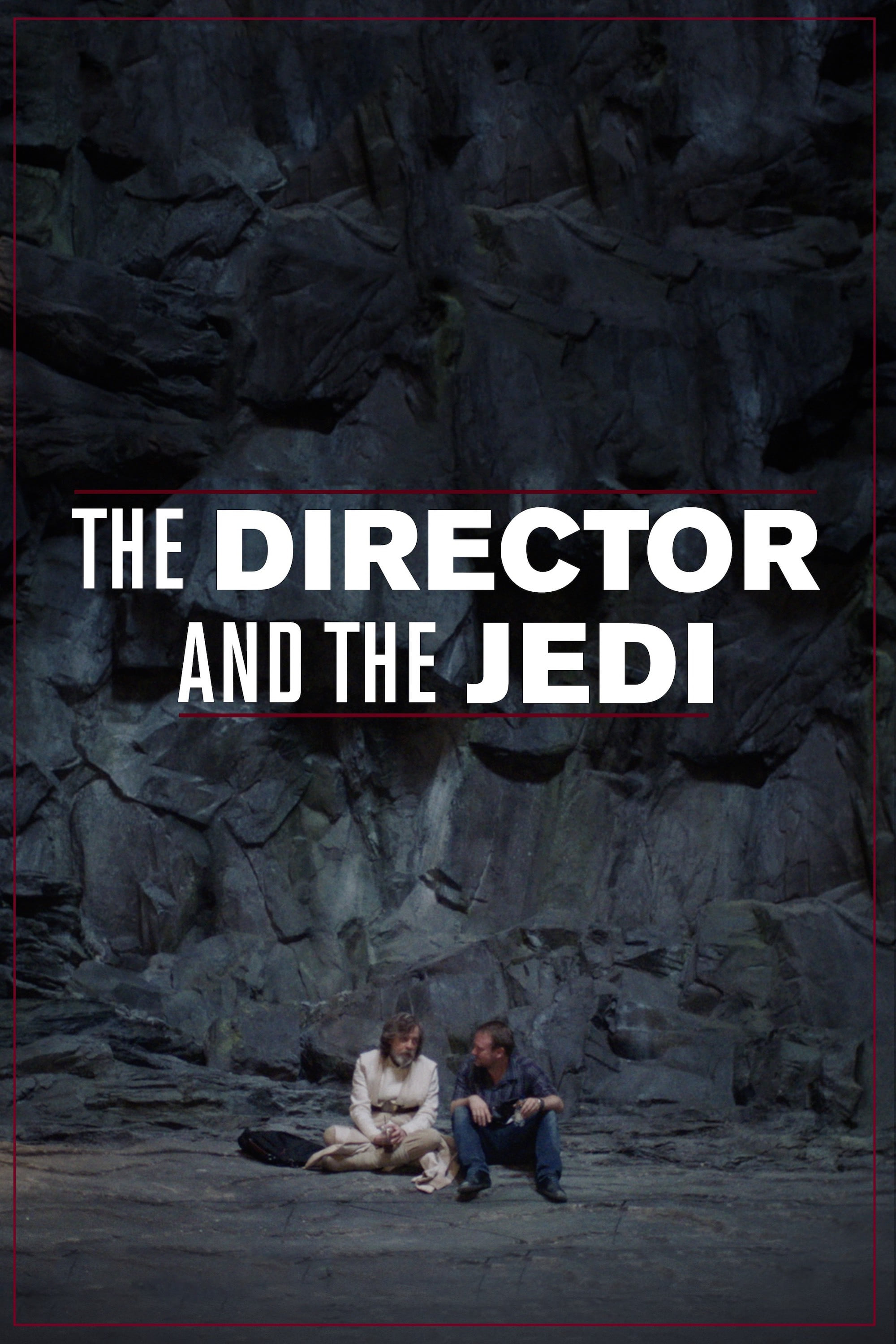
An intimate documentary delving into Rian Johnson's process as he comes in as a director new to the Star Wars universe.
SEDUCED AND ABANDONED combines acting legend Alec Baldwin with director James Toback as they lead us on a troublesome and often hilarious journey of raising financing for their next feature film. Moving from director to financier to star actor, the two players provide us with a unique look behind the curtain at the world's biggest and most glamourous film festival, shining a light on the bitter-sweet relationship filmmakers have with Cannes and the film business. Featuring insights from directors Martin Scorsese, 'Bernando Bertolucci' and Roman Polanski; actors Ryan Gosling and Jessica Chastain and a host of film distribution luminaries.
As a visually radical memoir, CAMERAPERSON draws on the remarkable footage that filmmaker Kirsten Johnson has shot and reframes it in ways that illuminate moments and situations that have personally affected her. What emerges is an elegant meditation on the relationship between truth and the camera frame, as Johnson transforms scenes that have been presented on Festival screens as one kind of truth into another kind of story—one about personal journey, craft, and direct human connection.
Documentary about the art of film editing. Clips are shown from many groundbreaking films with innovative editing styles.
The evolution of adult cinema through the most influential films in history, a journey that begins in the 1970s and ends nowadays. An in-depth analysis of the success of the most prestigious erotic films, their impact on industry and society, and their influence on cinema and contemporary culture.
Since the invention of cinema, the standard format for recording moving images has been film. Over the past two decades, a new form of digital filmmaking has emerged, creating a groundbreaking evolution in the medium. Keanu Reeves explores the development of cinema and the impact of digital filmmaking via in-depth interviews with Hollywood masters, such as James Cameron, David Fincher, David Lynch, Christopher Nolan, Martin Scorsese, George Lucas, Steven Soderbergh, and many more.
Exuberant, eye-opening movie that serves up a dazzling hundred-year history of the role of gay men and lesbians have had on the silver screen. Film contains fabulous footage from 120 films showing the changing face of cinema sexuality, from cruel stereotypes to covert love to the activist triumphs of the 1990s.
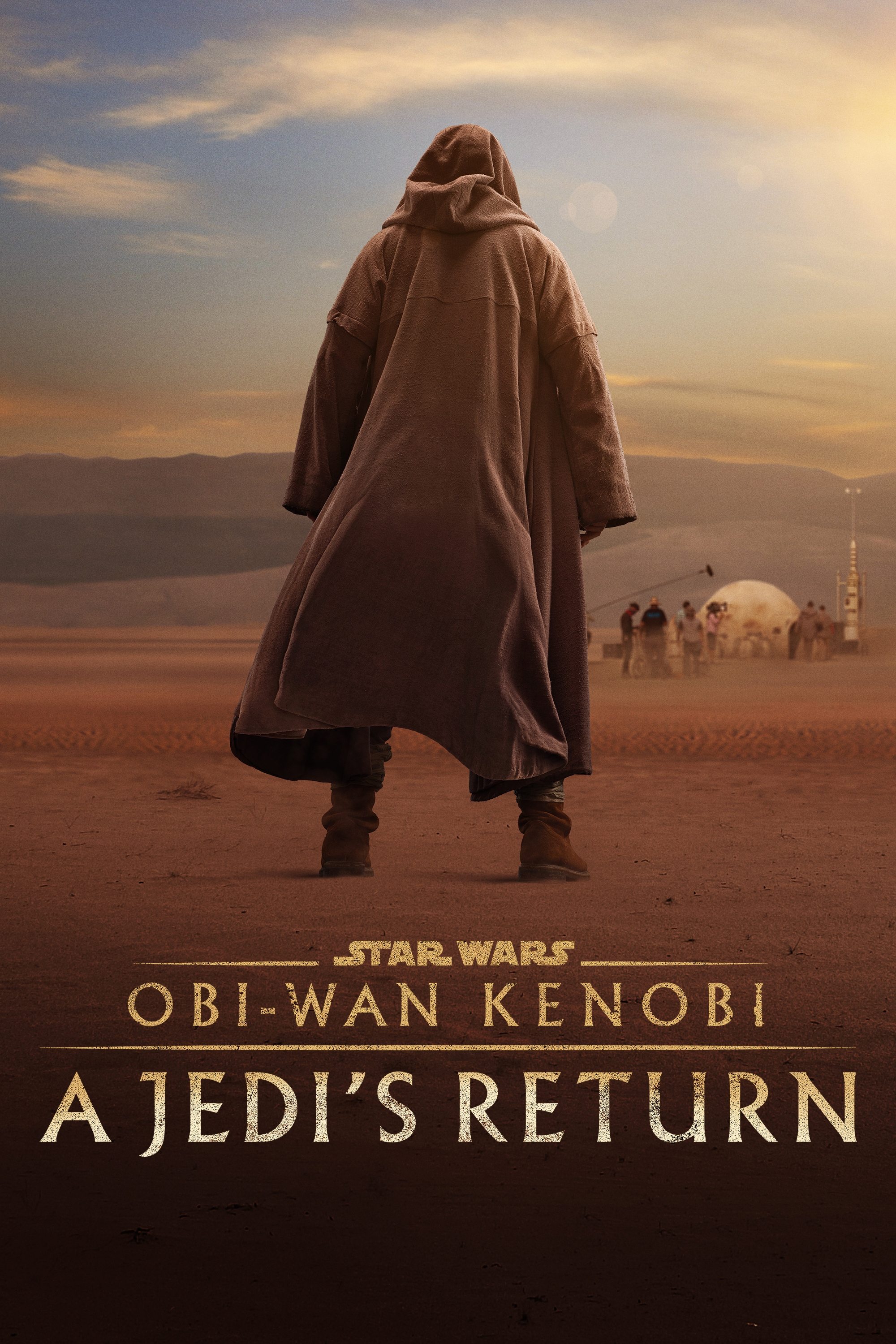
This special explores the return of Obi-Wan Kenobi and Anakin Skywalker to the screen, as well as Ewan McGregor and Hayden Christensen to their classic roles. Director Deborah Chow leads the cast and crew as they create new heroes and villains that live alongside new incarnations of beloved Star Wars characters, and an epic story that dramatically bridges the saga films.
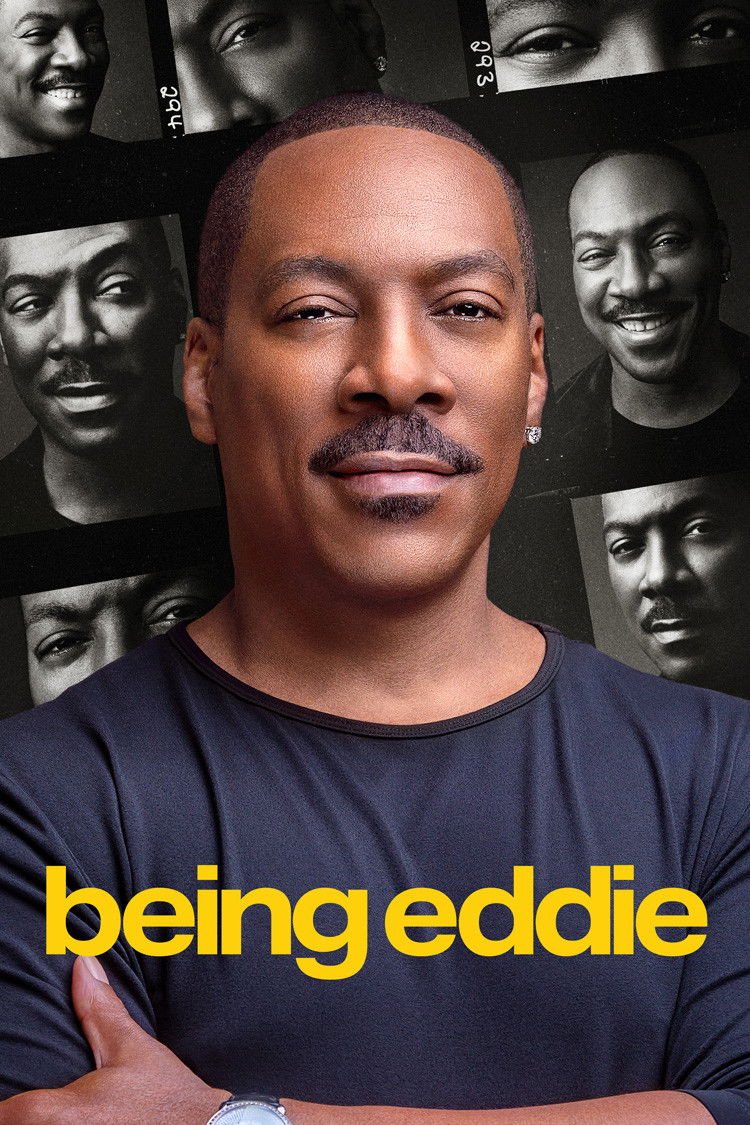
From teen comedian to Hollywood legend, Eddie Murphy revisits his extraordinary showbiz ride with raw honesty and humor.
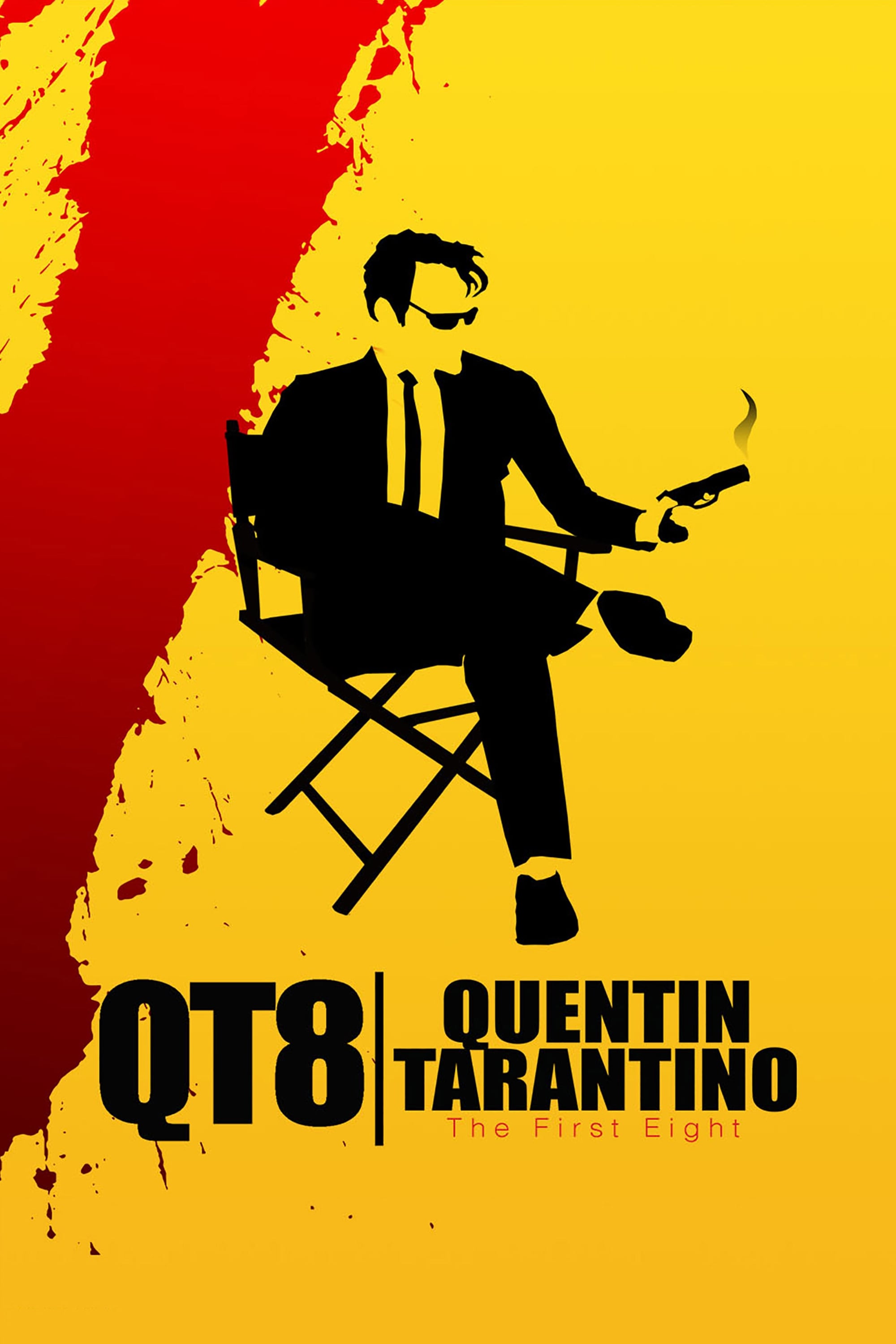
A detailed account of the life and artistic career of legendary filmmaker Quentin Tarantino, from his early days as a video club manager to the scandalous fall in disgrace of producer Harvey Weinstein. A story about how to shoot eight great movies and become an icon of modern pop culture.
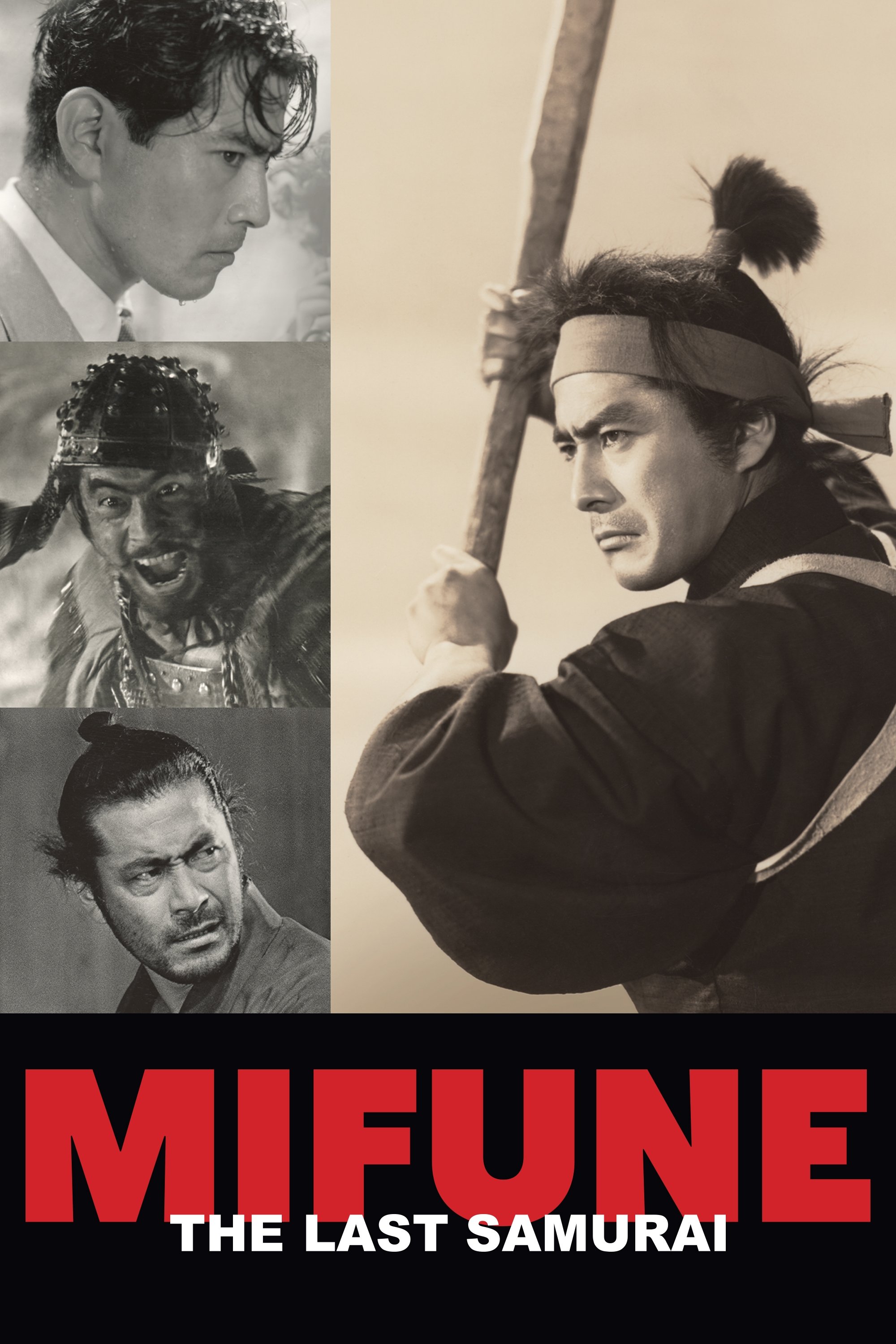
An account of the life and work of legendary Japanese actor Toshirō Mifune (1920-97), the most prominent actor of the Golden Age of Japanese cinema.
From its distinctive neighborhoods to its architectural homes, Los Angeles has been the backdrop to countless movies. In this dazzling work, Andersen takes viewers on a whirlwind tour through the metropolis' real and cinematic history, investigating the myriad stories and legends that have come to define it, and meticulously, judiciously revealing the real city that lives beneath.
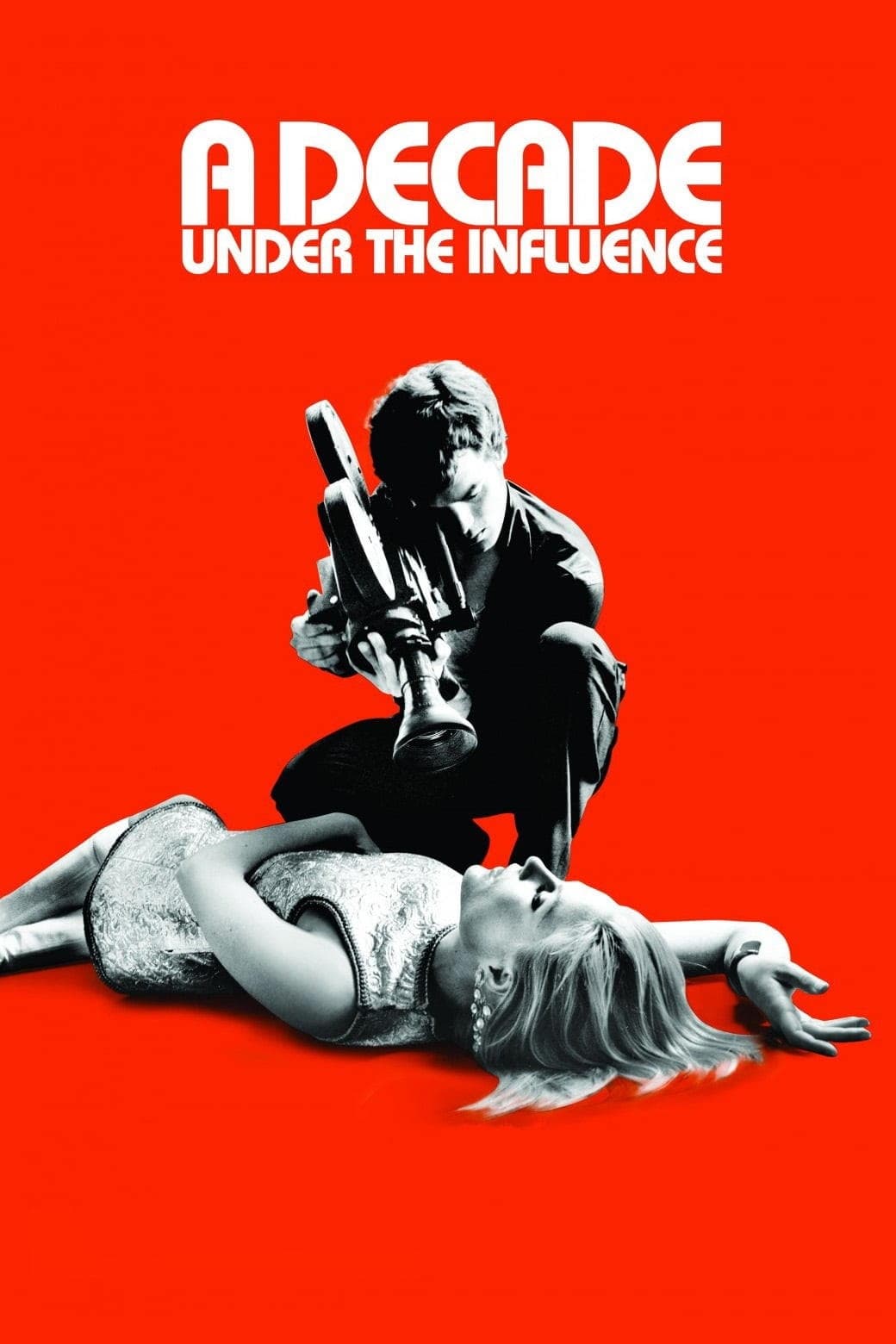
A documentary examining the decade of the 1970s as a turning point in American cinema. Some of today's best filmmakers interview the influential directors of that time.
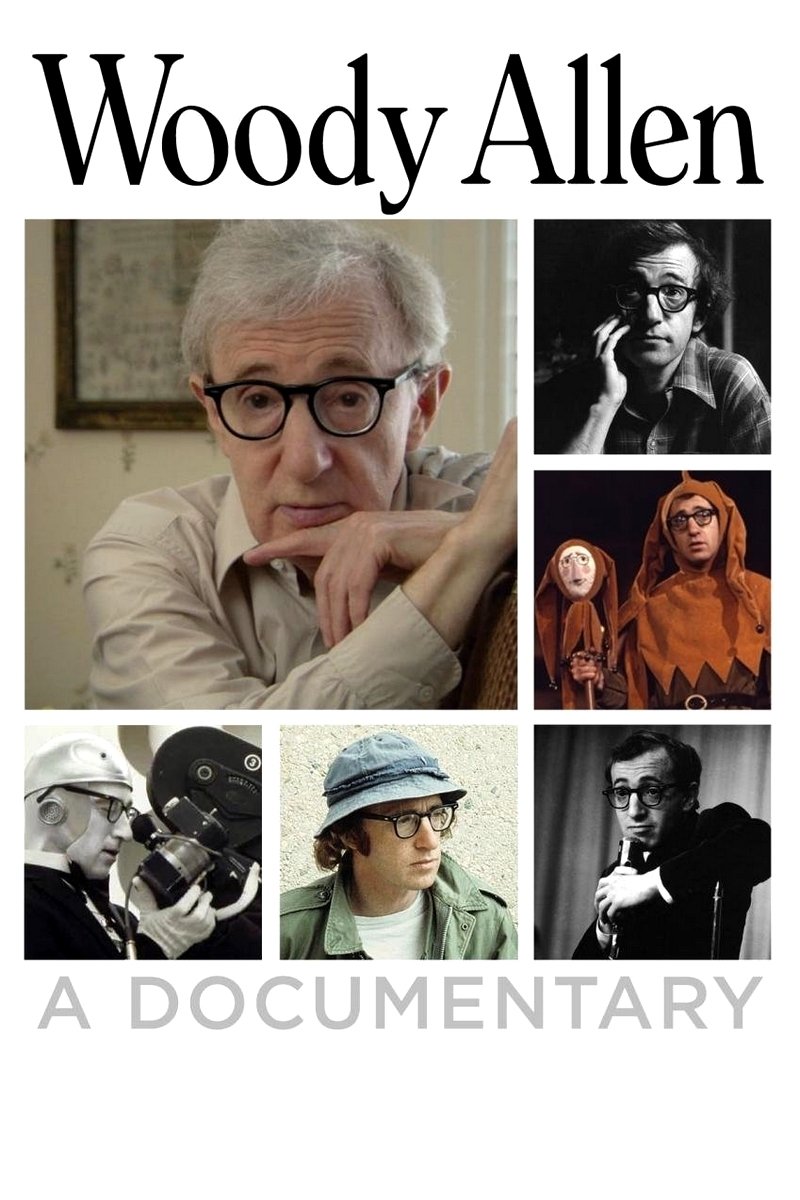
An intense portrait of the iconic filmmaker, writer, actor, comedian and musician Woody Allen: his life, family and friends; his writing and directing habits, and his relationship with performers.