Actuality film of miners entering a mine.
Social & External
Short about the daily life of the Apaches, including their ceremonies.
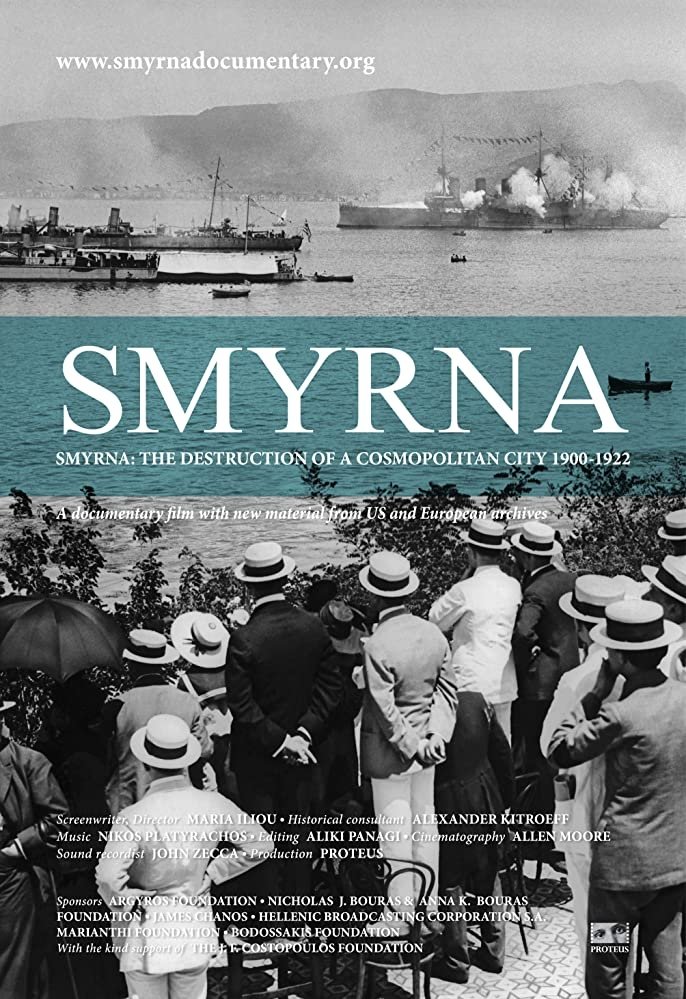
A unique exhibition of rare and unknown photographs of Smyrna from American and European archives and private collections.
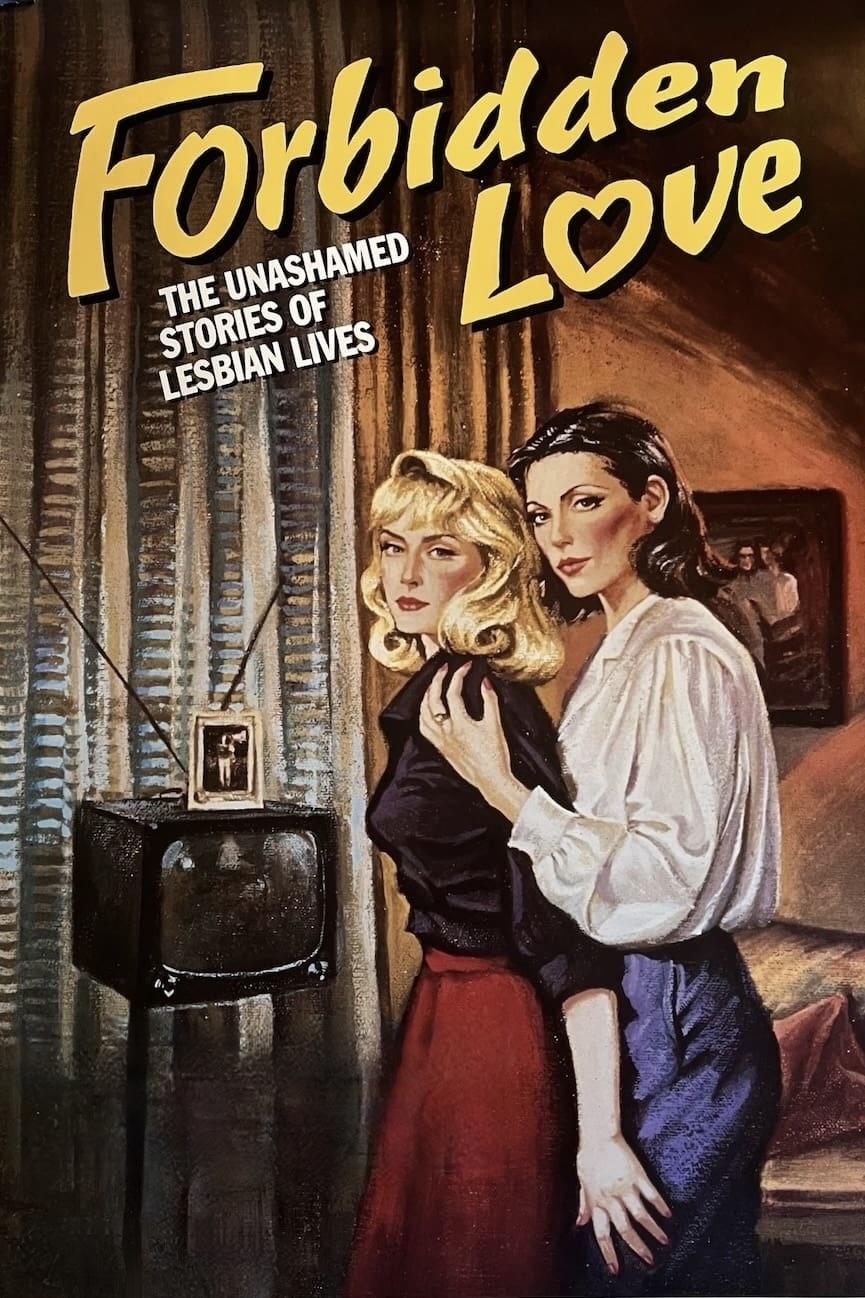
Ten women in Canada talk about being lesbian in the 1940s, 1950s, and 1960s: discovering the pulp fiction of the day about women in love, their own first affairs, the pain of breaking up, frequenting gay bars, facing police raids, men's responses, and the etiquette of butch and femme roles. Interspersed among the interviews and archival footage are four dramatized chapters from a pulp novel, "Forbidden Love".
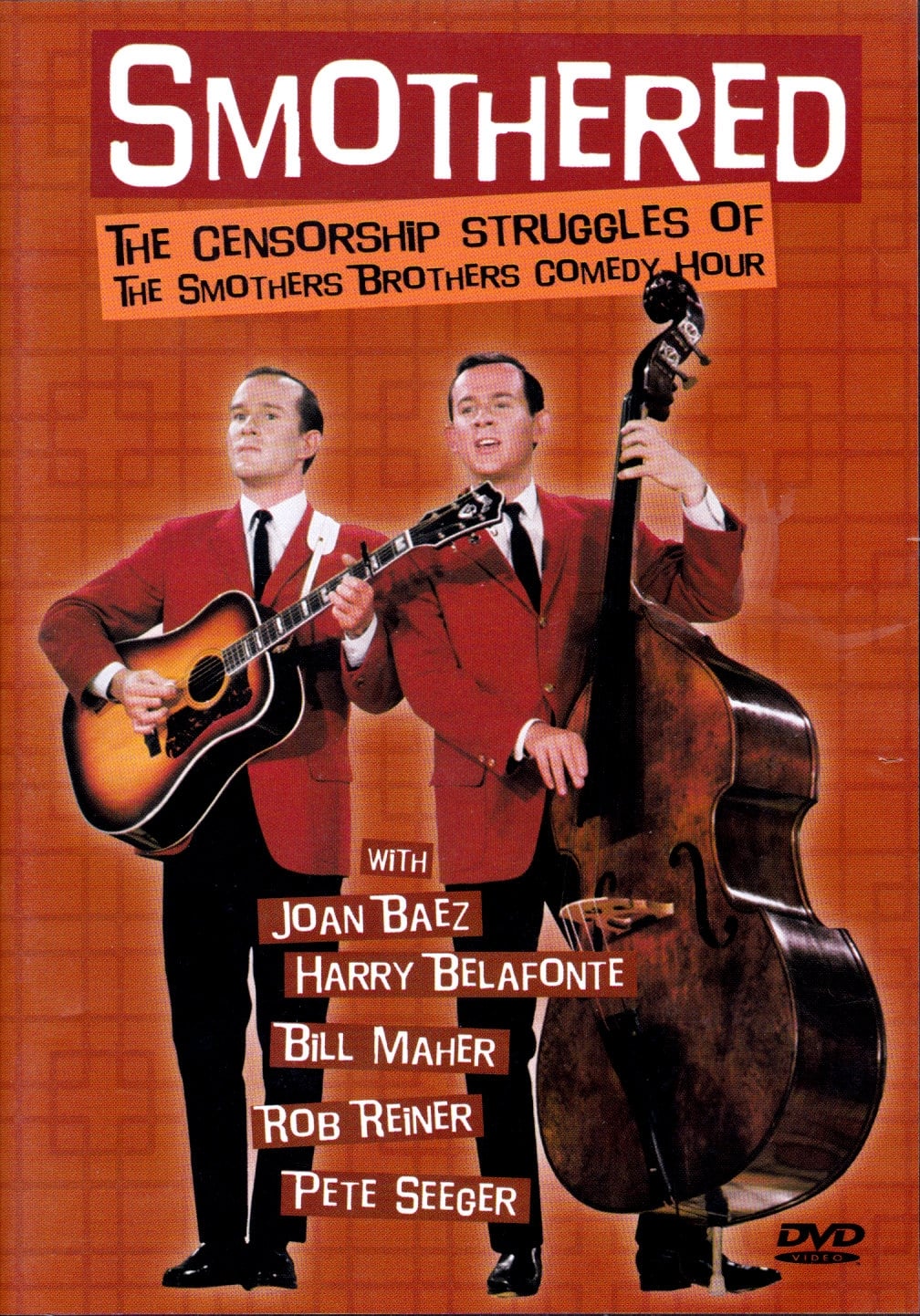
The history of the irreverent "The Smothers Brothers Comedy Hour" and the content battles it fought with its television network.
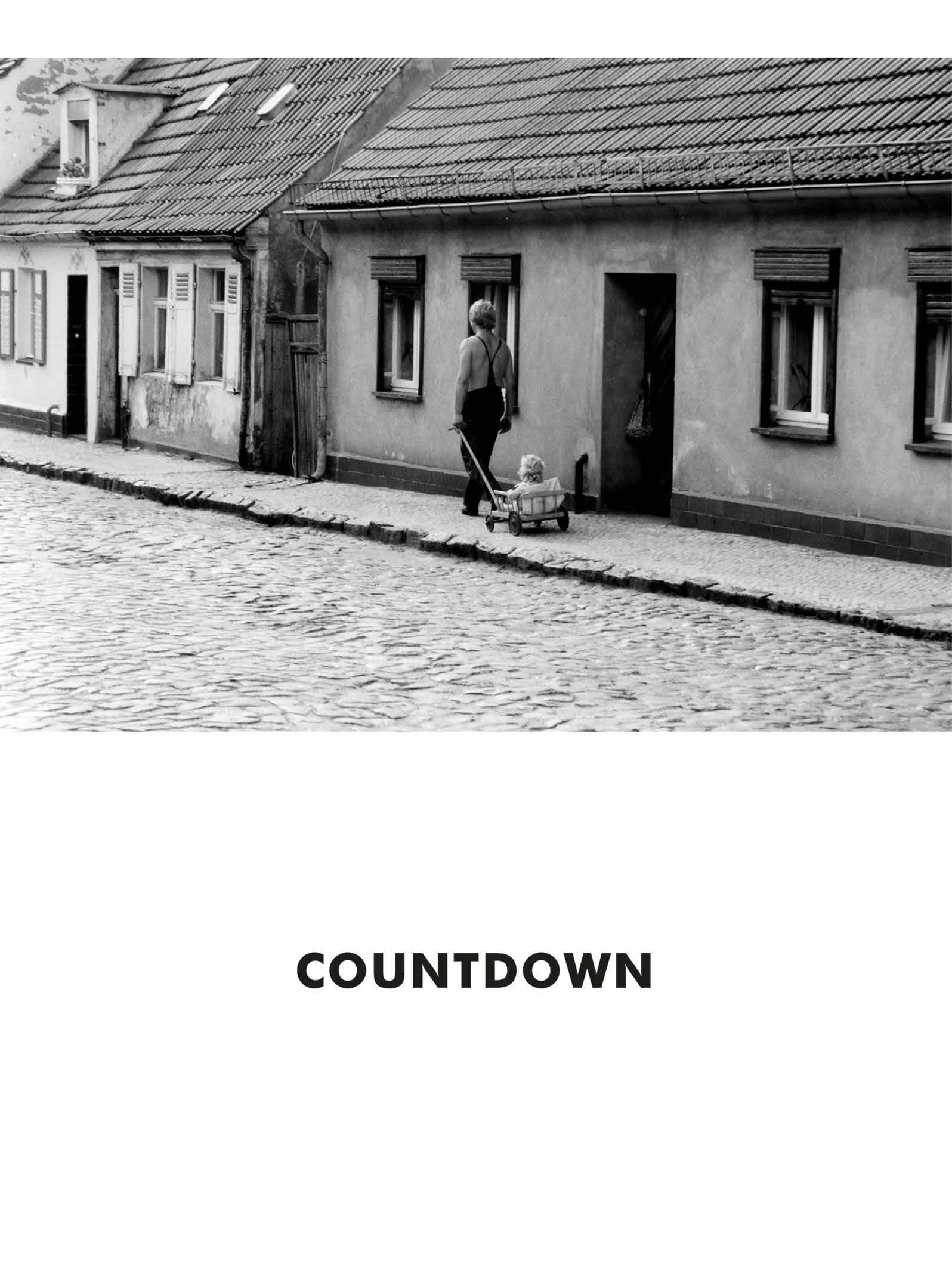
Countdown follows a chronological sequence. The movie was shot in Berlin and environs over a ten-day period leading up to the unification of the currencies on July 1, 1990. The film thus ends on the date marking “the first stage of German reunification”.
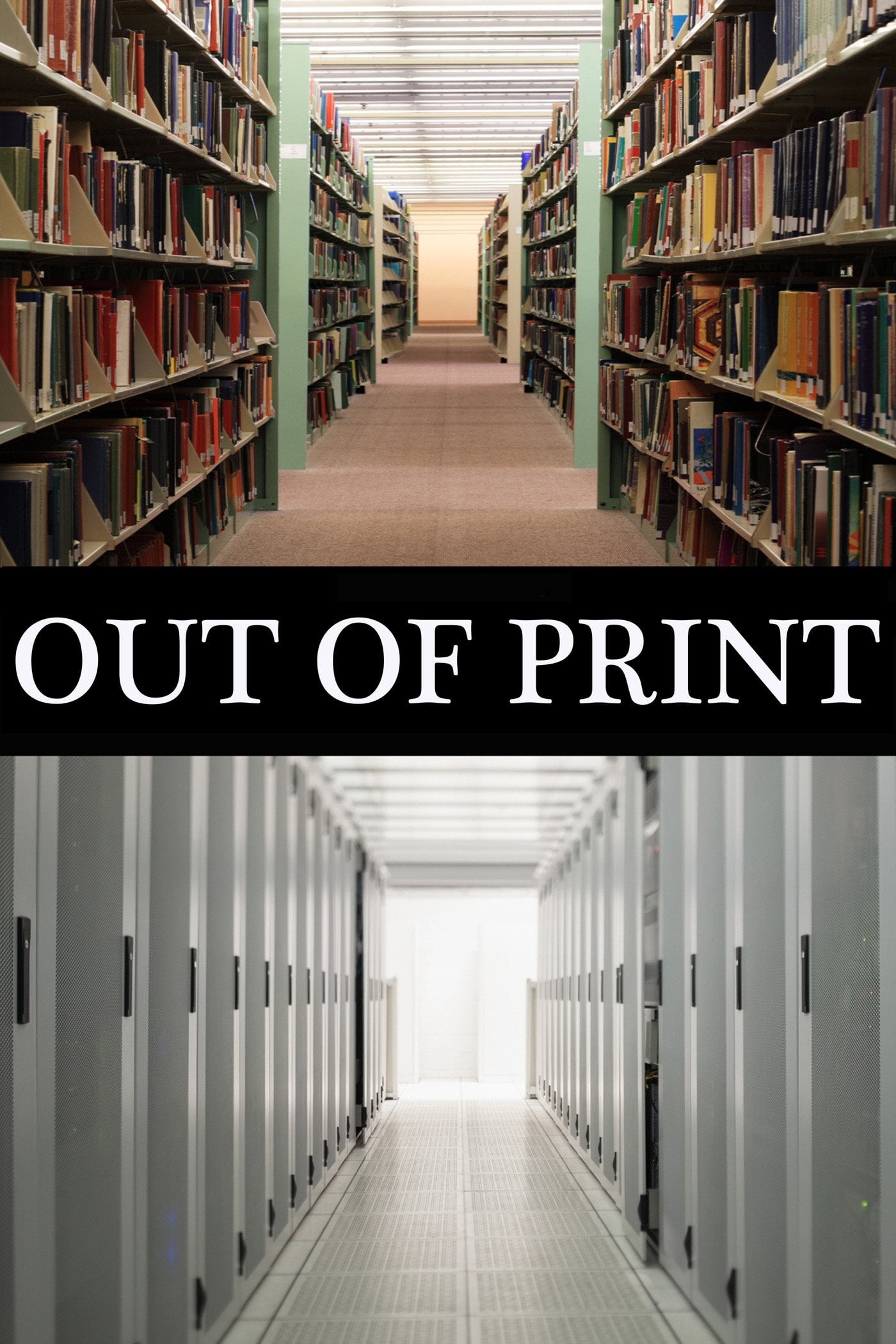
Out of Print, narrated by Meryl Streep, draws us into the topsy-turvy world of words, illuminating the turbulent and exciting journey from the book through the digital revolution. Jeff Bezos, Ray Bradbury, Scott Turow, Jeffrey Toobin, parents, students, educators, scientists – all highlight how this revolution is changing everything about the printed word – and changing us.
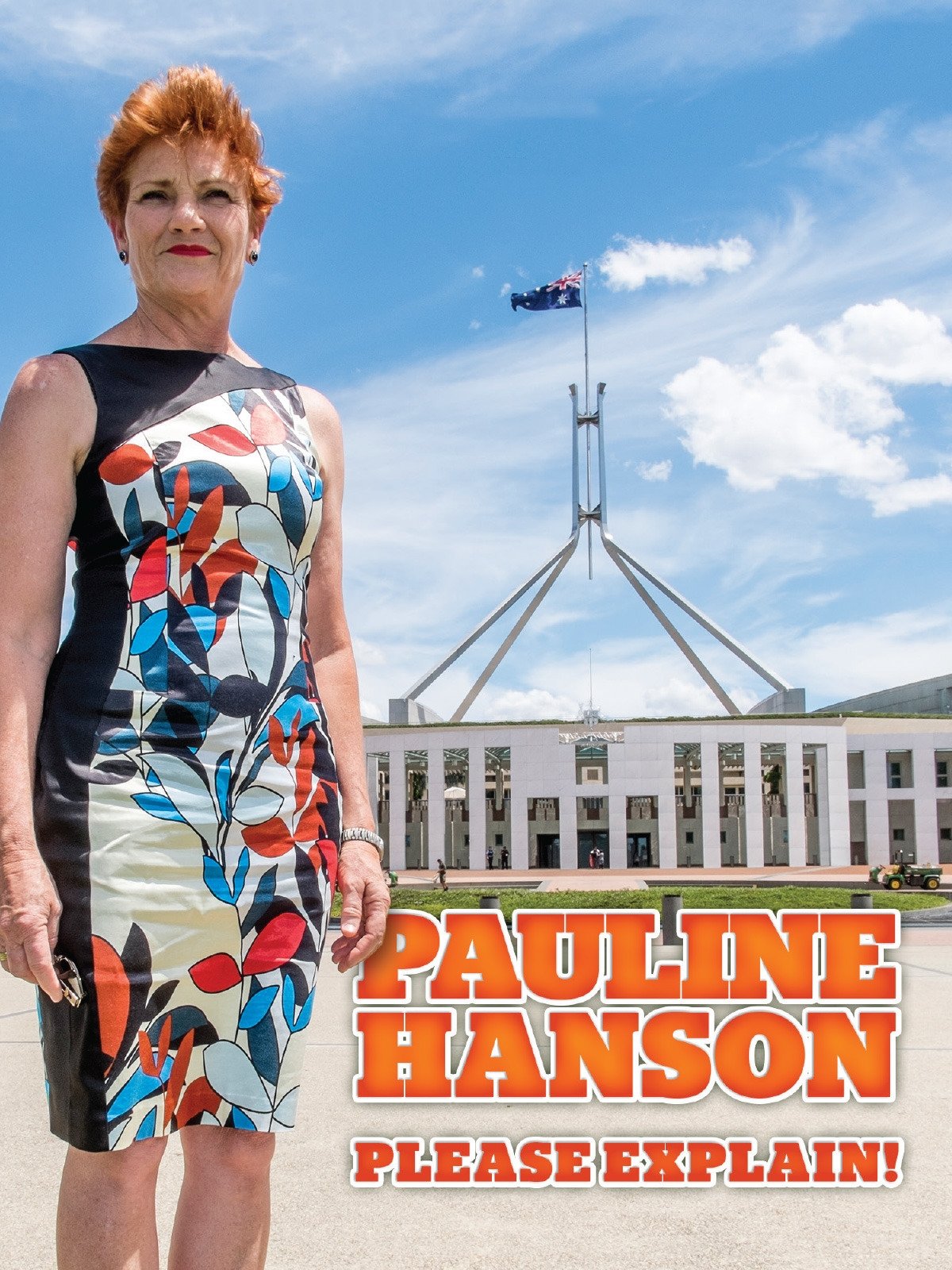
Director Anna Broinowski explores how Pauline Hanson's speech in 1996 and the decades of debate that followed has influenced Australia today; the impact of her political career on modern multicultural Australia, and the people who have helped her transition from local fish shop owner to Member for Oxley. Featuring many of Hanson's critics, opponents, advisors and commentators, from former Prime Minister John Howard, to current members of the media, including Margo Kingston and Alan Jones; and leading Indigenous commentator, Professor Marcia Langton.
A documentary that examines whether a charity organized by Pat Robertson to aid Rwandan genocide refugees was a front for diamond mining.
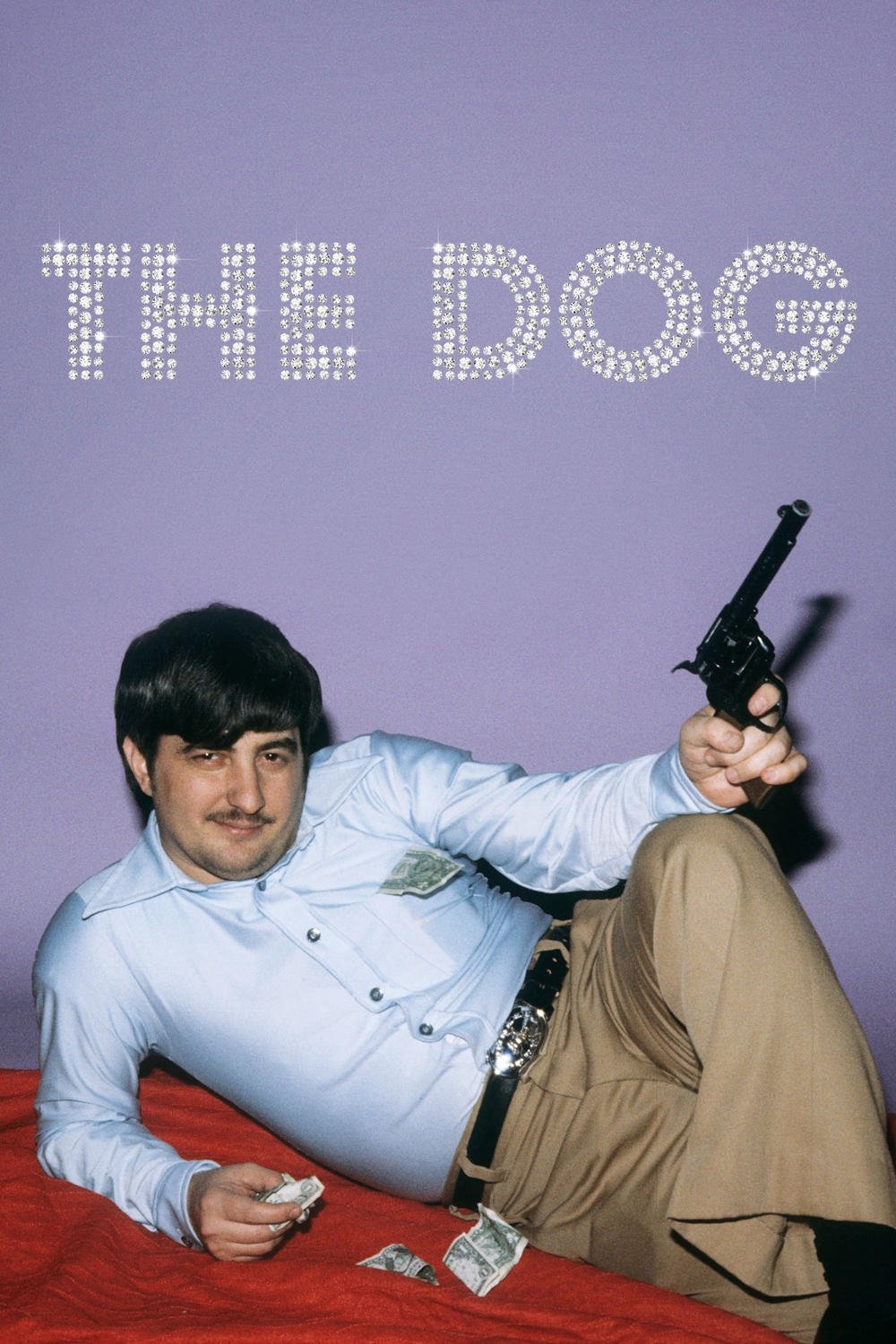
In 1972, John Wojtowicz attempted to rob a Brooklyn bank to pay for his lover’s sex-change operation. The story was the basis for the film Dog Day Afternoon. The Dog captures John, who shares his story for the first time in his own unique, offensive, hilarious and heartbreaking way. We gain a historic perspective on New York's gay liberation movement, in which Wojtowicz played an active role. In later footage, he remains a subversive force, backed by the unconditional love of his mother Terry, whose wit and charm infuse the film. How and why the bank robbery took place is recounted in gripping detail by Wojtowicz and various eyewitnesses.
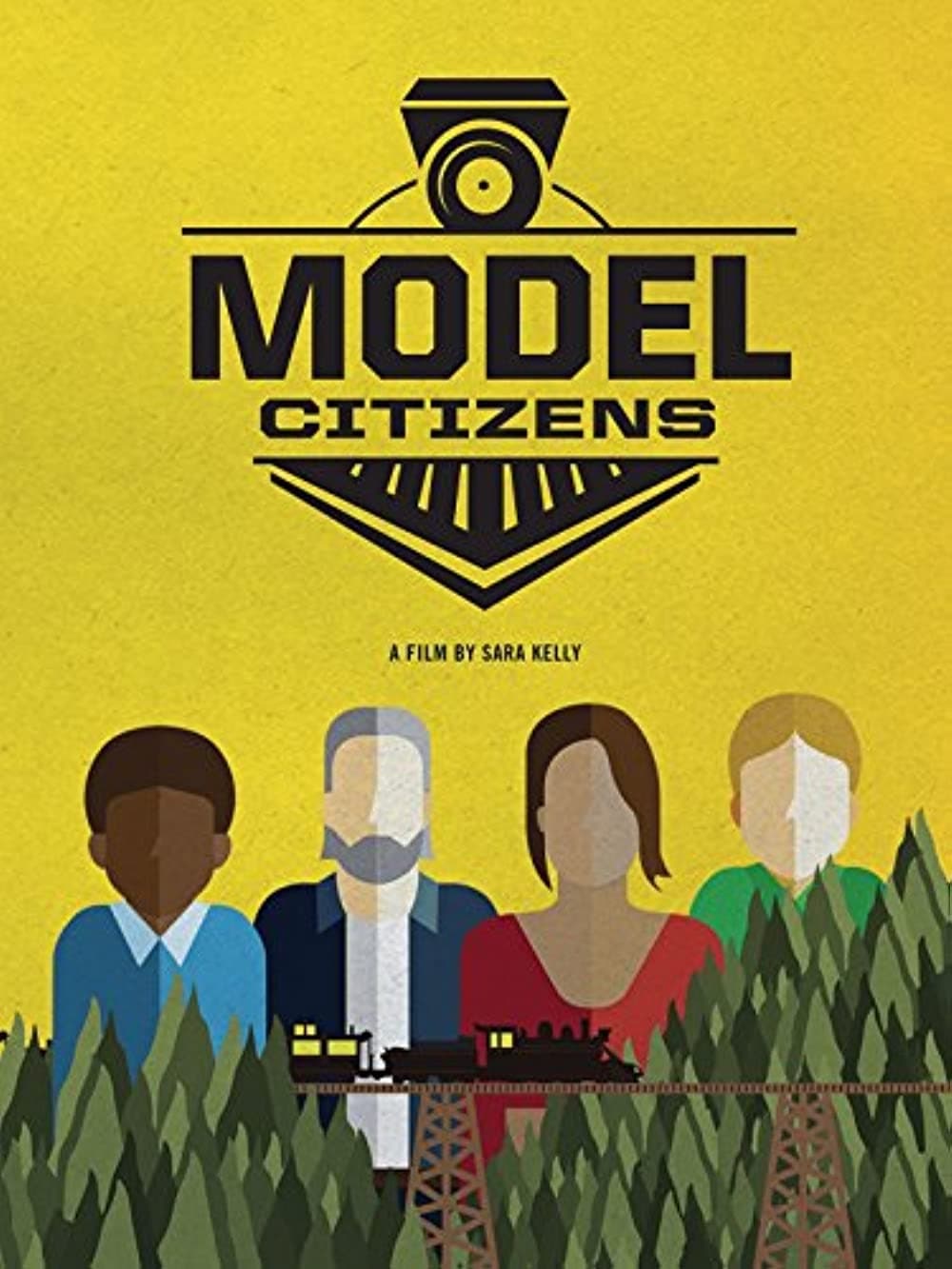
Somewhere in the world right now--much closer than you think--people are playing with trains. You might not see them at first, but they're there. In basements. In garages. In converted Army barracks. They're among the world's most compelling underground communities.
A light-hearted celebration of British sex films from the 1950s to the early 1980s. Presented by Angus Deayton, the programme includes interviews with movie veterans Robin Askwith and Pamela Green, as well as featuring clips from popular X-rated movies like “Come Play with Me” (1977).
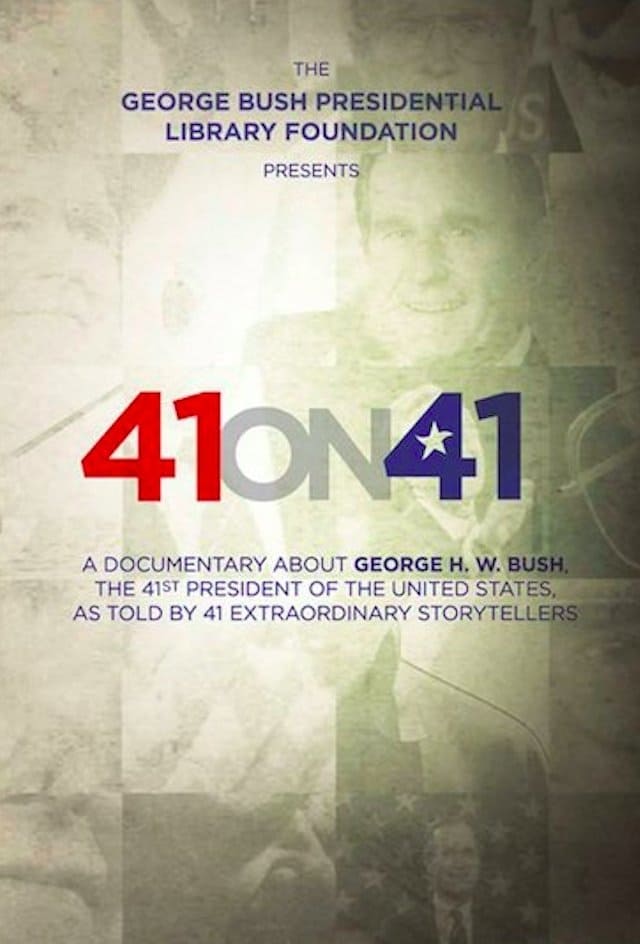
Interviewees discuss the life of former president George H. W. Bush
How Inuit peoples perform arts and crafts, on the island of Baffin Island on what is now the territory of Nanavut.
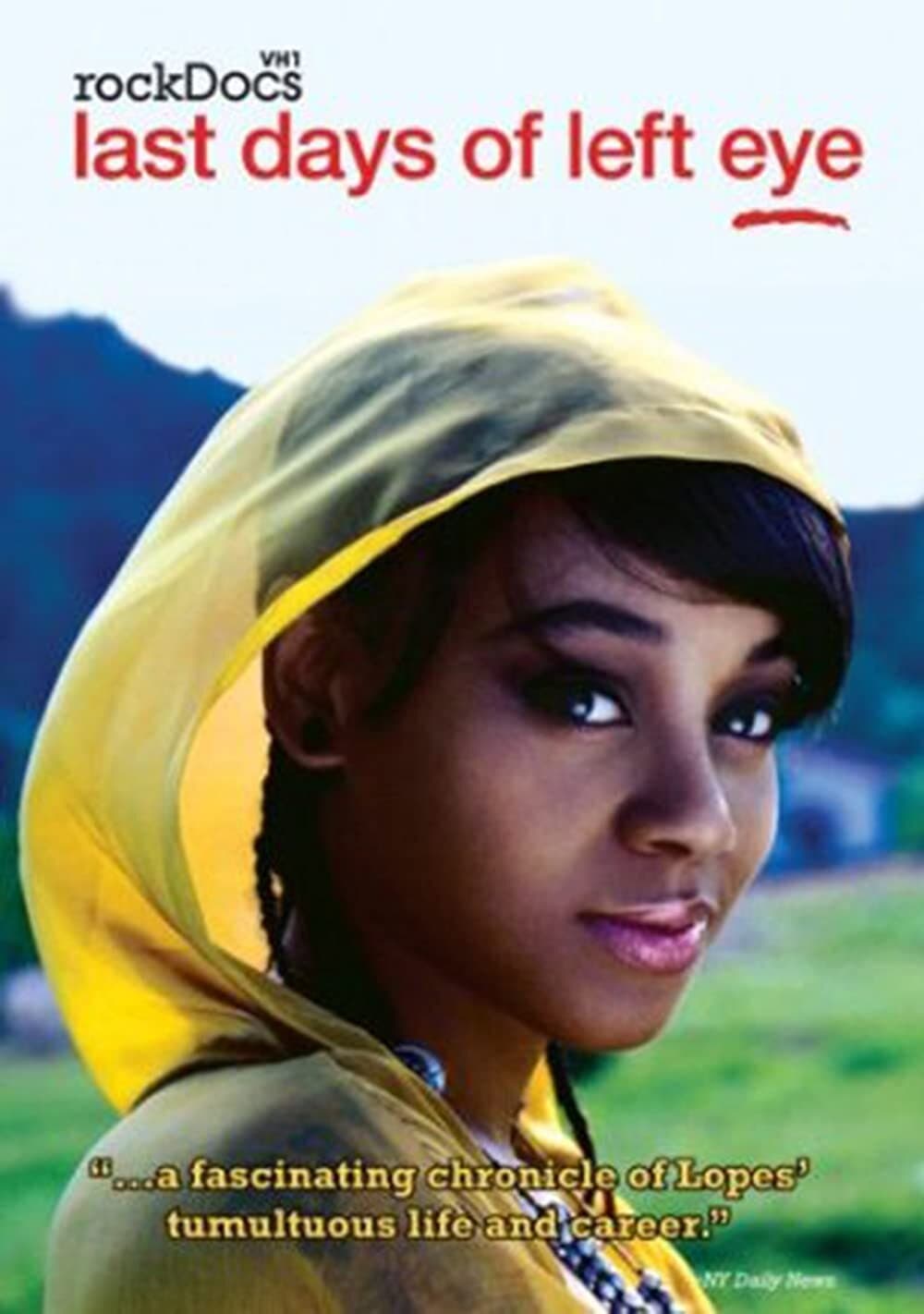
Lisa 'Left Eye' Lopes was the hip-hop voice of TLC, the best selling female R&B group of all time. On March 30th, 2002, Lisa decided to document her life. She filmed at a mysterious spiritual retreat deep in the jungles of Honduras, but 26 days later, after a tragic accident, she was dead and her unedited tapes were left behind. Last Days of Left Eye is the re-imagining of the film Lisa never got to complete. Revealing private moments from Lisa's journals and home movies, along with highlights from her celebrated career, this film is an intimate journey into the soul of a talented and still provocative young artist.
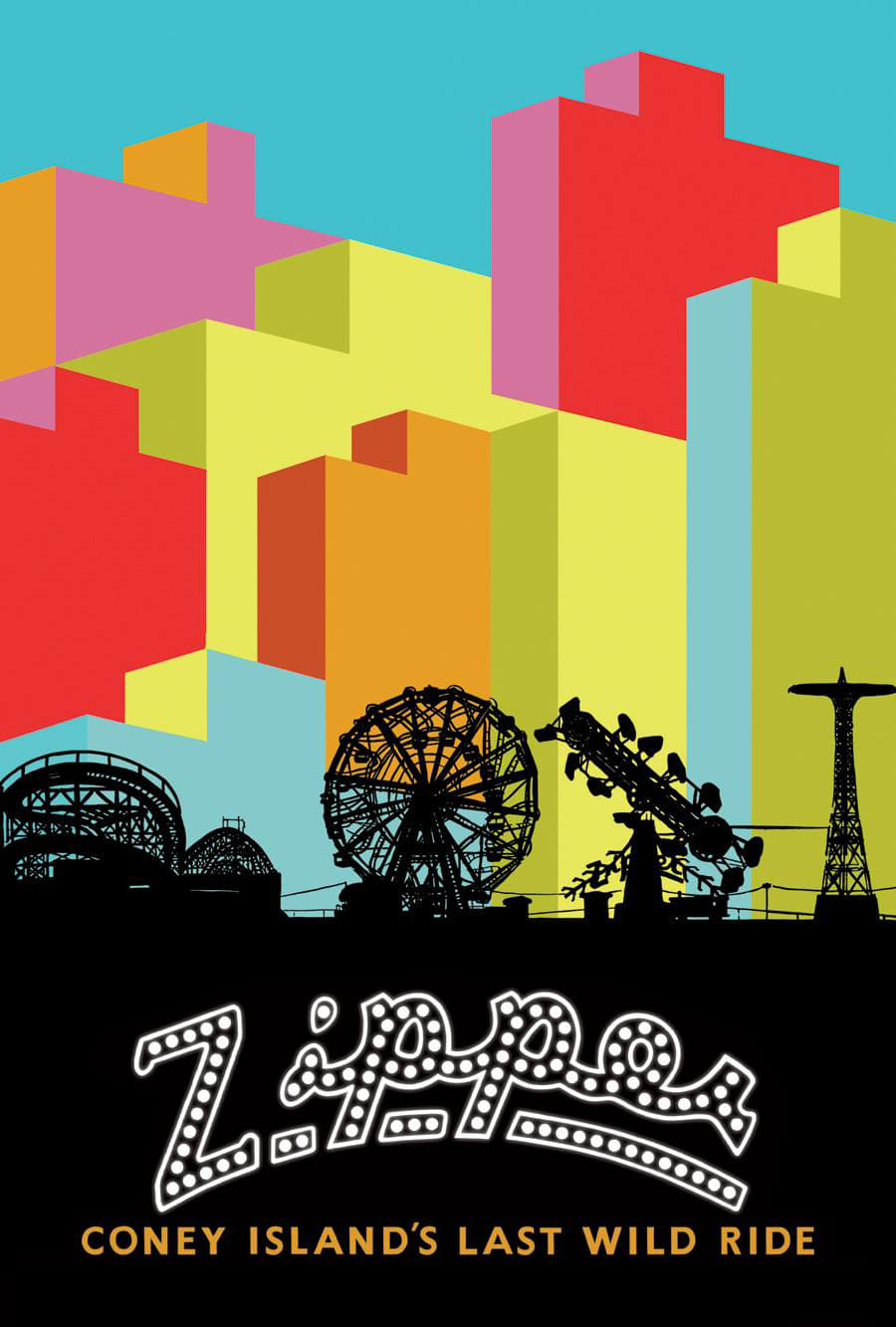
When his rented lot is snatched up by an opportunistic real estate mogul, Eddie Miranda and his Coney Island ride the Zipper become casualties of a power struggle between the developer and the City of New York over the future of the world-famous destination.
Fists of Pride follows Little Tiger and his fellow fighters as their Thai coaches prepare them for the annual Water Festival competition. In a boxing camp on the Thai-Burmese border the children of mostly illegal migrant workers fleeing Burma live and train for prize fights. In a region where combat sports have always been a matter of honor and money, the film reveals their daily struggles. Bets are open and as the hope of prize money rizes, the young boxers contemplate what it could mean for them and their families
In the 1920s, Angela Murray Gibson chose an unusual location to embark on a career in silent filmmaking: her tiny hometown of Casselton, North Dakota. She had previously helped Mary Pickford as an advisor and assistant director on The Pride of the Clan (1917), which Mary Pickford produced and starred in. She opened North Dakota's first movie studio, and she had the audacity to be a woman in an industry dominated by men.
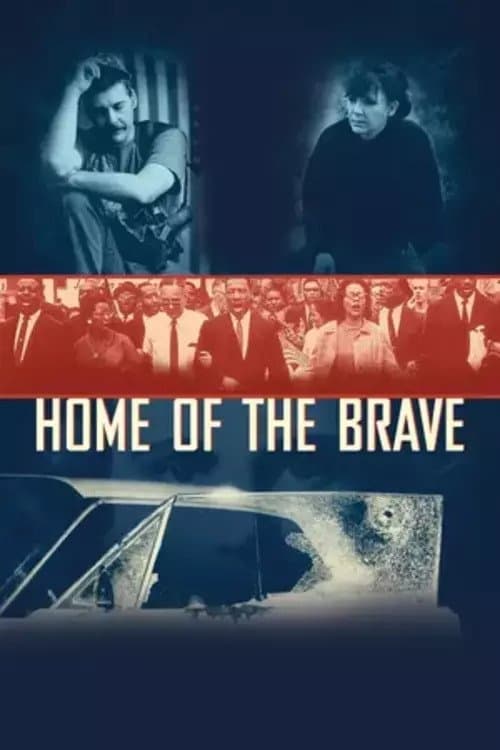
Documentary on the civil rights activist, Viola Liuzzo, who was murdered in 1965 as she campaigned for black suffrage in Selma, Alabama, and its effect on her family.
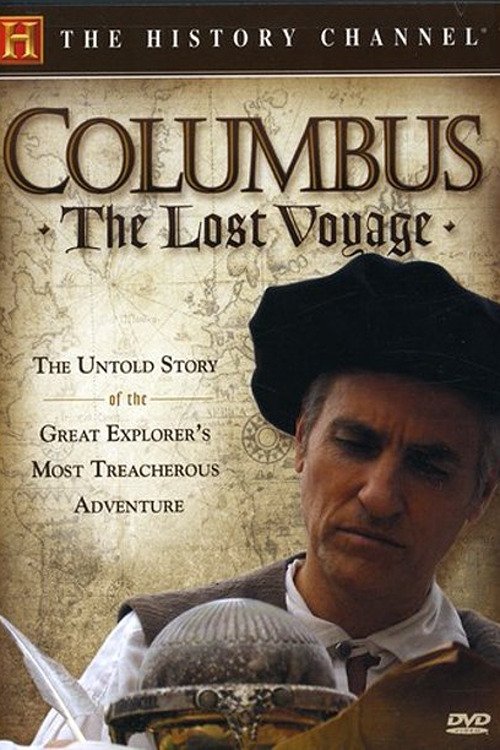
Columbus' 4th voyage has been a total failure: he has not found the westward passage, he has no gold to show, he has lost men and ships and his efforts to build a colony have fallen through. The monarchs of Spain are not going to restore the rights and privileges which were taken away from Columbus after the first voyage. And Columbus will be shamed. Many of his sailors who have survived, can't face the journey home. They will choose to remain on Hispaniola or neighbouring Puerto Rico.
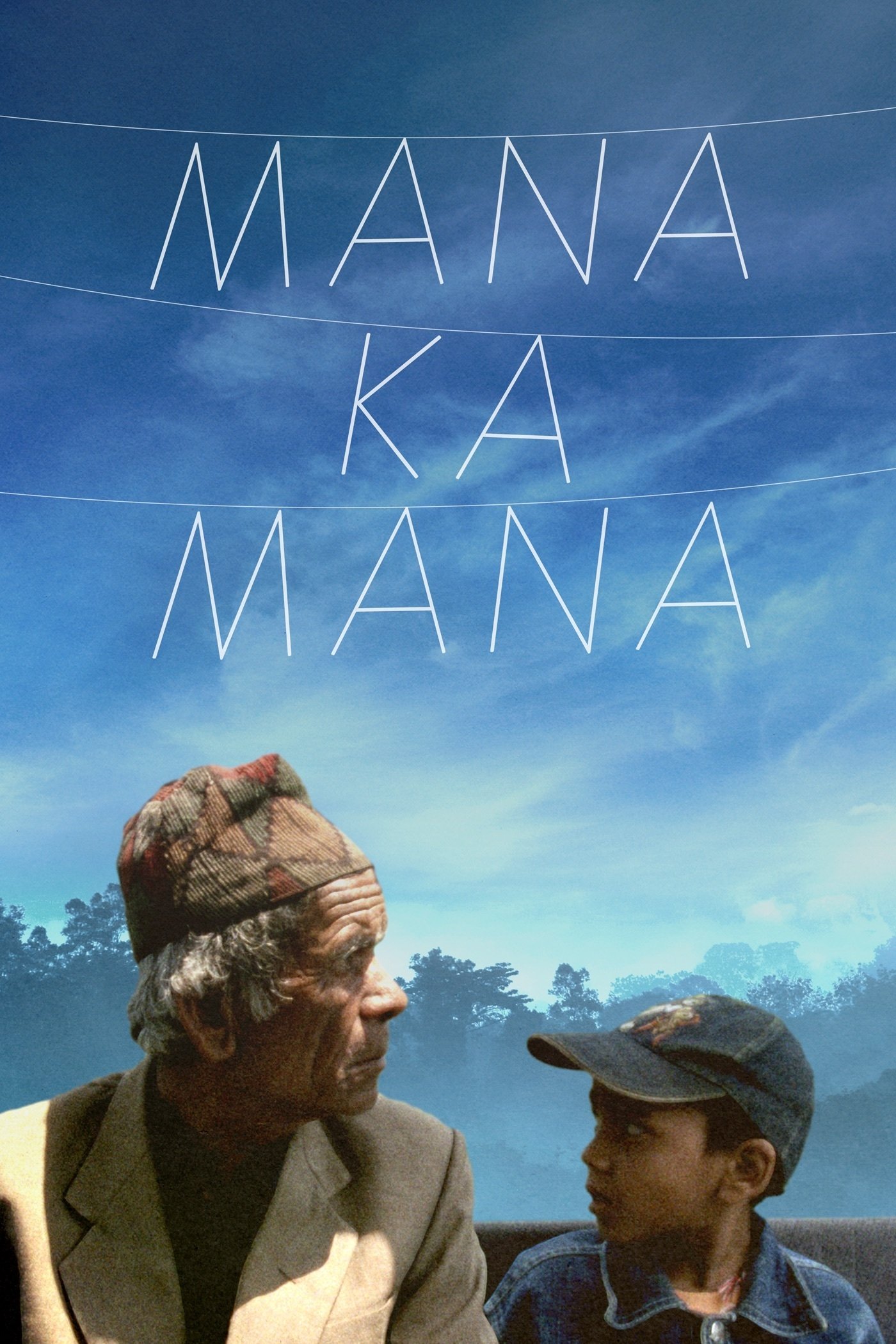
A documentary about a group of pilgrims who travel to Nepal to worship at the legendary Manakamana temple.
Lyrical and powerfully personal essay film that reflects on the deaths of her husband Lou Reed, her mother, her beloved dog, and such diverse subjects as family memories, surveillance, and Buddhist teachings.
Iverson is the ultimate legacy of NBA legend Allen Iverson, who rose from a childhood of crushing poverty in Hampton, Virginia, to become an 11-time NBA All-Star and universally recognized icon of his sport. Off the court, his audacious rejection of conservative NBA convention and unapologetic embrace of hip hop culture sent shockwaves throughout the league and influenced an entire generation. Told largely in Iverson's own words, the film charts the career highs and lows of one of the most distinctive and accomplished figures the sport of basketball has ever seen.
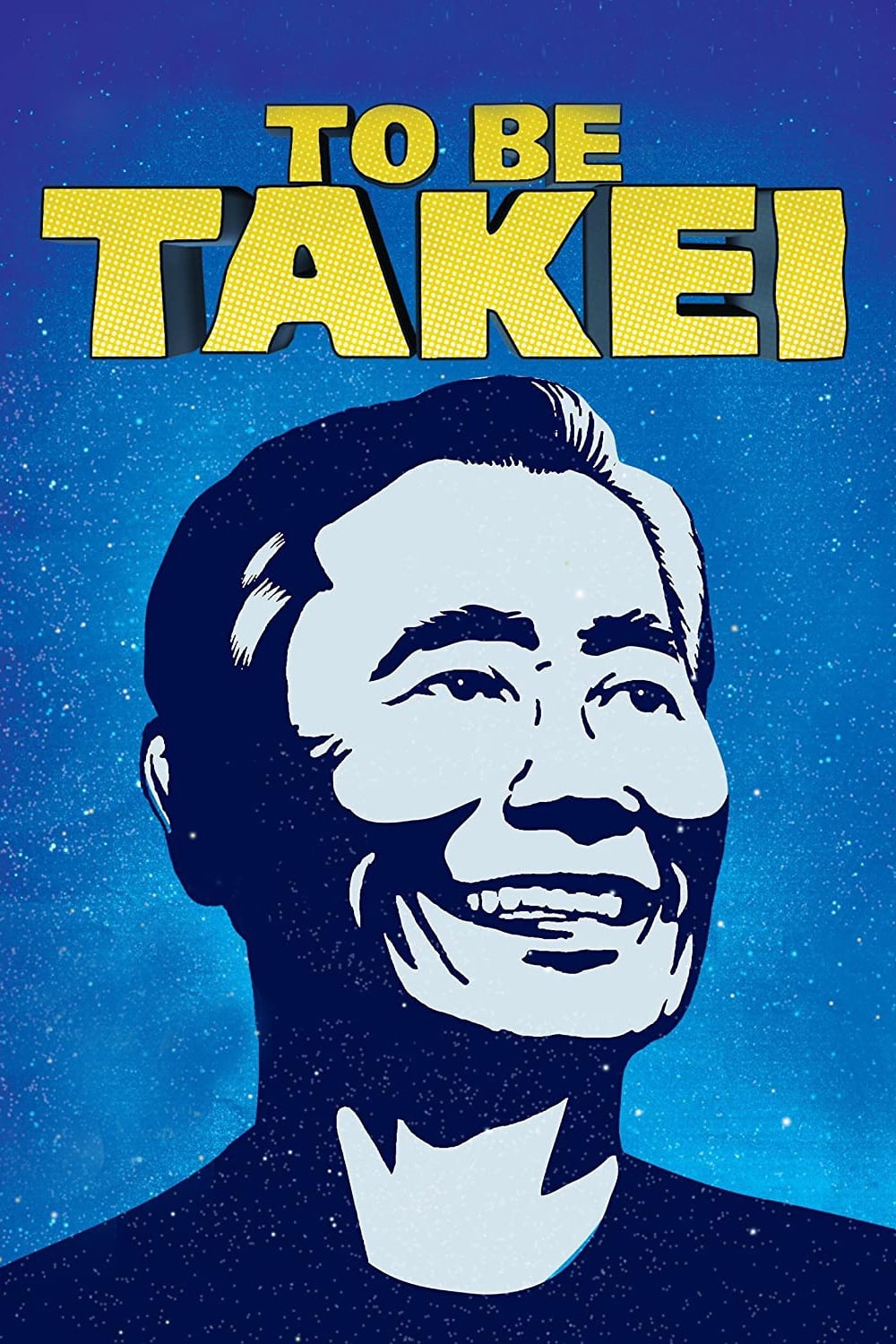
Over seven decades, actor and activist George Takei journeyed from a World War II internment camp to the helm of the Starship Enterprise, and then to the daily news feeds of five million Facebook fans. Join George and his husband, Brad, on a wacky and profound trek for life, liberty, and love.
In the Realms of the Unreal is a documentary about the reclusive Chicago-based artist Henry Darger. Henry Darger was so reclusive that when he died his neighbors were surprised to find a 15,145-page manuscript along with hundreds of paintings depicting The Story of the Vivian Girls, in What is Known as the Realms of the Unreal, of the Glodeco-Angelinnian War Storm, Cased by the Child Slave Rebellion.
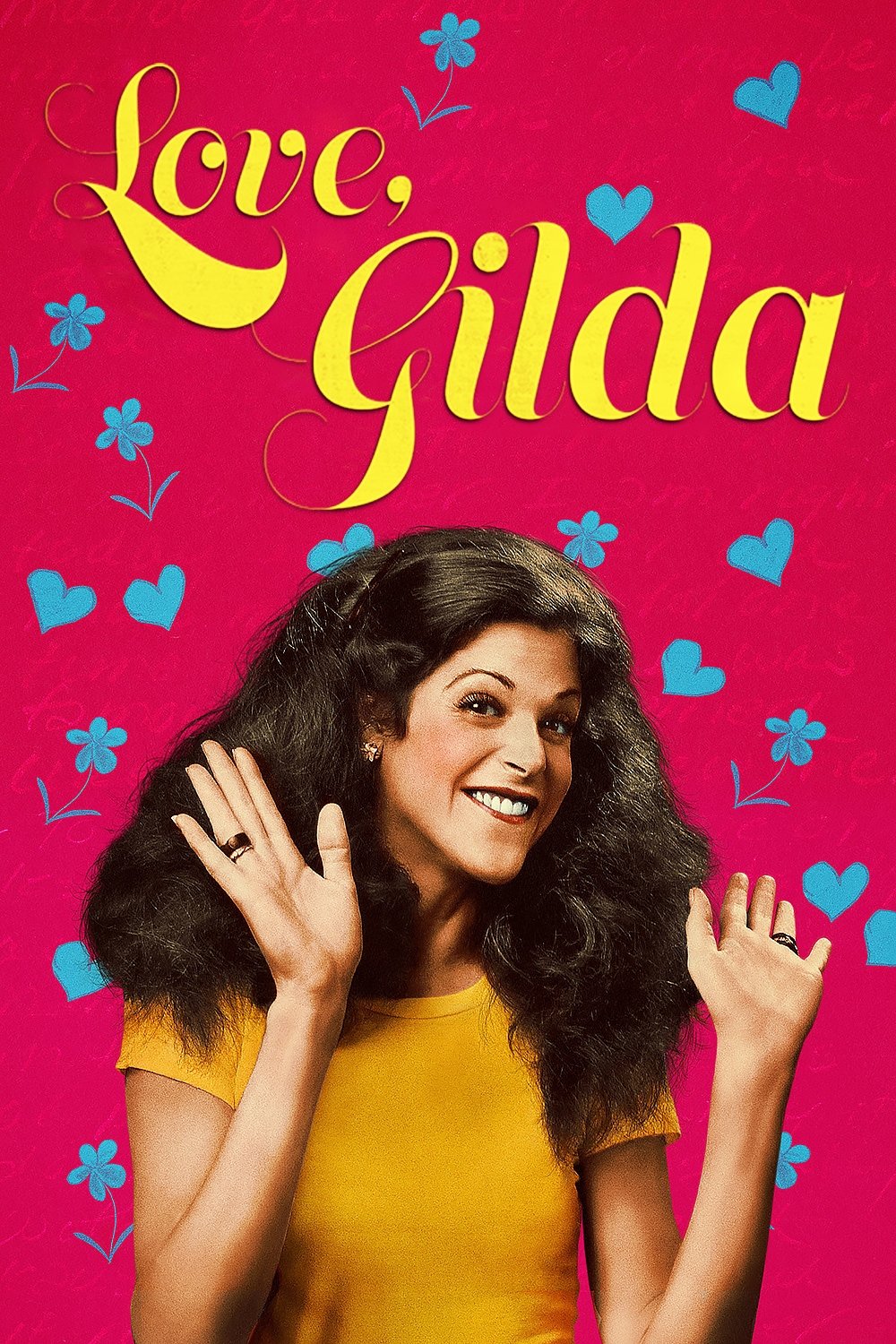
Diaries, audiotapes, videotapes and testimonials from friends and colleagues offer insight into the life and career of Gilda Radner -- the beloved comic and actress who became an icon on Saturday Night Live.
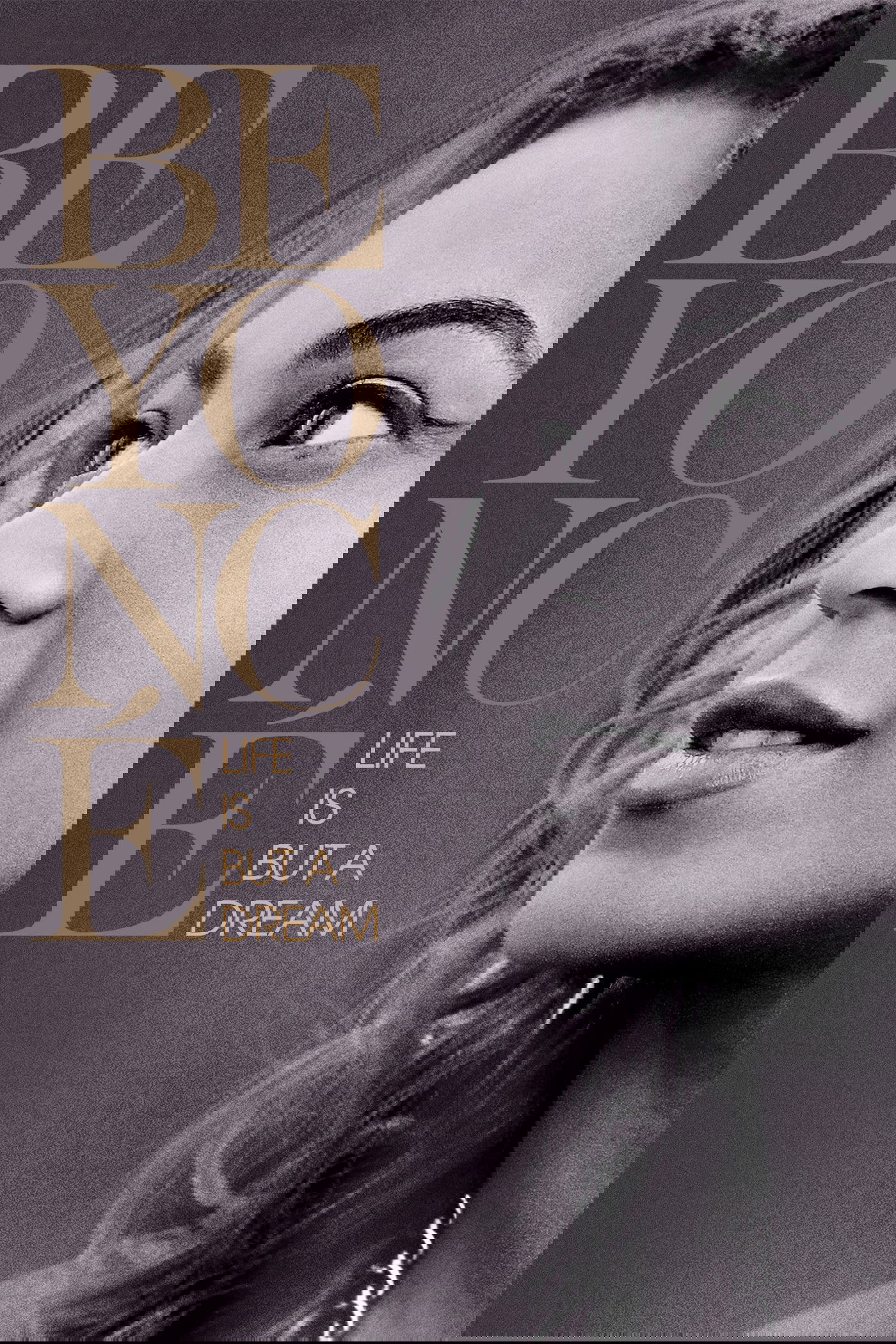
Life Is But a Dream is a HBO documentary about the life of US singer Beyoncé Knowles during the years 2011 and 2012 and on the recording of her fifth album. The film was directed by Beyoncé herself. The film shows Beyoncé from intimate moments of her pregnancy to behind the scenes and rehearsals of the main concerts of that time.
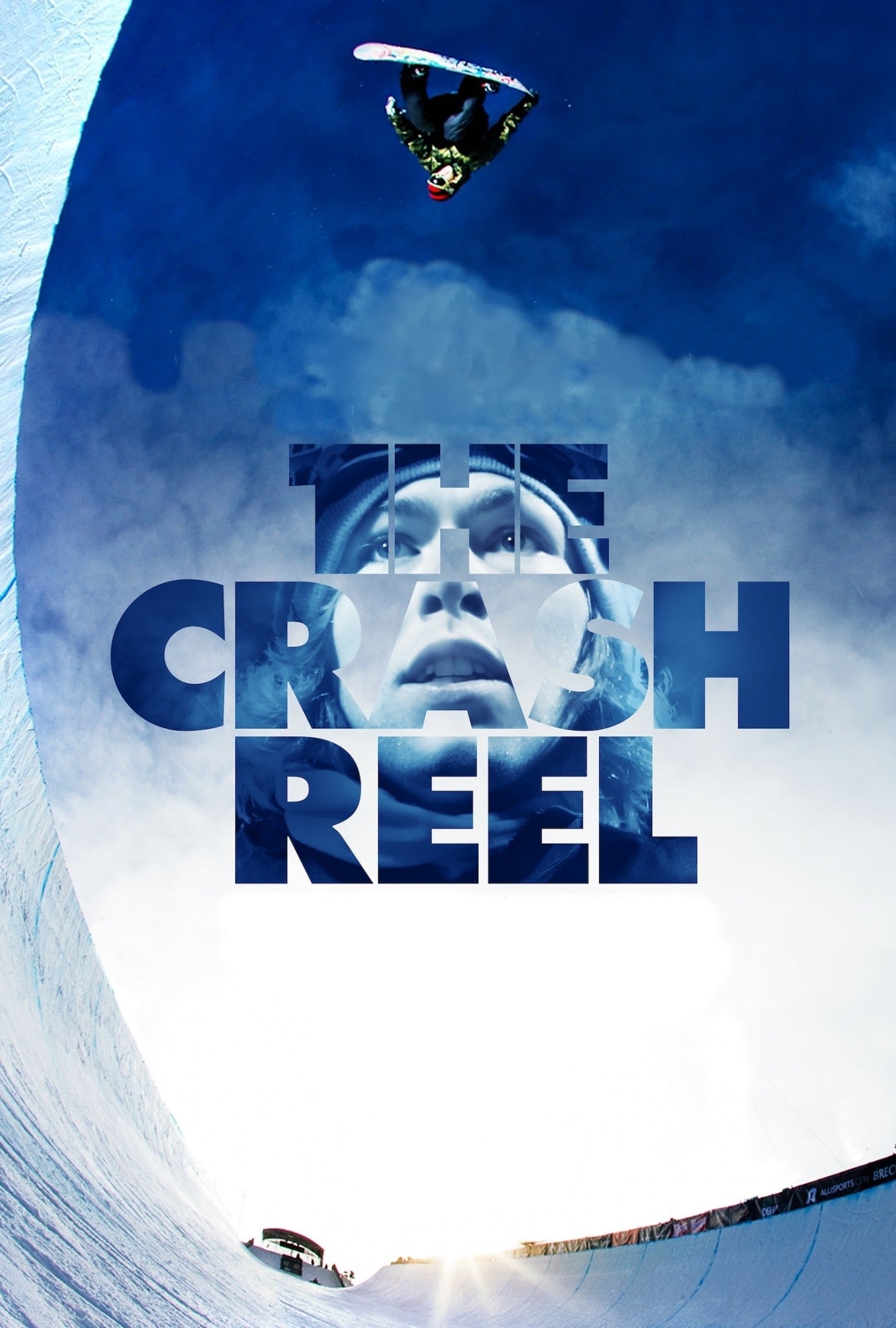
The Crash Reel tells the story of a sport and the risks that athletes face in reaching the pinnacle of their profession. This is Kevin Pearce’s story, a celebrated snowboarder who sustained a brain injury in a trick gone wrong and who now aims, against all the odds, to get back on the snow.
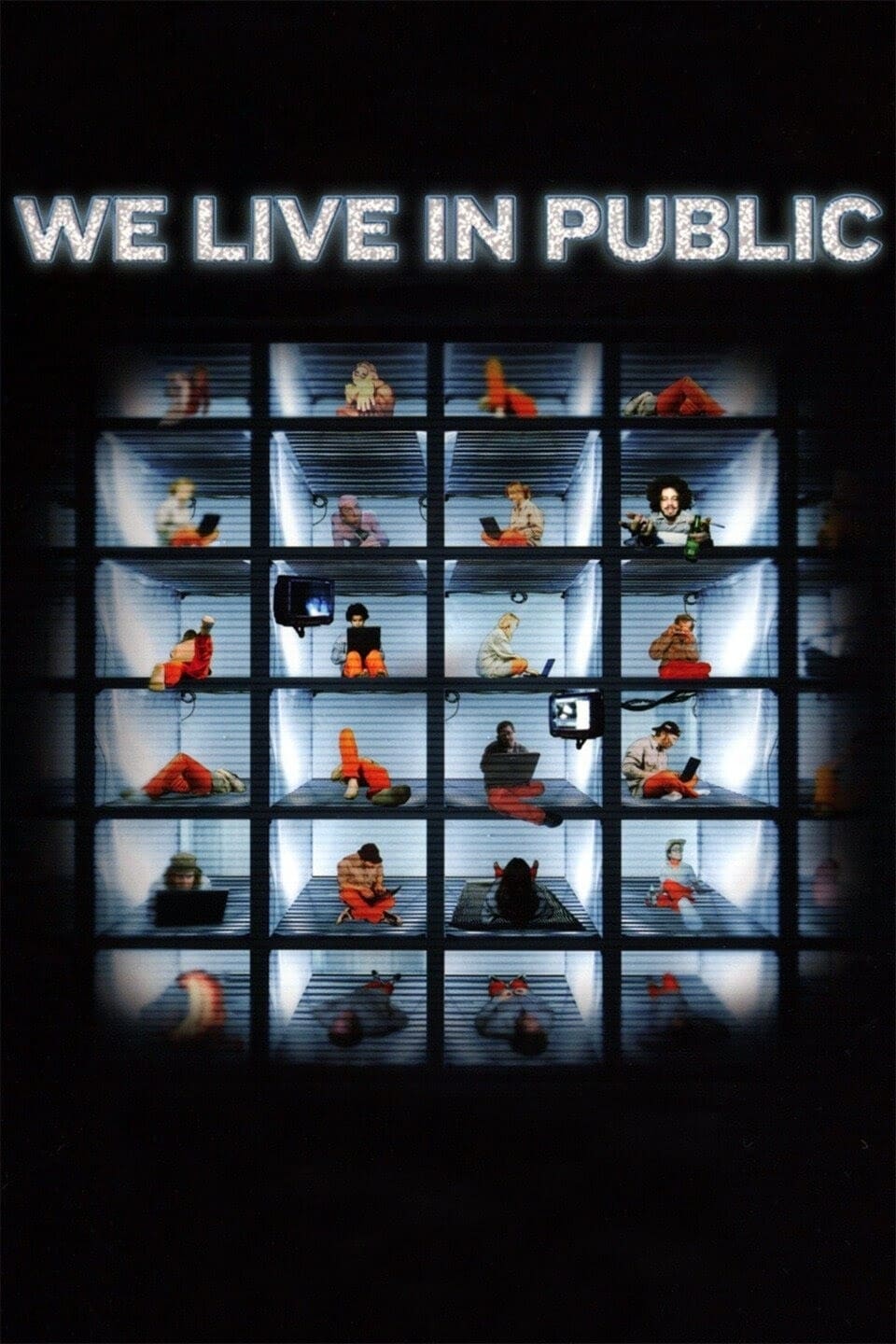
In 1999, Internet entrepreneur Josh Harris recruits dozens of young men and women who agree to live in underground apartments for weeks at a time while their every movement is broadcast online. Soon, Harris and his girlfriend embark on their own subterranean adventure, with cameras streaming live footage of their meals, arguments, bedroom activities, and bathroom habits. This documentary explores the role of technology in our lives, as it charts the fragile nature of dot-com economy.
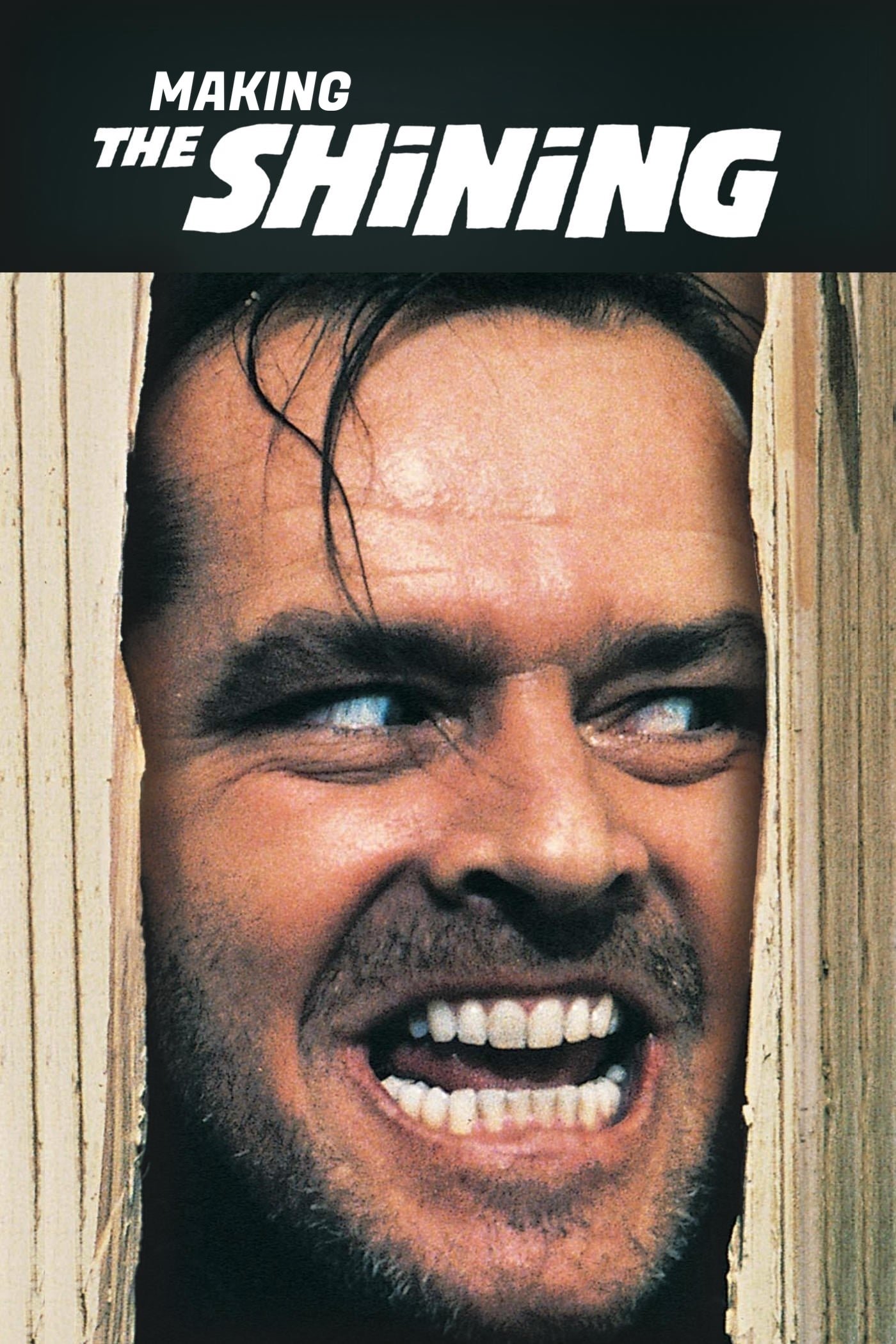
Directed and edited by Stanley Kubrick's daughter Vivian Kubrick, this film offers a look behind the scenes during the making of The Shining.
A compilation of over 30 years of private home movie footage shot by Lithuanian-American avant-garde director Jonas Mekas, assembled by Mekas "purely by chance", without concern for chronological order.
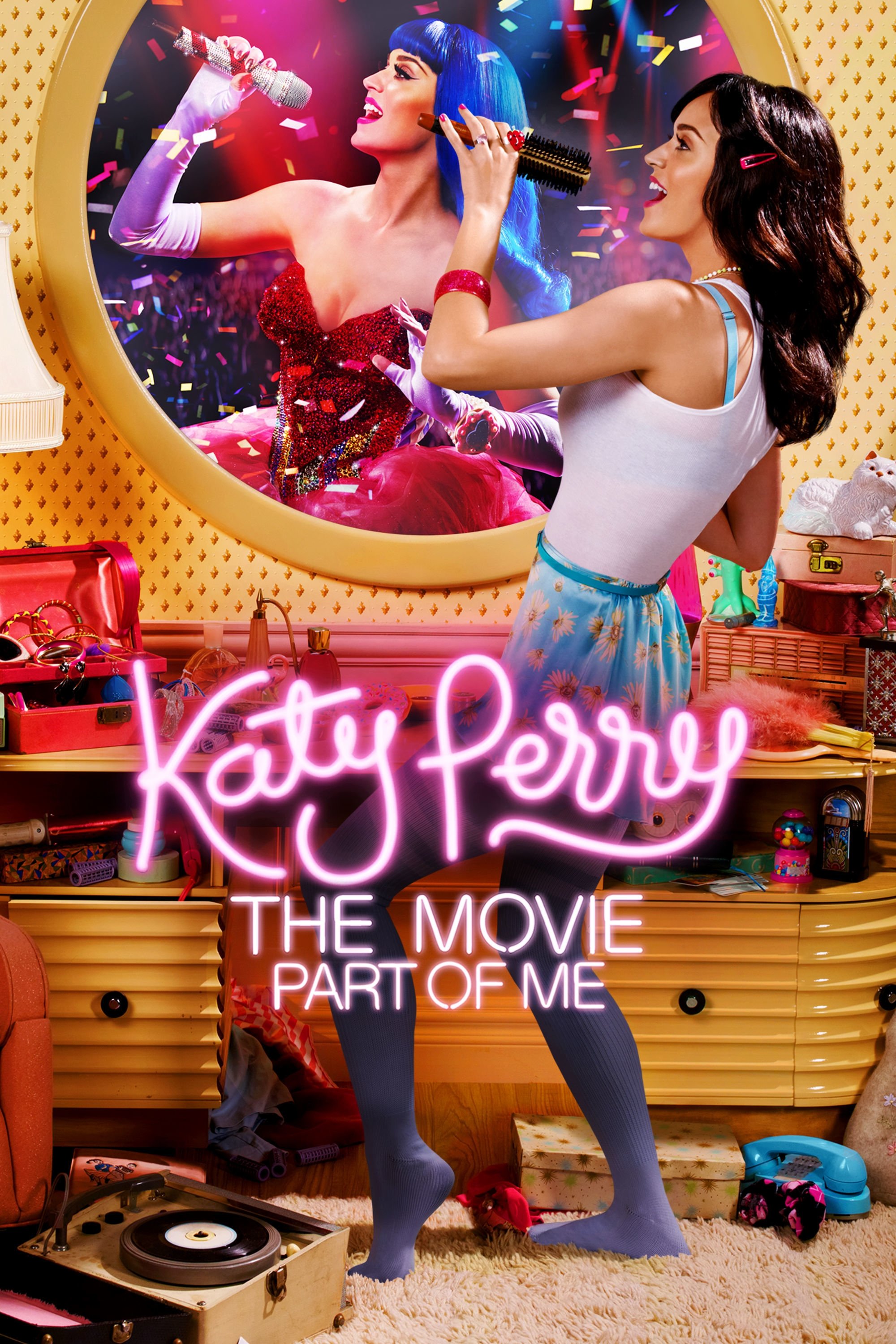
Giving fans unprecedented access to the real life of the music sensation, Katy Perry: Part of Me exposes the hard work, dedication and phenomenal talent of a girl who remained true to herself and her vision in order to achieve her dreams. Featuring rare behind-the-scenes interviews, personal moments between Katy and her friends, and all-access footage of rehearsals, choreography, Katy’s signature style and more, Katy Perry: Part of Me reveals the singer’s unwavering belief that if you can be yourself, then you can be anything.
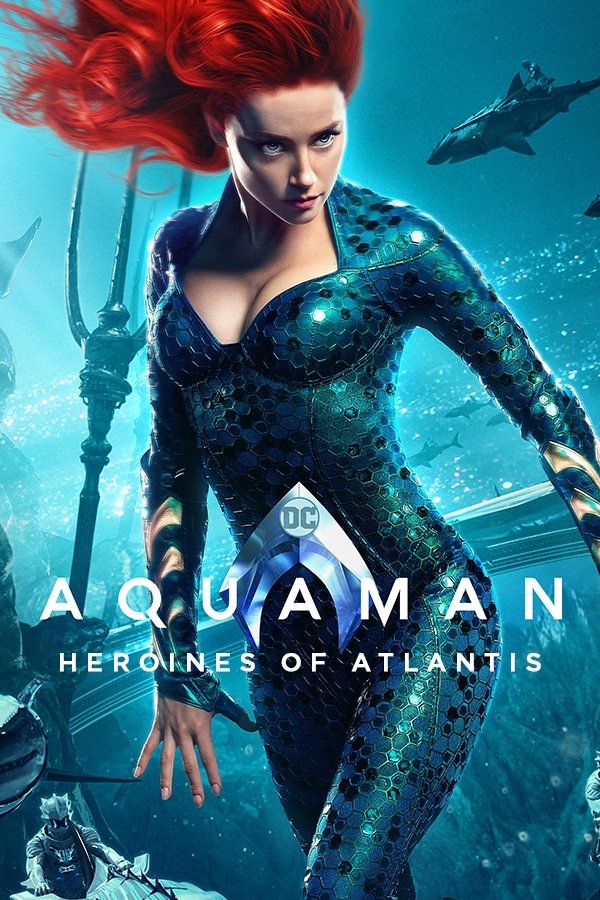
Amber Heard and Nicole Kidman discuss their characters Mera and Atlanna.
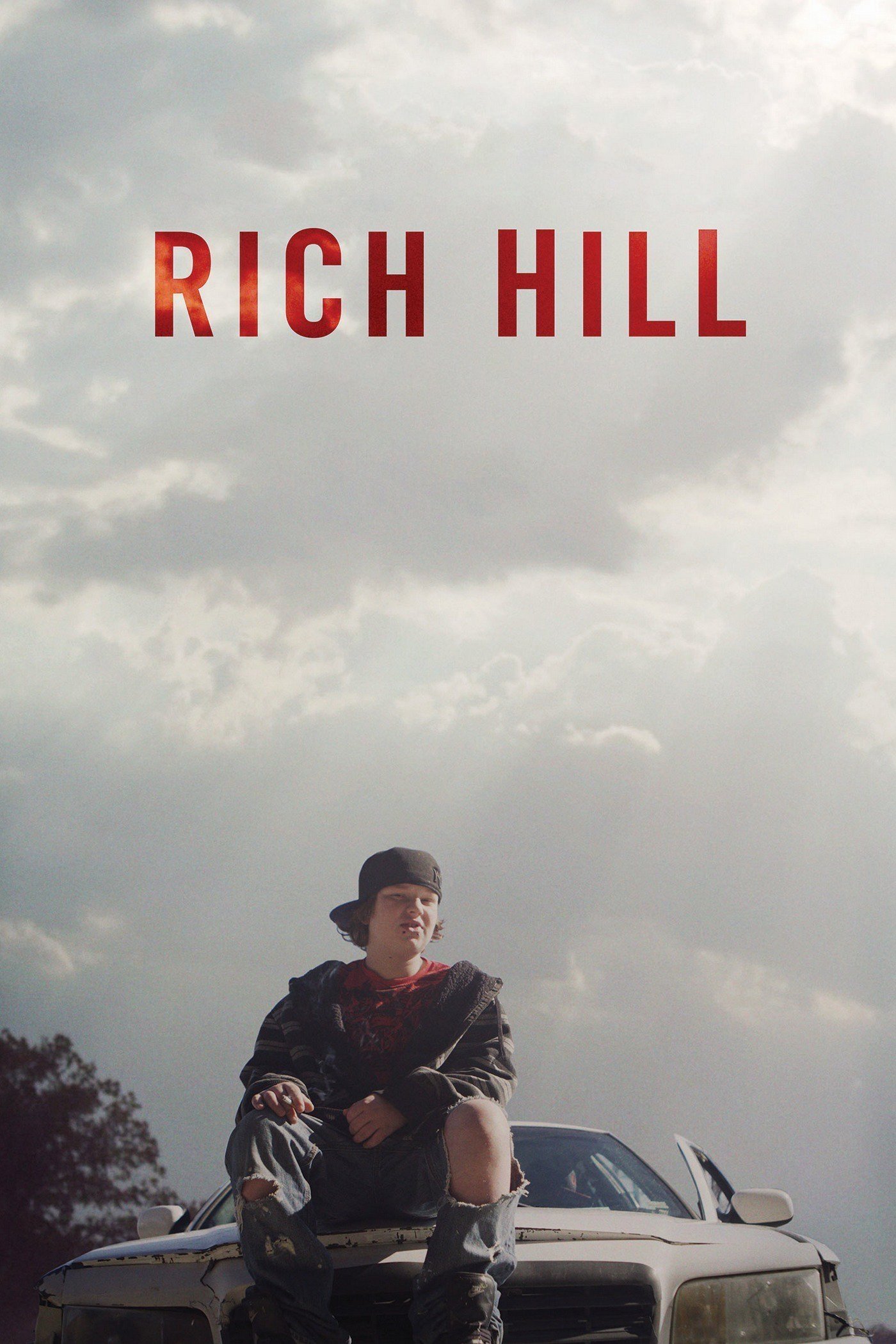
If you ever find yourself traveling down Interstate 49 through Missouri, try not to blink—you may miss Rich Hill, population 1,396. Rich Hill is easy to overlook, but its inhabitants are as woven into the fabric of America as those living in any small town in the country. This movie intimately chronicles the turbulent lives of three boys living in said Midwestern town and the fragile family bonds that sustain them.
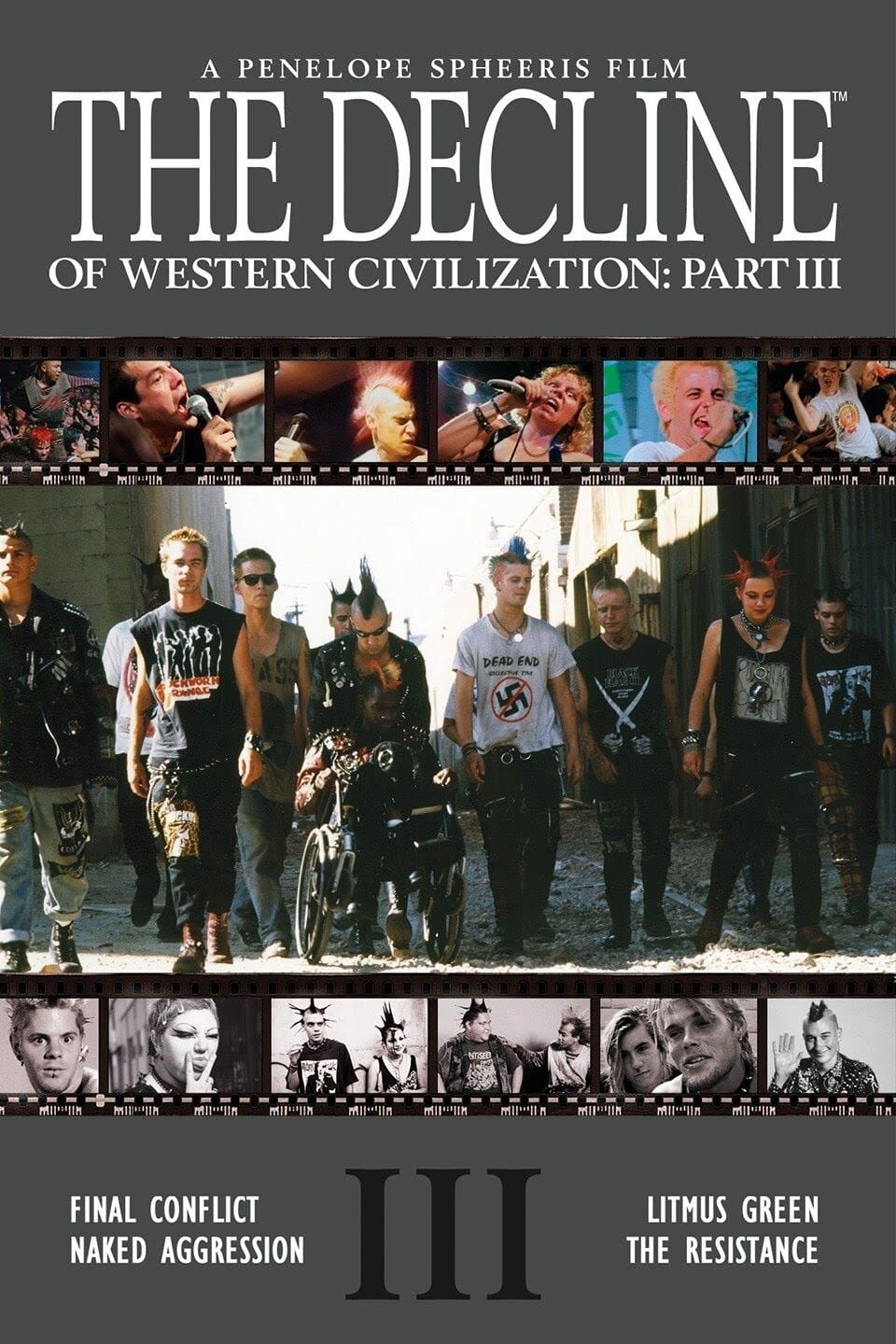
A musical study of Los Angeles in the late 90s, where homeless teens roam the streets and profess to live a punk lifestyle of music, drugs, and flouting authority.
This special explores the return of Obi-Wan Kenobi and Anakin Skywalker to the screen, as well as Ewan McGregor and Hayden Christensen to their classic roles. Director Deborah Chow leads the cast and crew as they create new heroes and villains that live alongside new incarnations of beloved Star Wars characters, and an epic story that dramatically bridges the saga films.
Documentary about the art of film editing. Clips are shown from many groundbreaking films with innovative editing styles.
In 1977, a book of photographs captured an awakening - women shedding the cultural restrictions of their childhoods and embracing their full humanity. This documentary revisits those photos, those women and those times and takes aim at our culture today that alarmingly shows the need for continued change.
SEDUCED AND ABANDONED combines acting legend Alec Baldwin with director James Toback as they lead us on a troublesome and often hilarious journey of raising financing for their next feature film. Moving from director to financier to star actor, the two players provide us with a unique look behind the curtain at the world's biggest and most glamourous film festival, shining a light on the bitter-sweet relationship filmmakers have with Cannes and the film business. Featuring insights from directors Martin Scorsese, 'Bernando Bertolucci' and Roman Polanski; actors Ryan Gosling and Jessica Chastain and a host of film distribution luminaries.
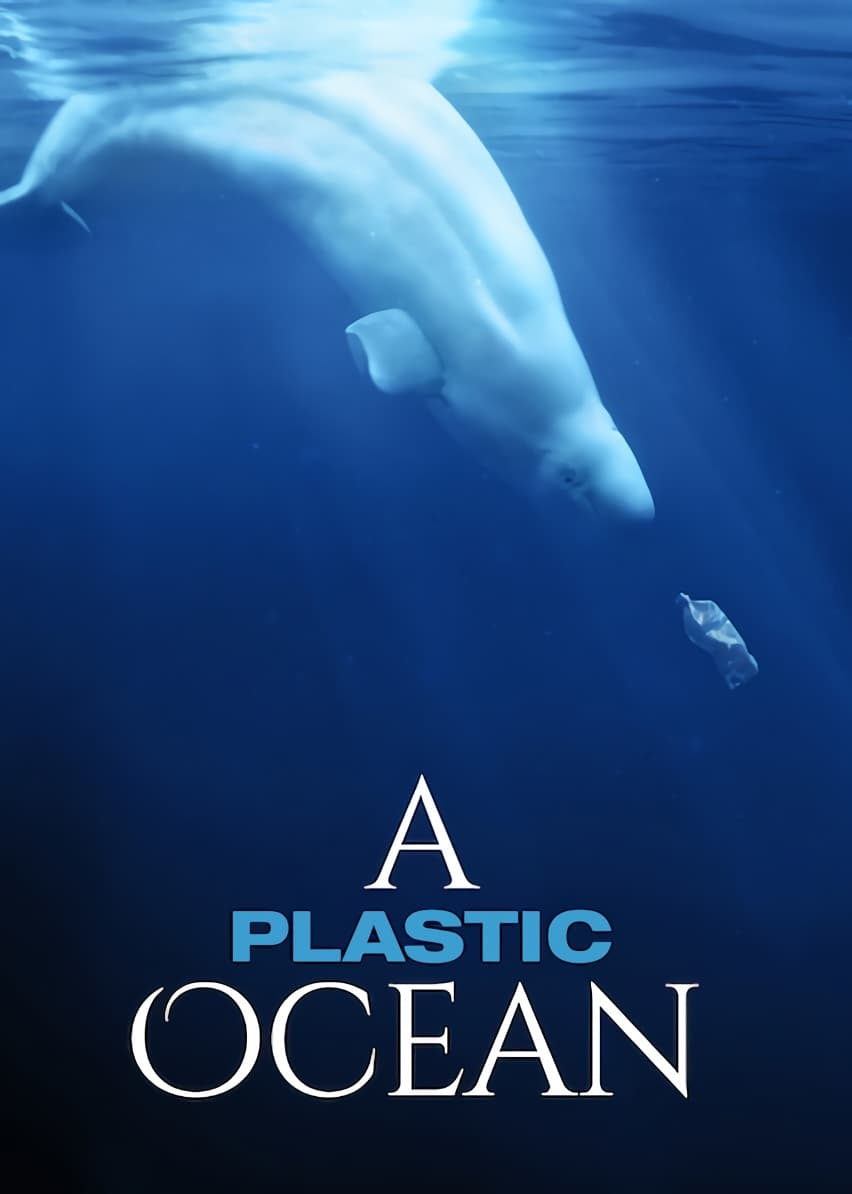
A documentary focused on plastic pollution in the world's oceans.
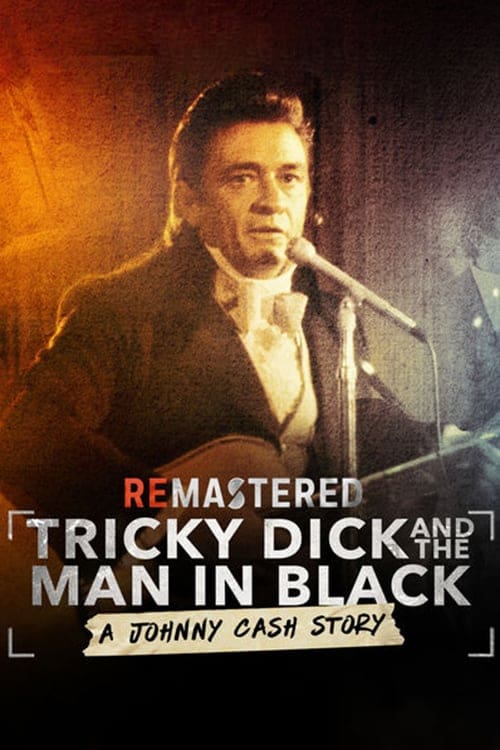
This documentary chronicles Johnny Cash's 1970 visit to the White House, where Cash's emerging liberal ideals clashed with Richard Nixon's policies.