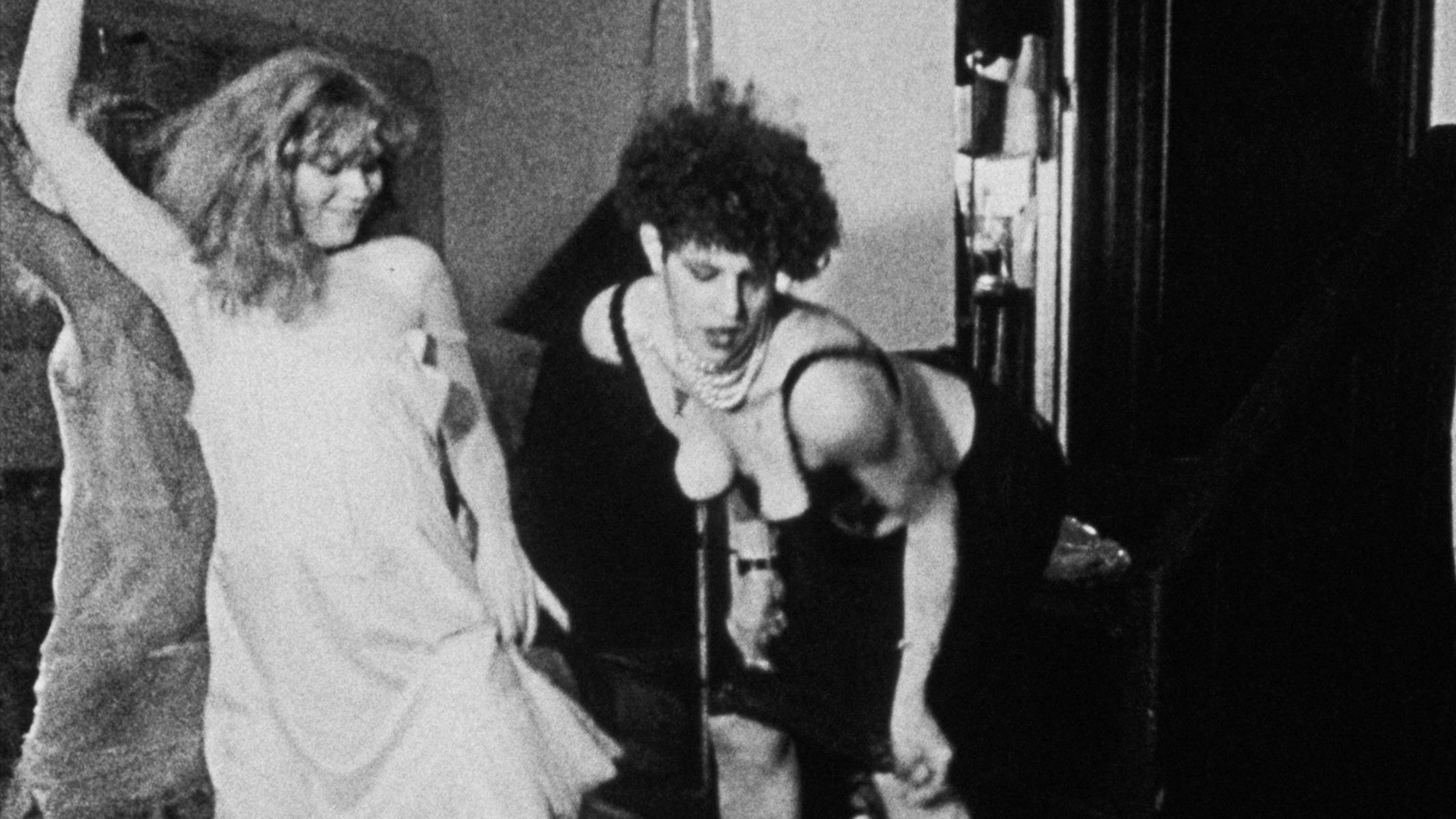
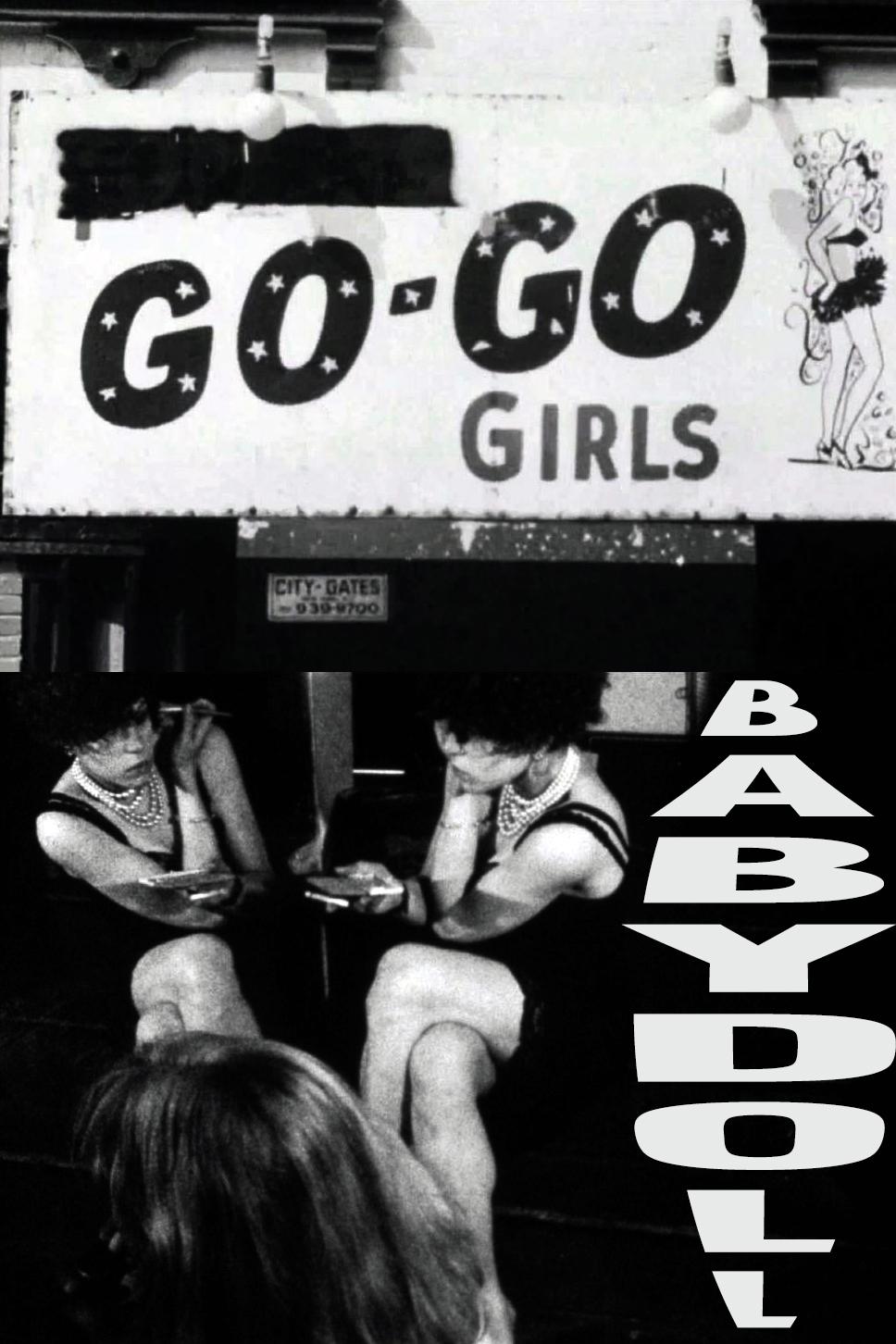
Tessa Hughes-Freeland’s “Baby Doll” is a tiny slice of cinéma vérité from 1982 about the girls working the now defunct Baby Doll Lounge on Church and White St. in downtown Manhattan. It captures a moment before NYC got sanitized.
Social & External
A poetic journey through the paths and places of old Castile that were traveled and visited by the melancholic knight Don Quixote of La Mancha and his judicious squire Sancho Panza, the immortal characters of Miguel de Cervantes, which offers a candid depiction of rural life in Spain in the early 1930s and illustrates the first sentence of the first article of the Spanish Constitution of 1931, which proclaims that Spain is a democratic republic of workers of all kind.
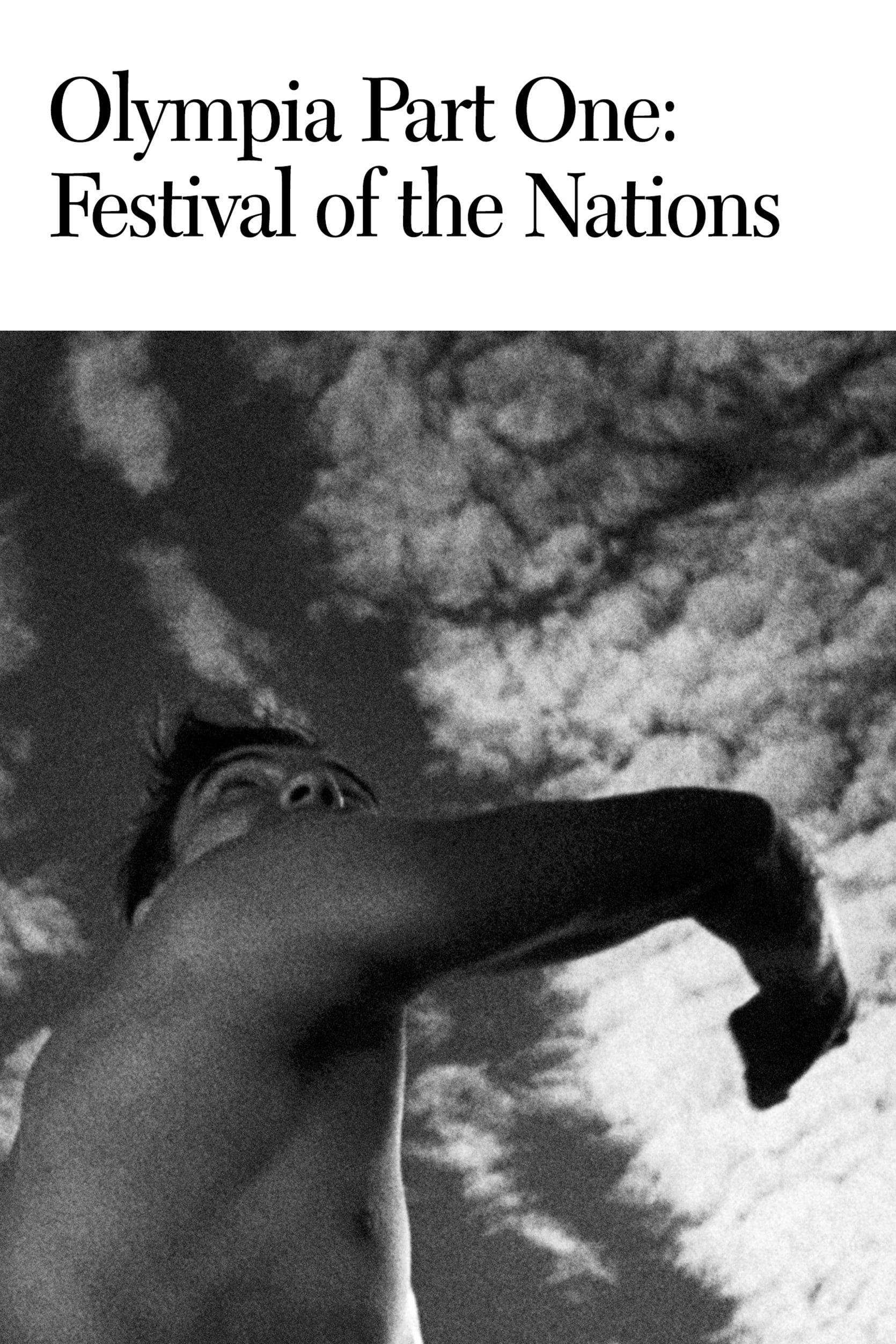
Starting with a long and lyrical overture, evoking the origins of the Olympic Games in ancient Greece, Riefenstahl covers twenty-one athletic events in the first half of this two-part love letter to the human body and spirit, culminating with the marathon, where Jesse Owens became the first track and field athlete to win four gold medals in a single Olympics.
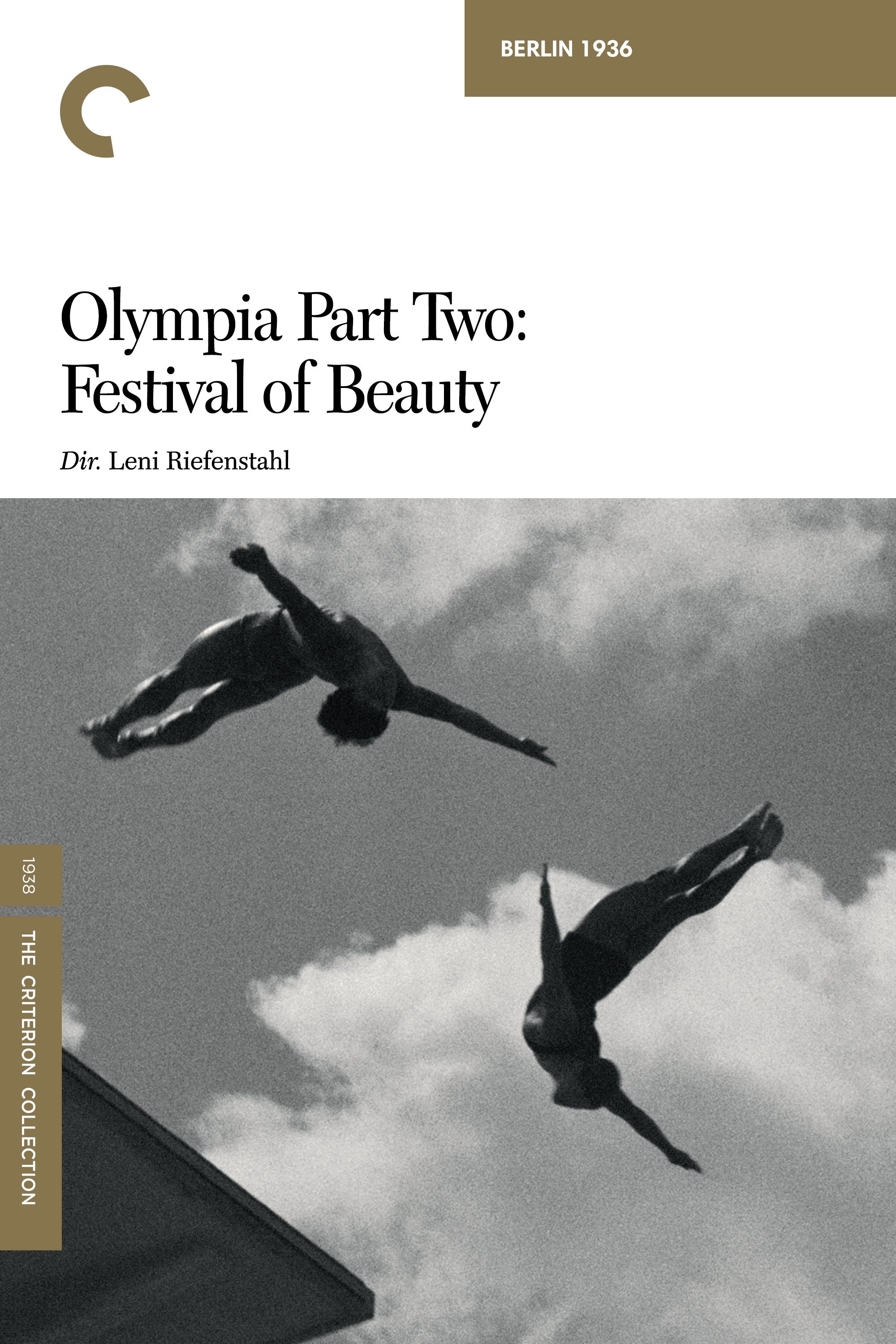
Part two of Leni Riefenstahl's monumental examination of the 1938 Olympic Games, the cameras leave the main stadium and venture into the many halls and fields deployed for such sports as fencing, polo, cycling, and the modern pentathlon, which was won by American Glenn Morris.
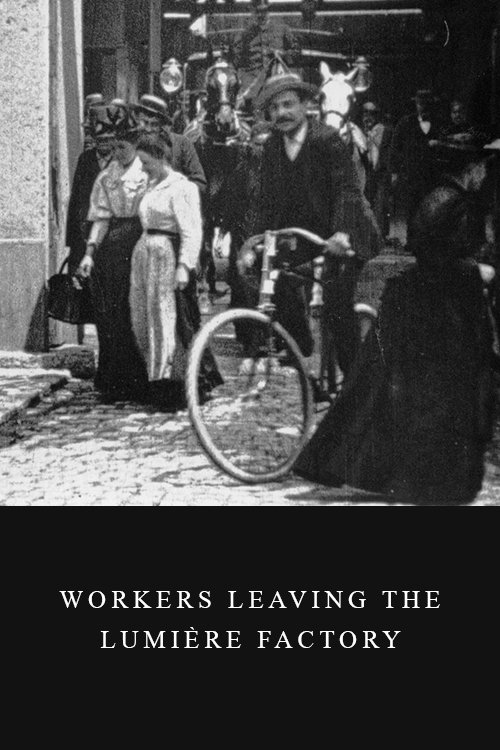
Working men and women leave through the main gate of the Lumière factory in Lyon, France. Filmed on 22 March 1895, it is often referred to as the first real motion picture ever made, although Louis Le Prince's 1888 Roundhay Garden Scene pre-dated it by seven years. Three separate versions of this film exist, which differ from one another in numerous ways. The first version features a carriage drawn by one horse, while in the second version the carriage is drawn by two horses, and there is no carriage at all in the third version. The clothing style is also different between the three versions, demonstrating the different seasons in which each was filmed. This film was made in the 35 mm format with an aspect ratio of 1.33:1, and at a speed of 16 frames per second. At that rate, the 17 meters of film length provided a duration of 46 seconds, holding a total of 800 frames.
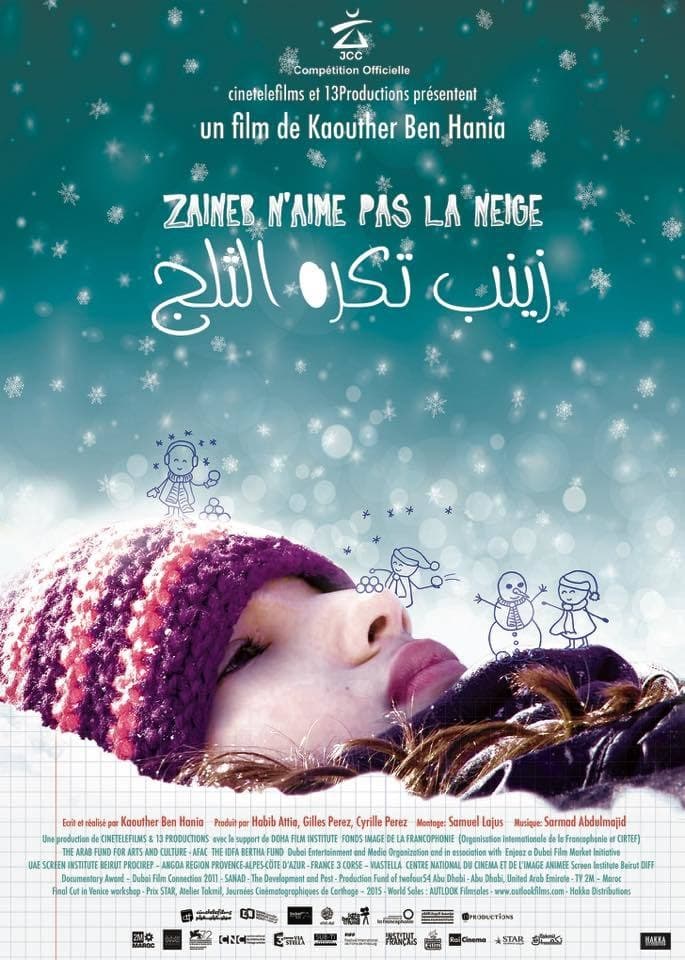
When her mother remarries and her newly blended family moves to Canada, a 9-year-old Tunisia girl's life takes a profound turn as she struggles to find her place and maintain her Muslim identity in a new land.
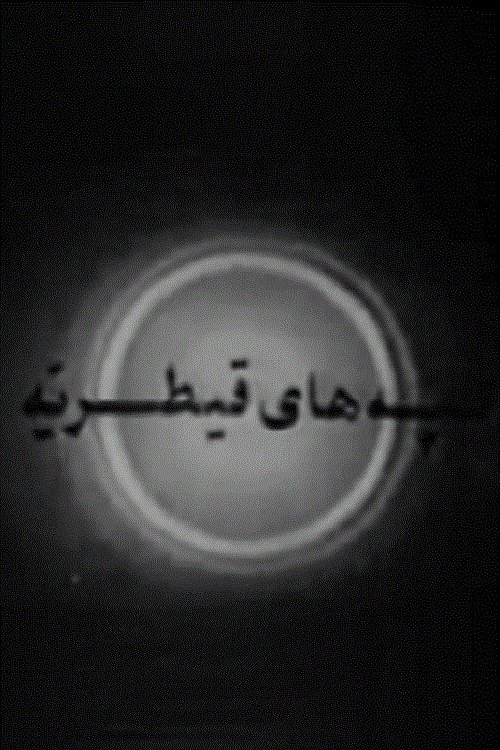
A strange and mischievous documentary on an archeological site in the Qaytarieh hills in Tehran. This short narrates the story of the dead people who wished never to be found.
An exploration —manipulated and staged— of life in Las Hurdes, in the province of Cáceres, in Extremadura, Spain, as it was in 1932. Insalubrity, misery and lack of opportunities provoke the emigration of young people and the solitude of those who remain in the desolation of one of the poorest and least developed Spanish regions at that time.
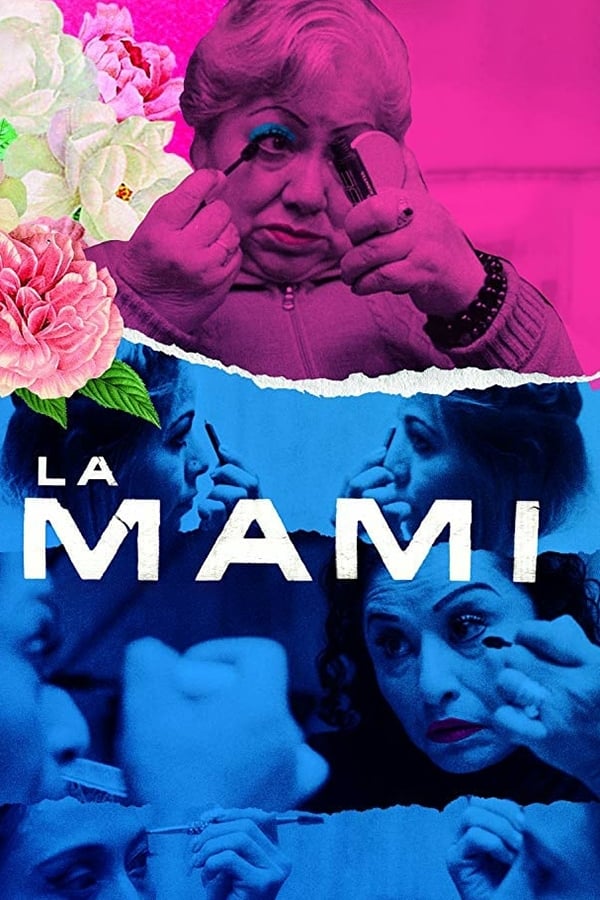
One of the rooms inside the legendary Barba Azul Cabaret has become a shelter for the girls working there: the women's bathroom. Every night La Mami, who's in charge of the bathrooms, offers them the warmth and the advice they need to take on the challenge they face in the dance hall.
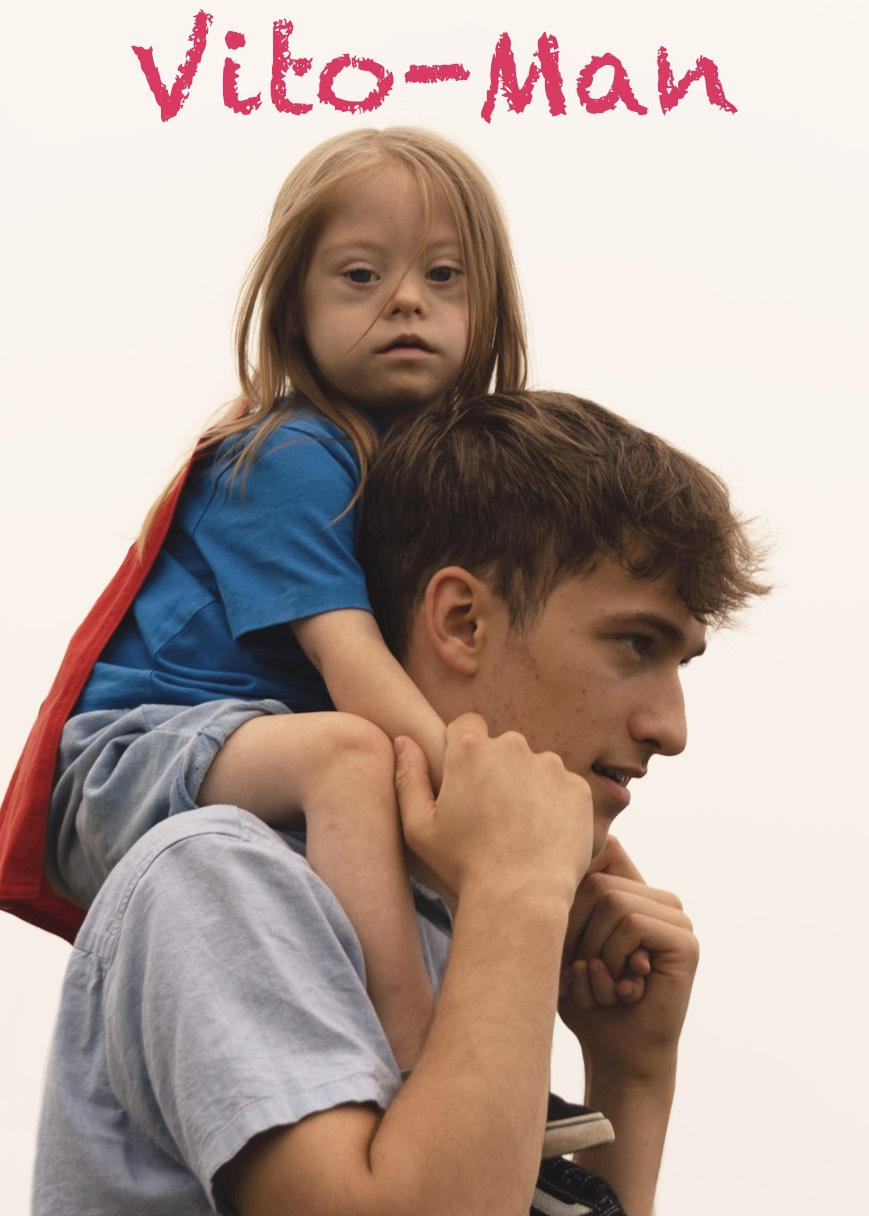
Vito is a sweet little boy with Down syndrome, and this short documentary puts his energetic, jolly personality on full display as he interacts with his loving family. By showing Vito’s dignity and inherent value, Vito-Man tackles the difficult conversation that is the eradication of people with Down syndrome, proving that an extra chromosome should not be a death sentence.
When a Mongolian nomadic family's newest camel colt is rejected by its mother, a musician is needed for a ritual to change her mind.
A daily life in Korogocho, Kenya, one of the world’s poorest slums.
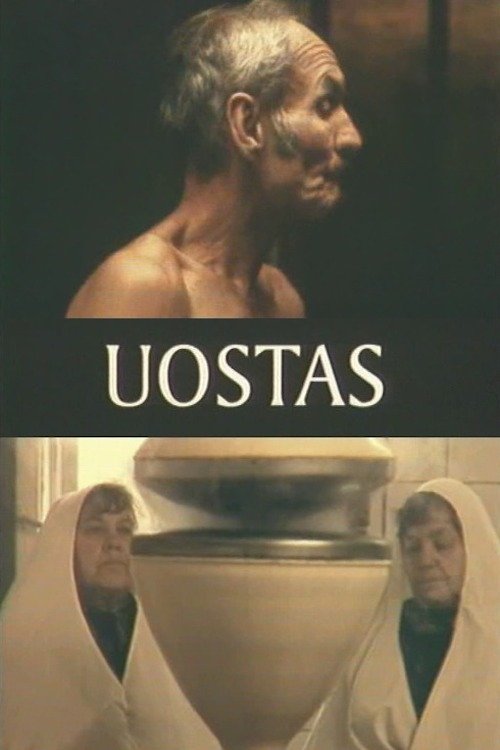
While shooting “Flying over blue field” we lived in Birtonas sanatorium hotel. I was watching treatment procedures. People were plunging into bubble, mud and mineral water baths. They were going circles singing, were standing under cold water spouts. All this seemed like a sacred ritual, that frees from scurf of life. They were naked, like just born, without any signs of standing in society. Movie – silent impression about tired people "harbour".
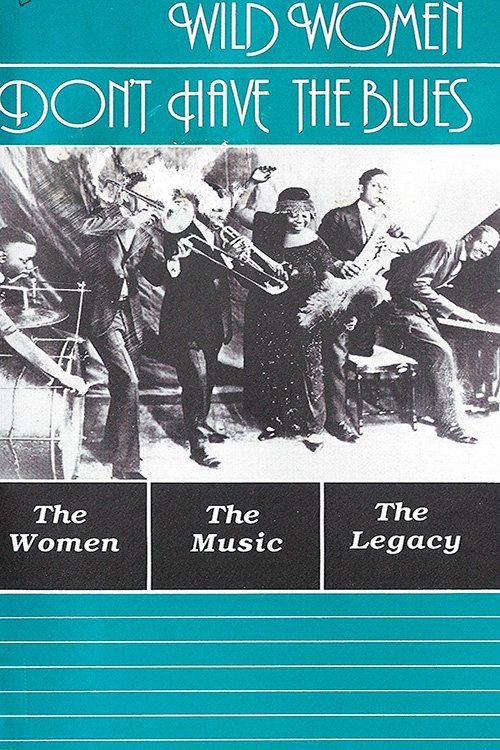
Recaptures the lives and times of Ma Rainey, Bessie Smith, Ida Cox, Alberta Hunter, Ethel Waters, and the other legendary women who made blues music a vital part of American culture. The film brings together for the first time dozens of rare, classic renditions of the early blues.
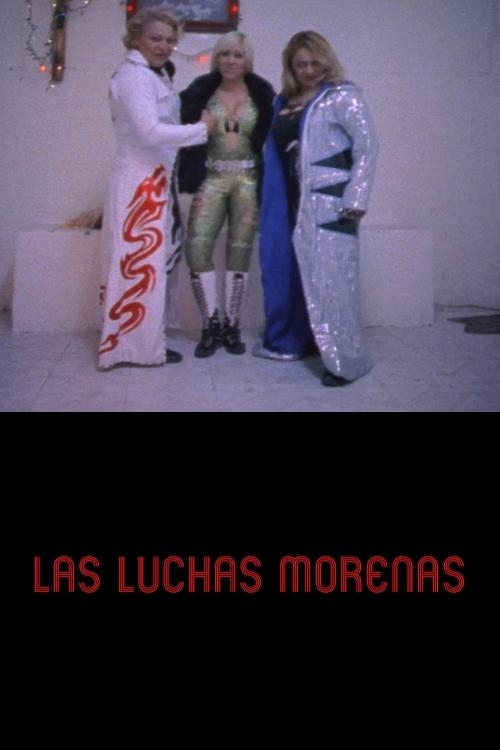
Bim Bam Boom Las Luchas Morenas, is about three Mexican sisters, professional wrestlers, whose lives, lived according to their own ideas, are a struggle but also a lot fun.
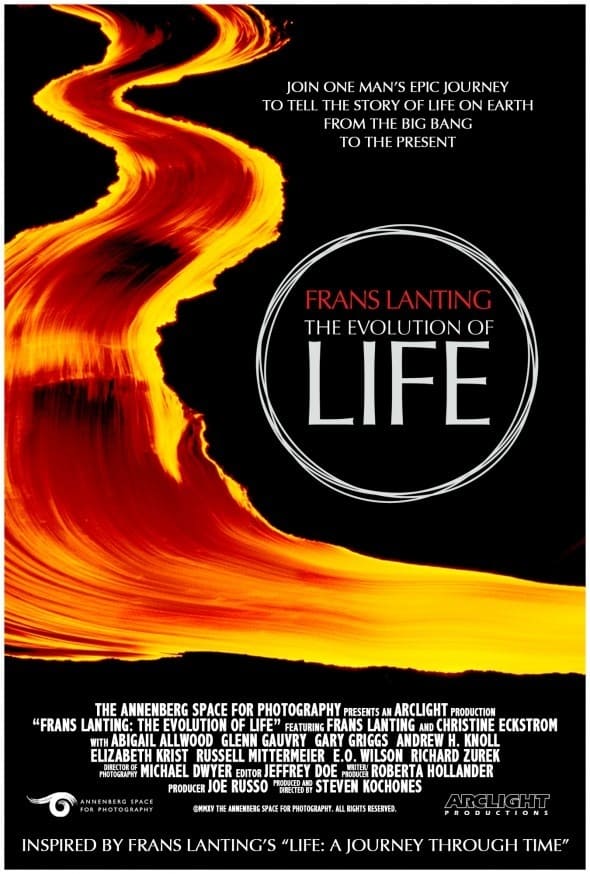
A dazzling journey through time via the remarkable images of National Geographic photographer Frans Lanting and his epic "LIFE" project, which presents a stunning interpretation of life on Earth, from the Big Bang through the present.
The life and career of the hailed Hollywood movie star and underappreciated genius inventor, Hedy Lamarr.
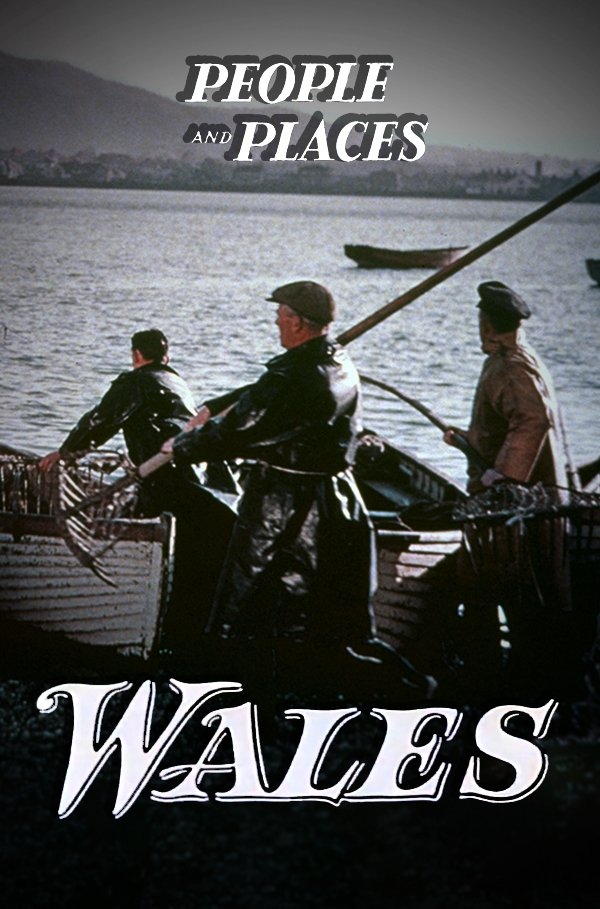
Wales prides herself in her wealth of natural resources, foundries, mills, and factories. Beyond this modern facade lies another treasure—a rich historical background and ancient lore. The great granite fortresses still remain as reminders that from the struggle and strife was born a pure and distinctive national culture.
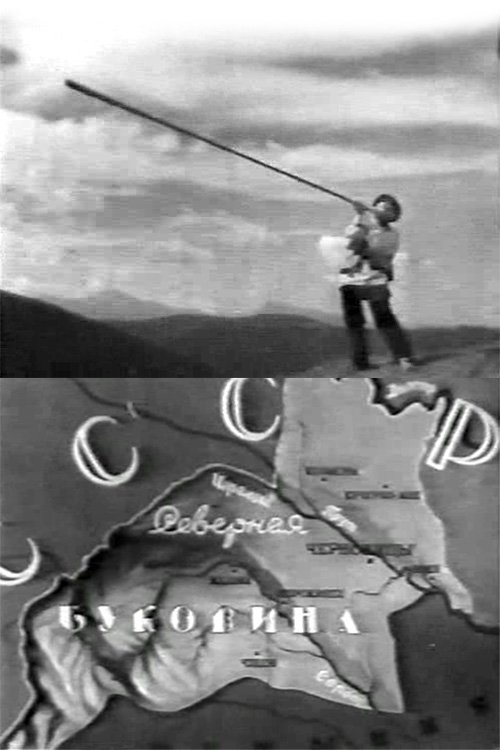
Dovzhenko and Solntseva's documentary about the Bukovina region.
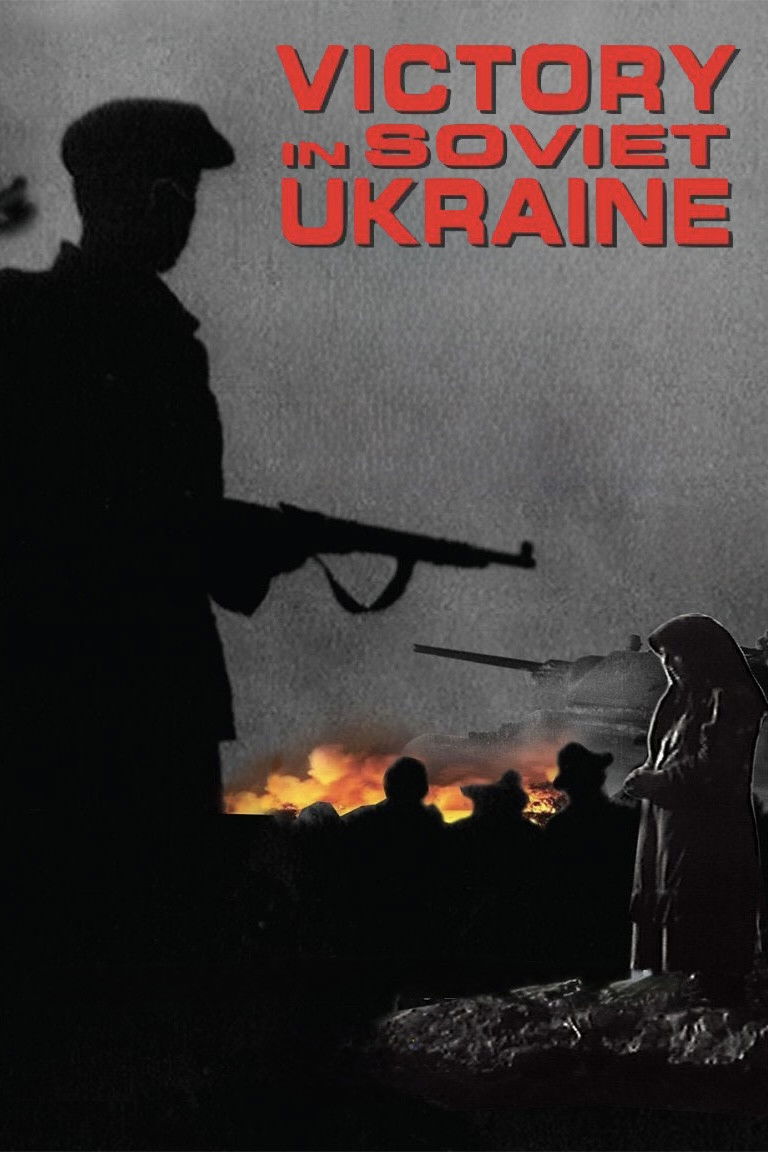
A wartime documentary directed by Alexander Dovzhenko and Yuliya Solntseva, depicting the final campaigns that drove Nazi forces from Ukraine in 1944–45. Combining frontline footage, liberated cityscapes, and scenes of returning civilians, the film chronicles both the devastation of occupation and the triumph of Soviet arms. It stands as both a historical record of the Ukrainian front and a patriotic celebration of victory at the close of the Second World War.