Social & External
The people behind it
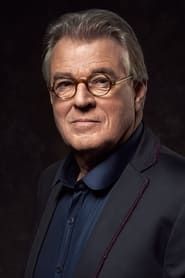
Jeroen Krabbé
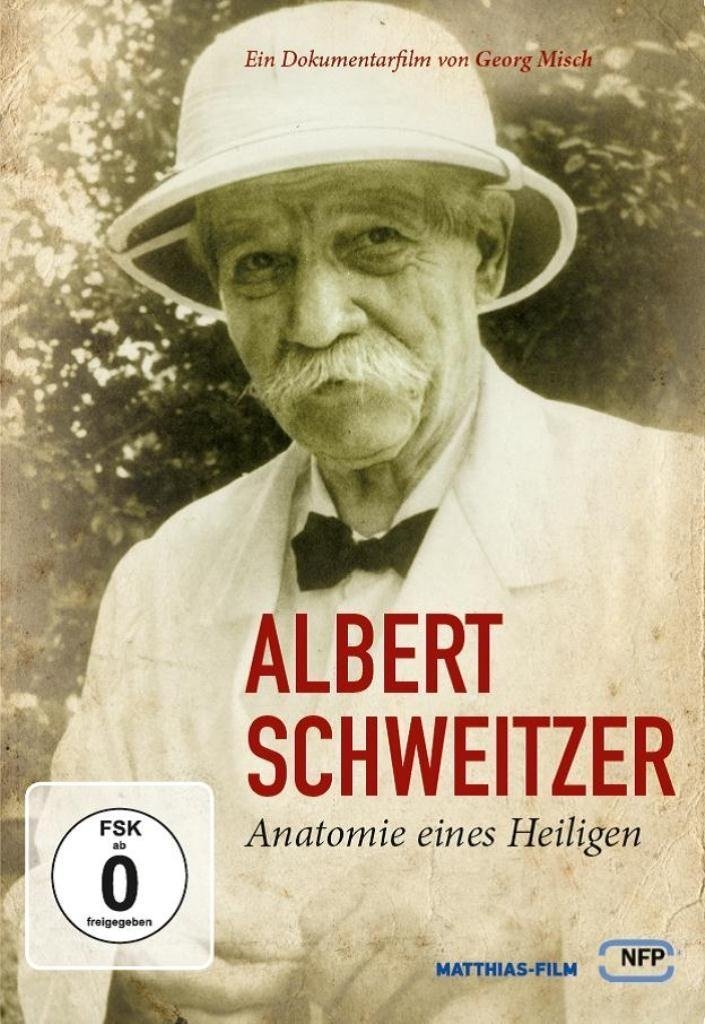
Albert Schweitzer
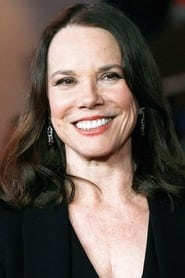
Barbara Hershey
Helene Schweitzer
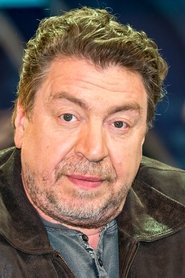
Armin Rohde
Albert Einstein
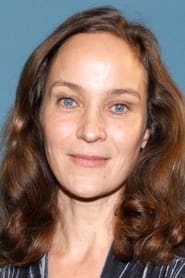
Jeanette Hain
Rhena
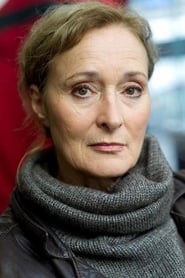
Eleonore Weisgerber
Oberschwester Anna
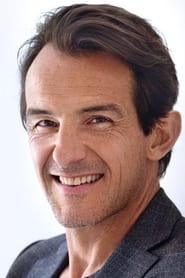
Hans-Werner Meyer
Dr. Erik Hals
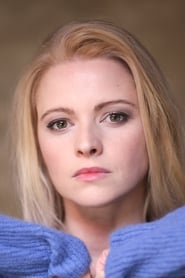
Jennifer Ulrich
Susi Sandler
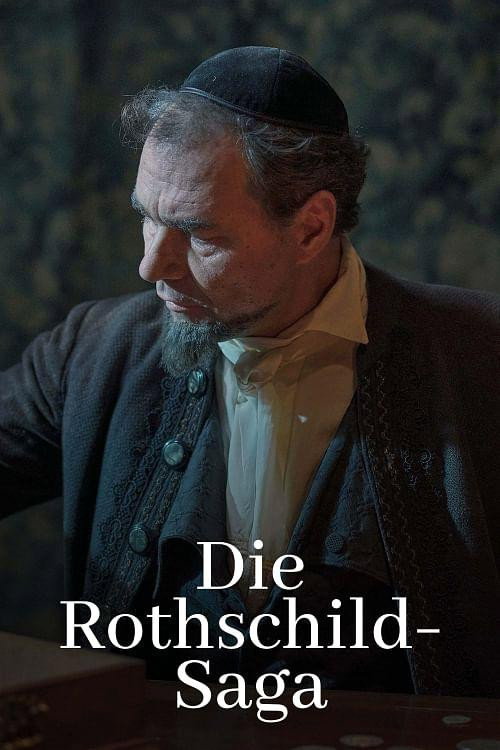
This rich and nuanced portrait of the remarkable, elusive Rothschild family uncovers the story behind the family's phenomenal economic success. The film tells the dynasty’s incredible saga, from the confines of the Frankfurt ghetto to the halls of royal palaces, all the while emphasizing the importance they placed on family unity and the profound role Judaism played in their lives, later using their influence to assist oppressed Jews throughout Europe. A definitive work of documentary cinema with a thoroughly engaging narrative, The Rothschild Saga brings their mysterious and fascinating history to life.
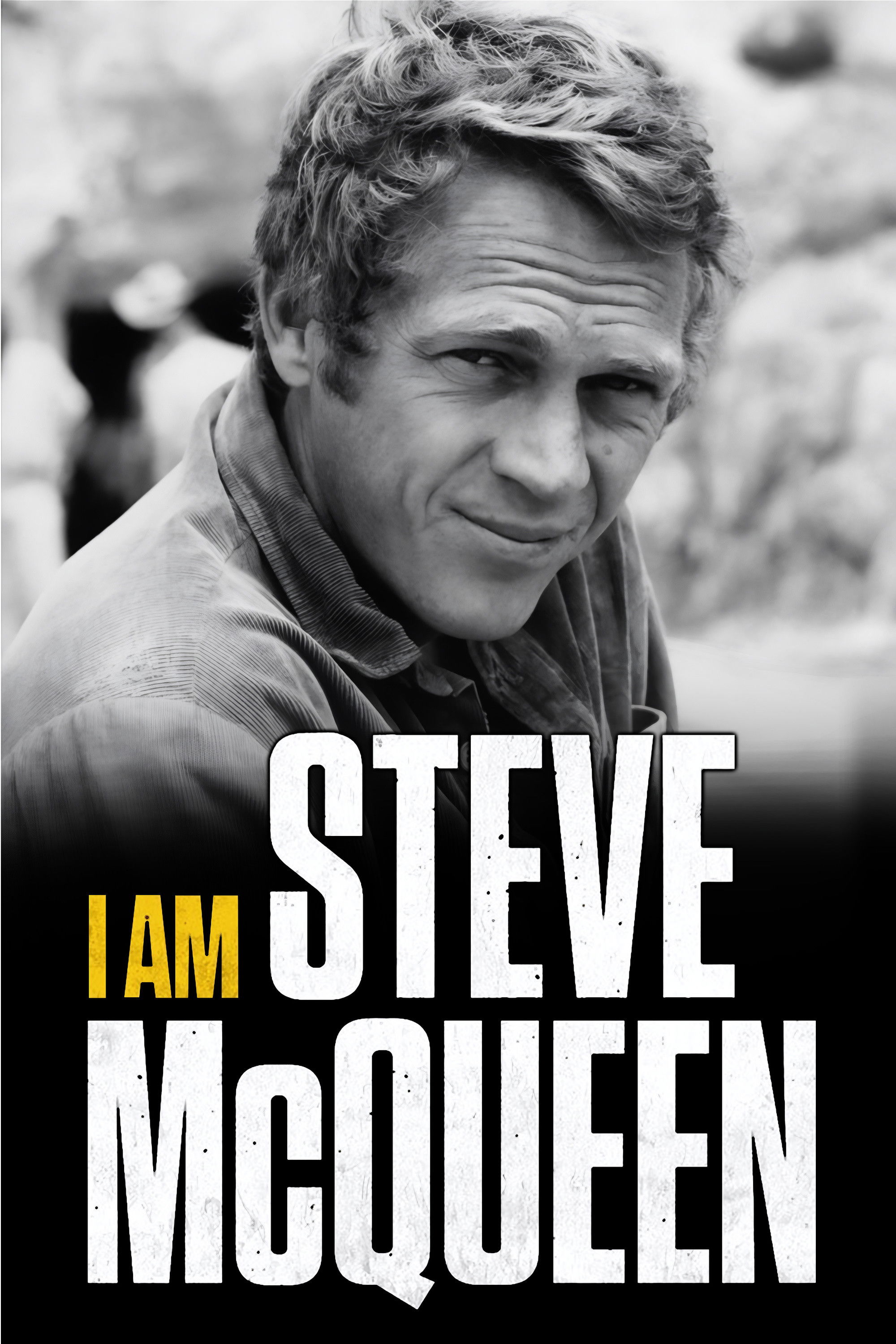
A walk through the incredible personal and artistic history of legendary actor, race car driver and cultural icon Steve McQueen (1930-80).
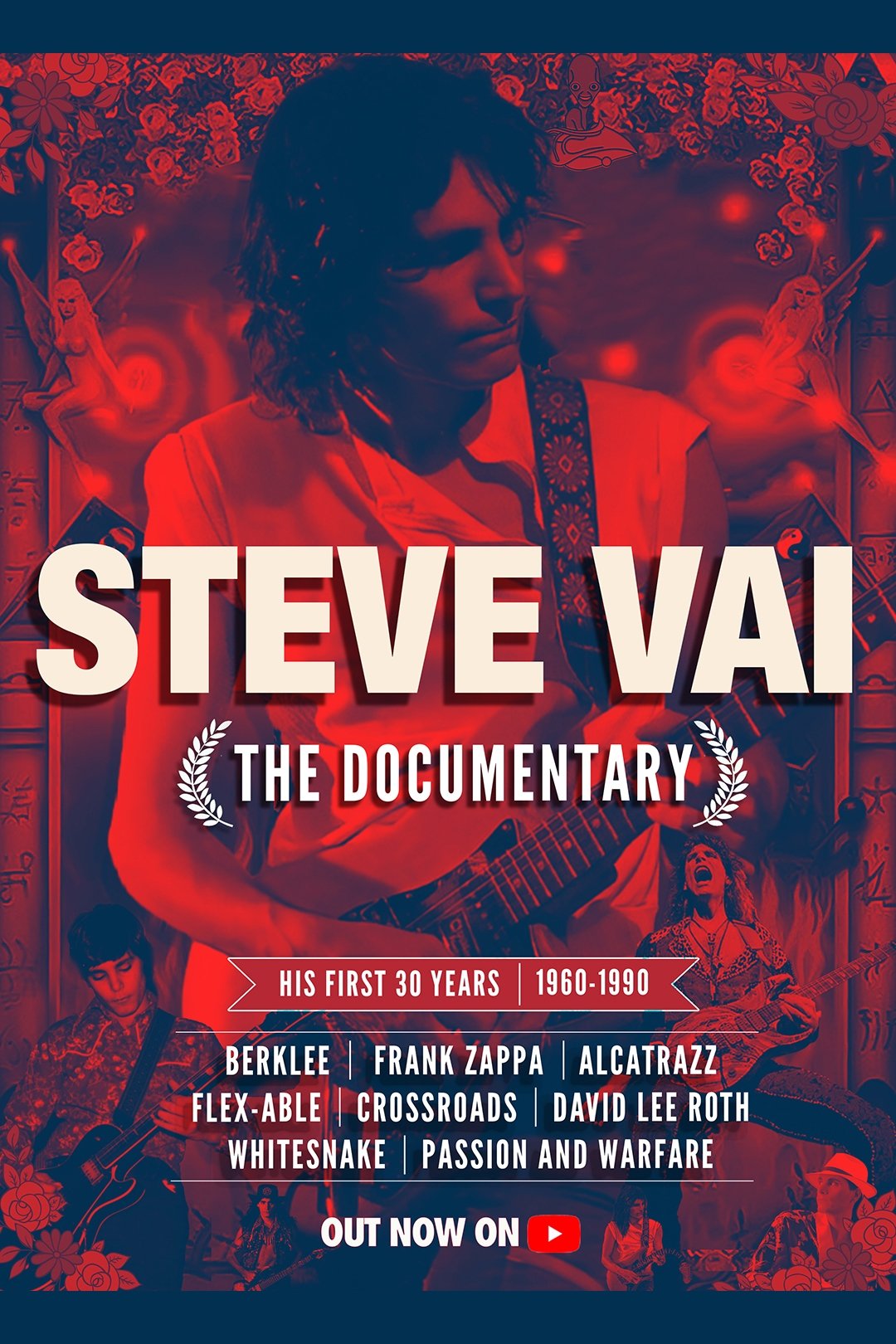
This is the first documentary covering Steve Vai's life from 1960 to 1990. (Co-written by Steve Vai.) Cover Vai's life growing up all the way until 1990's Passion and Warfare album.
A fascinating journey through the life of Israeli artist Dani Karavan, an irreverent and charismatic creator, recognized worldwide for radically transforming public space with his monumental environmental installations.
In Their Own Time is a narrative journey of three women - Srija, Tuhnu, and Jhumur, as they reflect on love, loss, childhood, friendship, and belonging over three years; we never see their faces, as the evolution of their experiences is manifested by an inherently dynamic and increasingly personal kaleidoscope of the city and suburbs of Kolkata.
A look at longtime New York Yankees manager and National Baseball Hall of Fame inductee Joe Torre's contributions to the national pastime as a player, manager, and beyond — work that culminated in him being named a nine-time All-Star, a National League Most Valuable Player Award winner, and a four-time World Series champion with the Yankees.
A chronicle of Bob Dylan's strange evolution between 1961 and 1966 from folk singer to protest singer to "voice of a generation" to rock star.
Directed by Peter Casaer and narrated by Daniel Day-Lewis, this documentary provides a harrowing look at the challenges of delivering humanitarian aid in armed conflicts. “Access to the Danger Zone” explores the strategies that Doctors Without Borders has employed to save lives in the world’s worst war zones, including Afghanistan, Somalia, and eastern Democratic Republic of Congo—strategies that are tested each and every day. Interviews with key experts from Doctors Without Borders, the International Committee of the Red Cross, and the United Nations are accompanied by dramatic footage shot in these countries in 2011 and 2012.
The last western heretic is a timely and enthralling insight into the ideas and philosophies of the New Zealander described by the BBC as “the last living heretic”. New Zealand’s very own Lloyd Geering, now 89 and still deeply involved in the debate of ideas about life and religion, and latterly, the very survival of human beings and the planet to which we belong. The documentary explores his world view in a series of controversial and richly illustrated statements, and in doing so, makes simple and comprehensible the powerful theological and cultural ideas underpinning western civilisation.
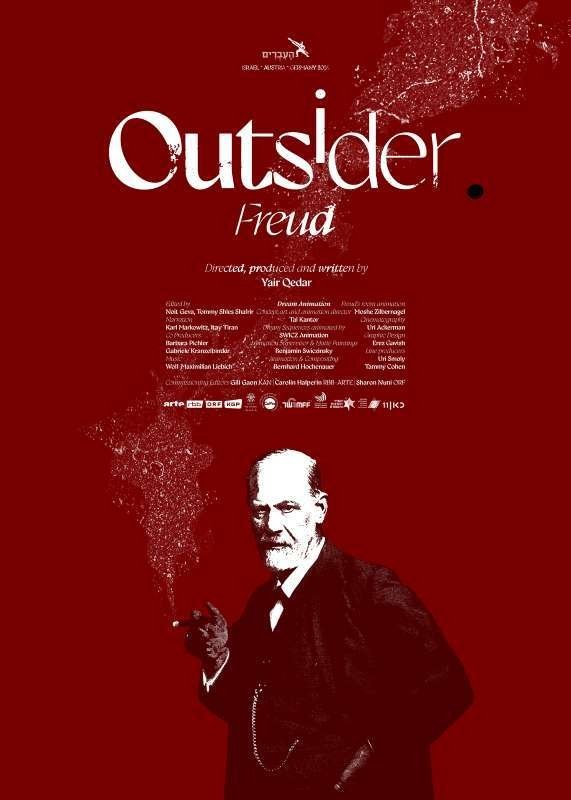
OUTSIDER. FREUD is a new creative documentary film, that takes us on a journey into the life and work of Freud in four acts - a combination of animations, dreams, leading psychoanalysts in the world, in a thought-provoking journey about Judaism, biography, psychoanalysis, and the role of marginalization as a strategy of power in shaping one of the most influential figures in modern times, with Itay Tiran as Freud.
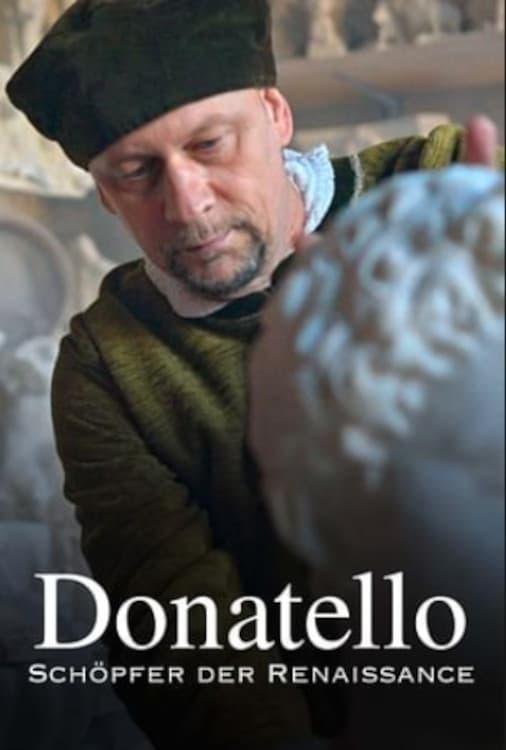
Portrait of the Italian sculptor Donatello (1386-1466), a precursor of the High Renaissance who considerably influenced sculptural art with his innovative way of conceiving space. Donatello is already a legend in his own lifetime. The sculptor is the forefather of the High Renaissance and pioneer for artists such as Raphael or Michelangelo. His bronze sculpture of the "David" or the "Pazzi Madonna" in marble are icons of art history and testify to his sculptural power of renewal.
By decoding ancient hieroglyphic texts, Jean-François Champollion gave voice to an enigmatic civilization, but behind his legendary feat is a mysterious brother who made it possible. The recent discovery of correspondence between Jean-François Champollion and his brother Jacques-Joseph now allows us to fully understand how a young, self-taught genius was able to make one of the most important discoveries of the 19th century. Without the ingenuity and unfailing support of his older brother, Jean-François would never have succeeded in solving this enigma, which had international repercussions. With animated sequences of their private correspondence, and with the help of archives and expert analysis, this film revisits this unique scientific, human and intellectual adventure to celebrate the bicentenary of the decoding of hieroglyphics.
The life and career of the hailed Hollywood movie star and underappreciated genius inventor, Hedy Lamarr.
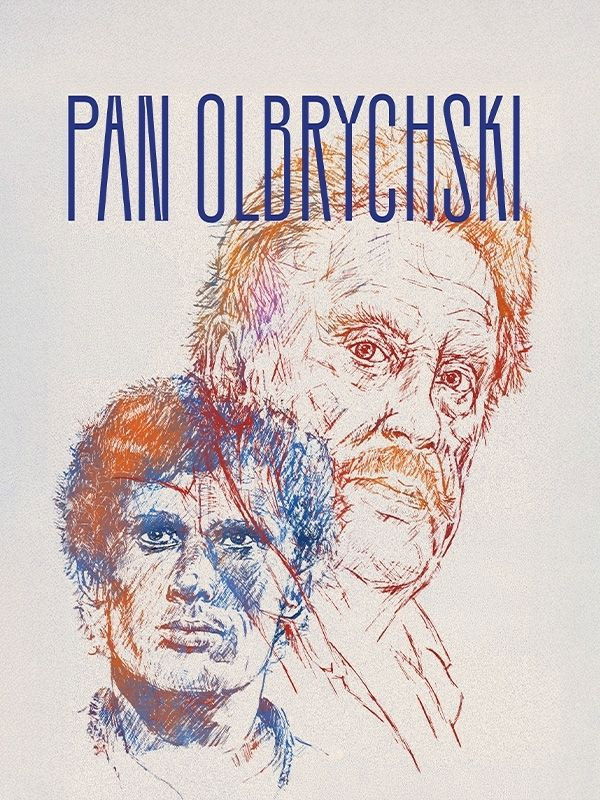
Biographical documentary film presenting the silhouette and artistic path of the outstanding actor Daniel Olbrychski. The narrative of the main character is confronted with his colleagues and friends, in contemporary interviews, including: with Krystyna Janda, Jerzy Hoffman, Krzysztof Zanussi, Volker Schlondorff and Adam Michnik. The archival materials will include statements and excerpts from the realization of scenes from Andrzej Wajda's films. The film roles of the main character are intertwined with his private life.
Festival panafricain d'Alger is a documentary by William Klein of the music and dance festival held 40 years ago in the streets and in venues all across Algiers. Klein follows the preparations, the rehearsals, the concerts… He blends images of interviews made to writers and advocates of the freedom movements with stock images, thus allowing him to touch on such matters as colonialism, neocolonialism, colonial exploitation, the struggles and battles of the revolutionary movements for Independence.
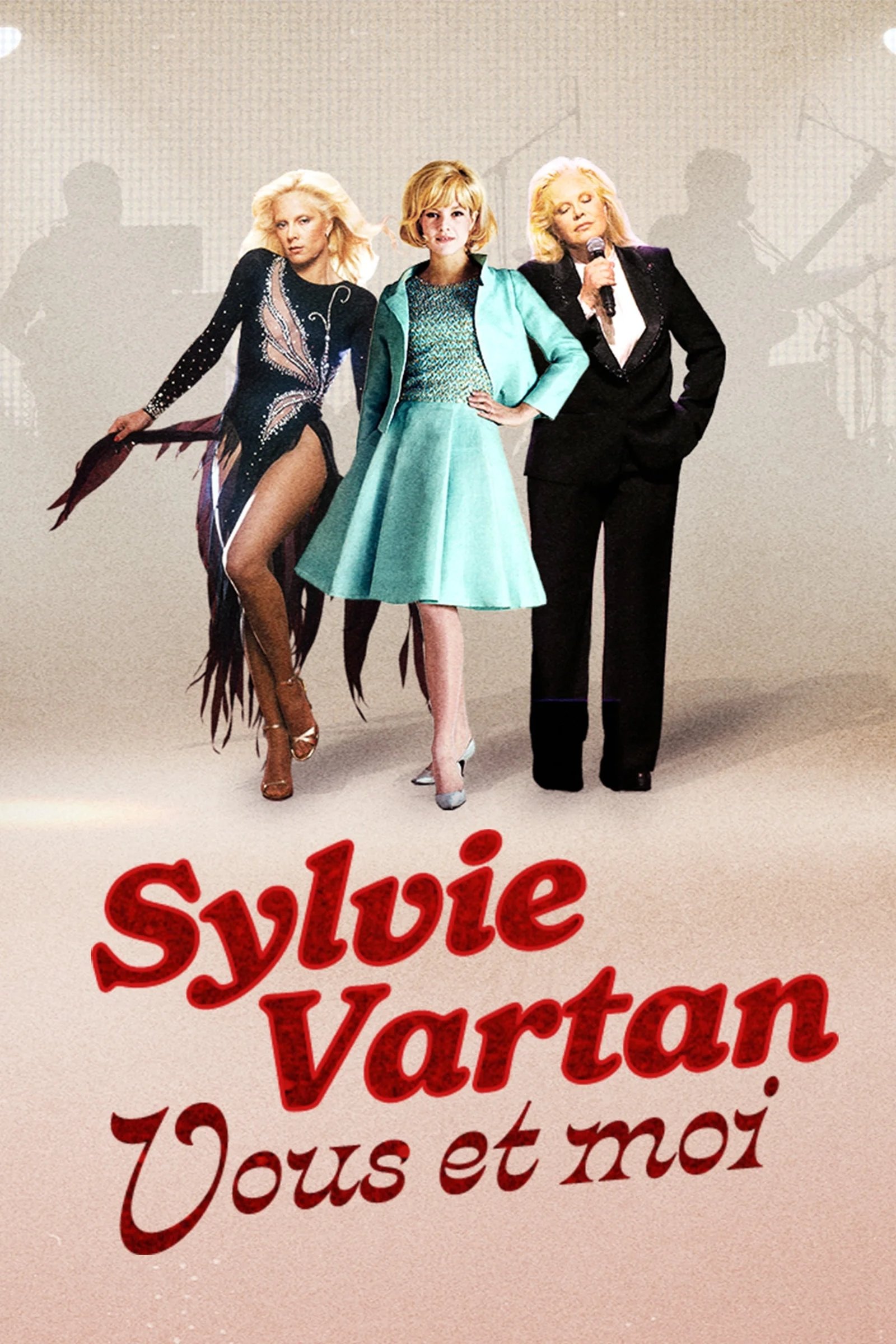
Sylvie Vartan has had an extraordinary life: a Bulgarian child forced into exile, who became the icon of a youth in the midst of revolution in France. After a career spanning 64 years, with nearly 50 albums recorded and 40 million records sold, she has decided to bow out. During her farewell tour, the singer chose to open up to Augustin Trapenard.
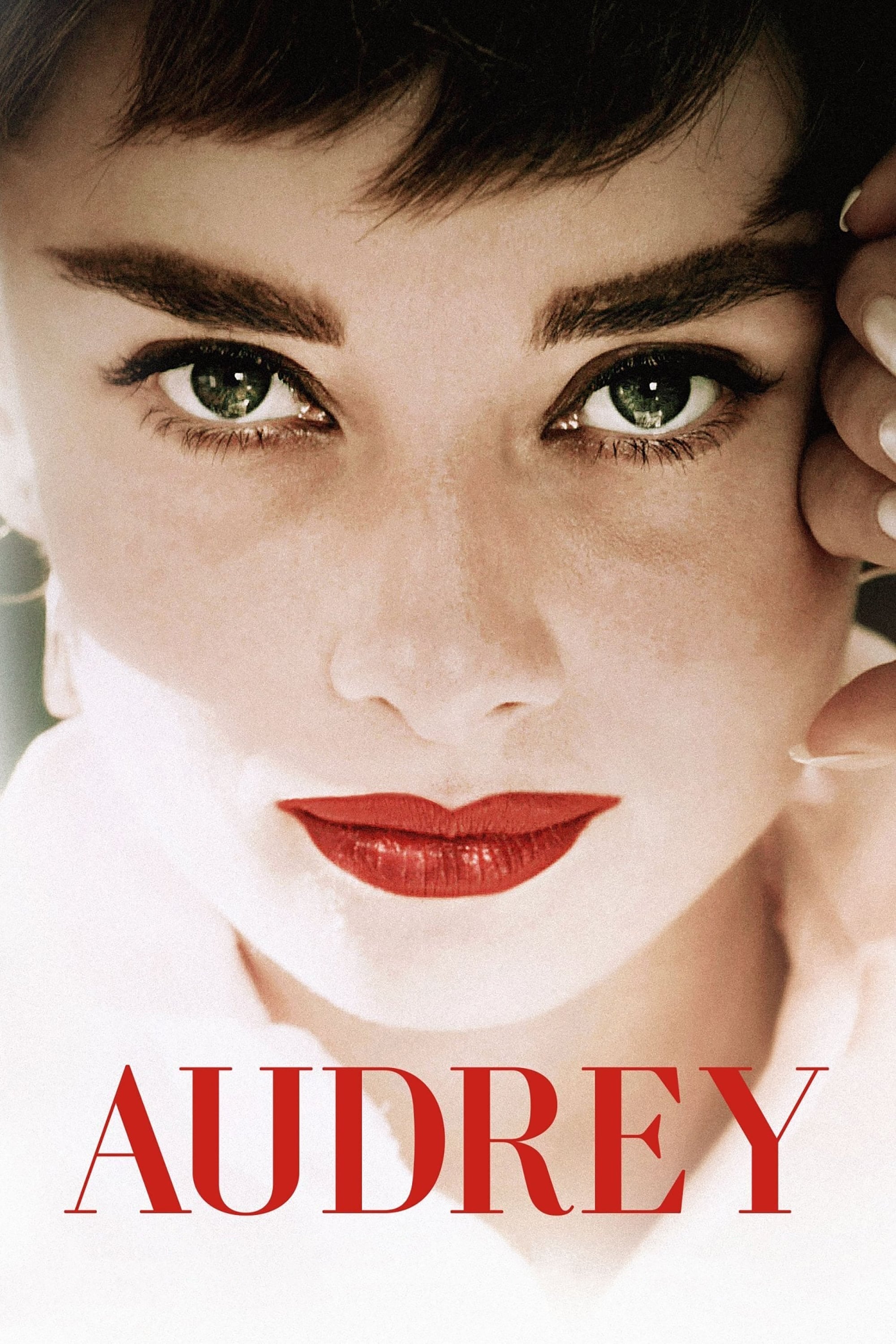
An unprecedented and intimate look at the life, work and enduring legacy of British actress Audrey Hepburn (1929-1993).
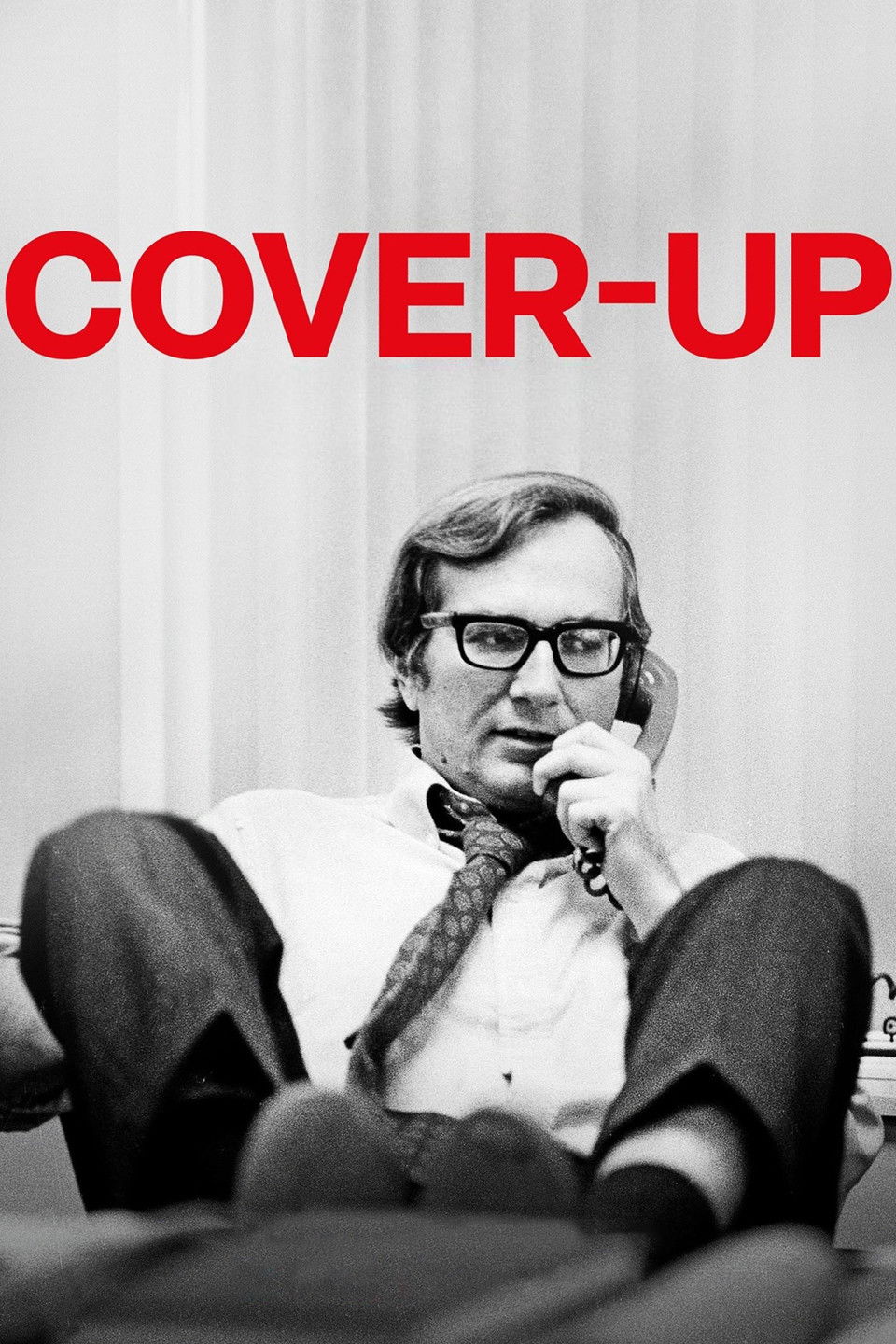
He's devoted his career to uncovering stories the powerful want buried. From My Lai to Abu Ghraib, dig into the life's work of journalist Seymour Hersh.
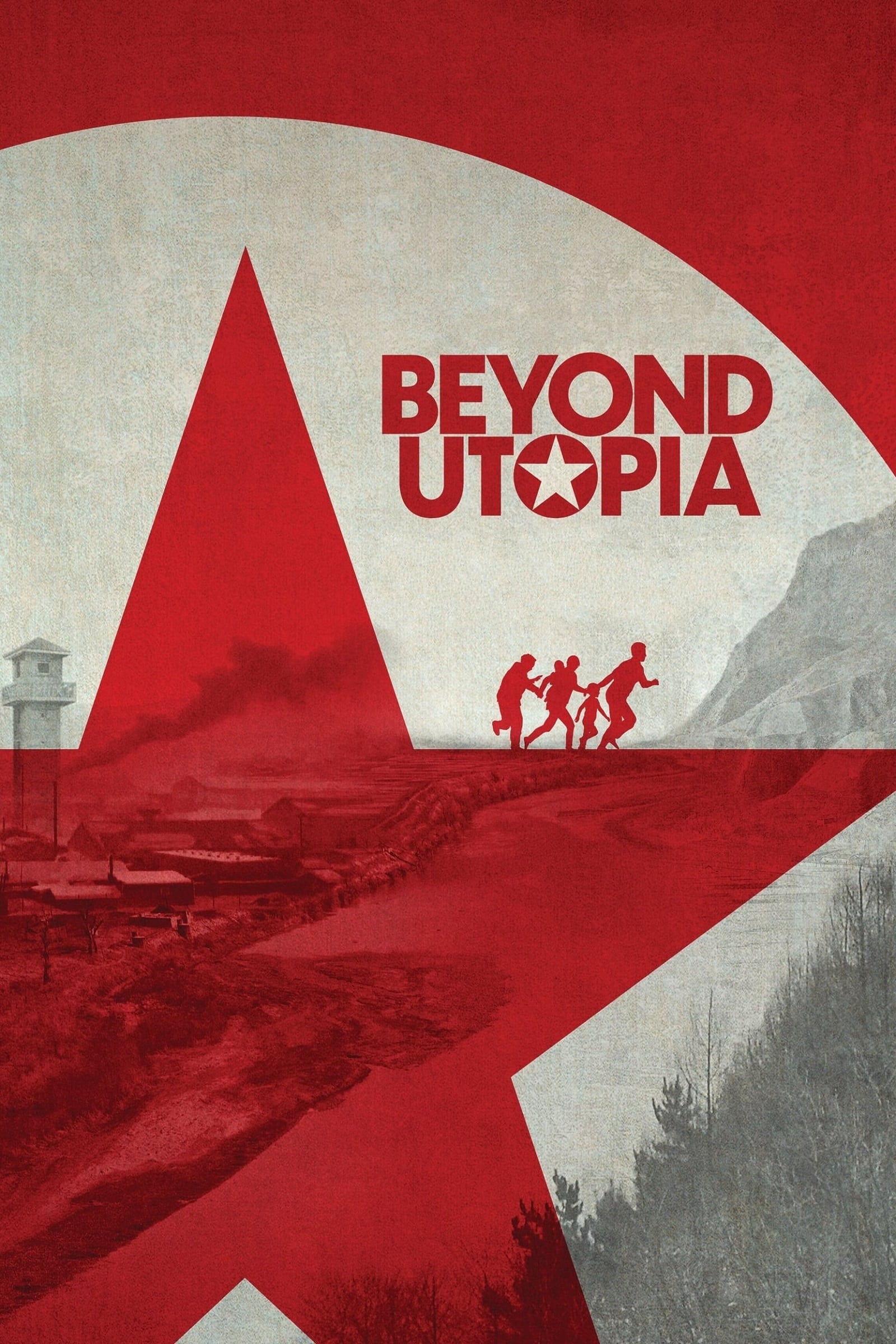
A courageous pastor uses his underground network to rescue and aid North Korean families as they risk their lives to embrace freedom.
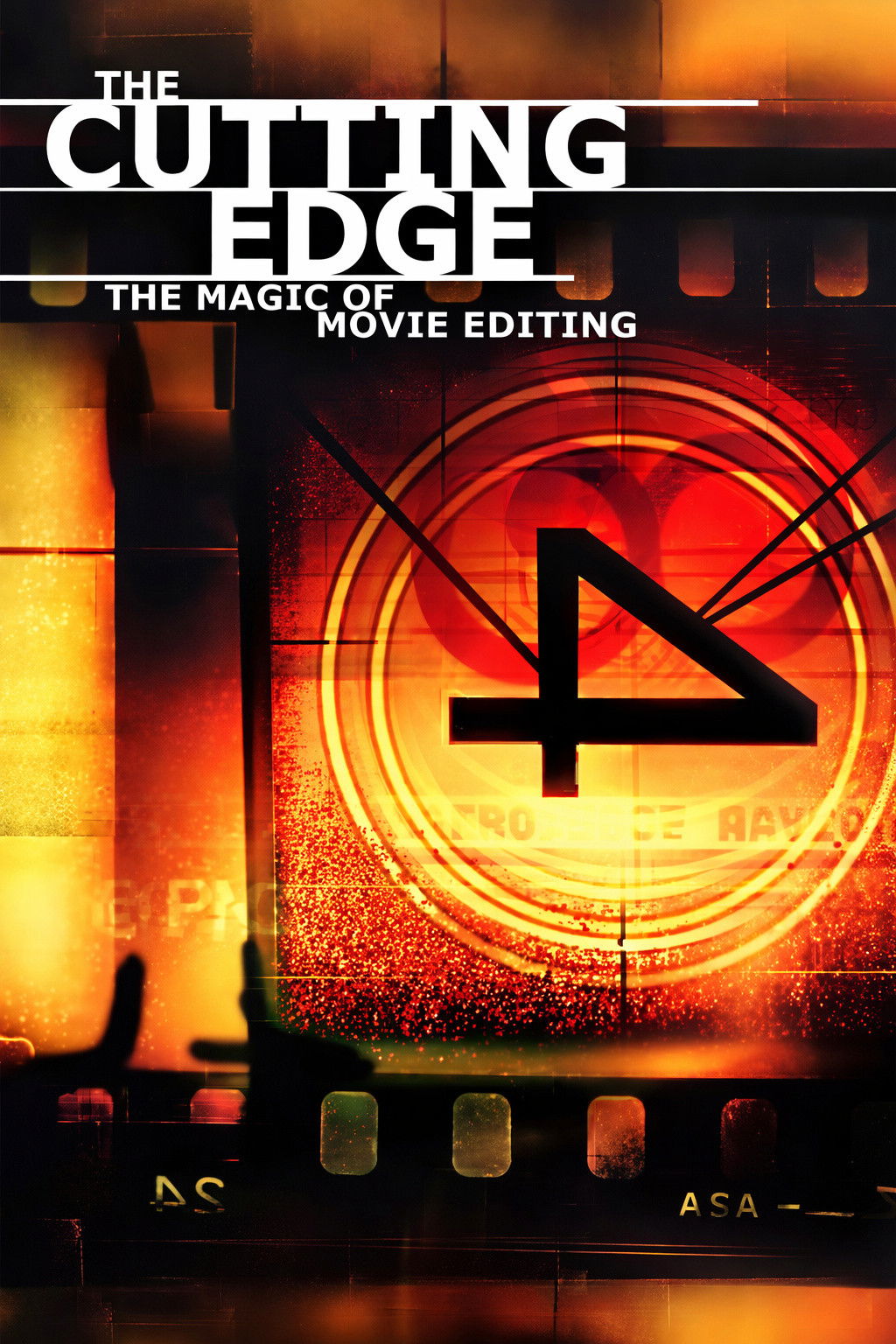
Documentary about the art of film editing. Clips are shown from many groundbreaking films with innovative editing styles.
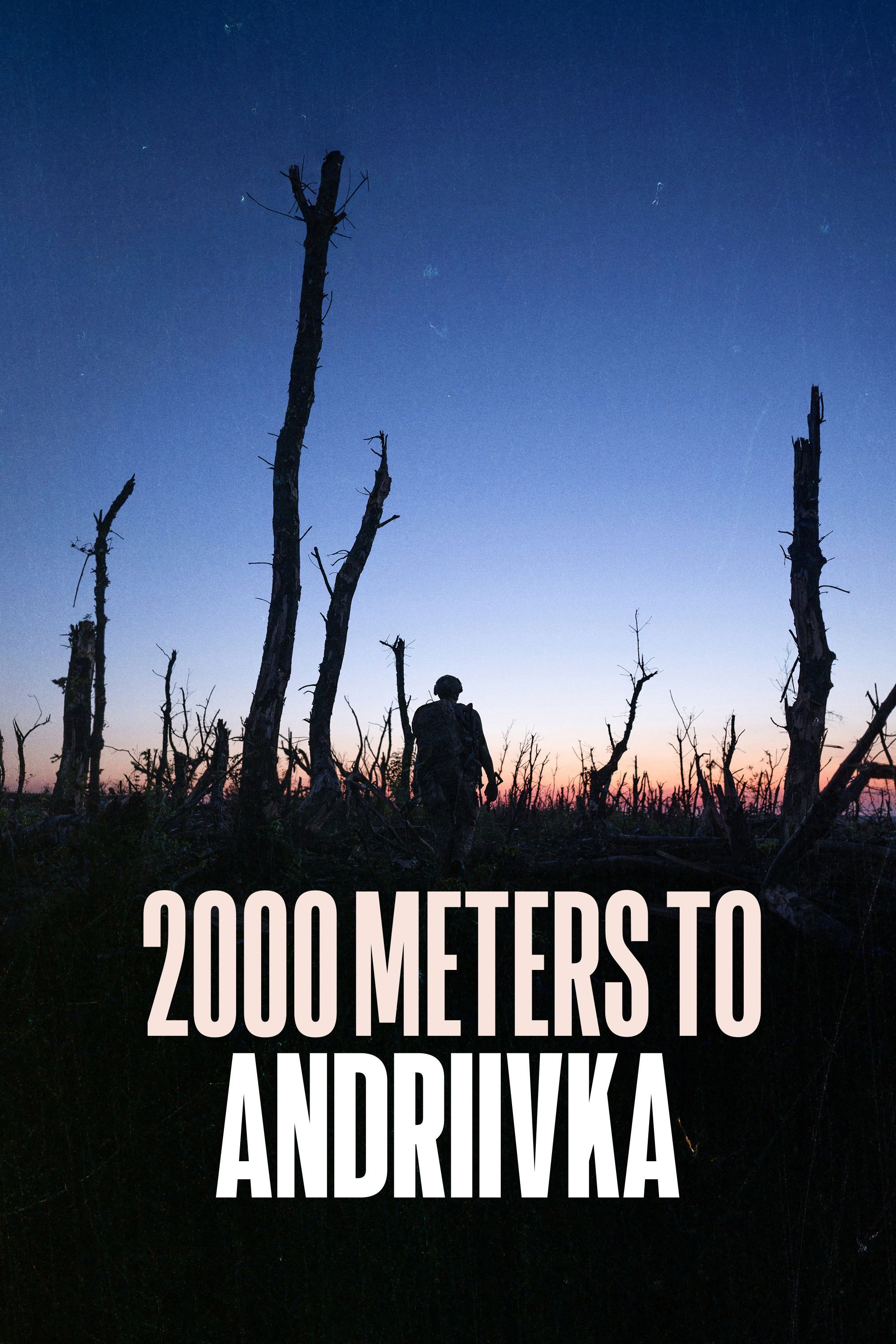
Amid the failing counteroffensive, a journalist follows a Ukrainian platoon on their mission to traverse one mile of heavily fortified forest and liberate a strategic village from Russian occupation. But the farther they advance through their destroyed homeland, the more they realize that this war may never end.
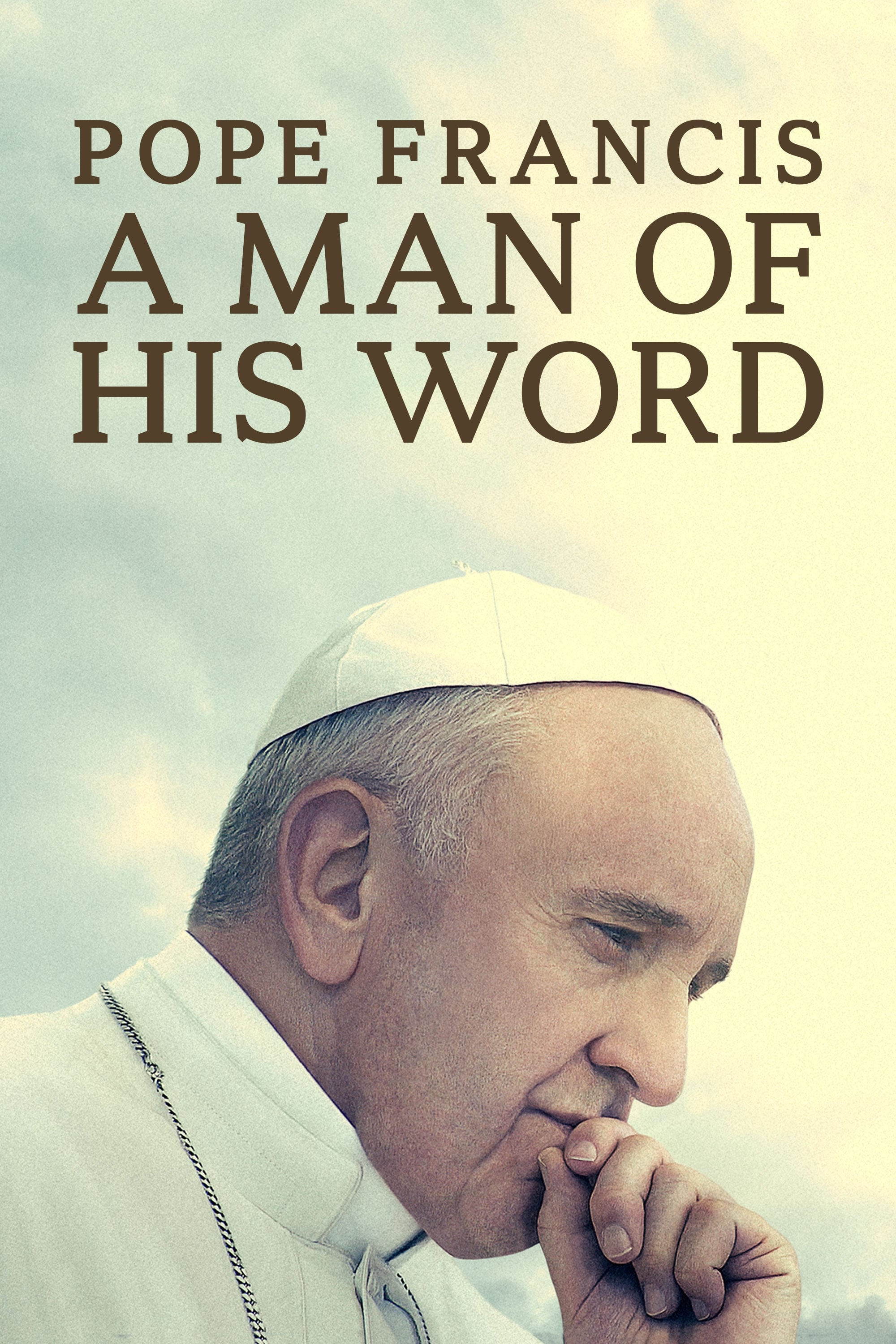
Pope Francis responds to questions from around the world, discussing topics including ecology, immigration, consumerism and social justice.
The life of internationally renowned artist and activist Nan Goldin is told through her slideshows, intimate interviews, ground-breaking photography, and rare footage of her personal fight to hold the Sackler family accountable for the overdose crisis.
“The Soviet Story” is a story of an Allied power, which helped the Nazis to fight Jews and which slaughtered its own people on an industrial scale. Assisted by the West, this power triumphed on May 9th, 1945. Its crimes were made taboo, and the complete story of Europe’s most murderous regime has never been told. Until now...
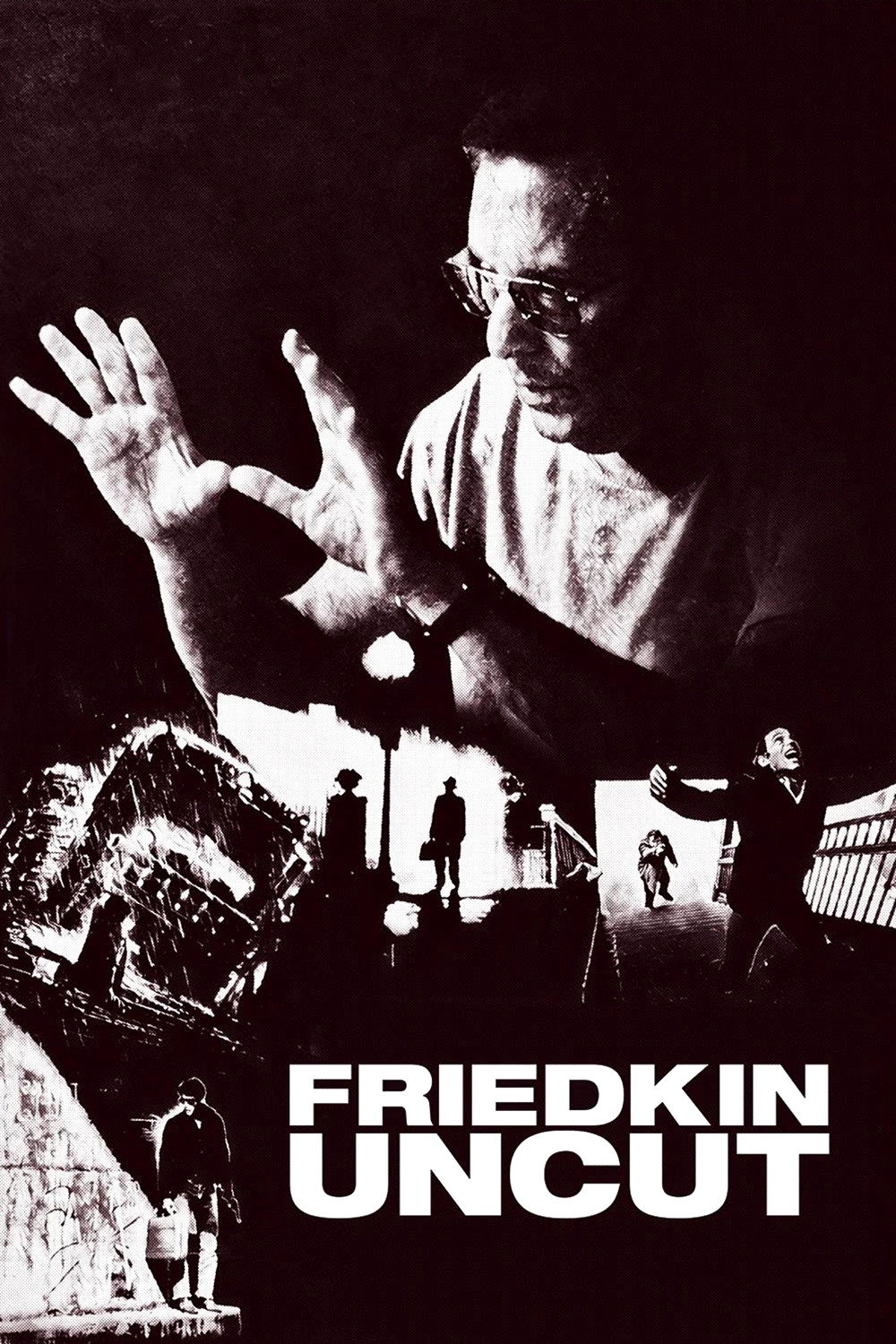
An introspective insight into the life and artistic journey of William Friedkin, an extraordinary and offbeat director of cult films such as The French Connection, The Exorcist, Sorcerer, Cruising, To Live and Die in L.A. and Killer Joe. For the first time Friedkin opens up, guiding the audience on a fascinating journey through the themes and the stories that have influenced his life and his artistic career.
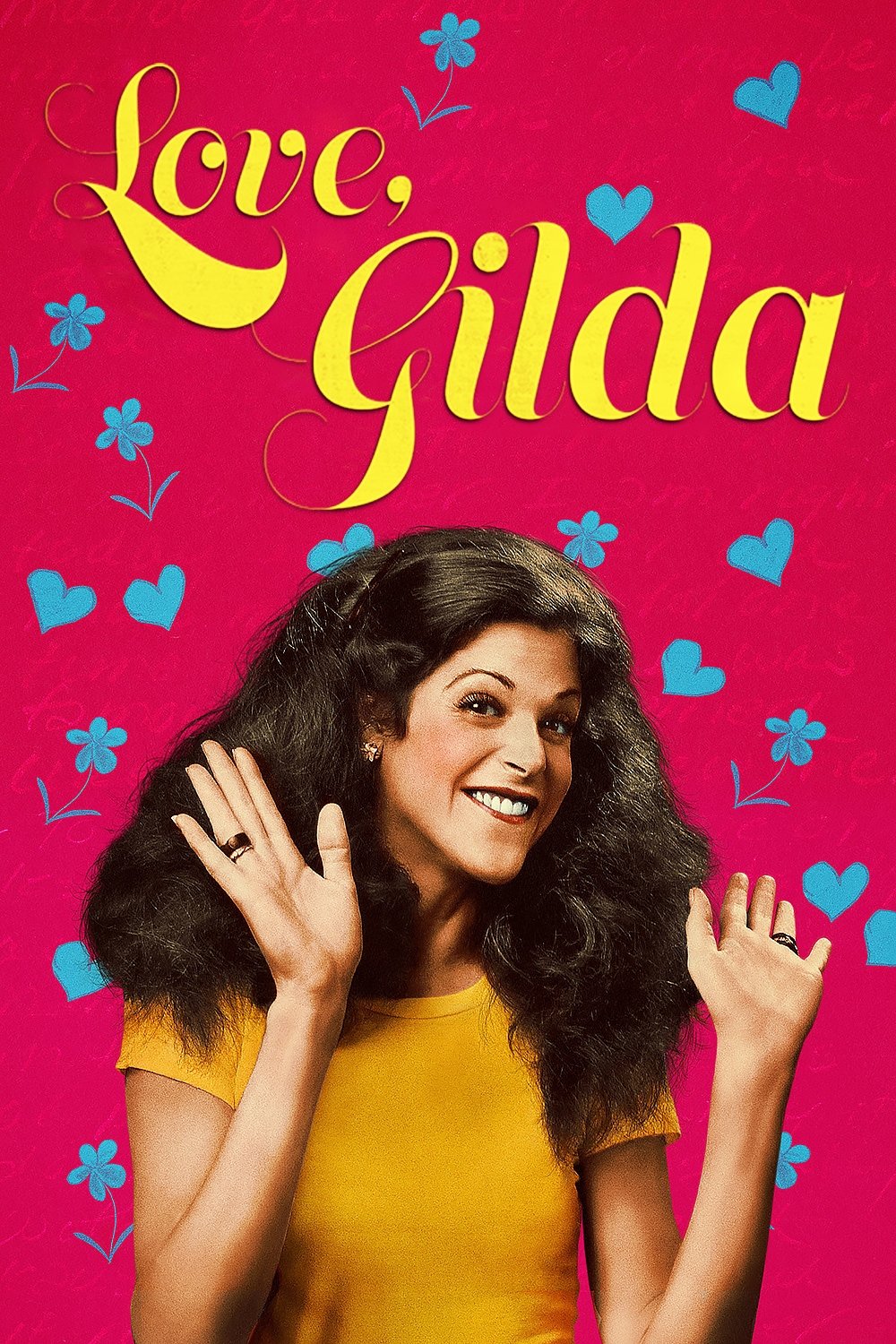
Diaries, audiotapes, videotapes and testimonials from friends and colleagues offer insight into the life and career of Gilda Radner -- the beloved comic and actress who became an icon on Saturday Night Live.
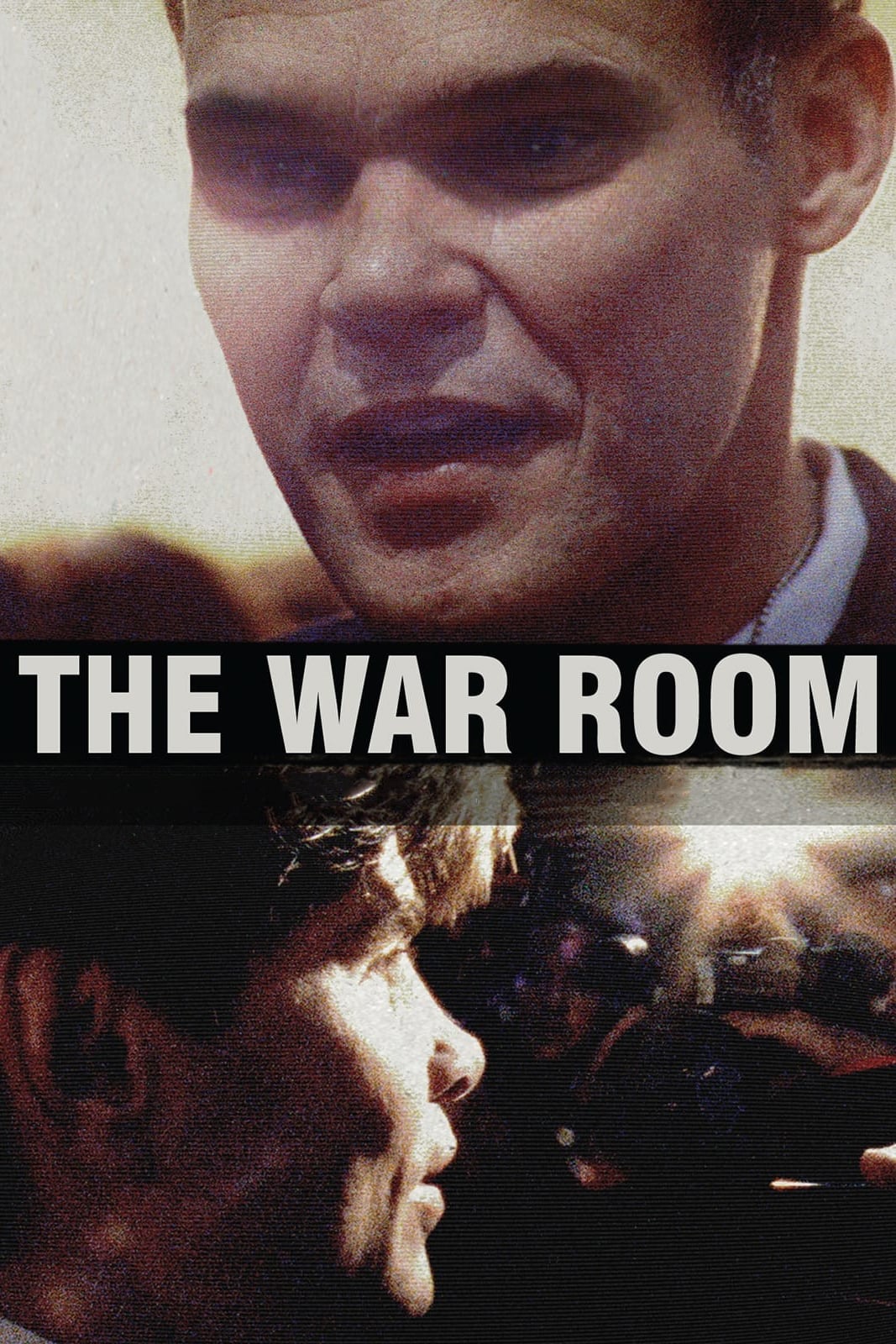
A behind-the-scenes documentary about the Clinton for President campaign, focusing on the adventures of spin doctors James Carville and George Stephanopoulos.
A visual montage portrait of our contemporary world dominated by globalized technology and violence.
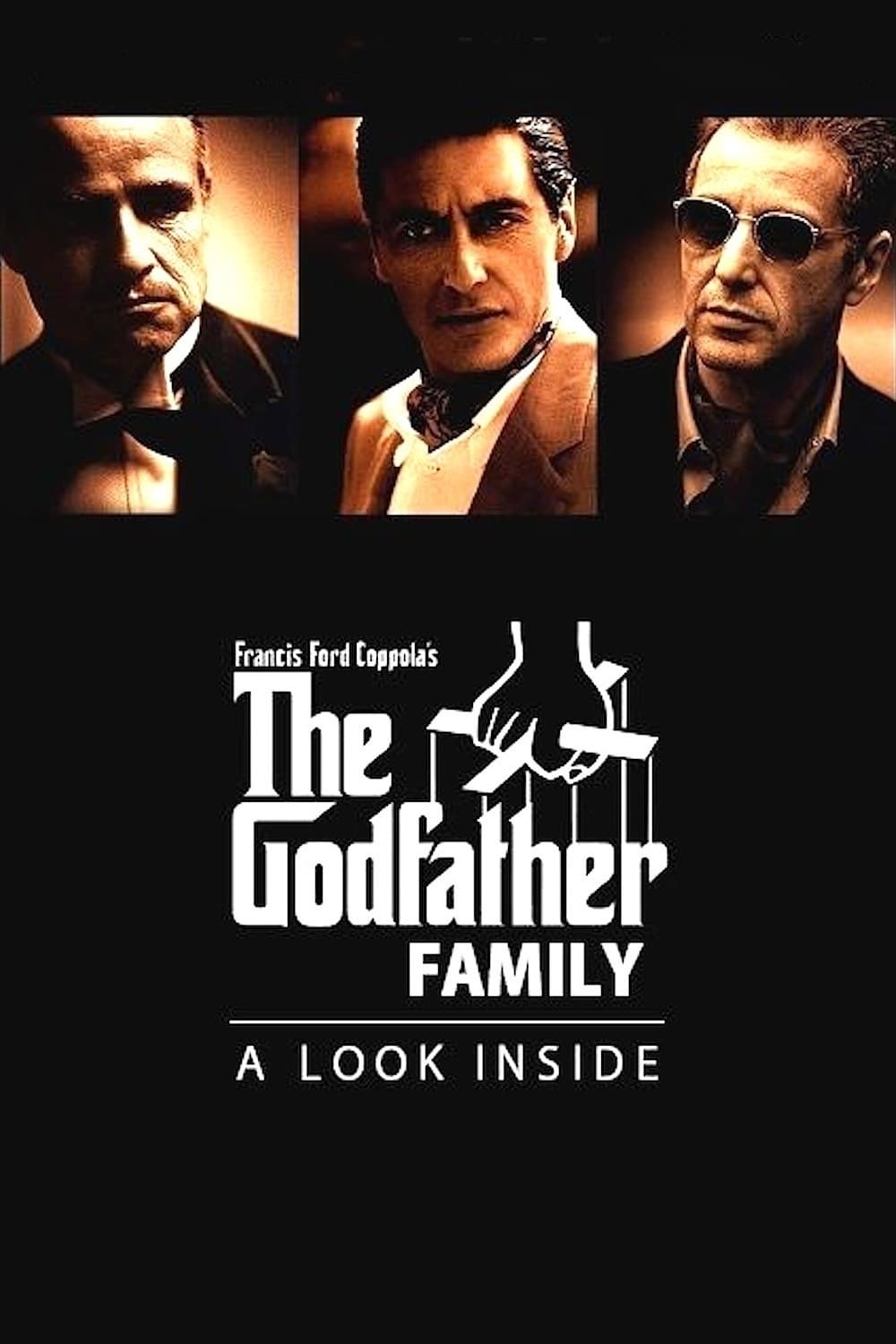
A documentary on the making of the three Godfather films, with interviews and recollections from the film makers and cast. This feature also includes the original screen tests of some of the actors for "The Godfather" film, and some candid moments on the set of "The Godfather: Part III."
The history of cinematic sound, told by legendary sound designers and visionary filmmakers.
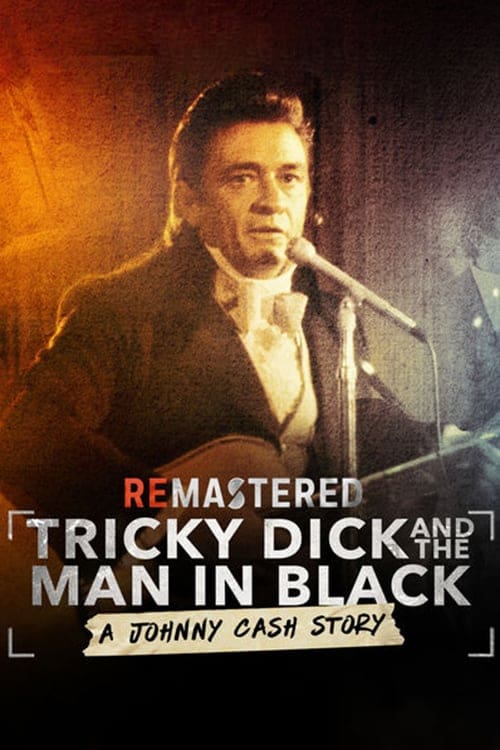
This documentary chronicles Johnny Cash's 1970 visit to the White House, where Cash's emerging liberal ideals clashed with Richard Nixon's policies.
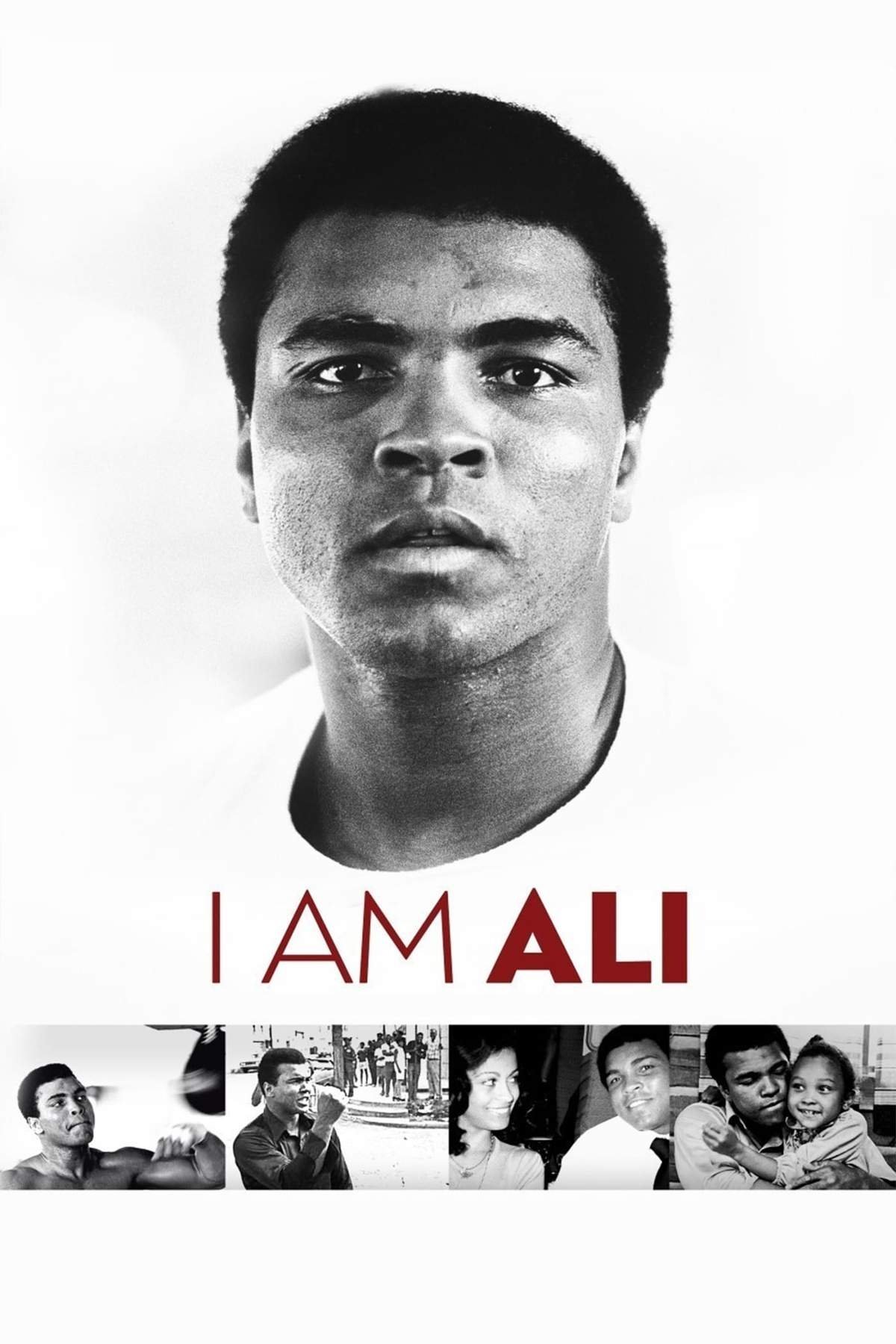
Unprecedented access to Muhammad Ali's personal archive of "audio journals" as well as interviews and testimonials from his inner circle of family and friends are used to tell the legend's life story.
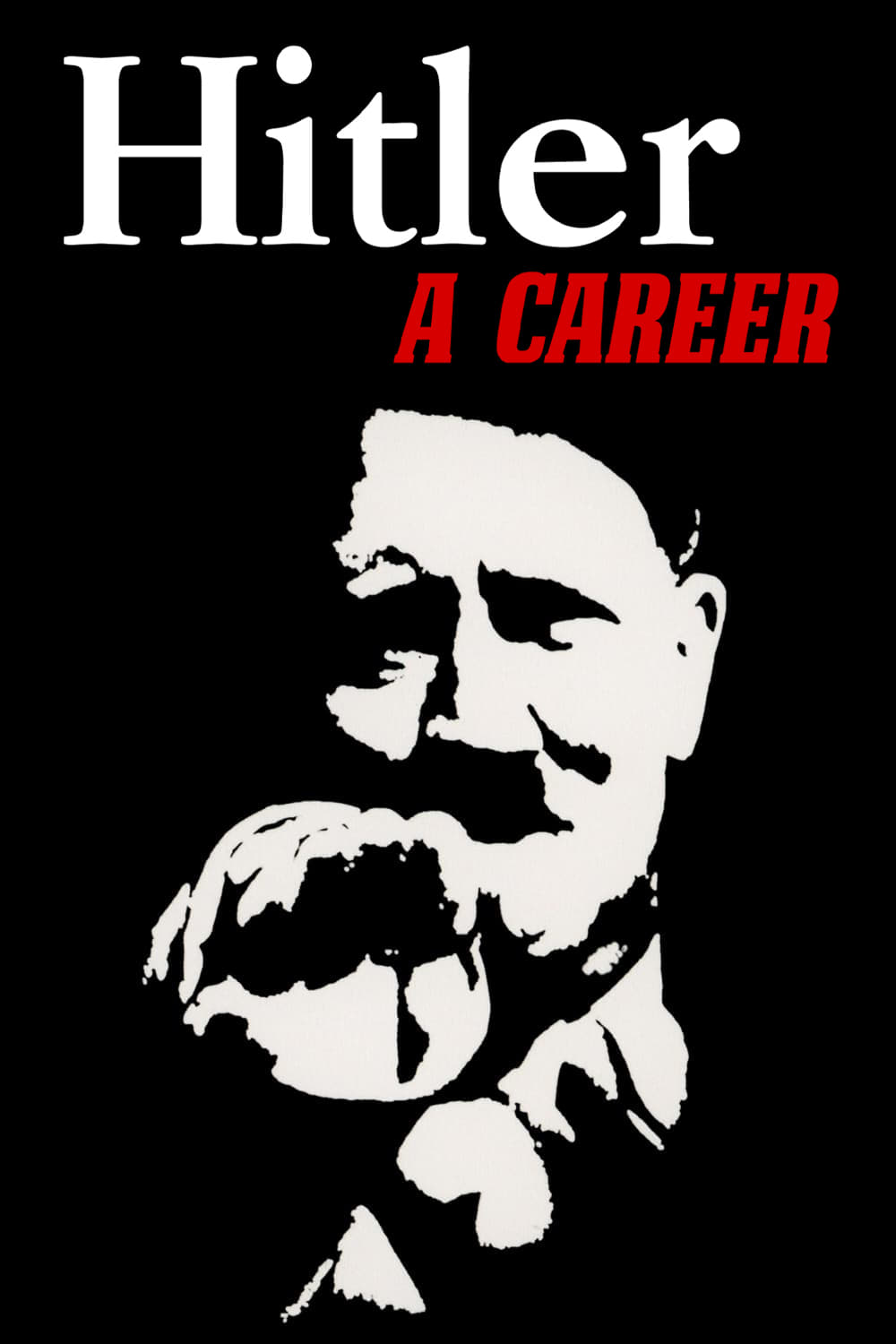
A keen chronicle of the unlikely rise to power of Adolf Hitler (1889-1945) and a dissection of the Third Reich (1933-1945), but also an analysis of mass psychology and how the desperate crowd can be deceived and shepherded to the slaughterhouse.
From a prolific career in film and television, Anton Yelchin left an indelible legacy as an actor. Through his journals and other writings, his photography, the original music he wrote, and interviews with his family, friends, and colleagues, this film looks not just at Anton's impressive career, but at a broader portrait of the man.
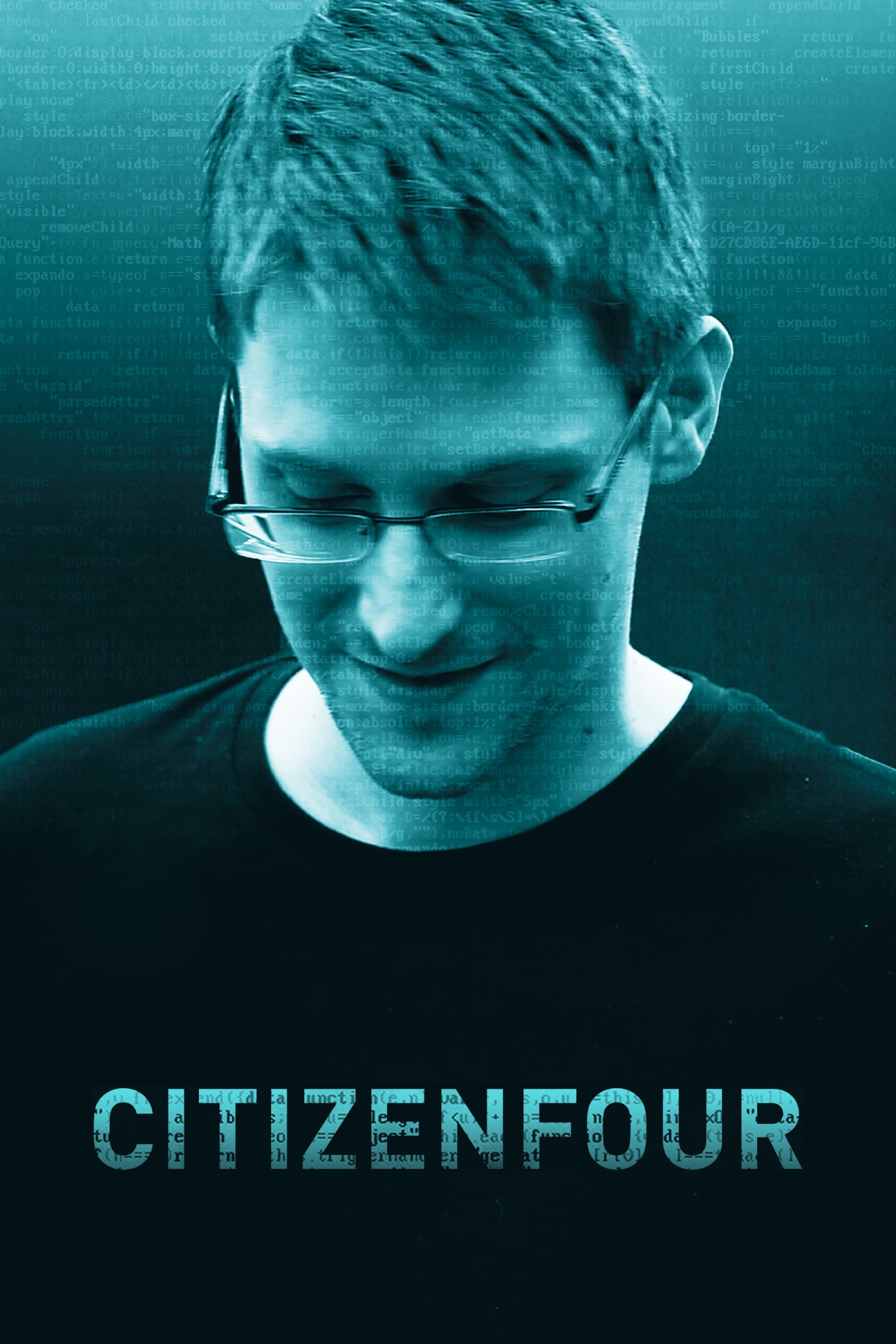
In June 2013, Laura Poitras and reporter Glenn Greenwald flew to Hong Kong for the first of many meetings with Edward Snowden. She brought her camera with her.
A documentary on the expletive's origin, why it offends some people so deeply, and what can be gained from its use.