An aging Japanese bike gangster mentors a crop of halfhearted pledges threatened by police pressure. In doing so, he confronts his tough guy past and dwindling options for the future.
Social & External
The people behind it
Haruki Kazuhiro
Himself
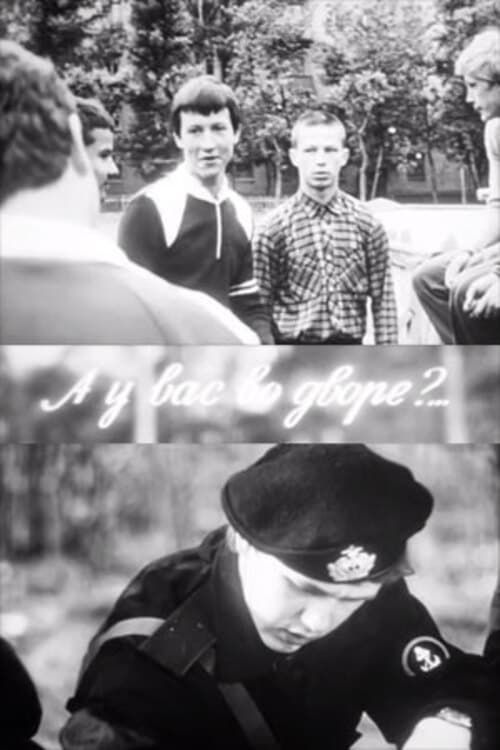
About youth gangs on the streets of Kazan.
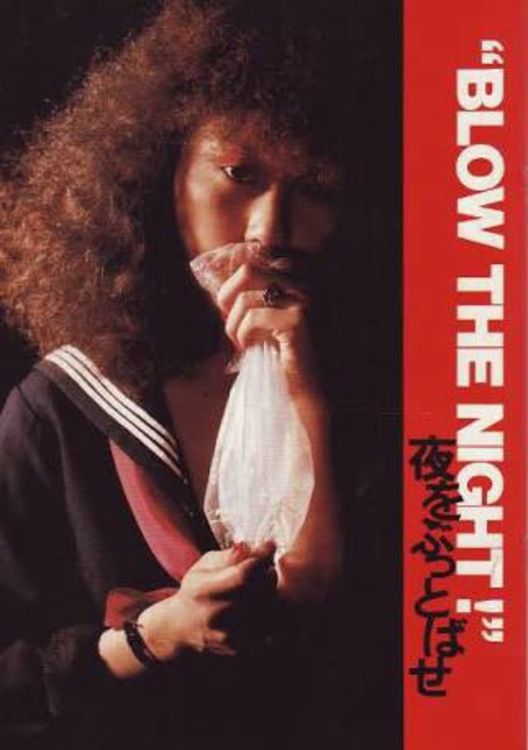
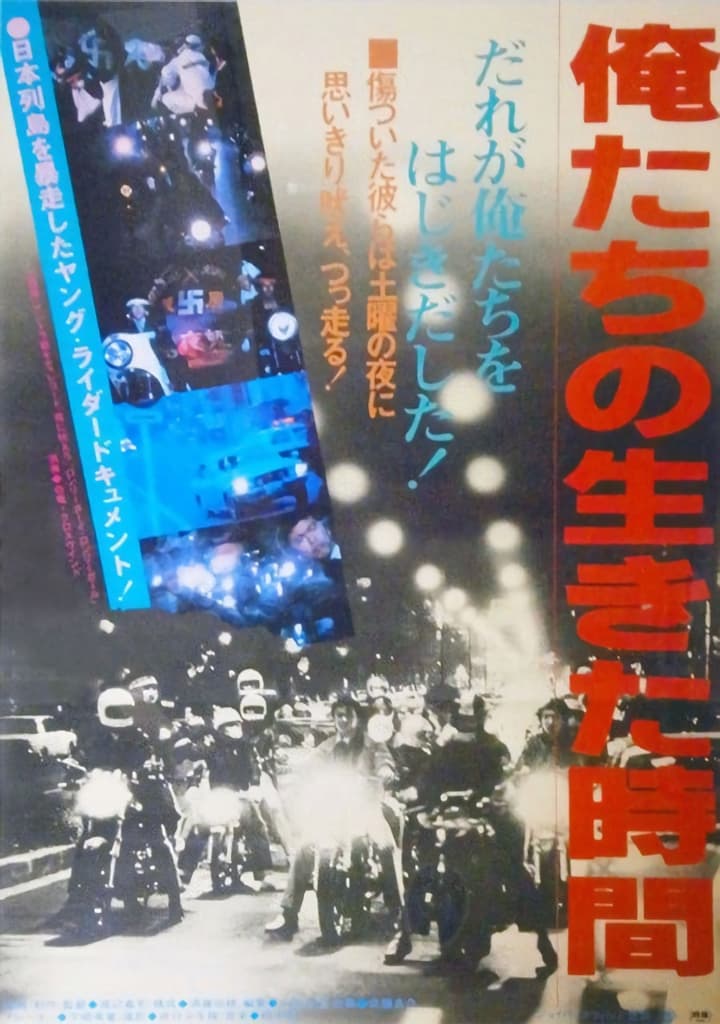
"BLOW THE NIGHT!" Let's Spend the Night Together is a 1983 Japanese docu-drama shot on 16mm film starring actual Yanki gang members as many of the main characters.
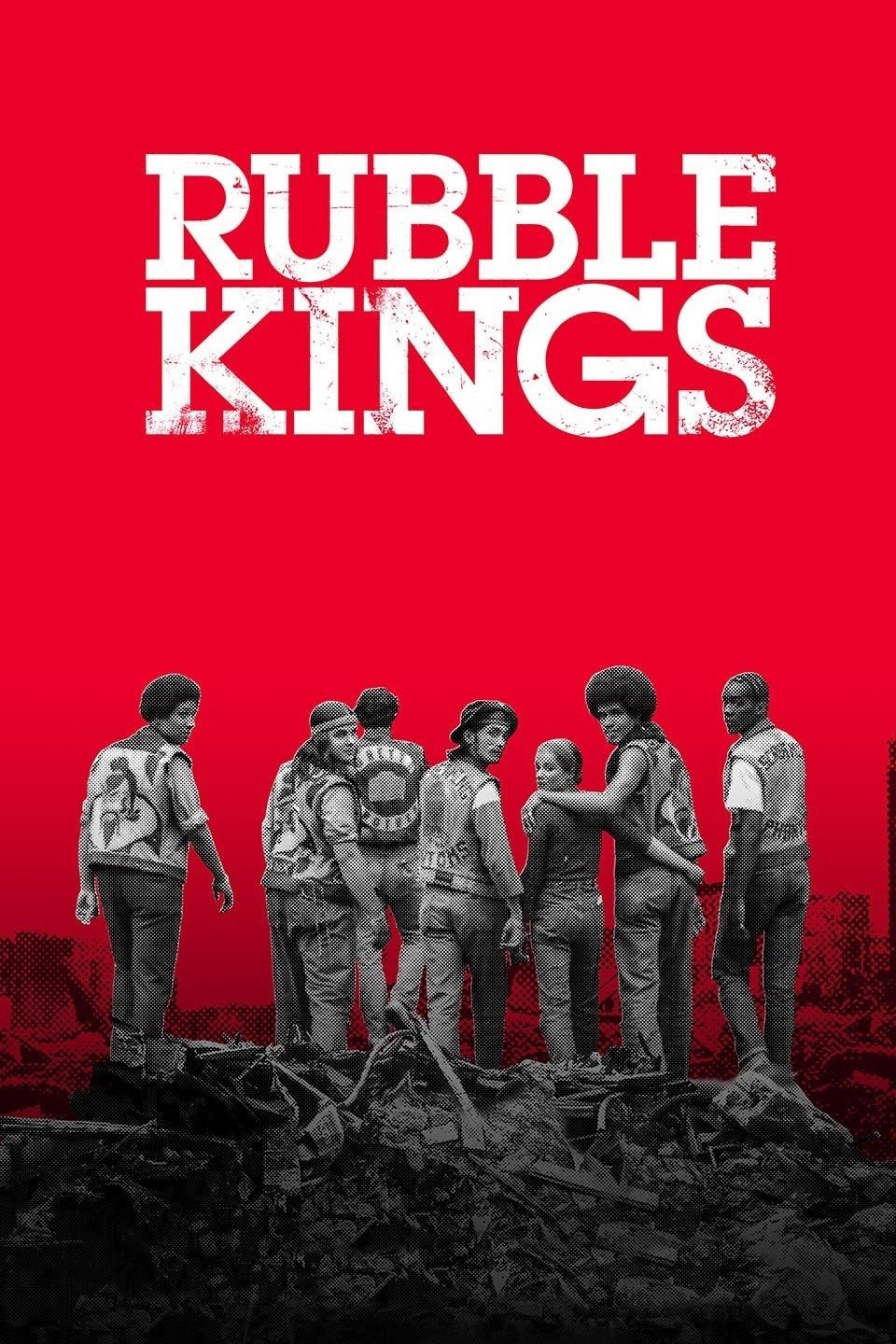
Through archival footage Nicholson tells the story of the real Warriors that walked the streets of New York City in the 1970s and the harsh reality of gang life in a city that seemed to be falling apart.
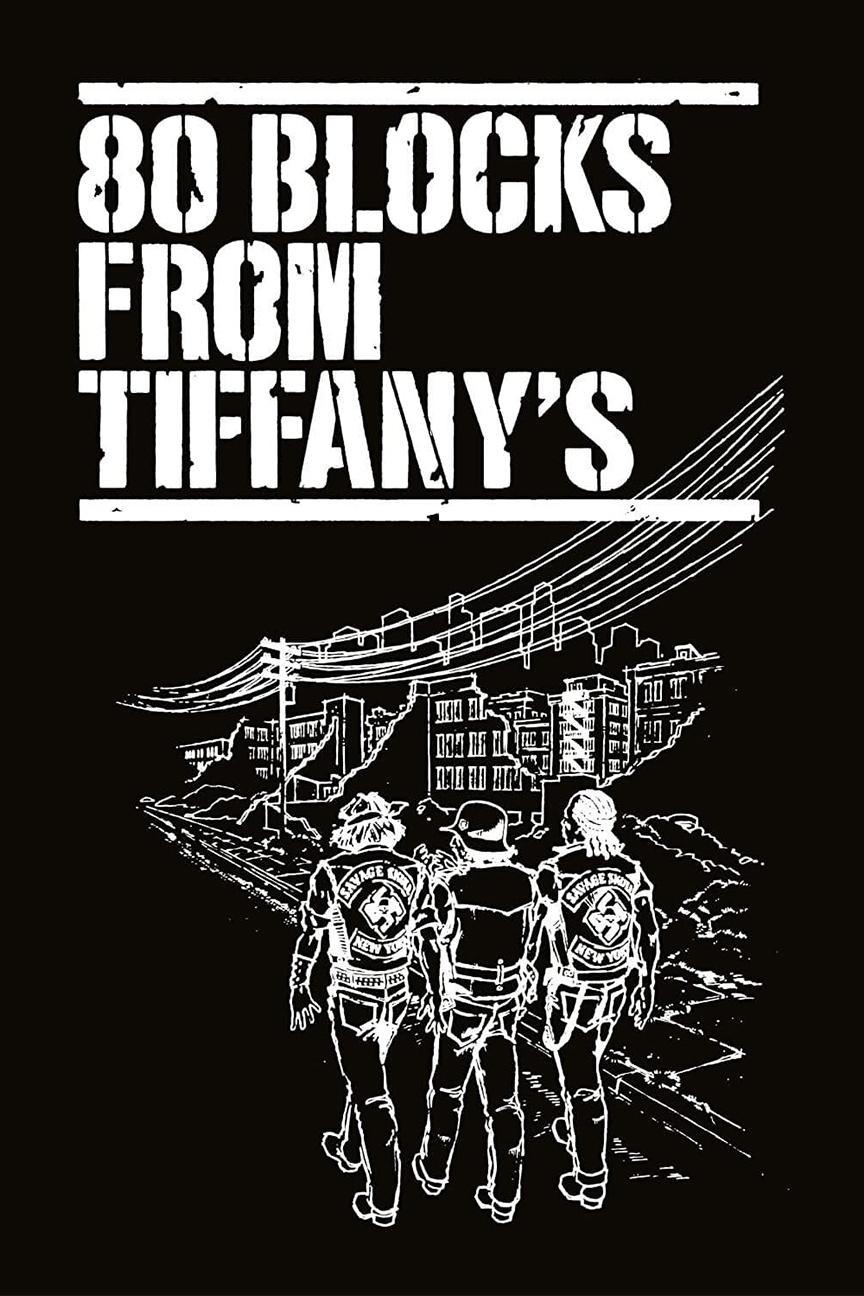
This 1979 documentary depicts the daily life of gangs in the South Bronx. It deals primarily with two African American and Puerto Rican gangs known as the "Savage Skulls" and the "Savage Nomads".
After working as a reporter and an assistant at a radio station, Watanabe Yoshimitsu, former leader of the bosozoku gang Black Emperor, returned to his old stomping grounds and began to make a film about bosozoku. At the time, he was 21. The teenage members of the bosozoku group, also known as " Thunder " would get into their revamped motorbikes and cars and race around the city. With the police as their enemies, they ran from patrol cars and did other defiant acts. They would put on outlandish clothing and, as a result of fights with rival groups, were very loyal to other members of their own gang. Every Saturday, they would cruise around, vanish and reappear throughout the entire night with no particular goal. However on 1 December 1978, because of provisions in the new highway transport law, the end was at hand for their " season of running wild. " The film shows them simply continuing to run wild on this last night before the law is to take effect.
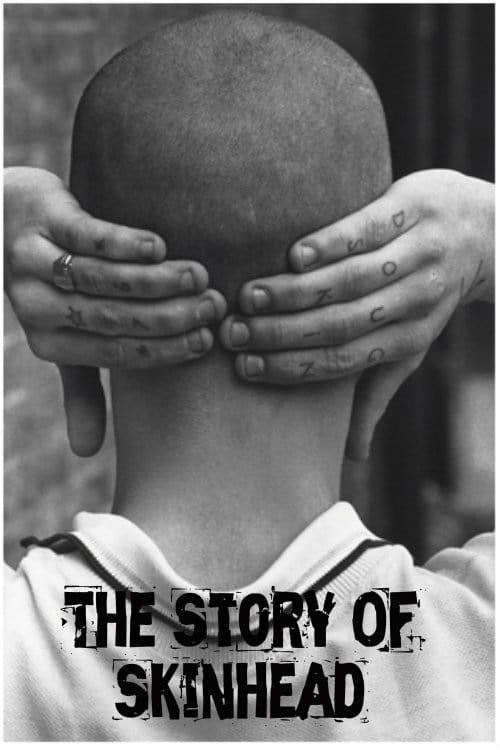
Don Letts examines the history of this notorious subculture in a fascinating documentary, which features interviews with members of different skinhead scenes through the decades. Beginning in the late 1960s, Don fondly recalls a time of multiracial harmony as youngsters bonded over a love of ska, reggae and smart clothes as white working-class kids were attracted to Jamaican culture and adopted its music and fashions. But when far-right politics targeted skinheads in the 1970s and 1980s, an ugly intolerance emerged, and Don reveals how the once-harmonious subgroup has since struggled to shake this stigma.
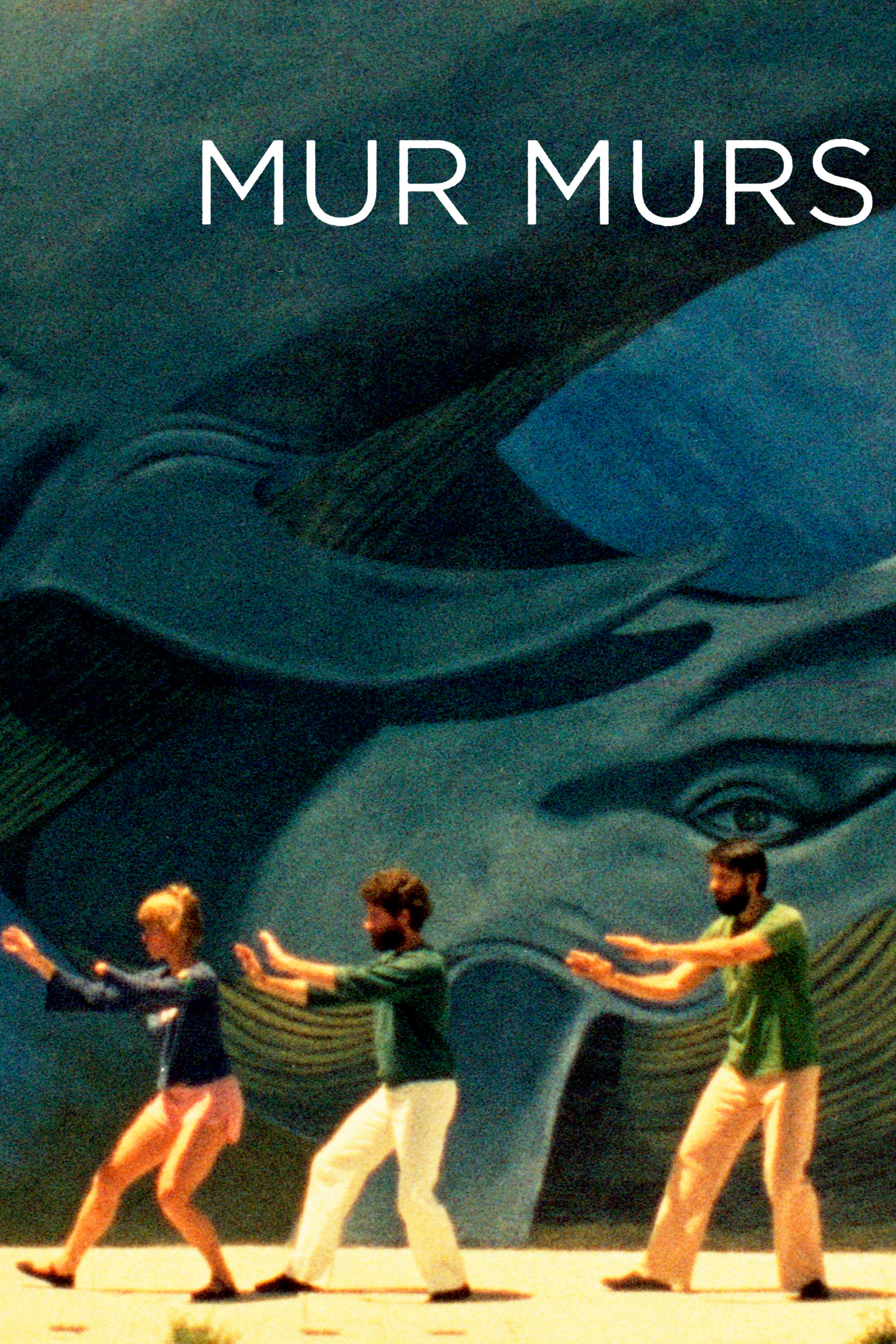
Venturing from Venice Beach to Watts, Varda looks at the murals of LA as backdrop to and mirror of the city’s many cultures. She casts a curious eye on graffiti and photorealism, roller disco & gang violence, evangelical Christians, Hare Krishnas, artists, angels and ordinary Angelenos.
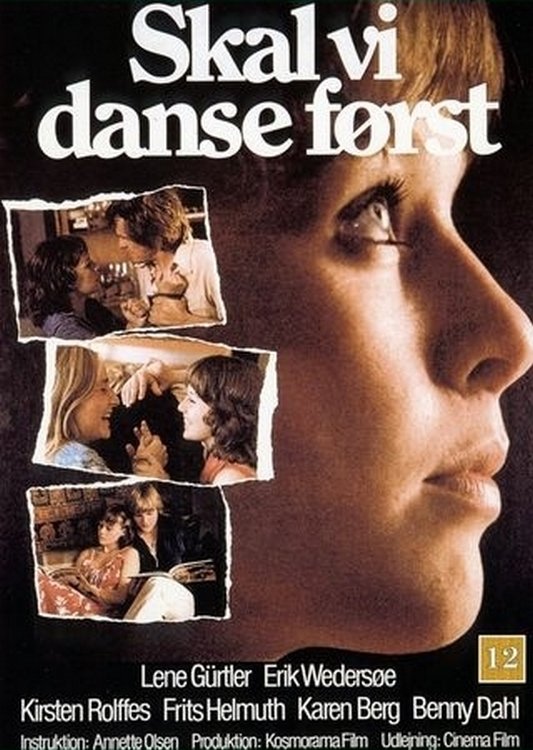
About sixteen-year-old Susanne and her relationship with her parents and friends. To make her friend Peter jealous, she flirts heavily with a forty-year-old silversmith from the sailing club where she works.
The students of Suzuran High compete for the King of School title. An ex-graduate yakuza is sent to kill the son of a criminal group, but he can't make himself do it as he reminds him of his youth.
Sent into a drunken tailspin when his entire unit is killed by a gang of thrill-seeking punks, disgraced Hong Kong police inspector Wing needs help from his new rookie partner, with a troubled past of his own, to climb out of the bottle and track down the gang and its ruthless leader.
A brief extract of four kids' lives somewhere in France. Quentin, who won a writers contest and now pays more attention to his career as an author than to his friends, beautiful Julie, his girl-friend, much more mature than she looks, falling in love with Quentin's very best friend Jimmy, who is kind of stuck in his unability of self-expression and grown up under bad social circumstances. And there is the shy boy Samir, exiled from Algeria, who lost his "brother" and only friend some time ago. Samir heavily falls in love with Quentin, but he can't handle it...
Burglary. Drugs. Assault. Rape. The students at Brandel High are more than new Principal Rick Latimer bargained for. Gangs fight to control the school using knives - even guns - when they have to. When Latimer and the head of security try to clean up the school and stop the narcotics trade, they run up against a teenage mafia. A violent confrontation on the campus leads to a deadly showdown with the drug dealer's gang, and one last chance for Latimer to save his career... and his life.
When a scuffle breaks out between the members of a criminal youth gang, one of them is stabbed to death. Since the knife belongs to the gang member Rocky, the judge assumes that he must have stabbed him too and sentences him to six years in prison. When he is released, he immediately sets off in search of the real culprit.
Story of swords and boys.
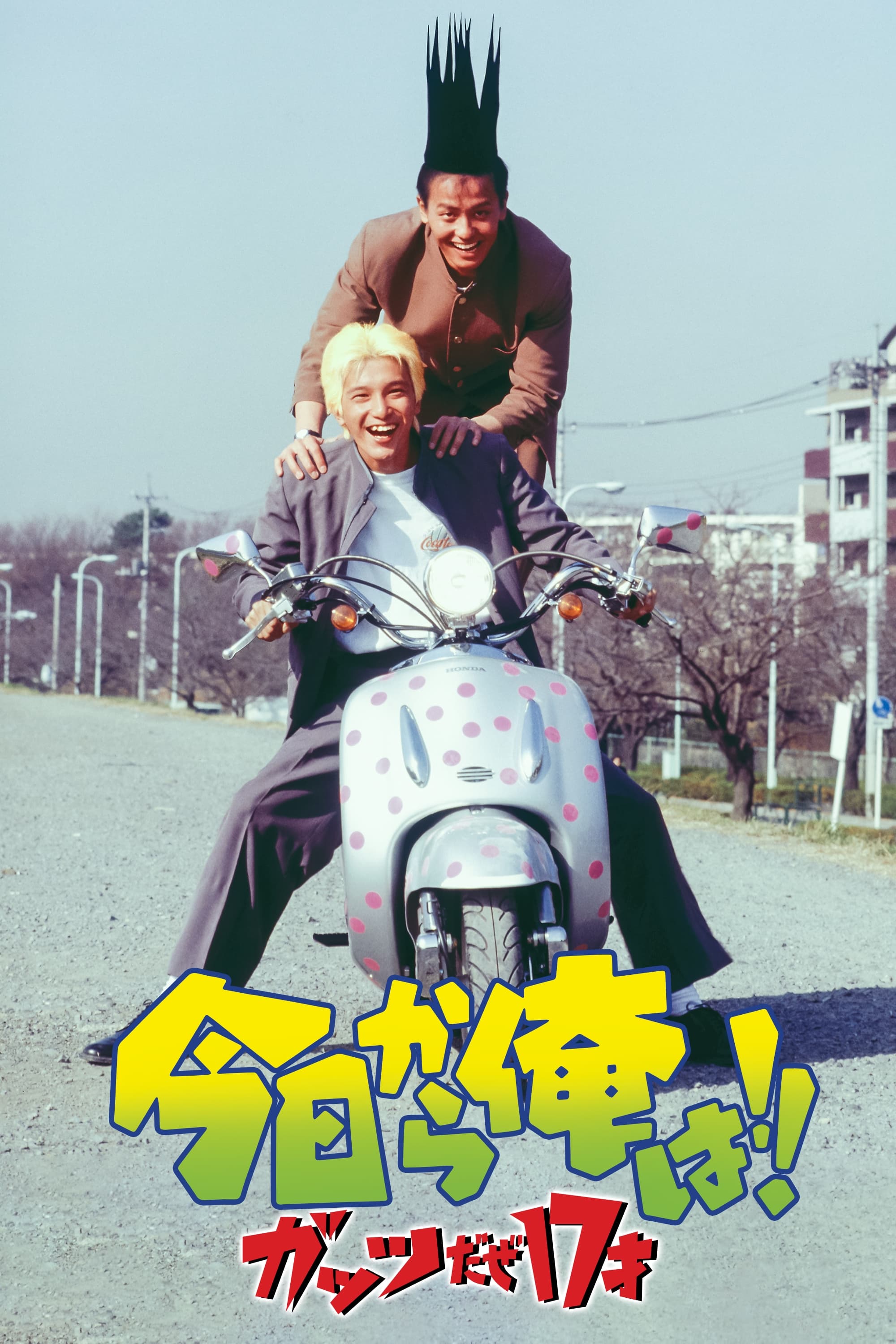
Today, It's My Turn!! is a shonen manga by Hiroyuki Nishimori. Toei Video released a series of V-Cinema live-action series based on this, and Guts Daze 17 Sai was released in 1997. Two boys, Takashi Mitsuhashi and Shinji Itō meet each other at a salon. It turns out both boys are transferring to a new school and decide to take the opportunity to reinvent themselves. No longer will they be run of the mill high school students, they will become the biggest delinquents Japan has ever seen!
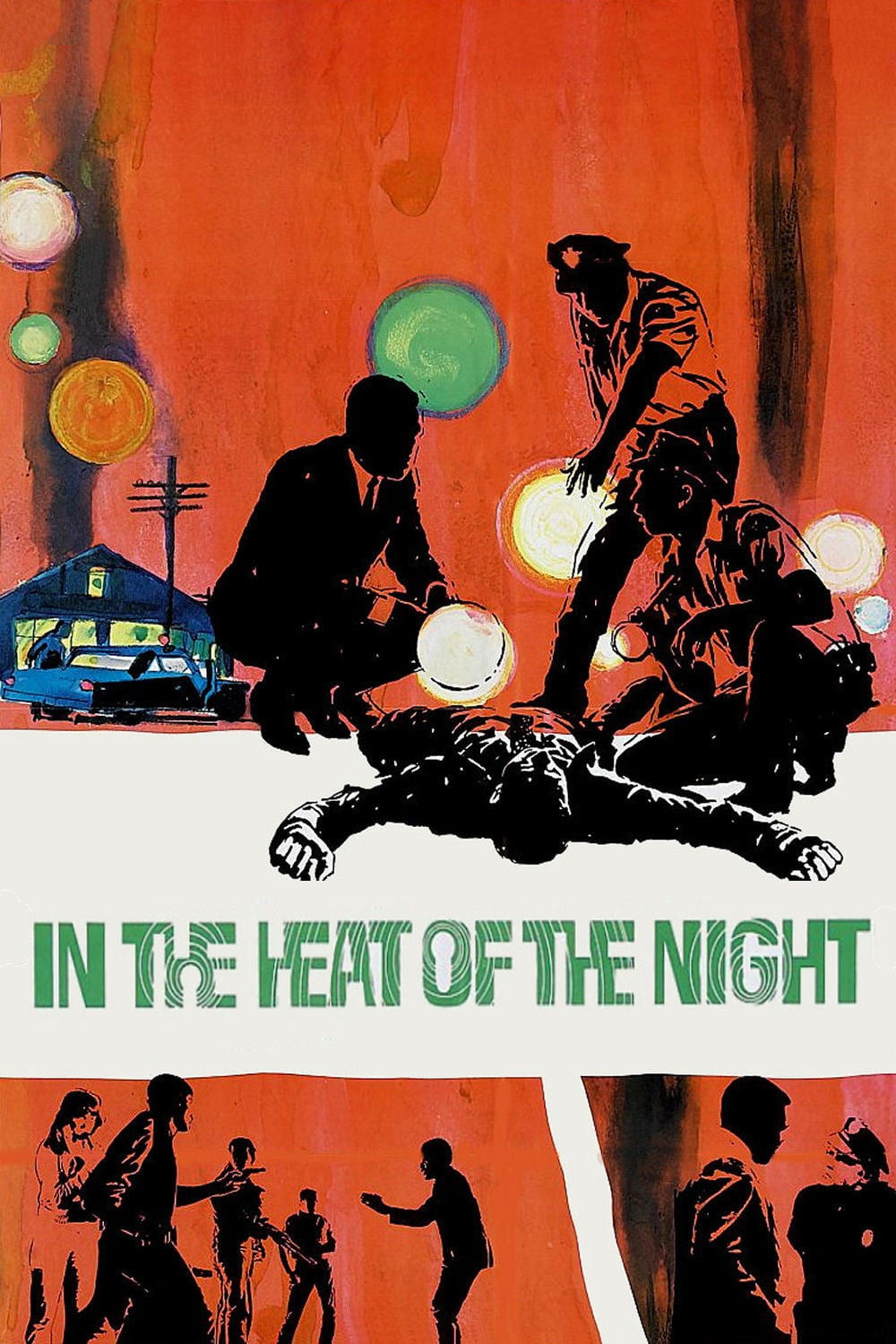
African-American Philadelphia police detective Virgil Tibbs is arrested on suspicion of murder by Bill Gillespie, the racist police chief of tiny Sparta, Mississippi. After Tibbs proves not only his own innocence but that of another man, he joins forces with Gillespie to track down the real killer. Their investigation takes them through every social level of the town, with Tibbs making enemies as well as unlikely friends as he hunts for the truth.
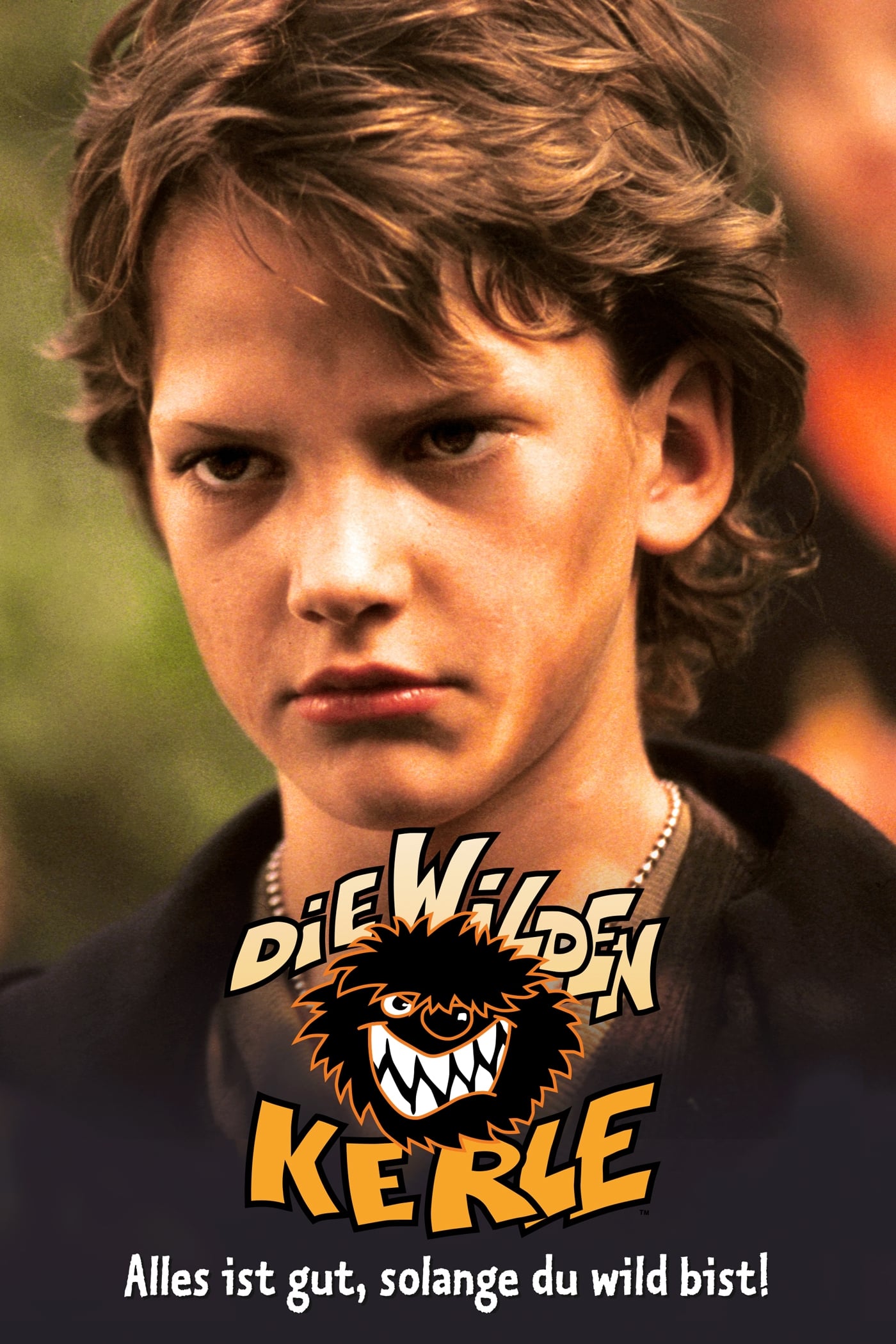
The school year is over and for a diverse group of carefree kids, soccer is king! These kids believe that they are the local gold team and there is nothing they like more than improving their game. "If you want to be cool, you should be wild." However, the relentless rain turns their field into a swamp, so they have to take an unexpected break. And when the sun finally comes, a gang of older, bigger and dumber boys has just taken over the field. They won't give it back unless they lose a match against the kids.
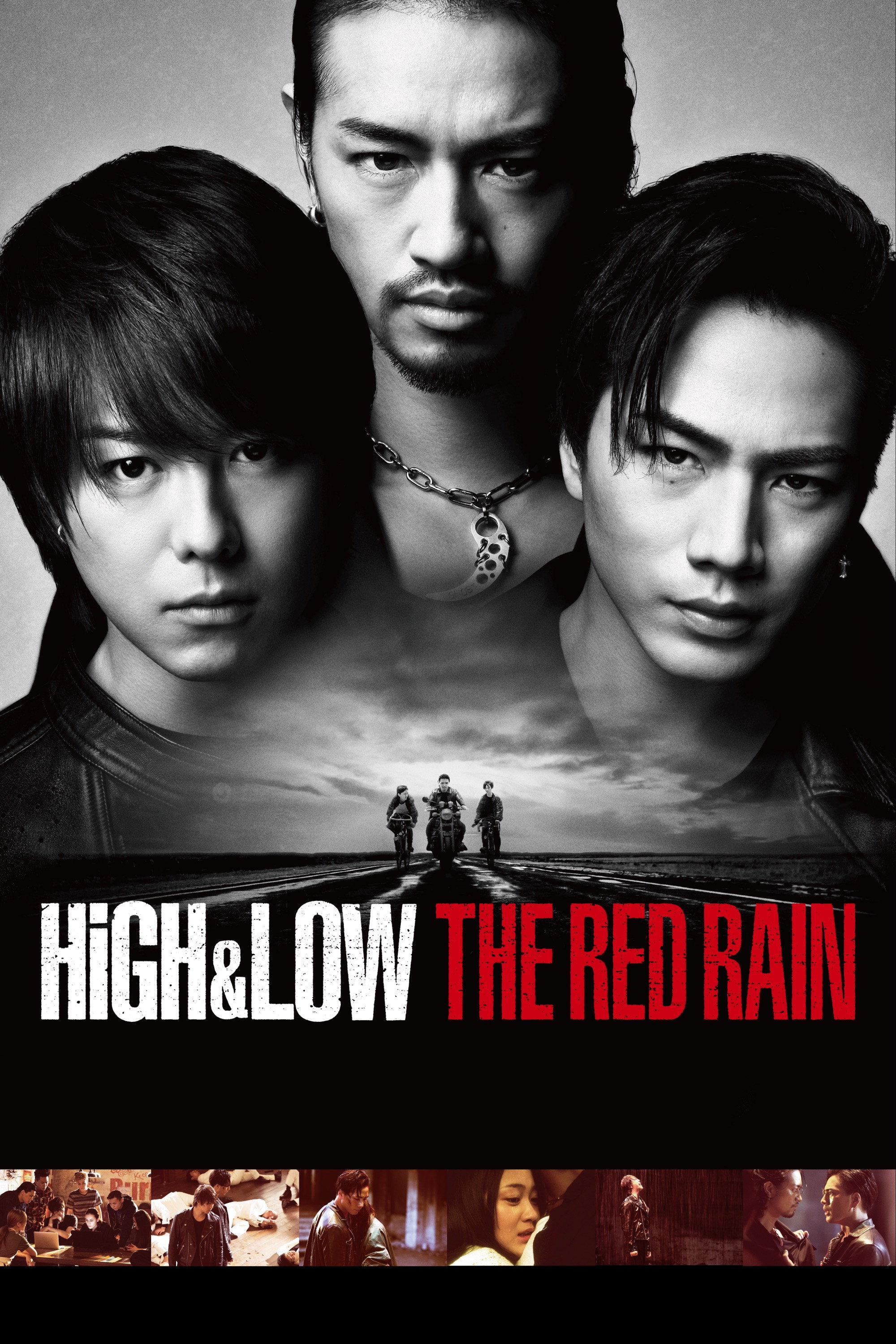
The Amamiya Brothers, Masaki and Hiroto, keep looking for their older brother Takeru who disappeared one year ago. The three Amamiya brothers lost their parents when they were young. Since then, they relied only on each other. On the anniversary of their parents' death, Masaki and Hiroto expect Takeru to appear. Instead, they meet a person who has a clue on Takeru's whereabouts.
A string of threatening emails escalates into a revenge plot involving a newly married US marshal and his ex-girlfriend.
Vulgar, taunting texts blow up the phones of a teen and her boyfriend. Who's sending them — and why? This twisty documentary reveals the shocking answer.
Ranjit, a farmer in India, takes on the fight of his life when he demands justice for his 13-year-old daughter, the victim of a brutal gang rape. His decision to support his daughter is virtually unheard of, and his journey unprecedented.
Join the likes of Jeremy Renner, Hailee Steinfeld, Florence Pugh, and Vincent D’Onofrio as they reveal how Marvel Studios’ “Hawkeye” was conceived and created. Witness firsthand what it took to pull off the show’s pulse-pounding action set pieces, and discover how iconic characters from the pages of Marvel Comics such as Kate Bishop were adapted and brought to life for the six-episode series.
A detailing of the rise to prominence and global sporting superstardom of six supremely talented young Manchester United football players (David Beckham, Nicky Butt, Ryan Giggs, Paul Scholes, Phil and Gary Neville). The film covers the period 1992-1999, culminating in Manchester United's European Cup triumph.
Just two years away from turning 30, participants in Michael Apted's documentary series are facing serious questions of identity and purpose, wondering whether they've found their place in the world.
In a crime-plagued neighborhood near Miami, brutal, bare-knuckled backyard fights give young men a chance to earn money -- and self-respect.
An inside look at one of the most anticipated movie sequels ever with James Cameron and cast.
A night of drunken chaos rocks a quiet Dutch town in this shocking documentary about a teen's birthday invite that accidentally went viral on Facebook.
A teen slams her car into a building, killing her boyfriend and his friend. What seems like a tragic accident becomes a murder case.
Unravel the case of Utah therapist Jodi Hildebrandt, whose child abuse arrest with parenting YouTuber Ruby Franke exposed a twisted tale of manipulation.
Serving life in prison for murdering their parents, Lyle and Erik Menendez speak out in this documentary explaining the shocking crime and ensuing trials.
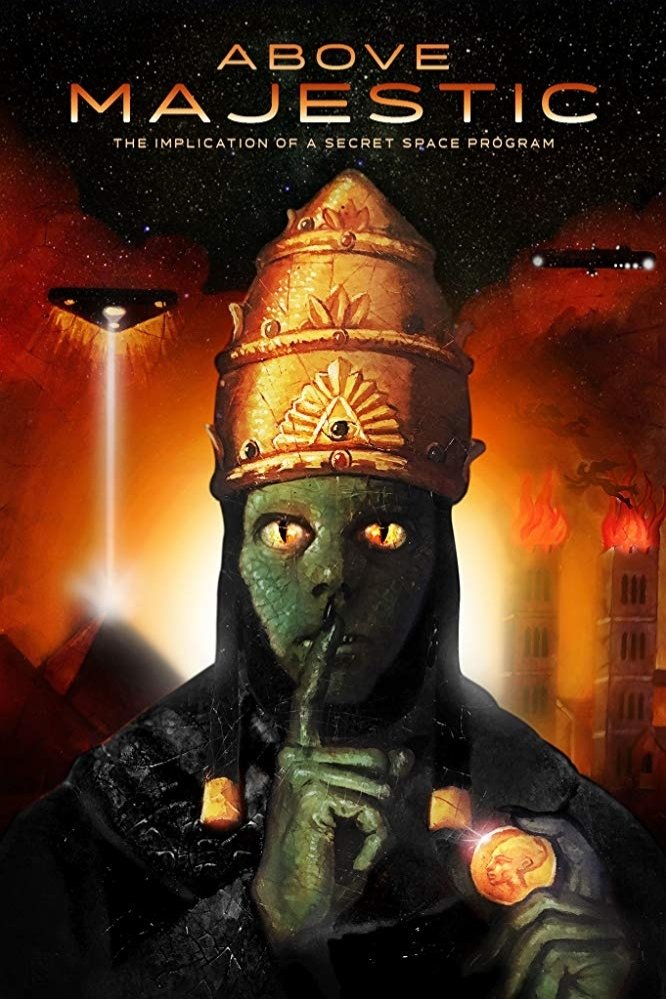
A look at the origins, history and conspiracies behind the "Majestic 12", a clandestine group of military and corporate figureheads charged with reverse-engineering extraterrestrial technology.
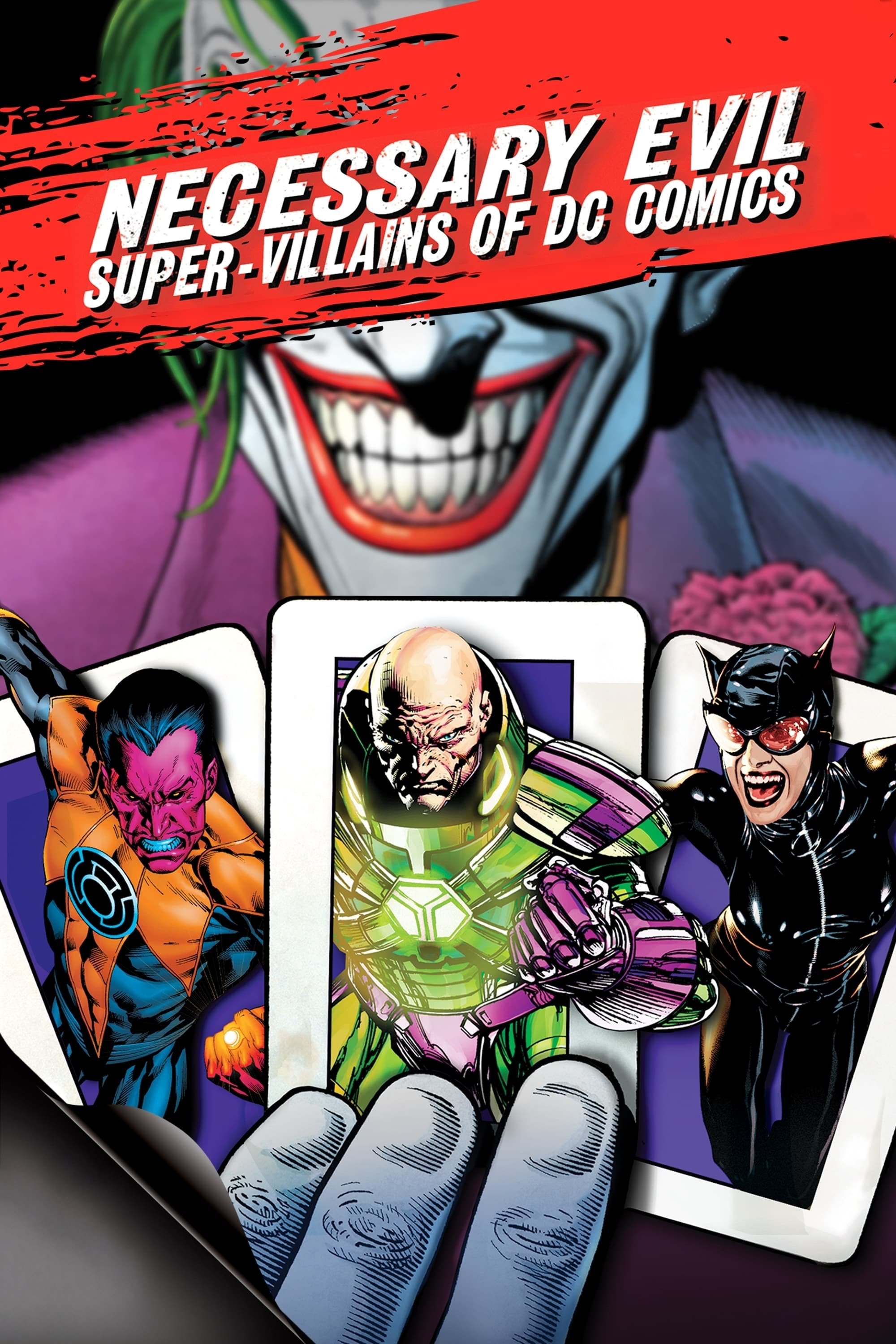
A documentary detailing the epic Rogues' Gallery of DC Comics from The Joker and Lex Luthor, Sinestro, Darkseid and more, this documentary will explore the Super Villains of DC Comics.
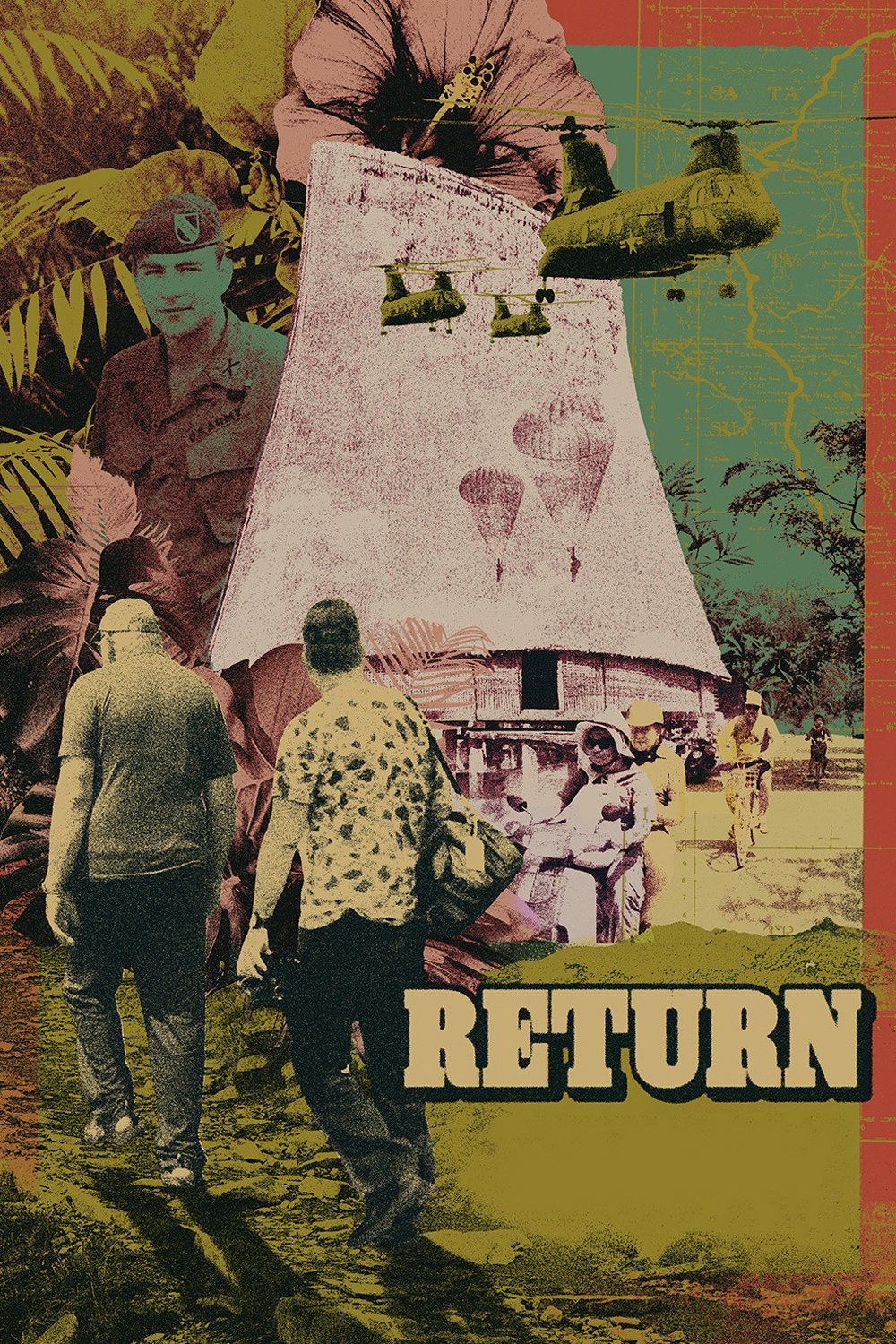
RETURN tells the story of a retired Green Beret who embarks on a healing journey from Montana to Vietnam. There he retraces his steps, shares his wartime experiences with his son, treats his Post-Traumatic Stress Disorder, and seeks out the mountain tribespeople he once lived with and fought alongside as a Special Forces officer.
The Making-of James Cameron's Avatar. It shows interesting parts of the work on the set.
SEDUCED AND ABANDONED combines acting legend Alec Baldwin with director James Toback as they lead us on a troublesome and often hilarious journey of raising financing for their next feature film. Moving from director to financier to star actor, the two players provide us with a unique look behind the curtain at the world's biggest and most glamourous film festival, shining a light on the bitter-sweet relationship filmmakers have with Cannes and the film business. Featuring insights from directors Martin Scorsese, 'Bernando Bertolucci' and Roman Polanski; actors Ryan Gosling and Jessica Chastain and a host of film distribution luminaries.
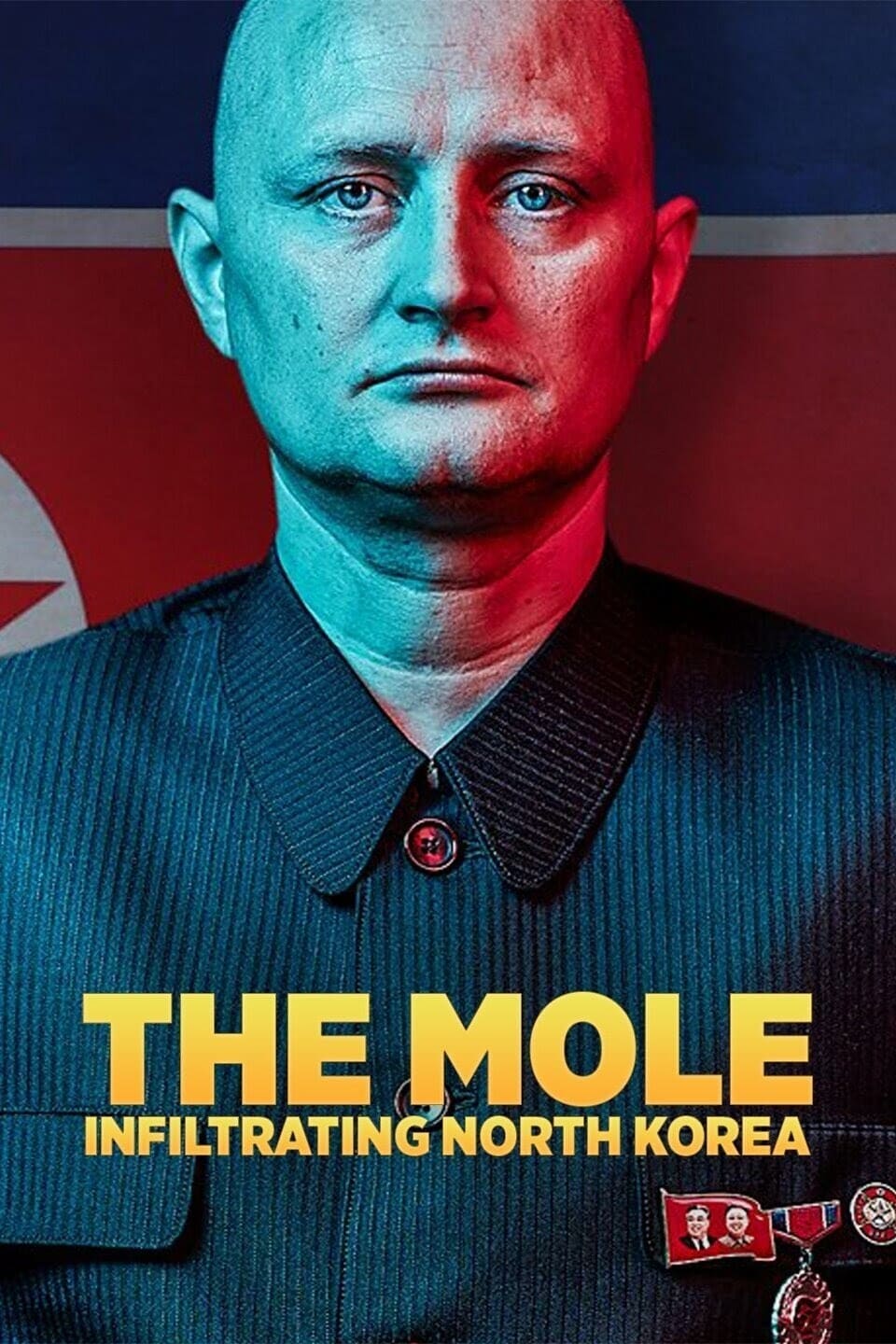
A real-life undercover thriller about two ordinary men who embark on an outrageously dangerous ten-year mission to penetrate the world's most secretive and brutal dictatorship: North Korea.
The life of Mr. Spock, as well as that of Leonard Nimoy, the actor who played him for almost fifty years, written and directed by his son: Adam.
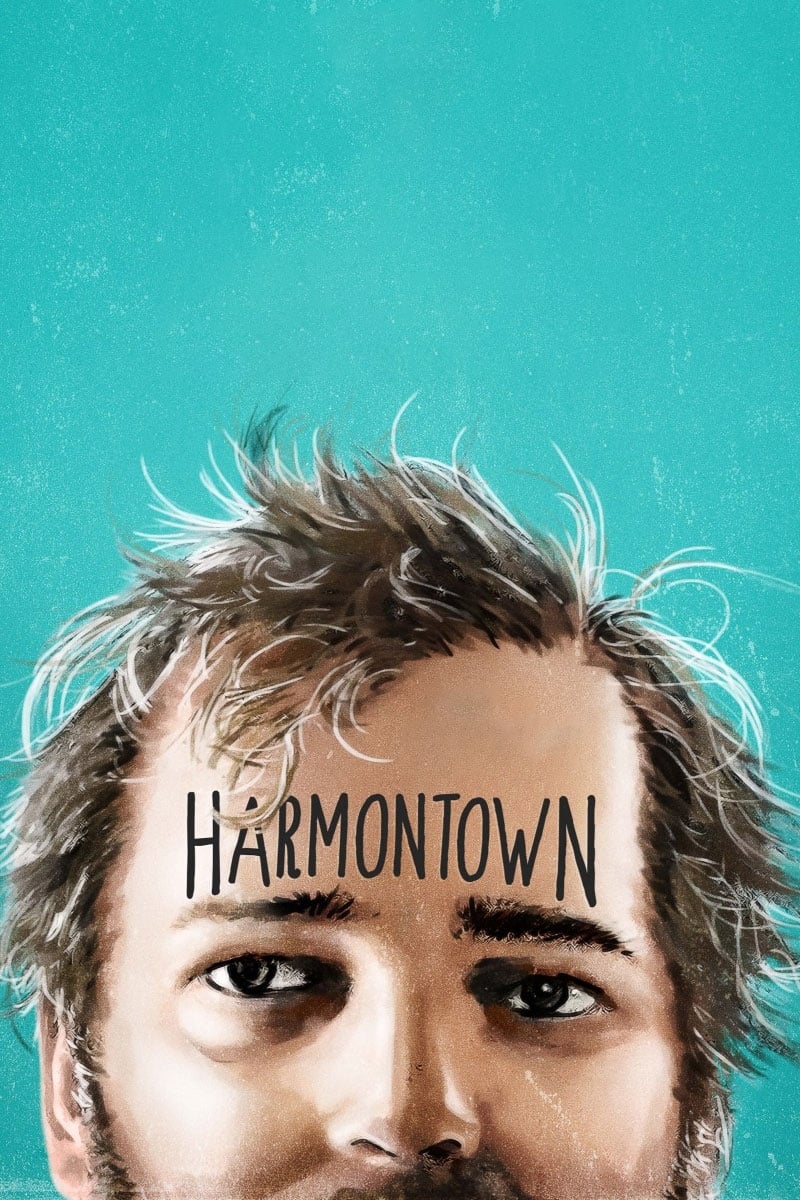
A comedic, brutally honest documentary following self-destructive TV writer Dan Harmon as he takes his live podcast on a national tour.