A variation on the popular Butterfly Dance, released in hand-colored and stenciled versions. The film has the catalogue number 2011 and was likely shot in 1897 but not screened in France until the 10th of December 1899.
Social & External
The people behind it
Charles Dekeukeleire, then a questioning Catholic, was spurred into making this documentary on a pilgrimage with the Catholic Young Workers’ Movement. The director’s approach is one of critical reflection; A film emotional and fervent, even acerbic.
A group of Macedonian women are shown hard at work.
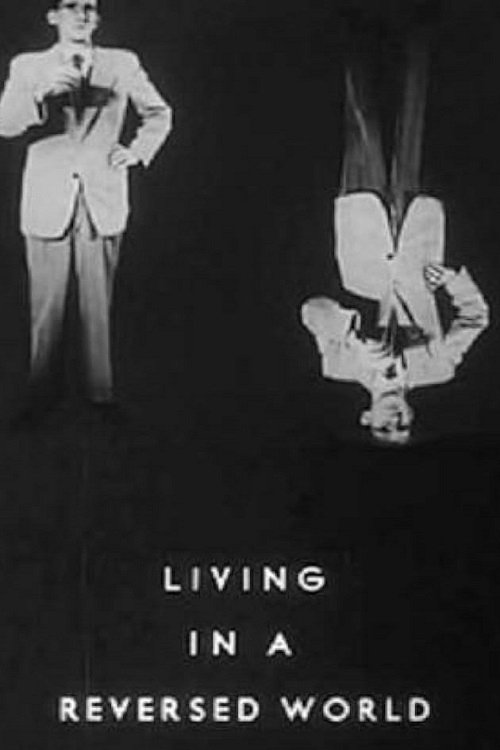
Fascinating -- and unintentionally funny -- experiments at Austria's famed Institute for Experimental Psychology involve a subject who for several weeks wears special glasses that reverse right and left and up and down. Unexpectedly, these macabre and somehow surrealist experiments reveal that our perception of these aspects of vision is not of an optical nature and cannot be relied on, while the unfortunate, Kafkaesque subject stubbornly struggles through a morass of continuous failures.
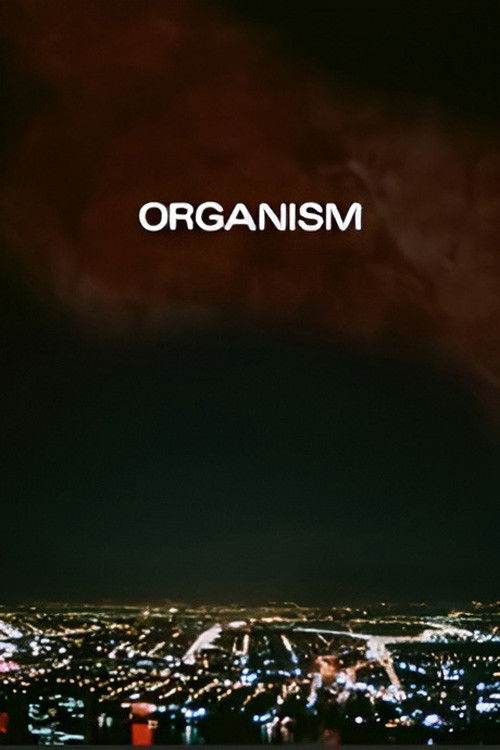
Filmed between 1959 and 1974 using pioneering time-lapse techniques, Hilary Harris’ experimental documentary presents New York City as a living organism. Through a dynamic montage of traffic, crowds, and urban movement, the film explores the parallels between the rhythms of city life and the processes of the human body.
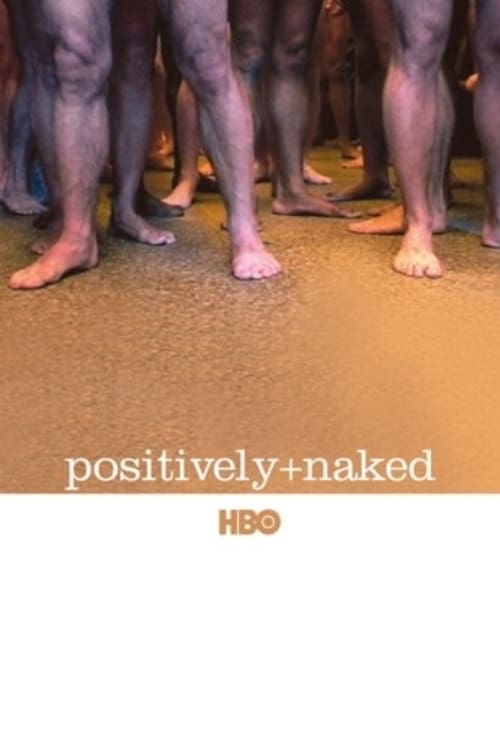
No clothes. No apologies. This film marks artist Spencer Tunick's third 'Naked' documentary which feature photo shoots that create art from the naked bodies of men and women. In this shoot, 85 HIV-positive men and women gather in a downtown Manhattan bar where they bare it all for Tunick's camera, creating an unsentimental look at life with AIDS in America today.
According to the U.S. Department of Veterans Affairs, one veteran dies by suicide in America every 80 minutes. While only 1% of Americans has served in the military, former service members account for 20% of all suicides in the U.S. Based in Canandaigua, NY and open 24 hours a day, 365 days a year, the Veterans Crisis Line receives more than 22,000 calls each month from veterans of all conflicts who are struggling or contemplating suicide. This timely documentary spotlights the traumas endured by America’s veterans, as seen through the work of the hotline’s trained responders. CRISIS HOTLINE captures extremely private moments, where the professionals, many of whom are themselves veterans or veterans’ spouses, can often interrupt the thoughts and plans of suicidal callers to steer them out of crisis.
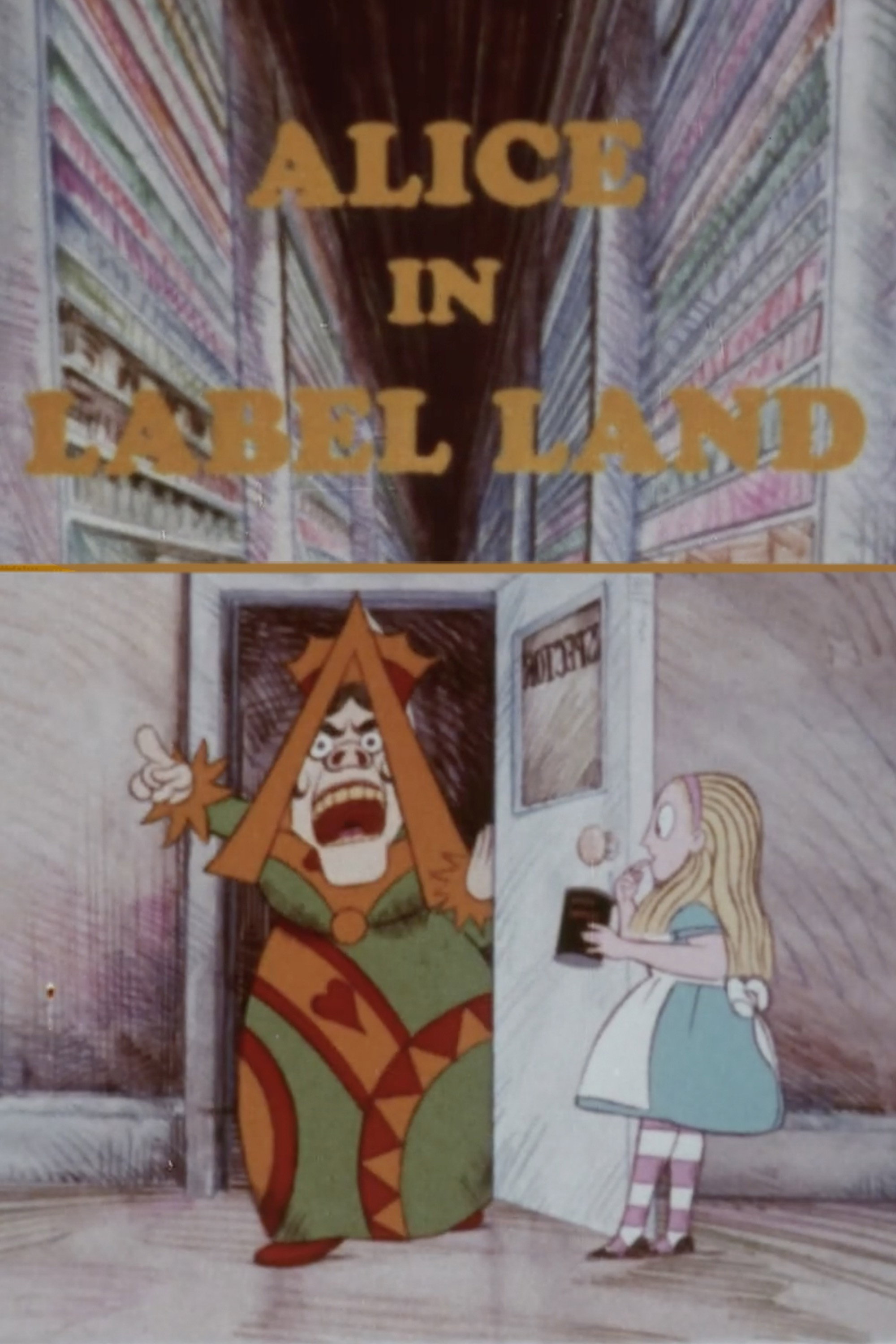
Lewis Carroll's 'Alice' stories are used to explain certain sections of the Labelling of Food Regulations 1970.
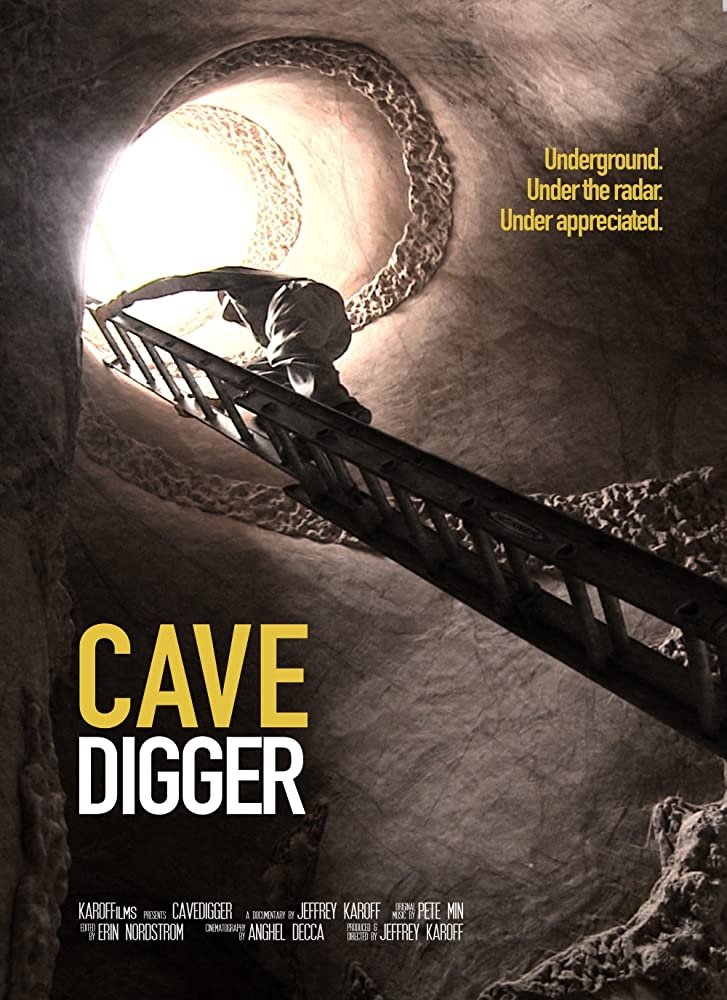
Ra Paulette digs cathedral-like, 'eighth wonder of the world' art caves into the sandstone cliffs of Northern New Mexico. Each creation takes years to complete, and each is a masterwork. But patrons who have commissioned caves have cut off nearly all of his projects due to artistic differences. Fed up, Ra has chosen to forego all commissions to create his own Magnum Opus, a massive 10-year project.
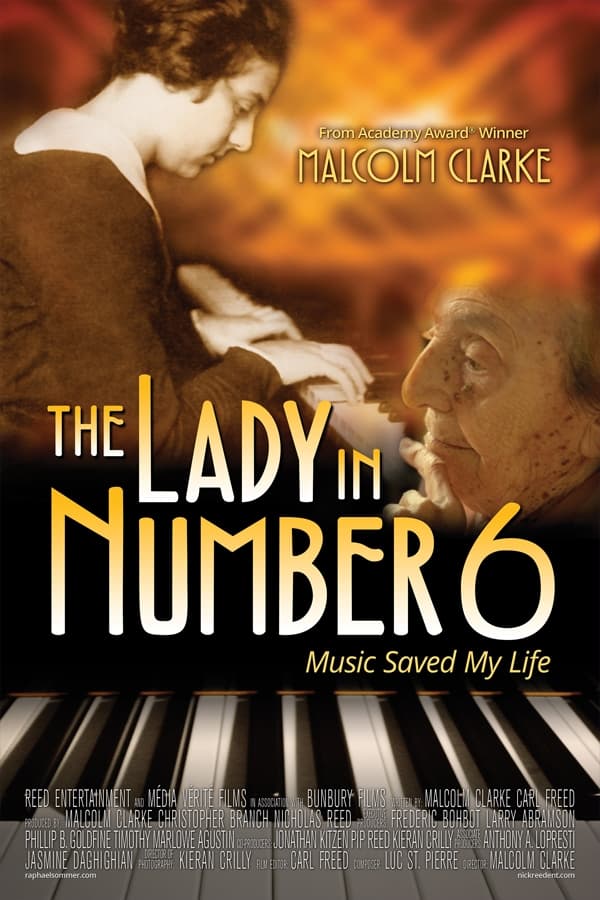
The story of Alice Herz-Sommer, a German-speaking Jewish pianist from Prague who was, at her death, the world's oldest Holocaust survivor. She discusses the importance of music, laughter, and how to have an optimistic outlook on life.
An essay film on the editing of erotic movies.
An accurate depiction of the basic tenets of northern Mahayana Buddhism, cast into living or "experiential" form, consistent with powerful mantras heard on the soundtrack of the film. Tarthang Tulku, a Tibetan Lama, was the advisor.
The Junk King (Vince Hannemann) gives valuable insight regarding his art and the Cathedral of Junk in Austin, TX.
At the end of 1954, Eduardo Ducay, Juan Julio Baena and Carlos Saura travelled to the region of Sanabria (province of Zamora) to make a commissioned documentary on the construction of a system of reservoirs. Much of the filmed material was unusable due to a technical problem, but Ducay rescued part of it and combined it with voice-over to construct a work on absences.
Chronicle of the Occupation.
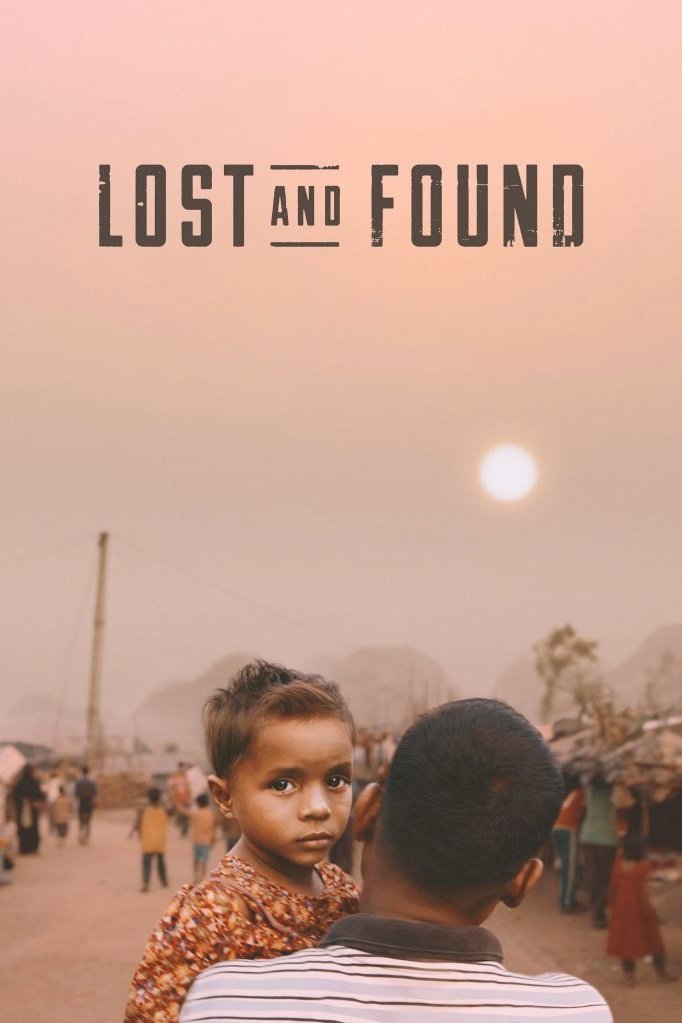
Lost and Found provides an in-depth focus into the Myanmar military’s campaign of ethnic cleansing and violence perpetrated against the Rohingya, and one man’s life mission to reunite separated Rohingya children with their parents.
Short film about regenerative energy sources
The rise of the Roman Empire towards world power is reconstructed with the help of cartographies and re-enactments. It also shows where traces of ancient Rome can still be found today.
A mother wants to tell her daughter her opinion via video, but because she is untrained in using the new technology, she returns to the familiar letter form.
Short film about neighbourhood assistance
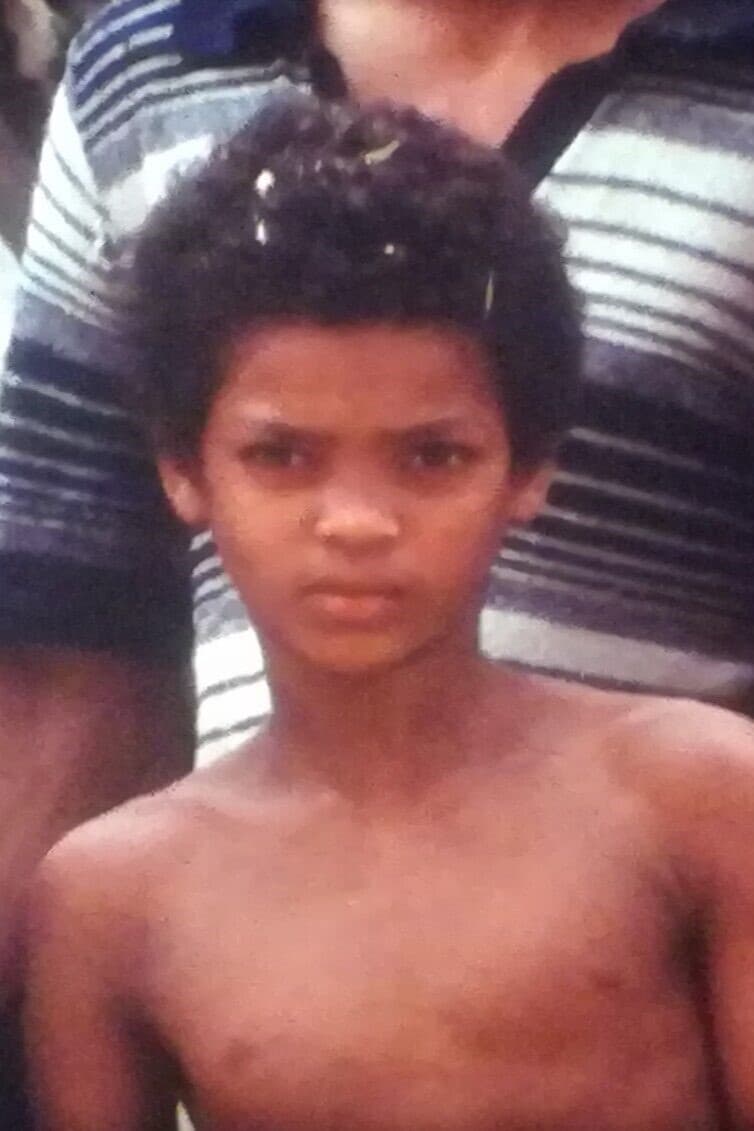
Manuel is only 11 years old, but he already works on a sugar cane plantation located in northeastern Brazil. His father and older brother are also employed here. Manuel works on a huge roller that is used to press out the sugar cane. His friends transport the squeezed sugar cane away, dry the remains on the farm or help transport the cut cane to the mill. The film shows Manuel's daily work and describes the different steps of sugar production on the plantation. Manuel hopes that his younger siblings will soon be able to help, because although Manuel contributes to the family income, it is often not enough to feed the family of nine.
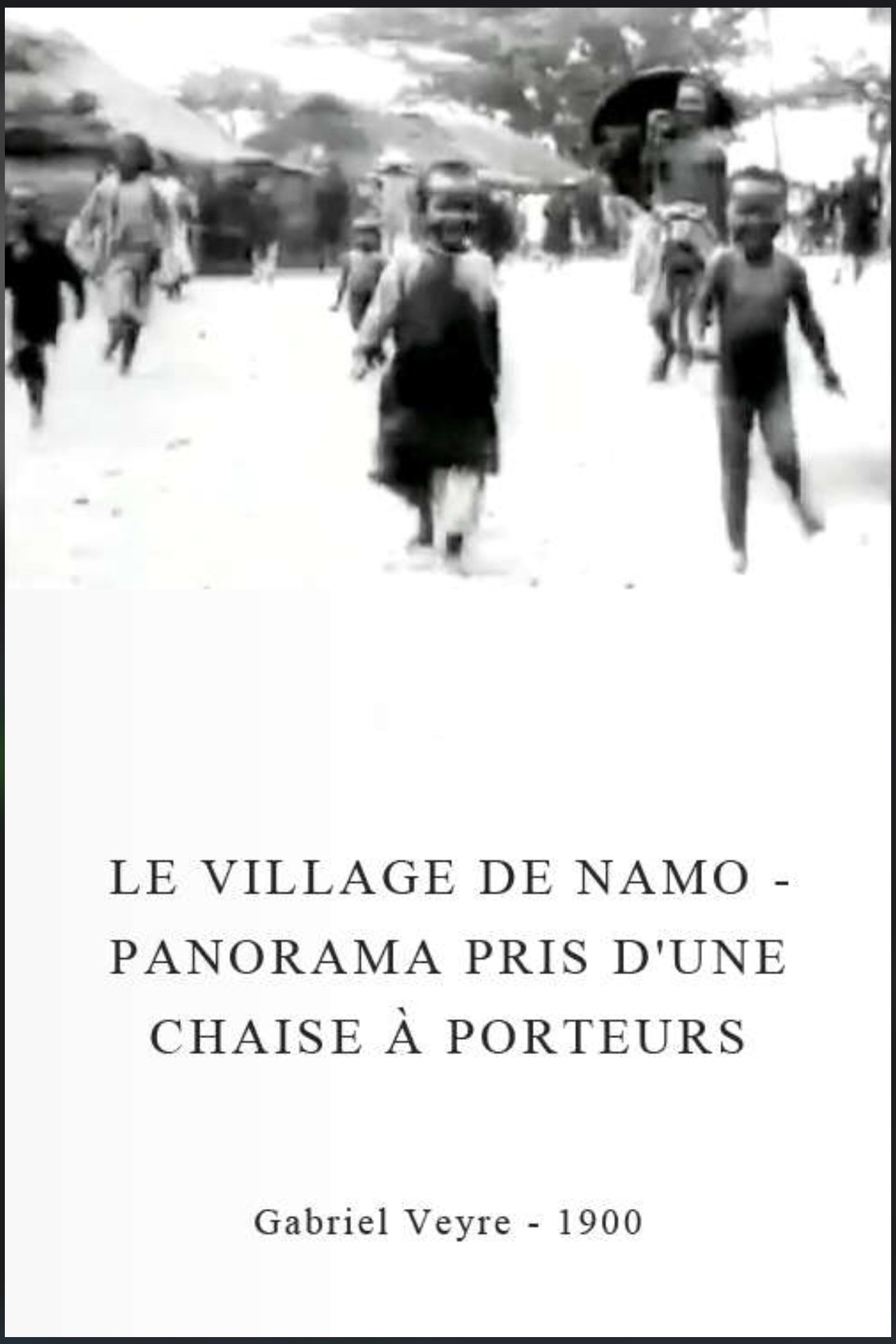
The film is a panorama shot-scene lasting just under a minute. The panorama film, as coined by Lumière, is a moving-camera shot--usually accomplished by placing the camera on a moving transport, such as a boat or train.
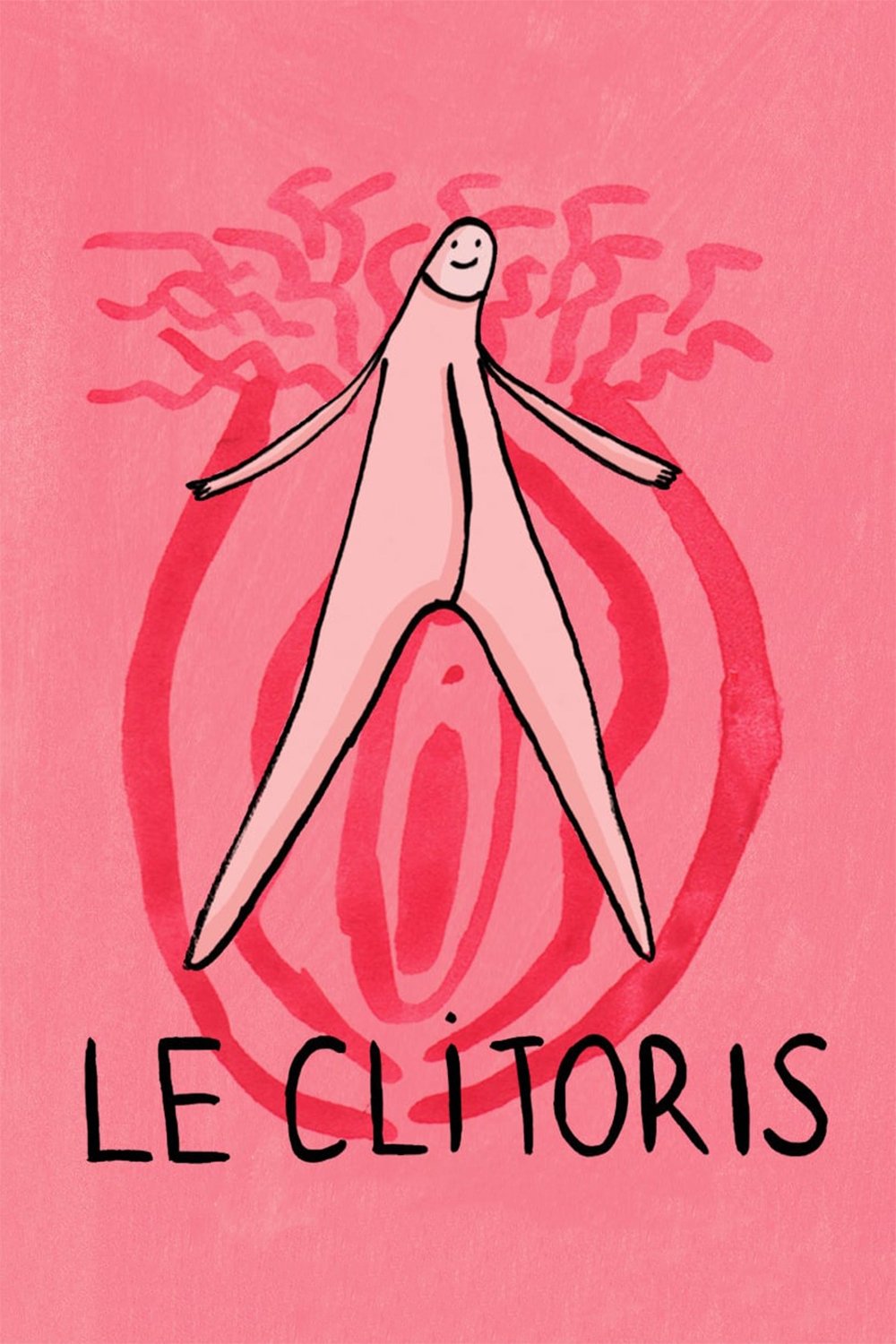
Women are lucky, they get to have the only organ in the human body dedicated exclusively for pleasure: the clitoris! In this humorous and instructive animated documentary, find out its unrecognized anatomy and its unknown herstory.
Daniel Craig candidly reflects on his 15 year adventure as James Bond. Including never-before-seen archival footage from Casino Royale to the upcoming 25th film No Time To Die, Craig shares his personal memories in conversation with 007 producers, Michael G Wilson and Barbara Broccoli.
SEDUCED AND ABANDONED combines acting legend Alec Baldwin with director James Toback as they lead us on a troublesome and often hilarious journey of raising financing for their next feature film. Moving from director to financier to star actor, the two players provide us with a unique look behind the curtain at the world's biggest and most glamourous film festival, shining a light on the bitter-sweet relationship filmmakers have with Cannes and the film business. Featuring insights from directors Martin Scorsese, 'Bernando Bertolucci' and Roman Polanski; actors Ryan Gosling and Jessica Chastain and a host of film distribution luminaries.
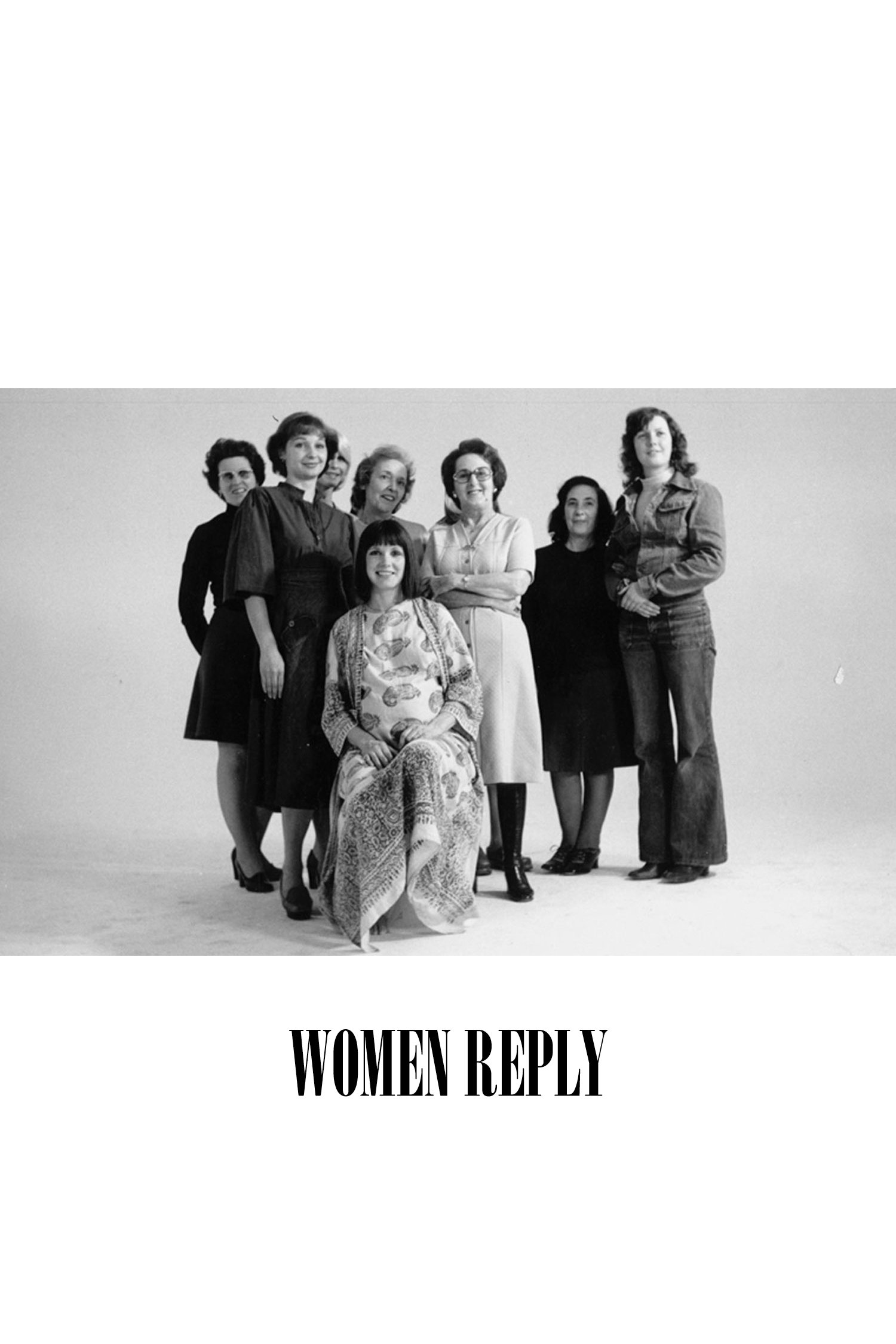
What does being a woman really mean? How do women live the status society reserves for them? A group of women, beautiful or not, young or not, gifted with motherly instinct or not, answer before Agnès Varda's camera.
A look behind the lens of Christopher Nolan's space epic.
A purely observational non-fiction film that takes viewers into the ethically murky world of end-of-life decision making in a public hospital.
JB Smoove and Martin Starr host a celebration of 20 years of "Spider-Man" movies, from the Sam Raimi trilogy to Marc Webb's movies and the trio from Jon Watts.
While in San Francisco for the promotion of her last film in October 1967, Agnès Varda, tipped by her friend Tom Luddy, gets to know a relative she had never heard of before, Jean Varda, nicknamed "Yanco". This hitherto unknown uncle lives on a boat in Sausalito, is a painter, has adopted a hippie lifestyle and loves life. The meeting is a very happy one.
Featuring interviews with filmmakers and industry legends, discover the origins and evolution of The Joker, and learn why The Clown Prince of Crime is universally hailed as the greatest comic-book supervillain of all time.
An unpredictable documentary from a fascinating storyteller, Agnès Varda’s last film sheds light on her experience as a director, bringing a personal insight to what she calls "cine-writing," traveling from Rue Daguerre in Paris to Los Angeles and Beijing.
As his life comes to its end, famous Hollywood director Orson Welles puts it all on the line at the chance for renewed success with the film The Other Side of the Wind.
A feature length documentary about the all-women team at the helm of Pixar's original feature, Turning Red. With unprecedented behind-the-scenes access to Director Domee Shi and her core leadership crew, this story shines a light on the powerful professional and personal journeys that brought this incredibly comical, utterly relatable, and deeply heartfelt story to the screen.
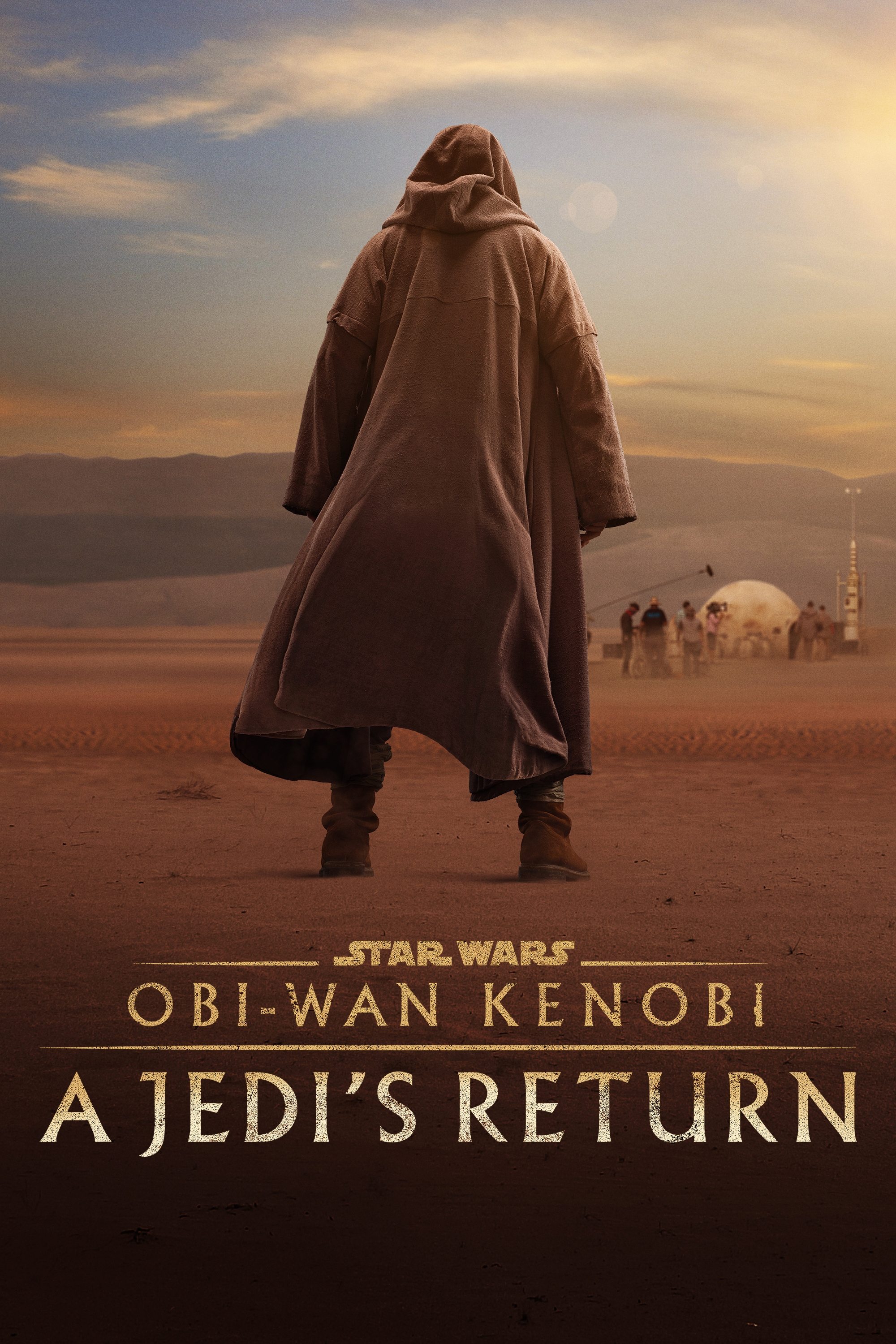
This special explores the return of Obi-Wan Kenobi and Anakin Skywalker to the screen, as well as Ewan McGregor and Hayden Christensen to their classic roles. Director Deborah Chow leads the cast and crew as they create new heroes and villains that live alongside new incarnations of beloved Star Wars characters, and an epic story that dramatically bridges the saga films.
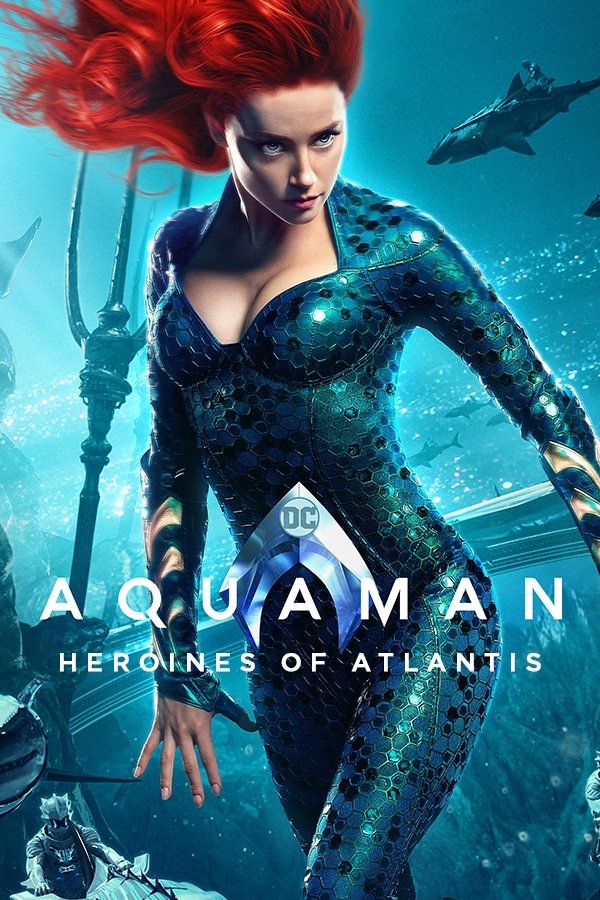
Amber Heard and Nicole Kidman discuss their characters Mera and Atlanna.
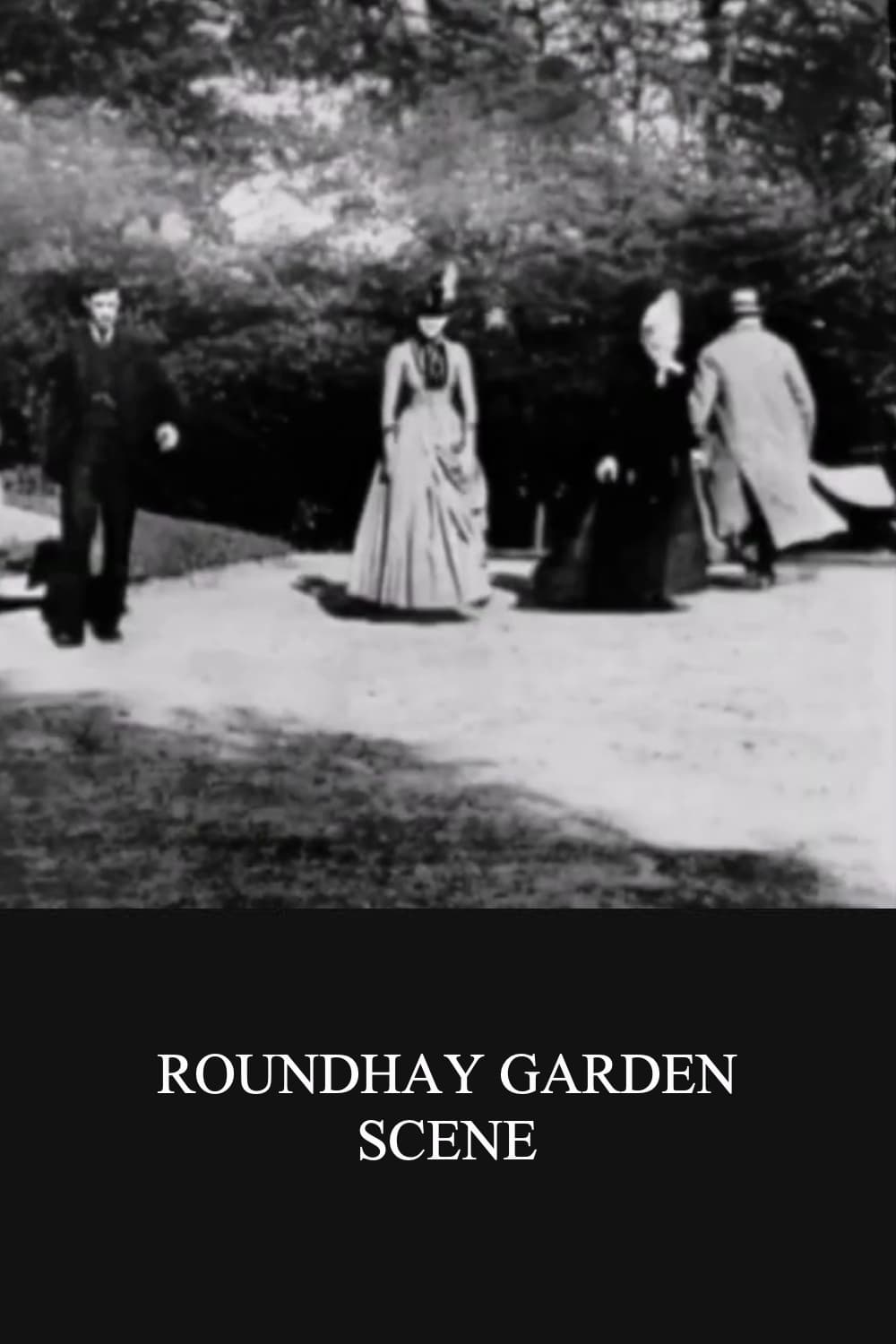
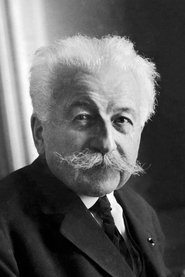
The earliest surviving motion-picture film, and believed to be one of the very first moving images ever created, was shot by Louis Aimé Augustin Le Prince using the LPCCP Type-1 MkII single-lens camera. It was taken on paper-based photographic film in the garden of Oakwood Grange, the Whitley family house in Roundhay, Leeds, West Riding of Yorkshire (UK), on 14 October 1888. The film shows Adolphe Le Prince (Le Prince’s son), Mrs. Sarah Whitley (Le Prince’s mother-in-law), Joseph Whitley, and Miss Harriet Hartley walking around in circles, laughing to themselves, and staying within the area framed by the camera. Roundhay Garden Scene is often associated with a recording speed of around 12 frames per second and runs for about 2 to 3 seconds.
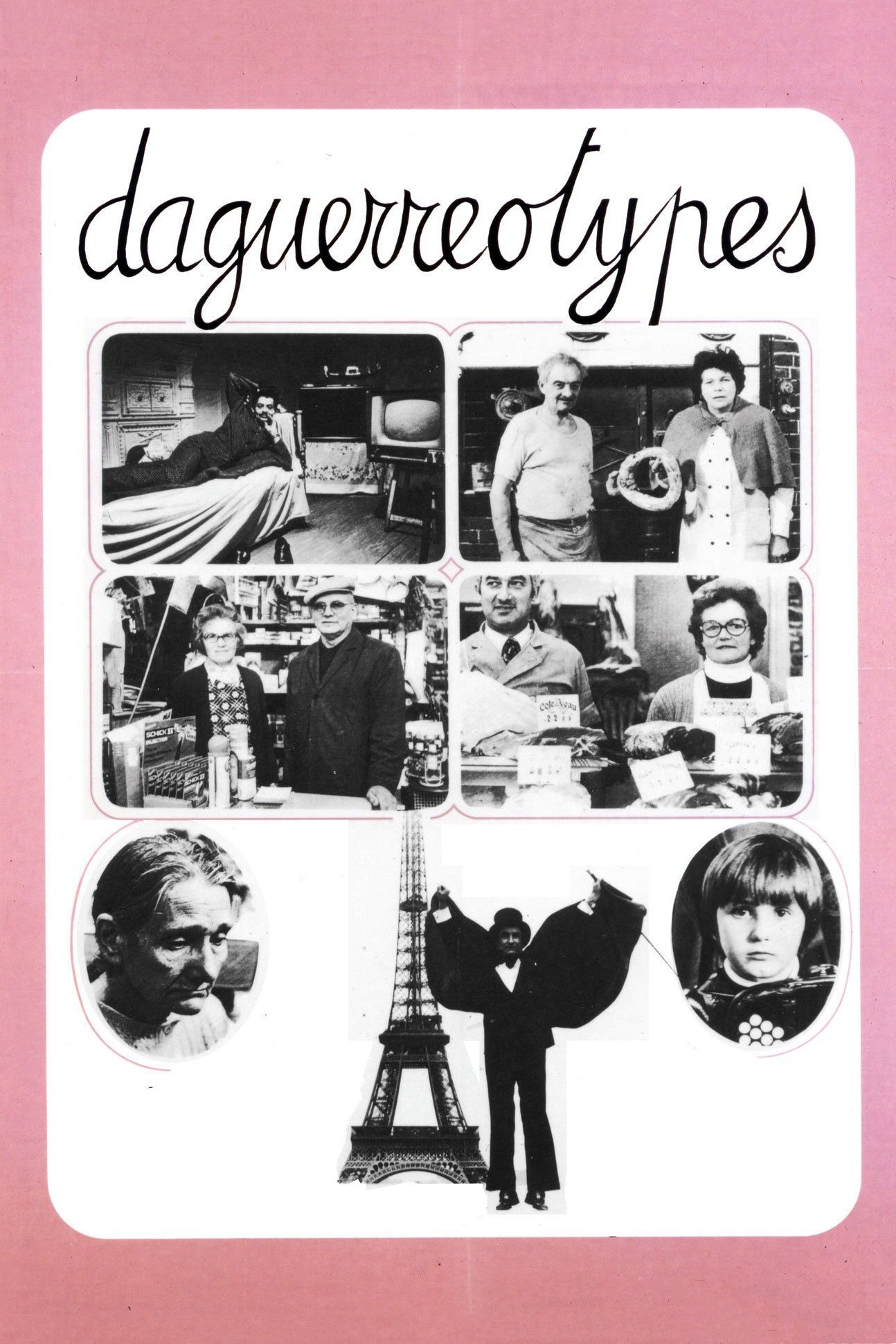
An intimate portrait of the small shops and shopkeepers of the Rue Daguerre in Paris, a picturesque street that has been the filmmaker’s home for more than 50 years.
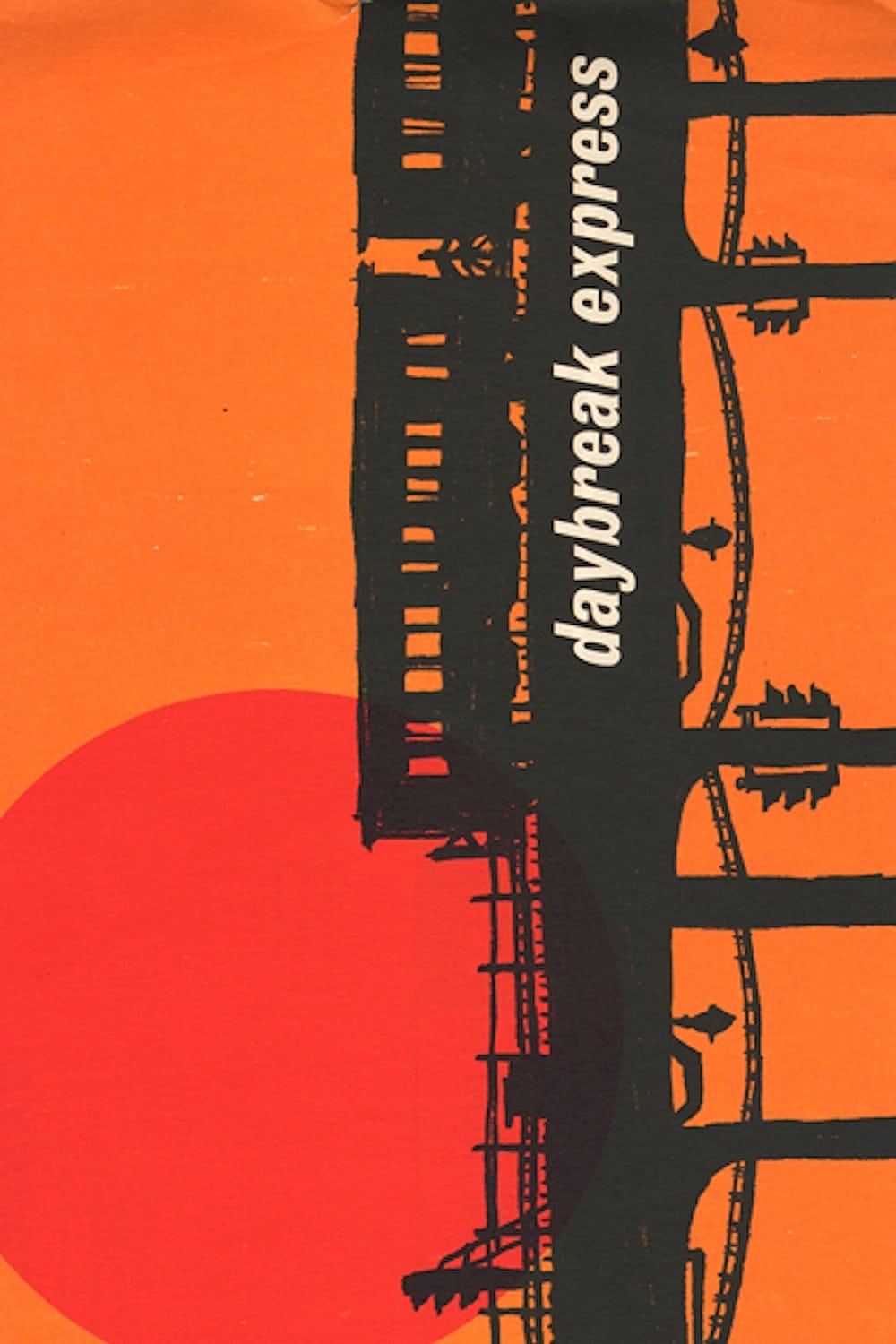
Set to a classic Duke Ellington recording "Daybreak Express", this is a five-minute short of the soon-to-be-demolished Third Avenue elevated subway station in New York City.
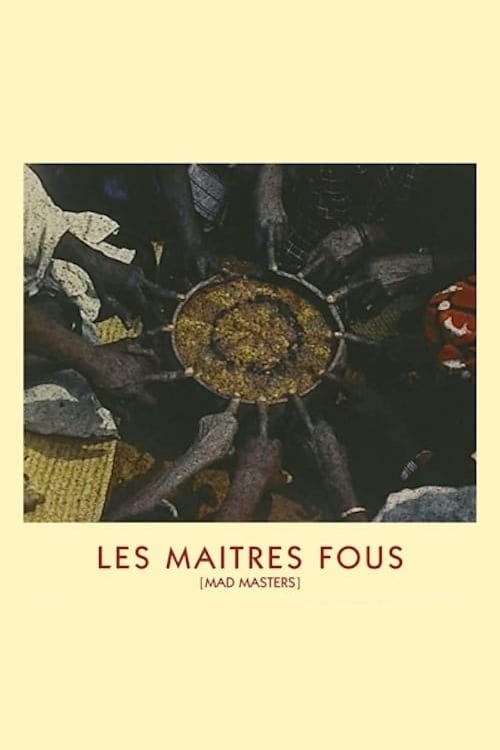
The subject of the film was the Hauka movement. The Hauka movement consisted of mimicry and dancing to become possessed by French Colonial administrators. The participants performed the same elaborate military ceremonies of their colonial occupiers, but in more of a trance than true recreation.
Witness the never-before-seen footage and true story behind the John Wick phenomenon – from independent film to billion-dollar franchise.