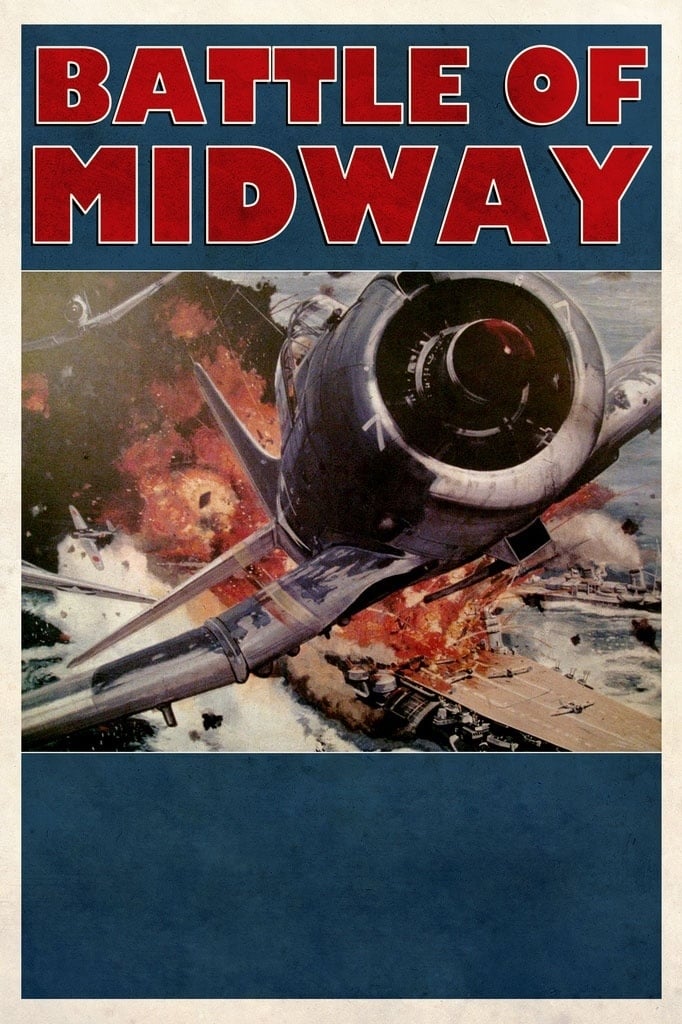
John Ford splices together footage of Torpedo Squadron 8, all but one of whom were later shot down and killed in the Battle of Midway. Preserved by the Academy Film Archive in partnership with Twentieth Century Fox Film Corporation in 2007.
Social & External
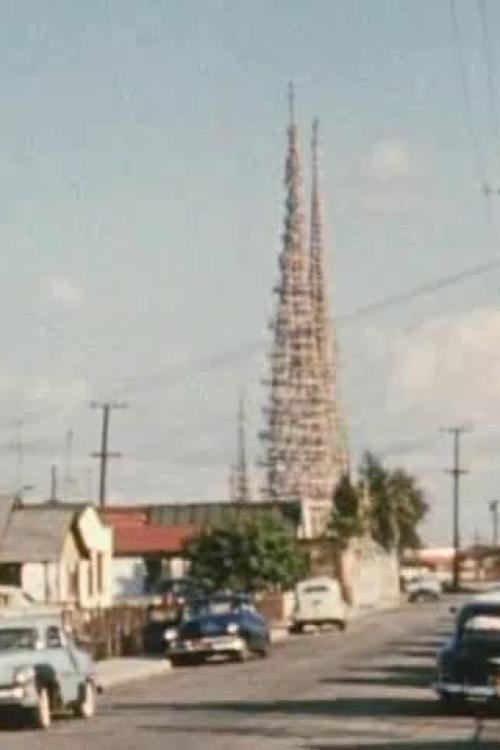
Documentary about the Watts Towers. Preserved by the Academy Film Archive in 2009.
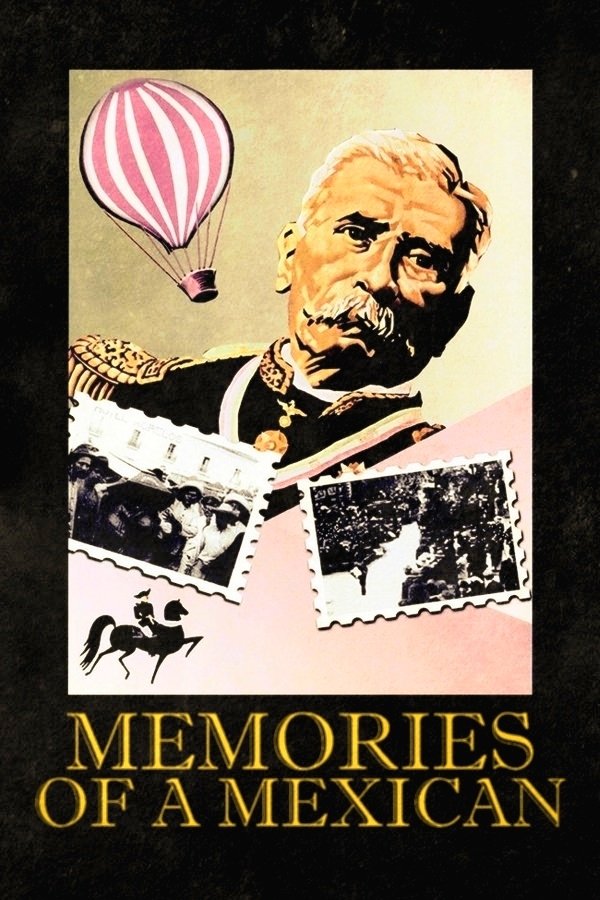
A history of the Mexican Revolution (1910-17), narrated through the striking images of the enormous film archive of Salvador Toscano (1872-1947), pioneer of Mexican cinema, compiled by his daughter, Carmen Toscano.
A documentary record of the day-to-day existence of a pair of young married heroin addicts. Preserved by the Academy Film Archive in 2009.
Two young women, frustrated by war rationing, have a dream illustrating the likely results on prices in America should the measure were prematurely lifted. Preserved by the Academy Film Archive in 2008.
"Abner L. Fuqua clears his throat and I get mad and stand close to trains or cut my eyebrow off. Dorothy is Abner's wife. Abner can slap hard, like blue magic." - graffiti
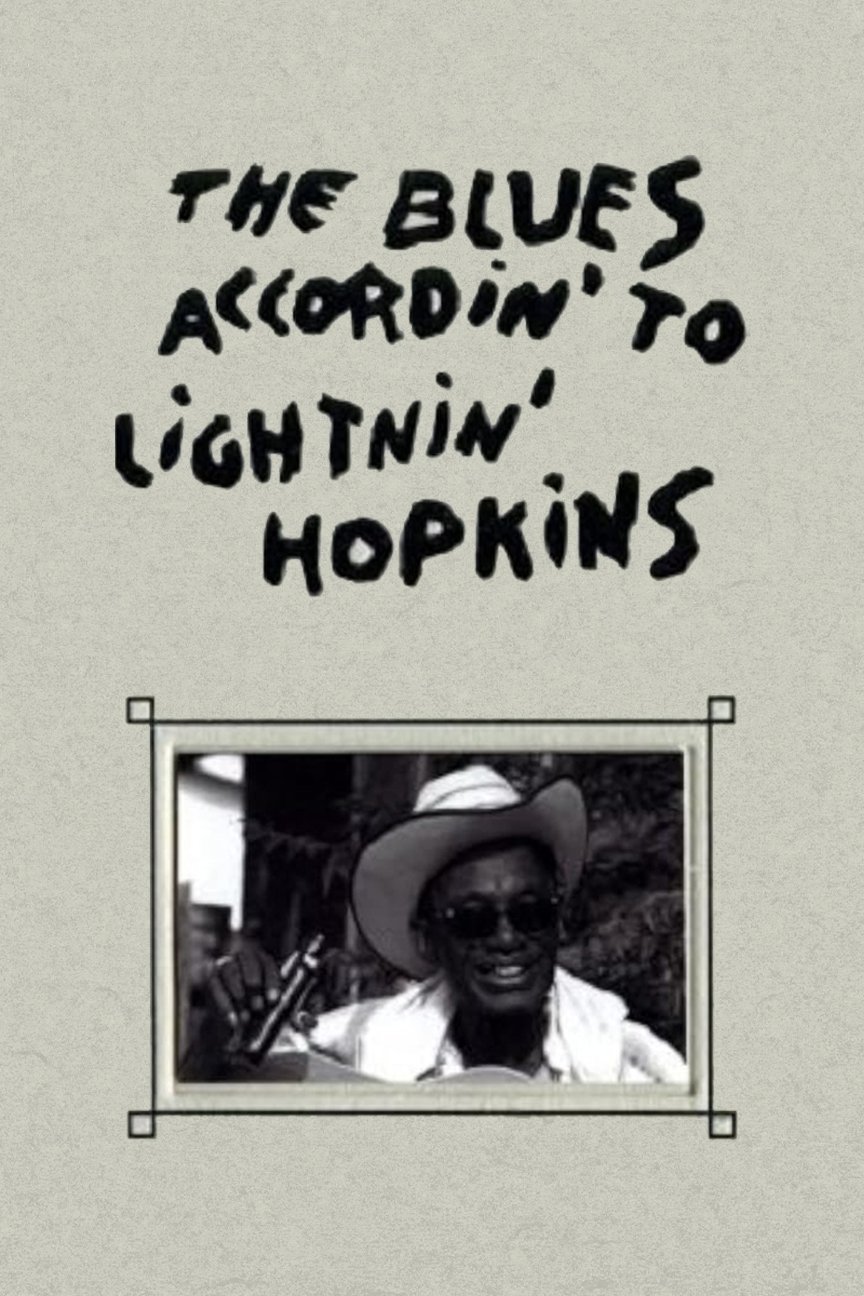
A musical portrait of Texas bluesman 'Lightnin' Hopkins. The film includes interviews and a performance by Hopkins. Preserved by the Academy Film Archive in 2002.
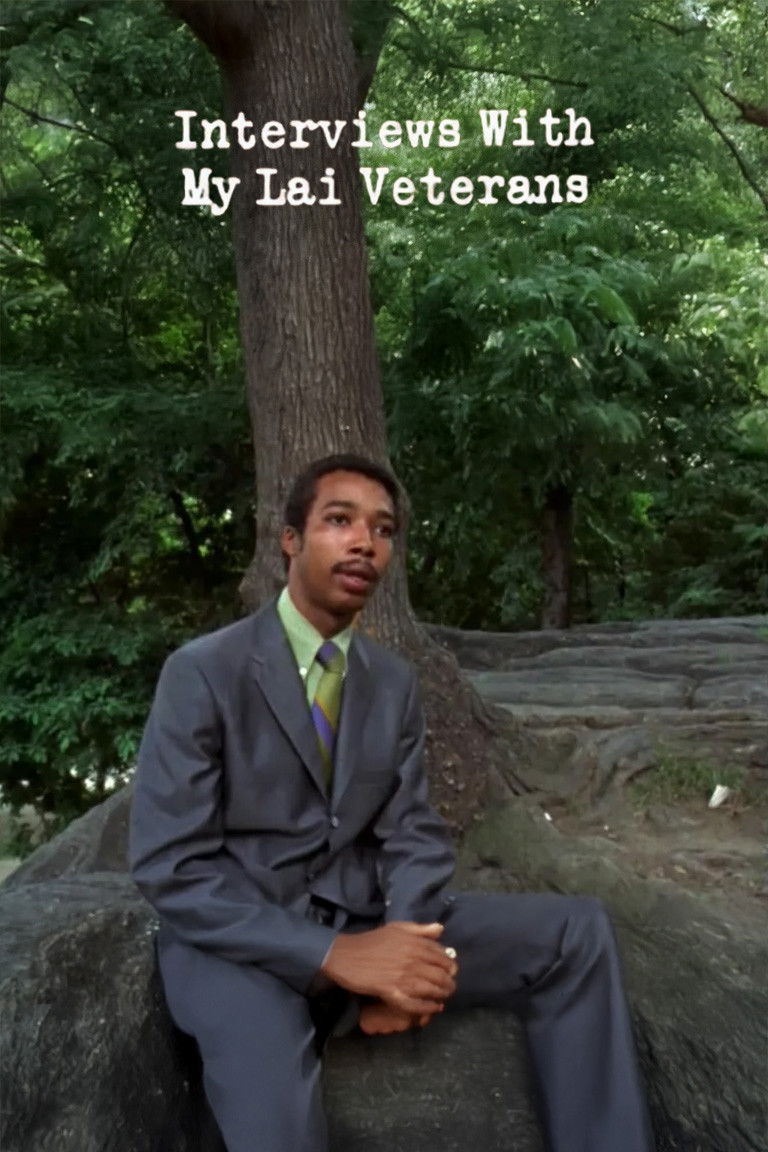
Interviews with five former American soldiers who were present at the March 16, 1968 attack on the village of My Lai during the Vietnam War; they discuss the orders that were issued leading up to the attack, their expectations of what they would find there, and the subsequent massacre of the inhabitants and destruction of the village, as well as possible motivations for the killings and rapes which took place. Preserved by the Academy Film Archive in 2002.
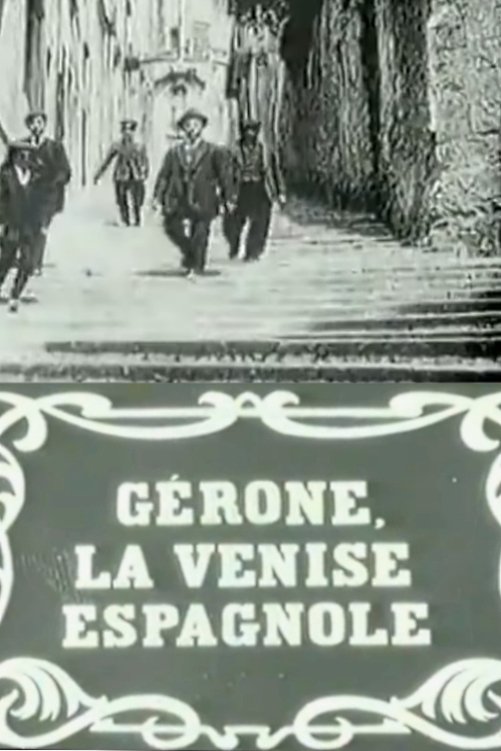
One of Chomón's documentary films: A short tour of the city of Girona, the "Venice of Spain". Preserved by the Academy Film Archive in 2010.
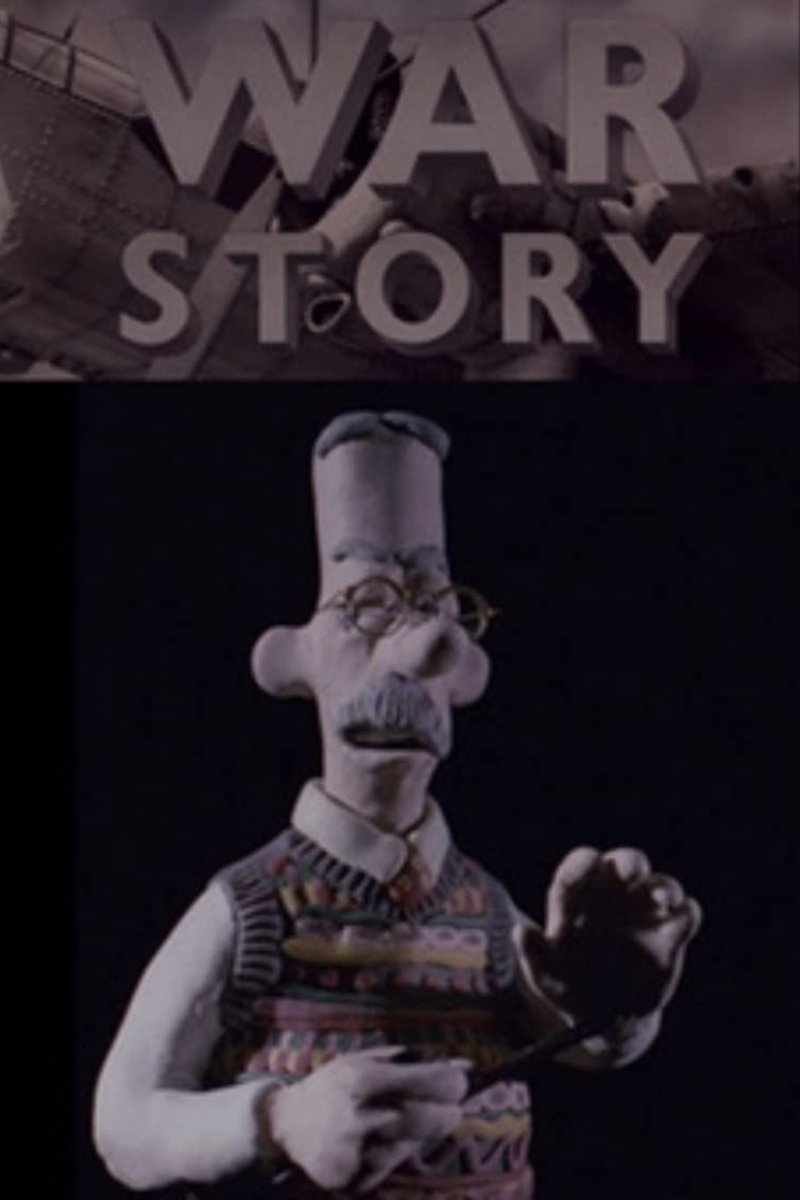
This claymation short film uses a real interview for dialogue. Bill Perry relates stories about his youth, his tilted house, and adventures during WWII in Bristol, England during the blitz. Preserved by the Academy Film Archive.
Experimental film woven around a poem about Chicano culture in the U.S. Preserved by the Academy Film Archive in 2017.
During a two-day period before and after the University of Alabama integration crisis, the film uses five camera crews to follow President John F. Kennedy, attorney general Robert F. Kennedy, Alabama governor George Wallace, deputy attorney general Nicholas Katzenbach and the students Vivian Malone and James Hood. As Wallace has promised to personally block the two black students from enrolling in the university, the JFK administration discusses the best way to react to it, without rousing the crowd or making Wallace a martyr for the segregationist cause. Preserved by the Academy Film Archive in partnership with The Film Foundation in 1999.
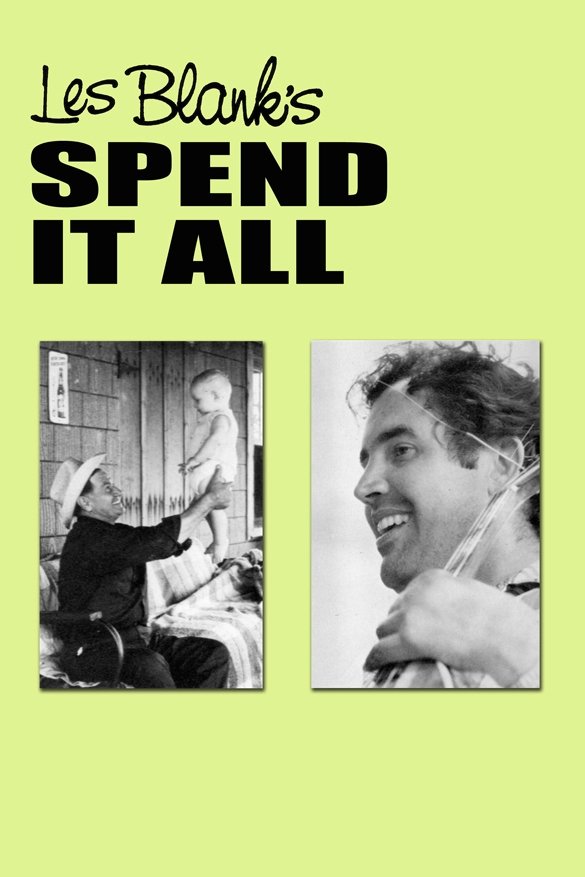
Another short documentary of "Real Food, Roots Music, and People Full of Passion for what they do!", Spend It All is Les Blank's spirited look at the French-speaking Cajun community of southwest Louisiana. Preserved by the Academy Film Archive in 2013.
A look at the daily business of U.S. President John F. Kennedy, with a focus on some of the political issues he faces six weeks into his term. Preserved by the Academy Film Archive in 2007.

A film poem using found film and stock footage altered by printing, home development and solarization. It is a film using visual relationships to invoke a feeling of flow and movement. Preserved by the Academy Film Archive in partnership with National Film Preservation Foundation in 2011.
First person view of a man, seen only in shadow, attempting to connect with the world around him. Preserved by the Academy Film Archive in 2013.
In March and April of 1966, Markopoulos created this filmic portrait of writers and artists from his New York circle, including Parker Tyler, W. H. Auden, Jasper Johns, Susan Sontag, Storm De Hirsch, Jonas Mekas, Allen Ginsberg, and George and Mike Kuchar, most observed in their homes or studios. Filmed in vibrant color, Galaxie pulses with life. It is a masterpiece of in-camera composition and editing, and stands as a vibrant response to Andy Warhol's contemporary Screen Tests. Preserved by the Academy Film Archive in 2001.
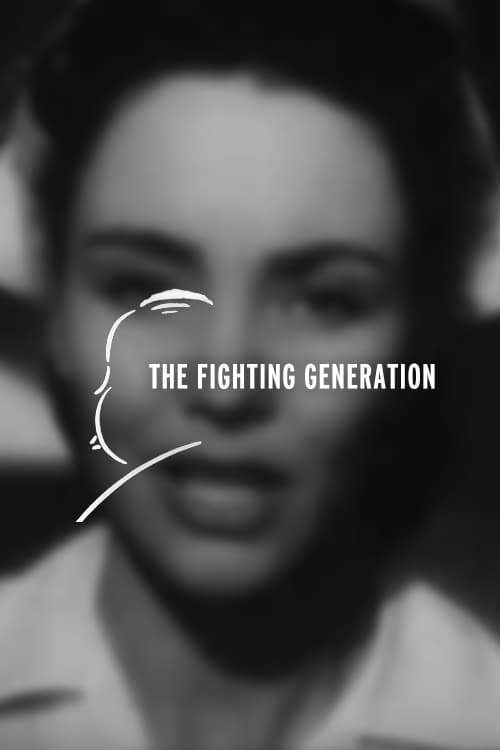
A 1944 propaganda short film produced for the U.S. Treasury Department and intended to boost war bond sales, directed by an uncredited Alfred Hitchcock and starring Jennifer Jones as a nurse's aide. Preserved by the Academy Film Archive, from the Academy War Film Collection, in 2008.
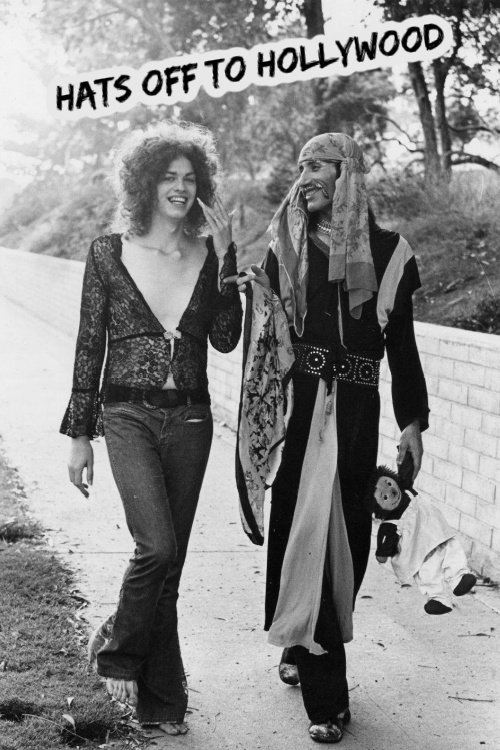
Picking up the story first presented in I Don’t Know (1970), Hats Off to Hollywood (1972) brazenly and brilliantly mixes documentary reality with fully staged recreations/reimaginings of episodes in the lives of Jennifer and Dana, a loving, bickering couple who challenge the notion of homonormativity. Drugs, poverty, disease, bigotry and prostitution all figure into this disarmingly candid and often hilarious film, a remarkable work that is the apotheosis of director Spheeris’ early work, and a luminous signpost leading directly to The Decline of Western Civilization (1979-1997). Preserved by the Academy Film Archive in 2012.
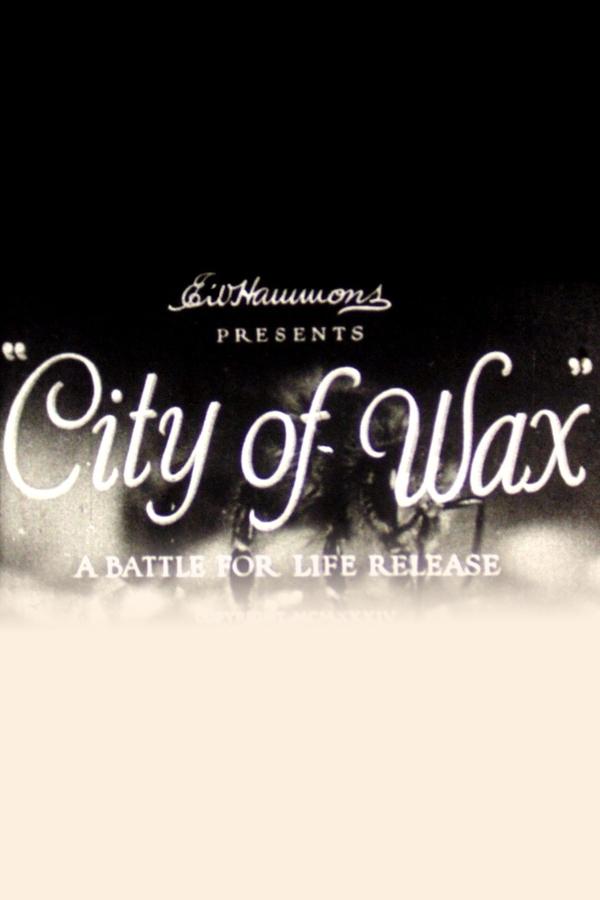
City of Wax is a 1934 American short documentary film produced by Horace and Stacy Woodard about the life of a bee. It won the Oscar at the 7th Academy Awards in 1935 for Best Short Subject (Novelty). Preserved by the Academy Film Archive in partnership with the UCLA Film and Television Archive in 2007.
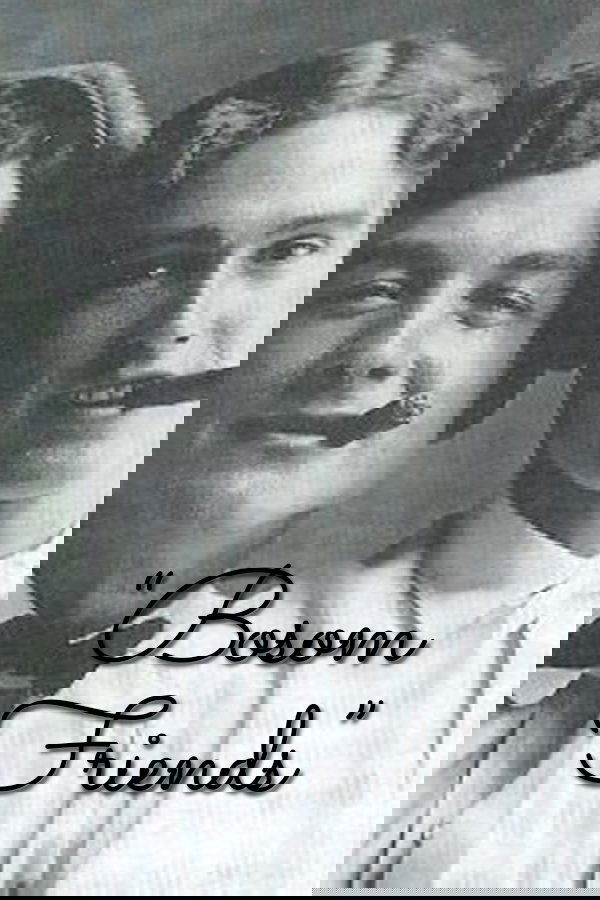
Bosom Friends is a 1934 American short film produced by E. W. Hammons. It was nominated for an Academy Award at the 7th Academy Awards in 1934 for Best Short Subject (Novelty). Preserved by the Academy Film Archive in partnership with UCLA Film & Television Archive in 2013.
The Japanese attack on Midway in June 1942, filmed as it happened. Preserved by the Academy Film Archive, in partnership with Twentieth Century Fox Film Corporation, in 2006.
Prelude to War was the first film of Frank Capra's Why We Fight propaganda film series, commissioned by the Pentagon and George C. Marshall. It was made to convince American troops of the necessity of combating the Axis Powers during World War II. This film examines the differences between democratic and fascist states.
A love letter from a young mother to her daughter, the film tells the story of Waad al-Kateab’s life through five years of the uprising in Aleppo, Syria as she falls in love, gets married and gives birth to Sama, all while cataclysmic conflict rises around her. Her camera captures incredible stories of loss, laughter and survival as Waad wrestles with an impossible choice– whether or not to flee the city to protect her daughter’s life, when leaving means abandoning the struggle for freedom for which she has already sacrificed so much.
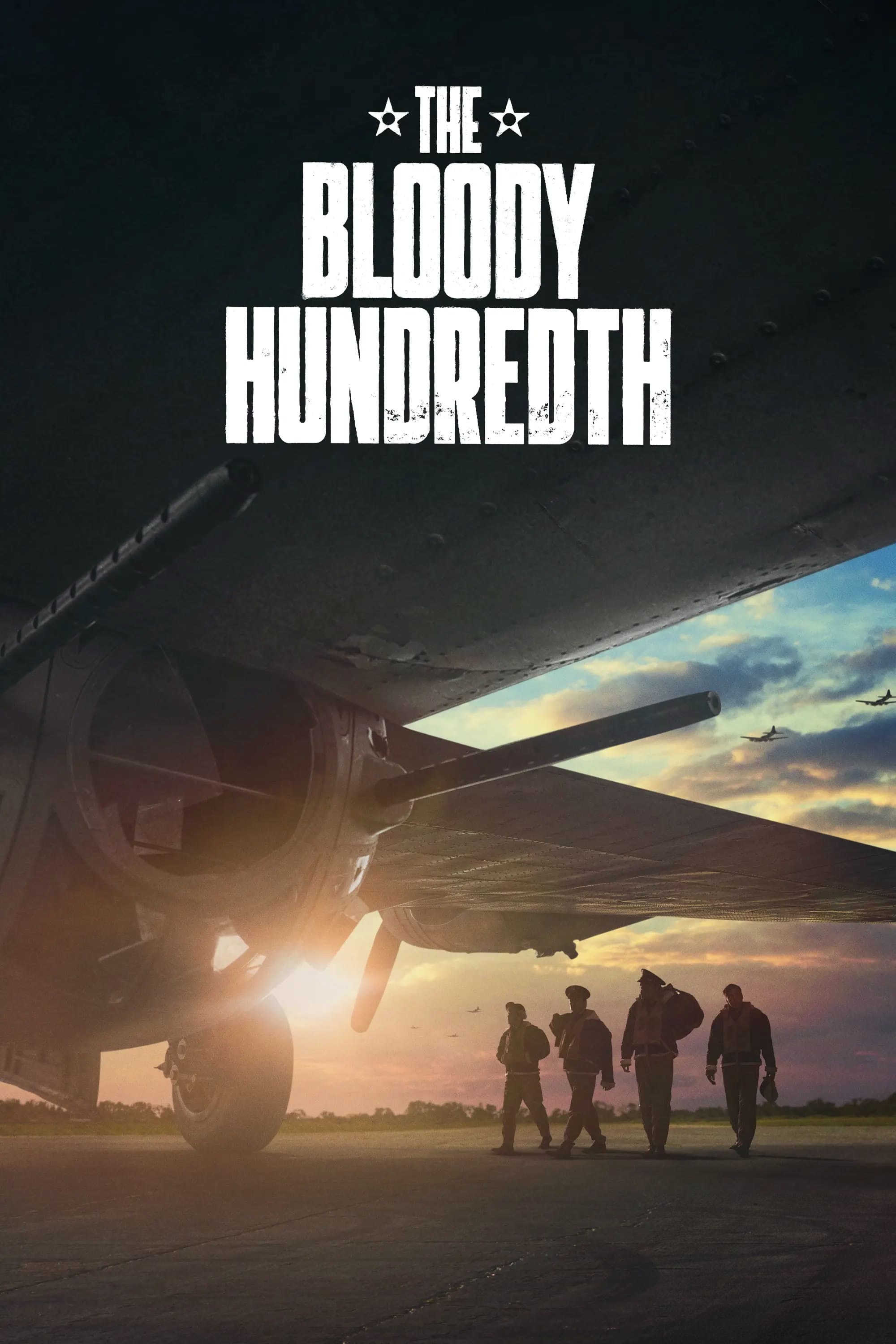
Meet the real-life airmen who inspired Masters of the Air as they share the harrowing and transformative events of the 100th Bomb Group.
“The Soviet Story” is a story of an Allied power, which helped the Nazis to fight Jews and which slaughtered its own people on an industrial scale. Assisted by the West, this power triumphed on May 9th, 1945. Its crimes were made taboo, and the complete story of Europe’s most murderous regime has never been told. Until now...
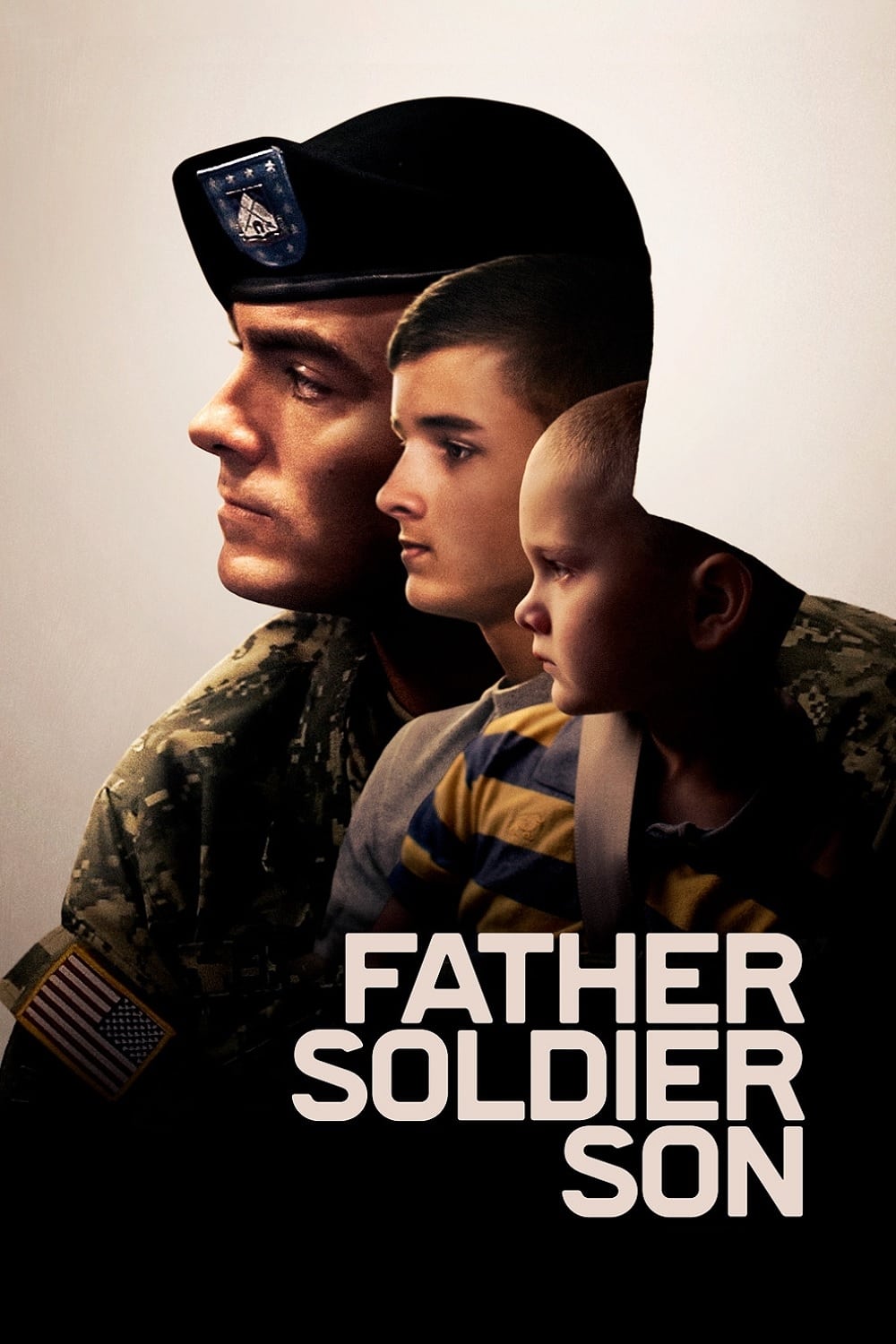
When Sgt. First Class Brian Eisch is critically wounded in Afghanistan, it sets him and his sons on a journey of love, loss, redemption and legacy.
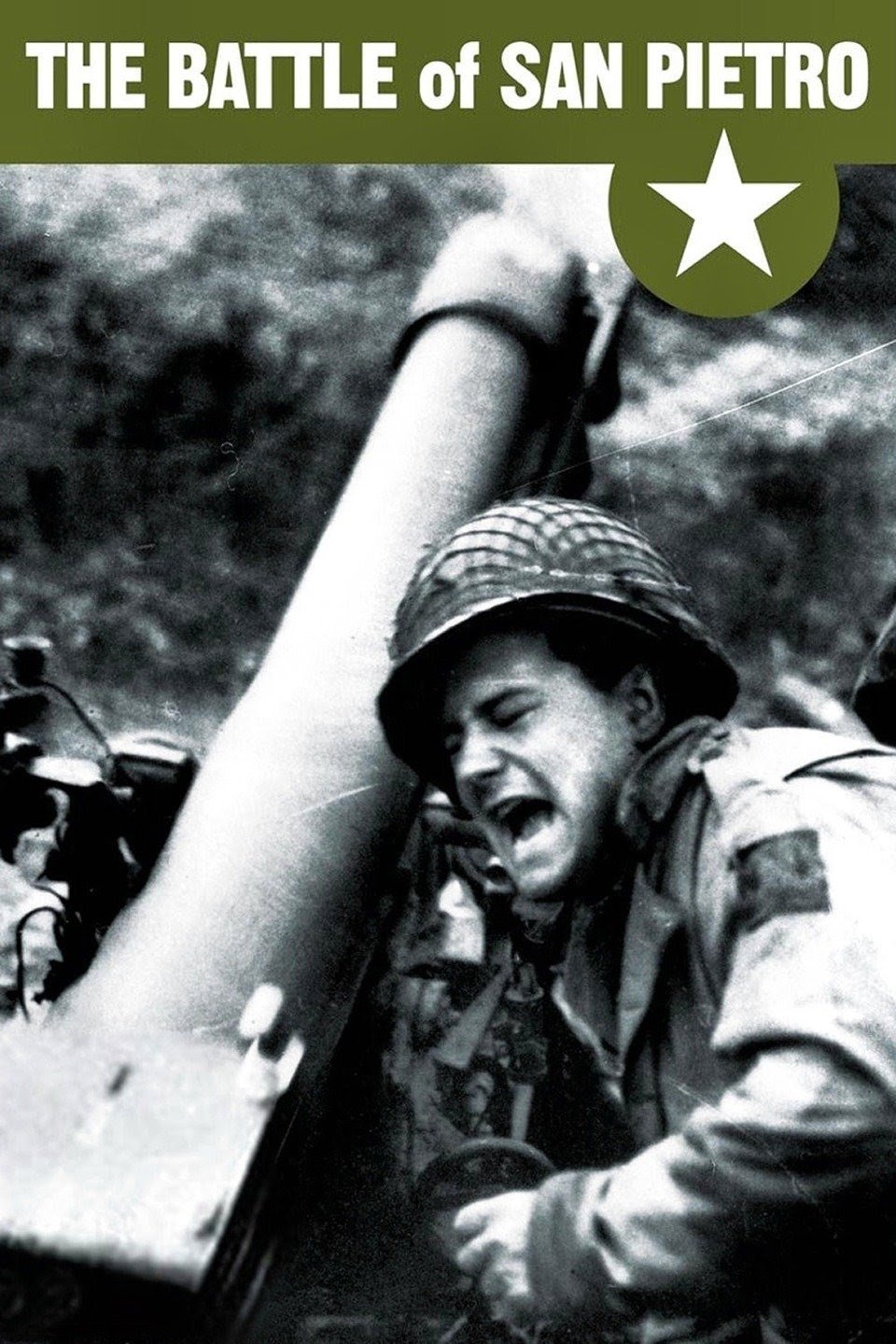
This documentary movie is about the battle of San Pietro, a small village in Italy. Over 1,100 US soldiers were killed while trying to take this location, that blocked the way for the Allied forces from the Germans. Preserved by the Academy Film Archive in 2005.
Amid the failing counteroffensive, a journalist follows a Ukrainian platoon on their mission to traverse one mile of heavily fortified forest and liberate a strategic village from Russian occupation. But the farther they advance through their destroyed homeland, the more they realize that this war may never end.
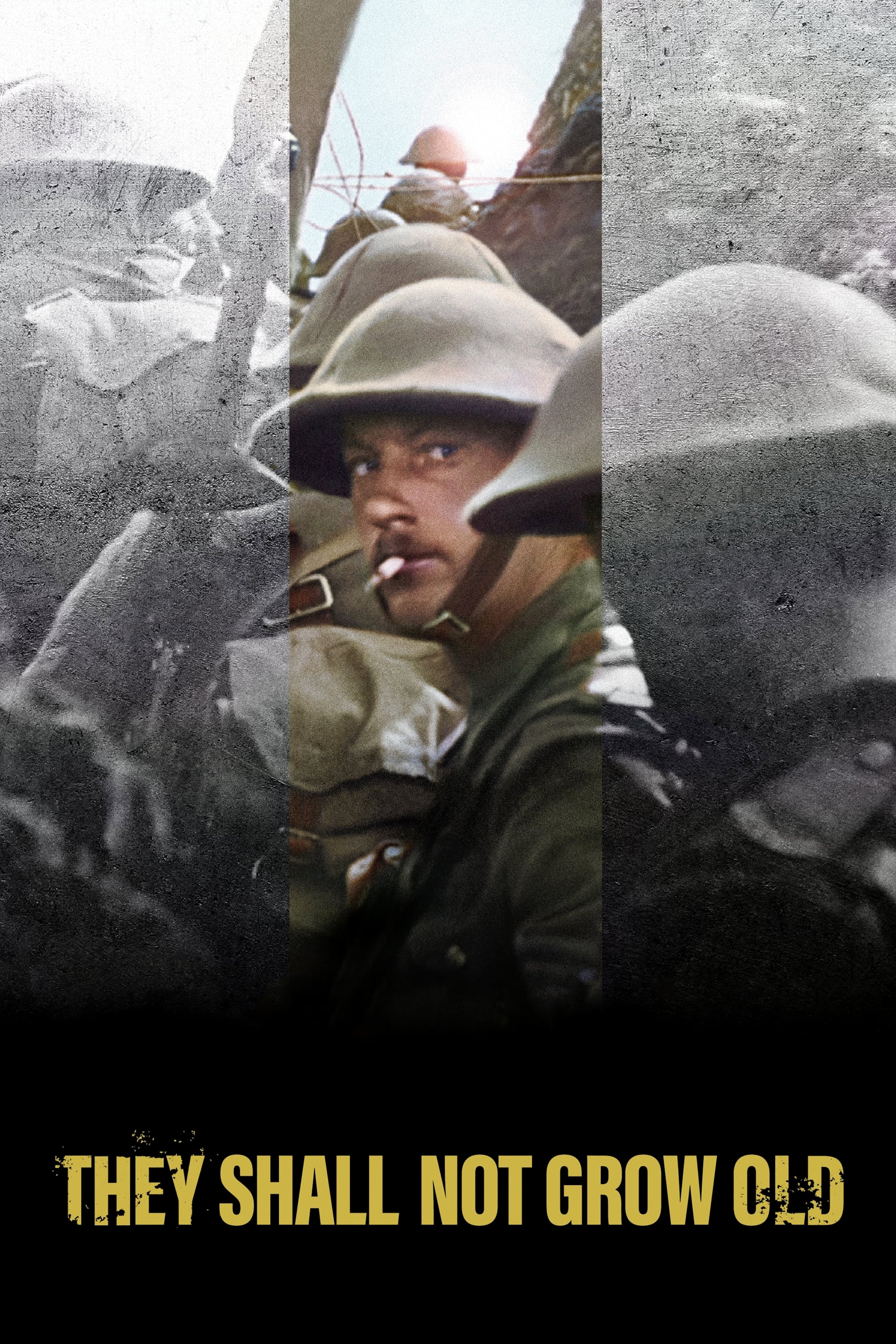
A documentary about World War I with never-before-seen footage to commemorate the centennial of Armistice Day, and the end of the war.
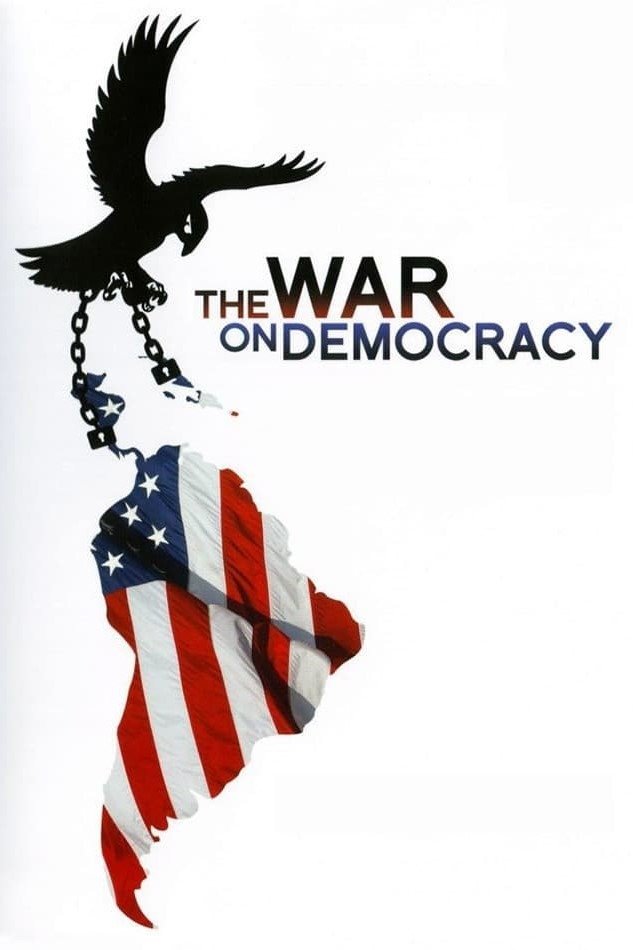
Set both in Latin America and the United States, the film explores the historic and current relationship of Washington with countries such as Venezuela, Bolivia and Chile. Pilger says that the film "...tells a universal story... analysing and revealing, through vivid testimony, the story of great power behind its venerable myths. It allows us to understand the true nature of the so-called "war on terror". According to Pilger, the film’s message is that the greed and power of empire is not invincible and that people power is always the "seed beneath the snow".
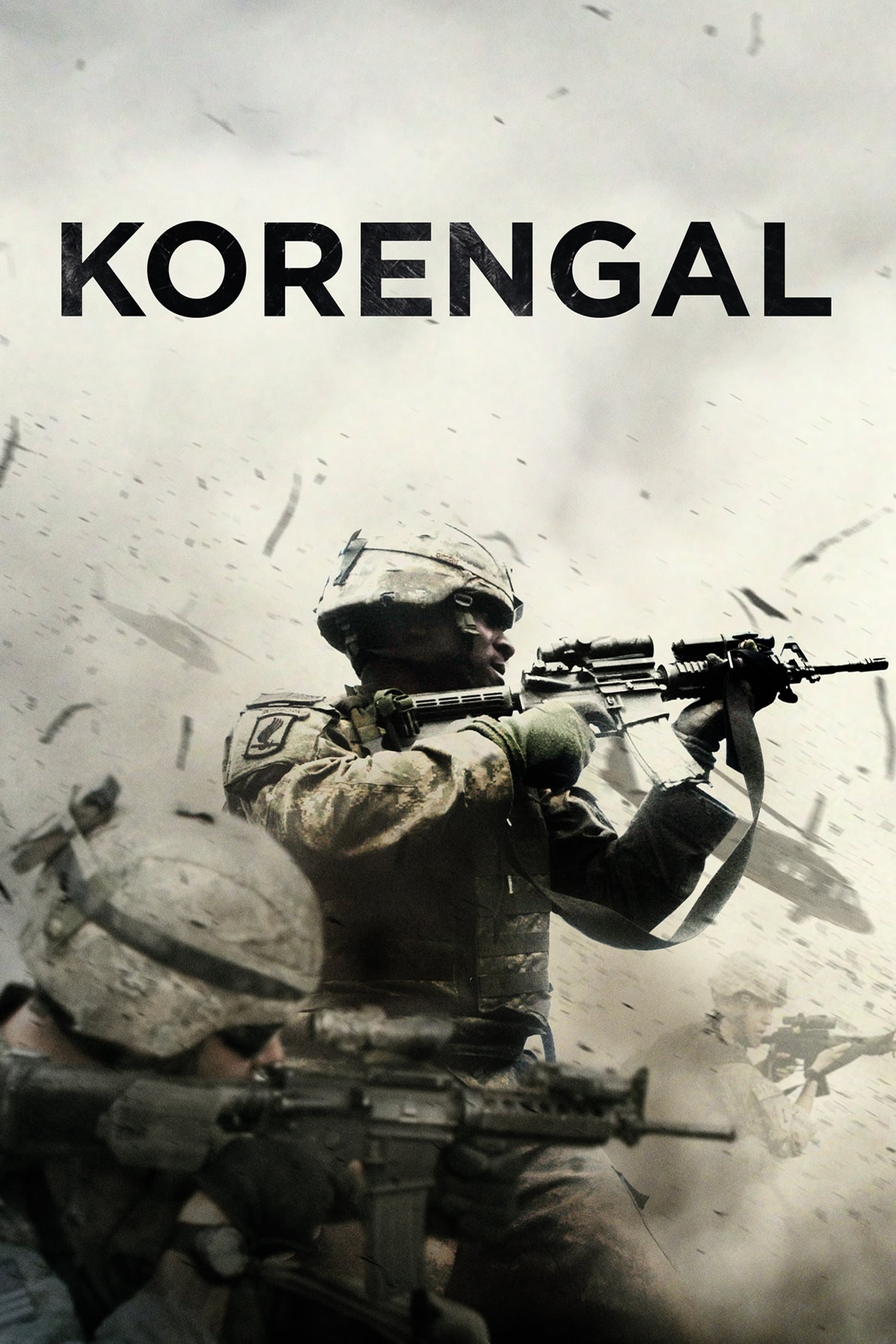
Korengal picks up where Restrepo left off; the same men, the same valley, the same commanders, but a very different look at the experience of war.
A documentary about the life and films of director John Ford.
With unprecedented access, this documentary follows the extraordinary journey of “Raqqa is Being Slaughtered Silently”—a group of anonymous citizen journalists who banded together after their homeland was overtaken by ISIS—as they risk their lives to stand up against one of the greatest evils in the world today.
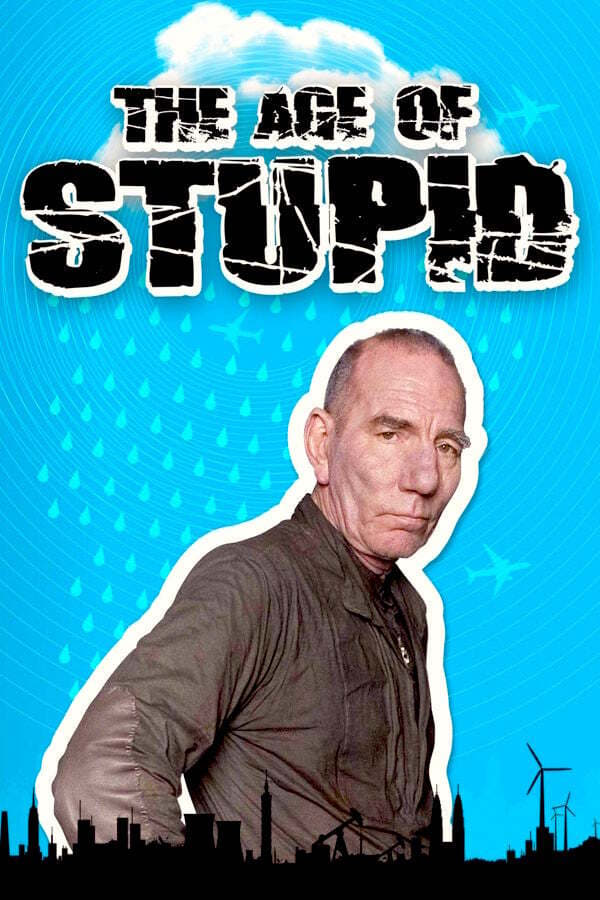
Pete Postlethwaite stars as a man living alone in the devastated future world of 2055, looking at old footage from 2008 and asking: why didn’t we stop climate change when we had the chance?
"Trinity and Beyond" is an unsettling yet visually fascinating documentary presenting the history of nuclear weapons development and testing between 1945-1963. Narrated by William Shatner and featuring an original score performed by the Moscow Symphony Orchestra, this award-winning documentary reveals previously unreleased and classified government footage from several countries.
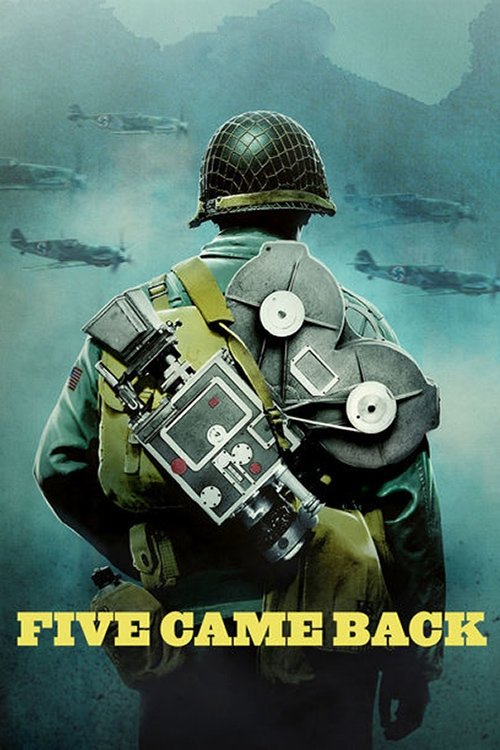
The extraordinary story of how Hollywood changed World War II – and how World War II changed Hollywood, through the interwoven experiences of five legendary filmmakers who went to war to serve their country and bring the truth to the American people: John Ford, William Wyler, John Huston, Frank Capra, and George Stevens. Based on Mark Harris’ best-selling book, “Five Came Back: A Story of Hollywood and the Second World War.”
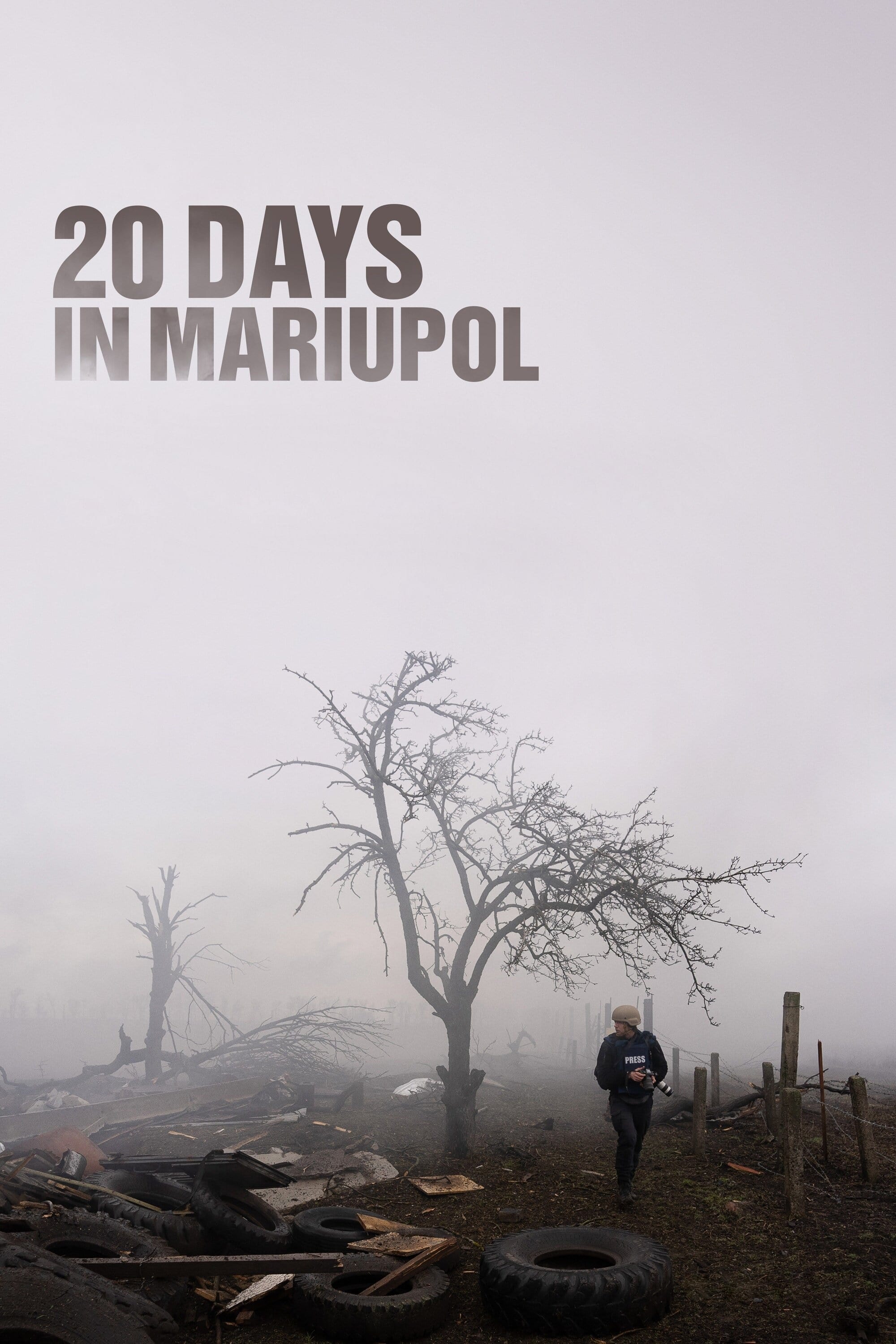
As the Russian invasion begins, a team of Ukrainian journalists trapped in the besieged city of Mariupol struggle to continue their work documenting the war's atrocities.
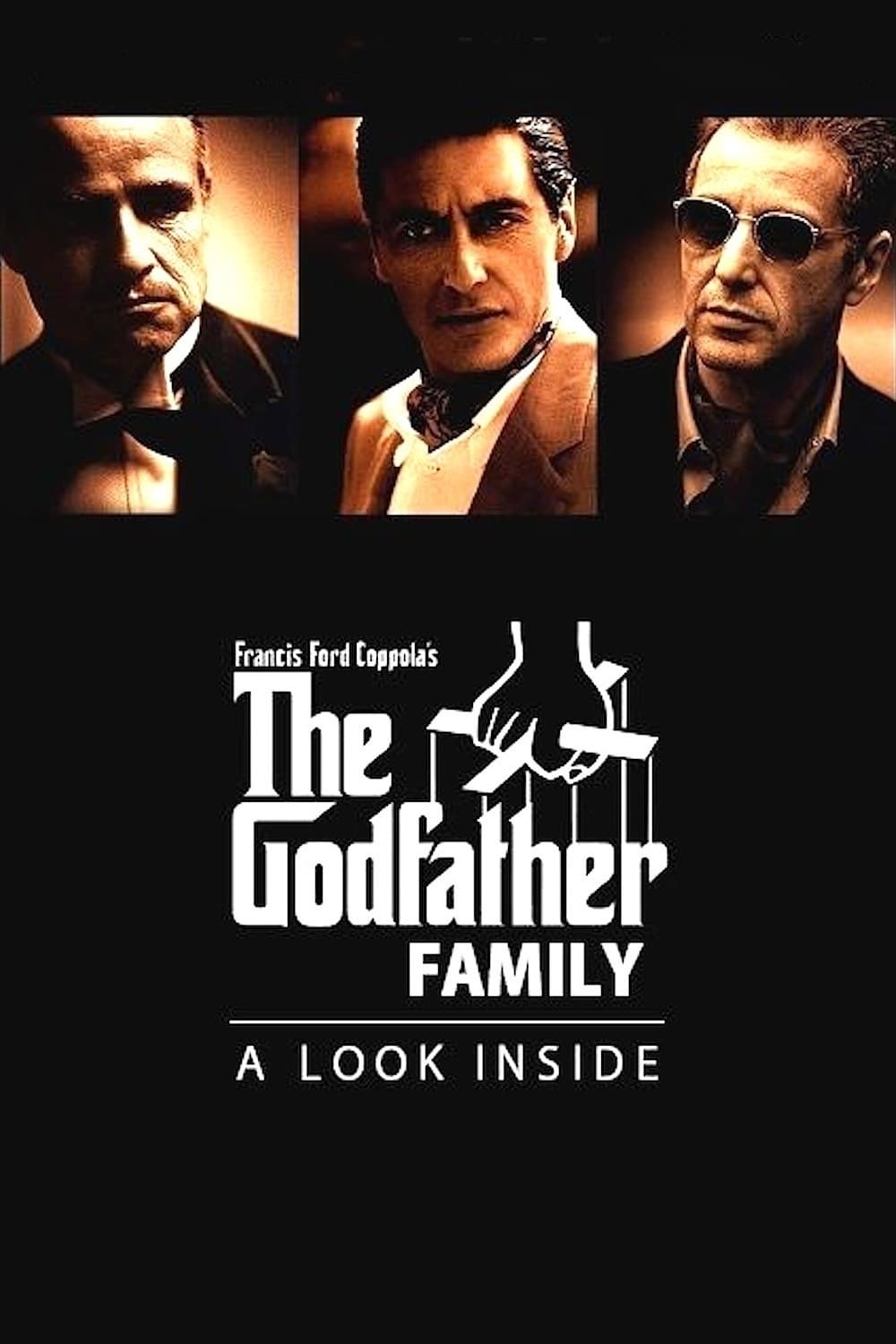
A documentary on the making of the three Godfather films, with interviews and recollections from the film makers and cast. This feature also includes the original screen tests of some of the actors for "The Godfather" film, and some candid moments on the set of "The Godfather: Part III."
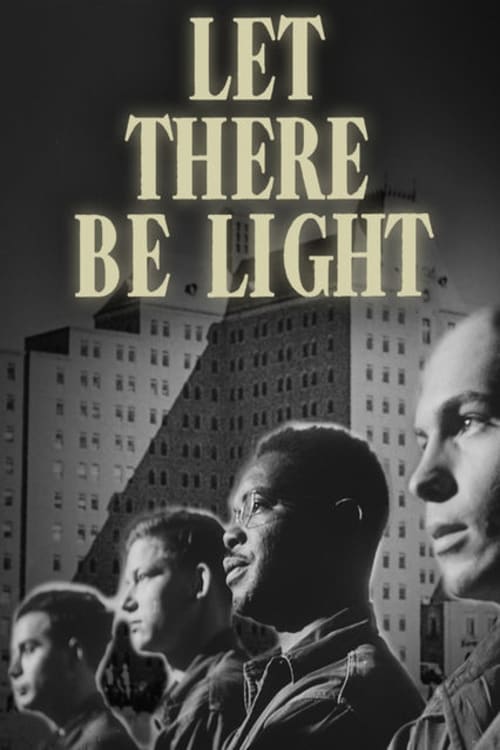
The final entry in a trilogy of films produced for the U.S. government by John Huston. Some returning combat veterans suffer scars that are more psychological than physical. This film follows patients and staff during their treatment. It deals with what would now be called PTSD, but at the time was categorised as psychoneurosis or shell-shock. Government officials deemed this 1946 film counterproductive to postwar efforts; it was not shown publicly until 1981.
When Allied forces liberated the Nazi concentration camps in 1944-45, their terrible discoveries were recorded by army and newsreel cameramen, revealing for the first time the full horror of what had happened. Making use of British, Soviet and American footage, the Ministry of Information’s Sidney Bernstein (later founder of Granada Television) aimed to create a documentary that would provide lasting, undeniable evidence of the Nazis’ unspeakable crimes. He commissioned a wealth of British talent, including editor Stewart McAllister, writer and future cabinet minister Richard Crossman – and, as treatment advisor, his friend Alfred Hitchcock. Yet, despite initial support from the British and US Governments, the film was shelved, and only now, 70 years on, has it been restored and completed by Imperial War Museums under its original title "German Concentration Camps Factual Survey".