A feature-length documentary about our complex relationship with manufactured objects and, by extension, the people who design them.
Social & External
The people behind it
Paola Antonelli
Self
Chris Bangle
Andrew Blauvelt
Erwan Bouroullec
Ronan Bouroullec
Anthony Dunne
Agnete Enga
Dan Formosa
Naoto Fukasawa
Jonathan Ive
Exploration of the ordinary lives led by women of different classes—a college professor, an unmarried woman, and a seasoned drama artist. They unveil the societal intricacies woven into their social backgrounds, with typical evening talks besides them. Gripping tales of yore immersed in the metaphorical embrace of their surroundings, their familial shelters are emblematic of resilience and protection, where profound truths lie hidden within the depths of the commonplace.
Documentary about women without papers, living in Germany and working as maids.
In February, Just Jam's event at The Barbican was cancelled at the last minute. It was an event that seemed to be yet another victim of the London authorities now notorious risk assessment procedure, Form 696.
Haida Gwaii, an archipelago off the west coast of Canada, is home to Skil Jaadee and her family. They live in harmony with nature and have made it their mission to save their language and preserve their history.
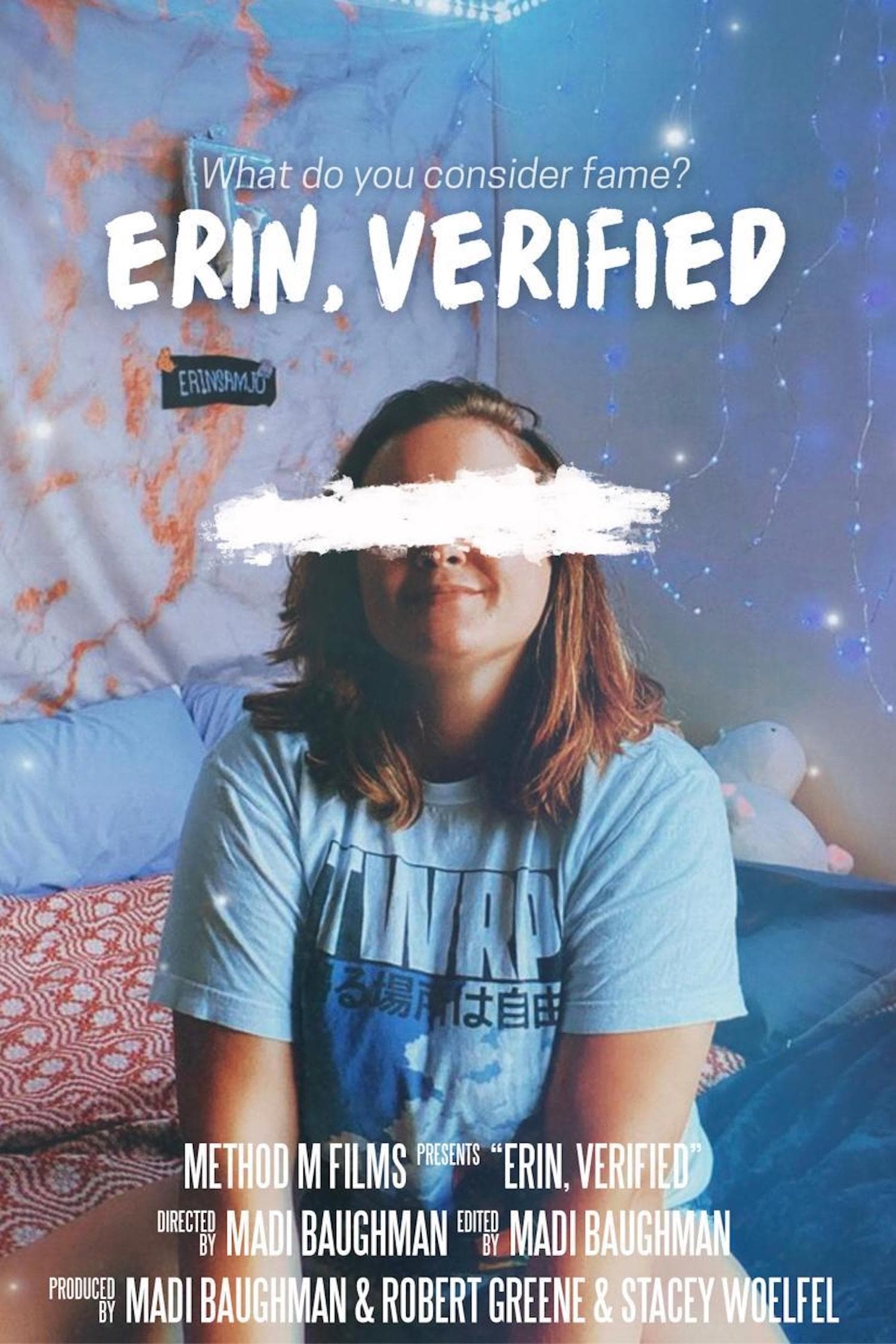
In most aspects of her life, Erin Jones is a normal person. She’s 27 years old, she works a retail job and she lives in Chicago with her three roommates. That, and she also has more than two million followers on the popular video-sharing app TikTok. Erin, Verified is an open, honest look at the effect pseudo-fame and parasocial relationships have on people in the age of social media.
At Milan’s Niguarda public hospital, the unconventional Dr. Bini leads a bold mission overseeing aspiring parents undergoing in vitro fertilization and the journeys of individuals reconciling their bodies with their gender identities. He navigates the constraints set by a conservative government and an aggressive market eager to commodify bodies.
An exploration —manipulated and staged— of life in Las Hurdes, in the province of Cáceres, in Extremadura, Spain, as it was in 1932. Insalubrity, misery and lack of opportunities provoke the emigration of young people and the solitude of those who remain in the desolation of one of the poorest and least developed Spanish regions at that time.
Books, apps, coaching sessions: Today, happiness is everywhere. We might think that there is nothing wrong with this common-sense concern. But it’s actually the opposite of social reality. So what lies behind this contemporary obsession with happiness and the billions of euros generated by its industry? Philosophers, sociologists, economists and psychiatrists including Christophe André, Éva Illouz, Martin Seligman and Julia De Funès, confront their point of view and decipher one of the most captivating and worrying phenomena of this early century.
Since the invention of the automobile, women have distinguished themselves by their daring: the history of women in motor sport.
2012 French documentary where the interviewer gets 6 seemingly random women to empty their handbags and then asks probing questions to get to their "soul". Simone 33, a model. Ilhem 36, a sports coach. Caroline 33, a curator. Anne-Sophie 29, a press attache. Catherine 43, a teacher. Valentina 23, a student. French with English sub-titles.
'Do you feel cheaper?' We are filming young Lithuanian men working in Sweden. They do not want to be caught on camera, they do not want to participate in creating yet another media image of guilt and pity. They film us. We empty a bottle of moonshine, we dance on their porch. They might let us film them tomorrow. Second Class is a time document about class, respect, the value of work and human being.
In the summer of 1975, the young director Steven Spielberg set new standards for cinema worldwide with an oversized shark bite, a plastic shark fin and an unmistakable two-note main theme composed by John Williams. With the horror from the deep, a man-eating, gigantic great white shark, the film of the same name became a similarly traumatic reference as Alfred Hitchcock's "Psycho": it triggered lasting primal fears across generations. On the beaches of the world, there was clearly a "before" and an "after". Steven Spielberg, who was only 28 at the time, not only set new standards for the thriller genre, but also hid his biting criticism of US capitalism in the 1970s behind it.
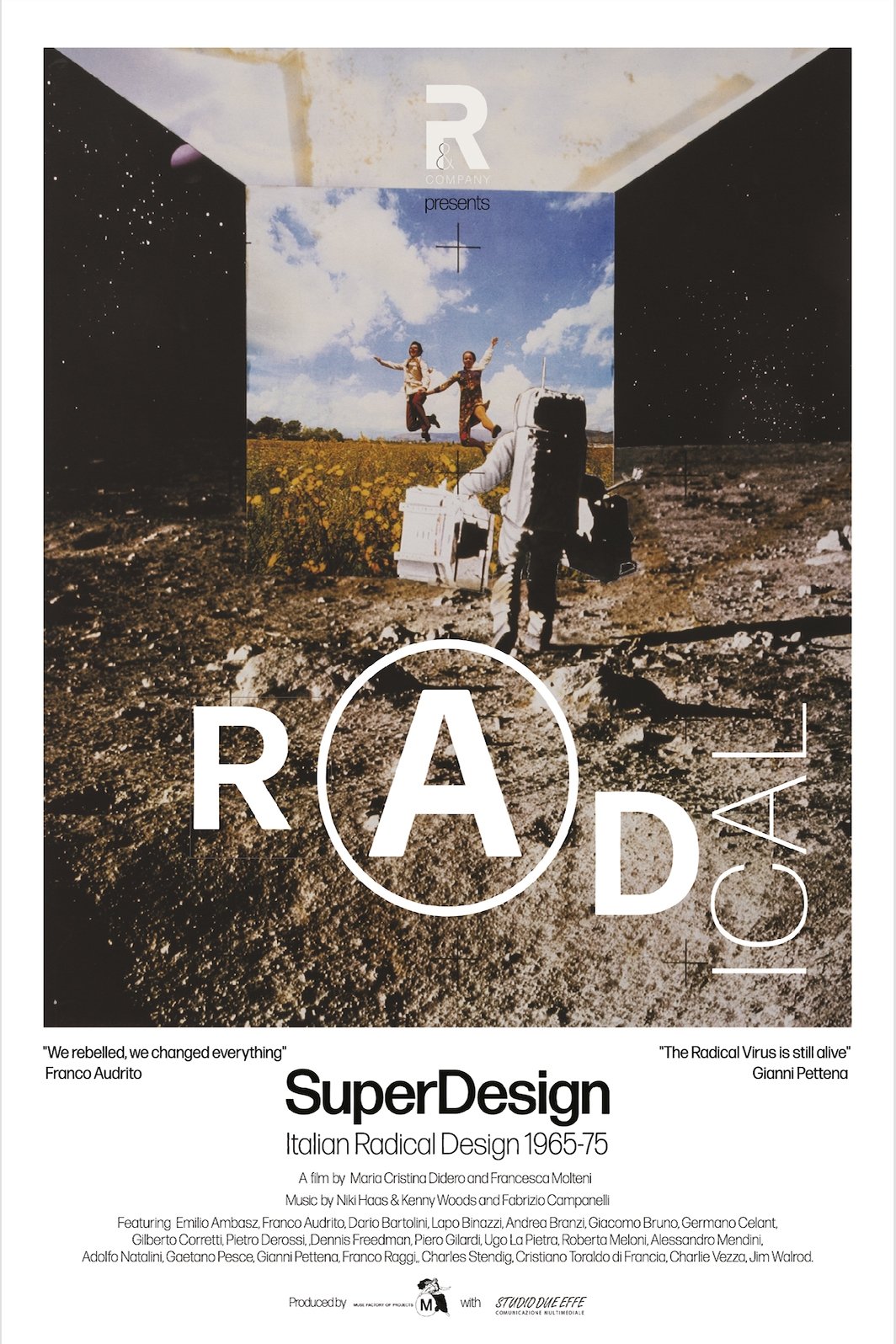
SuperDesign is a film about 19 players of the Italian Radical Movement. Through their words and their stories, we retrace the history and the heritage of the movement. They take us back to that time when everything seemed possible.
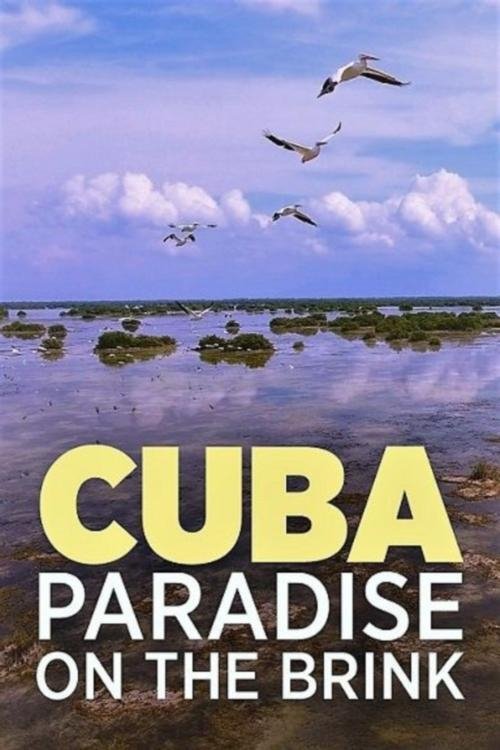
Will Cubans be able to safeguard their heritage of pristine Nature and preserved ecological treasures under this new era, as they are facing the combined pressure of money and tourism? What policies can be implemented to maintain the island’s spectacular wilderness?
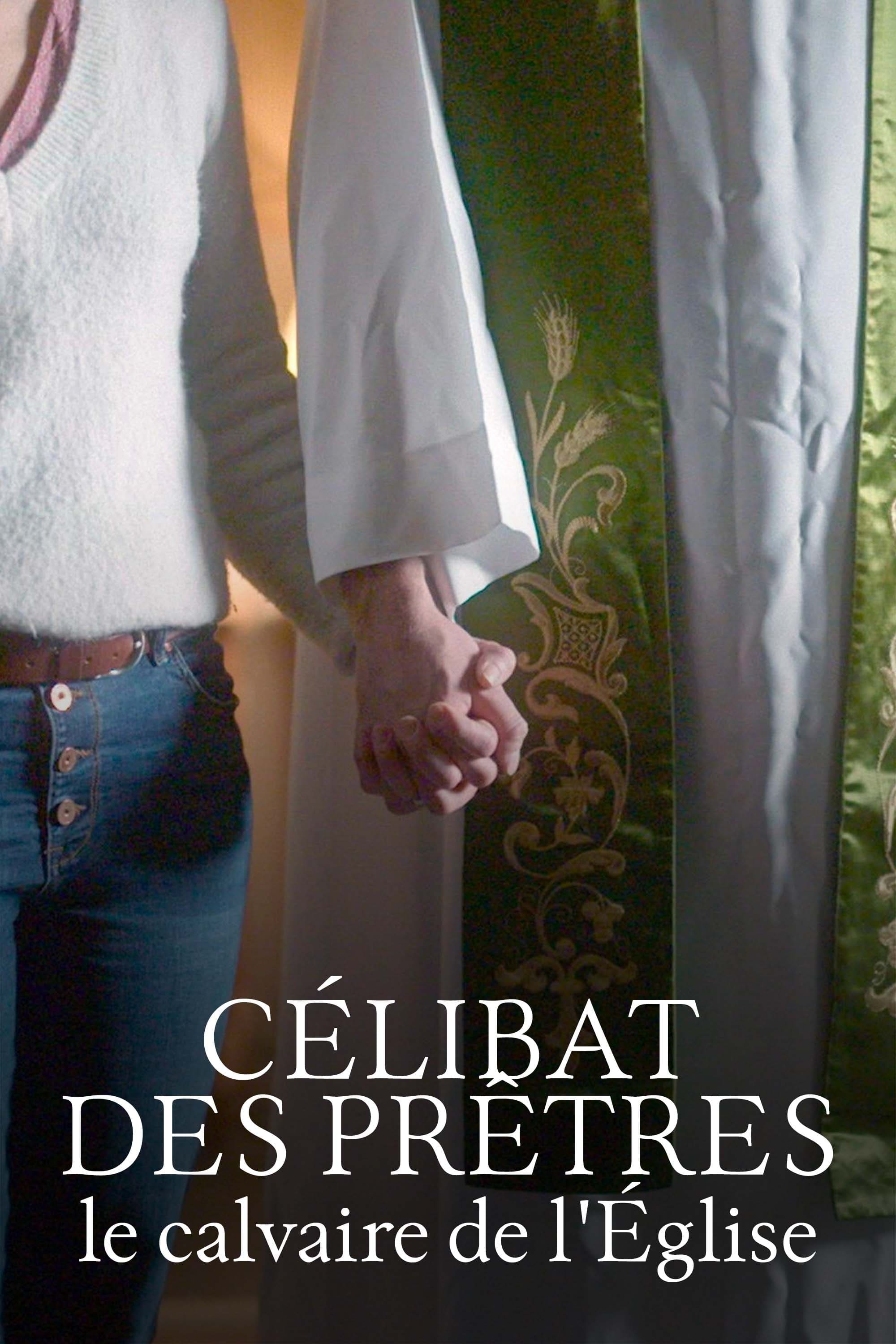
Priests, theologians and bishops are increasingly confessing that the majority of clergy no longer keep celibacy. They condemn the institution of the church and its treatment of priests. And they refuse to obey the ecclesiastical laws imposed by the Vatican. They no longer want to keep their private lives secret. Many are calling for an end to compulsory celibacy.
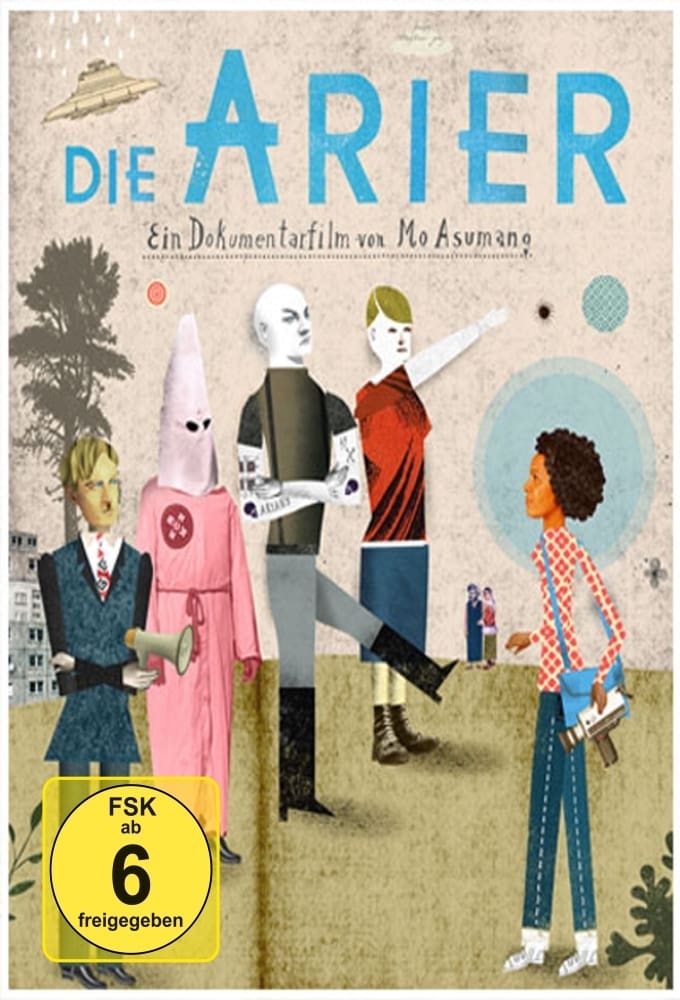
THE ARYANS is Mo Asumang's personal journey into the madness of racism during which she meets German neo-Nazis, the US leading racist, the notorious Tom Metzger and Ku Klux Klan members in the alarming twilight of the Midwest. In The ARYANS Mo questions the completely wrong interpretation of "Aryanism" - a phenomenon of the tall, blond and blue-eyed master race.
It's the musical phenomenon of the moment: K-Pop, short for "Korean Pop," has taken the world by storm in just a few years. But behind the powerful lyrics, elaborate choreography, and polished looks lies a ruthless industry.
A visual montage portrait of our contemporary world dominated by globalized technology and violence.
A documentary about how a dominant cultural and demographic institution both sustains their traditional activities and adapts to the digital revolution.
The life and career of an actor, artist, and icon. His own journey through his own camera.
A look at the origins, history and conspiracies behind the "Majestic 12", a clandestine group of military and corporate figureheads charged with reverse-engineering extraterrestrial technology.
A documentary chronicling Vogue editor-in-chief Anna Wintour's preparations for the 2007 fall-fashion issue.
This documentary focuses on the actors and their journey over two summers to create the remake to the original IT, by Stephen King. The documentary originally released as bonus material, bundled with IT: Chapter Two.
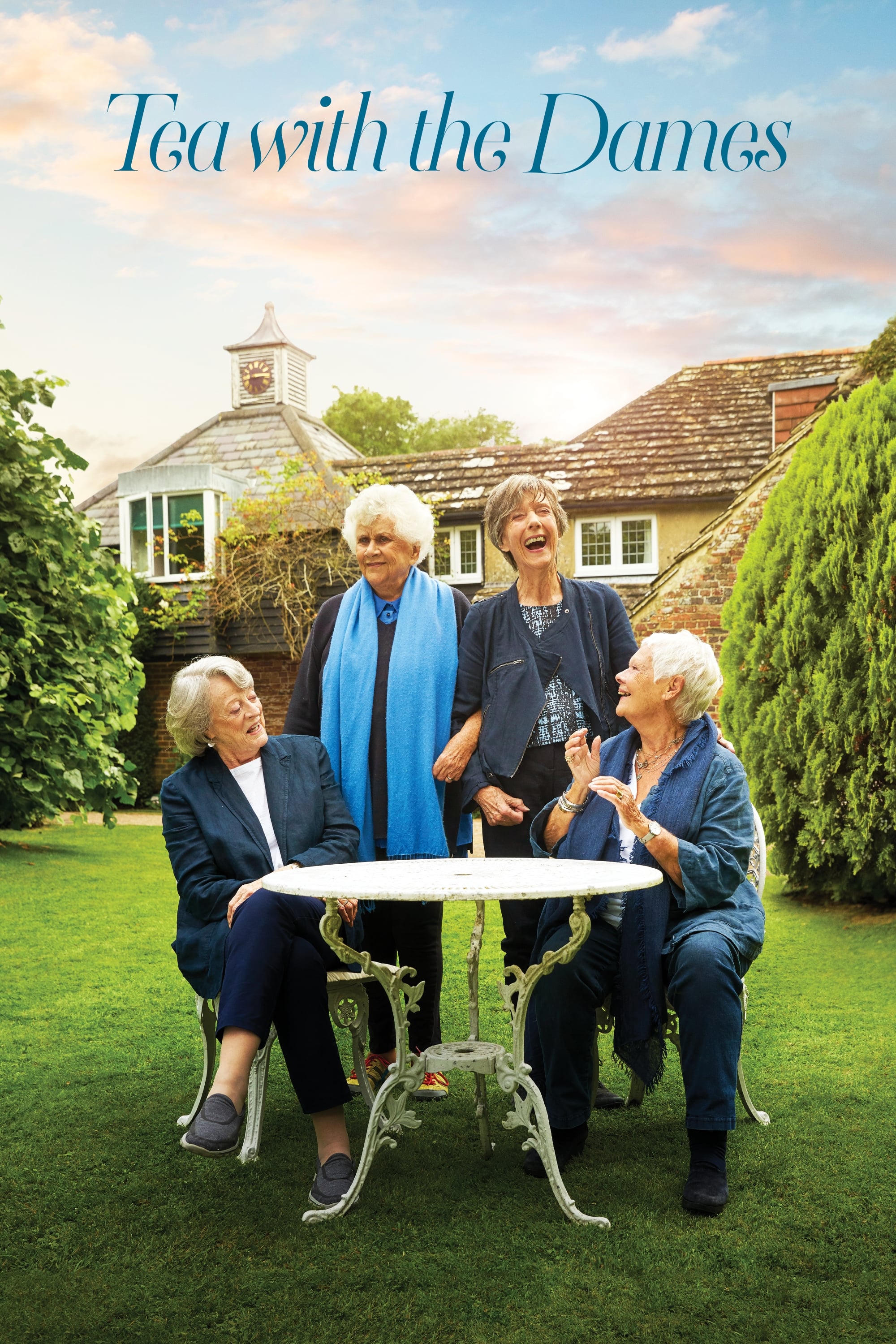
BBC Arena's documentary on the Dames of British Theatre and film featuring Maggie Smith, Eileen Atkins, Judi Dench and Joan Plowright on screen together for the first time as they reminisce over a long summer weekend in a house Joan once shared with Sir Laurence Olivier.
A documentary on the life of John Lennon, with a focus on the time in his life when he transformed from a musician into an antiwar activist.
Filmed over 14 months with unprecedented access into the inner circle of the man and the sport, this is the first official and fully authorised film of one of the most celebrated figures in football. For the first time ever, the world gets vividly candid and un-paralleled, behind-closed-doors access to the footballer, father, family-man and friend in this moving & fascinating documentary. Through in-depth conversations, state of the art football footage and never before seen archival footage, the film gives an astonishing insight into the sporting and personal life of triple Ballon D'Or winner Cristiano Ronaldo at the peak of his career. From the makers of ‘Senna’ and ‘Amy’, Ronaldo takes audiences on an intimate and revealing journey of what it’s like to live as an iconic athlete in the eye of the storm.
A paralysingly beautiful documentary with a global vision—an odyssey through landscape and time—that attempts to capture the essence of life.
Have you ever read the Terms and Conditions and Privacy Policies connected to every website you visit, phone call you make, or app you use? Of course you haven’t. But those agreements allow corporations to do things with your personal information you could never even imagine. This film explores the intent hidden within these ridiculous agreements, and reveals what corporations and governments are legally taking from you and the outrageous consequences that result from clicking “I accept.”
Daniel Craig candidly reflects on his 15 year adventure as James Bond. Including never-before-seen archival footage from Casino Royale to the upcoming 25th film No Time To Die, Craig shares his personal memories in conversation with 007 producers, Michael G Wilson and Barbara Broccoli.
As a visually radical memoir, CAMERAPERSON draws on the remarkable footage that filmmaker Kirsten Johnson has shot and reframes it in ways that illuminate moments and situations that have personally affected her. What emerges is an elegant meditation on the relationship between truth and the camera frame, as Johnson transforms scenes that have been presented on Festival screens as one kind of truth into another kind of story—one about personal journey, craft, and direct human connection.
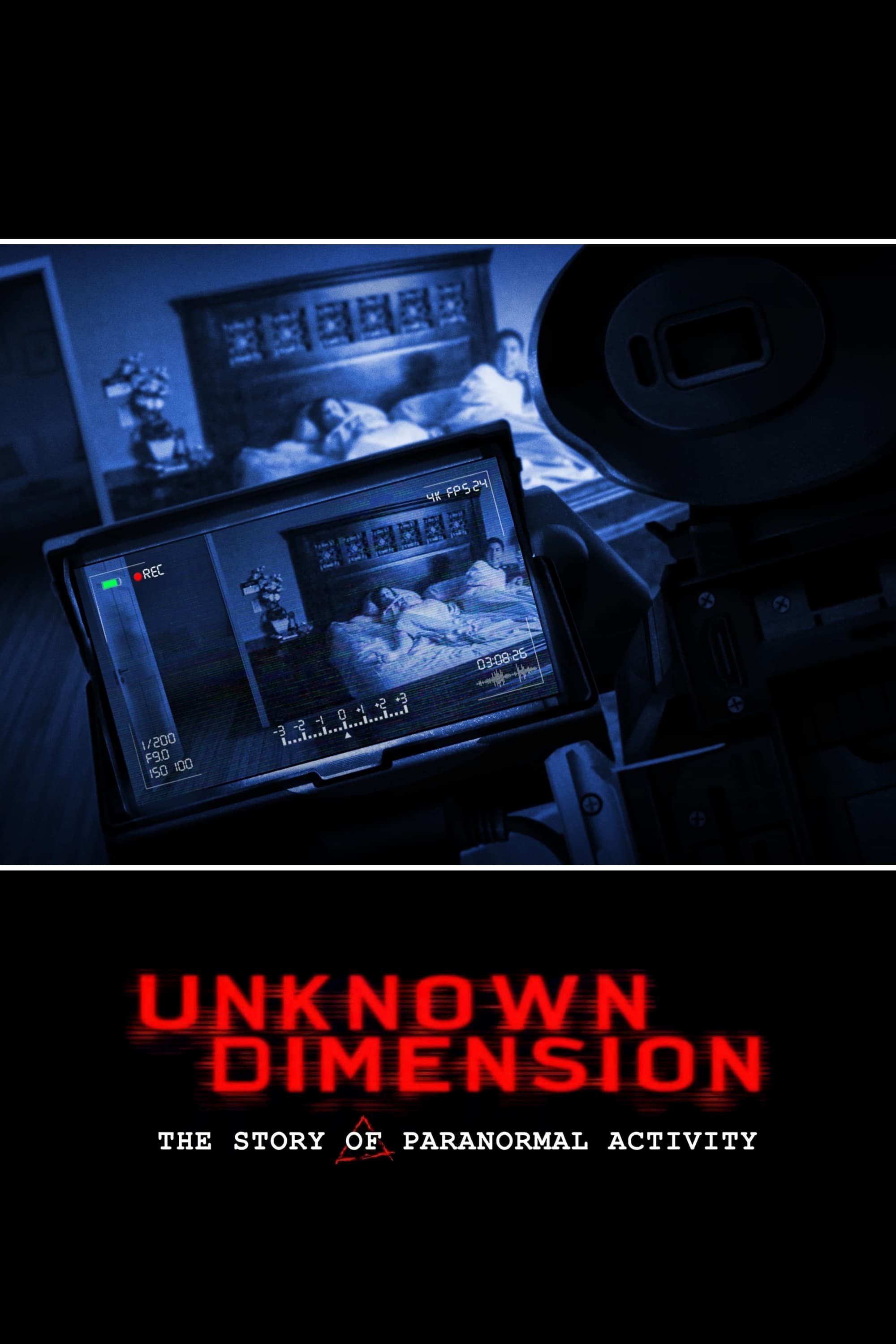
A deep dive into the making of the Paranormal Activity films with first time ever interviews with cast and crew, never-before-seen footage from the movies, and a preview of the seventh installment in the franchise.
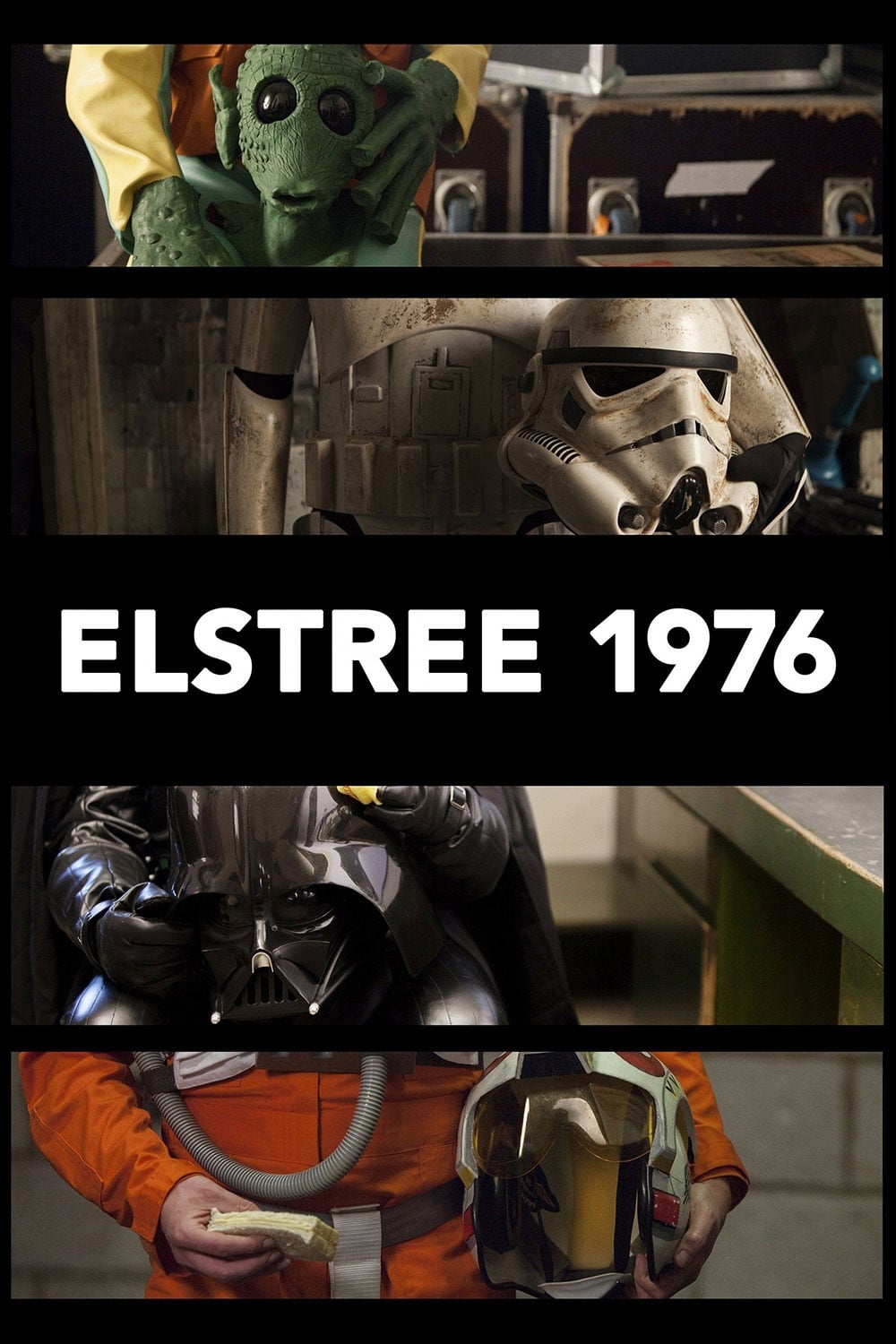
A documentary about ten very different lives connected by having appeared onscreen wearing masks or helmets in Star Wars.
Musician and performance artist Laurie Anderson reflects on the deaths of her husband Lou Reed, her mother and her beloved dog.
A look at the global culture and appeal of the LEGO building-block toys.
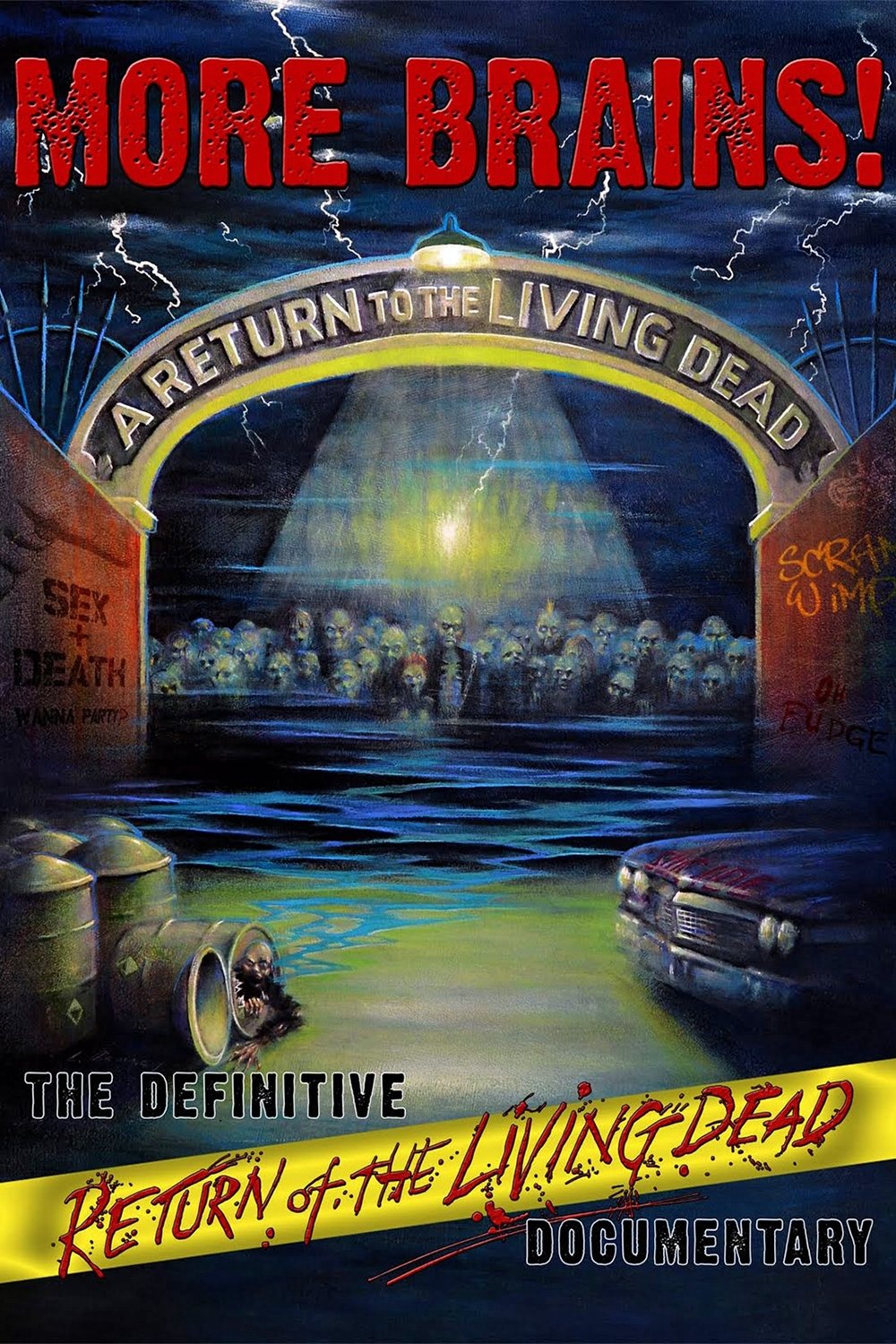
Retrospective documentary about the making of the horror cult classic "The Return of the Living Dead."
A documentary chronicling Queen and Lambert's incredible journey since they first shared the stage together on "American Idol" in 2009.
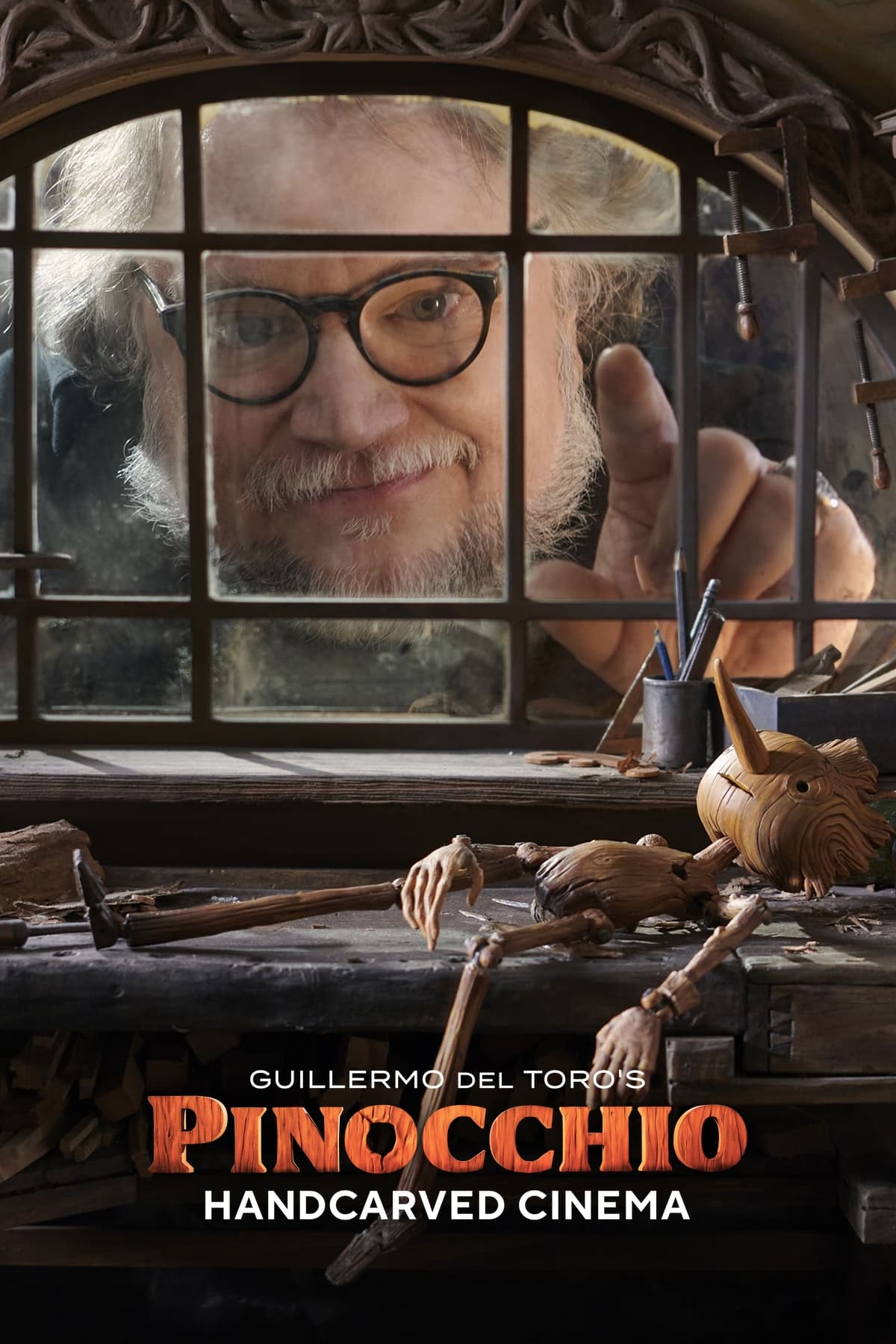
With mesmerizing footage and time lapses of animators at work, this behind-the-scenes special captures the artistry of a unique tale years in the making.