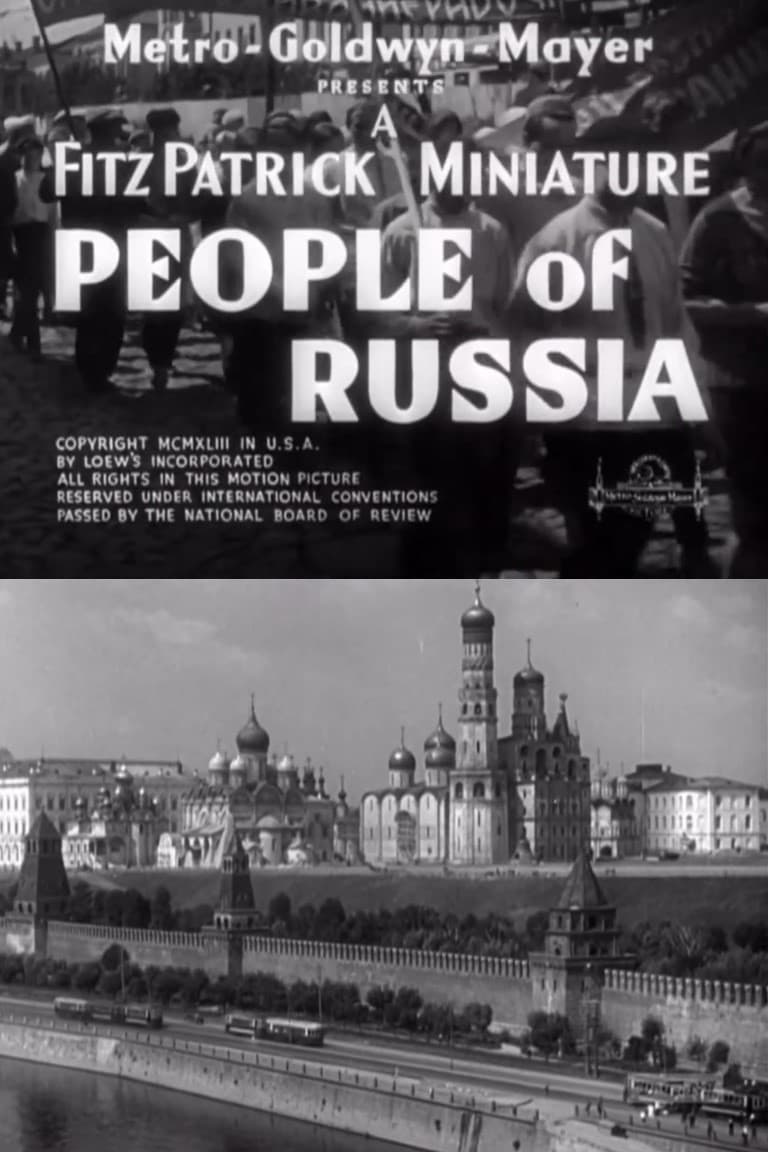
This FitzPatrick Miniature visits the Union of Soviet Socialist Republics (USSR), the largest geographically unbroken political unit in the world, covering one-sixth of the world's land mass.

Social & External
Narrator (voice)
Three part documentary of the history of the Royal Air Force during World War Two. They combine actual Air Ministry films and period newsreel footage with interviews of surviving members of the air force. The first part covers the period from the 'phoney war', the invasion of Poland and the early bombing raids on enemy shipping, through to the attacks on France. Aircraft featured include the Blenheim and Wellington bombers, the Sunderland flying boat, Spitfires and Hurricanes and the opposing ME109.
The Unknown Woman is a documentary film scripted and directed by Elina Kivihalme. It depicts the reality of Finnish agriculture and forestry during the war years, when the home front relied entirely upon the work and endurance of the women. All farm work, caring for the children, woodcutting and other forestry operations were undertaken by the civilians, as the men in their prime were on the front.
Canada: A People's History - Episode 14: 1940 to 1946 CE. Canada comes of age in the anguish of World War II, with soldiers on the beaches at Dieppe and women in the industrial work force back home. The country's military role, and the domestic, social and political consequences of the war are traced through poignant stories of Canadians on both sides of the Atlantic. The horrific global conflict steals the innocence of a generation... but brings hope for a new future.
Using restored, colorized archives and testimonies from all the players in this conflict, this documentary covers the hundred days of apocalyptic fighting that wrote History. June 1944, the Allies landed in Normandy. This odyssey was meticulously prepared for months. The construction of two artificial ports, the transport of Anglo-American troops, their training cost colossal efforts, and caused many cold sweats: the secret of D-Day almost came to light several times. The documentary reveals the inner workings of Operation Overlord, it also deciphers the military operations, and evokes the choices of the high command. Placed at human level, it retraces the fate of Norman civilians subjected to deadly bombings, the attitude of the Allied soldiers and their German adversaries, as well as the aspirations of the French population, torn between fear and hope.
To mark the 70th anniversary of the Dunkirk evacuation, Dan Snow tells the story of the 'little ships' which made the perilous cross-channel voyage, as 50 of them return to France.
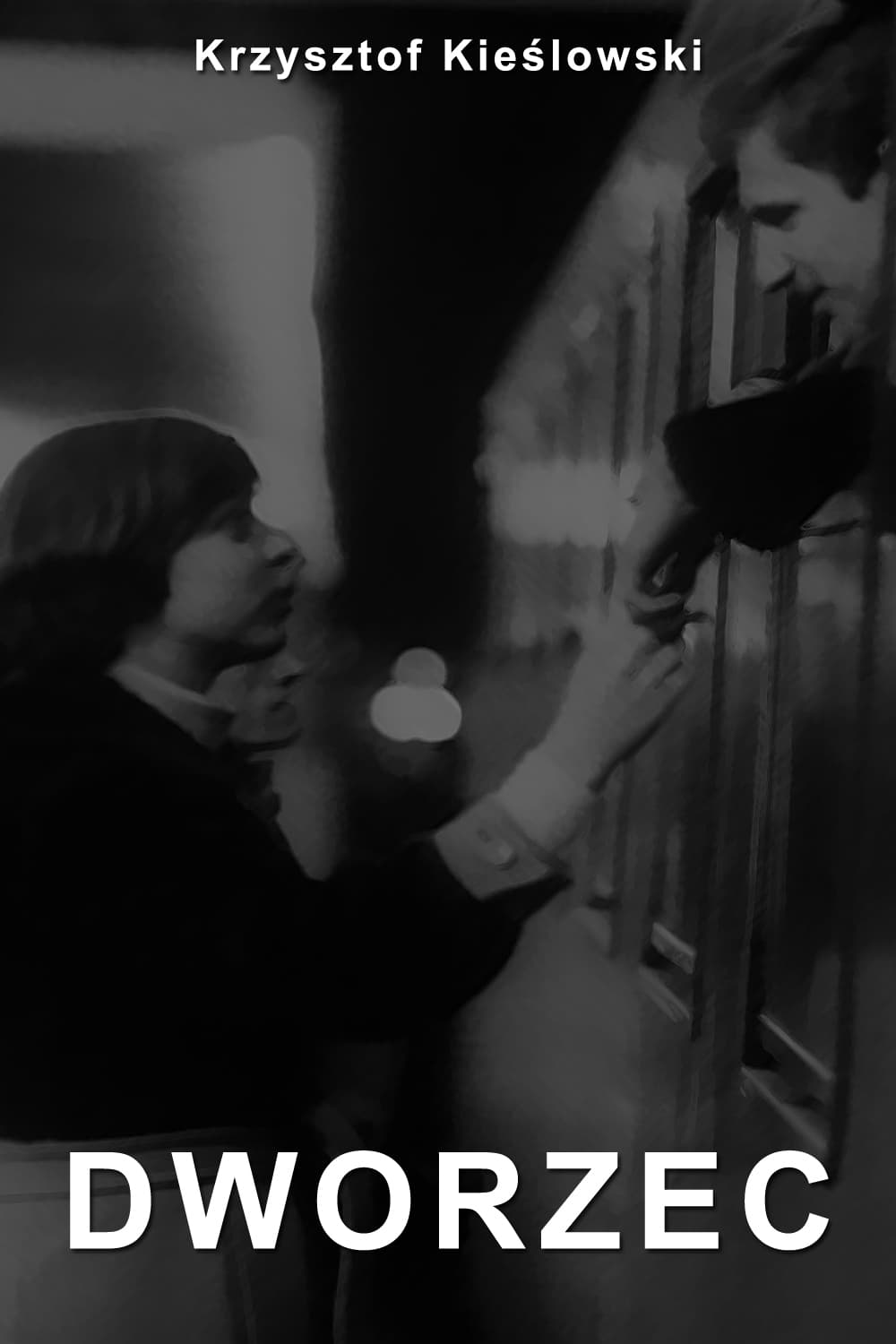
Warsaw's Central Railway Station. 'Someone has fallen asleep, someone's waiting for somebody else. Maybe they'll come, maybe they won't. The film is about people looking for something.
Documentary on the young builders who'll rebuild Britain after the war.
Belgian filmmaker Eric Pauwels' meditation on dream, travel and film.
Made in 1940 and sponsored by the Ministry of Information this film shows the food contributions supplied to Britain by various colonies and dominions. 'Food from the Empire highlights the severity of the food issue, by discussing food production as a battle (...) and offers insights into British attitudes towards its colonies and dominions. The commentary notes that the ‘free people’ of these countries are ‘anxious to send every ounce they can to the United Kingdom for they know that upon the ability of Great Britain to hold out depends their own freedom’. Britain is depicted as a dominant power, fighting to protect those within the Empire, while the colonies are loyal and ‘anxious’ to help.' - Tom Rice, on the film from colonialfilm.org.

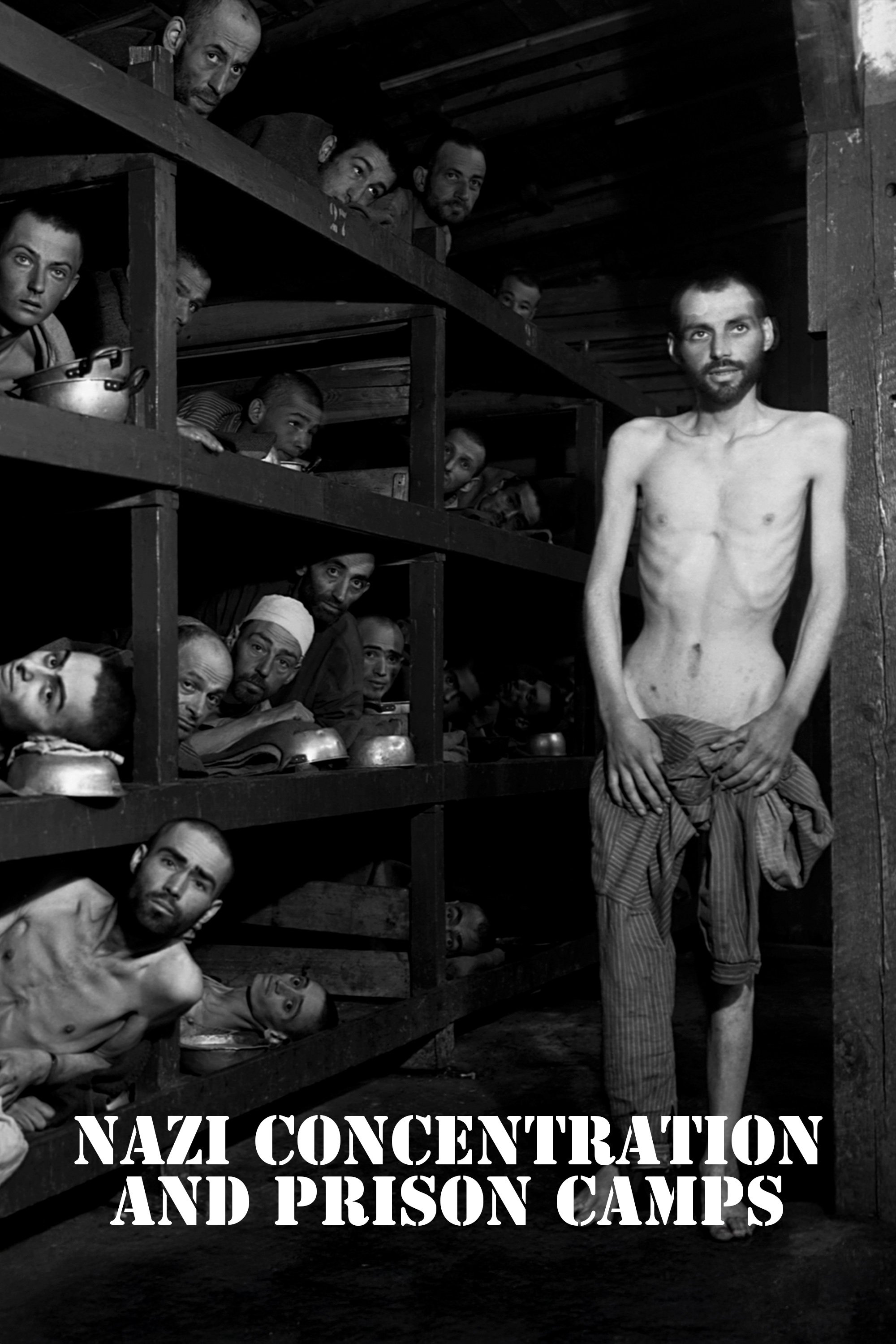
On the 29th September 1945, the incomplete rough cut of a brilliant documentary about concentration camps was viewed at the MOI in London. For five months, Sidney Bernstein had led a small team – which included Stewart McAllister, Richard Crossman and Alfred Hitchcock – to complete the film from hours of shocking footage. Unfortunately, this ambitious Allied project to create a feature-length visual report that would damn the Nazi regime and shame the German people into acceptance of Allied occupation had missed its moment. Even in its incomplete form (available since 1984) the film was immensely powerful, generating an awed hush among audiences. But now, complete to six reels, this faithfully restored and definitive version produced by IWM, is being compared with Alain Resnais’ Night and Fog (1955).
"Life has passed and we have achieved nothing" Thats's what Ester the youngest says. The eldest, Karola, keeps quite. Fruma, who is my mother, tries to write what she remembers. Three sisters in thier 70's, Holocaust survivors. More then 50 years have passed and still they can't talk of thier memories. This is a film about the trauma...
The band OK Go gives viewers a look at the behind-the-scenes work -- and 21 flights -- that went into filming their famous zero-gravity music video.
Made famous by the 1957 Hollywood movie, the bridges of the River Kwai emblematize one of the most misunderstood events in history. Contrary to the romanticized film version, the structures represent a period of terror, desperation, and death for over 16,000 POWs and 100,00 local slaves. The Thailand - Burma Railway was the vision of the Japanese Imperial Army: a 250-mile track cut through dense jungle that would connect Bangkok and Rangoon. To accomplish this nearly impossible feat, the fanatical and ruthless Japanese engineers used POWs and local slaves as manpower. Candid interviews with men who lived through the atrocity - including Dutch, Australian, British, and American POWs - illuminate the violence and horror of their three-and-a-half-year internment. From Britain's surrender of Singapore the enduring force of friendship, The True Story Of The Bridge On The River Kwai narrates a moving and unforgettable account of a period in history that must be remembered.
An unclassified US Navy introductory training film detailing the duties and training required of radio operators (aka radiomen).
In June 1940 nothing was written. The appeal of June 18 by General de Gaulle was a hope but also a start. The start for an essential page of the History of France, written by De Gaulle and his followers, without whom nothing would have existed in the Resistance to the German tyranny and this film wishes to honor their memory.
As World War II looms, Pope Pius XI calls on a humble American priest to help him challenge the evils of Nazism and anti-Semitism. But death intervenes, and Pope Pius XII now carries out a very different response to Hitler and the Holocaust.
Filmmakers Laura Mulvey and Mark Lewis use rare archival footage and interviews with artists, art historians, and museum directors to examine the fate of Soviet-era monuments during successive political regimes, from the Russian Revolution through the collapse of communism. Mulvey and Lewis highlight both the social relevance of these relics and the cyclical nature of history. Broadcast on Channel Four as part of the 'Global Image' series (1992-1994).
Journey with the musicians of the Berlin Philharmonic and their conductor Sir Simon Rattle on a breakneck concert tour of six metropolises across Asia: Beijing, Seoul, Shanghai, Hong Kong, Taipei and Tokyo. Their artistic triumph onstage belies a dynamic and dramatic life backstage. The orchestra is a closed society that observes its own laws and traditions, and in the words of one of its musicians is, “an island, a democratic microcosm – almost without precedent in the music world - whose social structure and cohesion is not only founded on a common love for music but also informed by competition, compulsion and the pressure to perform to a high pitch of excellence... .” Never before has the Berlin Philharmonic allowed such intimate and exclusive access into its private world.
This Traveltalk series short celebrates the beauty of Yosemite National Park. Besides the majestic mountains, we see Bridal Veil Falls and a giant sequoia with a road cut through its trunk. Tourist activities, including horseback riding and fishing, are also highlighted.
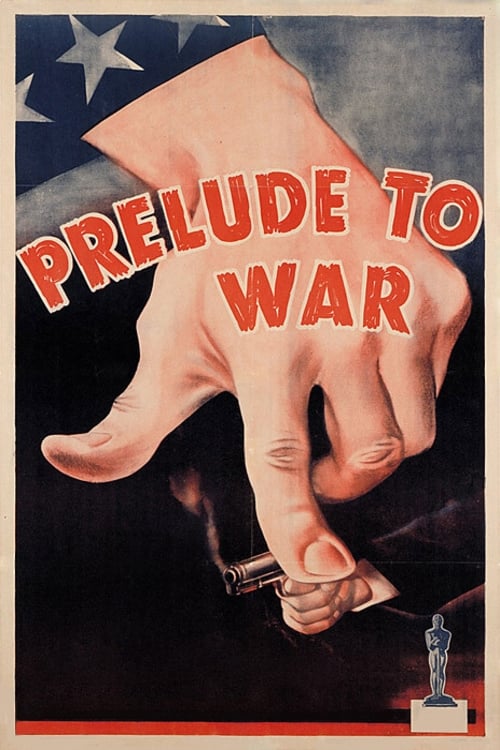
Prelude to War was the first film of Frank Capra's Why We Fight propaganda film series, commissioned by the Pentagon and George C. Marshall. It was made to convince American troops of the necessity of combating the Axis Powers during World War II. This film examines the differences between democratic and fascist states.
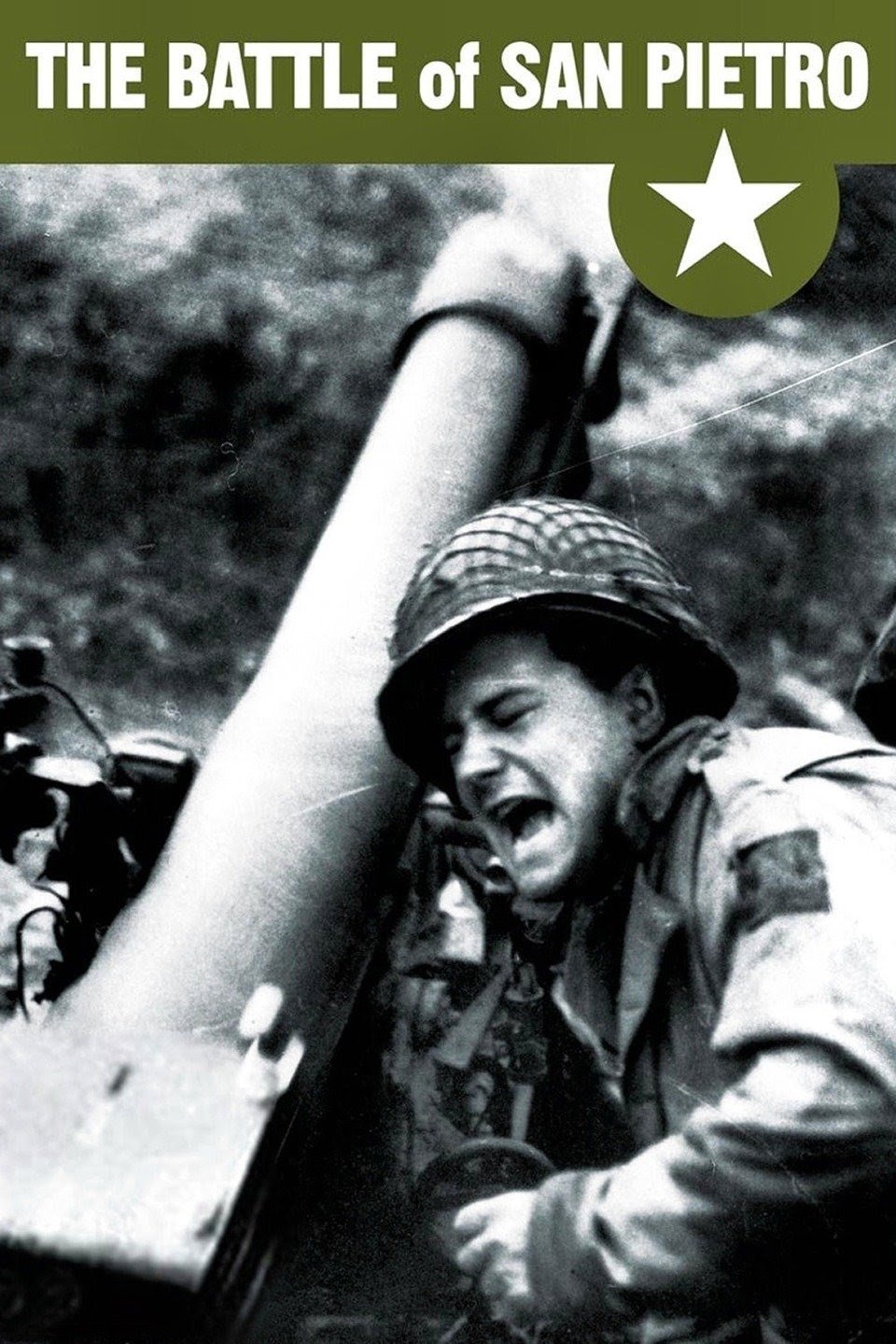
This documentary movie is about the battle of San Pietro, a small village in Italy. Over 1,100 US soldiers were killed while trying to take this location, that blocked the way for the Allied forces from the Germans. Preserved by the Academy Film Archive in 2005.
Those who knew iconic funnyman John Candy best share his story, in their own words, through never-before-seen archival footage, imagery, and interviews.
In this genre-bending tale, Errol Morris explores the mysterious death of a U.S. scientist entangled in a secret Cold War program known as MK-Ultra.
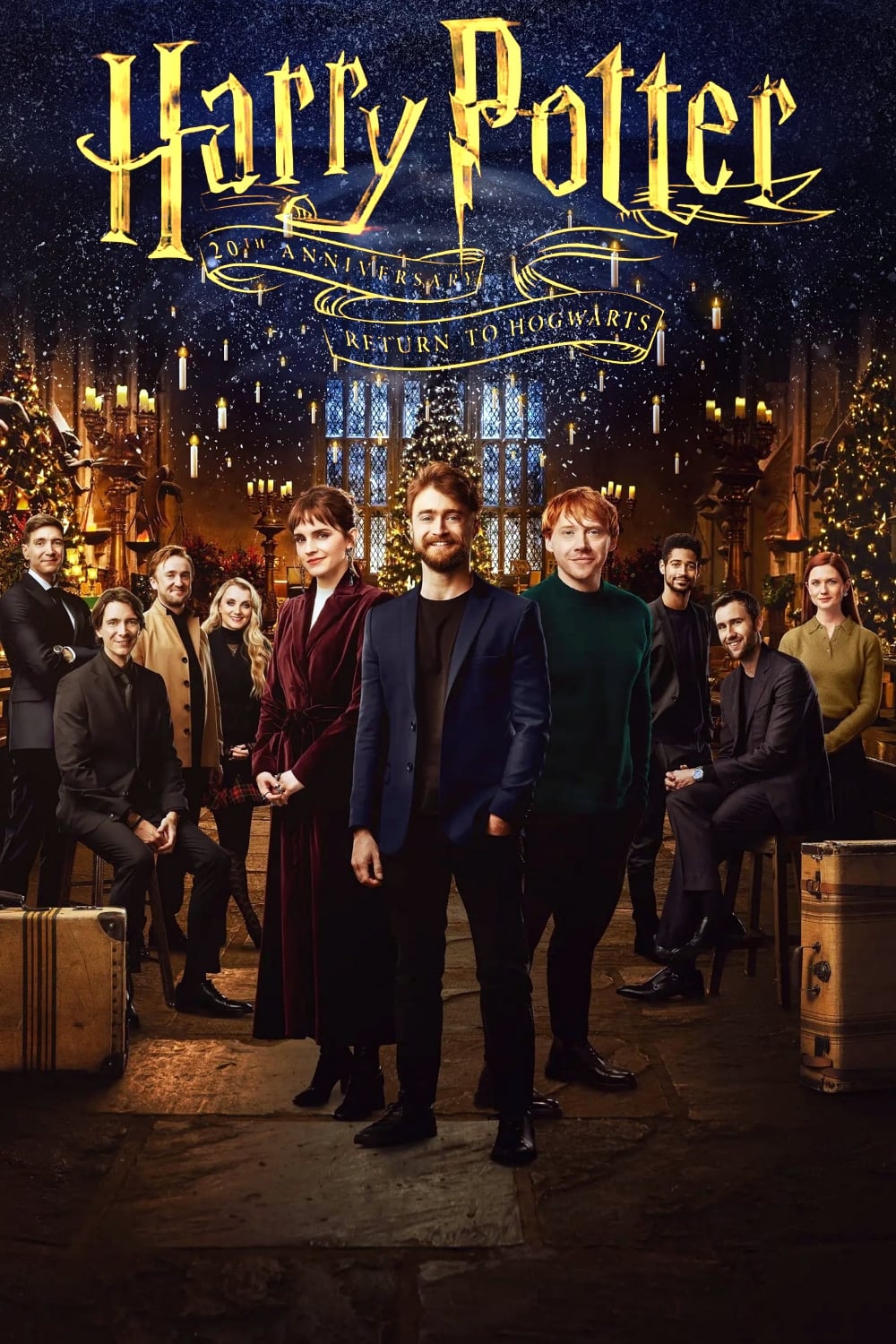
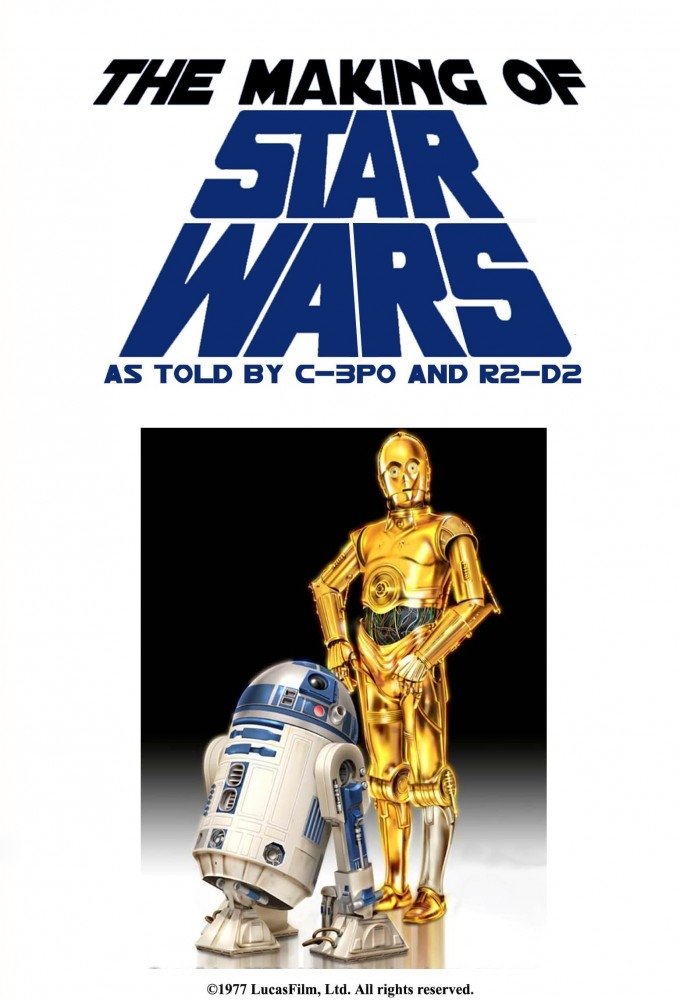
An enchanting making-of story told through all-new in-depth interviews and cast conversations, inviting fans on a magical first-person journey through one of the most beloved film franchises of all time.
When Allied forces liberated the Nazi concentration camps in 1944-45, their terrible discoveries were recorded by army and newsreel cameramen, revealing for the first time the full horror of what had happened. Making use of British, Soviet and American footage, the Ministry of Information’s Sidney Bernstein (later founder of Granada Television) aimed to create a documentary that would provide lasting, undeniable evidence of the Nazis’ unspeakable crimes. He commissioned a wealth of British talent, including editor Stewart McAllister, writer and future cabinet minister Richard Crossman – and, as treatment advisor, his friend Alfred Hitchcock. Yet, despite initial support from the British and US Governments, the film was shelved, and only now, 70 years on, has it been restored and completed by Imperial War Museums under its original title "German Concentration Camps Factual Survey".
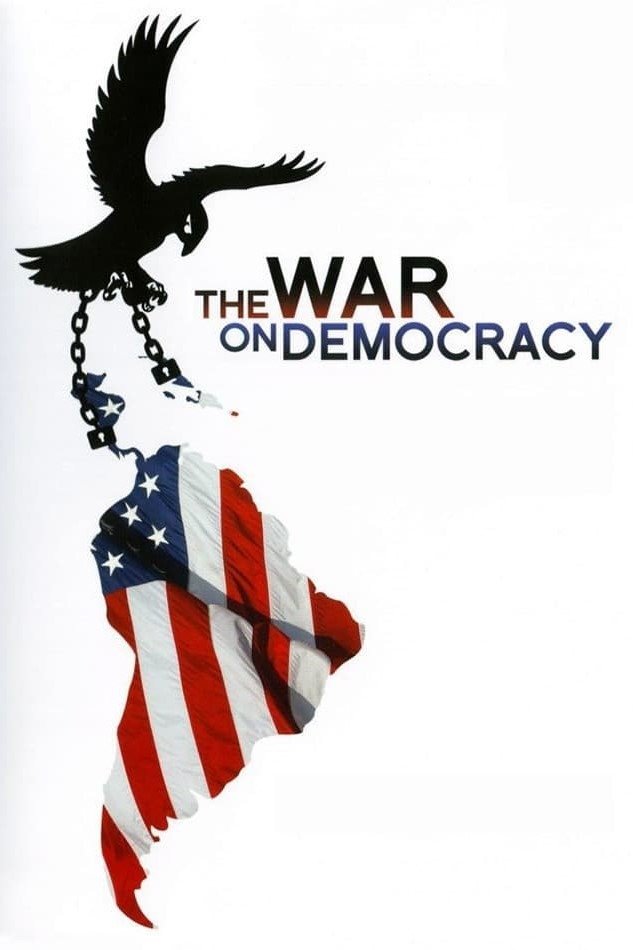
Set both in Latin America and the United States, the film explores the historic and current relationship of Washington with countries such as Venezuela, Bolivia and Chile. Pilger says that the film "...tells a universal story... analysing and revealing, through vivid testimony, the story of great power behind its venerable myths. It allows us to understand the true nature of the so-called "war on terror". According to Pilger, the film’s message is that the greed and power of empire is not invincible and that people power is always the "seed beneath the snow".
From a prolific career in film and television, Anton Yelchin left an indelible legacy as an actor. Through his journals and other writings, his photography, the original music he wrote, and interviews with his family, friends, and colleagues, this film looks not just at Anton's impressive career, but at a broader portrait of the man.
Artists in LA discover the work of forgotten Polish sculptor Stanislav Szukalski, a mad genius whose true story unfolds chapter by astounding chapter.
An in-depth investigation into the private world of the American writer J. D. Salinger (1919-2010), who lived most of his life behind the impenetrable wall of a self-imposed seclusion: how his dramatic experiences during World War II influenced his life and work, his relationships with very young women, his obsessive writing methods, his many literary secrets.
A subjective documentary that explores various theories about hidden meanings in Stanley Kubrick's classic film The Shining. Five very different points of view are illuminated through voice over, film clips, animation and dramatic reenactments.
A documentary about the closure of General Motors' plant at Flint, Michigan, which resulted in the loss of 30,000 jobs. Details the attempts of filmmaker Michael Moore to get an interview with GM CEO Roger Smith.
Martin Scorsese’s portrait of writer and social commentator Fran Lebowitz, celebrated for her sharp wit and observations on modern life. Filmed at New York’s Waverly Inn and intercut with archival footage and interviews, the documentary captures Lebowitz’s distinctive worldview through her spontaneous monologues and public appearances.
With commentary from Hollywood stars, outtakes from his movies and footage from his youth, this documentary looks at Stanley Kubrick's life and films. Director Jan Harlan, Kubrick's brother-in-law and sometime collaborator, interviews heavyweights like Jack Nicholson, Woody Allen and Sydney Pollack, who explain the influence of Kubrick classics like "Dr. Strangelove" and "2001: A Space Odyssey," and how he absorbed visual clues from disposable culture such as television commercials.
In 1936, Victor H. Green (1892-1960) published The Negro Motorist Green Book, a book that was both a travel guide and a survival manual, to help African-Americans navigate safe those regions of the United States where segregation and Jim Crow laws were disgracefully applied.
A documentary exploring the legacy of Star Trek: Deep Space Nine, the reasons it went from the black sheep of Star Trek to a beloved mainstay of the franchise, and a brainstorm with the original writers on what a theoretical eighth season of the show could look like.
One man’s journey to find meaning in Bill Murray’s many unexpected adventures with everyday people, rare and never-before seen footage of the comedic icon participating in stories previously presumed to be urban legend.
An impressionistic portrait of the iconic actor Harry Dean Stanton comprised of intimate moments, film clips from some of his 250 films and his renditions of American folk songs.
We live in a world where the powerful deceive us. We know they lie. They know we know they lie. They do not care. We say we care, but we do nothing, and nothing ever changes. It is normal. Welcome to the post-truth world. How we got to where we are now…
Brilliant, long in-the-works story of the life and art of the world's greatest comedian and the cinema's first genius, Charlie Chaplin. Produced, written and directed by renowned film critic Richard Schickel.