Every January, the country's largest jigsaw puzzle contest is held in St. Paul, Minnesota. Choose your favorite team and watch them try to put the pieces back together.
Social & External
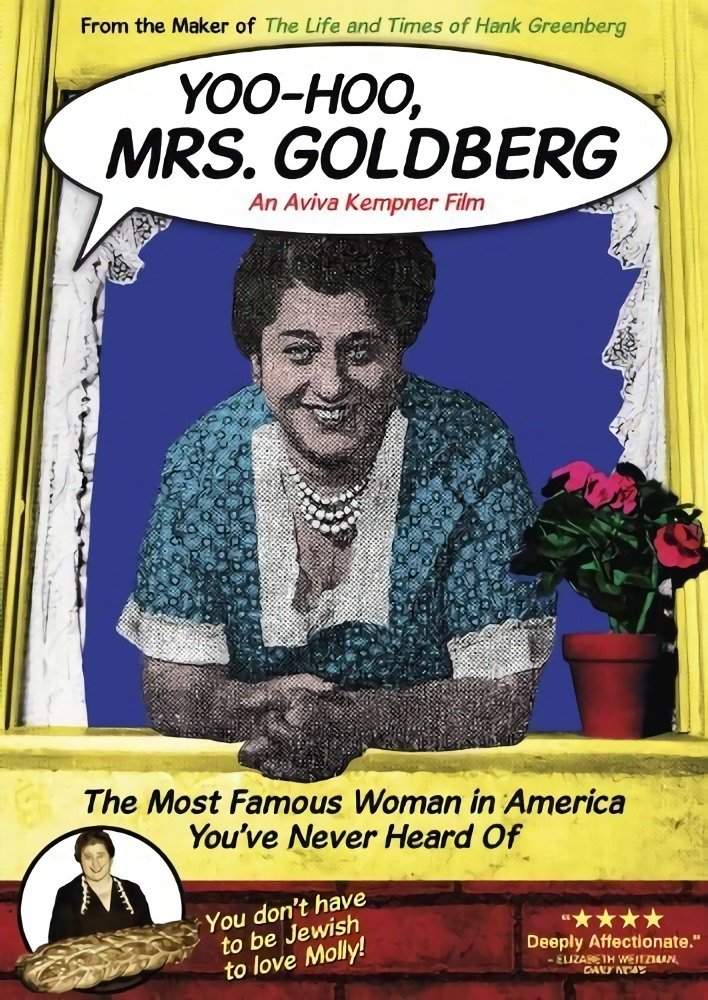
The story of the actor, writer and broadcasting pioneer, Gertrude Berg.
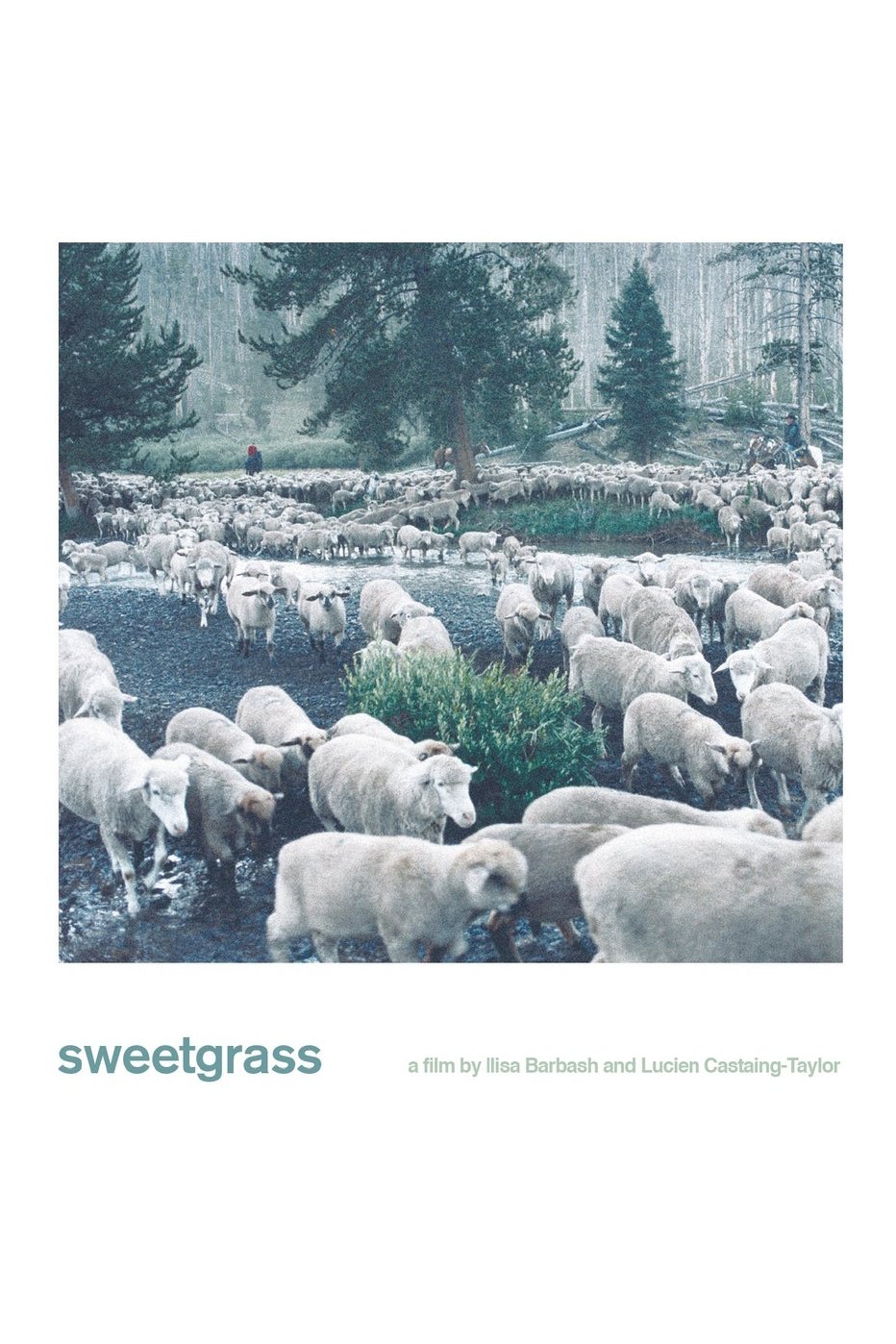
An unsentimental elegy to the American West, Sweetgrass follows the last modern-day cowboys to lead their flocks of sheep up into Montana's breathtaking and often dangerous Absaroka-Beartooth mountains for summer pasture, revealing a world in which nature and culture, animals and humans, vulnerability and violence are all intimately meshed.
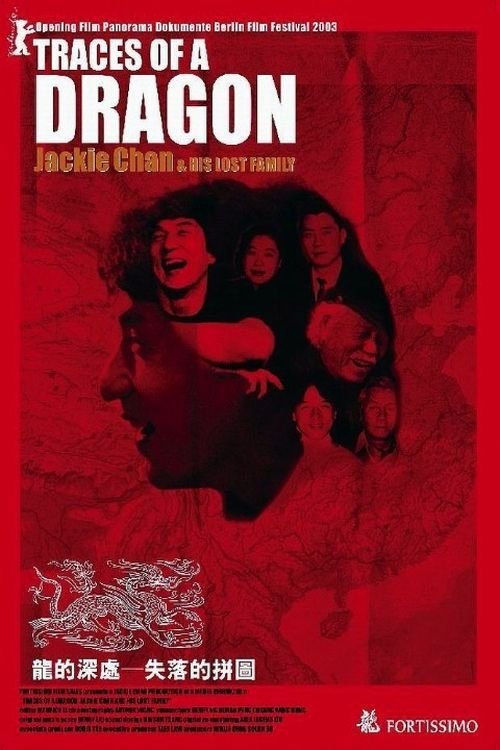
A surprising look at the past of movie star Jackie Chan and the difficulties of Chinese families during the Culture Revolution.
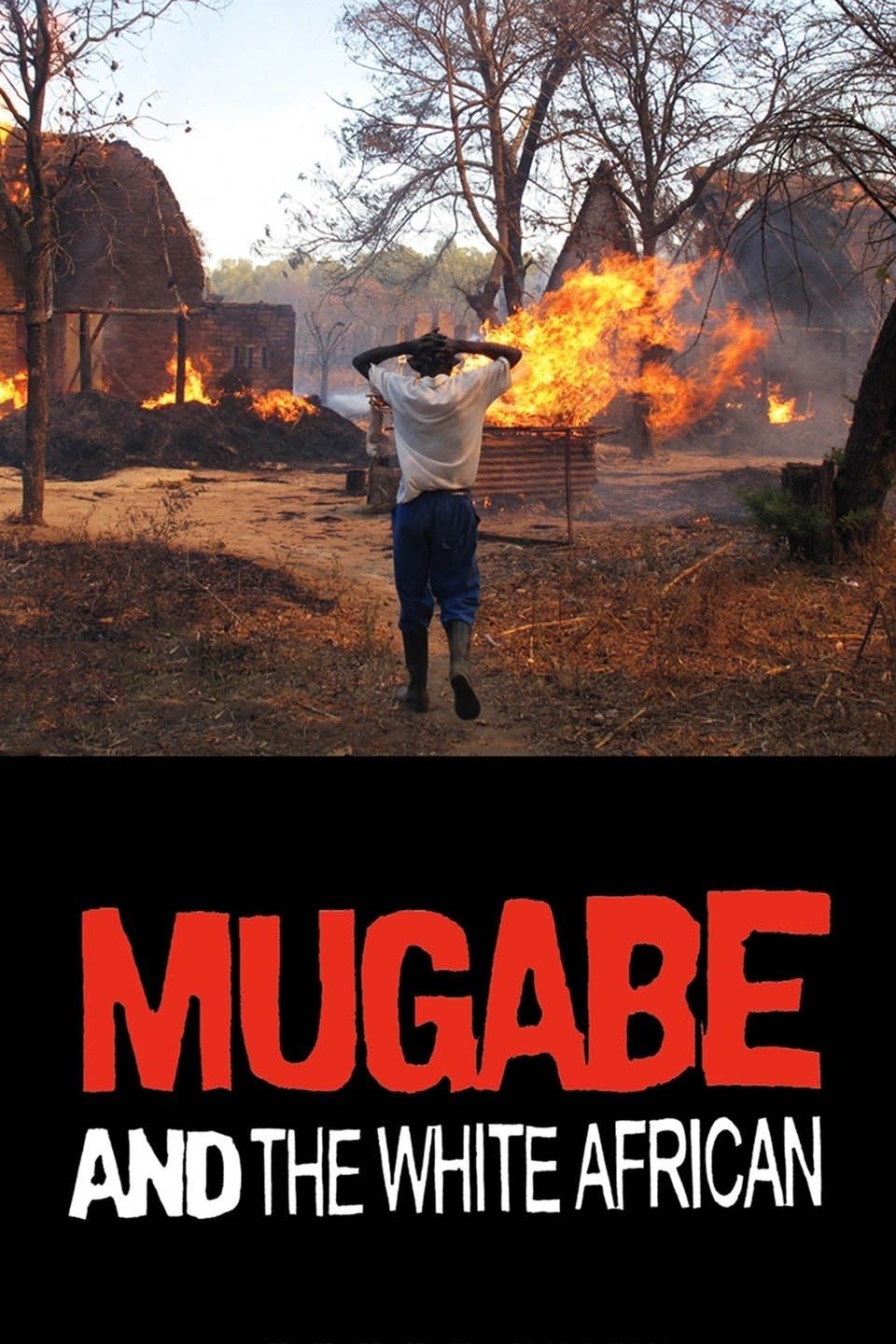
Short-listed as one of the 15 best documentaries of the year, Mugabe And The White African is the story of one family's astonishing bravery as they fight to protect their property, their livelihood and their country. Mike Campbell is one of the few white farmers left in Zimbabwe since its leader, Robert Mugabe, enacted his disastrous land redistribution program. Once the breadbasket of Africa, Zimbabwe has since spiraled into chaos, the economy decimated as farms given to Mugabe cronies are run into ruin. After enduring years of intimidation and threats, Campbell decides to take action. Unable to call upon help from his country's authorities, he challenges Mugabe before an international court.
This one-night-only concert event taping brings together fans, friends and music icons to celebrate Kenny Rogers’ final farewell to Nashville. Featuring performances by Dolly Parton, Alison Krauss, Chris Stapleton, Elle King, Idina Menzel, Jamey Johnson, Lady Antebellum, Lionel Richie, Little Big Town, Reba McEntire, The Flaming Lips, The Judds, Wynonna and Kenny Rogers along with many other special guests.
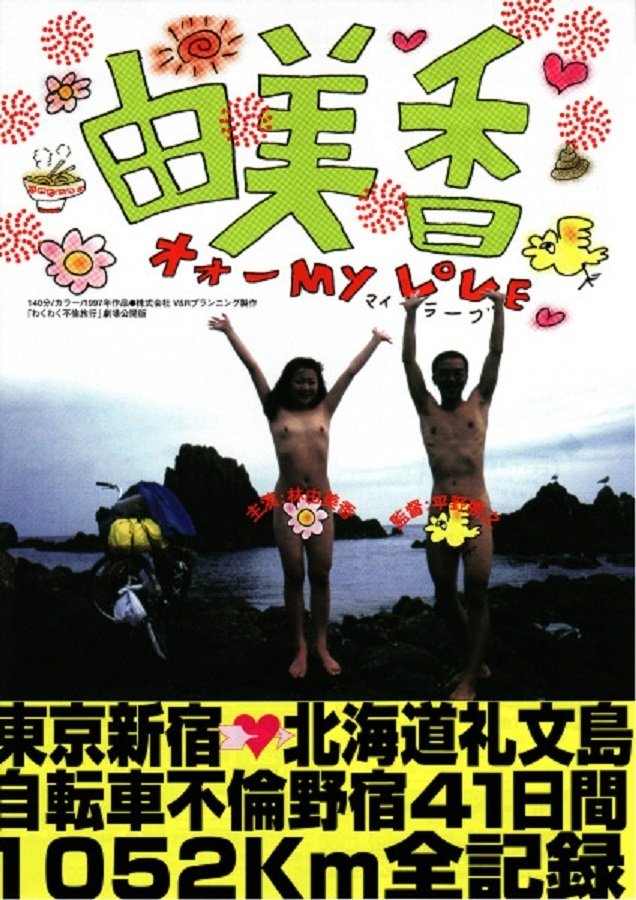
The documentary of director Katsuyuki Hirano and adult film actress Yumika Hayashi's 41-day biking trip.
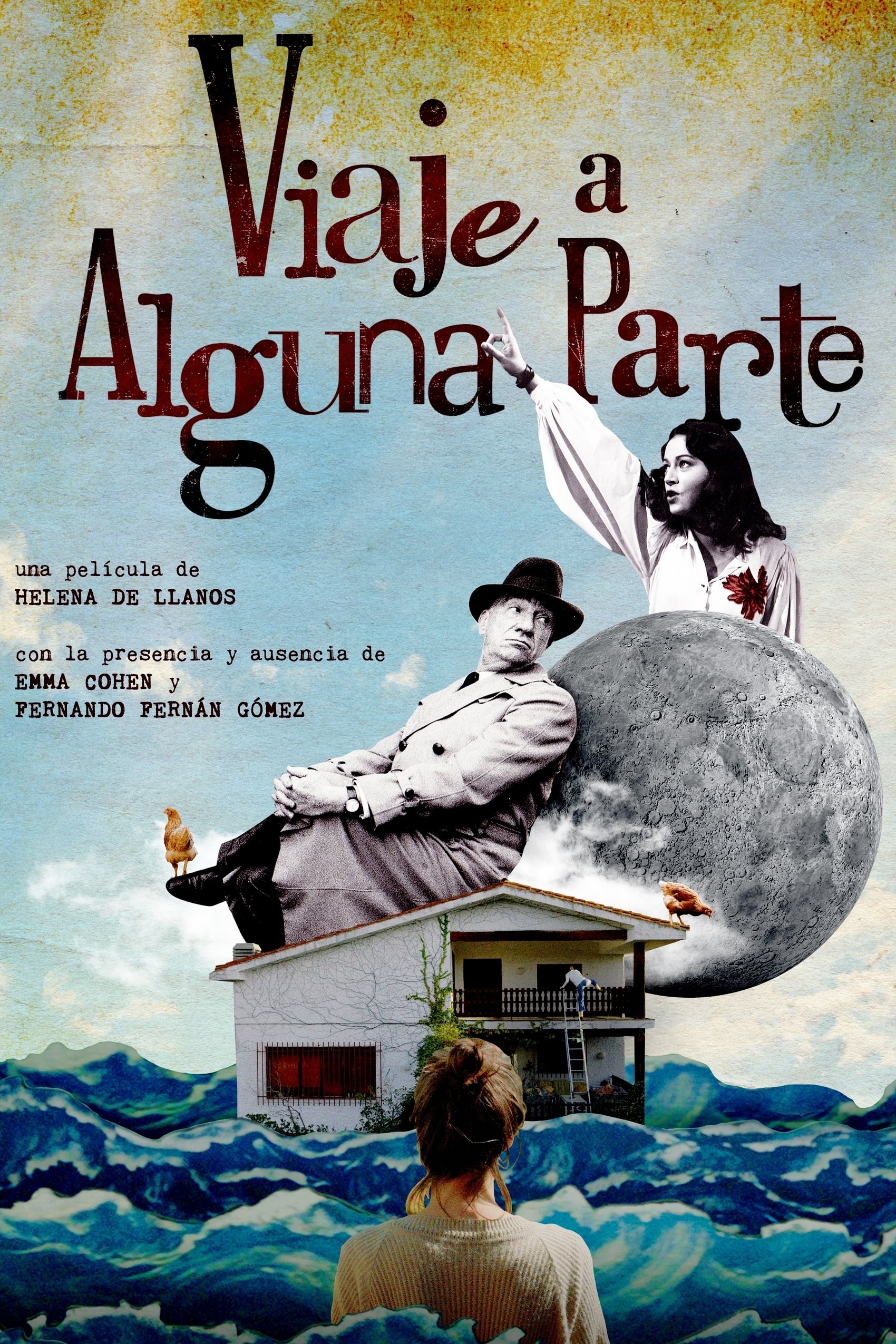
A young woman, who has inherited her grandparents' huge house, a fascinating place full of amazing objects, feels overwhelmed by the weight of memories and her new responsibilities. Fortunately, the former inhabitants of the house soon come to her aid. (An account of the life and work of Fernando Fernán Gómez [1921-2007] and his wife Emma Cohen [1946-2016], two singular artists and fundamental figures of contemporary Spanish culture.)
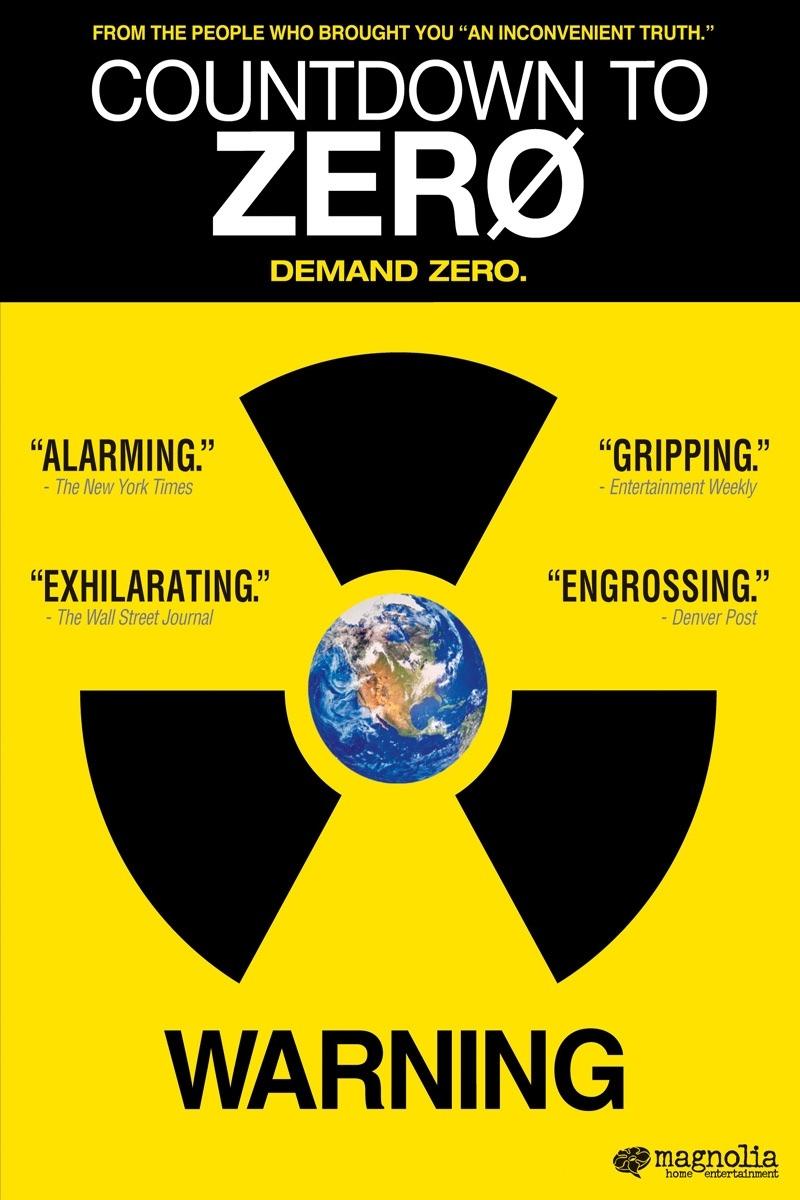
Although the Cold War is behind us, the threat of nuclear disaster remains very real. Director Lucy Walker discusses the invention of the atomic bomb and brings the story into the present day, examining the possibility of nuclear calamity under the categories of "Madness," "Accident" and "Miscalculation." With narration by Gary Oldman, the film includes a hypothetical sequence of a nuclear explosion in New York City's Times Square, timed to coincide with the New Year's Eve countdown.
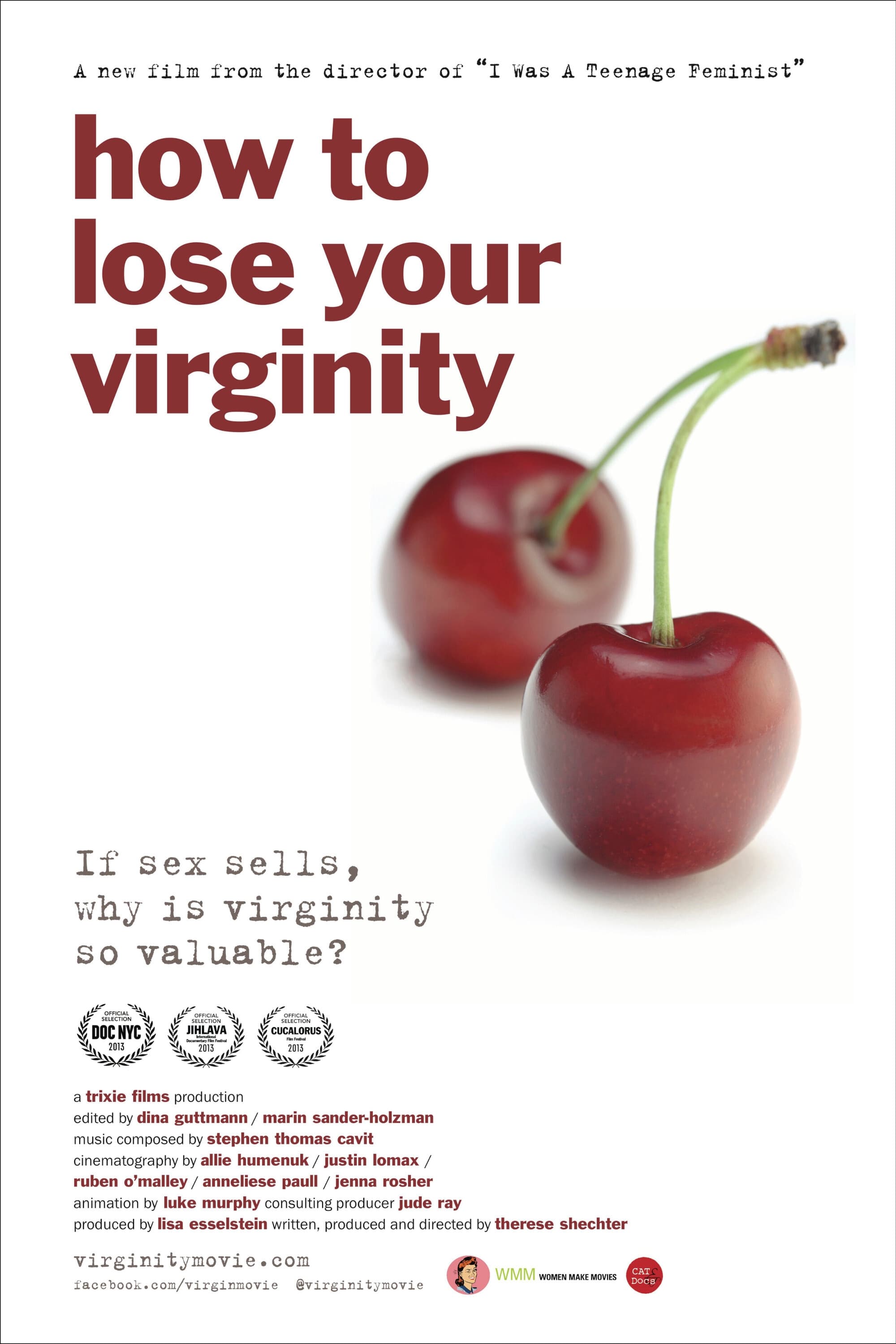
It has launched both purity balls and porn franchises, defines a young woman's morality-but has no medical definition. Enter the magical world of virginity, where a white wedding dress can restore a woman's innocence and replacement hymens can be purchased online. Filmmaker Therese Shechter uses her own path out of virginity to explore why our sex-crazed society cherishes this so-called precious gift. Along the way, we meet sex educators, virginity auctioneers, abstinence advocates, and young men and women who bare their tales of doing it-or not doing it. "How To Lose Your Virginity" uncovers the myths and misogyny surrounding a rite of passage that many obsesses about but few truly understand.
In the New Mexico desert, pie equals love. Kathy Knapp left her privileged life to bake pie in dusty Pie Town, a once forgotten corner of the world with few amenities. Why? To find her center and give the world pie. This is her story.
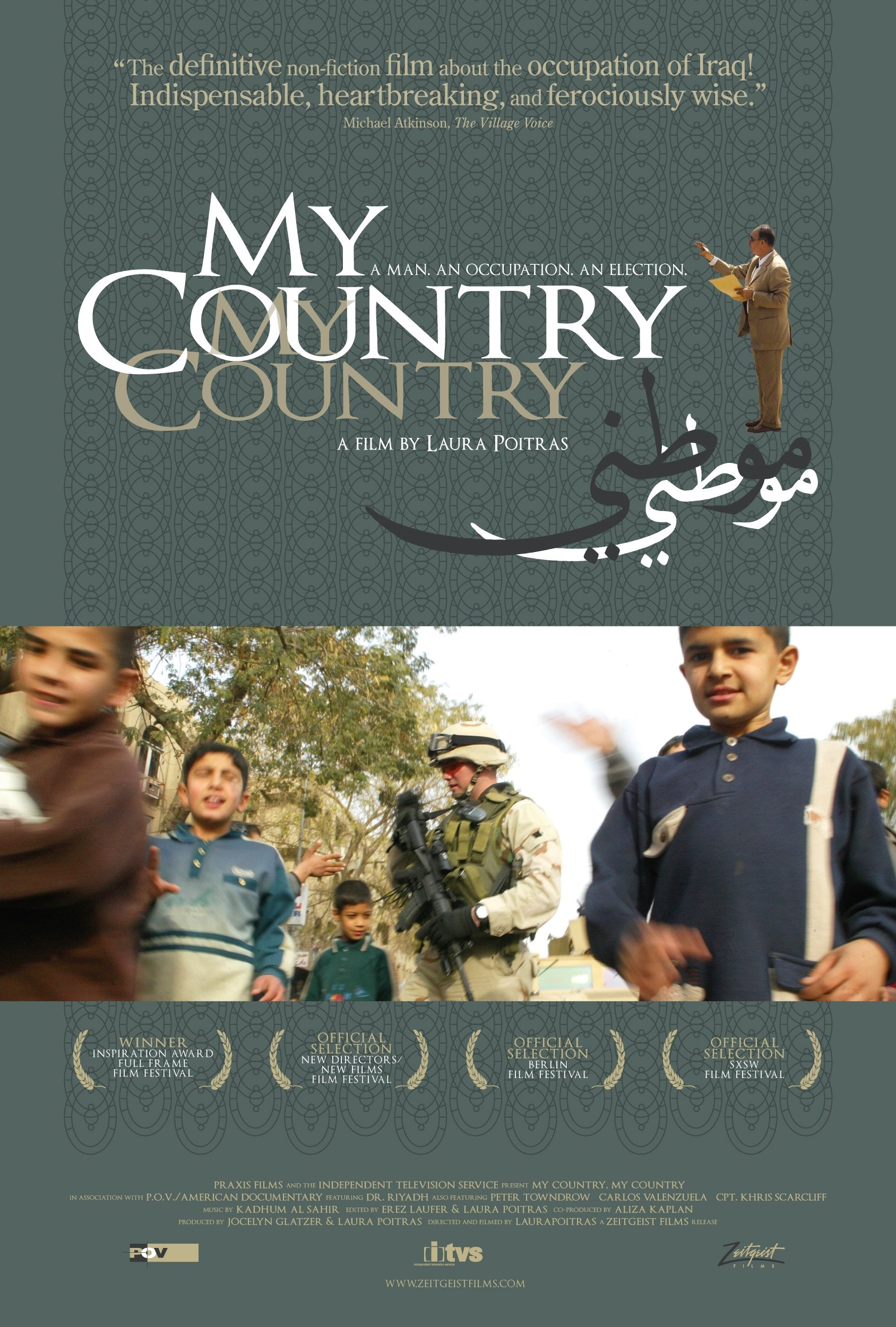
The director follows a Sunni Arab doctor as he prepares to run for the early 2005 elections in Iraq.
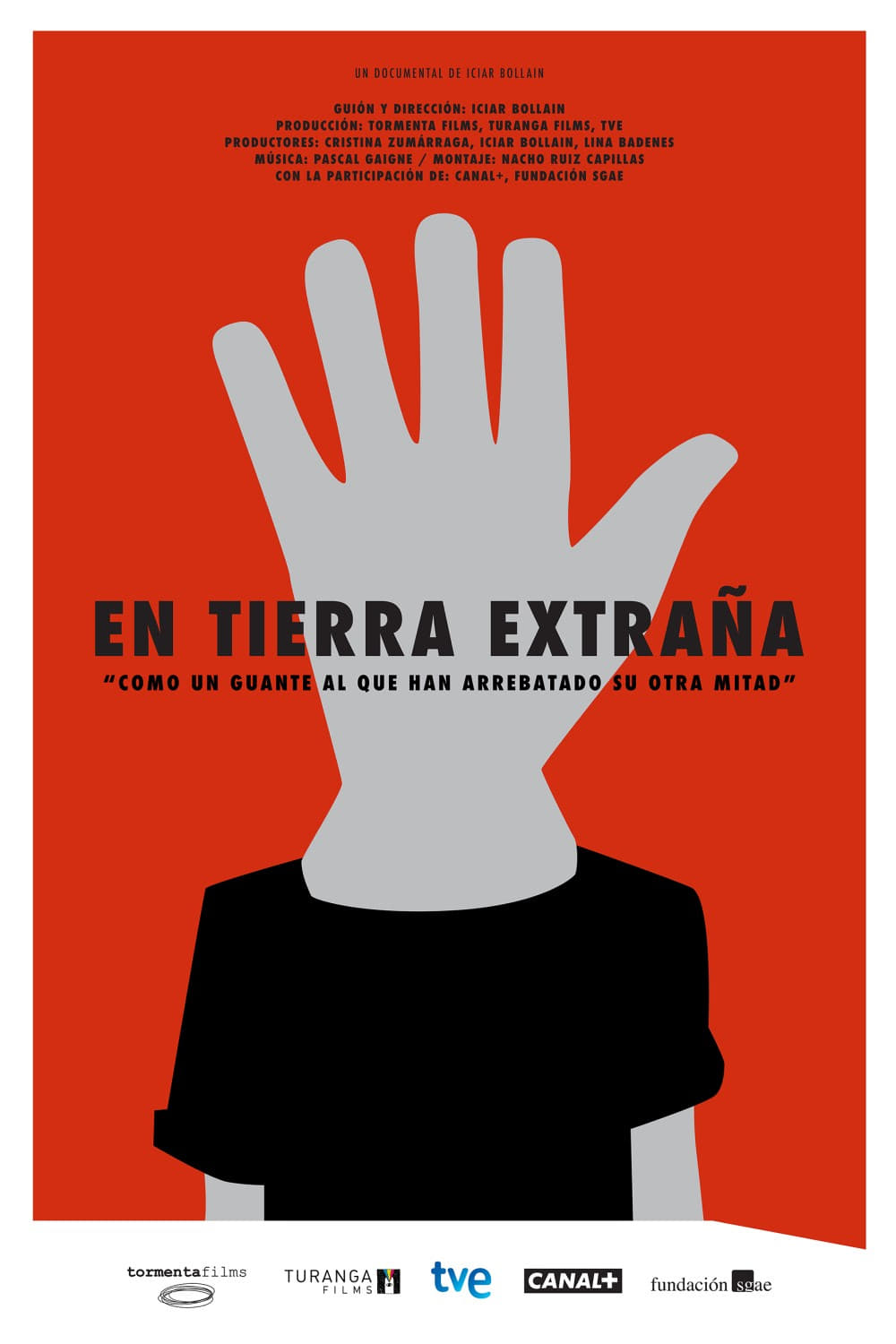
A documentary about the life of young Spanish immigrants in Edinburgh, Scotland, who had to leave Spain due to recession and unemployment.
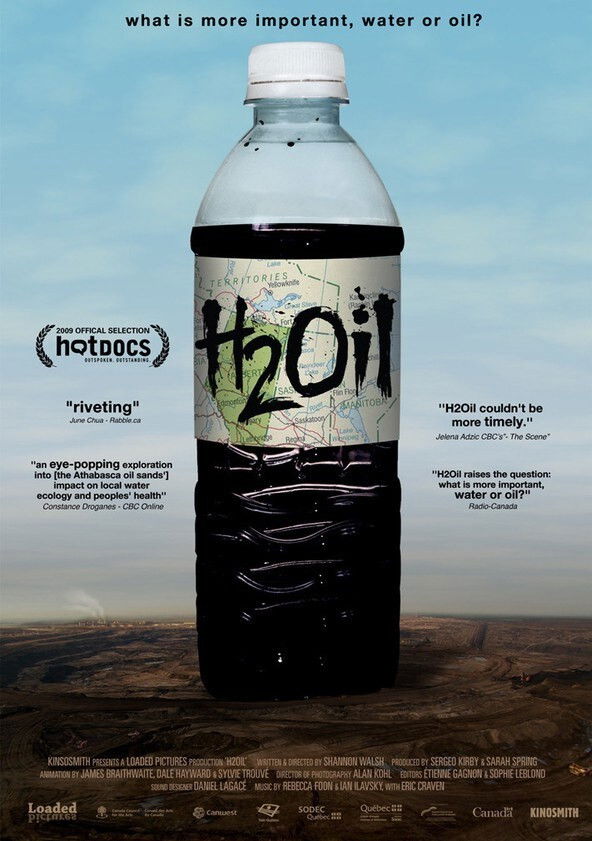
Moving between a local microcosm and the global oil crisis, H2Oil weaves together a collection of compelling stories of people who are at the front lines of the biggest industrial project in human history: Canada's tar sands. H2Oil is a feature-length documentary that traces the wavering balance between the urgent need to protect and preserve fresh water resources and the mad clamoring to fill the global demand for oil. It is a film that asks: what is more important, water or oil? Will the quest for profit overshadow efforts to protect public health and the environment in Canada's richest province?
"Black Diamonds: Mountaintop Removal and the Fight for Coalfield Justice" is an award-winning feature documentary exploring radical community resistance to the explosive rise of mountaintop removal coal mines in Appalachian states.
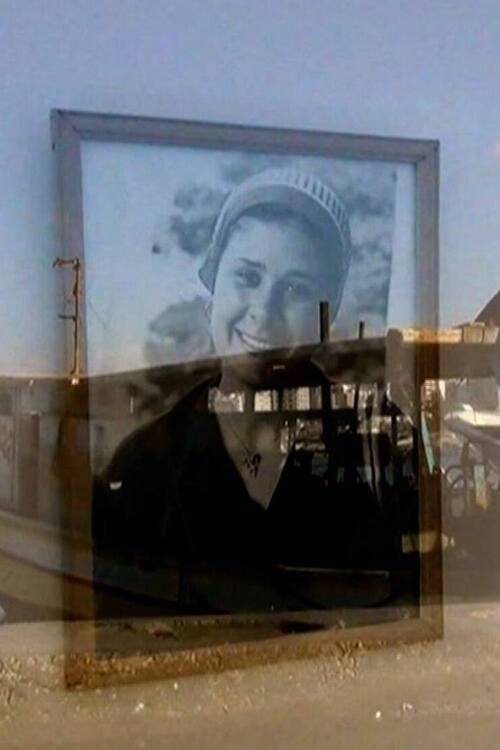
An attempt to describe the everyday of a place that struggles for the most basic human rights: the Gaza Strip as a microcosm for the failure of civilization.
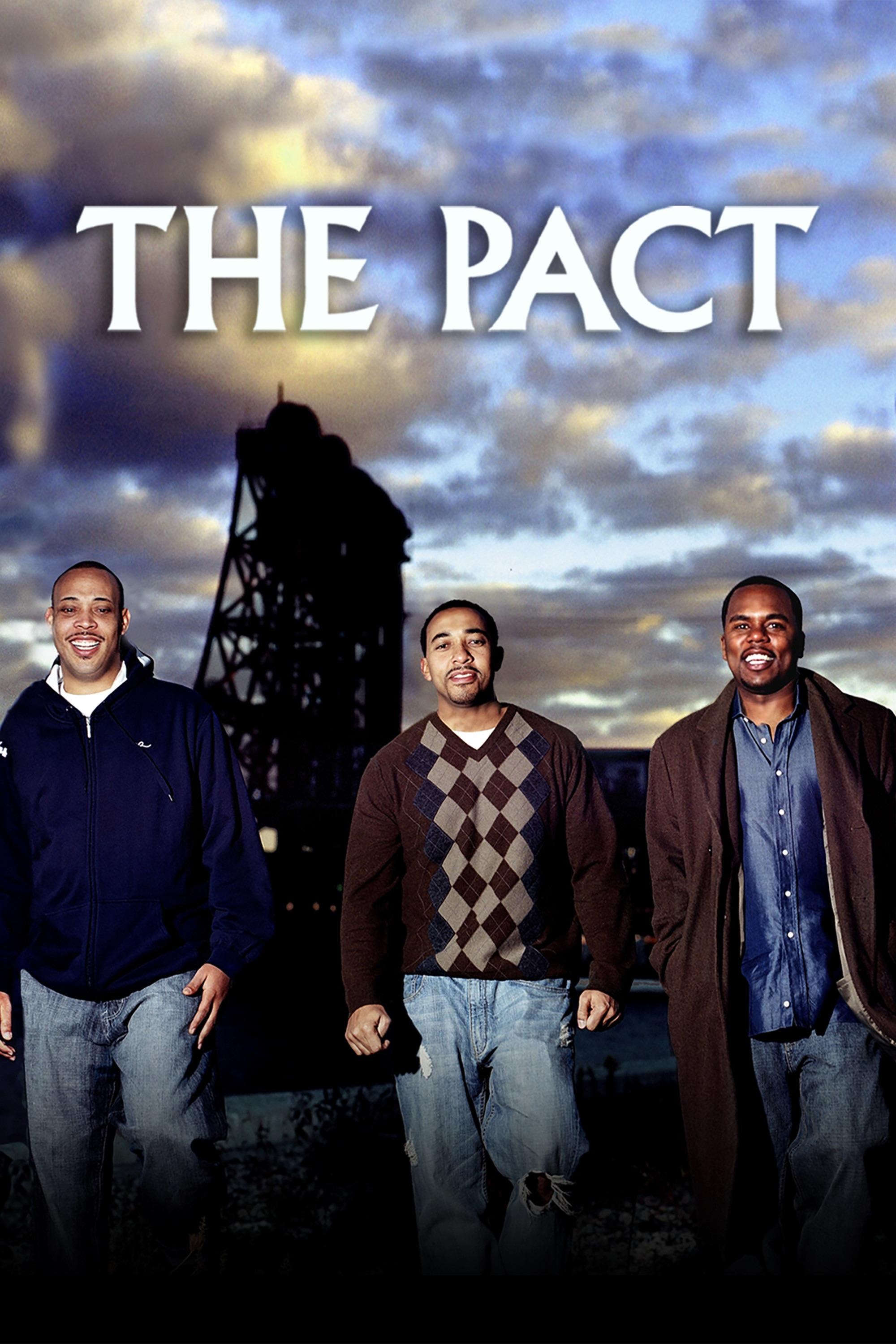
A gritty, provocative true-life story of three friends from the 'hood, Rameck Hunt, Sampson Davis, and George Jenkins, who made a pact in high school to find a way to go to college and then medical school. They not only accomplished this, but they're now spreading the word to inspire other inner-city kids to stay off of drugs, out of gangs and to take the educational route to a better life. THE PACT captures the pathos of the men's individual journeys, the integrity of their voices and the power of their rare friendship. Their stories affirm the values that ultimately sustained and drove them: courage, tenacity, and faith. And they give tribute to the life of the mind and its power to turn dreams into reality.
Three British porn addicts, Kevin, 20, Danny, 26, and Jonathan, 40, go to America to meet their favourite stars, and witness the harsh realities behind the factories of fantasy.
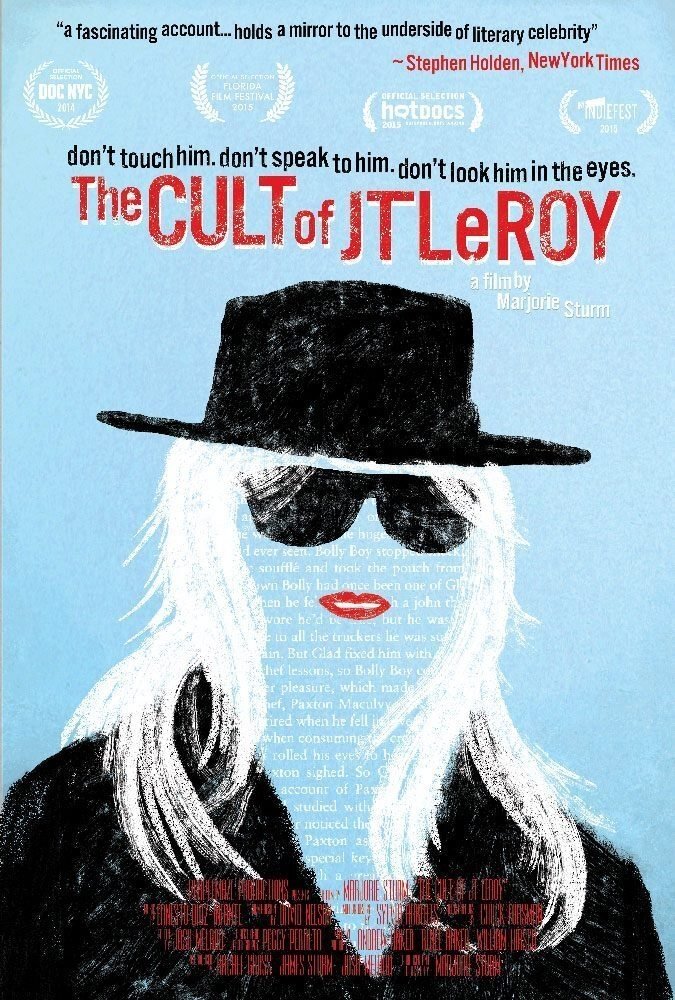
A feature documentary about the writer JT LeRoy - Ethically charged, controversial, and confusing, JT’s life and death sprang open a Pandora’s box of powerful questions about literature and culture, identity and celebrity, and the reality of the society we live in. Fraud? Art? Mental illness? Complicity? The Cult of JT Leroy will be a testament to this bizarre and elaborate story that has captured the attention and fascination of the world’s media, and perplexes to this day.
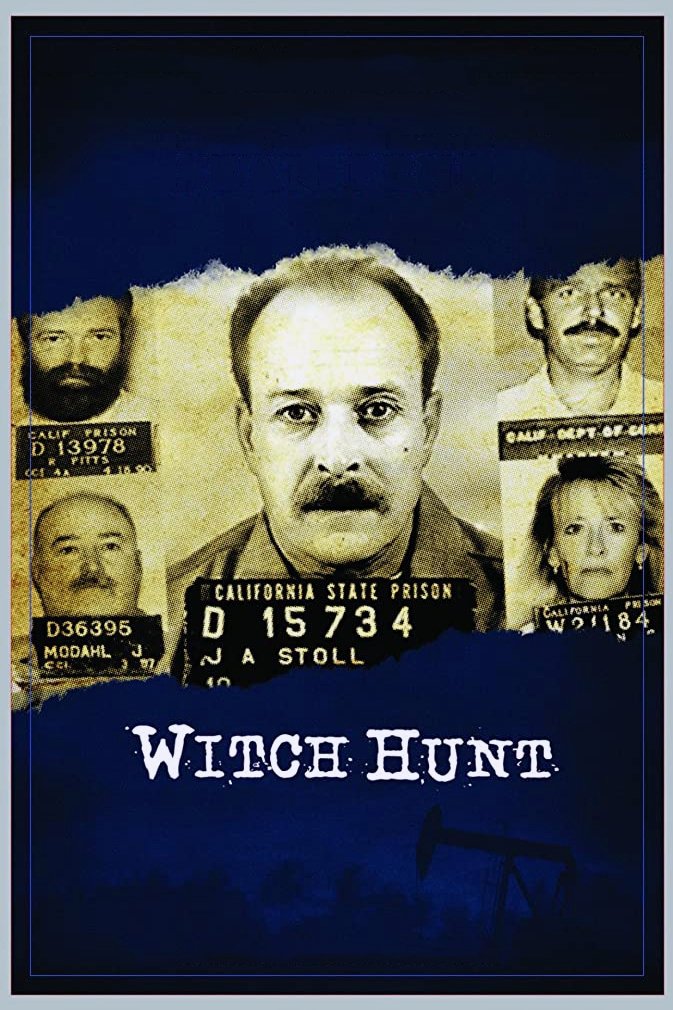
Executive Producer Sean Penn presents "Witch Hunt," a gripping indictment of the American justice system told through the lens of one small town. Voters in Bakersfield, California elected a tough on crime district attorney into office for more than 25 years. During his tenure he convicted dozens of innocent working class moms and dads. They went to prison, some for decades, before being exonerated. He remains in office today. This story on a micro level mirrors what the US has experienced over the last eight years. When power is allowed to exist without oversight civil rights are in jeopardy.
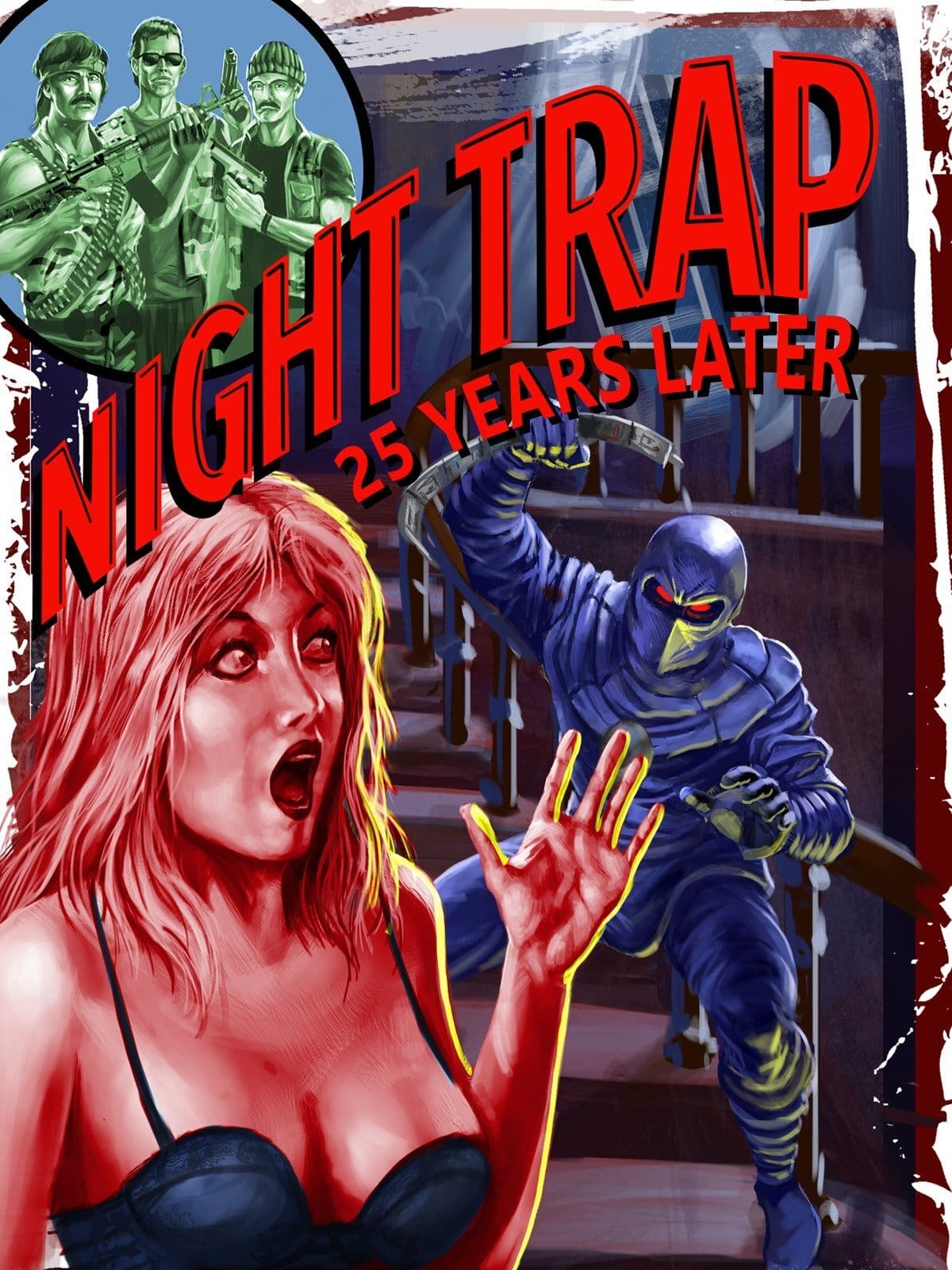
Explore the history of the ground-breaking Full Motion Video (FMV) game, Night Trap, in this documentary brought to you by My Life in Gaming. Directors Coury Carlson and Marc Duddleson interview Night Trap creator James Riley, remaster lead Tyler Hogle, and gaming historian Jeremy Parish in this nearly hour-long look at the history of Night Trap.
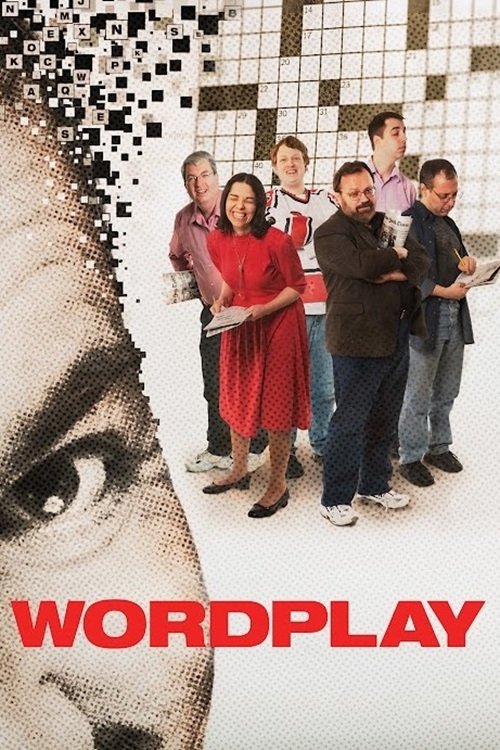
From the masters who create the mind-bending diversions to the tense competition at the American Crossword Puzzle Tournament, Patrick Creadon's documentary reveals a fascinating look at a decidedly addictive pastime. Creadon captures New York Times editor Will Shortz at work, talks to celebrity solvers -- including Bill Clinton and Ken Burns -- and presents an intimate look at the national tournament and its competitors.
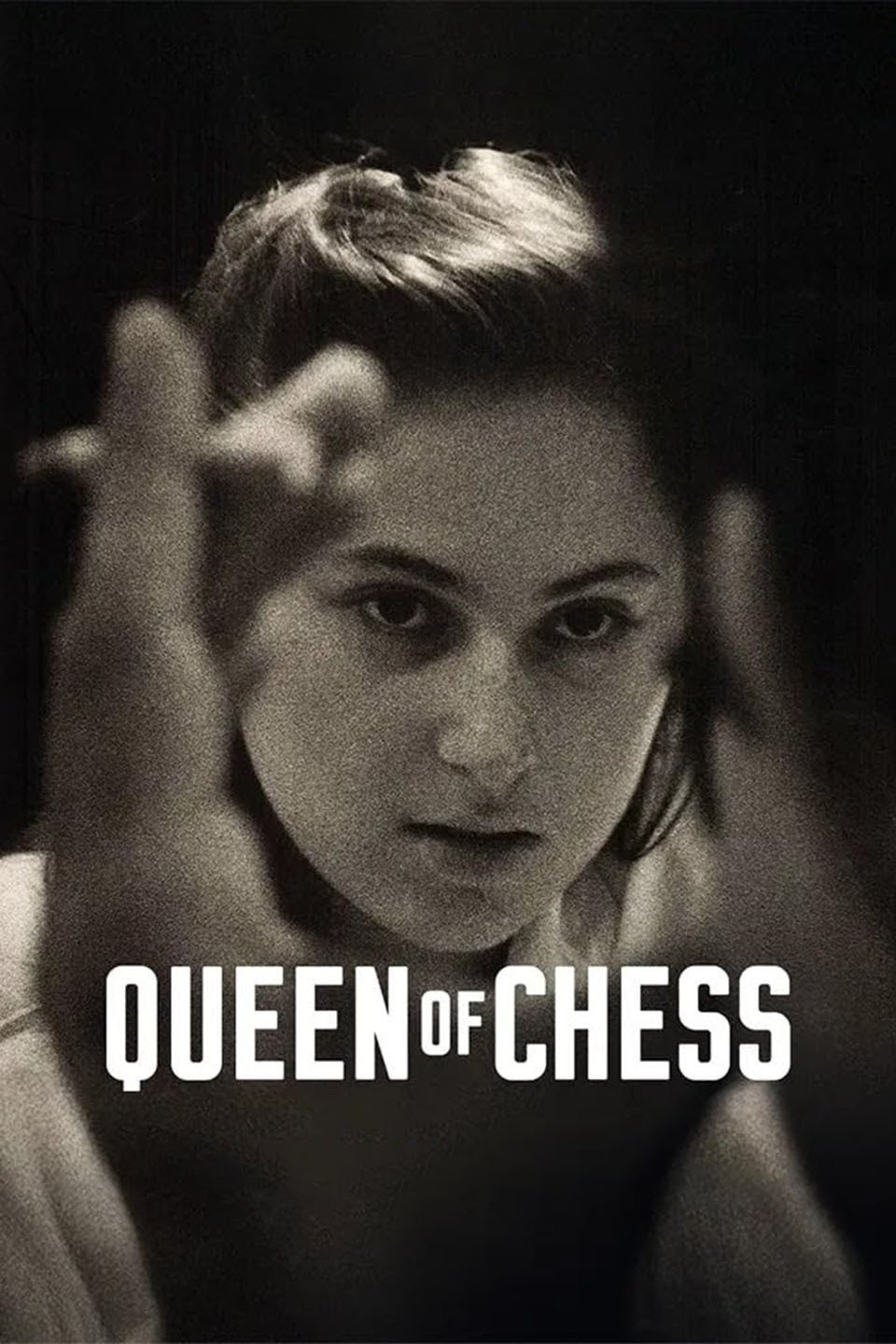
A Hungarian girl dreams of conquering international men’s chess. After a 15-year battle against world champion Garry Kasparov and her domineering father, Judit Polgár revolutionizes the sport’s patriarchal culture to become one of the greatest chess prodigies in history and the greatest woman chess player of all time.
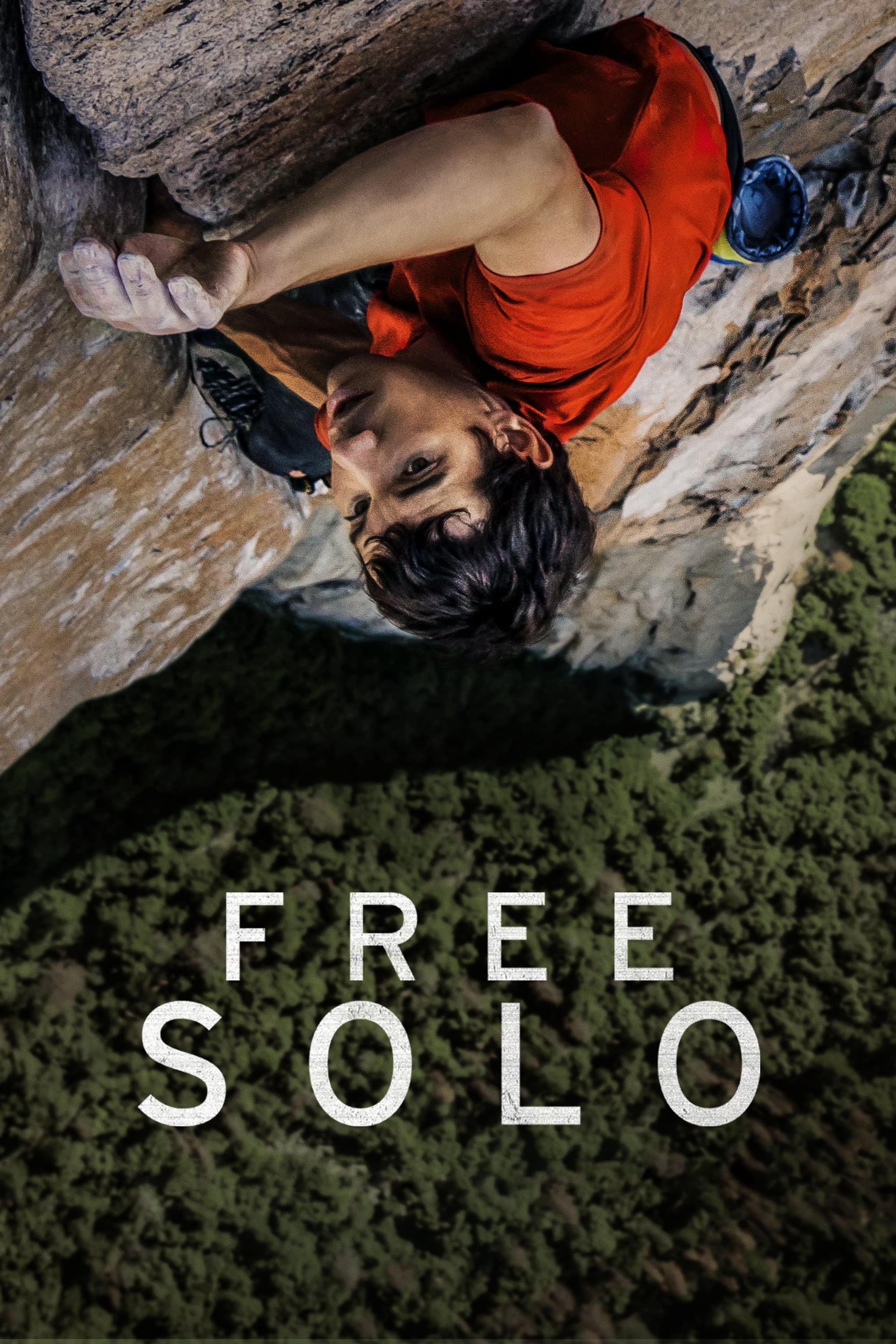
Follow Alex Honnold as he attempts to become the first person to ever free solo climb Yosemite's 3,000 foot high El Capitan wall. With no ropes or safety gear, this would arguably be the greatest feat in rock climbing history.
A love letter from a young mother to her daughter, the film tells the story of Waad al-Kateab’s life through five years of the uprising in Aleppo, Syria as she falls in love, gets married and gives birth to Sama, all while cataclysmic conflict rises around her. Her camera captures incredible stories of loss, laughter and survival as Waad wrestles with an impossible choice– whether or not to flee the city to protect her daughter’s life, when leaving means abandoning the struggle for freedom for which she has already sacrificed so much.
An experimental portrait of the North American commercial fishing industry through the lens of GoPro cameras placed on a fishing vessel off the coast of New England.
As a visually radical memoir, CAMERAPERSON draws on the remarkable footage that filmmaker Kirsten Johnson has shot and reframes it in ways that illuminate moments and situations that have personally affected her. What emerges is an elegant meditation on the relationship between truth and the camera frame, as Johnson transforms scenes that have been presented on Festival screens as one kind of truth into another kind of story—one about personal journey, craft, and direct human connection.
In the Realms of the Unreal is a documentary about the reclusive Chicago-based artist Henry Darger. Henry Darger was so reclusive that when he died his neighbors were surprised to find a 15,145-page manuscript along with hundreds of paintings depicting The Story of the Vivian Girls, in What is Known as the Realms of the Unreal, of the Glodeco-Angelinnian War Storm, Cased by the Child Slave Rebellion.
Daft Punk Unchained is the first film about the pop culture phenomenon that is Daft Punk, the duo with 12 million albums sold worldwide and seven Grammy Awards. Throughout their career Thomas Bangalter and Guy-Manuel de Homem-Christo have always resisted compromise and the established codes of show business. They have remained determined to maintain control of every link in the chain of their creative process. In the era of globalisation and social networks, they rarely speak in public and neither do they show their faces on TV. This documentary explores this unprecedented cultural revolution revealing a duo of artists on a permanent quest for creativity, independence and freedom.
This special explores the return of Obi-Wan Kenobi and Anakin Skywalker to the screen, as well as Ewan McGregor and Hayden Christensen to their classic roles. Director Deborah Chow leads the cast and crew as they create new heroes and villains that live alongside new incarnations of beloved Star Wars characters, and an epic story that dramatically bridges the saga films.
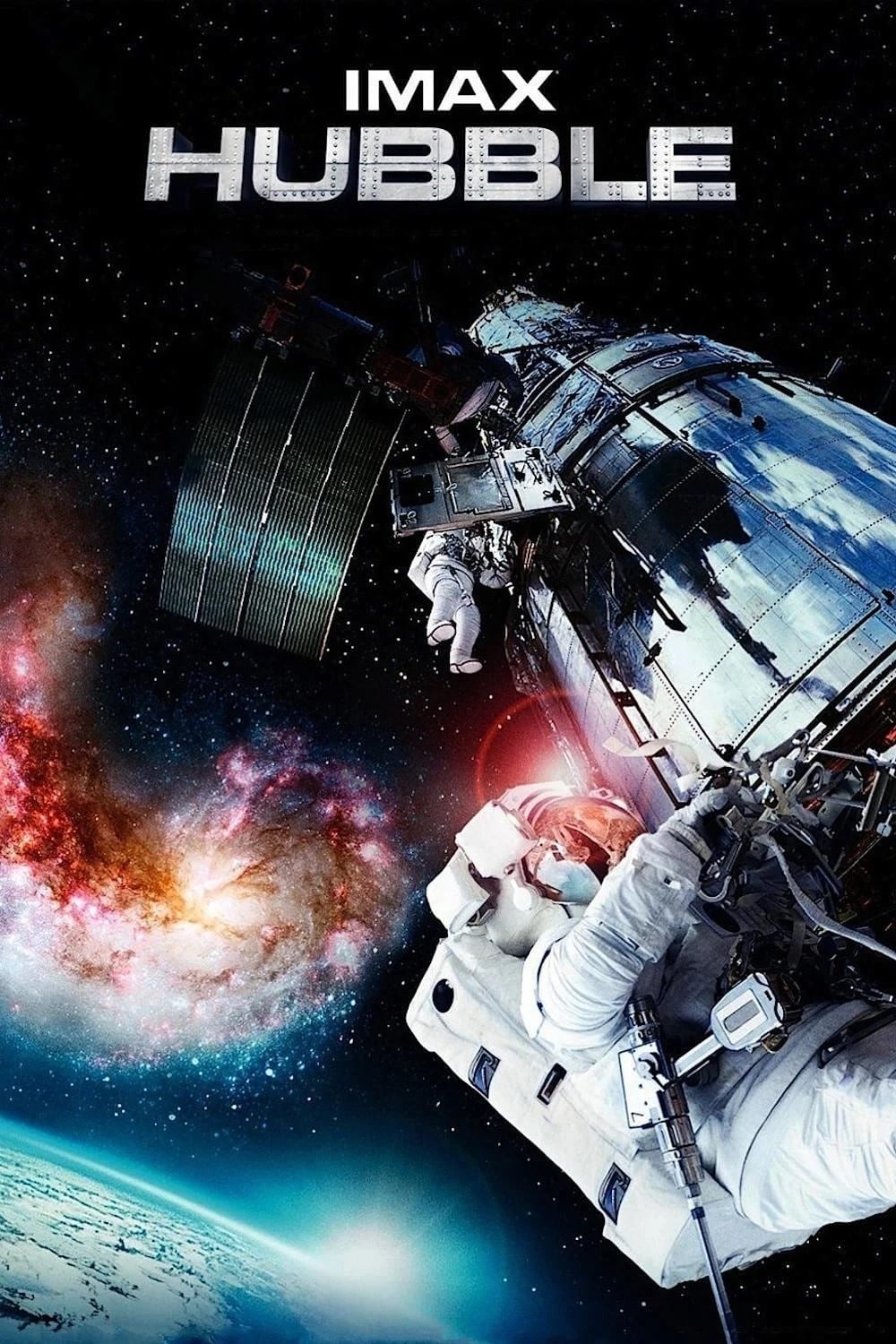
An IMAX 3D camera chronicles the effort of 7 astronauts aboard the Space Shuttle Atlantis to repair the Hubble Space Telescope.
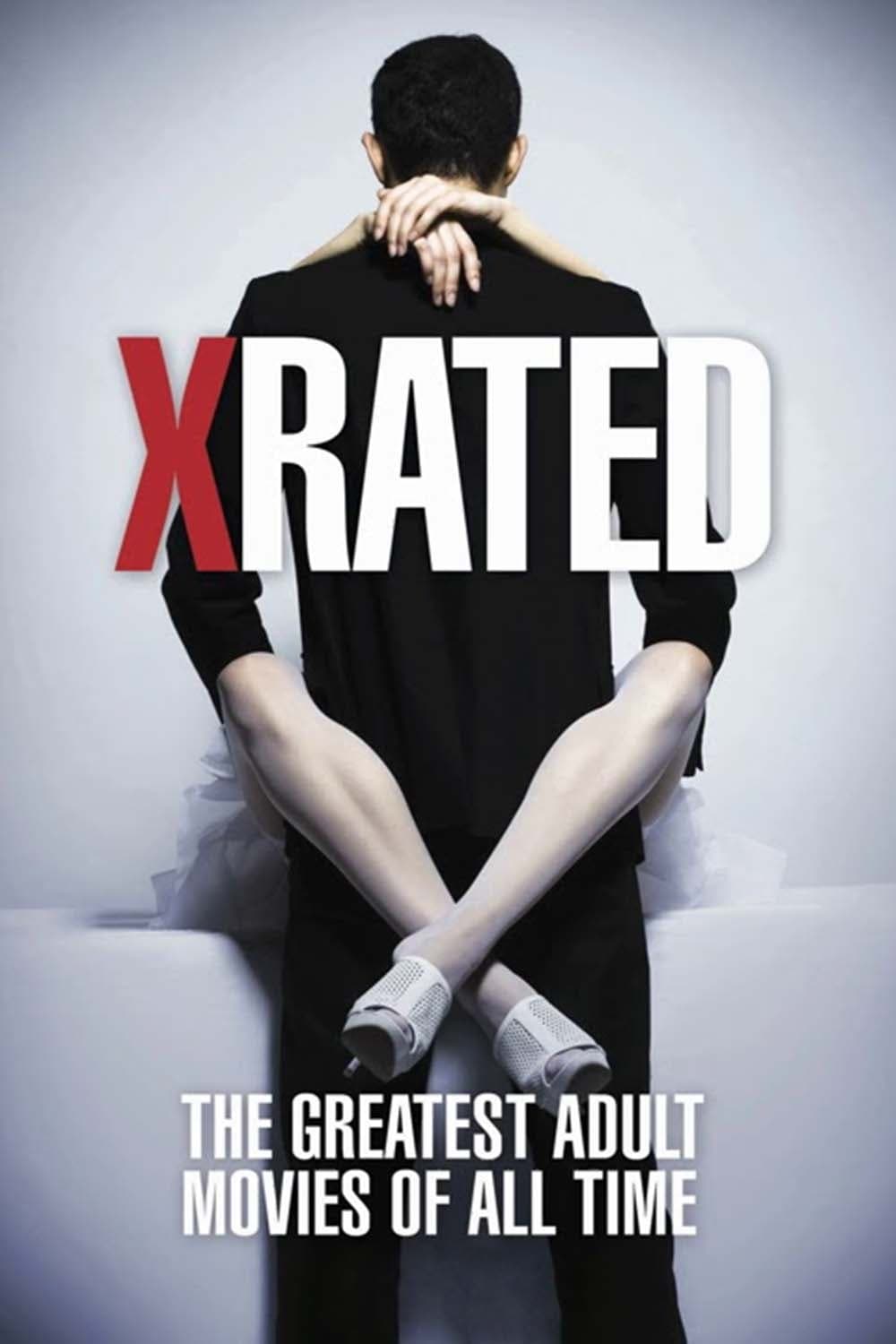
The evolution of adult cinema through the most influential films in history, a journey that begins in the 1970s and ends nowadays. An in-depth analysis of the success of the most prestigious erotic films, their impact on industry and society, and their influence on cinema and contemporary culture.
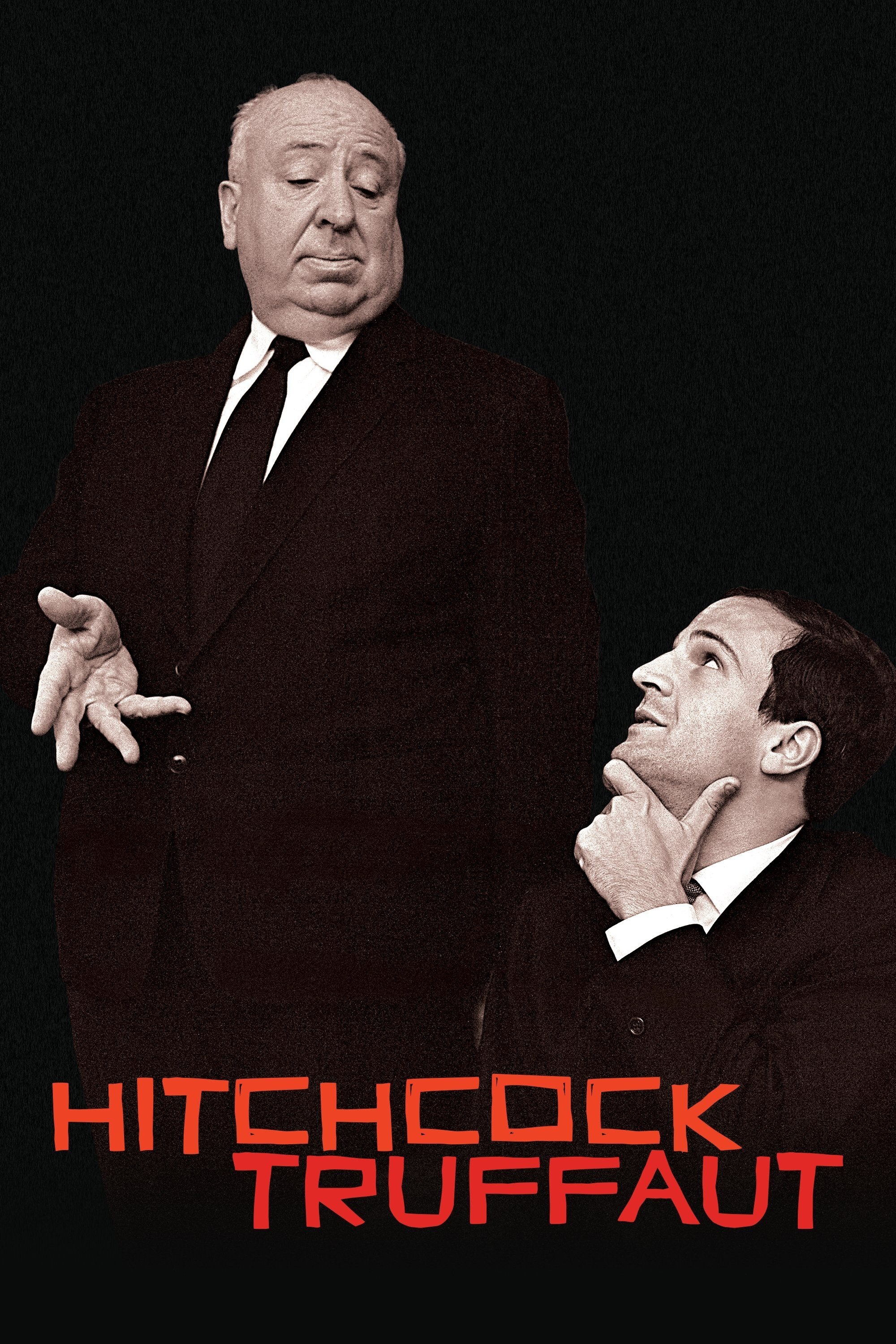
Filmmakers discuss the legacy of Alfred Hitchcock and the book “Hitchcock/Truffaut” (“Le cinéma selon Hitchcock”), written by François Truffaut and published in 1966.
The film follows adventurer Jeff Johnson as he retraces the epic 1968 journey of his heroes Yvon Chouinard and Doug Tompkins to Patagonia.
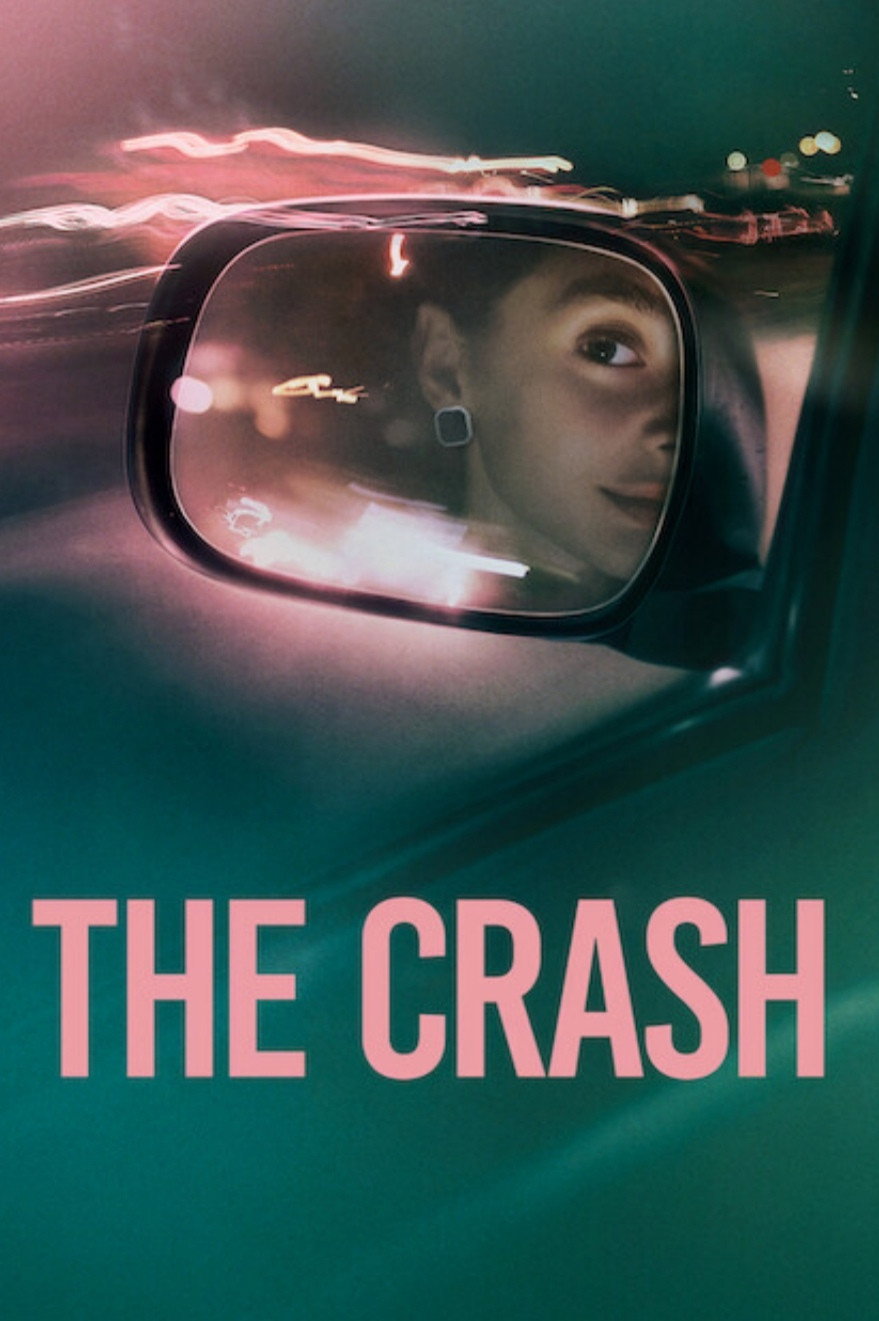
A teen slams her car into a building, killing her boyfriend and his friend. What seems like a tragic accident becomes a murder case.
JB Smoove and Martin Starr host a celebration of 20 years of "Spider-Man" movies, from the Sam Raimi trilogy to Marc Webb's movies and the trio from Jon Watts.
14-year-old Laura Dekker sets out on a two-year voyage in pursuit of her dream to become the youngest person ever to sail around the world alone.
A first-ever look at the realities of the professional “amateur” porn world and the steady stream of 18-to-19-year old girls entering into it.
For a year, acclaimed British filmmaker Jeanie Finlay was embedded on the set of the hit HBO series “Game of Thrones,” chronicling the creation of the show’s most ambitious and complicated season. Debuting one week after the series 8 finale, GAME OF THRONES: THE LAST WATCH delves deep into the mud and blood to reveal the tears and triumphs involved in the challenge of bringing the fantasy world of Westeros to life in the very real studios, fields and car-parks of Northern Ireland. Made with unprecedented access, GAME OF THRONES: THE LAST WATCH is an up-close and personal portrait from the trenches of production, following the crew and the cast as they contend with extreme weather, punishing deadlines and an ever-excited fandom hungry for spoilers. Much more than a “making of” documentary, this is a funny, heartbreaking story, told with wit and intimacy, about the bittersweet pleasures of what it means to create a world – and then have to say goodbye to it.
In this documentary, recovering addict and amputee John Wood finds himself in a stranger-than-fiction battle to reclaim his mummified leg from Southern entrepreneur Shannon Whisnant, who found it in a grill he bought at an auction and believes it therefore to be his rightful property.
NUDE explores perceptions of nudity in art by chronicling the creative process of photographer David Bellemere as he's commissioned by NU Muses founder Steve Shaw to shoot a fine art calendar of nude photographs.