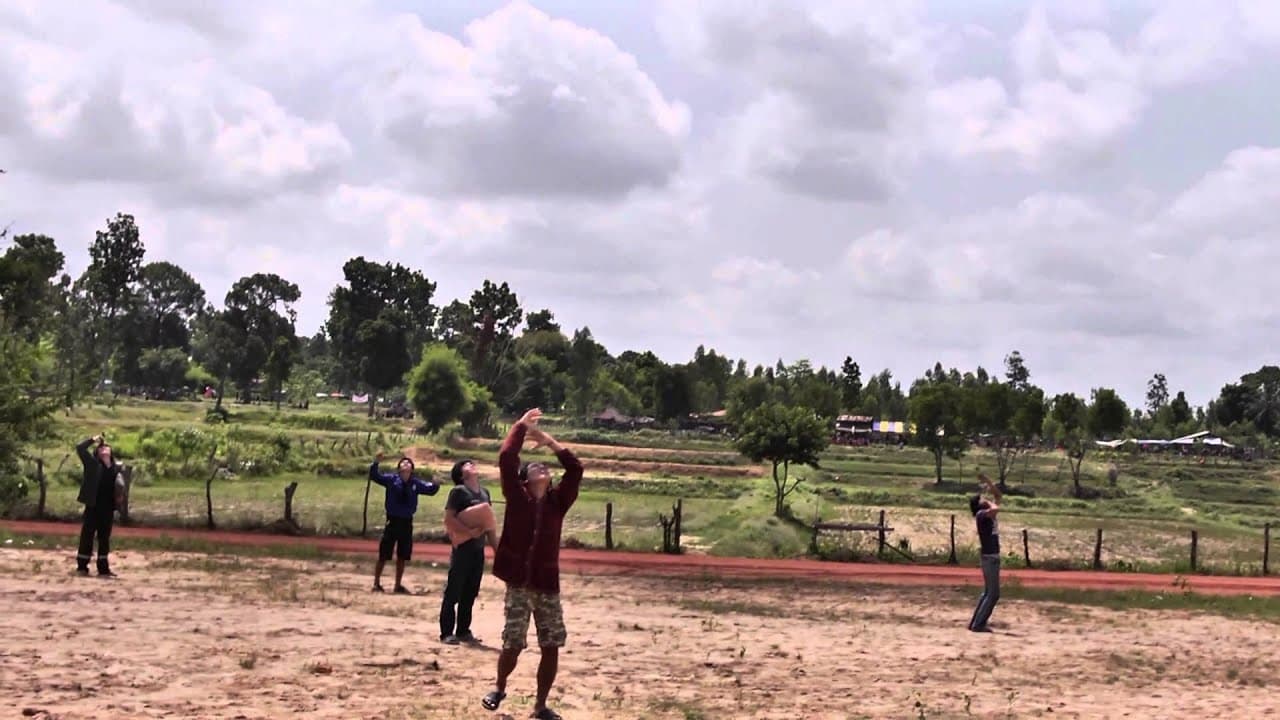
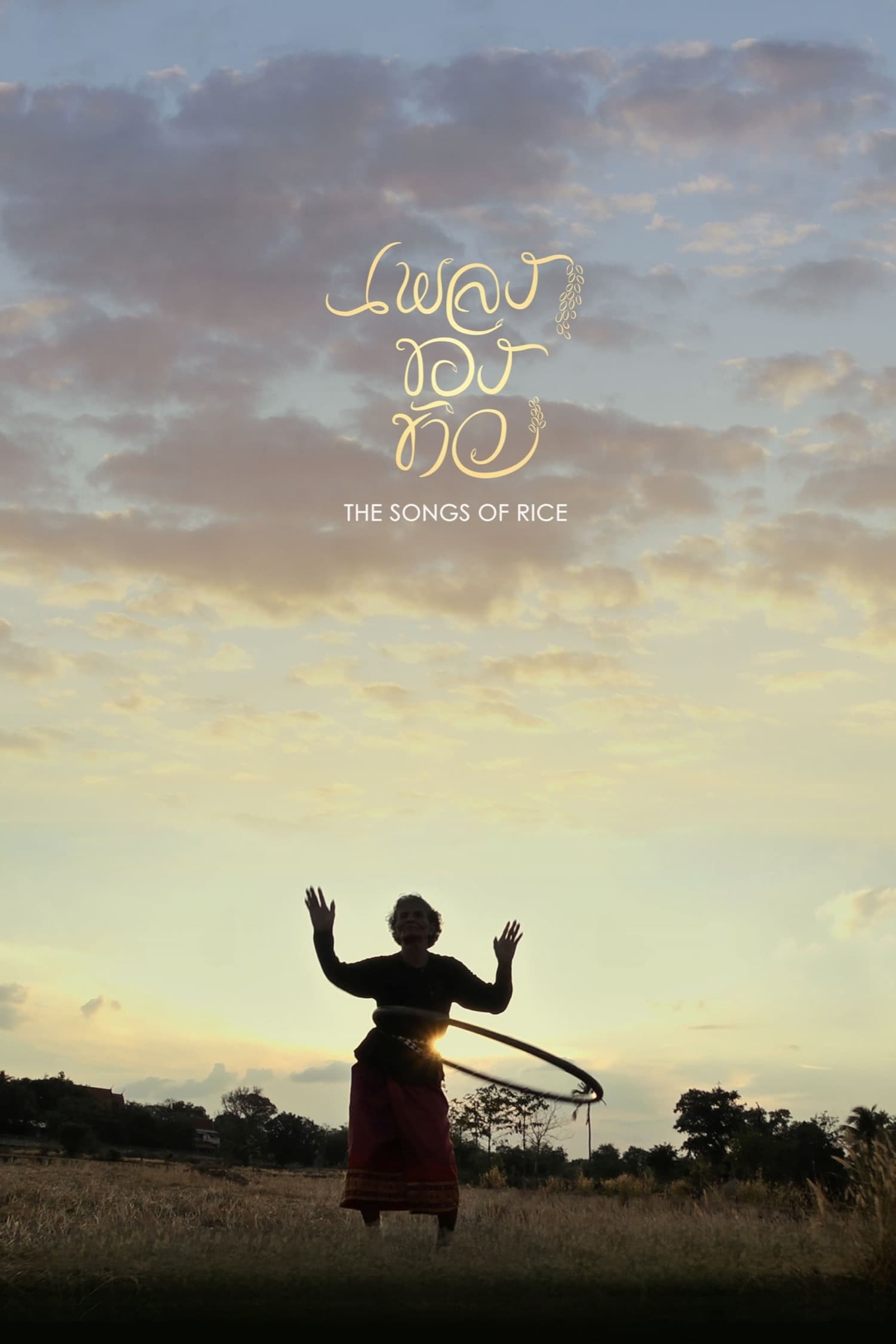
In Thailand, a hymn to rice need not always be sung. A dance, or spectacular homemade fireworks can say the same thing. As can a film, as is convincingly demonstrated by this lyrical, beautifully filmed homage to this essential staple food.
Social & External
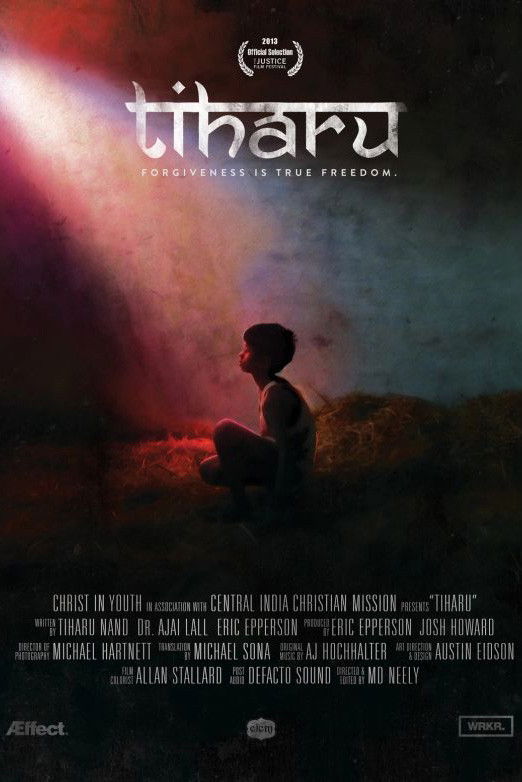
It is quickly becoming the most populated country in the world, but India holds a dark secret. Men and women who make their homes in the poor villages throughout the central region of the country are forced to make decisions that no parents should ever have to make. Sell a child into slavery or watch your children starve to death.
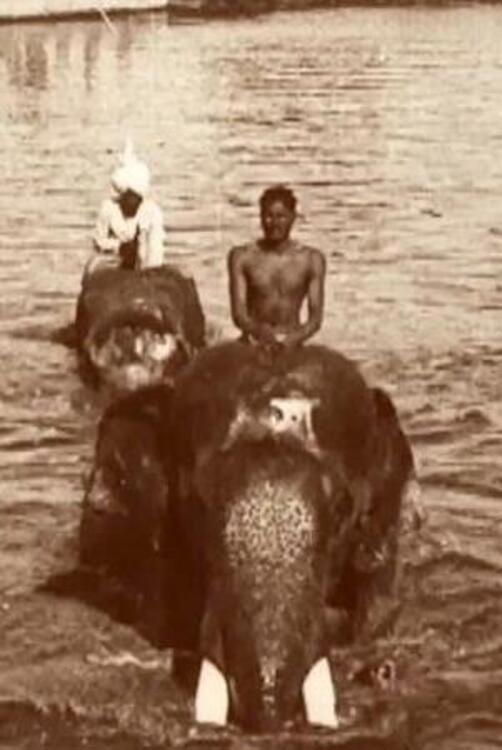
The future Edward VIII enjoys a stately procession and visits the Taj Mahal before meeting senior Indian royalty.
This official travelogue of a royal tour follows the Prince on a series of regimental displays and a tiger hunt.
Are tourists destroying the planet-or saving it? How do travelers change the remote places they visit, and how are they changed? From the Bolivian jungle to the party beaches of Thailand, and from the deserts of Timbuktu, Mali to the breathtaking beauty of Bhutan, GRINGO TRAILS traces stories over 30 years to show the dramatic long-term impact of tourism on cultures, economies, and the environment.
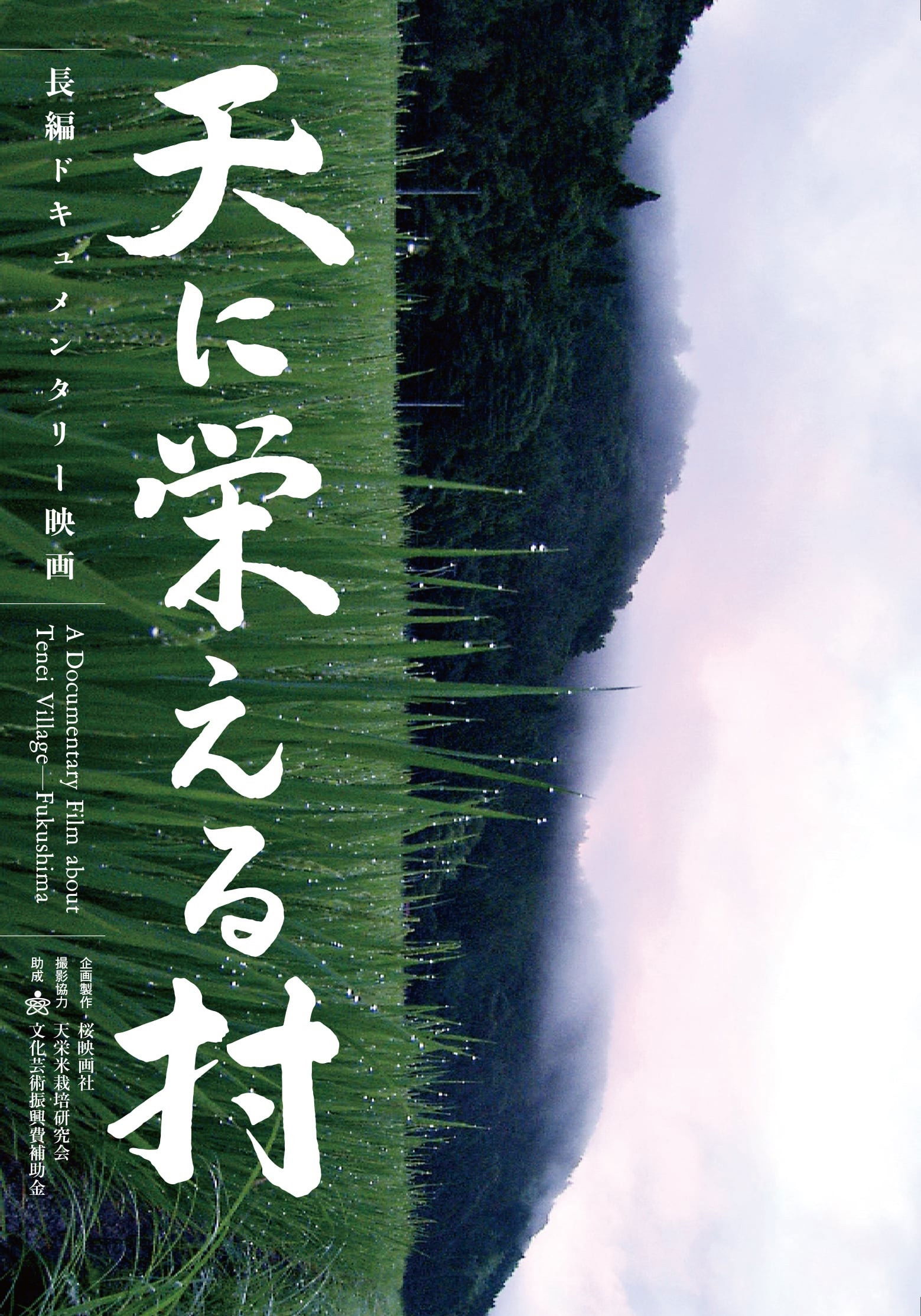
Tenei village is located in Fukushima prefecture's beautiful surrounds. It is 70 kilometers away from the Fukushima Daiichi Nuclear Power Plant. When the Fukushima Nuclear Power Plant failed in March 2011, radioactive particles fell and contaminated the rice fields. But the farmers couldn't just abandon their land as they live on the land and wanted to protect it for future generations. The farmers decided to pursue scientific methods to secure food safety. They were on their own without Government assistance. This film documents their determination and efforts in overcoming an environmental crisis that had never been experienced before.
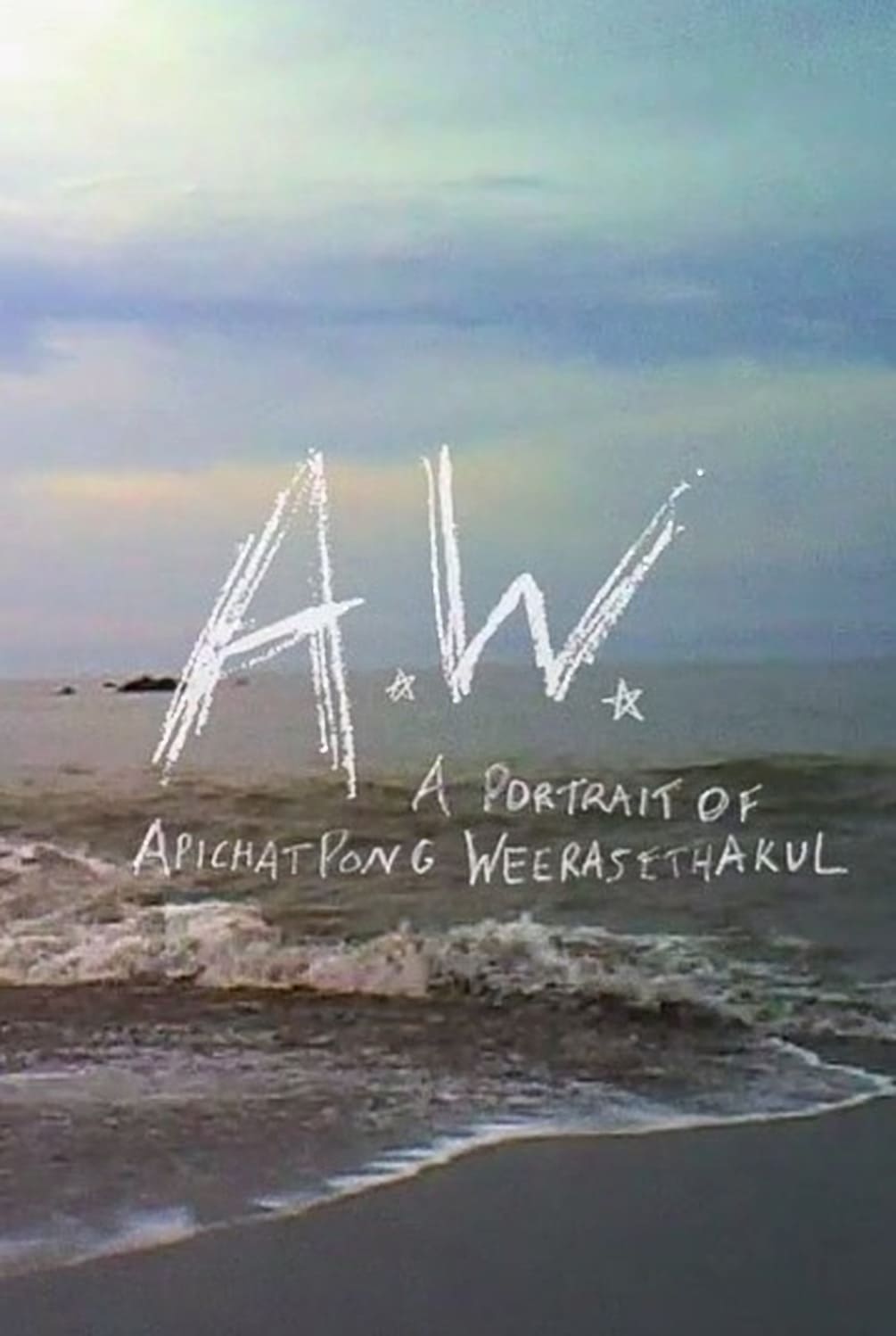
Canadian actor and filmmaker Connor Jessup (Closet Monster, Falling Skies) profiles Apichatpong Weerasethakul, a maverick of Thai cinema who explores the slippery nature of time and consciousness with a sublimely idiosyncratic, often surreal approach to film form.
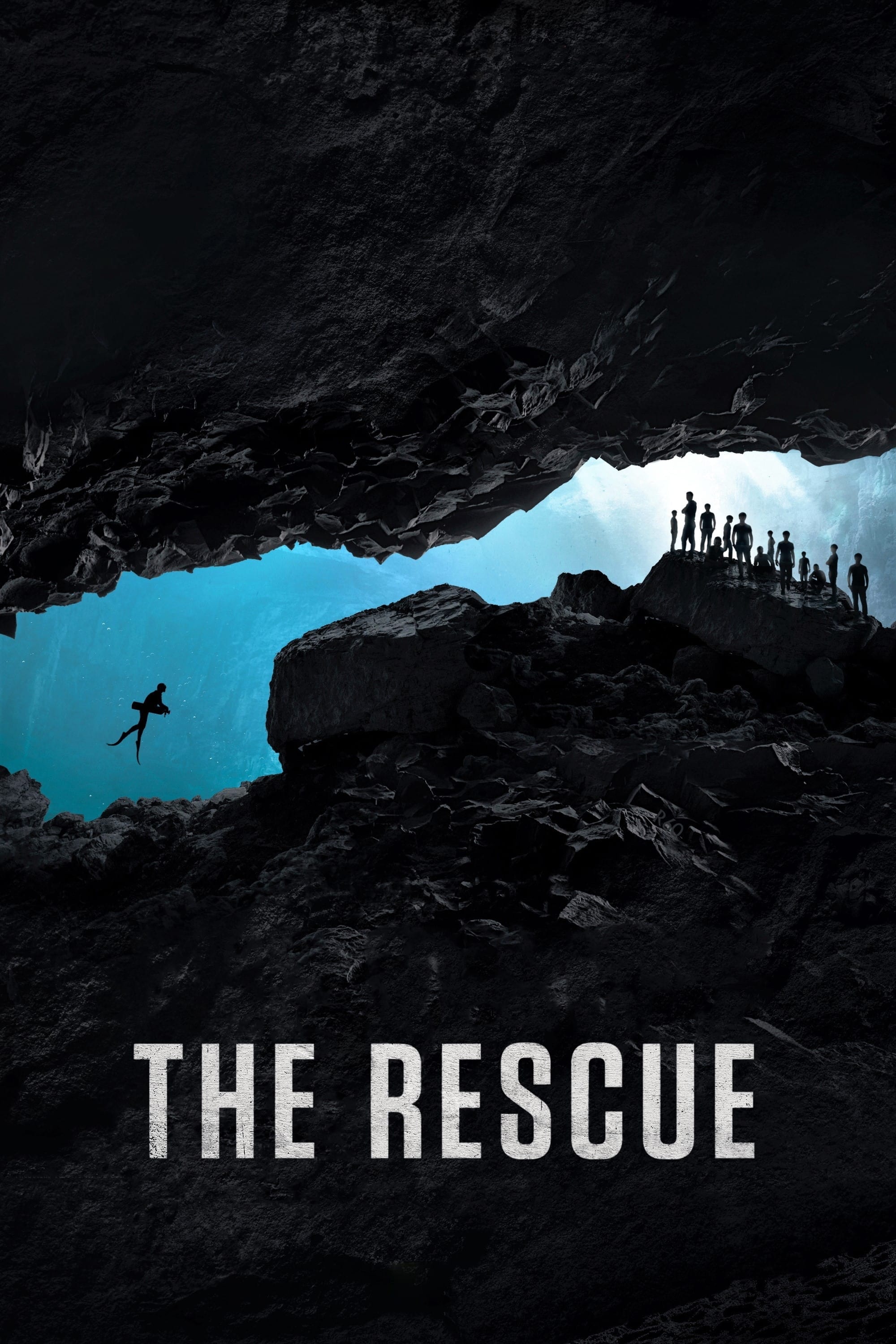
The enthralling, against-all-odds story that transfixed the world in 2018: the daring rescue of twelve boys and their coach from deep inside a flooded cave in Northern Thailand.
A camera crew travels through Thailand asking villagers to invent the next chapter of an ever-growing story.
In Bangkok, Thailand, women punch a clock and wait for clients in a brightly lit glass box; in the red-light district of Faridpur, Bangladesh, a madam haggles over the price of a teenage girl; and in the border town of Reynosa, Mexico, crack-addicted women pray to a deity named Lady Death.
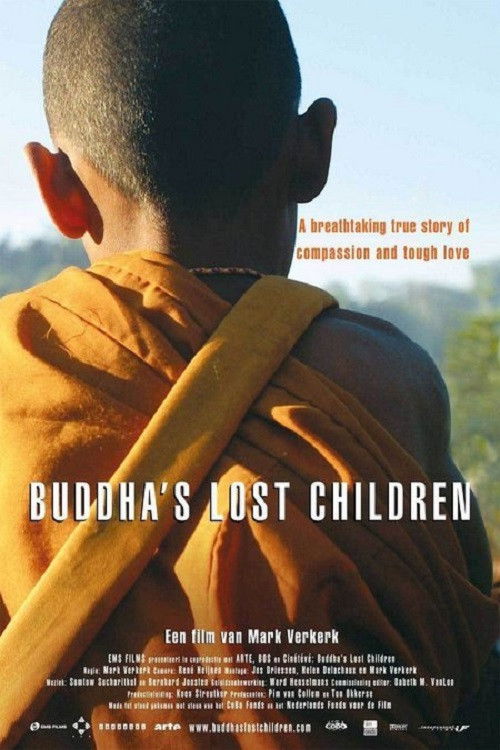
Buddha's Lost Children is a feature-length documentary film about a Thai Buddhist monk who, armed only with his master boxing skills, wages an inspirational battle to help orphaned children, fight drug abuse, and preserve a vanishing way of life.
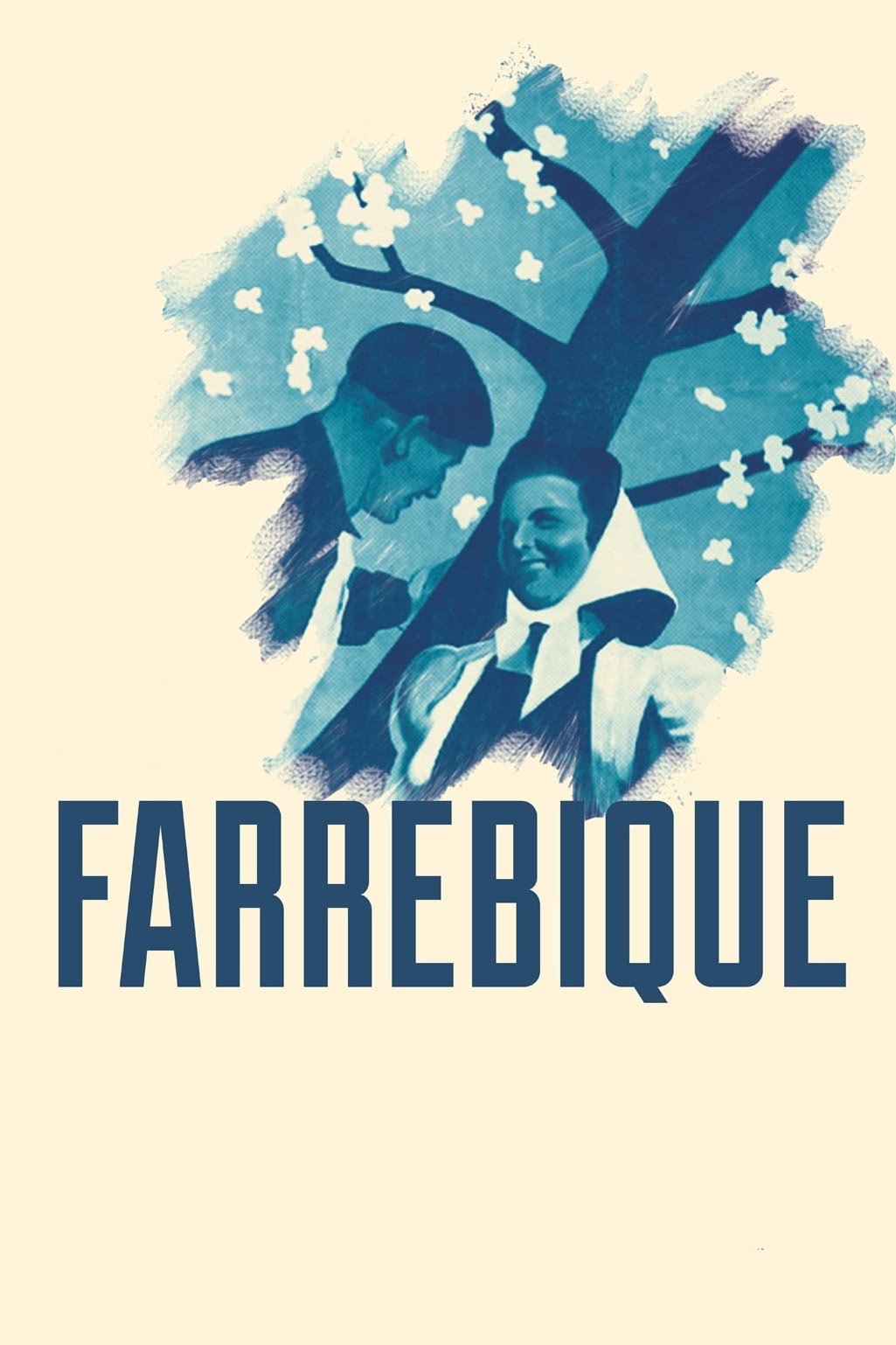
Farrebique, the first feature-length effort of French documentary filmmaker Georges Rouqier, is widely regarded as his finest film. Rouqier concentrates on a single French farm family, following them through the four seasons. As in the works of Robert Flaherty, the human characters and the land surrounding them are "one", and Rouqier never misses an opportunity to parallel their lives with the eons-old phases of nature. The final symbolic images of Spring, achieved through time-lapse photography, are almost unbearably beautiful. The winner of several festival awards, Farrebique nonetheless did not immediately result in an outpouring of financing for Rouqier's follow-up films (this was a common problem in the financially strapped French film industry of the 1940s). Perhaps as a result, Rouqier did not make his sequel, Biquefarre (filmed in the same region, with some of the same "actors"), until 1983.
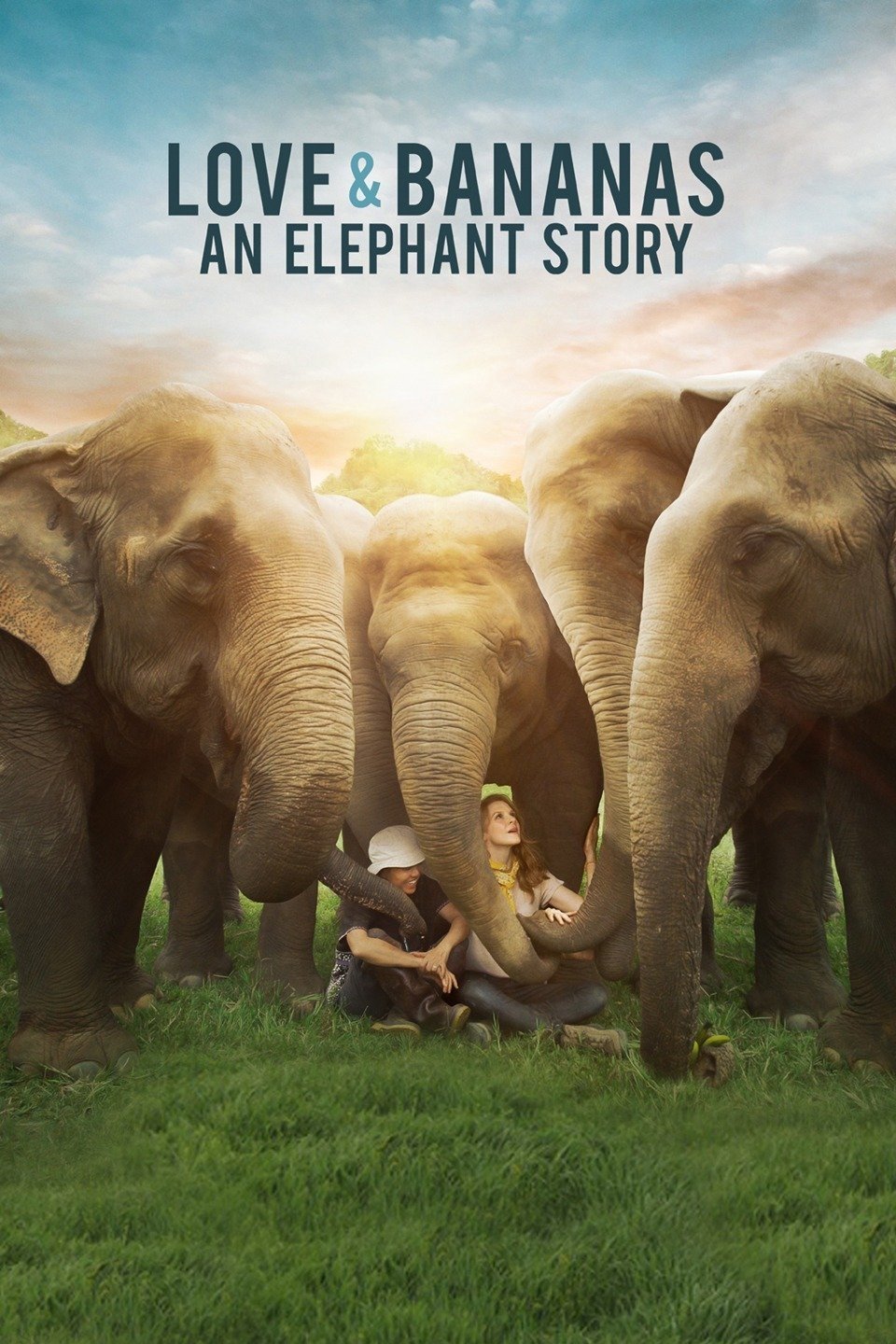
Ashley Bell and a team of elephant rescuers led by world renowned Asian elephant conservationist Lek Chailert, embark on a daring 48-hour mission across Thailand to rescue a 70-year old captive blind Asian elephant and bring her to freedom.
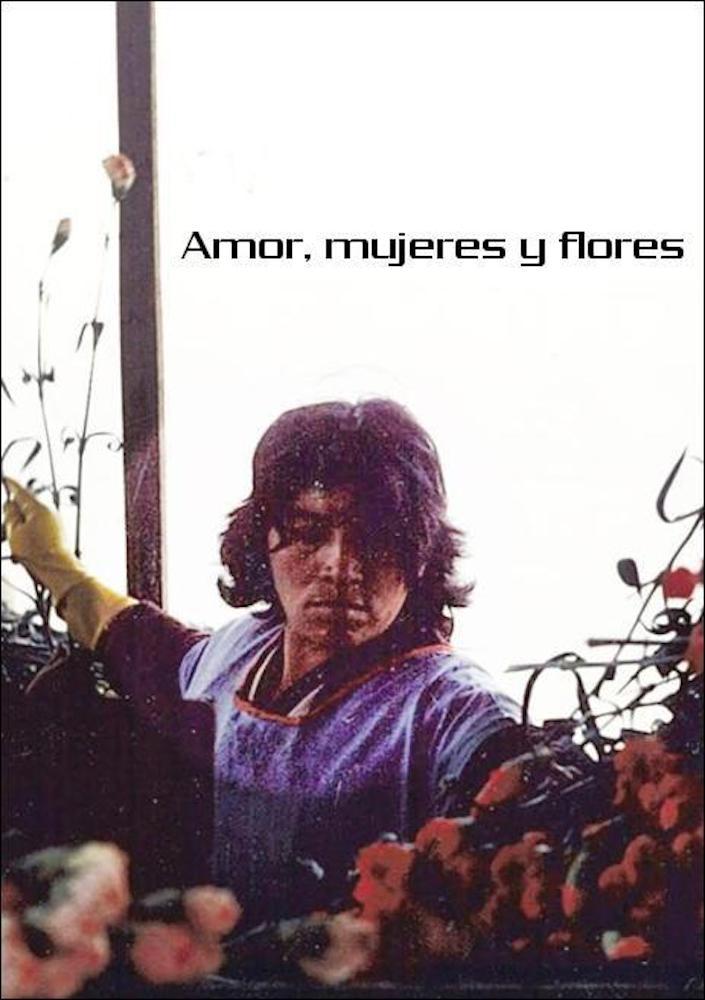
Women workers stand up to the toxic flower industry in Colombia.
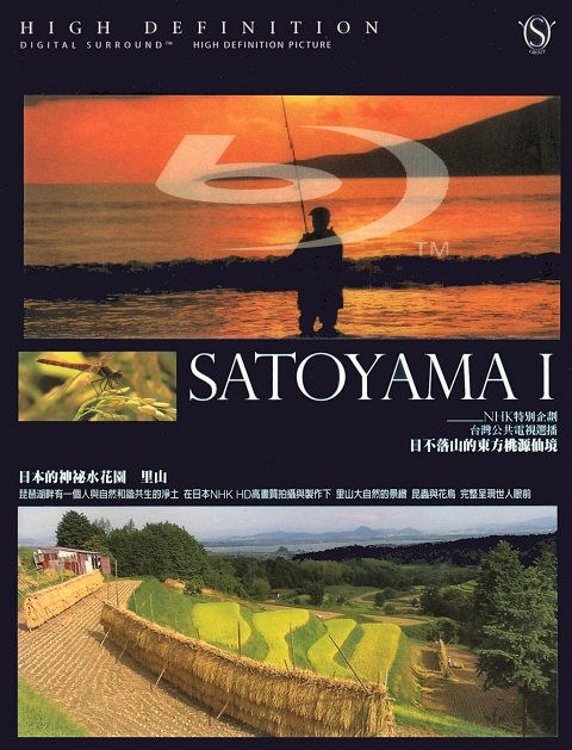
Japan is a country of steep mountains surrounding wide flat plains where people have lived for thousands of years. On the largest plain lies the country's largest freshwater lake, Lake Biwa, which is not at all far from Japan's ancient, capital city of Kyoto. The slopes that stretch down towards the lake have been terraced. Here rice seedlings need shallow water in which to grow, and the neat, meticulously constructed paddy fields provide just this. Some of them have been cultivated continuously for thousands of years. Alongside them stand patches of woodland where, for centuries, the people have found their fuel and their food. This is a land that has been touched by people, yet the people tread lightly upon it. It's a land that has been ruled for centuries by the demands of the rice, yet it's still dominated by the rhythmic cycle of the seasons. Here is a landscape that the Japanese people hold so close to their hearts that they have a special word for it: Satoyama.
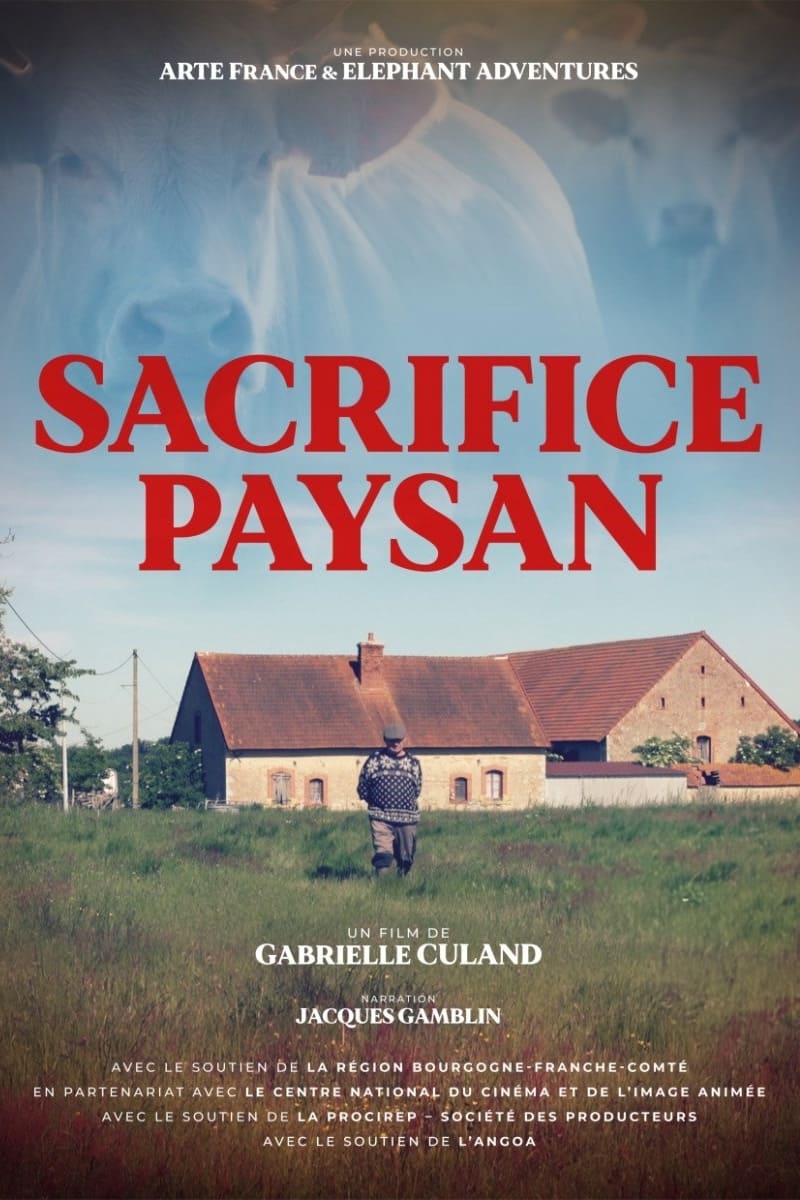
On May 20, 2017, Jérôme Laronze, a 37-year-old cattle farmer, was shot dead by gendarmes at the end of a nine-day run. In conflict with government services, the organic farmer, spokesman for the Confédération paysanne de Saône-et-Loire, had evaded yet another health inspection and, during his escape, had tried to alert people to the malaise in his profession. The news of his death came as a bombshell in a farming world already plunged into mourning by a wave of suicides. How did it come to this? While their incomes depend almost exclusively on European subsidies - which favor large farms - farmers must, in return, comply with very strict standards.
There are only 320 Mlabri people left on this planet. They came out of the jungle in Northern Thailand on the border to Laos one generation ago. The Mlabri people used to be hunters and gatherers. Today they scrape out a meagre existence at the bottom of society working as day labourers for the Hmong farmers, and living in shacks on the outskirts of larger Hmong villages. The Mlabri people are currently going through a transformation process, which has taken many other people thousands of years. Now the young people are faced with the choice of staying with their families in the village or adapting to the Thai society. How do they experience the meeting between their own culture and the local, regional and national majority cultures? In this film young Mlabri tell about their past, present and future as they see it; all expressed in their unique and expressive Mlabri language.
A documentary about the atrocities committed against the Hmong people by the Laos government. Shot by Hmong people with cameras provided to them in 2006, this film provides a unique look into one of the worst, and silent, human rights tragedies of the 21st century.
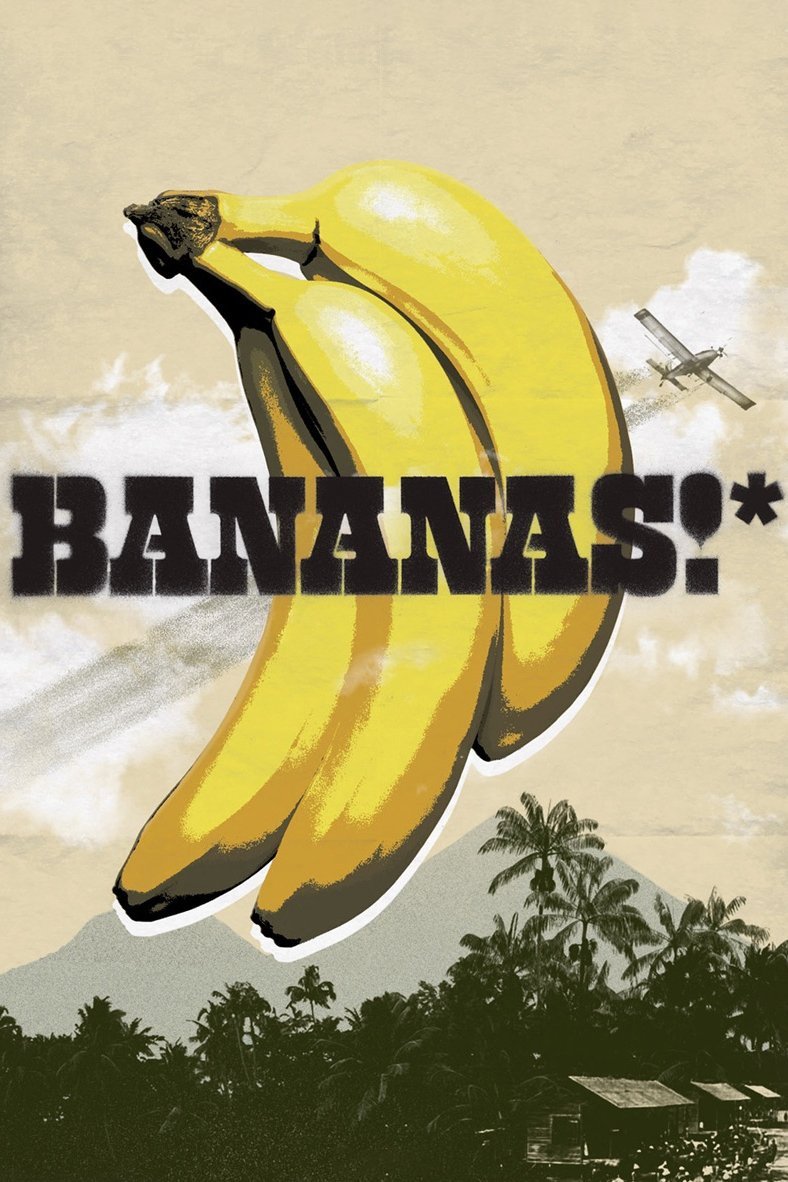
Juan “Accidentes” Dominguez is on his biggest case ever. On behalf of twelve Nicaraguan banana workers he is tackling Dole Food in a ground-breaking legal battle for their use of a banned pesticide that was known by the company to cause sterility. Can he beat the giant, or will the corporation get away with it?
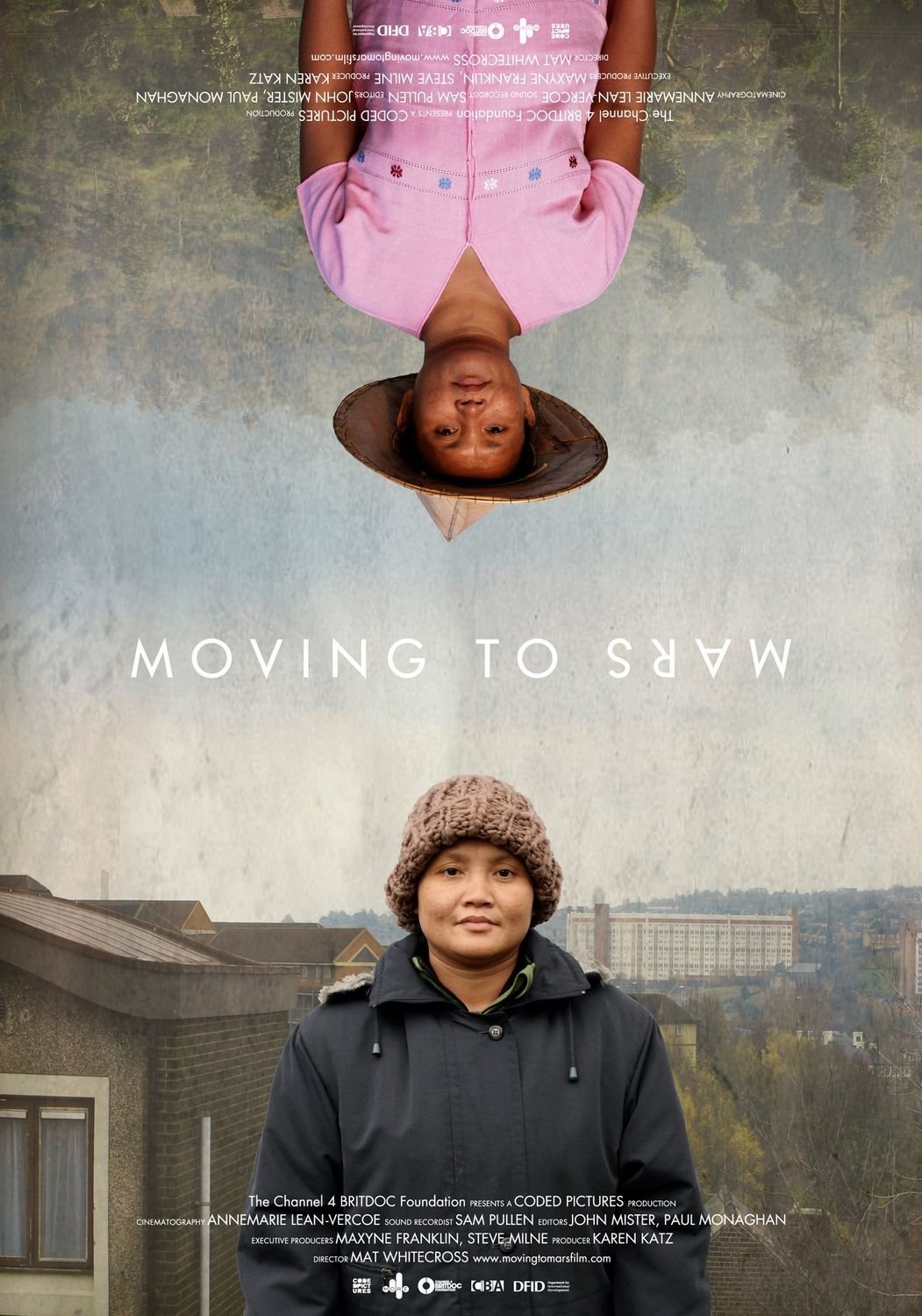
Moving to Mars charts the epic journey made by two Burmese families from a vast refugee camp on the Thai/Burma border to their new homes in the UK. At times hilarious, at times emotional, their travels provide a fascinating and unique insight not only into the effects of migration, but also into one of the most important current political crises - Burma.
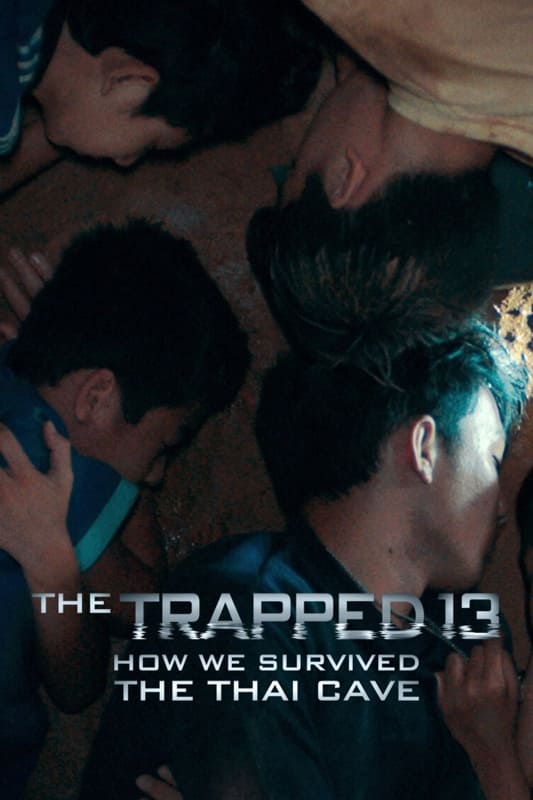
In this compelling documentary, members of the Thai youth soccer team tell their stories of getting trapped in Tham Luang Cave in 2018 — and surviving.
A documentary directed by Winding Refn's wife, Liv Corfixen, and it follows the Danish-born filmmaker during the making of his 2013 film Only God Forgives.
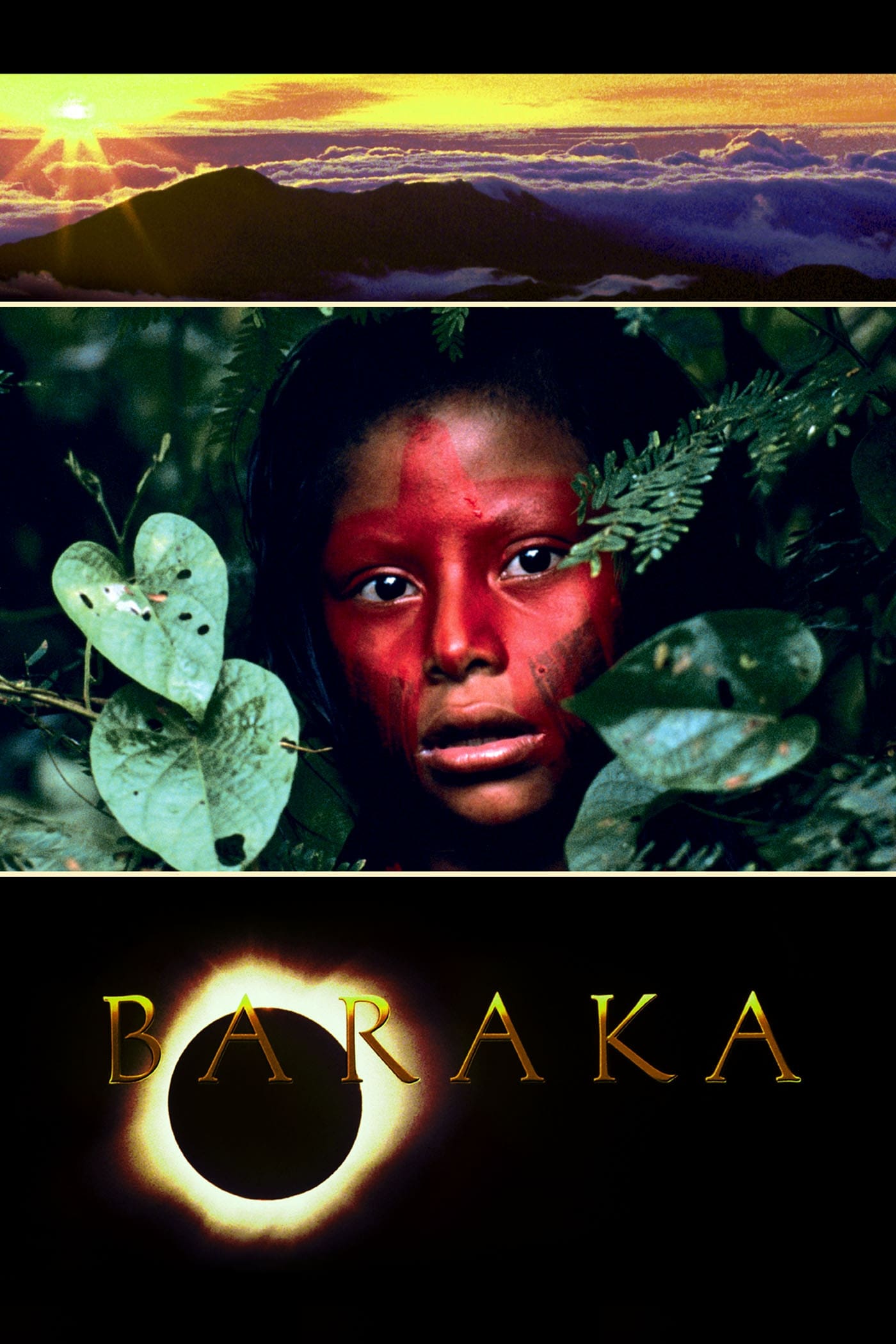
A paralysingly beautiful documentary with a global vision—an odyssey through landscape and time—that attempts to capture the essence of life.
A documentary on the expletive's origin, why it offends some people so deeply, and what can be gained from its use.
A visual montage portrait of our contemporary world dominated by globalized technology and violence.
A documentary on legendary movie-poster artist Drew Struzan.
The successes and failures of a couple determined to live in harmony with nature on a farm outside of Los Angeles are lovingly chronicled by filmmaking farmer John Chester, in this inspiring documentary.
A glimpse into the raw and simple power of nature through encounters with farm animals: the eponymous Gunda, a mother pig; two cows, and a one-legged chicken.
Alexander McQueen's rags-to-riches story is a modern-day fairy tale, laced with the gothic. Mirroring the savage beauty, boldness and vivacity of his design, this documentary is an intimate revelation of McQueen's own world, both tortured and inspired, which celebrates a radical and mesmerizing genius of profound influence.
A documentary on the making of the three Godfather films, with interviews and recollections from the film makers and cast. This feature also includes the original screen tests of some of the actors for "The Godfather" film, and some candid moments on the set of "The Godfather: Part III."
An exploration of technologically developing nations and the effect the transition to Western-style modernization has had on them.
Filmmaker Christopher Quinn observes the ordeal of three Sudanese refugees -- Jon Bul Dau, Daniel Abul Pach and Panther Bior -- as they try to come to terms with the horrors they experienced in their homeland, while adjusting to their new lives in the United States.
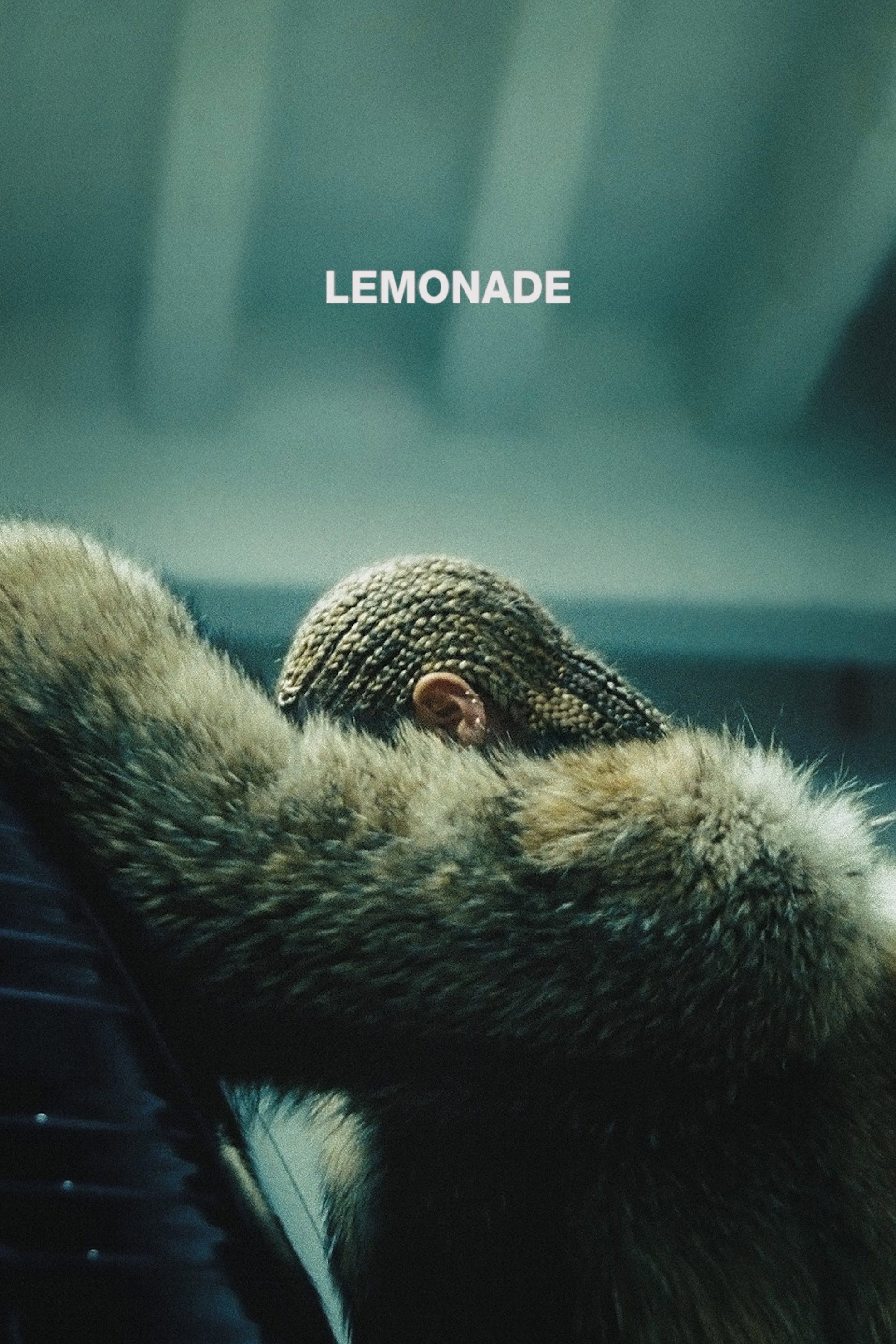
The second "visual album" (a collection of short films) by Beyoncé, this time around she takes a piercing look at racial issues and feminist concepts through a sexualized, satirical, and solemn tone.
Stars of "The Walking Dead," Andrew Lincoln and Danai Gurira, walk down memory lane and visit iconic locations where pivotal moments between their characters, Rick and Michonne, were filmed.
An unprecedented and intimate look at the life, work and enduring legacy of British actress Audrey Hepburn (1929-1993).
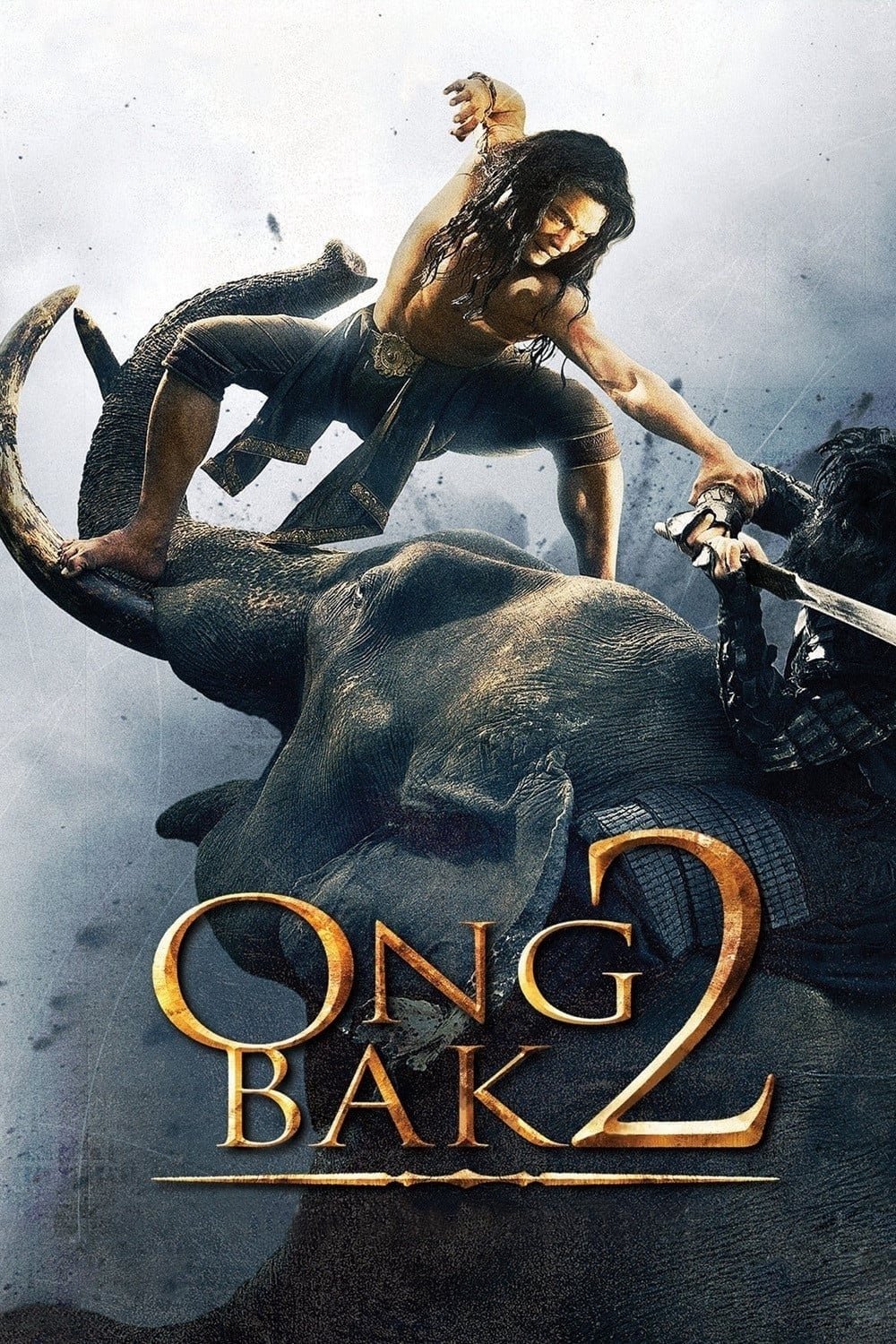
Tien, the son of Lord Sihadecho — a murdered nobleman — is taken under the wing of Chernang, a renowned warrior and leader of the Pha Beek Krut.
Lyrical and powerfully personal essay film that reflects on the deaths of her husband Lou Reed, her mother, her beloved dog, and such diverse subjects as family memories, surveillance, and Buddhist teachings.
SEDUCED AND ABANDONED combines acting legend Alec Baldwin with director James Toback as they lead us on a troublesome and often hilarious journey of raising financing for their next feature film. Moving from director to financier to star actor, the two players provide us with a unique look behind the curtain at the world's biggest and most glamourous film festival, shining a light on the bitter-sweet relationship filmmakers have with Cannes and the film business. Featuring insights from directors Martin Scorsese, 'Bernando Bertolucci' and Roman Polanski; actors Ryan Gosling and Jessica Chastain and a host of film distribution luminaries.
A celebration of the universe, displaying the whole of time, from its start to its final collapse. This film examines all that occurred to prepare the world that stands before us now: science and spirit, birth and death, the grand cosmos and the minute life systems of our planet.
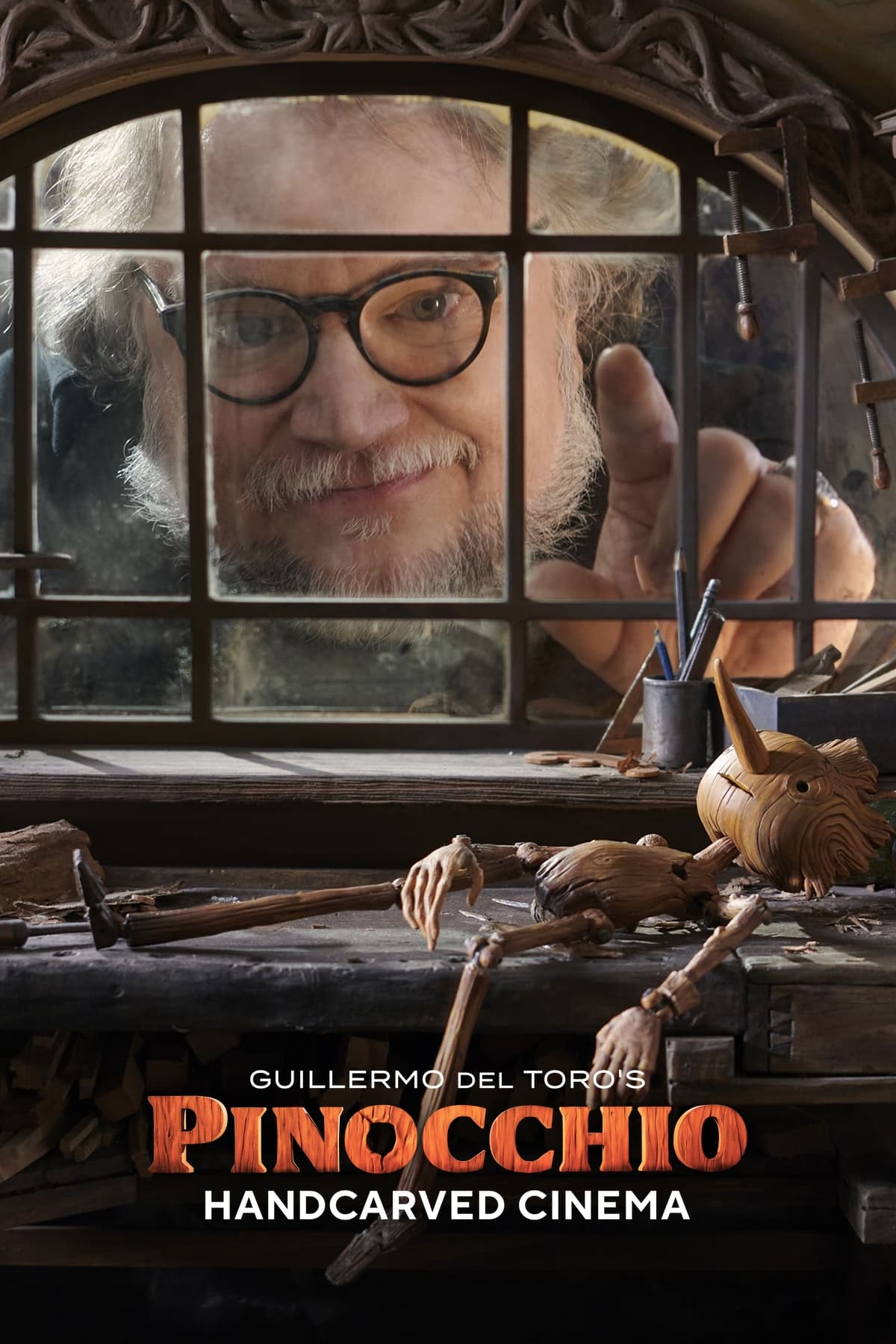
With mesmerizing footage and time lapses of animators at work, this behind-the-scenes special captures the artistry of a unique tale years in the making.