This French-produced 1996 documentary is an hour-long piece covering the history of techno music from Detroit to Berlin Sheffield.
Social & External
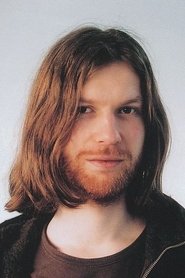
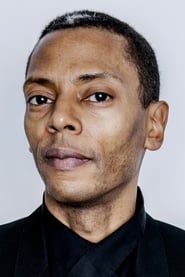
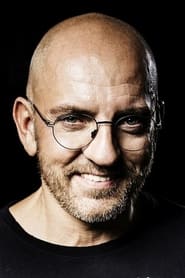
The people behind it
Aphex Twin
Juan Atkins
Mike Banks
Ken Ishii
Abdul Haqq
Jeff Mills
Sven Väth
Derrick May
HIGH TECH SOUL is the first documentary to tackle the deep roots of techno music alongside the cultural history of Detroit, its birthplace. From the race riots of 1967 to the underground party scene of the late 1980s, Detroit's economic downturn didn't stop the invention of a new kind of music that brought international attention to its producers and their hometown.
A history of the UK Garage music scene
This comprehensive documentary chronicles the underground rave culture in Southern California, one of its first American strongholds. With roots in a tribal past, this movement attempts to format the future of a truly global community by combining elements of electronic/percussive music, the psychedelic imagination, and mass dancing. From warehouses to mountain retreats to the deserts of the Mojave, an unseen world comes into clear focus; with kinetic camera work and candid interviews, this slice of visual anthropology probes the underbelly of a worldwide subculture with the help of some of electronic music's most acclaimed DJs, a technomusicologist, and a county sheriff. Open your mind to this moving entertainment experience and intimate portrait of a modern counter-culture that follows its own electronically induced beat.
Documentary on Bristol's Dub music and culture
An intimate portrait of independent electronic music in Greece
'Looking for the Perfect Beat' is a cinema verite immersion inside the unique Los Angeles 'beat-scene' music community centered around the world famous Low End Theory club night. Filmed over the Summer of 2013, a climatic point in this particular music scene's trajectory, we are given the opportunity to elegantly lift the veil on the personal creative processes of the internationally-acclaimed pillars of the scene. Indie music luminaries such as Flying Lotus, Thundercat, Gaslamp Killer, Daedelus, Nosaj Thing, Ras G, Teebs, D-Styles, TOKiMONSTA and Matthewdavid are all featured in vivid detail. The soundtrack for the film creates itself live on camera as the film elapses. This avant-garde visual angle on each subject in their respective creative spaces provides for an introspective glimpse into what would otherwise be unseen.
A short documentary on the highly influential Los Angeles club night, The Low End Theory
A man tours clubs around the globe with his manager and girlfriend. On the eve of their largest album release he is admitted to a psychiatric clinic after overdosing at a gig.
Witness the artist at work as legendary Detroit techno pioneer Jeff Mills creates a live DJ mix with astonishing, hypnotic dexterity.
An explosion in the underground music scene is met by massive investment into Tucson, Arizona. Documentarian, Ty Besh, followed the scene from 2016 to 2018 showing the vast changes that happened to the people, venues, and scene in just 2 years. This Documentary serves as an archive and also a reminder to everyone in the DIY scenes across the world that moments come and go.
A documentary of the synthesizer scene in Osaka, Japan
Since 2013, the Casual Gabberz collective has been storming dancefloors and the stages of the biggest festivals with its gabber surge, that hardcore techno sound born in Holland in the 90s. Until a virus causes the planet to go haywire. And triggered an existential crisis within the collective.
If you have visited Ibiza, you will be charmed with returning to reveal the mystery and the magic of this island. If you have not been there yet, it will seduce you to know her across its landscapes, culture, and archeological museums of the different peoples (villages) that landed there. Its sea, beaches, coves, cliffs, people, magic, places of worship... and especially the Sun, with its light, which transforms the island, is an attraction for everyone that visits Ibiza.
An unnamed passer-by is forced to trace a circular route inside an abandoned tram station, facing loss and time. The broken walls act as a channel, transmitting fragmentary, blurred and analogical memories.
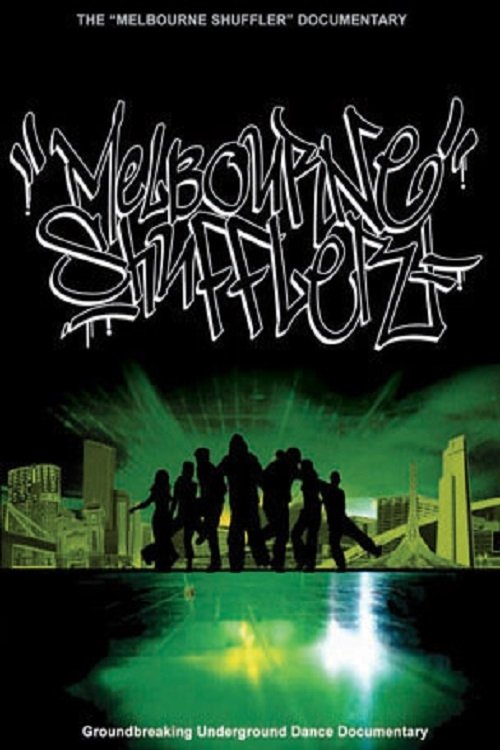
Dance music has spread across the world transcending religious & racial barriers connecting to the hearts and souls of millions. People have always felt the rhythm of music and have as a result evolved countless dance styles throughout the ages. Beginning in the late 80's in Melbourne's underground dance music party scene, a revolutionary freestyle dance began to grow and has now developed into the most unique and robust underground dance style since the birth of Breakdancing. The Melbourne Shuffle has no set steps but encourages individuality and imagination, incorporating dance moves from numerous styles such as miming, popping & locking, liquid and breaking.
The concept for the film was developed based on sociological research conducted as part of the Youth Subcultures conference in collaboration with the Institute of Sociology of the Slovak Academy of Sciences. The film’s core value lies in its ability to provide an inside look at selected subcultures, achieving an exceptional level of engagement with their members. The filmmakers managed to break through the participants' initial reluctance to openly discuss their experiences. The documentary directly addresses key aspects of these subcultures, including drugs, faith, and personal beliefs. It focuses on six specific groups: the techno scene, graffiti artists, antifascists, religiously oriented youth, skinheads, and young people inspired by Eastern spirituality. The film includes footage from illegal rave parties, graffiti sessions, and other underground activities. Overall, the documentary serves as an insightful map of Bratislava’s contemporary alternative scene.
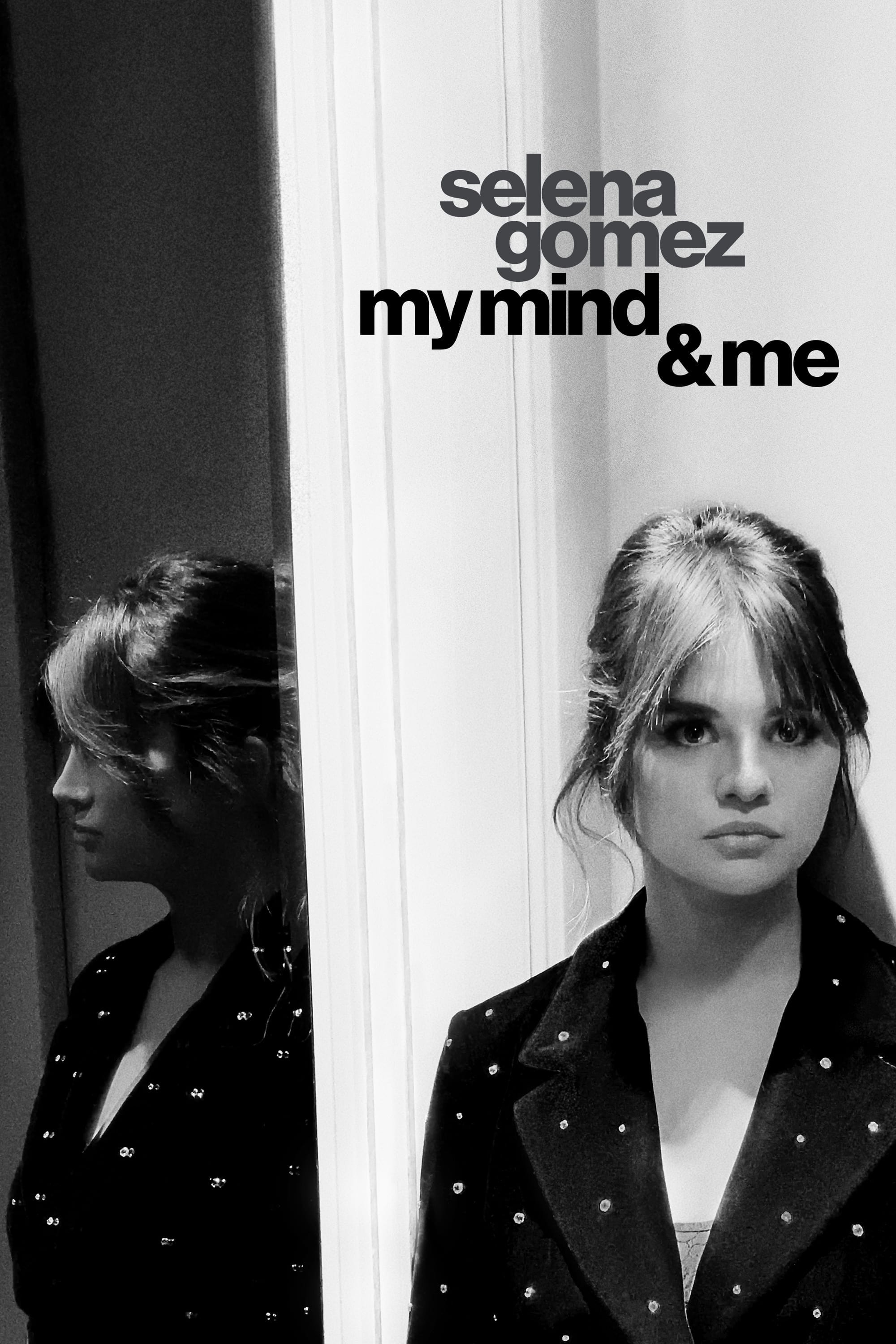
After years in the limelight, Selena Gomez achieves unimaginable stardom. But just as she reaches a new peak, an unexpected turn pulls her into darkness. This uniquely raw and intimate documentary spans her six-year journey into a new light.
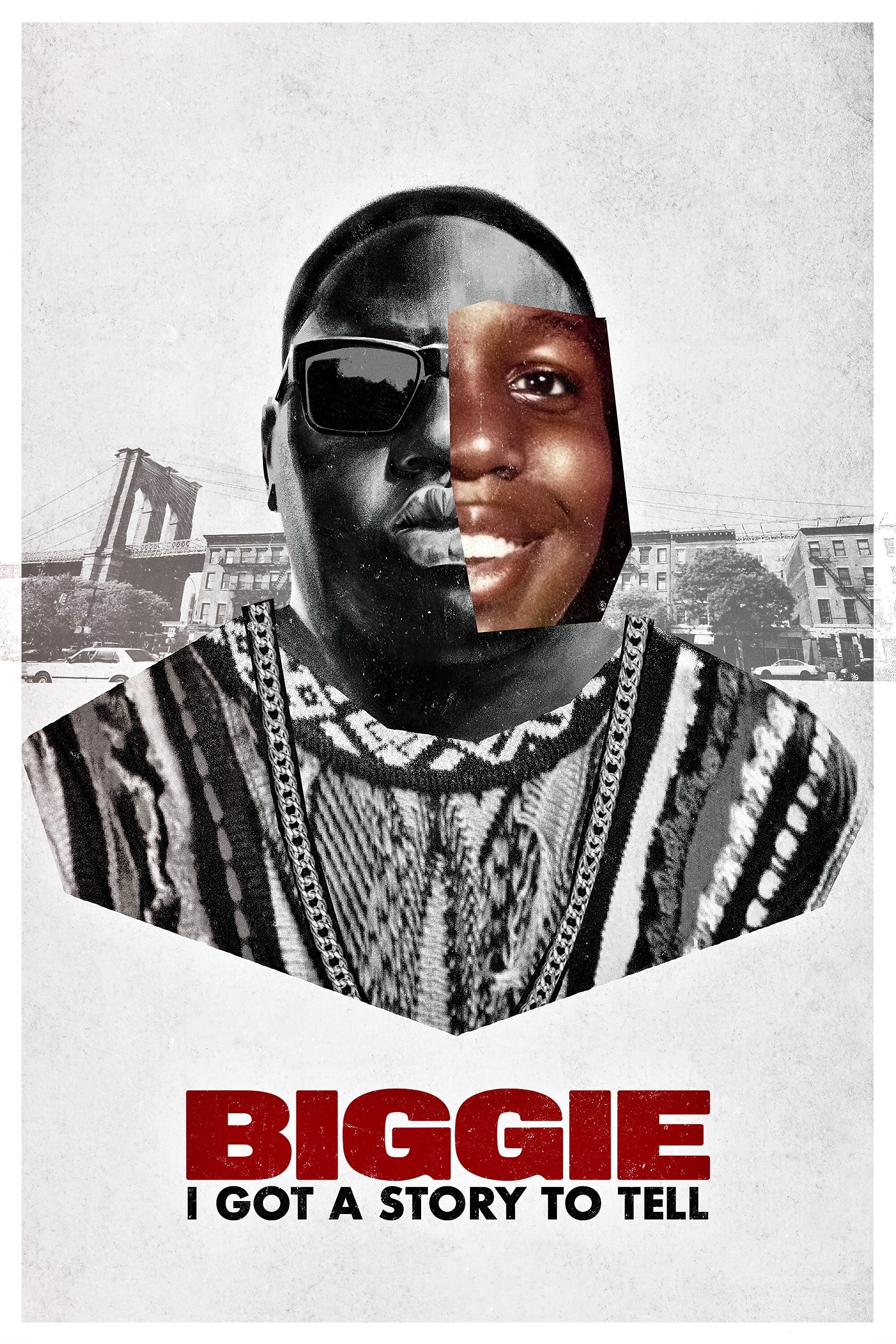
Christopher Wallace, AKA The Notorious B.I.G., remains one of Hip-Hop’s icons, renowned for his distinctive flow and autobiographical lyrics. This documentary celebrates his life via rare behind-the-scenes footage and the testimonies of his closest friends and family.
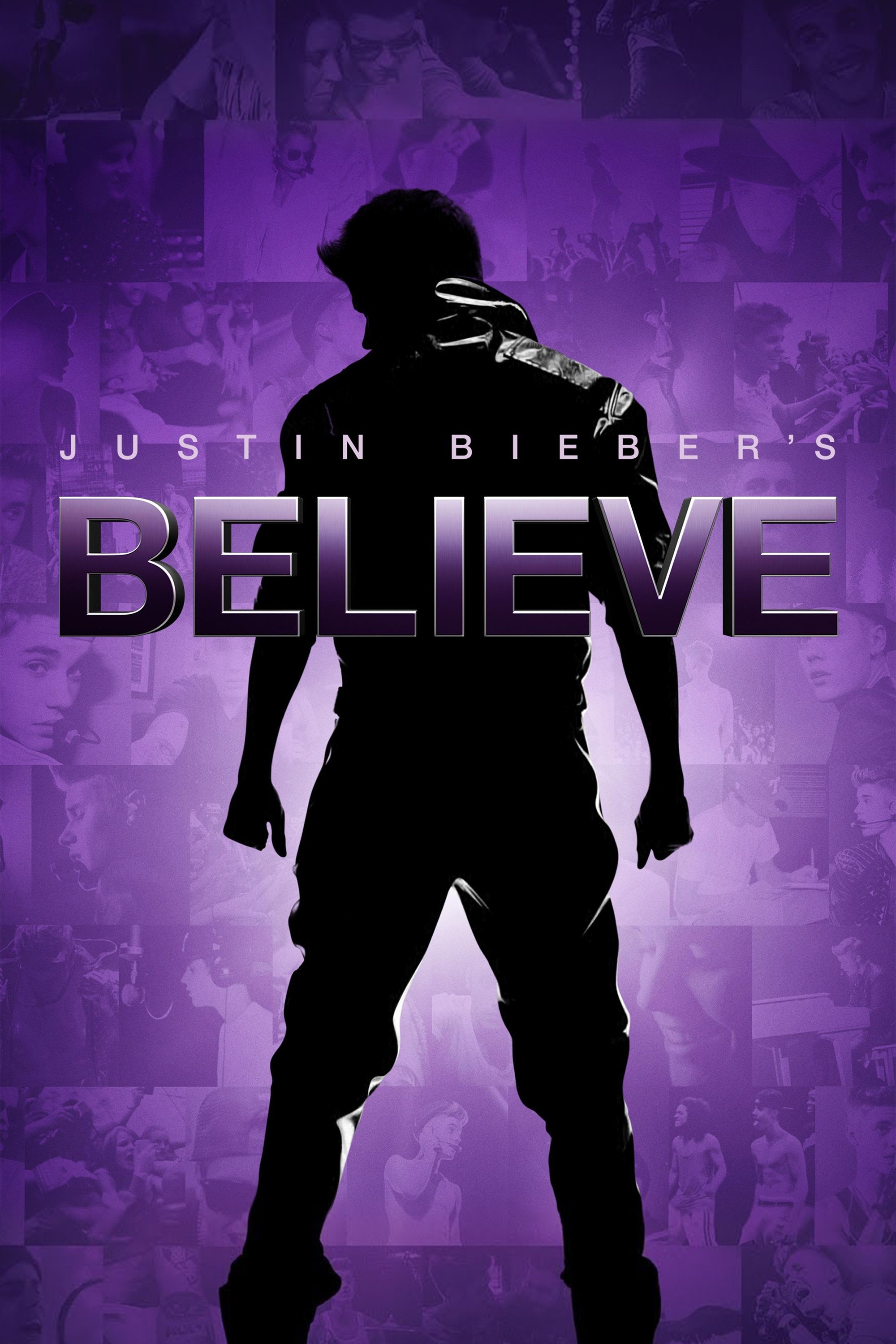
A backstage and on-stage look at Justin Bieber during his rise to super stardom.
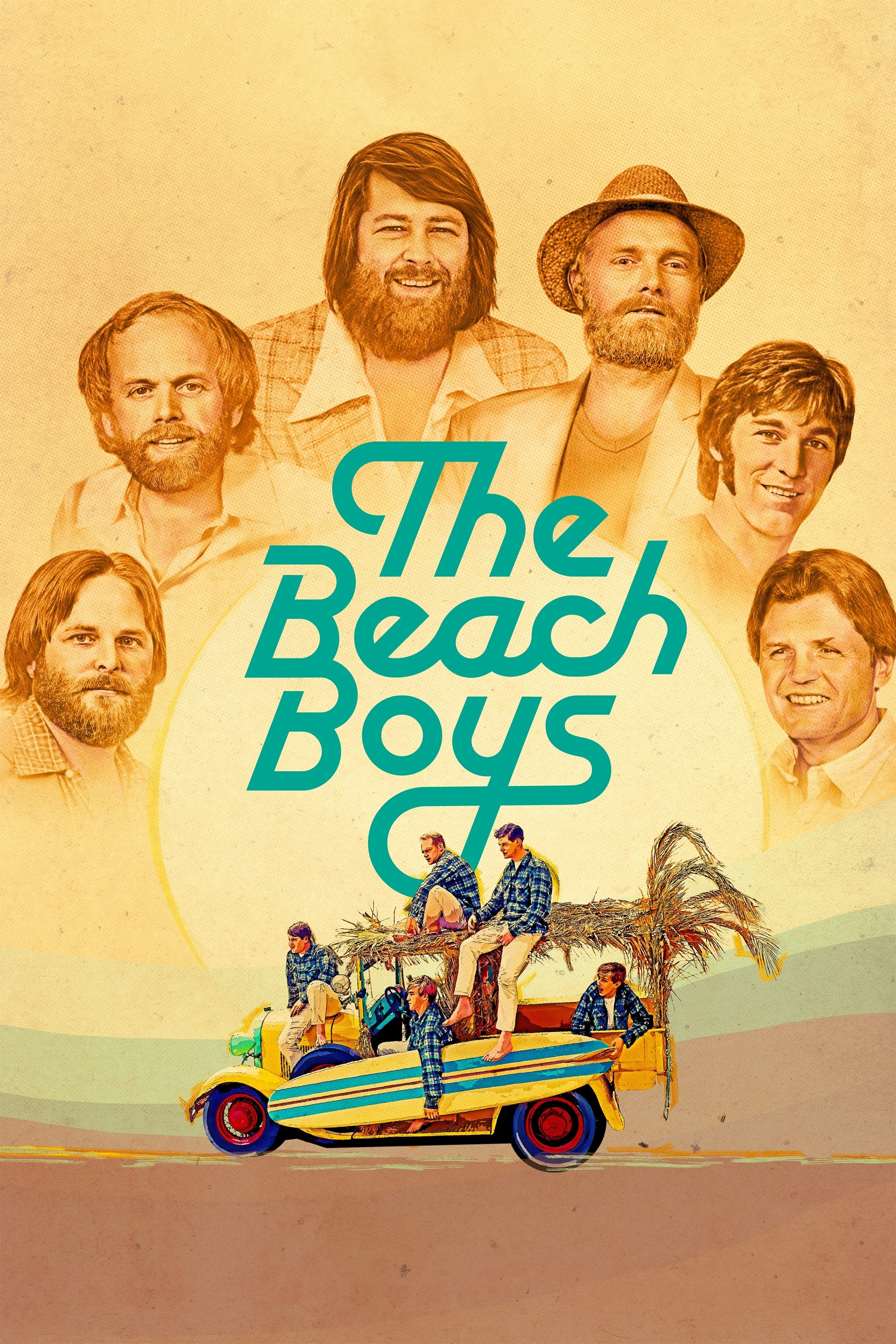
A celebration of the legendary band that revolutionized pop music, and the iconic, harmonious sound they created that personified the California dream, captivating fans for generations and generations to come.
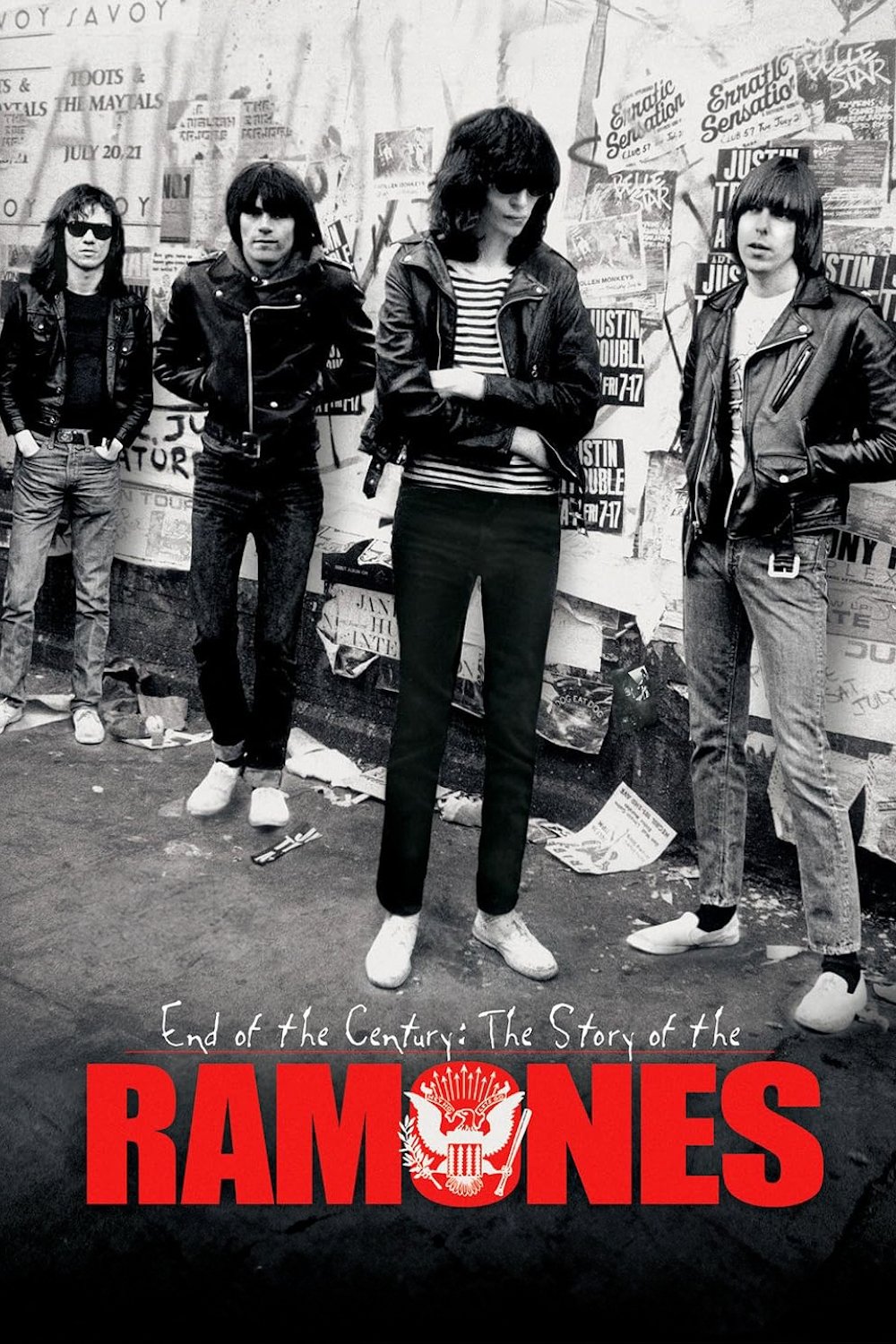
A years-in-the-making documentary on the legendary punk band the Ramones. Through a mixture of archival footage, archival and new interviews with all members of the band's various lineups, and new interviews with a number of their contemporaries, the film traces the peaks and valleys the band experienced over the course of its 20-plus year career before disbanding in 1995.
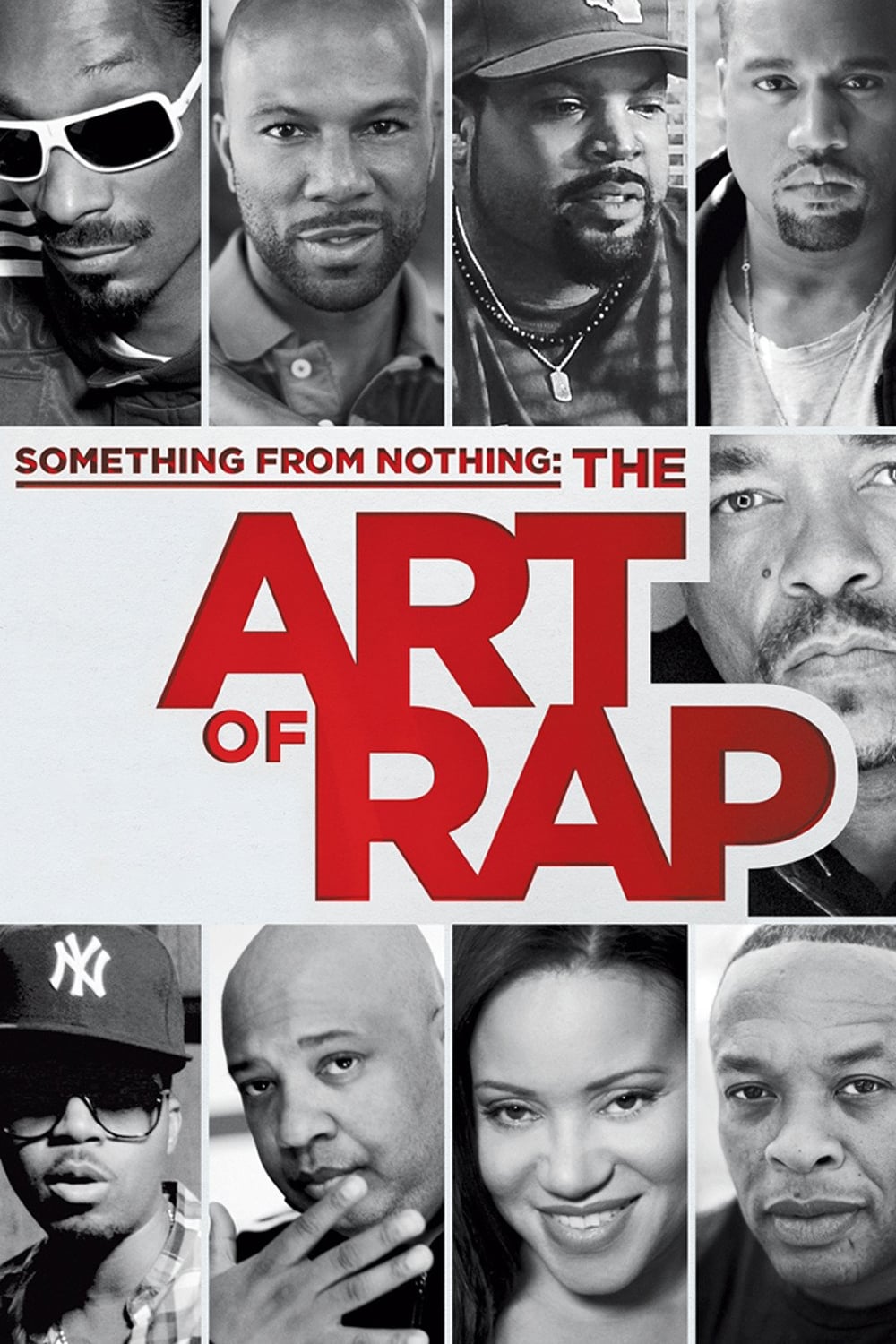
SOMETHING FROM NOTHING: THE ART OF RAP is a feature length performance documentary about the runaway juggernaut that is Rap music. At the wheel of this unstoppable beast is the film's director and interviewer Ice-T. Taking us on a deeply personal journey Ice-T uncovers how this music of the street has grown to dominate the world. Along the way Ice-T meets a whole spectrum of Hip-Hop talent, from founders, to new faces, to the global superstars like Eminem, Dr Dre, Snoop Dogg and Kanye West. He exposes the roots and history of Rap and then, through meeting many of its most famous protagonists, studies the living mechanism of the music to reveal 'The Art Of Rap'. This extraordinary film features unique performances from the entire cast, without resorting to archive material, to build a fresh and surprising take on the phenomenon that is Rap.
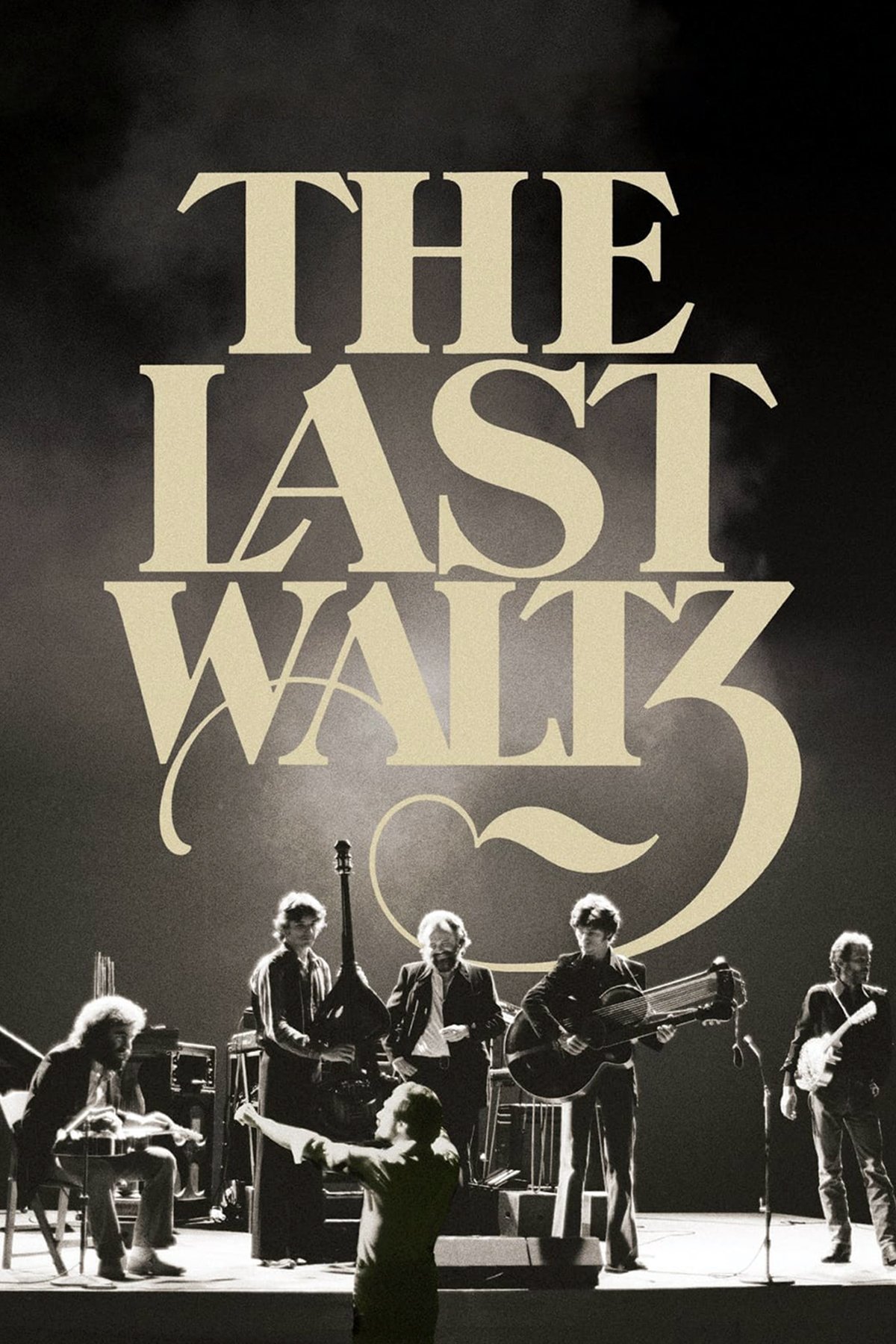
Martin Scorsese's documentary intertwines footage from The Band's incredible farewell tour with probing backstage interviews and featured performances by Eric Clapton, Bob Dylan, Joni Mitchell, Van Morrison, and other rock legends.
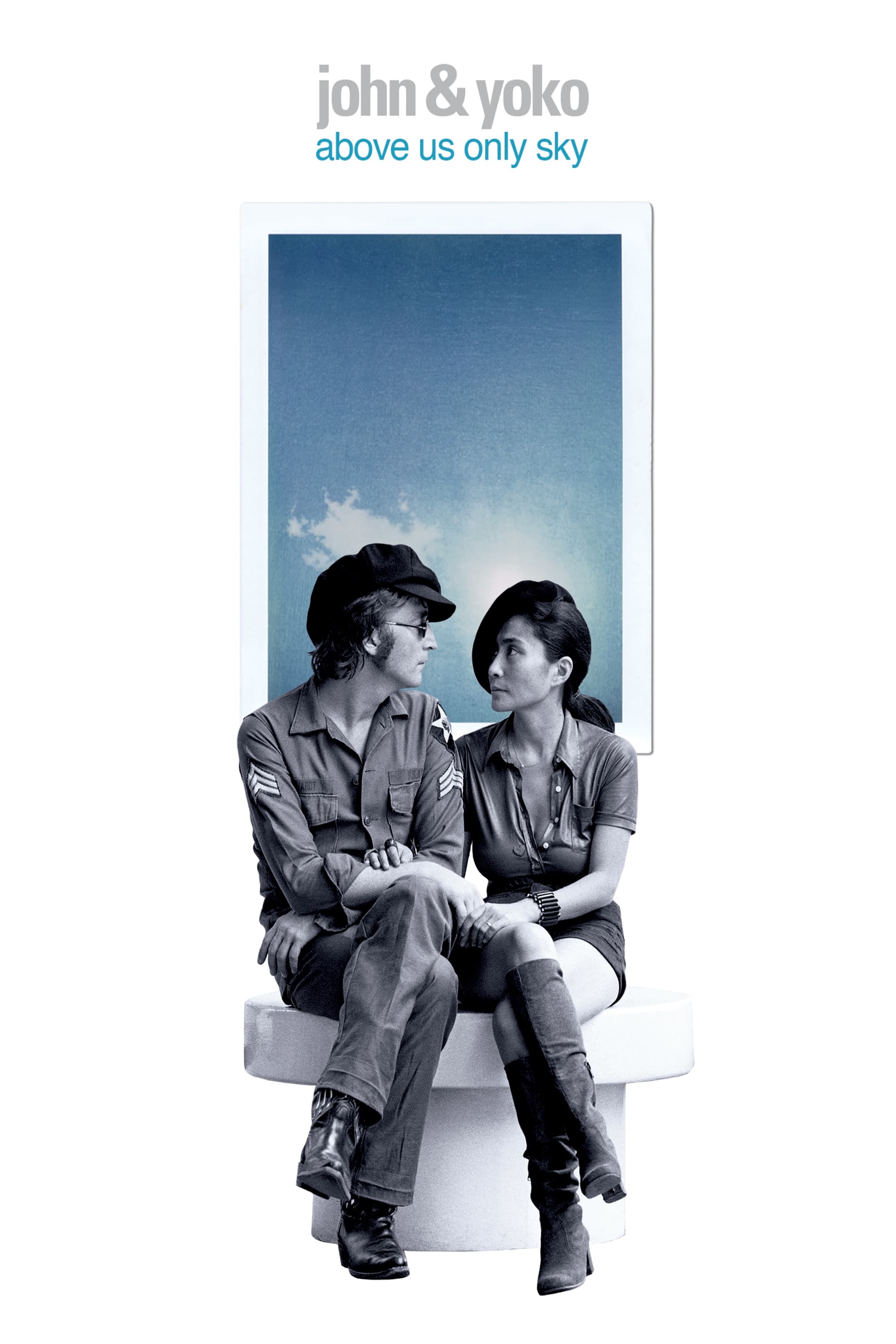
Film telling the untold story of John Lennon's 1971 album Imagine, exploring the creative collaboration between Lennon and Yoko Ono and featuring interviews and never-seen-before footage.
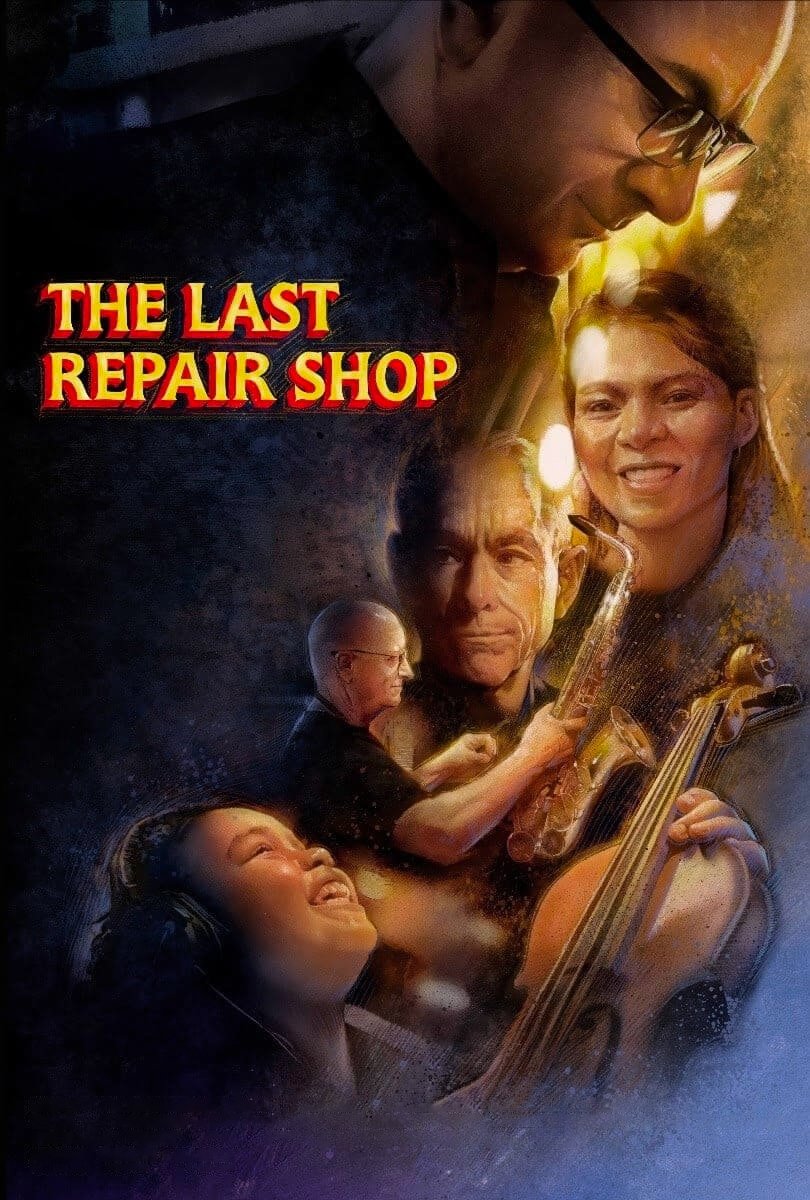
In a warehouse in the heart of Los Angeles, a dwindling handful of devoted craftspeople maintain more than 80,000 student musical instruments, the largest remaining workshop in America of its kind. Meet four unforgettable characters whose broken-and-repaired lives have been dedicated to bringing so much more than music to the schoolchildren of this city.
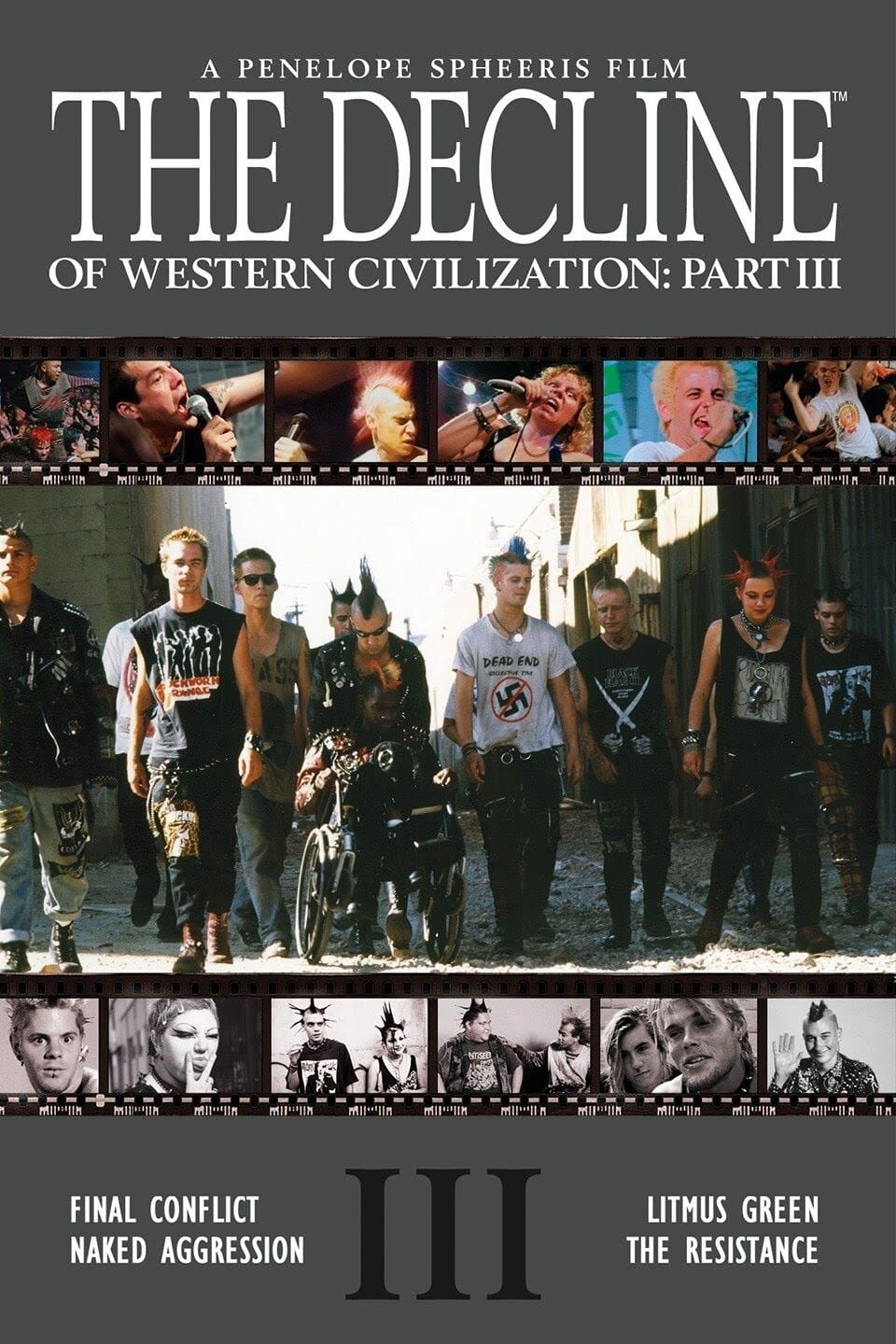
A musical study of Los Angeles in the late 90s, where homeless teens roam the streets and profess to live a punk lifestyle of music, drugs, and flouting authority.
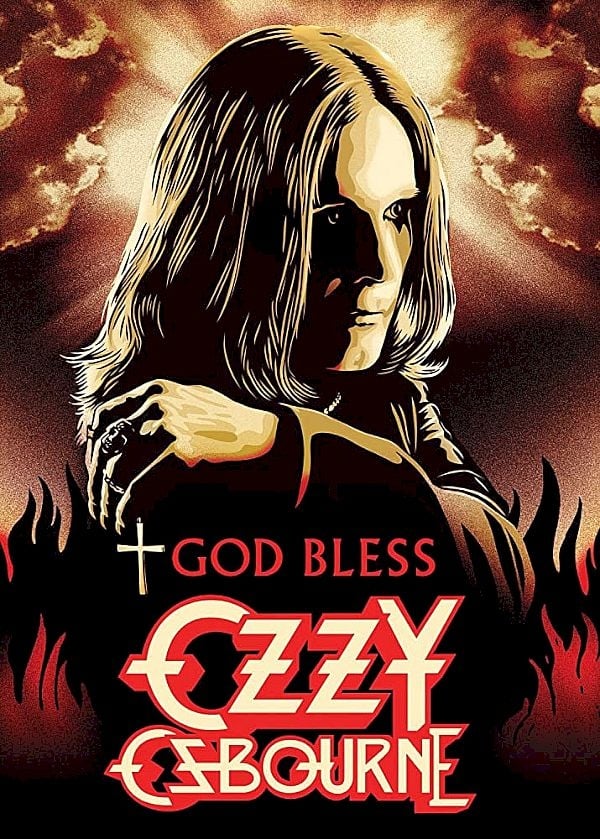
Featuring never before seen footage uncovered from the archives and interviews with Paul McCartney, Tommy Lee and others, God Bless Ozzy Osbourne is the first documentary to take viewers inside the complex mind of rock's great icon.
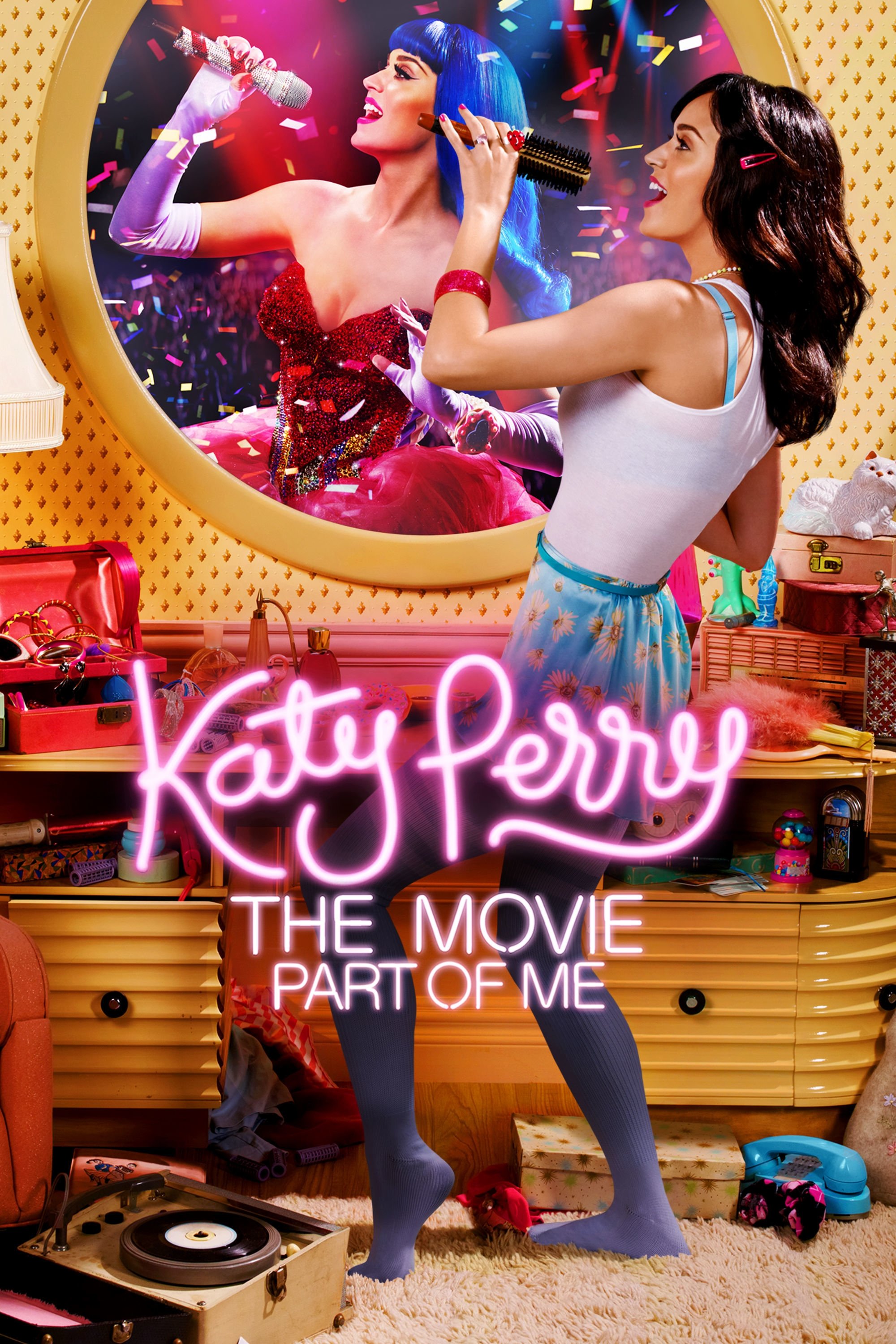
Giving fans unprecedented access to the real life of the music sensation, Katy Perry: Part of Me exposes the hard work, dedication and phenomenal talent of a girl who remained true to herself and her vision in order to achieve her dreams. Featuring rare behind-the-scenes interviews, personal moments between Katy and her friends, and all-access footage of rehearsals, choreography, Katy’s signature style and more, Katy Perry: Part of Me reveals the singer’s unwavering belief that if you can be yourself, then you can be anything.
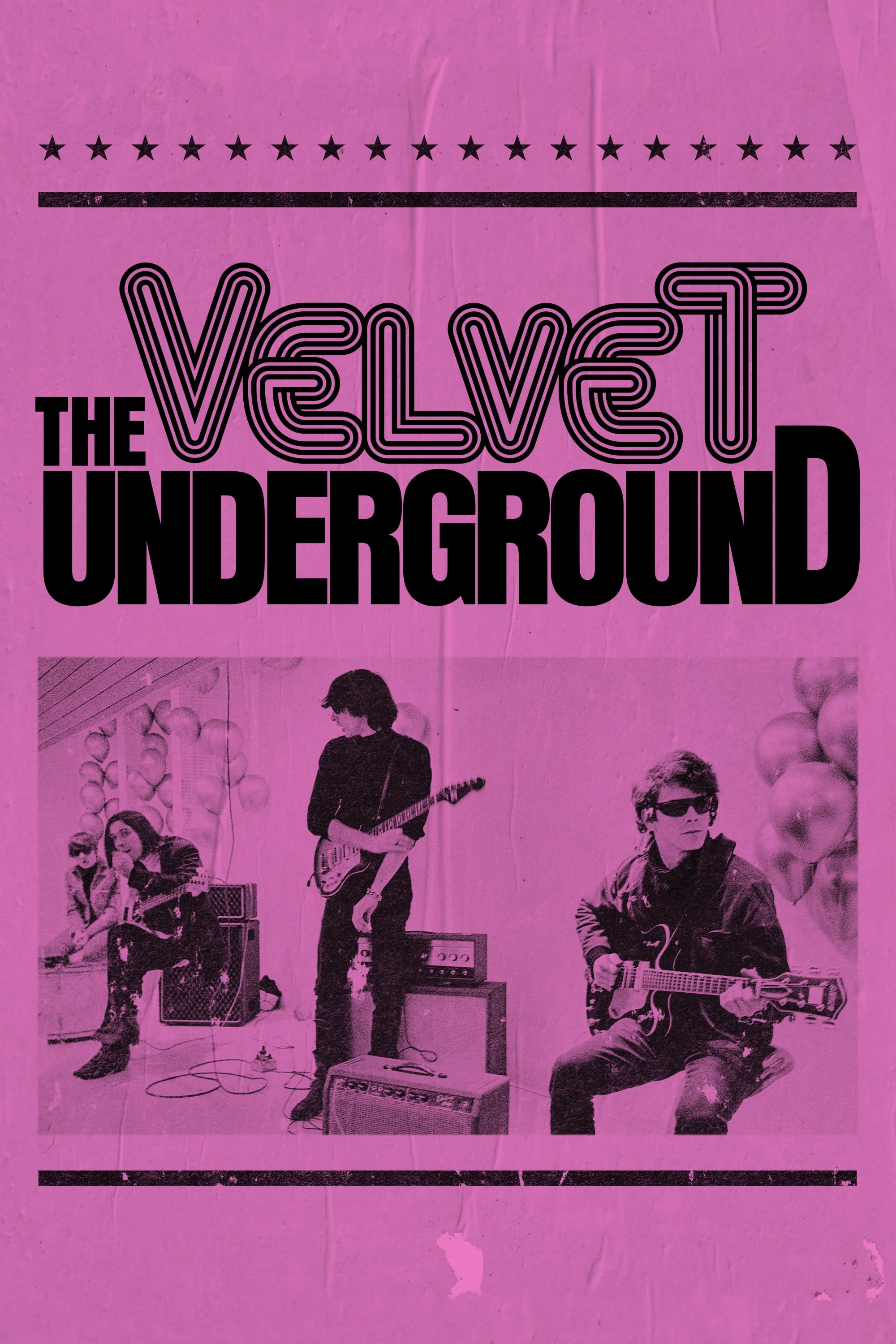
Experience the iconic rock band's legacy in the first major documentary to tell their story. Directed with the era’s avant-garde spirit by Todd Haynes, this kaleidoscopic oral history combines exclusive interviews with dazzling archival footage.
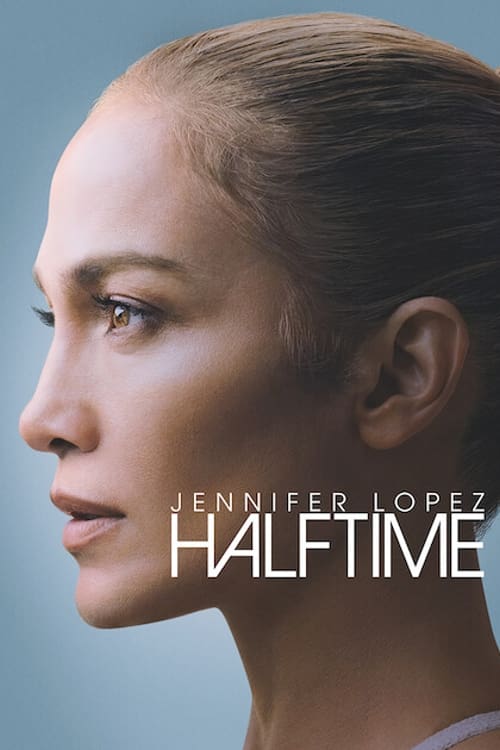
Global superstar Jennifer Lopez reflects on her multifaceted career and the pressure of life in the spotlight in this intimate documentary.
Part documentary, part concert film, part fever dream, this film captures the troubled spirit of America in 1975 and the joyous music that Dylan performed during the fall of that year.
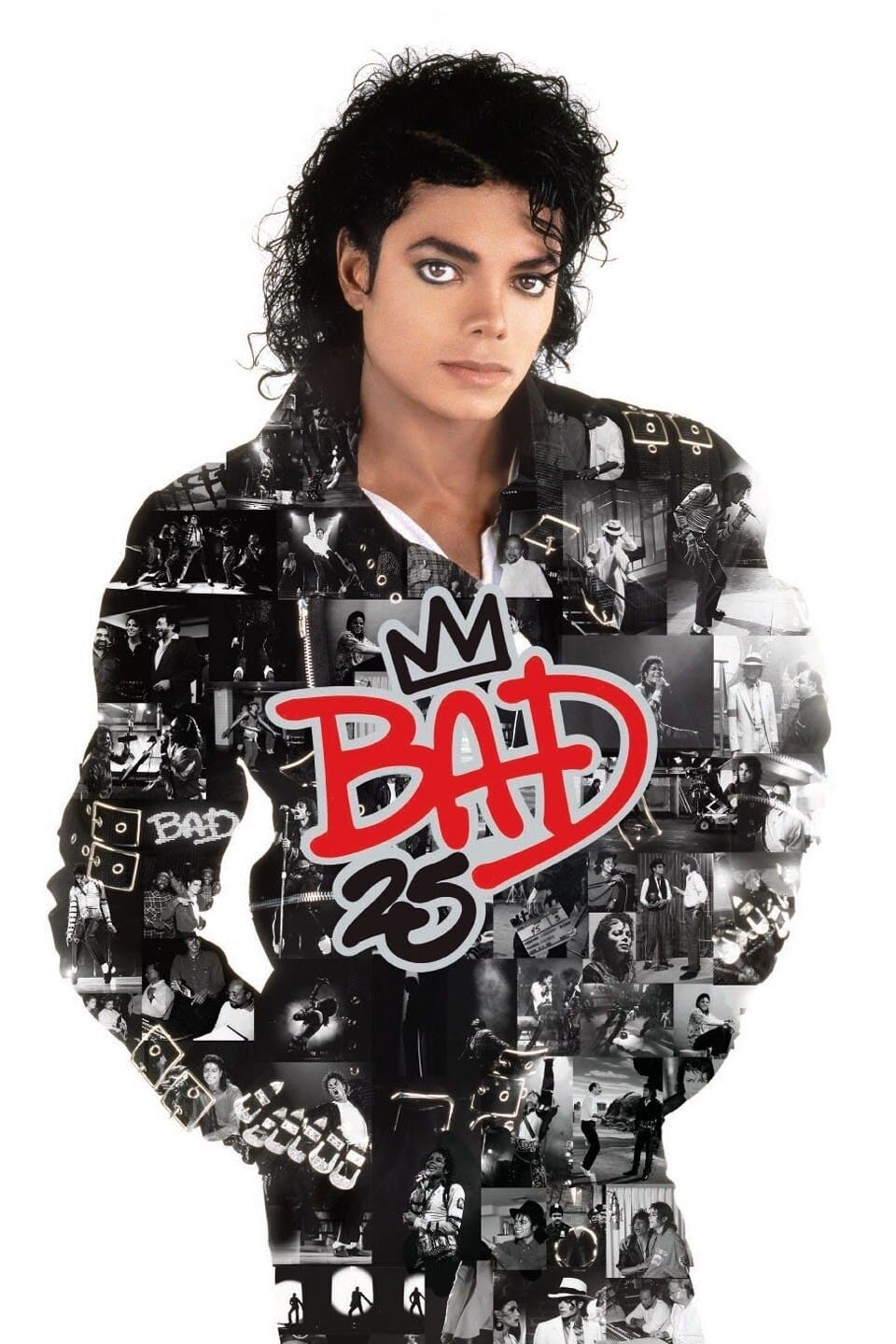
Spike Lee pays tribute to Michael Jackson's Bad on the twenty-fifth anniversary of the epochal album, offering behind-the-scenes footage of Jackson recording the album and interviews with confidants, musicians, choreographers, and such music-world superstars as Kanye West, Sheryl Crow, Cee Lo Green and Mariah Carey.
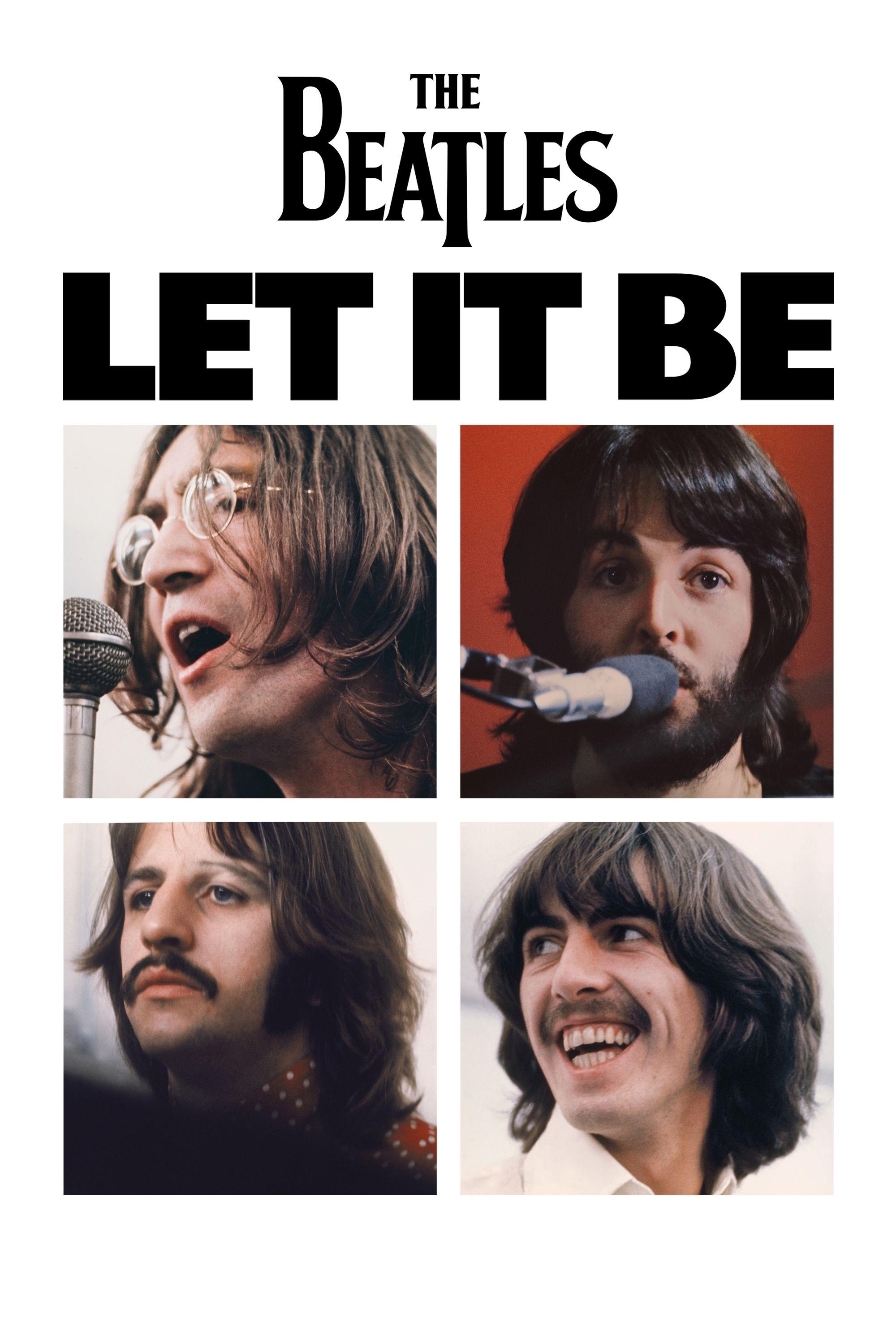
A documentary chronicling the Beatles' rehearsal sessions in January 1969 for their proposed "back to basics" album, "Get Back," later re-envisioned and released as "Let It Be."
Through concert performances and interviews, this film offers us a comprehensive look at the British pioneer rock group, The Who. It captures their zany craziness and outrageous antics from the initial formation of the group in 1964 to 1978. It notably features the band's last performance with long-term drummer Keith Moon, filmed at Shepperton Studios in May 1978, three months before his death.
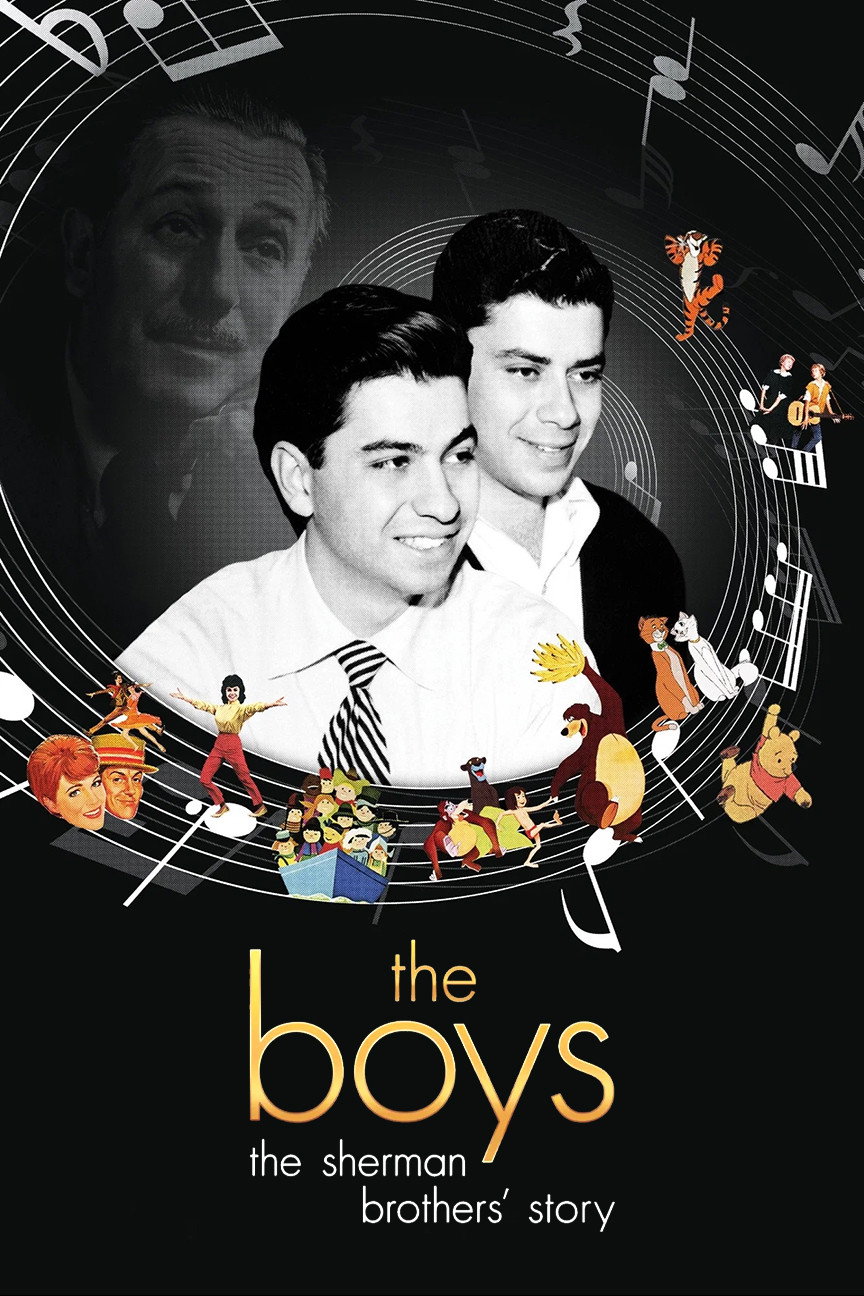
The troubled fraternal relationship between songwriters Robert B. Sherman and Richard M. Sherman, the Oscar and Grammy-winning Sherman Brothers, famous for the iconic hits they wrote for Disney.
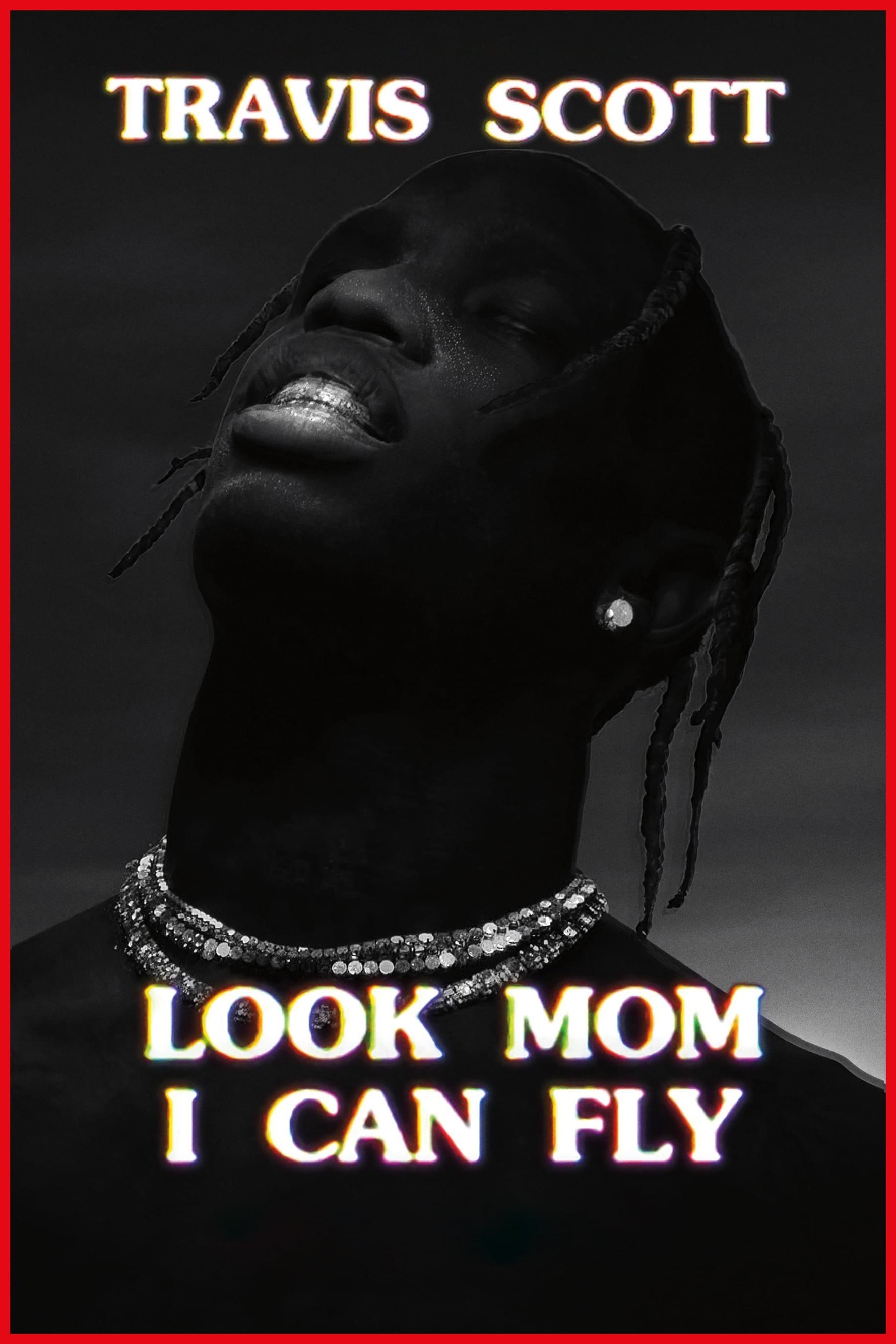
While crafting his Grammy-nominated album "Astroworld," Travis Scott juggles controversy, fatherhood and career highs in this intimate documentary.