"Lesbians and gay men tell history"
Stories of 12 gay and lesbian survivors of Nazism and the Holocaust.
Social & External
The people behind it
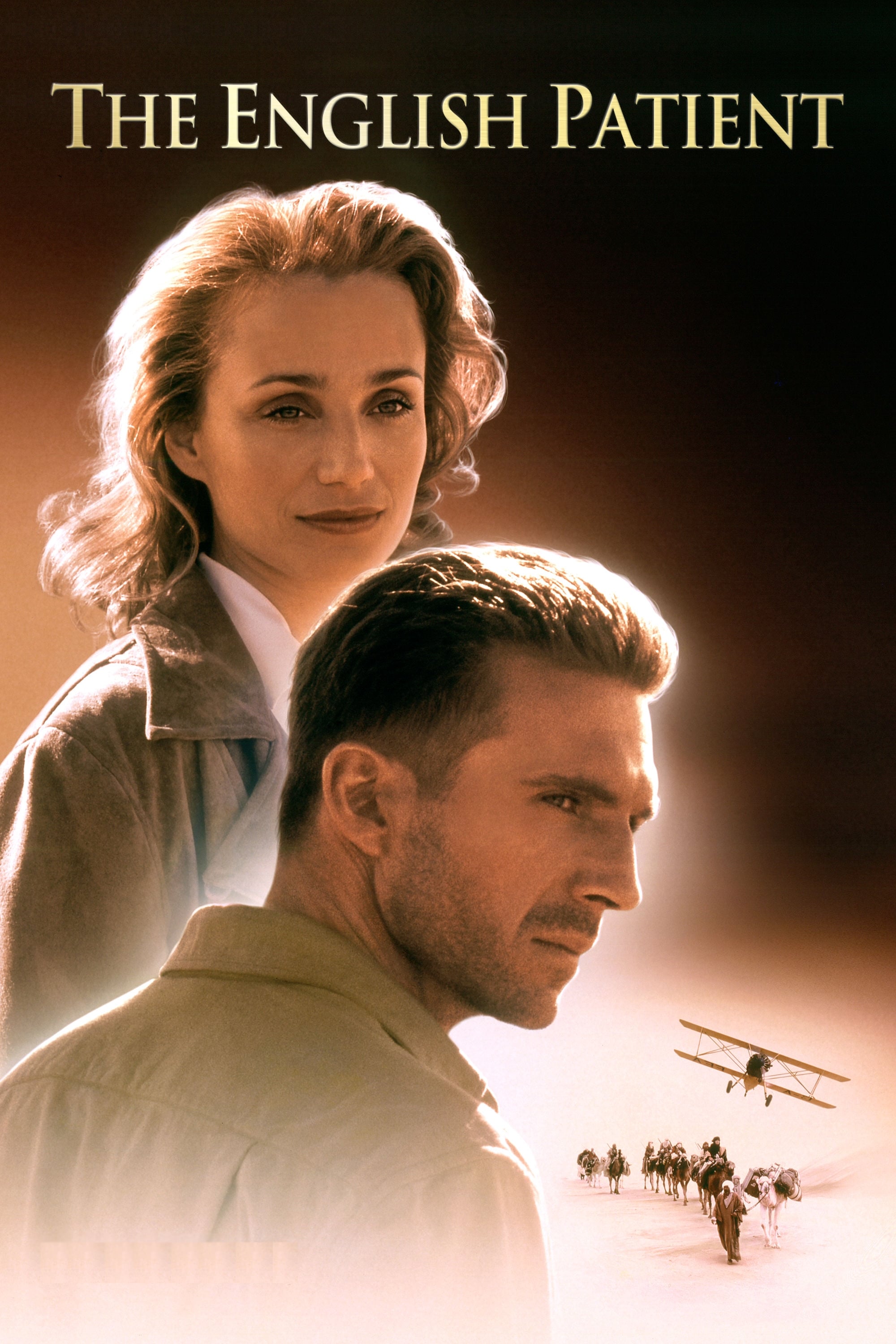
In the 1930s, Count Almásy is a Hungarian map maker employed by the Royal Geographical Society to chart the vast expanses of the Sahara Desert along with several other prominent explorers. As World War II unfolds, Almásy enters into a world of love, betrayal, and politics.
The German battleship Tirpitz was a constant threat to Allied merchant ships from 1942. On November 12, 1944, the ship was sunk off the coast of Tromsø, where it had been lying damaged since being disabled off the coast of Alta in September 1943. Along with the Bismarck, the Tirpitz was Germany’s largest battleship, and its sinking was a significant blow to German prestige.
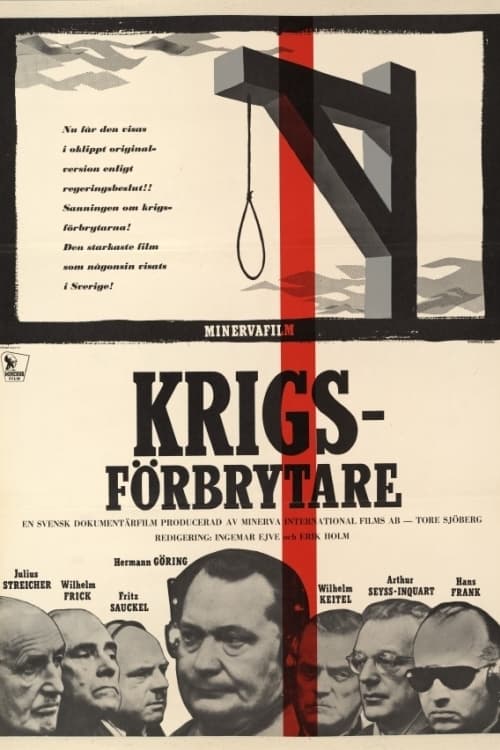
Documents the major trial of the Nazi war criminals and the violent acts that they were accused of.
A story about a German family during World War II with every family member having a different approach to Jews, raging from hatred to compassion.
The true story of pianist Władysław Szpilman's experiences in Warsaw during the Nazi occupation. When the Jews of the city find themselves forced into a ghetto, Szpilman finds work playing in a café; and when his family is deported in 1942, he stays behind, works for a while as a laborer, and eventually goes into hiding in the ruins of the war-torn city.
The true story of how businessman Oskar Schindler saved over a thousand Jewish lives from the Nazis while they worked as slaves in his factory during World War II.
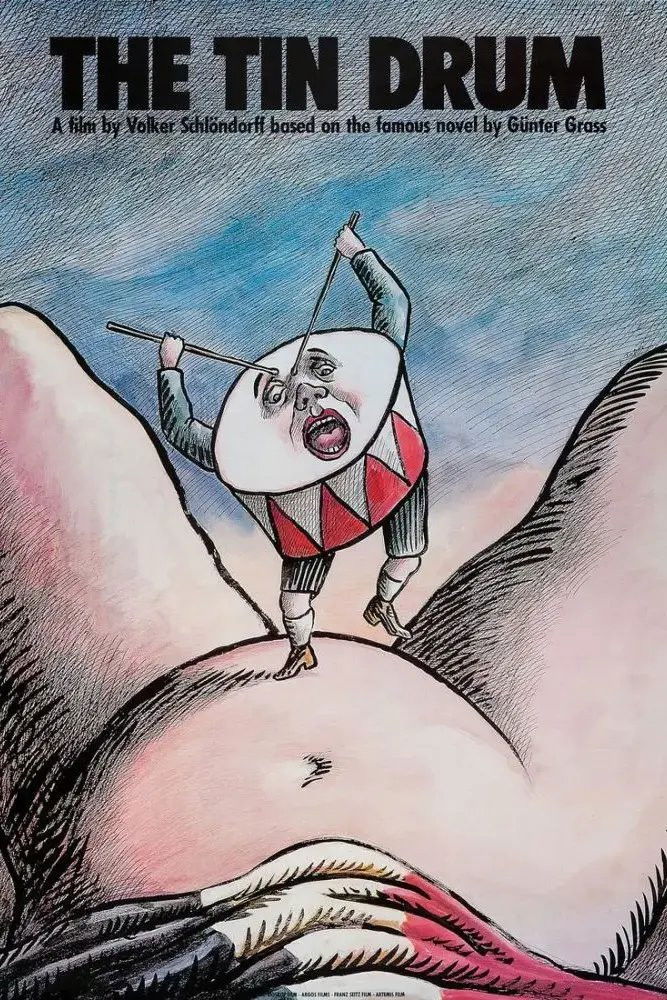
In 1924, Oskar Matzerath is born in the Free City of Danzig. At age three, he falls down a flight of stairs and stops growing. In 1939, World War II breaks out.
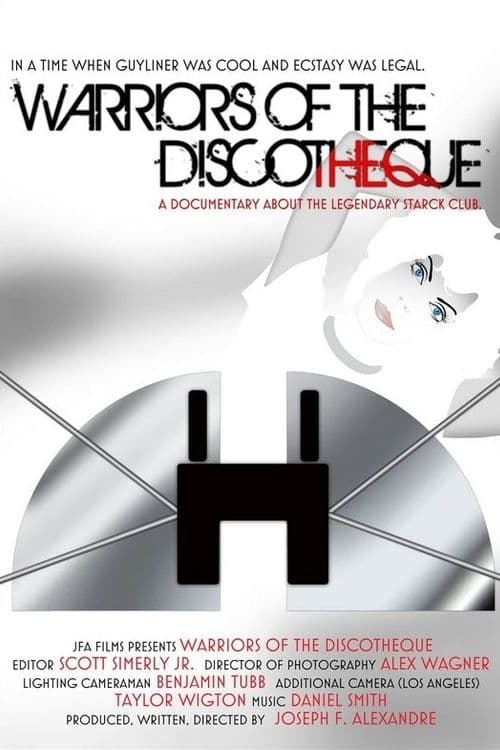
The place is the notorious Starck Club (so called because it was the first major project designed by Philippe Starck in the US.) The Starck Club opened in Dallas in 1984 and not long after hosted the 1984 national Republican Convention. Ironically, it was actually legal to buy MDMA aka ecstasy there, people would put it on their credit cards. The DEA stepped in and made it a category 1 drug on July 1, 1985... In a time when ecstasy was legal & guyliner was cool.
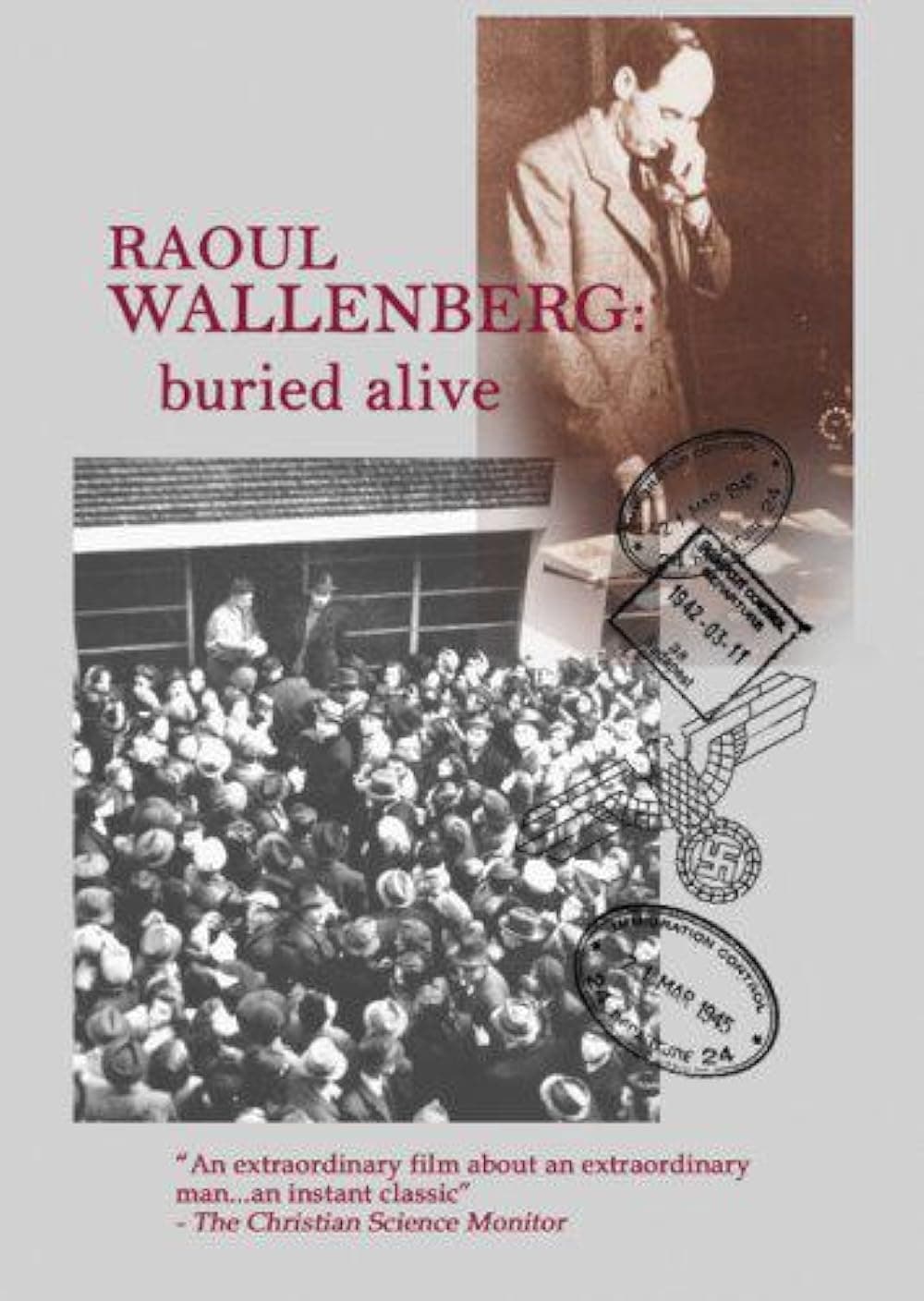
A profile of Swedish diplomat Raoul Wallenberg, the film covers his role in saving the lives of Jewish refugees from the Holocaust, as well as exploring the evidence that he may still have been alive in a Soviet gulag as late as the early 1980s.
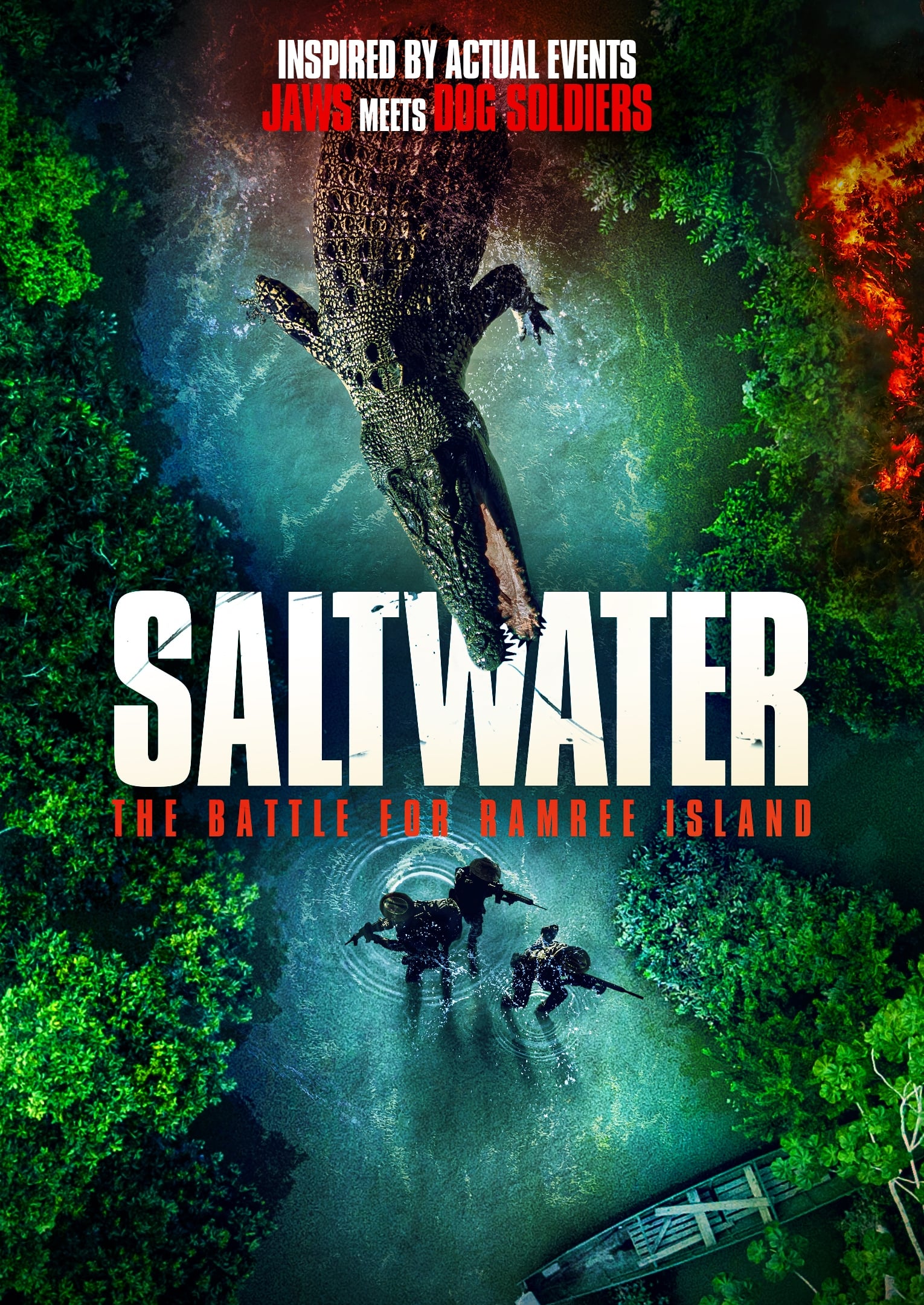
During the last desperate months of World War II, an Allied mission to regain Ramree Island off the coast of Burma ends in horror when an embattled group of soldiers find themselves trapped in dense swampland infested with deadly saltwater crocodiles. As the men are picked off one by one by the hungry reptiles, those that remain resort to increasingly desperate measures to survive the onslaught of carnage and get off the island alive.
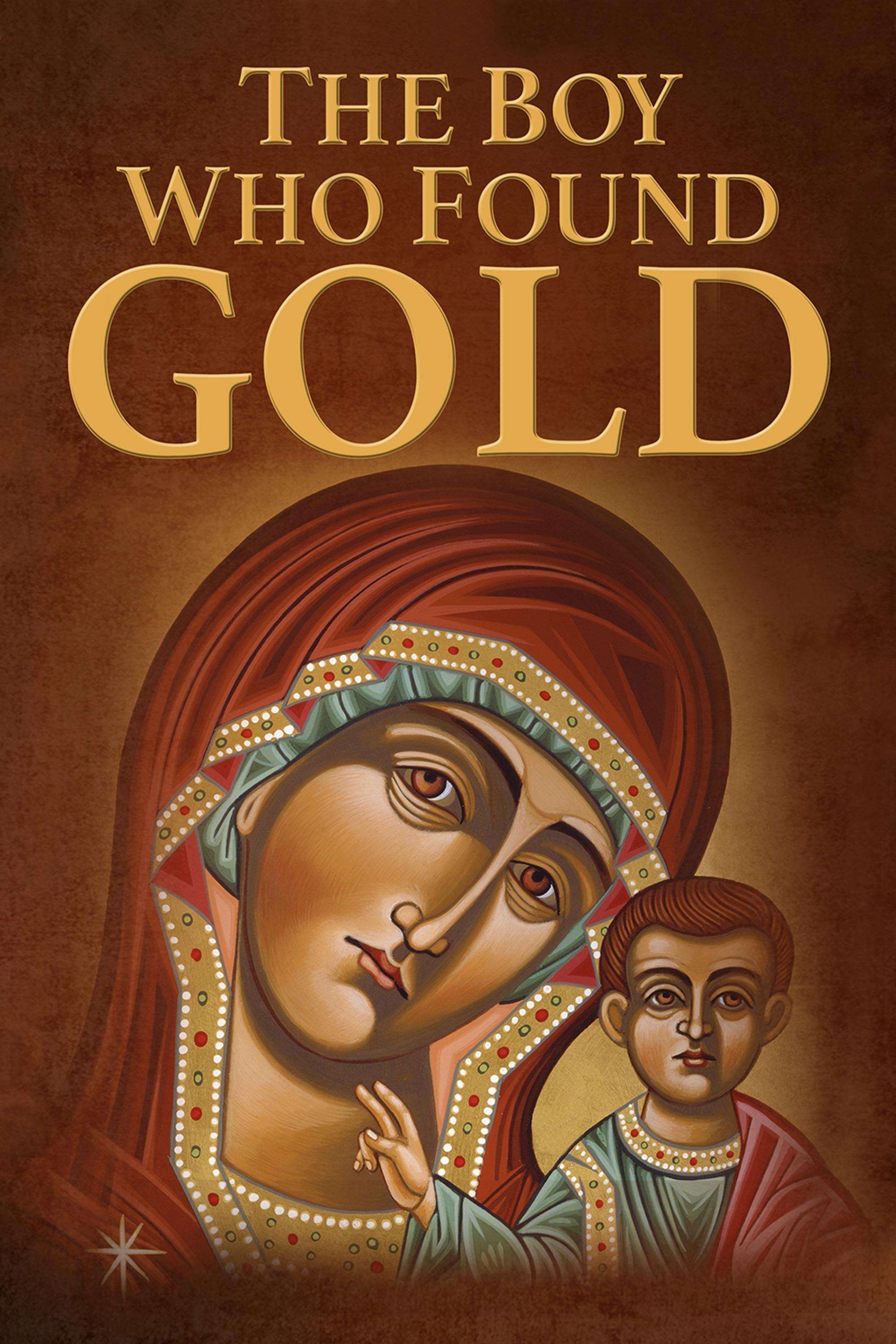
William Hart McNichols is a world renowned artist, heralded by Time magazine as "among the most famous creators of Christian iconic images in the world". As a young Catholic priest from 1983-1990 he was immersed in a life-altering journey working as a chaplain at St. Vincent's AIDS hospice in New York city. It was during this time that he became an early pioneer for LGBT rights within the Catholic church. "The Boy Who Found Gold" is a cinematic journey into the art and spirit of William Hart McNichols. The film follows his colorful life as he crosses paths with presidents, popes, martyrs, and parishioners, finding an insightful lesson with each encounter. McNichols' message as a priest, artist and man speaks to the most powerful element of the human spirit: Mercy.
Two men undertake a thought-provoking journey to parenthood. Not by adoption or surrogacy, but by Frankie, a trans man, carrying their baby. Made with support from NZ on Air.
During the Nazi occupation of 1944 Rome, Resistance leader Giorgio Manfredi is pursued by the Nazis as he seeks refuge and a means of escape.
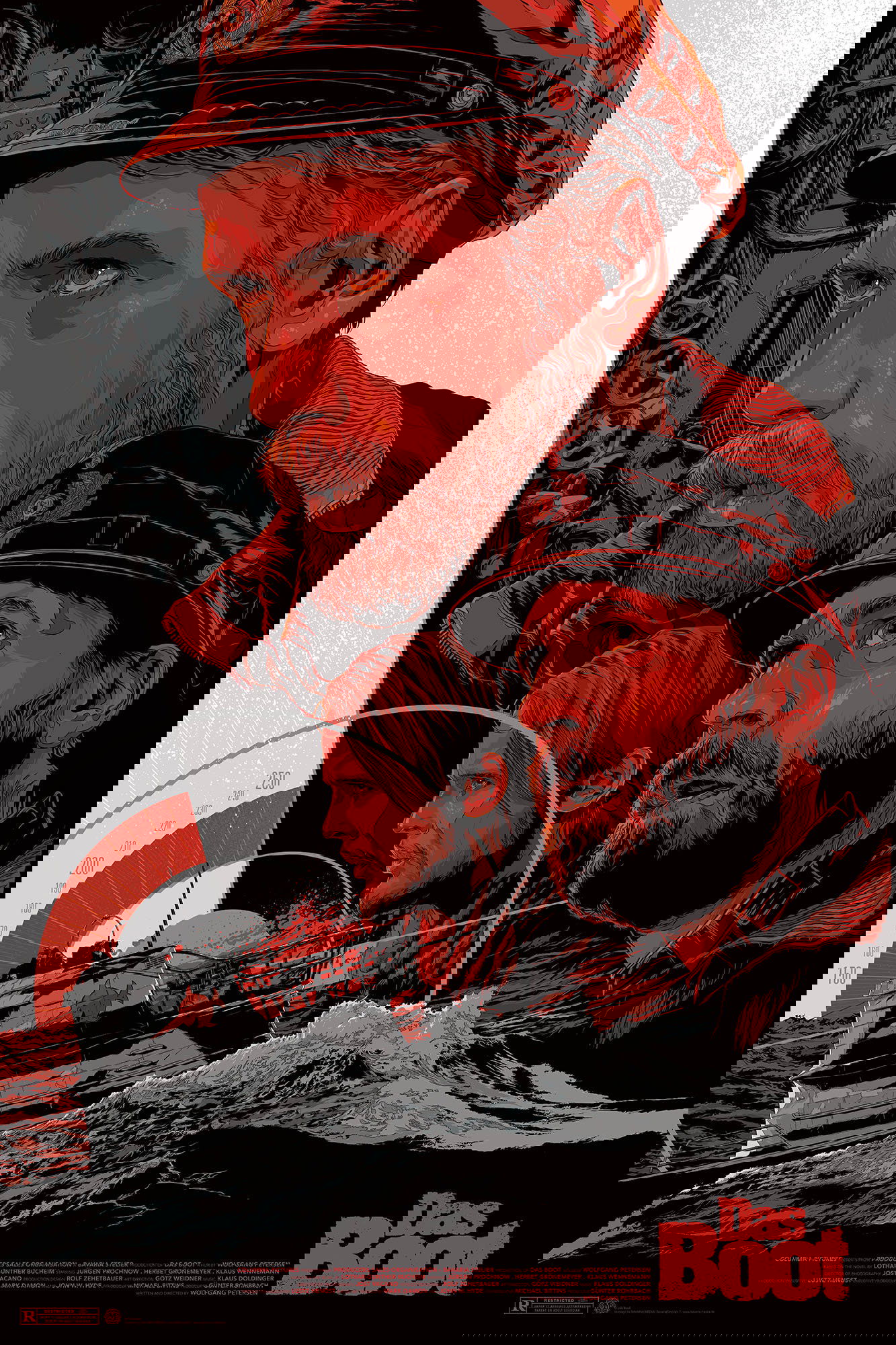
A German submarine hunts allied ships during the Second World War, but it soon becomes the hunted. The crew tries to survive below the surface, while stretching both the boat and themselves to their limits.
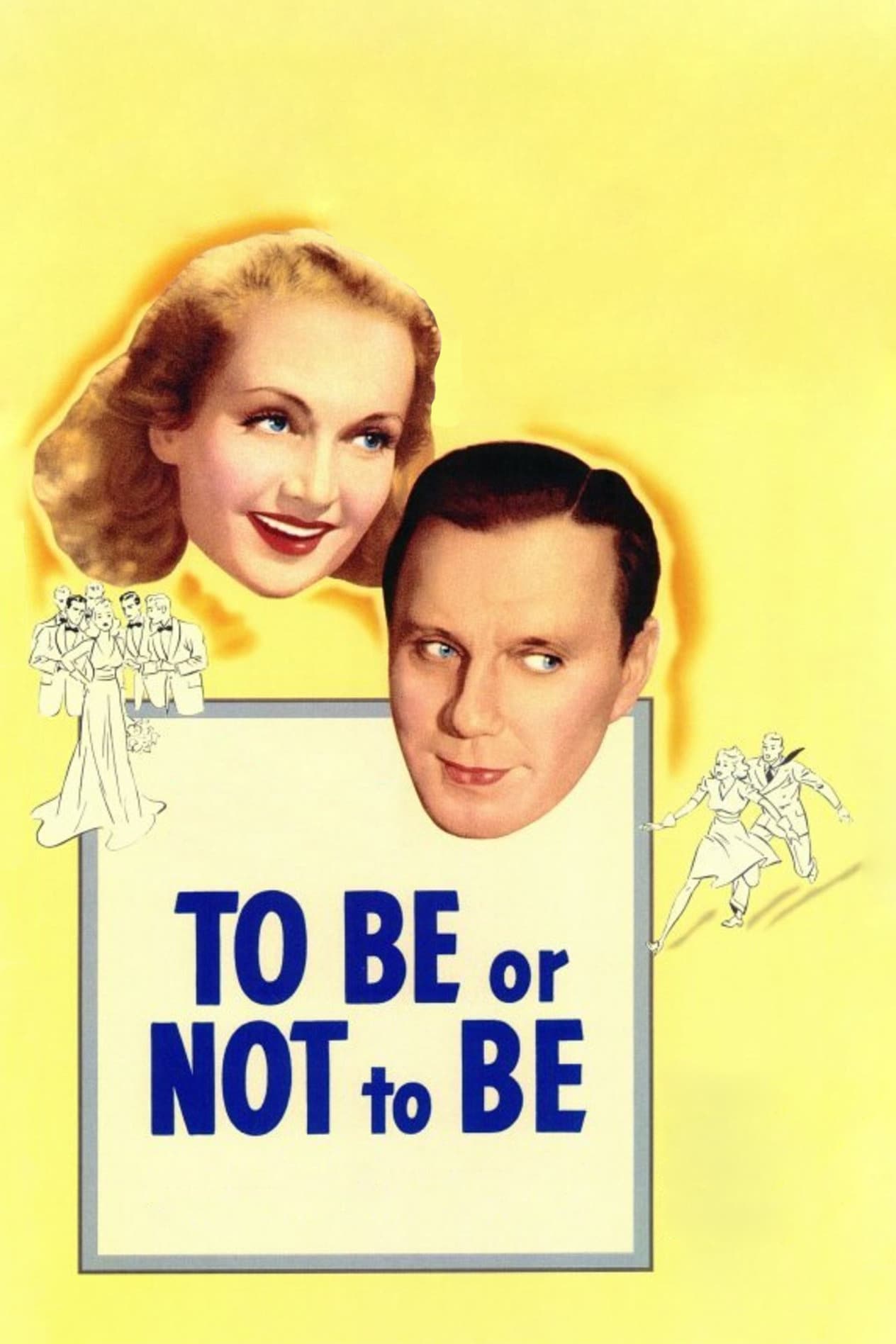
During the Nazi occupation of Poland, an acting troupe becomes embroiled in a Polish soldier's efforts to track down a German spy.
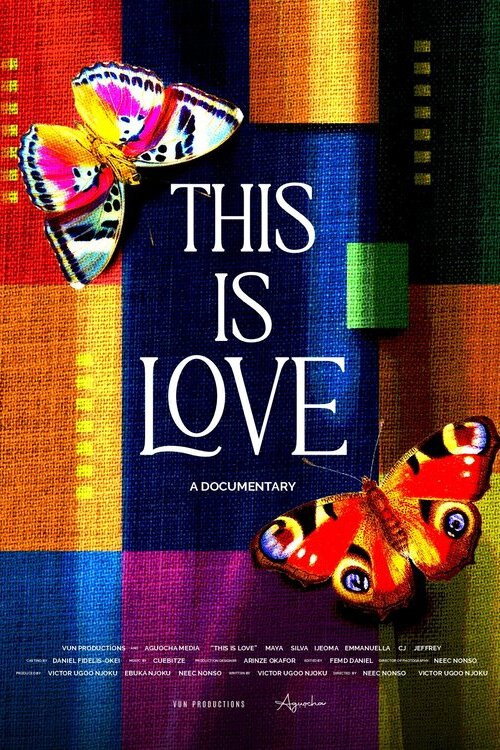
This is Love tells the romance stories of 3 Nigerian LGBTQ+ couples and how they navigate romantic relationships in a conservative and hostile Nigerian environment. It is an attempt to humanize LGBTQ+ people in Nigeria by telling a story of how they find love amidst the risks and struggles. The cast includes a lesbian couple, a gay couple and a couple made up of a transman and a ciswoman. It covered conversations around acceptance, religion, health, the Same-Sex Marriage Prohibition Act (SSMPA), and finding love. 2 out of the 3 couples wore masks and had their voices distorted. Aside from helping to conceal the identity of the cast, the mask and distorted voices are also symbolic of the double life LGBTQ+ Nigerians have to live for their safety and security.
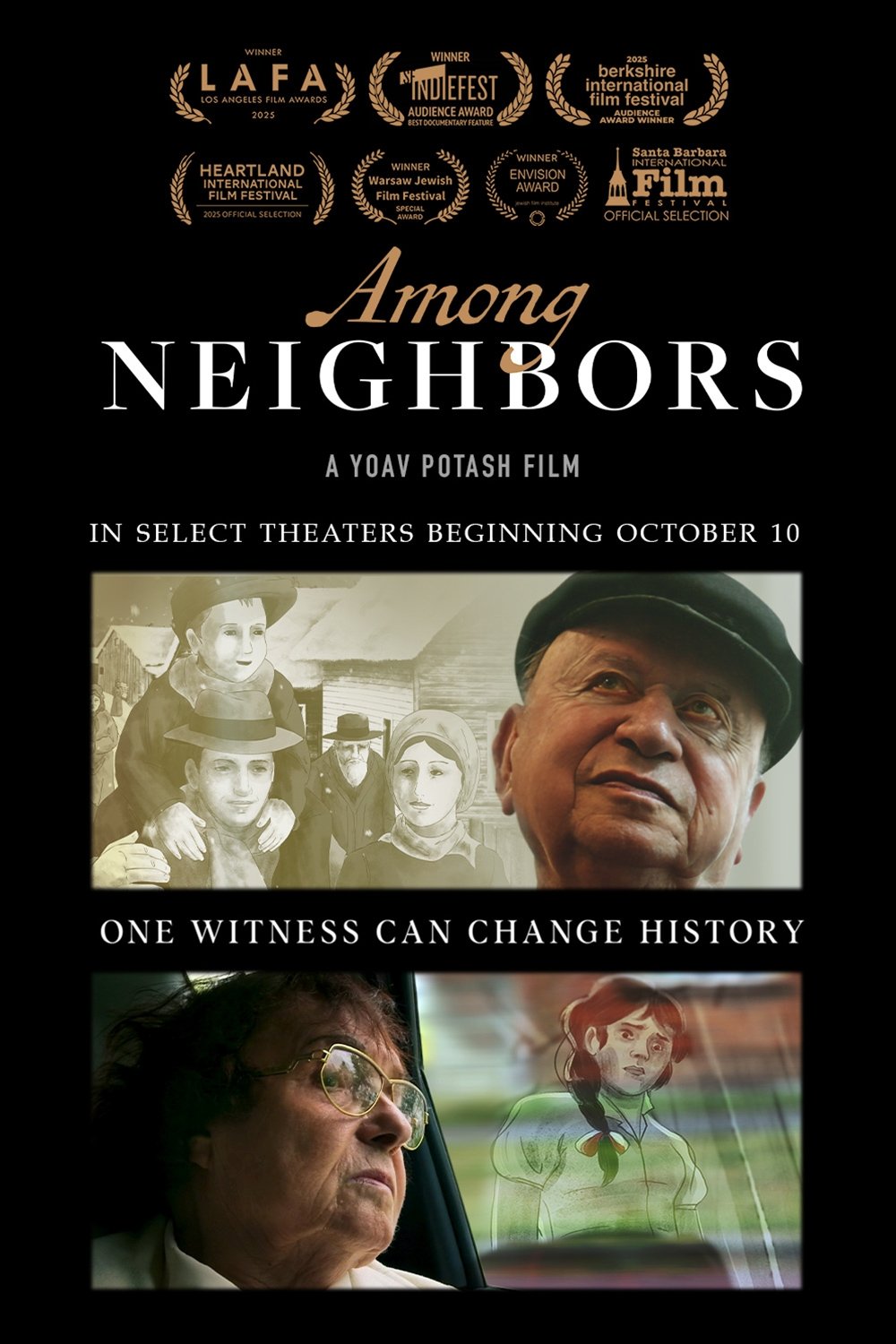
Combining magical realism and evocative hand-drawn animation with revelatory interviews and verité footage, "Among Neighbors" examines the story of a small, rural town where Jews and Polish Catholics lived side by side for centuries before World War II. The film brings the Polish response to the Holocaust to life through the last living eyewitnesses, revealing both love and betrayal as it zeroes in on one of the last living Holocaust survivors from the town, and an aging eyewitness who saw Jews murdered there — not by Nazis, but by her own Polish neighbors. Produced and directed by award-winning filmmaker Yoav Potash ("Crime After Crime," Sundance Film Festival).
I'll just have cats documentary follows 21-year-old Kay Proctor as she delves into Britain’s evolving views on queer parenthood and questions whether she even wants children herself. Through conversations with queer parents and professionals, Kay confronts complex questions about her future. This award-winning documentary, recognised with multiple Royal Television Society Student Awards, offers a candid exploration of family, identity, and choice in modern Britain.
In both amateur and professional sports, being gay remains taboo. Few dare to come out of the closet for fear of being stigmatized, and for many, the pressure to perform is compounded by a further strain: whether or not to affirm their sexual identity. Standing on the Line takes a fresh and often moving look at some of our gay athletes, who share their experiences with the camera. They’ve set out to overcome prejudice in the hopes of changing things for the athletes of tomorrow.
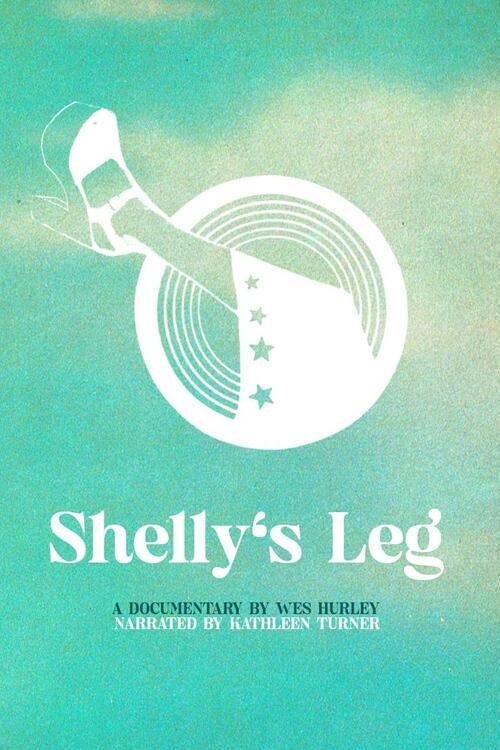
In 1970, an eccentric young stripper named Shelly Baumann loses her leg in a freak parade canon accident, then uses her settlement money to open 'Shelly's Leg' disco - one of the nation's first and most consequential openly gay spaces.
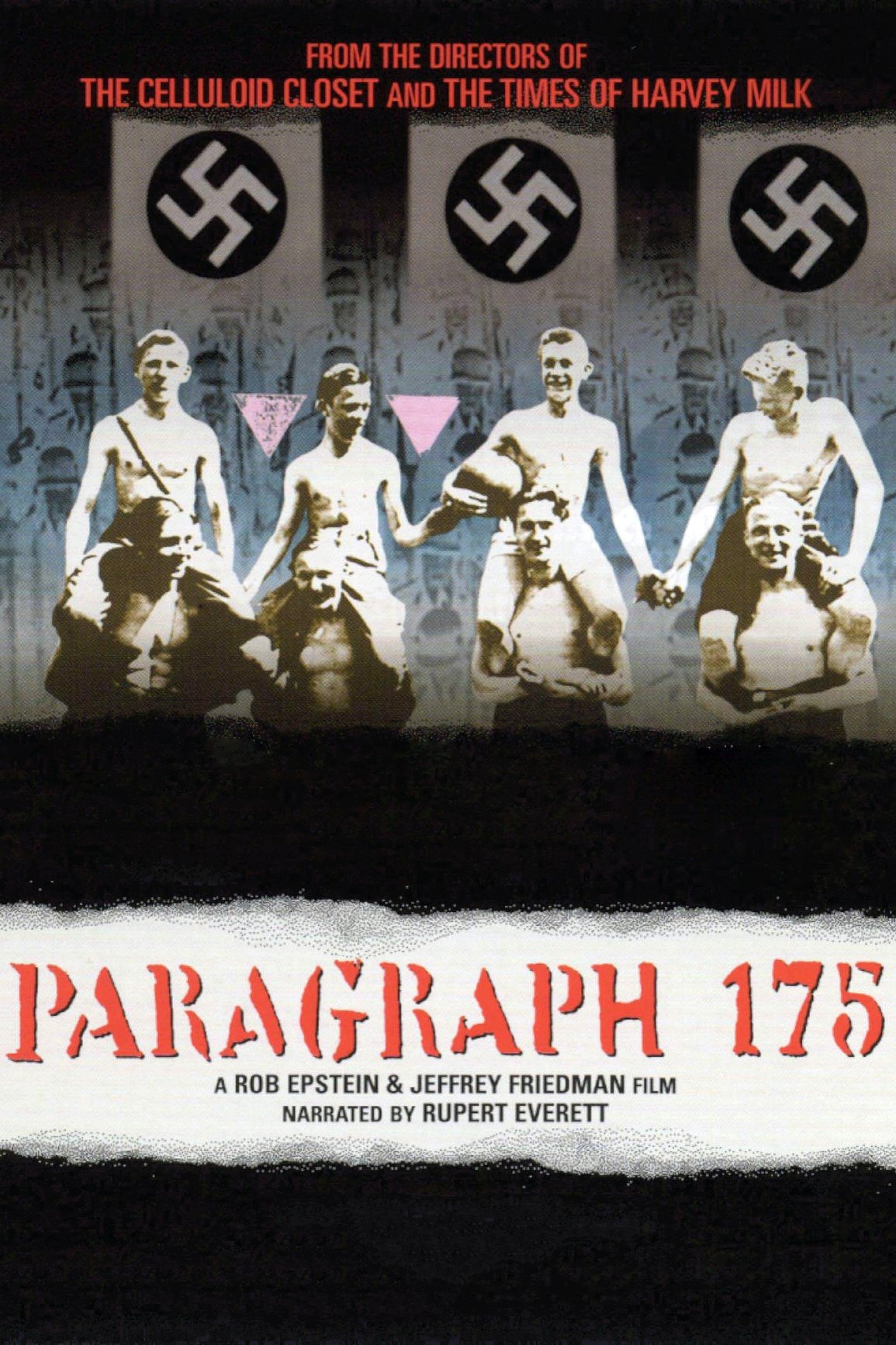
During the Nazi regime, there was widespread persecution of homosexual men, which started in 1871 with the Paragraph 175 of the German Penal Code. Thousands were murdered in concentration camps. This powerful and disturbing documentary, narrated by Rupert Everett, presents for the first time the largely untold testimonies of some of those who survived.
A glittery nightclub in 1920s Berlin becomes a haven for the queer community in this documentary exploring the freedoms lost amid Hitler’s rise to power.
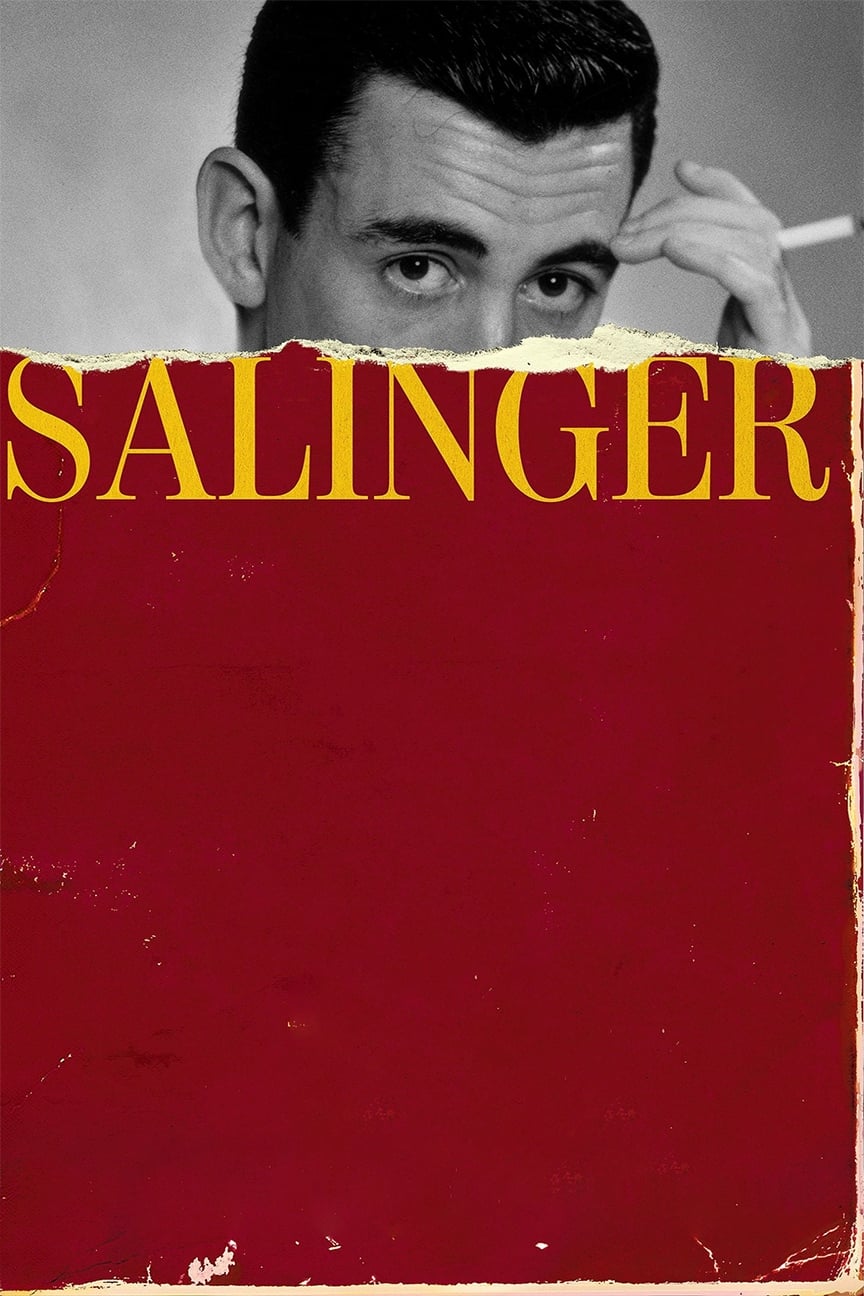
An in-depth investigation into the private world of the American writer J. D. Salinger (1919-2010), who lived most of his life behind the impenetrable wall of a self-imposed seclusion: how his dramatic experiences during World War II influenced his life and work, his relationships with very young women, his obsessive writing methods, his many literary secrets.
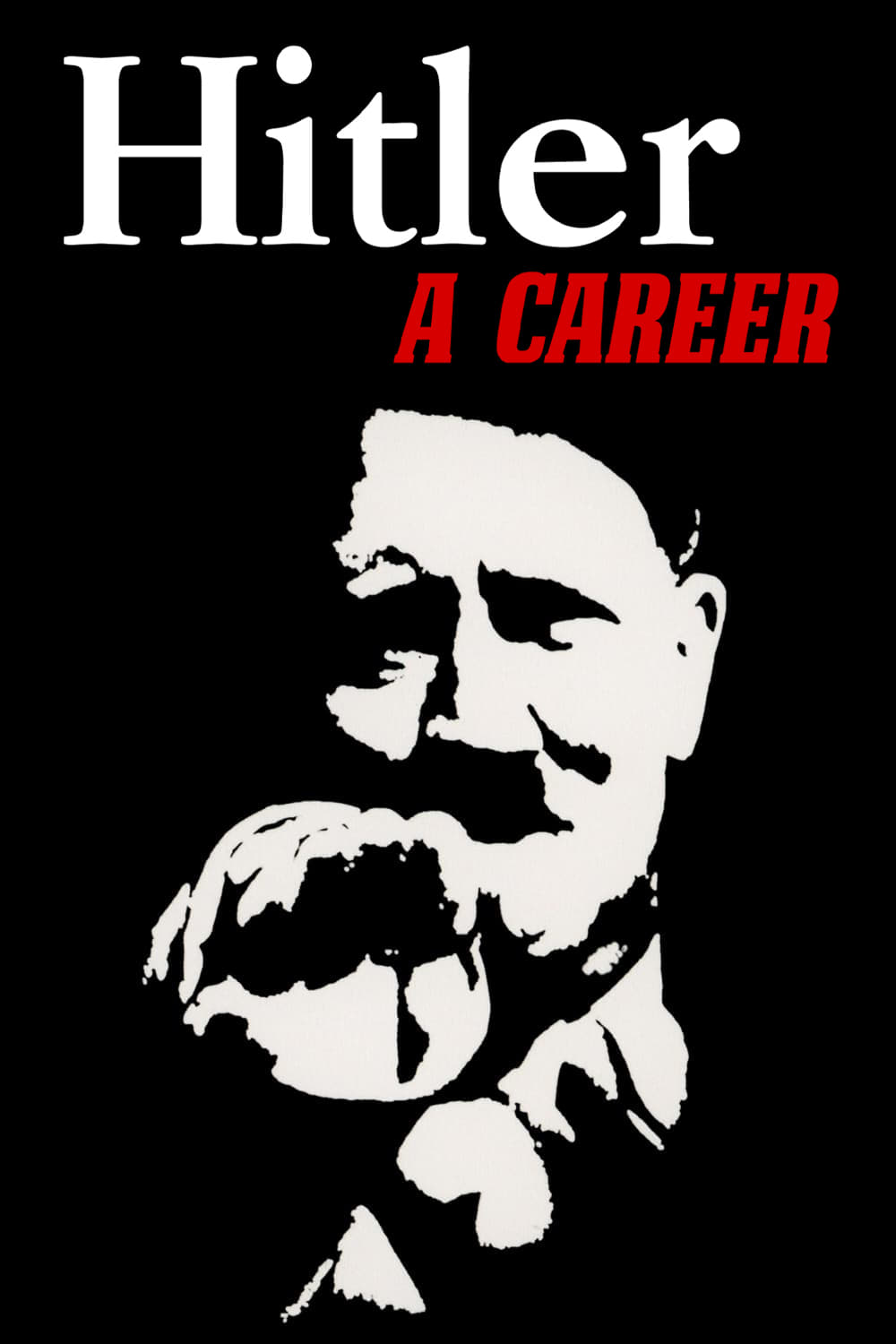
A keen chronicle of the unlikely rise to power of Adolf Hitler (1889-1945) and a dissection of the Third Reich (1933-1945), but also an analysis of mass psychology and how the desperate crowd can be deceived and shepherded to the slaughterhouse.
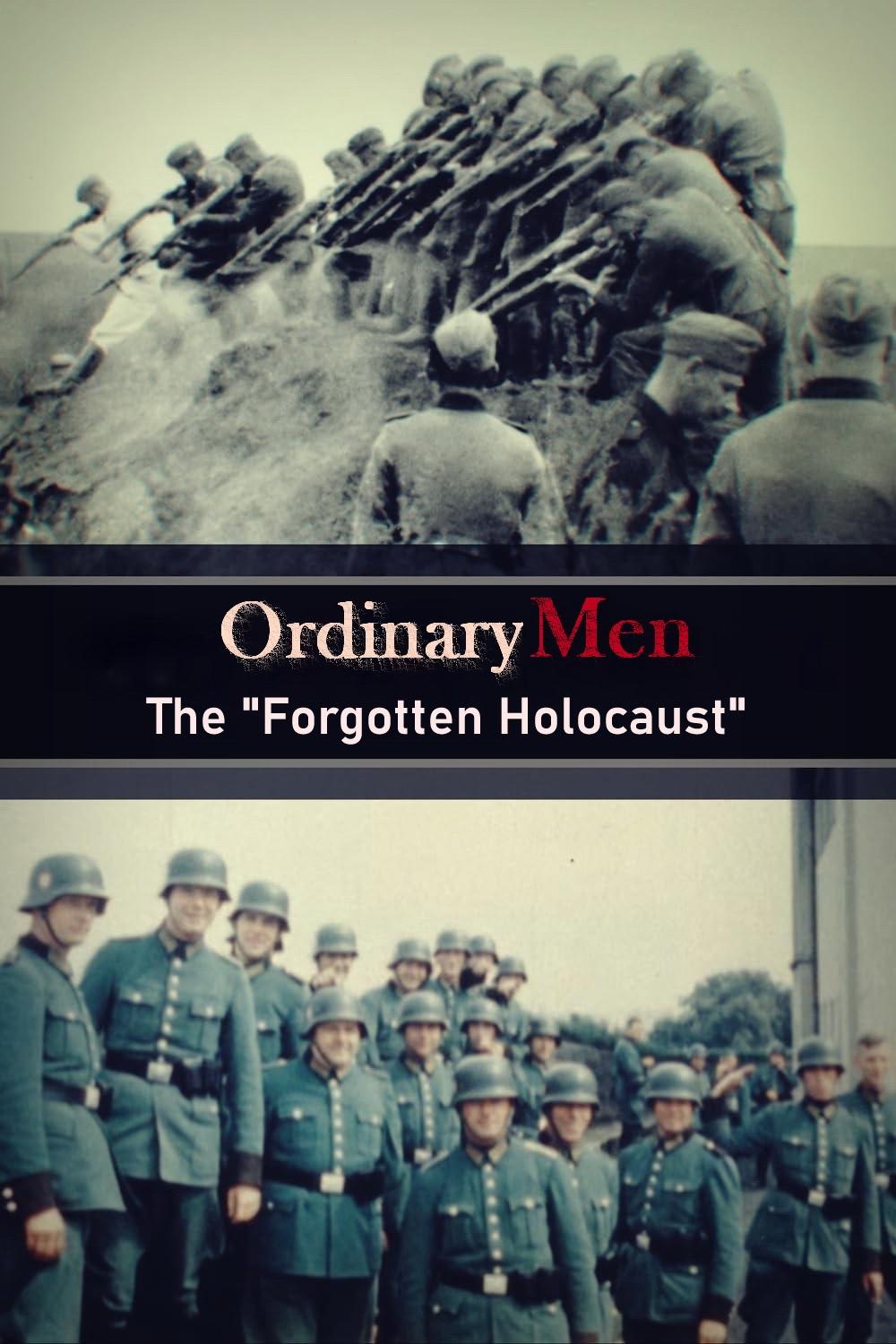
Six million Jews died during World War II, both in the extermination camps and murdered by the mobile commandos of the Einsatzgruppen and police battalions, whose members shot men, women and children, day after day, obediently, as if it were a normal job, a fact that is hardly known today. Who were these men and how could they commit such crimes?
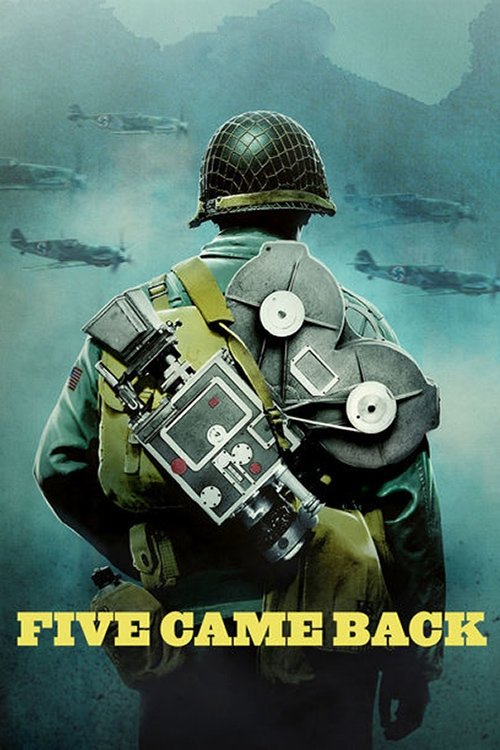
The extraordinary story of how Hollywood changed World War II – and how World War II changed Hollywood, through the interwoven experiences of five legendary filmmakers who went to war to serve their country and bring the truth to the American people: John Ford, William Wyler, John Huston, Frank Capra, and George Stevens. Based on Mark Harris’ best-selling book, “Five Came Back: A Story of Hollywood and the Second World War.”
A woman’s Holocaust memoir takes the world by storm, but a fallout with her publisher-turned-detective reveals her story as an audacious deception created to hide a darker truth.
“The Soviet Story” is a story of an Allied power, which helped the Nazis to fight Jews and which slaughtered its own people on an industrial scale. Assisted by the West, this power triumphed on May 9th, 1945. Its crimes were made taboo, and the complete story of Europe’s most murderous regime has never been told. Until now...
Prelude to War was the first film of Frank Capra's Why We Fight propaganda film series, commissioned by the Pentagon and George C. Marshall. It was made to convince American troops of the necessity of combating the Axis Powers during World War II. This film examines the differences between democratic and fascist states.
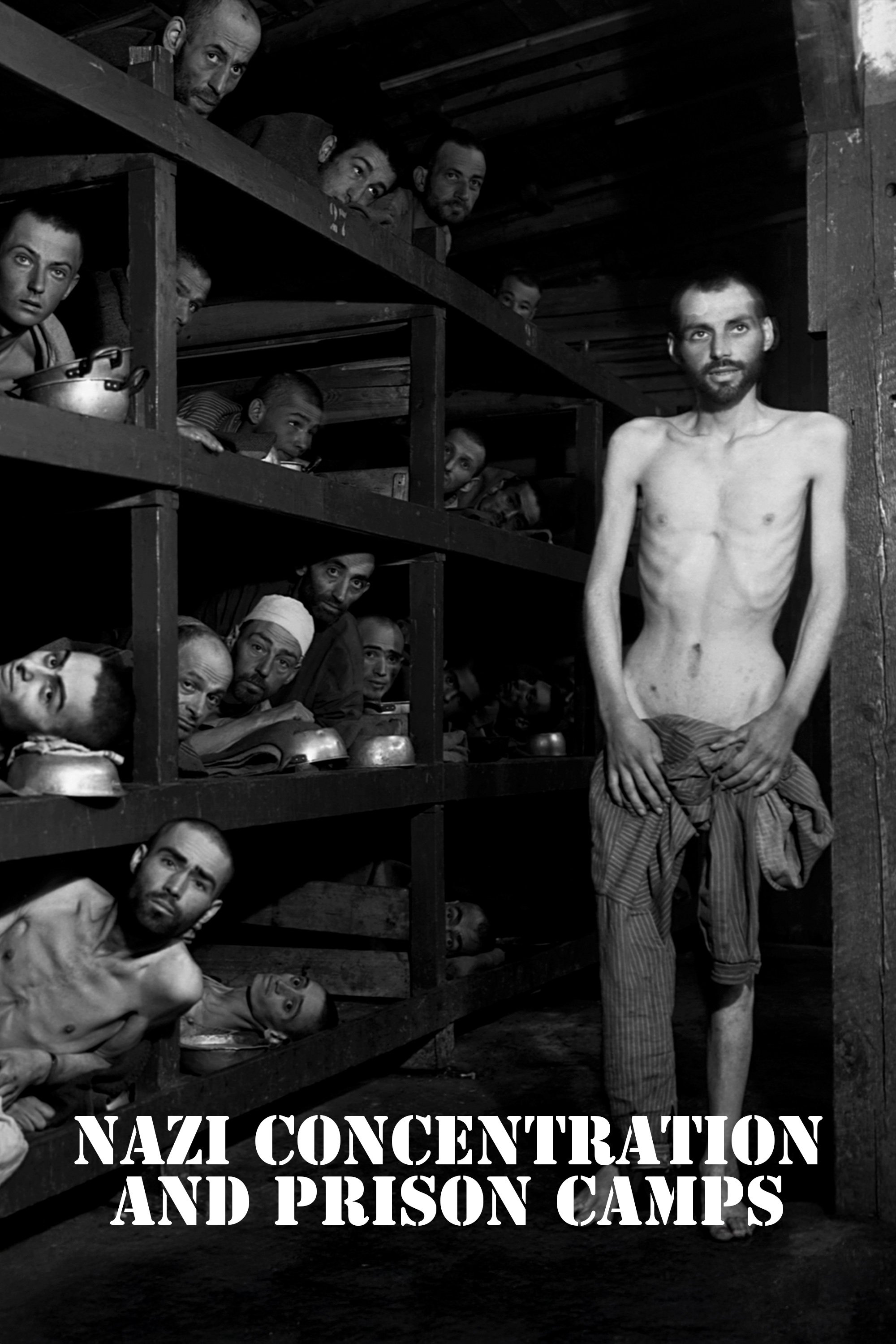
Produced and presented as evidence at the Nuremberg war crimes trial of Hermann Göring and twenty other Nazi leaders, this film consists primarily of dead and surviving prisoners and of facilities used to kill and torture during the World War II.
A showcase of German chancellor and Nazi Party leader Adolf Hitler at the 1934 Nuremberg Rally.
Explores Leni Riefenstahl's artistic legacy and her complex ties to the Nazi regime, juxtaposing her self-portrayal with evidence suggesting awareness of the regime's atrocities.
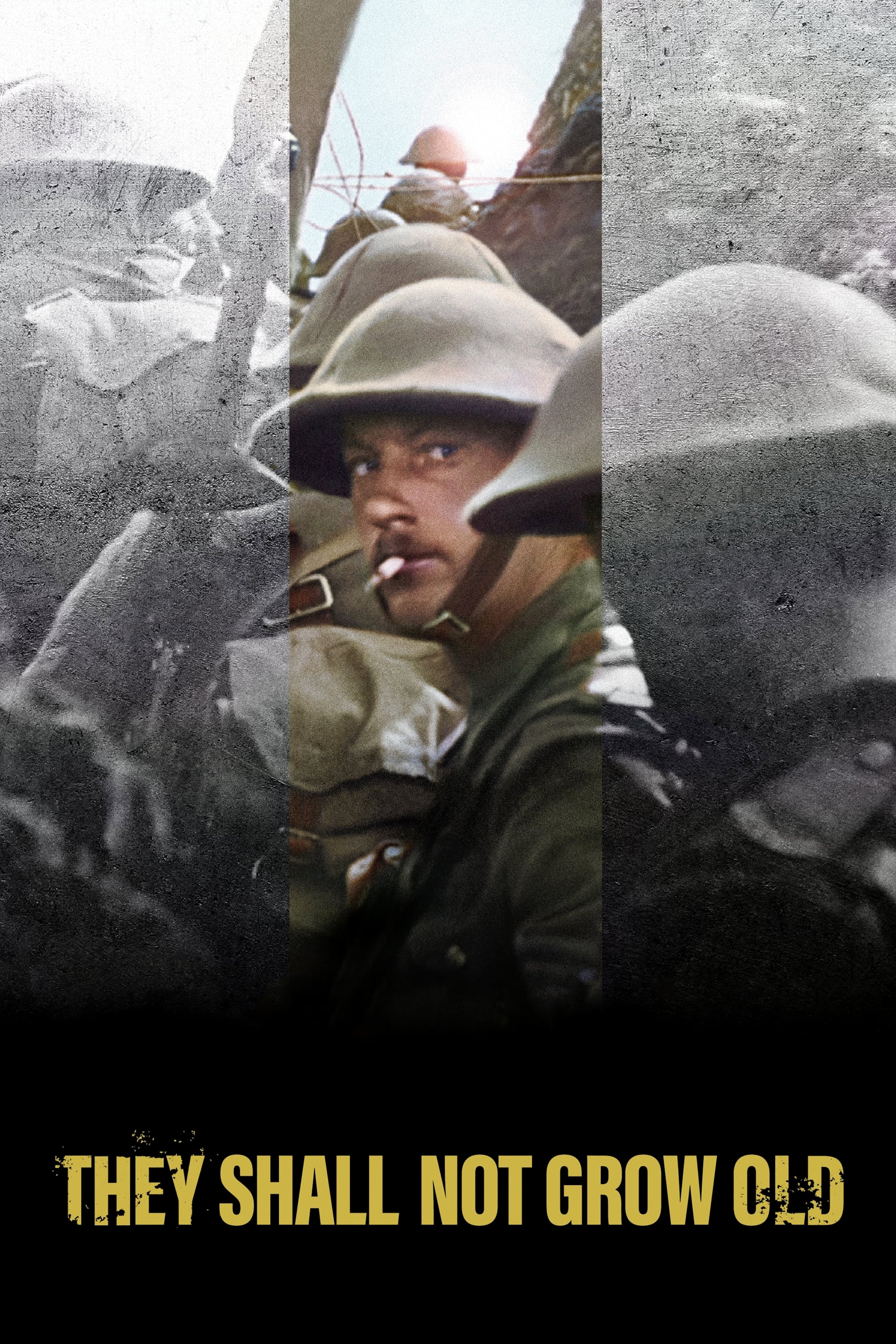
A documentary about World War I with never-before-seen footage to commemorate the centennial of Armistice Day, and the end of the war.
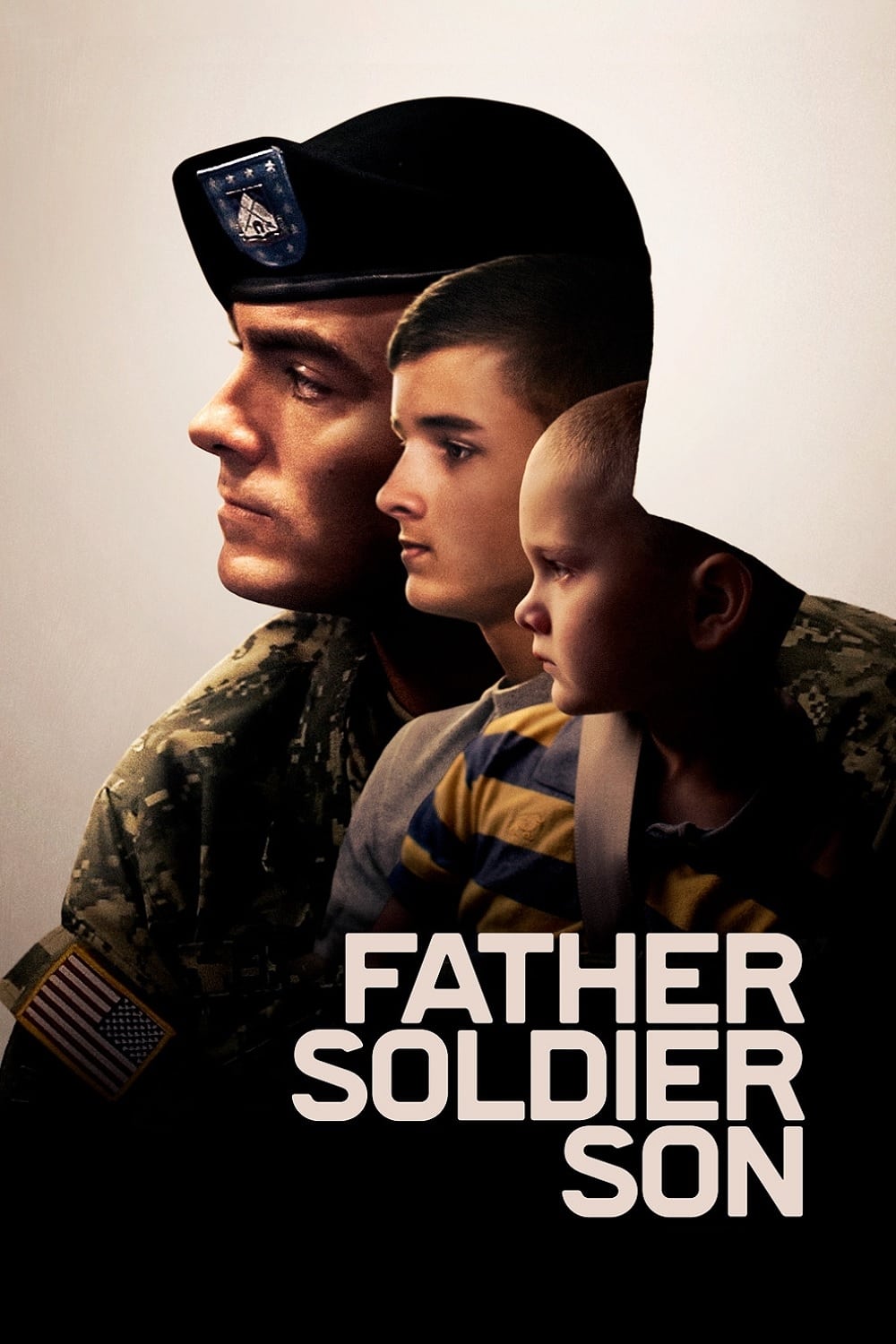
When Sgt. First Class Brian Eisch is critically wounded in Afghanistan, it sets him and his sons on a journey of love, loss, redemption and legacy.
Al Pacino's deeply-felt rumination on Shakespeare's significance and relevance to the modern world through interviews and an in-depth analysis of "Richard III."
Amid the failing counteroffensive, a journalist follows a Ukrainian platoon on their mission to traverse one mile of heavily fortified forest and liberate a strategic village from Russian occupation. But the farther they advance through their destroyed homeland, the more they realize that this war may never end.
Through deeply personal interviews with her siblings and an examination of the photographs, letters, and belongings left behind, Mariska assembles a new portrait of her mother Jayne Mansfield, an extraordinary and complex woman.
A love letter from a young mother to her daughter, the film tells the story of Waad al-Kateab’s life through five years of the uprising in Aleppo, Syria as she falls in love, gets married and gives birth to Sama, all while cataclysmic conflict rises around her. Her camera captures incredible stories of loss, laughter and survival as Waad wrestles with an impossible choice– whether or not to flee the city to protect her daughter’s life, when leaving means abandoning the struggle for freedom for which she has already sacrificed so much.
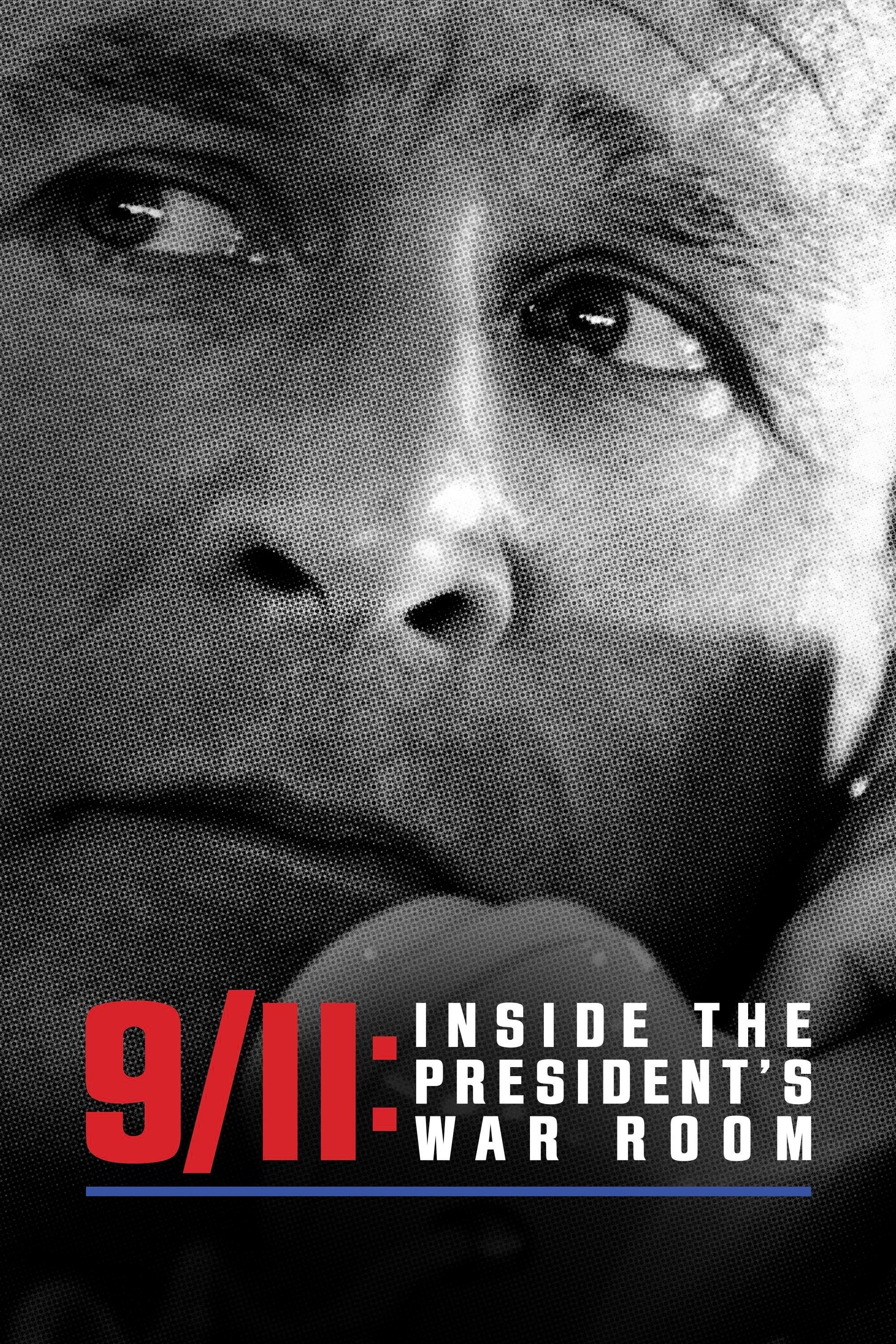
Experience the events of September 11, 2001 through the eyes of President Bush and his closest advisors as they personally detail the crucial hours and key decisions from that historic day.
Though legendary lyricist Howard Ashman died far too young, his impact on Broadway, movies, and the culture at large were incalculable. Told entirely through rare archival footage and interviews with Ashman’s family, friends, associates, and longtime partner Bill Lauch, Howard is an intimate tribute to a once-in-a-generation talent and a rousing celebration of musical storytelling itself.