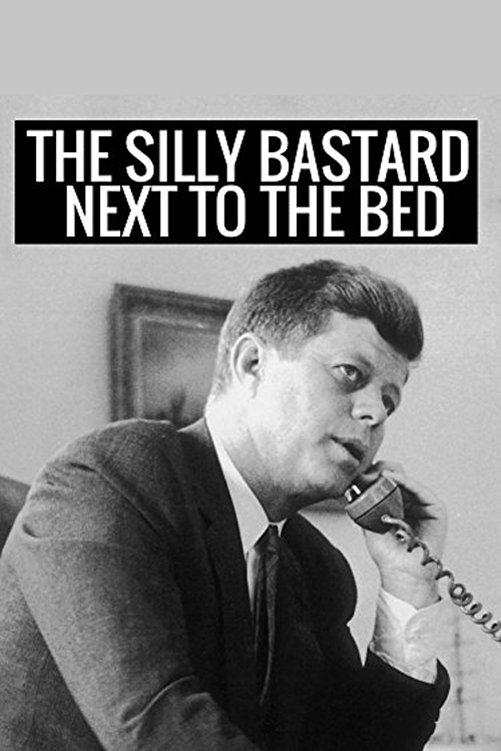
In 1963, President Kennedy recorded one of the most foul mouthed telephone calls ever made from the White House. This is the story of that phone call and the silly bastard who started it all.
Social & External
This is Not a Conspiracy Theory is a documentary about where conspiracy theories come from, what they reveal about all of us, and the real quest to discover the hidden forces that shape our lives. With trust in governments low and media fractured into an infinite number of contested opinions, conspiracy theories are an appealing way to understand the world. They project human intentions onto complex events to explain why things happen and assign blame.
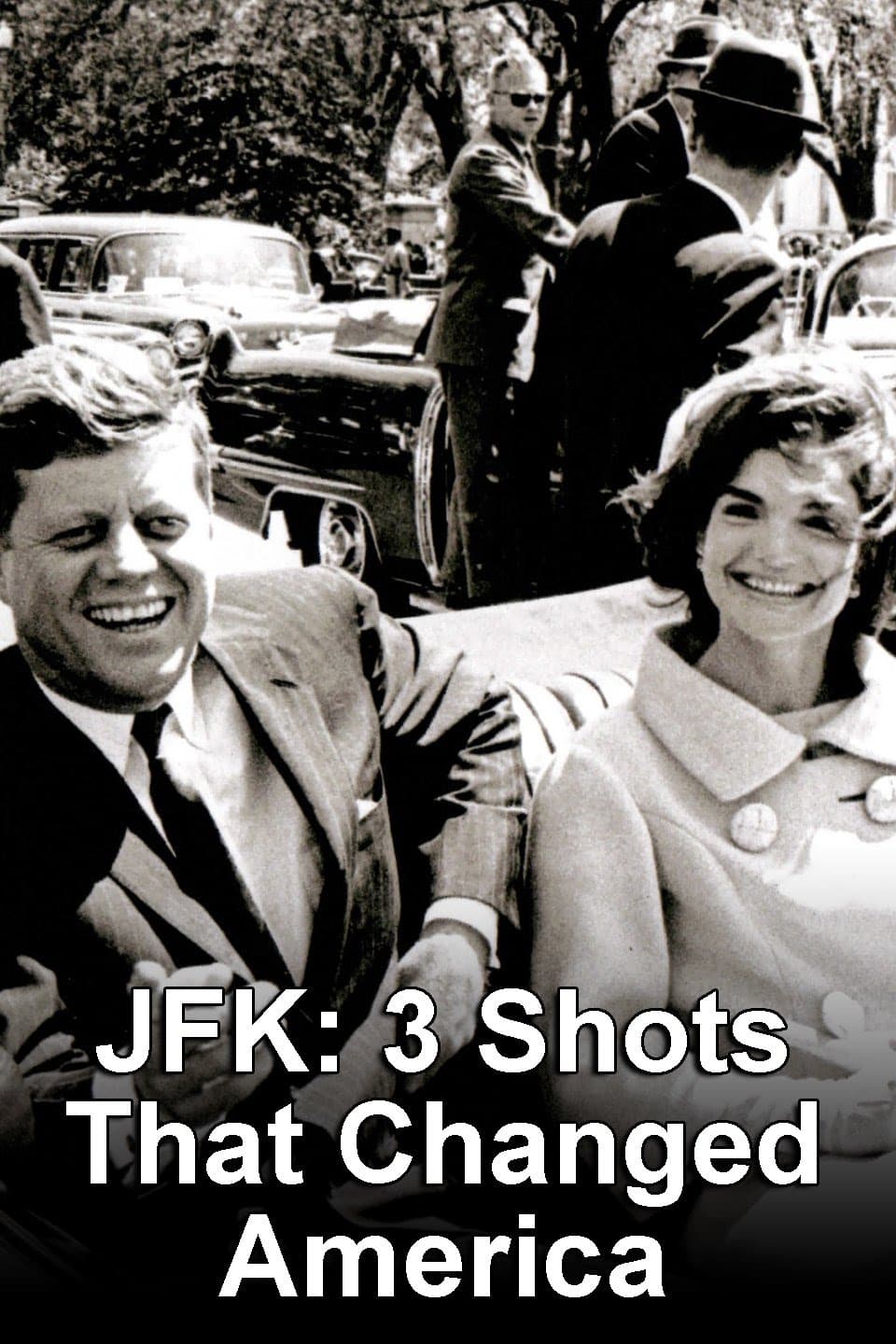
On Nov. 22, 1963 the world was shocked by the assassination of John F. Kennedy. The mystery surrounding this history-changing event has led to many unanswered questions.
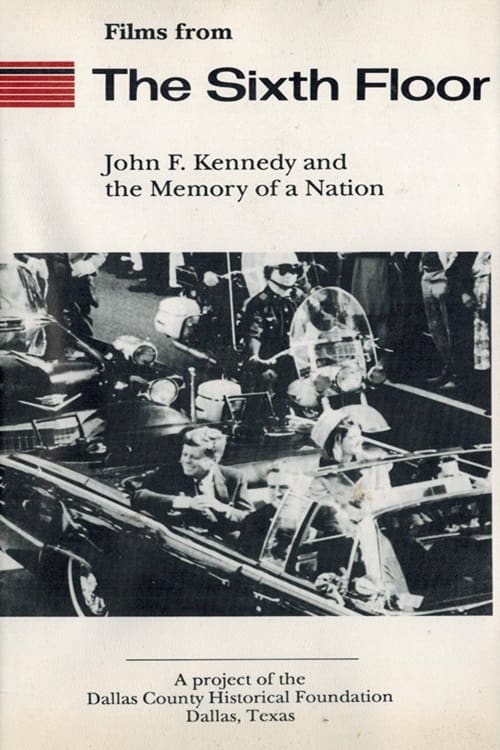
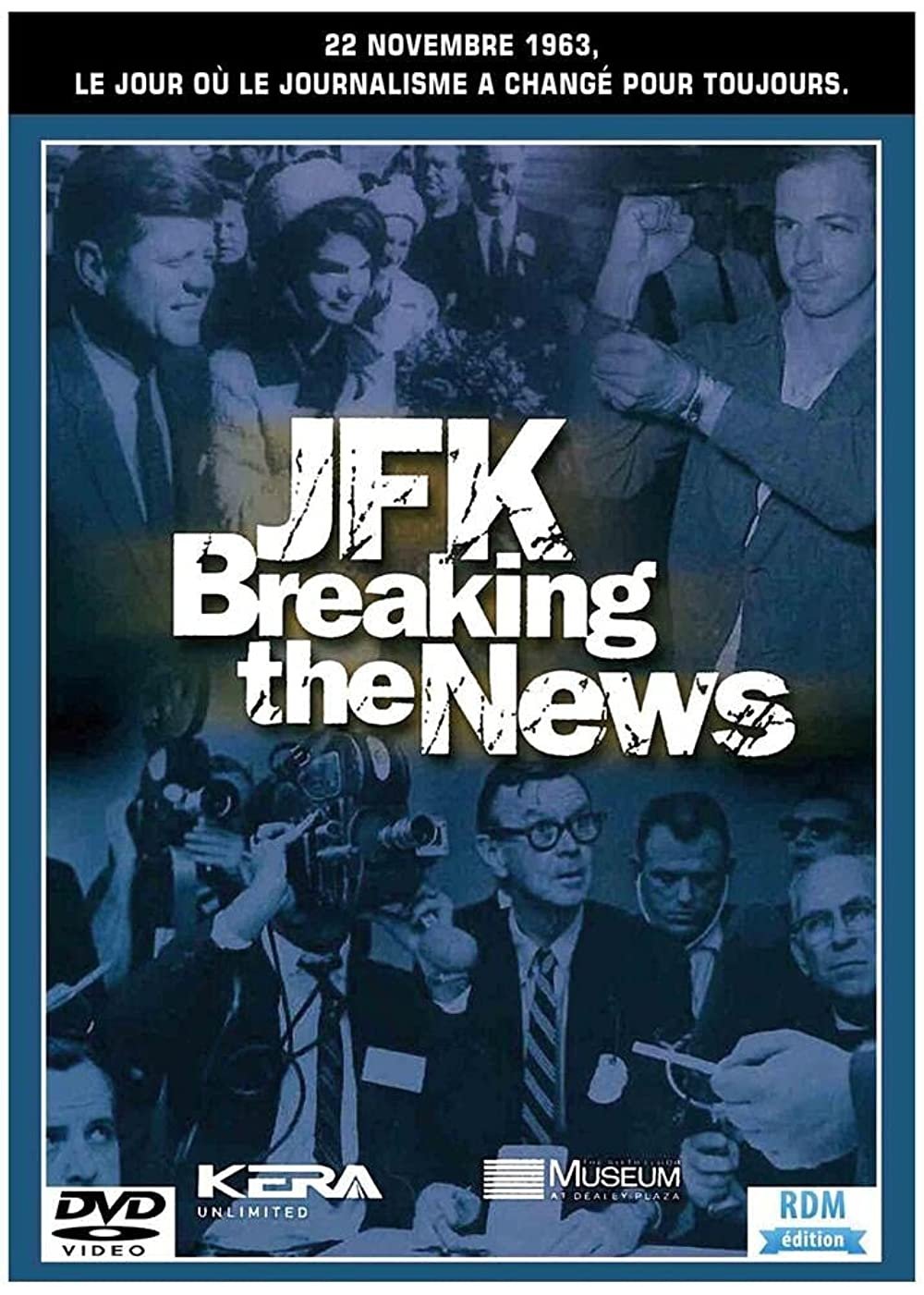
The film is an unnarrated collection of archived news and home movie footage shot as events unfolded, some of it rarely seen. Part one deals with the time from President Kennedy's arrival in Dallas on November 22, 1963 through the murder of Lee Harvey Oswald less than 48 hours later. Part two deals with the Warren Commission, its critics and those who suspect a conspiracy, the assassinations of Martin Luther King, Jr. and Robert F. Kennedy in 1968 and the turmoil that followed, and the continuing doubt about the assassinations and the effects this has had on American society.
Looking back over 40 years television and print journalists recall their stories and memories of reporting the murder of President Kennedy and how it changed the country and changed the way the public gets it's news.
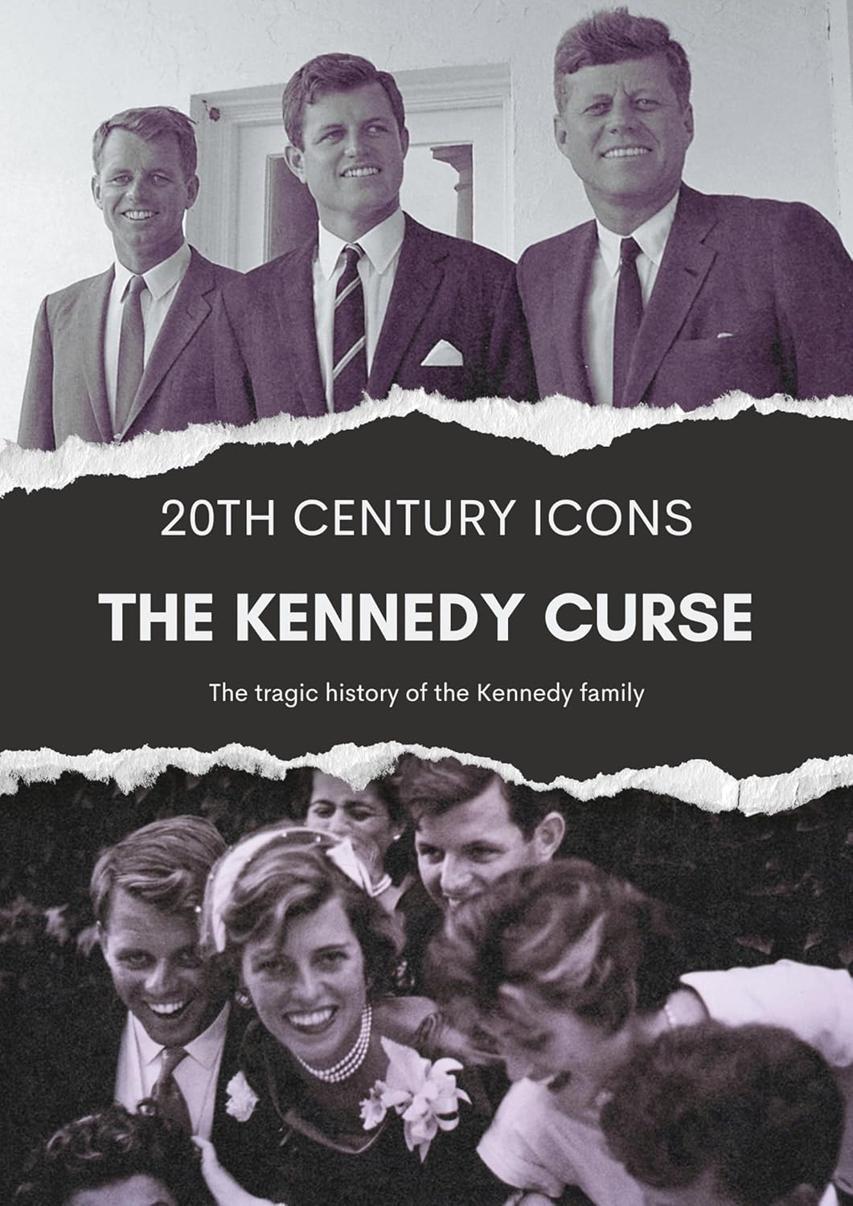
Follow the triumphs and tragedies of America's first family, the Kennedys, beginning in Wexford, Ireland, in 1848 and culminating at the apex of American political life. Viewers meet P.J. Kennedy and John "Honey Fitz" Fitzgerald, whose prized progeny, Joe Sr. and Rose, bred four famous sons: Joe Jr., Jack, Bobby and Ted. The documentary also shines a light on the remarkable women of the family, including Eunice, Jean, Jackie and Caroline.
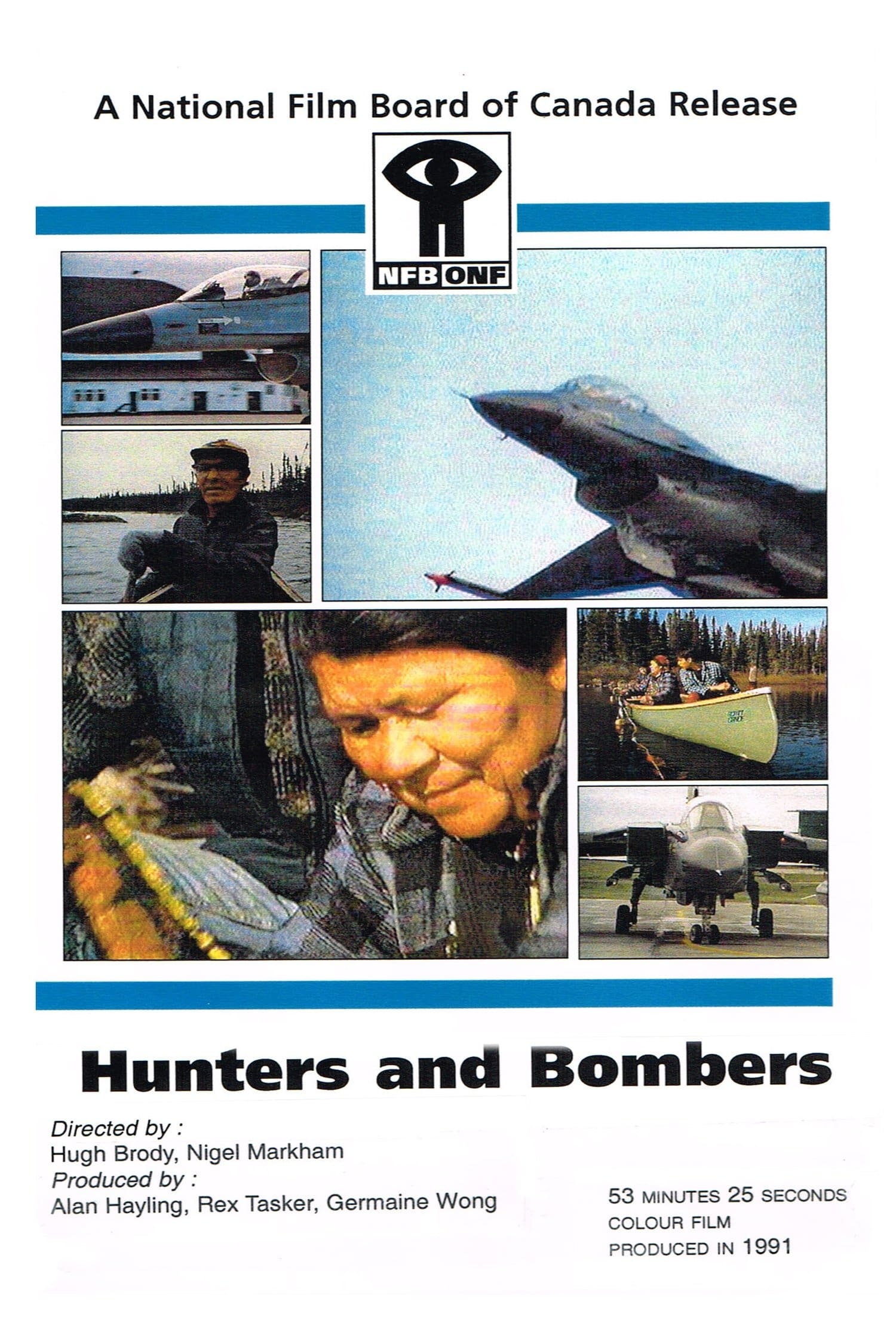
The hunters are the Innu people and the bombers are the air forces of several NATO countries, which conduct low-level flights over the Innu's hunting terrain. The impact of the jets is hotly debated by peace groups, Indigenous people, environmentalists and the military. But what is often overlooked are the many complex changes underway in Innu society, as social and technological changes confront a traditional hunting culture.
a documentary about Kennedys
Fred Davis introduces us to Canadian Air Force operations in Zweibrucken, West Germany. Follow Green Section as they perform drills and explain what it takes to be a fighter pilot.
An investigative biography originally broadcast in 1993 for BBC Timewatch about the man at the center of the political crime of the 20th century. At the heart of the assassination lies the puzzle of Lee Harvey Oswald: Was he an emotionally disturbed lone gunman? Was he part of a broader conspiracy? Or was he an unwitting fall guy, the patsy, as Oswald himself claimed? This was subsequently broadcast on PBS in America as Who Was Lee Harvey Oswald?
This spellbinding documentary re-examines the issues raised by Oliver Stone's JFK, and explores the late Jim Garrison's contention that there was a "second conspiracy" to cover up the truth, including attempts to ruin his own reputation.
Bringing to life an American President who was widely respected by his countrymen and celebrated around the world. Composed from four break through films by Robert Drew, each an unprecedented record in candid photography of a phase of John F. Kennedy’s political life. Kennedy is seen in close up from young Senator campaigning for the Presidency, to an ebullient new President moving into the White House, to a burdened President trying to solve grave problems in the Oval Office. The shock of his death is seen through the faces of his compatriots. Now these four films are edited together with other footage of the time. This film is an intimate history of how one American President struggled to bring wisdom and honor to the office of the Presidency.
1964 American documentary film about the assassination of John F. Kennedy.
For the first time, the complete filmed record of the "Crime of the Century" - the assassination of John F. Kennedy, 35th President of the United States, on November 22, 1963 - an event that shocked the world. Featuring the famous Zapruder film and other rare and exclusive assassination films.
A look at the final day in the life of President John F. Kennedy.
The Vietnam War during the JFK years and beyond. Made in 1972 in the filmmaker's apartment, without documentary footage of the war, metaphors are created through the animation of images and objects, and through guerrilla skits. By rejecting the authority of traditional documentary footage, the anarchist spirit of individual responsibility is established. This is history from one person's point of view, rather than a definitive proclamation.
A behind-the-scenes look at November 22, 1963 from the unique perspective of Lyndon Johnson. On his pivotal first day as President, Lyndon Johnson is put to the test as he contends with the jarring transfer of political power and the daunting challenge of securing the trust of a devastated nation. From new details about when JFK really died, to the truth behind LBJ's Oath of Office photo on Air Force One, this special uncovers an unfamiliar story born out of one of the most crucial days in American history
In 1968, Robert Kennedy was assassinated just after winning the California primaries, which made him the front-runner in the presidential race. Had he reached the White House, he would have been able to reopen the investigation into his brother’s death five years earlier, and it is known from numerous testimonies that he intended to do so. Neither John’s nor Robert’s death are elucidated; both investigations, conducted under Lyndon Johnson’s watch, are widely regarded as cover-ups. In each case, the official conclusion is rife with contradictions. This film sums them up. But it does more: it shows that the key to solving both cases resides in the link between them. And it solves them beyond a reasonable doubt.
The story of a powerful political and economic dynasty, fundamental to understanding the turbulent destiny of the United States of America throughout the 20th century; of nine brothers who had truly extraordinary lives, marked by both greatness and tragedy: the story of the Kennedy family.
Mark Lane interviews witnesses to the Kennedy assassination and exposes serious flaws in the conclusions made by the Warren Commission.