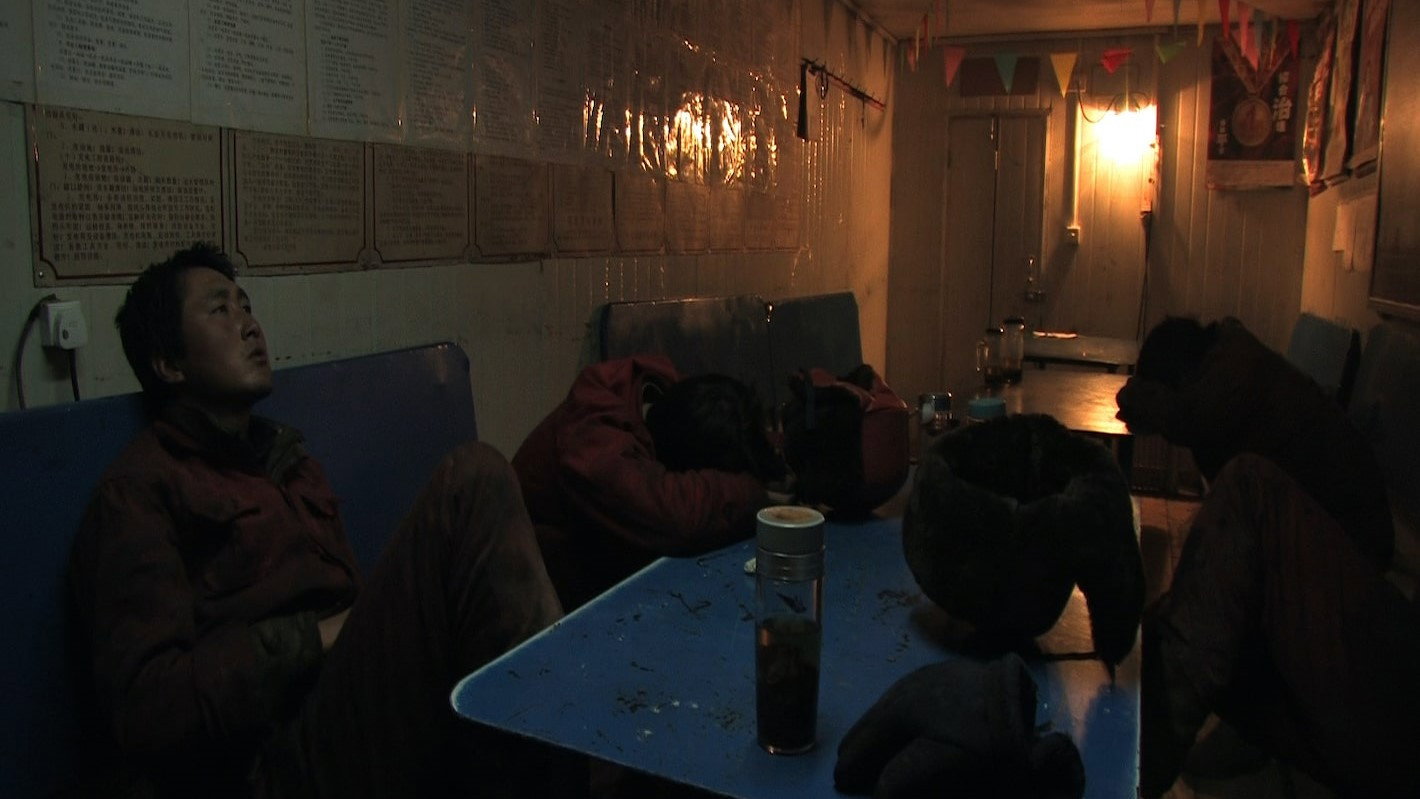
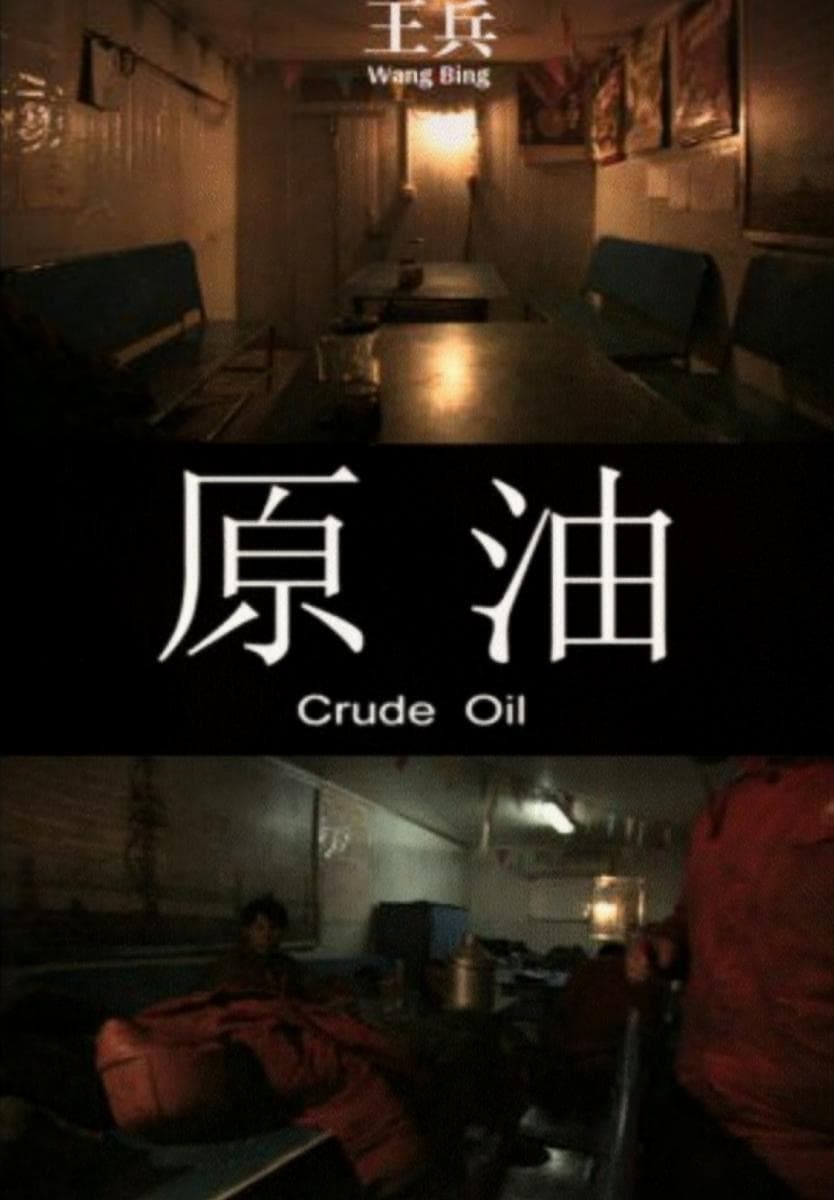
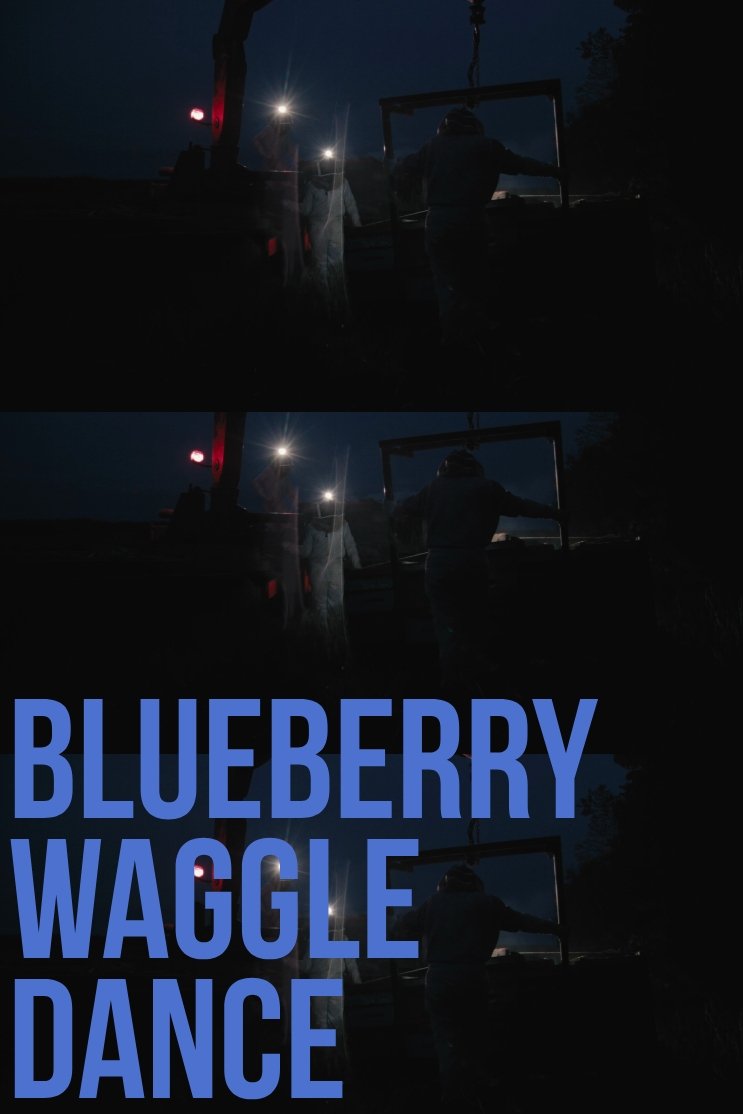
Filmed in the Inner Mongolian portion of the Gobi Desert, this film follows a group of oil field workers as they go about their daily routine.
Social & External
The people behind it
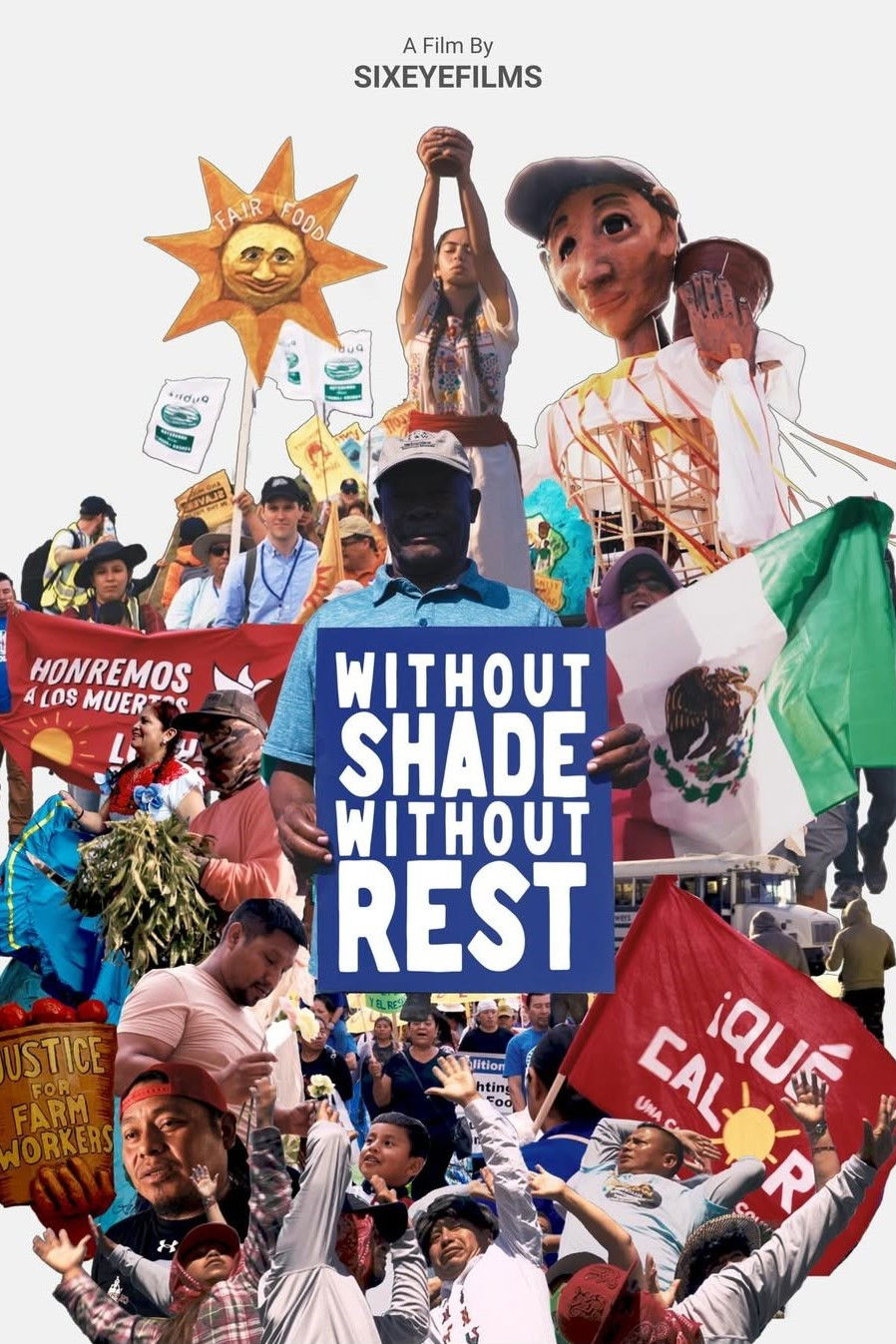
In the wake of the hottest year on record, the Coalition of Immokalee Workers (CIW) and WeCount! are pursuing different strategies to secure heat protections for Florida's outdoor laborers. As lawmakers move to block new regulations, the groups are coming together through CIW's Worker-driven Social Responsibility model (WSR) to expand enforceable protections across the state's fields and nurseries.
On 9 July 2021, the 422 workers at the GKN factory in Campi Bisenzio near Florence received their dismissal, by email. They immediately met in front of the factory, scared away the management's bodyguards and have been holding an open-ended meeting at the factory ever since. In June of 2022, they talk about how they are rooted in the territory, why 30,000 people demonstrated with them. They explain why they put their struggle under the slogan "Insorgiamo!" ("Let's rise up!"), the slogan of the italian partisans who liberated Florence in 1944. But they also talk about their collaboration with climate activists and what they would like to produce. But as things stand today, it is not the workers who are responsible for the ecological damage caused by production: "Nobody asked me what I would like to produce when they hired me. They hired me and that was it."
Warsaw's Central Railway Station. 'Someone has fallen asleep, someone's waiting for somebody else. Maybe they'll come, maybe they won't. The film is about people looking for something.
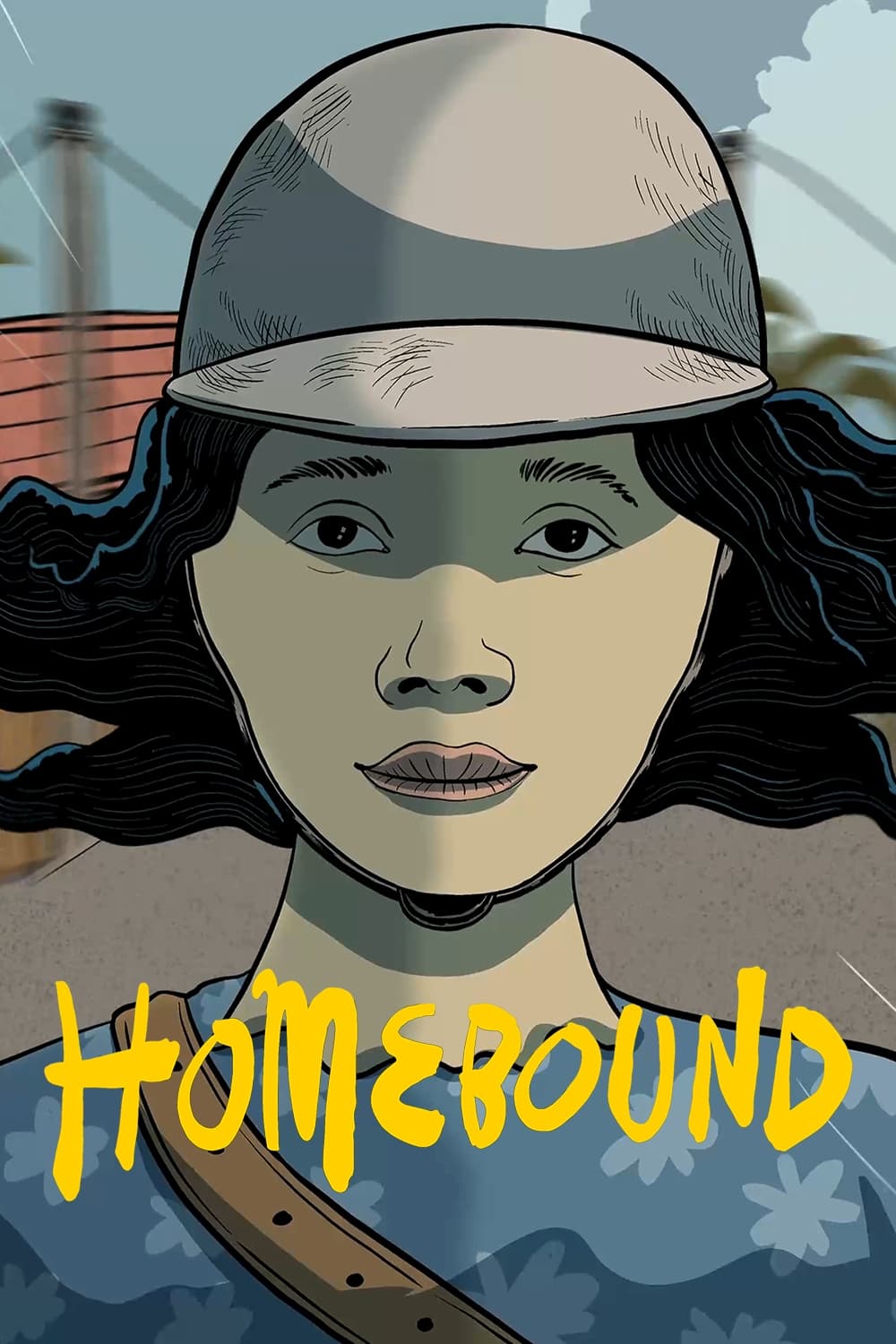
Through first person narration, Tari reveals personal stories related to her decision to work in Taiwan, her strained family relationships, the risks involved in working abroad and the traps she has fallen into.
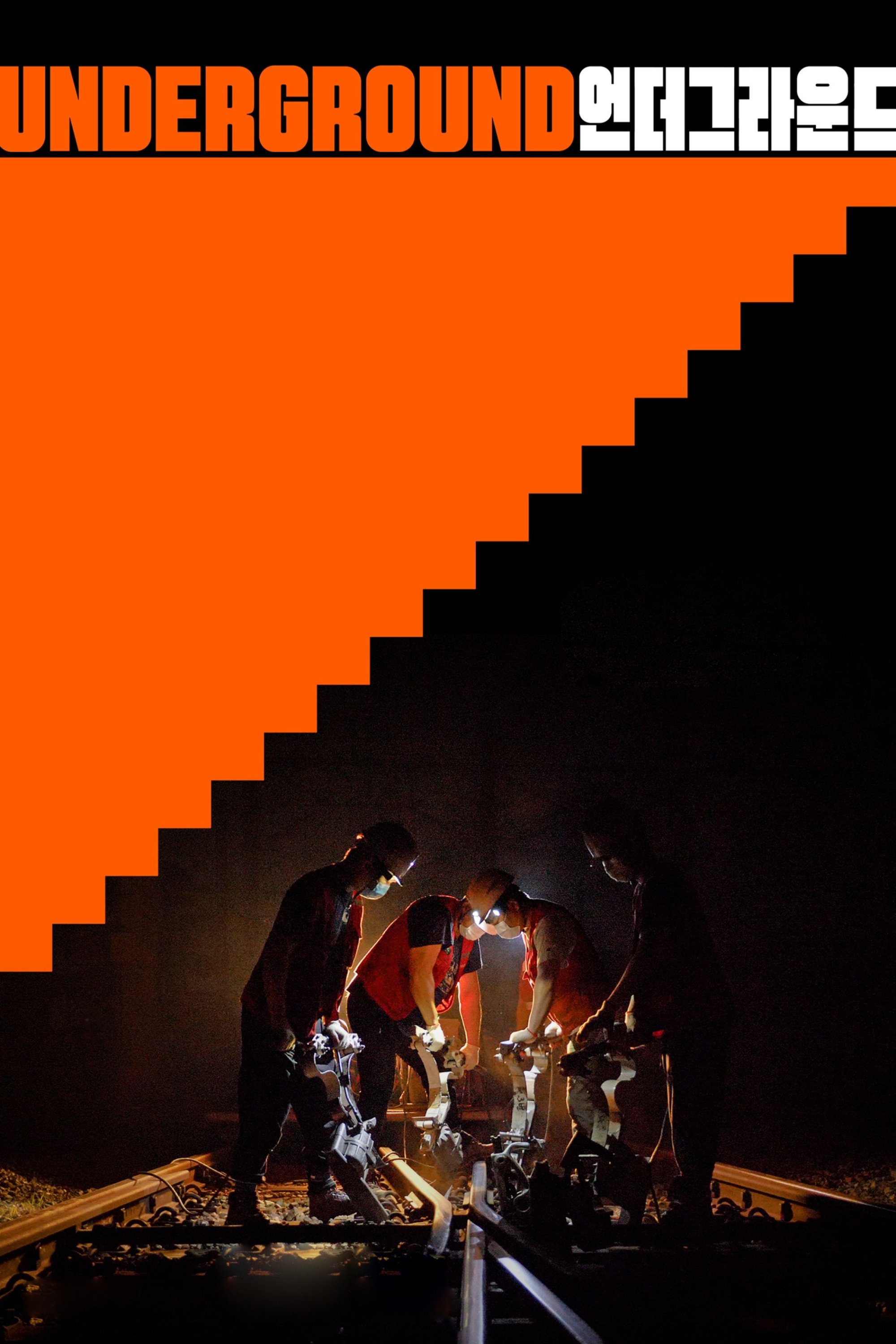
Numerous people are on subway trains running up and down the city center endlessly. There are people who run this decent space “underground”. Under the noisy world today, we approach them to see what life is like underground.
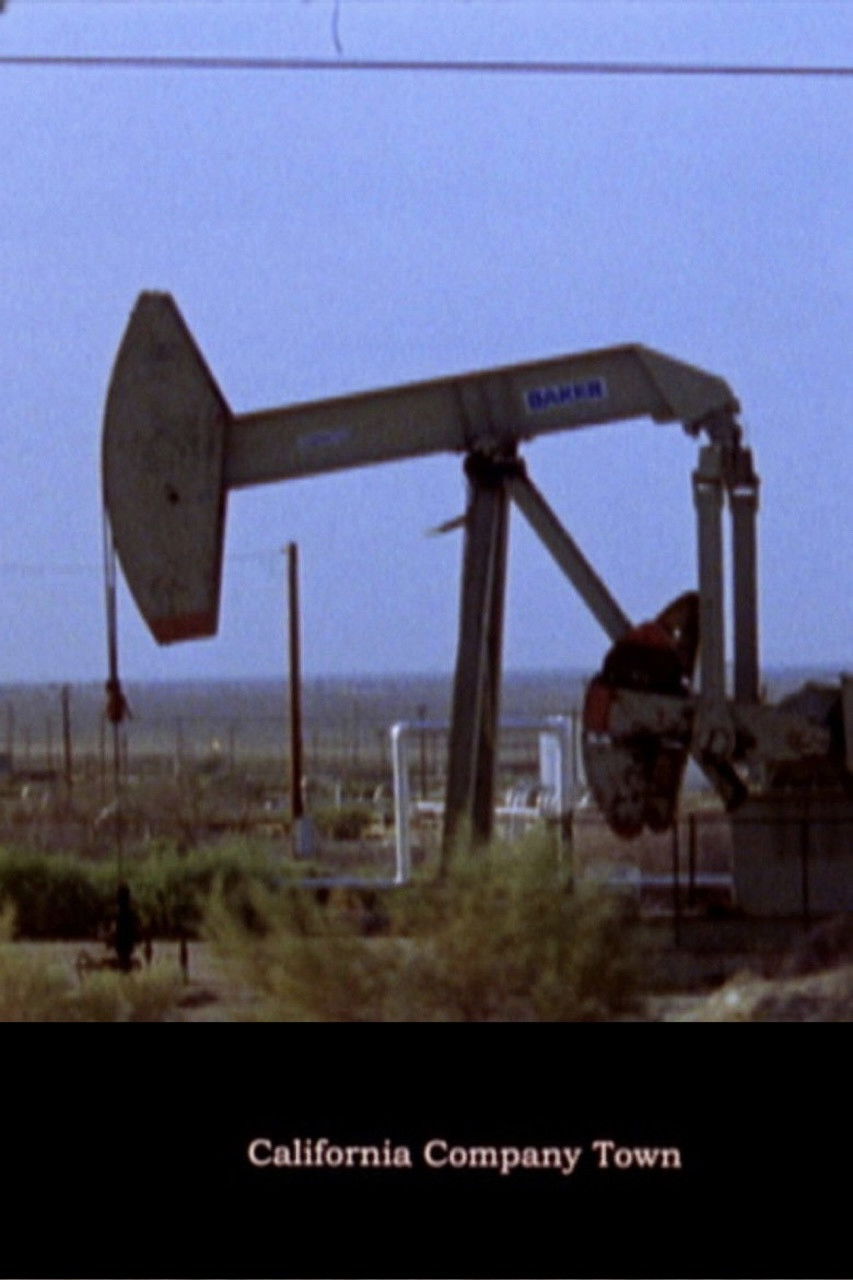
Lee Anne Schmitt explores California's landscape and past to document the history of one-time boom towns built and abandoned by the industries that necessitated their creation. Sold as a limitless land expansive with free opportunity, California was actually, from its onset, fissured by the interwoven needs of private and public interests. Schmitt's film covers various locations through time, as the major industries of the early 20th century (mining, lumber, oil) give way to the military, eventually leading to multinational corporations, and the use of small towns as satellites for growing urban metropolises.
In 1971, Bahrain, Qatar and the UAE ceased to be part of Britain’s empire in the Middle East and became fully independent states. BBC News Persia and BBC Arabic collaborate in this gripping film, to uncover the secrets and shady deals that underpinned the decolonization process. From eye-witness accounts of a British-organised coup to Iran being left in control of disputed islands, it's a fascinating insight to a murky history.
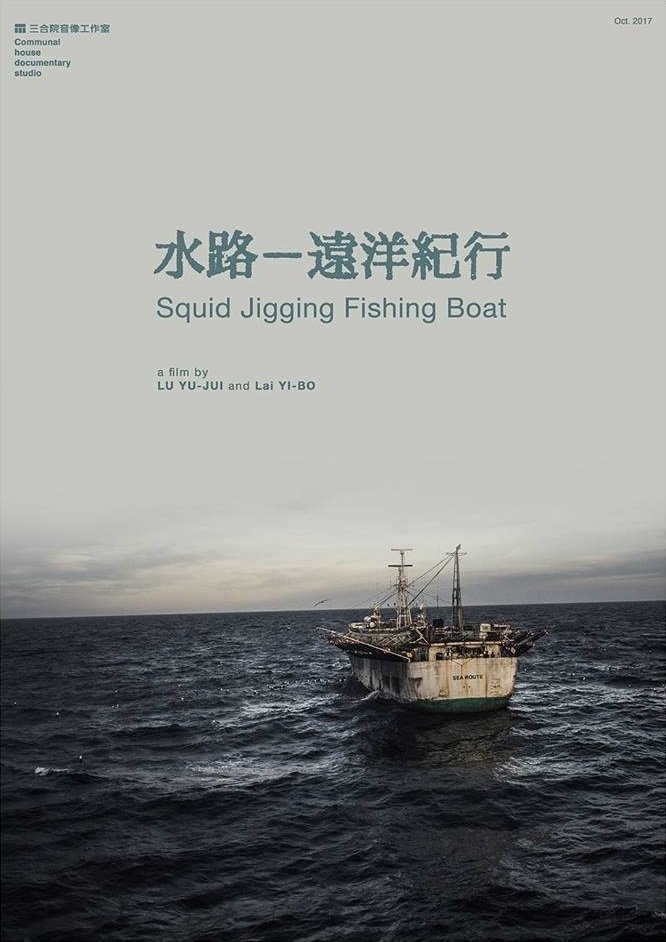
Every December to January, almost a hundred squid fishing boats from Ch'ien-chen Fishing Harbor in Kaohsiung will sail from East 120 to West 60 to work at Falkland Islands in the South West Atlantic. The sailing takes 35-40 days and crew members named it "waterway." January 1st, 2015, a 65 meter long, 11 meter wide fishing boat began its journey to Falkland island. This is a documentary about 60 crew members from south-east Asia to work far away from Taiwan.
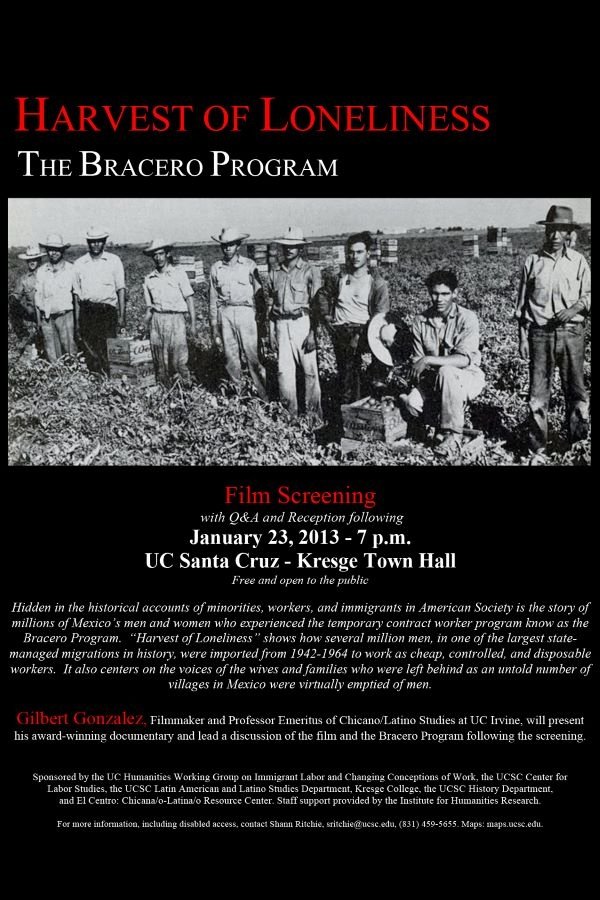
Shedding light on the current debate over immigration reform and the use of "guest workers" in American agriculture, this historical documentary, "Harvest Of Loneliness: The Bracero Program," examines what was known as the Bracero Program-a system put in place from 1942 to 1964 to recruit Mexican farm laborers for temporary work in the United States.
The National Iranian Oil Company (NIOC), formed upon nationalization of the British Anglo-Iranian Oil Company, employed film systematically, producing many films on oil and petrochemical subjects. It also made films depicting Iran's progress and modernization, highlighting the role of the Shah and NIOC in that direction. Under its auspices, Ebrahim Golestan directed A FIRE (1961), a highly visual treatment of a seventy-day oil well fire in the Khuzestan region of southwestern Iran. This film was edited by the Iranian poet Forough Farrokhzad and won two awards at the Venice Film Festival in 1961.
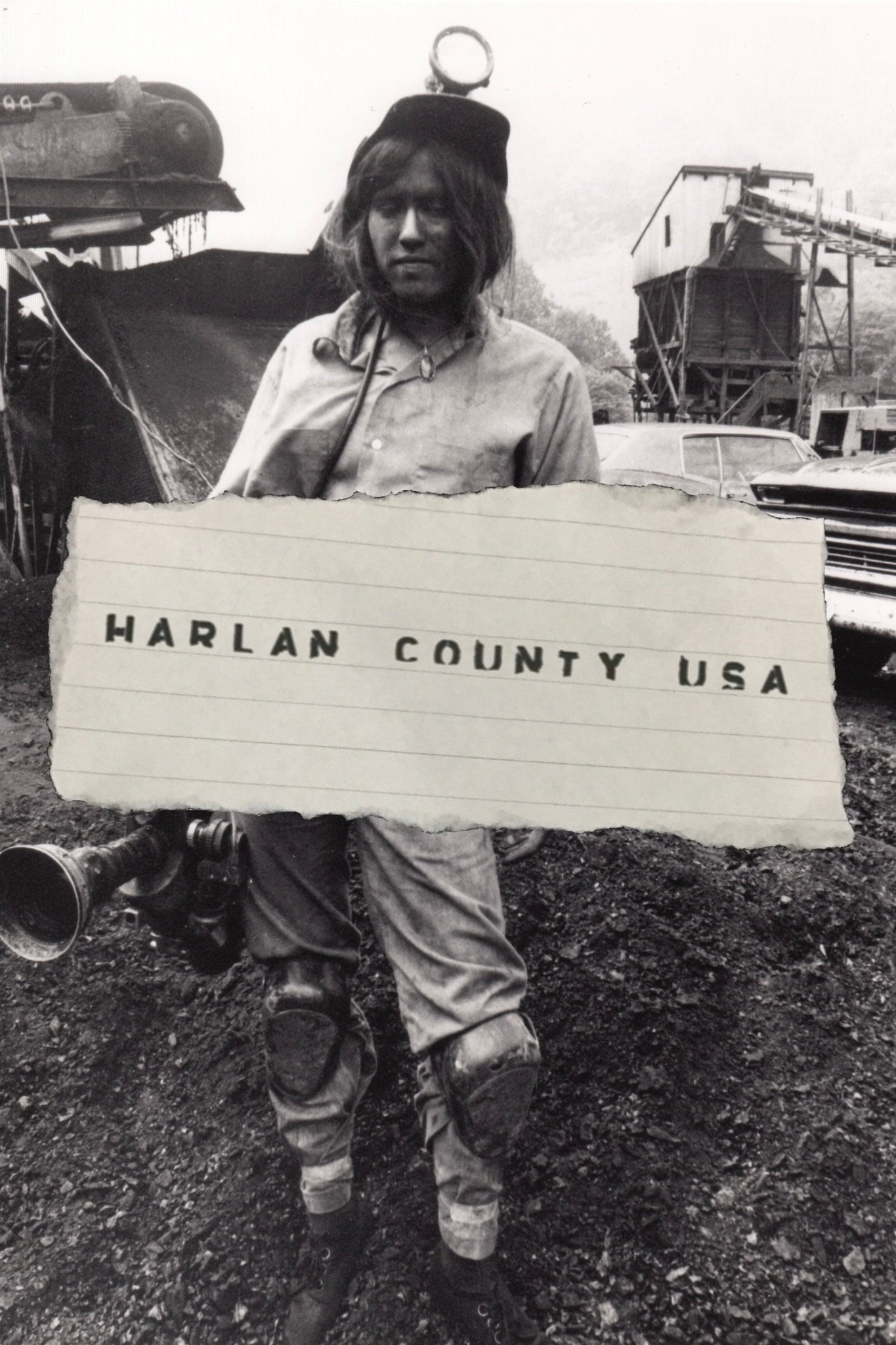
A heartbreaking record of the thirteen-month struggle between a community fighting to survive and a corporation dedicated to the bottom line.
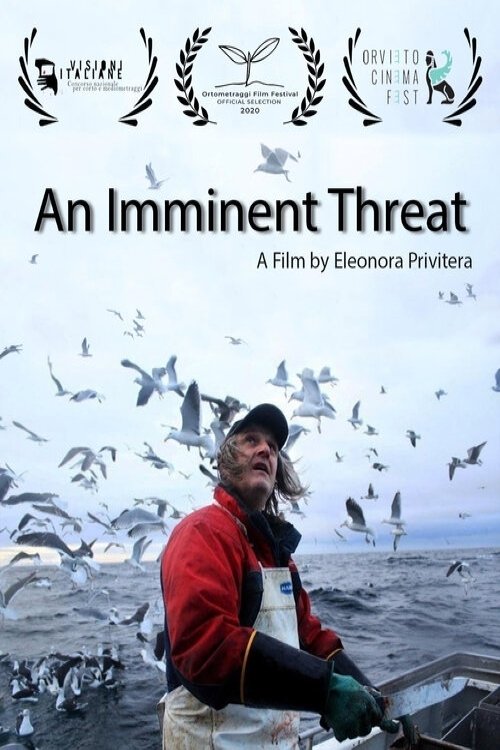
“An Imminent Threat” follows a fisherman activist, Yngve Larsen, who fights against oil and gas drilling activities in north of Norway. Will Yngve succeed in avoiding the extinction of many species of fish and thus irreversible damage to our planet?
A spoof on the movie “Clueless” – follows high-school queen Crystal through the worst day of her young, pampered life. It seems that everything in her life derived from oil has disappeared: her makeup, Daddy’s credit card, gasoline for her beloved BMW and aspirin for her growing stress headache — all gone. But with a little guidance from Miss Watkins, her “extremely cool science teacher,” Crystal gets a better understanding of where oil comes from, how it is processed and how the products made from oil impact our everyday lives.
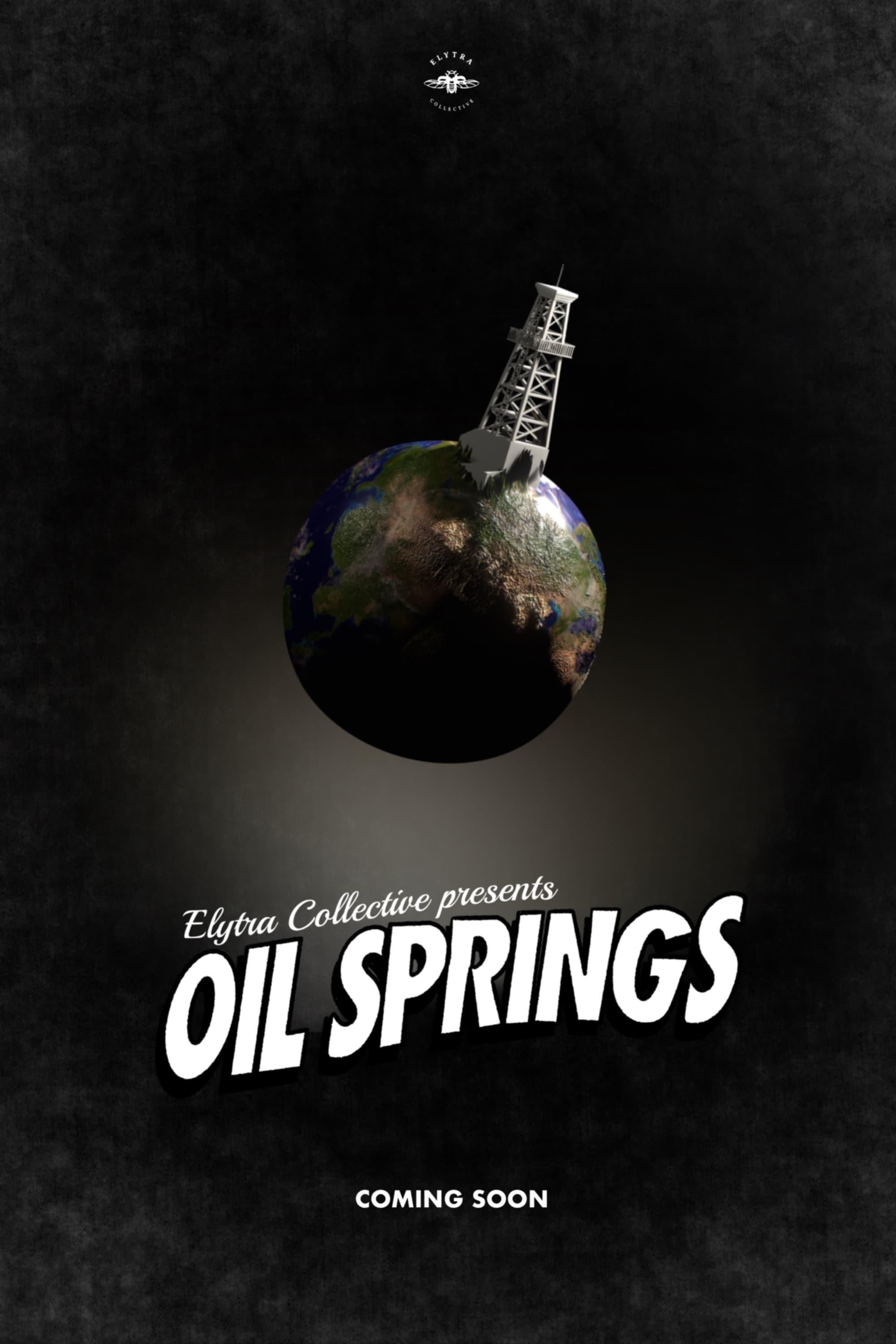
The story will mostly take place in the town Oil Springs, Ontario, where the oil industry in North America was born. By making a case study of this town, we can better understand how the industry operates today. The documentary will explore themes of colonialism, climate change and Canadian identity.
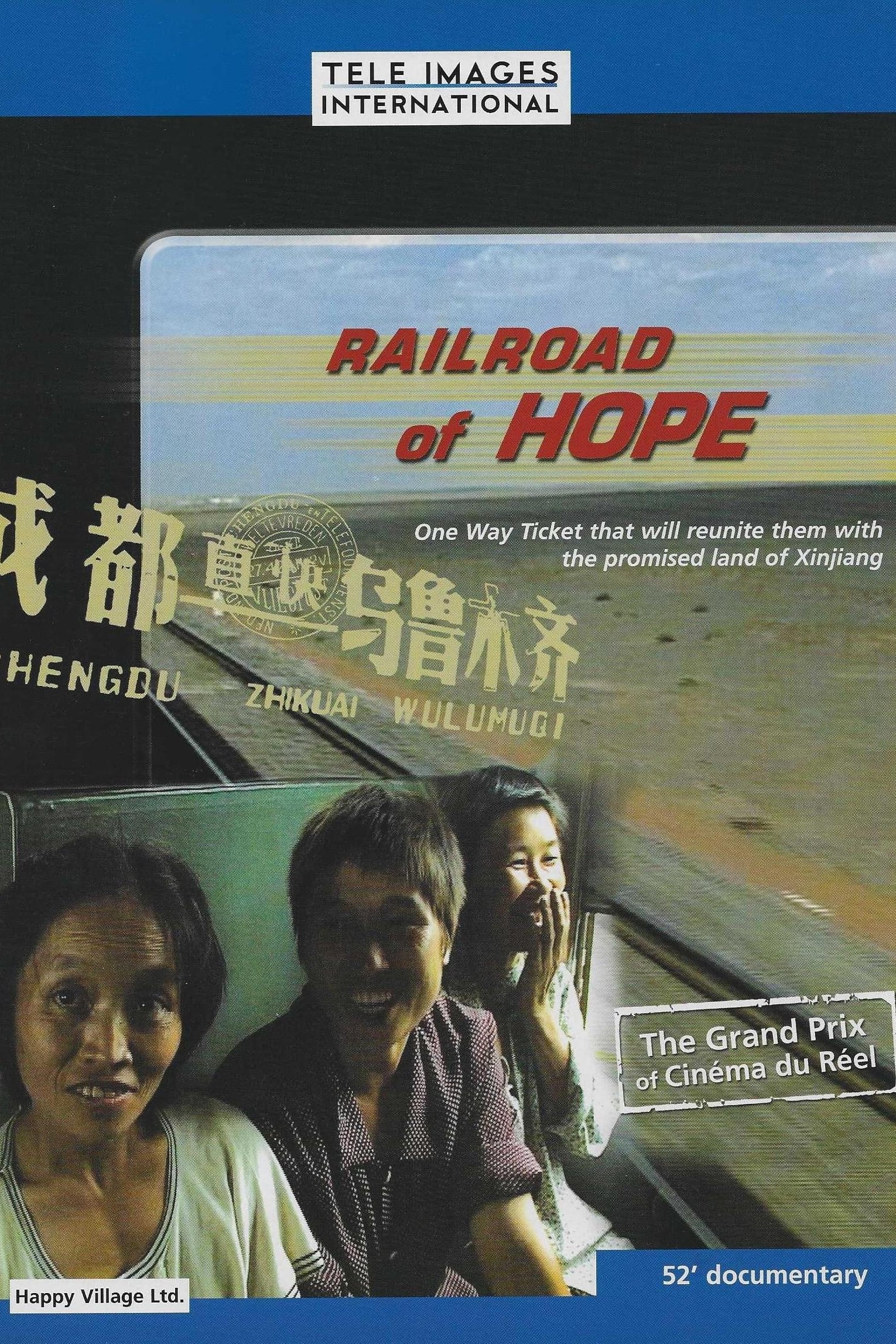
Railroad of Hope consists of interviews and footage collected over three days by Ning Ying of migrant agricultural workers traveling from Sichuan in China's interior, to the Xinjiang Autonomous Region, China's northwest frontier.[1] Through informal interviews aboard the cramped rail cars, Ning Ying explores the hopes and dreams of the workers, many of whom have never left their homes before.
In response to the Detroit riots of 1967, where racial tensions in the city reached a breaking point, the city decided that the way to resolve these tensions would be to put more resources into employing Black people. Namely, chronically unemployed Black men who they refer to as "the hardcore." And predominantly, employing them on the line in auto assembly plants. But in the words of Lloyd Love, a young Detroiter interviewed in the film, this PBS documentary poses the question, "Do you think a job is the answer?" The film explores this question in 1968, by speaking with workers, unemployed people, union activists, students, people who implement city-run employment programs, members of DRUM (Dodge Revolutionary Union Movement), and the Detroit Industrial Mission.
It's a warm spring night, and the bee cowboys of Prince Edward Island begin rounding up their hives.
Experts say over the next hundred years the "perfect storm" of population growth, resource depletion and climate change could converge with catastrophic results. The scenarios in Earth 2100 are not a prediction of what will happen but rather a warning about what might happen.
A compilation of over 30 years of private home movie footage shot by Lithuanian-American avant-garde director Jonas Mekas, assembled by Mekas "purely by chance", without concern for chronological order.
Taking inspiration from Peter M. Bracke's definitive book of the same name, this seven-hour documentary dives into the making of all twelve Friday the 13th films, with all-new interviews from the cast and the crew.
Live Aid was held on 13 July 1985, simultaneously in Wembley Stadium in London, England, and the John F. Kennedy Stadium in Philadelphia, United States. It was one of the largest scale satellite link-ups and television broadcasts of all time: watched live by an estimated global audience of 1.9 billion, across 150 nations. "It's twelve noon in London, seven AM in Philadelphia, and around the world it's time for Live Aid...!"
Oliver Stone charts the history of the United States from the Second World War to the present.
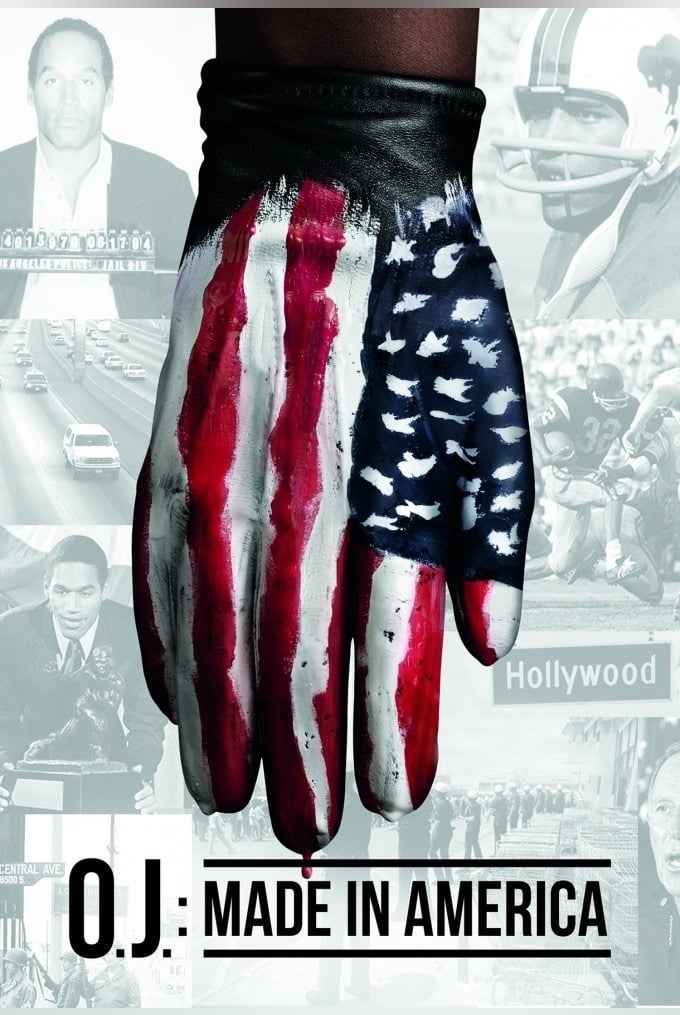
A chronicle of the rise and fall of O.J. Simpson, whose high-profile murder trial exposed the extent of American racial tensions, revealing a fractured and divided nation.
A detailed look at the gradual decline of Shenyang’s industrial Tiexi district, an area that was once a vibrant example of China’s socialist economy. But industry is changing, and the factories of Tiexi are closing. Director Wang Bing introduces us to some of the workers affected by the closures, and to their families.