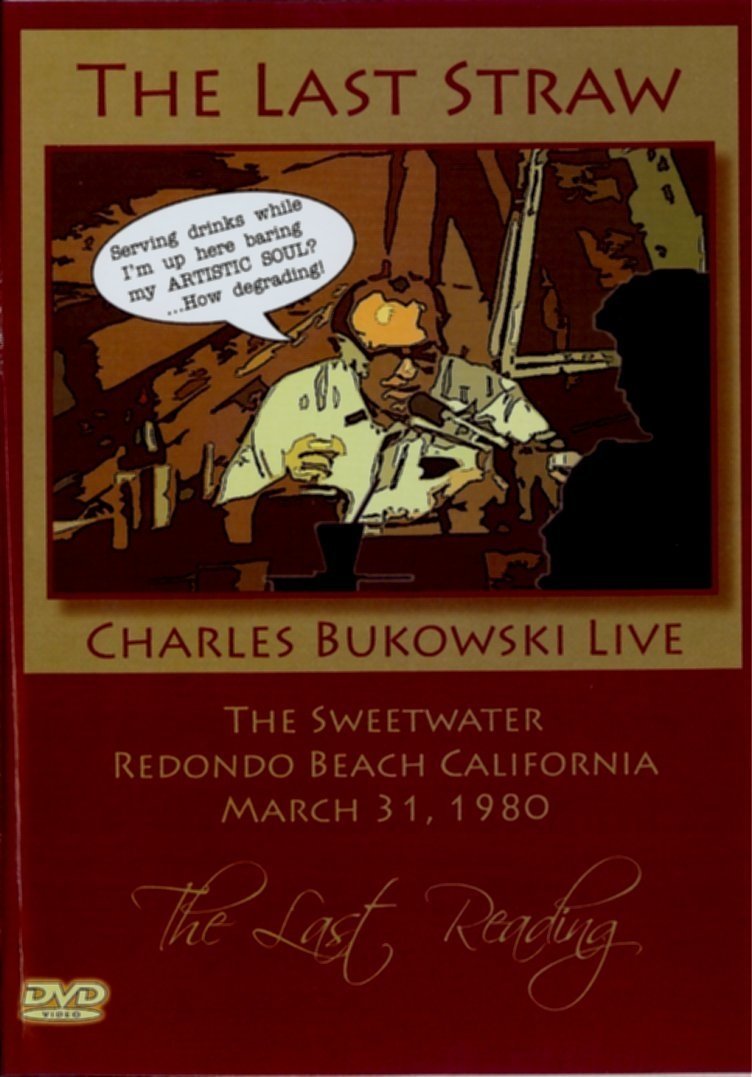
The Last Straw is a film documenting the very last live poetry reading given by Charles Bukowski at The Sweetwater, a music club in Redondo Beach, California on March 31, 1980
Social & External
The people behind it
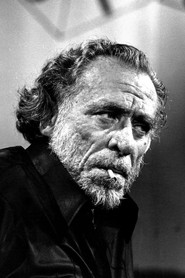
Charles Bukowski
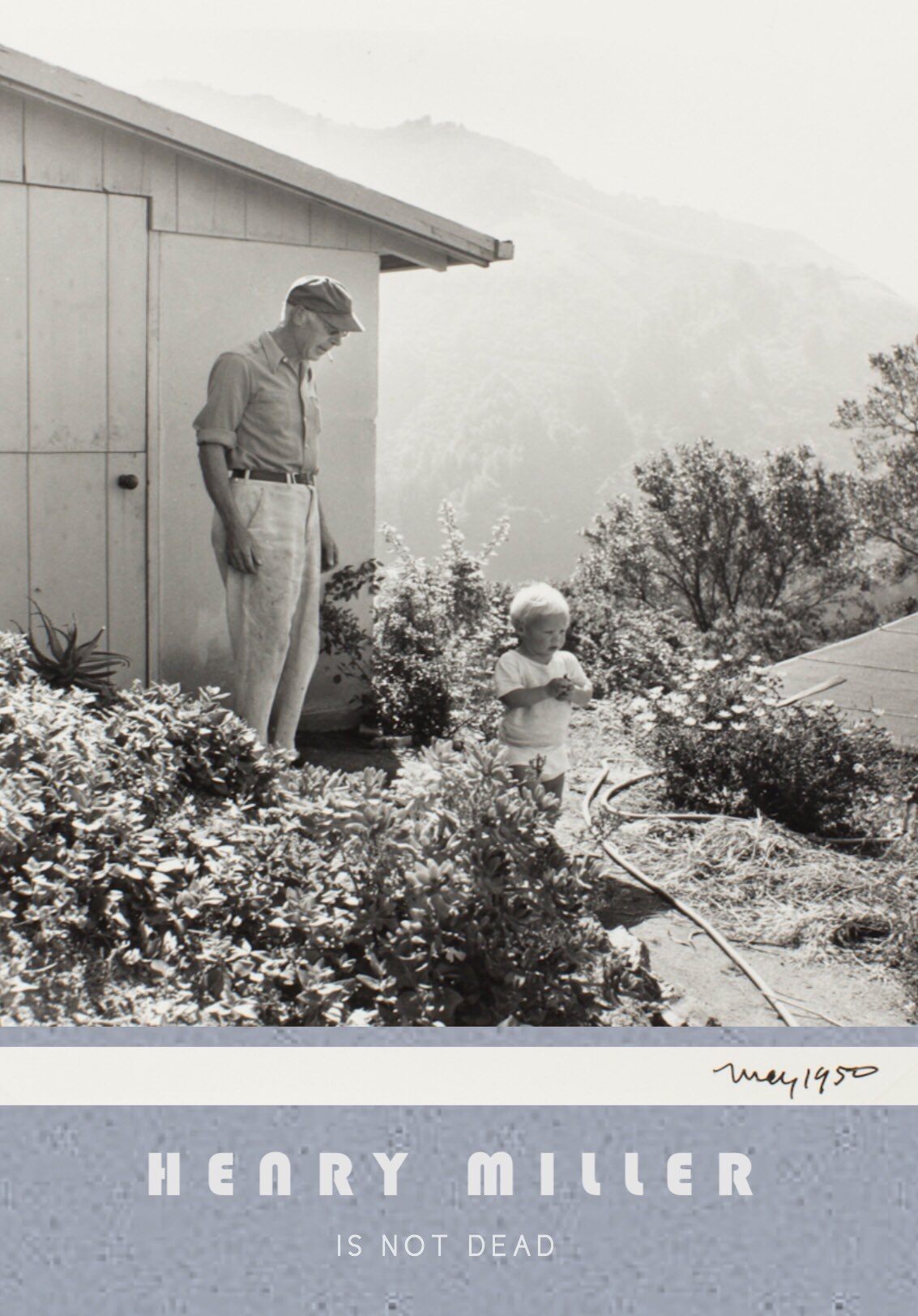
In this artistic exploration of the life and work of writer Henry Miller, filmmaker Joe Kishton skillfully weaves clips of films and interviews of Miller with the music of Laurie Anderson. From Miller himself we hear of his difficult relationship with his parents, and of his need to create, even (or especially) when his message abrades social mores.
The elusive author of Waiting for Godot cooperated in the production of this portrait, which traces Beckett’s artistic life through his prose, plays, and poetry. Billie Whitelaw, Jack McGowran, and Patrick Magee—Beckett’s great dramatic interpreters—appear in selected extracts from the plays; Beckett specialist David Warrilow narrates a variety of texts.
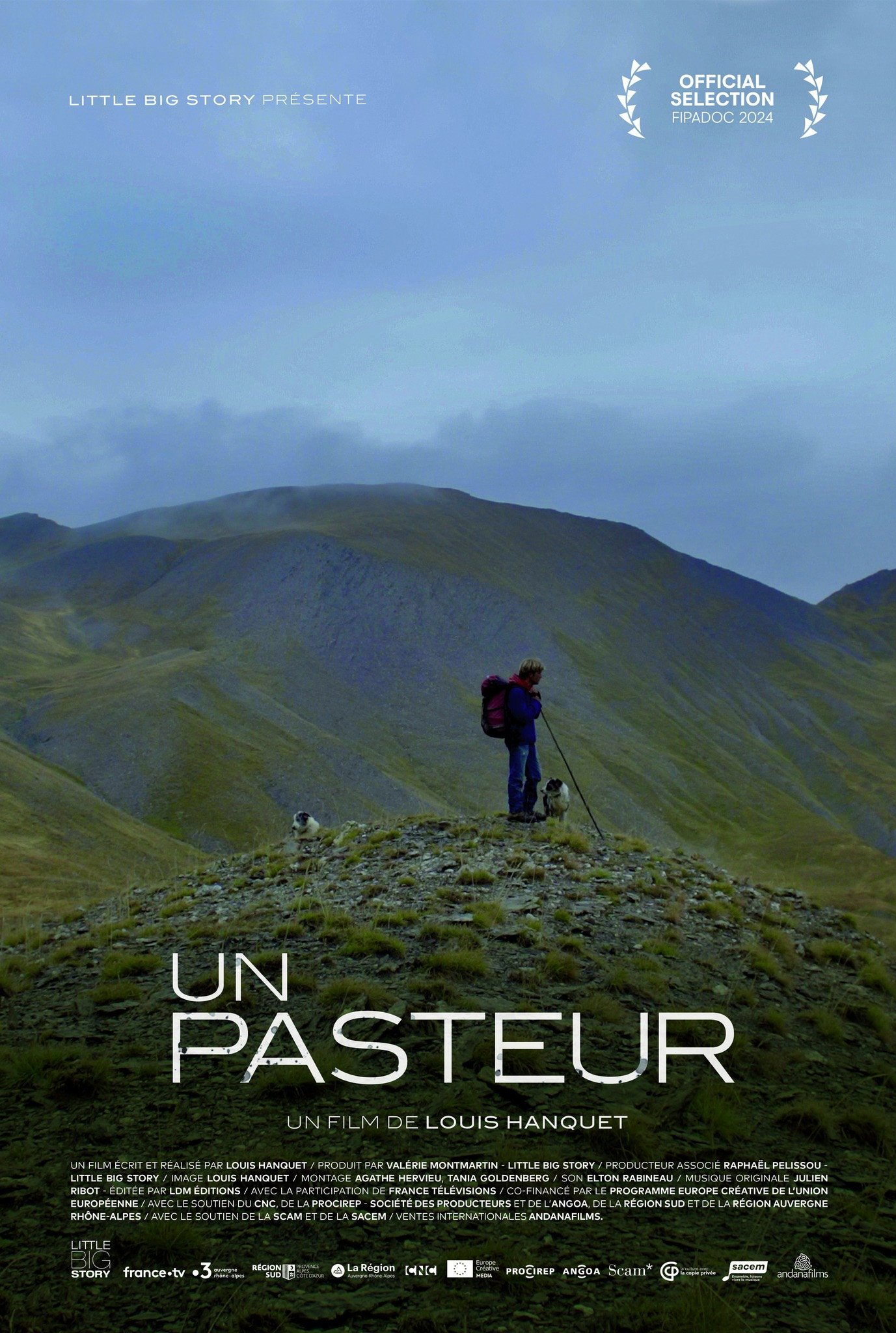
Félix, a young, melancholic and secretive shepherd, leads a surprisingly timeless life. He lives alone and works along his father to raise the family herd. From autumn to spring, he looks after his animals, feeds them and keeps them in the dense forests of holm oaks of French Pre-Alps. In the summer, he travels on foot for more than two hundred kilometres, leaving his father to lead the herd to the mountains pastures, in the High Alps Ubaye valley. There, he lives far from everything for many long months, in a mineral and inaccessible world where an invisible being prowls: the wolf. Against the tide of his time, Félix has chosen a profession that isolates him and keeps him out of the world.
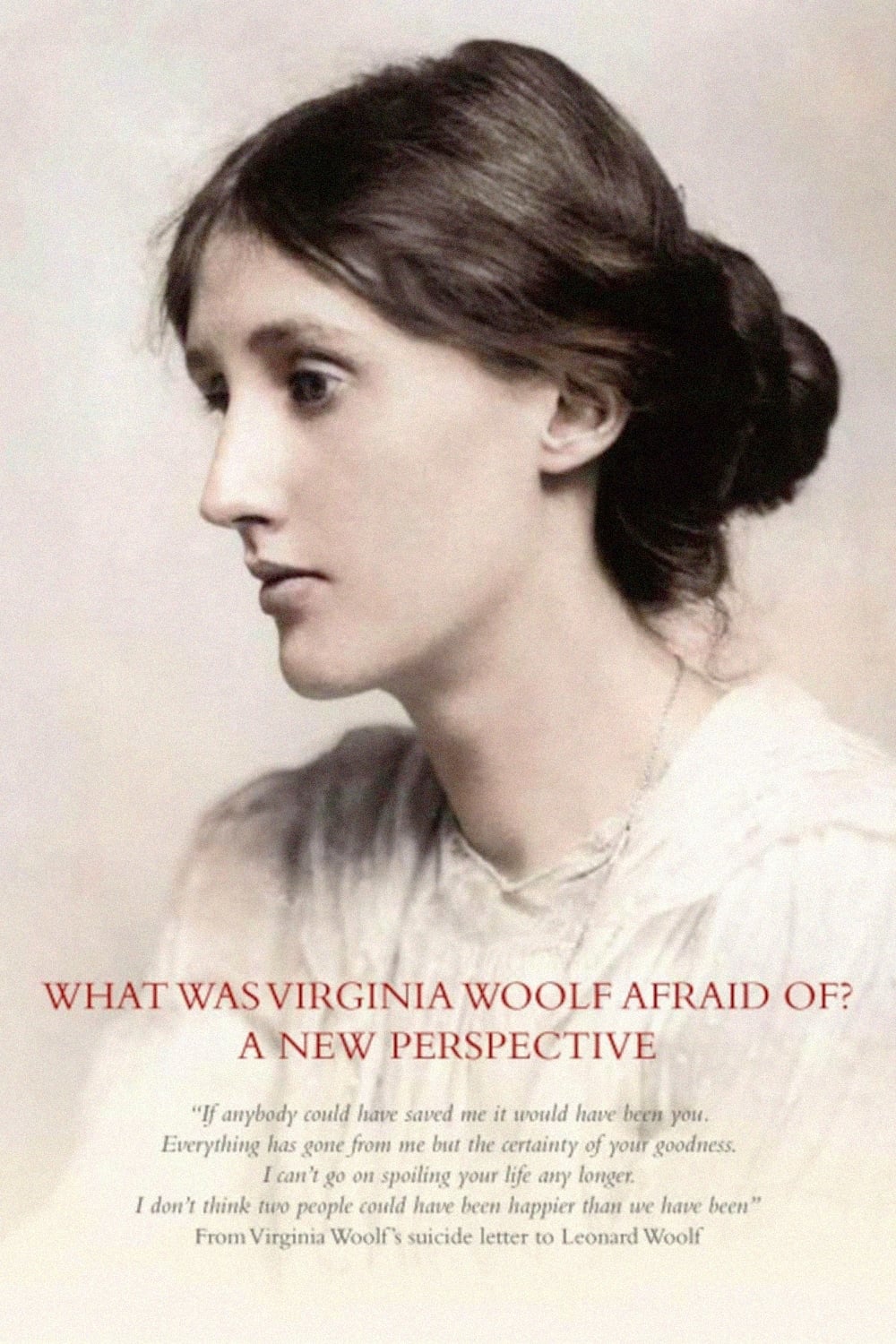
A look back at the troubled life of genius British writer Virginia Woolf (1882-1941).
Hosted by Keeley Hawes, star of the popular television series The Durrells, this documentary reveals the adventures of the eccentric Durrell family once they left Corfu, Greece.
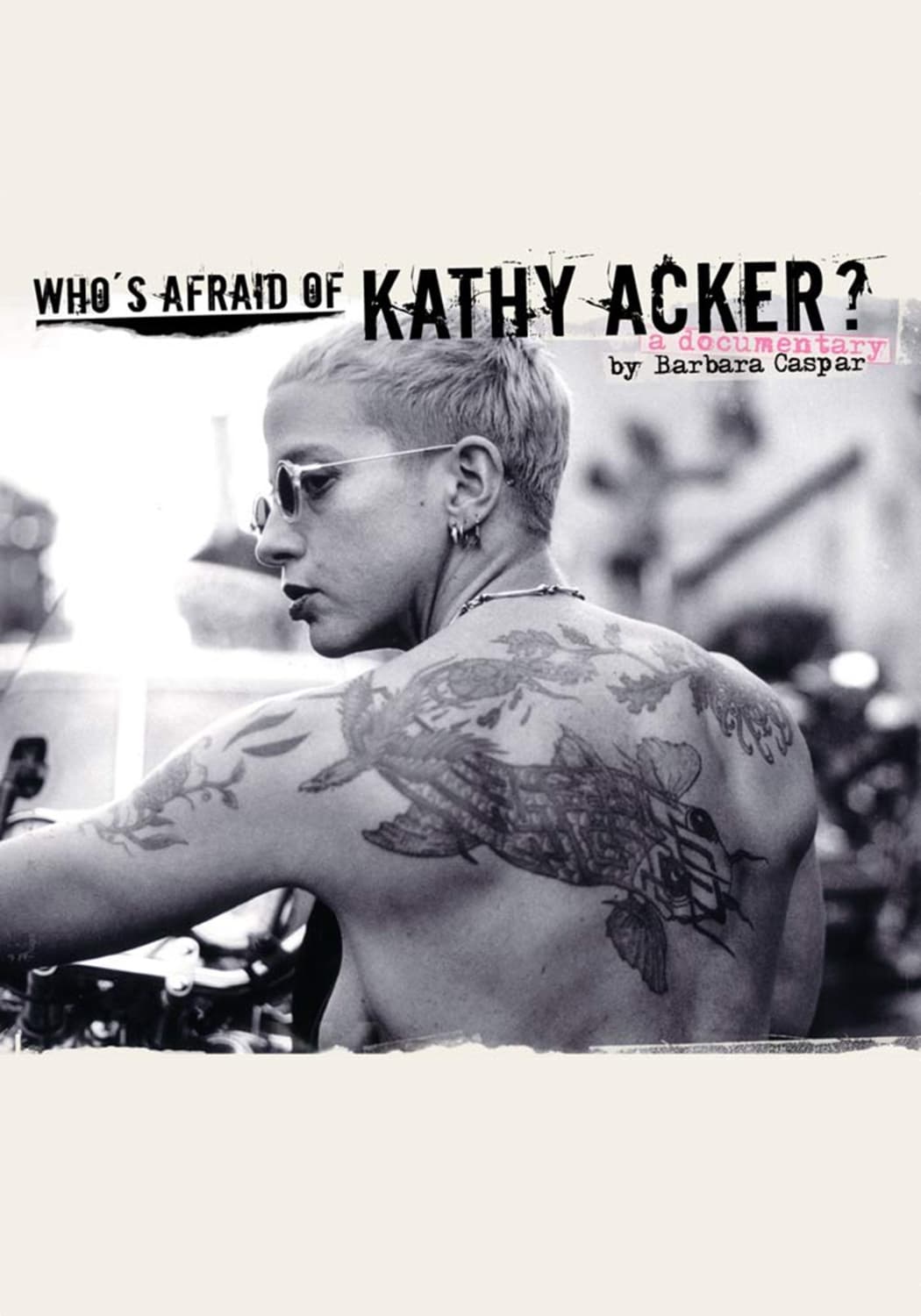
Documentary tracing the extreme life of outlaw writer, performance artist and punk icon, Kathy Acker. Through animation, archival footage, interviews and dramatic reenactments, director Barbara Caspar explores Acker's colorful history, from her well-heeled upbringing to her role as the scribe of society's fringe.
"This film explores how freedom of speech — including dissent — is afforded to all Americans, and shows freedom of expression in art, music, dance, architecture, and science. The film also emphasizes the importance of the individual’s contribution to the whole of society and demonstrates how a productive and creative society is formed by the open and respectful exchange of ideas. The film was written, produced, and directed by William Greaves" (National Archives).
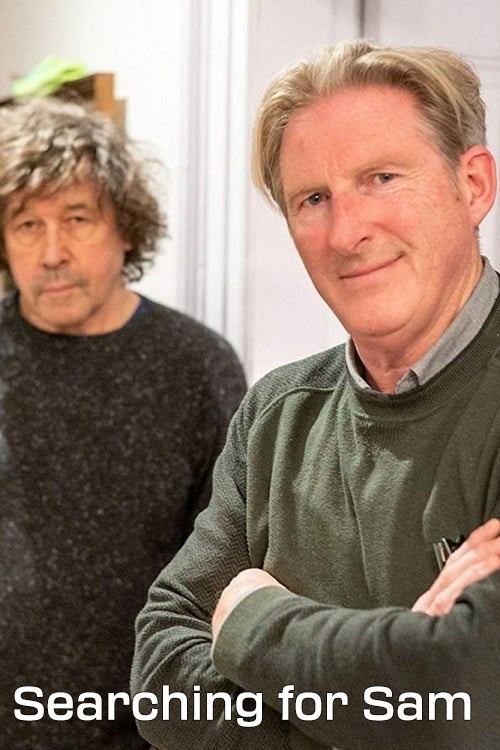
Samuel Beckett has fascinated Adrian Dunbar since he was a young student. Now, 30 years after Beckett's death in Paris, Dunbar explores what made the man who made Waiting for Godot.
T. S. Eliot ends one of his most famous poems, "The Hollow Men", by repeating three times the sentence "This is how the world ends" - and then adding: "Not with a bang but a whimper."
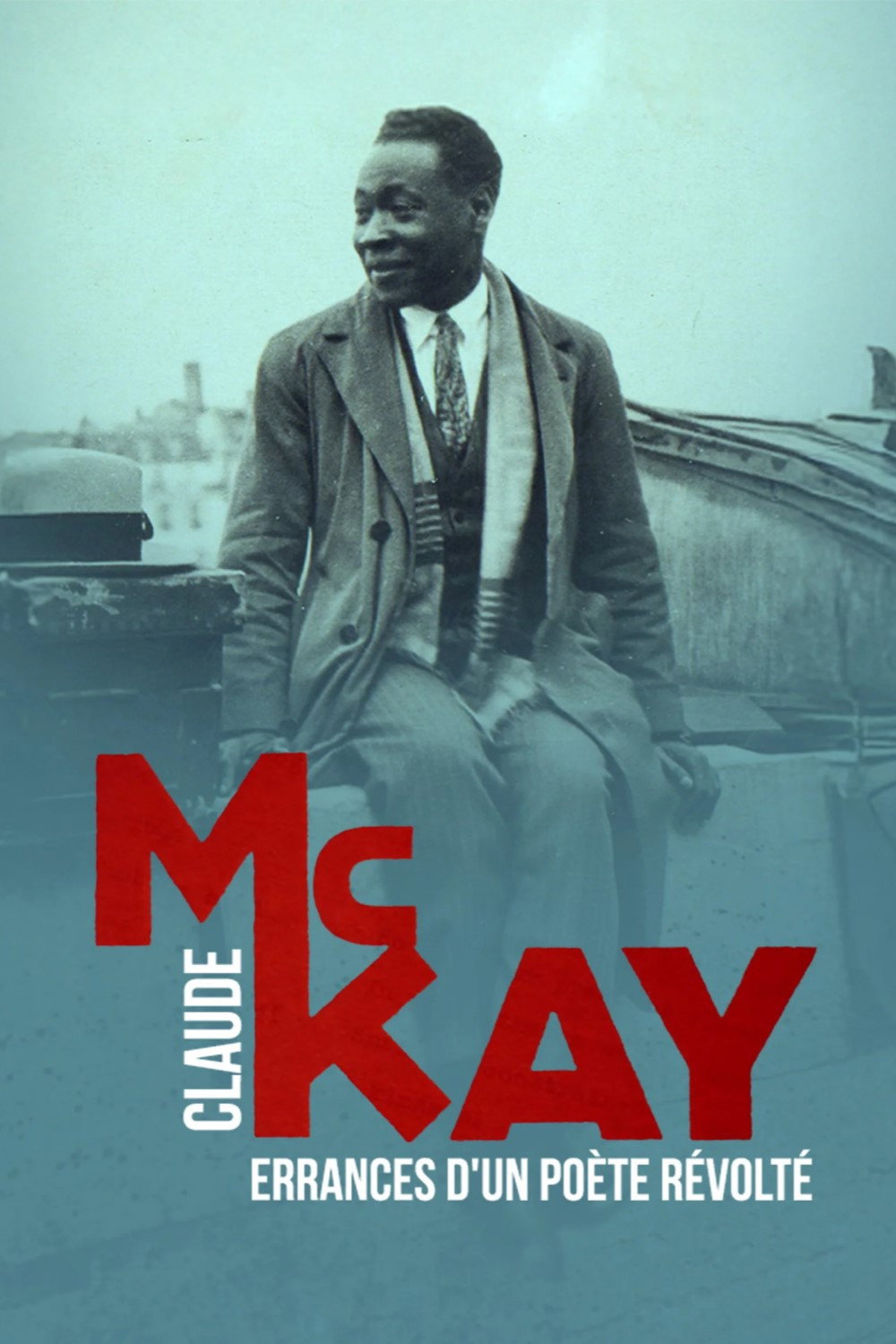
At the crossroads of Black literary consciousness and political struggle, the ideas of Claude McKay, Jamaican poet and novelist, laid the foundations for major literary movements, including Négritude. Proudly wandering, both bohemian and politically committed, a chameleon with a magnetic personality, he traveled across the globe: New York’s literary scene, Parisian aristocracy, Communist intelligentsia in Russia, and Black diasporas in the port of Marseille. Using archival materials and texts read in voice-over by Gaël Faye and Manon Azem, the film traces McKay’s journey as he crosses paths with major figures of his time, from George Bernard Shaw to W.E.B. Du Bois, Trotski, and many others.
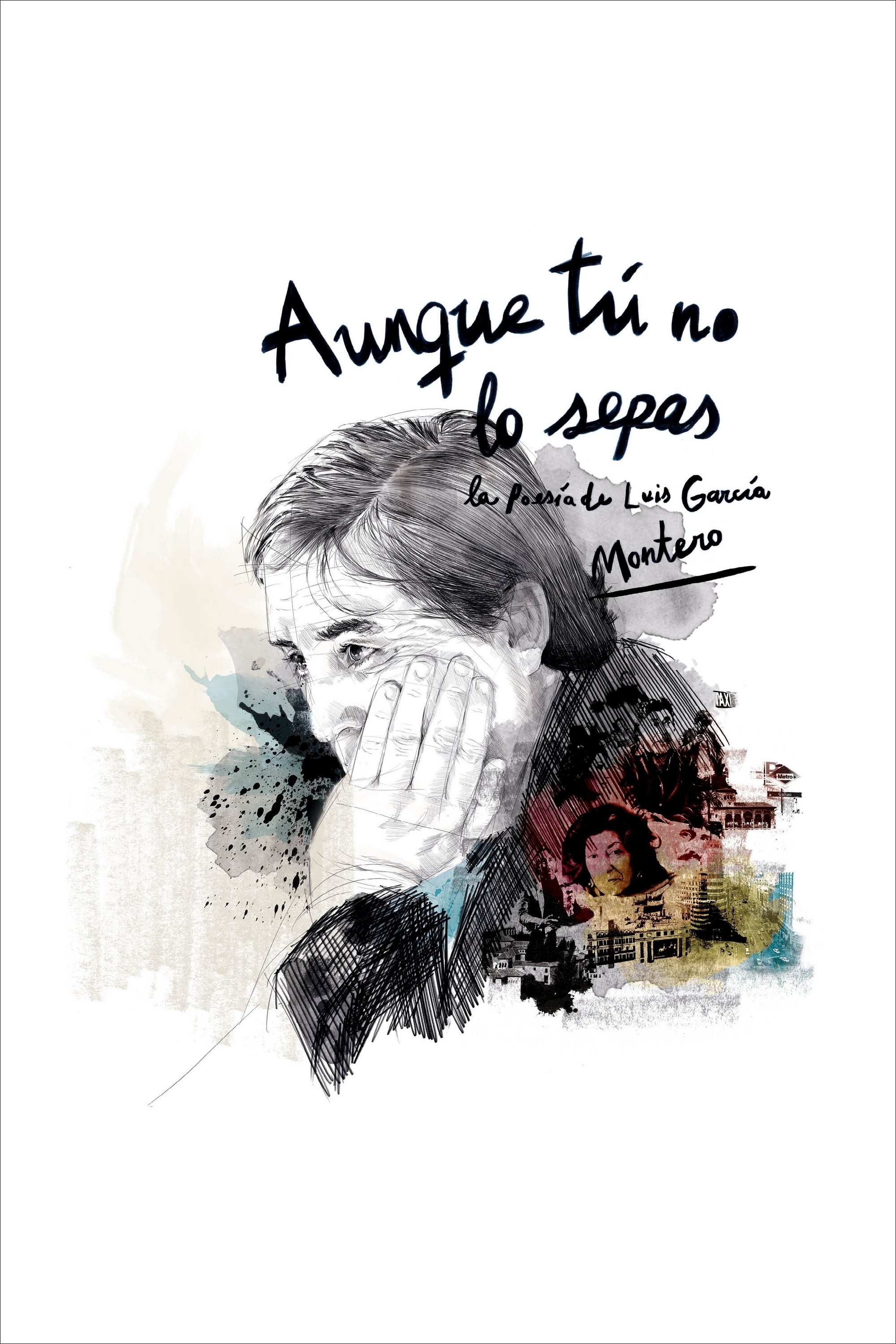
An account of the life and work of the Spanish poet Luis García Montero; a journey through his experiences, his mentors, his influences and his contact with other artists, both from the literary world and from other disciplines.
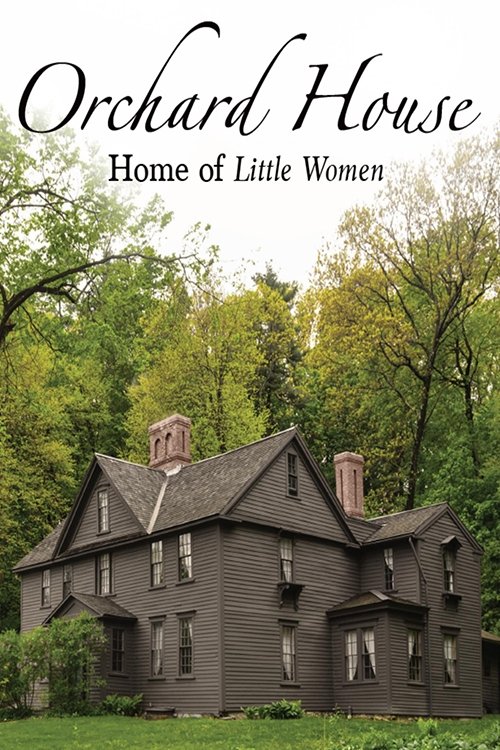
Emmy Award-winning chronicle of the history of Orchard House, the home in Concord, Massachusetts where Louisa May Alcott wrote and set Little Women.
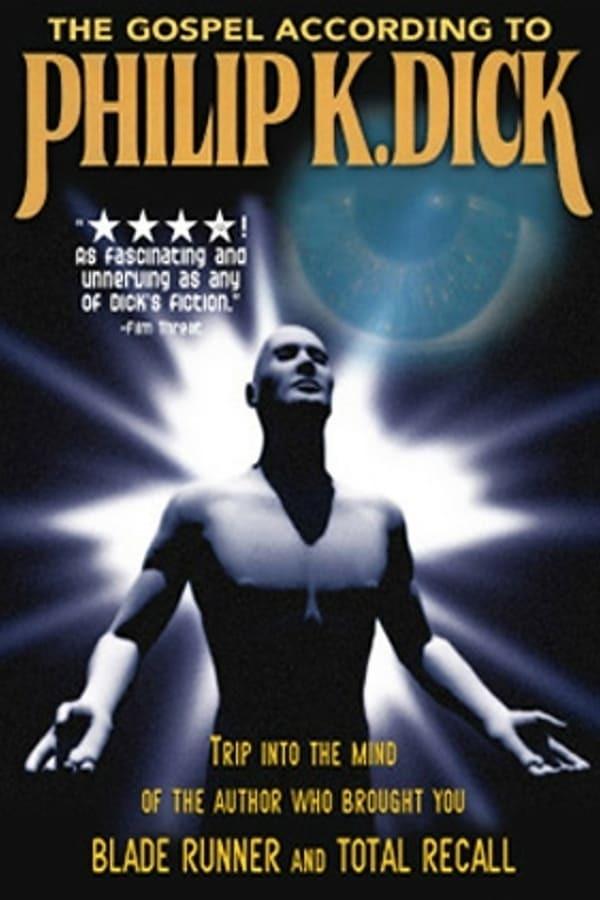
Writers, publishers, fans, and friends share their perspectives and memories of sci-fi writer Philip K. Dick. In his career, Philip Kindred Dick (1928–82) published dozens of science fiction novels and short stories. His work has reached a wider audience due to such film adaptations as BLADE RUNNER (1982), TOTAL RECALL (1990), MINORITY REPORT (2002), and A SCANNER DARKLY (2006).
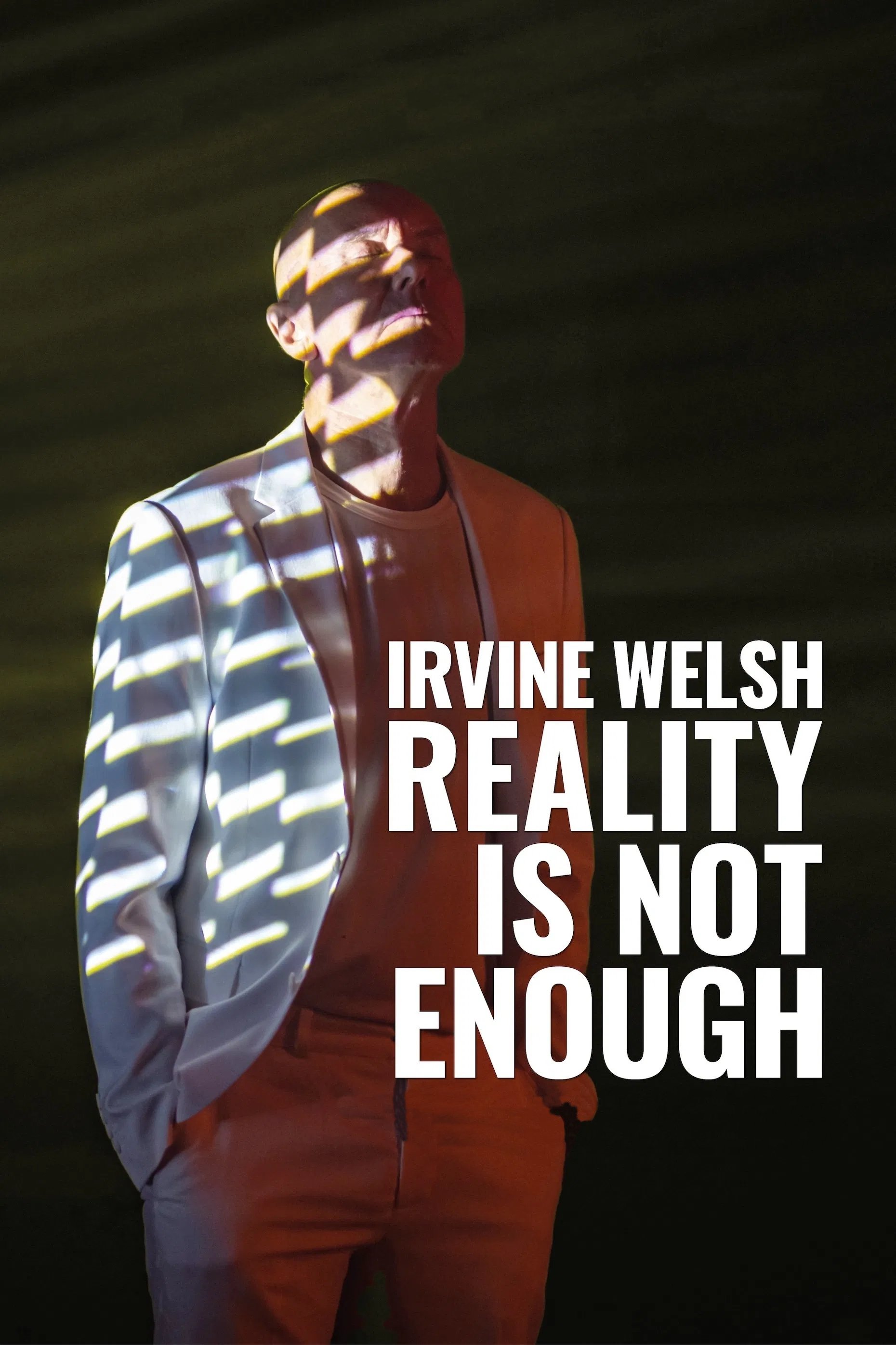
One of the most controversial writers of our times, join Trainspotting author Irvine Welsh as he undergoes a remarkable trip to find new meaning in his work, life and legacy.
Parks makes himself the subject, tracing his development as a person and an artist through a non-narrative abstract self-portrait that combines his photographs with his poetry, musical compositions and scenes from his films. It also features footage of Parks, plus interpretations of his personal reminiscences performed by actors Avery Brooks, Roscoe Lee Browne, and Joe Seneca.
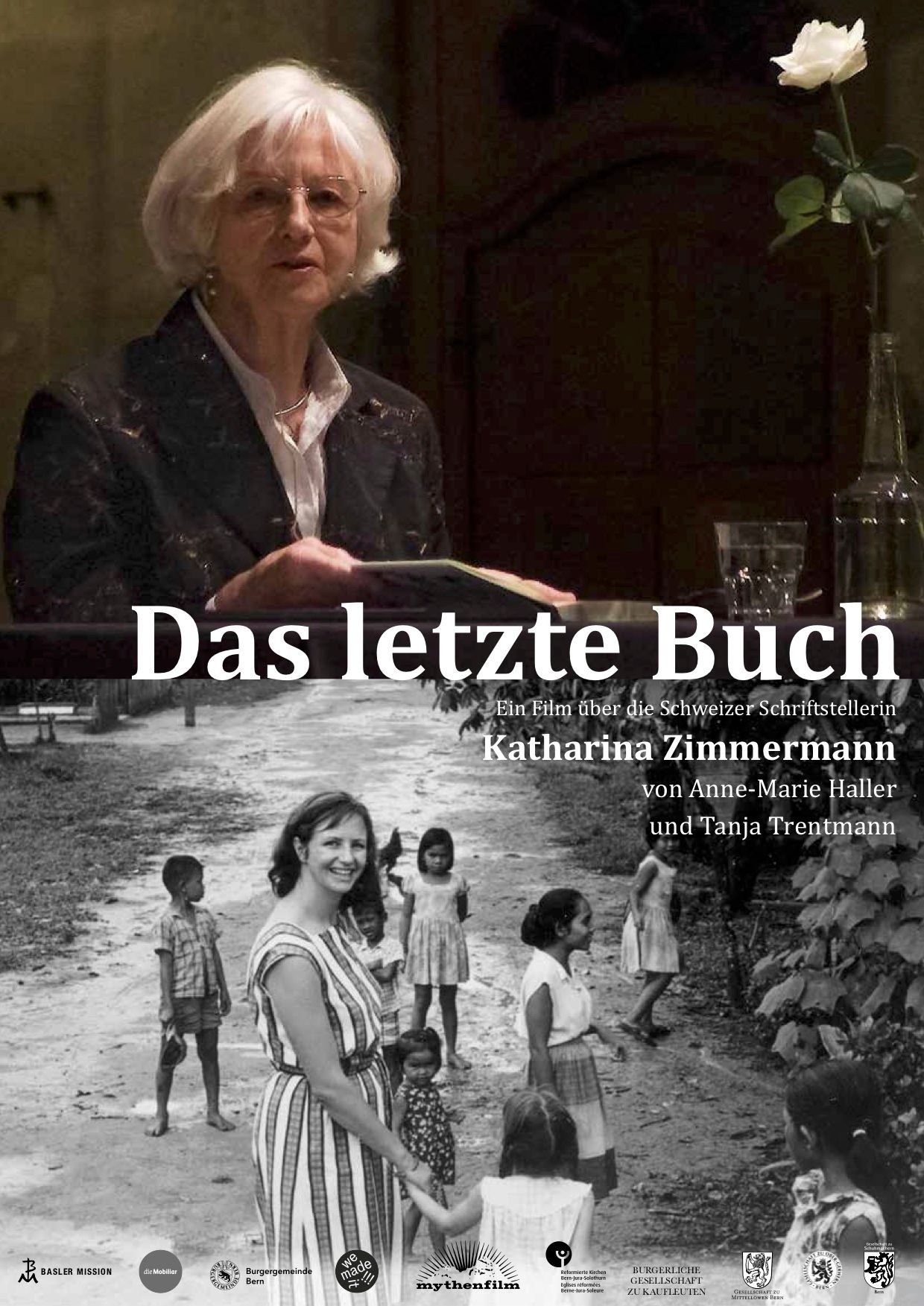
The film focuses on the exciting life journey of Swiss writer Katharina Zimmermann. She follows her husband on a mission to the jungle in Indonesia where she raises their four children and five foster children and lives through the military coup. Back in Switzerland Katharina discovers her voice and finds her path. Now, at eighty, she is writing her life story. Yet suddenly she faces another battle because her publisher is threatening to let her go.
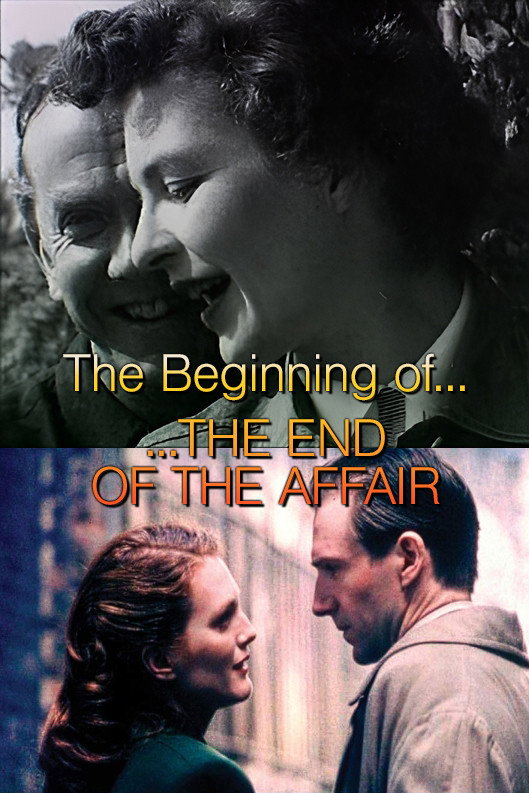
Oliver Walston investigates his mother Catherine's 20-year relationship with the writer Graham Greene, which gave rise to Greene's famous novel The End of the Affair, twice adapted as a feature film. The documentary follows the second film during its production, where screenwriter/director Neil Jordan and stars Ralph Fiennes and Julianne Moore offer their personal perspectives on the novel's continuing resonance.
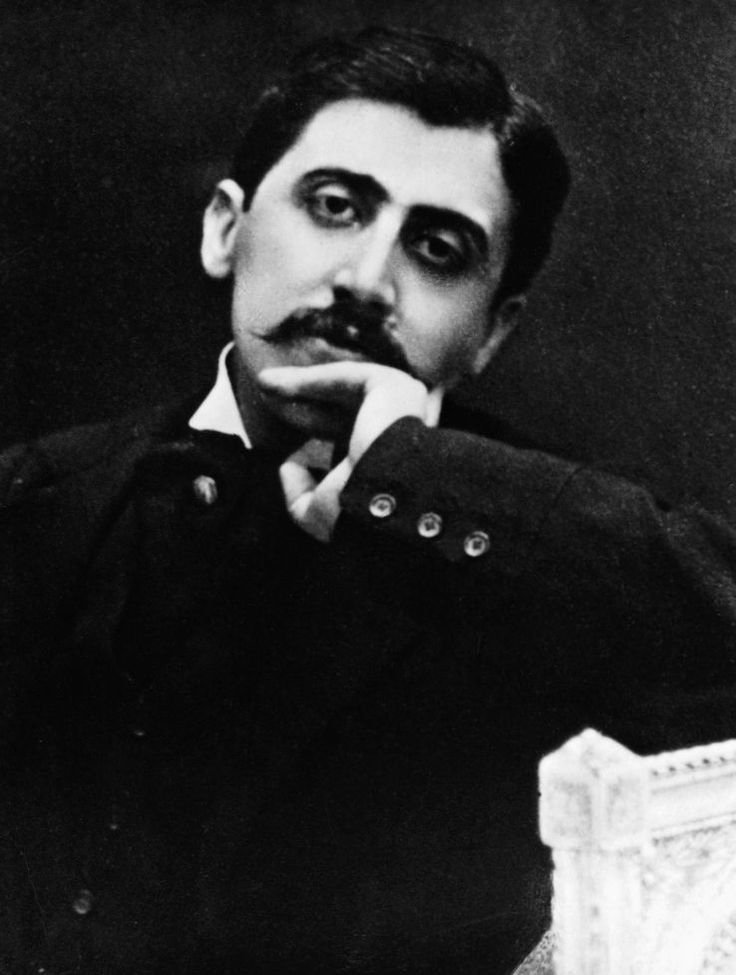
A docu-drama portrait of the early-20th-century French author Marcel Proust, based on Alain de Botton's updated analysis of his work as a modern-day self-help guide. Ralph Fiennes plays Proust, with Phyllida Law and Donald Sinden as his contemporaries, while commentators including de Botton, Louis de Bernières and Doris Lessing explain their enthusiasm for his work.
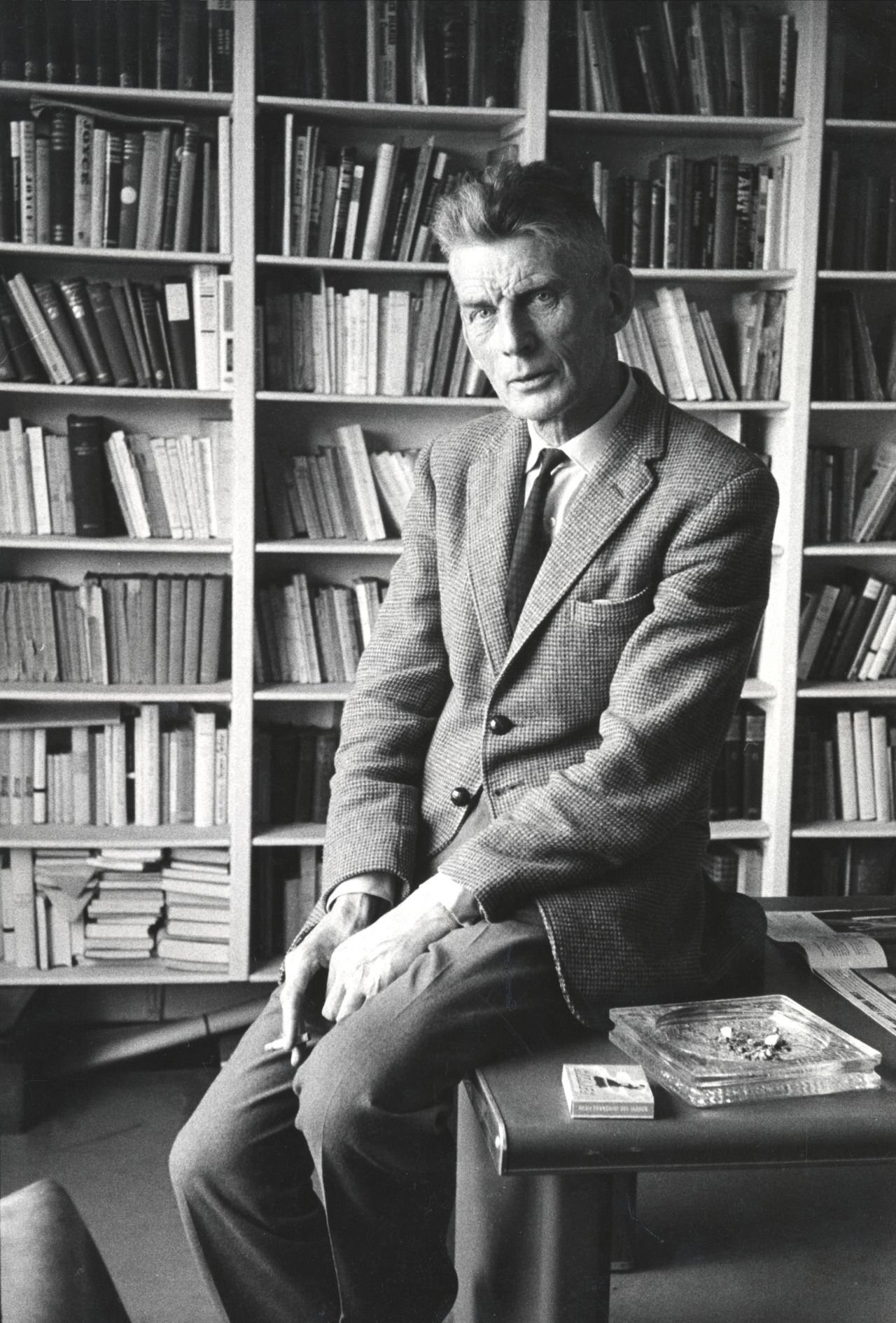
A wordless, silent interview with Samuel Beckett for Swedish Television after Beckett won the Nobel Prize in Literature.
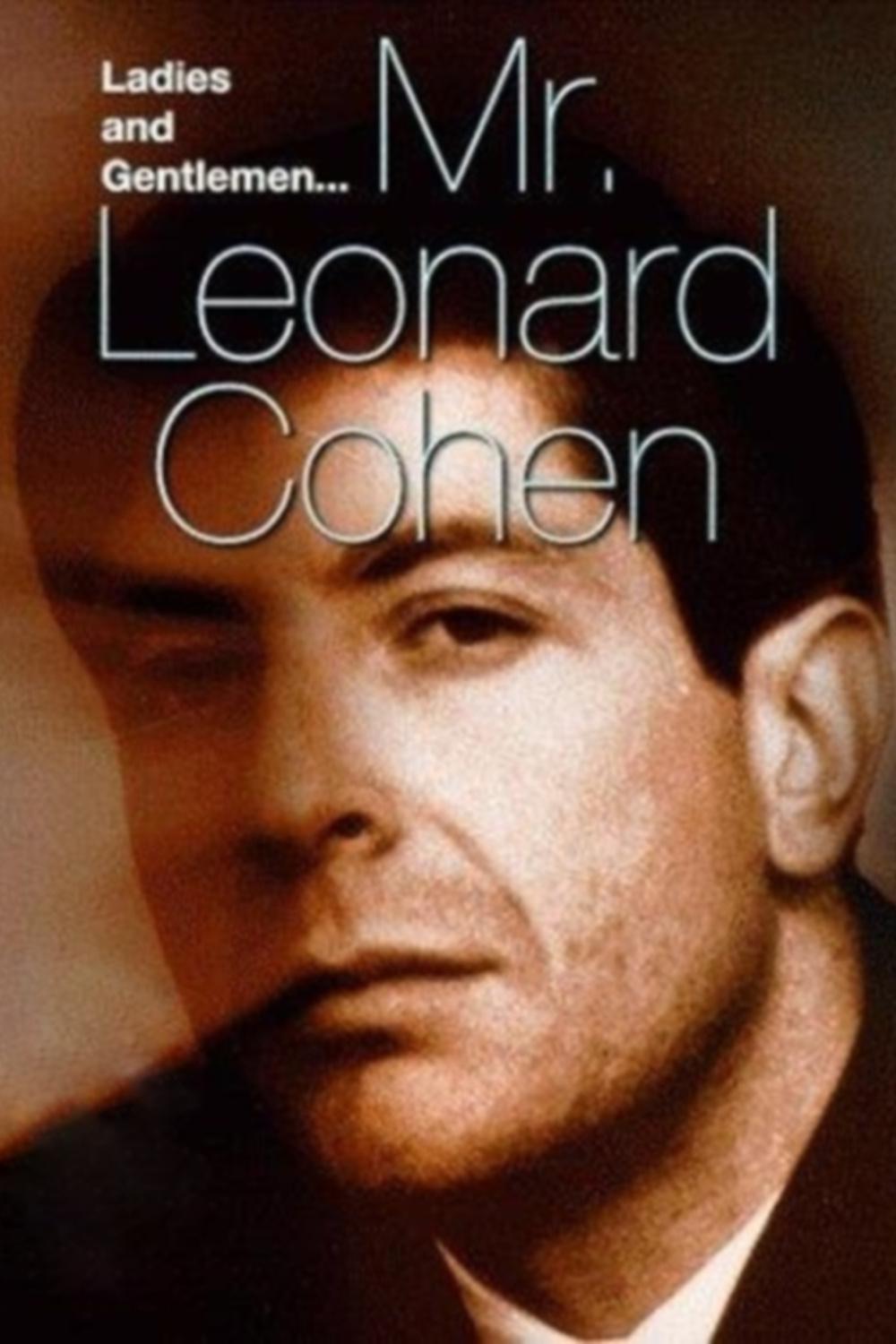
A 1964 documentary portrait of Cohen in his pre-musician days as a poet and stand-up comedian.
In an intimate and joyful story of love in the face of loss, celebrated poets Andrea Gibson and Megan Falley find strength—and unexpected hilarity—in what might be their final year together.
Over 35 years after Bob Lazar's revelations, this documentary exposes secrets of a facility the government still denies. Featuring Lazar's testimony, recreations, and new evidence, it reopens a case that continues to spark global curiosity
Alexander McQueen's rags-to-riches story is a modern-day fairy tale, laced with the gothic. Mirroring the savage beauty, boldness and vivacity of his design, this documentary is an intimate revelation of McQueen's own world, both tortured and inspired, which celebrates a radical and mesmerizing genius of profound influence.
Alternately hilarious and horrifying, Overnight chronicles one man's misadventures of making a Hollywood movie. It starts out as a rags to riches story as Troy Duffy, a Boston-bred bartender, sells his first screenplay for The Boondock Saints.
A visual montage portrait of our contemporary world dominated by globalized technology and violence.
Artists in LA discover the work of forgotten Polish sculptor Stanislav Szukalski, a mad genius whose true story unfolds chapter by astounding chapter.
Legendary journalist Gay Talese unmasks a motel owner who spied on his guests for decades. But his bombshell story soon becomes a scandal of its own.
Using the book 'Fragments', which collects Marilyn Monroe's poems, notes and letters, and with participation from the Arthur Miller and Truman Capote estates who have contributed more material, each of the actresses will embody the legend at various stages in her life.
Literary icon Joan Didion reflects on her remarkable career and personal struggles in this intimate documentary directed by her nephew, Griffin Dunne.
An exploration of technologically developing nations and the effect the transition to Western-style modernization has had on them.
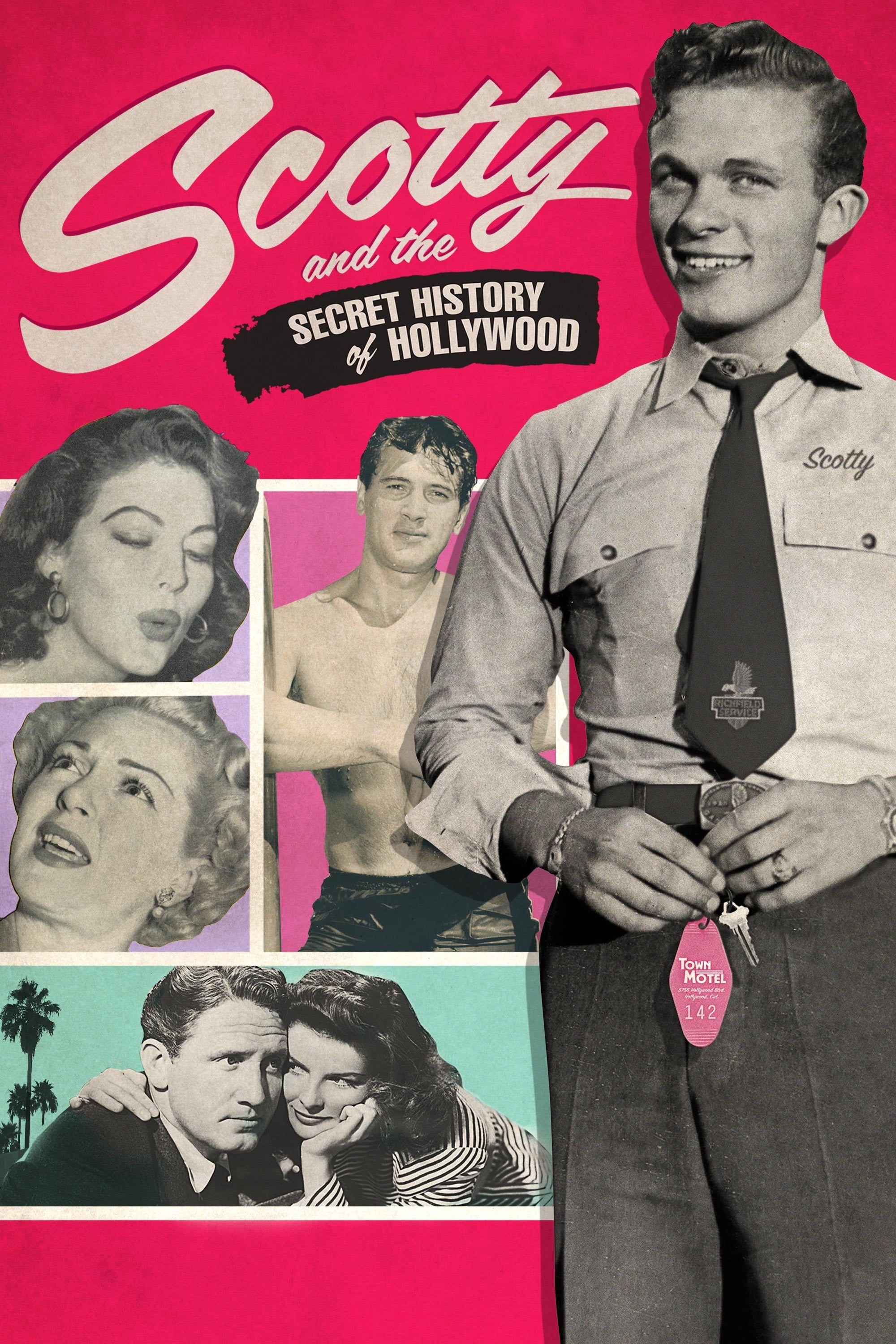
A deliciously scandalous portrait of unsung Hollywood legend Scotty Bowers, whose bestselling memoir chronicled his decades spent as sexual procurer to the stars.
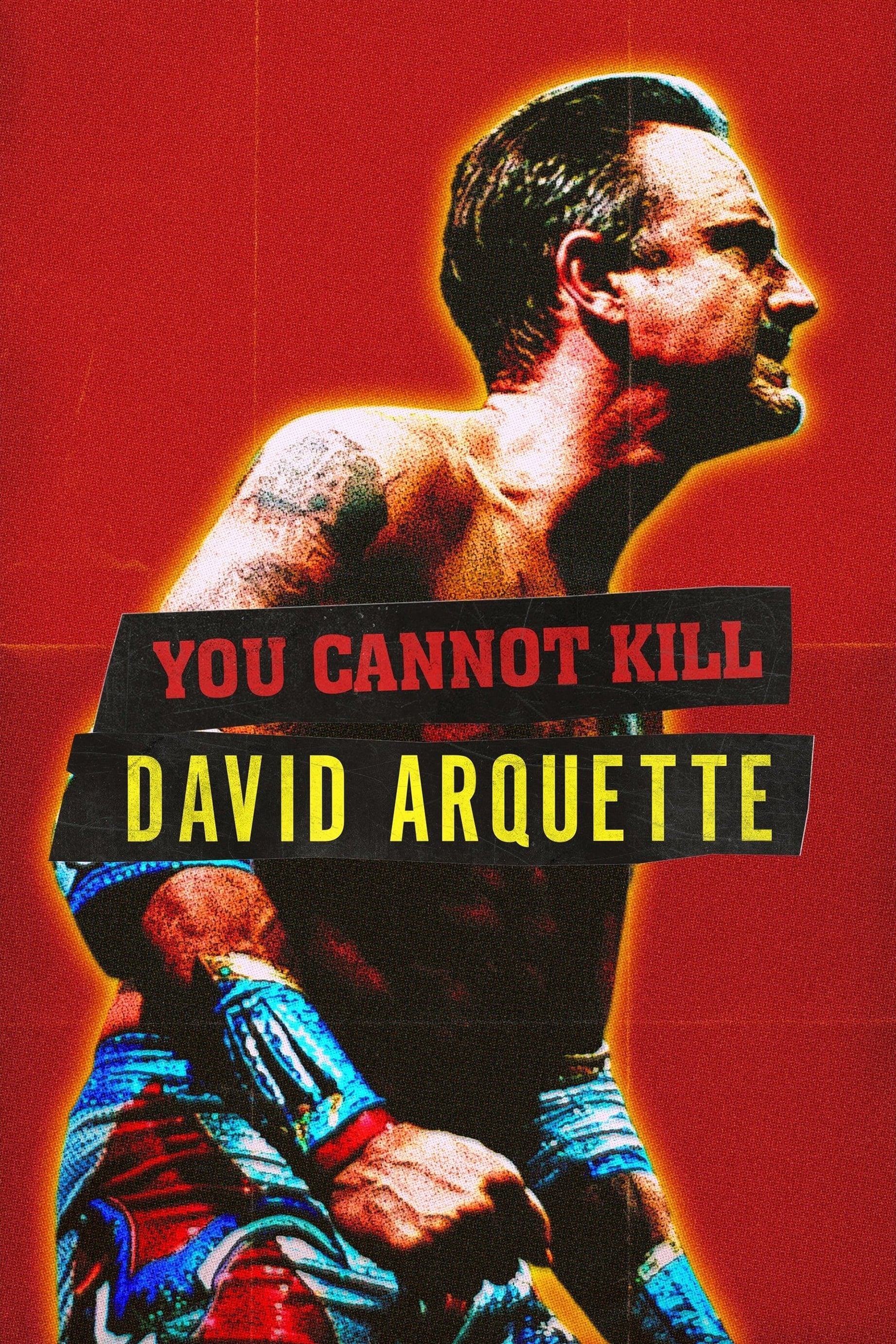
Following his infamous championship as part of a marketing stunt for the film Ready to Rumble, David Arquette is widely known as the most hated man in pro-wrestling worldwide. Nearly 20 years after he "won" the initial title, through ups and downs in his career, with his family, and with his struggles with addiction, David Arquette seeks redemption by returning to the ring...for real this time.
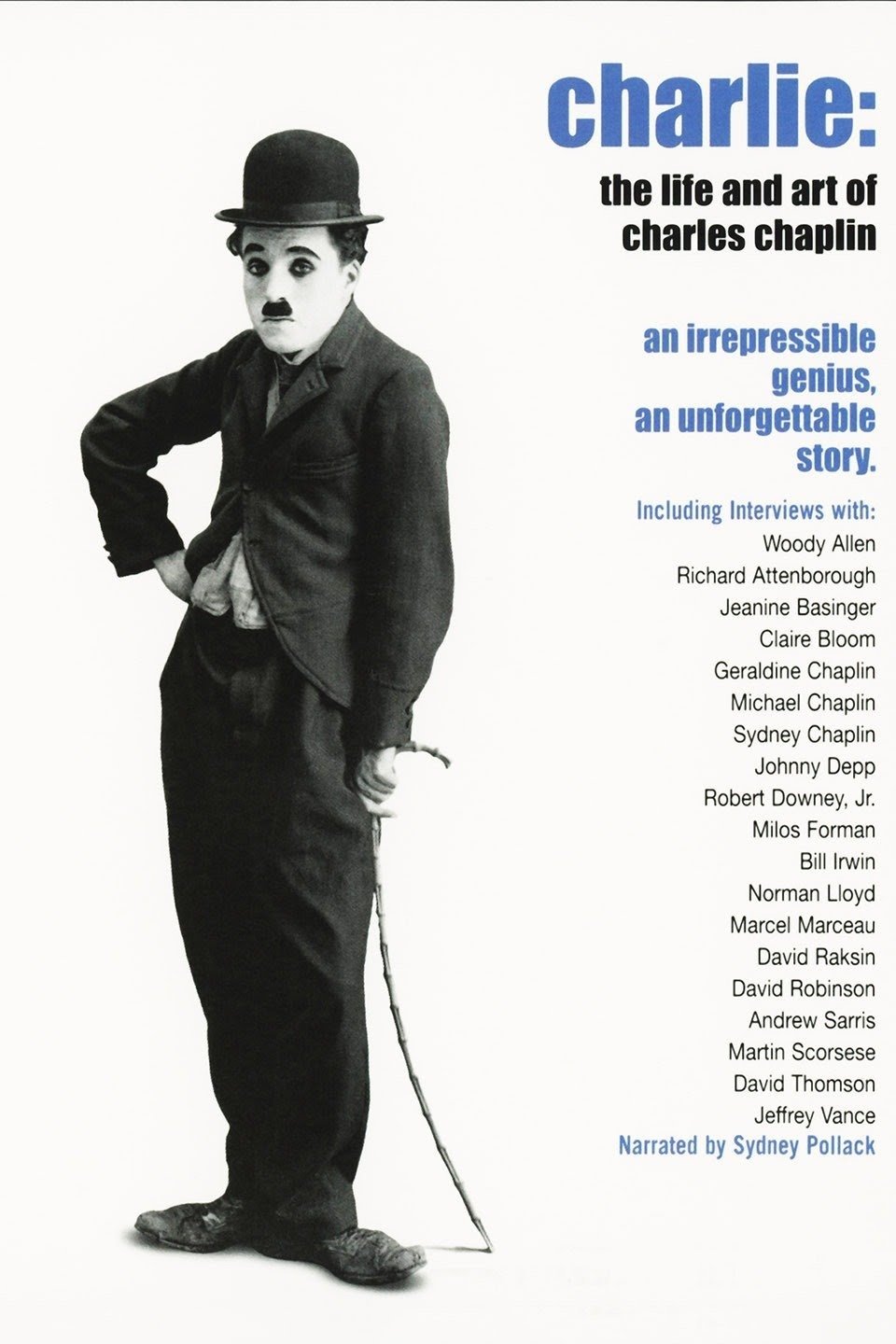
Brilliant, long in-the-works story of the life and art of the world's greatest comedian and the cinema's first genius, Charlie Chaplin. Produced, written and directed by renowned film critic Richard Schickel.
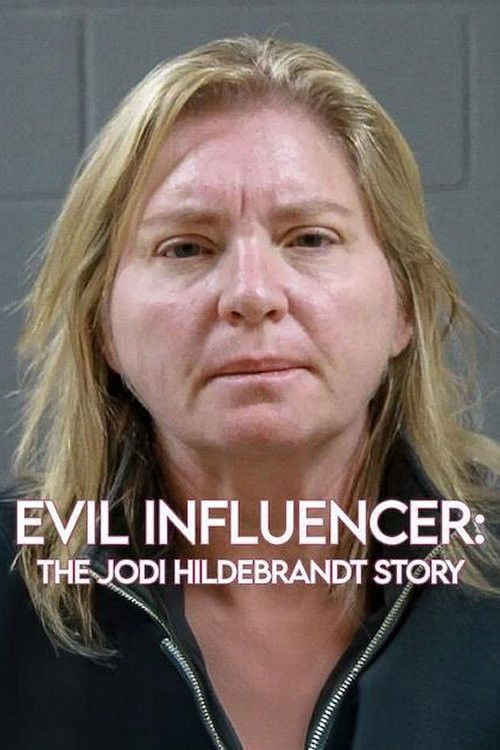
Unravel the case of Utah therapist Jodi Hildebrandt, whose child abuse arrest with parenting YouTuber Ruby Franke exposed a twisted tale of manipulation.
An inside look at one of the most anticipated movie sequels ever with James Cameron and cast.
Musician and performance artist Laurie Anderson reflects on the deaths of her husband Lou Reed, her mother and her beloved dog.
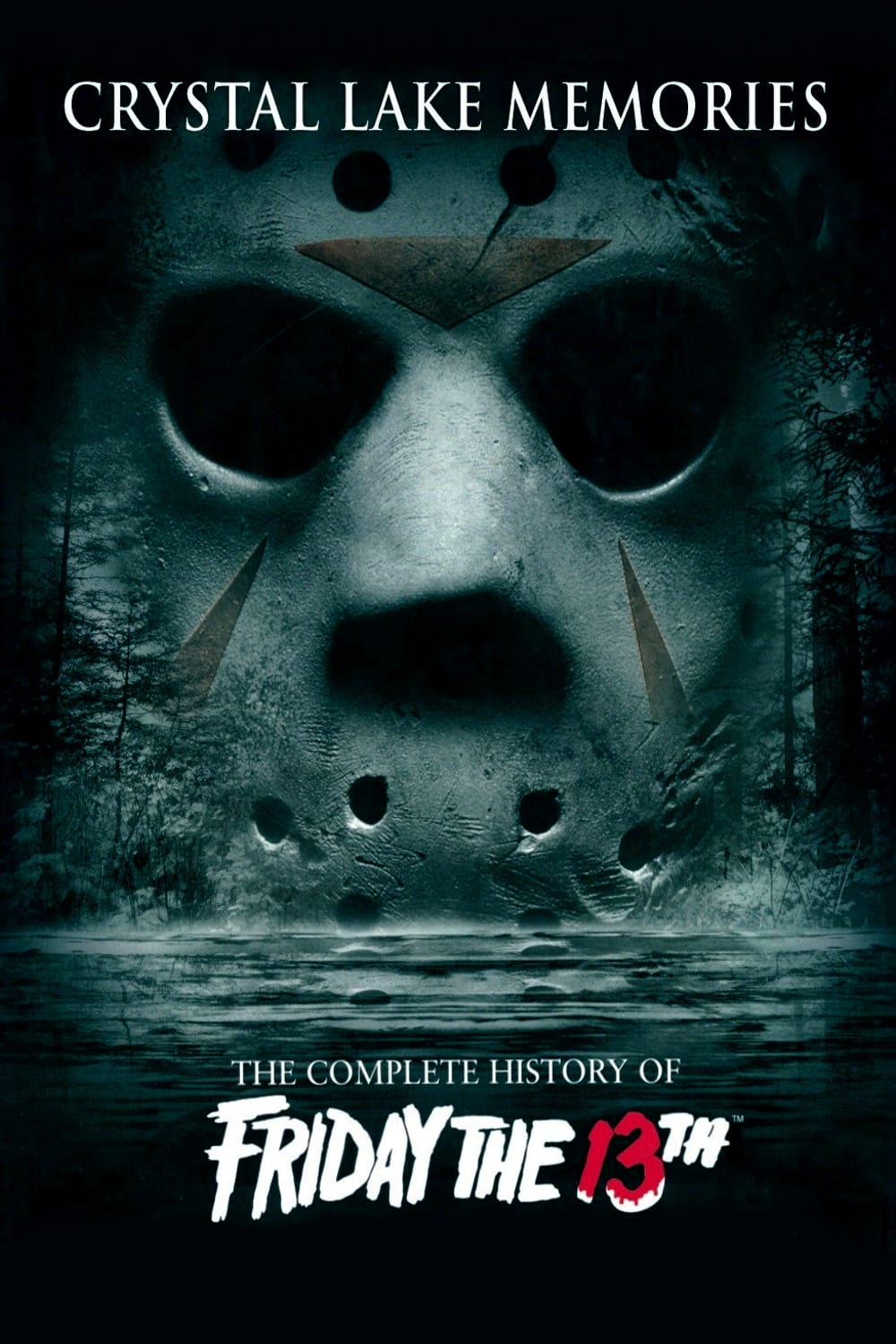
Taking inspiration from Peter M. Bracke's definitive book of the same name, this seven-hour documentary dives into the making of all twelve Friday the 13th films, with all-new interviews from the cast and the crew.
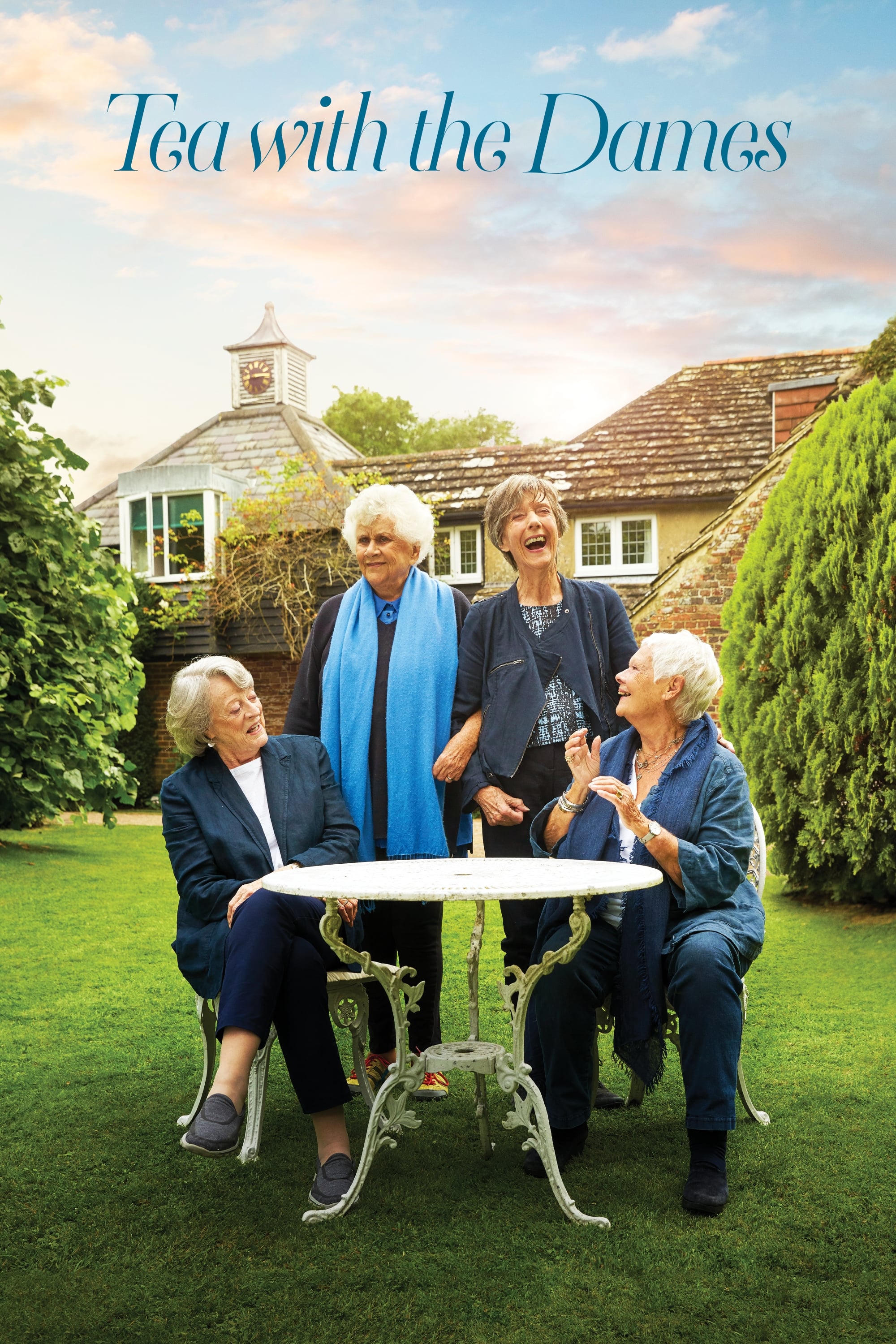
BBC Arena's documentary on the Dames of British Theatre and film featuring Maggie Smith, Eileen Atkins, Judi Dench and Joan Plowright on screen together for the first time as they reminisce over a long summer weekend in a house Joan once shared with Sir Laurence Olivier.
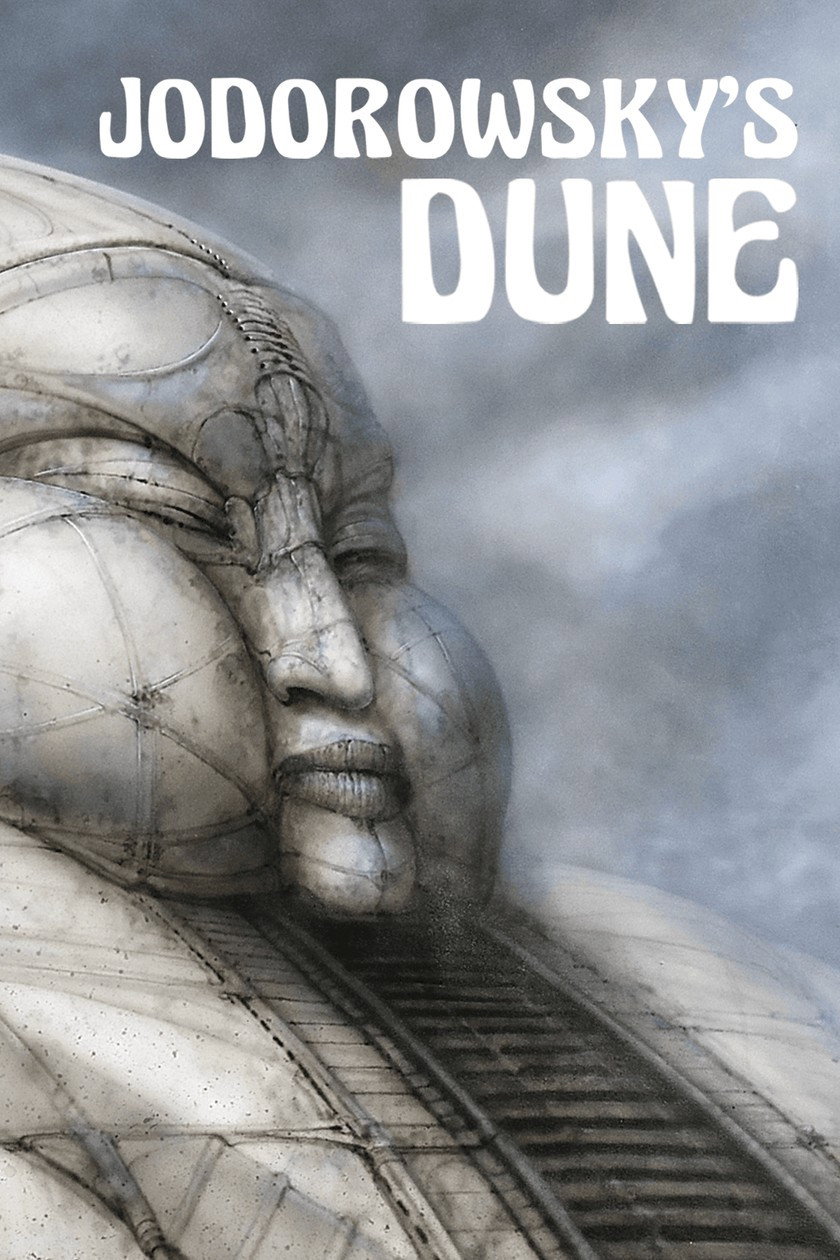
In 1974, Chilean-French director Alejandro Jodorowsky embarked on the quixotic project of adapting Frank Herbert's influential novel Dune (1969) for the big screen. After investing two years, and millions of dollars, the gigantic project ended in failure; but the artists Jodorowsky brought together to carry it out continued to work together, and ended up laying the foundations for modern science fiction cinema.
A compilation of over 30 years of private home movie footage shot by Lithuanian-American avant-garde director Jonas Mekas, assembled by Mekas "purely by chance", without concern for chronological order.