Social & External
The people behind it
Jules Champagne
Denis Duteau
Gerard Noel
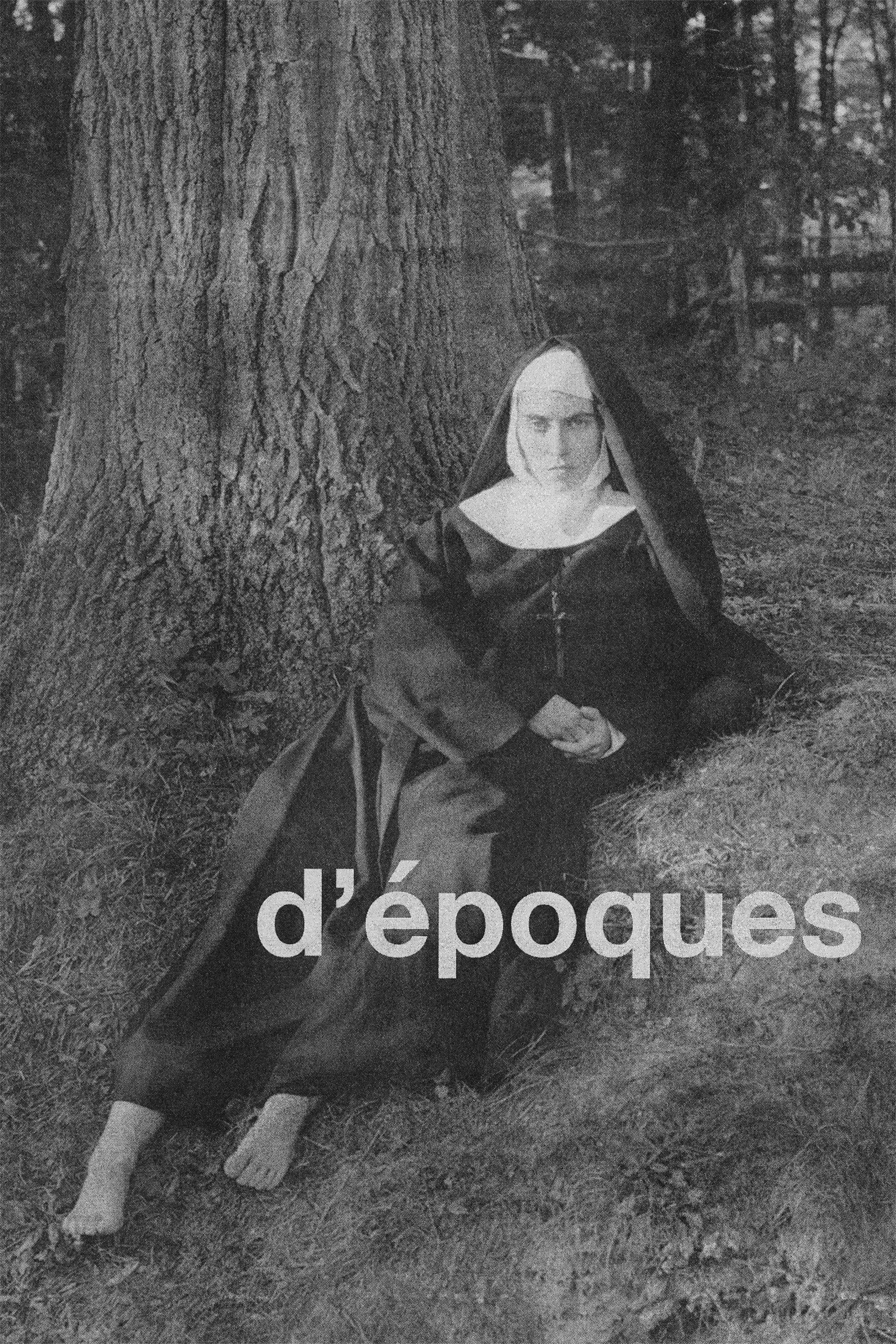
A century after a village and its paper mill were abandoned, a group of actors is tasked with recreating the fantasized daily life of its inhabitants.
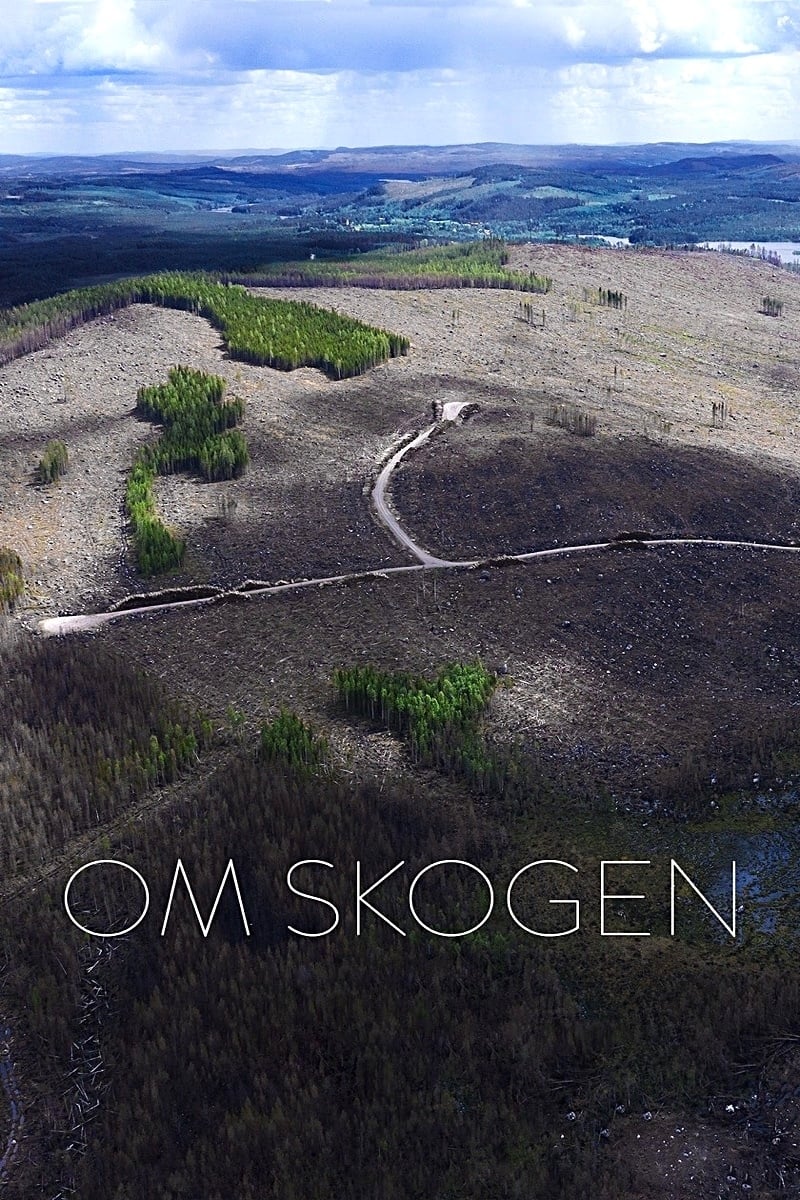
A post in the debate on Swedish forestry highlighting the difficulties and consequences of a hard deforestation with fast-growing forest plantations and a devastating short-sightedness. The documentary shows the vulnerability in the transition to a fossil-free society where we become increasingly dependent on the forest as a natural resource.
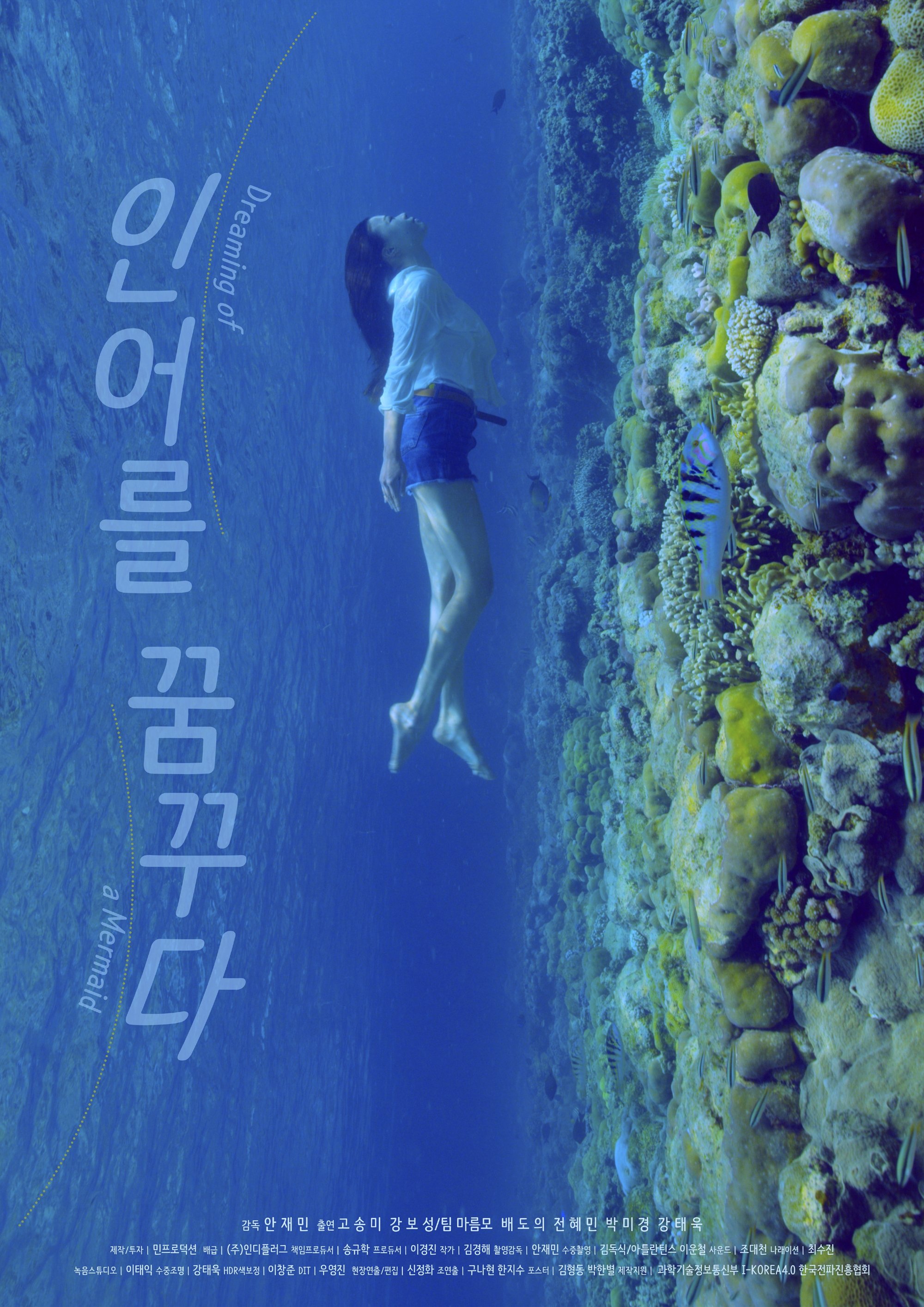
Working as a designer for a clothing company, Song-mi, feeling skeptical about her heavy workload and repetitive daily life, decides to quit her job and become a freediving underwater performer. As she went deeper into her sea, Songmi felt that her body and mind, which had been weary of her, were healed. In order to return this 'gift of healing' she received from her sea, she challenges a special underwater performance with installation artist Boseong and aqua aerobics instructor Doui. Youth campaigns in Jeju, Palau and Cebu. The silent cry of a mermaid trapped in a plastic forest in the middle of the Pacific Ocean now throws a strong warning to our oceans.
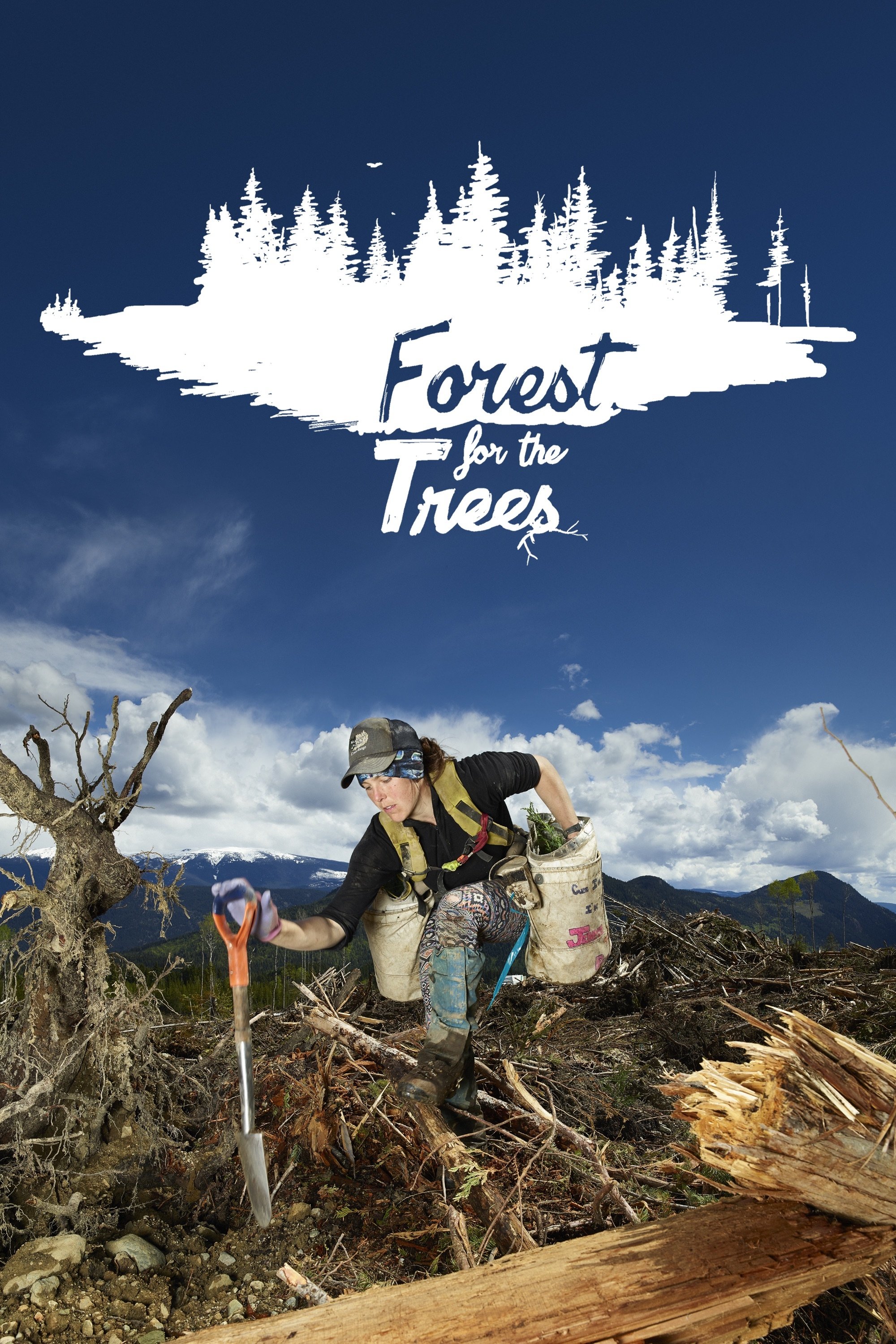
Award-winning war photographer Rita Leistner goes back to her roots as a tree planter in the wilderness of British Columbia, offering an inside take on the grueling, sometimes fun and always life-changing experience of restoring Canada’s forests. Leistner, who has photographed some of the world’s most dangerous places, credits the challenge of tree-planting for her physical and mental endurance. In Forest for the Trees, her first feature film, she revisits her past to share the lessons she learned. The film introduces us to everyday life on the “cut-block” and the brave souls who fight through rough terrains and work endless hours to bring our forests to life. The rugged BC landscape comes to life magically in Leistner’s photography, while the quirky characters and nuggets of wisdom shared around the campfire tell a sincere story of community.
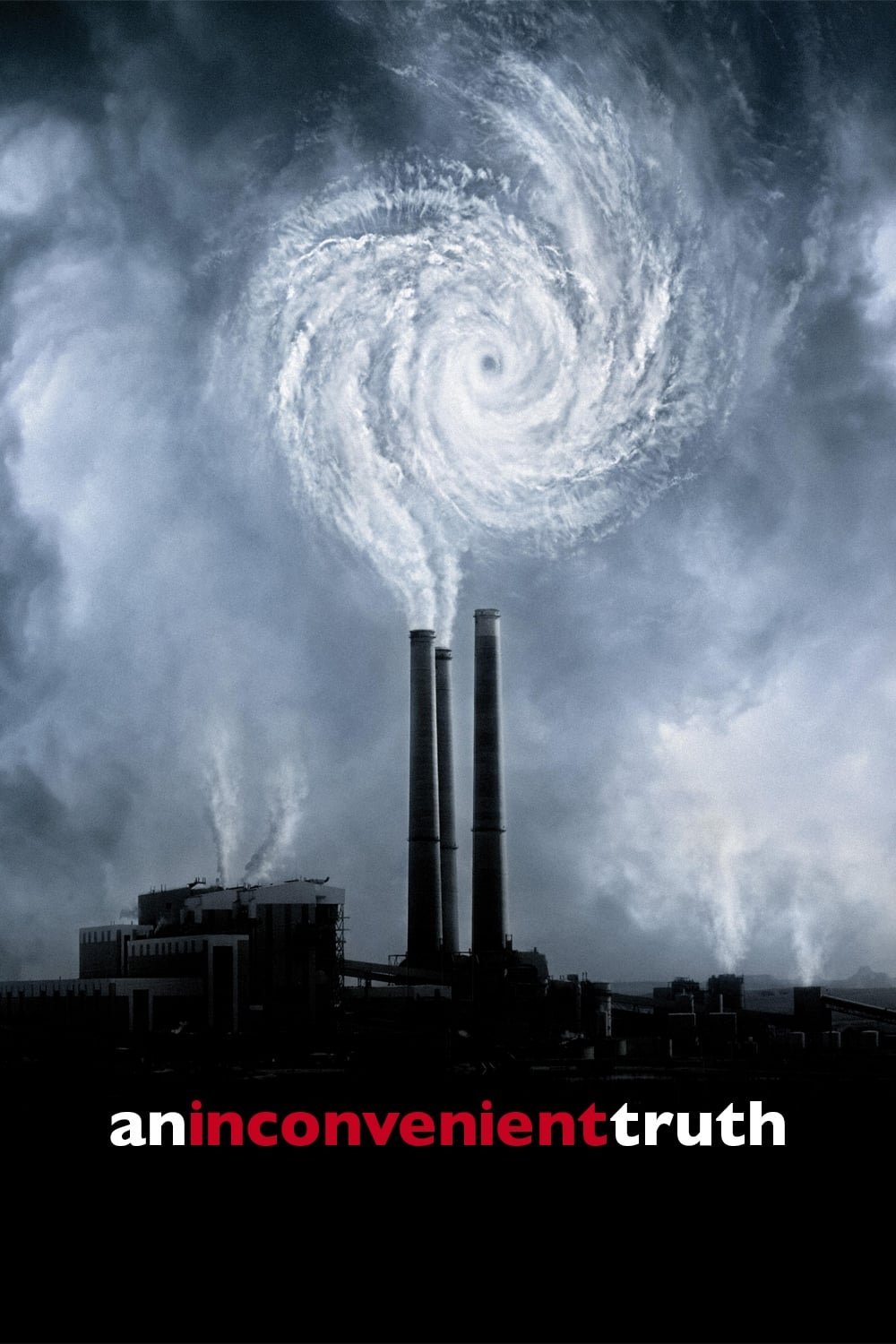
A documentary on Al Gore's campaign to make the issue of global warming a recognized problem worldwide.
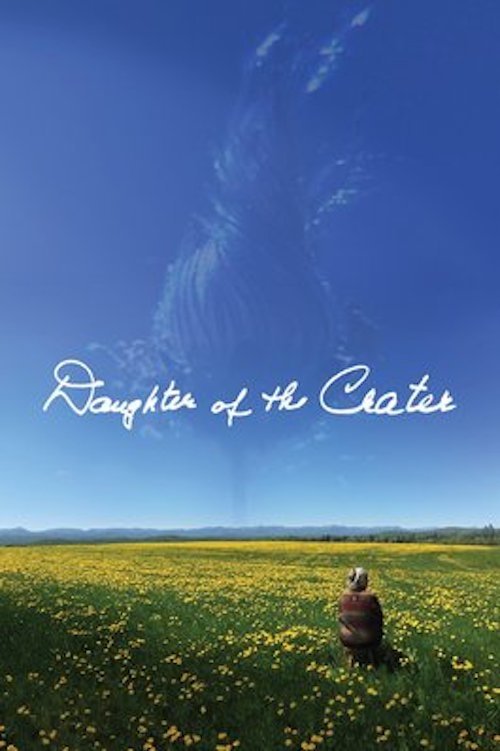
A woman with a deep love of the land, Yolande Simard Perrault sees her life as having been shaped by a planetary upheaval in Charlevoix, Quebec, millions of years ago. As enduring as the Canadian Shield, she’s a woman of strength and spirit, a child of the crater left by the meteor’s impact. This documentary portrays a determined woman who’s the reflection of a land created on an immense scale. She was the creative and life partner of filmmaker Pierre Perrault, who gave up everything to be by her side. The film charts the influence of her unquenchable dreams and her contribution to the building of a people’s collective memory. In a stream of images and words, Simard Perrault recounts the splendours of the landscape and the people who shaped it. Generous and boundless, she embarks on a quest for identity that nurtures and perpetuates the oeuvre of the man who breathed new life into Quebec cinema.
The Taj Mahal and shots of Jalandhar nestle between footage from Canada and Africa.
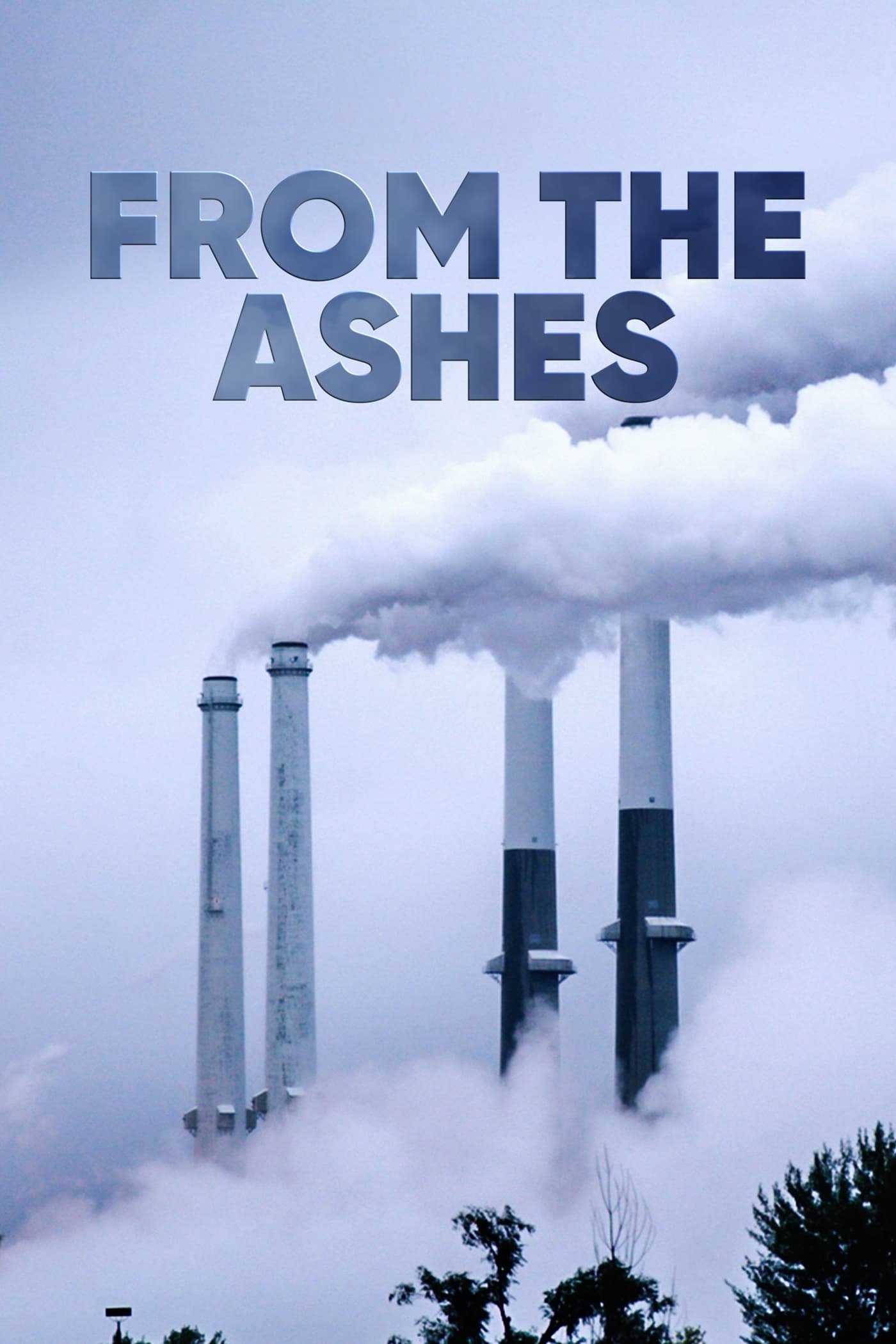
Capturing Americans in communities across the country as they wrestle with the legacy of the coal industry and what its future should be under the Trump Administration. From Appalachia to the West’s Powder River Basin, the film goes beyond the rhetoric of the “war on coal” to present compelling and often heartbreaking stories about what’s at stake for our economy, health, and climate.
A feature documentary about the journey of mankind to discover our true force and who we truly are. It is a quest through science and consciousness, individual and planetary, exploring our relationships with ourselves, the world around us and the universe as a whole.
Filmed in Victoriaville, the film uses images from various sources to paint a cynical portrait of the violent boredom that reigns in rural areas. Quiet sequences of people sharing joints by the river are followed by a lone car speeding along wooded roads, as if seeking speed on the brink of accident. Thuya abandons technical mastery in favor of intimate and spontaneous filming, composing a raw self-documentation of daily stagnation. Filmed mainly in a single day of improvisation, based on chance encounters and found footage.
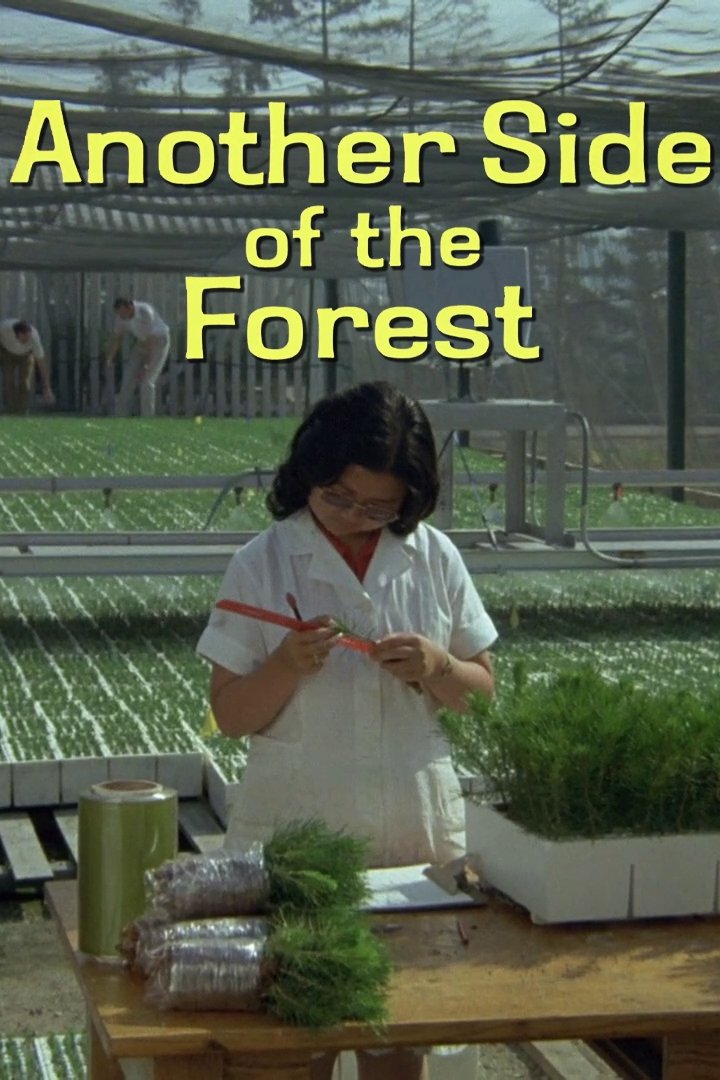
Developments in the Canadian forestry industry during the 1970s are shown being carried out both as lab experiments and in the field to protect and conserve the country's vast forests. These include turning a Newfoundland bog into woodland, fostering British Columbia seedlings that withstand mechanical planting, inoculating Ontario elms against the bark beetle, devising ways of controlling fire, and more.
Michel is the charismatic subject of this documentary about following your sex drive. Sharing unique life experiences with great verve, an aging lothario strikes an honest and simply unforgettable pose.
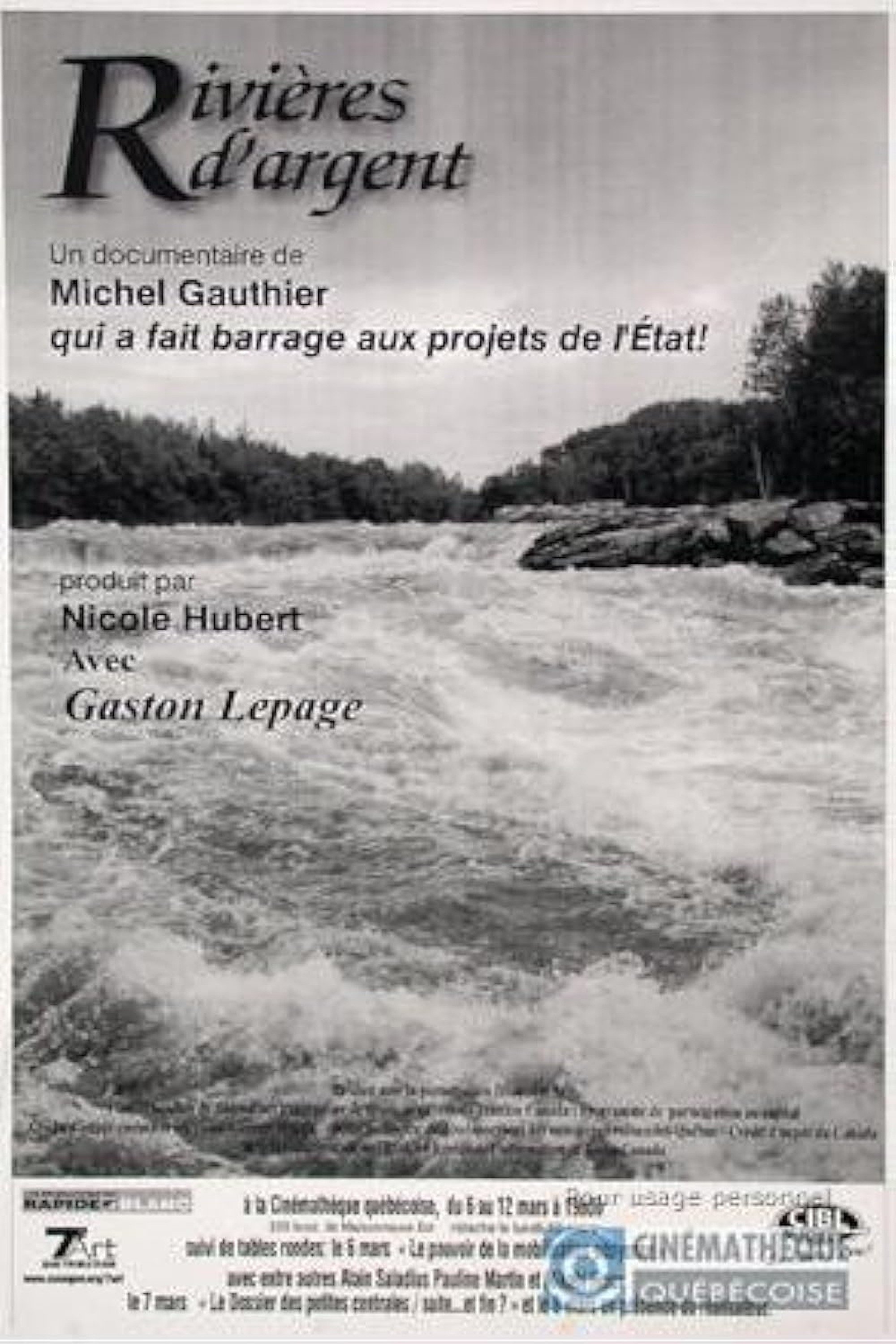
In 2001, the government of Quebec announced a new program to issue permits for the construction of private hydroelectric dams at specific sites. Upset, the population took things into their own hands and decided to act. Citizens formed collectives to protect their waterways, among the most beautiful in the province. This documentary follows several artist and citizen groups who led a crusade to force the Québec government to abandon private hydro-electrical production. It is a thorough inquiry on the environmental impact and other repercussions of such projects.
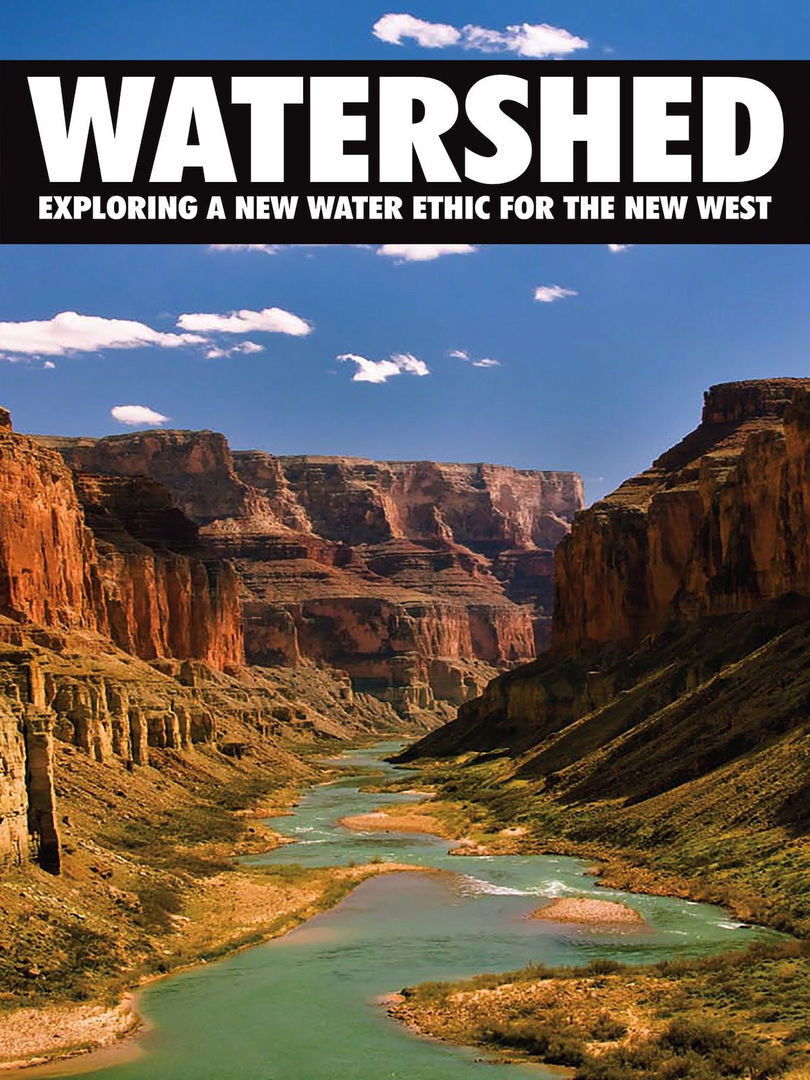
As the most dammed, dibbed, and diverted river in the world struggles to support thirty million people and the peace-keeping agreement known as the Colorado River Pact reaches its limits, WATERSHED introduces hope. Can we meet the needs of a growing population in the face of rising temperatures and lower rainfall in an already arid land? Can we find harmony amongst the competing interests of cities, agriculture, industry, recreation, wildlife, and indigenous communities with rights to the water? Sweeping through seven U.S. and two Mexican states, the Colorado River is a lifeline to expanding populations and booming urban centers that demand water for drinking, sanitation and energy generation. And with 70% of the rivers’ water supporting agriculture, the river already runs dry before it reaches its natural end at the Gulf of California. Unless action is taken, the river will continue its retreat – a potentially catastrophic scenario for the millions who depend on it.
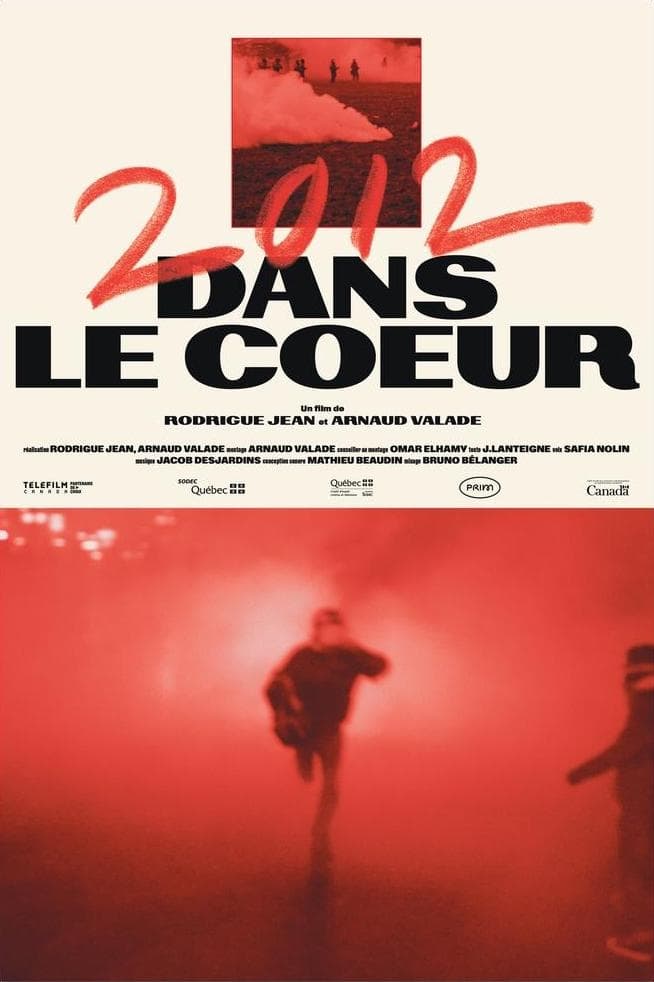
What remains of the 2012 Quebec student protests? Little has changed in the decade that ensued. Rodrigue Jean and Arnaud Valade exhume images of the battles, recorded live and relayed through the mass media, that flared up as anger and indignation went head-to-head with the rhetoric of power. Against these divisive images, the filmmakers overlay a historical perspective of the state and its police in Montreal, Quebec and Canada, delving into the roots of sanctioned violence. Their compelling glance at the past is, of course, a cry that continues to echo in the present day. While the voices have been silenced, revolt still brews. All it takes is a spark...
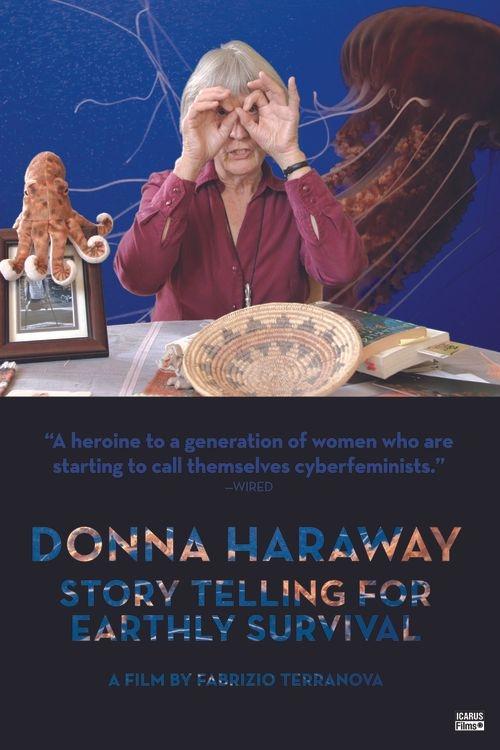
In Fabrizio Terranova’s film, Donna Haraway – an original thinker and activist, one of the founders of cyberfeminism and the author of A Cyborg Manifesto, which proposed a number of innovative theories about the existence of scientific knowledge – calls for the abandonment of the idea of human exceptionalism and for a conception of the world as complex web of interconnections between people, animals and machines. Jellyfish can be seen flying around her home while she discusses the stories that are necessary for Earth’s preservation and reads her fantastic tale of the art of survival on a broken planet, and of fusion and care between the species.
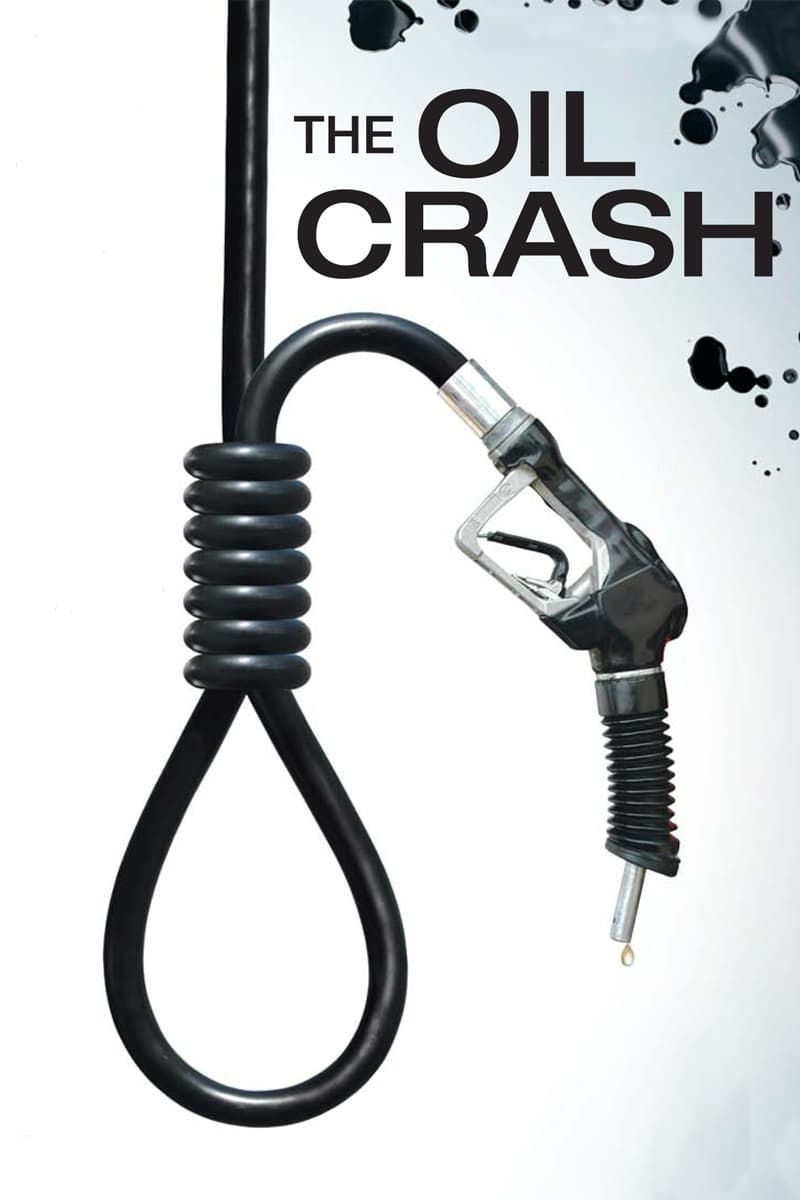
Basil Gelpke and Ray McCormack's nonfiction treatise Crude Awakening joins Maxed Out, An Inconvenient Truth, and other recent documentaries devoted to unearthing and exploring forces that are untying the connective threads of contemporary society. The subject at hand is crude oil - specifically, the depletion of petroleum from the Earth, in an era when consumption threatens to exceed supply.
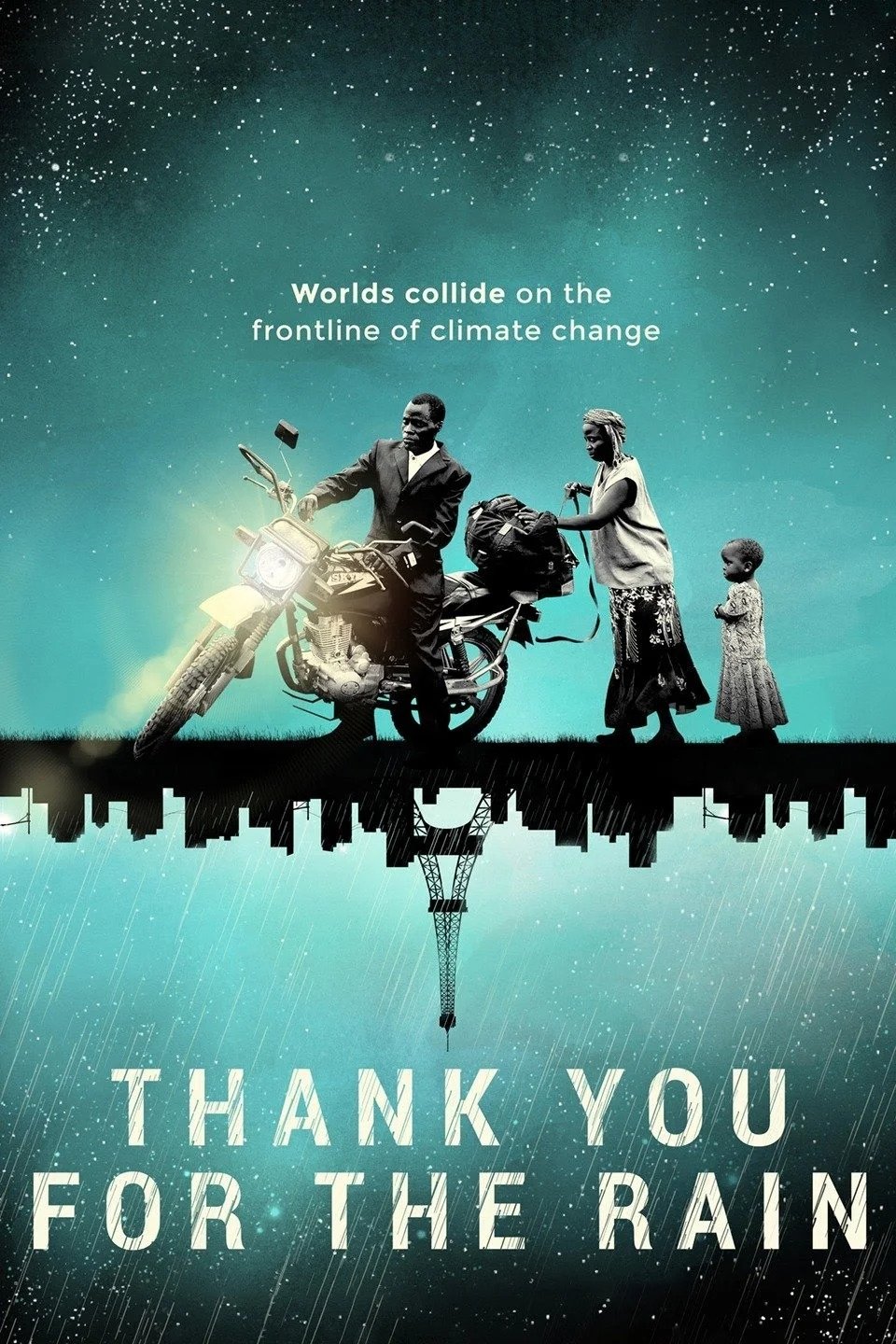
Five years ago Kisilu, a Kenyan farmer, started to use his camera to capture the life of his family, his village and the damages of climate change. When a violent storm throws him and a Norwegian filmmaker together we see him transform from a father, to a community leader and activist on the global stage.
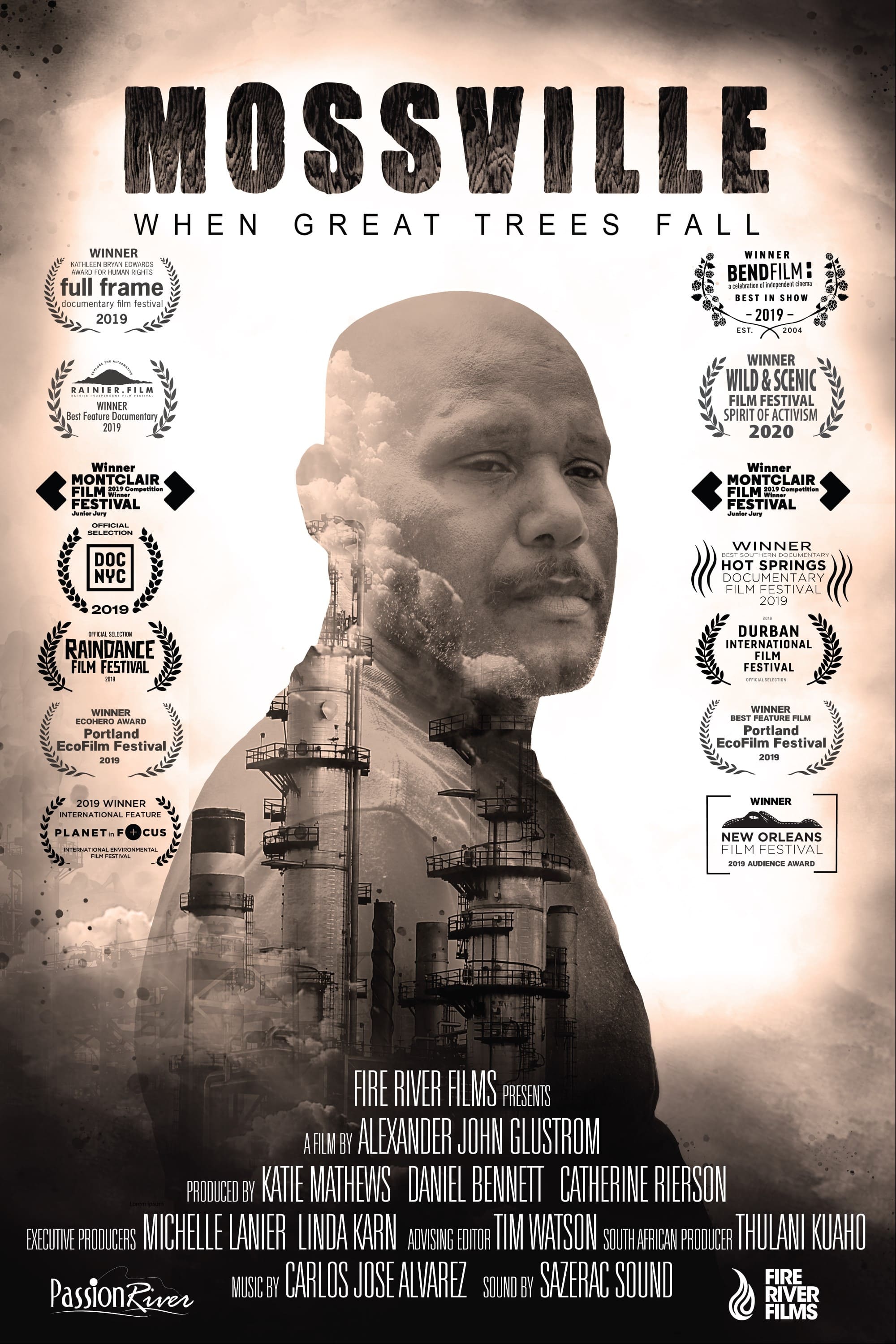
As a centuries-old black community, contaminated and uprooted by petrochemical plants, comes to terms with the loss of its ancestral home, one man standing in the way of a plant's expansion refuses to give up.
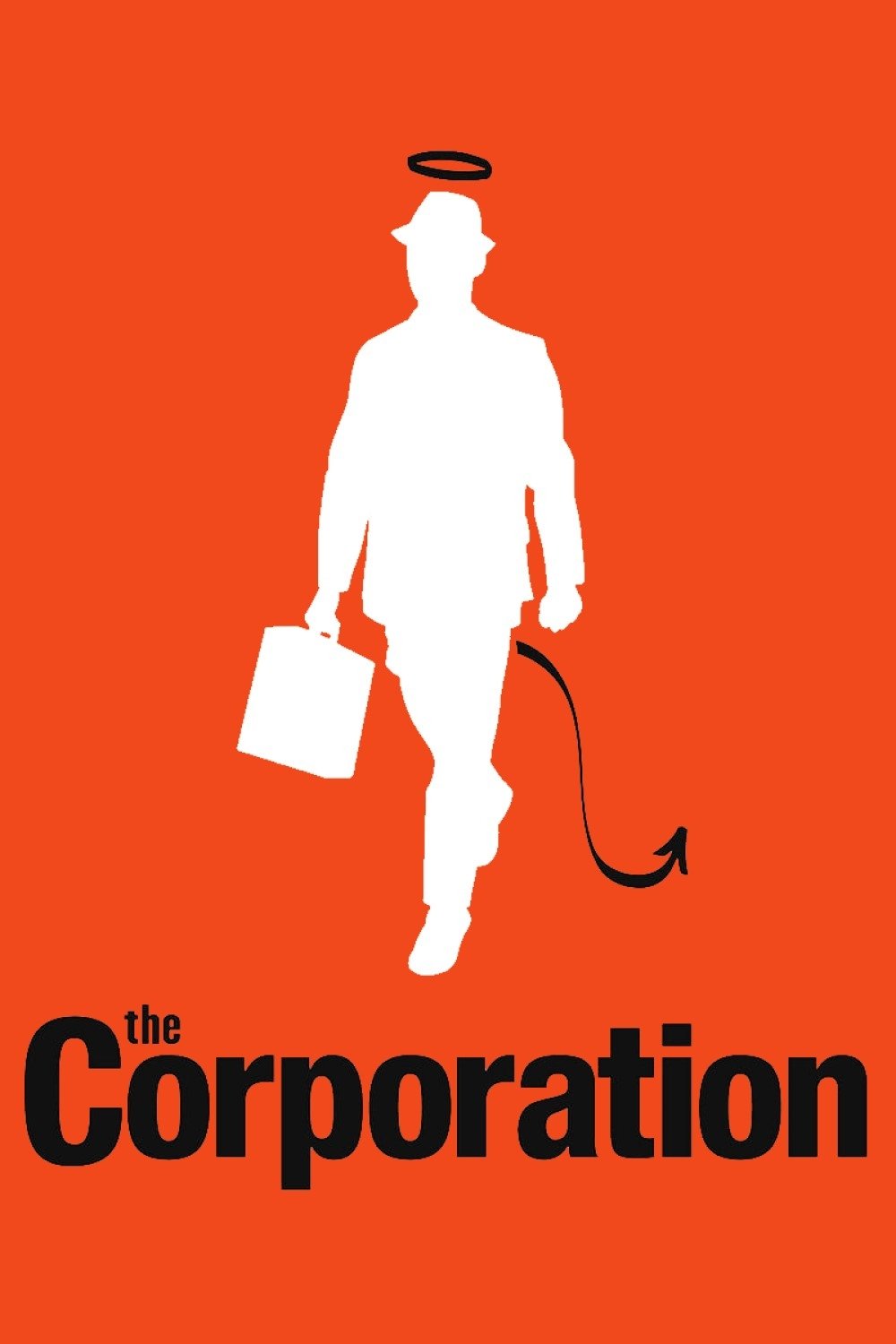
Since the late 18th century American legal decision that the business corporation organizational model is legally a person, it has become a dominant economic, political and social force around the globe. This film takes an in-depth psychological examination of the organization model through various case studies. What the study illustrates is that in the its behaviour, this type of "person" typically acts like a dangerously destructive psychopath without conscience. Furthermore, we see the profound threat this psychopath has for our world and our future, but also how the people with courage, intelligence and determination can do to stop it.
Behind-the-scenes documentary revealing what goes on inside the colourful, privileged, and sometimes stressful Christian Dior fashion house.
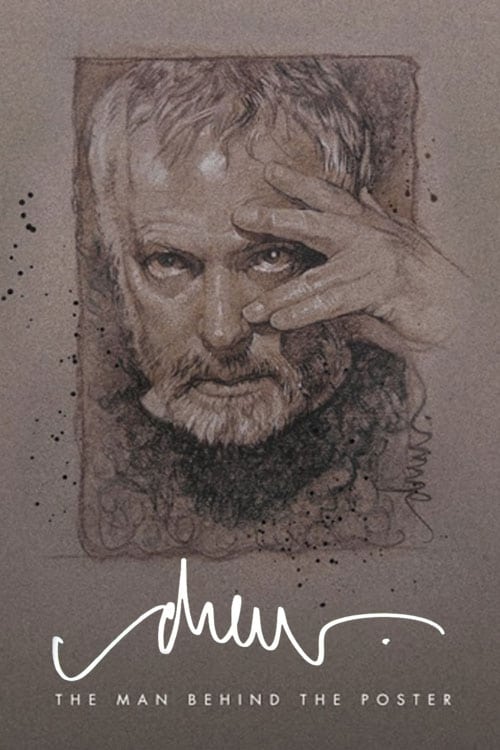
A documentary on legendary movie-poster artist Drew Struzan.
From executive producer Zach Braff and director Jeremy Snead, "Video Games: The Movie" is an epic feature length documentary chronicling the meteoric rise of video games from nerd niche to multi-billion dollar industry. Narrated by Sean Astin and featuring in-depth interviews with the godfathers who started it all, the icons of game design, and the geek gurus who are leading us into the future, "Video Games: The Movie" is a celebration of gaming from Atari to Xbox and an eye-opening look at what lies ahead.
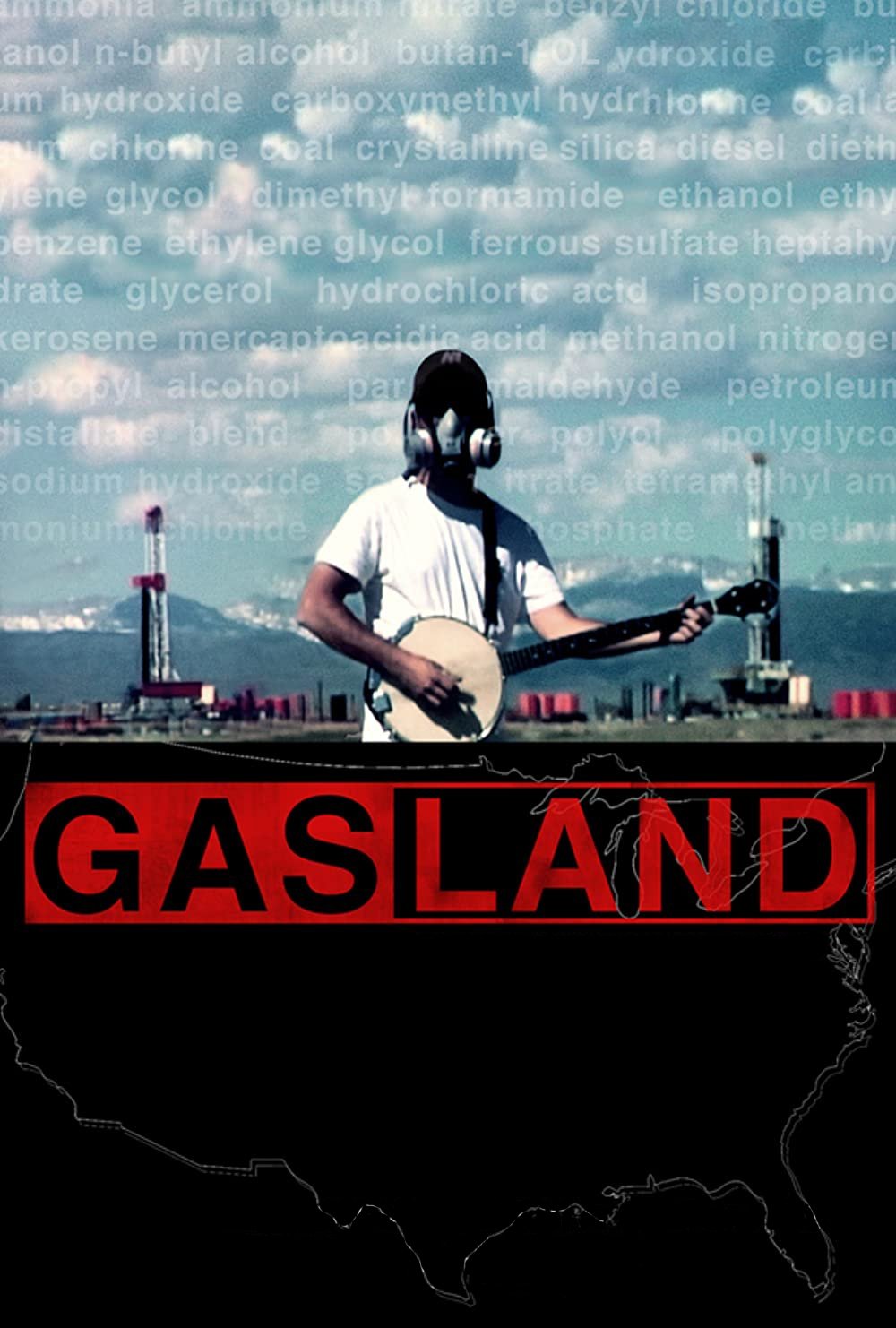
It is happening all across America-rural landowners wake up one day to find a lucrative offer from an energy company wanting to lease their property. Reason? The company hopes to tap into a reservoir dubbed the "Saudi Arabia of natural gas." Halliburton developed a way to get the gas out of the ground-a hydraulic drilling process called "fracking"-and suddenly America finds itself on the precipice of becoming an energy superpower.
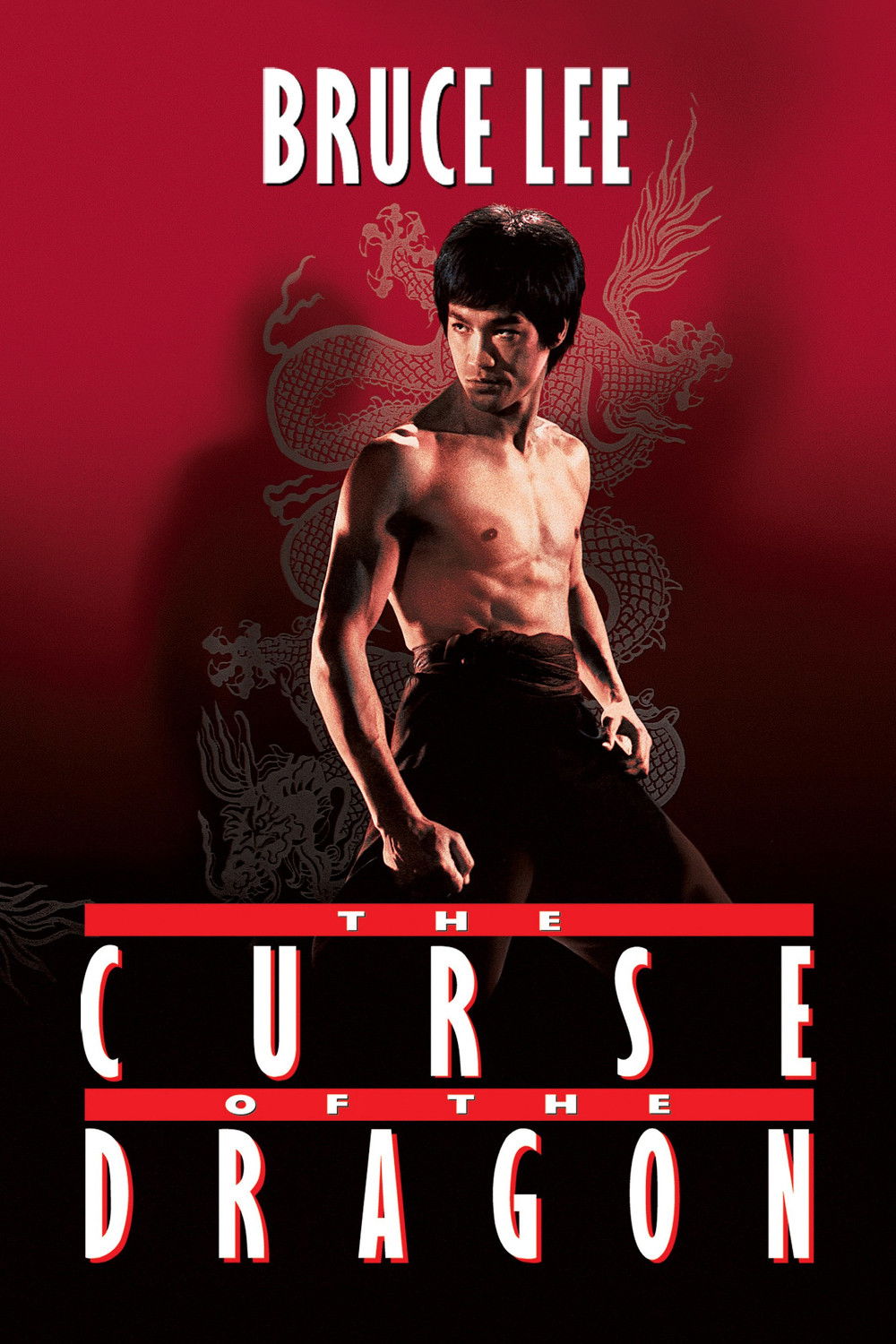
A 1993 documentary film about Bruce Lee. The film includes interviews from some of his fellow students and opponents who worked alongside him in his movies.
In an intimate and joyful story of love in the face of loss, celebrated poets Andrea Gibson and Megan Falley find strength—and unexpected hilarity—in what might be their final year together.
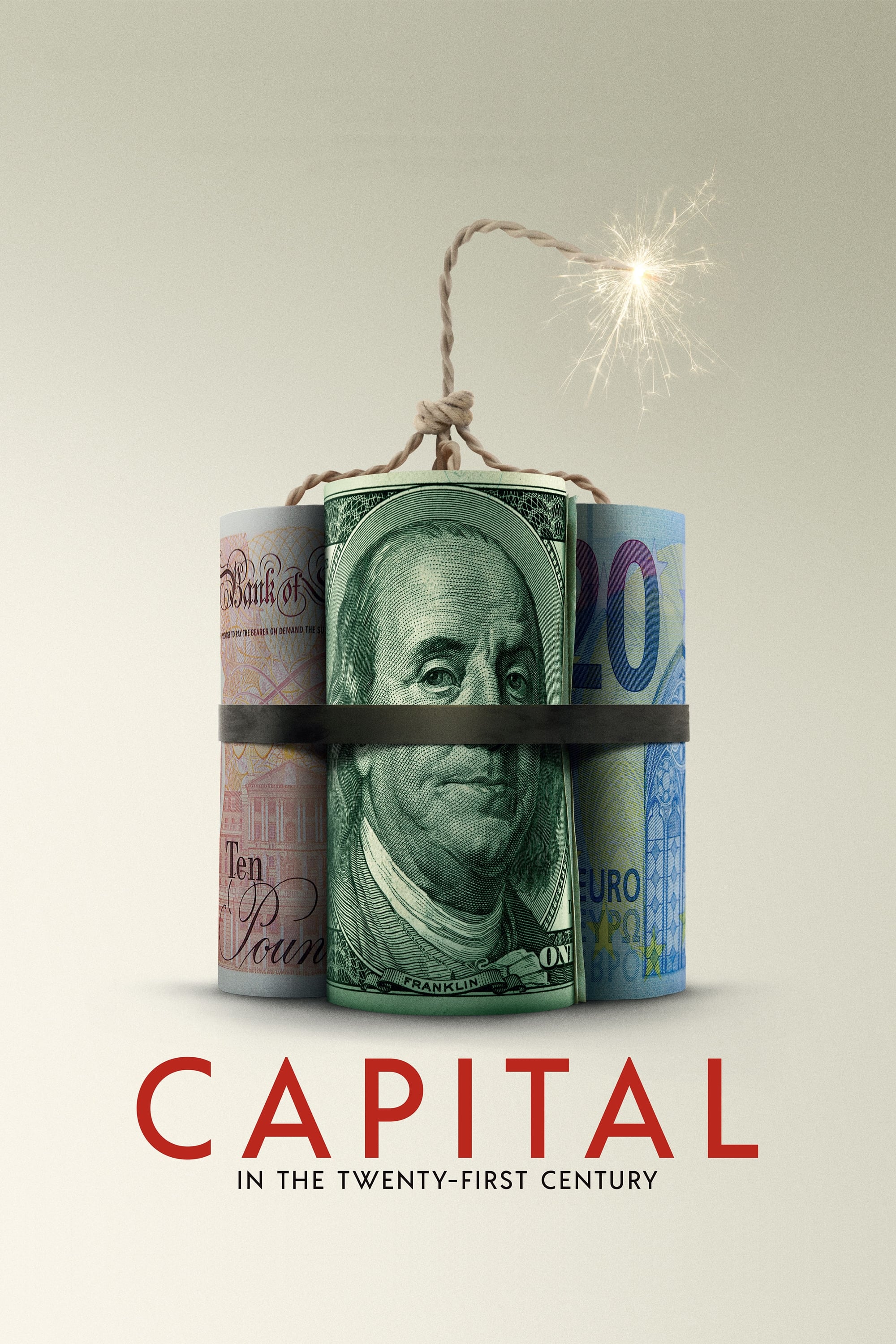
Film adaptation of French economist Thomas Piketty's ground-breaking global bestseller of the same name: an eye-opening journey through wealth and power.
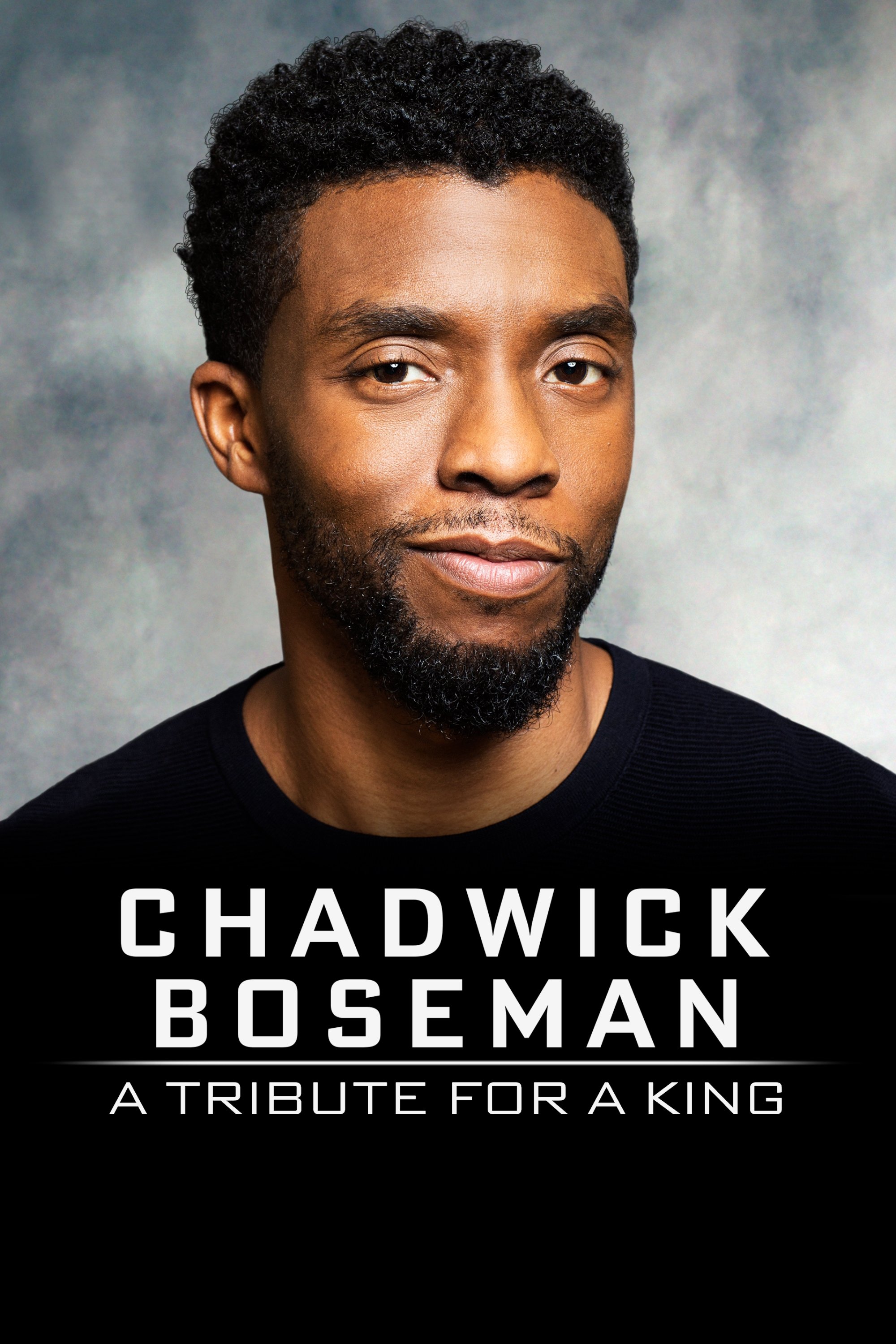
A tribute to Chadwick Boseman, celebrating his life and legacy.
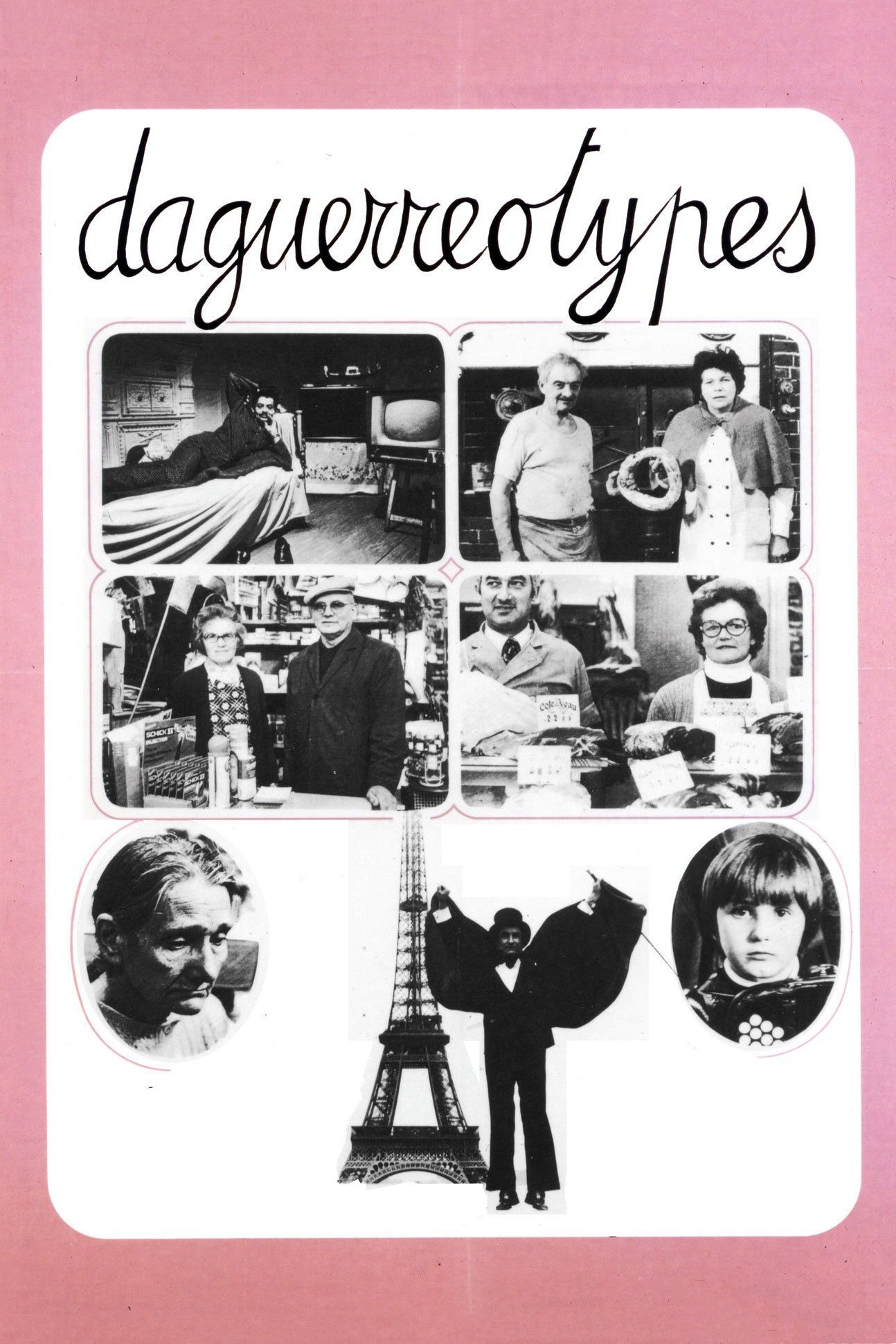
An intimate portrait of the small shops and shopkeepers of the Rue Daguerre in Paris, a picturesque street that has been the filmmaker’s home for more than 50 years.
Have you ever read the Terms and Conditions and Privacy Policies connected to every website you visit, phone call you make, or app you use? Of course you haven’t. But those agreements allow corporations to do things with your personal information you could never even imagine. This film explores the intent hidden within these ridiculous agreements, and reveals what corporations and governments are legally taking from you and the outrageous consequences that result from clicking “I accept.”
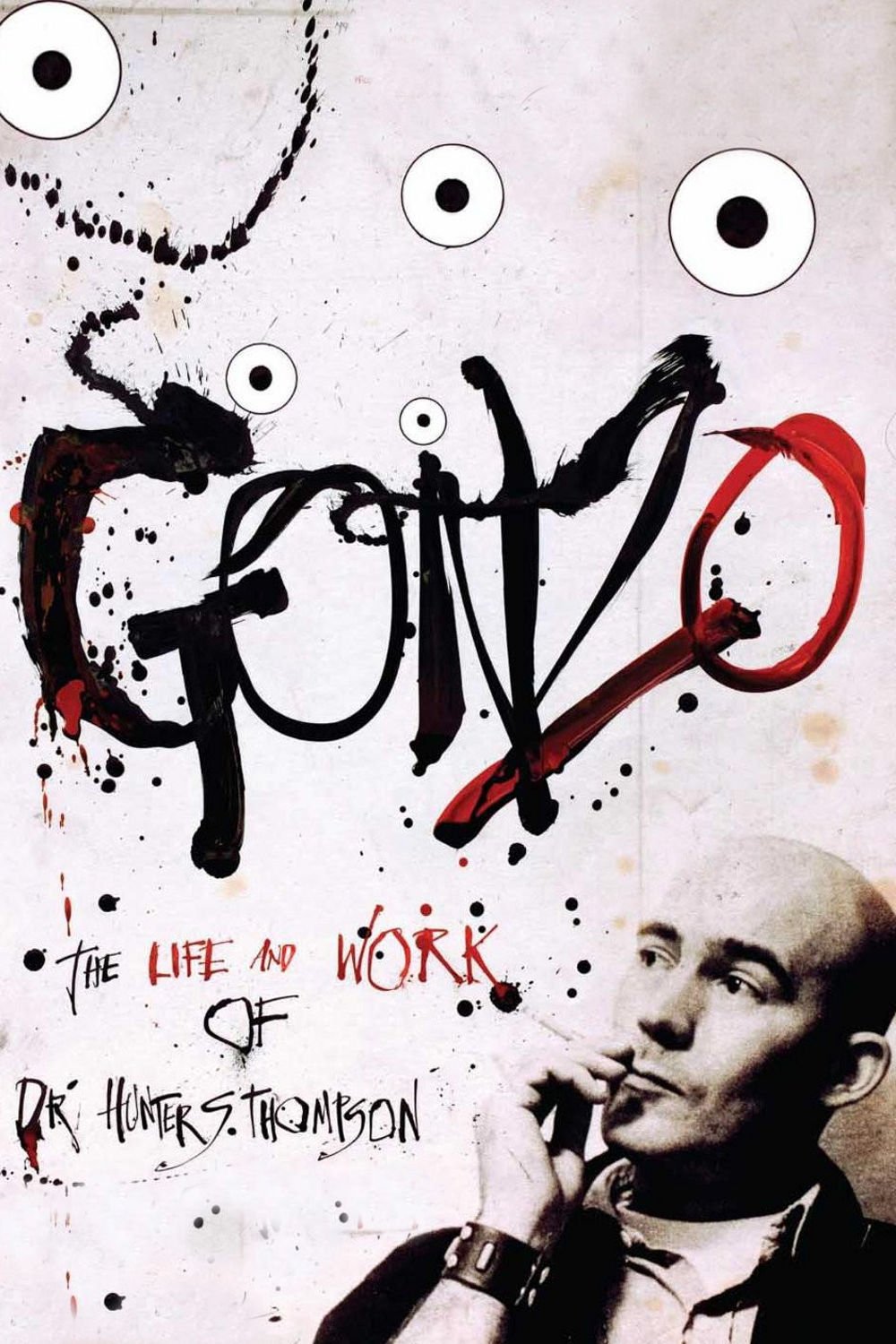
Fueled by a raging libido, Wild Turkey, and superhuman doses of drugs, Thompson was a true "free lance, " goring sacred cows with impunity, hilarity, and a steel-eyed conviction for writing wrongs. Focusing on the good doctor's heyday, 1965 to 1975, the film includes clips of never-before-seen (nor heard) home movies, audiotapes, and passages from unpublished manuscripts.
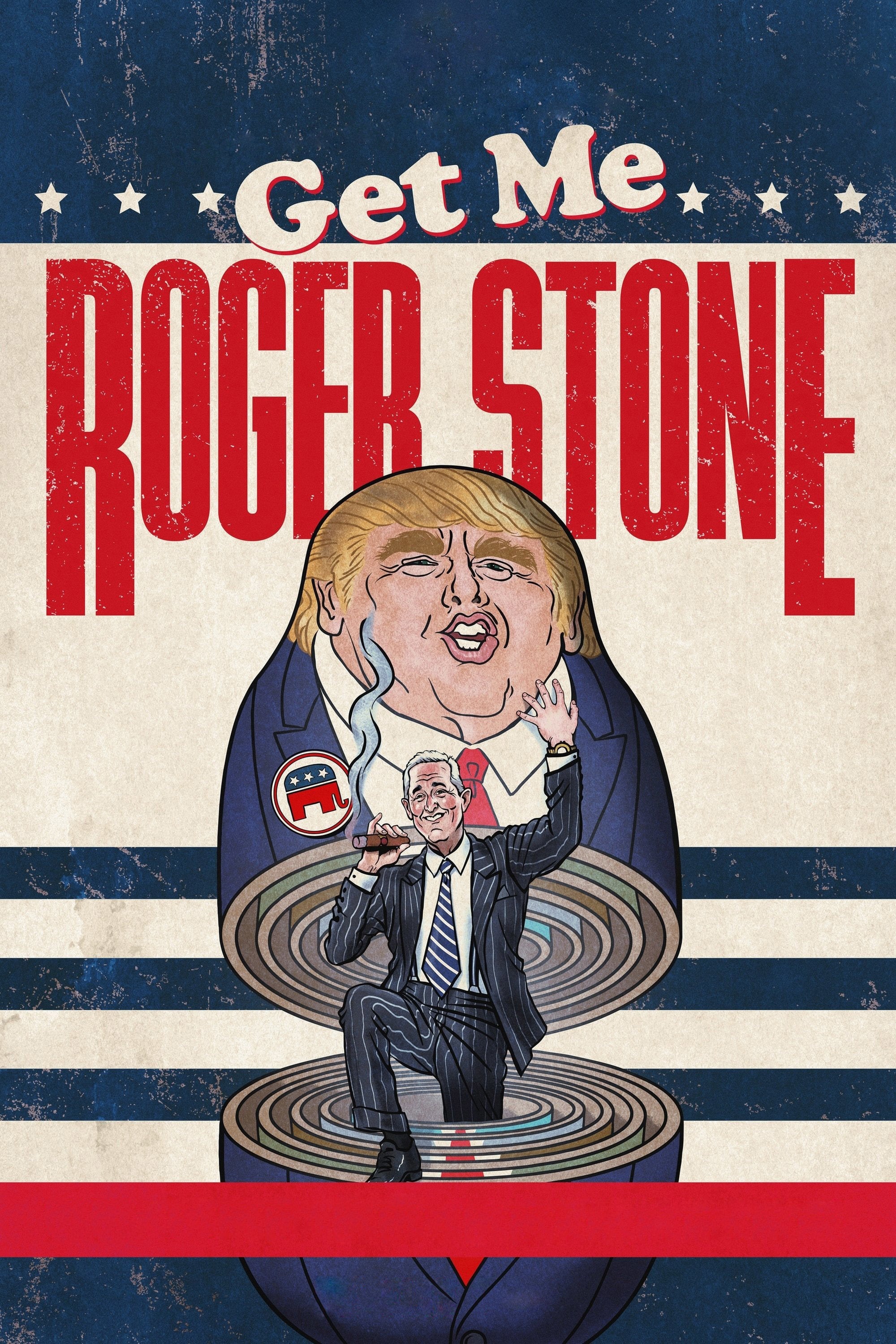
From his days of testifying at the Watergate hearings to advising recent presidential candidate Donald Trump, Roger Stone has long offended people on both sides of the political fence as a force in conservative America. Outspoken author, pundit, ahead of his time election strategist, this is his story.
Through deeply personal interviews with her siblings and an examination of the photographs, letters, and belongings left behind, Mariska assembles a new portrait of her mother Jayne Mansfield, an extraordinary and complex woman.
Al Pacino's deeply-felt rumination on Shakespeare's significance and relevance to the modern world through interviews and an in-depth analysis of "Richard III."
The Captains is a feature-length documentary film written and directed by William Shatner. The film follows Shatner as he interviews the other actors who have portrayed starship captains in the Star Trek franchise.
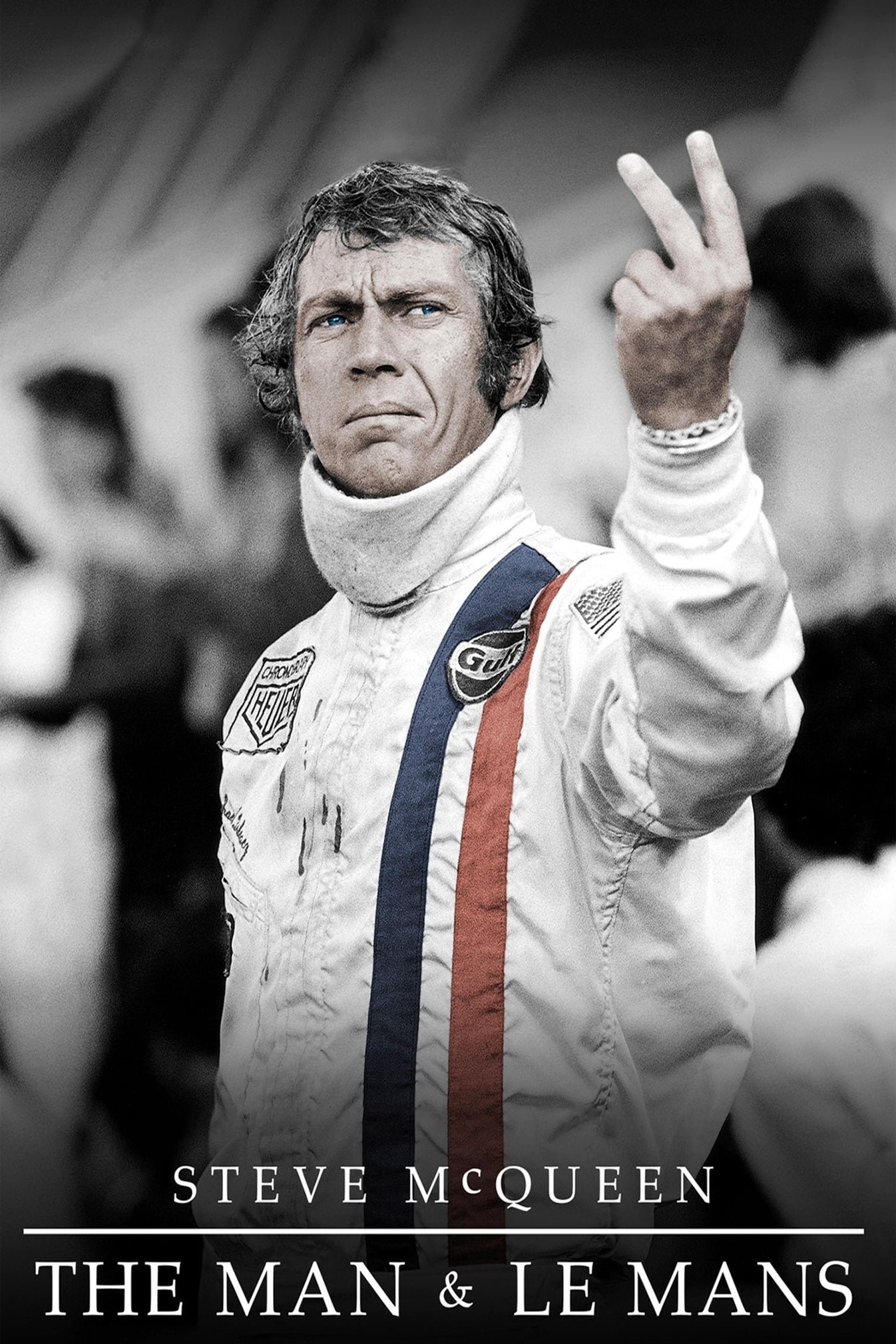
Steve McQueen: The Man & Le Mans interweaves stunning newly discovered footage and voice recordings with original interviews. It is the true story of how a cinema legend would risk almost everything in pursuit of his dream.
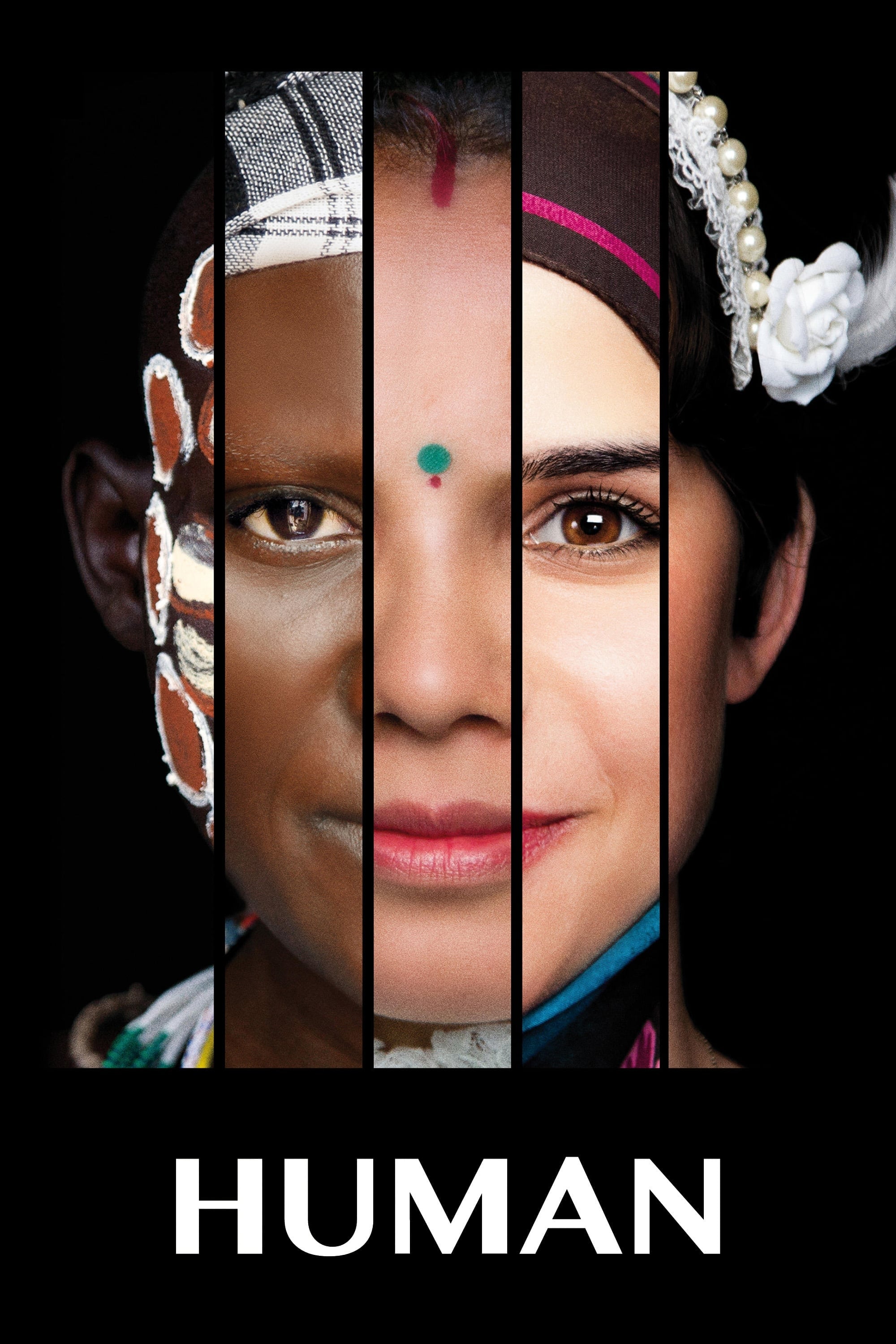
A collection of stories about and images of our world, offering an immersion to the core of what it means to be human. Through these stories full of love and happiness, as well as hatred and violence, it brings us face to face with the Other, making us reflect on our lives. From stories of everyday experiences to accounts of the most unbelievable lives, these poignant encounters share a rare sincerity and underline who we are – our darker side, but also what is most noble in us, and what is universal. Our Earth is shown at its most sublime through never-before-seen aerial images accompanied by soaring music, resulting in an ode to the beauty of the world, providing a moment to draw breath and for introspection. This film is a politically engaged work which allows us to embrace the human condition and to reflect on the meaning of our existence.
A documentary chronicling Vogue editor-in-chief Anna Wintour's preparations for the 2007 fall-fashion issue.
A string of threatening emails escalates into a revenge plot involving a newly married US marshal and his ex-girlfriend.