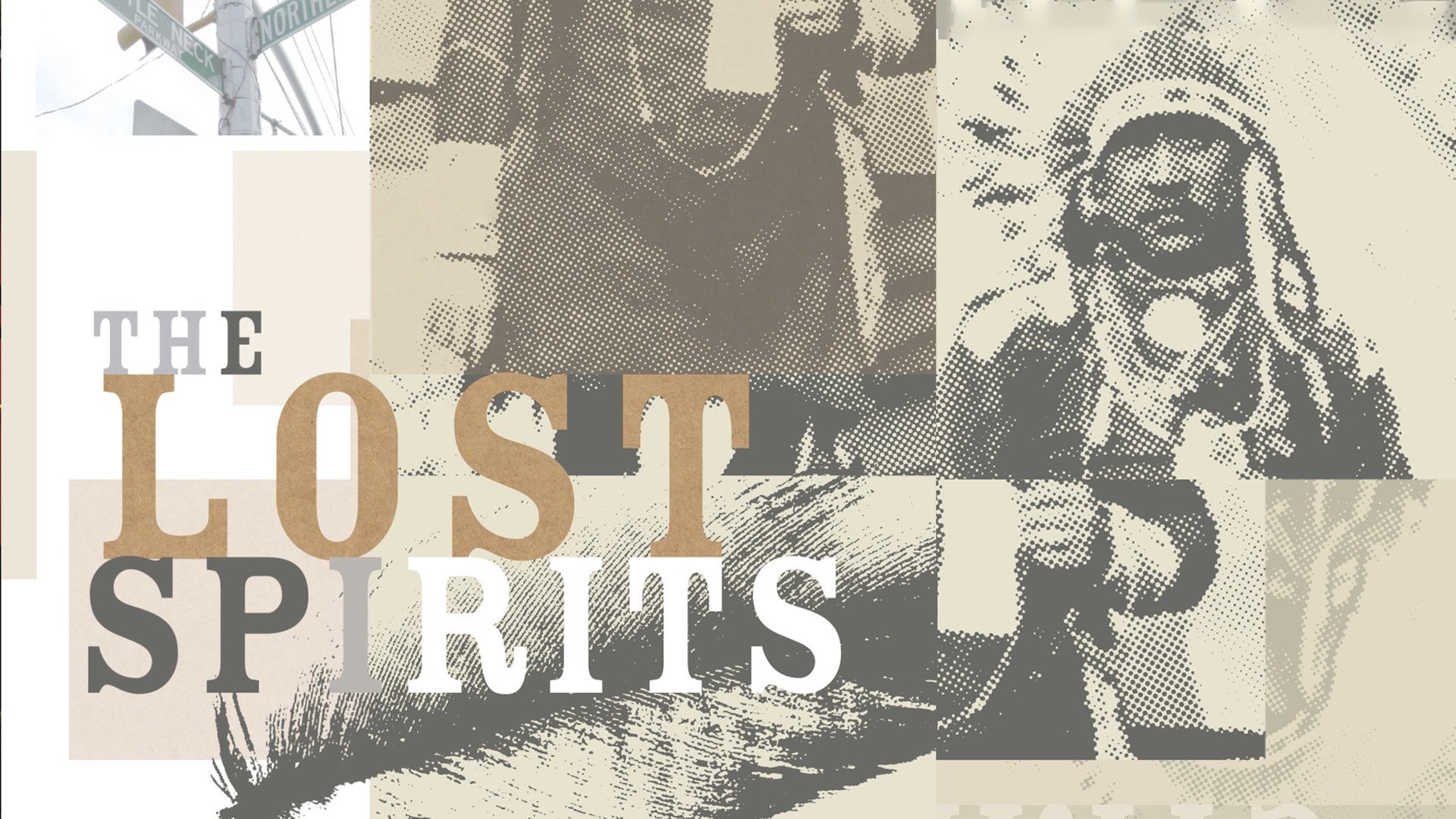
The last surviving Native Americans on Long Island are the focus of The Lost Spirits. The film chronicles their struggles as an indigenous people to maintain their identity amidst relentless modernization and a heartless bureaucracy.
Social & External
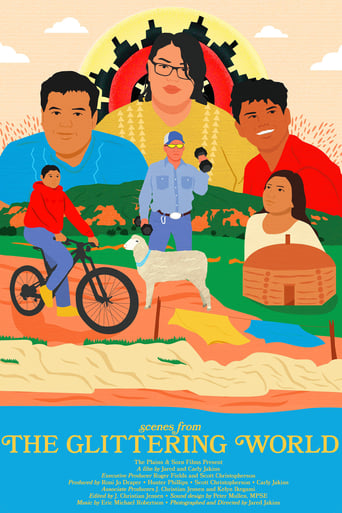
A young Native American man on his way to visit his uncle learns about his Navajo heritage by attending tribal gatherings, traditional ceremonies and listening to old folktales.
The story of an American hero and the Cherokee Nation's first woman Principal Chief who humbly defied all odds to give a voice to the voiceless.
This documentary chronicles David Beckham and his friends' unforgettable journey deep into the heart of the Amazon rainforest in Brazil. Travelling by motorbike and boat, and guided by locals, he visits far-flung communities and tribes that live in this remote landscape.
Documents the cultural and ecological impacts of coal stripmining, uranium mining, and oil shale development in Utah, Colorado, New Mexico, and Arizona – homeland of the Hopi and Navajo.
A documentary account by award-winning filmmaker John Ferry of the events that led up to the 1969 Native American occupation of Alcatraz Island as told by principal organizer, Adam Fortunate Eagle. The story unfolds through Fortunate Eagle's remembrances, archival newsreel footage and photographs.
An experimental look at the origin of the death myth of the Chinookan people in the Pacific Northwest, following two people as they navigate their own relationships to the spirit world and a place in between life and death.
Three intrepid women battle for Indigenous women's treaty rights.
On May 16th, 2019, the State of Maine made history by passing LD 944 An Act to Ban Native American Mascots in All Public Schools, the first legislation of its kind in the country. For Maine's tribal nations, the landmark legislation marked an end to a decades long struggle to educate the public of the harms of Native American mascotry. Fighting Indians chronicles the last and most contentious holdout in that struggle, the homogeneously white Skowhegan High School, known for decades as "The Home of the Indians". This is the story of a small New England community forced to reckon with its identity, its sordid history, and future relationship with its indigenous neighbors. It is a story of a small town divided against the backdrop of a nation divided where the "mascot debate" exposes centuries old abuses while asking if reconciliation is possible.
An intimate and thrilling portrait of a young Siksika woman and the deep bonds between her father and family in the golden plains of Blackfoot Territory as she prepares for one of the most dangerous horse races in the world… bareback.
Three children living in a displacement camp in northern Uganda compete in their country's national music and dance festival.
Explorer Bruce Parry visits nomadic tribes in Borneo and the Amazon in hope to better understand humanity's changing relationship with the world around us.
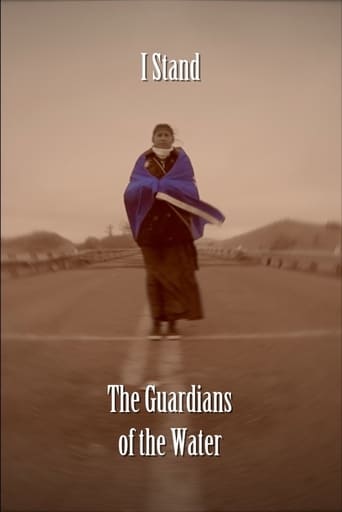
Filmed during the 2016 Standing Rock protests in South Dakota, Sky Hopinka's Dislocation Blues offers a portrait of the movement and its water protectors, refuting grand narratives and myth-making in favour of individual testimonials.
Professional, native and antiquarian researchers combine to investigate the archaeological history and modern legacy of Eastern Native civilization near Turners Falls, Massachusetts. They uncover possible evidence of a vast astronomical construct that covered a large area of what is now the northeastern United States.
On June 26, 1975, during a period of high tensions on the Pine Ridge reservation in South Dakota, two FBI agents were killed in a shootout with a group of Indians. Although several men were charged with killing the agents, only one, Leonard Peltier, was found guilty. This film describes the events surrounding the shootout and suggests that Peltier was unjustly convicted.
Badger Creek is a portrait of Native resilience as seen through a year in the life of three generations of a Blackfeet family living on the rez in Montana. The Mombergs are a loving, sober family who run a successful ranch, live a traditional worldview and are re-learning their language.
A historical documentary documenting the rise, function, and abandonment of a 17 story building that once housed The Rochester Psychiatric Center. This film tells the story of the building through historical footage, interviews of former staff and patients who recount their memories of the behemoth facility while also exploring the abandoned building as it is today.
In this evocative meditation, a disturbing link is made between the resource extraction industries’ exploitation of the land and violence inflicted on Indigenous women and girls. Or, as one young woman testifies, “Just as the land is being used, these women are being used.”
Red Fever is a witty and entertaining feature documentary about the profound -- yet hidden -- Indigenous influence on Western culture and identity. The film follows Cree co-director Neil Diamond as he asks, “Why do they love us so much?!” and sets out on a journey to find out why the world is so fascinated with the stereotypical imagery of Native people that is all over pop culture. Why have Indigenous cultures been revered, romanticized, and appropriated for so long, and to this day? Red Fever uncovers the surprising truths behind the imagery -- so buried in history that even most Native people don't know about them.
This documentary offers a deep, candid, and historical look at the Christian experience of America's largest and best-known tribes: the Dakota and Lakota. Its exploration into Native American history also takes a hard and detailed look at President Ulysses S. Grant's Peace Policy of 1873, which was, in effect, a "convert to Episcopalianism or starve" edict put forth by the American government in direct violation of its Constitution. The devastation it had on the values of the people affected were dramatic and extremely long-lasting. Grant's policy was finally ended over 100 years later by the Freedom of American Indian Religions Act in 1978. Interlaced with extraordinarily candid interviews, this documentary presents an insider's perspective of how the Dakota and Lakota were estranged from their religious beliefs and their long-standing traditions.
A fearless horse bonds two men to each other and to the traditions that define their community.