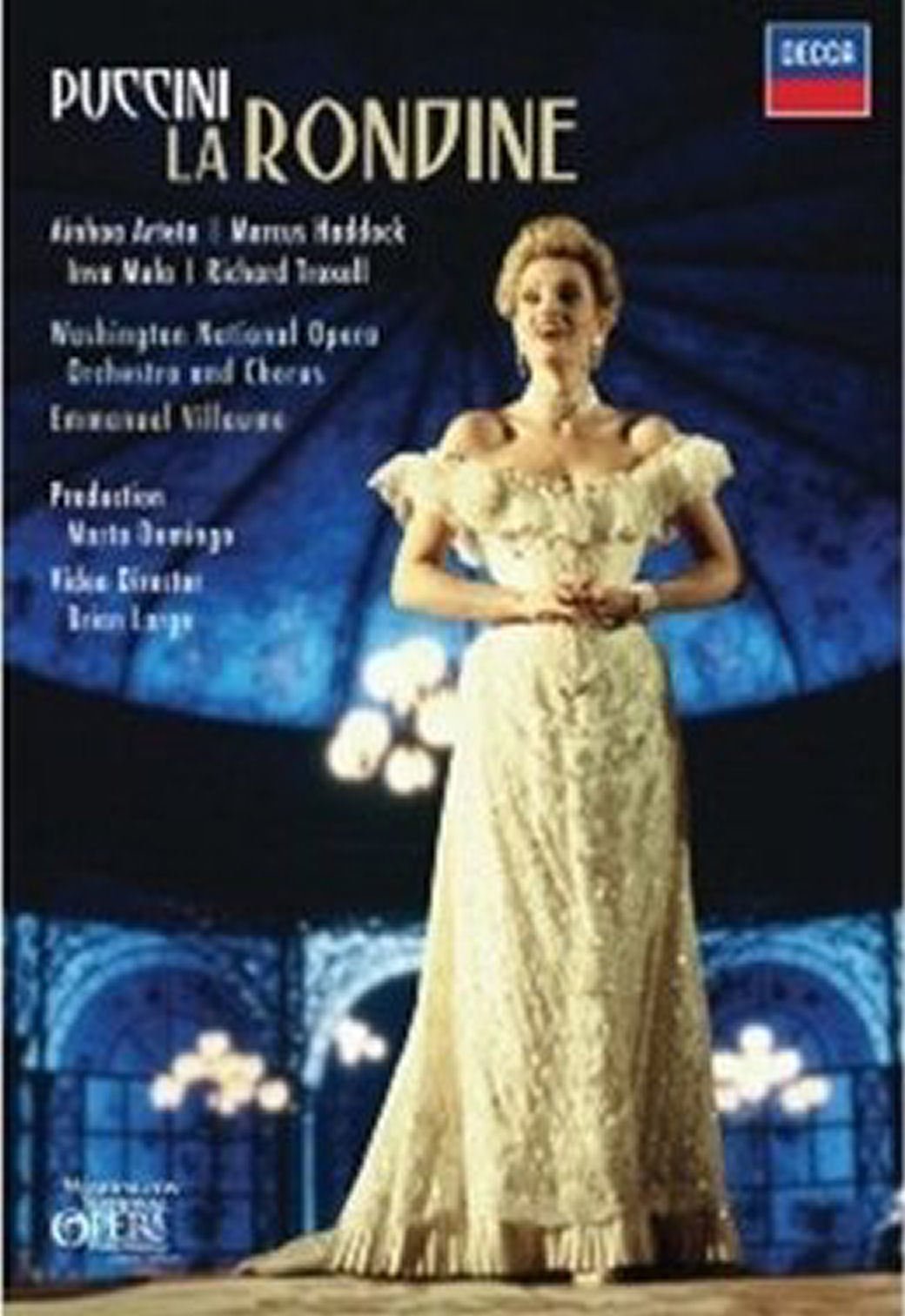
"La Rondine"
Washington National Choir and Orchestra
Social & External
The people behind it
Ainhoa Arteta
Magda
Inva Mula
Lisette
Marcus Haddock
Ruggero
Richard Troxell
Prunier
William Parcher
Rambaldo
Tony R. Dillon
Perichaud
Chris Owens
Crebillon
Steven Gathman
Gobin
Angela Turner Wilson
Yvette
Kathleen Segar
Bianca
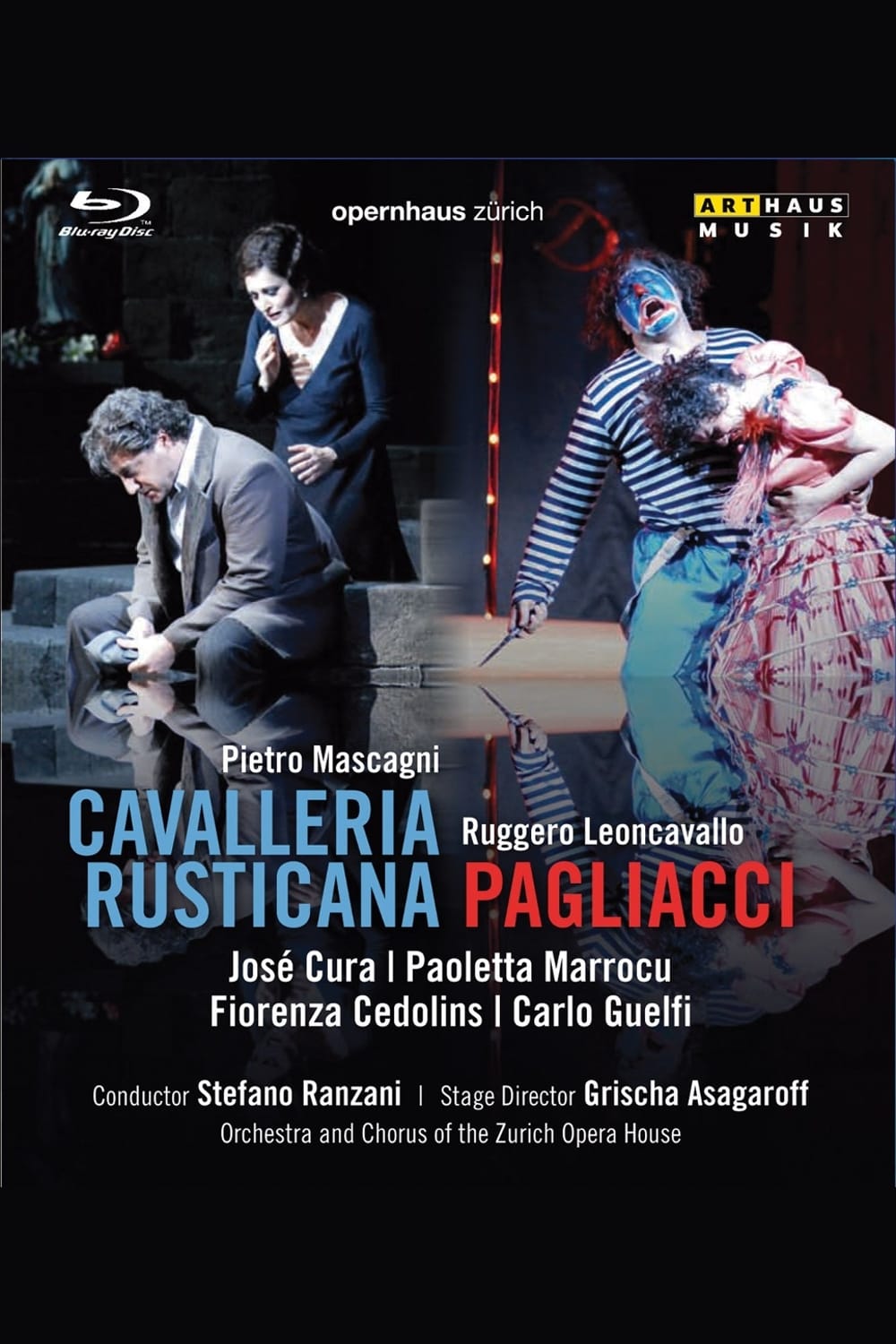
Pietro Mascagni's opera recorded in 2009. Conductor Stefano Ranzani leads the orchestra and chorus of the Zurich Opera House, with performances by Argentinian tenor Jose Cura and soprano Pauletta Marrocu.
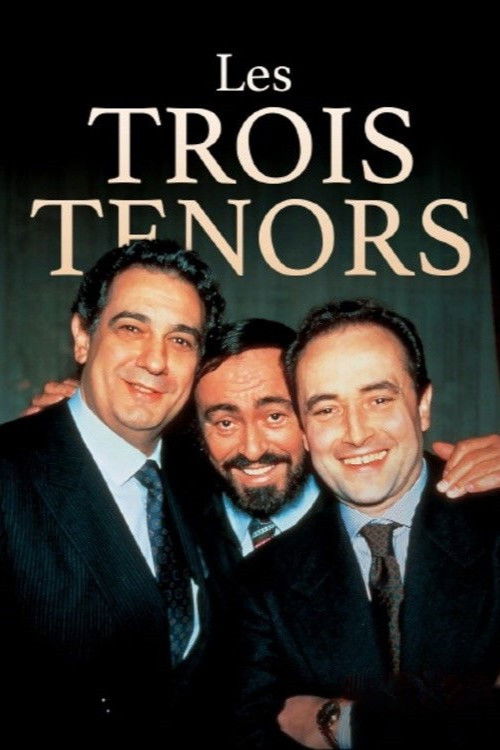
On the eve of the 1990 World Cup final, Plácido Domingo, José Carreras, and Luciano Pavarotti sang together for the first time. A look behind the scenes at a musical event whose phenomenal success lasted for more than a decade.
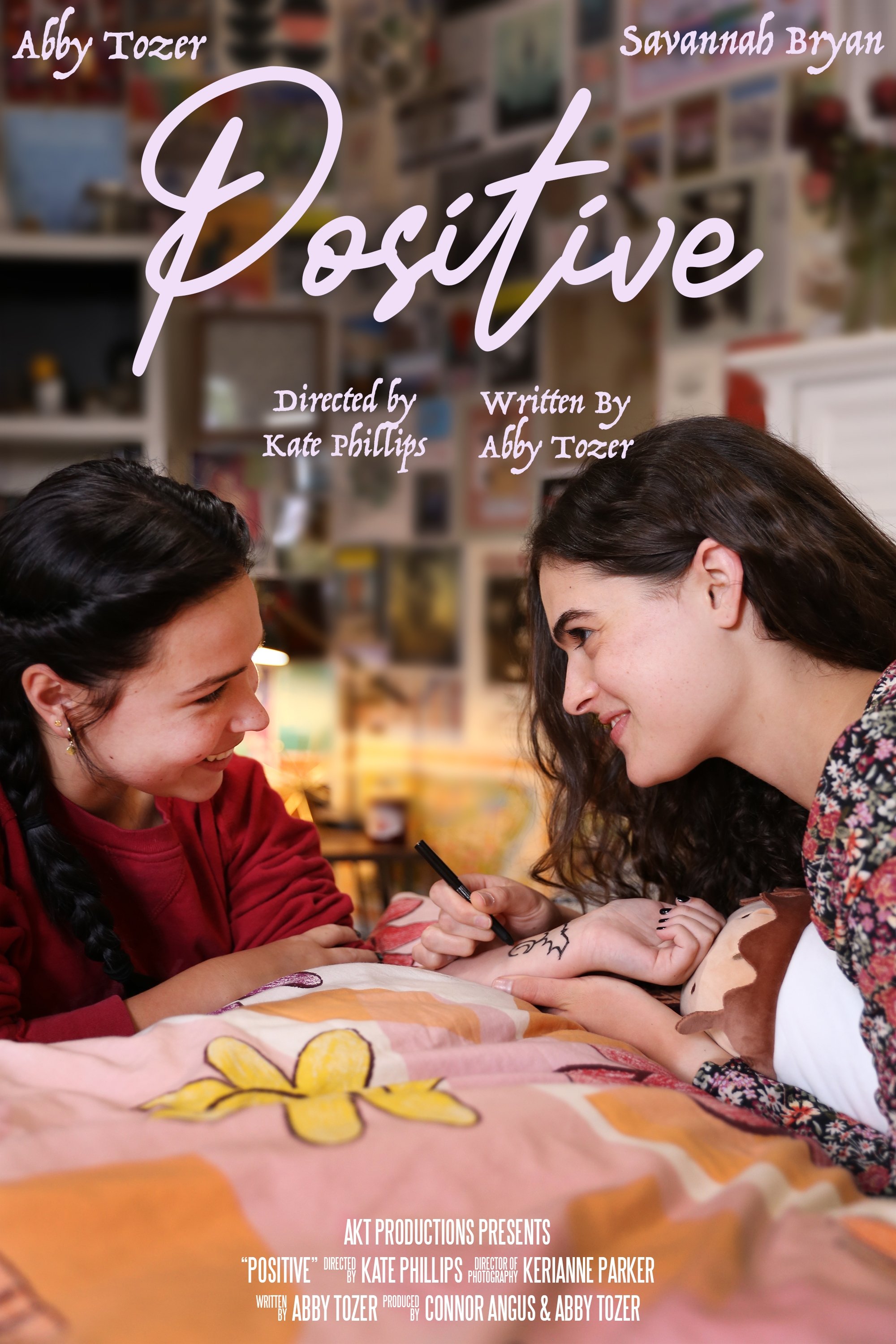
Twenty-two year old Neuroscience student Wendy is in the midst of a transition from pre-med to performance when she is thrown into quarantine with her 17 year-old sister, April. Suddenly sharing a full-sized bed, the sisters struggle to make peace with their newfound living quarters. But, while editing April’s college essays, Wendy discovers her purpose–to help April find hers. Over fourteen days, the girls grow from acquaintances to artistic allies as they realize their unstoppable potential to pursue their passion. Based on a true story, this film was shot in Houston with an entirely Texan cast & crew. Creator Abby Tozer donated $2500 to the Cynthia Woods Mitchell young performing artists' scholarship.
Deep in a forest where druids and warriors seek revenge against the conquering Romans, Norma is scorned by the Roman proconsul Pollione, with whom she has two children. Her kindness turns to fury when she discovers that Pollione has taken Adalgisa, a novice priestess, as his new lover. When Pollione loses his high rank in the army and is offered as a sacrifice, Norma promises him freedom under one condition.
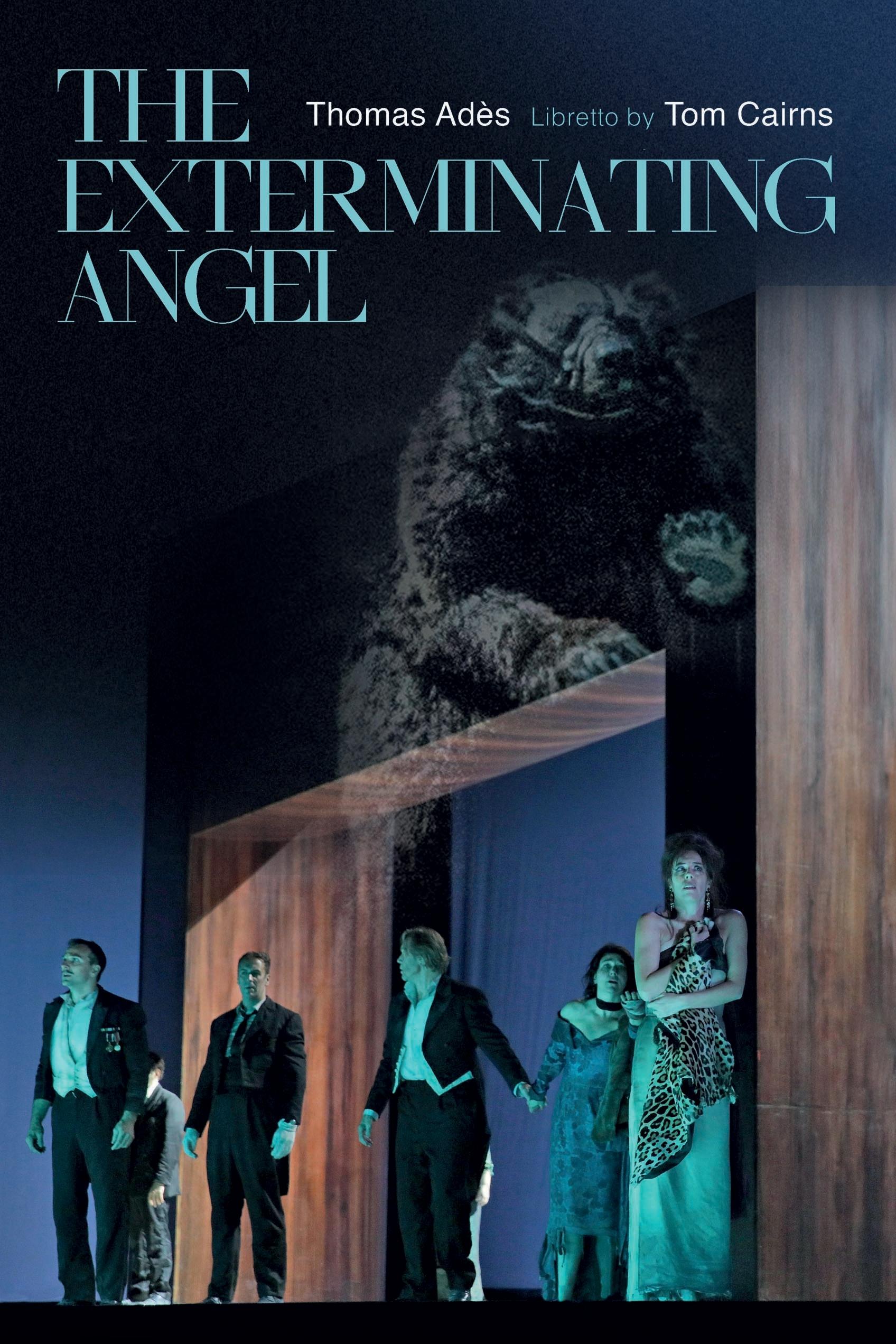
After the acclaimed Met premiere of Thomas Adès's "The Tempest" in 2012, the composer returned with another masterpiece, this time inspired by filmmaker Luis Buñuel's seminal surrealist classic "El Ángel Exterminador", during the 2017–18 season. As the opera opens, a group of elegant socialites gather for a lavish dinner party, but when it is time to leave for the night, no one is able to escape. Soon, their behavior becomes increasingly erratic and savage. The large ensemble cast tackles both the vocal and dramatic demands of Adès's opera with one riveting performance after another. Tom Cairns, who also penned the work's libretto, directs an engrossing and inventive production, using a towering wooden archway to trap the characters onstage. And Adès himself takes the podium to conduct the frenzied score, which features a host of unconventional instruments, including the eerie electronic ondes Martenot.
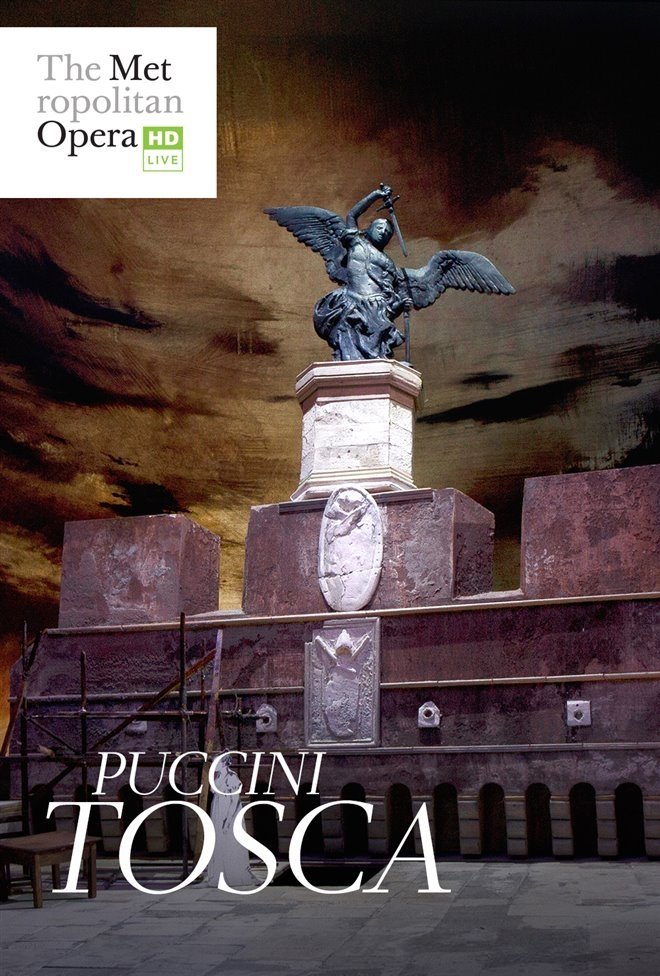
Sir David McVicar’s bold new staging of Tosca, Puccini’s operatic thriller of Napoleonic Rome, thrilled Met audiences when it rang in the New Year in 2018. Only weeks later, the production was seen by opera lovers worldwide as part of the Met’s Live in HD series of cinema presentations. In this performance, Bulgarian soprano Sonya Yoncheva is the passionate title diva, opposite charismatic tenor Vittorio Grigolo as her lover, the idealistic painter Mario Cavaradossi. Baritone Željko Lučić is the menacing Baron Scarpia, the evil chief of police who employs brutal tactics to ensnare both criminals and sexual conquests. On the podium, Emmanuel Villaume conducts the electrifying score, which features some of Puccini’s most memorable melodies.
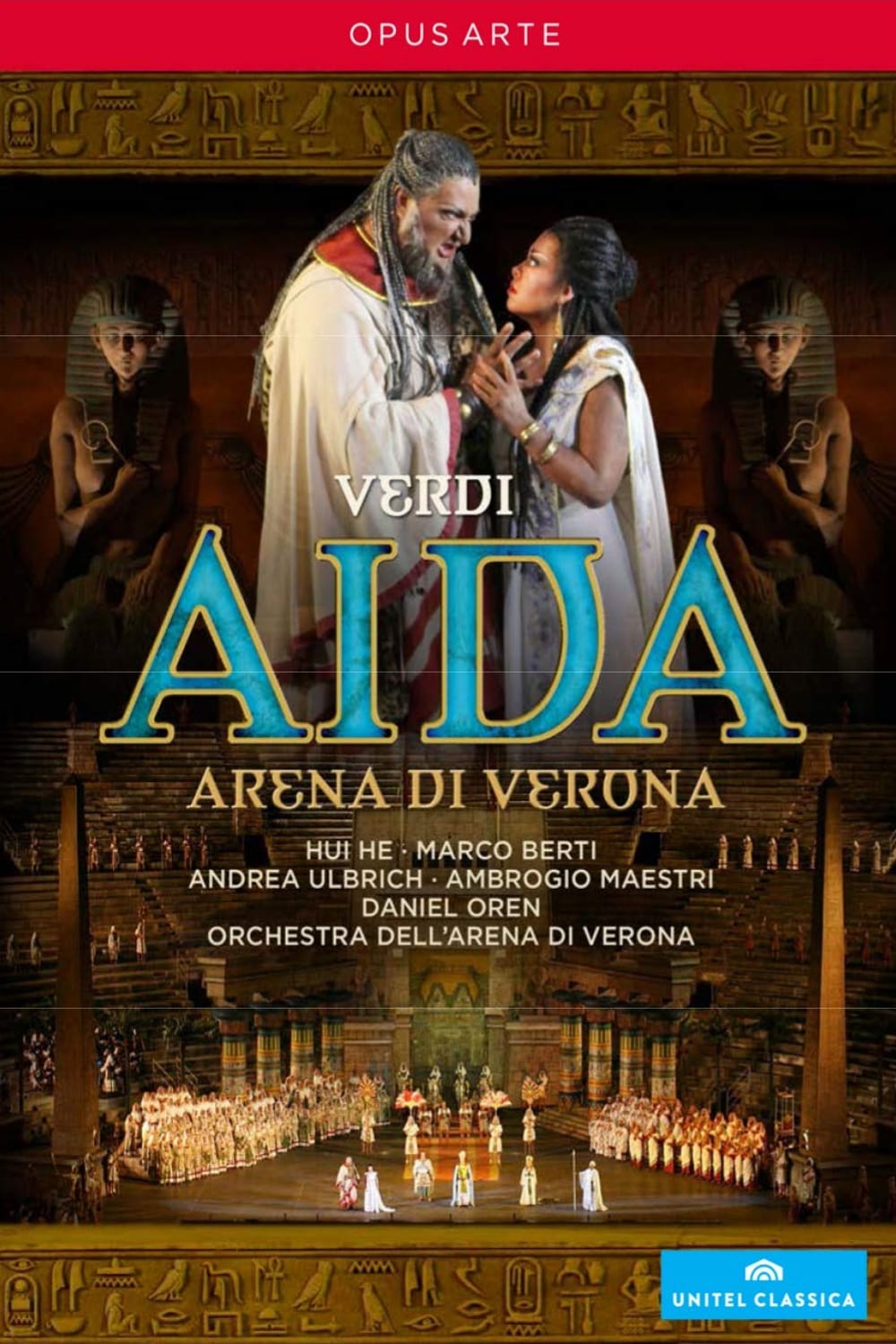
The grand scale and magnificent acoustics of the Roman arena in Verona are ideally suited to the pageantry of Verdi's Egyptian opera, presented here in a staging that is true to the original 1913 production, framed by obelisks and sphinxes and filled with chorus and dancers. Chinese soprano Hui He has won international acclaim for her portrayal of the eponymous slave girl whose forbidden love for the war hero Radamés (Marco Berti, the experienced Verdi tenor) brings death to them both.
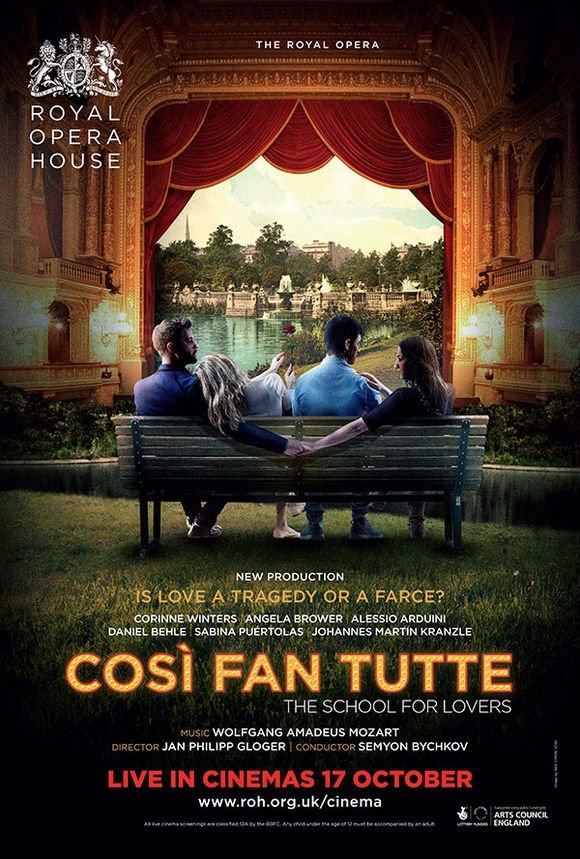
Semyon Bychkov conducts a cast of young, up-and-coming talent including American soprano Corinne Winters in a new production of Mozart’s opera on the nature of love.
A Ukrainian comic opera with spoken dialogue in three acts with music and libretto by the composer Semen Hulak-Artemovsky (1813–1873). The orchestration has subsequently been rewritten by composers such as Reinhold Glière and Heorhiy Maiboroda. This is one of the best-known Ukrainian comic operas depicting national themes.
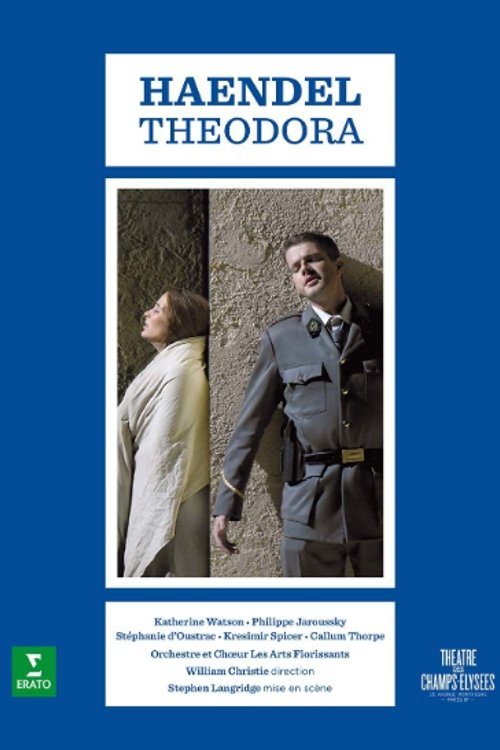
The oratorio concerns the Christian martyr Theodora and her Christian-converted Roman lover, Didymus.
Live recording of a stage performance at the Glyndebourne Theatre, 24 August 1973, directed by Sir Peter Hall.
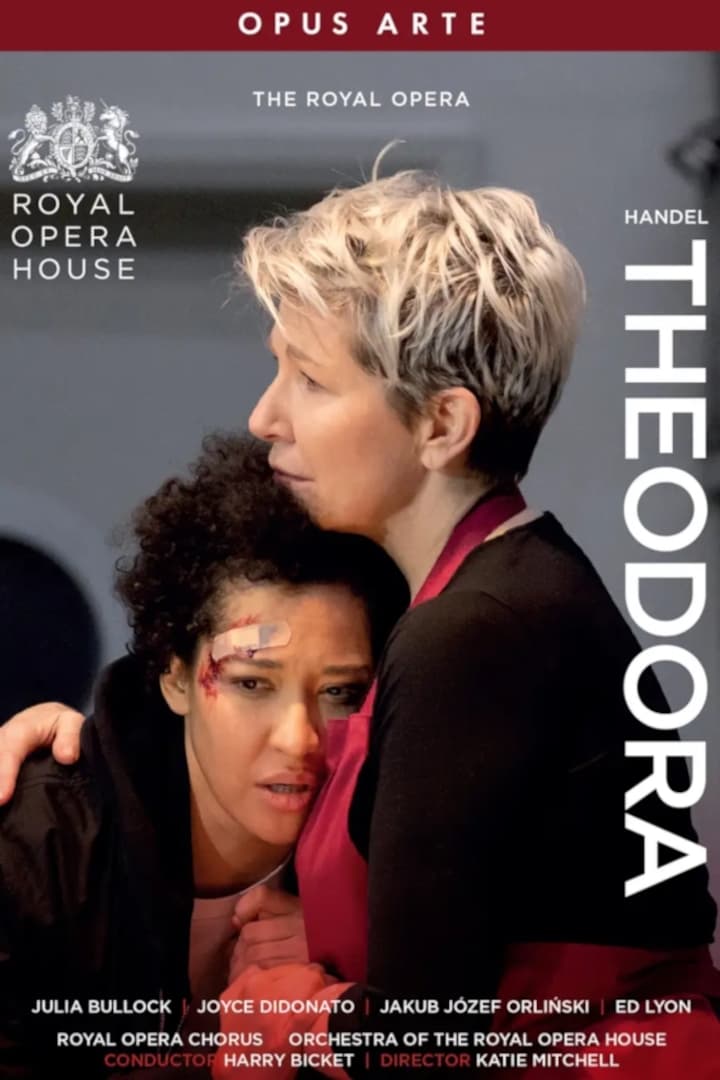
Julia Bullock, Joyce DiDonato and Jakub Jozef Orlinski star in Katie Mitchell’s thrilling new production of Handel’s Theodora in an alternative modern-day reality, Theodora, a religious fundamentalist, plots for the resistance against the Roman occupation. But when her secret plan to destroy the Roman embassy is discovered, she learns the true brutality of her oppressors. Harry Bicket conducts the Orchestra of the Royal Opera House
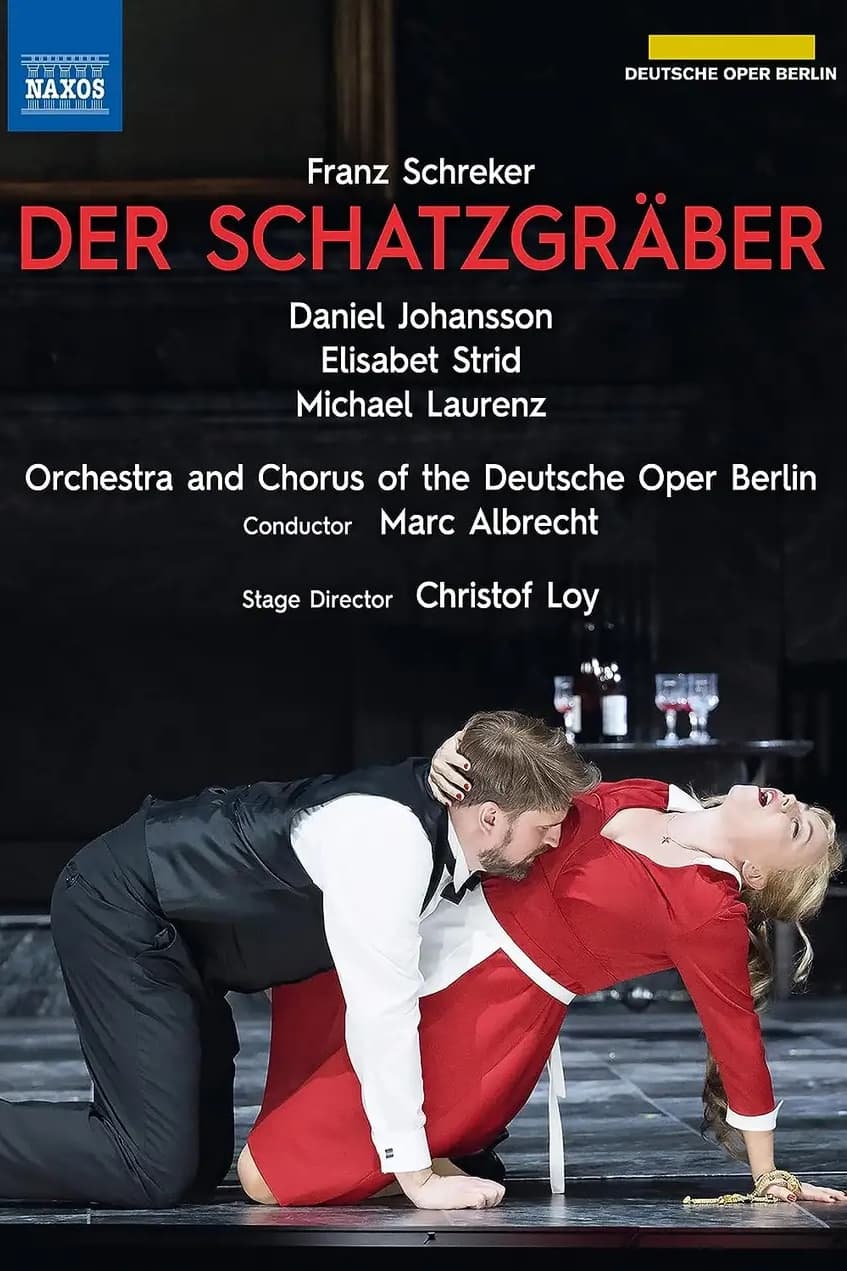
Franz Schreker’s career was cut short by the events of 1933 in Germany but he achieved real fame with his operas, and the huge success of Der Schatzgräber (‘The Treasure Hunter’) in the 1920s was the high point of his career. In a complex and ultimately tragic tale of destructive greed, desire and toxic social hierarchy, the innkeeper’s daughter Els is forced to confront the consequences of her murderous intent in what conductor Marc Albrecht considers ‘a work of exceptional quality, concentration and significance’. Following the huge success of Korngold’s Das Wunder der Heliane (Naxos DVD 2.110584–85 / Blu-ray NBD0083V), director Christof Loy continues his exploration of strong female characters and neglected 20th-century masterpieces with this highly acclaimed Deutsche Oper Berlin production.
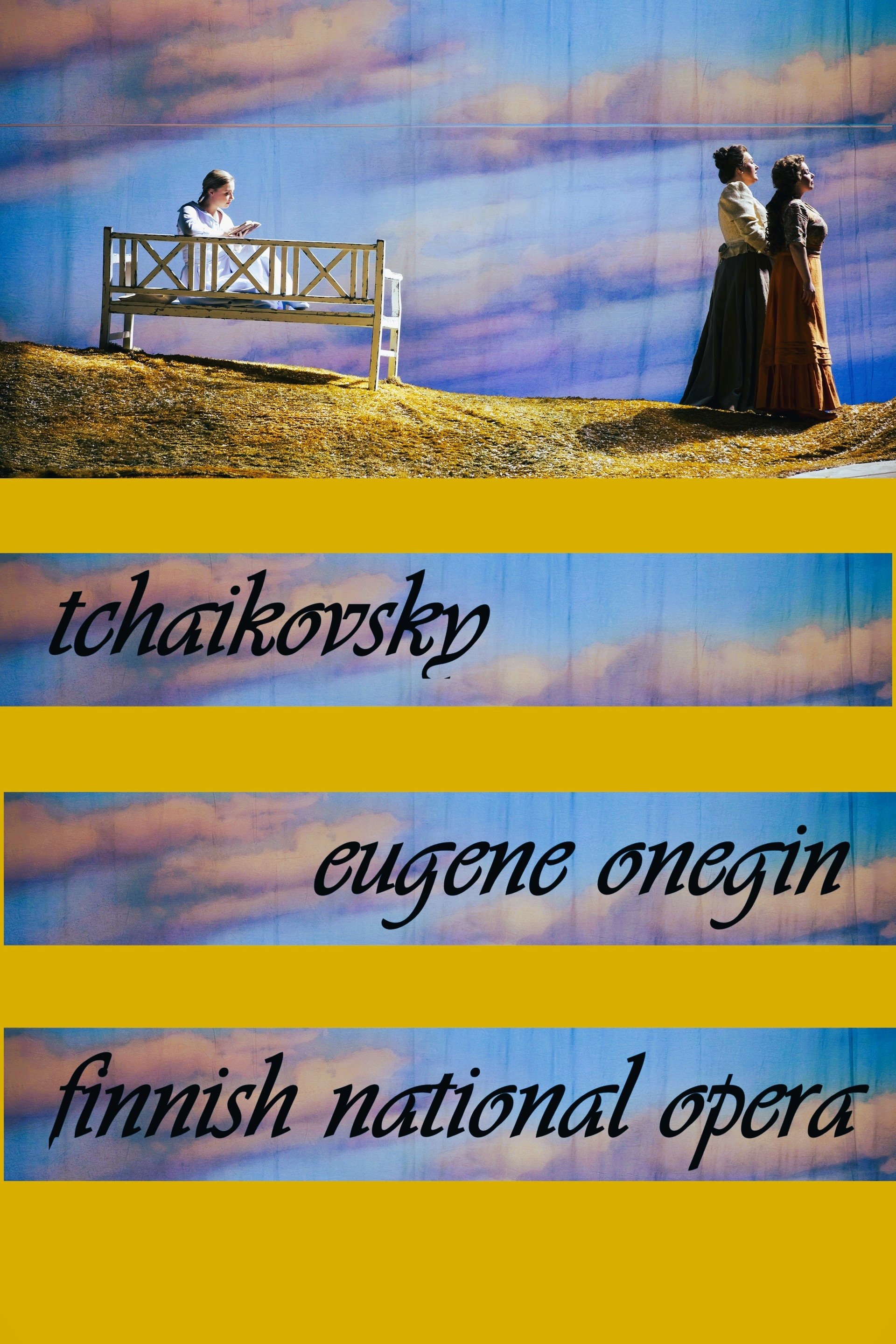
Pyotr Ilyich Tchaikovsky's 1879 opera, adapted from Alexander Pushkin's novel. Performed by the Finnish National Opera. Filmed on 20 December 2024 and streamed by Operavision.
Set in a nightmarish Bardo, a place between death and rebirth, a tormented writer faces down demons of his own making. Forced to confront the darkest moment in his life, he mines fractured and repressed memories for a way out. A woman is at the center of all the writer’s afterlife encounters. She is the subject of his life’s greatest regret, and she materializes everywhere in this Otherworld. The writer cannot detach any thoughts of his life from her.
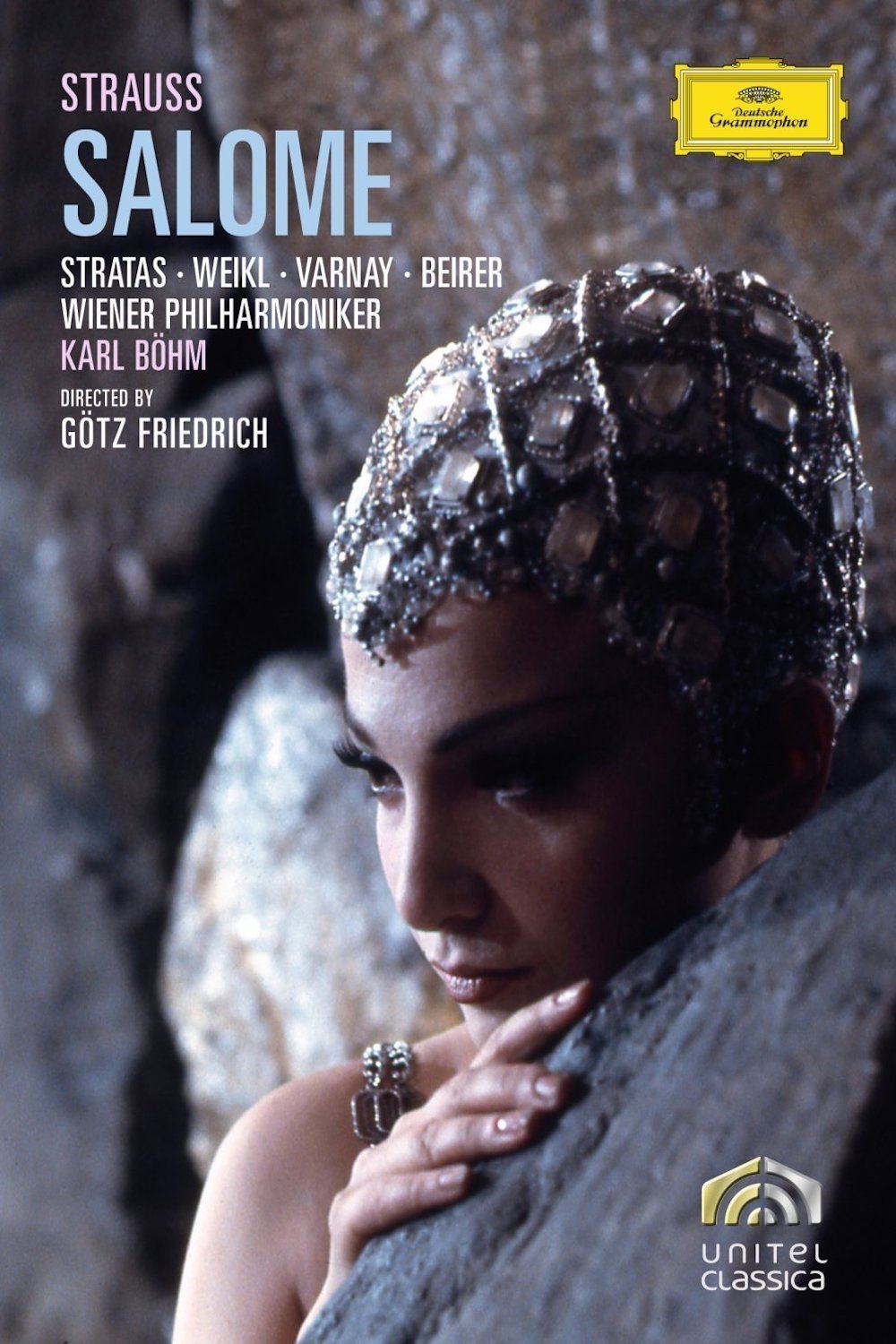
This filmed version of Strauss' shocker features Teresa Stratas as opera's most depraved teenager, and she's as perfect a Salome as one would ever hope to see or hear. Stratas inhabits the role, exploring the character's sensuousness as she vainly woos Jochanaan, her venomous hatred when she's rejected, the crazed look in her eyes when she demands his head--on a silver platter, no less. Such complete identification with a role, especially of a character so malignant helps make this 1974 Salome stand out among the many fine DVDs of the opera.
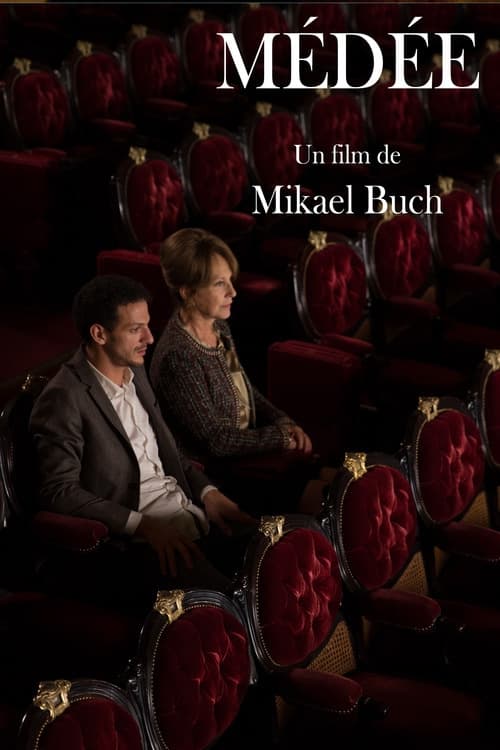
A lonely mother and her son go to the opera where a performance of Cherubini’s opera Medea is given. It is the mother’s birthday and she wanted to surprise her son by inviting him to the opera. But, the son’s plan were different and he is quite upset about it. His mother tries to break the silent barrier behind which he hides. A semblance of discussion begins, not without humour. Tension is present but, as the performance goes on, both find themselves astounded, captured, alone in the opera house.
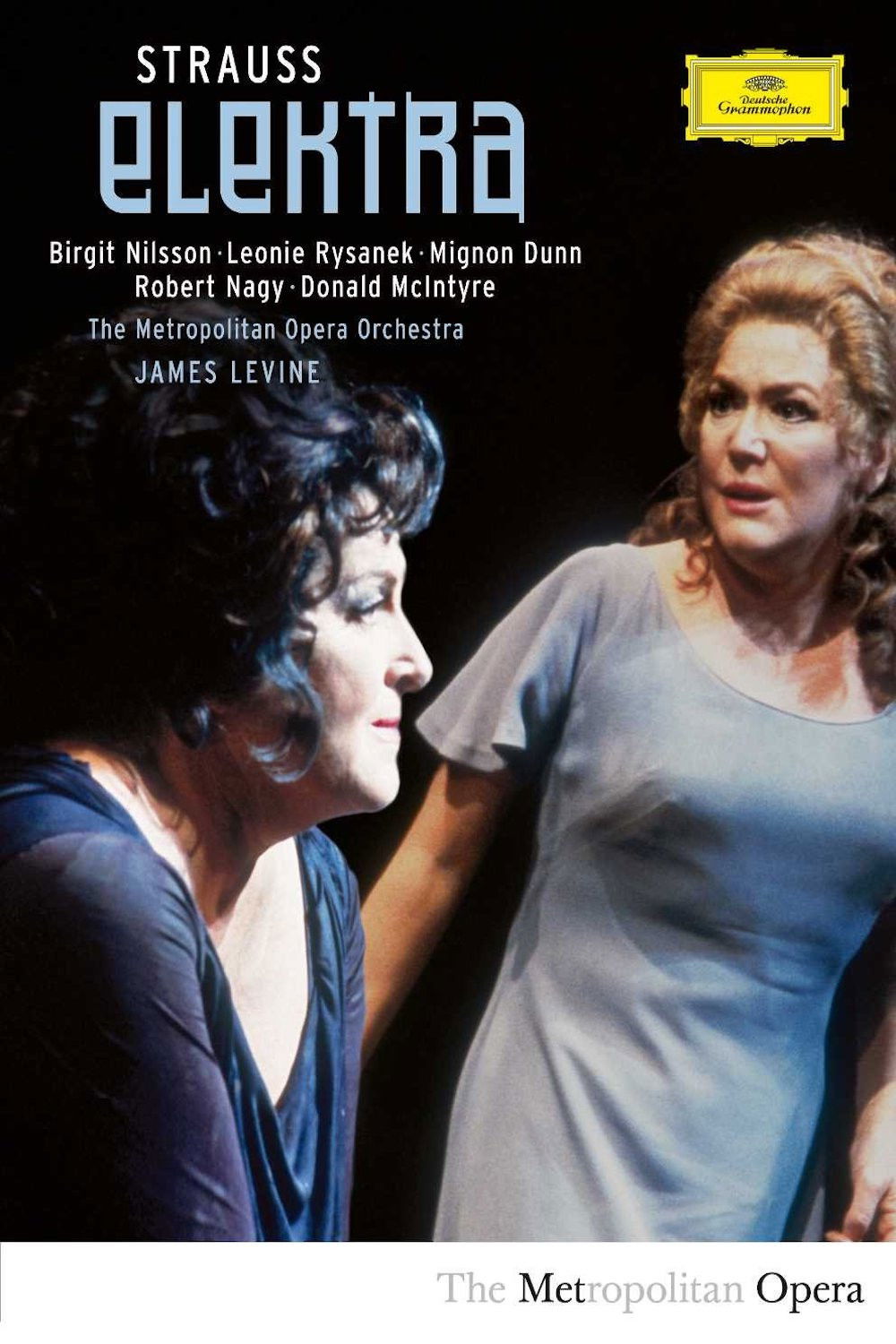
It's hard to imagine confirmed Straussians not wanting this starry Metropolitan Opera performance of Elektra. Strauss and his librettist, Hugo von Hofmannstahl, transformed Sophocles' take on Homer's tale into a harrowing opera noir. Elektra lives for one reason, to kill her mother, Klytämnestra, and her stepfather, Aegisth, the murderers of her father, Agamemnon. In contrast to Elektra's vengeful obsession, her sister Chrysothemis desires to get on with life. When their long-missing brother, Orestes, returns to do the deed, Elektra celebrates with a dance of death and, her sole purpose in life fulfilled, dies. Strauss joined the hermetic plot to music of the utmost opulence, violent and yearning by turns, evoking the cardinal principles of Greek tragedy - pity and terror.
A pair of star-crossed dancers in New York find themselves at the center of a bitter rivalry between their brothers' underground dance clubs.
A down-on-his-luck coach is hired to prepare a team of the best American dancers for an international tournament that attracts all the best crews from around the world, but the Americans haven't won in fifteen years.
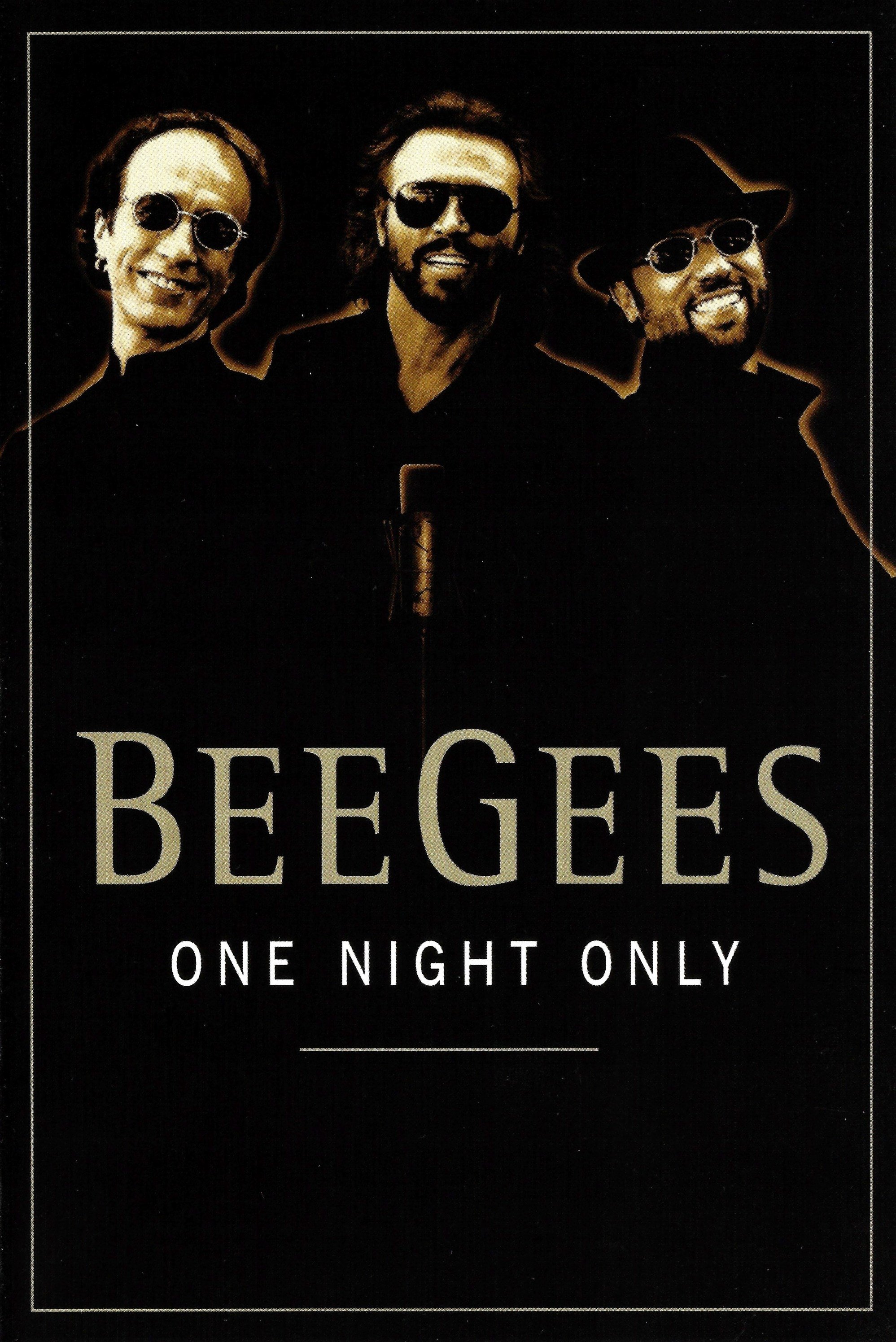
The brothers Gibb perform their greatest hits from the 60's, 70's, 80's and 90's including many songs written for and made hits by other artists but never recorded by the Bee Gees themselves.
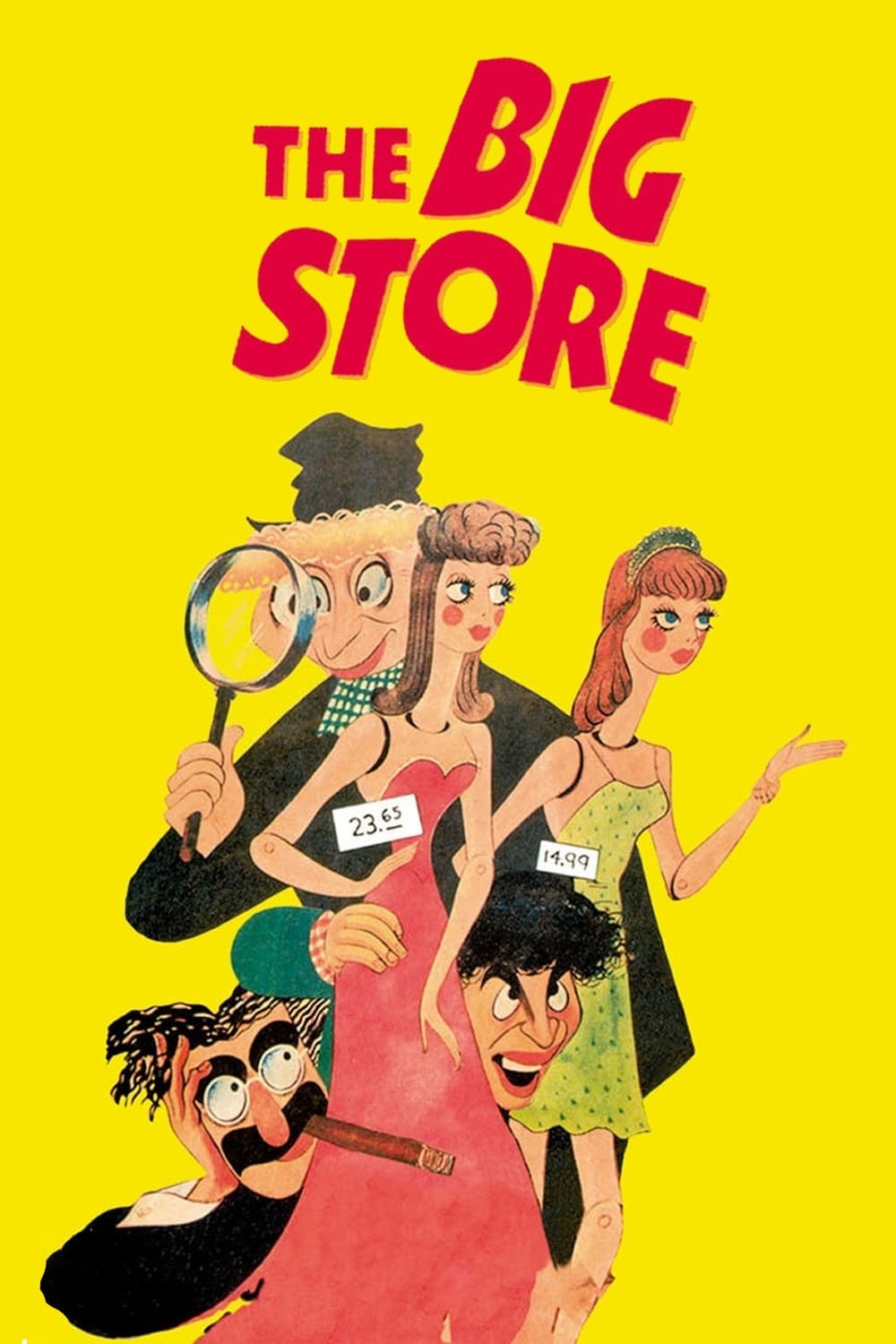
A detective is hired to protect the life of a singer, who has recently inherited a department store, from the store's crooked manager.
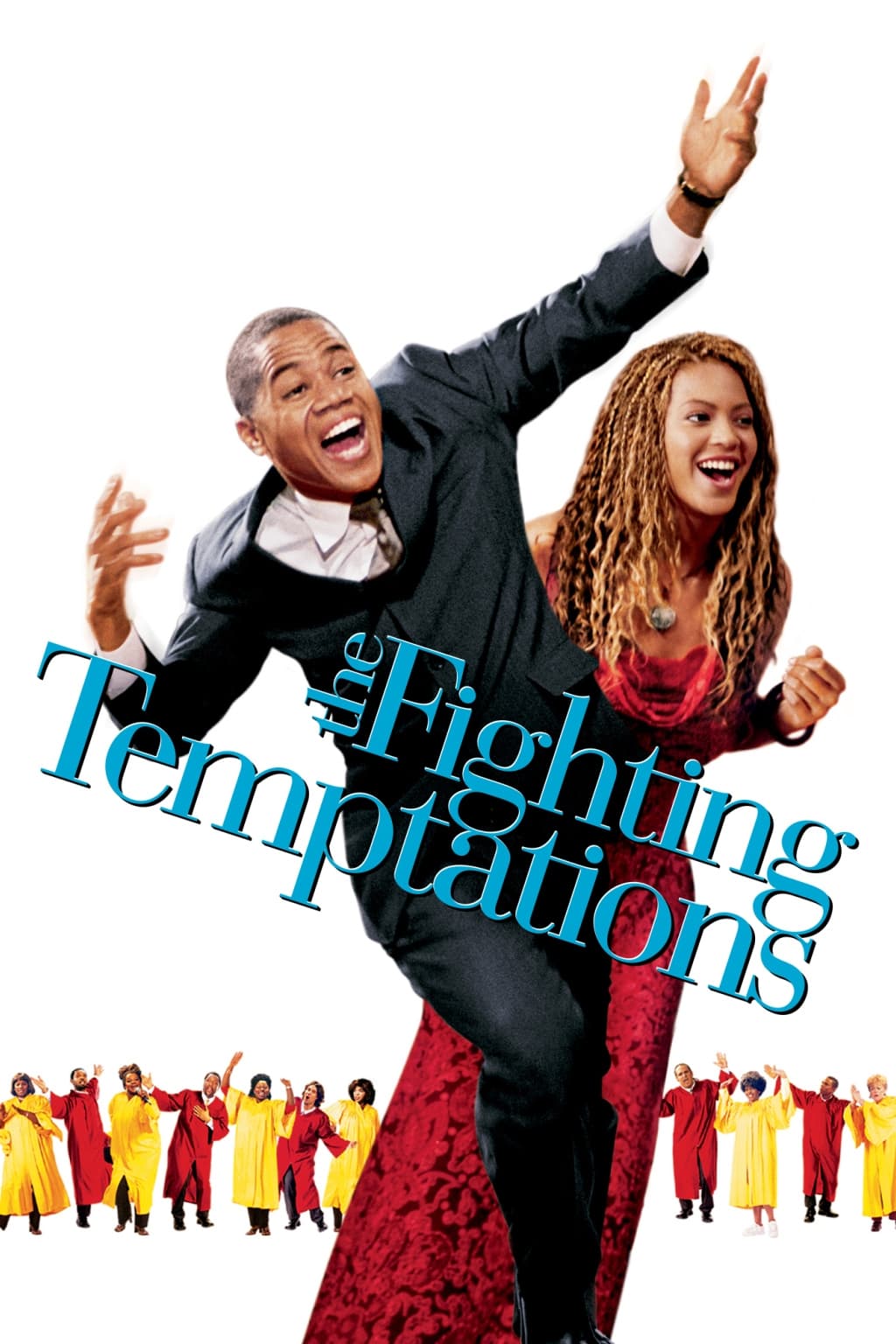
Darrin Hill, a slick-talking but down-on- his-luck NYC advertising exec, returns to his hometown in Georgia to claim the inheritance his aunt left him. But before Darrin can collect the money, he must fulfill his aunt's final wish -- to create a local choir.
The Marx Brothers take on high society and the opera world to bring two lovers together. A sly business manager and two wacky friends of two opera singers help them achieve success while humiliating their stuffy and snobbish enemies.
Ghost is an ideological musician and leader of a jazz band who would rather play his blues in the park to the birds than compromise himself. His peripatetic performances lead him to cross paths with a singer, while his masculinity is thrown into question following a violent brawl.
The Marx Brothers help young Broadway hopefuls when they get mixed up with gangsters due to a tin of sardines containing Romanoff diamonds.
Graced with a velvet voice, 21-year-old Violet Sanford heads to New York to pursue her dream of becoming a songwriter only to find her aspirations sidelined by the accolades and notoriety she receives at her "day" job as a barmaid at Coyote Ugly. The "Coyotes" as they are affectionately called tantalize customers and the media alike with their outrageous antics, making Coyote Ugly the watering hole for guys on the prowl.
This film follows the remarkable and inspirational true story of Paul Potts, a shy, bullied shop assistant by day and an amateur opera singer by night.
Taylor Swift takes the stage in Dallas for the Reputation Stadium Tour and celebrates a monumental night of music, memories and visual magic.
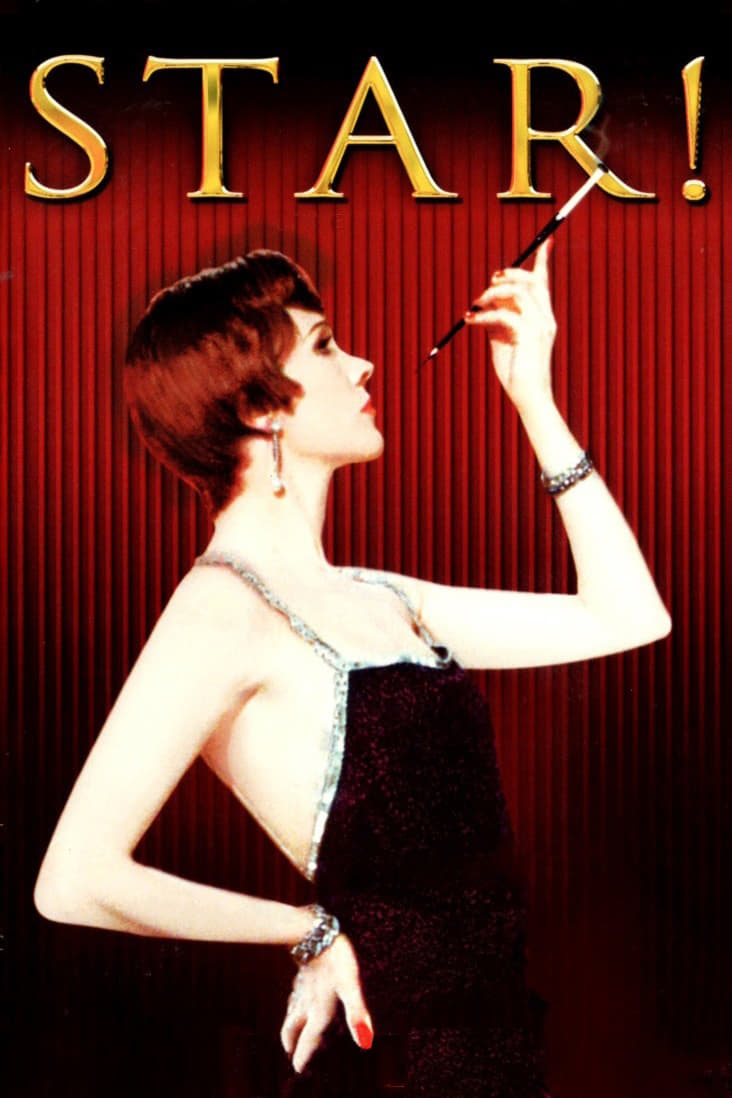
Gertrude Lawrence rises to stage stardom at the cost of happiness.
Three angels bestow the gift of song to a young girl, who must follow a series of rules in order hold on to it during her rise to fame and fortune.
In the tradition of Fantasia, Make Mine Music is a glorious collection of musically charged animated shorts featuring such fun-filled favorites as "Peter and the Wolf", narrated by the beloved voice behind Winnie the Pooh. In addition you'll enjoy such classic cartoon hits as "Casey at the Bat," "The Whale Who Wanted to Sing at the Met" and "Johnnie Fedora and Alice Bluebonnet."
Arthur is a grumpy pensioner who can't understand why his wife Marion would want to embarrass herself singing silly songs with her unconventional local choir. But choir director Elizabeth sees something special in the reluctant Arthur and refuses to give up on him. As she coaxes him out of his shell, Arthur realizes that it is never too late to change.
A teenage rapper must use his musical talent to help a friend and win the girl of his dreams while overcoming self-doubt and the expectations of his strict religious parents.
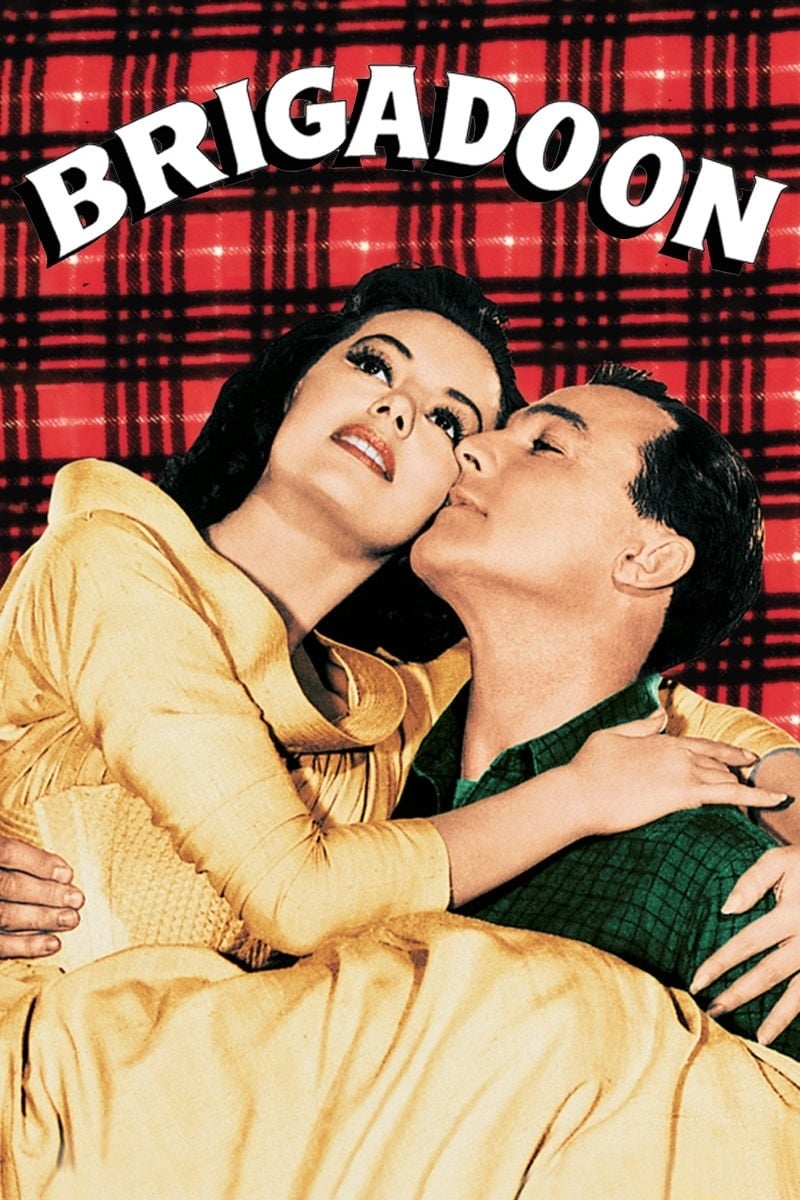
Americans Jeff and Tommy, hunting in Scotland, stumble upon a village - Brigadoon. They soon learn that the town appears once every 100 years in order to preserve its peace and special beauty. The citizens go to bed at night and when they wake up, it's 100 years later. Tommy falls in love with a beautiful young woman, Fiona, and is torn between staying or going back to his hectic life in New York.
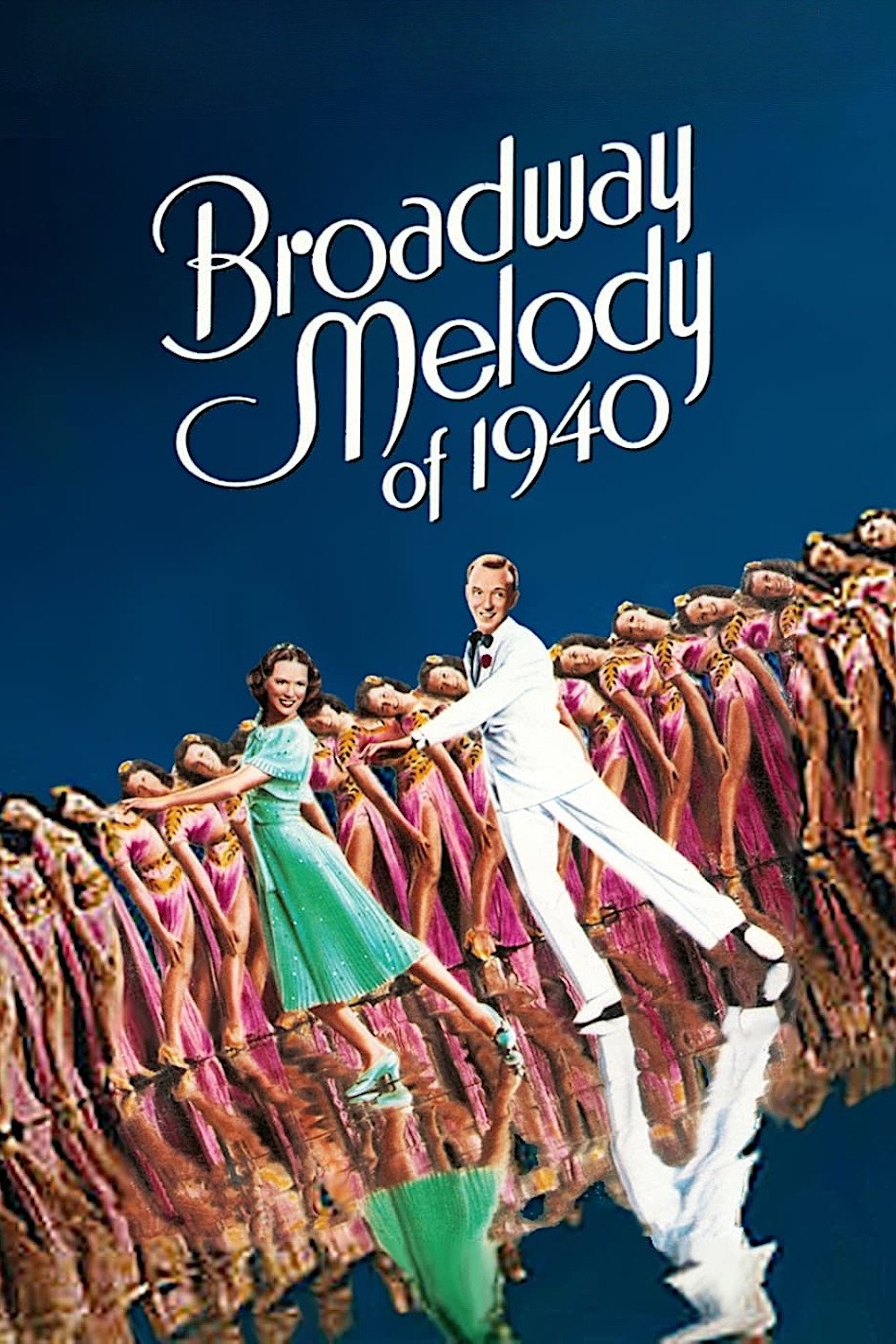
Johnny Brett and King Shaw are an unsuccessful dance team in New York. A producer discovers Brett as the new partner for Clare Bennett, but Brett, who thinks he is one of the people they lent money to, gives him the name of his partner.
A teenager, the only hearing member of a deaf family, finds her voice and learns to believe in herself through her passion for singing.
Aspiring small-town musician Chito is determined to make it big. When a clip of him performing one of his songs goes viral, he seizes the opportunity and pushes to carve out a place for himself in the new wave of Mexican-American music... and ultimately gets caught in a game more dangerous than anticipated.