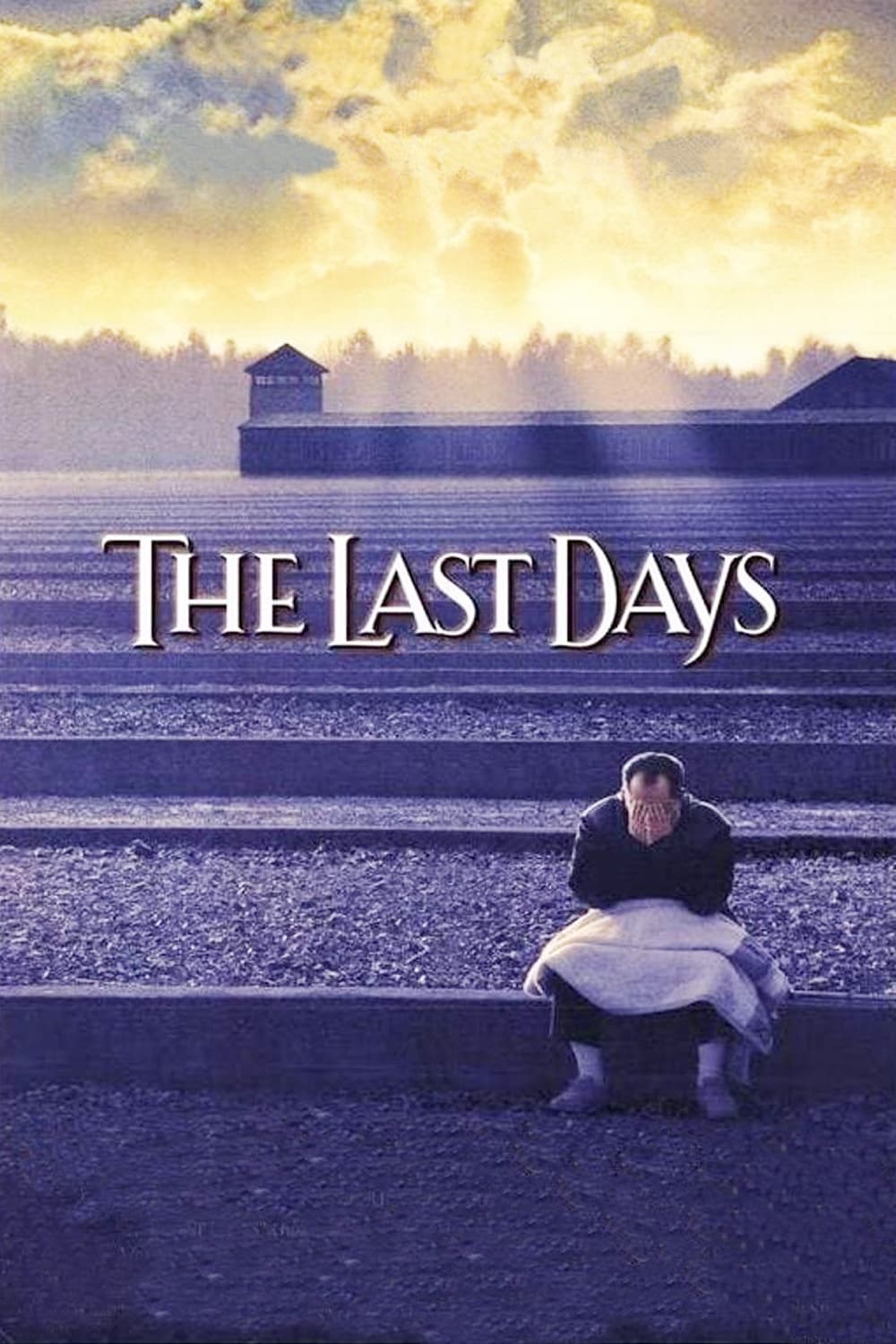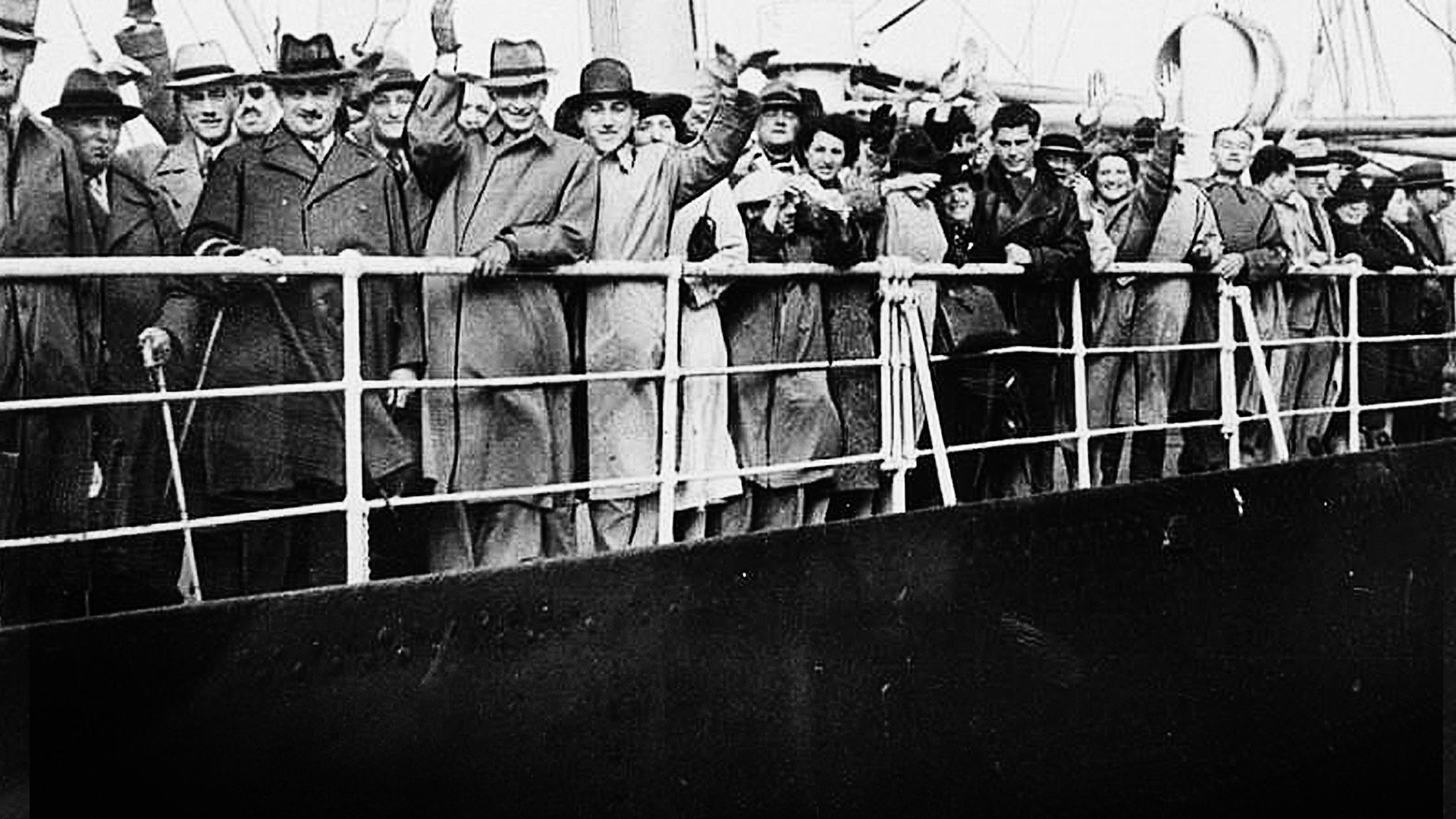
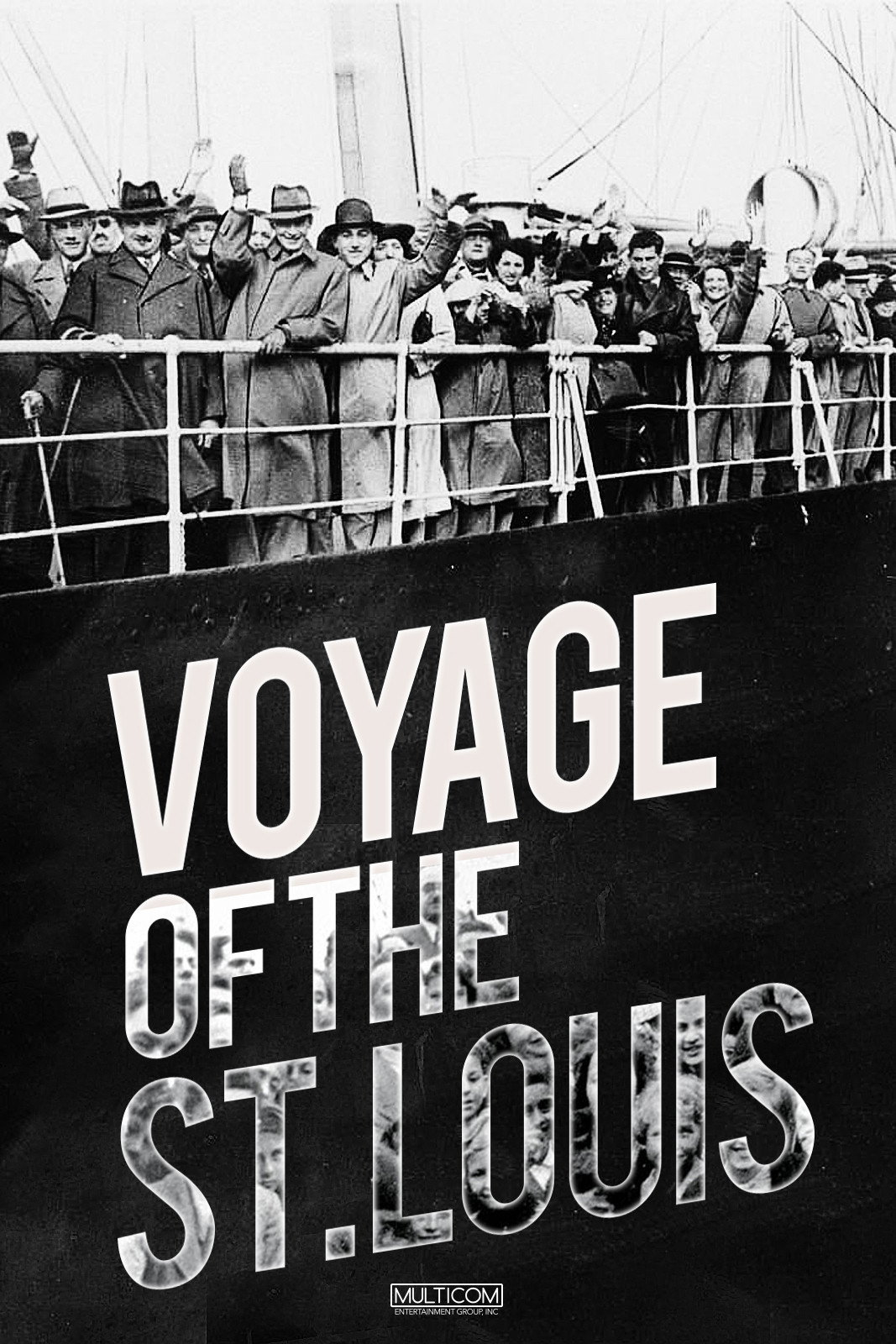
Documentary on the German luxury liner St. Louis that sailed from Hamburg to Cuba in 1939 carrying 937 German Jews. For 30 excruciating days the ship wandered the seas and was refused haven by every country in the Americas.

Social & External
Narrator
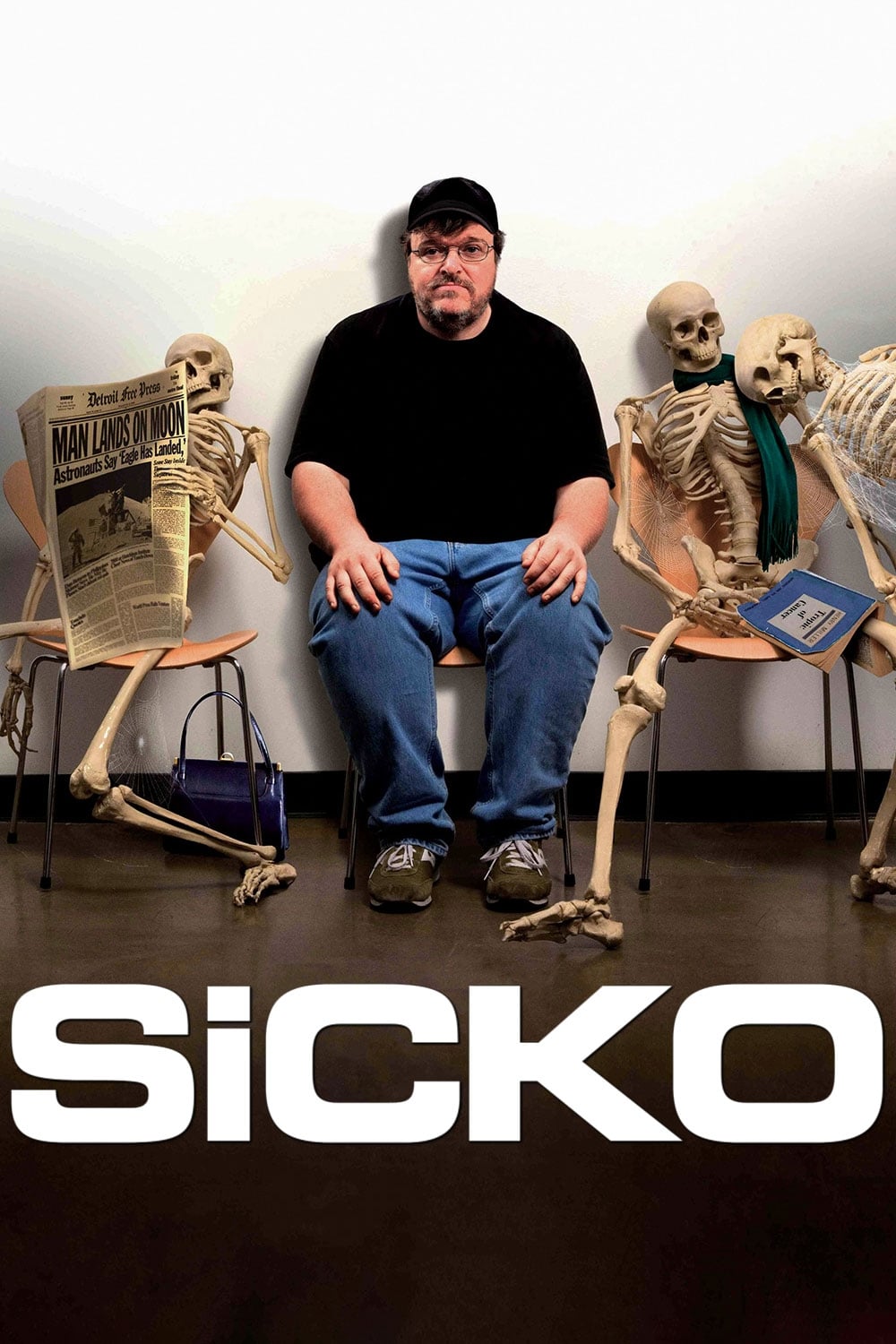
A documentary about the corrupt health care system in The United States whose main goal is to make profit even if it means losing people’s lives. "The more people you deny health insurance, the more money we make" is the business model for health care providers in America.

Half blind and half deaf, ostraziced Cuban writer Rafael Alcides tries to finish his unpublished novels to discover that after several decades, the home made ink from the typewriter he used to write them has faded. The Cuban revolution as a love story and eventual deception is seen through the eyes of a man who is living an inner exile.
A documentary of the German national soccer team’s 2006 World Cup experience that changed the face of modern Germany.
Born to Korean immigrant parents freed from indentured servitude in early twentieth century Mexico, Jerónimo Lim Kim joins the Cuban Revolution with his law school classmate Fidel Castro and becomes an accomplished government official in the Castro regime, until he rediscovers his ethnic roots and dedicates his later life to reconstructing his Korean Cuban identity. After Jerónimo's death, younger Korean Cubans recognize his legacy, but it is not until they are presented with the opportunity to visit South Korea that questions about their mixed identity resurface.
Filmmaker Alain Resnais documents the atrocities behind the walls of Hitler's concentration camps.
Exploring the mechanisms of the Nazi seizure of power and focusing on forgotten sites in Saxony and Thuringia, the film investigates early "wild" concentration camps established after 1933 for the suppression of political opponents.
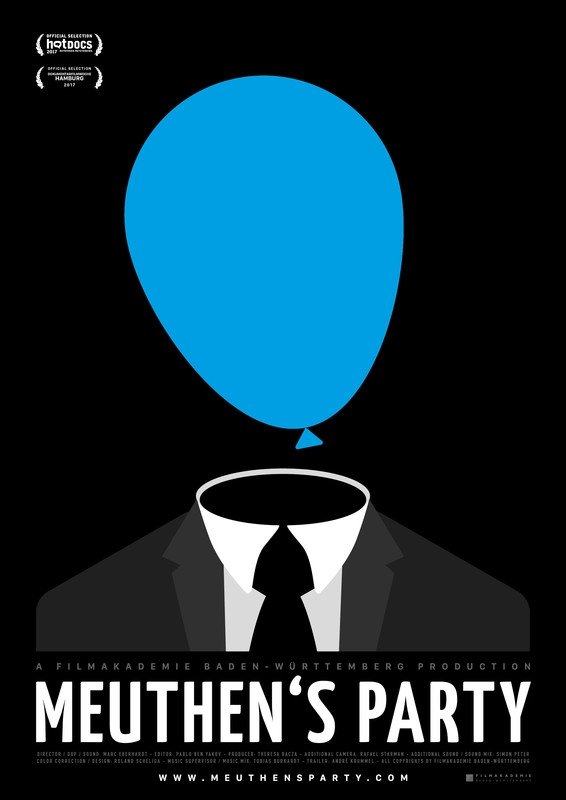
An increasing number of people in Germany no longer want anything to do with their state. A mixture of idiosyncrats and anti-system activists are turning their backs on the Federal Republic. How did the "Reichsbürger" movement become radical? What are their motives? What emerges is a European community of anarchists, businessmen, esotericists and adventurers - between a self-declared fight for freedom and obstinacy.
For seven years, award-winning Chinese-American filmmaker Nanfu Wang follows Rosa María Payá, daughter of the five time Nobel Peace Prize nominated activist, Oswaldo Payá, in Rosa's fight for democratic change in Cuba. Rosa's narrative is interwoven with Wang's poignant reflections on her Chinese upbringing and her observations of eroding democratic norms in the U.S., revealing unsettling similarities to the authoritarian system she left behind.
This black-and-white film is a loving portrait of Santiago de Cuba and its people. It provides a view of Cuba as a picturesque country, the product of an earthy mix of black and criollo cultures. The film uses historical images which portray the end of the eighteenth century when Haitian slave owners fled with their slaves to Cuba after the Haitian Revolution.
Documentary about filmmakers of the New German Cinema who were members of the legendary Filmverlag für Autoren (Film Publishing House for Authors). Among them are Werner Herzog, Rainer Werner Fassbinder, and Wim Wenders.
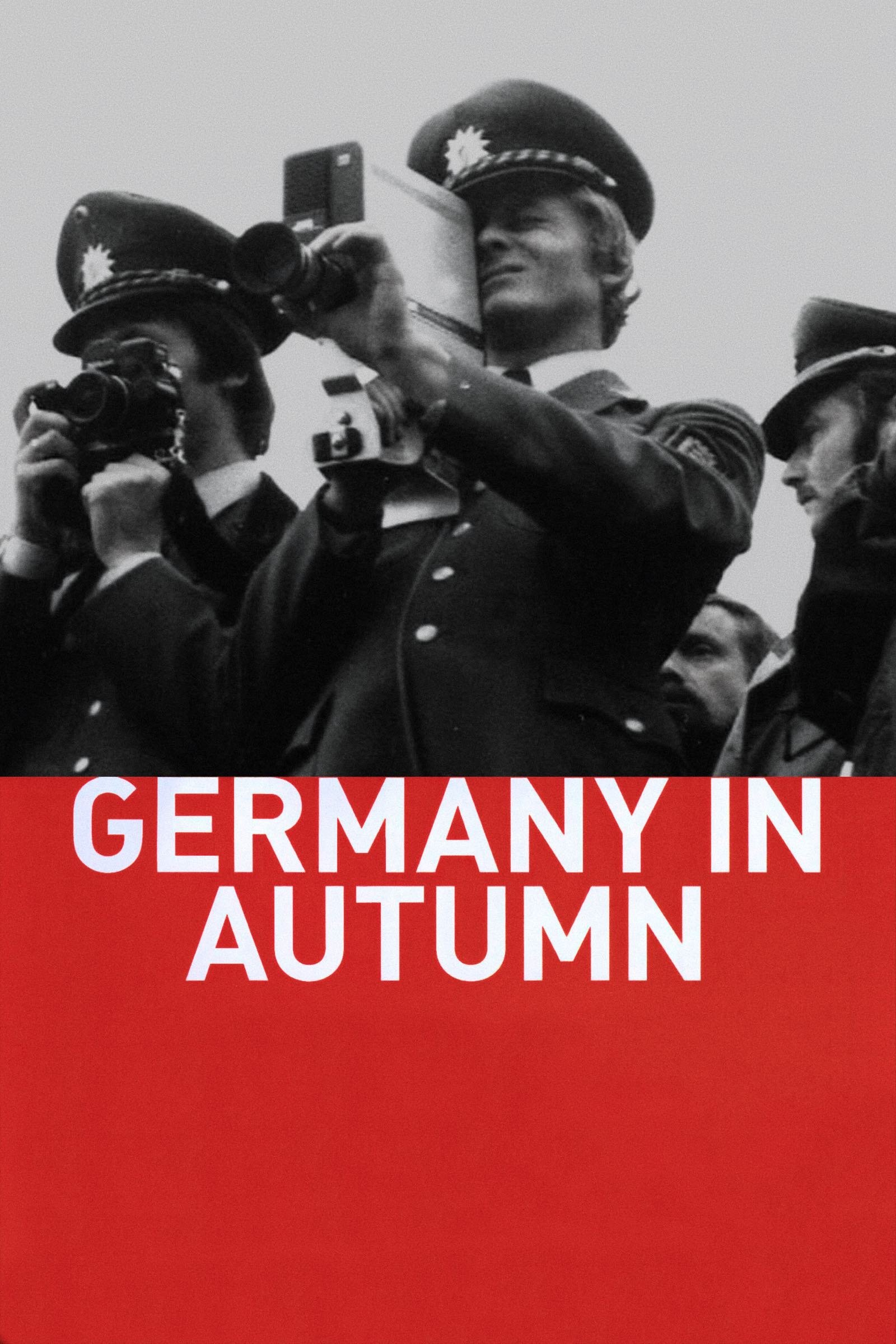
Nine fictitious documentaries and films reflect the mood of late 1970s Germany, particularly the two-month period in 1977 when a businessman was kidnapped by the RAF (Red Army Faction). The kidnap had been made to orchestrate the release of the original leaders of the RAF, aka the Baader-Meinhof.
The trembling starts in his neck when Markus gets closer to the images that have chased him for 49 years. Now he steers his motor home south, as far away from his past as possible.
The army of the GDR, called NVA had not survived the reunification of Germany, it was completely absorbed by the Bundeswehr and scrapped subsequently. But what apparently went on so smoothly as a peaceful unification of hostile brothers quietly left deep scars in the East German landscape.
When the U.S. trade embargo left Cuba isolated from medical resources, Cuban scientists were forced to get creative. Now they've developed lung cancer vaccines that show so much promise, some Americans are defying the embargo and traveling to Cuba for treatment. In an unprecedented move, Cuban researchers are working with U.S. partners to make the medicines more widely available.
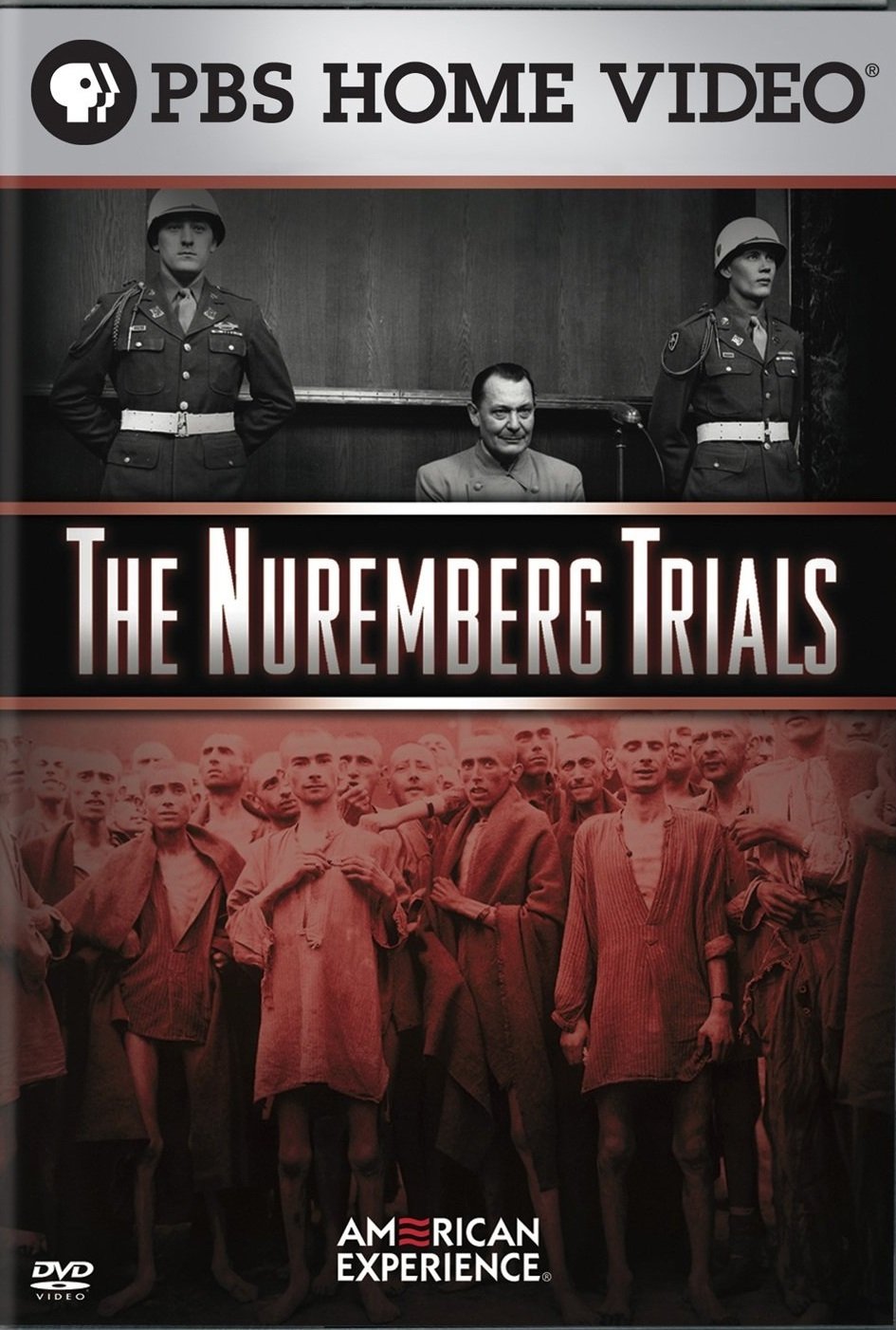
One journalist described it as a chance "to see justice catch up with evil." On November 20, 1945, the twenty-two surviving representatives of the Nazi elite stood before an international military tribunal at the Palace of Justice in Nuremberg, Germany; they were charged with the systematic murder of millions of people. The ensuing trial pitted U.S. chief prosecutor and Supreme Court judge Robert Jackson against Hermann Göring, the former head of the Nazi air force, whom Adolf Hitler had once named to be his successor. Jackson hoped that the trial would make a statement that crimes against humanity would never again go unpunished. Proving the guilt of the defendants, however, was more difficult than Jackson anticipated. This American Experience production draws upon rare archival material and eyewitness accounts to recreate the dramatic tribunal that defines trial procedure for state criminals to this day.
Based on years of research into the mass rapes committed by the Red Army at the end of the Second World War. In the first part of the documentary Helke Sander interviews multiple German women who were raped in Berlin by Soviet soldiers in May 1945. Most women never spoke of their experience to anyone, after 46 years of silence they talk for the first time publicly about their violent experiences that have left such a mark.
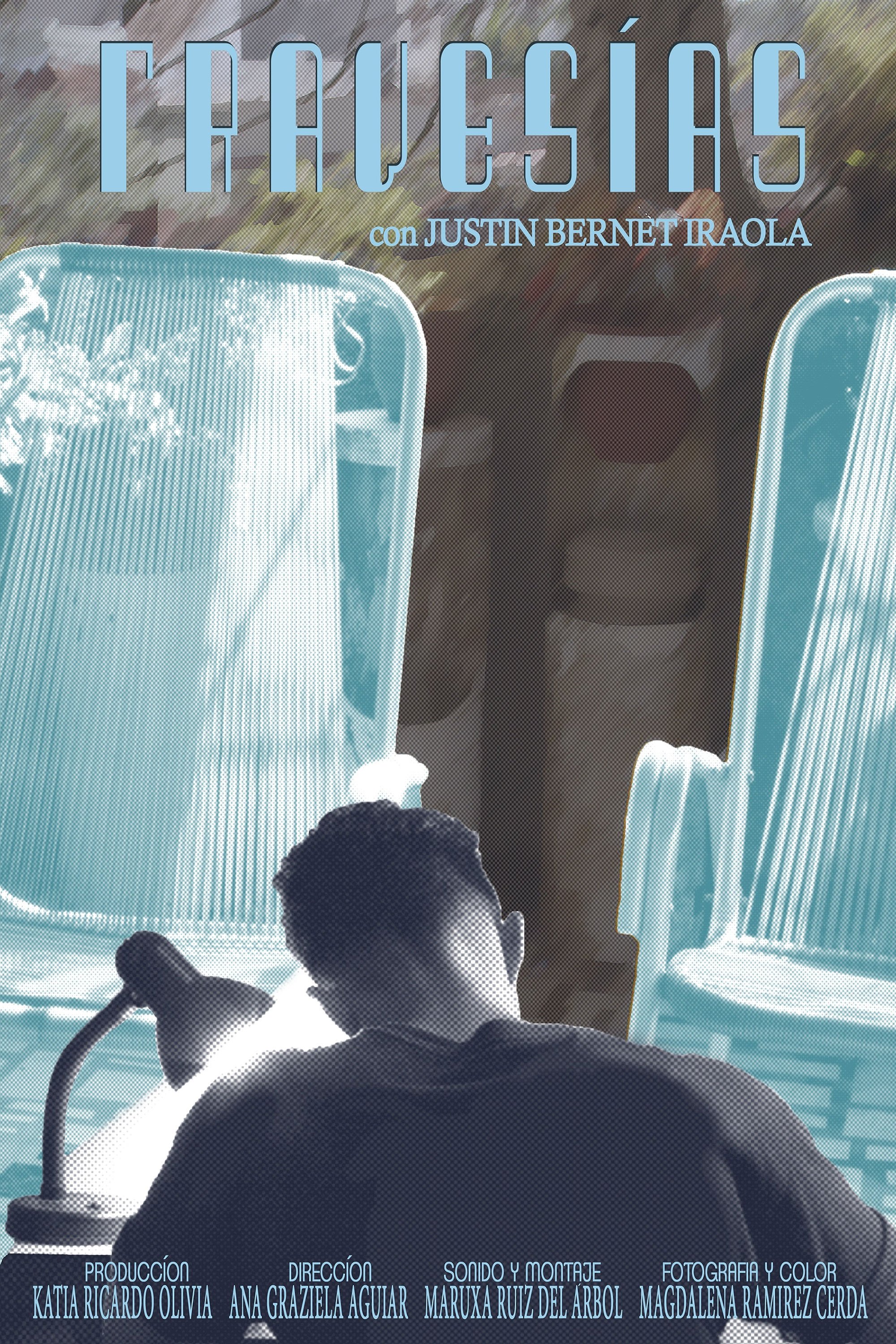
A love letter that unites Brazil and Cuba. In the film Travessias, the director goes on a long journey seeking to understand the feelings and transformations of a person who is close to her. On this path of doubts and concerns, she meets Justin, a trans man who will help her on this journey. With a poetic and self-referential look, the director invites us to rethink our own prejudices and limits in relation to the others.
A documentary following the day life of fans in Brazil on July 13, 2014: the day when Germany and Argentina met up in the finals of FIFA World Cup.
Penetrating the insular world of New York's Hasidic community, focusing on three individuals driven to break away despite threats of retaliation.
JB Smoove and Martin Starr host a celebration of 20 years of "Spider-Man" movies, from the Sam Raimi trilogy to Marc Webb's movies and the trio from Jon Watts.
A documentary on the expletive's origin, why it offends some people so deeply, and what can be gained from its use.
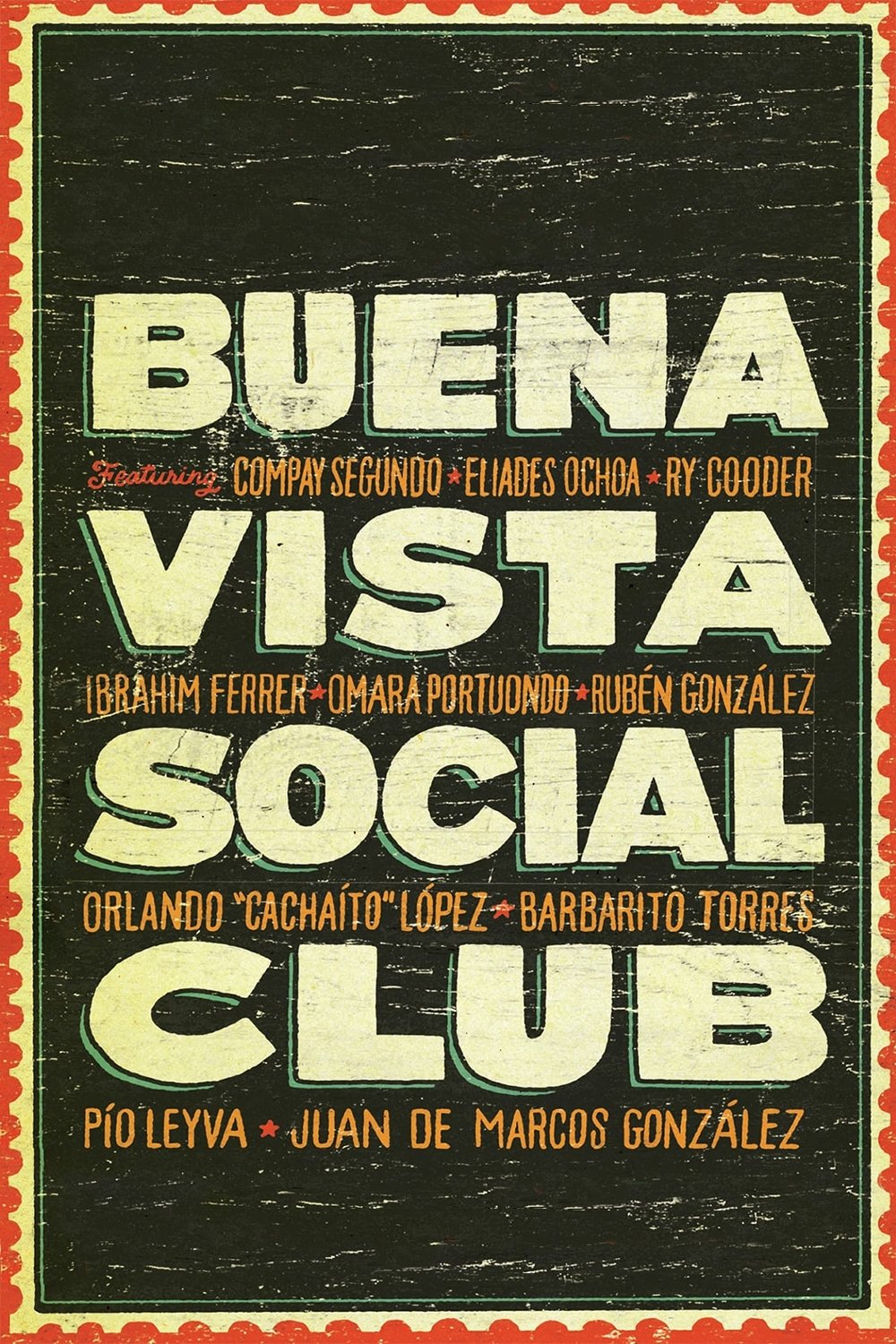
In this fascinating Oscar-nominated documentary, American guitarist Ry Cooder brings together a group of legendary Cuban folk musicians (some in their 90s) to record a Grammy-winning CD in their native city of Havana. The result is a spectacular compilation of concert footage from the group's gigs in Amsterdam and New York City's famed Carnegie Hall, with director Wim Wenders capturing not only the music -- but also the musicians' life stories.
Through deeply personal interviews with her siblings and an examination of the photographs, letters, and belongings left behind, Mariska assembles a new portrait of her mother Jayne Mansfield, an extraordinary and complex woman.
This revealing portrait of Cuba follows the lives of Fidel Castro and three Cuban families affected by his policies over the last four decades.
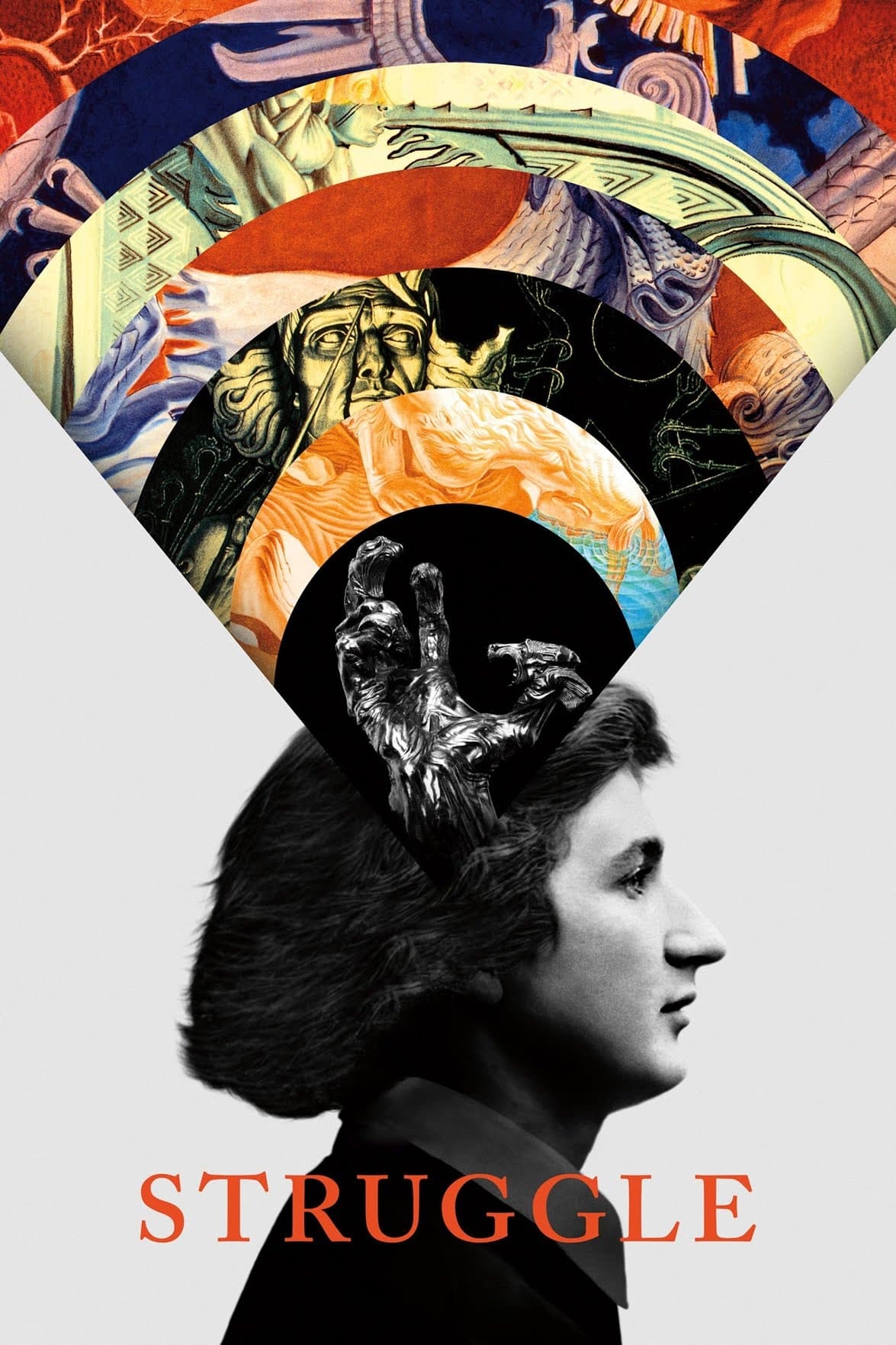
Lyrical and powerfully personal essay film that reflects on the deaths of her husband Lou Reed, her mother, her beloved dog, and such diverse subjects as family memories, surveillance, and Buddhist teachings.
When Allied forces liberated the Nazi concentration camps in 1944-45, their terrible discoveries were recorded by army and newsreel cameramen, revealing for the first time the full horror of what had happened. Making use of British, Soviet and American footage, the Ministry of Information’s Sidney Bernstein (later founder of Granada Television) aimed to create a documentary that would provide lasting, undeniable evidence of the Nazis’ unspeakable crimes. He commissioned a wealth of British talent, including editor Stewart McAllister, writer and future cabinet minister Richard Crossman – and, as treatment advisor, his friend Alfred Hitchcock. Yet, despite initial support from the British and US Governments, the film was shelved, and only now, 70 years on, has it been restored and completed by Imperial War Museums under its original title "German Concentration Camps Factual Survey".
The Captains is a feature-length documentary film written and directed by William Shatner. The film follows Shatner as he interviews the other actors who have portrayed starship captains in the Star Trek franchise.
The making of Matrix Revolutions, The (2003) is briefly touched on here in this documentary. Interviews with various cast and crew members inform us how they were affected by the deaths of Gloria Foster and Aaliyah, and also delve into the making of the visual effects that takes up a lot of screen time. Written by Rhyl Donnelly
Ross McElwee sets out to make a documentary about the lingering effects of General Sherman's march of destruction through the South during the Civil War, but is continually sidetracked by women who come and go in his life, his recurring dreams of nuclear holocaust, and Burt Reynolds.
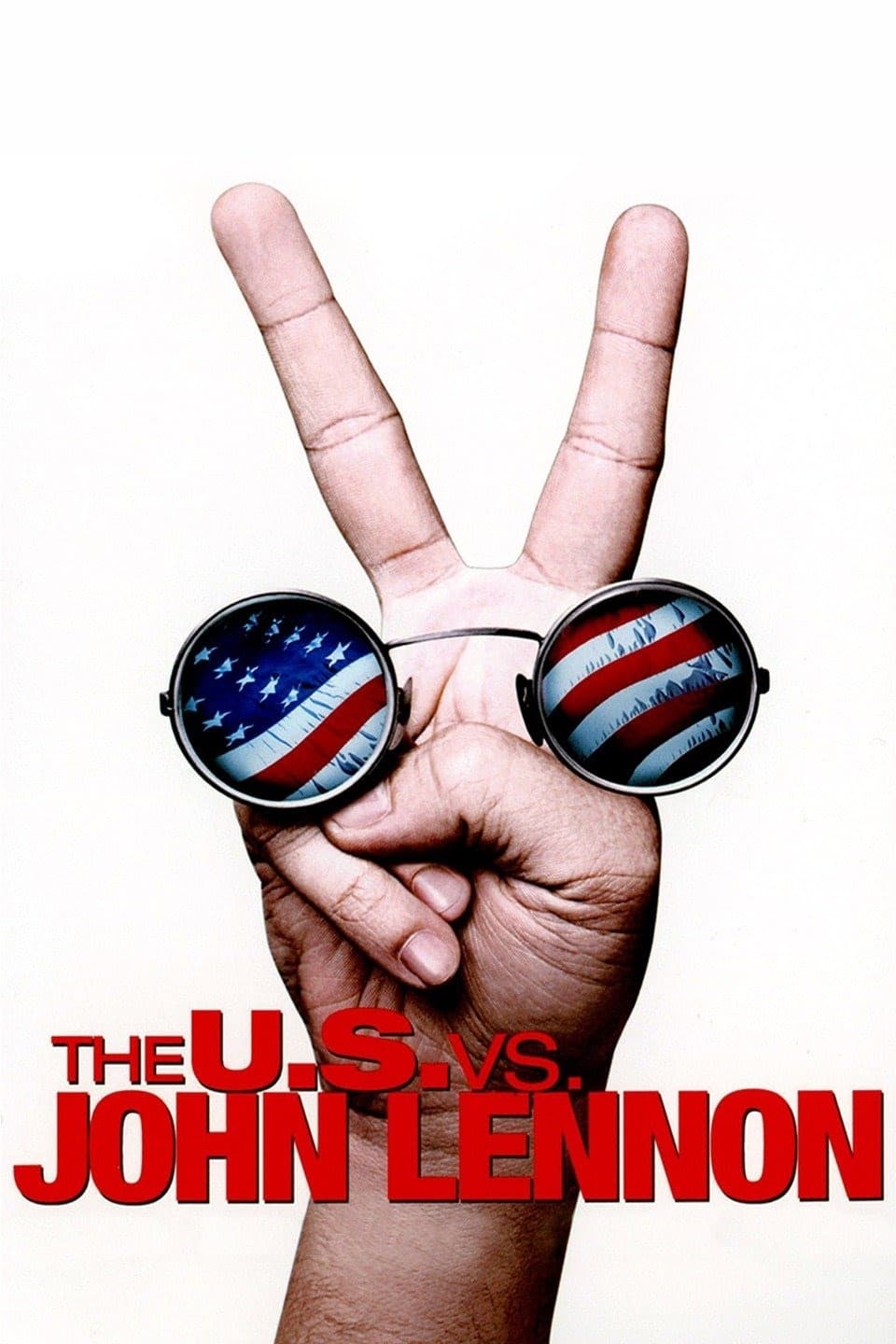
A documentary on the life of John Lennon, with a focus on the time in his life when he transformed from a musician into an antiwar activist.
A documentary focused on plastic pollution in the world's oceans.
A documentary about the making of David Fincher's 2008 film THE CURIOUS CASE OF BENJAMIN BUTTON. Virtually every element in the evolution of the Fincher's film is documented here, from the project's attachment to numerous other directors during the 1990s, to its shoot in 2006 and 2007 in New Orleans, to its complex, CGI-intensive postproduction process.
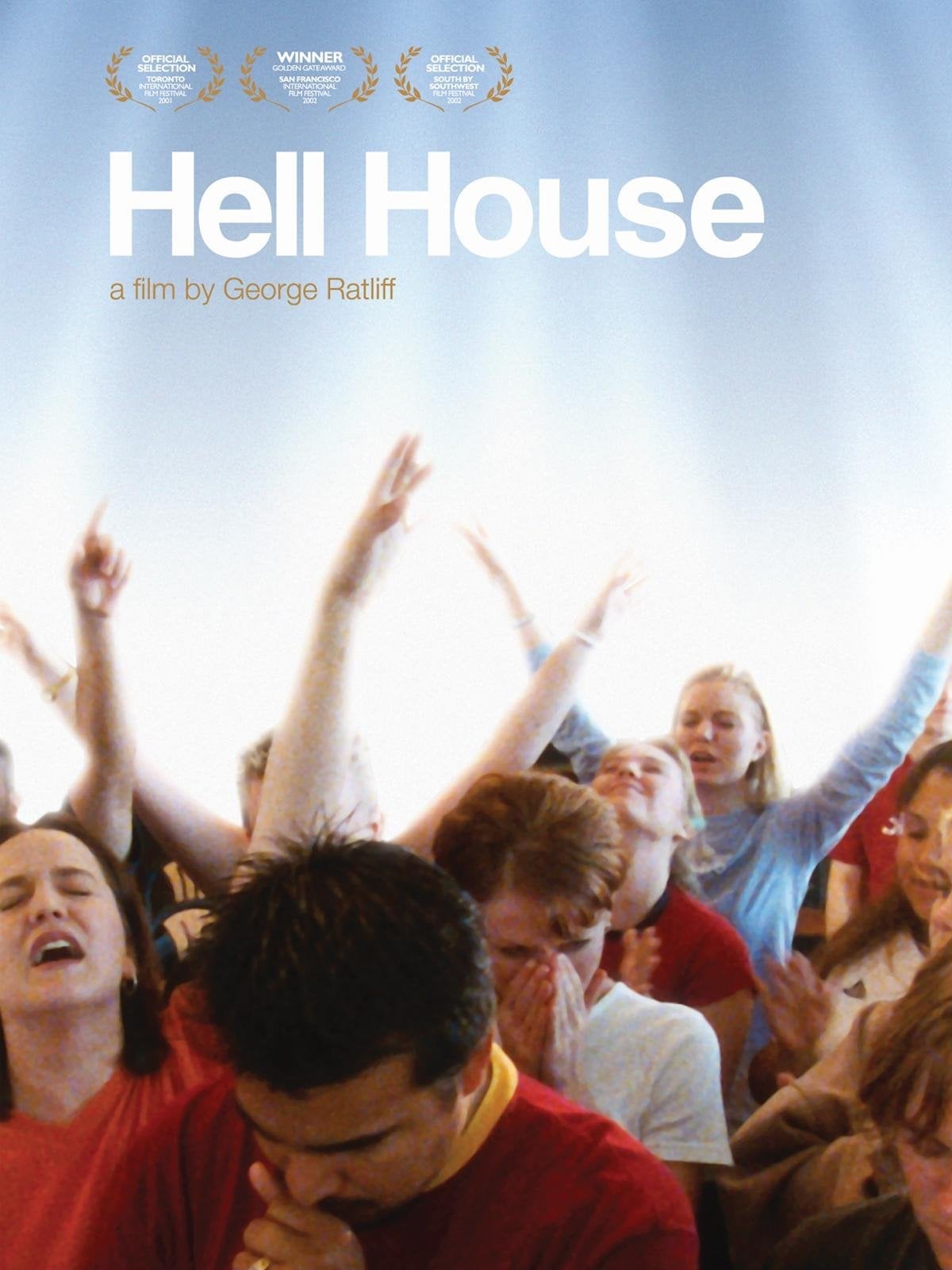
A documentary on kids who attend a summer camp hoping to become the next Billy Graham.
A promotional making-of documentary for the film The Matrix (1999) that devotes its time to explaining the digital and practical effects contained in the film. This is very interesting, seeing as how they're giving away the cinematic secrets that they created solely for the this movie, that have now been spoofed and referenced in countless other films.
If you ever find yourself traveling down Interstate 49 through Missouri, try not to blink—you may miss Rich Hill, population 1,396. Rich Hill is easy to overlook, but its inhabitants are as woven into the fabric of America as those living in any small town in the country. This movie intimately chronicles the turbulent lives of three boys living in said Midwestern town and the fragile family bonds that sustain them.
From the heights of her modeling fame to her tragic death, this documentary reveals Anna Nicole Smith through the eyes of the people closest to her.
A compilation of over 30 years of private home movie footage shot by Lithuanian-American avant-garde director Jonas Mekas, assembled by Mekas "purely by chance", without concern for chronological order.
Alexander McQueen's rags-to-riches story is a modern-day fairy tale, laced with the gothic. Mirroring the savage beauty, boldness and vivacity of his design, this documentary is an intimate revelation of McQueen's own world, both tortured and inspired, which celebrates a radical and mesmerizing genius of profound influence.