Four blind Indian boys compete to become chess masters.
Social & External
The people behind it
Darpan Inani
Charudatta Jadav
Anant Kumar Nayak
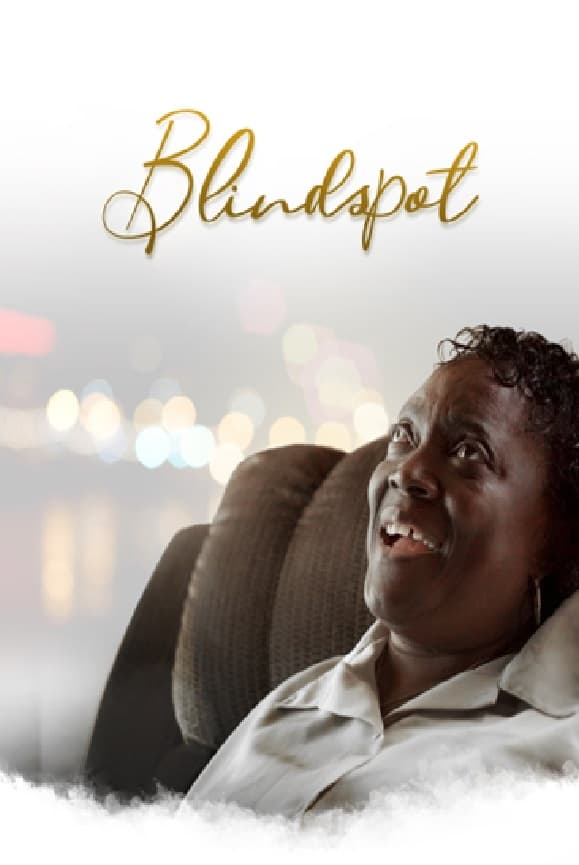
A brief glimpse through the life of Granny Lue. A woman of faith, fearlessness, and fierce energy, she never allowed her disability to determine her ability to live.
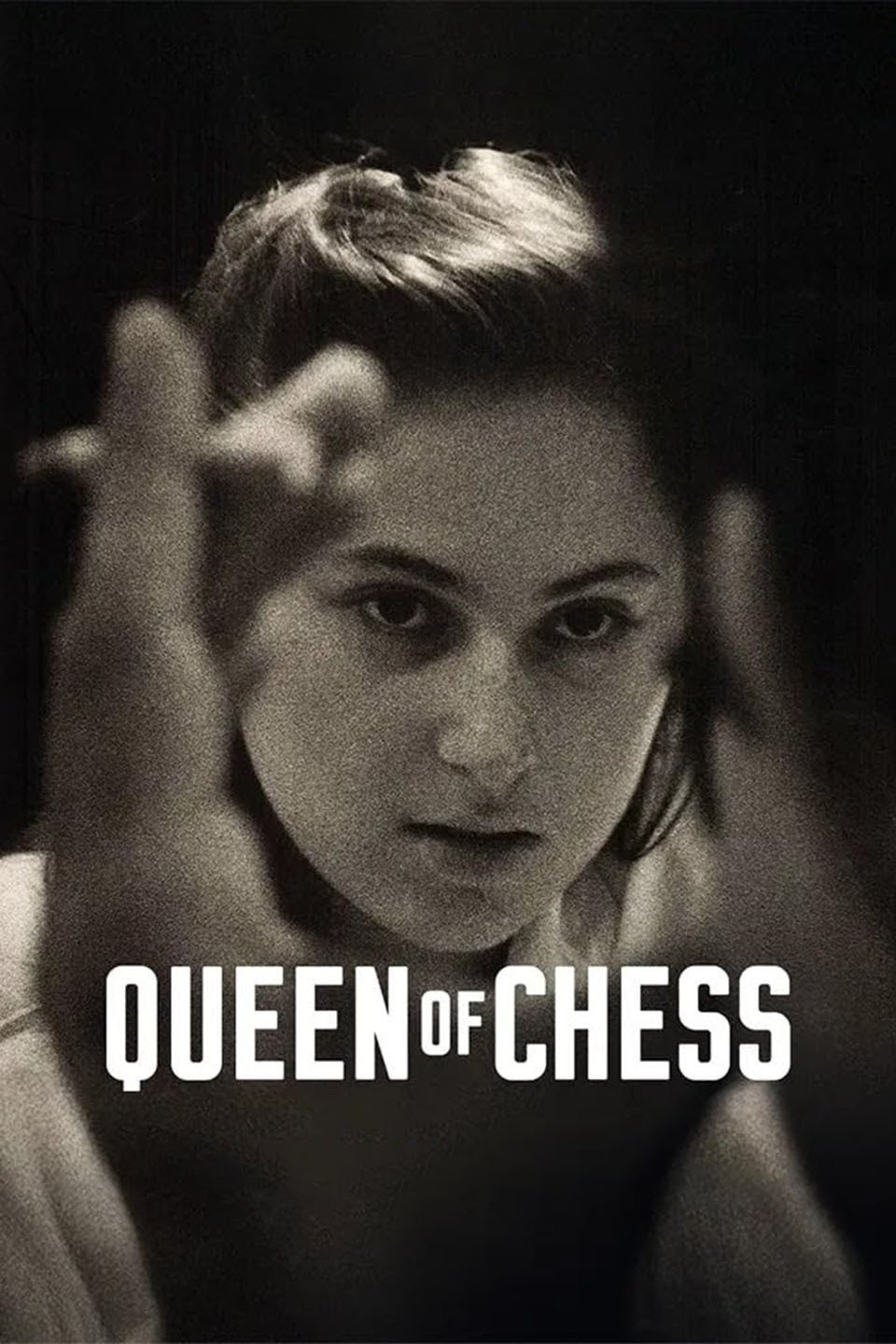
A Hungarian girl dreams of conquering international men’s chess. After a 15-year battle against world champion Garry Kasparov and her domineering father, Judit Polgár revolutionizes the sport’s patriarchal culture to become one of the greatest chess prodigies in history and the greatest woman chess player of all time.
With the use of montage sequences, voiced over with the observations of the children, van der Keuken was able to use artistic expression to portray the sightless children’s unique perspective of the world.
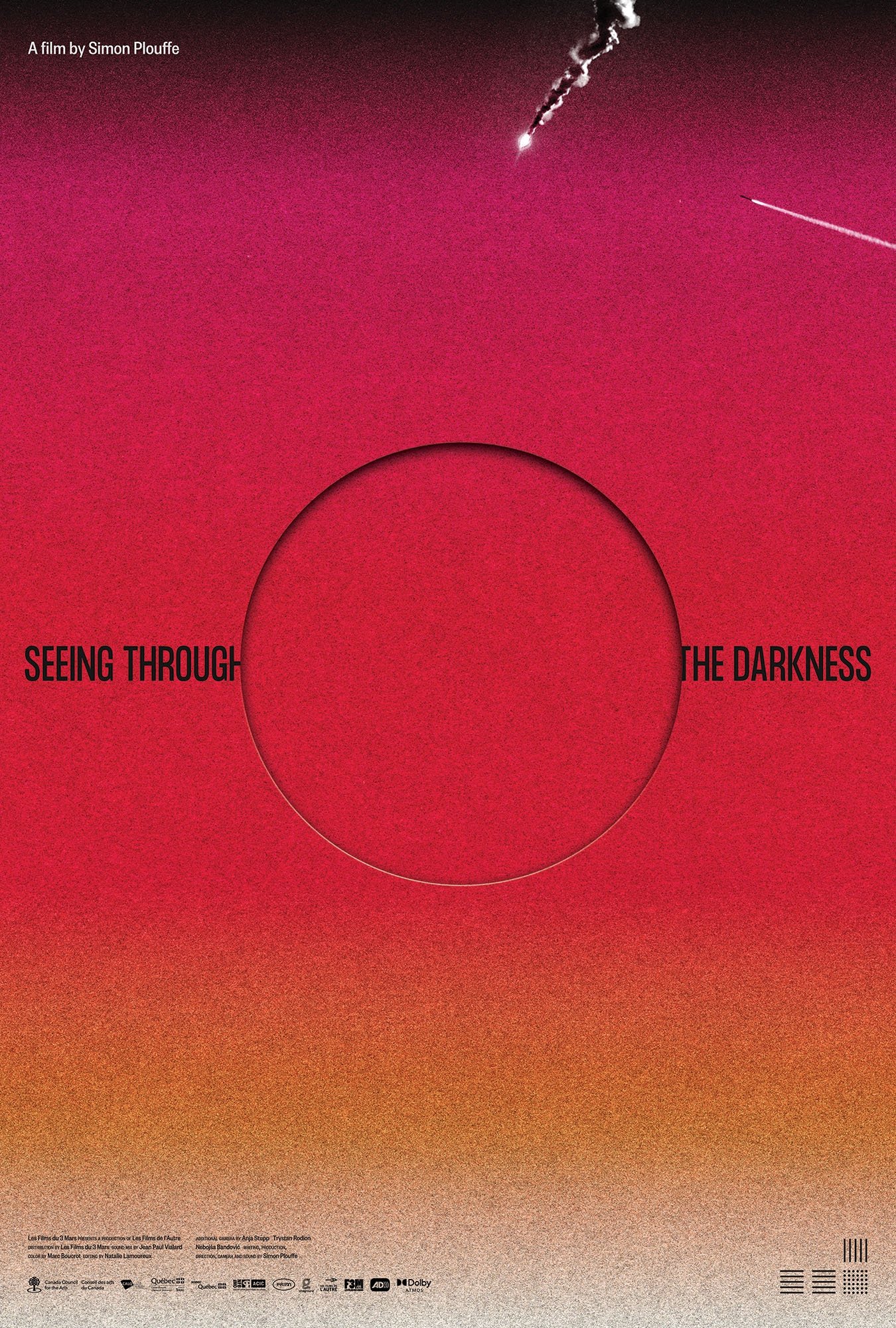
The film follows five people who lost their sight in armed conflicts, gathering fragments of their present-day lives. Through an enveloping sound composition, veiled archival material, footage shot by the protagonists themselves, and a sensitive visual approach, the film explores memory, perception, and our relationship to the visible. Steering away from spectacle, it invites us to hear what often goes unheard, and to feel differently. In an age saturated with images, this documentary offers a sensory experience where listening becomes a gesture of resistance and human reconnection.
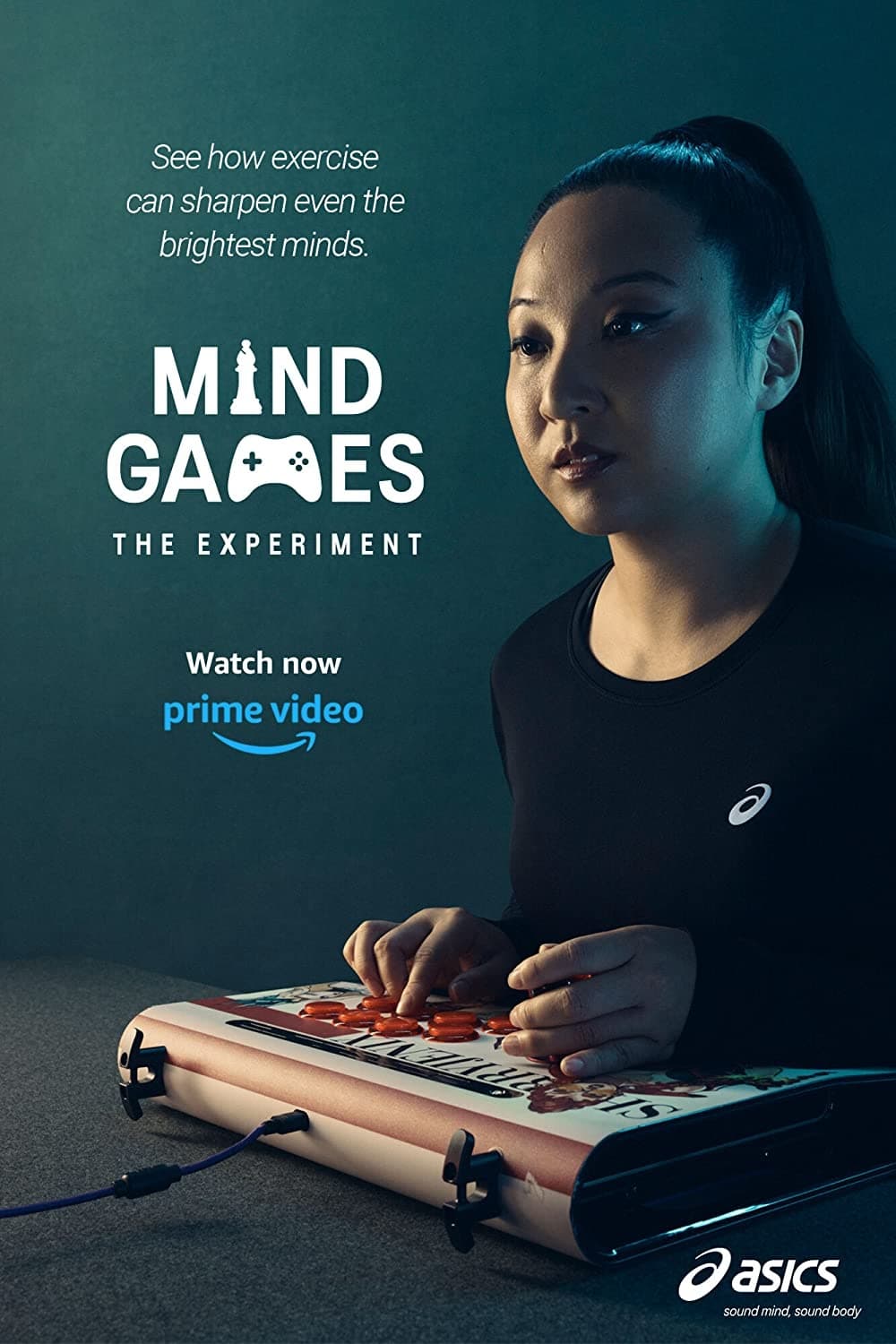
Can exercise sharpen the brightest minds? In this ground-breaking experiment, four world-class gamers, competing in eSports, Chess, Mahjong and Memory Games, put this to the test.
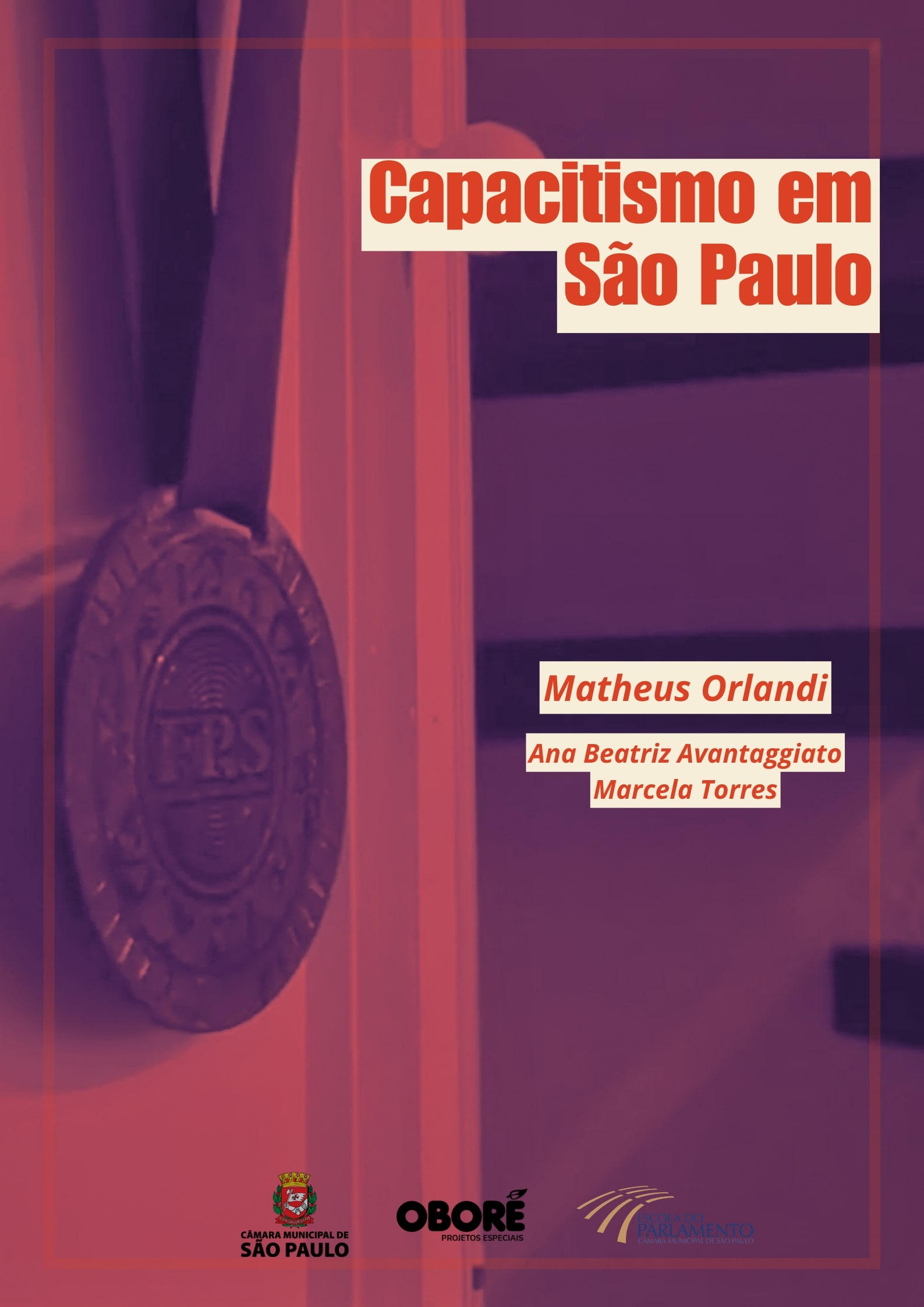
Through intimate stories and day-to-day routines we get a naturalistic glimpse into the lives of individuals with disabilities in the bustling urban landscape of São Paulo. The film captures personal moments and how modern societies confront (or fail to confront) ableism and inclusion.
Three weeks to make three films. Filmed in my last semester before College. "Time", "One Night", "8x8".
Through the eyes of International Chess Master Paul Cassidy, this documentary traces a lifetime of strategy, triumph, and heartbreak, from representing Ireland on the world stage to confronting the loss that nearly ended his career, and ultimately rediscovering joy through the enduring support of the Dun Laoghaire Chess Club.
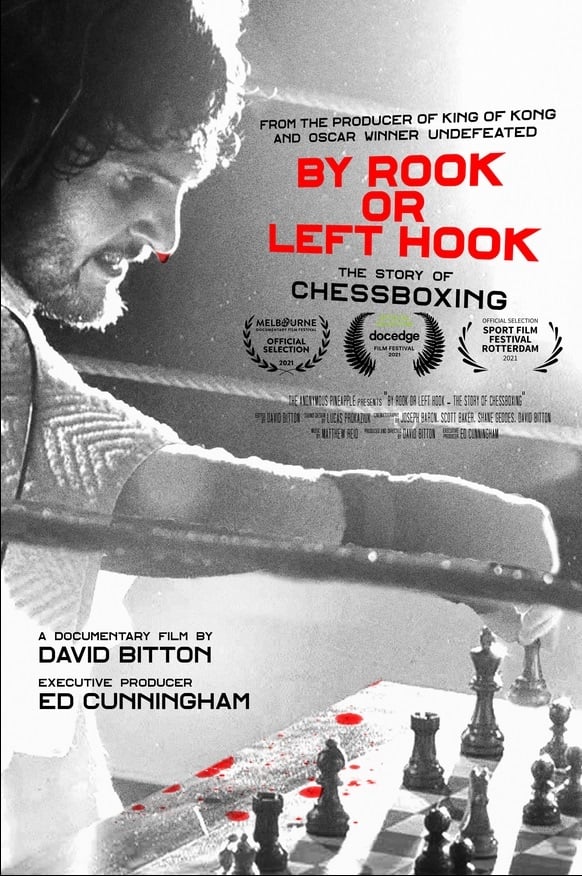
In 2003, Dutch artist Iepe Rubingh became the first World Champion of Chessboxing. This brain-busting combination of alternating rounds of chess and boxing was in fact an art performance calling for more balance in a world of extremes, and the audience reaction was so electric that it inspired Rubingh to push it as a real sport. Rubingh’s methodical ability to achieve balance in the ring is put to the test outside of it when impulsive British TV Producer Tim Woolgar takes up the sport and his opposing vision for success creates a rift between them, endangering chessboxing’s future.
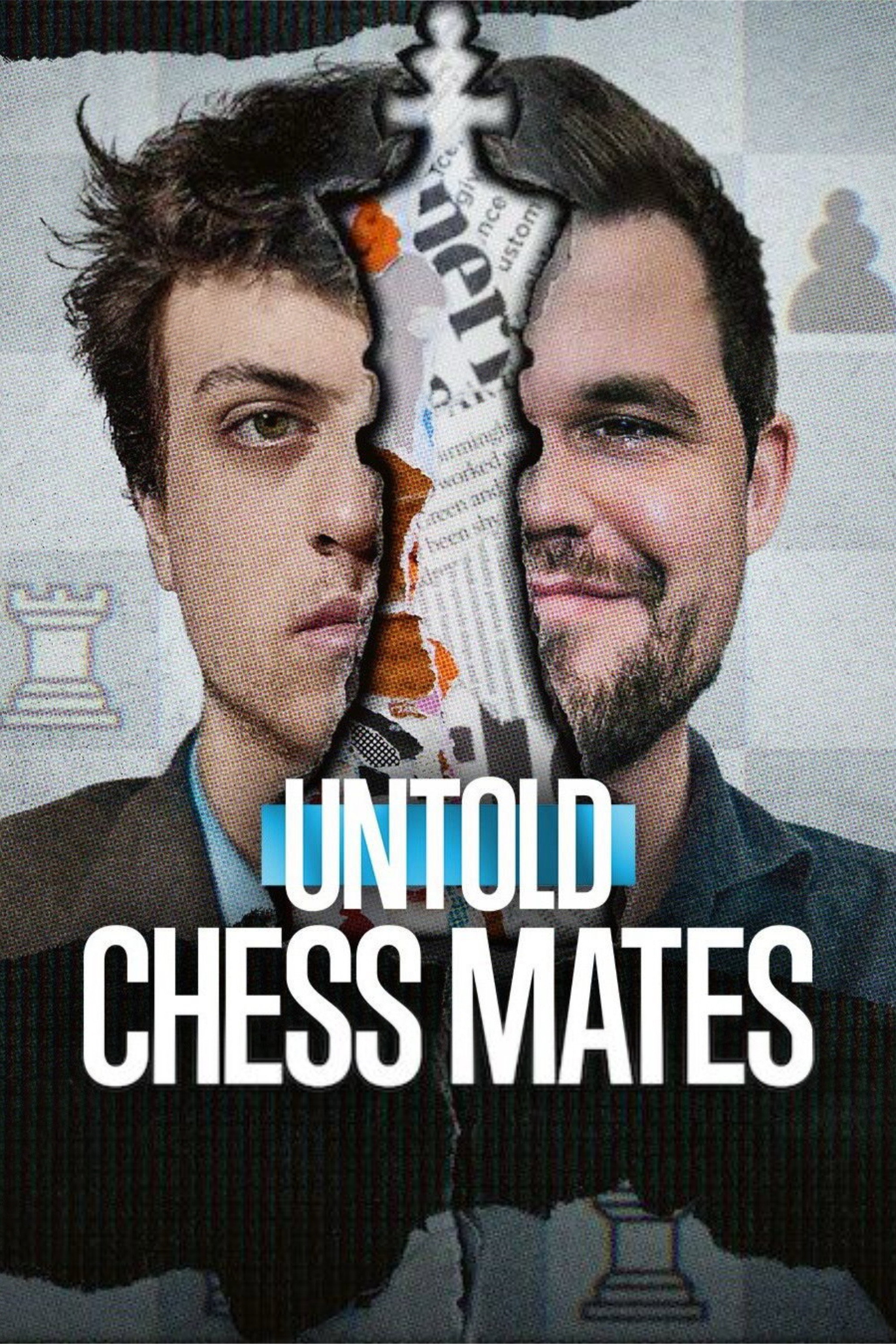
Magnus Carlsen, widely regarded as the greatest chess player of all time, is challenged by Hans Niemann, a rising star who capitalizes on the meteoric growth of online chess. Niemann’s ascension culminated in an epic, controversy-shrouded victory over Carlsen at the 2022 Sinquefield Cup, which eventually led to allegations and revelations of cheating. Determined to clear his name, Niemann fights his way back to the top of the chess world, setting the stage for a high-stakes rematch with Carlsen in 2024.
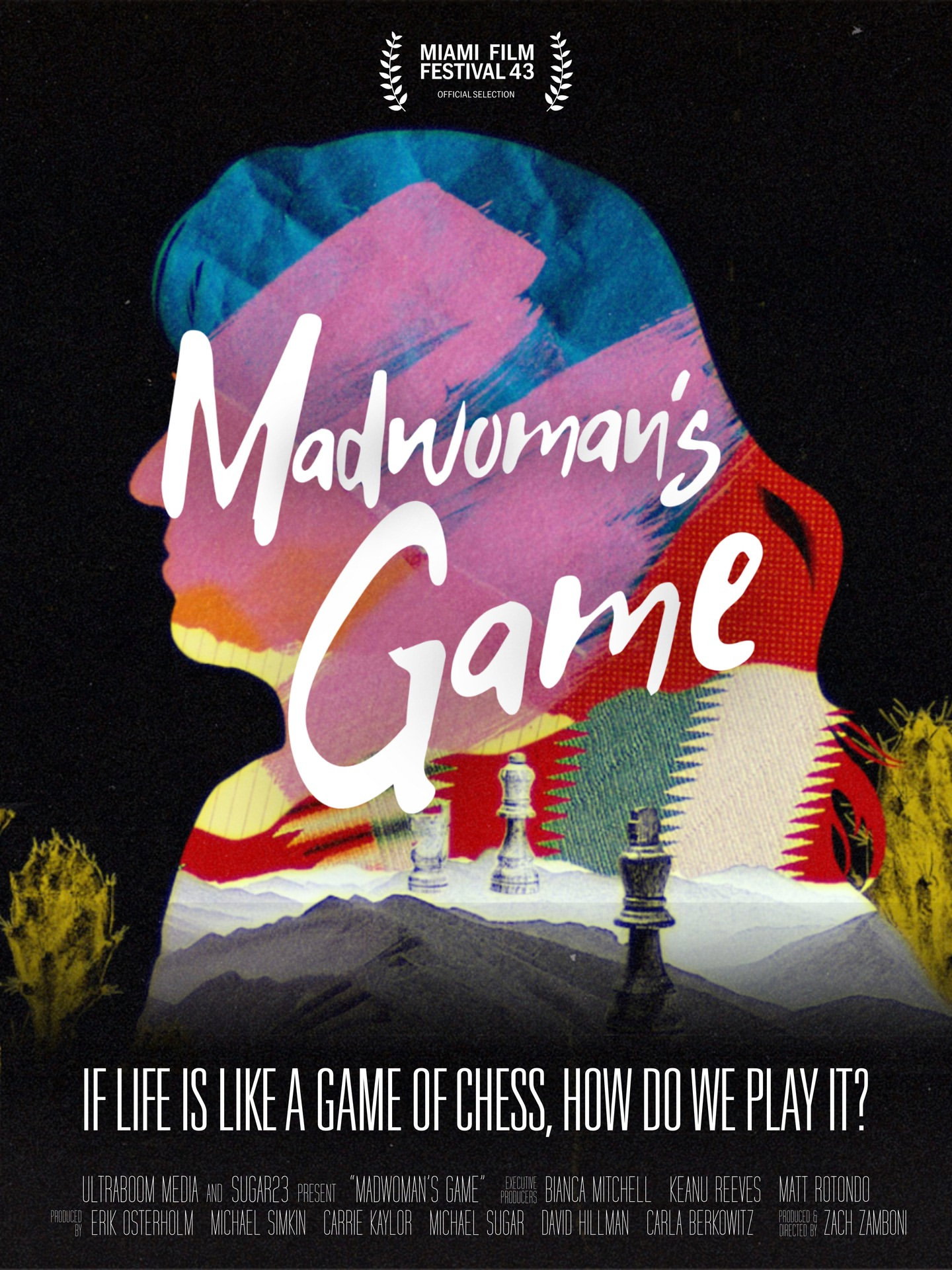
Follows the journey of a young Latina chess enthusiast, Bianca Mitchell-Avila, as she explores life's lessons through the lens of the game.
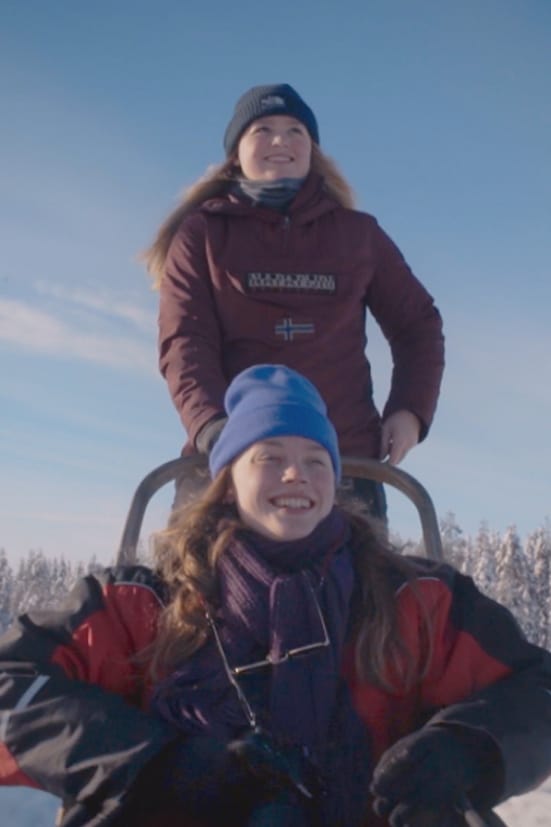
Lotte (18) and Roos (16) are sisters and both have Usher syndrome. That means they will soon become deaf and blind. It is not known how fast that will go, but they already see and hear a lot worse than their peers. How do these two high-spirited girls deal with their development into adulthood, while the time bomb of deafness and blindness ticks inexorably? They are not deterred from getting the most out of life: Lotte is studying to become a photographer and Roos is passing her final exams. At the same time, they also want to do a few things before it is too late, such as seeing the Northern Lights with their own eyes. Director Kim Smeekes followed Lotte and Roos for the film for two years.
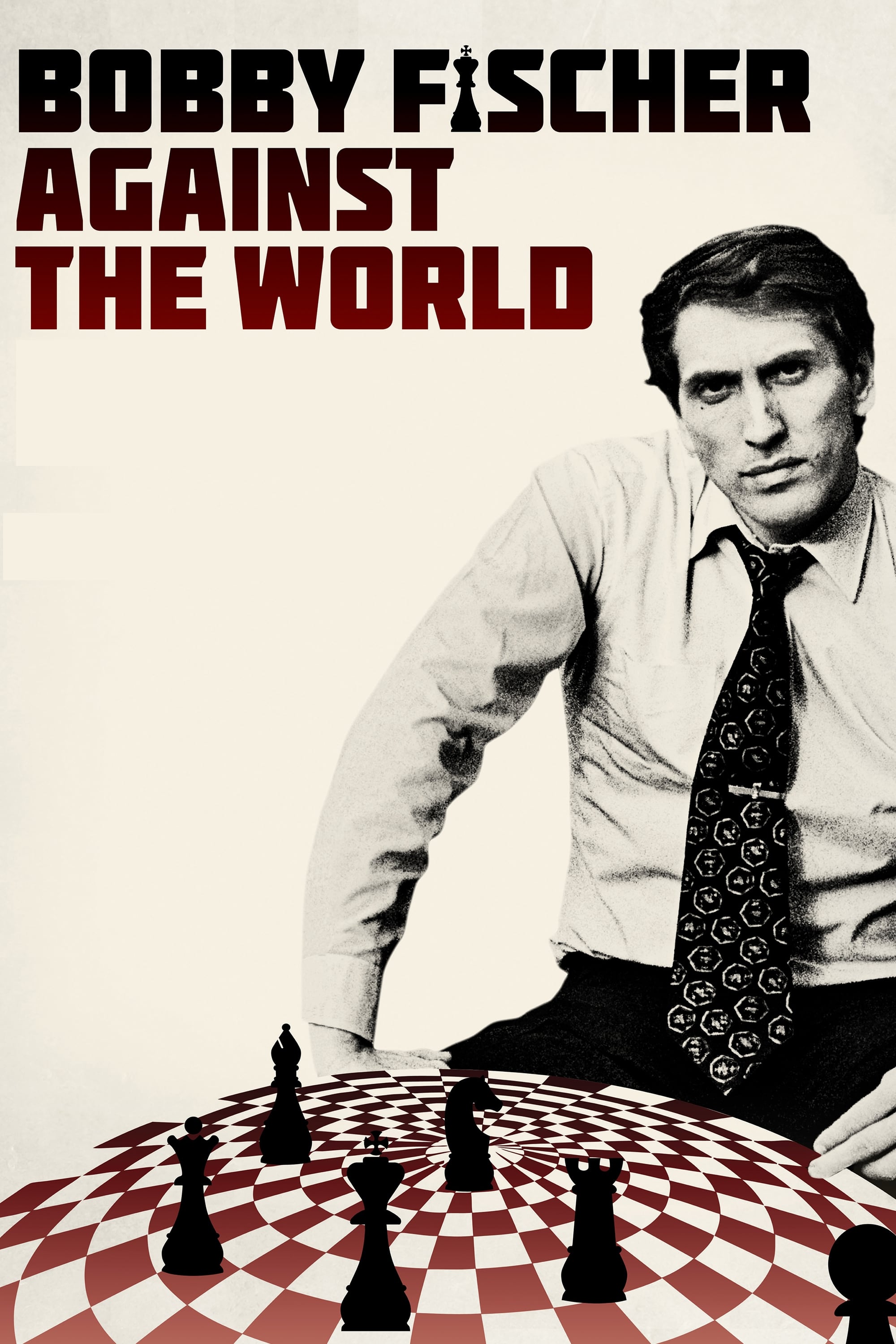
The first documentary feature to explore the tragic and bizarre life of the late chess master Bobby Fischer.
Angela Su’s fictional artist Rosie Leavers is the last remaining person to upload her consciousness to a video game. Contemplating during a pandemic year which also saw people’s resistance movements in many parts of the world, the work pinpoints the uncanny affinities between gaming and warfare strategies. They have mutually informed the infrastructure of both worlds since time immemorial when diplomatic conflicts played out on the battlefield of the 64 squares of a chess board to flight simulation technologies which were adapted to shape gaming experiences as we know it now. When the conflict is between the state and its people, she speculates that gaming strategies empower civilians in resistance movements to counter imperialism through its own operative logic. But once we upload our consciousness, are we able to return to the sensibilities and political motivation that inspired the revolution to begin with?
Nathan Quinell is a fully trained chef… he also happens to be legally deaf and blind. That’s never stopped him from chasing his dreams to become a full-time cook, but now Nathan must prove himself to his peers, his students and potential employers.
Based on a chess set made of ivory, which came to the Habsburg court in Vienna from China, thoughts of Confucius, taken from the Book of Lun-Yü, are recorded.
Despite a lifetime of adversity, a blind high school wrestler attempts to win a State Championship before the end of his senior year.
An Exercise in Perspective is an experimental documentary and fundraising film, which follows the story of blind runner Phil Harrison. Born fully sighted, Phil has lost eyesight from two unfortunate moments – an injury to his left eye as a teenager, compounded by a cancer diagnosis in his right eye when he turned 60. He now has less than 5% vision, only afforded to him with an artificial iris. Many people could become reserved after such bad luck — Phil has decided to run. In 2026 he will run his first ever marathon, the London Marathon, raising money for the UK sight loss charity: RNIB (Royal National Institute of Blind People). As the frontman of infamous punk band Social Security he has always been defiant and young-at-heart. The band provide the perfect soundtrack to his story. Immersive, mixed-media and a DIY project — the documentary gives a perceptual insight into Phil’s excitable, scrappy and inspirational spirit.
The Way Bobby Sees It is a gripping documentary about Bobby McMullen, a competitive mountain biker on a mission to race the most demanding downhill course in the country. Adding to the difficulty: Bobby is legally blind. With the help of a guide and a rigorous training schedule, Bobby is determined to race his bike down a course riddled with obstacles and flanked by steep, life-threatening cliffs. But, the racecourse isn't the only challenge in Bobby's life. Between thrills, spills and jaw dropping helmet camera footage, we see how Bobby uses humor, determination, and unshakeable optimism to battle adversity - both on and off the bike.
The life and career of an actor, artist, and icon. His own journey through his own camera.
A visual montage portrait of our contemporary world dominated by globalized technology and violence.
Daniel Craig candidly reflects on his 15 year adventure as James Bond. Including never-before-seen archival footage from Casino Royale to the upcoming 25th film No Time To Die, Craig shares his personal memories in conversation with 007 producers, Michael G Wilson and Barbara Broccoli.
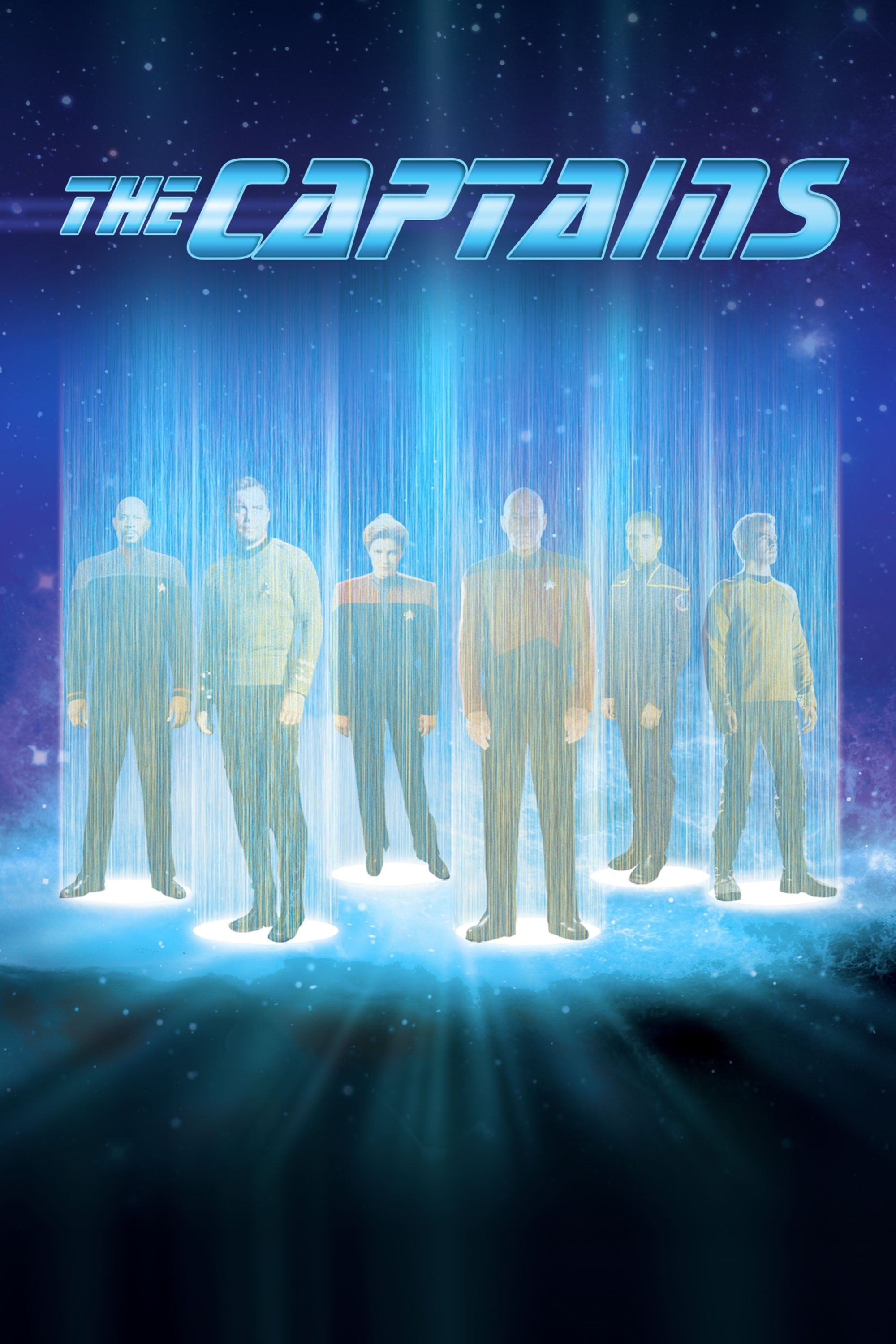
The Captains is a feature-length documentary film written and directed by William Shatner. The film follows Shatner as he interviews the other actors who have portrayed starship captains in the Star Trek franchise.
The film follows adventurer Jeff Johnson as he retraces the epic 1968 journey of his heroes Yvon Chouinard and Doug Tompkins to Patagonia.
Al Pacino's deeply-felt rumination on Shakespeare's significance and relevance to the modern world through interviews and an in-depth analysis of "Richard III."
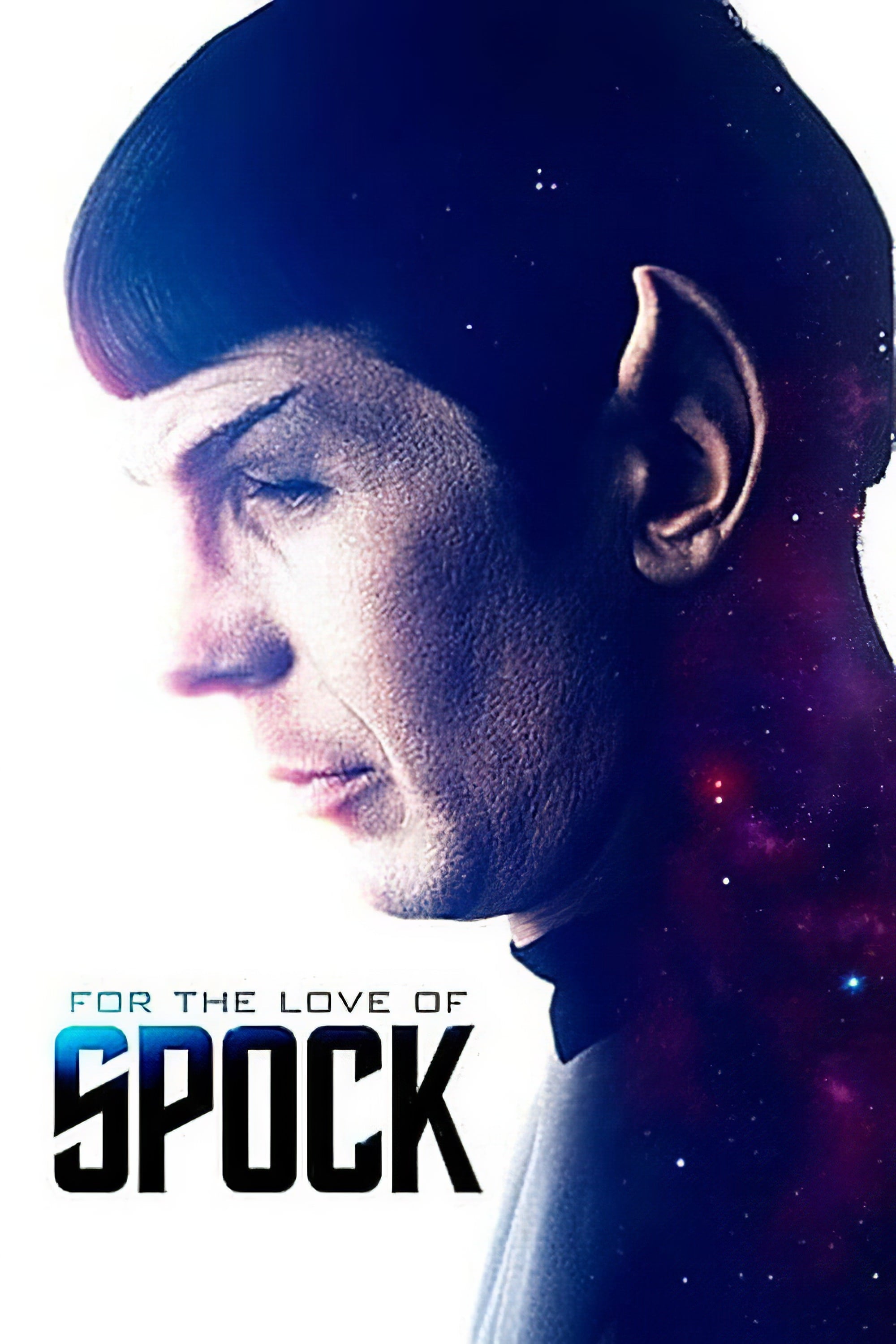
The life of Mr. Spock, as well as that of Leonard Nimoy, the actor who played him for almost fifty years, written and directed by his son: Adam.
A feature length documentary about the all-women team at the helm of Pixar's original feature, Turning Red. With unprecedented behind-the-scenes access to Director Domee Shi and her core leadership crew, this story shines a light on the powerful professional and personal journeys that brought this incredibly comical, utterly relatable, and deeply heartfelt story to the screen.
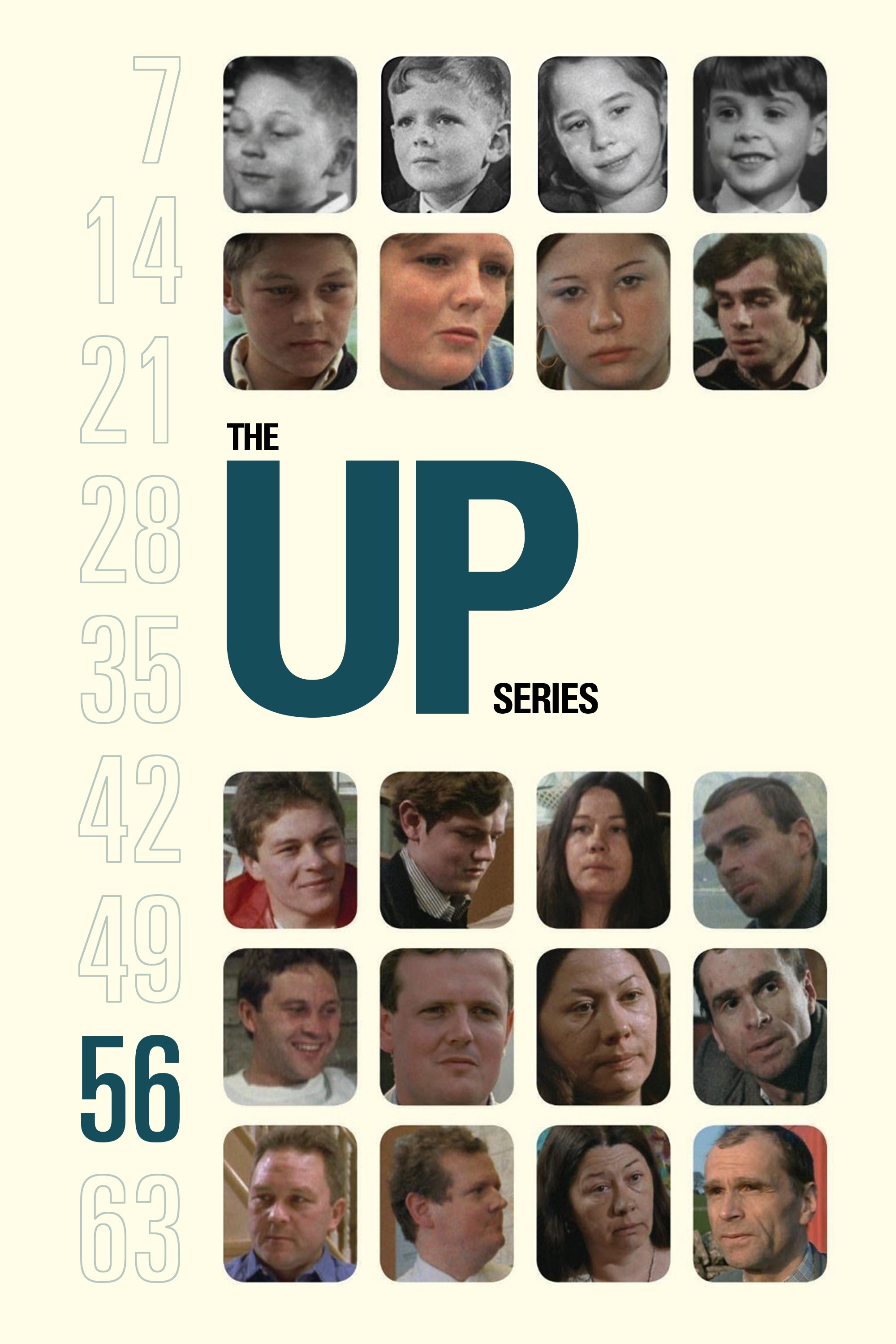
When a cross-section of seven-year-olds were interviewed for 7 Up in 1964 it was immediately evident that their social backgrounds influenced their attitudes towards life. While the upper class children were confident and self-assured, those from middle and working class backgrounds were resigned to a challenging life of hard work. This premise was put to the test every seven years when the same group were interviewed about the progression of their lives. 49 years in the making, the changes that occurred to the original 14 make for fascinating television and are in many ways the stories of all our lives. From success and disappointment, marriage and childbirth, to poverty and illness, nearly every facet of life has been captured on film. Now, at the age of 56, the group are once more brought together and, with the benefit of hindsight, assess whether their lives have been ruled by circumstance or self-determination.
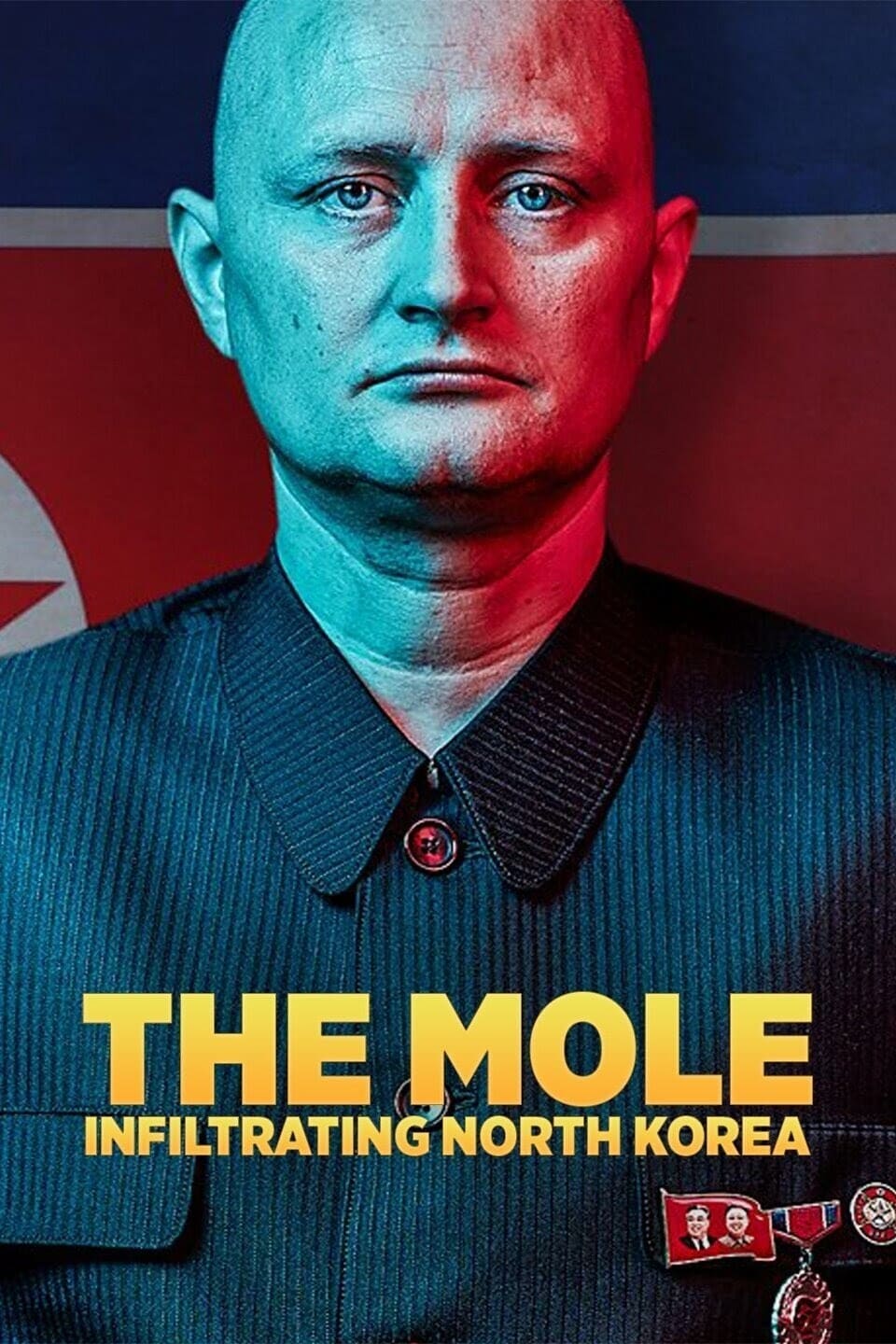
A real-life undercover thriller about two ordinary men who embark on an outrageously dangerous ten-year mission to penetrate the world's most secretive and brutal dictatorship: North Korea.
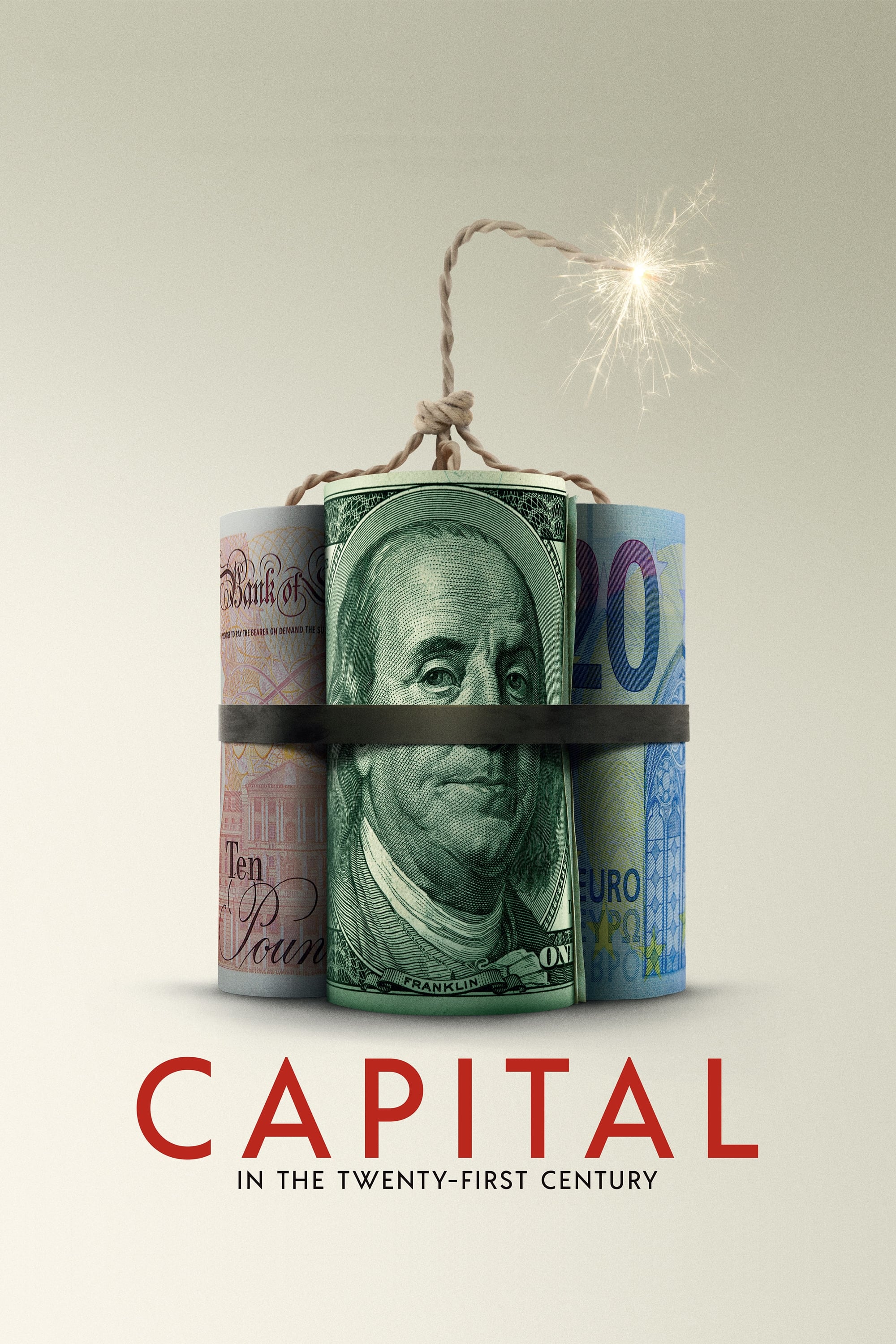
Film adaptation of French economist Thomas Piketty's ground-breaking global bestseller of the same name: an eye-opening journey through wealth and power.
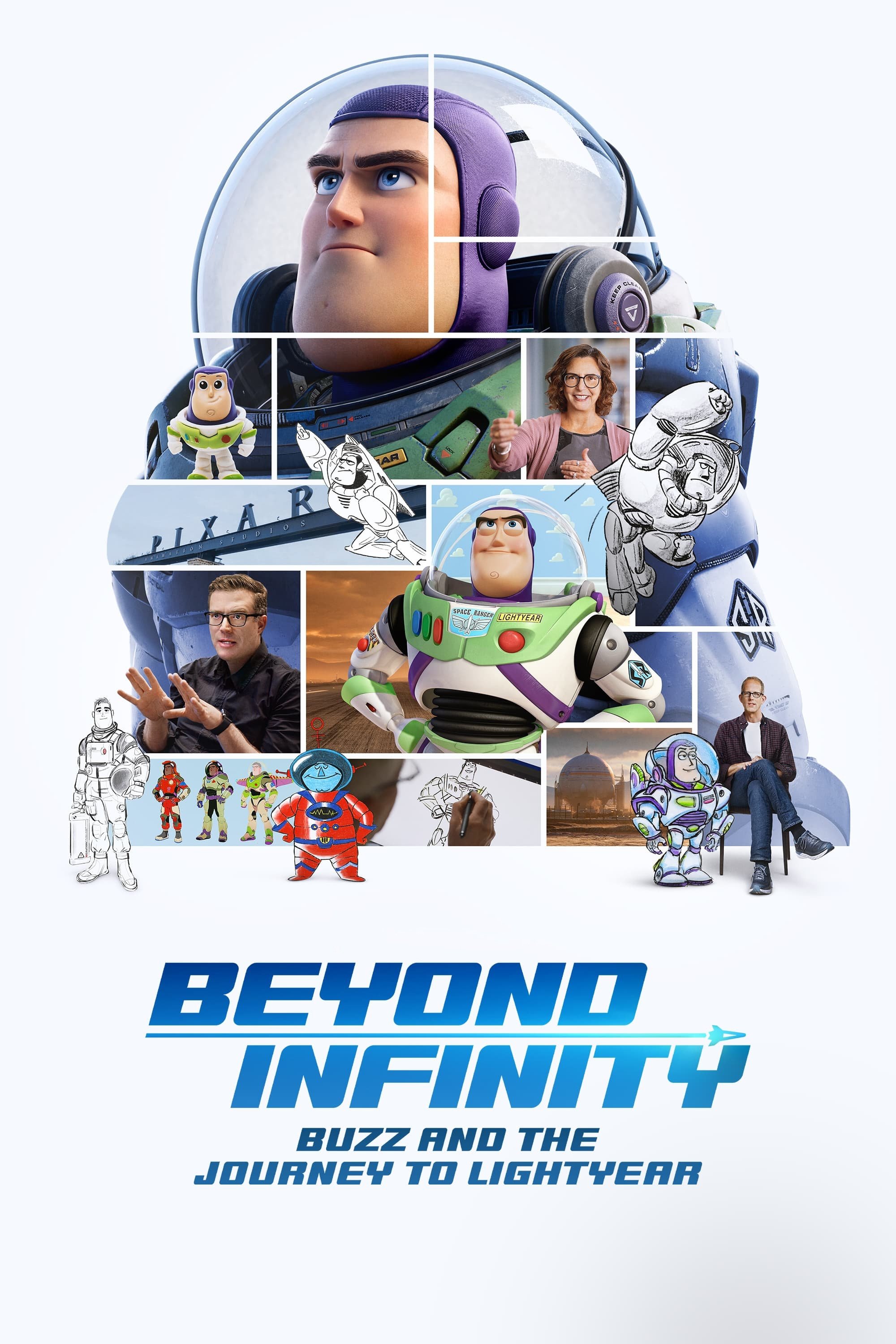
Explore the evolution of Buzz Lightyear from toy to human in the making of Pixar’s Lightyear. Dive into the origin and cultural impact of everyone’s favorite Space Ranger, the art of designing a new “human Buzz,” and the challenges faced by the Lightyear crew along the way.
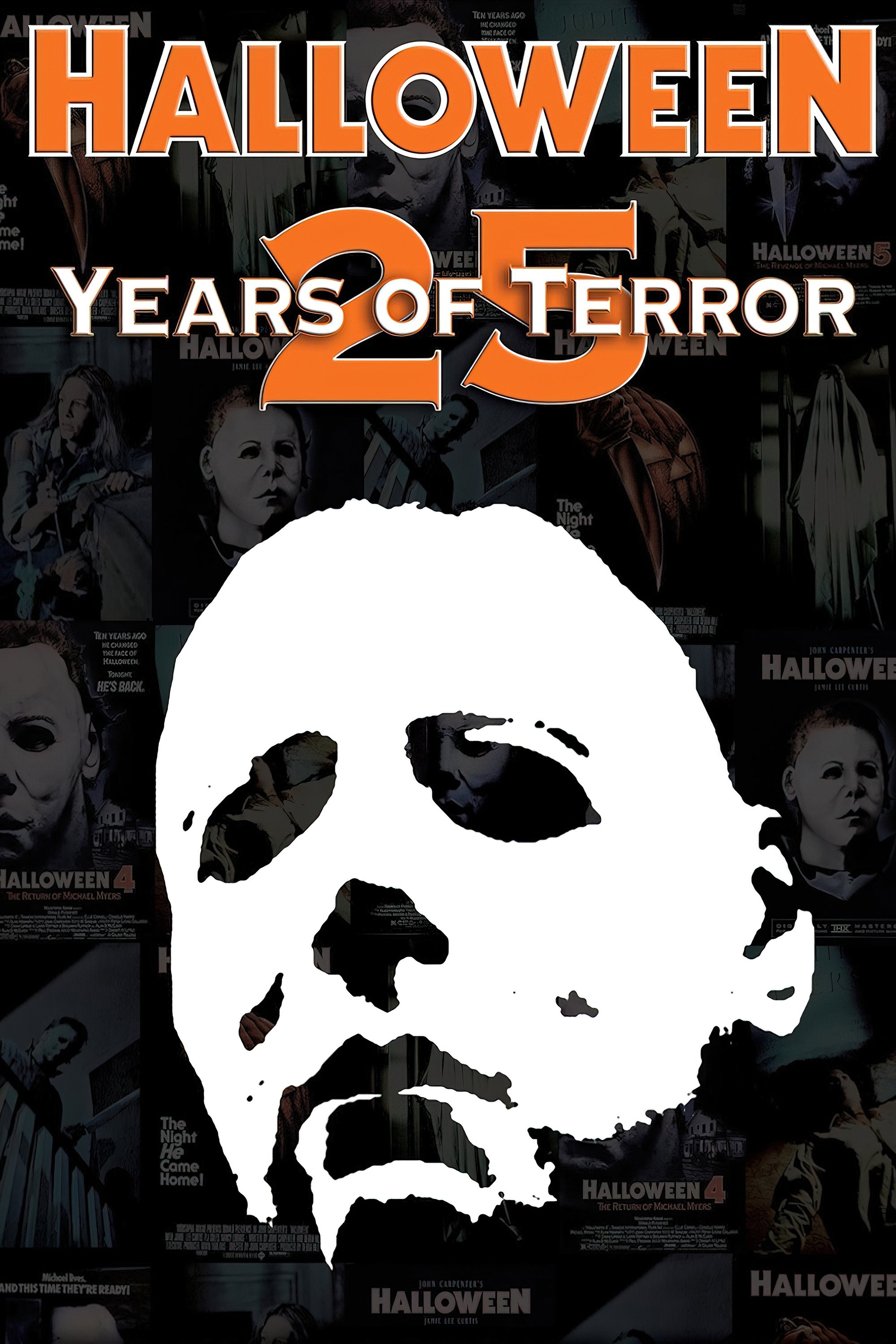
Follow the evolution of the 'Halloween' movies over the past twenty-five years. It examines why the films are so popular and revisits many of the original locations used in the films - seeing the effects on the local community. For the first time, cast, crew, critics and fans join together in the ultimate 'Halloween' retrospective.
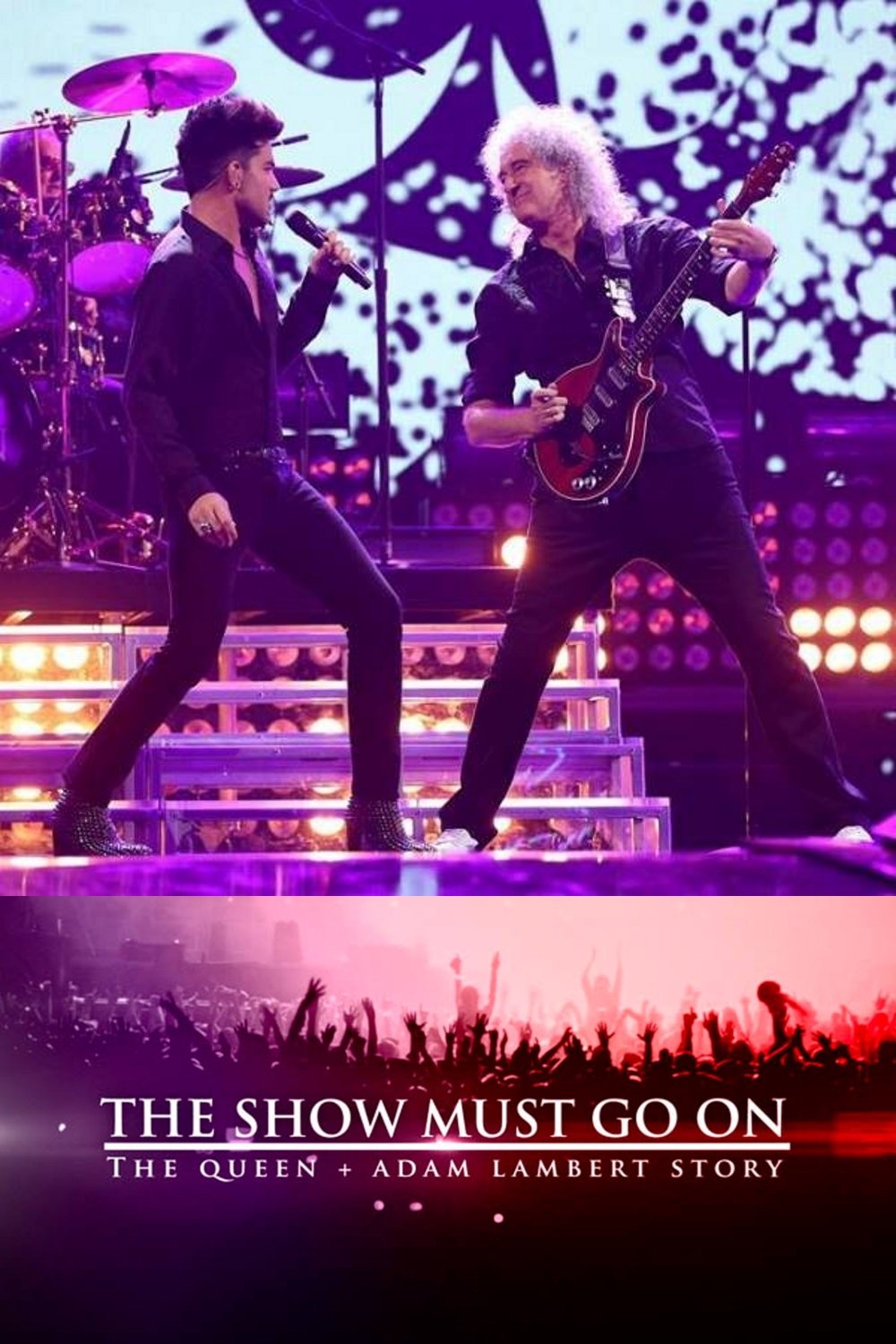
A documentary chronicling Queen and Lambert's incredible journey since they first shared the stage together on "American Idol" in 2009.
A documentary detailing the epic Rogues' Gallery of DC Comics from The Joker and Lex Luthor, Sinestro, Darkseid and more, this documentary will explore the Super Villains of DC Comics.
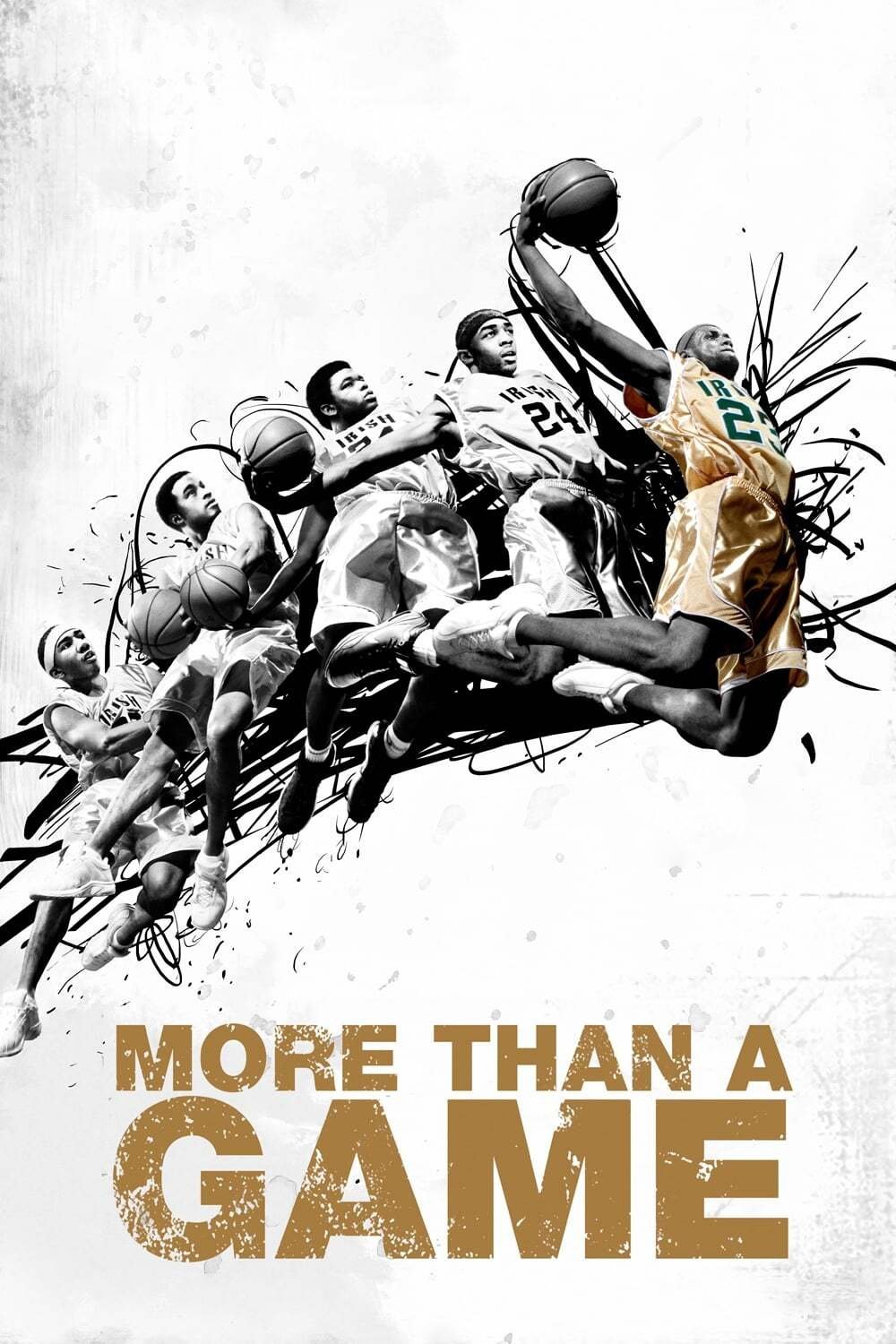
This documentary follows NBA superstar LeBron James and four of his talented teammates through the trials and tribulations of high school basketball in Ohio and James' journey to fame.
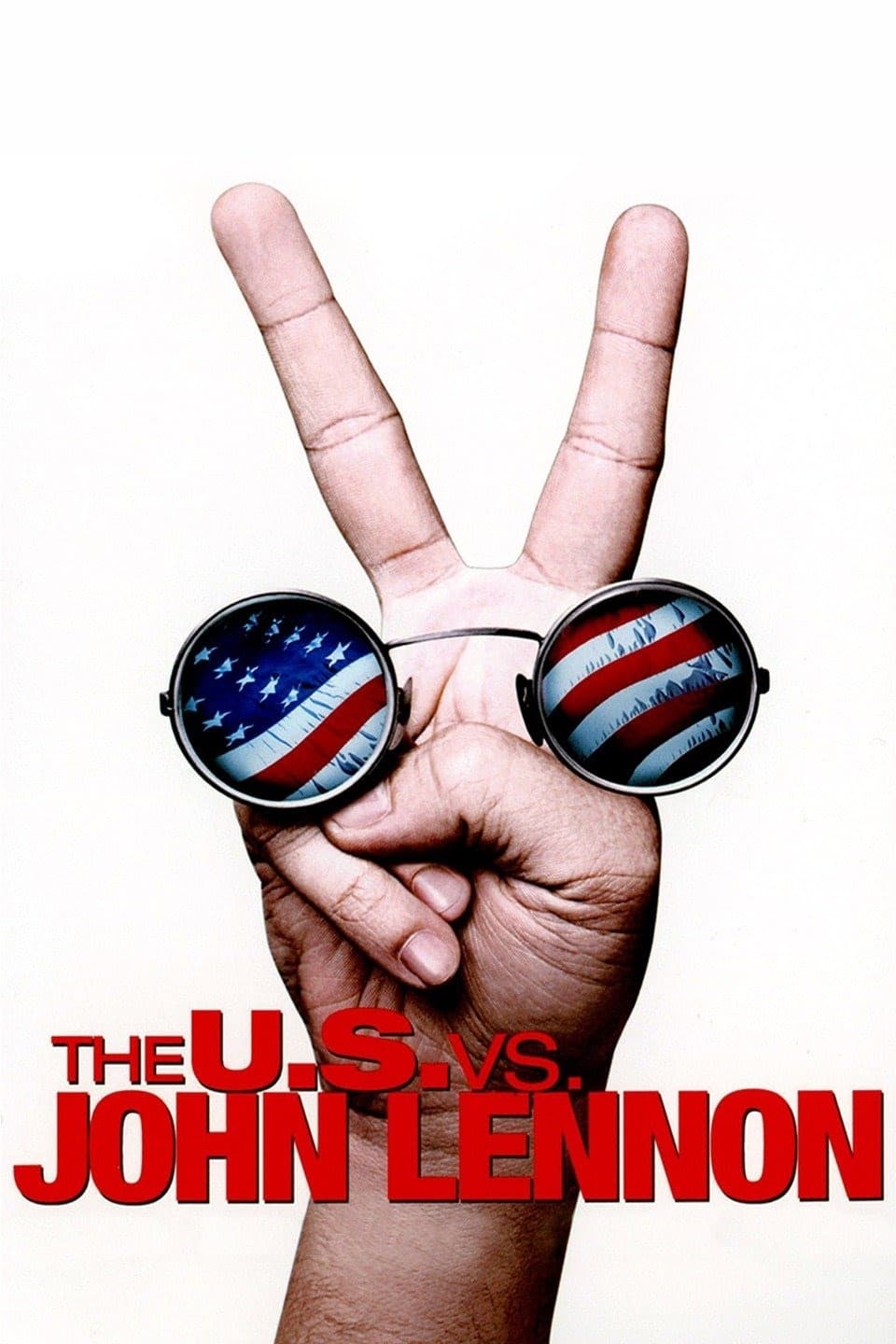
A documentary on the life of John Lennon, with a focus on the time in his life when he transformed from a musician into an antiwar activist.
A documentary about how a dominant cultural and demographic institution both sustains their traditional activities and adapts to the digital revolution.
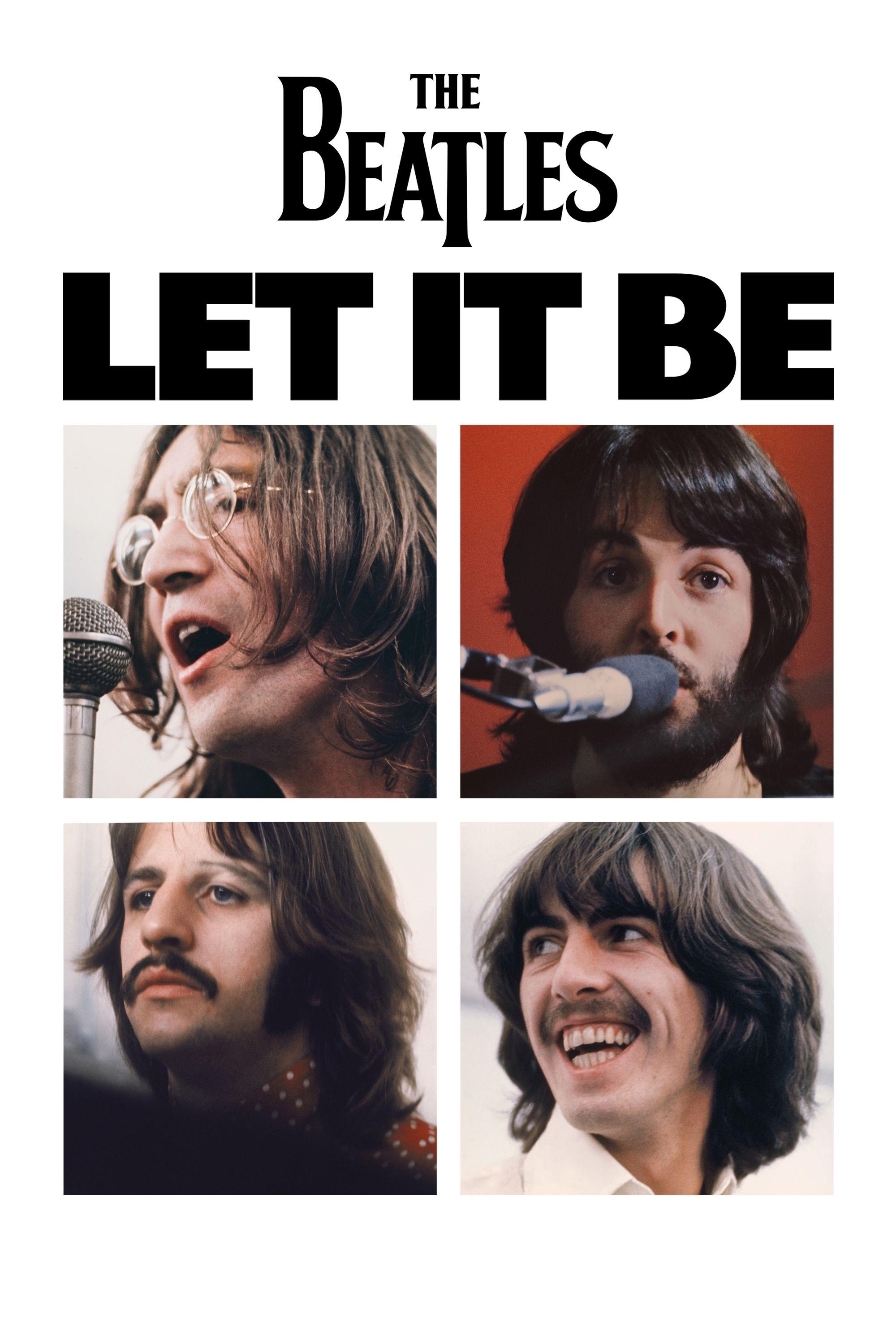
A documentary chronicling the Beatles' rehearsal sessions in January 1969 for their proposed "back to basics" album, "Get Back," later re-envisioned and released as "Let It Be."