Film made during the repressive days of the Emergency in India documents the 1974-75 uprising of the people of Bihar in Eastern India.
Social & External
Filmmaker Anand Patwardhan looks to history and psychology as he delves into the possible reasons behind the demolition of the Babri Mosque.
A very spellbinding story about the reel and real life of great old thespian Kanhaiyalal and his bygone era when Indian Cinema was at a nascent stage. The story tells about his inspiring journey from a confused, gullible youth to a mesmerizingly spontaneous actor. It also unfurls the turbulent phases of Kanhaiyalal's life where there is excessive alcoholism and the mysterious death of his son.
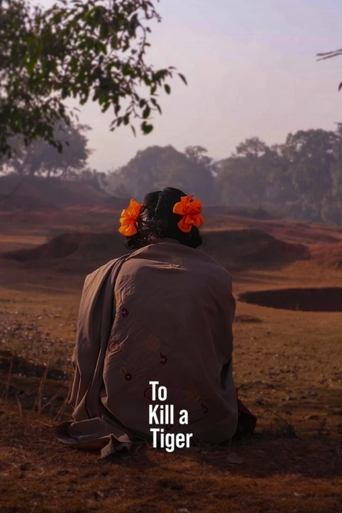
Somi is pregnant with her second child. A girl, she hopes. Together with her husband she prepares for this new phase of their parenthood. It means that their son has to go to school, but as an ex-Naxalite that is tough to achieve in contemporary India, where people like them are third-rate citizens. They lack the certificates and an opaque bureaucratic process doesn't help. Directors Isabella Rinaldi, Cristina Hanes and Arya Rothe of the NoCut Film Collective concentrate on Somi's close family ties, painting a portrait of ex-Naxalites in India. Once, Somi and her husband were communist rebels fighting for the rights of Indian tribes. However, to safeguard their family's welfare, they surrendered to the government in exchange for marginal compensation and simple accommodation.
A look behind the battle. Watch the people of India combat a deadly virus in a race against time. Tune in to COVID-19: India’s War Against the Virus, premieres 16 July at 8 PM on Discovery Plus and 20 July at 8 PM on Discovery.
Anxious, out of work and without access to transport during the nationwide COVID-19 lockdown in 2020, migrant labourers in India’s metropolises decided to walk back home to their villages en masse. As news channels beamed heart-rending silhouettes of millions of men, women and children marching along national highways with their meagre belongings, it became plain that the lockdown had already drafted one of the most traumatic chapters in the nation's modern history.
Based on the poetry of R. Raj Rao, Bomgay is a collection of six vignettes that depict the underground and complex nature of the gay identity in urban India. Part Genet, part Bollywood, this film combines acidic verse and insightful imagery to reveal the emerging gay community in the post-liberalized India of the 1990s.
Though times have changed, Ram still uses old ways of farming due to a drought in the village. His brother, Bala, goes to Bombay to earn his living. Mahadev, a Zamindar in the village, eyes Usha, the lover of Bala. Due to the drought, the crops fail in the village, and Shikh Sahib, a social worker, comes to help the farmers, and shows them new ways of farming. Ramu goes to Bombay to take a loan for cooperative farming and asks Bala to turn back to the village, but he refuses. [The film is a socio-economic study of post-independence India, blending documentary elements with narrative storytelling. The film is often described as a "simple story woven into the documentary design" and features actors like Prithviraj Kapoor and Dev Anand.]
A prismatic meditation on pollution in the capital of the World’s biggest free-market democracy and the most polluted and populated city, Delhi – a film about the pollution inside of the human mind.
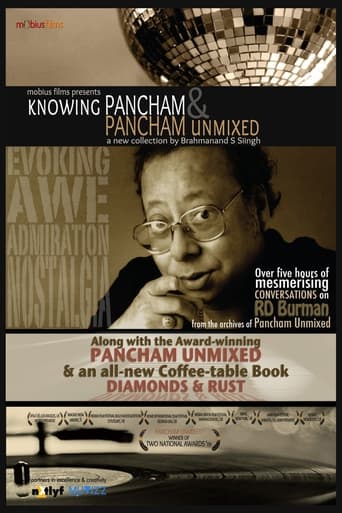
Winner of 2 National Awards, Pancham Unmixed: Mujhe Chalte Jaana Hai, takes an incisive look into the legendary composer, RD Burman's reflective artistry and buoyant-but-also-lonely inner being. Featuring a host of close friends, colleagues and admirers, the film evokes awe, admiration and nostalgia the way most of his music does, till date.
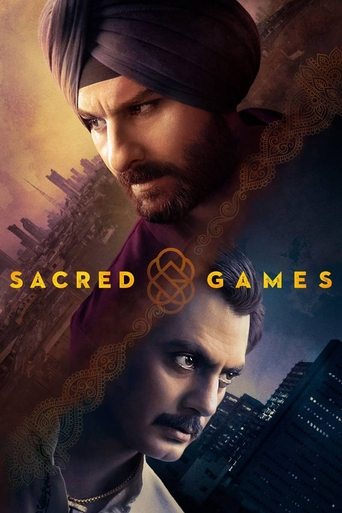
VICE met up with the directors of Sacred Games, Netflix's first foray into originals in India. Veterans Anurag Kashyap and Vikramaditya Motwane explain their process to us.
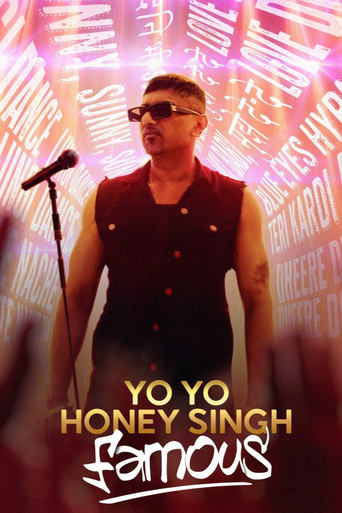
He was an ordinary boy with extraordinary dreams. This intimate documentary traces the rise, fall and comeback of Indian rapper Yo Yo Honey Singh.
A documentary exploring the "respectable" and "immoral" stereotypes of women in Indian society told from the point of view of 2 strip-tease dancers in a cabaret house in Bombay.
Indian freedom fighter Gandhiji was killed by Nathuram Godse. But what made Nathuram Godse to take this extreme step?
In a region where the native language is often overlooked, a young Bundelkhandi rapper works tirelessly on his first album. As he faces financial struggles and a lack of resources, the question remains: will he be able to make it and at what cost?
An extensive, in-depth account of the making of an ultimate revenge saga through the eyes of Anurag Kashyap, the cast and the crew of "Gangs of Wasseypur".
Jeet Lengey Jahaan is about today's youngsters who are starving to achieve their goals in life. It shows how they get trapped into our corrupt system and face adverse circumstances and finally find themselves helpless and how they fight against it by their own ways.
Documentary about the teachings of Jiddu Krishnamurti.
The inspiring story of a young Indian Muslim woman who trades her burka for dreams of playing on the Mumbai Senior Women's Cricket Team and how the harsh realities for women in her country creates an unexpected outcome for her own family, ultimately shattering and fueling aspirations.
I Am is a 2011 Indian anthology film by Onir. It consists of four short films: "Omar", "Afia", "Abhimanyu", and "Megha". Each film shares the common theme of fear and each is also based on real life stories. The film was financed by donations from more than 400 different people around the world, many of whom donated through social networking sites like Facebook. There are four stories but the characters are interwoven with each story. "Abhimanyu" is based on child abuse, "Omar" on gay rights, "Megha" is about Kashmiri Pandits and "Afia" deals with sperm donation. I Am was released with subtitles in all regions as six different languages are spoken in the film: Hindi, English, Kannada, Marathi, Bengali and Kashmiri.