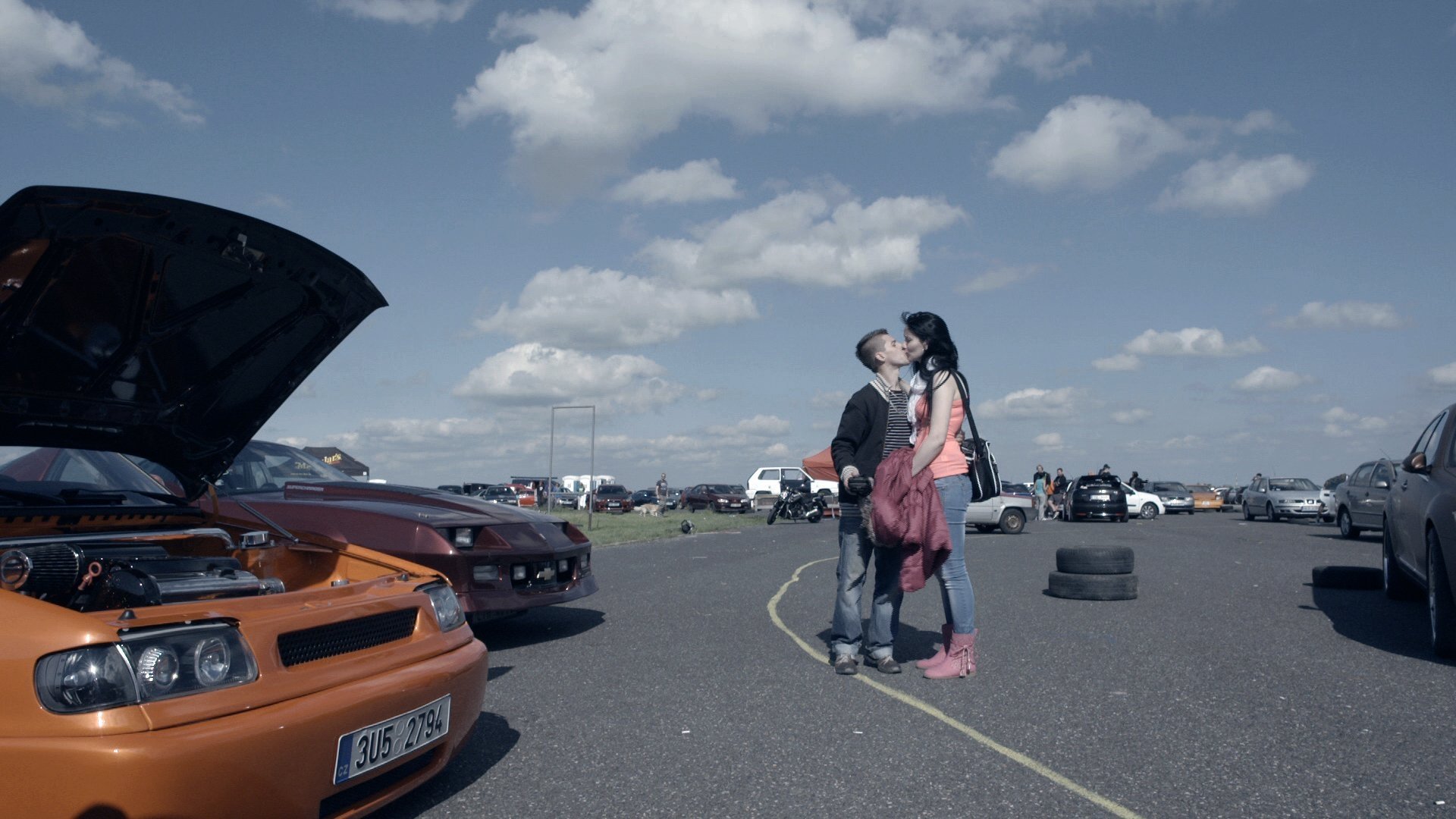
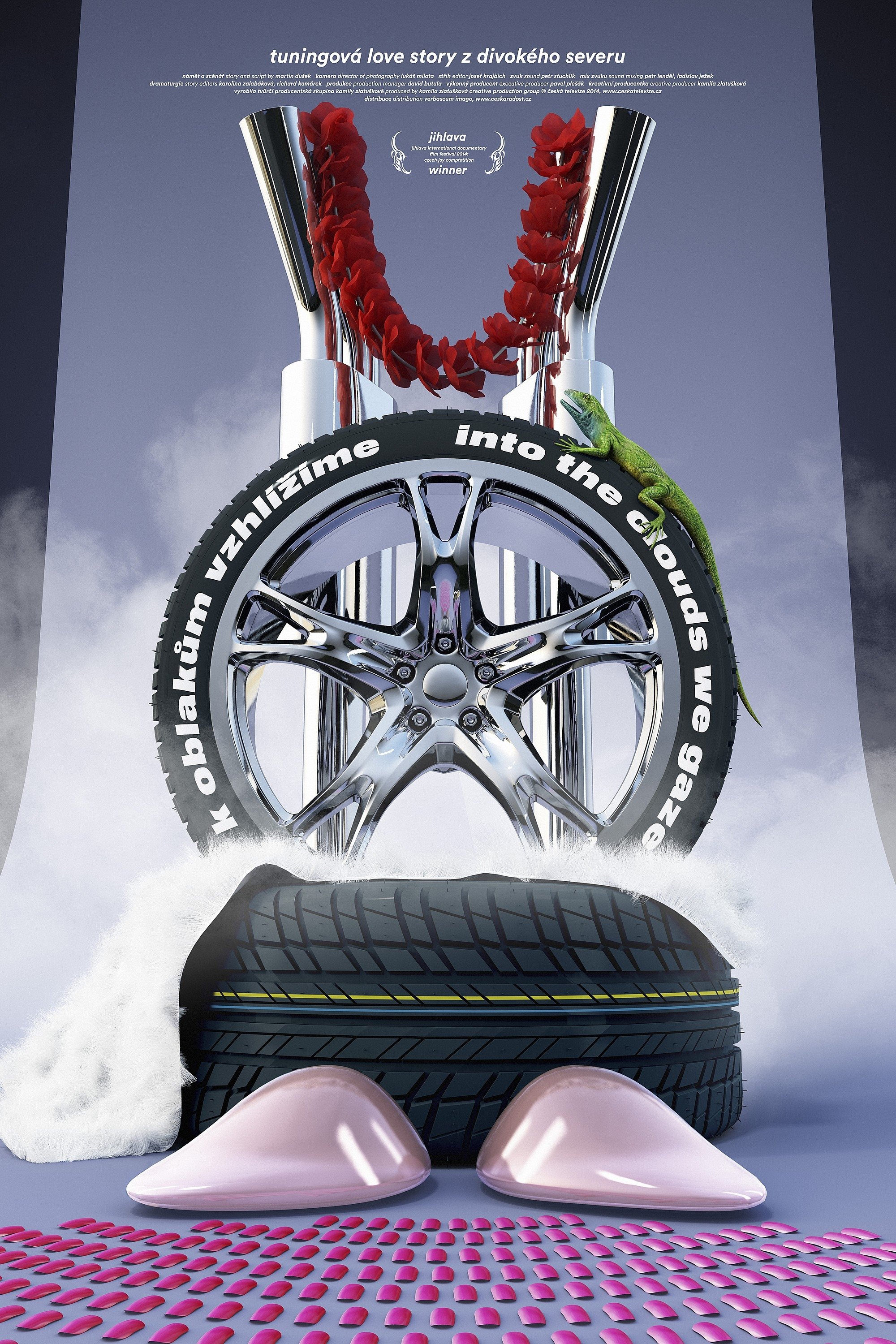
A gentle love story from the harsh environment of northern Bohemia.
Social & External
The people behind it
Radoslav Pešek
Veronika Čermáková
Ingrid Sobotová
Matěj Černý
A documentary incorporating footage of Montgomery Clift’s most memorable films; interviews with family and friends, and rare archival material stretching back to his childhood. What develops is the story of an intense young boy who yearned for stardom, achieved notable success in such classic films as From Here to Eternity and I Confess, only to be ruined by alcohol addiction and his inability to face his own fears and homosexual desires. Montgomery Clift, as this film portrays him, may not have been a happy man but he never compromised his acting talents for Hollywood.
This documentary is featured on the DVD for Captain Blood (1935), released in 2005.
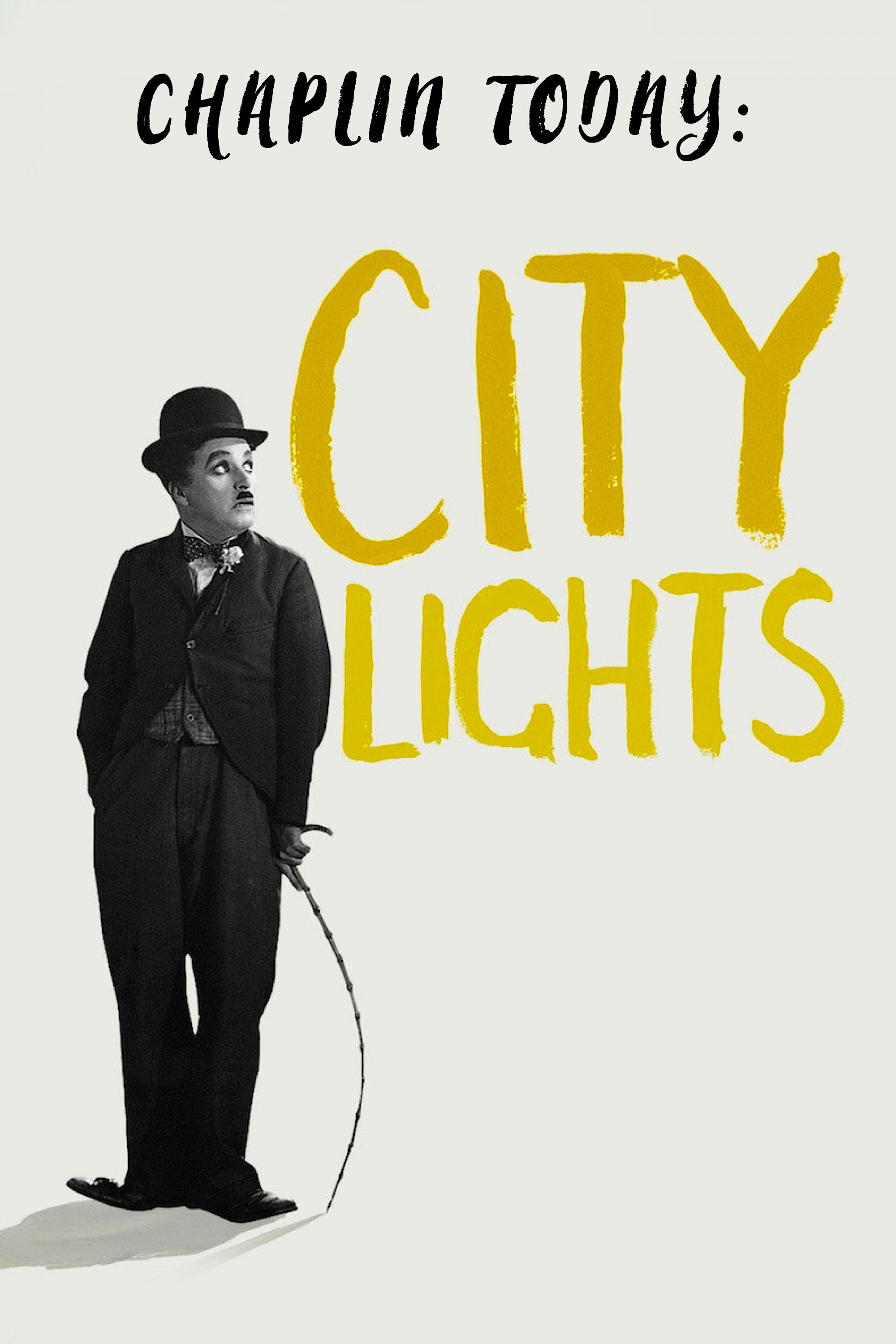
In 1928, as the talkies threw the film industry and film language into turmoil, Chaplin decided that his Tramp character would not be heard. City Lights would not be a talking picture, but it would have a soundtrack. Chaplin personally composed a musical score and sound effects for the picture. With Peter Lord, the famous co-creator of Chicken Run and Wallace & Gromit, we see how Chaplin became the king of slapstick comedy and the superstar of the movies.
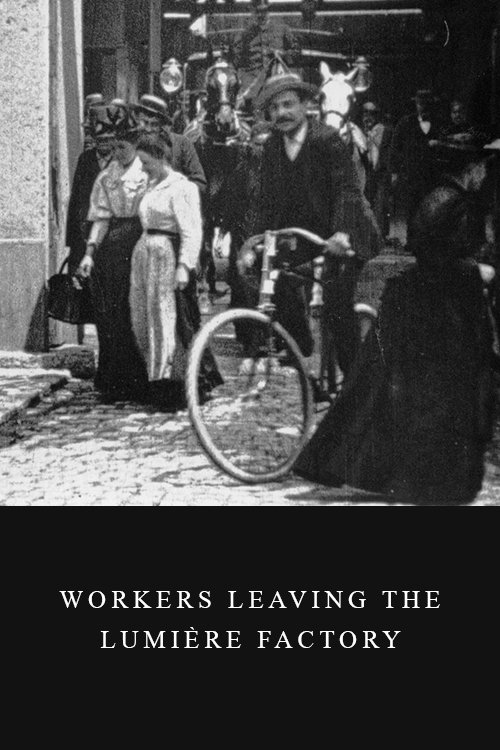
Working men and women leave through the main gate of the Lumière factory in Lyon, France. Filmed on 22 March 1895, it is often referred to as the first real motion picture ever made, although Louis Le Prince's 1888 Roundhay Garden Scene pre-dated it by seven years. Three separate versions of this film exist, which differ from one another in numerous ways. The first version features a carriage drawn by one horse, while in the second version the carriage is drawn by two horses, and there is no carriage at all in the third version. The clothing style is also different between the three versions, demonstrating the different seasons in which each was filmed. This film was made in the 35 mm format with an aspect ratio of 1.33:1, and at a speed of 16 frames per second. At that rate, the 17 meters of film length provided a duration of 46 seconds, holding a total of 800 frames.
Documentary about the VW Beetle and its origins.
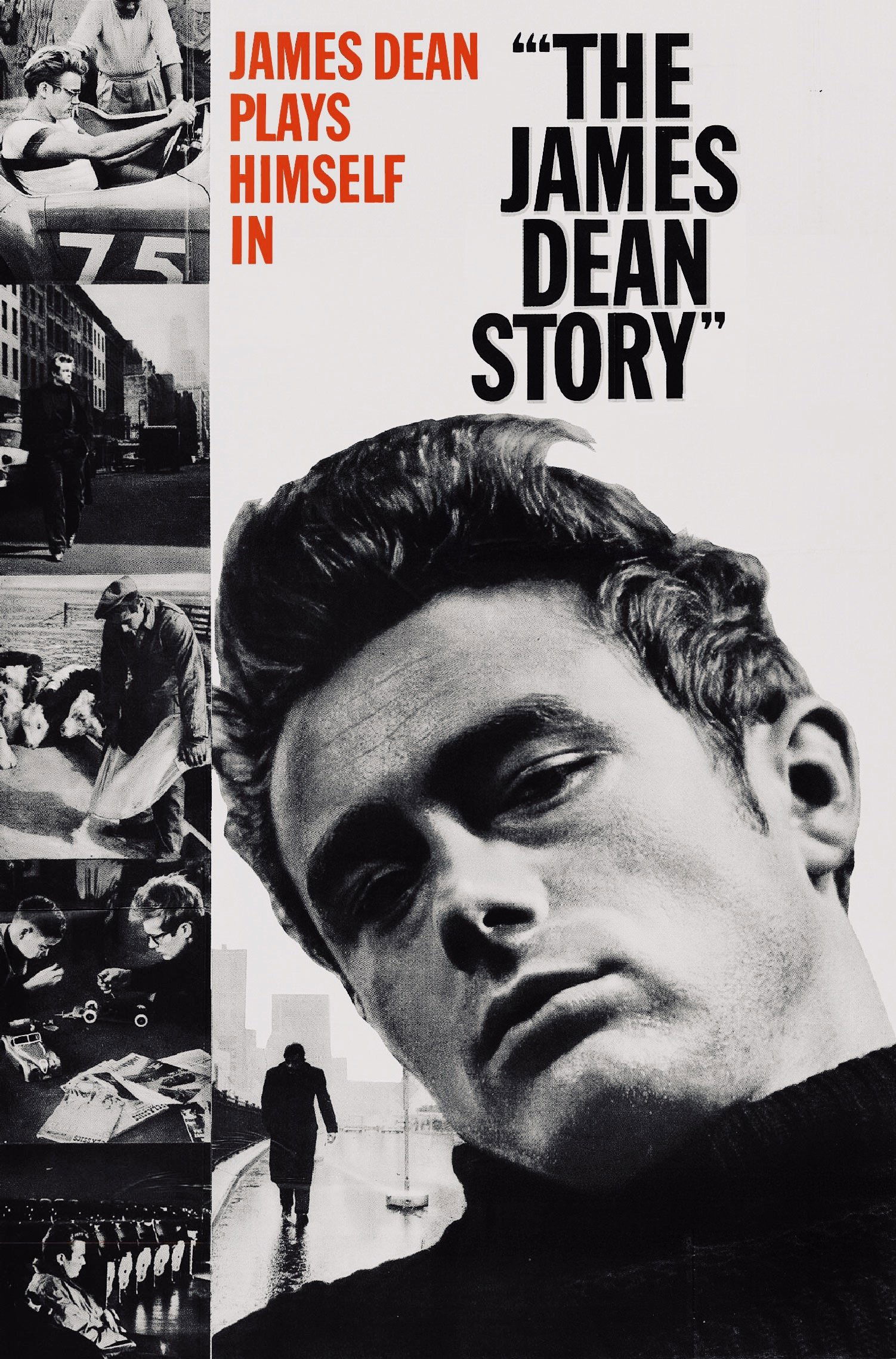
Released two years after James Dean's death, this documentary chronicles his short life and career via black-and-white still photographs, interviews with the aunt and uncle who raised him, his paternal grandparents, a New York City cabdriver friend, the owner of his favorite Los Angeles restaurant, outtakes from East of Eden, footage of the opening night of Giant, and Dean's ironic PSA for safe driving.
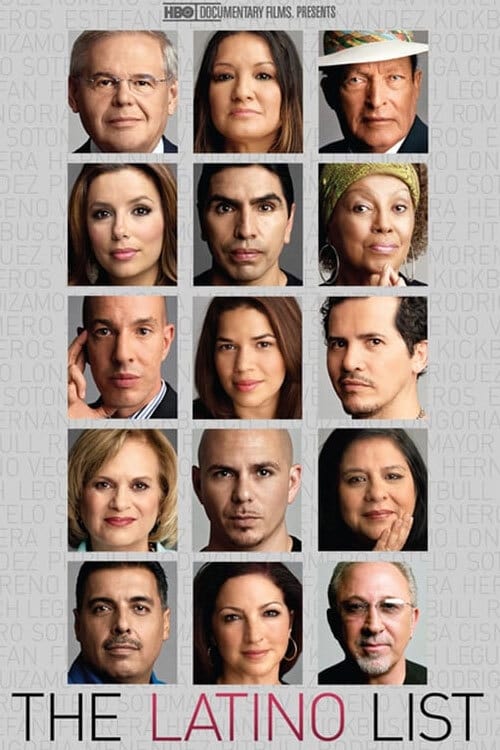
Documentary film interviews leading Latinos on race, identity, and achievement.
Manuel Horrillo has visited for 7 years the fields where the clashes between the Spanish troops and the rebels of the protectorate took place during the so-called Rif War, a forgotten war of the Spanish collective imaginary.
A documentary following the conscious evolution of electronic music culture and the spiritual movement that has awakened within.
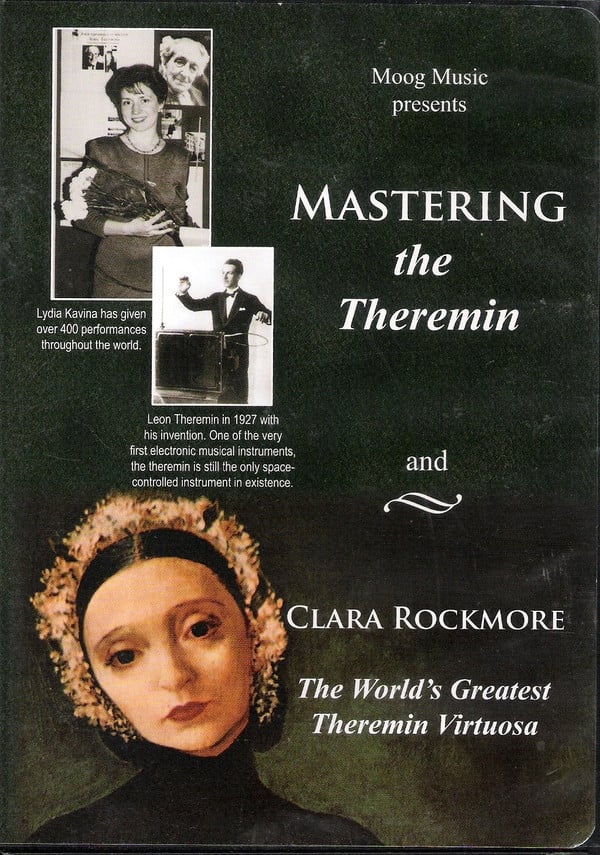
Quite simply the finest theremin player who has ever lived, Clara Rockmore began her performing life as a violin prodigy at the age of 5 years old, still the youngest person ever admitted to the prestigious Imperial Conservatory of Saint Petersburg where she studied under the great Leopold Auer. Due to childhood malnutrition causing bone problems in her teen years, she was forced to give up the violin and moved to New York City in the mid 1920's where she met and became involved with Russian electronics genius Leon Theremin and helped him to refine and perfect his new instrument, giving advice from the standpoint of a musical performer to make the theremin more playable and developing her own hand techniques and exercises for playing the instrument.
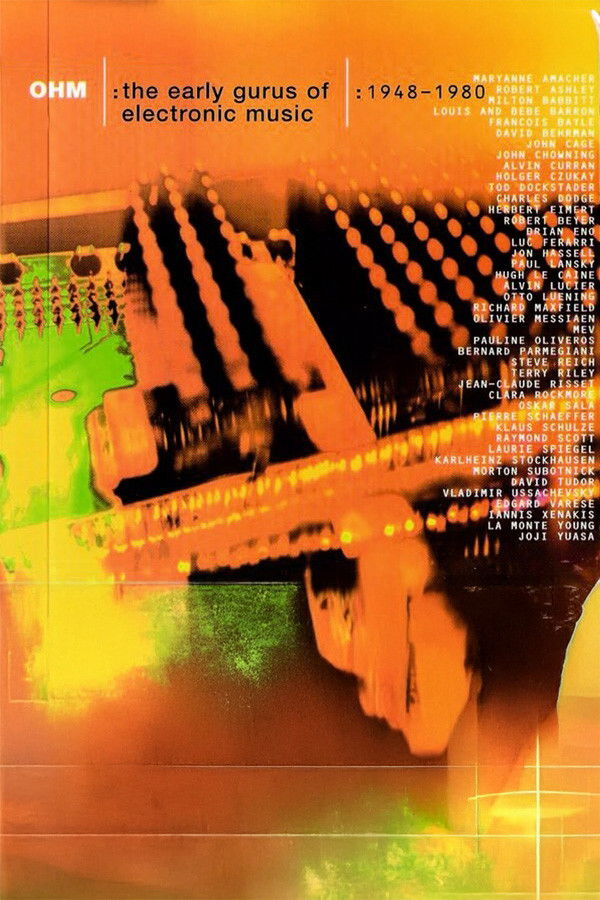
Drawing on rare performances, interviews, animations, and experimental film, this documentary surveys the formative years of electronic music from 1948 to 1980. Featuring pioneering composers and inventors—including Milton Babbitt and Leon Theremin—the film explores the experimental technologies, academic laboratories, and creative struggles that shaped the early evolution of electronic sound.
Insomnies is an impressionistic look at the city at night, avoiding the clichés of commercial or tourist films and suggesting instead a lifestyle rhymed by windshield wipers and the music of The Honeymoon Killers. The film is flashing back-and-forth and ultimately leaves, like an arabesque of light and colour made of lines, curves and angles.
Former General Motors high-flyer John DeLorean had a plan to build a stylish European sports car, at a price that would make it attractive to the American market. The site he chose for his state-of-the-art factory was on the outskirts of Belfast, a city best-known for sectarian violence and high levels of unemployment. The unexpected marriage of high-tech glamour with the gritty reality of 1970s Northern Ireland captured the public's imagination but this early optimism would end in failure. Although the cars looked great, the windows leaked and the engines seized; as his financial problems mounted the maverick DeLorean faced charges of drugs trafficking. Adrian Dunbar narrates the story.
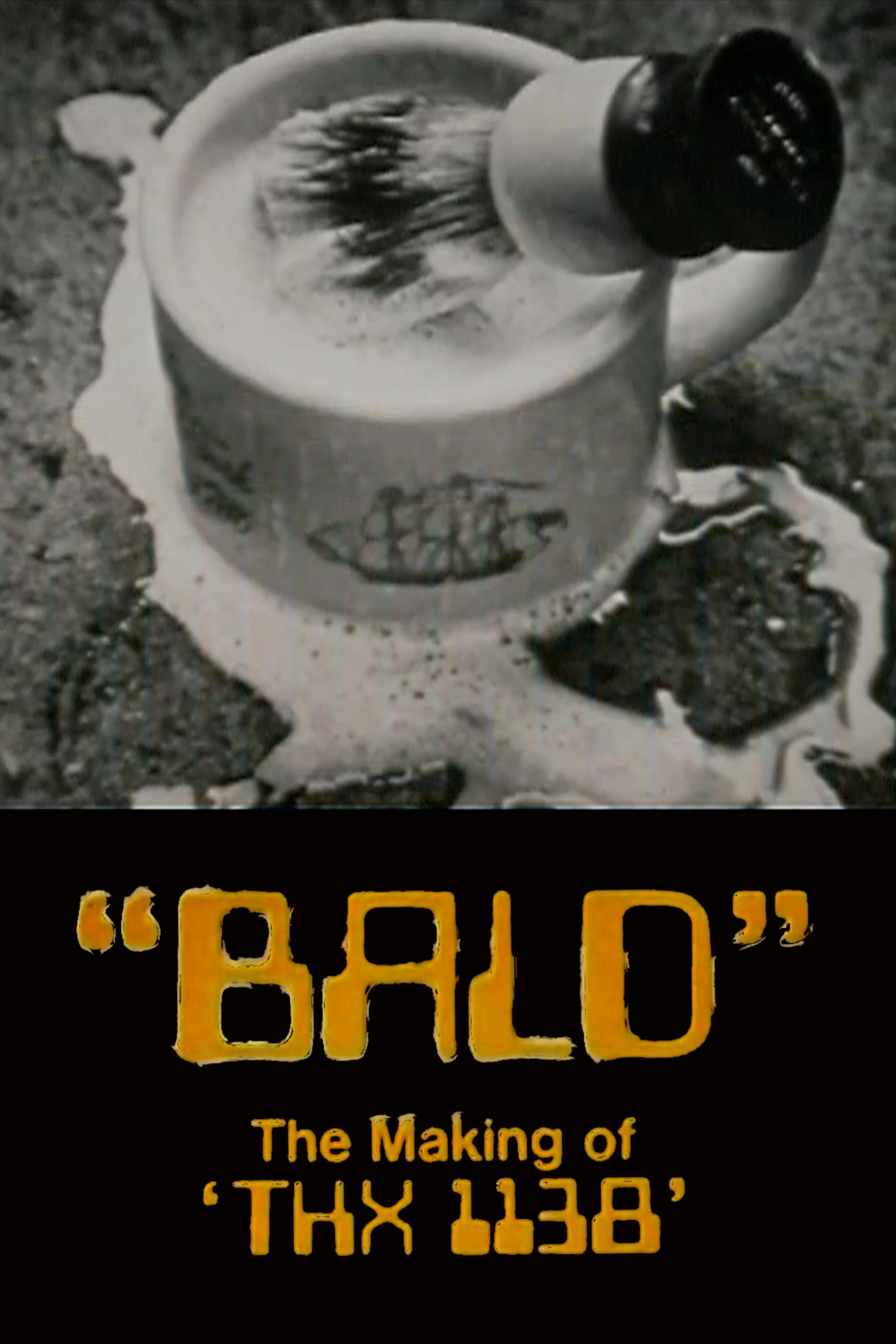
The film features a conversation between Lucas and Francis Ford Coppola, producer of THX 1138. They discuss Lucas' vision for the film, including his ideas about science fiction in general and in particular his concept of the "used future" which would famously feature in his film Star Wars. Intercut with this discussion is footage shot prior to the start of production of THX 1138 showing several of its actors having their heads shaved, a requirement for appearing in the film. In several cases the actors are shown being shaved in a public location. For example, Maggie McOmie is shaved outside the Palace of Fine Arts in San Francisco, while Robert Duvall watches a sporting event as his hair is cut off. Another actor, Marshall Efron, who would later play an insane man in the film, cut off his own hair and was filmed doing so in a bathtub.
Behind the scenes footage of Pasolini and crew filming 'Salò o le 120 giornate di Sodoma'.
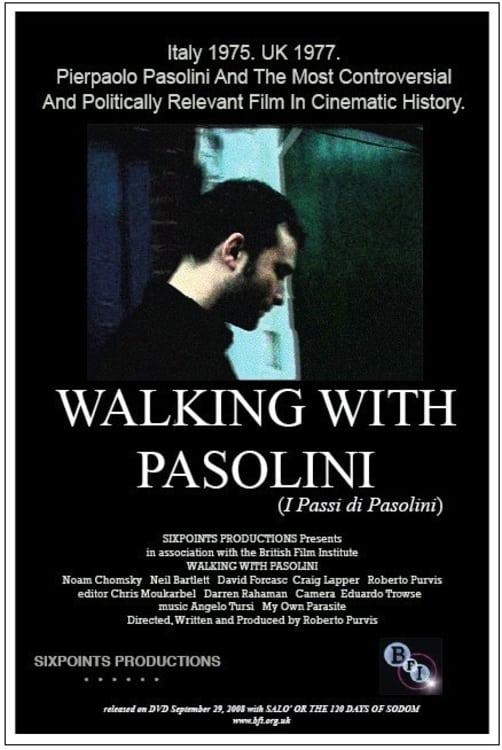
A documentary about Pier Paolo Pasolini and his film 'Salò o le 120 giornate di Sodoma'.
A 55-minute film by director Xavier Giannoli that analyses 'À nos amours'. The film features former Cahiers du cinéma editorial director Jean-Michel Frodon, actors Jacques Fieschi and Sandrine Bonnaire, and other members of the cast
A documentary by writer and filmmaker Daniel Bird about the making of Sergei Parajanov's 'The Colour of Pomegranates'.
A short documentary by Levon Grigoryan about the making of Parajanov's «Sayat-Nova», or «The Colour of Pomegranates».
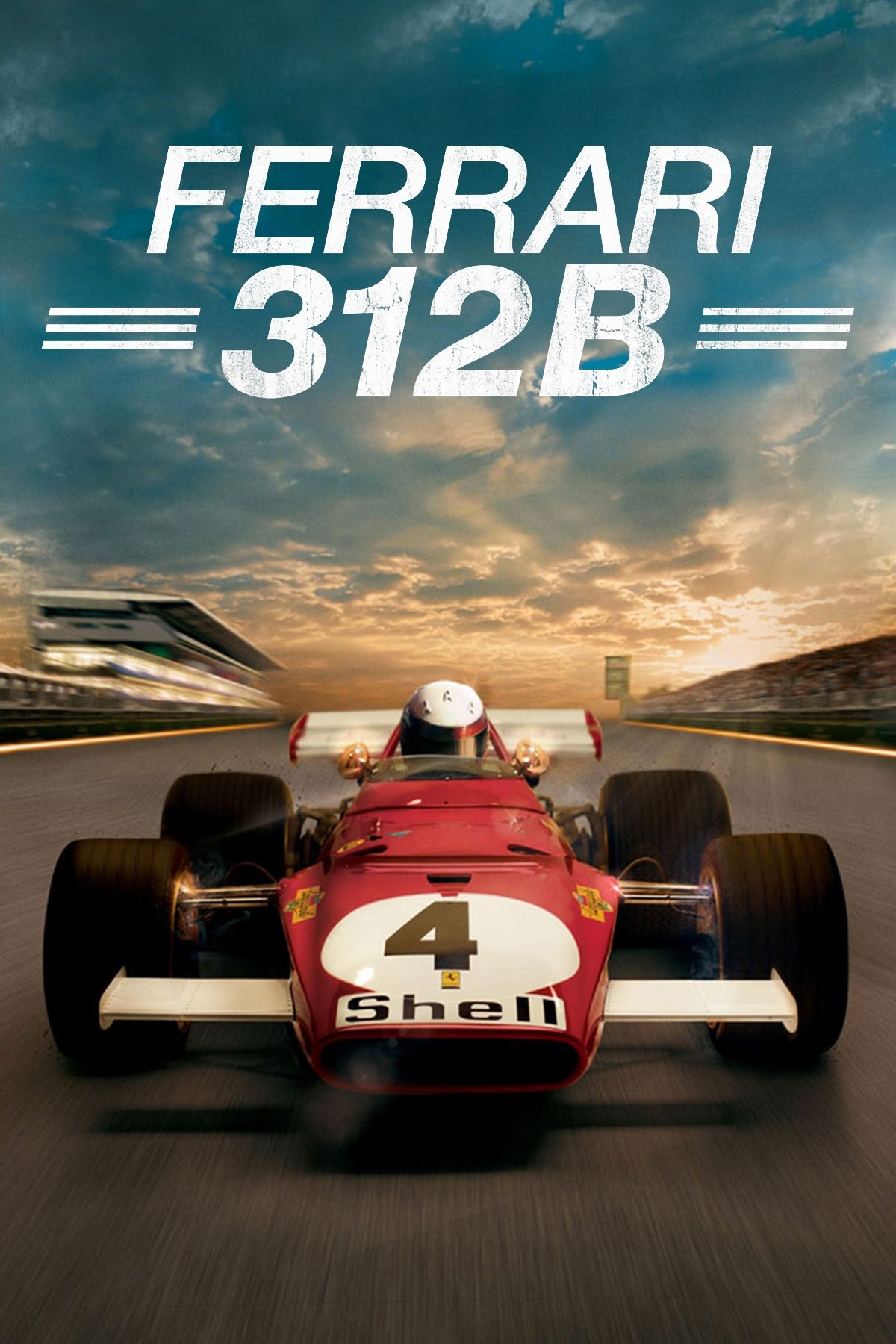
In a race against time and all odds, the revolutionary F1 racing car Ferrari 312B will get back on the Monaco circuit, 46 years later, under the wing of it’s creator, the genius engineer Mauro Forghieri.
In an intimate and joyful story of love in the face of loss, celebrated poets Andrea Gibson and Megan Falley find strength—and unexpected hilarity—in what might be their final year together.
An inside look at one of the most anticipated movie sequels ever with James Cameron and cast.
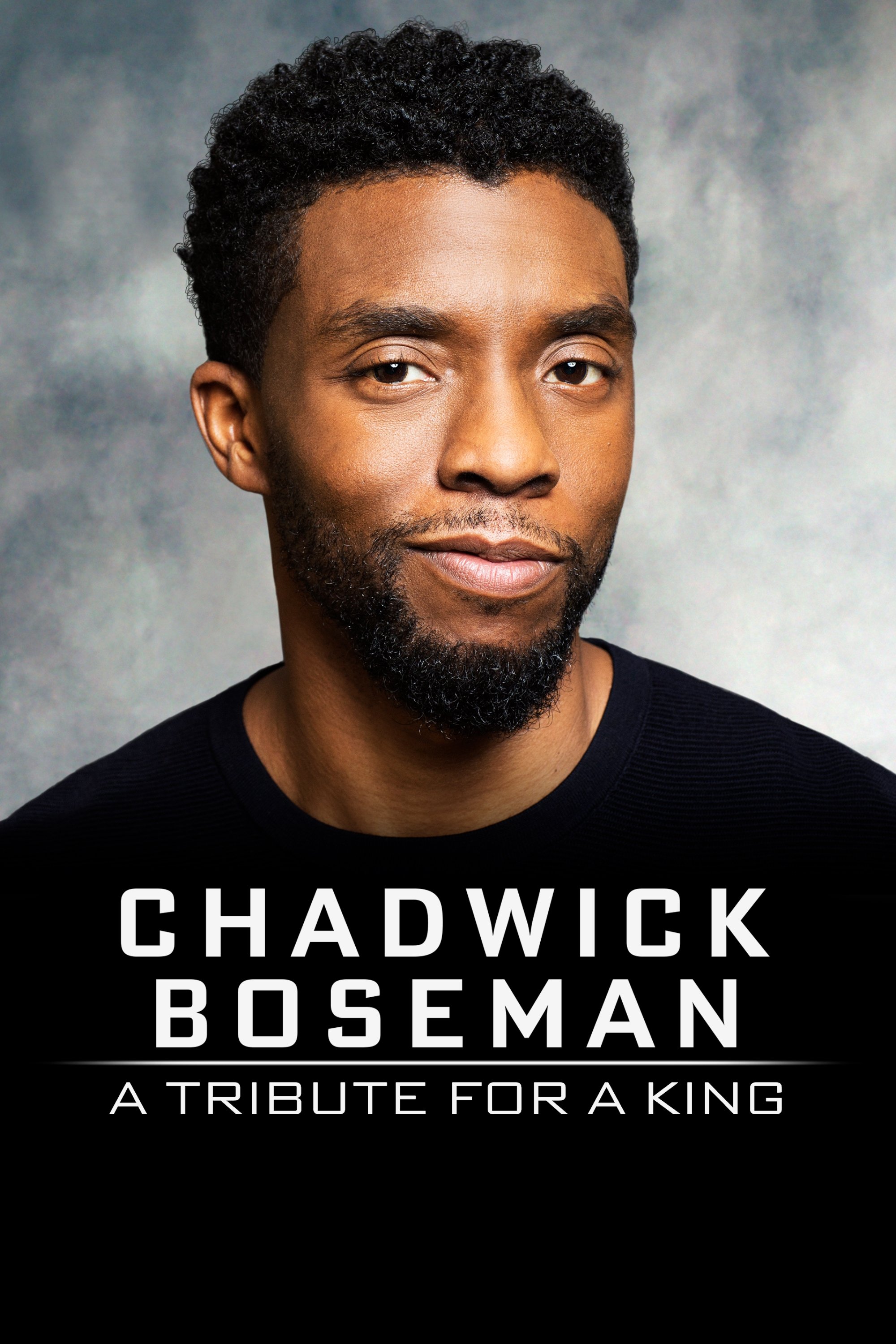
A tribute to Chadwick Boseman, celebrating his life and legacy.
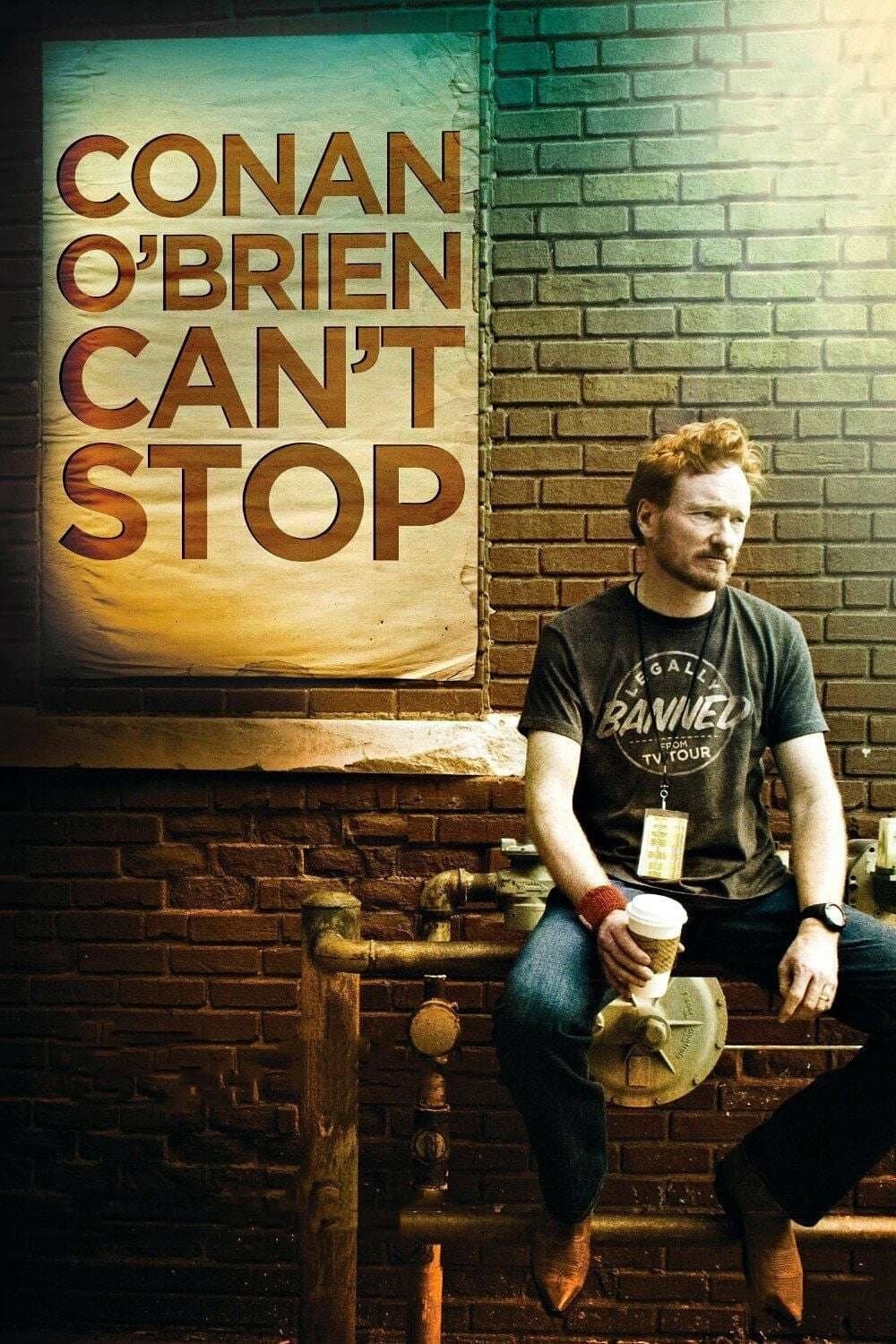
A documentary that follows the former Tonight Show host. Filmed during Conan’s ”Legally Prohibited From Being Funny on Television” comedy tour, after his departure from the Tonight Show, taking viewers on an intimate journey of O’Brien’s life.
Musician and performance artist Laurie Anderson reflects on the deaths of her husband Lou Reed, her mother and her beloved dog.
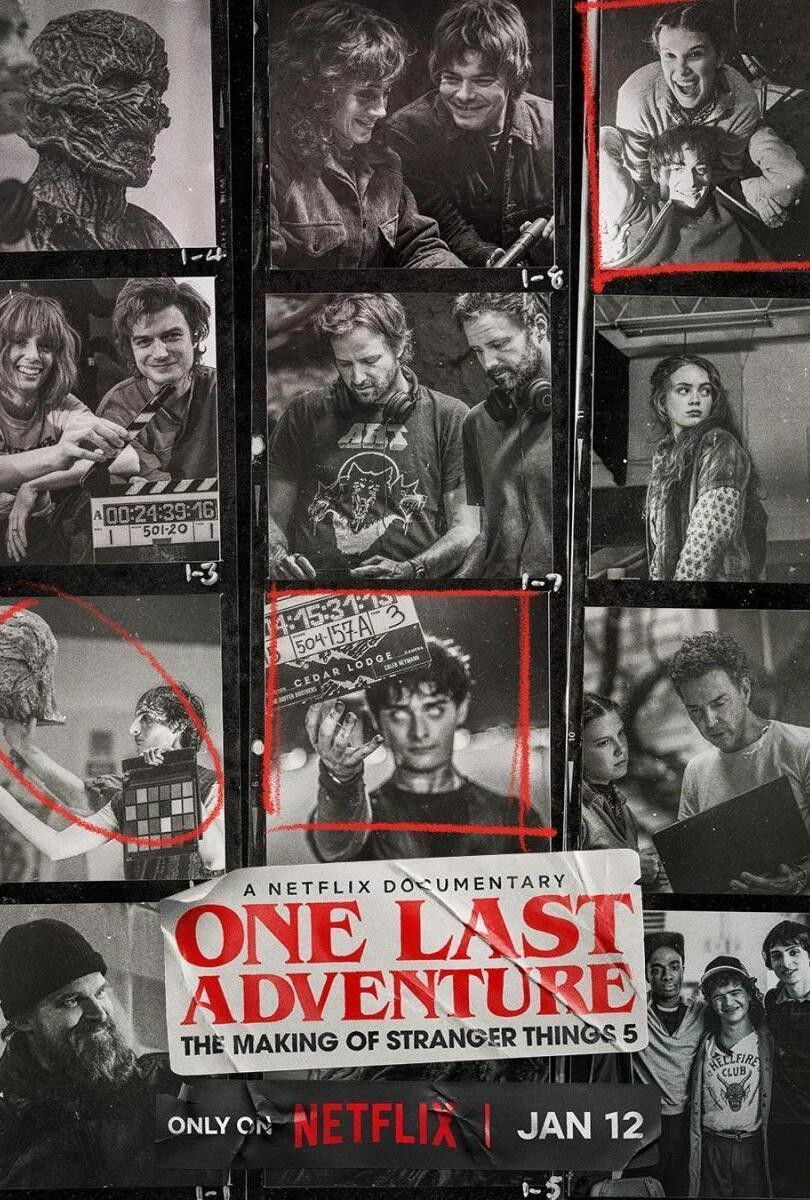
An inside look at the years of effort and craft that went into the final installment of the Duffer Brothers' generation-defining series.
A documentary about the making of David Fincher's 2008 film THE CURIOUS CASE OF BENJAMIN BUTTON. Virtually every element in the evolution of the Fincher's film is documented here, from the project's attachment to numerous other directors during the 1990s, to its shoot in 2006 and 2007 in New Orleans, to its complex, CGI-intensive postproduction process.
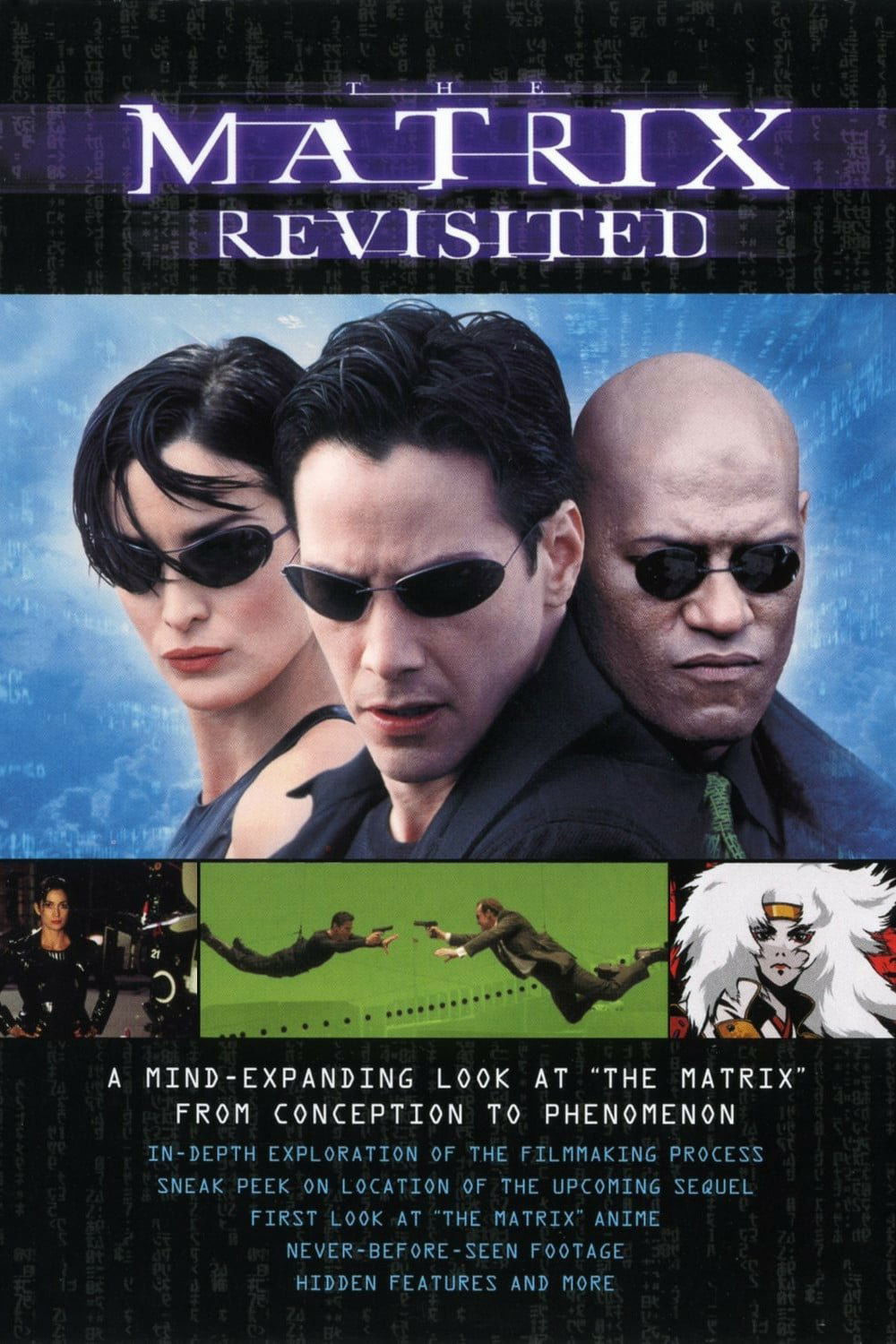
The film goes behind the scenes of the 1999 sci-fi movie The Matrix.
Through deeply personal interviews with her siblings and an examination of the photographs, letters, and belongings left behind, Mariska assembles a new portrait of her mother Jayne Mansfield, an extraordinary and complex woman.
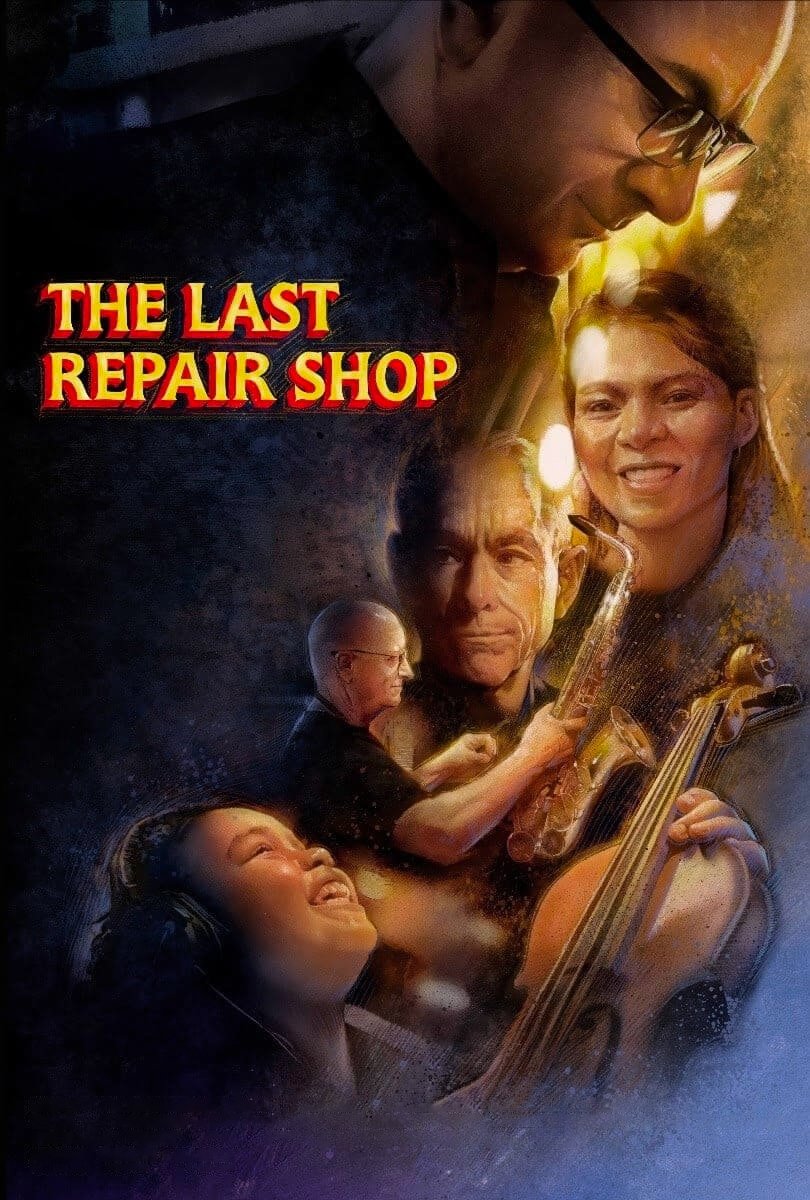
In a warehouse in the heart of Los Angeles, a dwindling handful of devoted craftspeople maintain more than 80,000 student musical instruments, the largest remaining workshop in America of its kind. Meet four unforgettable characters whose broken-and-repaired lives have been dedicated to bringing so much more than music to the schoolchildren of this city.
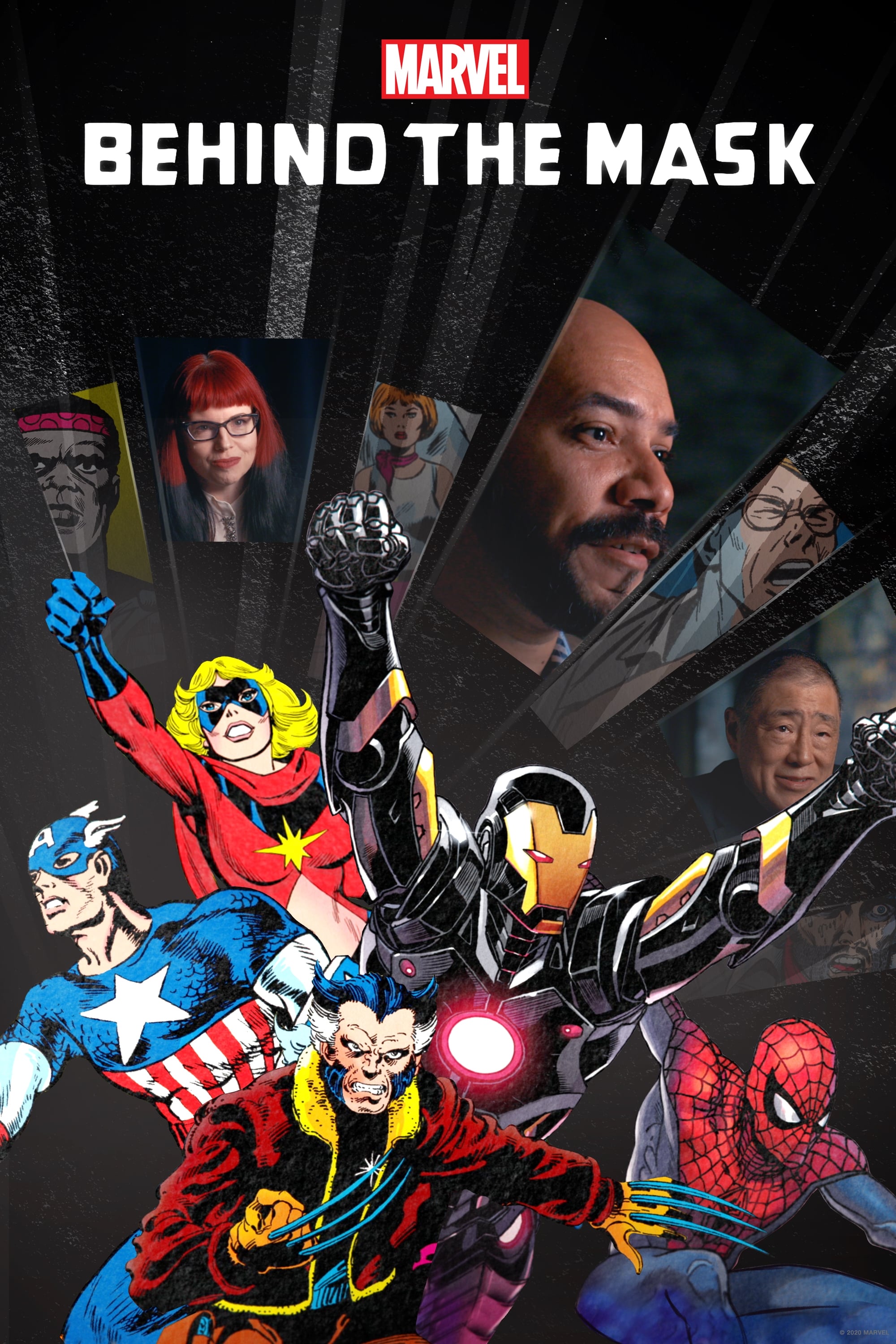
A documentary special that explores the power of identity behind the iconic superheroes we know and love today. These legendary Marvel creations and stories have not only reflected the world outside our window – they have become a reflection of our own identities and who we truly are.
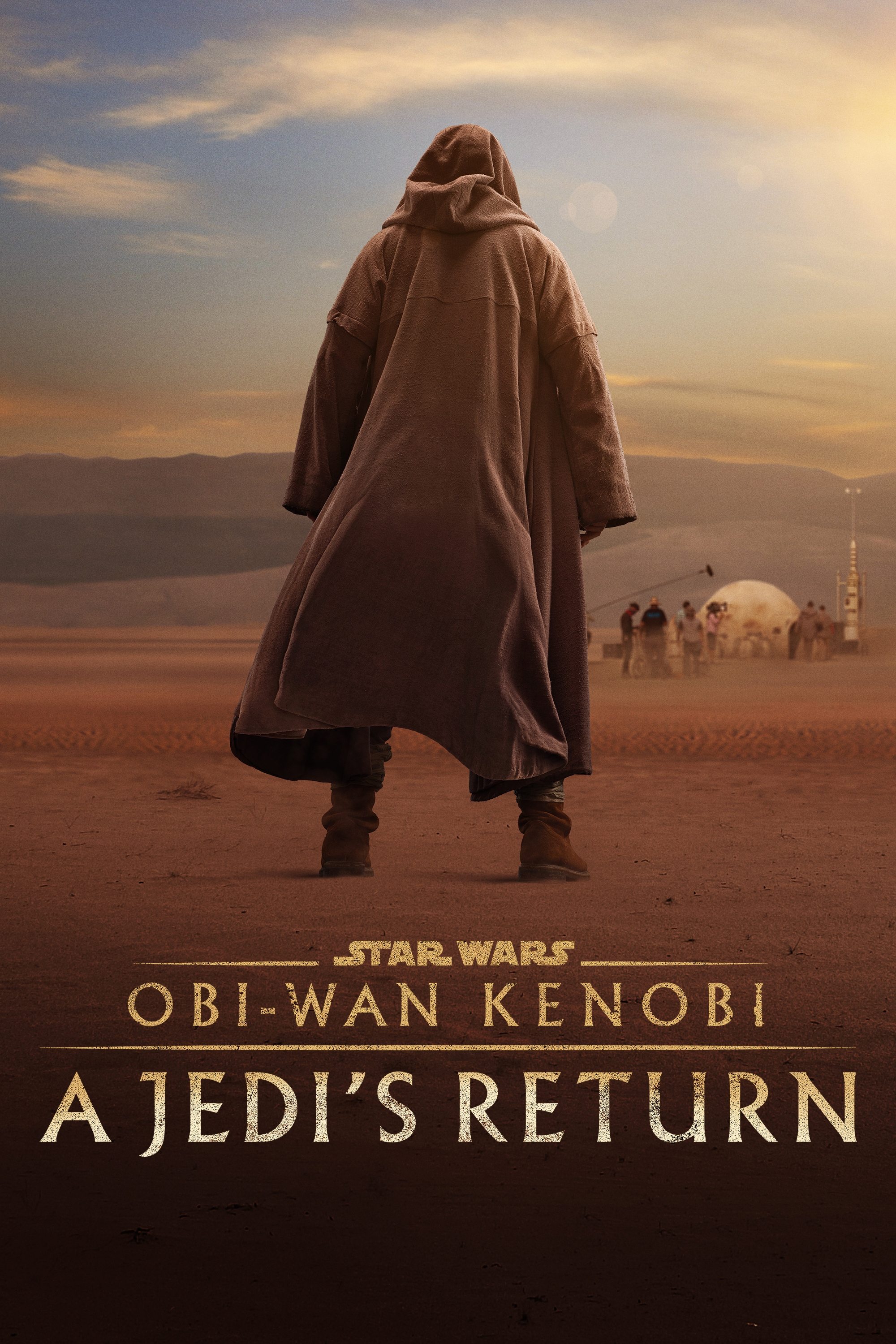
This special explores the return of Obi-Wan Kenobi and Anakin Skywalker to the screen, as well as Ewan McGregor and Hayden Christensen to their classic roles. Director Deborah Chow leads the cast and crew as they create new heroes and villains that live alongside new incarnations of beloved Star Wars characters, and an epic story that dramatically bridges the saga films.
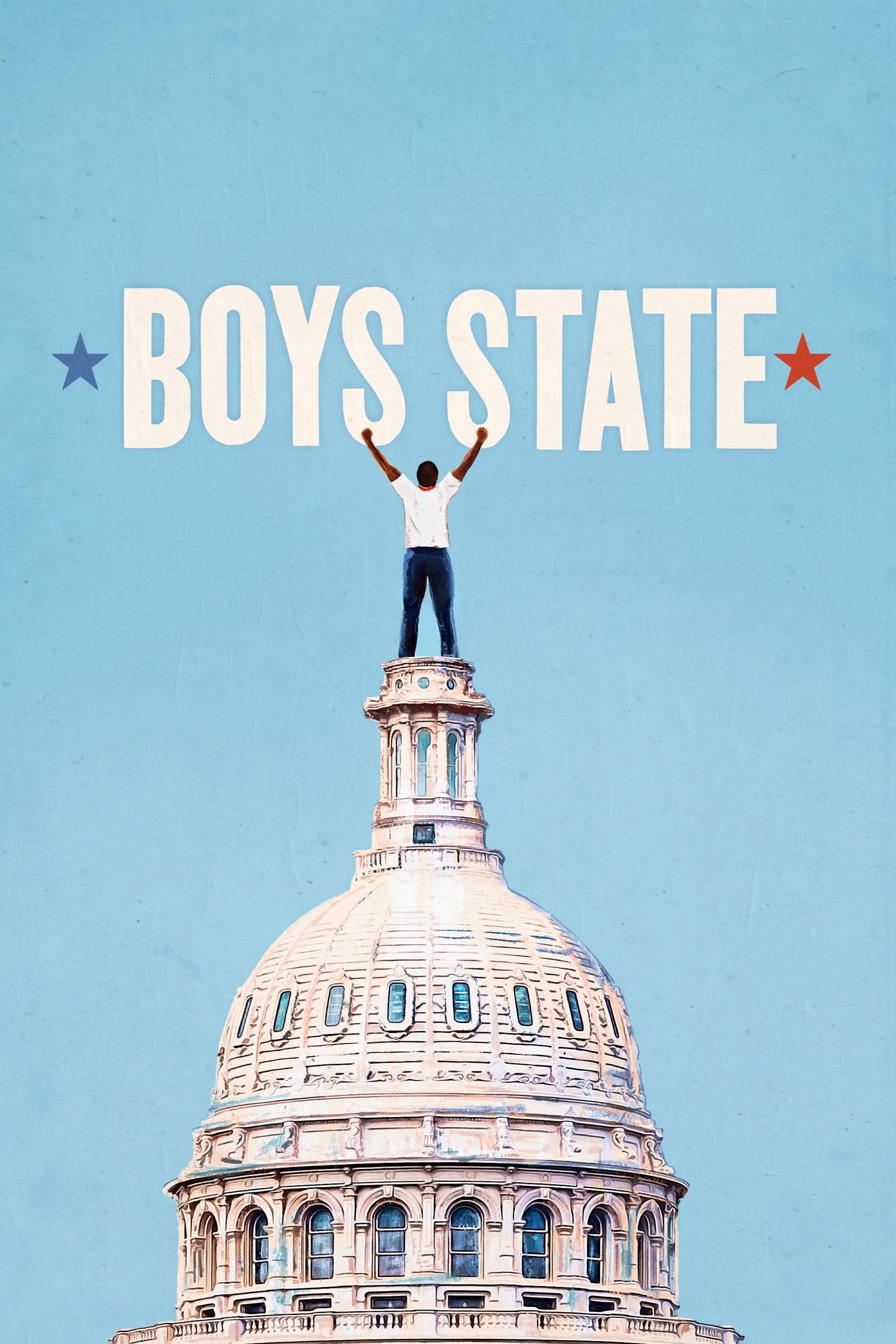
This raucous journey into the heart of democracy captures an unusual rite of passage: 1,100 teenage boys from across Texas coming together to build a representative government from the ground up.
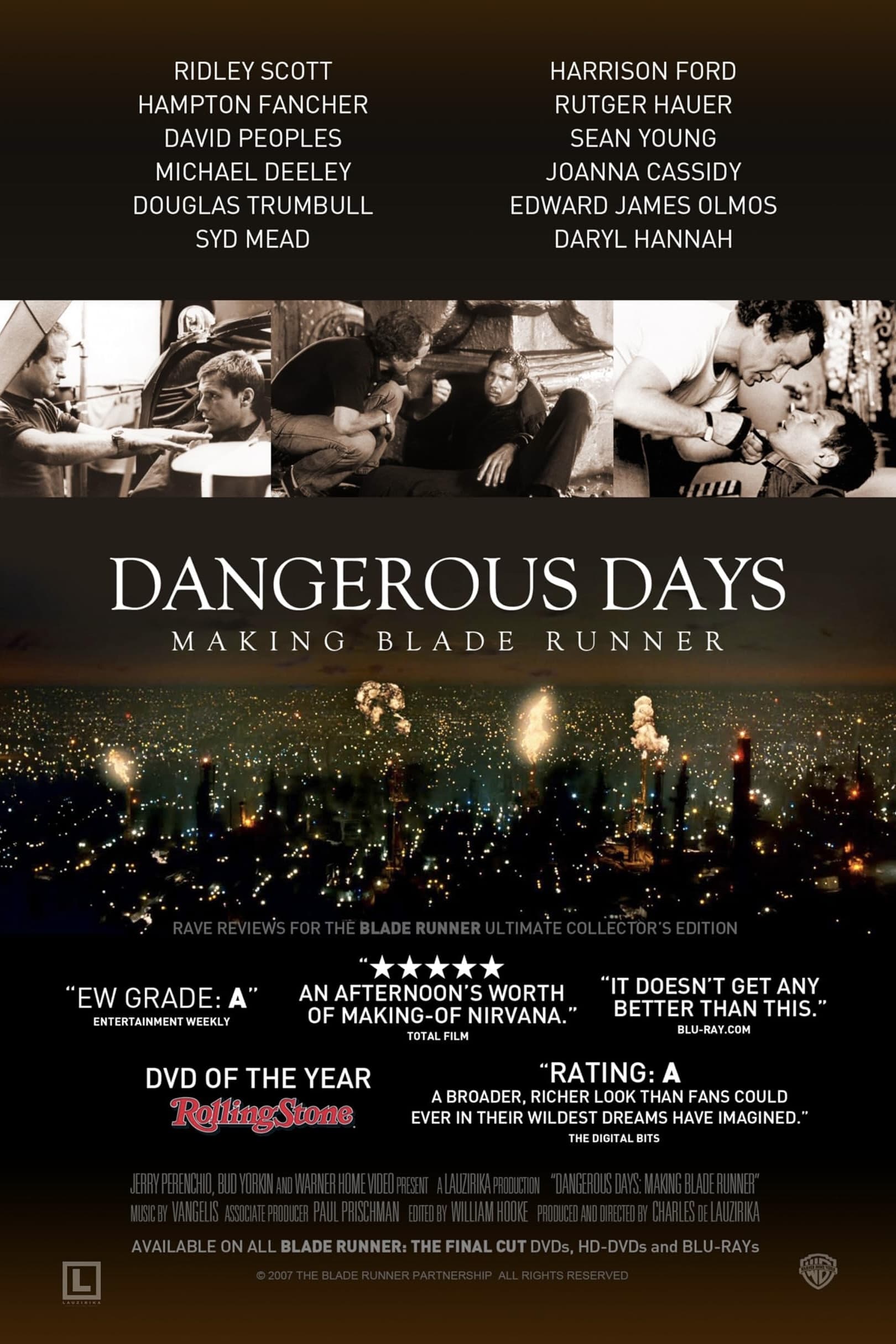
The definitive 3½-hour documentary about the troubled creation and enduring legacy of the science fiction classic 'Blade Runner', culled from 80 interviews and hours of never-before-seen outtakes and lost footage.
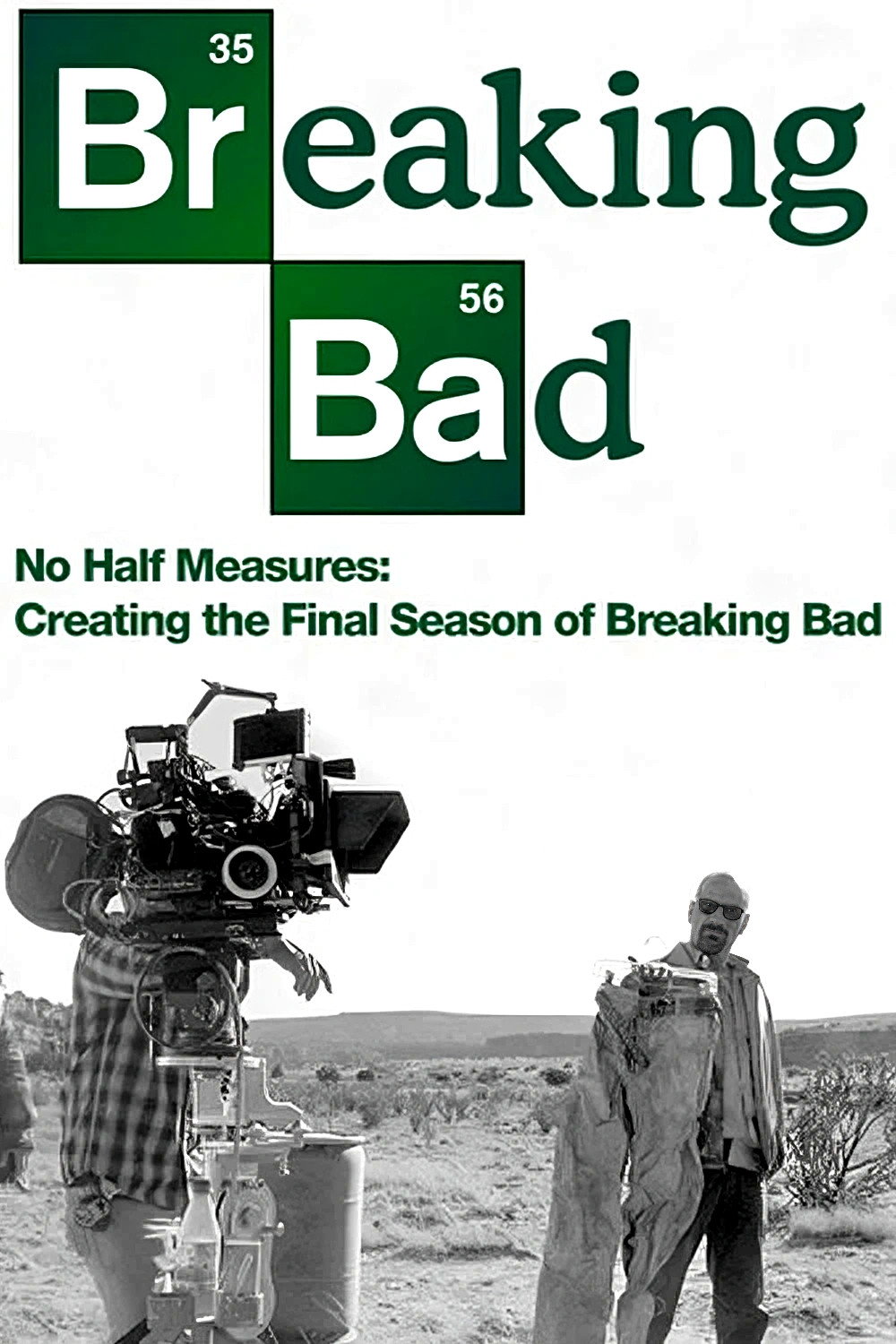
A documentary about the making of season five of the acclaimed AMC series Breaking Bad.
A night of drunken chaos rocks a quiet Dutch town in this shocking documentary about a teen's birthday invite that accidentally went viral on Facebook.
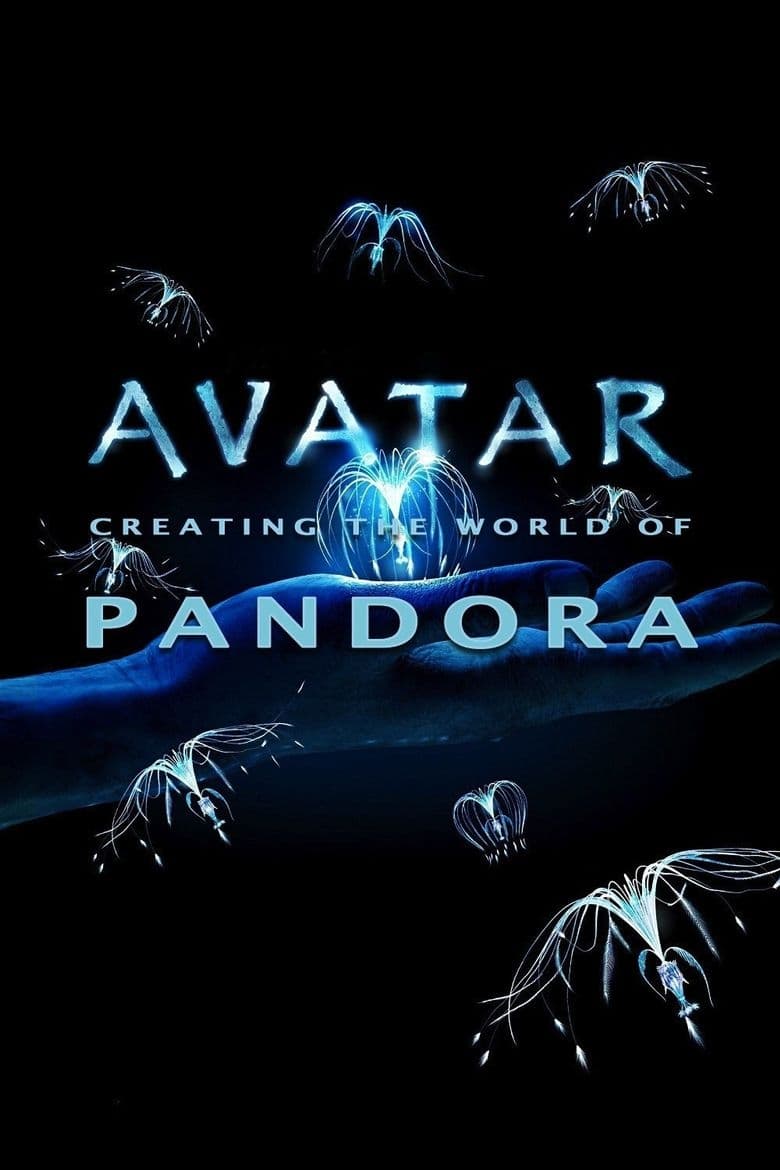
The Making-of James Cameron's Avatar. It shows interesting parts of the work on the set.
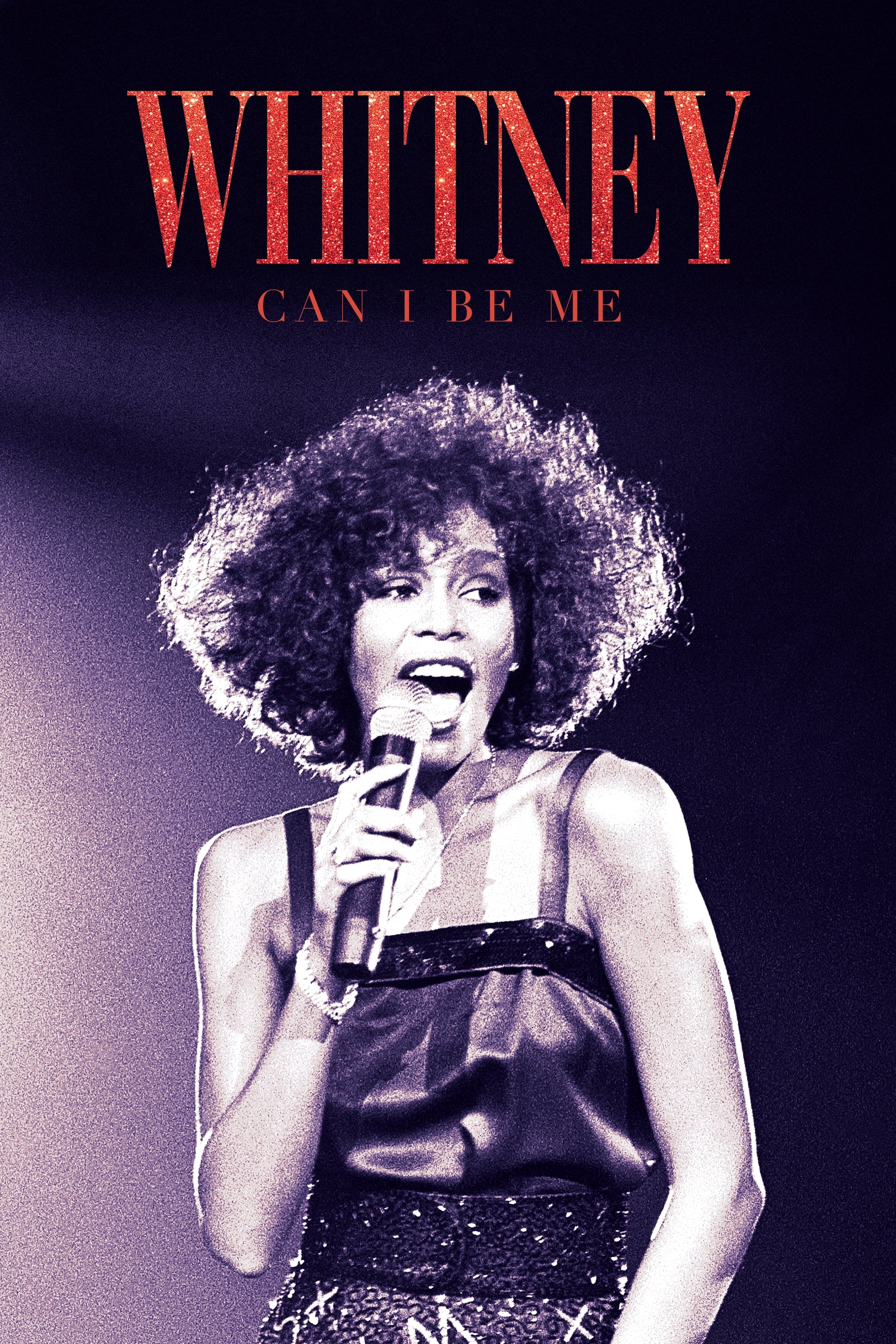
The life and tragic death of Whitney Houston.
A documentary about the life and films of director John Ford.
Follow pop provocateur Lady Gaga as she releases a new album, preps for her Super Bowl halftime show, and confronts physical and emotional struggles.