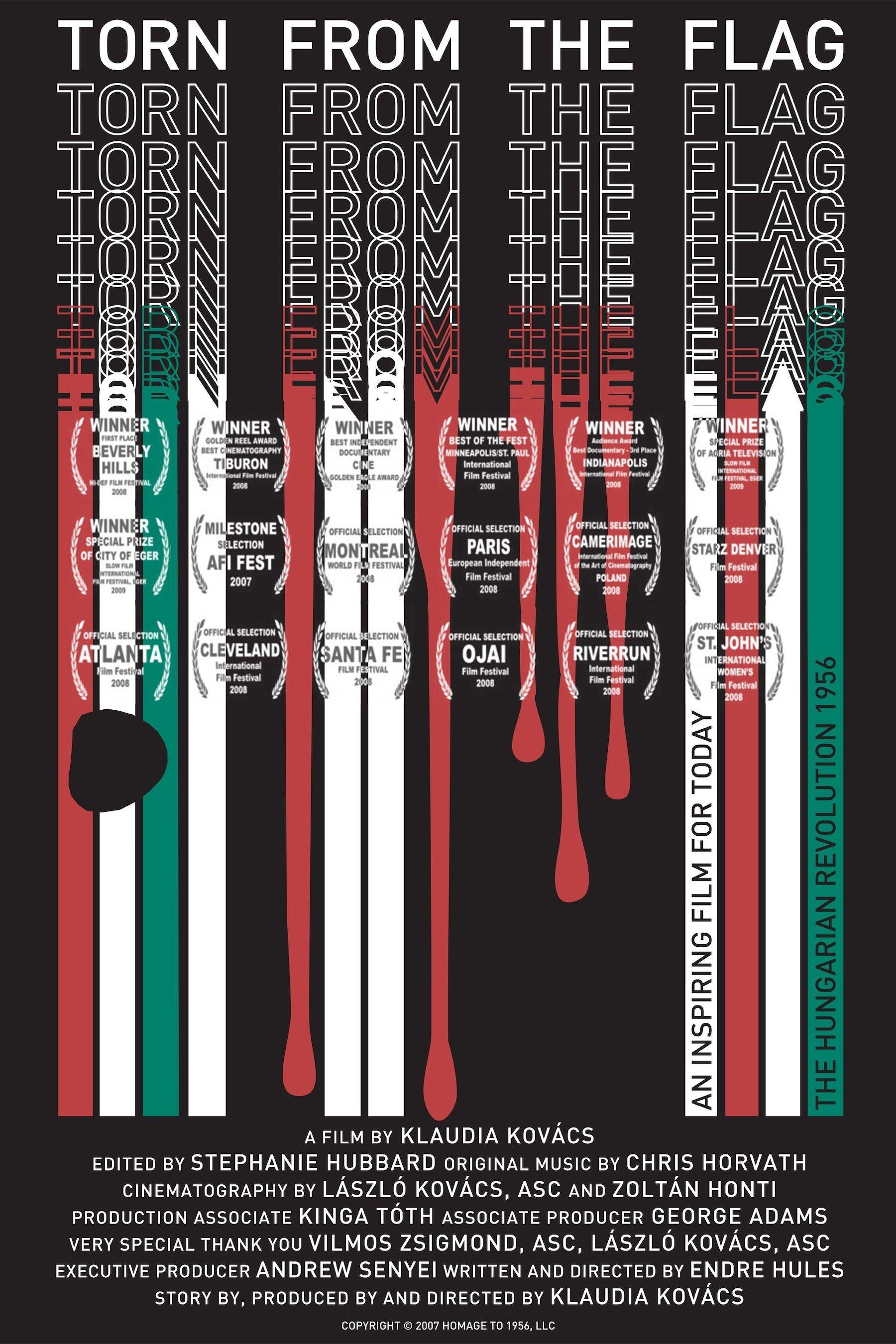
A sociopolitical historical documentary-thriller about the international decline of communism and the 1956 Hungarian Revolution.
Social & External
The people behind it
Otto, Crown Prince of Austria
Himself
Henry Kissinger
At a 2012 pre-season high-school football party in Steubenville, Ohio, a young woman was raped by members of the beloved high school football team. The aftermath exposed an entire culture of complicity—and Roll Red Roll maps out the roles that peer pressure, denial, sports machismo, and social media each played in the tragedy.
How did the end of the Soviet Union change the way of thinking, the way of behaviour of militant French Communists ? For the first time and during several months meetings of a Communist Party cell in one of Paris' industrial suburbs were filmed by André Van In. Set against these meetings, the militants are filmed discussing their commitments, their dreams, their mistakes. Beyond questions about power or the political machinery, they share their faith in militancy and their hopes for a fairer society.
Disaster Playground investigates future outer space catastrophes and the procedures to manage and assess the risks. The film follows the scientists planning the monitoring and deflection of hazardous Near Earth Objects and the real-life procedures in place in the event of an asteroid collision with the earth. Follow the chain of command that runs from the SETI Institute and NASA to the White House and United Nations and meet the people who are responsible from protecting us from a potentially devastating asteroid impact.
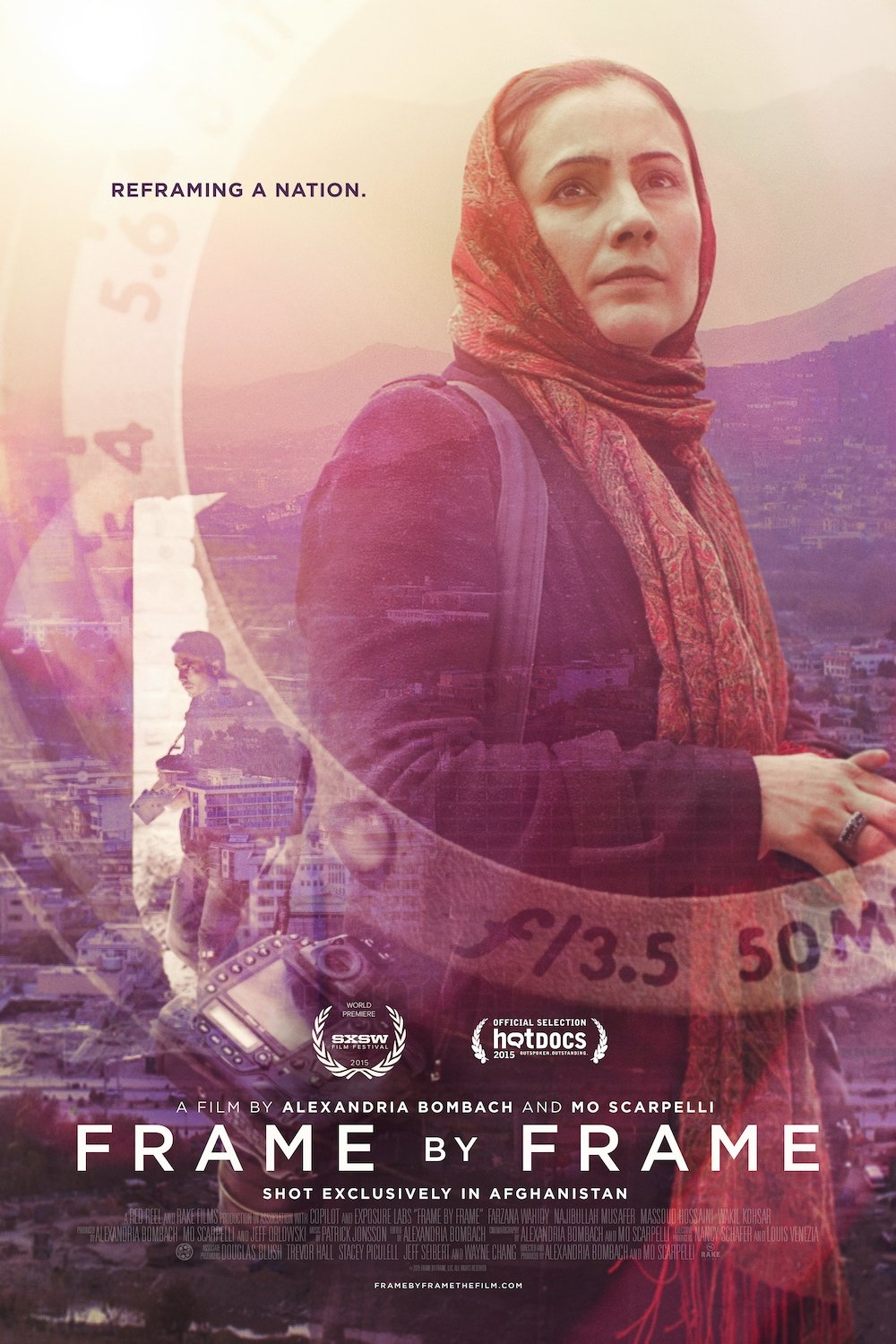
When the Taliban ruled Afghanistan, taking a photo was a crime. After the regime fell from power in 2001, a fledgling free press emerged and a photography revolution was born. Now, as foreign troops and media withdraw, Afghanistan is left to stand on its own and so are its journalists. Set in a modern Afghanistan bursting with color and character, FRAME BY FRAME follows four Afghan photojournalists navigating a dangerous media landscape as they reframe Afghanistan for the world, and for themselves. Through cinema vérité, powerful photojournalism, and never-before-seen footage shot in secret during the Taliban regime, the film connects an audience with four humans in the pursuit of the truth.
Sparked by a public display of sexual harassment in 2012, GTFO pries open the video game world to explore a 20 billion dollar industry riddled with discrimination and misogyny. Every year, the gaming community grows increasingly diverse. This has led to a clash of values and women are receiving the brunt of the consequences every day, with acts of harassment ranging from name calling to death threats. Through interviews with video game creators, journalists, and academics, GTFO paints a complex picture of the video game industry, while revealing the systemic and human motivations behind acts of harassment. GTFO begins the conversation that will shape the future of the video game world.
A WOMAN LIKE ME is a hybrid documentary that interweaves the real story of director Alex Sichel, diagnosed with metastatic breast cancer in 2011, with the fictional story of Anna Seashell, who struggles to find the glass half full when faced with the same diagnosis. The film follows Alex as she uses her craft to explore what is foremost on her mind while confronting a terminal disease: parenting, marriage, faith, life, and death. When we are stuck between a rock and hard place, can our imagination get us out?
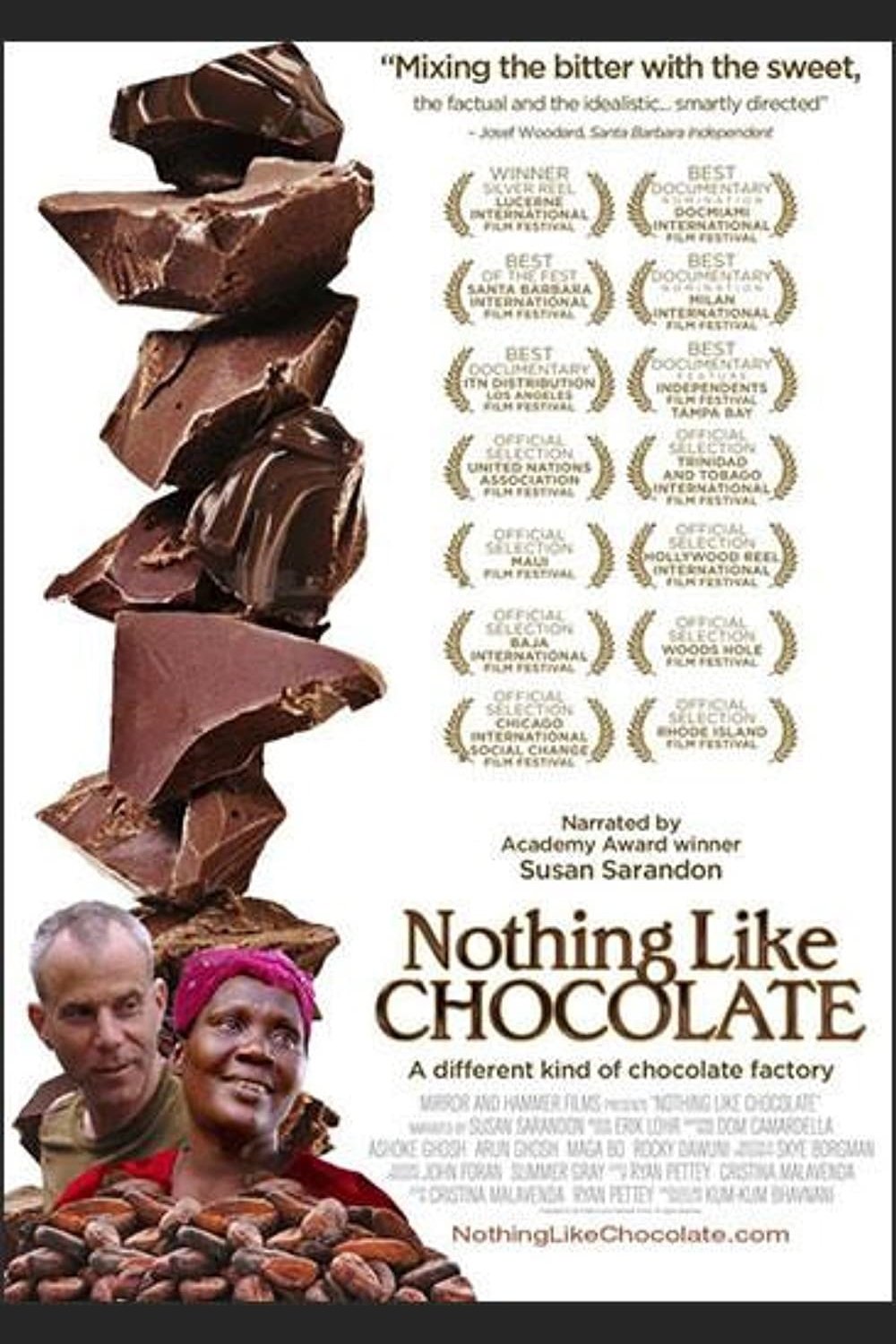
Deep in the rain forests of Grenada, anarchist chocolatier Mott Green seeks solutions to the problems of a ravaged global chocolate industry. Solar power, employee shareholding and small-scale antique equipment turn out delicious chocolate in the hamlet of Hermitage, Grenada. Finding hope in an an industry entrenched in enslaved child labor, irresponsible corporate greed, and tasteless, synthetic products, Nothing like Chocolate reveals the compelling story of the relentless Mott Green, founder of the Grenada Chocolate Company.
Sailing a Sinking Sea is a feature-length experimental documentary exploring the culture of the Moken people of Burma and Thailand. The Moken are seafaring people and one of the smallest ethnic minority groups in Asia. Wholly reliant upon the sea, their entire belief system, education, and economic and physical development revolve around water. Sailing a Sinking Sea illuminates the Moken lifestyle through recorded traditional music, folklore and conversations with the Moken people. Through intimate and dynamic cinematography and audio recordings, Sailing a Sinking Sea weaves a visual and aural tapestry of Moken mythologies and present-day practices.
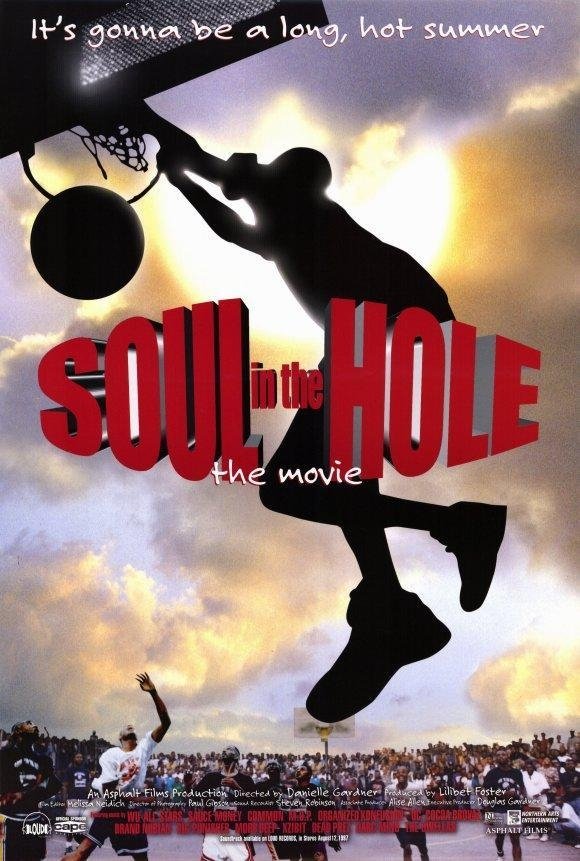
"Soul In The Hole" is a documentary depicting the lives and struggles of a team of street-basket players aspiring to win the prestigous tournament which the movie's named after while at the same time balancing their personal issues and problems.
In the 100 miles between Baton Rouge and New Orleans there are over 150 petrochemical plants which are responsible for producing 25% of the nation's petrochemicals. This area reports the highest concentration of toxic emissions to the air, land and water in the country. The residents of this area, who are mainly African American and poor, suffer from astronomical rates of cancer, asthma and other medical ailments.
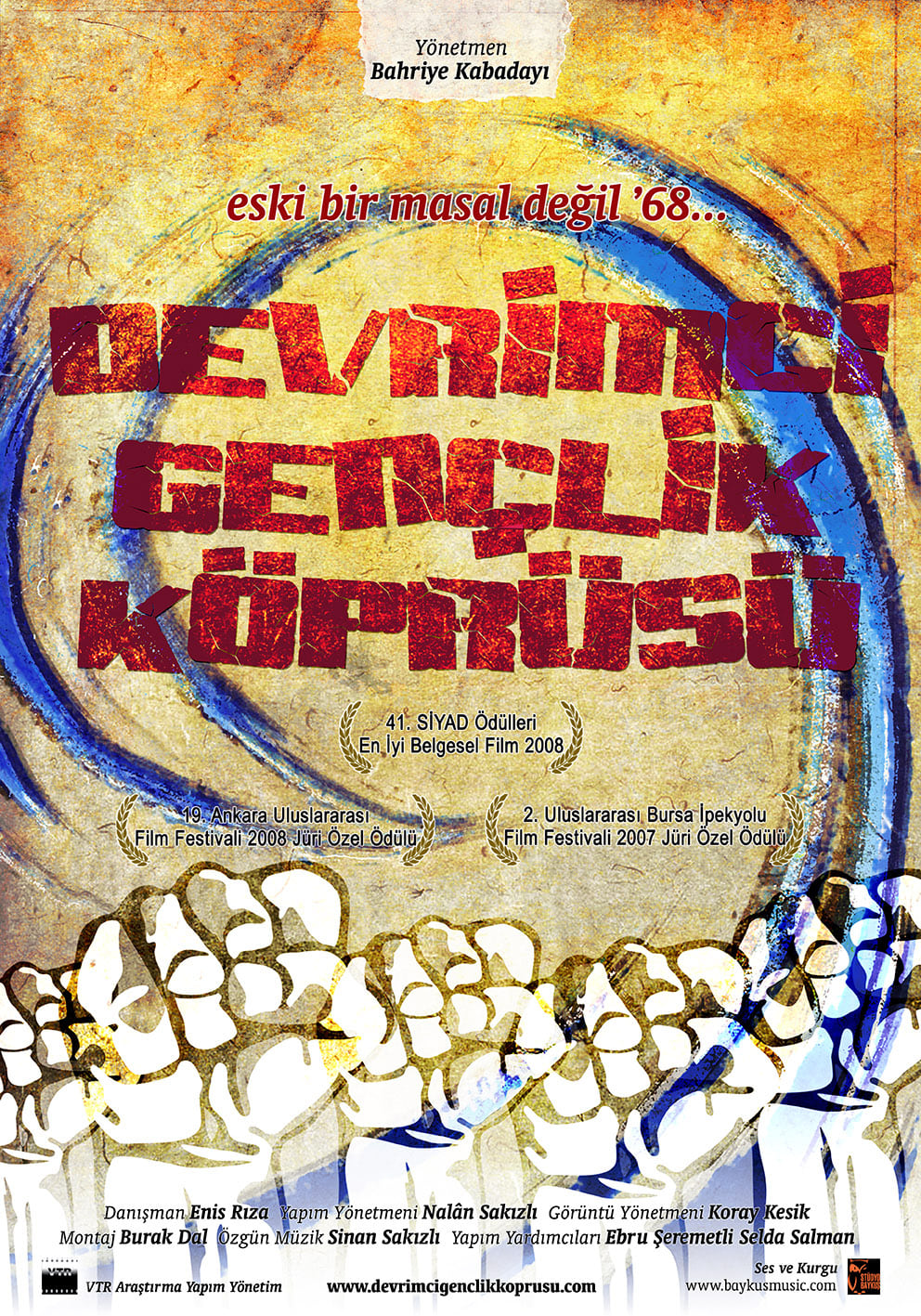
Year 1969 - in Turkey. 60s youth were living the most excited days. There was a great effort to make a bridge in Istanbul, on the Bosphorus. Meanwhile, on the eastern border of Turkey, in a Kurdish city between the borders of Iran and Iraq that is left to its destiny, in Hakkari, Zap River was taking lives since there were no passage on it.
"Free Spaces" sketches a new and transformative image of four major cities in Eastern Europe. In te post-communist urban settings of Tbilisi (Georgia), Yerevan (Armenia), Chișinău (Moldova) and Kiev (Ukraine), Ina Ivanceanu follows artists and activists as they reclaim public spaces and assert their freedom of expression. Occupying a cinema, reviving an old Soviet circus, converting a grim metro passage into a glamorous arena, and repurposing a defunct factory building into a cultural agora. By seizing and creatively transforming public spaces characterized by an abondoned past, today's new generation explores democratic means and freedom while also confronting pervasive neoliberal structures in their respective societies.
"The Wash is a portrait of the river wash that runs behind the older part of Newhall, California, where Lee and I used to live. We shot the wash on Super8 film and then finished it on video. It is a collaboration between us, describing the ways the wash is used, and the people who use it, ourselves included. It charts the way this land has changed since they began developing Newhall and the surrounding community of Valencia for housing, a development that is expected to bring over 250,000 more people into the area by the year 2015."
A film on feminine legacy of rebellion, language and transgressions. Using the composition of Mahadevi Akka, a 13th century saint-poet, the film explores the multiplicity of contemporary women and their own points of transgressions.
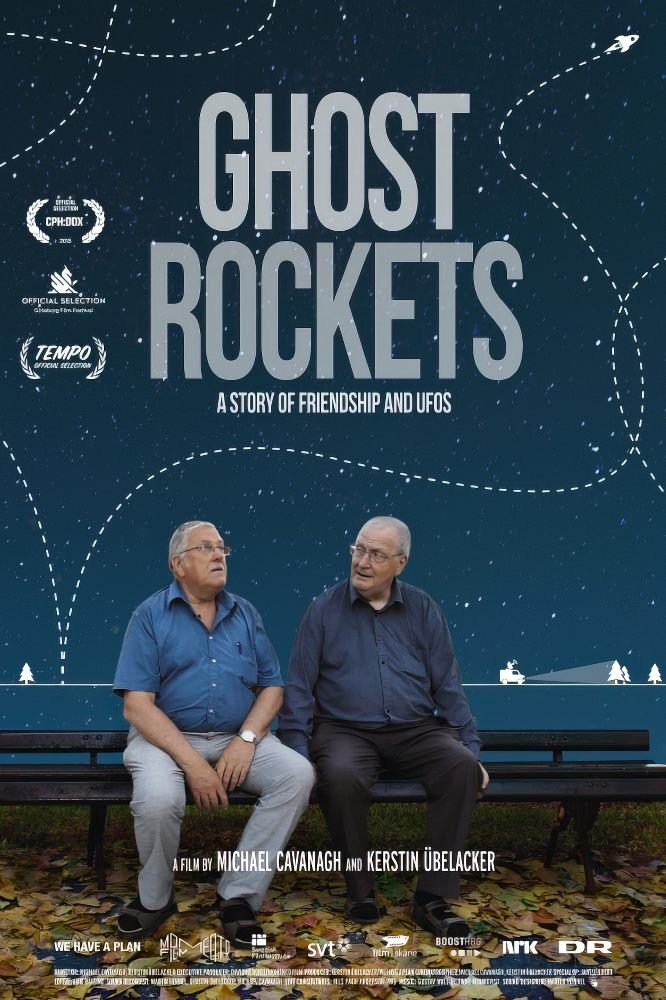
Ghost Rockets centers on human desire to explore and explain the unknown. The film weaves together an ambitious UFO investigation with a personal story that gives a rare insight into the hearts and minds of a UFO-investigator. Every year, the organization UFO‐Sweden receives numerous reports about inexplicable occurrences ‐ usually dismissed as having to do with the moon, airplanes, satellites or mental instability on the part of the witness. Sometimes, though, they get a report that they are unable to explain, one of them being the story of the ghost rocket.
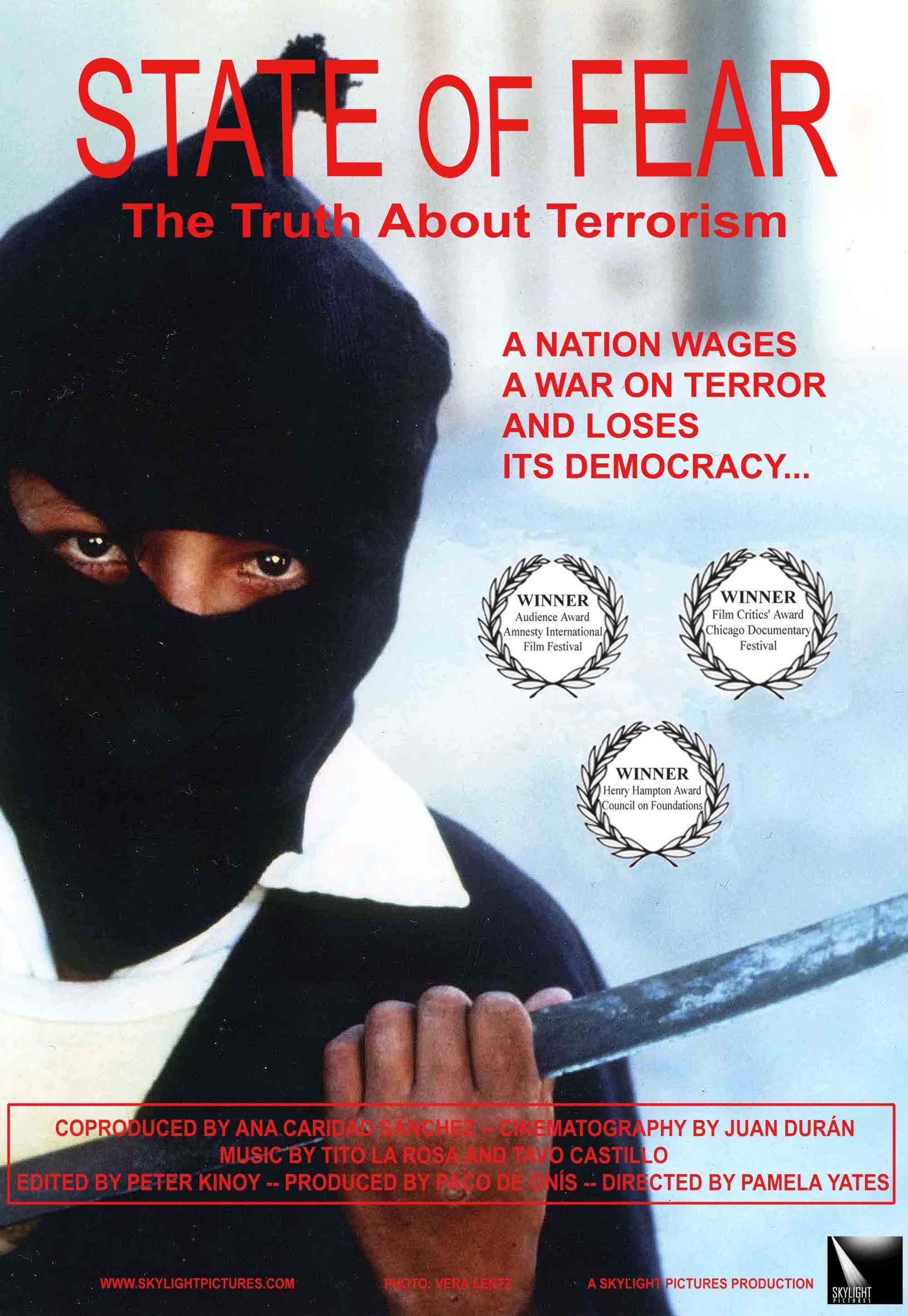
STATE OF FEAR takes place in Peru, yet serves as a cautionary tale for a world engaged in a "global war on terror." It dramatizes the human and societal costs a democracy faces when it embarks on a "war" against terror, a "war" potentially without end, all too easily exploited by unscrupulous leaders seeking personal political gain.
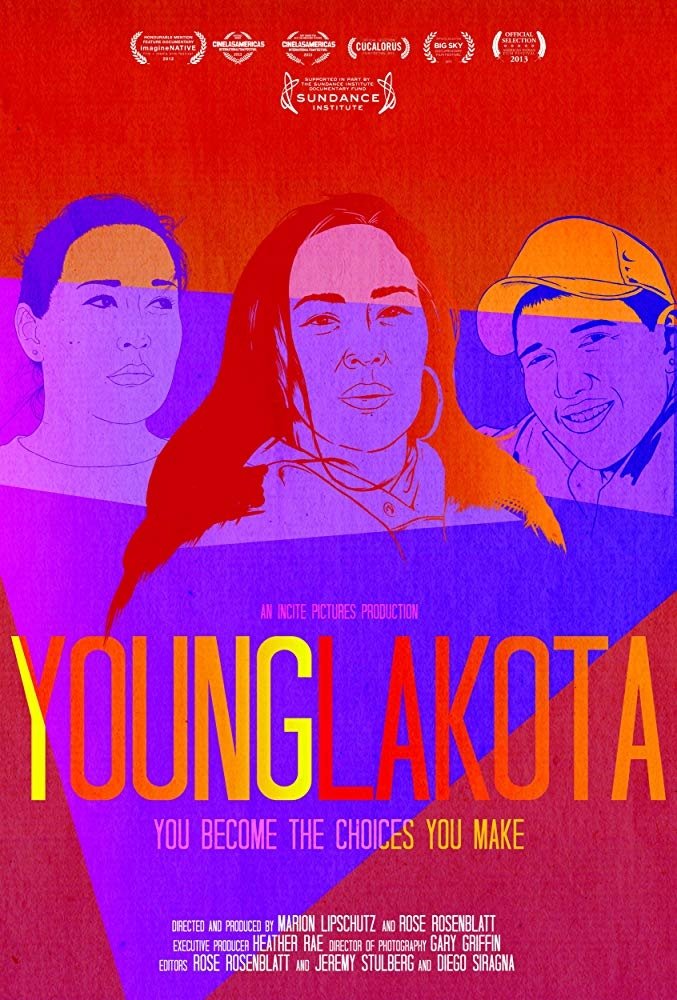
Three young people living in South Dakota's Pine Ridge Reservation are faced with difficult challenges.
Whatever Comes Next is a documentary about the curious and dynamic life of Annemarie Mahler-Ettinger. The film portrays the painter and scholar, Annemarie Mahler. Born in Vienna in 1926, Mahler fled by herself as a twelve-year child to the United States and has since 1955 has lived in Bloomington, IN, and in the summers in Woods Hole, MA. The documentary portrays the artist's outer and inner lives, which bridge two centuries and two continents.
In the Netherlands, the final year of elementary school means turmoil for the pupils and their parents. There is no escape from the pressure on children to score as high as possible on tests to get into the best secondary schools. Parents who can afford it pay for as many private lessons as possible; other parents put pressure on the teachers. This documentary shows pupils and parents from very different backgrounds going through this process. They struggle anxiously for the same goal: the best possible start in life.
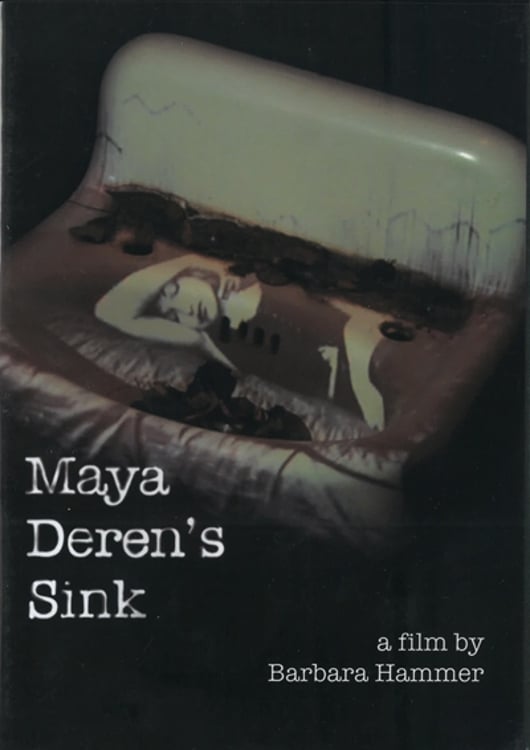
Maya Deren's Sink, a 30 minute experimental film, is an evocative tribute to the mother of avantgarde American film. The film calls forth the spirit of one who was larger than life as recounted by those who knew her. Teiji Ito's family, Carolee Schneemann and Judith Malvina, float through the homes recalling in tiny bits and pieces words of Deren's architectural and personal interior space. Clips from Maya Deren's films are projected back into the spaces where they were originally filmed appearing on the floorboard, furniture, and in the bowl of her former sink. Fluid light projections of intimate space provide an elusive agency for a filmmaker most of us will never know as film with its imaginary nature evokes a former time and space.
“The Soviet Story” is a story of an Allied power, which helped the Nazis to fight Jews and which slaughtered its own people on an industrial scale. Assisted by the West, this power triumphed on May 9th, 1945. Its crimes were made taboo, and the complete story of Europe’s most murderous regime has never been told. Until now...
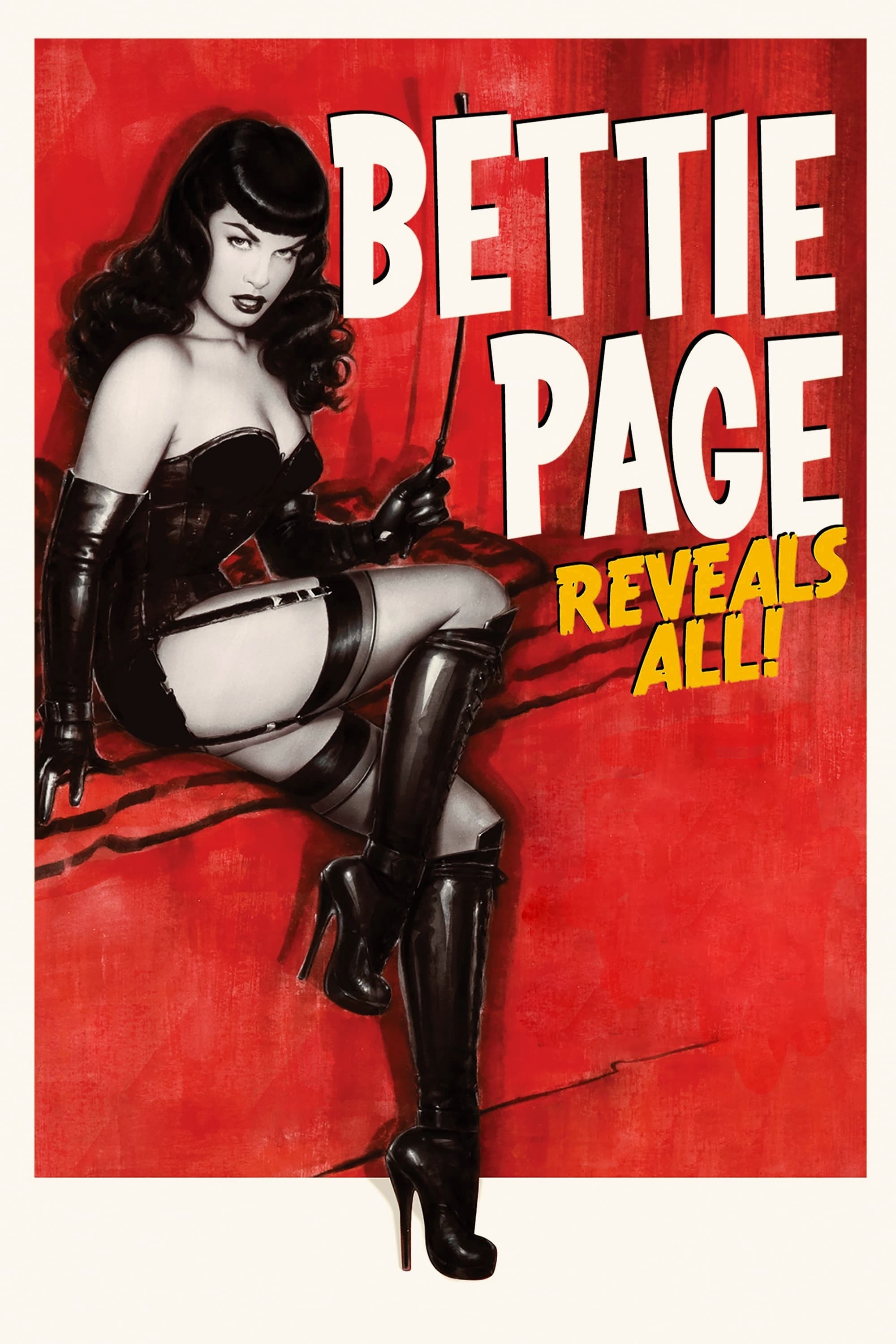
The world's greatest pin-up model and cult icon, Bettie Page, recounts the true story of how her free expression overcame government witch-hunts to help launch America's sexual revolution. When she saw the film The Notorious Bettie Page, produced by HBO in 2006, the main person concerned reacted unequivocally: “Lies! Lies!” In a long interview recorded shortly before her death, the woman who entered the collective unconscious as the ultimate pin-up gave her version of events to director Mark Mori. In a gravelly voice, Bettie Page tells her own story and lifts the veil on areas often hidden by images that have made so many men and women fantasize since the 1950s: her abused childhood, an eclipse that lasted forty years, her mental illness. Through testimonies and unpublished archives, this documentary brings back to life a body and a face endlessly declined before our eyes, just as Bettie wanted: “I would like people to remember me as I was in the photos.”
A subjective documentary that explores various theories about hidden meanings in Stanley Kubrick's classic film The Shining. Five very different points of view are illuminated through voice over, film clips, animation and dramatic reenactments.
As a visually radical memoir, CAMERAPERSON draws on the remarkable footage that filmmaker Kirsten Johnson has shot and reframes it in ways that illuminate moments and situations that have personally affected her. What emerges is an elegant meditation on the relationship between truth and the camera frame, as Johnson transforms scenes that have been presented on Festival screens as one kind of truth into another kind of story—one about personal journey, craft, and direct human connection.
This Oscar-winning documentary recounts the harrowing stories of five Hungarian Jews who endured the horrors of the Holocaust and Hitler's reign.
Over seven decades, actor and activist George Takei journeyed from a World War II internment camp to the helm of the Starship Enterprise, and then to the daily news feeds of five million Facebook fans. Join George and his husband, Brad, on a wacky and profound trek for life, liberty, and love.
Lyrical and powerfully personal essay film that reflects on the deaths of her husband Lou Reed, her mother, her beloved dog, and such diverse subjects as family memories, surveillance, and Buddhist teachings.
An atmospheric essay, which is an alternative version of Count Dracula, a film directed by Jess Franco in 1970; a ghostly narration between fiction and reality.
In the Realms of the Unreal is a documentary about the reclusive Chicago-based artist Henry Darger. Henry Darger was so reclusive that when he died his neighbors were surprised to find a 15,145-page manuscript along with hundreds of paintings depicting The Story of the Vivian Girls, in What is Known as the Realms of the Unreal, of the Glodeco-Angelinnian War Storm, Cased by the Child Slave Rebellion.
In 1977, a book of photographs captured an awakening - women shedding the cultural restrictions of their childhoods and embracing their full humanity. This documentary revisits those photos, those women and those times and takes aim at our culture today that alarmingly shows the need for continued change.
A documentary on the expletive's origin, why it offends some people so deeply, and what can be gained from its use.
This revealing documentary honors the legendary Sidney Poitier—iconic actor, filmmaker, and civil rights activist. Featuring interviews with Denzel Washington, Spike Lee, Halle Berry, and more.
A love letter from a young mother to her daughter, the film tells the story of Waad al-Kateab’s life through five years of the uprising in Aleppo, Syria as she falls in love, gets married and gives birth to Sama, all while cataclysmic conflict rises around her. Her camera captures incredible stories of loss, laughter and survival as Waad wrestles with an impossible choice– whether or not to flee the city to protect her daughter’s life, when leaving means abandoning the struggle for freedom for which she has already sacrificed so much.
Using the book 'Fragments', which collects Marilyn Monroe's poems, notes and letters, and with participation from the Arthur Miller and Truman Capote estates who have contributed more material, each of the actresses will embody the legend at various stages in her life.
Giving fans unprecedented access to the real life of the music sensation, Katy Perry: Part of Me exposes the hard work, dedication and phenomenal talent of a girl who remained true to herself and her vision in order to achieve her dreams. Featuring rare behind-the-scenes interviews, personal moments between Katy and her friends, and all-access footage of rehearsals, choreography, Katy’s signature style and more, Katy Perry: Part of Me reveals the singer’s unwavering belief that if you can be yourself, then you can be anything.
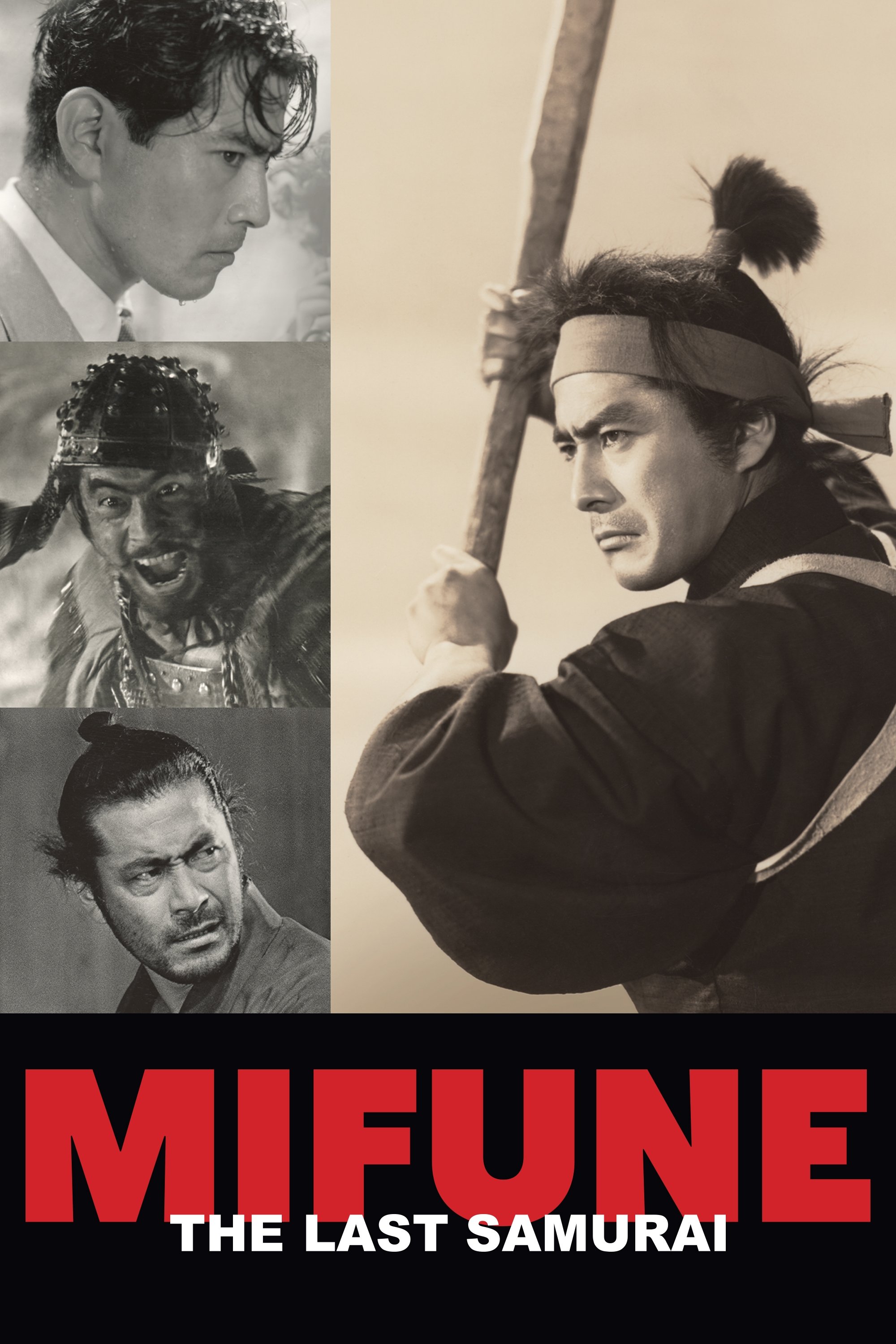
An account of the life and work of legendary Japanese actor Toshirō Mifune (1920-97), the most prominent actor of the Golden Age of Japanese cinema.
Diaries, audiotapes, videotapes and testimonials from friends and colleagues offer insight into the life and career of Gilda Radner -- the beloved comic and actress who became an icon on Saturday Night Live.
An unprecedented and intimate look at the life, work and enduring legacy of British actress Audrey Hepburn (1929-1993).
An exploration of the heavy metal scene in Los Angeles, with particular emphasis on glam metal. It features concert footage and interviews of legendary heavy metal and hard rock bands and artists such as Aerosmith, Alice Cooper, Kiss, Megadeth, Motörhead, Ozzy Osbourne and W.A.S.P..
Justice Ruth Bader Ginsburg now 84, and still inspired by the lawyers who defended free speech during the Red Scare, Ginsburg refuses to relinquish her passionate duty, steadily fighting for equal rights for all citizens under the law. Through intimate interviews and unprecedented access to Ginsburg’s life outside the court, RBG tells the electric story of Ginsburg’s consuming love affairs with both the Constitution and her beloved husband Marty—and of a life’s work that led her to become an icon of justice in the highest court in the land.