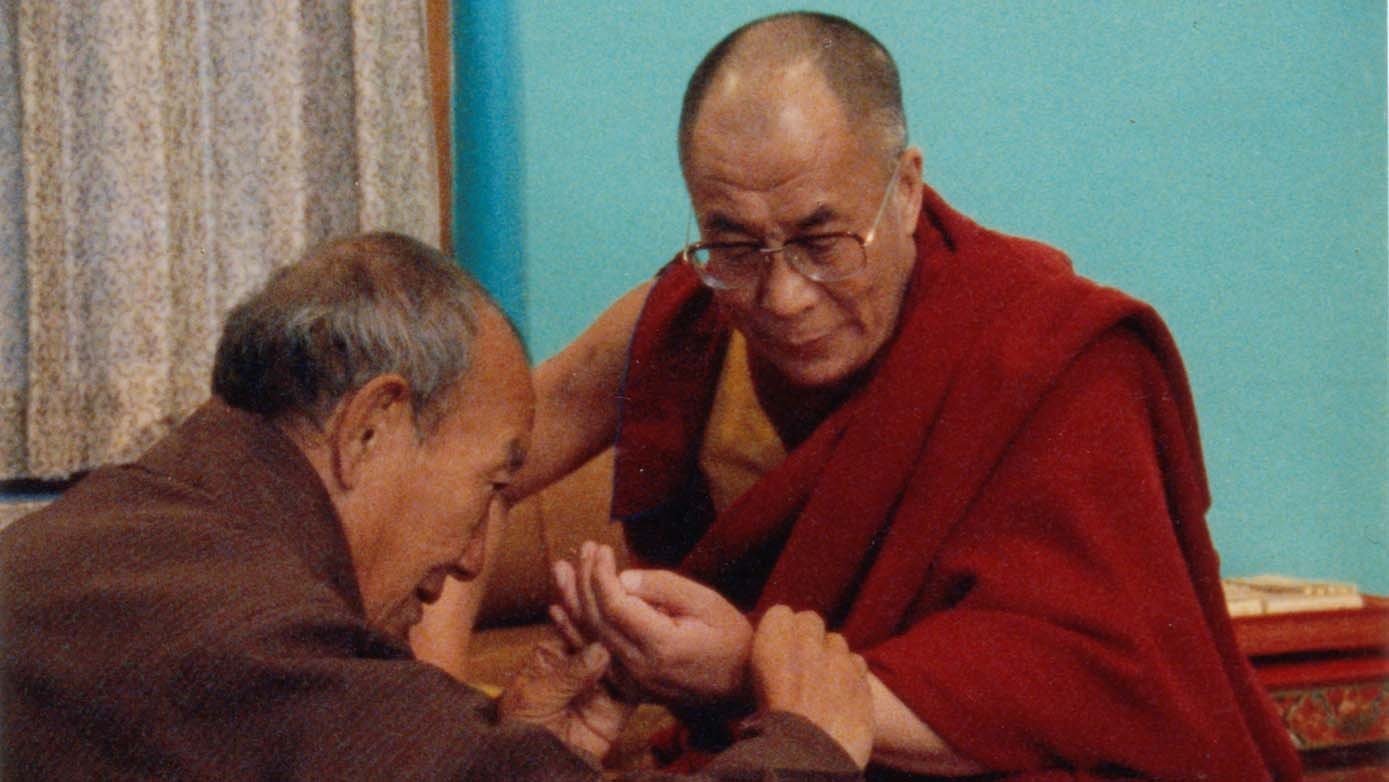
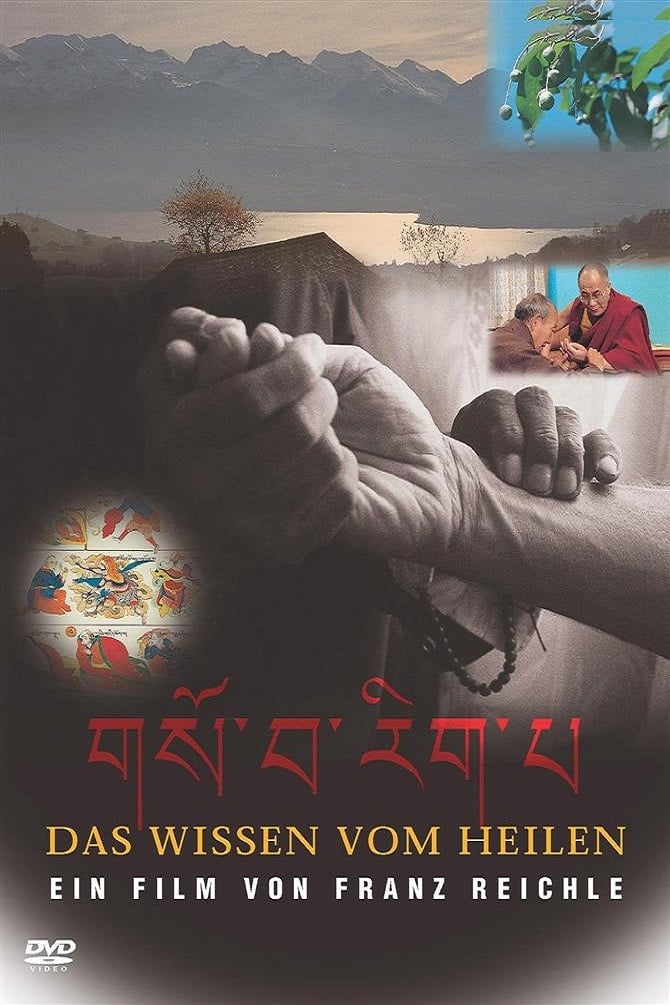
A documentary film about Tibetan traditional medicine.
Social & External
The people behind it
Tenzin Gyatso
Self
Tenzin Choedrak
Chimit-Dorzhi Dugarov
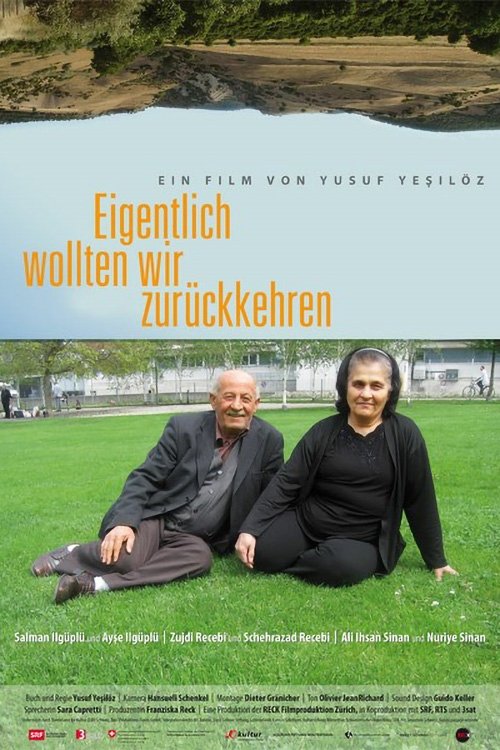
They came to Switzerland in the hope of a better life when they returned home. Thirty or forty years later, they're still here. Now in their retirement years, three couples who once came from Turkey and the Balkans are at a crossroads: to return or to stay? The question has been with these migrants all their lives in Switzerland. It's now urgent to find an answer, and the families of their children must also make a decision. Will the older generation return home? Who will look after old parents here or there?
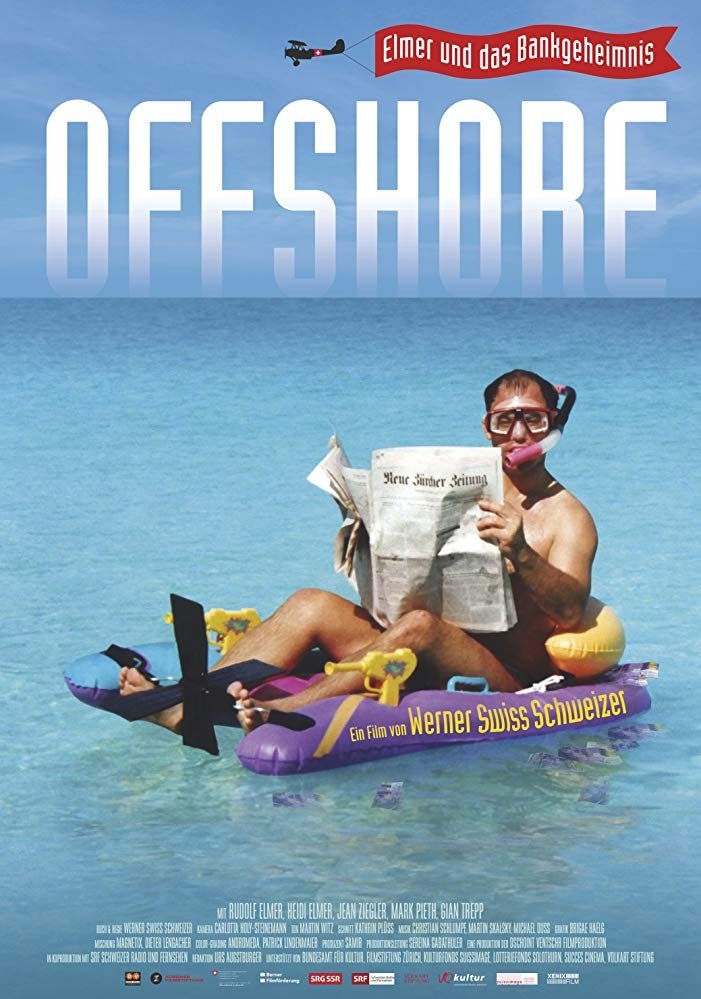
While managers of Swiss banks in the USA ruefully apologize for their tax evasions practices and customer data is disclosed to the American authorities, Rudolf Elmer, former auditor at bank Julius Bär, is indicted for violating the Swiss banking secrecy law on the Cayman Islands. Rudolf Elmer: from insider to critic.
In Protestant Zurich, people with money avoid flaunting it. Wealth fascinates, but it also arouses jealousy. Four wealthy Zurichers are in search of happiness: one man unexpectedly inherits a large sum of money; he tells no one about it and indulges in a luxury: he finally takes the time to live. For religious reasons, a woman from an old Zurich family renounces her possessions and inheritance. A "self-made" entrepreneur is constantly expanding his international business and living the good life. A welfare recipient relives, with mixed feelings, the days when money flowed freely. For years, he has been fighting a bank to repossess his fortune.
What becomes history, what feeds memory, what shapes an era? Images found in the dustbins of history. Taken out of context, fragments, testimonies and unpublished documents intermingle, interweave and collide. They take on a new meaning, a dimension of authentic proximity. The peregrination touches on the advent of the atomic bomb, the military trials at the end of the war, the lie detector, the discovery of the Majdanek camp; Einstein, Lenin's embalmer, the KGB agent, the American spy rebuilding his life in Russia, the Yugoslav war sniper all have their say.
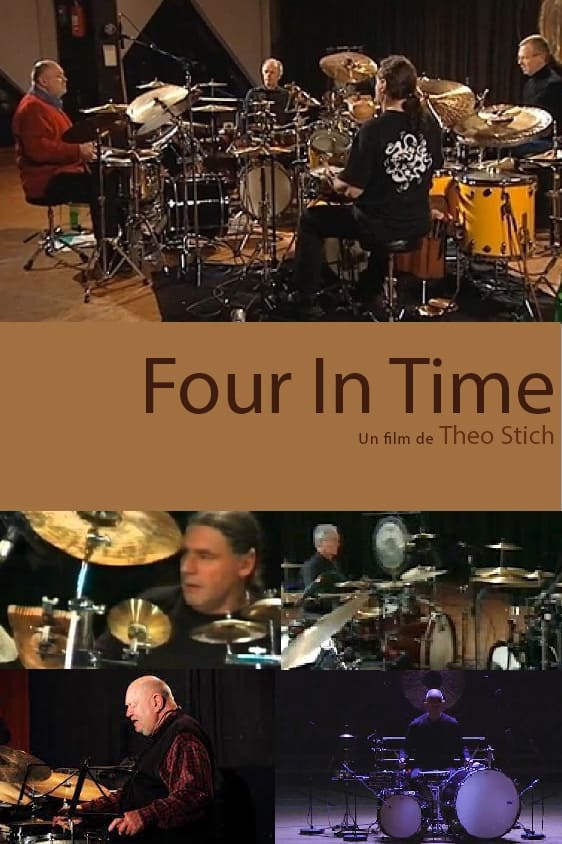
The film is the story of a musical encounter between drummers Pierre Favre, Fritz Hauser, Daniel Humair and Fredy Studer. The filmmaker brought them together in Zurich on January 6, 1997, and followed them over four days of rehearsals. The confrontation between these very different artists culminates in a concert.
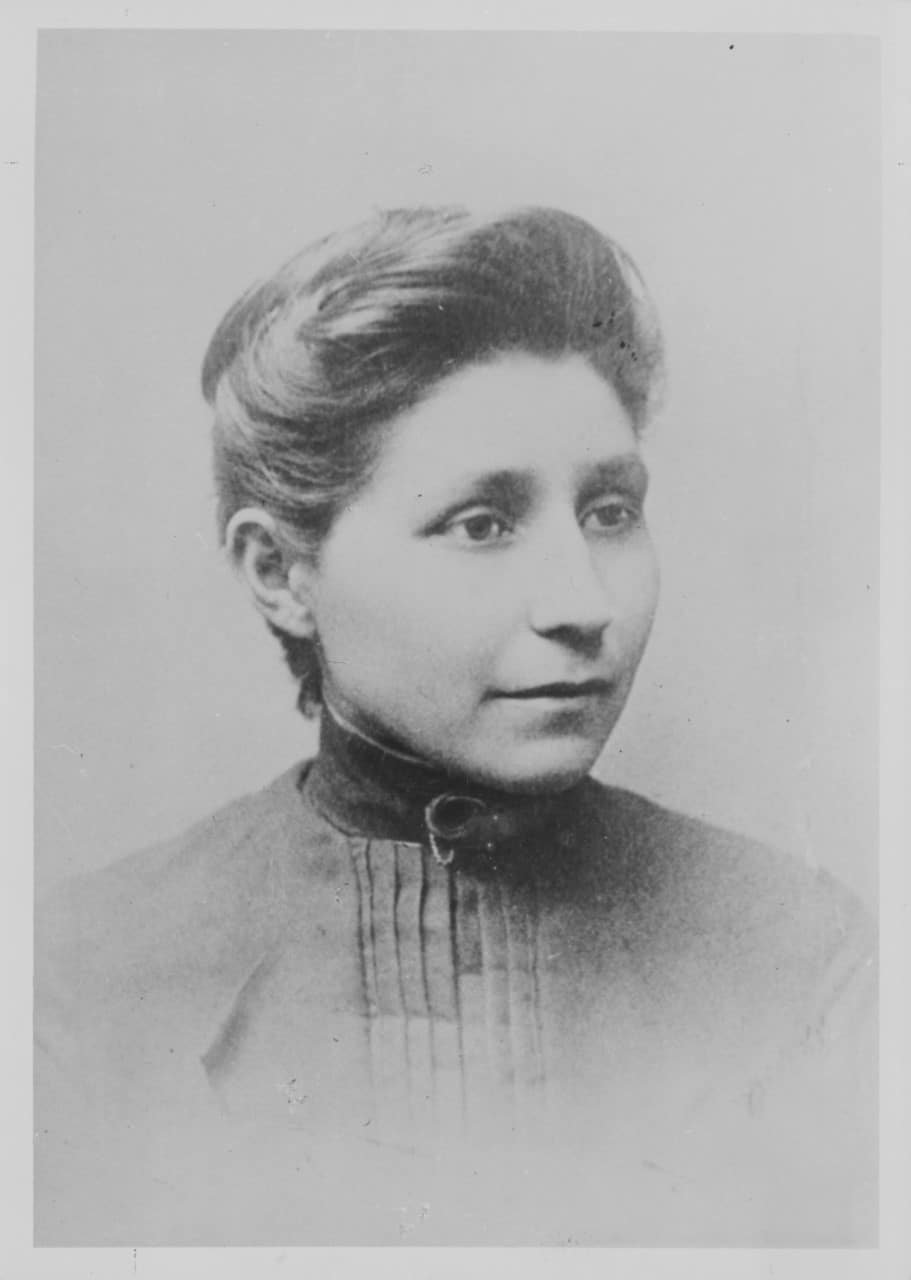
This short documentary tells the story of the life and legacy of Dr. Susan La Flesche Picotte, an Omaha woman who became the first Native American physician.
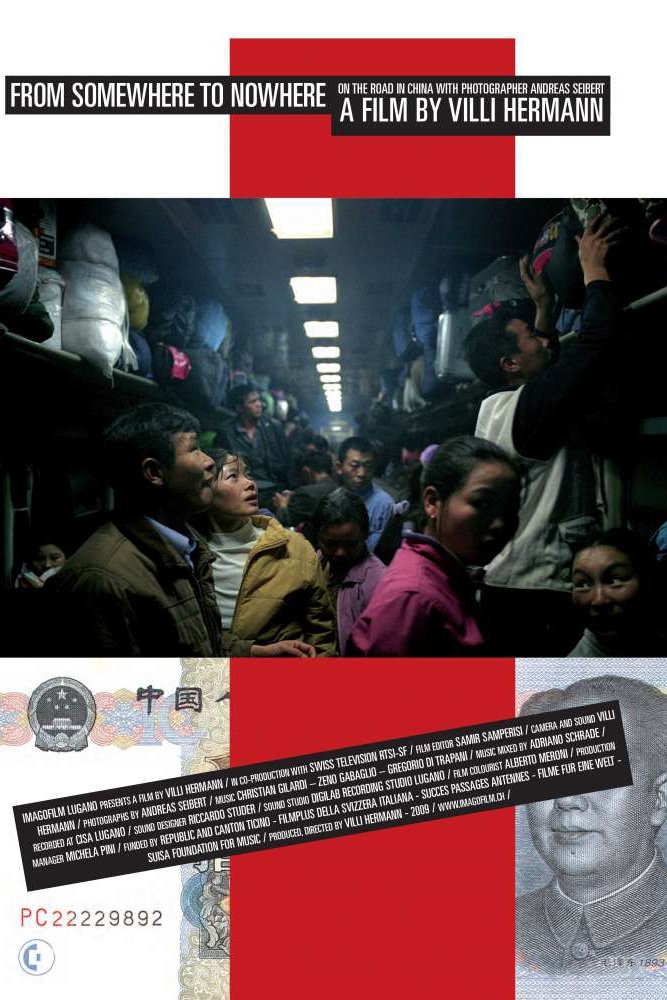
Amidst the chaos of modern China, where megacities spring up at a dizzying pace, Swiss photographer Andreas Seibert has chosen to document the lives of the "mingong," the migrant workers who fuel the country's economic engine. Director Villi Hermann followed him in this endeavor for several years, immersing us in the photographer's eye and capturing the essence of his work on these forgotten souls. Seibert, with his lens, and Hermann, with his camera, weave together a poignant narrative that sheds light on the often-hidden reality of China's economic growth. "From Somewhere to Nowhere" is an ode to humanity in an ever-changing world, a reflection on the individual's place in the grand scheme of things, and a celebration of the power of photography as a means to capture the spirit of an era.
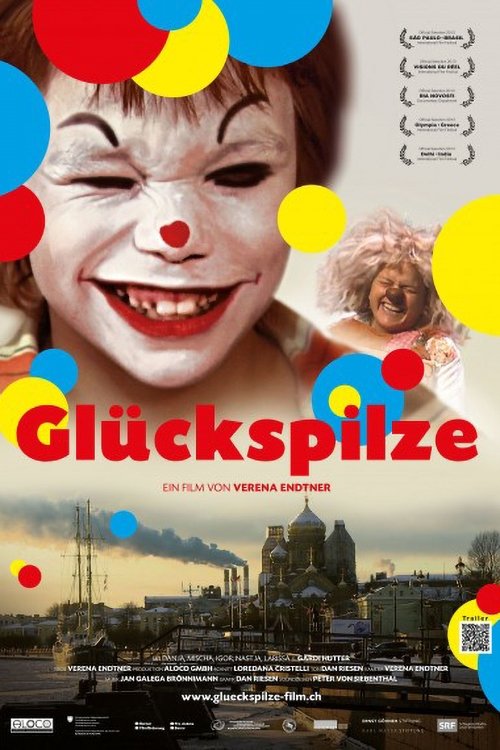
More than 10,000 street children live in magical, bustling St. Petersburg. But here's Larissa, with her Cirque Upsala: she takes these outcasts and catapults them to unsuspected heights. From the Streets to the Stars takes us on a fascinating journey, from the depths of the Russian slums to the limelight of the circus world, via the adventures of a Swiss tour. It follows 6-year-old Danja, the rising star of the circus; Mischa, who is taking on responsibility for the first time in her life; the enigmatic street child Nastja; and the troubled Igor, whose single mother is completely overwhelmed by her 4 children.
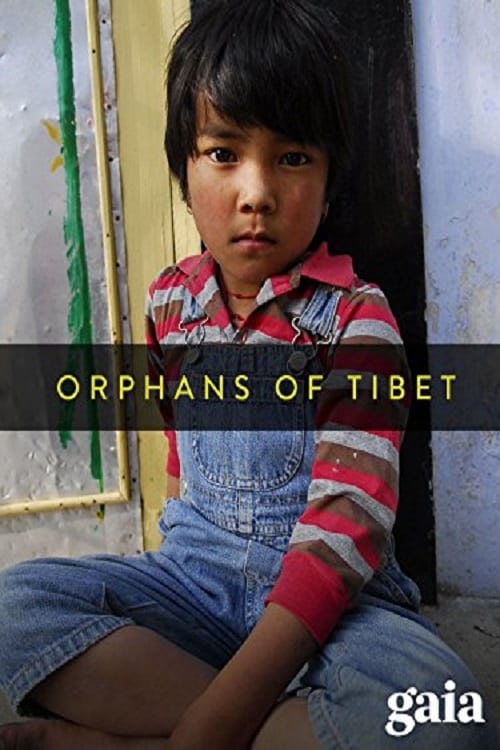
Each year, groups of Tibetan children secretly flee their homeland over the Himalayas to reach schools in India founded by the government in exile. Entrusted to smugglers, they are risking their lives by illegally crossing the great Himalayan range, a towering rampart between Tibet and India. The director will take us in the Mussorie school, in North India, where two thousand four hundred children have been rescued. They have left behind their family childhood and are now considered as orphans. We will discover the itineraries of Sonam, aged nine, and Dholma, the little new girl of the school. Here in India, they are taught about Tibetan culture and will find out about the history of their country and their ancestors. Sonam and Dholma's story is that of thousands of Tibetan children. Are they orphans of a lost country or bearers of hope who will save an endangered culture?
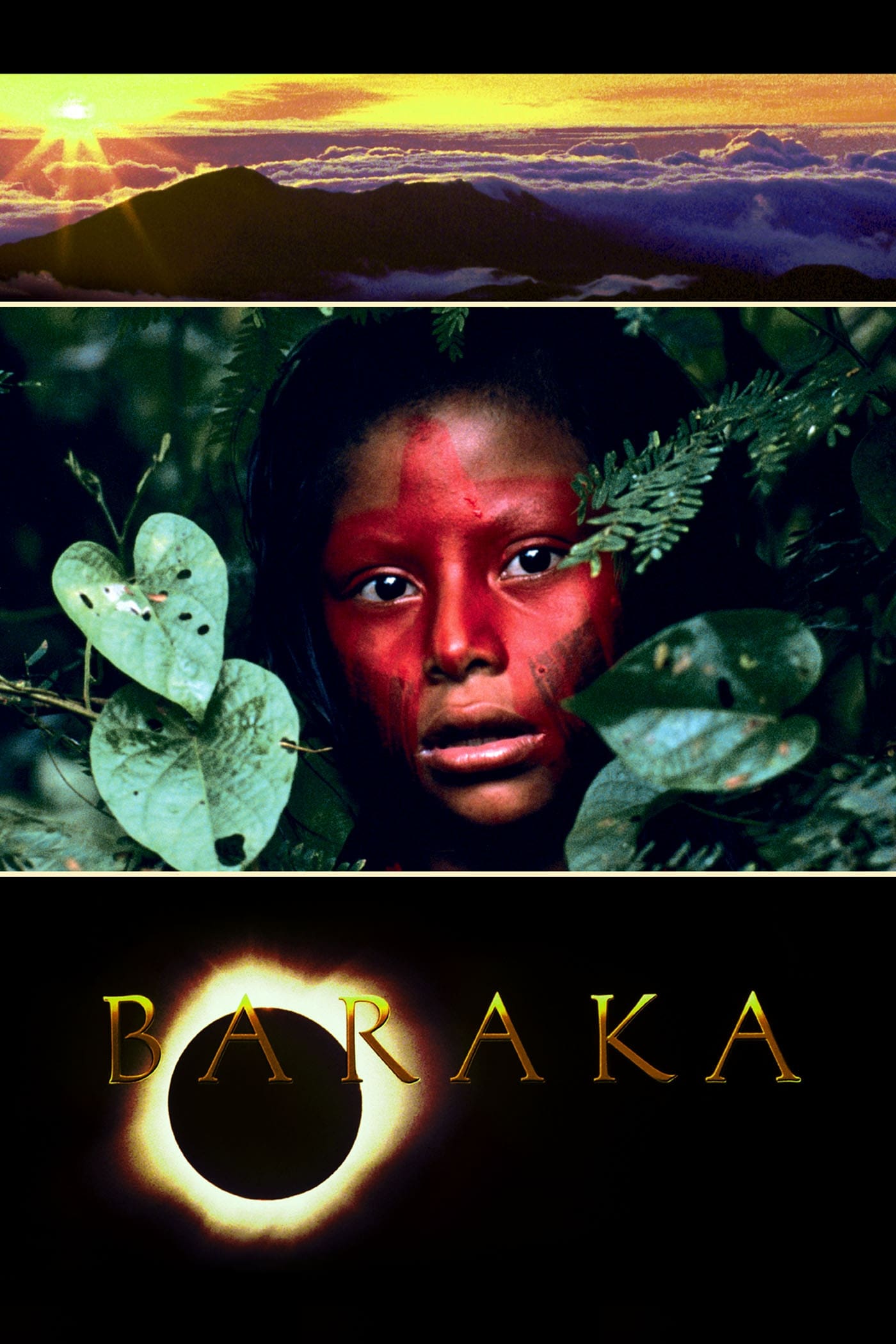
A paralysingly beautiful documentary with a global vision—an odyssey through landscape and time—that attempts to capture the essence of life.
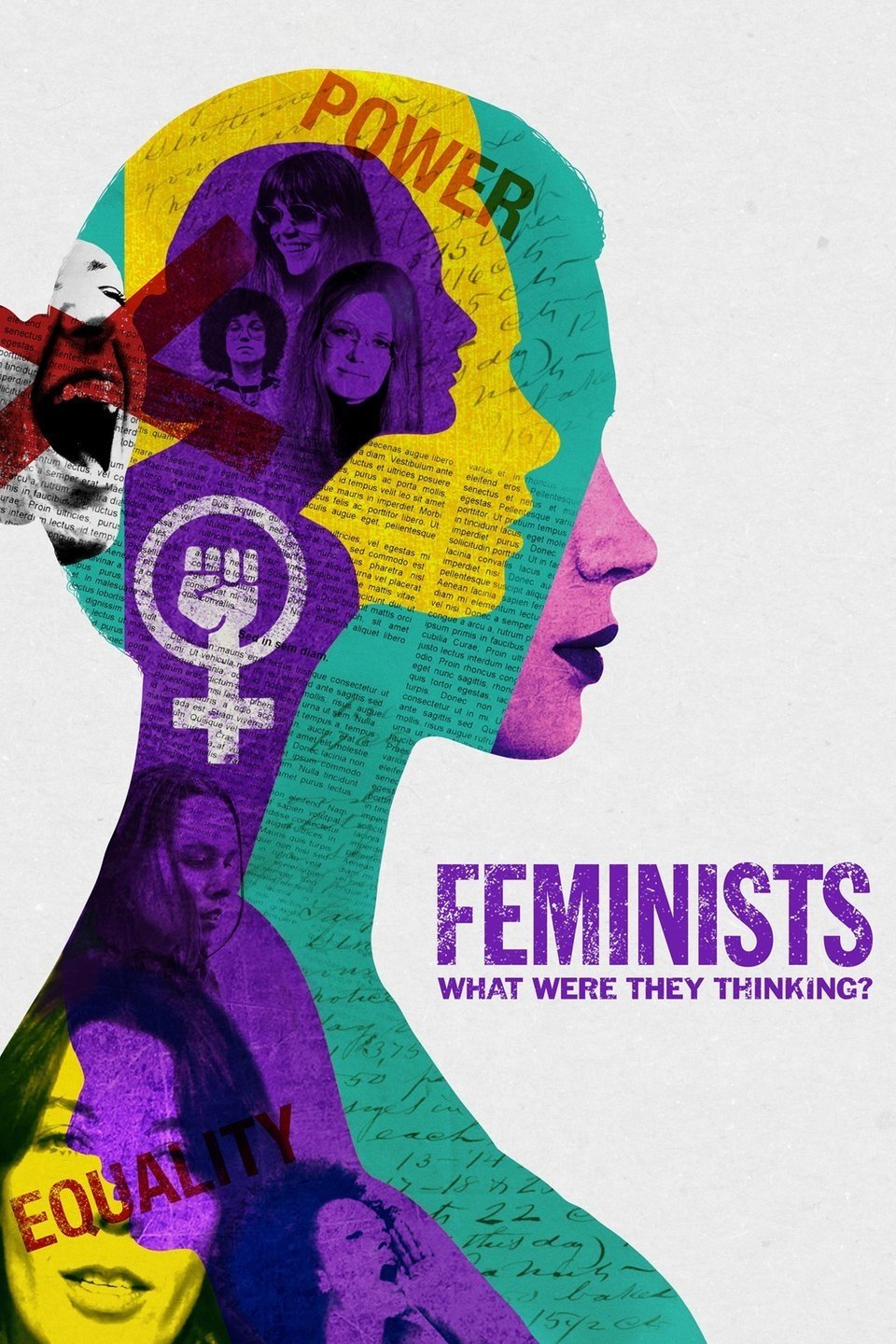
In 1977, a book of photographs captured an awakening - women shedding the cultural restrictions of their childhoods and embracing their full humanity. This documentary revisits those photos, those women and those times and takes aim at our culture today that alarmingly shows the need for continued change.
Police pull over a woman who claims she just gave birth. But the baby — and the blood — aren't hers. Twisted lies unravel in this true-crime documentary.
This unique cinematic experience dives deep into an artist’s work and reveals his life path, inspiration, and creative process. It explores his fascination with myth and history. Past and present are interwoven to diffuse the line between film and painting, allowing the audience to be completely immersed in the remarkable world of one of the greatest contemporary artists, Anselm Kiefer. Wim Wenders shot this unique portrait over the course of two years in stunning 3D.
A documentary on the expletive's origin, why it offends some people so deeply, and what can be gained from its use.
For over 40 years Val Kilmer, one of Hollywood's most mercurial and/or misunderstood actors, has been documenting his own life and craft through film and video. He has amassed thousands of hours of footage, from 16mm home movies made with his brothers, to time spent in iconic roles for blockbuster movies like Top Gun, The Doors, Tombstone, and Batman Forever. This raw, wildly original and unflinching documentary reveals a life lived to extremes and a heart-filled, sometimes hilarious look at what it means to be an artist and a complex man.
The evolution of the depiction of the various Native American peoples in cinema, from the silent era to the present day: how their image on the screen has changed the way to understand their history and culture.
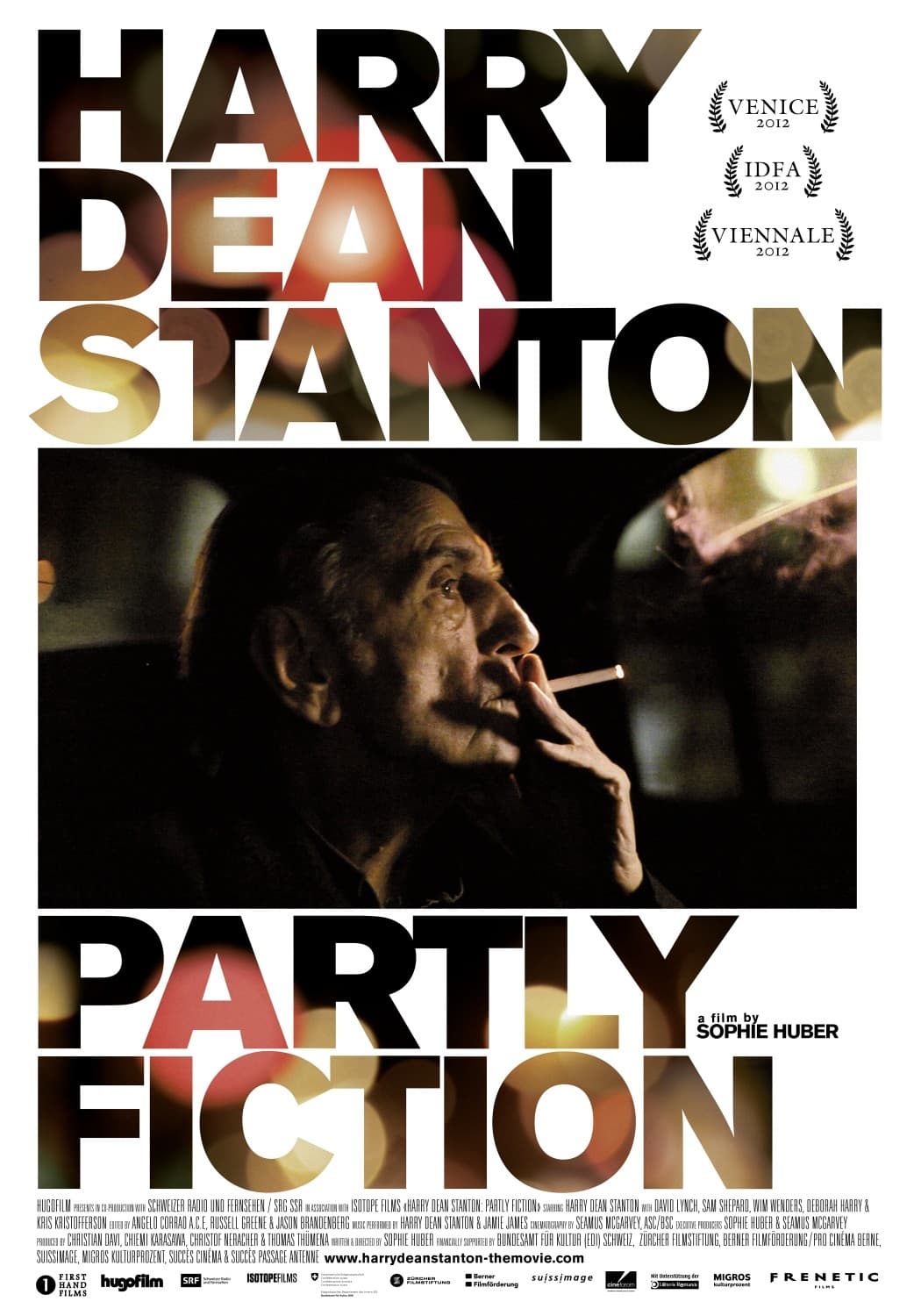
An impressionistic portrait of the iconic actor Harry Dean Stanton comprised of intimate moments, film clips from some of his 250 films and his renditions of American folk songs.
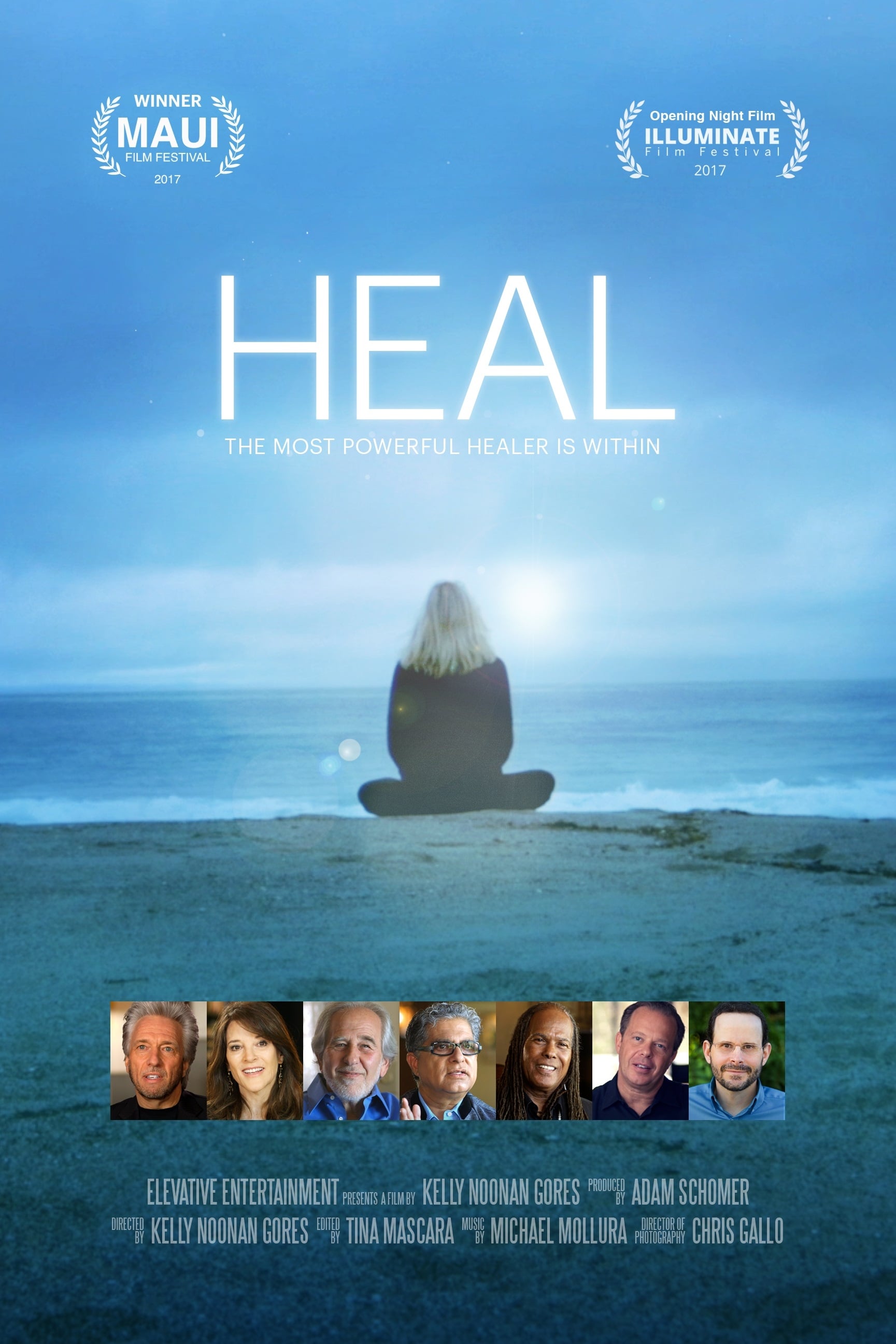
A documentary film that takes us on a scientific and spiritual journey where we discover that by changing one's perceptions, the human body can heal itself from any disease.
A documentary about the making of David Fincher's 2008 film THE CURIOUS CASE OF BENJAMIN BUTTON. Virtually every element in the evolution of the Fincher's film is documented here, from the project's attachment to numerous other directors during the 1990s, to its shoot in 2006 and 2007 in New Orleans, to its complex, CGI-intensive postproduction process.
In an intimate and joyful story of love in the face of loss, celebrated poets Andrea Gibson and Megan Falley find strength—and unexpected hilarity—in what might be their final year together.
A love letter from a young mother to her daughter, the film tells the story of Waad al-Kateab’s life through five years of the uprising in Aleppo, Syria as she falls in love, gets married and gives birth to Sama, all while cataclysmic conflict rises around her. Her camera captures incredible stories of loss, laughter and survival as Waad wrestles with an impossible choice– whether or not to flee the city to protect her daughter’s life, when leaving means abandoning the struggle for freedom for which she has already sacrificed so much.
Shot under extreme conditions and inspired by Mayan creation theory, the film contemplates the illusion of reality and the possibility of capturing for the camera something which is not there. It is about the mirages of nature—and the nature of mirage.
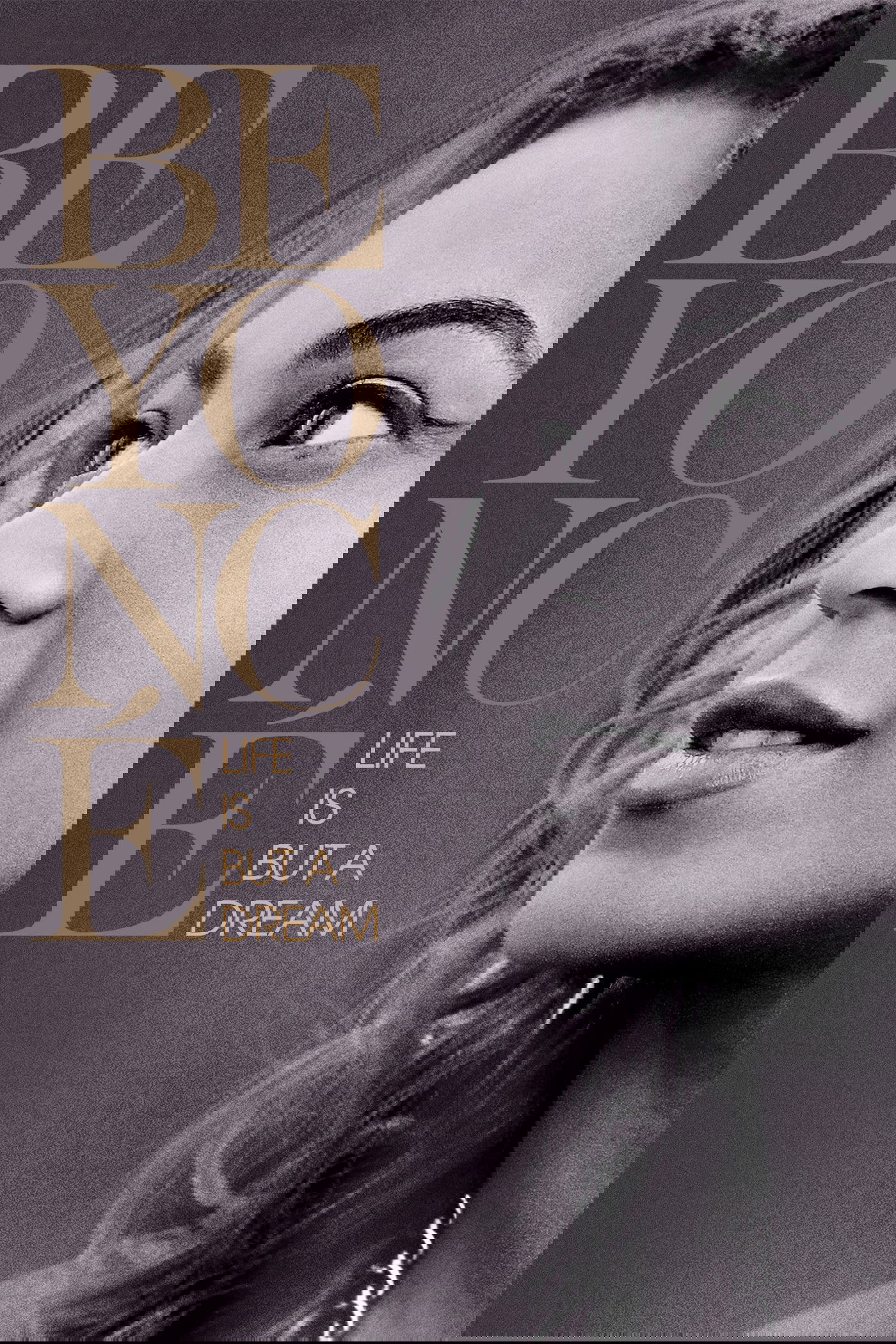
Life Is But a Dream is a HBO documentary about the life of US singer Beyoncé Knowles during the years 2011 and 2012 and on the recording of her fifth album. The film was directed by Beyoncé herself. The film shows Beyoncé from intimate moments of her pregnancy to behind the scenes and rehearsals of the main concerts of that time.
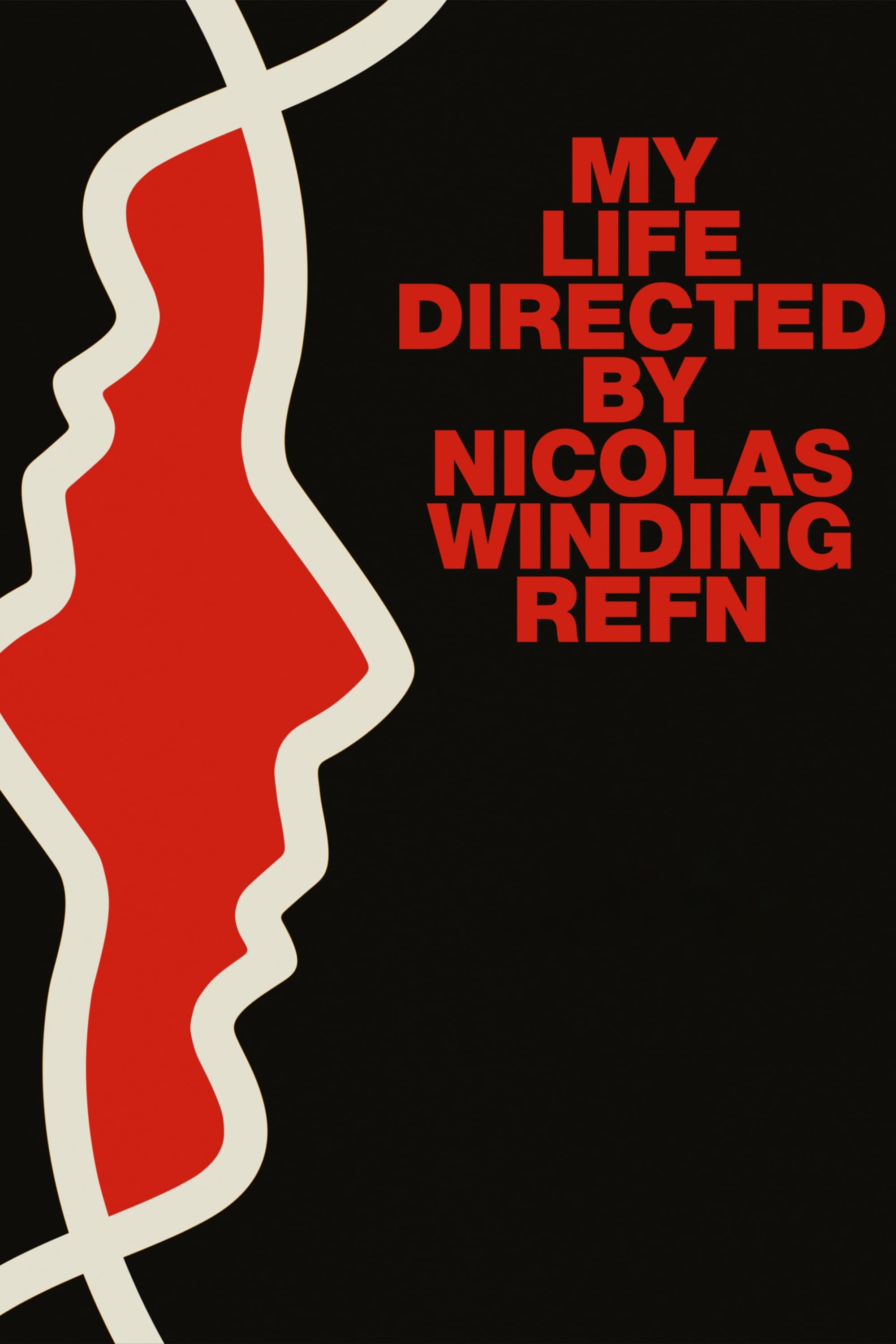
A documentary directed by Winding Refn's wife, Liv Corfixen, and it follows the Danish-born filmmaker during the making of his 2013 film Only God Forgives.
Ranjit, a farmer in India, takes on the fight of his life when he demands justice for his 13-year-old daughter, the victim of a brutal gang rape. His decision to support his daughter is virtually unheard of, and his journey unprecedented.
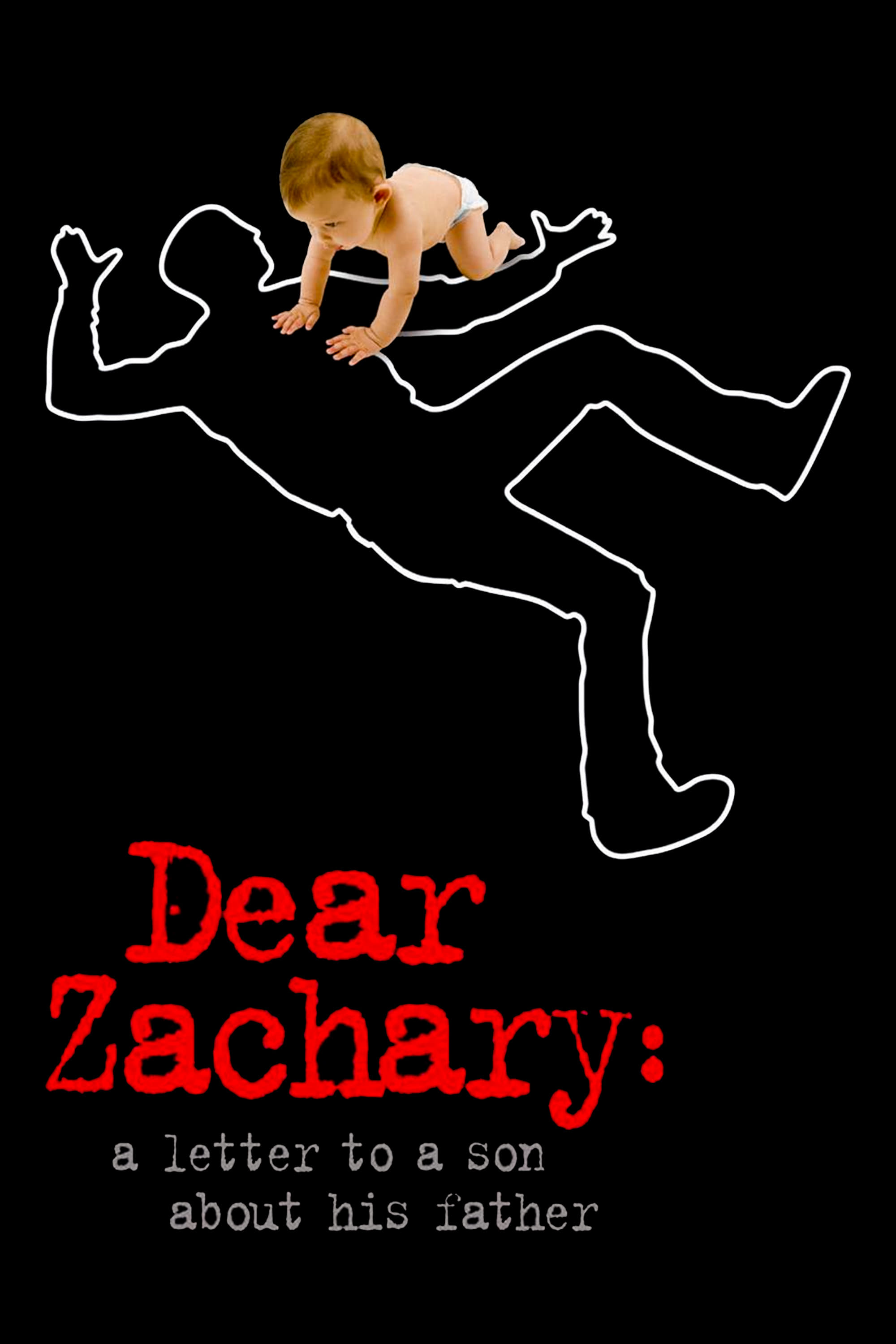
In 2001, Andrew Bagby, a medical resident, is murdered not long after breaking up with his girlfriend. Soon after, when she announces she's pregnant, one of Andrew's many close friends, Kurt Kuenne, begins this film, a gift to the child.
The life of internationally renowned artist and activist Nan Goldin is told through her slideshows, intimate interviews, ground-breaking photography, and rare footage of her personal fight to hold the Sackler family accountable for the overdose crisis.
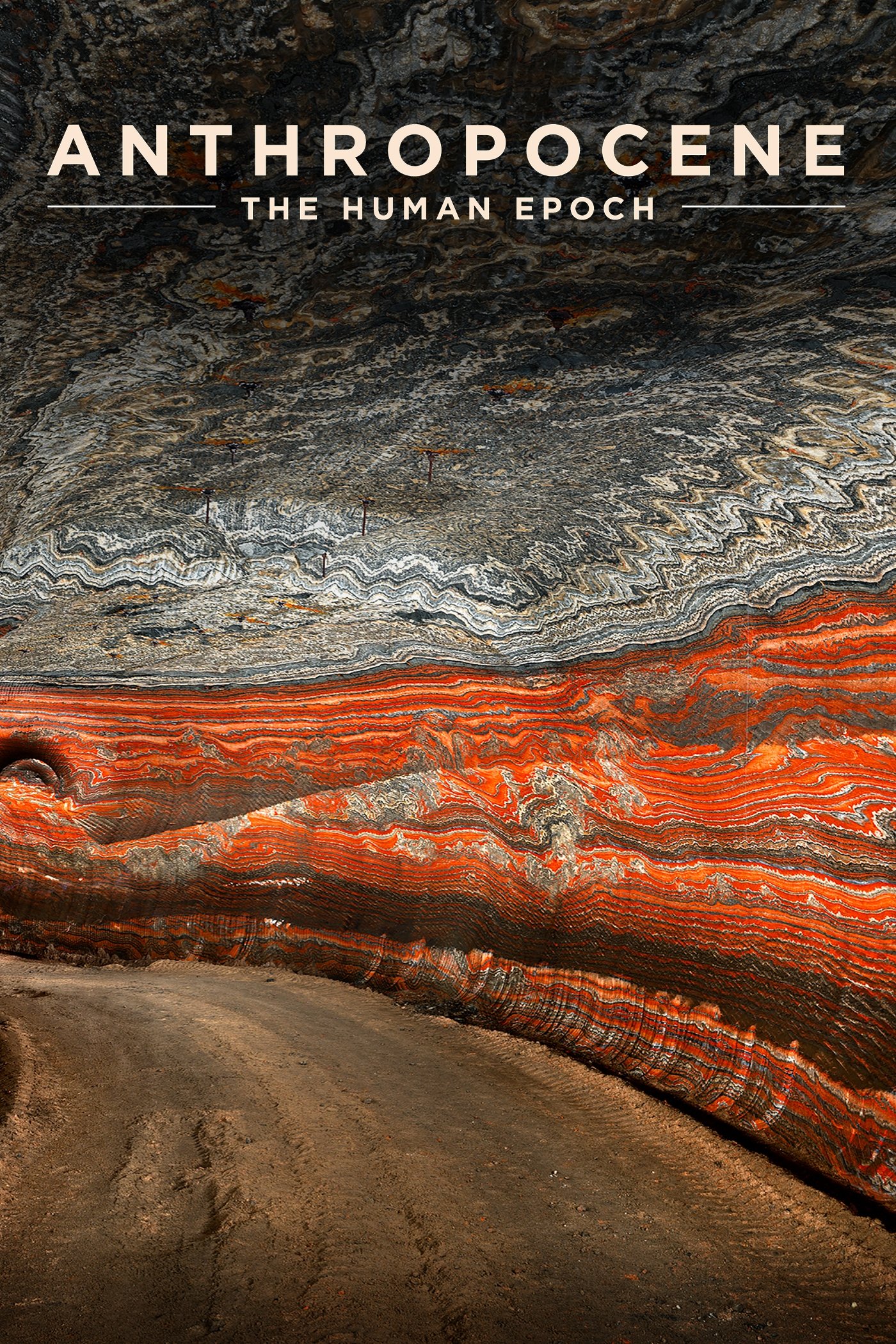
Documentary on psychedelic potash mines, expansive concrete seawalls, mammoth industrial machines, and other examples of humanity’s massive, destructive reengineering of the planet.
Stars of "The Walking Dead," Andrew Lincoln and Danai Gurira, walk down memory lane and visit iconic locations where pivotal moments between their characters, Rick and Michonne, were filmed.