Fictional film with documentary elements about a jazz musician in Berlin.
Social & External
Tobby
Unknown Role
Danny
From the sound of mountains and endless expanses, to the heavy pulse of the big city. Norwegian jazz is loved by fans all over the world. How did small Norway become a big jazz country?
On the eve of graduation, a high school student finds herself dealing with both college applications and an unfaithful boyfriend.
Two different students—a successful but aloof academic and a rebellious but kindhearted delinquent—form a friendship through their love of jazz music.
A huge, run-down apartment in Berlin Mitte. Two women and a man, rehearsals for a movie about love and sex, that will never be shot. Acting and reality mingle into a dangerous mélange.
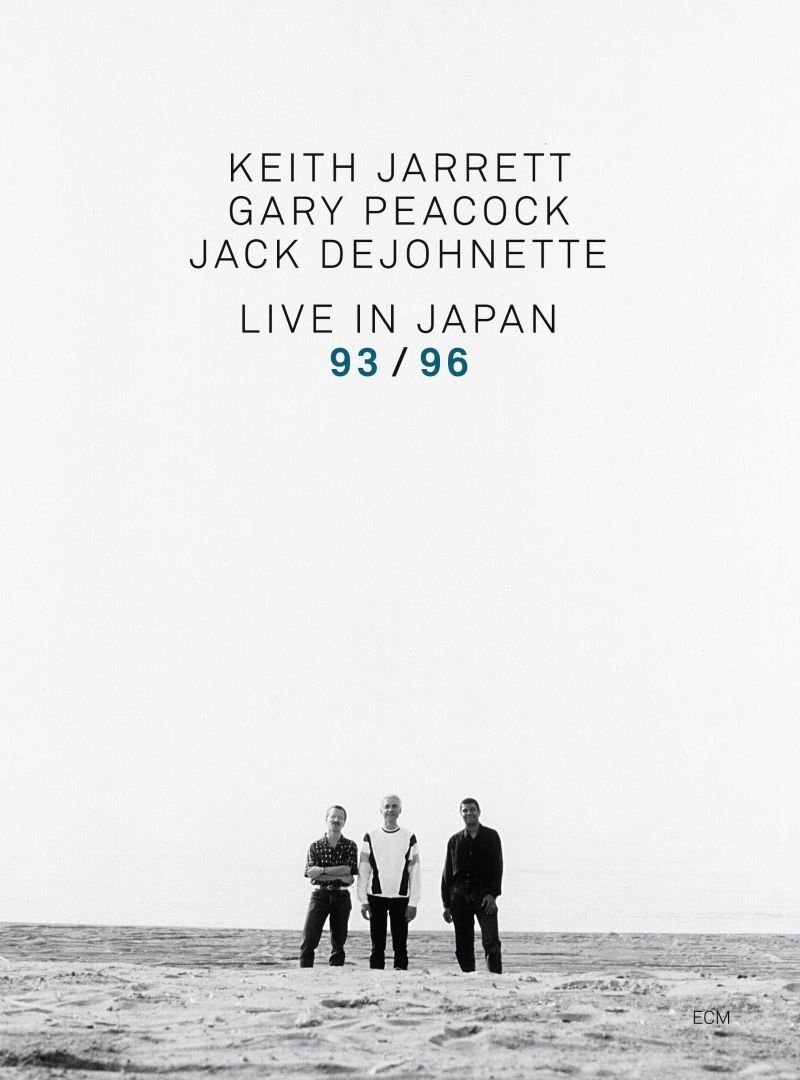
Reissue of Standards Trio concerts; originally released separately as Live at Open Theater East and Trio Concert 1996
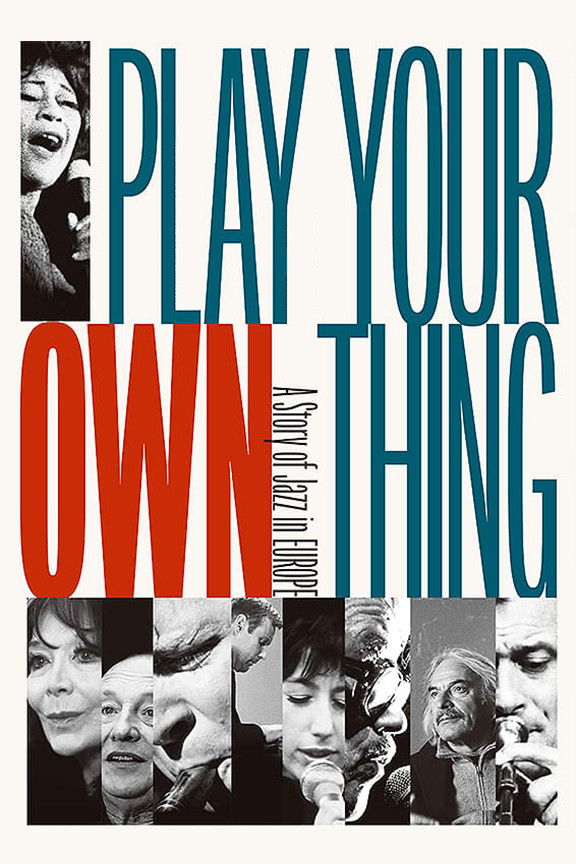
A comprehensive history of European Jazz, exploring the origins of the US-influenced Jazz clubs after the Second World War, the first steps independent of American jazz and the various changes of direction that have repeatedly occurred in European jazz in the search for that "own voice" that European jazz musicians have helped to form. Featuring the great masters of European jazz such as Chris Barber, Jan Garbarek, Juliette Gréco, Stefano Bollani and Till Brönner, to name but a few.
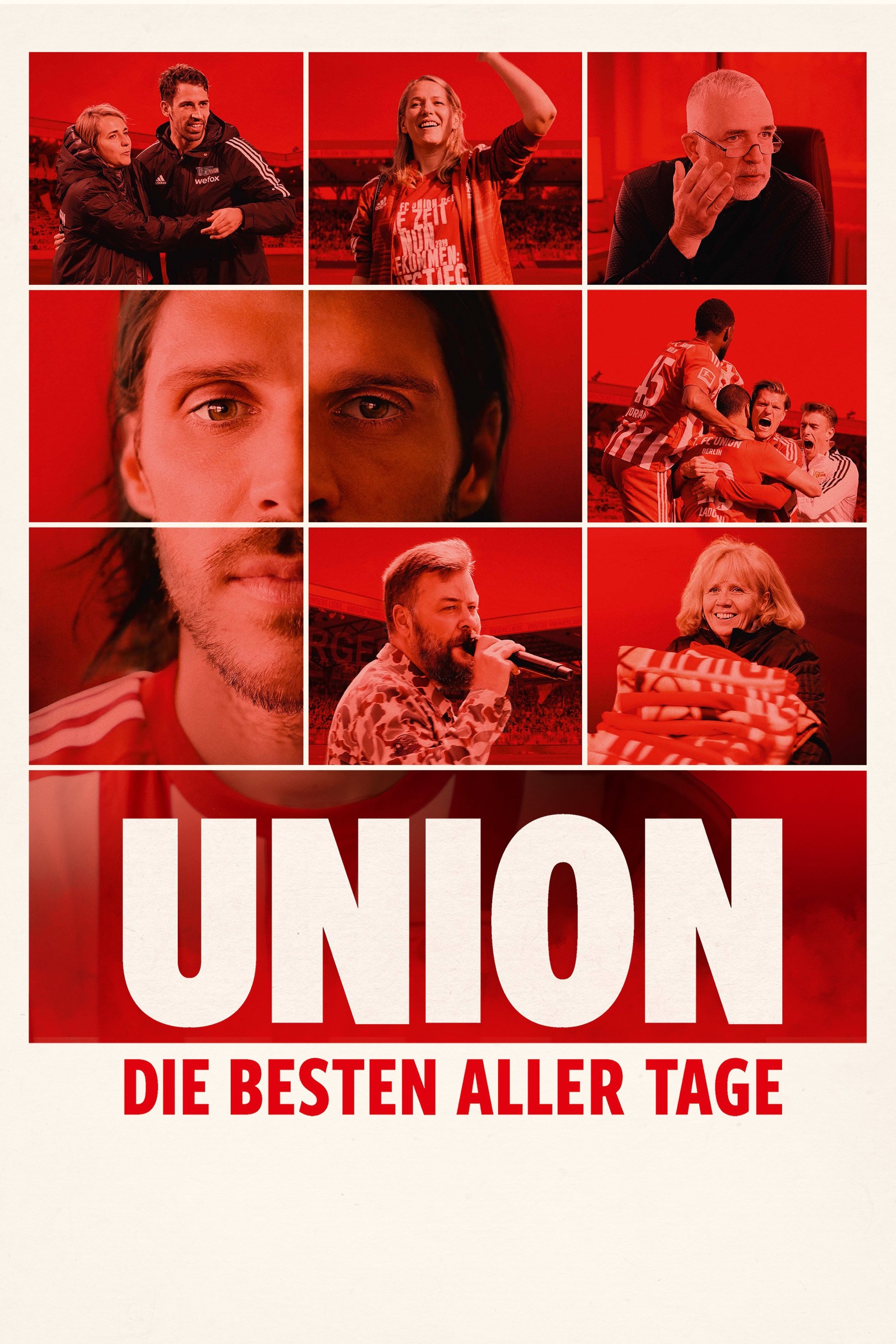
In 2019, Union Berlin was promoted to the Bundesliga. Four years later, the traditional East German club qualifies for the Champions League and achieves something that few would have thought possible. Despite all the euphoria over the triumph, the pressure to remain strong in sporting and economic terms also increased, as did the fear of falling into a conflict of identity between tradition and change. The fact that the soccer underdog from Köpenick still manages to retain its magic is primarily down to the people who work behind the scenes to keep things running smoothly and enthusiastically. Always at their side: a loyal fan base that is prepared to follow their club's path unconditionally. Hendel follows the team behind Union for almost two years, right up to their entry into the top flight, and takes a unique, particularly personal and authentic look behind the scenes of the club.
A documentary about the clashes between squatters and the police in Berlin in early 1981. Despite the absence of commentary, this is an openly partisan film that aims less for political analysis than for an up-close description of the situation and mood.
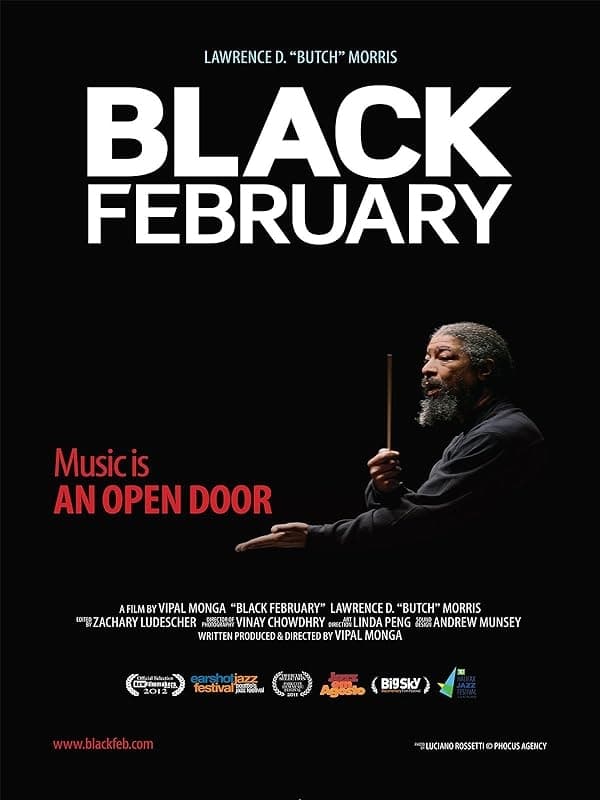
Vipal Monga's first feature-length documentary chronicles an unprecedented series of concerts performed in February 2005 by the legendary jazz composer Lawrence D. Butch Morris. The concerts were in celebration of the 20th anniversary of Conduction, Butch's revolutionary technique for live music-making. Butch put on 44 performances in 28 days with 85 musicians pulled from all across New York's musical community. Along with footage from these remarkable concerts that span a full range of musical styles from big band jazz to funk to electronic and symphonic works. The documentary features some of the leading lights of the New York creative-music community, including Henry Threadgill, JD Allen, Brandon Ross, Graham Haynes, Howard Mandel, and Greg Tate. Although the film provides unique insight into New York's vibrant avant-garde music scene,
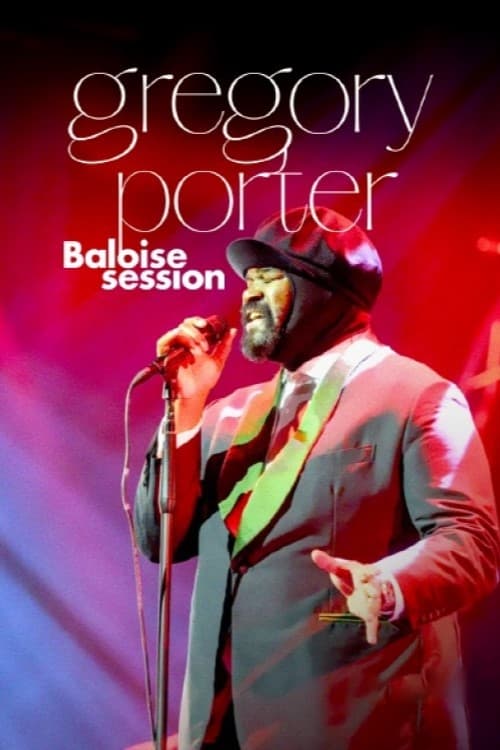
With his distinctive headwear and inimitable jazz/soul style, Gregory Porter has become an instantly recognisable star on the international scene.
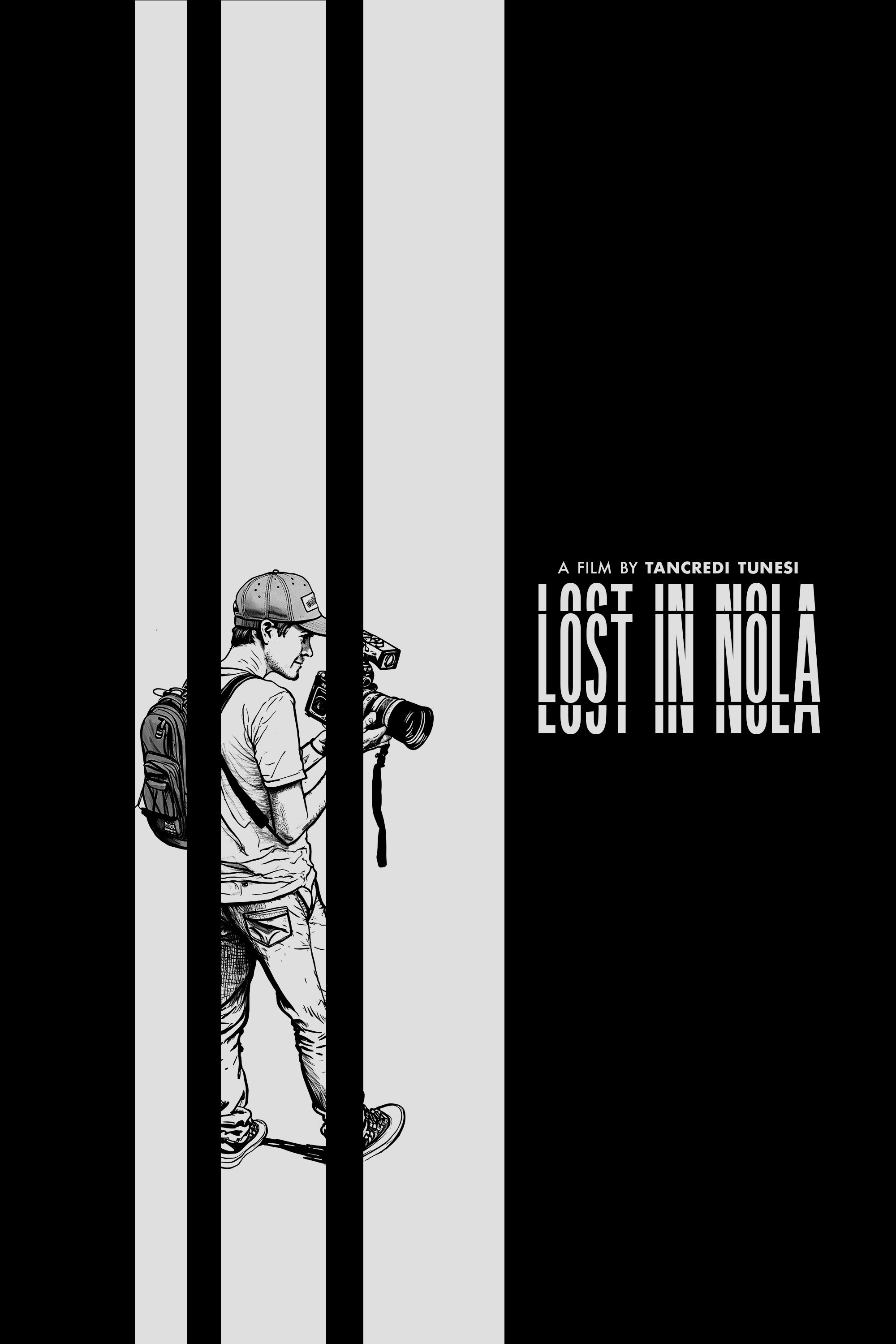
A young student filmmaker in an attempt to shoot a documentary gets lost in New Orleans. Out of fear of making a mistake, he ends up making hundreds of mistakes.
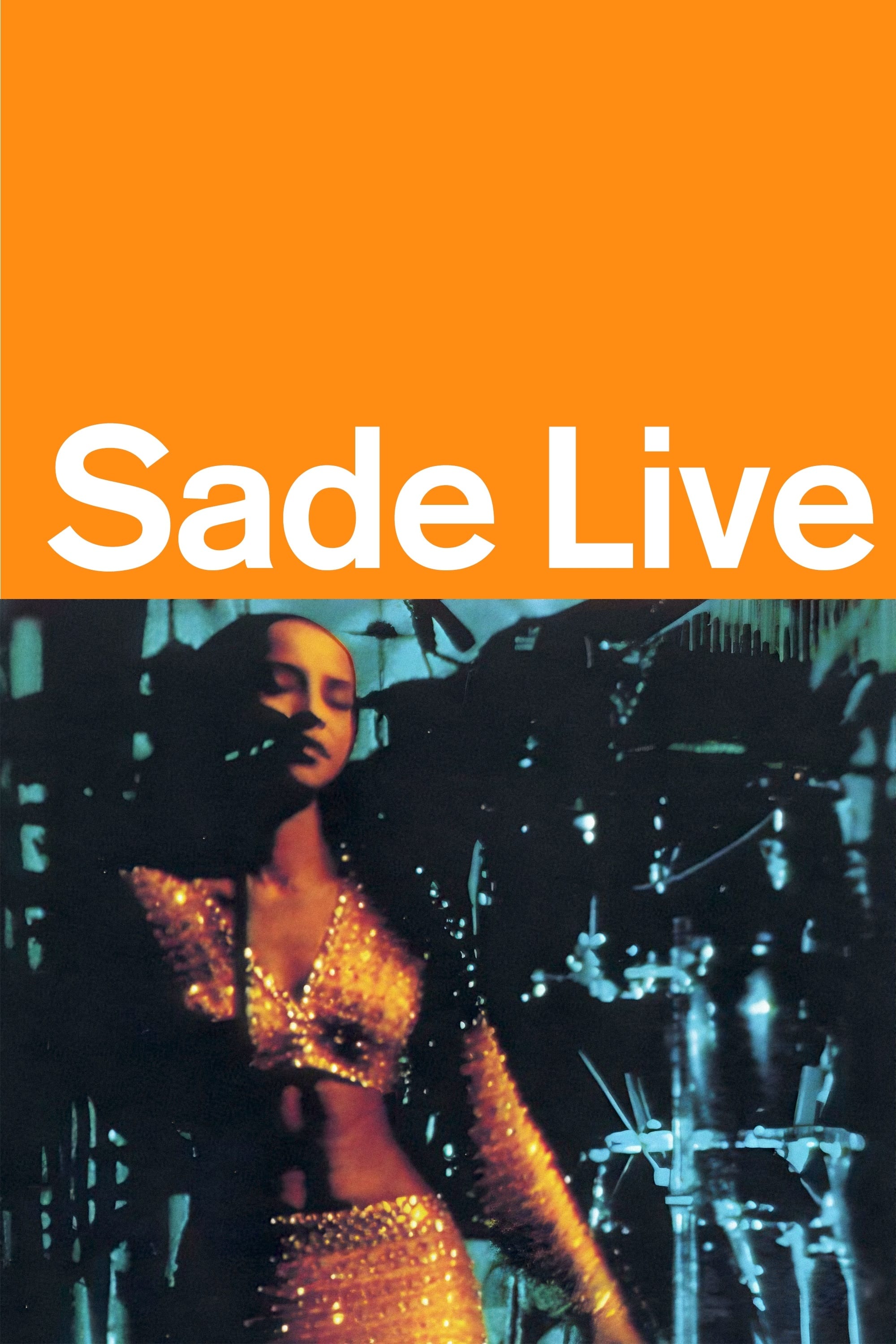
Recorded during Sade's last two shows of the band's 'Love Deluxe World Tour' at the SDSU Open Air Theatre in San Diego, California, on 2 and 3 October 1993. Tracks include "Sweetest Taboo", "Your Love Is King", "Smooth Operator", "Nothing Can Come Between Us", "Is It A Crime", "Jezebel" and more.
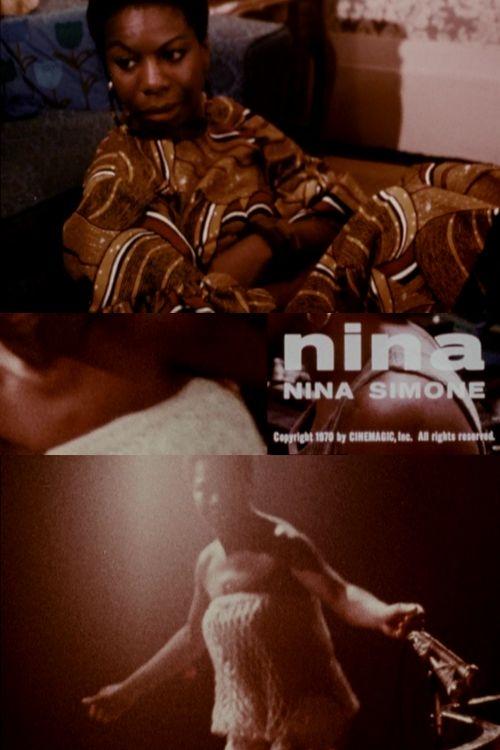
This Emmy-nominated TV special highlights rare performance footage filmed between 1968 and 1969 at various US venues and locations, including the Westbury Music Fair, The Village Gate, and RCA Studios in New York City. Also featured are candid and personal interviews with Nina herself, revealing her unique views on music and life -- all expressed with her trademark intensity.
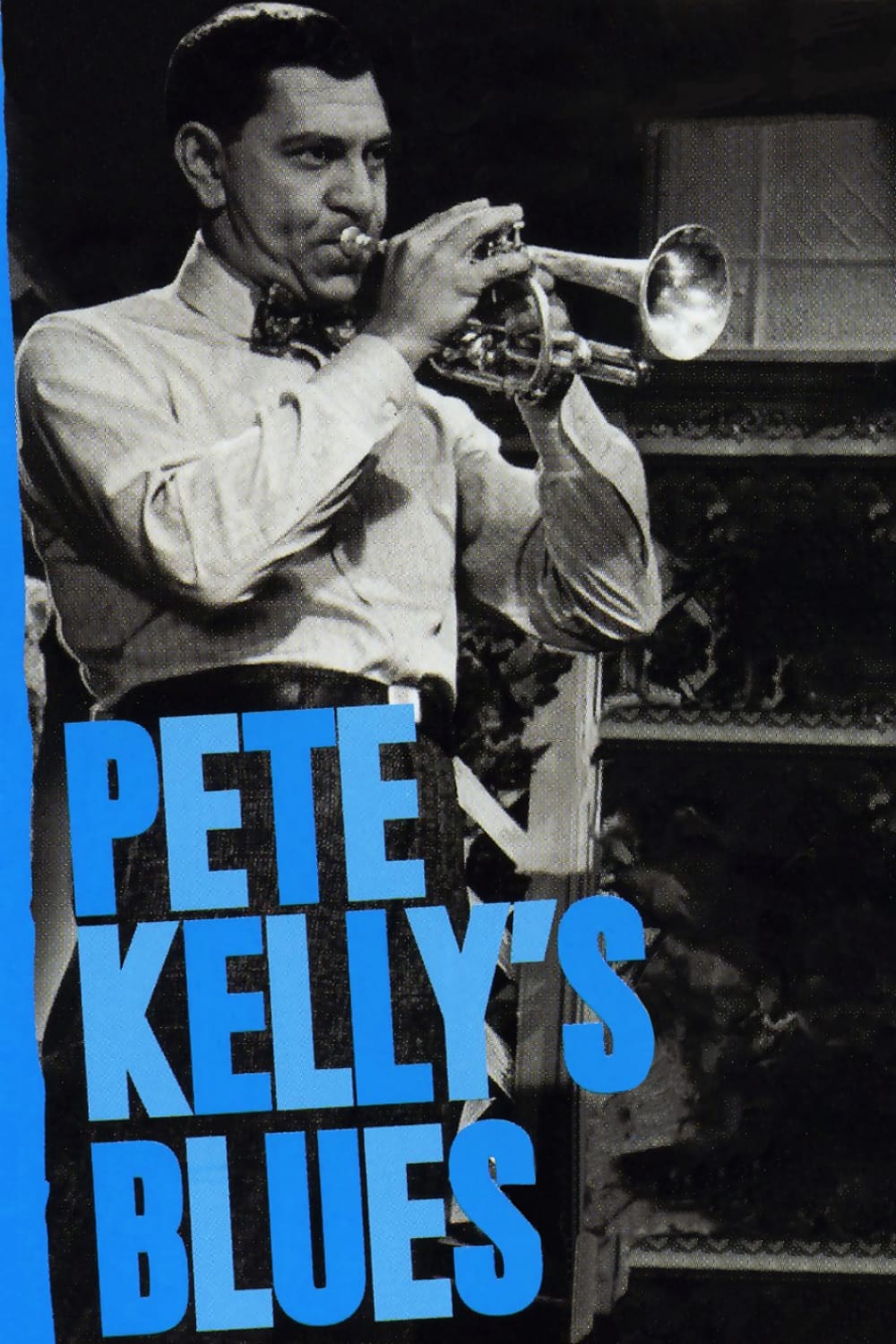
In 1927, a Kansas City, Missouri cornet player and his band perform nightly at a seedy speakeasy until a racketeer tries to extort them in exchange for protection.
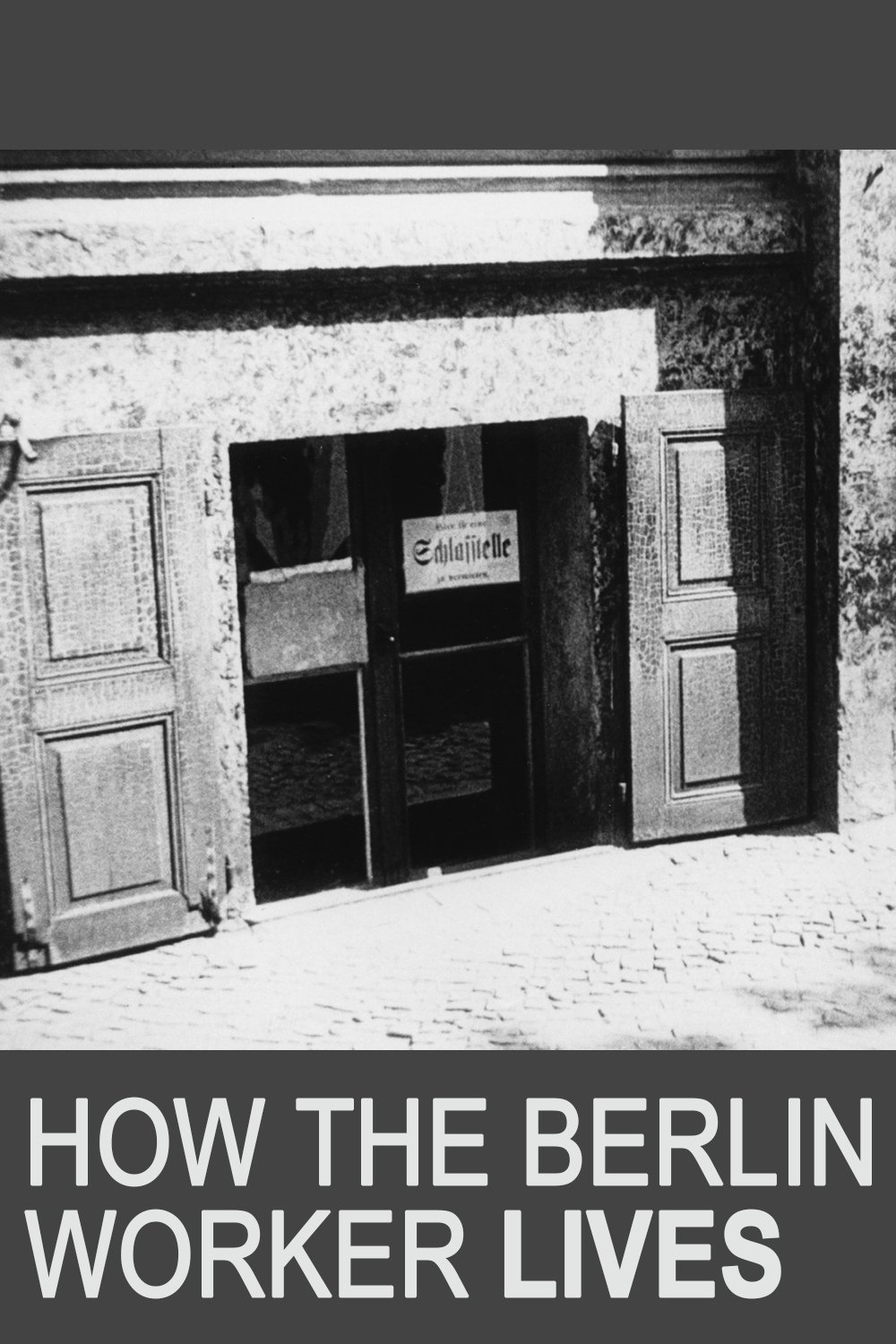
This documentary shows how the Berliner workers lived in 1930. The director Slatan Dudow shows through images: a) the workers leaving the factory; b) the raise of the rents; c) the "unpleasant" guest, meaning the justice officer that brings the eviction notice; d) the fight of classes of the houses of capitalists and working classes; e) the parks of the working class; f) the houses of the working class, origin of the tuberculosis and the victims; g) the playground of the working class; h) the swimming pool for the working class, ironically called the "Baltic Sea" of the working class; i) the effects of humidity of basement where a family lives, with one member deaf; j) one working class family having dinner while the capitalist baths his dog; k) the eviction notice received from an unemployed family and their eviction.
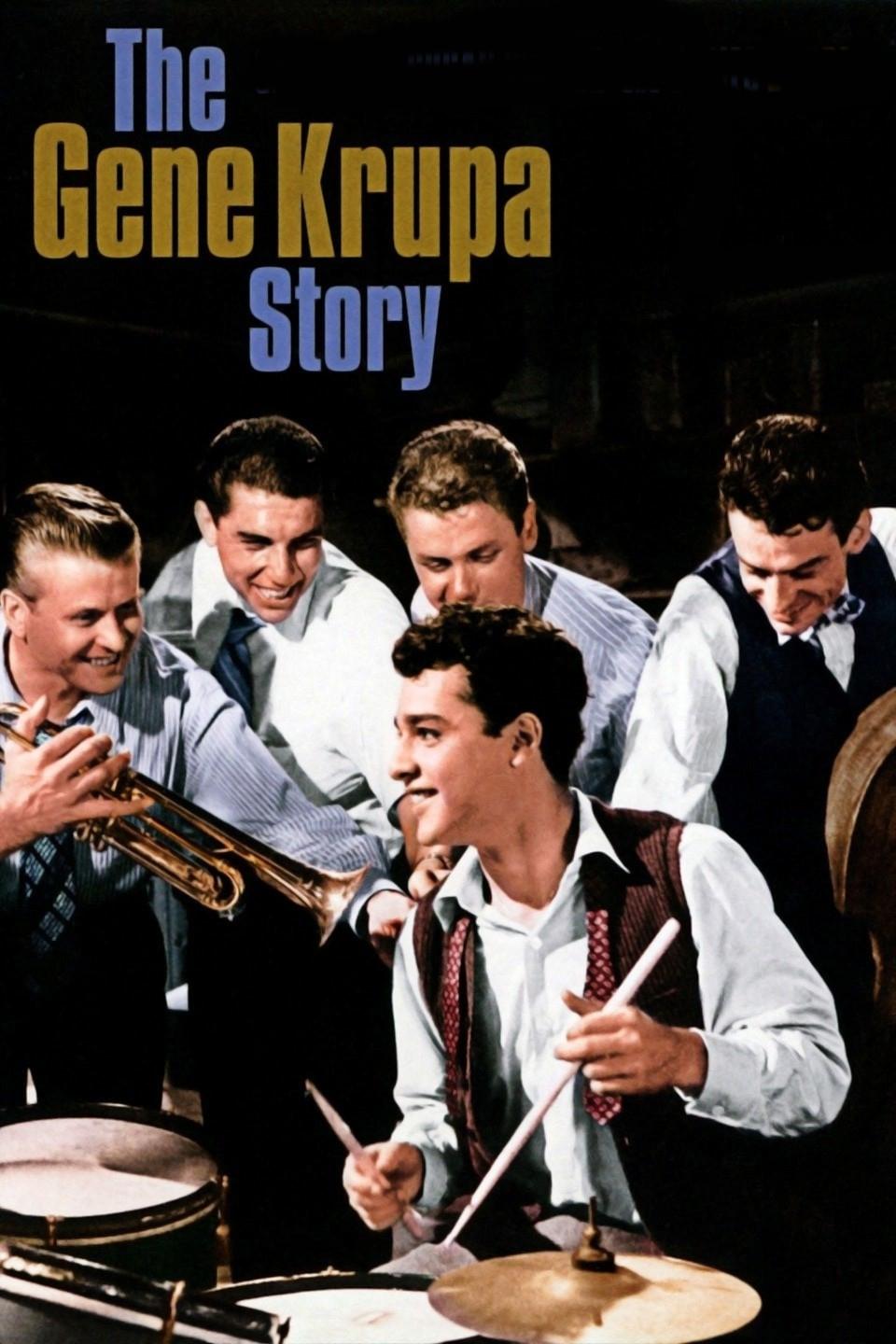
The story of legendary jazz drummer, Gene Krupa. Since his youth, all Gene ever wanted to do is play the drums and make music. This is something his parents would not approve of- they want him to be a priest. When Gene's father dies he promises to enter the priesthood. He soon realizes that he doesn't belong there and leaves to join his friend, Eddie's band. Ethel, Eddie's girlfriend, convinces Gene to go to New York and make it big. The 3 of them head to New York. Here Ethel and Gene soon fall in love and Gene makes a name for himself. Gene starts to live in the fast lane, with drugs, alcohol, women and parties. Ethel, unhappy with Gene's lifestyle, leaves him. Gene soon "hits rock bottom" where he has to face reality and choose where to take his life.
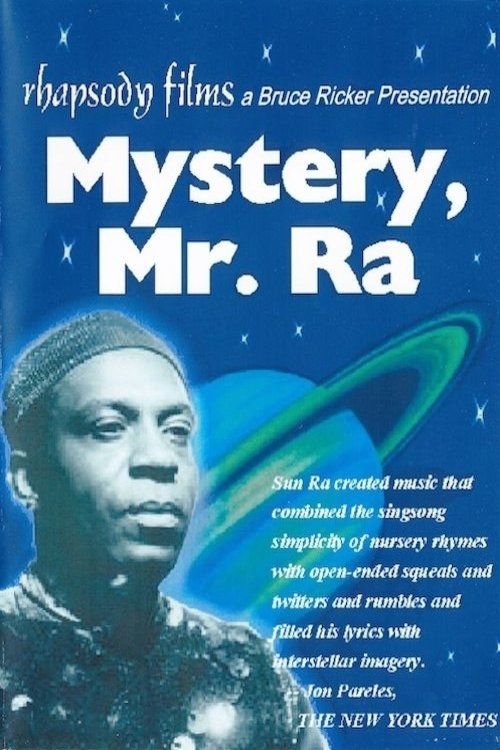
Sun Ra, Archie Shepp and company in concert in Paris, 1984. Documents performances and rehearsals in Paris, France, 1984. It includes the compositions "Love in Outer Space," "Nuclear War," and "1984" by Sun Ra and the standards "Tea for Two" and "Blue Lou," as well as interviews with Sun Ra and Archie Shepp.
Documentary exploring the meaning and history of cool through the American music that started in the 1940s in the bars of New York and LA, and became known as cool jazz.
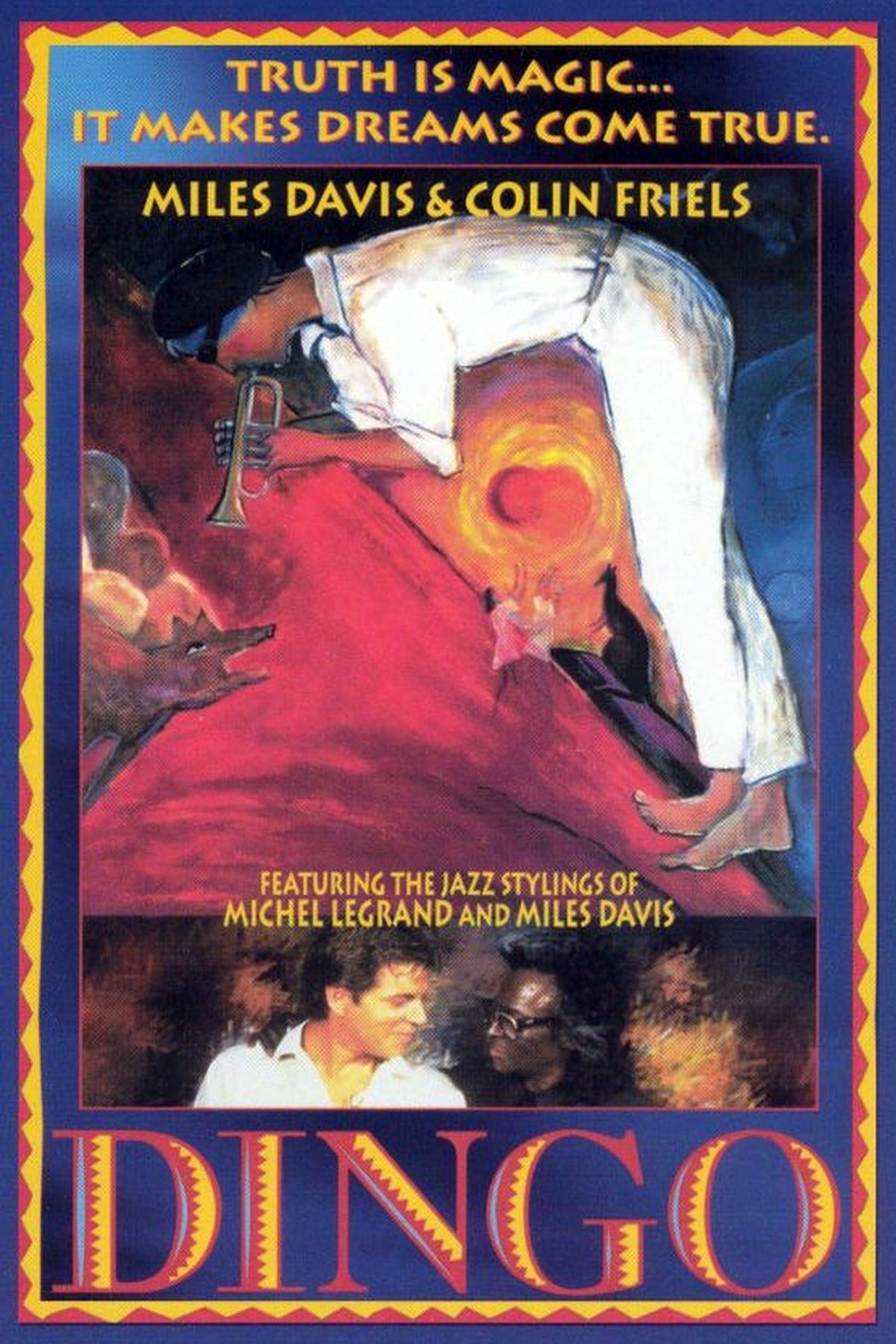
Young John Anderson is captivated by jazz musician Billy Cross when he performs on the remote airstrip of his Western Australian outback hometown after his plane is diverted. Years later, now a family man and making a meagre living tracking dingoes and playing trumpet in a local band, John still dreams of joining Billy on trumpet and makes a pilgrimage to Paris.
Cecil Taylor was the grand master of free jazz piano. "All the Notes" captures in breezy fashion the unconventional stance of this media-shy modern musical genius, regarded as one of the true giants of post-war music. Seated at his beloved and battered piano in his Brooklyn brownstone the maestro holds court with frequent stentorian pronouncements on life, art and music.
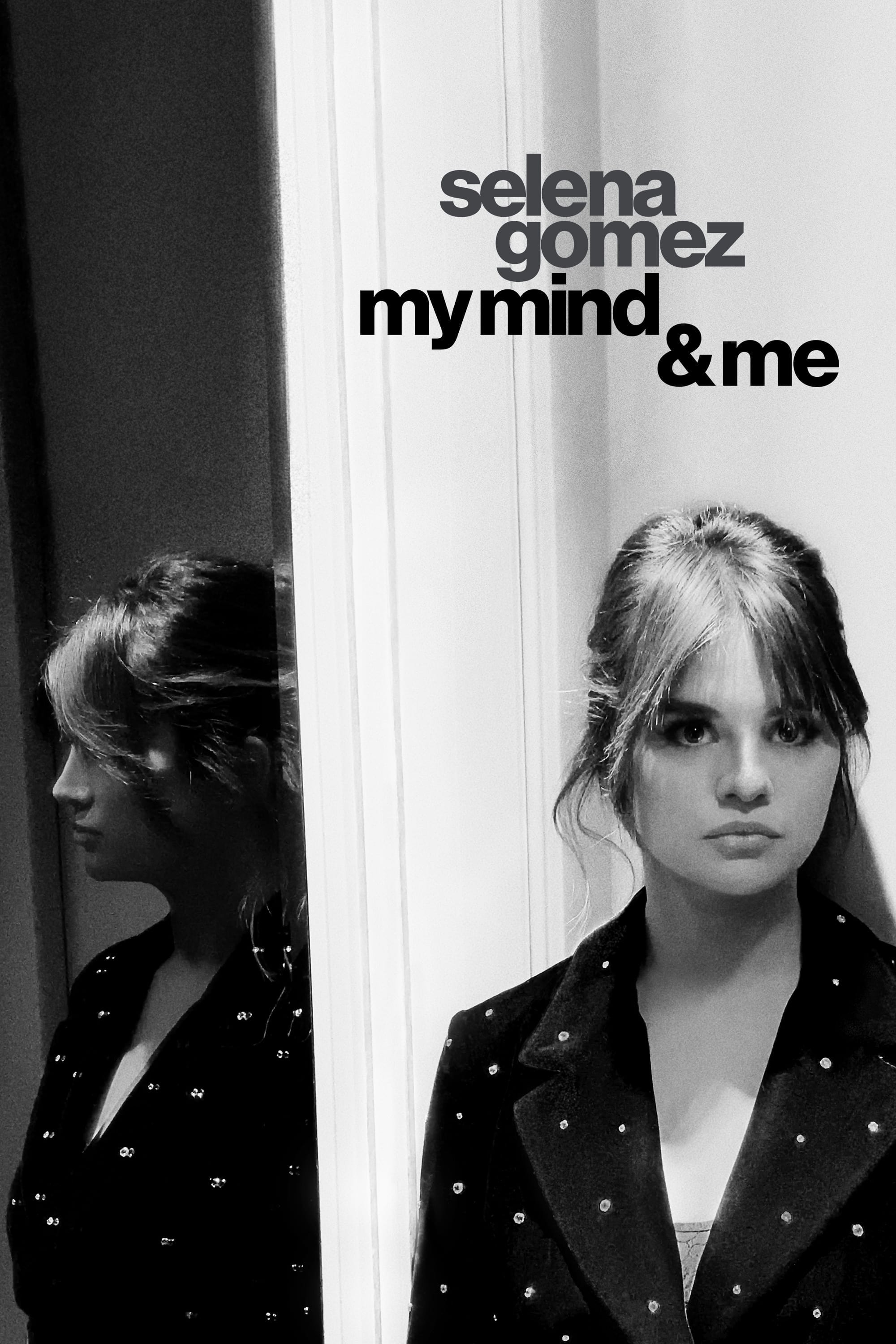
After years in the limelight, Selena Gomez achieves unimaginable stardom. But just as she reaches a new peak, an unexpected turn pulls her into darkness. This uniquely raw and intimate documentary spans her six-year journey into a new light.
Part documentary, part concert film, part fever dream, this film captures the troubled spirit of America in 1975 and the joyous music that Dylan performed during the fall of that year.
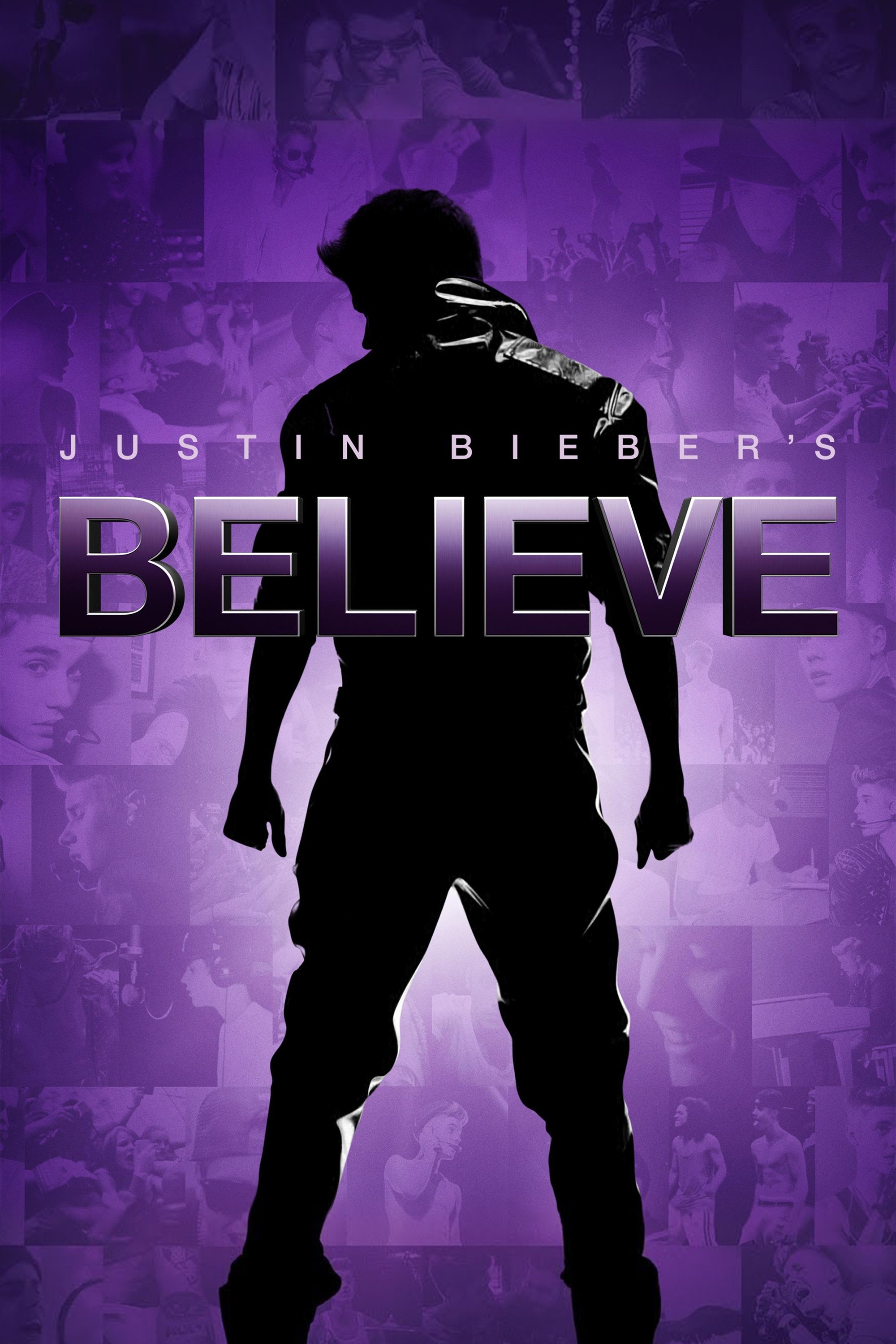
A backstage and on-stage look at Justin Bieber during his rise to super stardom.
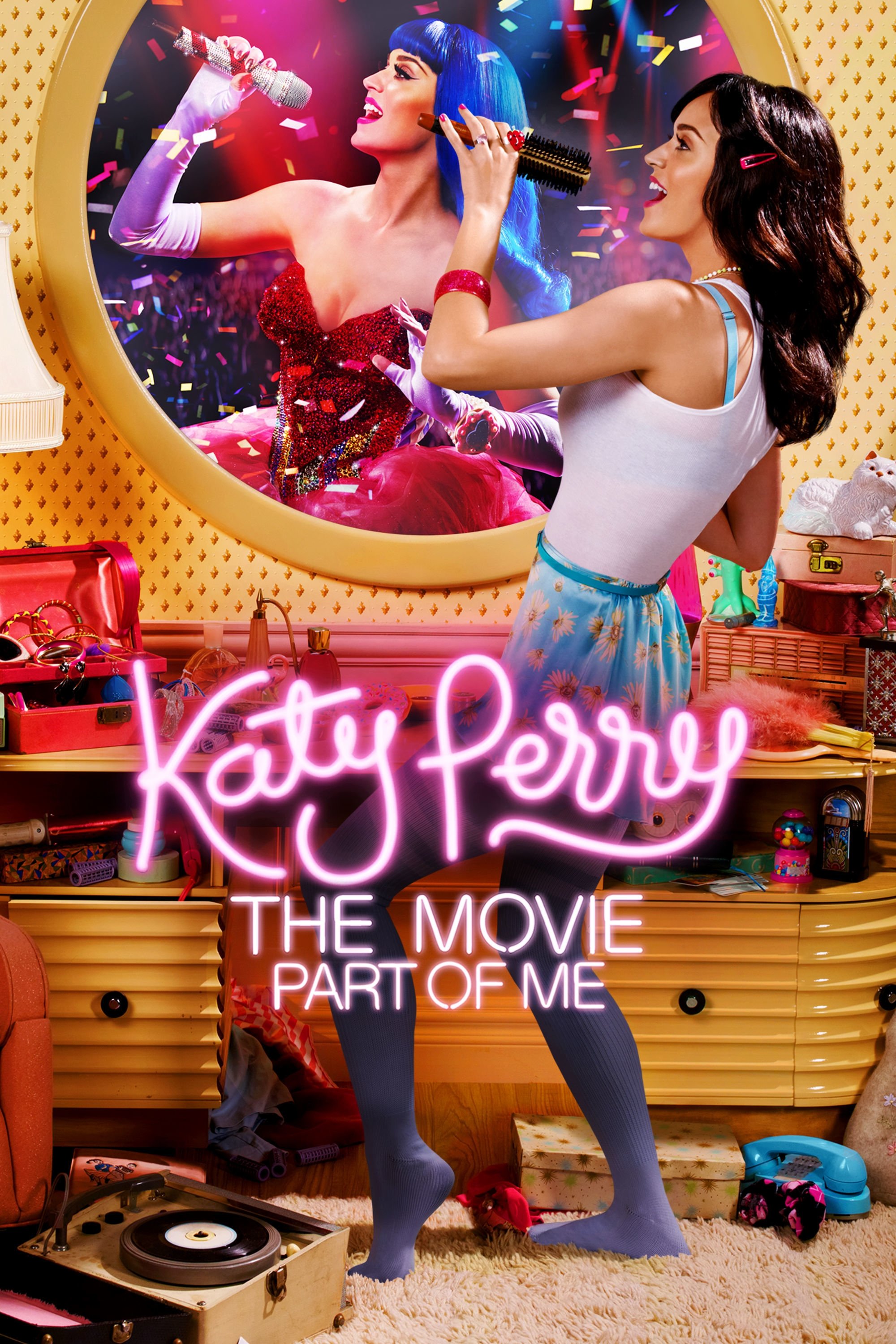
Giving fans unprecedented access to the real life of the music sensation, Katy Perry: Part of Me exposes the hard work, dedication and phenomenal talent of a girl who remained true to herself and her vision in order to achieve her dreams. Featuring rare behind-the-scenes interviews, personal moments between Katy and her friends, and all-access footage of rehearsals, choreography, Katy’s signature style and more, Katy Perry: Part of Me reveals the singer’s unwavering belief that if you can be yourself, then you can be anything.
Through concert performances and interviews, this film offers us a comprehensive look at the British pioneer rock group, The Who. It captures their zany craziness and outrageous antics from the initial formation of the group in 1964 to 1978. It notably features the band's last performance with long-term drummer Keith Moon, filmed at Shepperton Studios in May 1978, three months before his death.
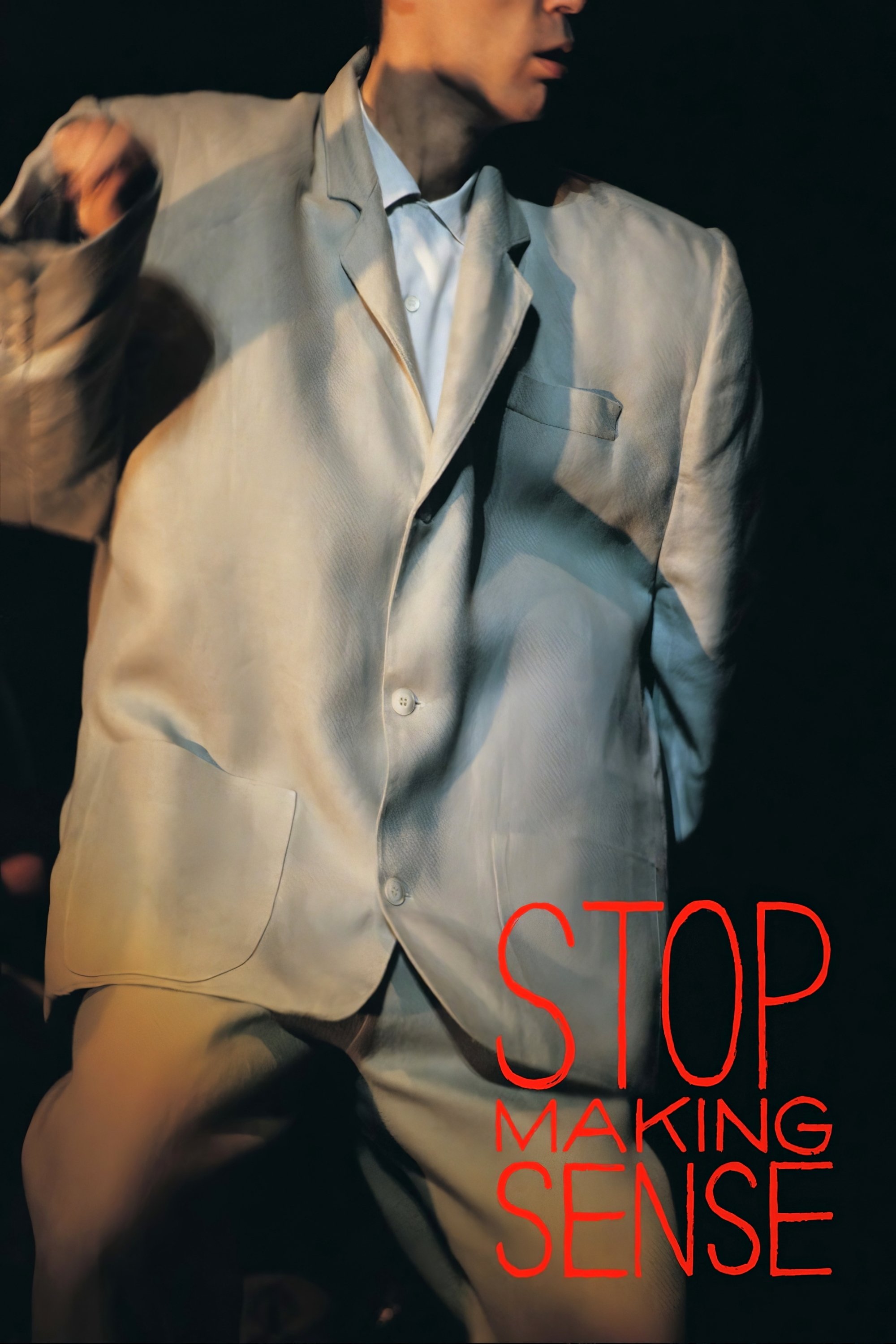
A concert film documenting Talking Heads at the height of their popularity, on tour for their 1983 album "Speaking in Tongues." The band takes the stage one by one and is joined by a cadre of guest musicians for a career-spanning and cinematic performance that features creative choreography and visuals.
"One Direction: This Is Us" is a captivating and intimate all-access look at life on the road for the global music phenomenon. Weaved with stunning live concert footage, this inspiring feature film tells the remarkable story of Niall, Zayn, Liam, Harry and Louis' meteoric rise to fame, from their humble hometown beginnings and competing on the X-Factor, to conquering the world and performing at London’s famed O2 Arena. Hear it from the boys themselves and see through their own eyes what it's really like to be One Direction.
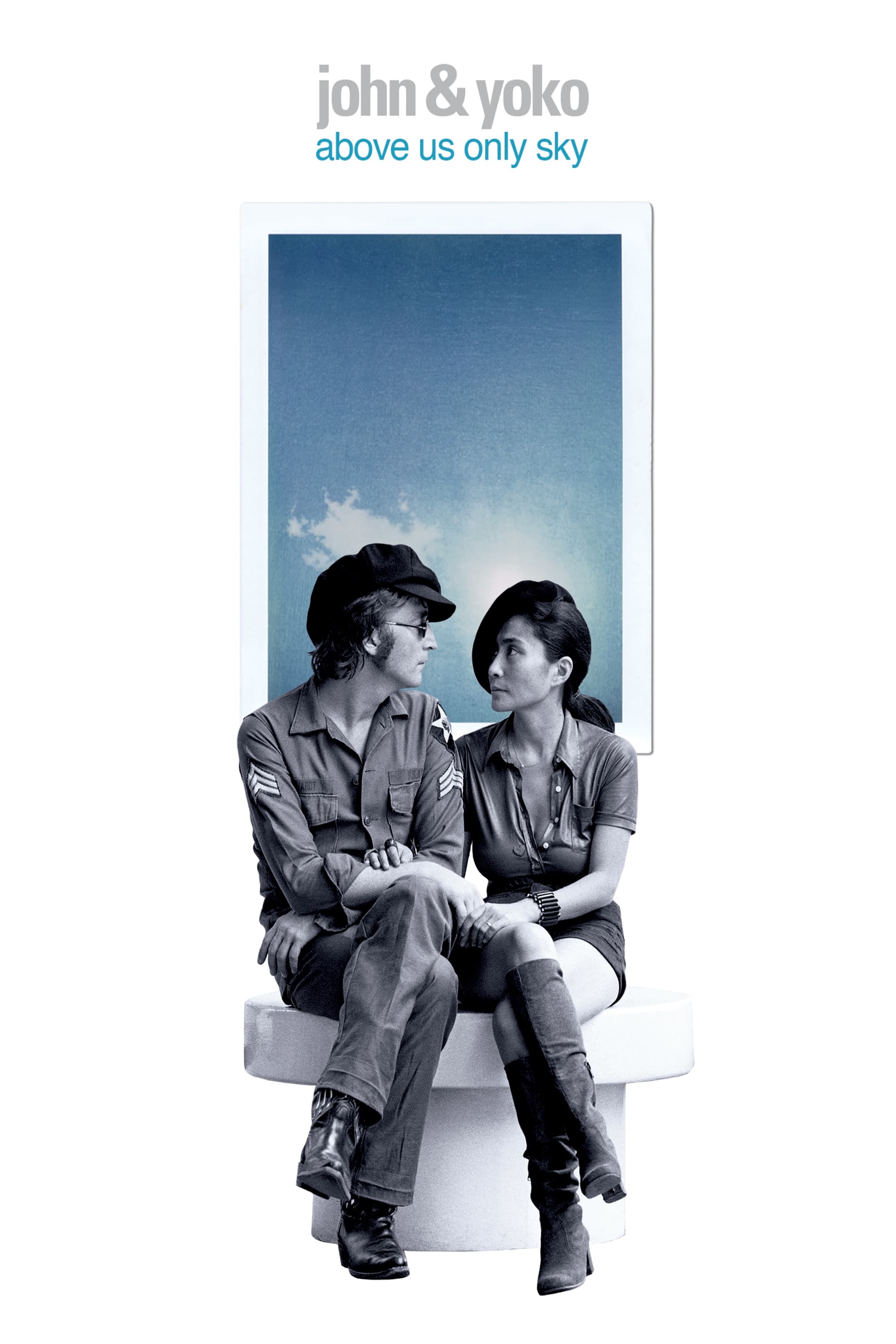
Film telling the untold story of John Lennon's 1971 album Imagine, exploring the creative collaboration between Lennon and Yoko Ono and featuring interviews and never-seen-before footage.
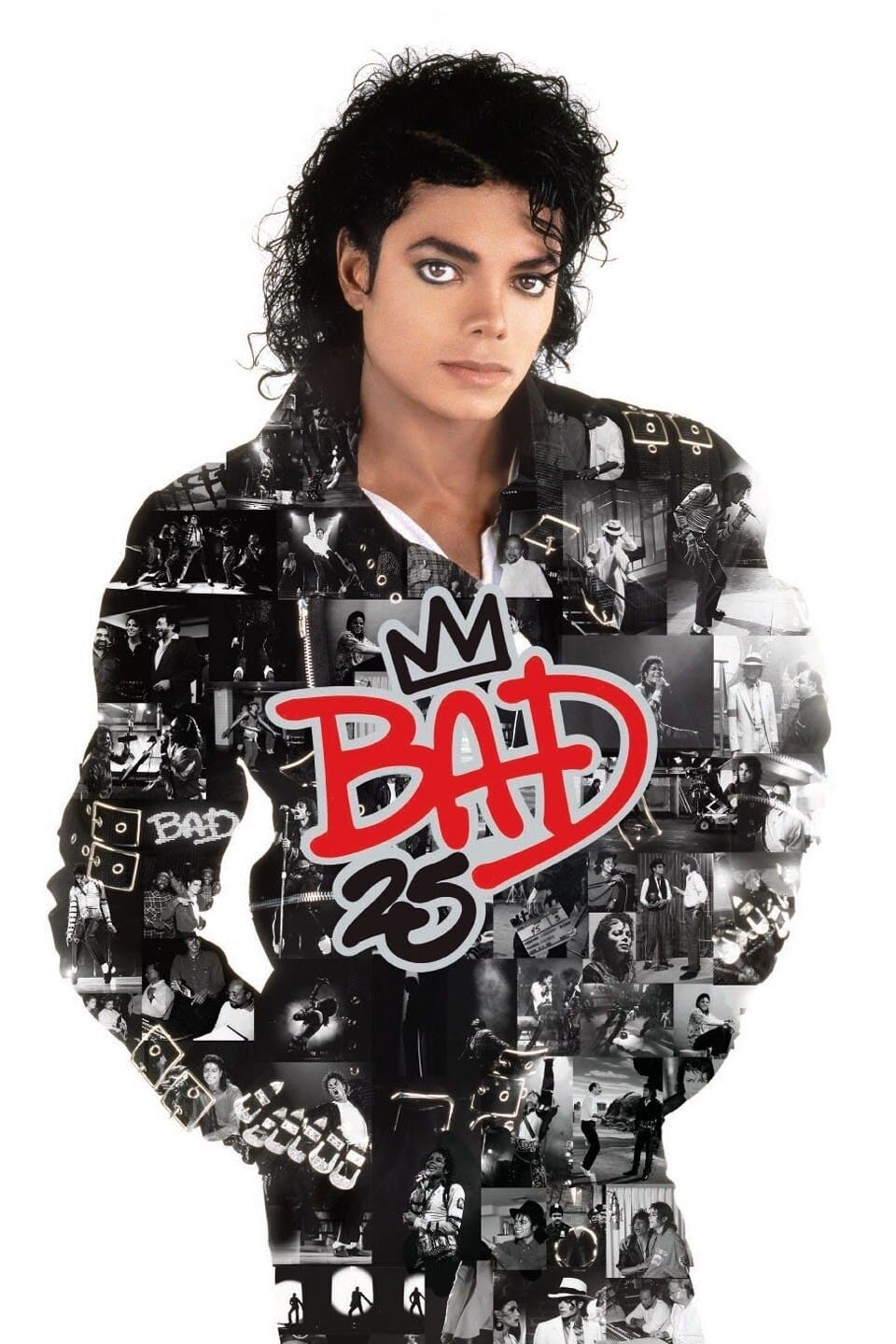
Spike Lee pays tribute to Michael Jackson's Bad on the twenty-fifth anniversary of the epochal album, offering behind-the-scenes footage of Jackson recording the album and interviews with confidants, musicians, choreographers, and such music-world superstars as Kanye West, Sheryl Crow, Cee Lo Green and Mariah Carey.
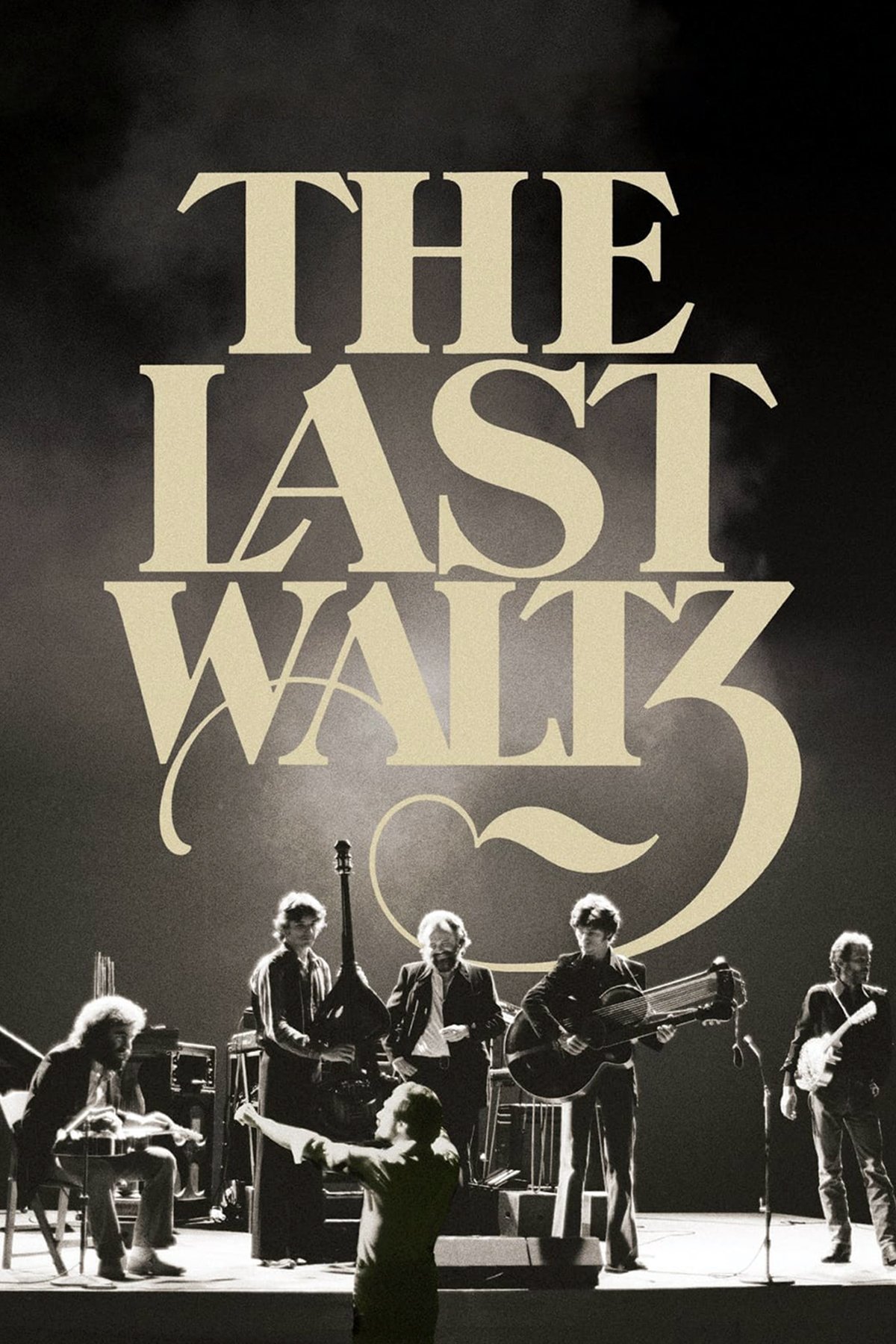
Martin Scorsese's documentary intertwines footage from The Band's incredible farewell tour with probing backstage interviews and featured performances by Eric Clapton, Bob Dylan, Joni Mitchell, Van Morrison, and other rock legends.
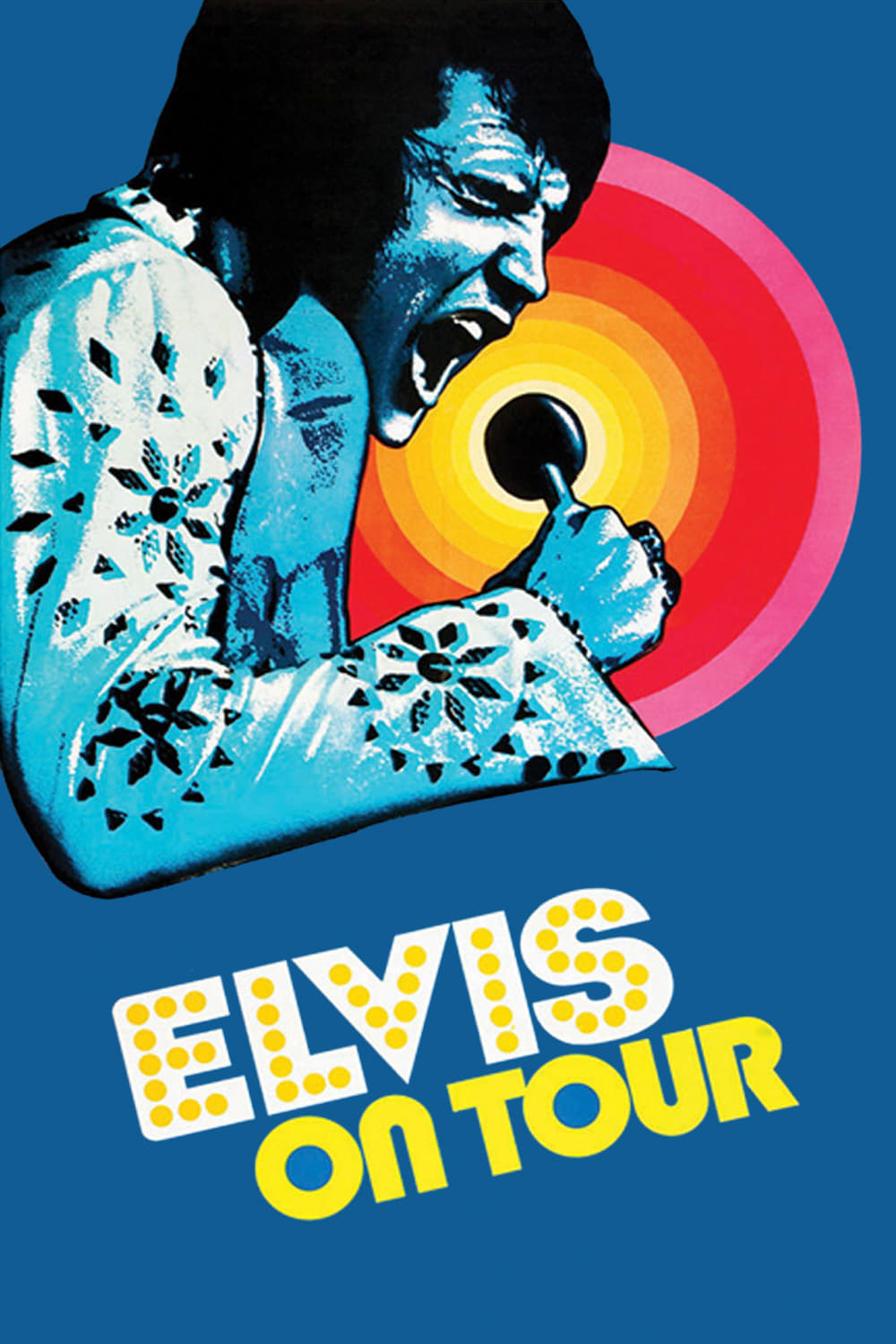
This documentary captures Elvis Presley on his 1972 American tour and includes rehearsals, interviews, archival television appearances and backstage moments. With Elvis at his most flamboyant, the film features well-known hits and cover songs showcasing his country, gospel and rhythm-and-blues influences.
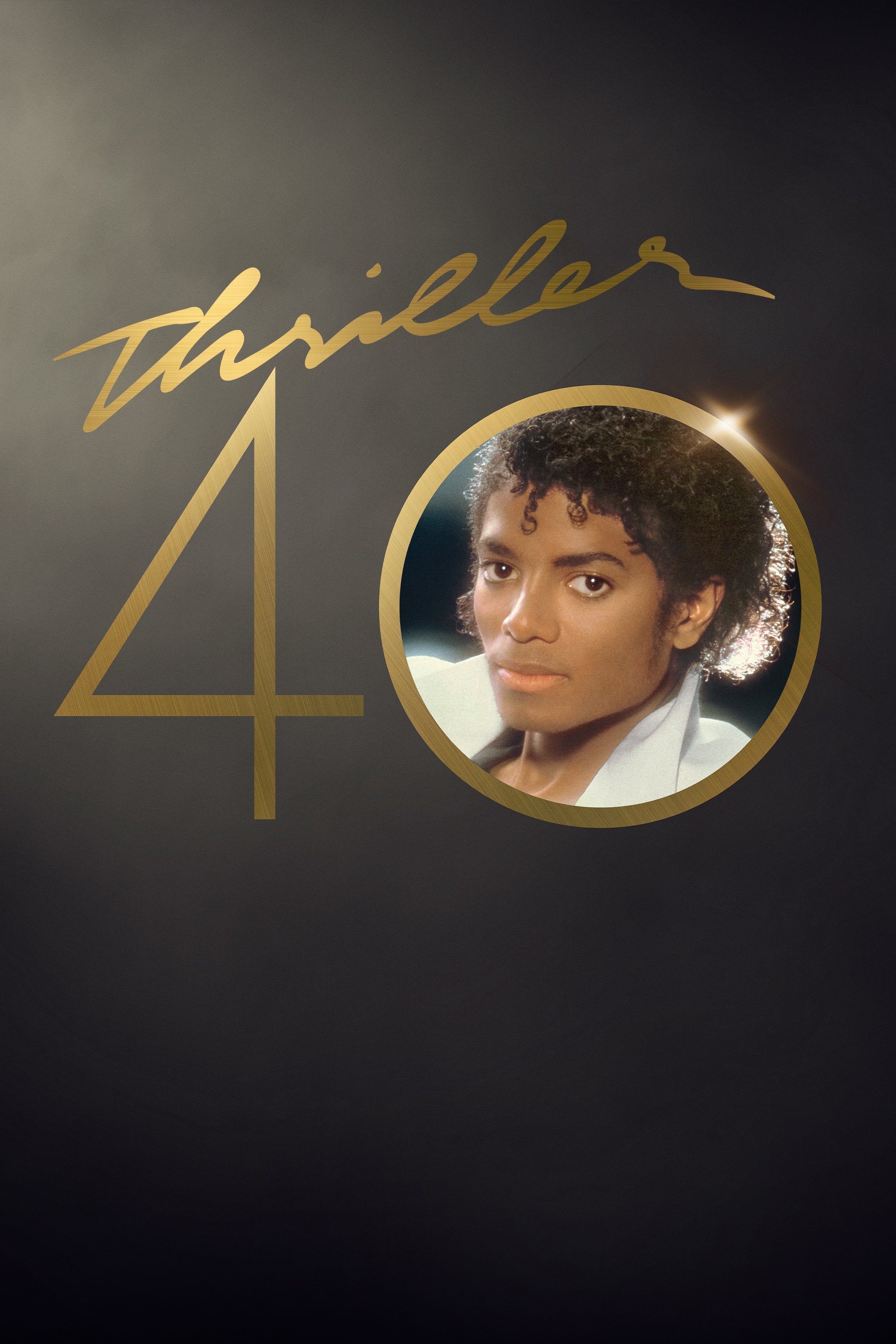
Forty years after the release of Michael Jackson’s ‘Thriller,’ the best-selling album of all-time, director Nelson George takes fans back in time to the making of a pop masterpiece, featuring never-before-seen footage and candid interviews.
Pull back the curtain on the remarkable history of six decades of James Bond music, from Sean Connery’s Dr No through to Daniel Craig’s final outing in No Time to Die.
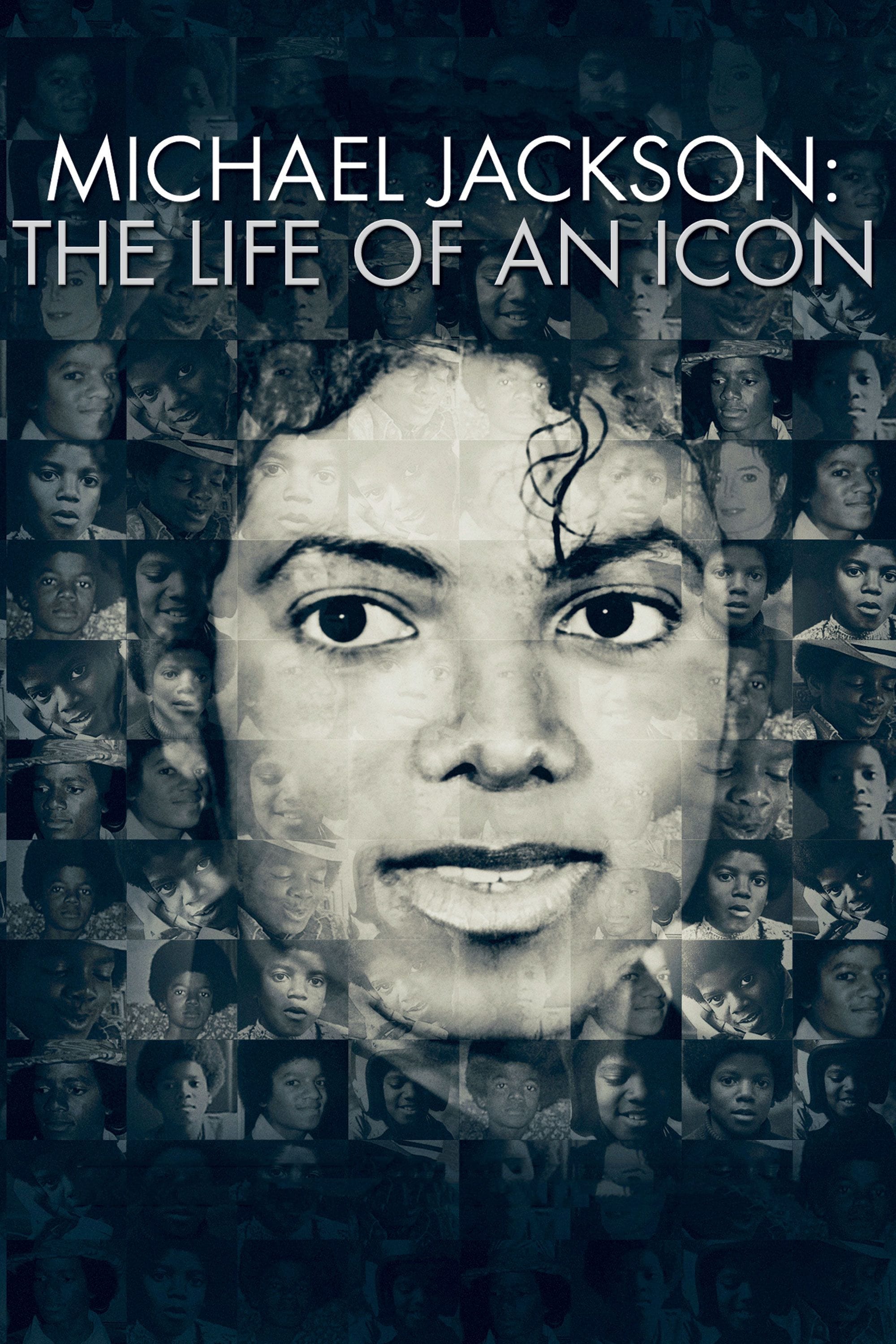
See Michael Jackson, one of the most recognizable and popular entertainers of all time, like never before in the feature-length tribute Michael Jackson: The Life of an Icon. Known to millions of fans worldwide for his record-breaking albums, groundbreaking music videos, mesmerizing dance moves and humanitarian efforts, his true story has never really been told...until now. This unprecedented look into the King of Pop's fascinating life includes all-new interviews with his mother Katherine Jackson as well as siblings Tito and Rebbie Jackson, his nephew Jaafar Jackson and niece Tahkyah brings plenty Jackson and Friends ends and music legends such as Smokey Robinson, Dionne Warwick and his 3 children and many more.
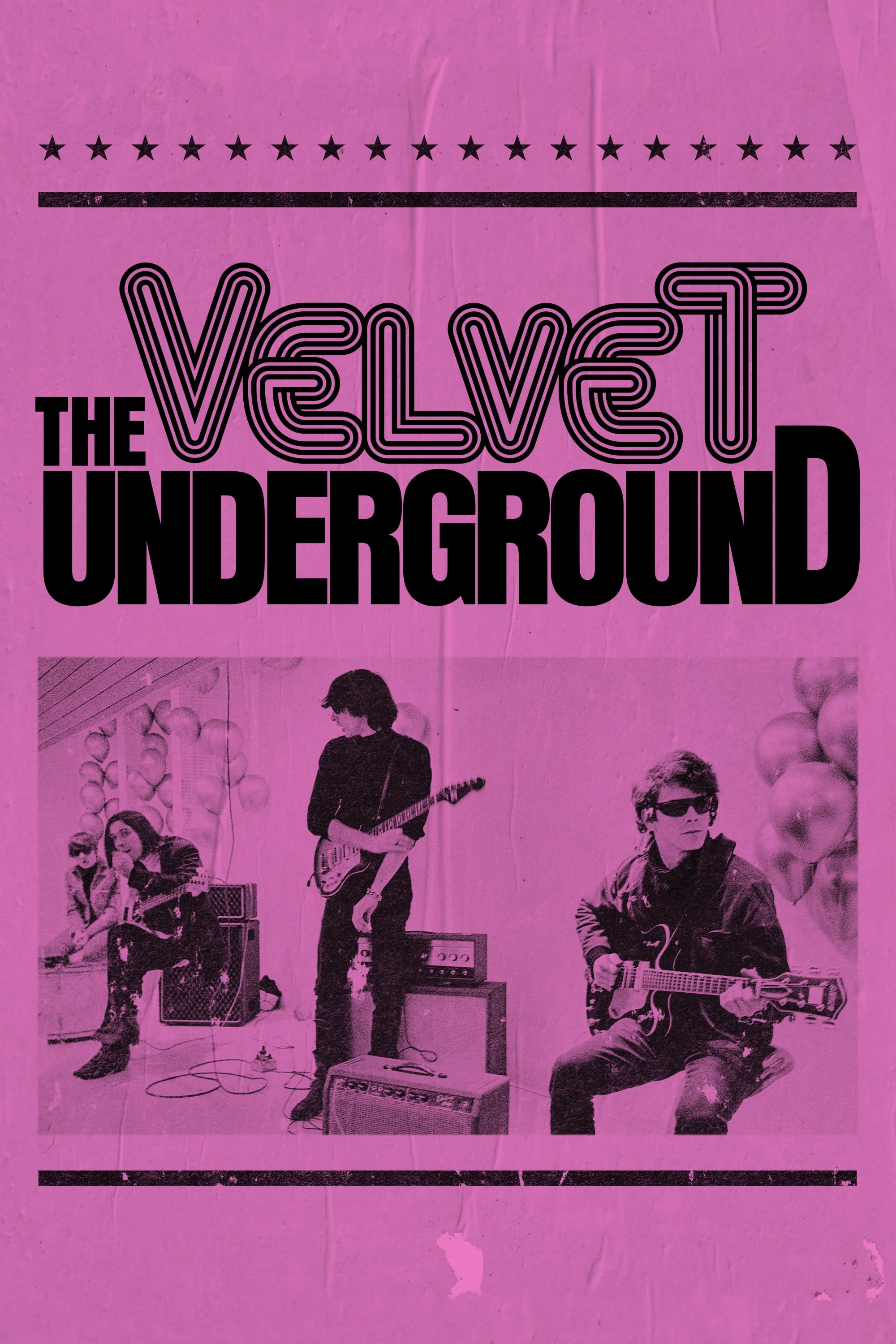
Experience the iconic rock band's legacy in the first major documentary to tell their story. Directed with the era’s avant-garde spirit by Todd Haynes, this kaleidoscopic oral history combines exclusive interviews with dazzling archival footage.
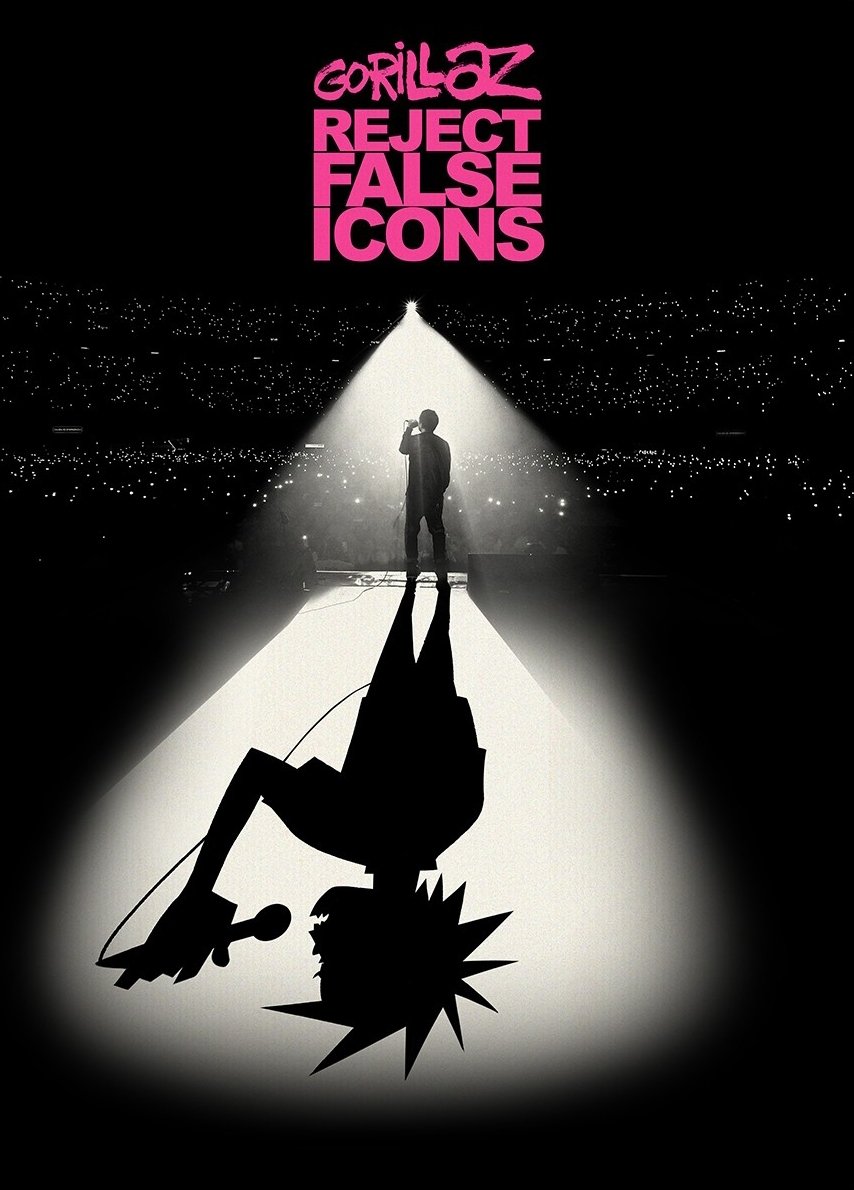
Focused on the life of the band and their collaborators over the 3 vital years in which they developed critically acclaimed albums, 'Humanz' and 'The Now Now', and undertook their most ambitious world tour to date.
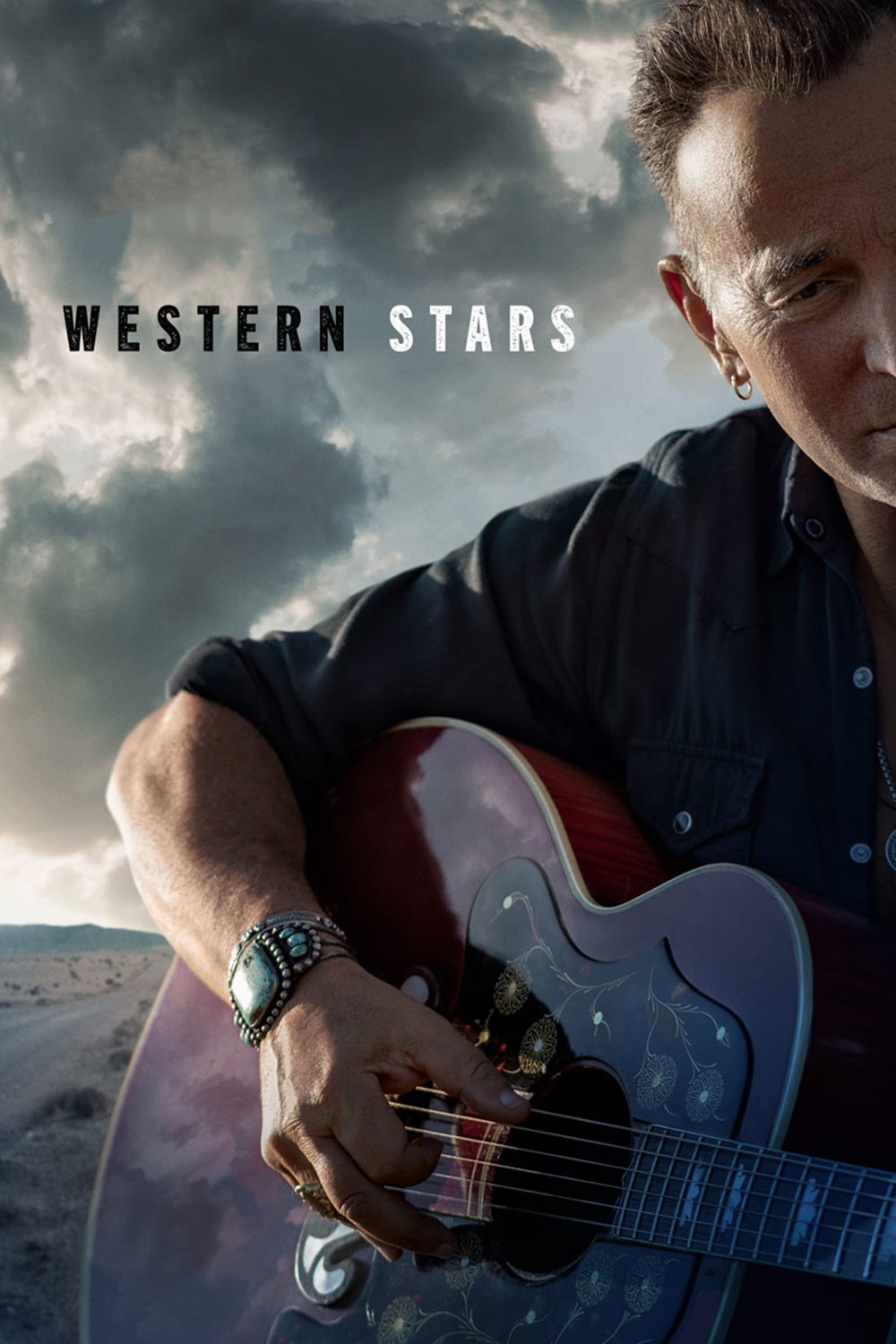
The incomparable Bruce Springsteen performs his critically acclaimed latest album and muses on life, rock, and the American dream, in this intimate and personal concert film co-directed by Thom Zimny and Springsteen himself.
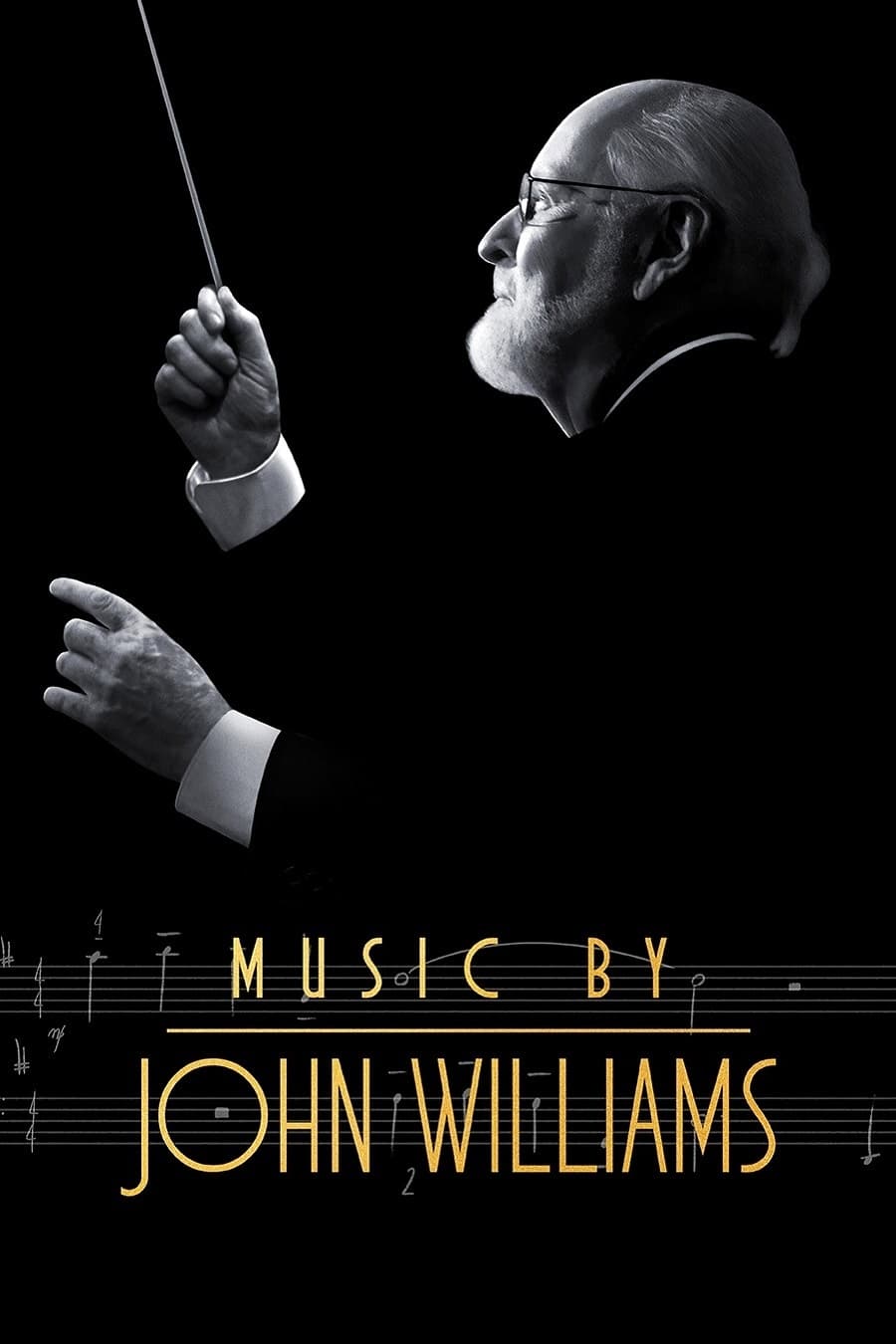
His unforgettable scores are an essential part of some of the most beloved movies of our time, over a career that spans decades. See and hear maestro John Williams' own story, with insights from filmmakers, musicians, and others he has inspired, complete with rare behind-the-scenes looks at the making of movie history.
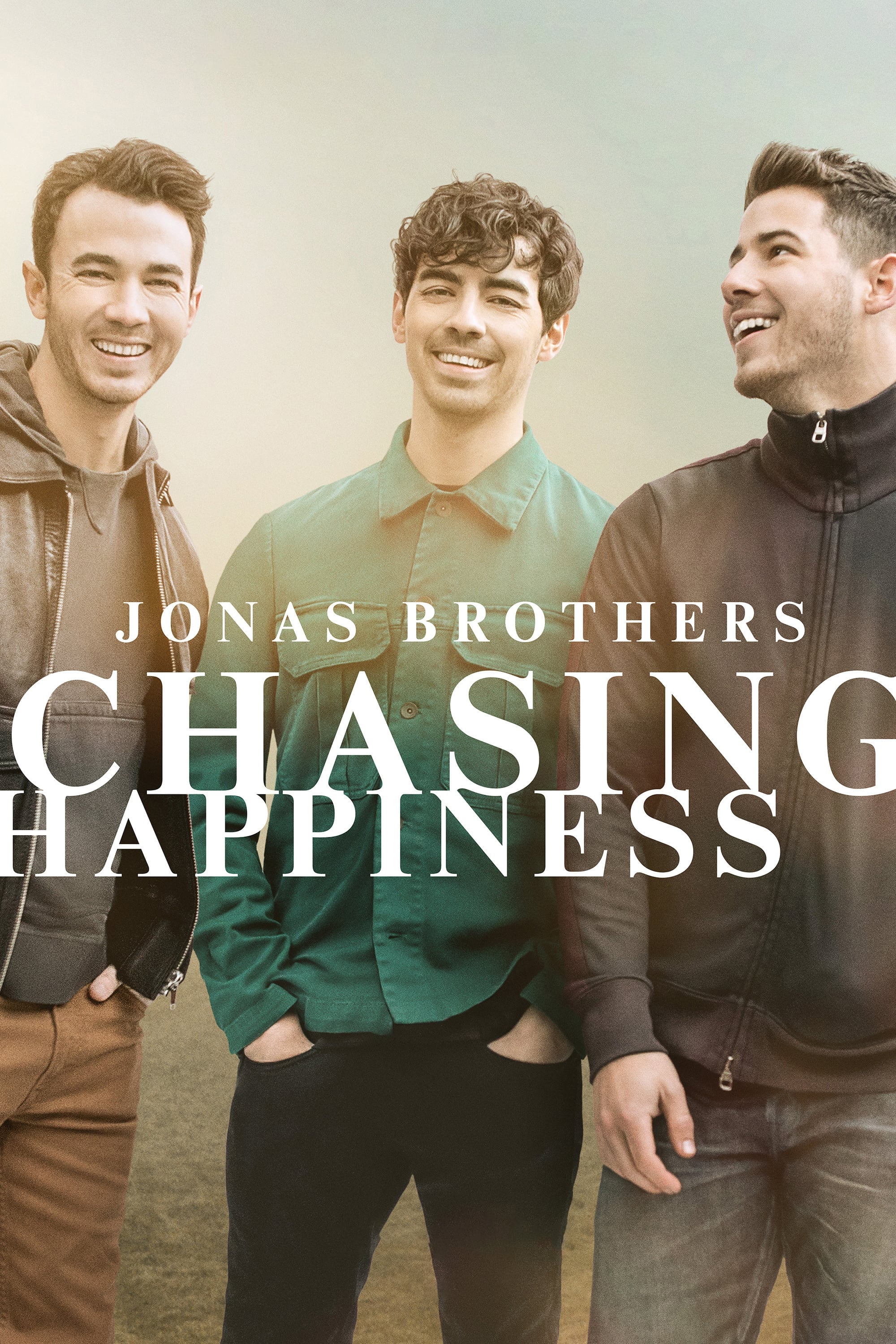
From humble roots as pastor's sons in New Jersey, through their meteoric rise to fame, the Jonas Brothers' bond was unshakeable-until a surprising and painful breakup led Joe, Kevin and Nick down very different paths. With deeply personal interviews, previously unreleased footage and exclusive music, this is the Jonas Brothers as never seen before.
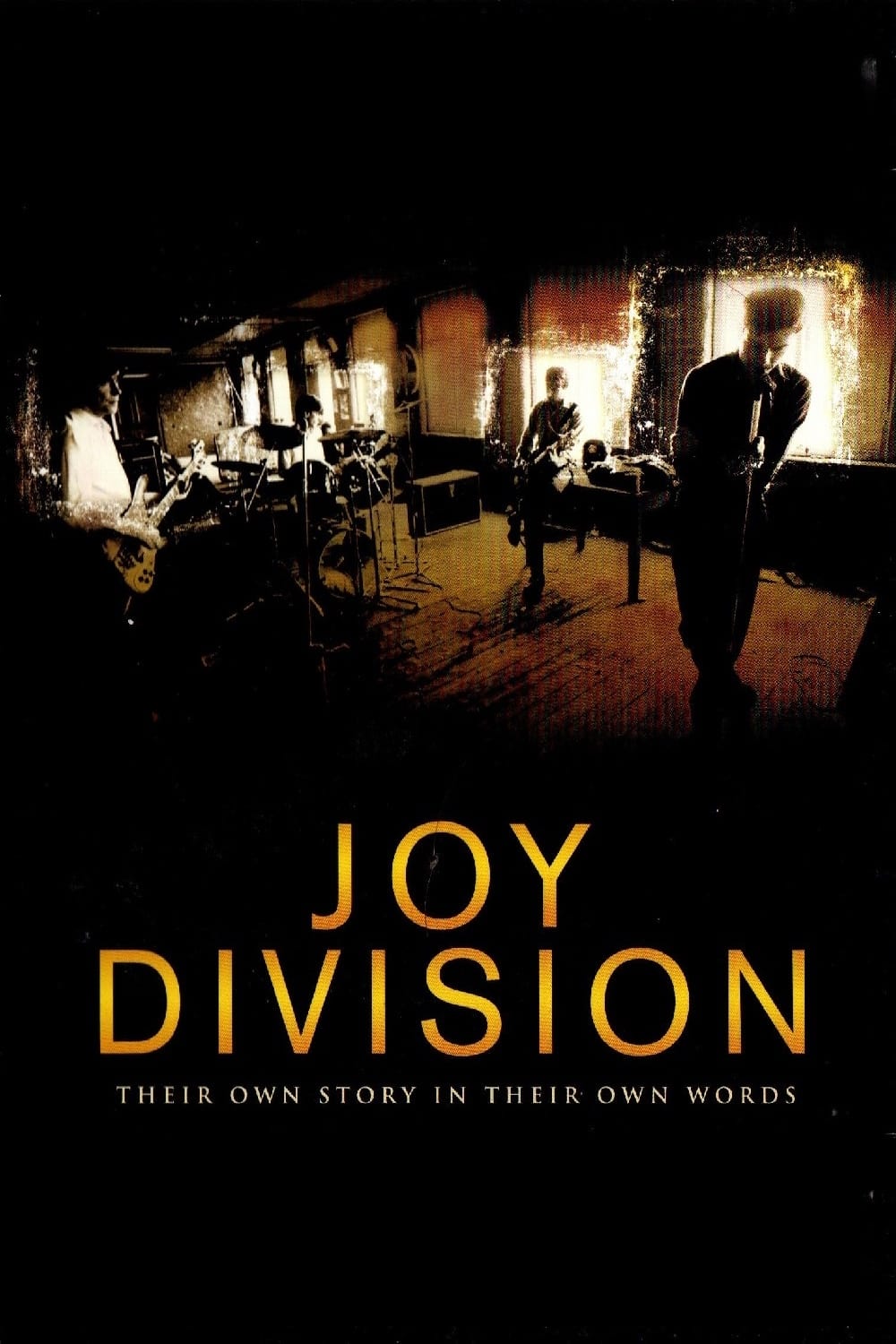
A chronological account of the influential late 1970s English rock band.