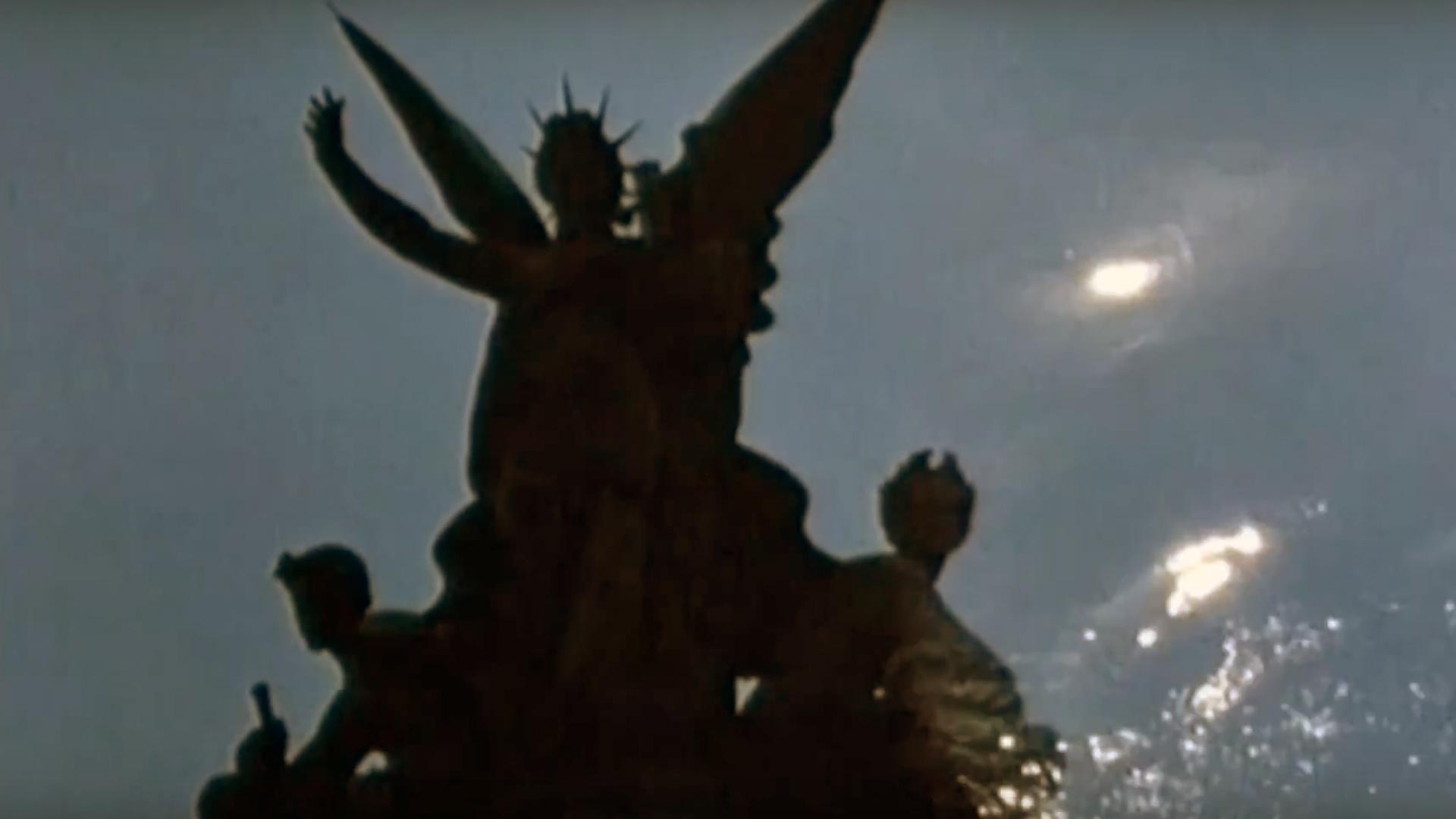
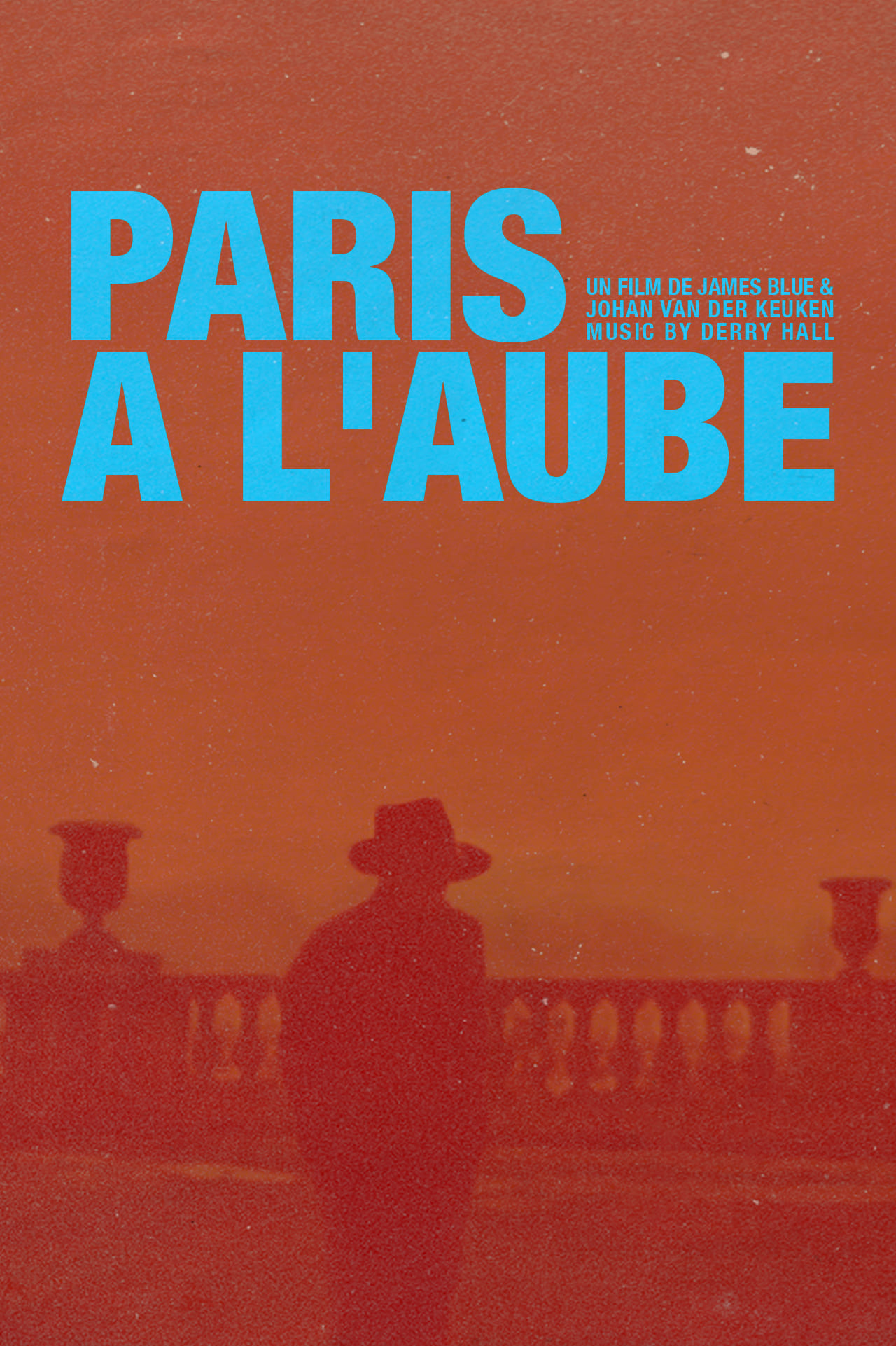
Johan van der Keuken's first film is a uniquely beautiful portrait of Paris at dawn.
Social & External
The people behind it
The Italian architect Giancarlo De Carlo (Genoa 1919 - Milan 2005), inspires generations of architects all over the world. His philosophy still remain a school subject. The film, inspired by Franco Buncuga's book “Conversations with Giancarlo de Carlo”, recalls an imaginary trip from Genoa to Urbino, guiding the audience through the historical town center, the Palazzo Ducale and the masterpieces of the Italian Renaissance architect Francesco di Giorgio Martini, which made the Urbino so great.
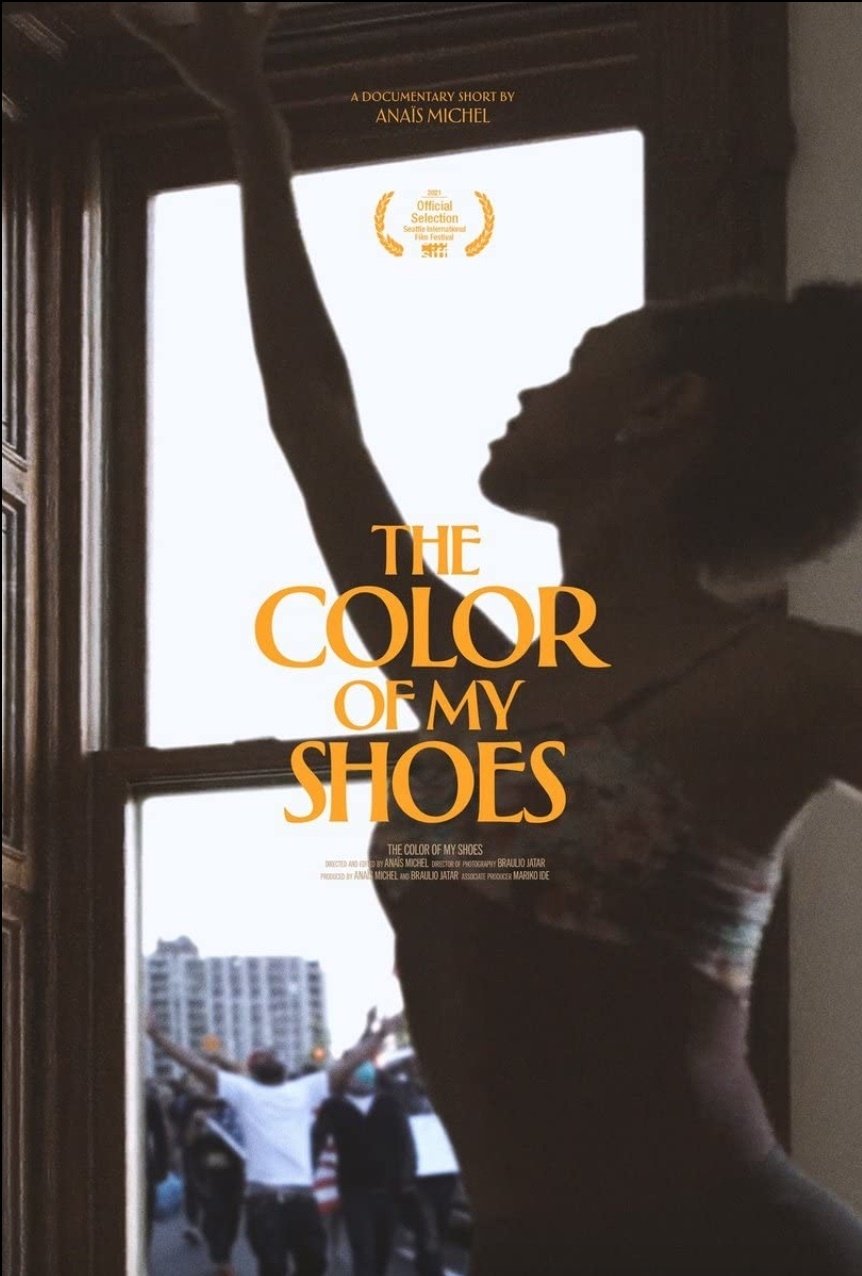
Dance Theater of Harlem's Lindsey Donnell reflects on the obstacles she and other ballet dancers face in ballet and society.
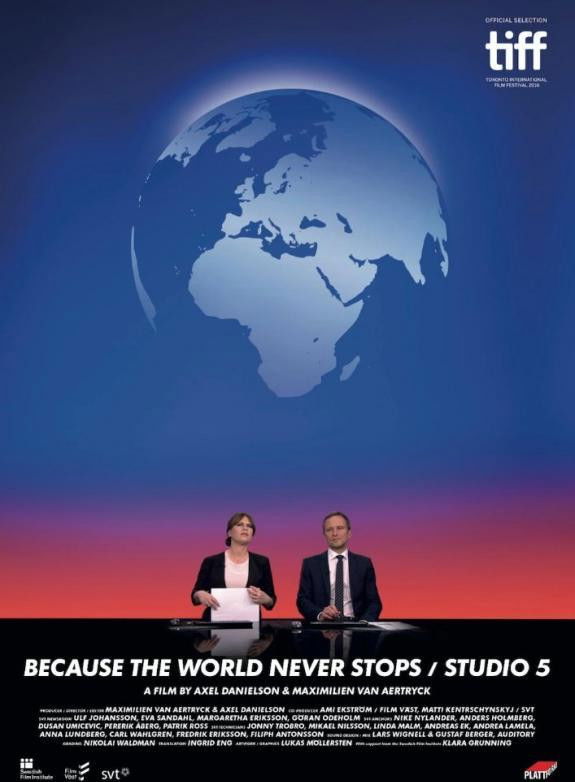
Shot live in the studio during the evening broadcast on Swedish public television, the film shows the news like you've never seen them before.
An exploration —manipulated and staged— of life in Las Hurdes, in the province of Cáceres, in Extremadura, Spain, as it was in 1932. Insalubrity, misery and lack of opportunities provoke the emigration of young people and the solitude of those who remain in the desolation of one of the poorest and least developed Spanish regions at that time.
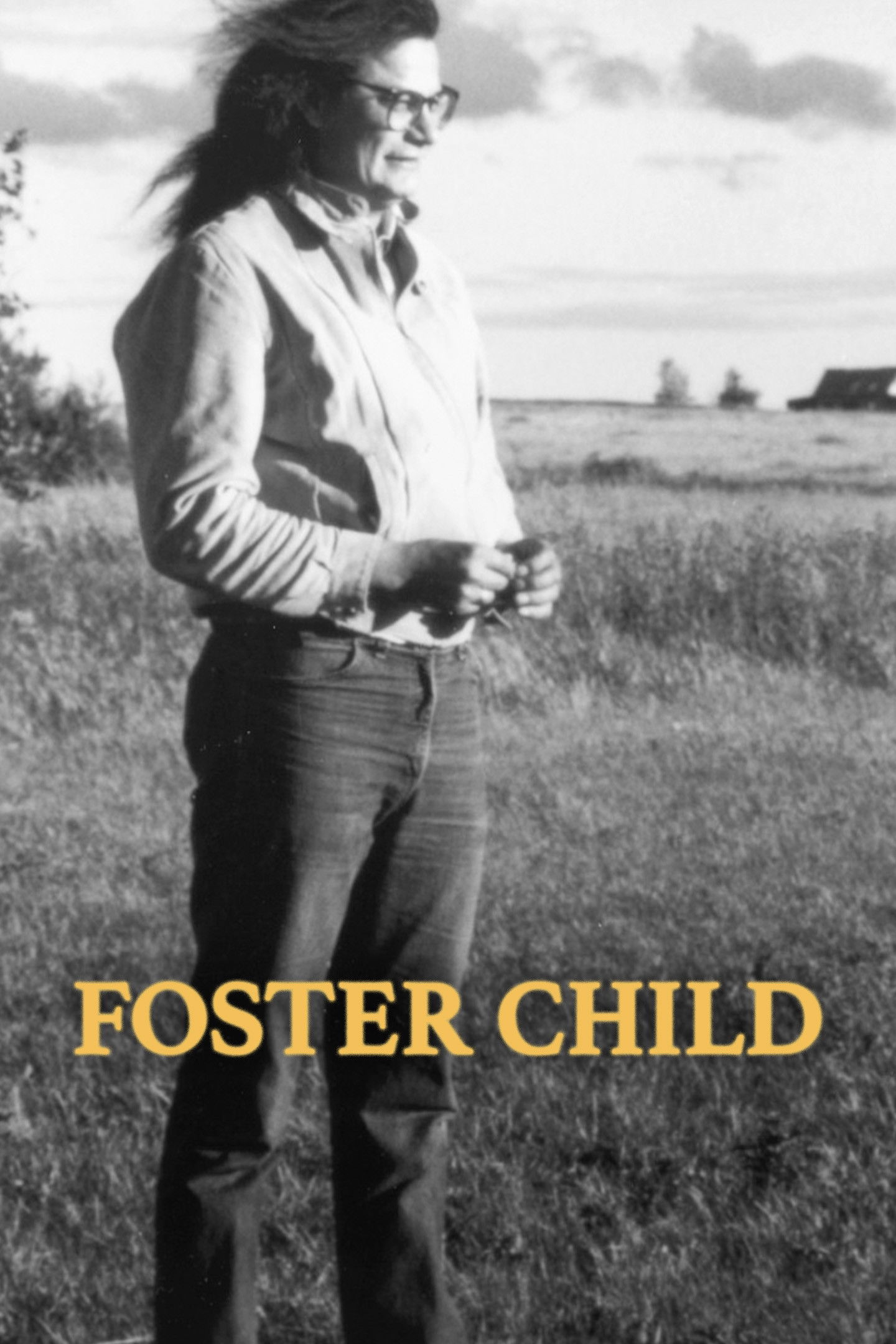
Gil Cardinal searches for his natural family and an understanding of the circumstances that led to his becoming a foster child. An important figure in the history of Canadian Indigenous filmmaking, Gil Cardinal was born to a Métis mother but raised by a non-Indigenous foster family, and with this auto-biographical documentary he charts his efforts to find his biological mother and to understand why he was removed from her. Considered a milestone in documentary cinema, it addressed the country’s internal colonialism in a profoundly personal manner, winning a Special Jury Prize at Banff and multiple international awards.
The original documentary on the Wigstock festival, back in the day when it was a much smaller affair in Thompkins Square Park. A full day of peace, love, and wigs…
A small UFO flies through the streets of Amsterdam one evening. No one seems to notice. In the spaceship are two aliens enjoying the view. They disappear again just as suddenly as they came. Short experimental animation film is a homage to film-maker Ed Wood.
Cast and crew discuss how a no-budget slasher movie became an international sensation. Produced for the "Friday the 13th" DVD.
Ballet by the Lake: The Wilderness Ballet Camp in Ontario's Algonquin Park. Dancing on the Rockies: The Banff School of Fine Arts ballet class practises out of doors.
The story behind the translation and performance of Shakespeare's "Hamlet" in Klingon.
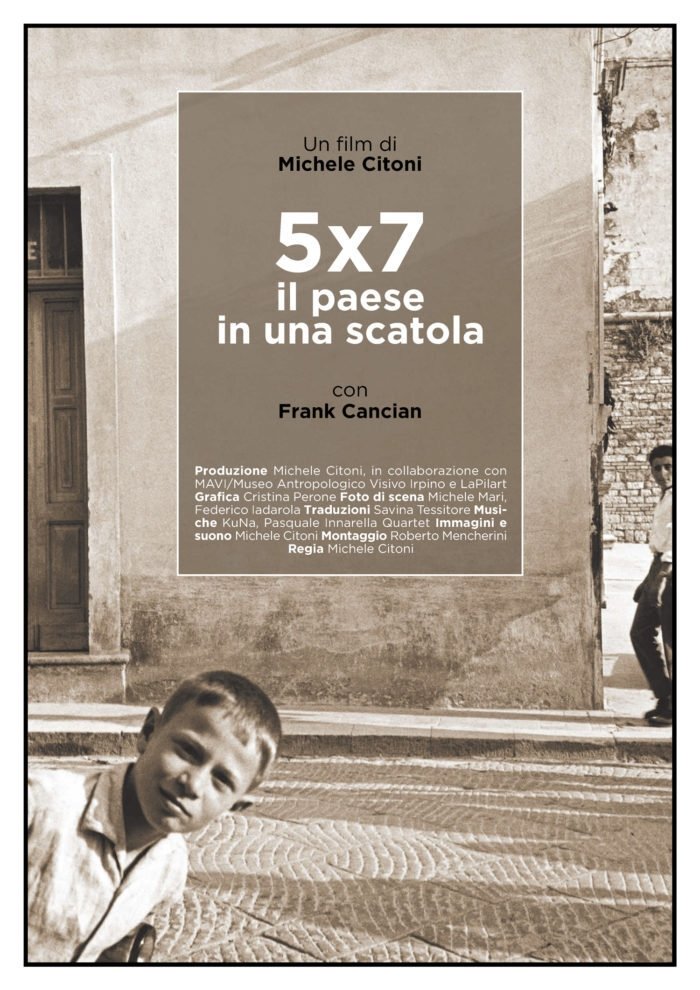
A beautiful collection of pictures ties Frank Cancian, an elderly photographer and retired professor of anthropology, American with origin from Veneto, to the people of Lacedonia, a small town in southern Italy. Thanks to the rediscovery of the photos taken in 1957 by the young Cancian in that rural village where he had arrived almost by chance, the story resumes there where it was interrupted 60 years earlier. And the thread of memories ties back to people and places, bringing with itself some essential reflections on how photography can become an ethnographic look at small communities.
Of The Mountains sees three snowboarders of unique and uncommon backgrounds come together for a lifetime trip to the iconic backcountry of Hokkaido, Japan. It is a story of mentorship, unlimited possibility, and the transformative power of perfect powder.
An insight into a girls' group in a mining community in the Ruhr region.
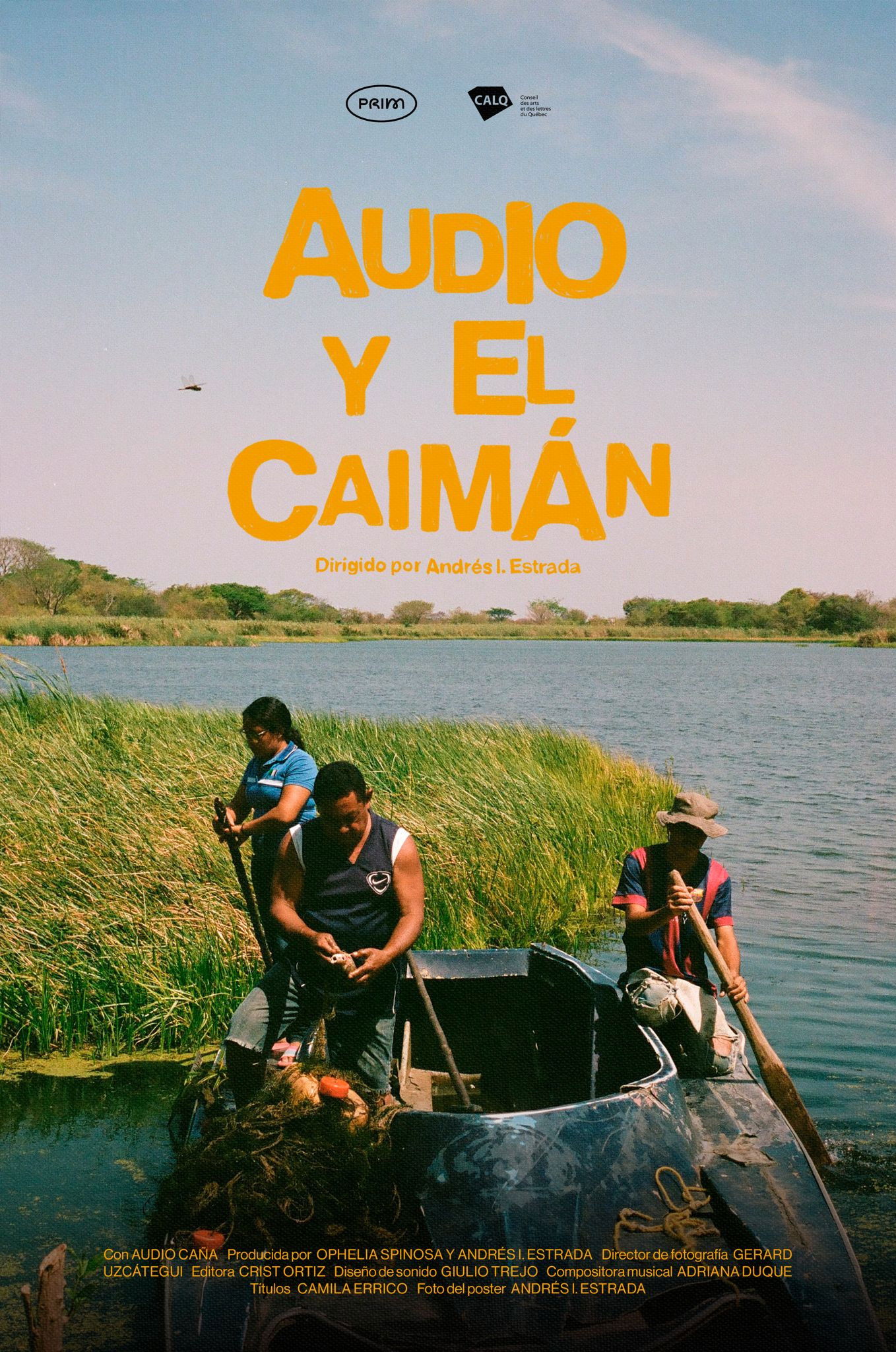
Audio Caña, an old farmer in rural Venezuela, believes there is a giant alligator living in his pond. With his family's help, he's determined to prove its existence to his friends who are often dissuaded by his exaggerated stories.
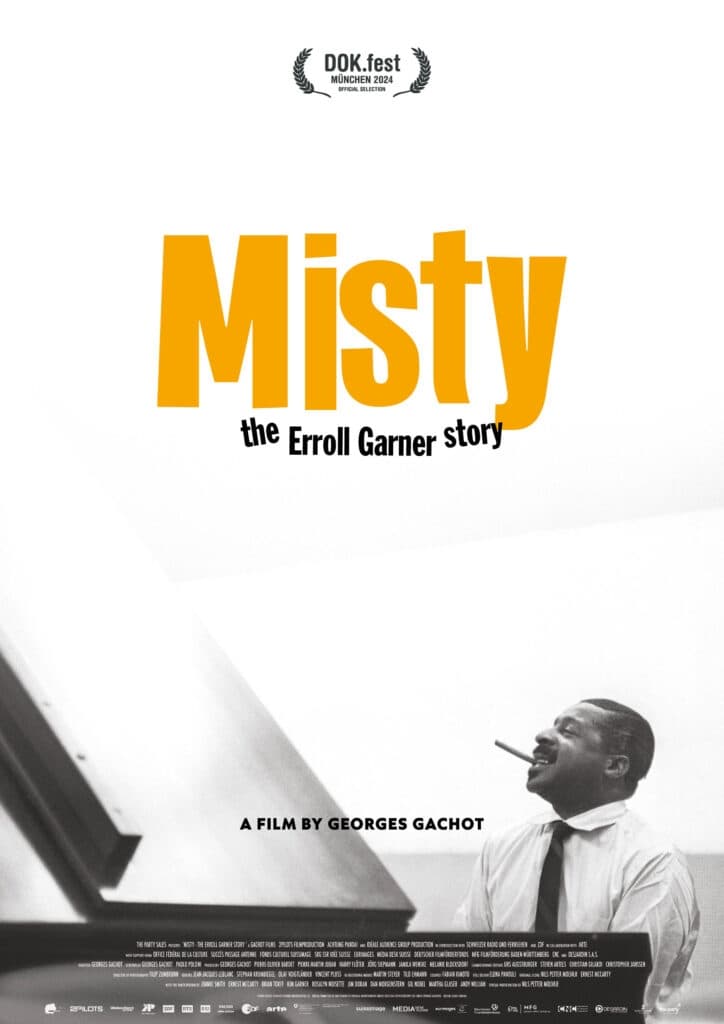
The brilliant self-taught pianist Erroll Garner left his mark on jazz forever. His song Misty, which he allegedly composed between two concerts on an aeroplane, immediately became one of the great jazz standards and is still one of the most covered ballads in the world today. Who was the man behind the ever-friendly smile from the ghettos of Pittsburgh, whose talent brought him to the biggest international stages?
Short Belgian documentary on volcanos in the former Belgian Congo
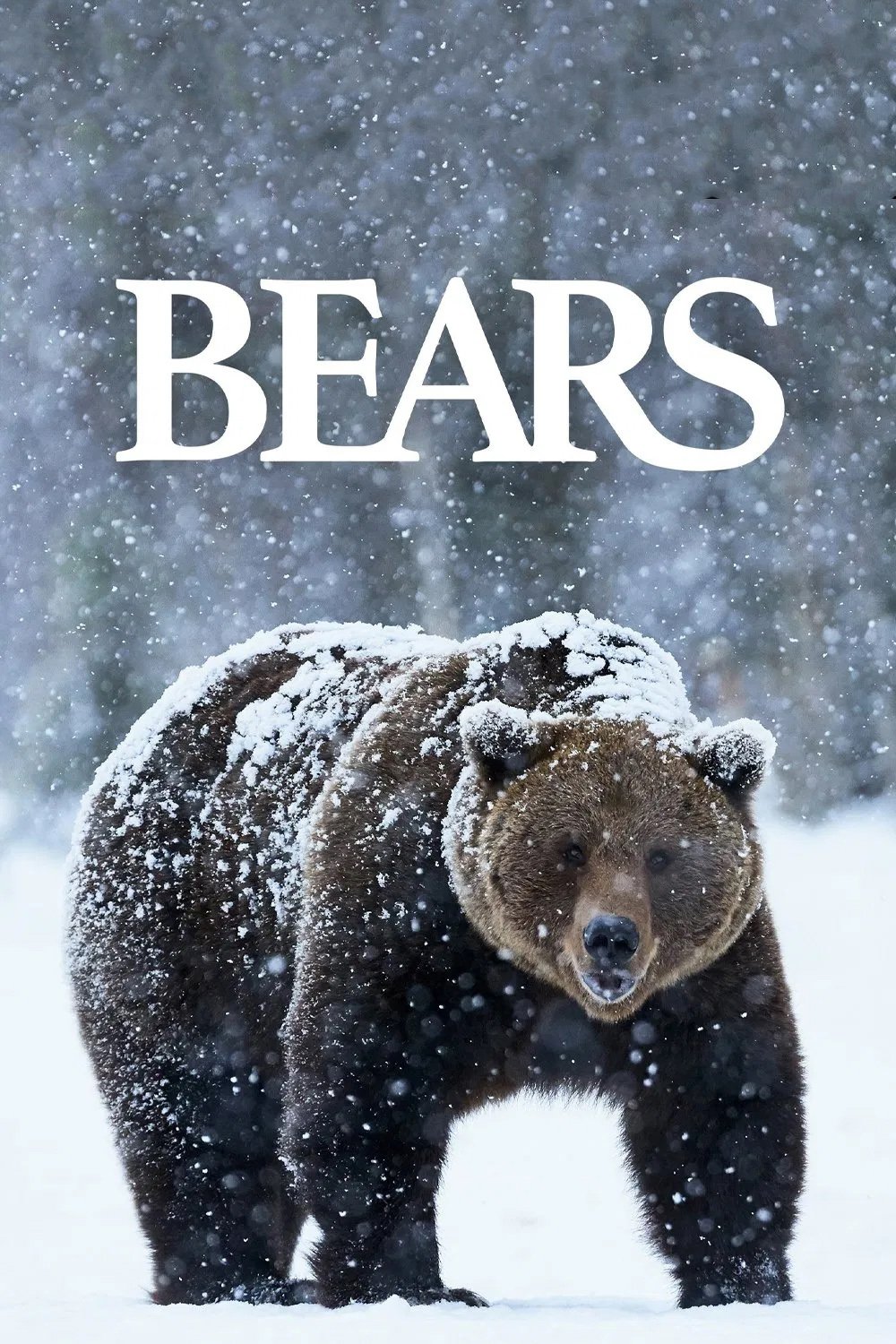
From polar bears in the arctic tundra to black bears in the Northern Rockies, you'll see some of the most spectacular footage ever shot of these enterprising omnivores. Catch salmon with a group of hungry grizzlies on the McNeil River in Alaska. Crawl inside a den with a mother black bear and her cubs. Learn about the challenges facing each of these species as their habitat diminishes.
The Falklands War began on April 2, 1982, with the Argentine landing on the islands ordered by Leopoldo Fortunato Galtieri, and culminated with the cessation of hostilities between Argentina and the United Kingdom of Great Britain on June 14, 1982. Through dynamic editing and the use of archival materials, the documentary considers the war as part of our recent past, but also opens up multiple questions and reflections on contemporary society and the future projection of what such a conflict generates for us Argentines.
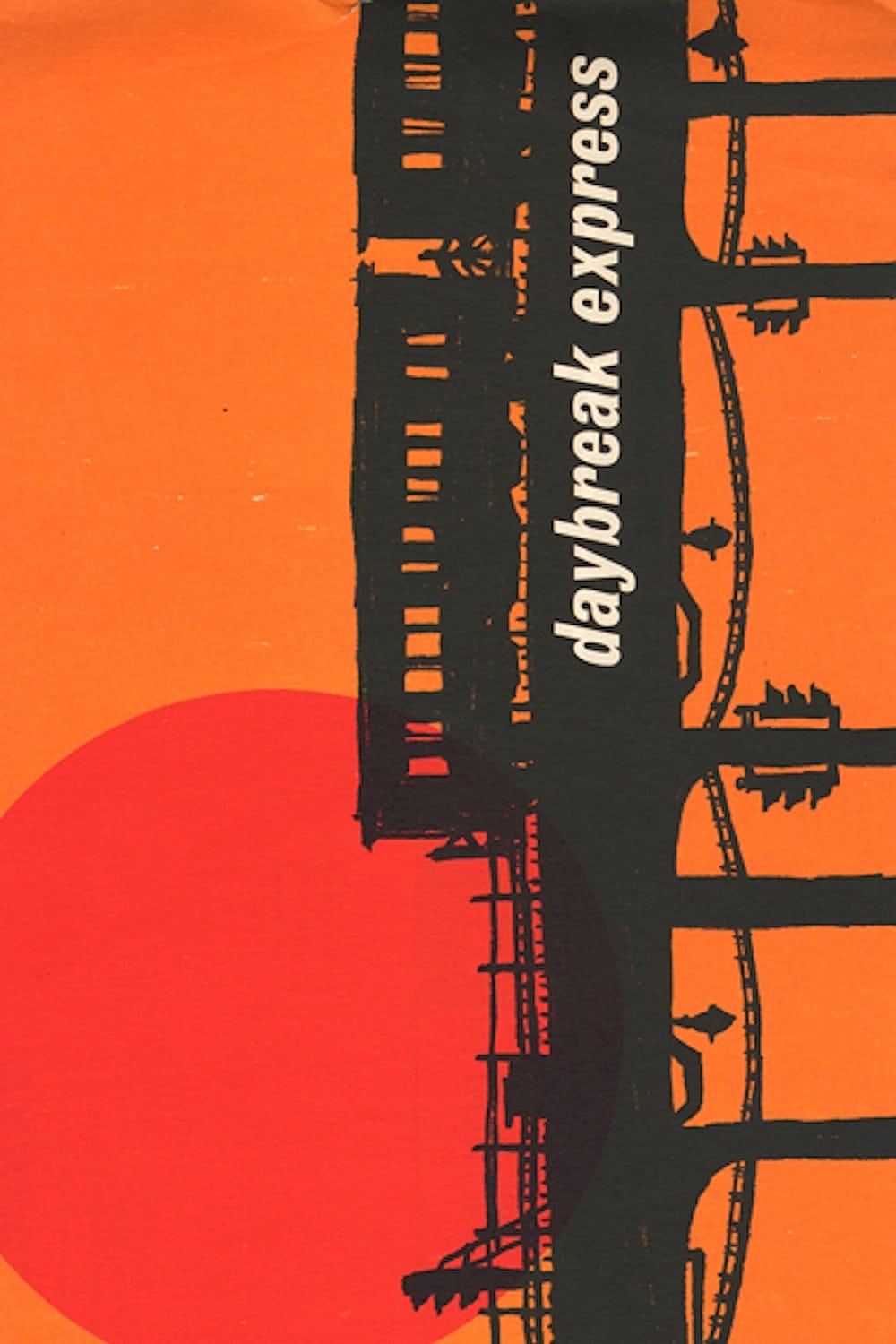
Set to a classic Duke Ellington recording "Daybreak Express", this is a five-minute short of the soon-to-be-demolished Third Avenue elevated subway station in New York City.
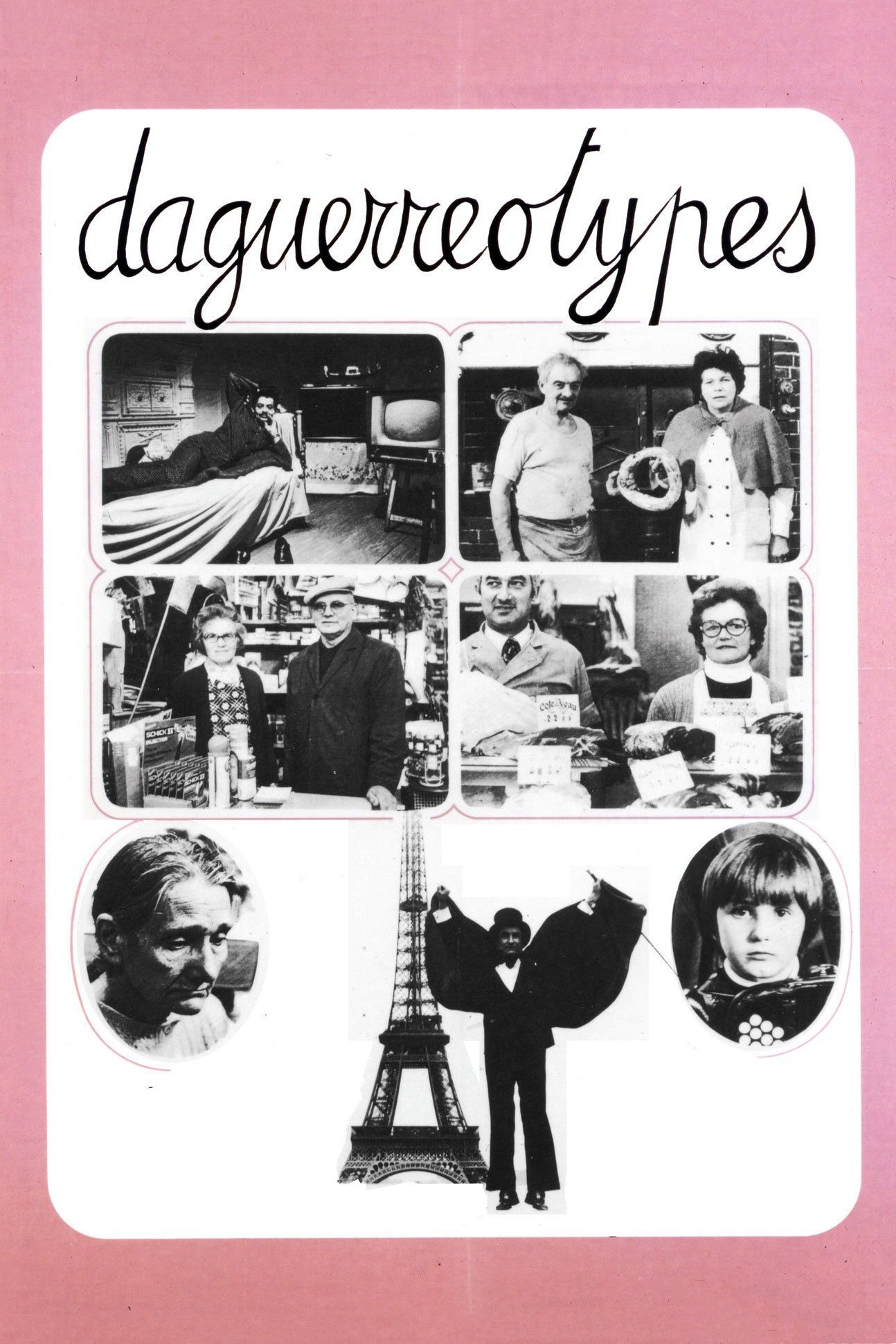
An intimate portrait of the small shops and shopkeepers of the Rue Daguerre in Paris, a picturesque street that has been the filmmaker’s home for more than 50 years.
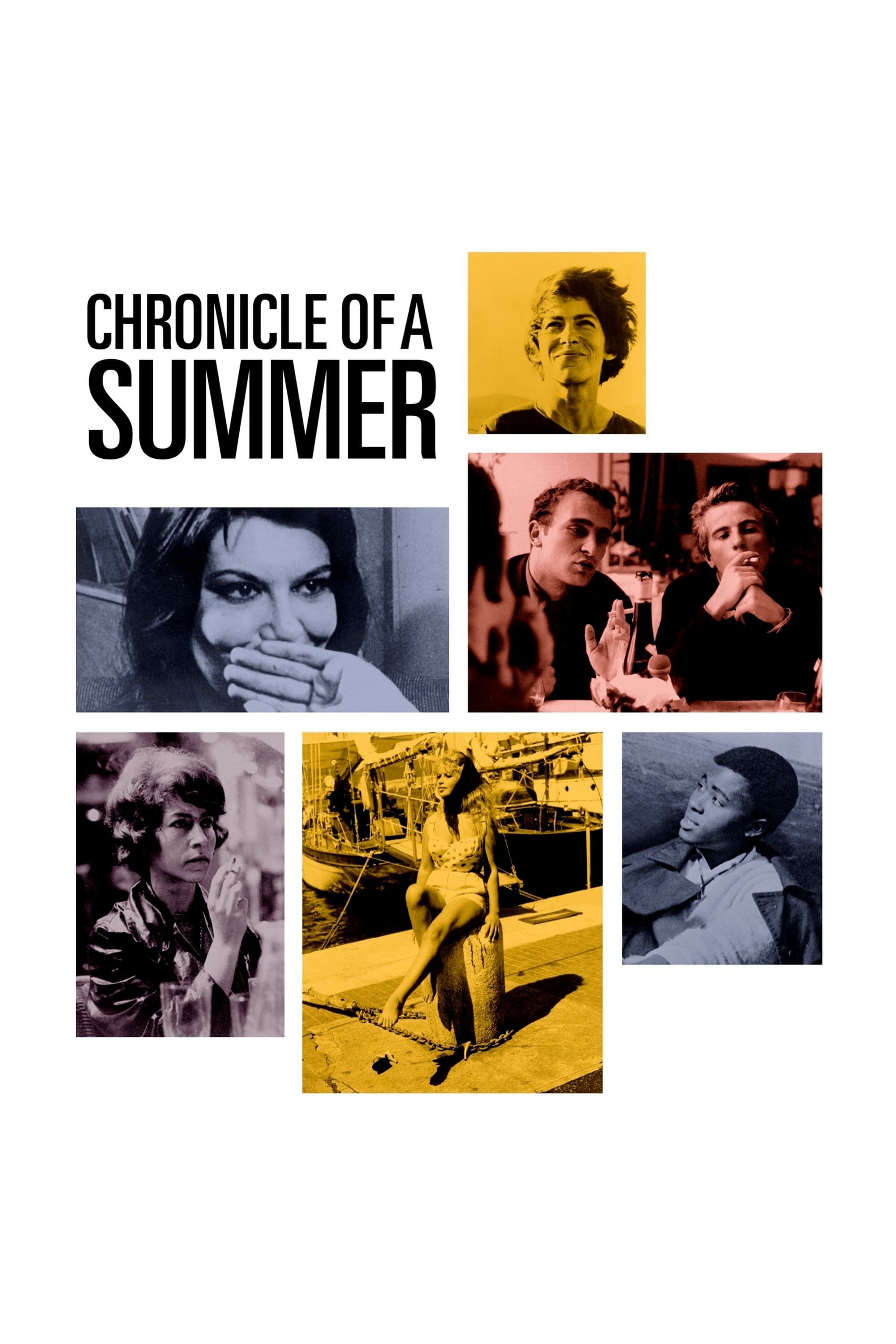
Paris, summer 1960. Anthropologist and filmmaker Jean Rouch and sociologist and film critic Edgar Morin wander through the crowded streets asking passersby how they cope with life's misfortunes.
A visual montage portrait of our contemporary world dominated by globalized technology and violence.
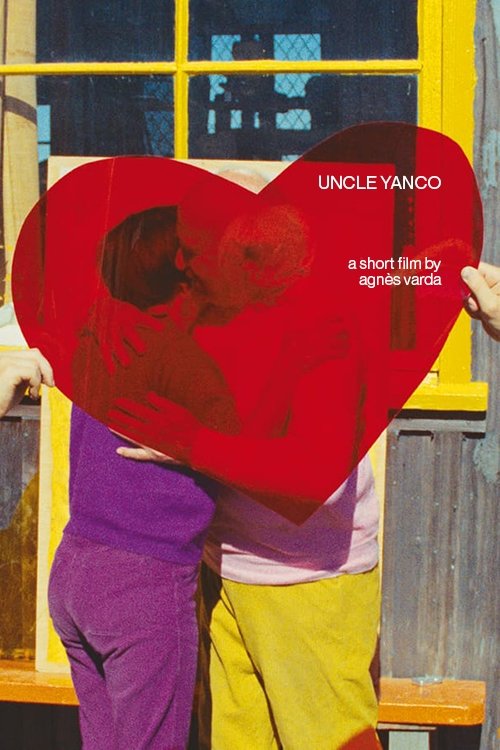
While in San Francisco for the promotion of her last film in October 1967, Agnès Varda, tipped by her friend Tom Luddy, gets to know a relative she had never heard of before, Jean Varda, nicknamed "Yanco". This hitherto unknown uncle lives on a boat in Sausalito, is a painter, has adopted a hippie lifestyle and loves life. The meeting is a very happy one.
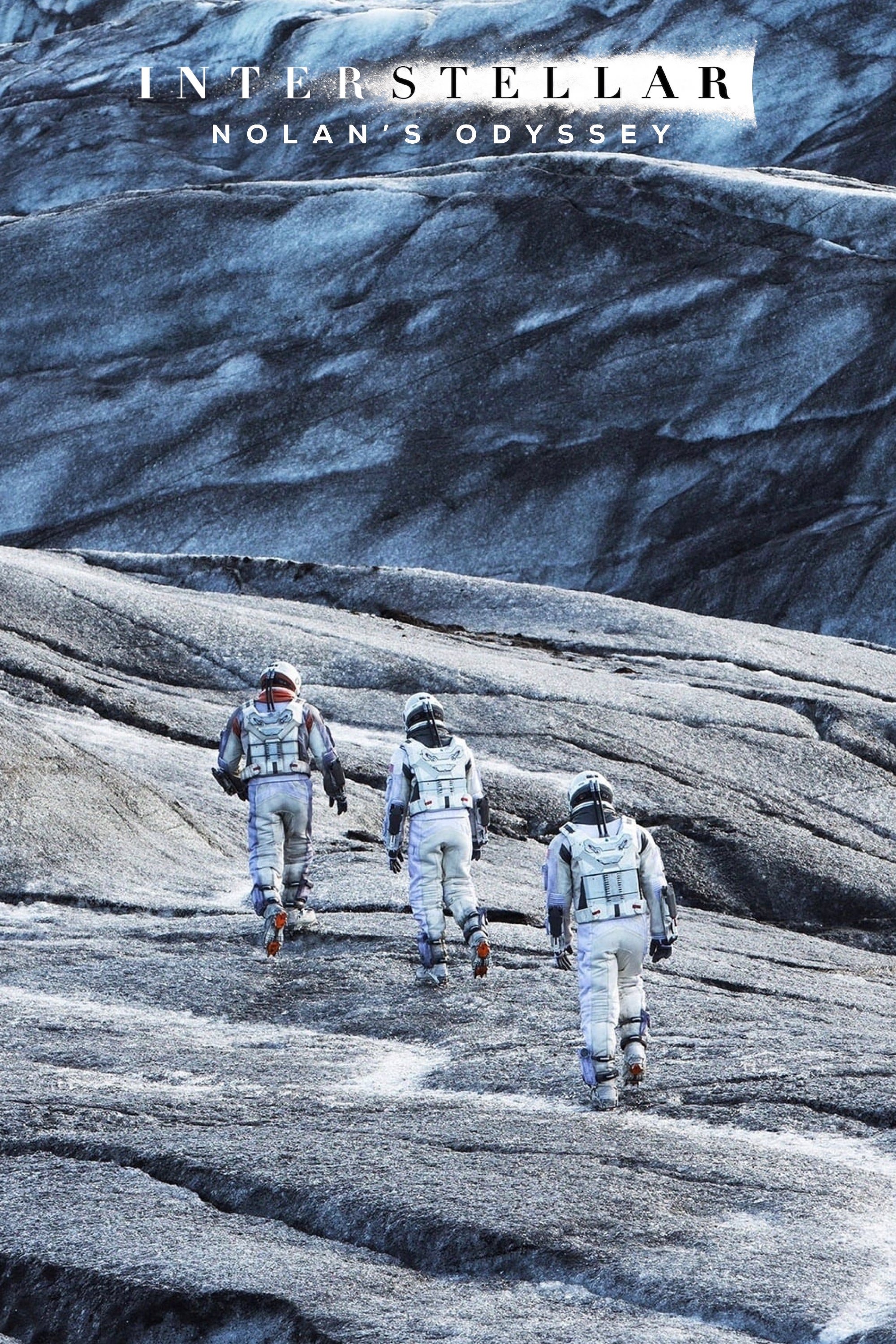
A look behind the lens of Christopher Nolan's space epic.
An inside look at one of the most anticipated movie sequels ever with James Cameron and cast.
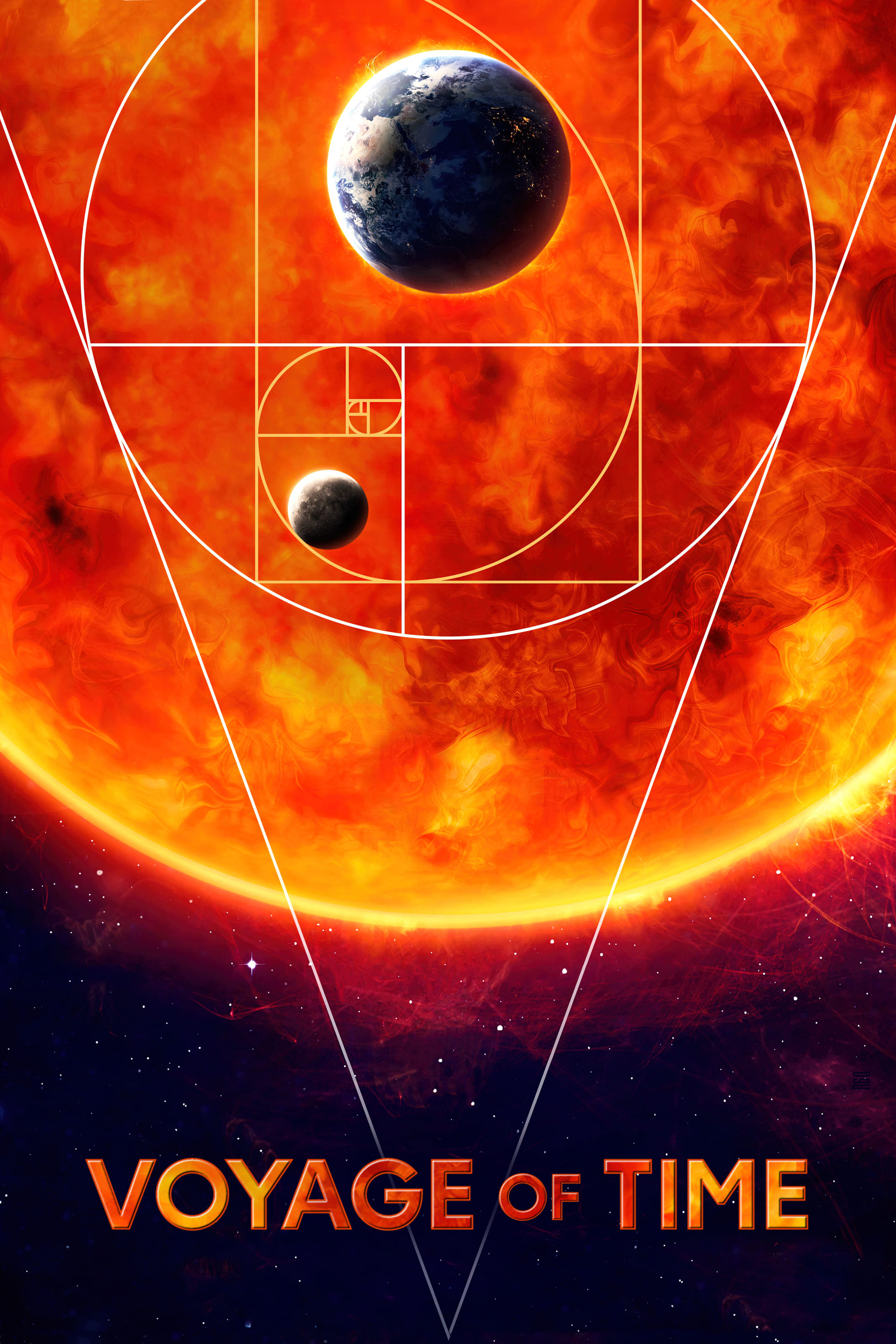
A celebration of the universe, displaying the whole of time, from its start to its final collapse. This film examines all that occurred to prepare the world that stands before us now: science and spirit, birth and death, the grand cosmos and the minute life systems of our planet.
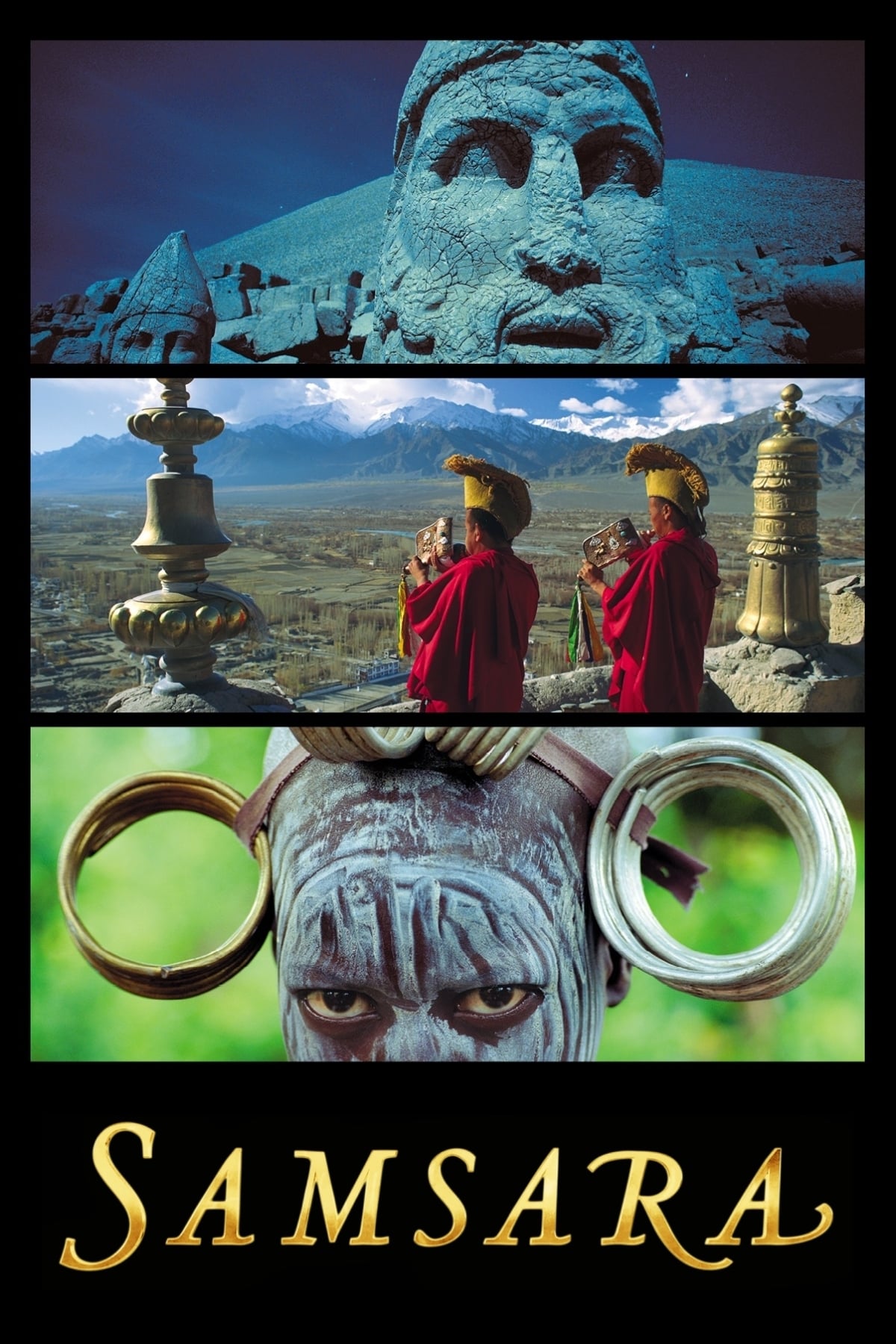
Filmed over nearly five years in twenty-five countries on five continents, and shot on seventy-millimetre film, Samsara transports us to the varied worlds of sacred grounds, disaster zones, industrial complexes, and natural wonders.
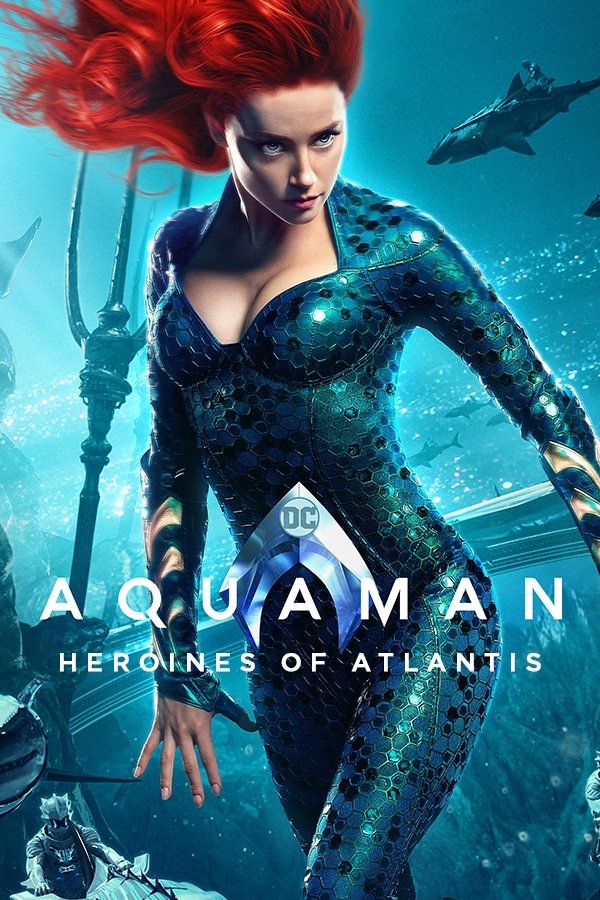
Amber Heard and Nicole Kidman discuss their characters Mera and Atlanna.
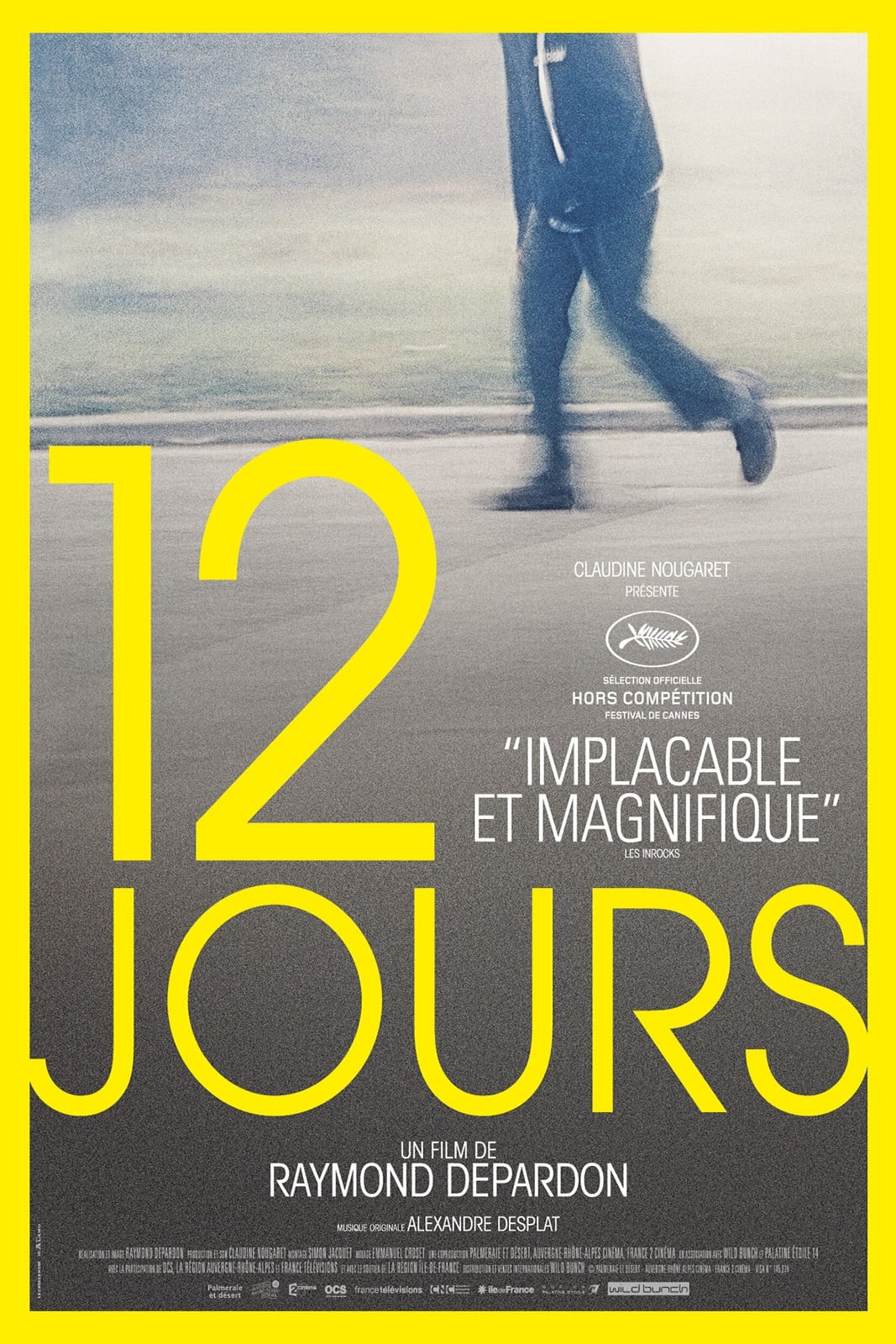
A new documentary by filmmaker-photographer Raymond Depardon – where justice and psychiatry meet.
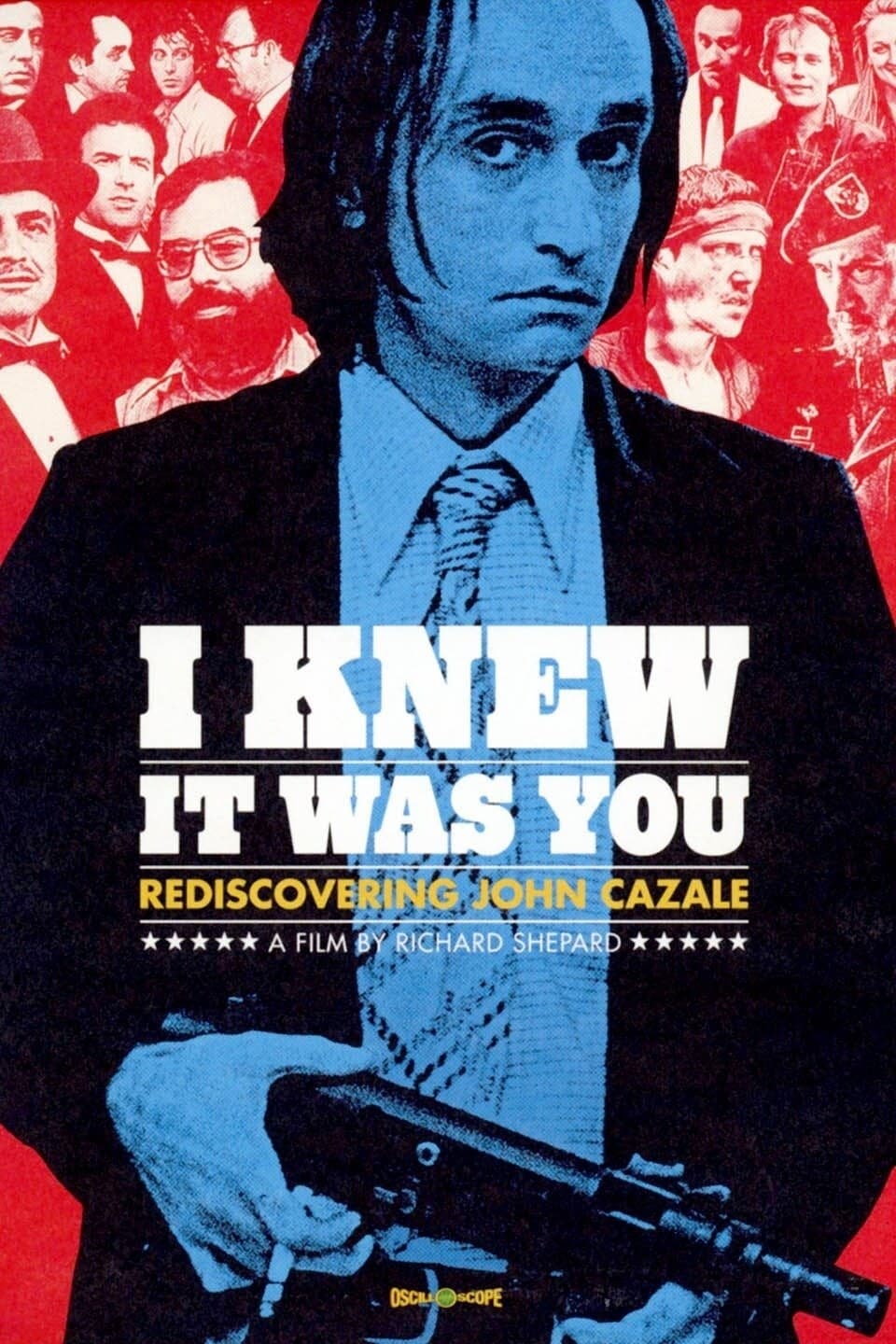
John Cazale was in only five films – The Godfather, The Conversation, The Godfather: Part II, Dog Day Afternoon and The Deer Hunter – each was nominated for Best Picture. Yet today most people don't even know his name. I KNEW IT WAS YOU is a fresh tour through movies that defined a generation.
The Making-of James Cameron's Avatar. It shows interesting parts of the work on the set.
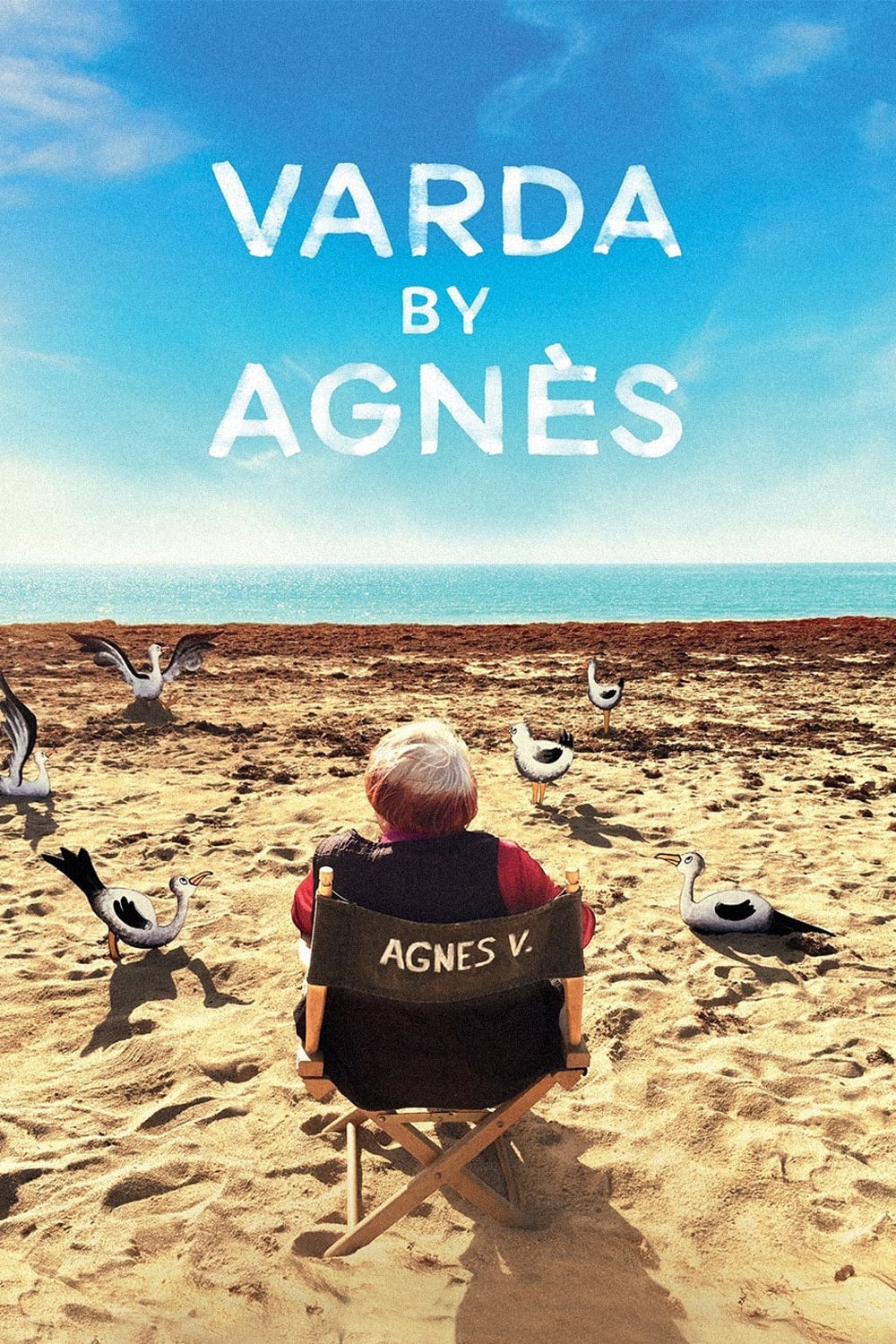
An unpredictable documentary from a fascinating storyteller, Agnès Varda’s last film sheds light on her experience as a director, bringing a personal insight to what she calls "cine-writing," traveling from Rue Daguerre in Paris to Los Angeles and Beijing.
The film follows adventurer Jeff Johnson as he retraces the epic 1968 journey of his heroes Yvon Chouinard and Doug Tompkins to Patagonia.
Daniel Craig candidly reflects on his 15 year adventure as James Bond. Including never-before-seen archival footage from Casino Royale to the upcoming 25th film No Time To Die, Craig shares his personal memories in conversation with 007 producers, Michael G Wilson and Barbara Broccoli.
A primetime special with performances from the superstar including Adele’s first new material in six years plus her chart-topping hits. The special will also feature an exclusive interview with Adele by Oprah Winfrey from her rose garden, in Adele’s first televised wide-ranging conversation.
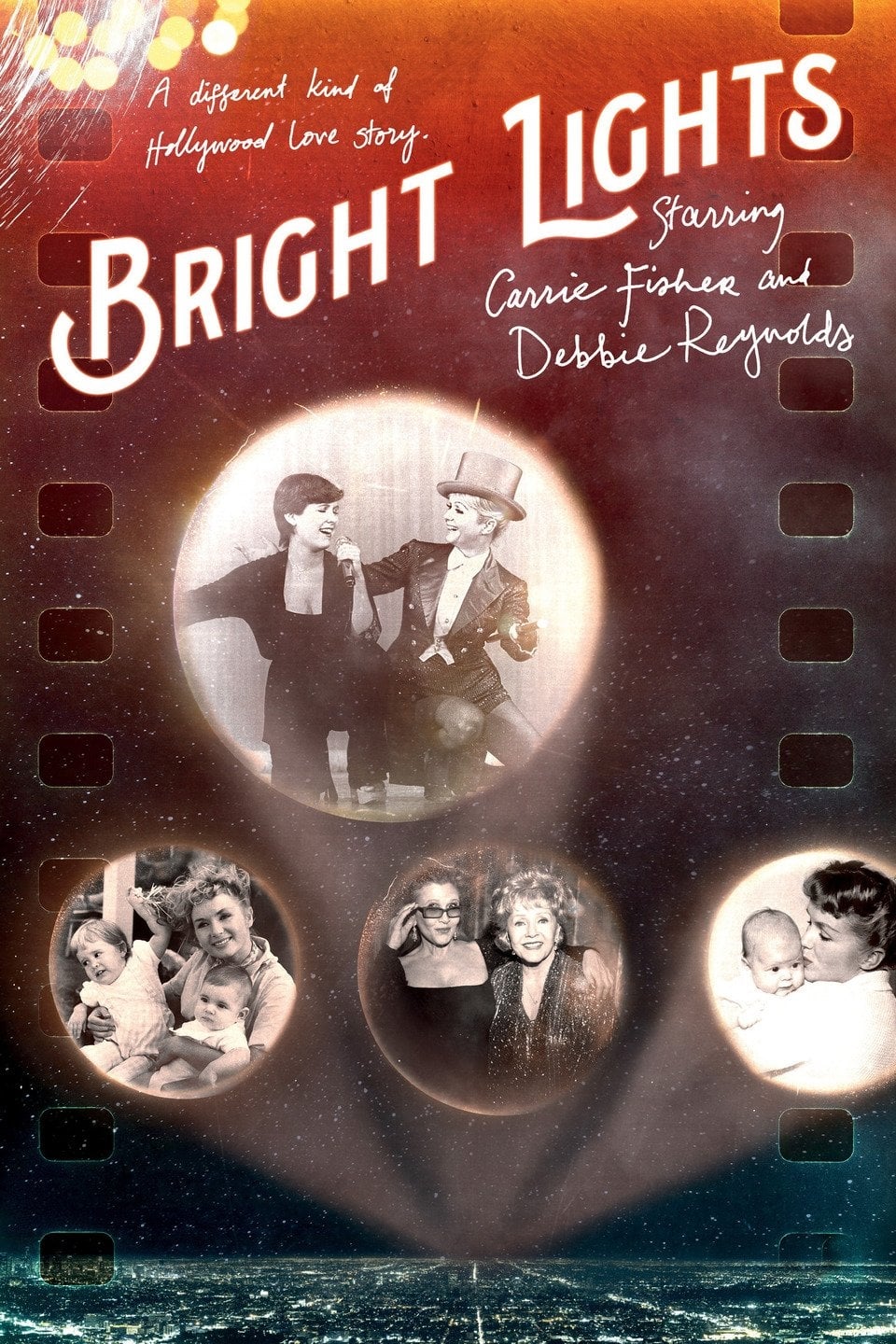
An intimate portrait of Hollywood royalty featuring Debbie Reynolds, Todd Fisher, and Carrie Fisher.
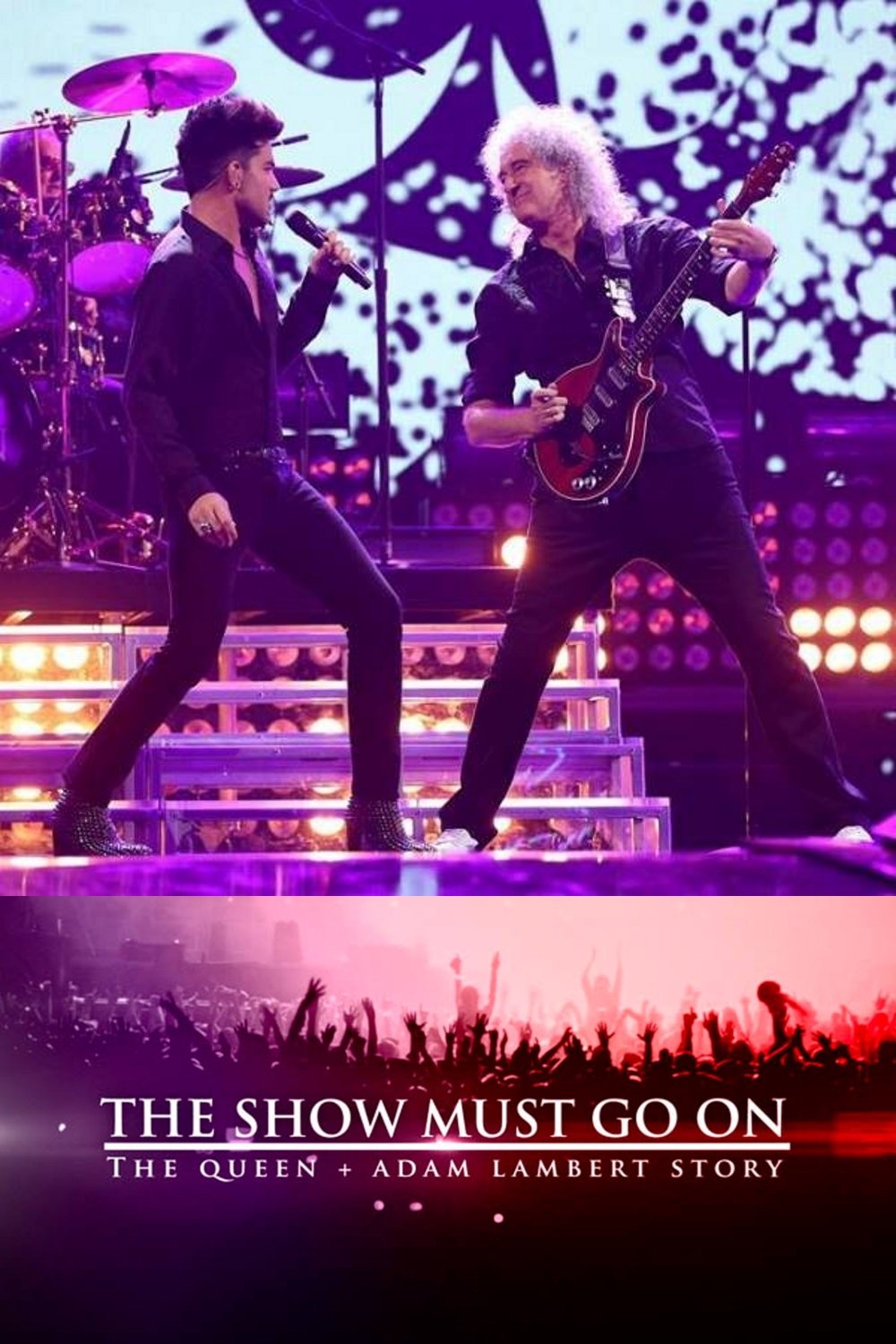
A documentary chronicling Queen and Lambert's incredible journey since they first shared the stage together on "American Idol" in 2009.
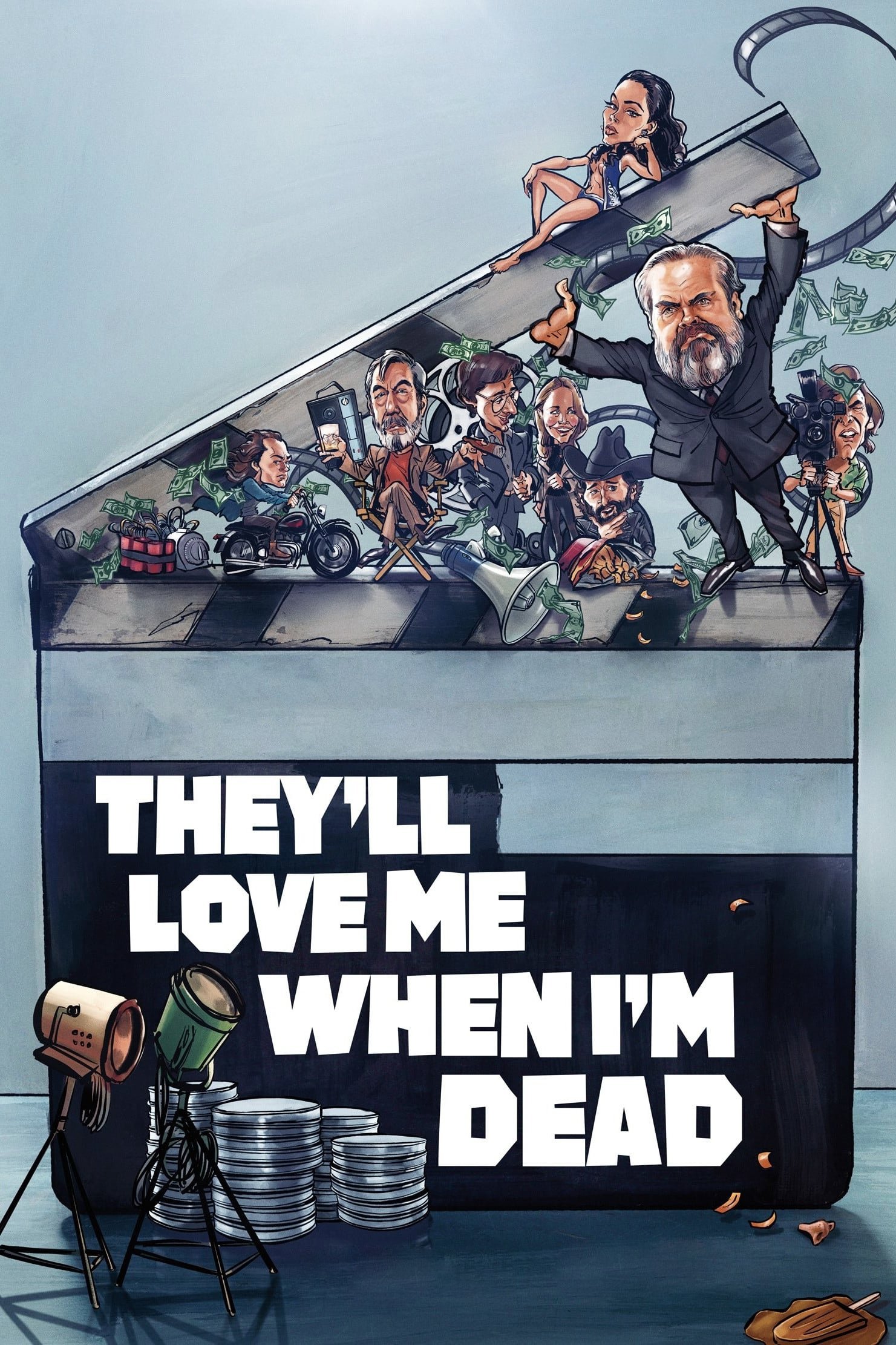
As his life comes to its end, famous Hollywood director Orson Welles puts it all on the line at the chance for renewed success with the film The Other Side of the Wind.