A Documentary about basic film terms, applied through a short film.
Social & External
The people behind it
A look at the first years of Pixar Animation Studios - from the success of "Toy Story" and Pixar's promotion of talented people, to the building of its East Bay campus, the company's relationship with Disney, and its remarkable initial string of eight hits. The contributions of John Lasseter, Ed Catmull and Steve Jobs are profiled. The decline of two-dimensional animation is chronicled as three-dimensional animation rises. Hard work and creativity seem to share the screen in equal proportions.
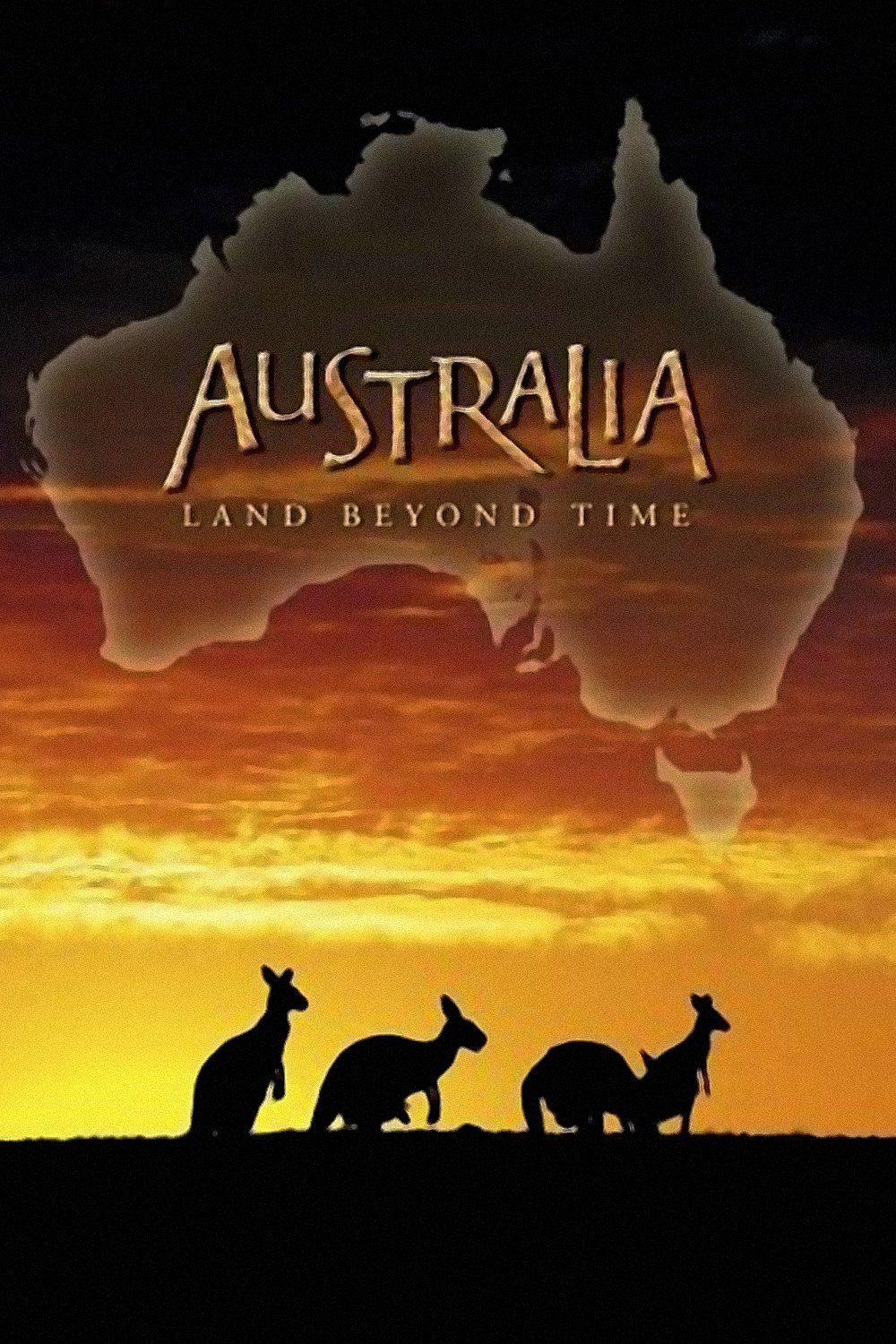
Australia: Land Beyond Time takes viewers on a breathtaking journey back in time to witness the birth and evolution of a mysterious land that harbors remnants of Earth's earliest life and many of it's strangest creatures that exist nowhere else on the planet.
Two eighth graders doing an assembly on cleanliness and neatness seek underclassmen. A look into Don and Mildred's hygienic endeavors.
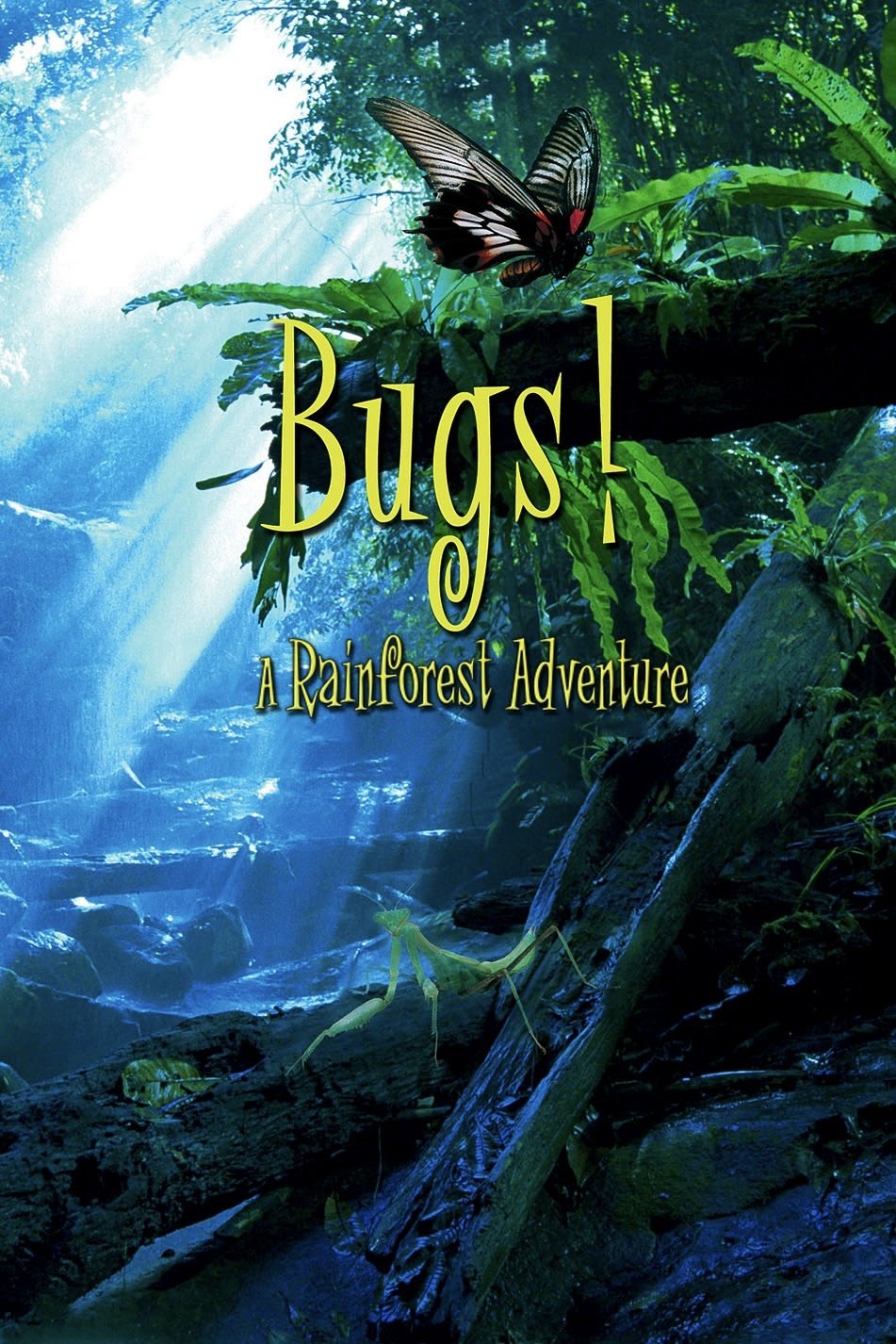
Explore the extraordinary hidden world of insects, where a leaf weighs more than a car, rain drops feel like exploding hand grenades and a blade of grass soars like a skyscraper. Shot on location in the Borneo rainforest, Bugs! brings the beautiful and dangerous universe of its tiny stars up close and personal with cutting-edge technology that magnifies them up to 250,000 times their normal size.
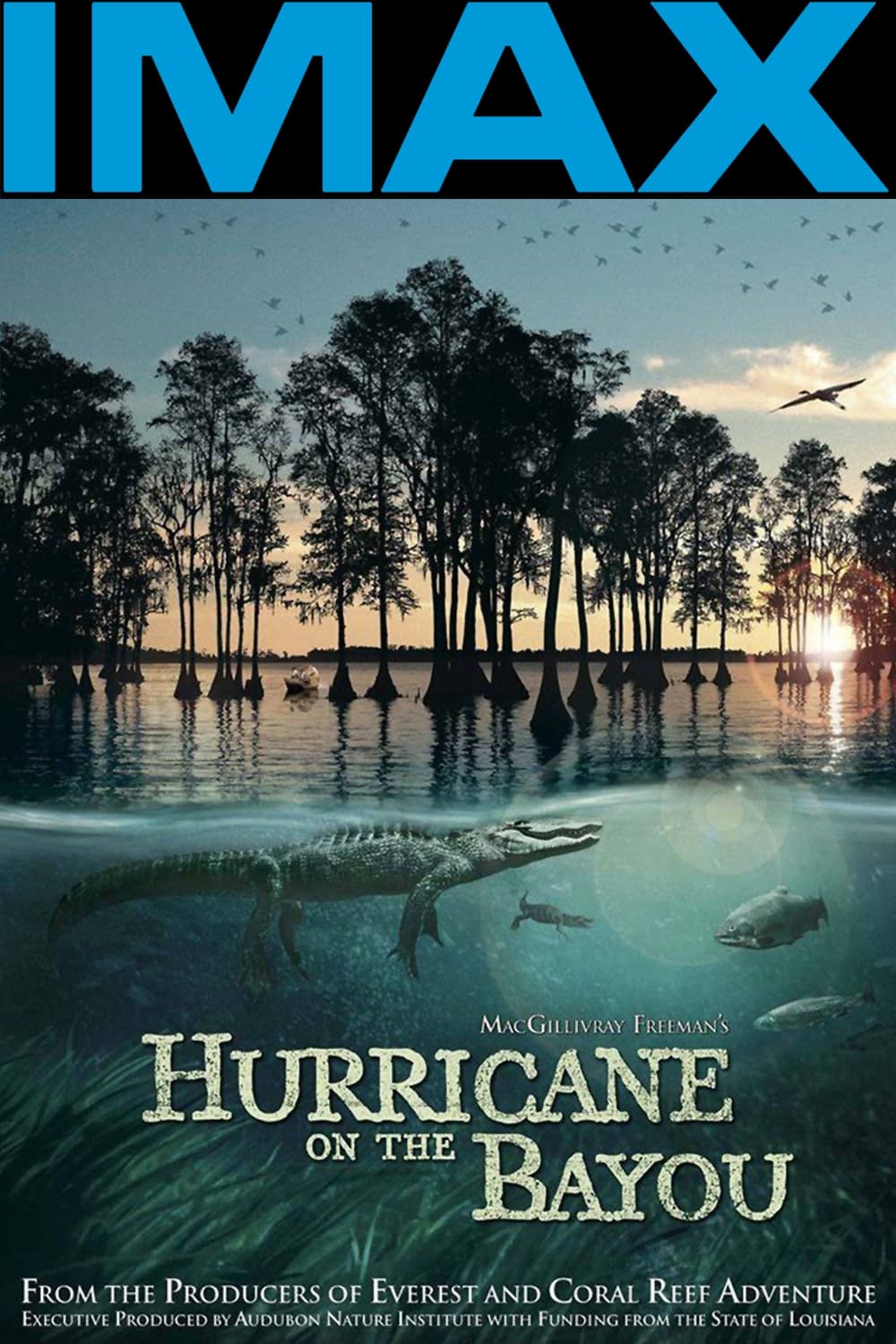
The film "Hurricane on the Bayou" is about the wetlands of Louisiana before and after Hurricane Katrina.
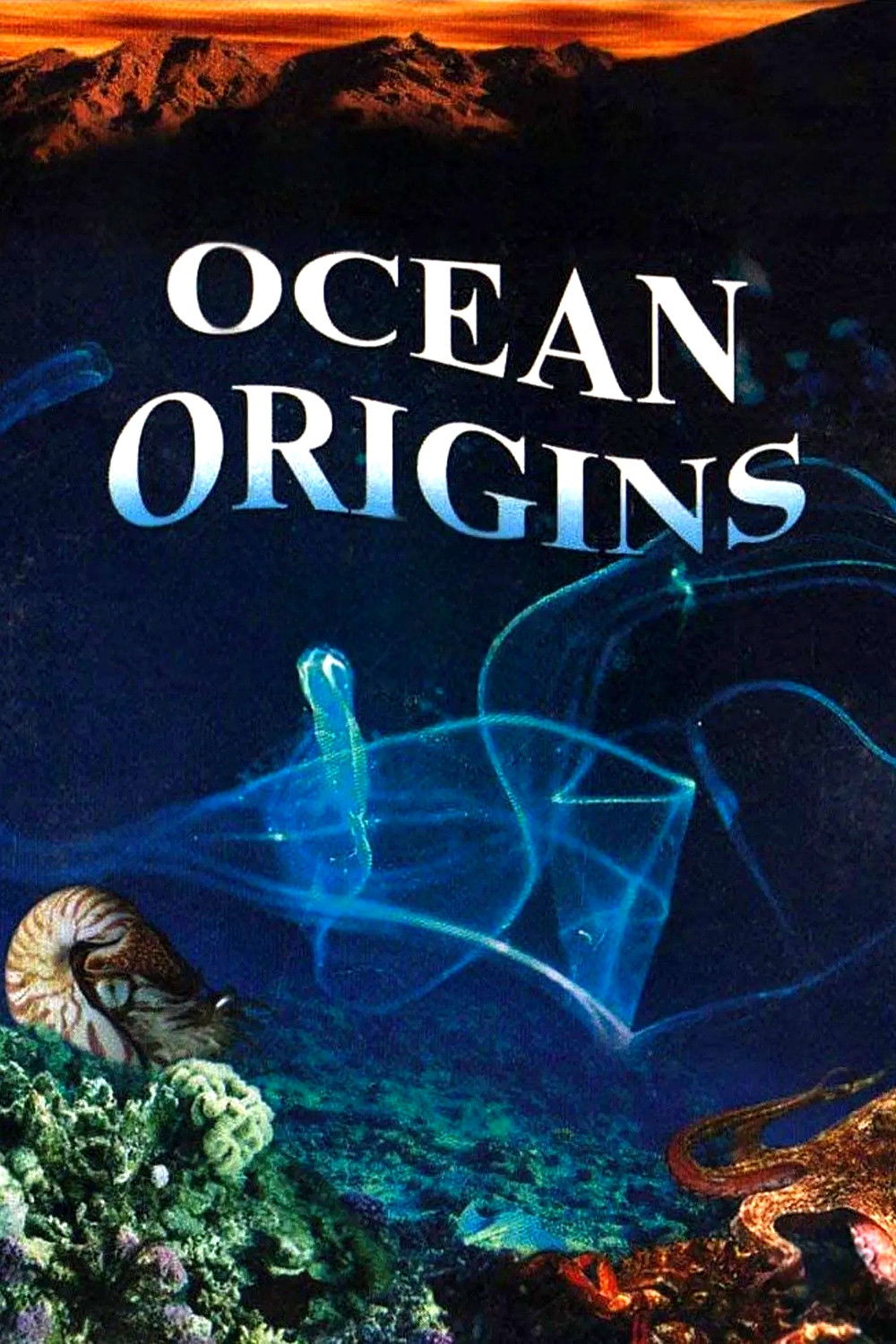
A documentary that explores the natural world of the sea, from the single-celled organism to more complex forms of life, OCEAN ORIGINS was originally filmed in the IMAX large format, which adds a crispness and clarity to the images. This documentary film seeks to examine the process of evolution by looking at the many creatures of the sea that can illustrate the way multi-cellular life emerged over the course of four billion years. OCEAN ORIGINS is a creative film that uses fascinating documentary footage to look at scientific theories and principles in an interesting manner
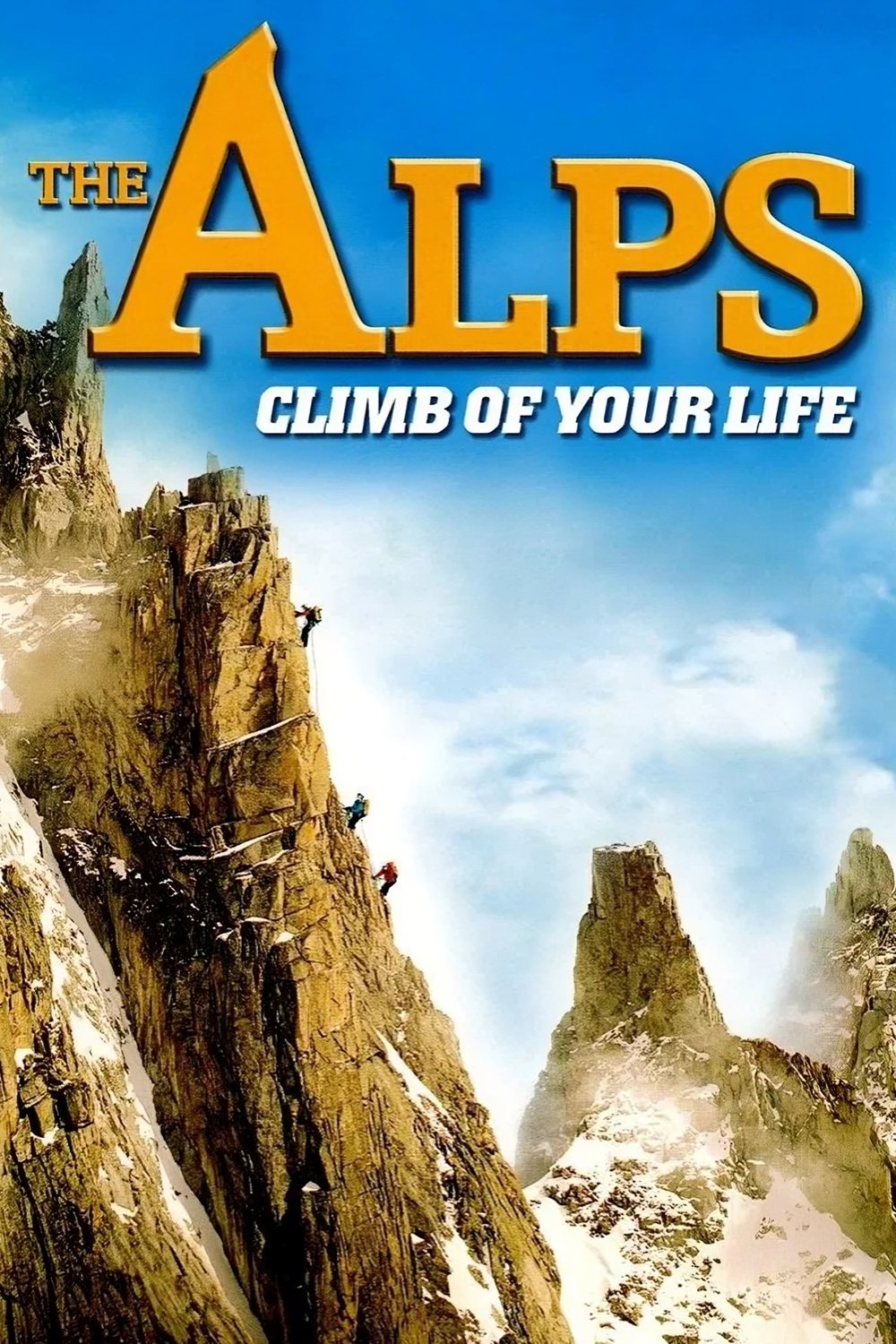
In 1966, John Harlin II died while attempting Europe's most difficult climb, the North Face of the Eiger in Switzerland. 40 years later, his son John Harlin III, an expert mountaineer and the editor of the American Alpine Journal, returns to attempt the same climb.
A short film warning the unaware housewife of the dangers of “dry cleaning” with gasoline at home.
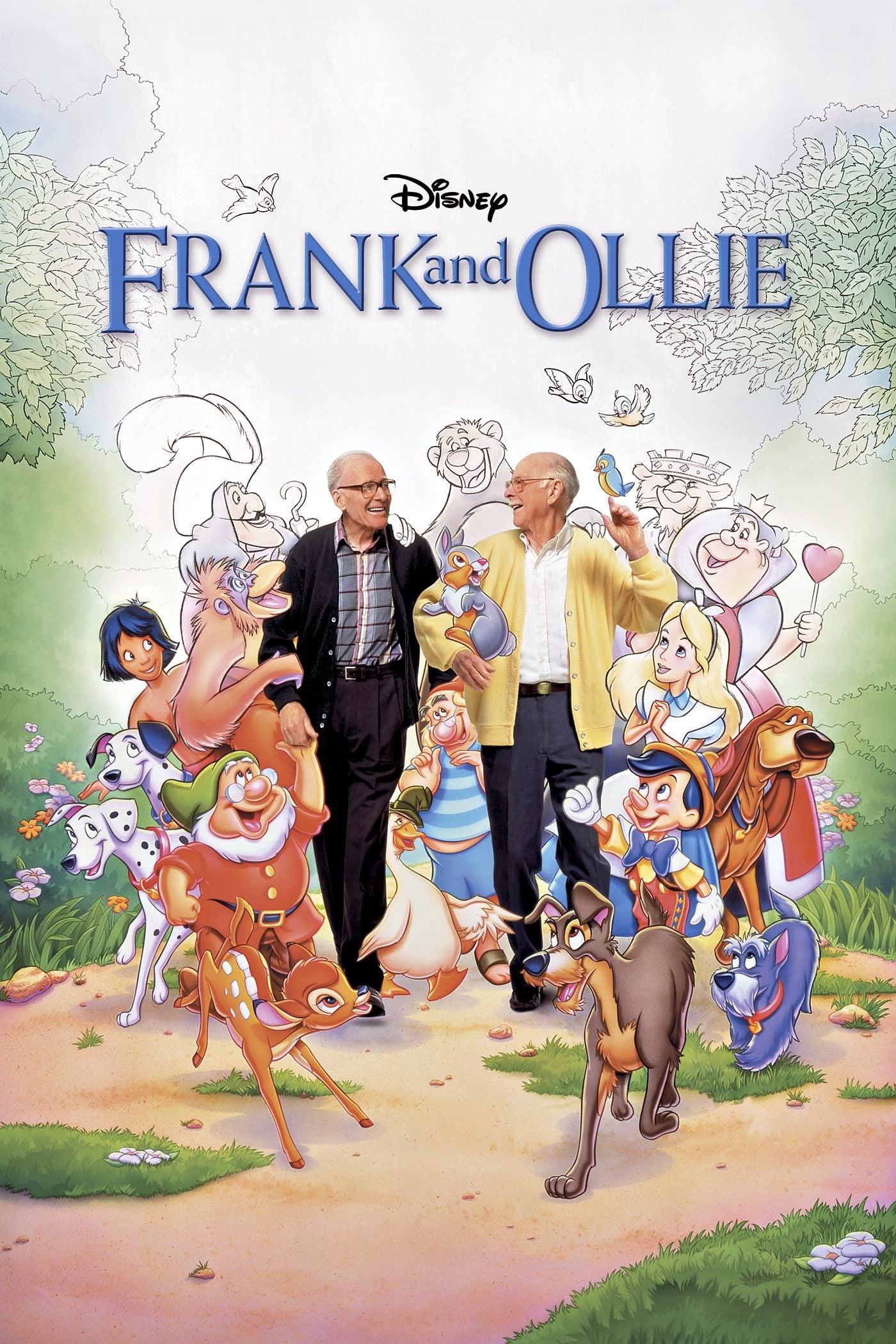
Before computer graphics, special effects wizardry, and out-of-this world technology, the magic of animation flowed from the pencils of two of the greatest animators The Walt Disney Company ever produced -- Frank Thomas and Ollie Johnston. Frank and Ollie, the talent behind BAMBI, PINOCCHIO, LADY AND THE TRAMP, THE JUNGLE BOOK, and others, set the standard for such modern-day hits as THE LION KING. It was their creative genius that helped make Disney synonymous with brilliant animation, magnificent music, and emotional storytelling. Take a journey with these extraordinary artists as they share secrets, insights, and the inspiration behind some of the greatest animated movies the world has ever known!
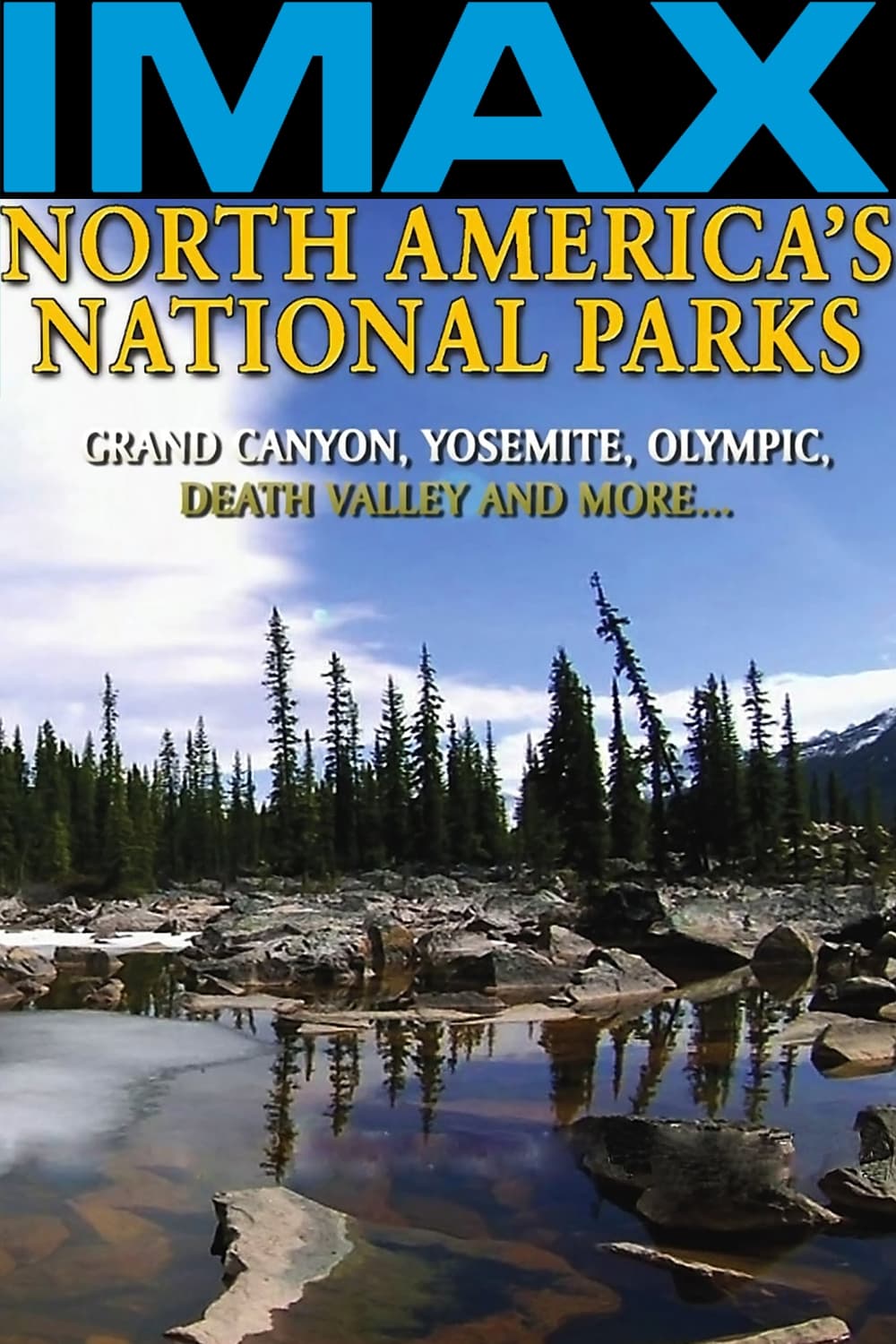
By using special cameras and techniques, David Fortney has captured the beauty of these parks in ways never seen before. Fluid, masterful camera work and serial photography gives you the sensation of soaring over and through the landscape.
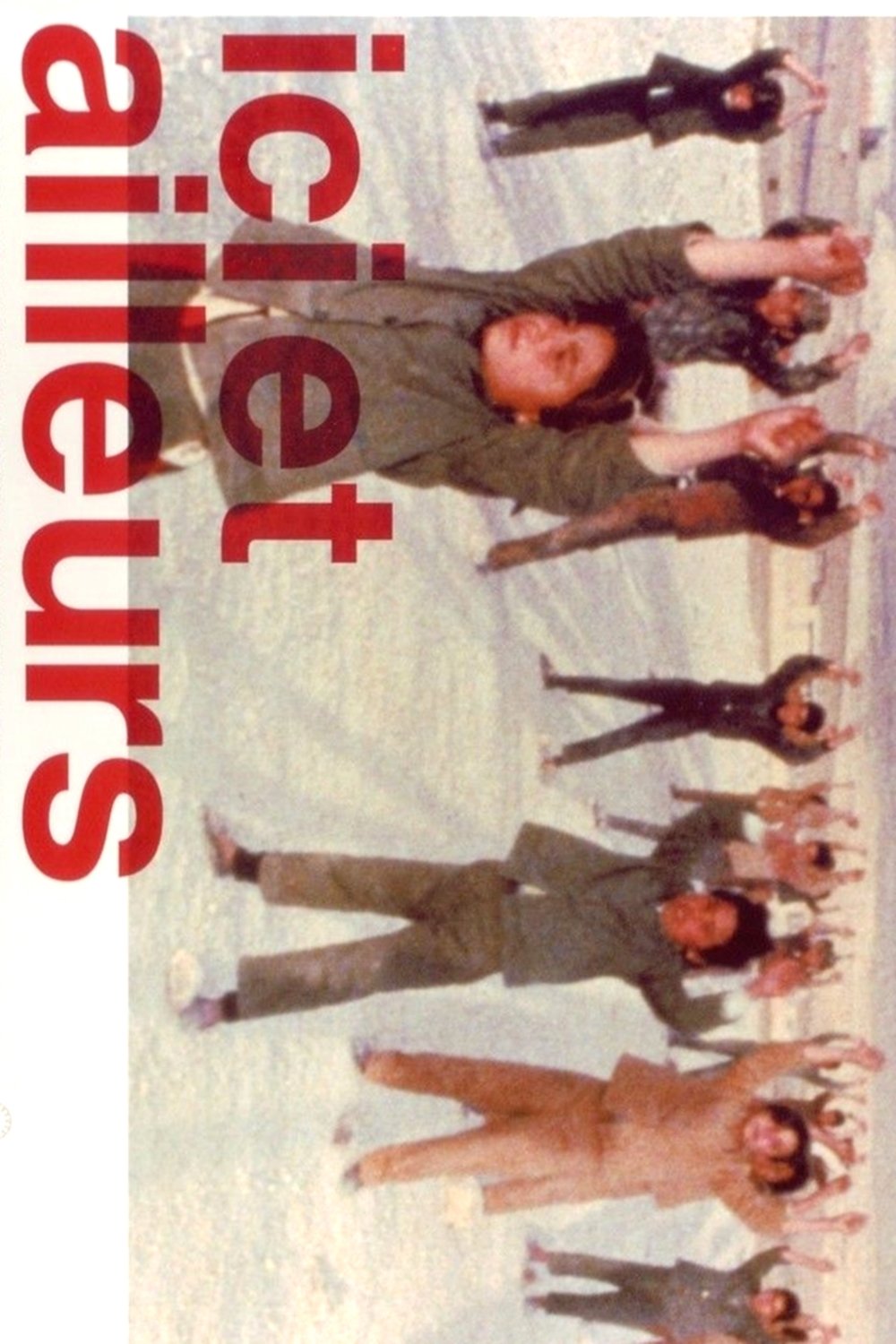
Here and Elsewhere takes its name from the contrasting footage it shows of the fedayeen and of a French family watching television at home. Originally shot by the Dziga Vertov Group as a film on Palestinian freedom fighters, Godard later reworked the material alongside Anne-Marie Miéville.
Ocean Oasis is a fascinating journey into the bountiful seas and pristine deserts of two remarkably different, but inextricably linked worlds — Mexico's Sea of Cortés and the Baja California desert.
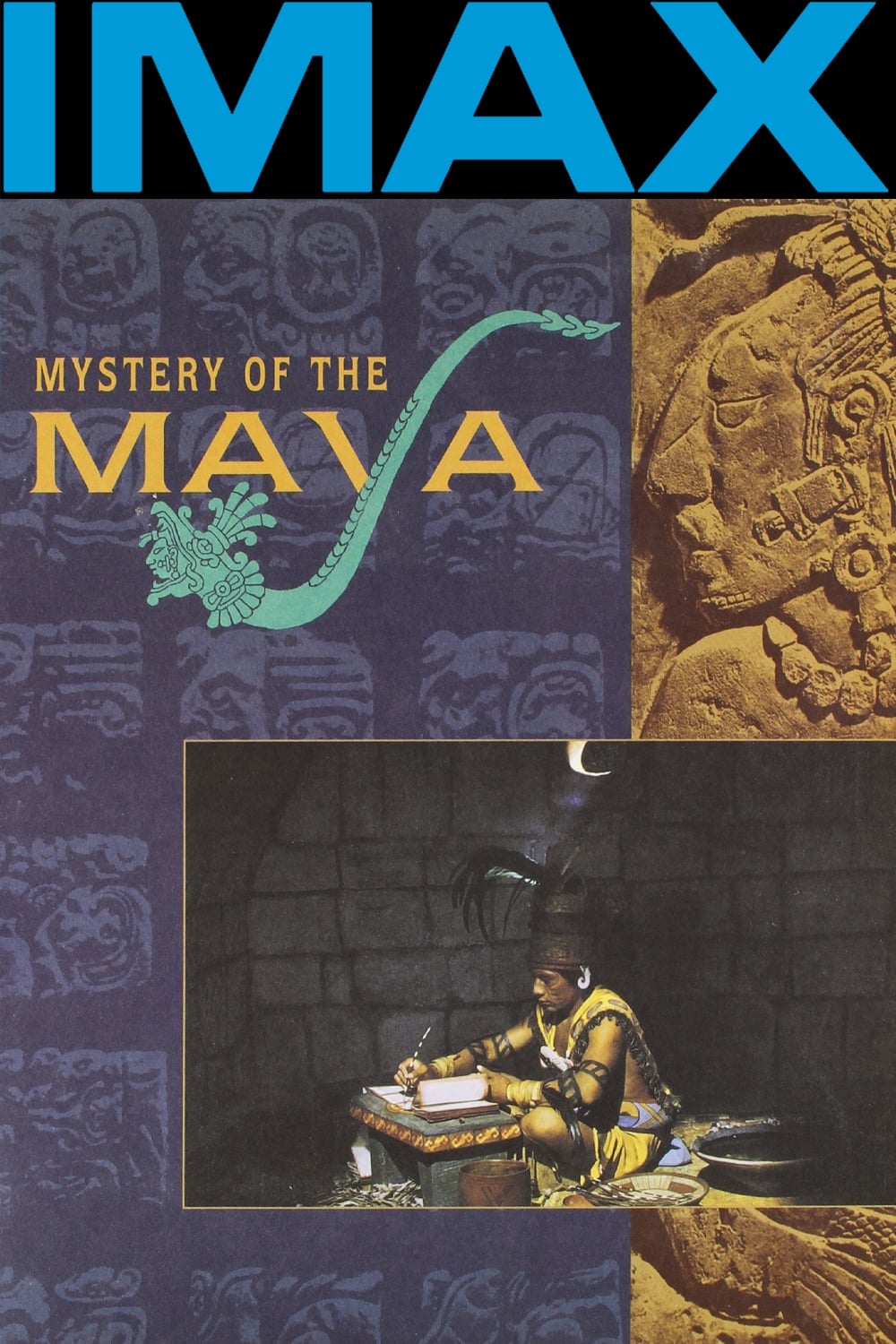
Filmed in IMAX, a young Mayan boy who lives close to the ruins becomes acquainted with an archaeologist (Guerra) and asks her to tell him about his ancestors. The crew travelled to over 15 locations in Mexico and Guatemala, including Tulum and Chichén Itzá.
Filmed in IMAX, a young girl questions her grandfather about the alleged curse of King Tutankhamen. His response takes us up to the source of the nourishing river Nile, to the Great Pyramids of Giza, to the Valley of the Kings.
An educational short film about correct speaking methods.
Cristiane Jordan, or Cris Negão, as she was called, was a transvestite who worked as a bawd in downtown of São Paulo known by her violent methods to control the other transvestites. Hated and feared by a legion, she also had her fans until she was tragically murdered with two shots in the head. The documentary is a dive into the transvestite universe through the stories of this legendary character of São Paulo's underworld.
“Convalescing, when you don't have to participate in the world. Time to read, to dream, to look - the blue, the light of the television, the blue, the book, the patterns the light, the blue. Time to appreciate how much that really is.”
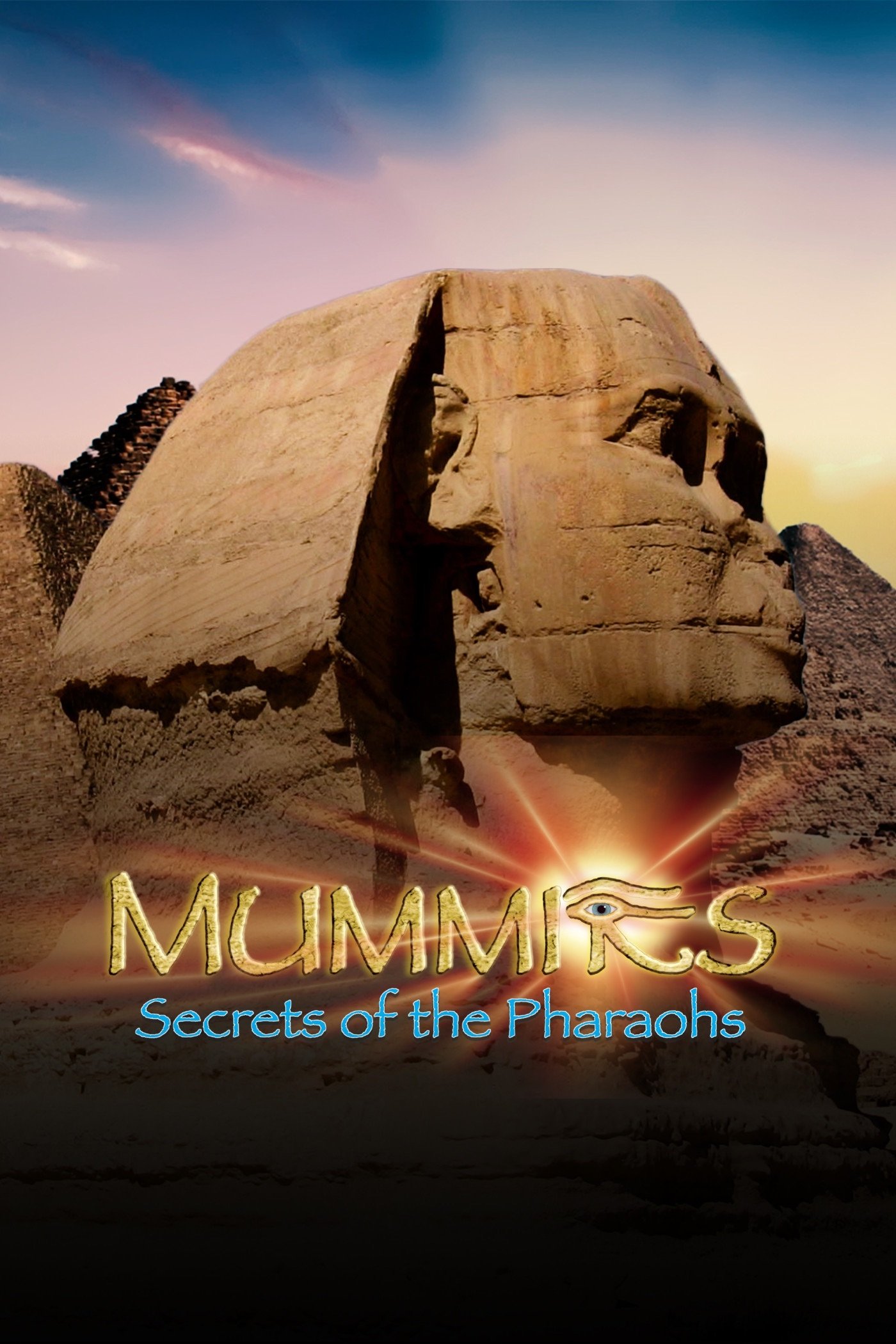
The grail is not the gold, nor the books of ancient wisdom, but the 3,000 year old DNA of the mummies, which may lead to a cure for malaria.
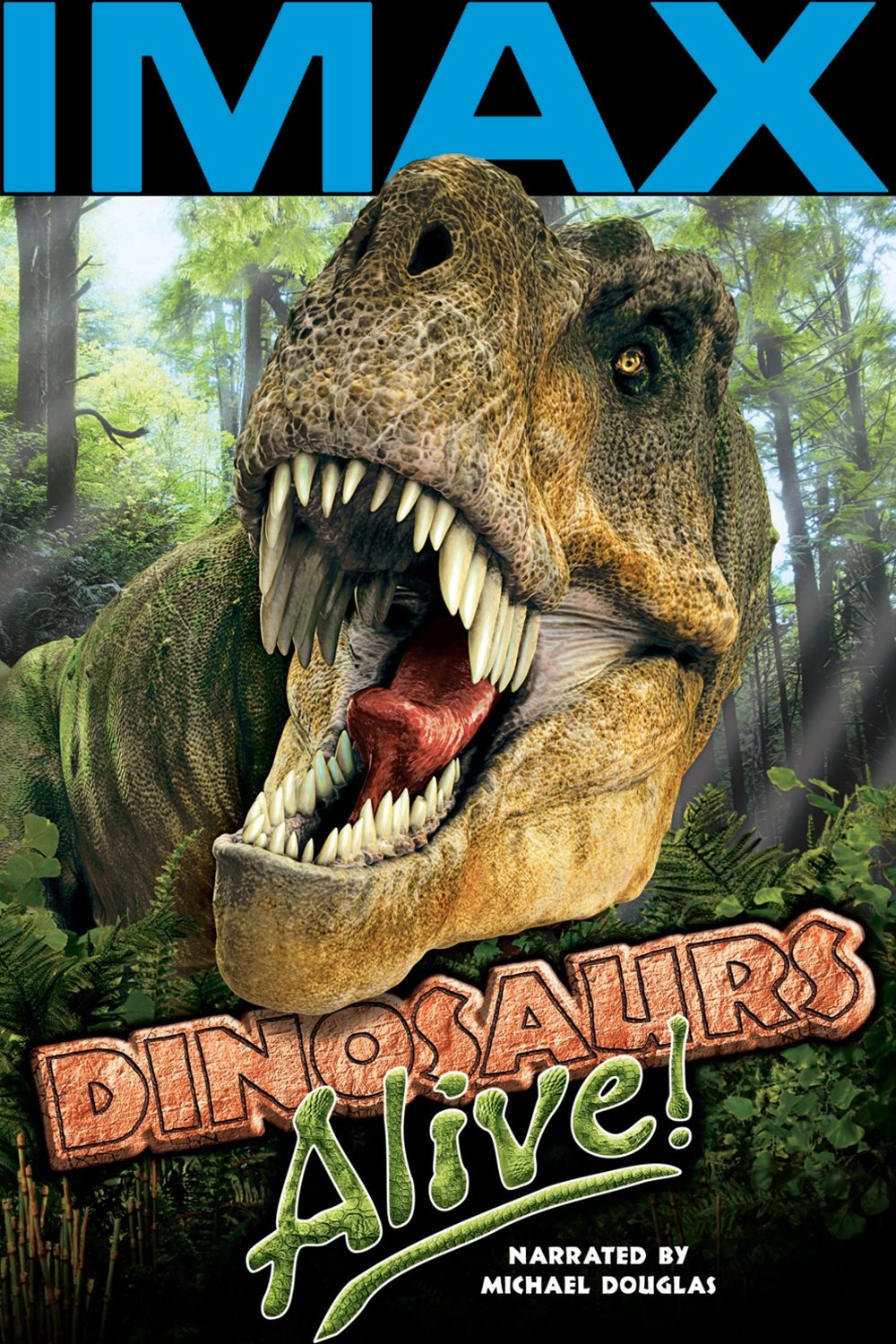
See the earliest creatures of the Triassic Period to the monsters of the Cretaceous in a ‘life-sized’ IMAX ® presentation. Join renowned paleontologists as they discover new fossils and uncover evidence that dinosaur descendants are still among us. Realistic and scientifically-accurate computer generated animation brings dinosaurs back to life…in a big way!
A purely observational non-fiction film that takes viewers into the ethically murky world of end-of-life decision making in a public hospital.
SEDUCED AND ABANDONED combines acting legend Alec Baldwin with director James Toback as they lead us on a troublesome and often hilarious journey of raising financing for their next feature film. Moving from director to financier to star actor, the two players provide us with a unique look behind the curtain at the world's biggest and most glamourous film festival, shining a light on the bitter-sweet relationship filmmakers have with Cannes and the film business. Featuring insights from directors Martin Scorsese, 'Bernando Bertolucci' and Roman Polanski; actors Ryan Gosling and Jessica Chastain and a host of film distribution luminaries.
Stars of "The Walking Dead," Andrew Lincoln and Danai Gurira, walk down memory lane and visit iconic locations where pivotal moments between their characters, Rick and Michonne, were filmed.
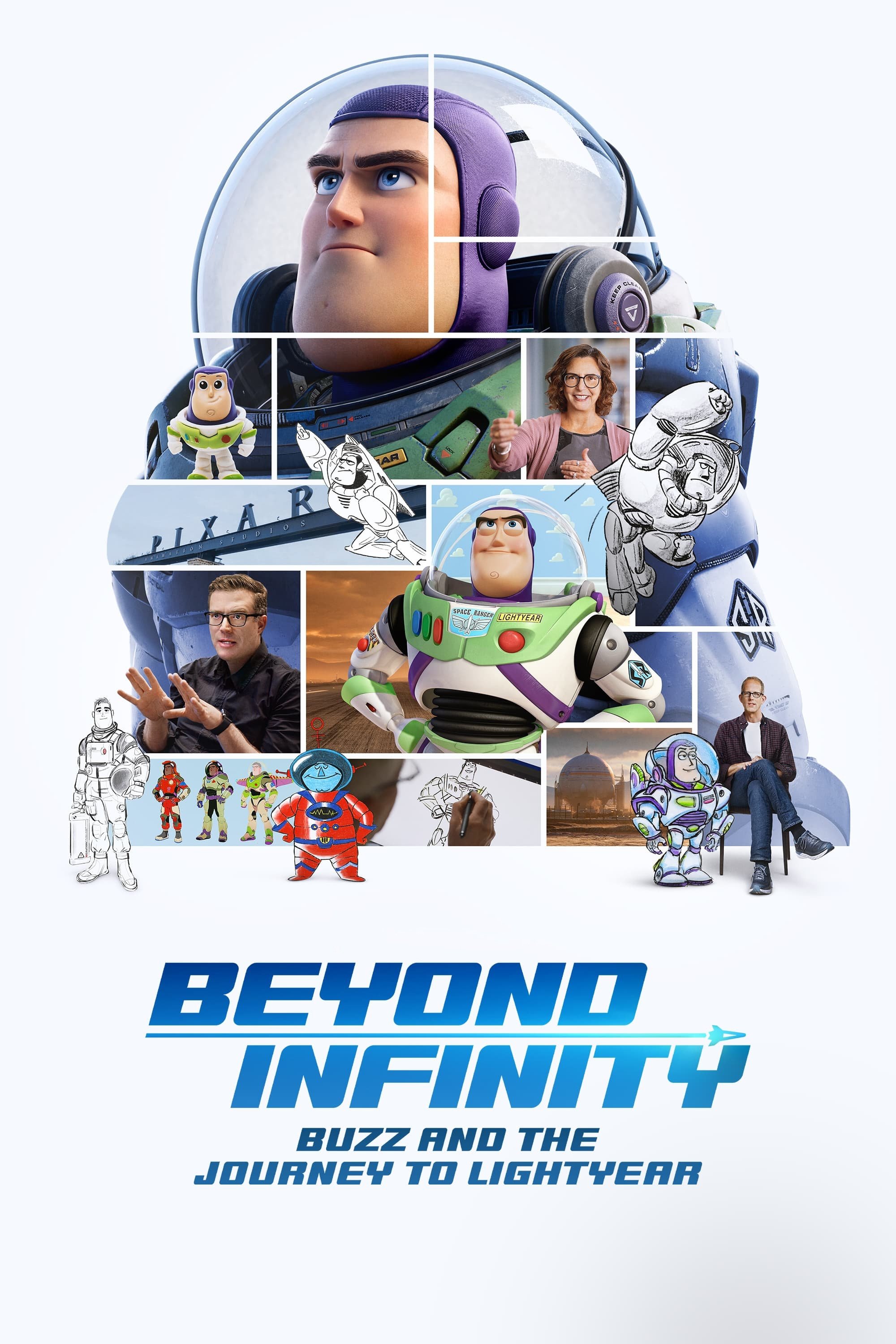
Explore the evolution of Buzz Lightyear from toy to human in the making of Pixar’s Lightyear. Dive into the origin and cultural impact of everyone’s favorite Space Ranger, the art of designing a new “human Buzz,” and the challenges faced by the Lightyear crew along the way.
Those who knew iconic funnyman John Candy best share his story, in their own words, through never-before-seen archival footage, imagery, and interviews.
A feature length documentary about the all-women team at the helm of Pixar's original feature, Turning Red. With unprecedented behind-the-scenes access to Director Domee Shi and her core leadership crew, this story shines a light on the powerful professional and personal journeys that brought this incredibly comical, utterly relatable, and deeply heartfelt story to the screen.
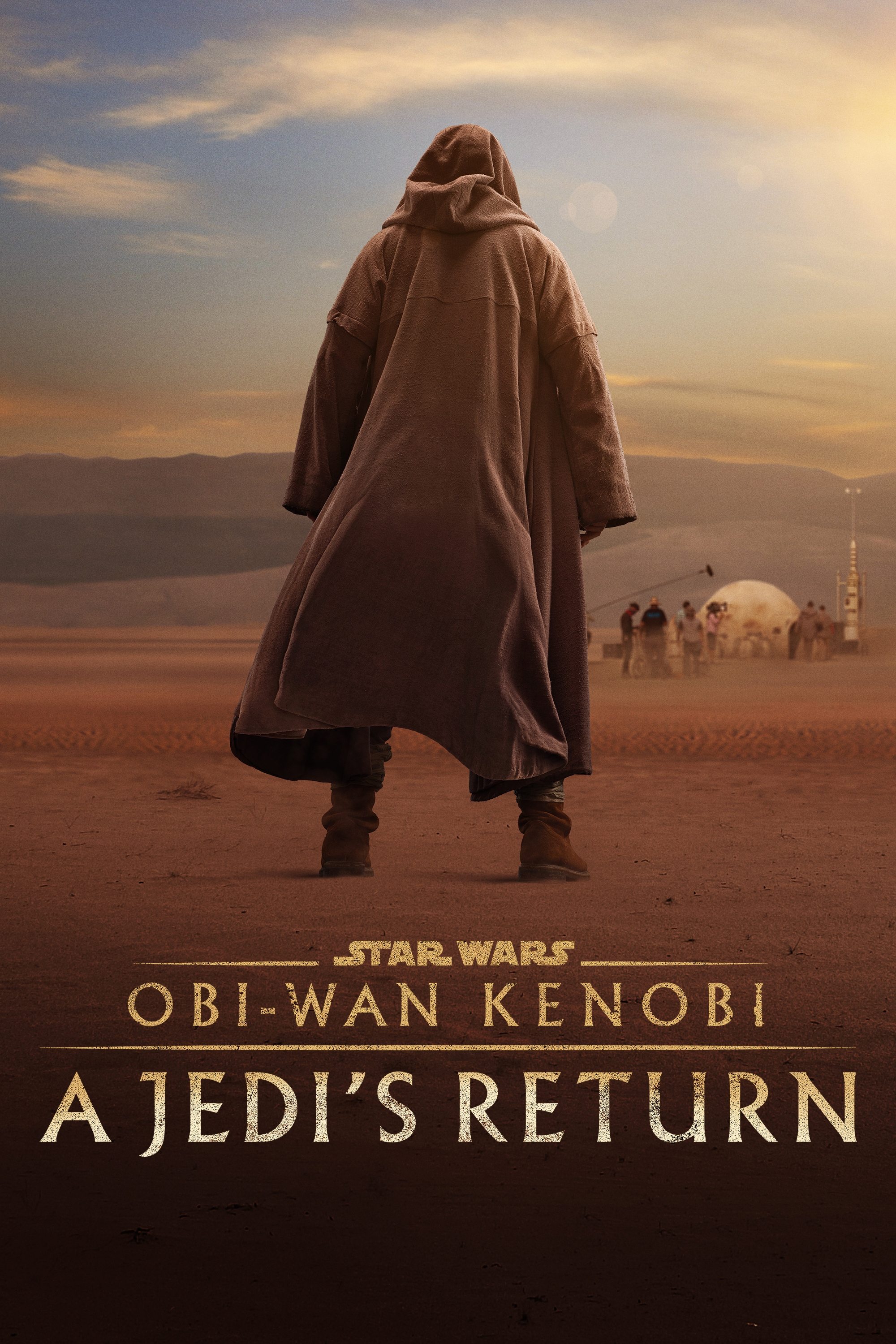
This special explores the return of Obi-Wan Kenobi and Anakin Skywalker to the screen, as well as Ewan McGregor and Hayden Christensen to their classic roles. Director Deborah Chow leads the cast and crew as they create new heroes and villains that live alongside new incarnations of beloved Star Wars characters, and an epic story that dramatically bridges the saga films.
The life and career of an actor, artist, and icon. His own journey through his own camera.
A visual montage portrait of our contemporary world dominated by globalized technology and violence.
The film follows adventurer Jeff Johnson as he retraces the epic 1968 journey of his heroes Yvon Chouinard and Doug Tompkins to Patagonia.
A detailing of the rise to prominence and global sporting superstardom of six supremely talented young Manchester United football players (David Beckham, Nicky Butt, Ryan Giggs, Paul Scholes, Phil and Gary Neville). The film covers the period 1992-1999, culminating in Manchester United's European Cup triumph.
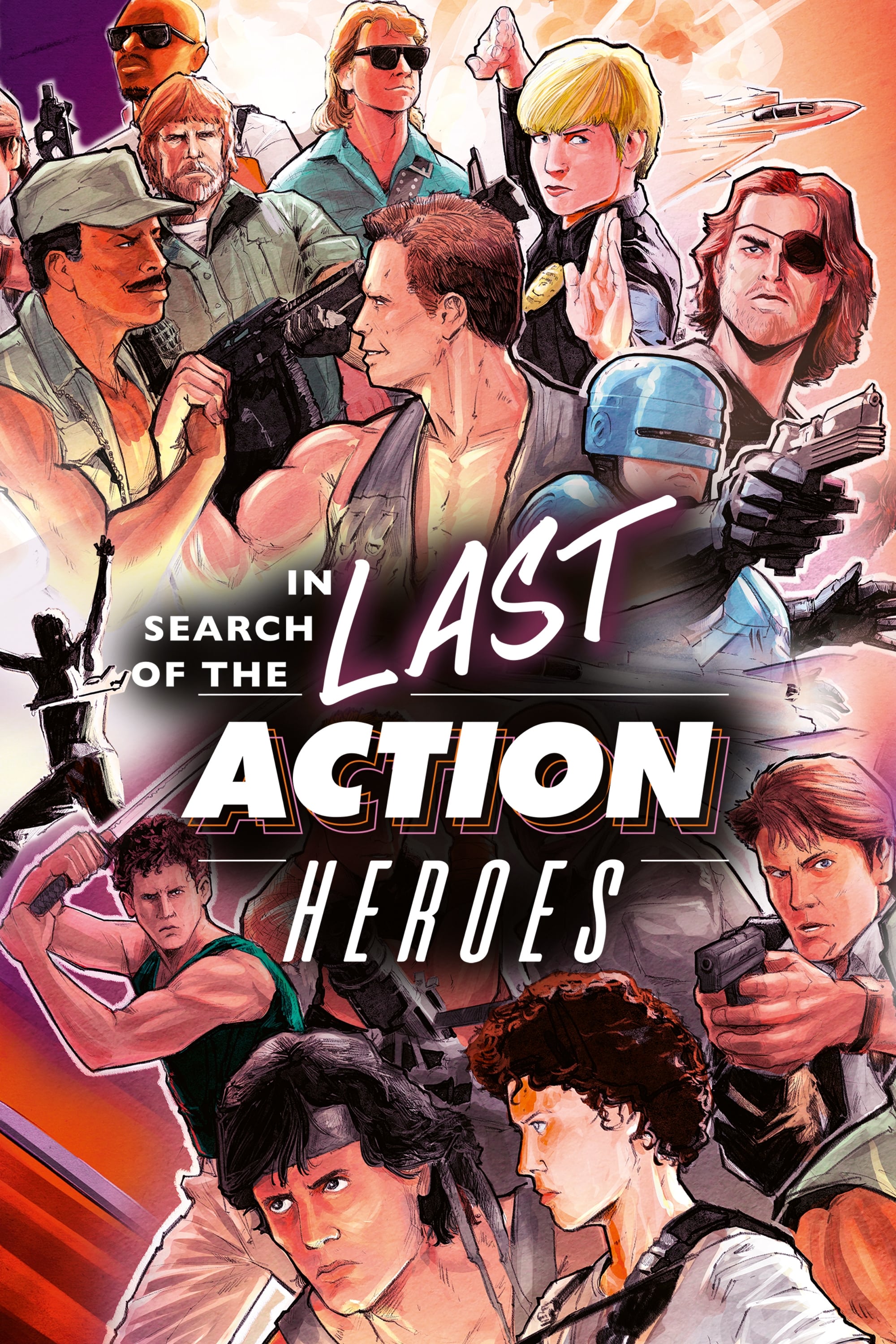
The most comprehensive retrospective of the '80s action film genre ever made.
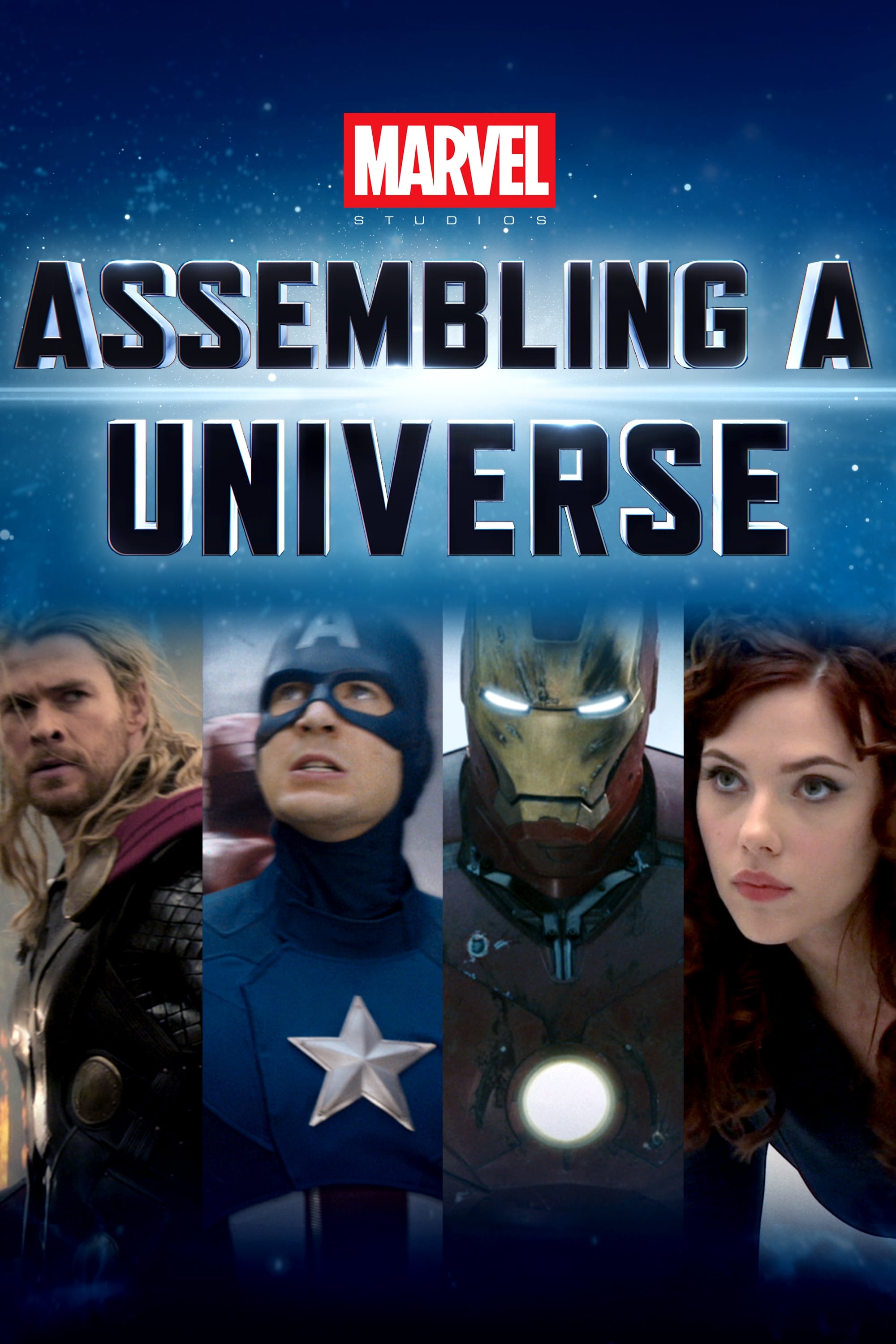
A look at the story behind Marvel Studios and the Marvel Cinematic Universe, featuring interviews and behind-the-scenes footage from all of the Marvel films, the Marvel One-Shots and "Marvel's Agents of S.H.I.E.L.D."!
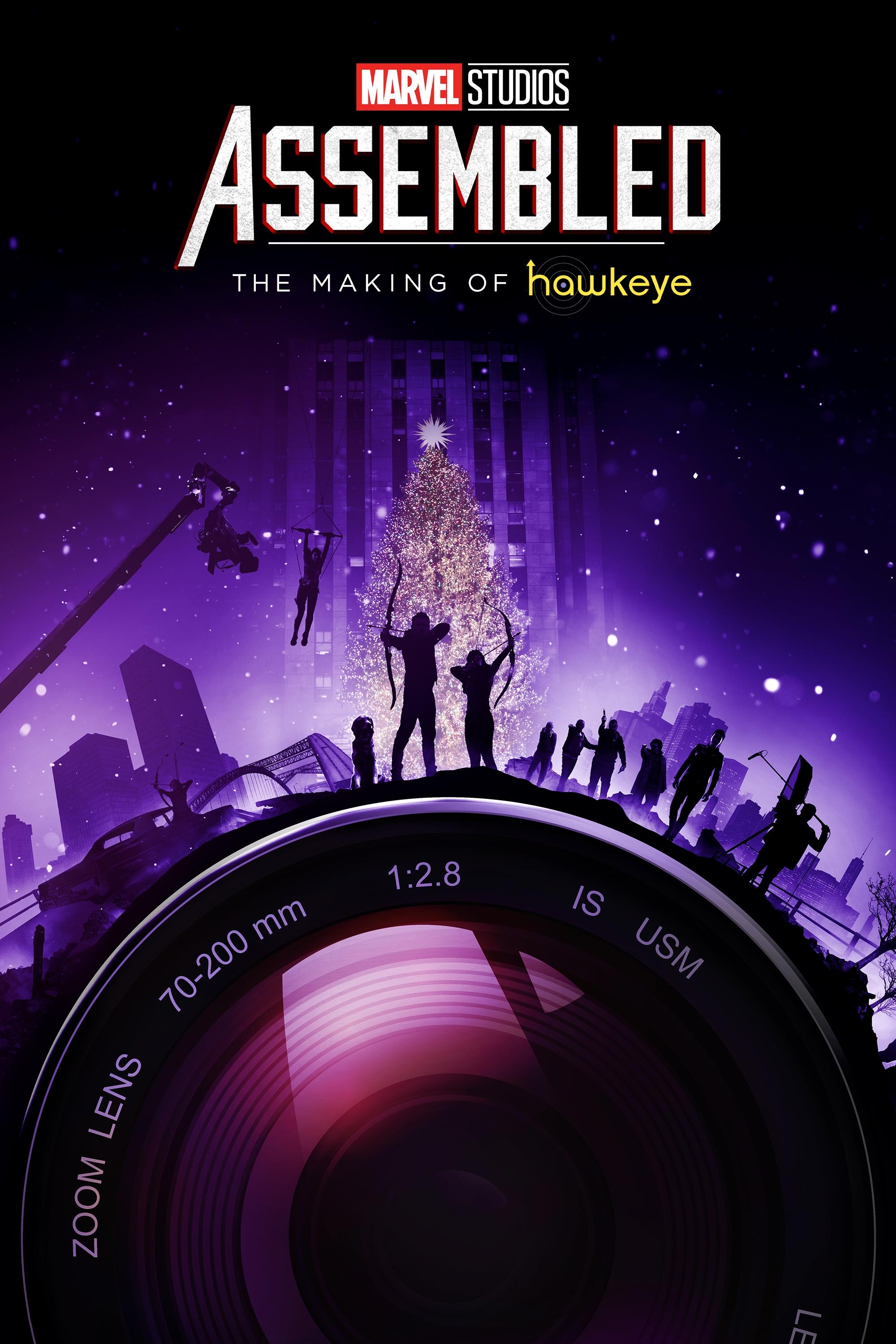
Join the likes of Jeremy Renner, Hailee Steinfeld, Florence Pugh, and Vincent D’Onofrio as they reveal how Marvel Studios’ “Hawkeye” was conceived and created. Witness firsthand what it took to pull off the show’s pulse-pounding action set pieces, and discover how iconic characters from the pages of Marvel Comics such as Kate Bishop were adapted and brought to life for the six-episode series.
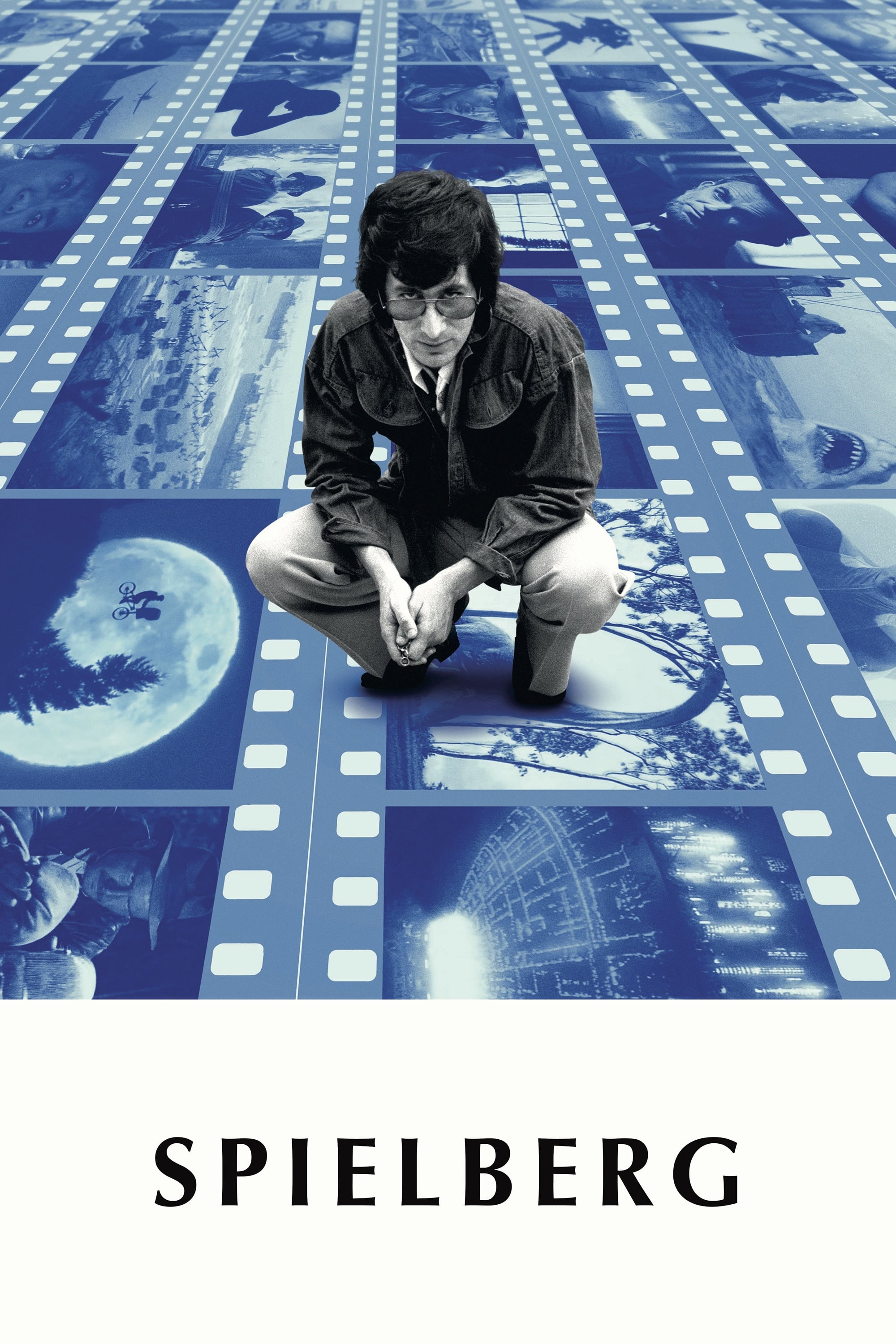
A documentary on the life and career of one of the most influential film directors of all time, Steven Spielberg.
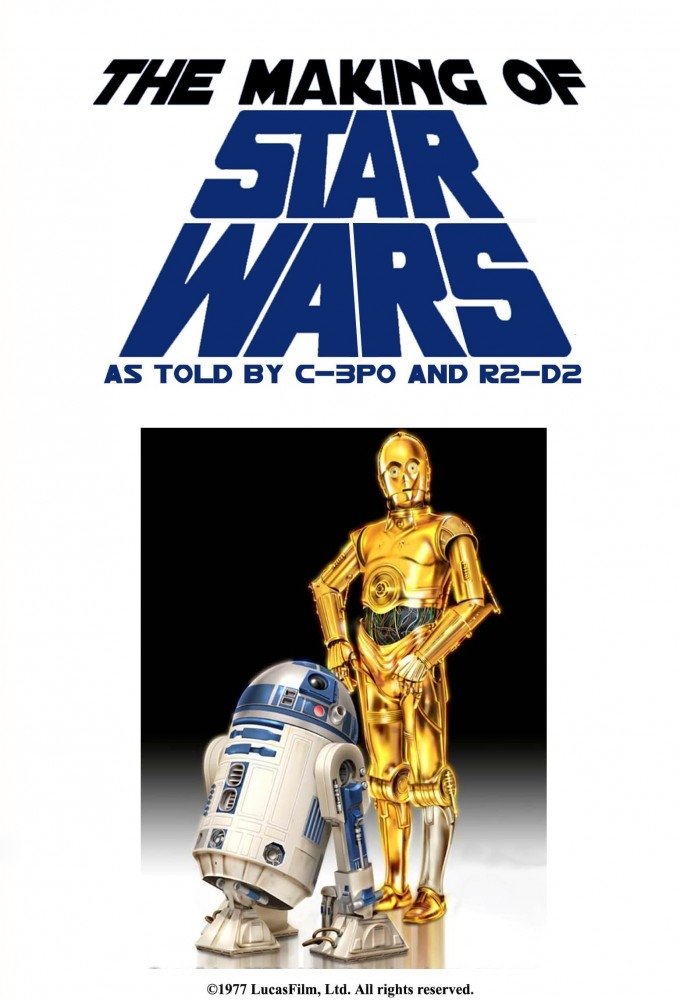
Learn the incredible behind-the-scenes story of how the original Star Wars movie was brought to the big screen in this fascinating documentary hosted by C-3PO and R2-D2 which includes interviews with George Lucas and appearances by Mark Hamill, Harrison Ford and Carrie Fisher.
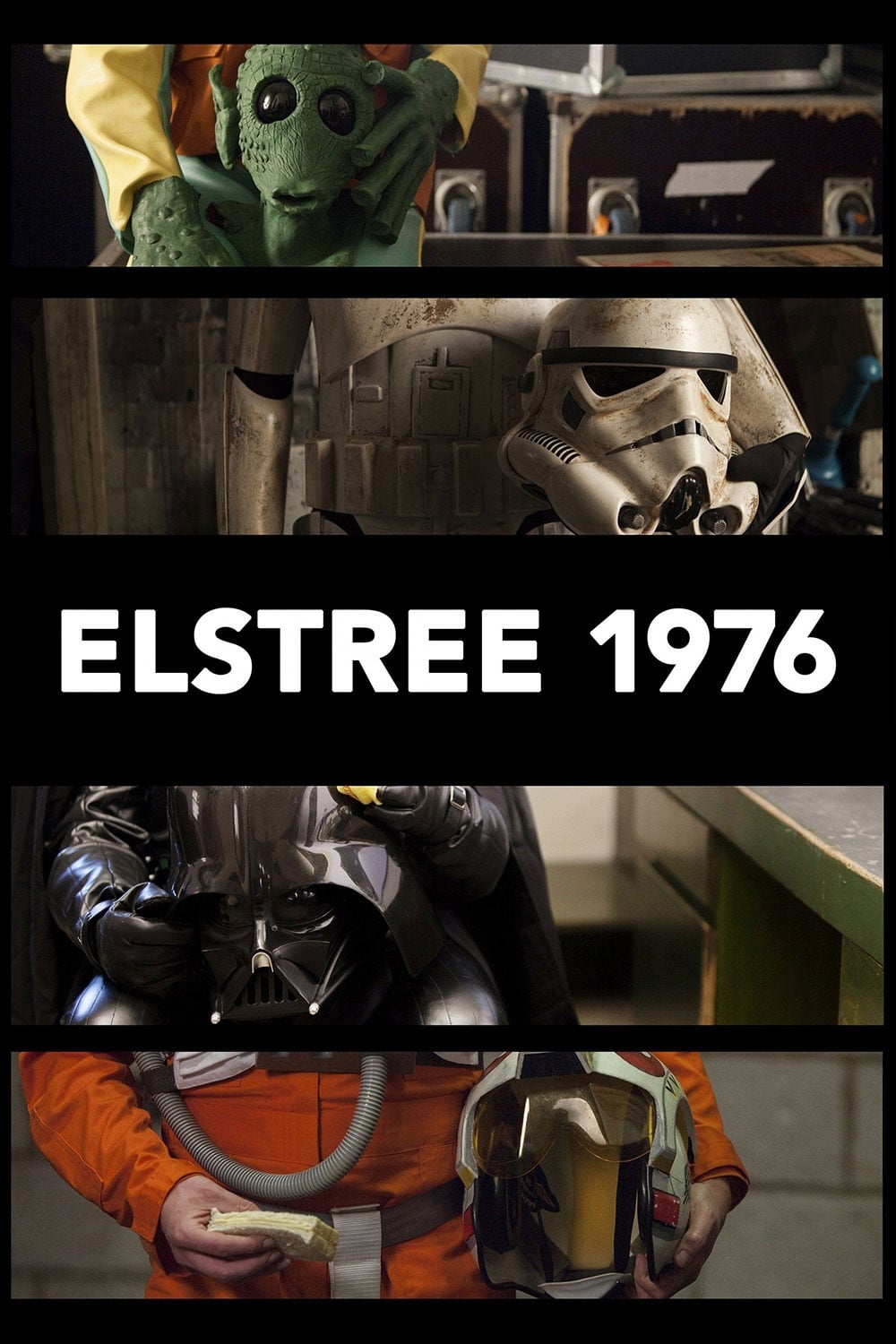
A documentary about ten very different lives connected by having appeared onscreen wearing masks or helmets in Star Wars.
Unprecedented access to Muhammad Ali's personal archive of "audio journals" as well as interviews and testimonials from his inner circle of family and friends are used to tell the legend's life story.
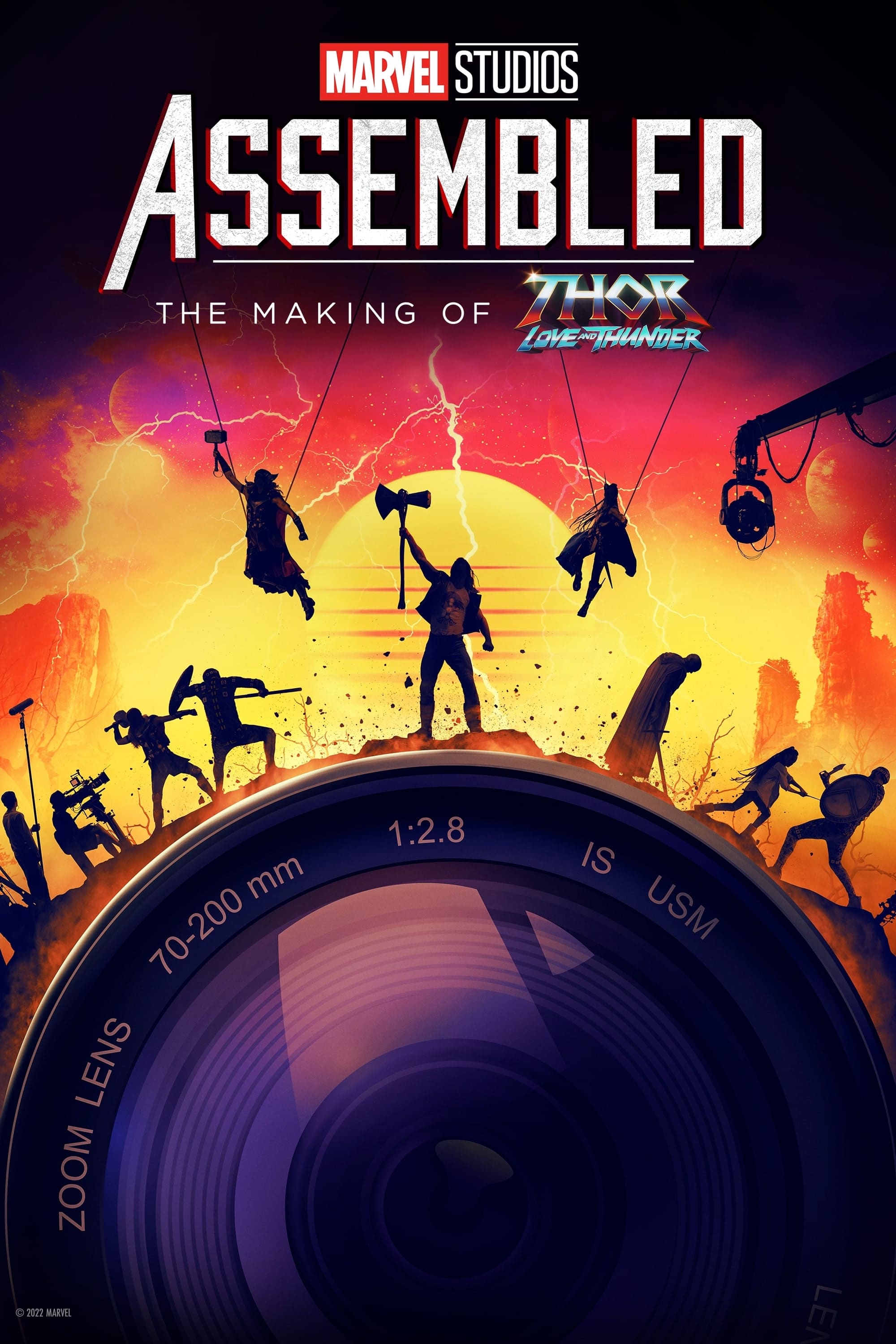
Settle in with the likes of Taika Waititi, Chris Hemsworth, Natalie Portman, Christian Bale, and Tessa Thompson, and as they divulge the secrets behind the creation of Thor: Love and Thunder. Through in-depth interviews with cast and crew, along with raw, unseen footage from the set and beyond, this documentary special pulls back the curtain on the God of Thunder’s fourth feature film.
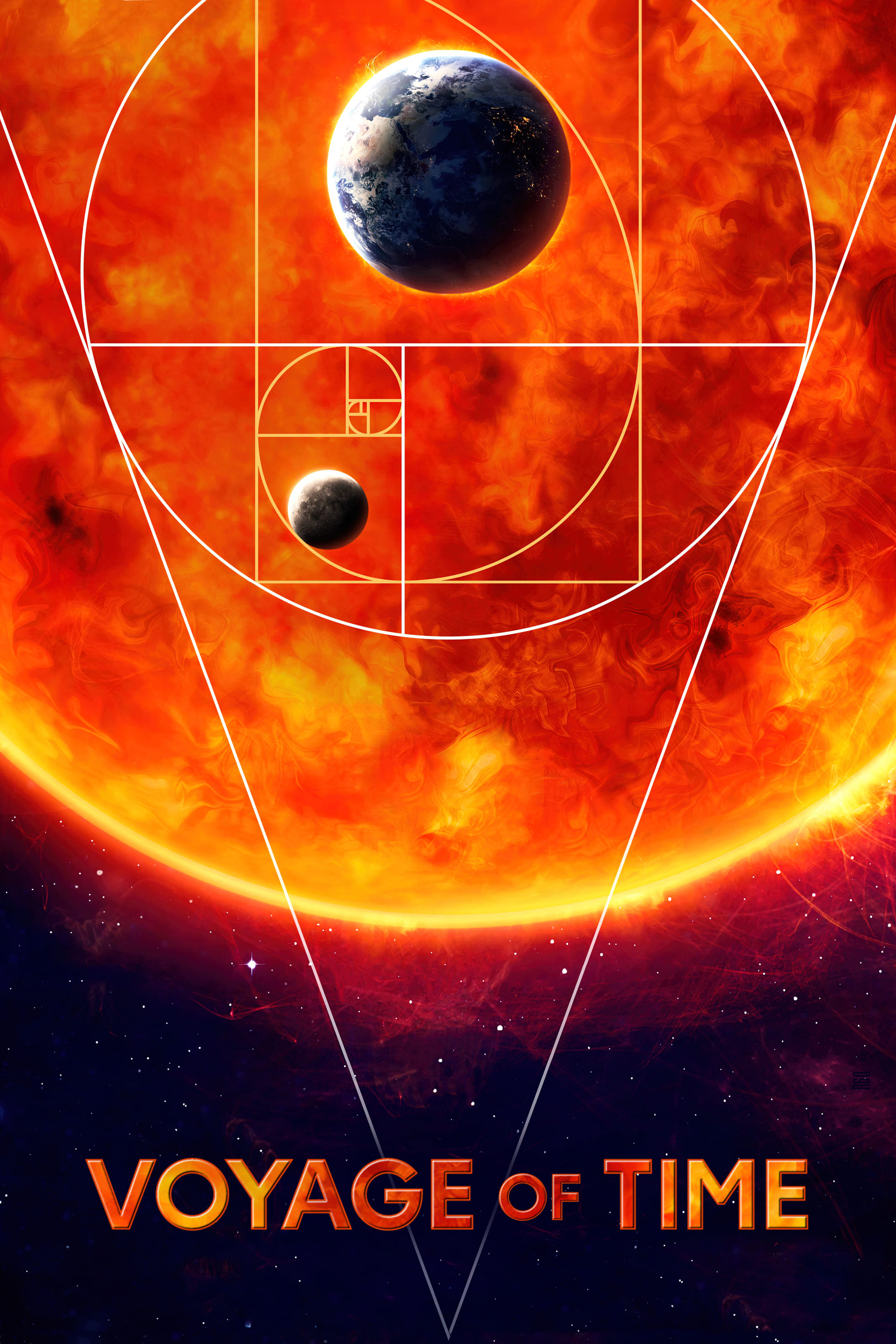
A celebration of the universe, displaying the whole of time, from its start to its final collapse. This film examines all that occurred to prepare the world that stands before us now: science and spirit, birth and death, the grand cosmos and the minute life systems of our planet.