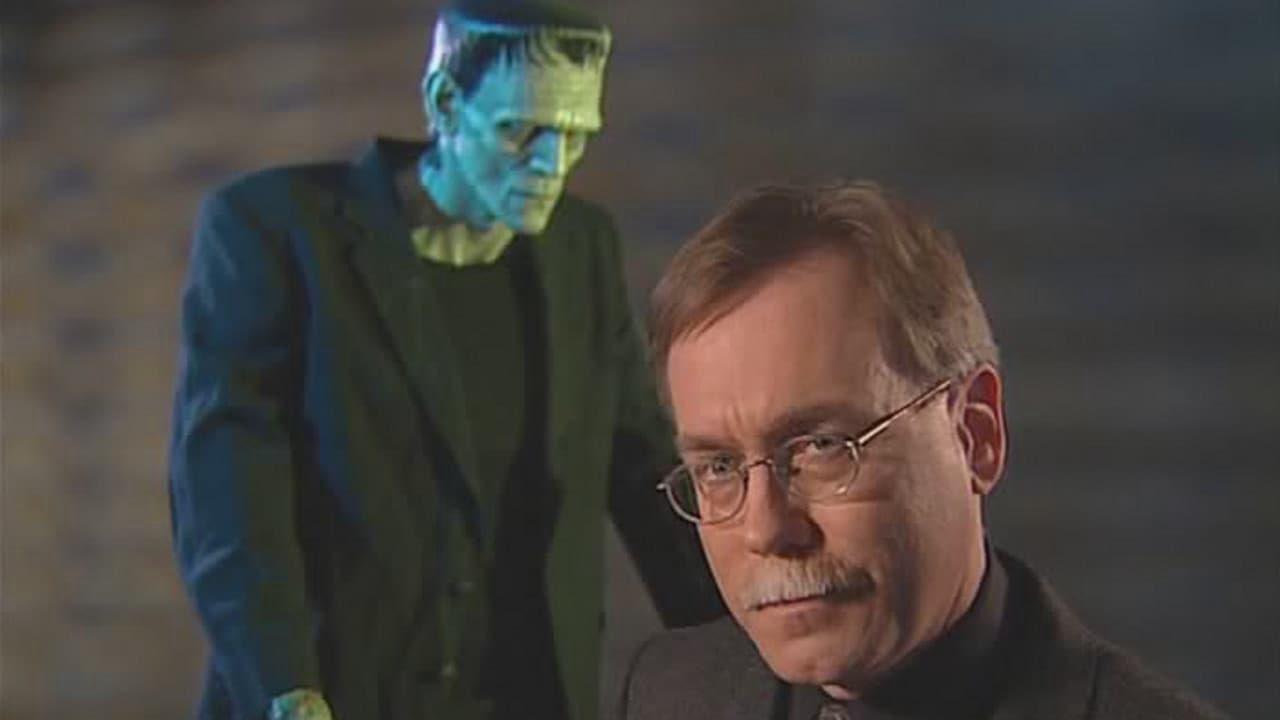
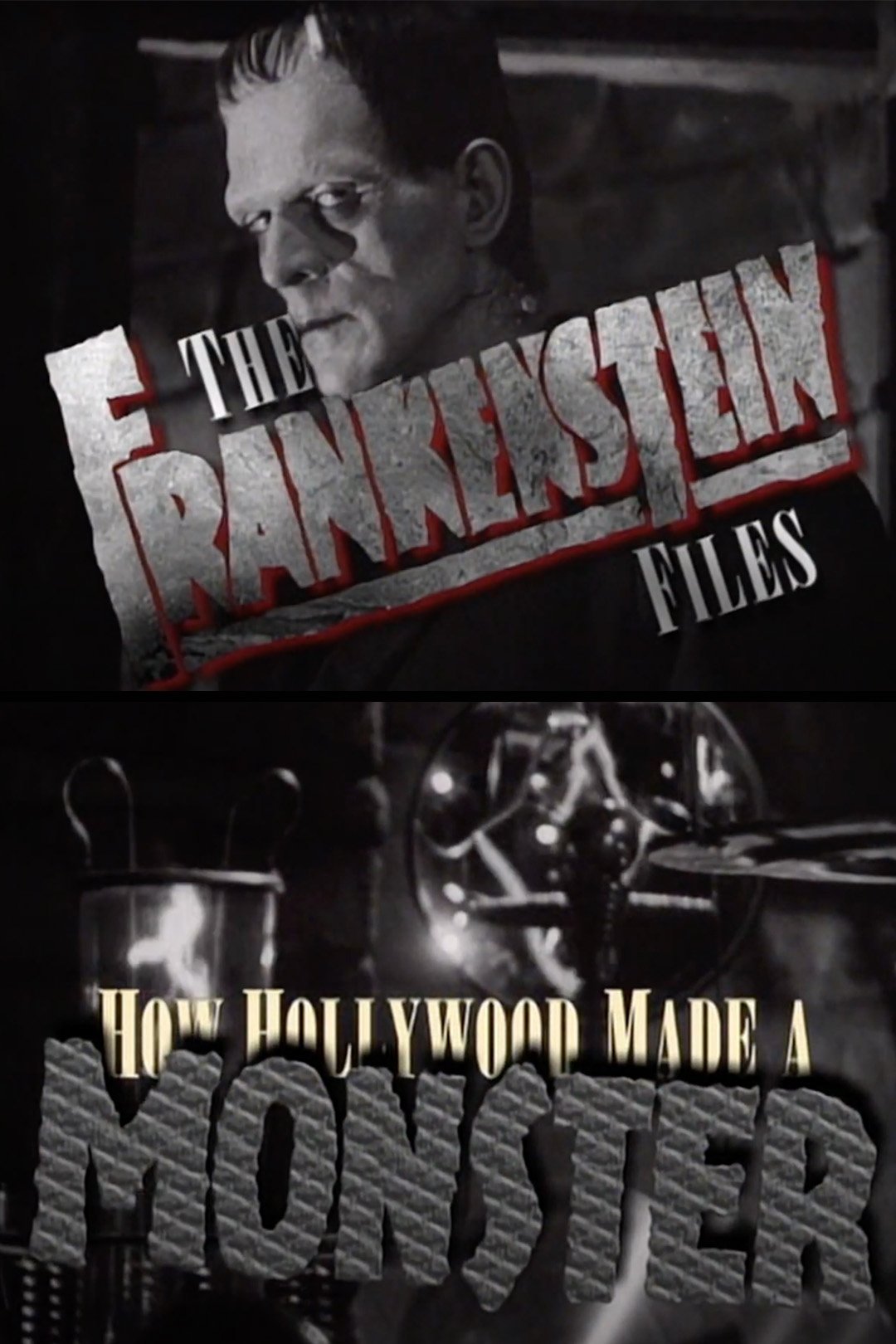
The history of Frankenstein's journey from novel to stage to screen to icon.
Social & External
The people behind it
David J. Skal
Host - Self
Rudy Behlmer
Self
Sara Karloff
Bob Madison
Rick Baker
Donald F. Glut
Ivan Butler
Jan-Christopher Horak
Bill Condon
Richard Gordon
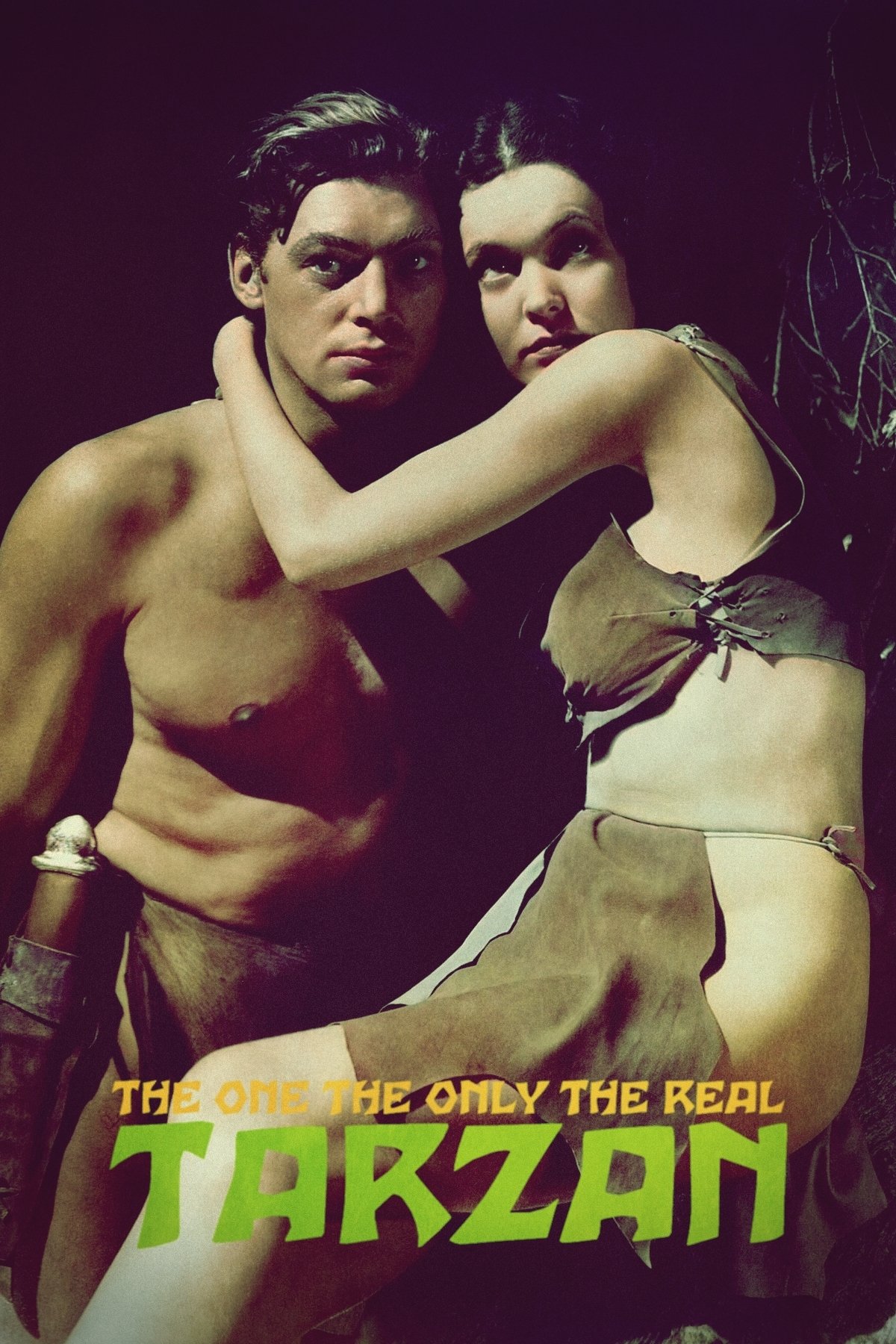
The glorious and tragic story of American athlete and actor Johnny Weissmuller (1904-84), Olympic swimmer, water polo player and the only true Tarzan, an archetypal character and myth of cinema, that of the original Hollywood blockbusters (1932-48).
An oral history exploring the development of film projection and cinema in Kingston-on-Thames - from resident innovator Eadweard Muybridge through the heyday, decline, and re-emergence of cinema. Features interviews with historians, projectionists and usherettes as well as cinema-goers with rare footage and images from Kingston’s cinemas.
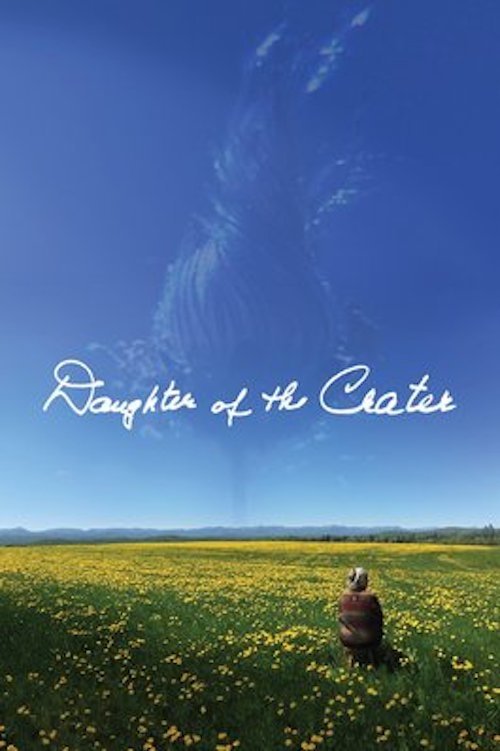
A woman with a deep love of the land, Yolande Simard Perrault sees her life as having been shaped by a planetary upheaval in Charlevoix, Quebec, millions of years ago. As enduring as the Canadian Shield, she’s a woman of strength and spirit, a child of the crater left by the meteor’s impact. This documentary portrays a determined woman who’s the reflection of a land created on an immense scale. She was the creative and life partner of filmmaker Pierre Perrault, who gave up everything to be by her side. The film charts the influence of her unquenchable dreams and her contribution to the building of a people’s collective memory. In a stream of images and words, Simard Perrault recounts the splendours of the landscape and the people who shaped it. Generous and boundless, she embarks on a quest for identity that nurtures and perpetuates the oeuvre of the man who breathed new life into Quebec cinema.
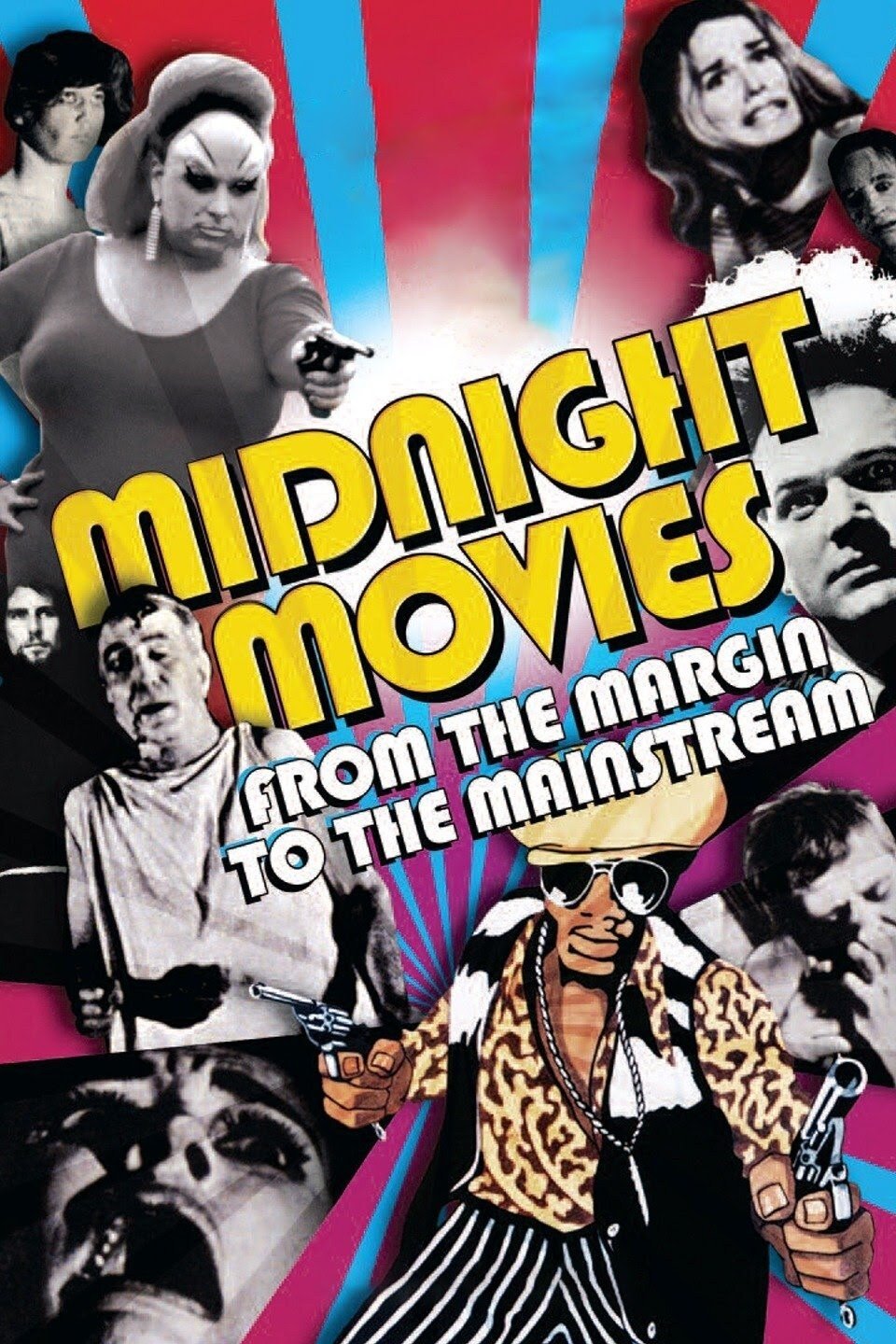
From 1970-1977, six low budget films shown at midnight transformed the way we make and watch films.
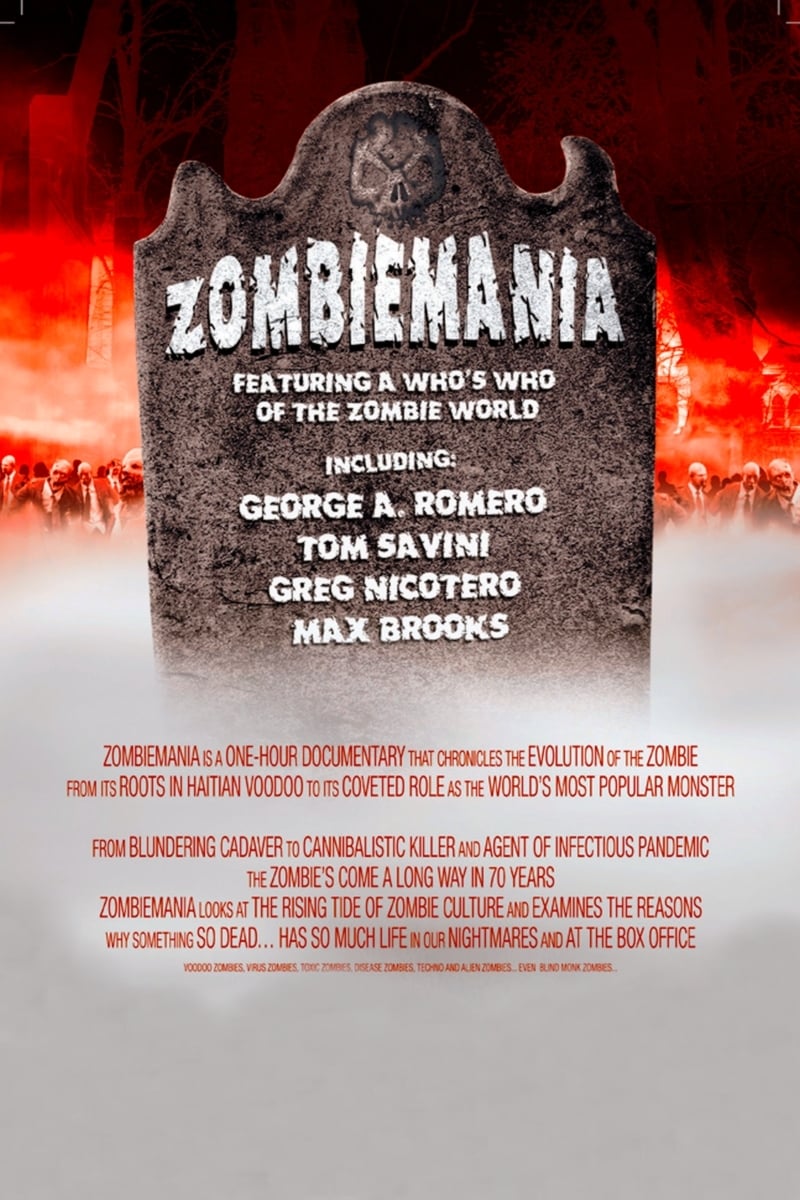
The evolution of the zombie from its roots in Haitian voodoo to its coveted role as the world's most popular monster: from being a clumsy corpse to becoming a cannibal killer and the main agent of every infectious pandemic, the zombie has come a long way in seventy years. A look at the rising tide of zombie culture examining why something so dead has so much life in viewers' nightmares and at the box office.
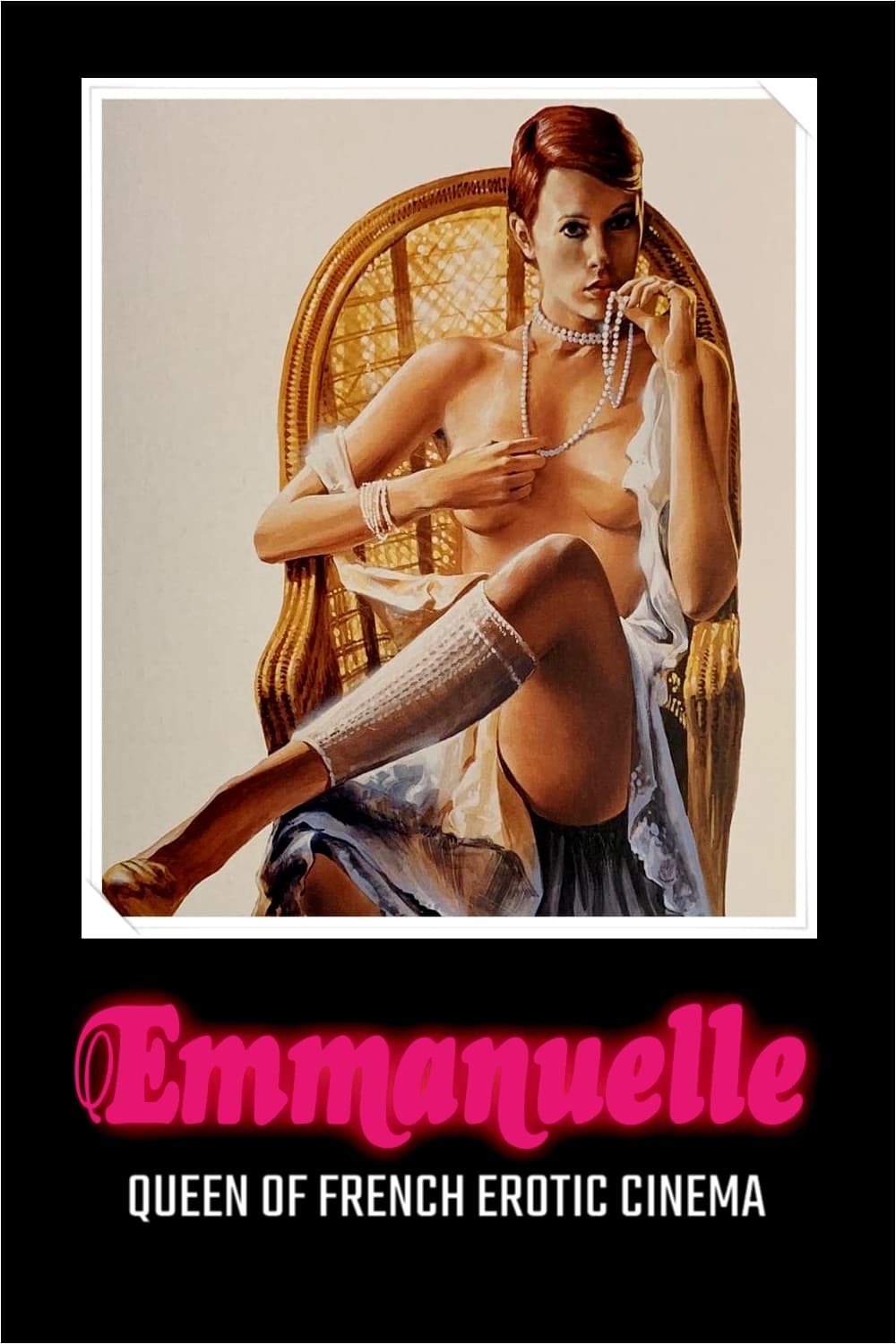
France, 1974. The erotic film Emmanuelle, directed by Just Jaeckin, breaks all records for cinema attendance: the story of the creation of a sensual epic that marked a turning point in the struggle for sexual emancipation.
Remarkable life story of Henri Diamant-Berger, a director and screenwriter whose devotion to cinema led him to collaborate with some of the greatest actors and filmmakers of his time.
Documentary illustrating the birth of sound cinema.
The actors in My Wife's Relations (1922) are discussed in this documentary.
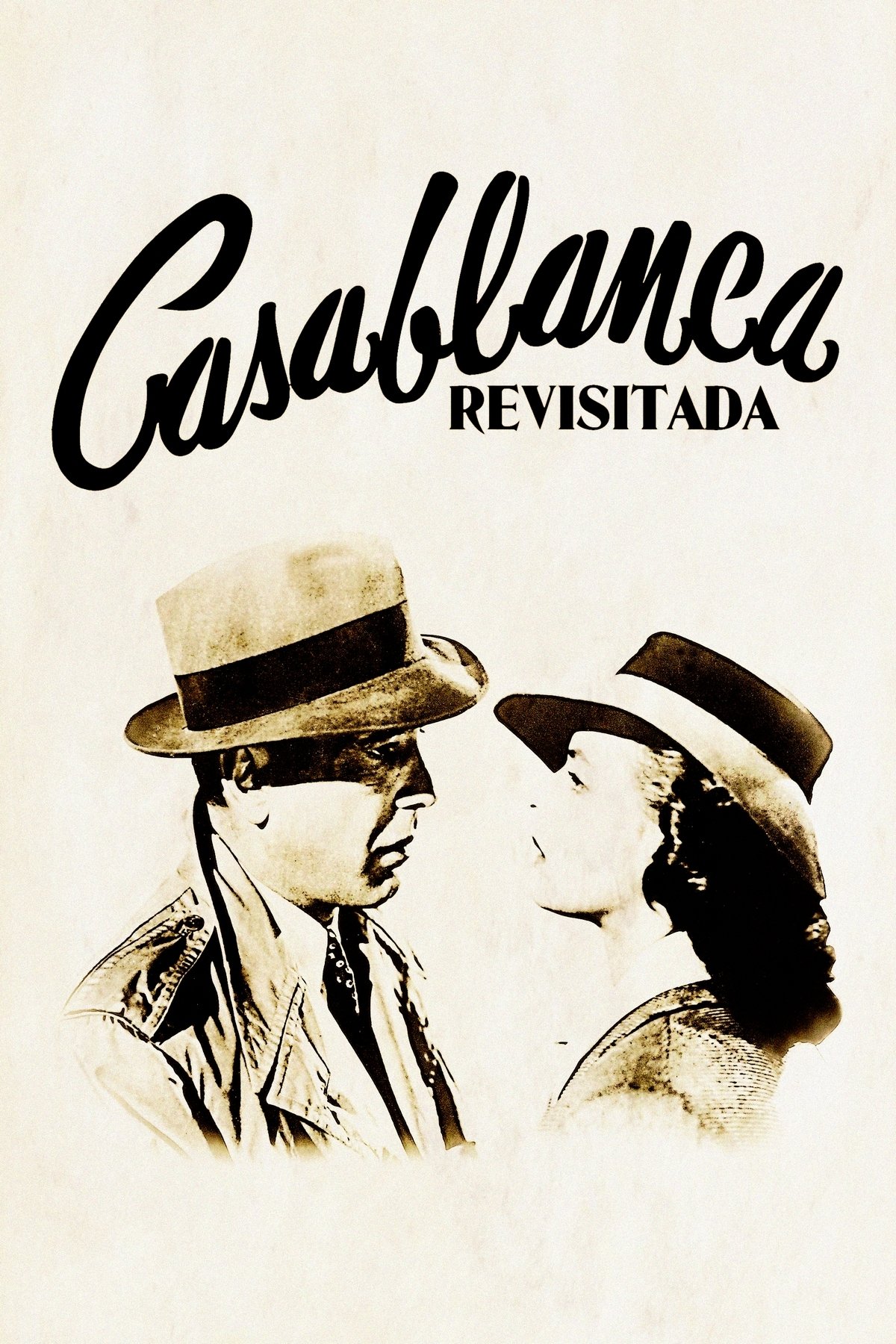
A lyrical and nostalgic analysis of how Casablanca, the mythical film directed by Michael Curtiz in 1942, has influenced both film history and pop culture.
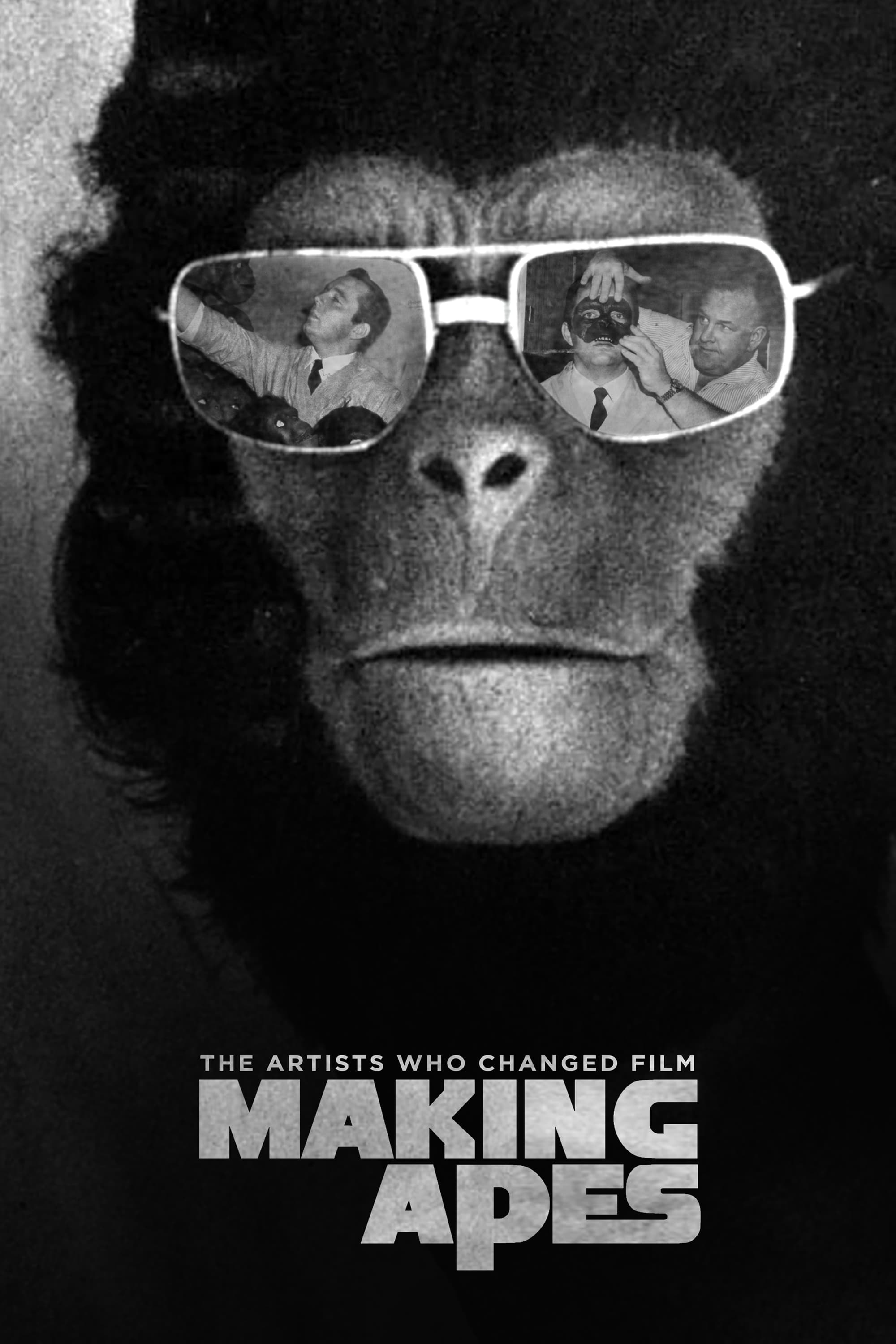
Fifty years after its release, the special effects makeup team behind Planet of the Apes reflect on making the iconic film.
Japan, 1954. A legend emerges from the ashes of Hiroshima and Nagasaki, devastated by atomic bombs in 1945. The creature's name is Godzilla. The film that tells its story is the first of kaiju eiga, the giant monster movies.
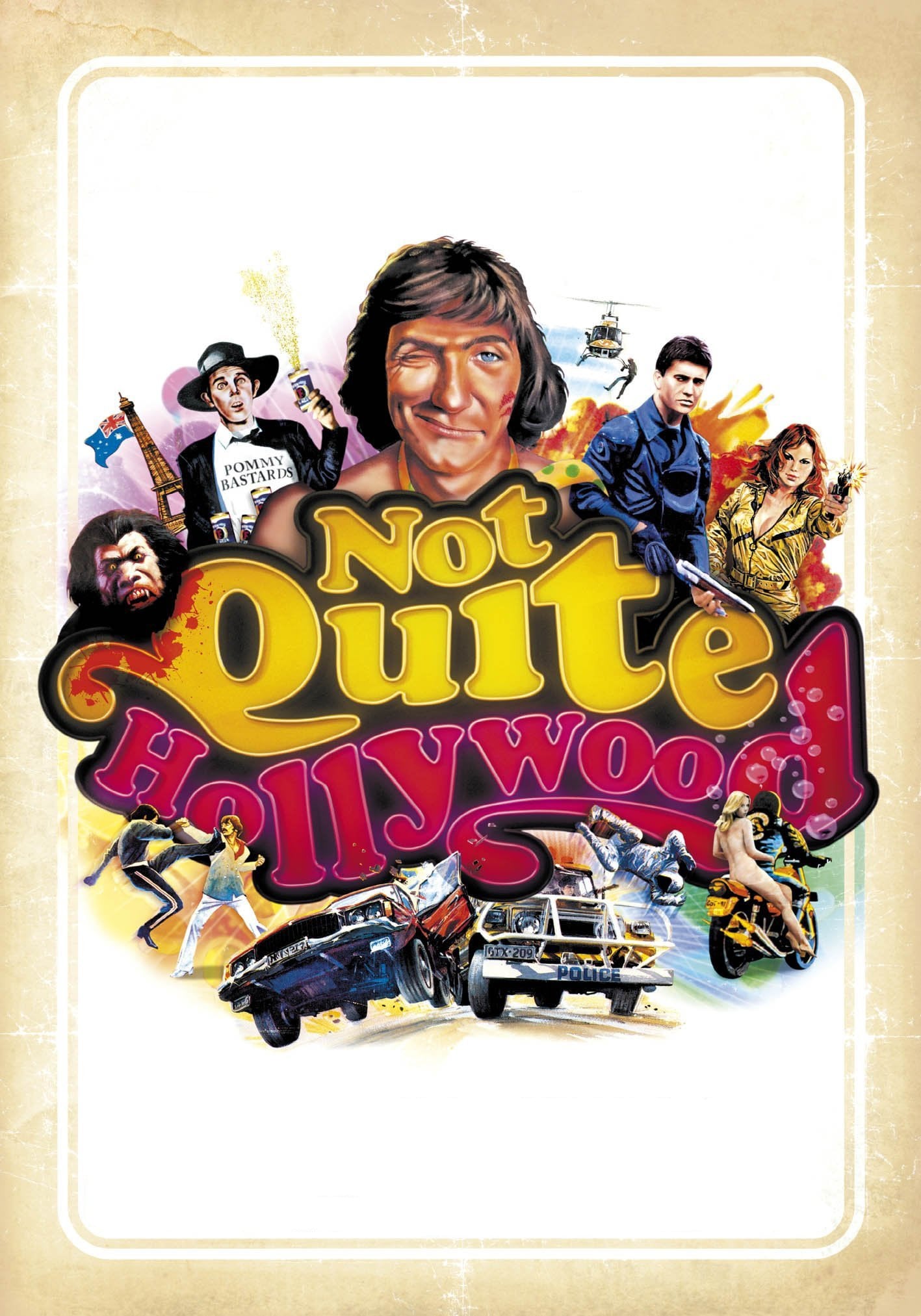
As Australian cinema broke through to international audiences in the 1970s through respected art house films like Peter Weir's "Picnic At Hanging Rock," a new underground of low-budget exploitation filmmakers were turning out considerably less highbrow fare. Documentary filmmaker Mark Hartley explores this unbridled era of sex and violence, complete with clips from some of the scene's most outrageous flicks and interviews with the renegade filmmakers themselves.
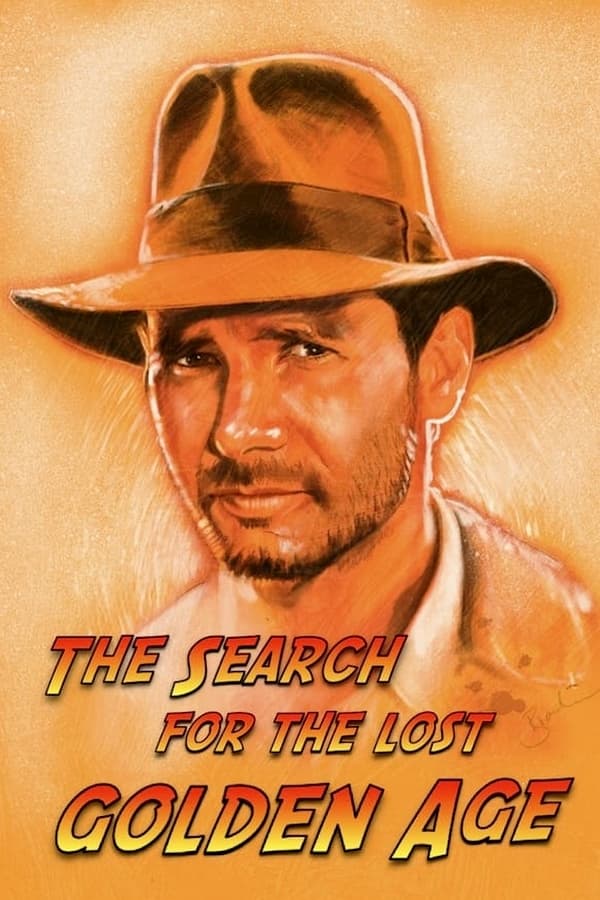
Hawaii, May 1977. After the success of Star Wars, George Lucas and Steven Spielberg meet to find a new project to work on together, the former as producer, the latter as director. The story of how the charismatic archaeologist Indiana Jones was born and how his first adventure, released in 1981, triumphed at box offices around the world.
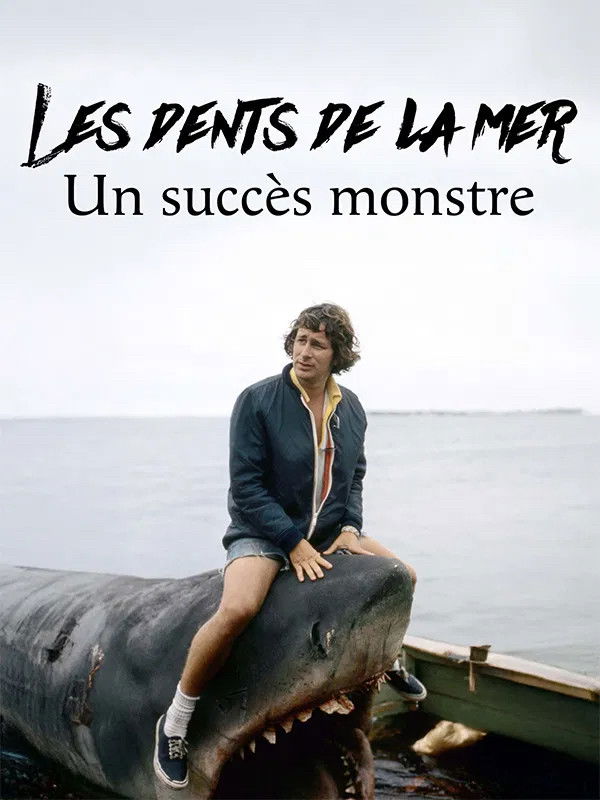
In the summer of 1975, the young director Steven Spielberg set new standards for cinema worldwide with an oversized shark bite, a plastic shark fin and an unmistakable two-note main theme composed by John Williams. With the horror from the deep, a man-eating, gigantic great white shark, the film of the same name became a similarly traumatic reference as Alfred Hitchcock's "Psycho": it triggered lasting primal fears across generations. On the beaches of the world, there was clearly a "before" and an "after". Steven Spielberg, who was only 28 at the time, not only set new standards for the thriller genre, but also hid his biting criticism of US capitalism in the 1970s behind it.
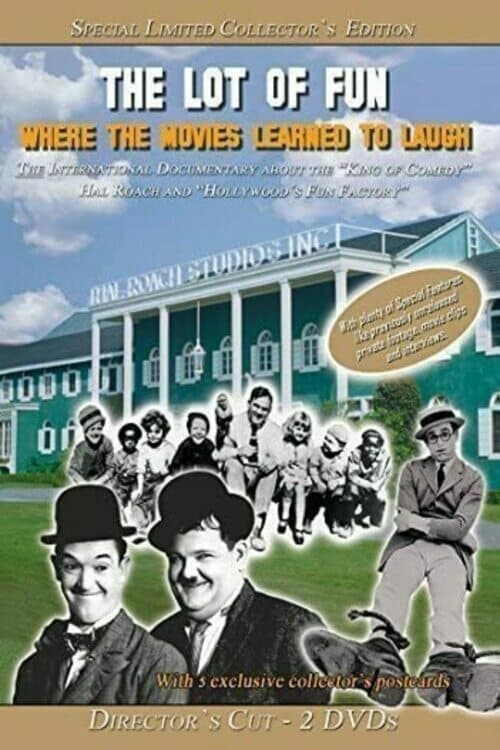
A documentary about film producer Hal Roach.
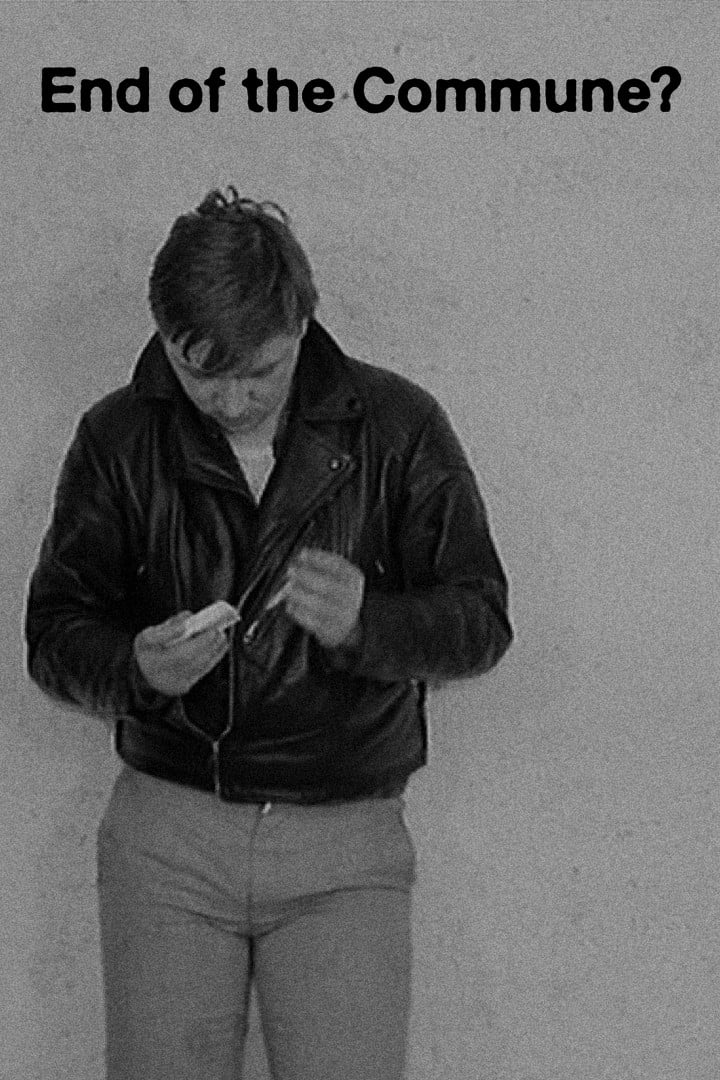
A documentary about Fassbinder and the early years of the legendary Antiteater, the group he was a member/leader of. You can here see and hear some of the actors he was going to use in his movies for the next years. The movie shows rehearsals for his play "The Coffeehouse," which also became a television movie, and you can watch unique footage from the 19th Film Festival in Berlin (1969) where "Love is Colder Than Death" was shown. As told in this documentary, his first feature movie was given a cold shoulder by many of the journalists and visitors at the festival. You can in "End of the Commune" watch Fassbinder and actor Ulli Lommel walk out on stage after the opening of "Love is Colder Than Death,” while a man in the audience is shouting "Out with the director!” In this documentary, Fassbinder also talks a lot about his father, who was a respectable doctor.
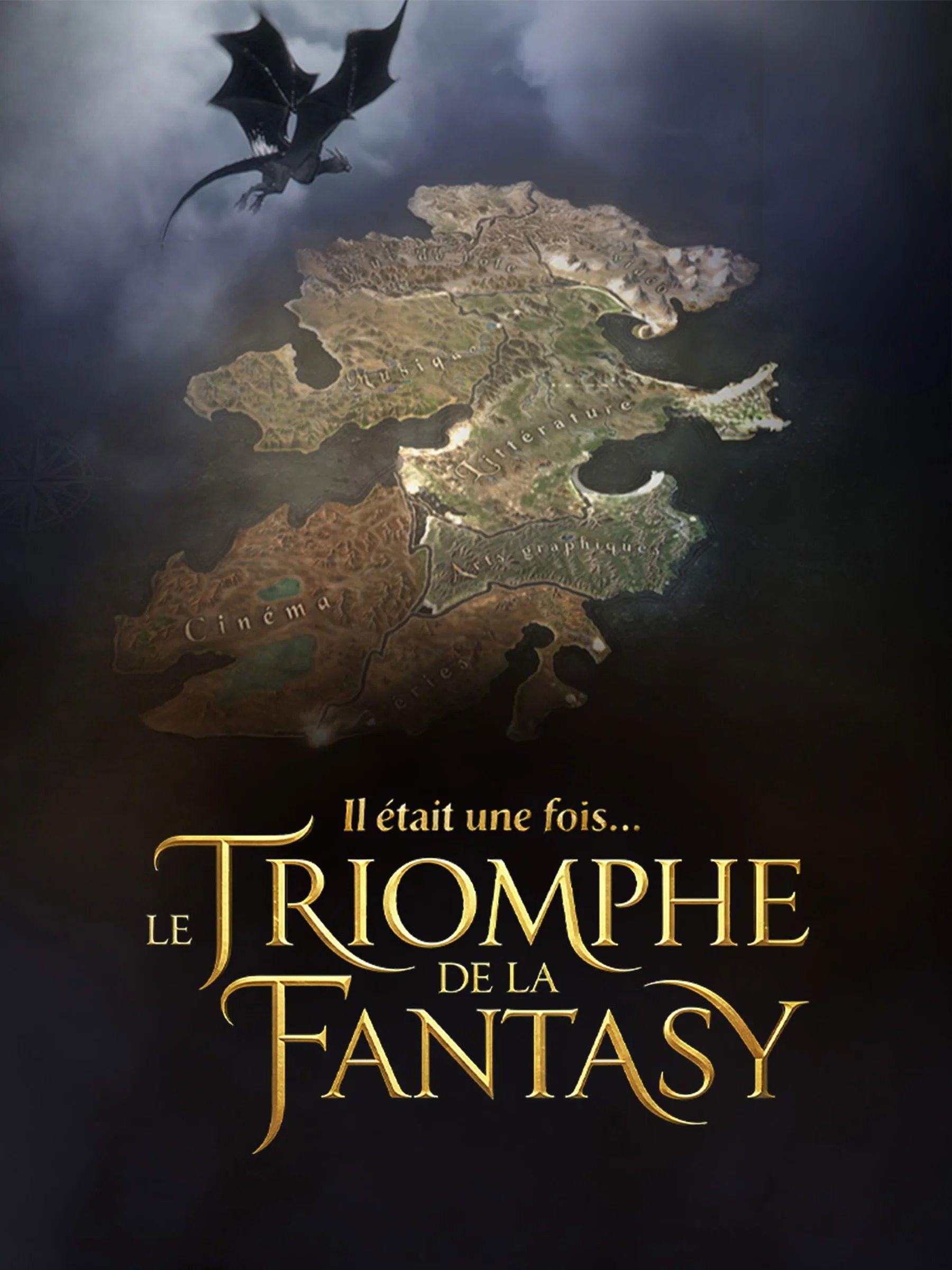
A journey into the magical world of fantasy, a genre that has captivated the world for over a century, from Tolkien's novels to the legendary Harry Potter saga, from the Game of Thrones phenomenon to The Wheel of Time and the must-play video game Zelda. This film, bringing together exceptional contributors such as Richard Taylor, author Robin Hobb, French writers Maxime Chattam and Estelle Faye, and history-specialist videographer Ben, is narrated by Adeline Chetail. Designed as an immersive journey with spectacular images, it takes viewers into a parallel world, born in response to the crises of history. A world that has become a reflection of very real dreams and struggles, but also a celebration of the imagination, its richness, and its power over lives.
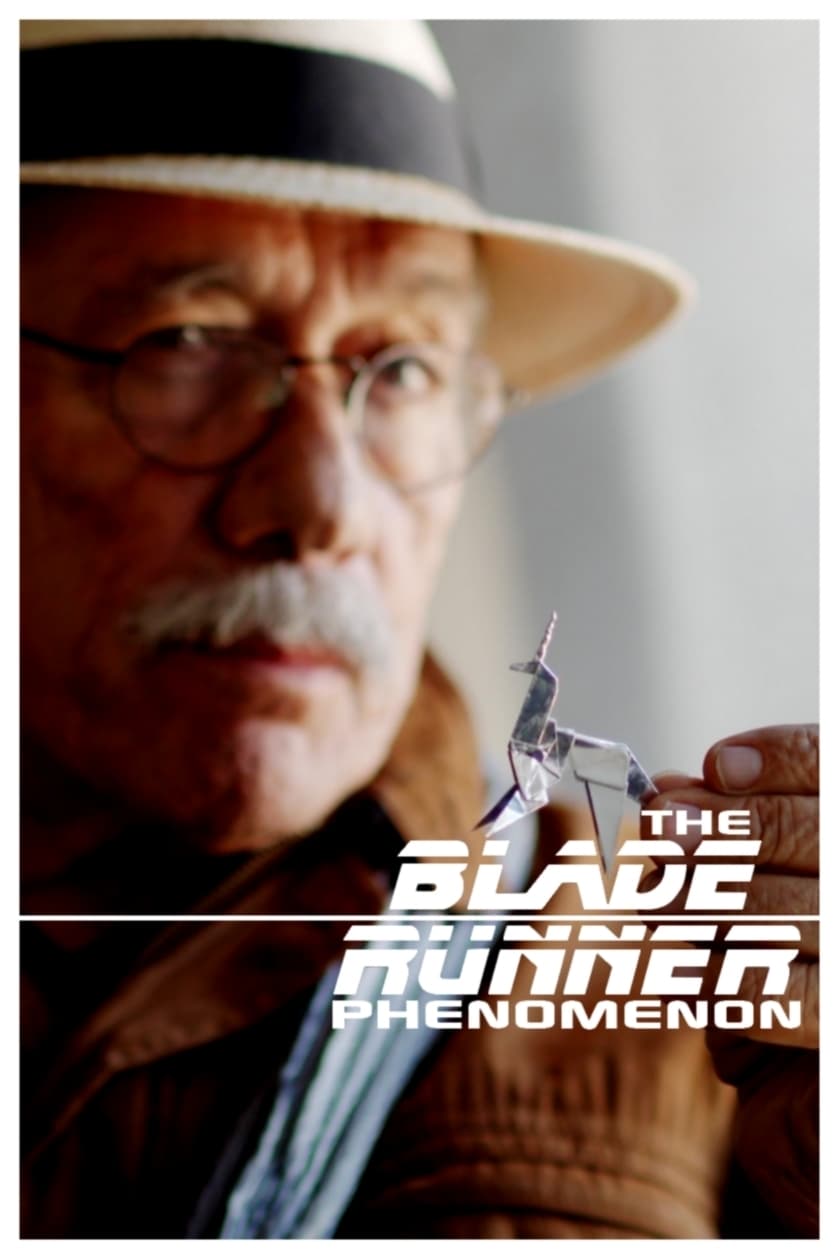
Ridley Scott's cult film Blade Runner, based on a novel by Philip K. Dick and released in 1982, is one of the most influential science fiction films ever made. Its depiction of Los Angeles in the year 2019 is oppressively prophetic: climate catastrophe, increasing public surveillance, powerful monopolistic corporations, highly evolved artificial intelligence; a fantastic vision of the future world that has become a frightening reality.
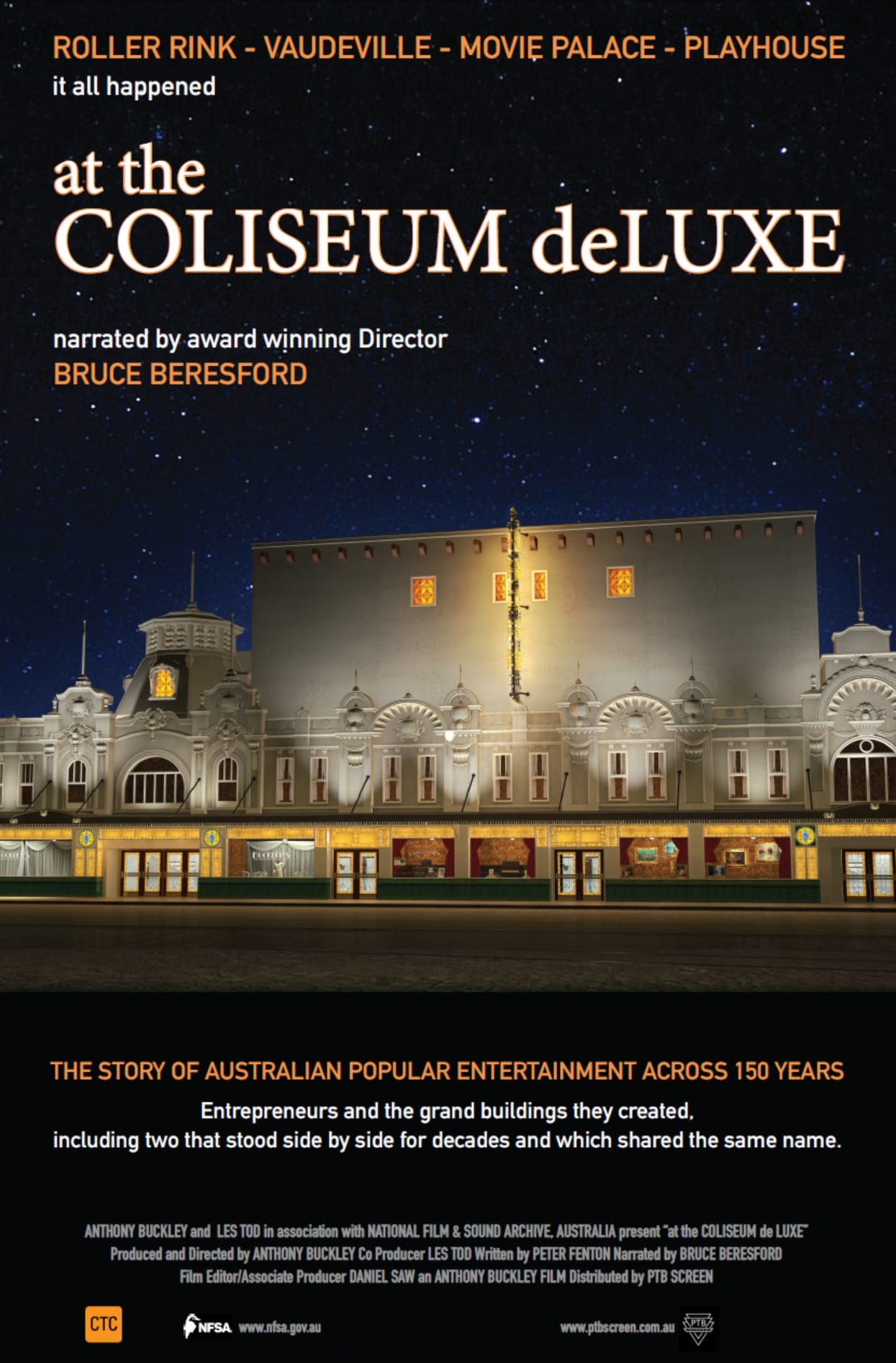
A feature length documentary about Australian popular entertainment across 150 years; of Skating and Dancing, Vaudeville and Moving Pictures.
The story lives forever in this feature-length documentary that charts the making of Star Wars: The Rise of Skywalker.
The history of cinematic sound, told by legendary sound designers and visionary filmmakers.
This revealing documentary honors the legendary Sidney Poitier—iconic actor, filmmaker, and civil rights activist. Featuring interviews with Denzel Washington, Spike Lee, Halle Berry, and more.
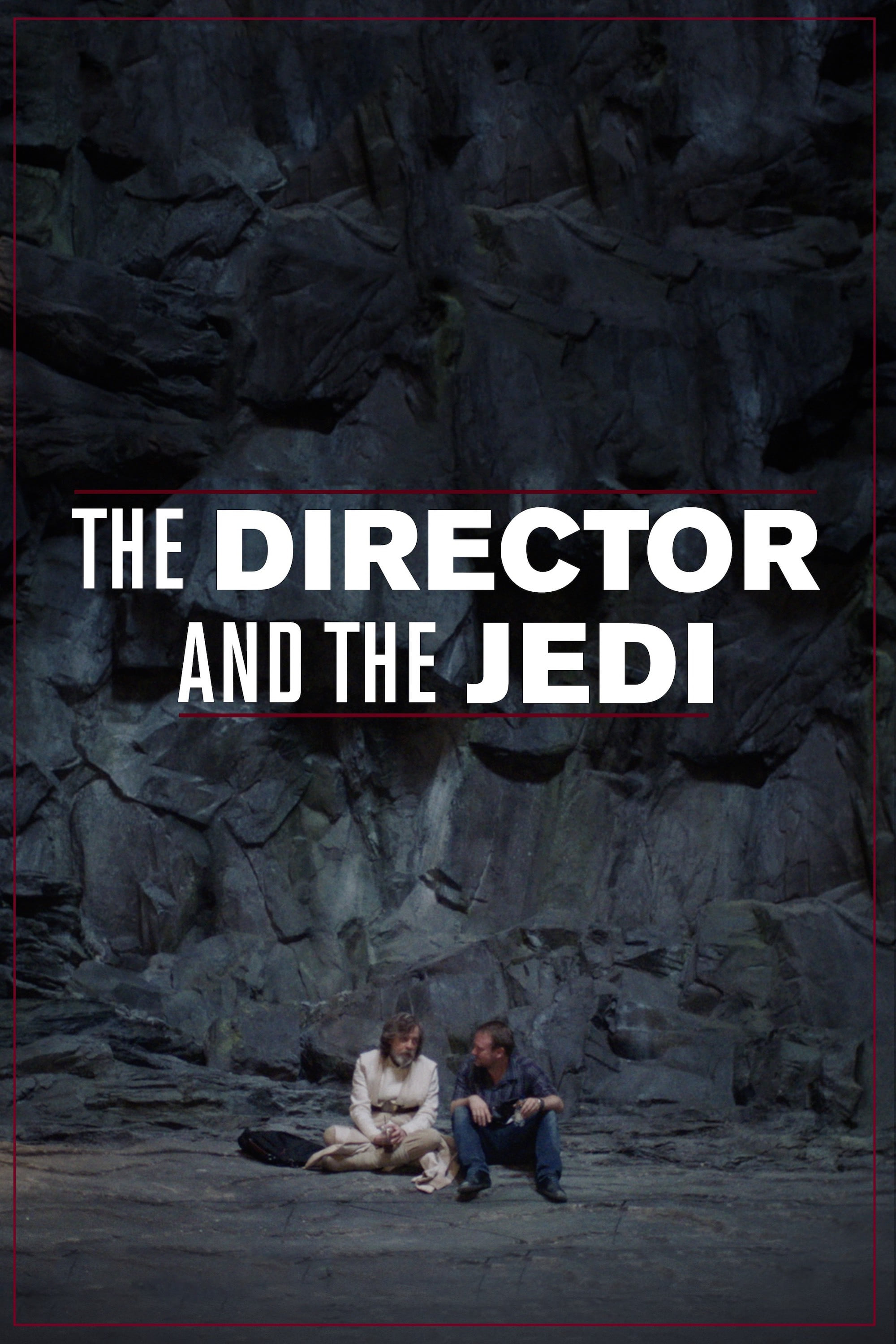
An intimate documentary delving into Rian Johnson's process as he comes in as a director new to the Star Wars universe.
Follow the evolution of the 'Halloween' movies over the past twenty-five years. It examines why the films are so popular and revisits many of the original locations used in the films - seeing the effects on the local community. For the first time, cast, crew, critics and fans join together in the ultimate 'Halloween' retrospective.
An inside look at one of the most anticipated movie sequels ever with James Cameron and cast.
The life and career of an actor, artist, and icon. His own journey through his own camera.
Artists in LA discover the work of forgotten Polish sculptor Stanislav Szukalski, a mad genius whose true story unfolds chapter by astounding chapter.
Brilliant, long in-the-works story of the life and art of the world's greatest comedian and the cinema's first genius, Charlie Chaplin. Produced, written and directed by renowned film critic Richard Schickel.
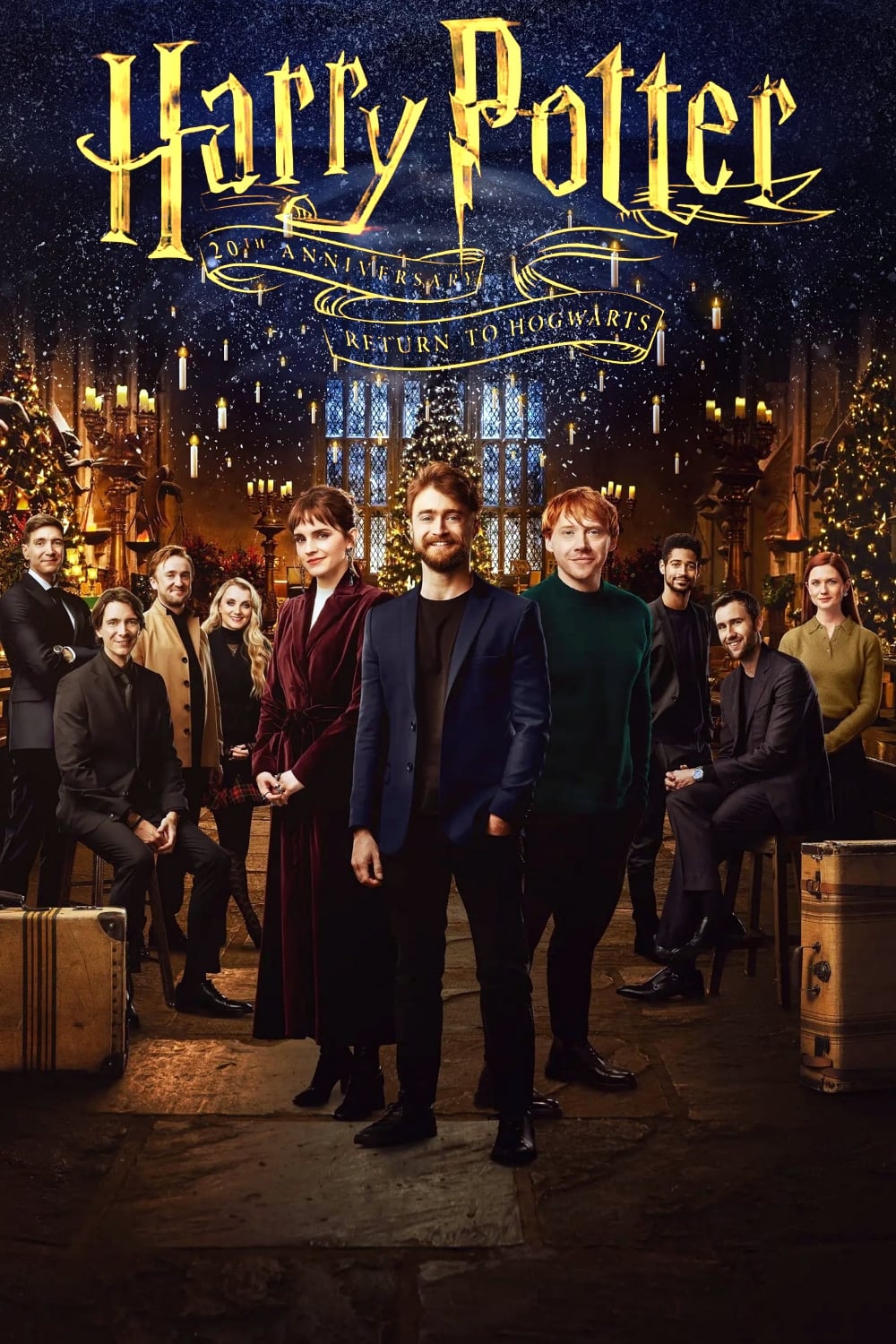
An enchanting making-of story told through all-new in-depth interviews and cast conversations, inviting fans on a magical first-person journey through one of the most beloved film franchises of all time.
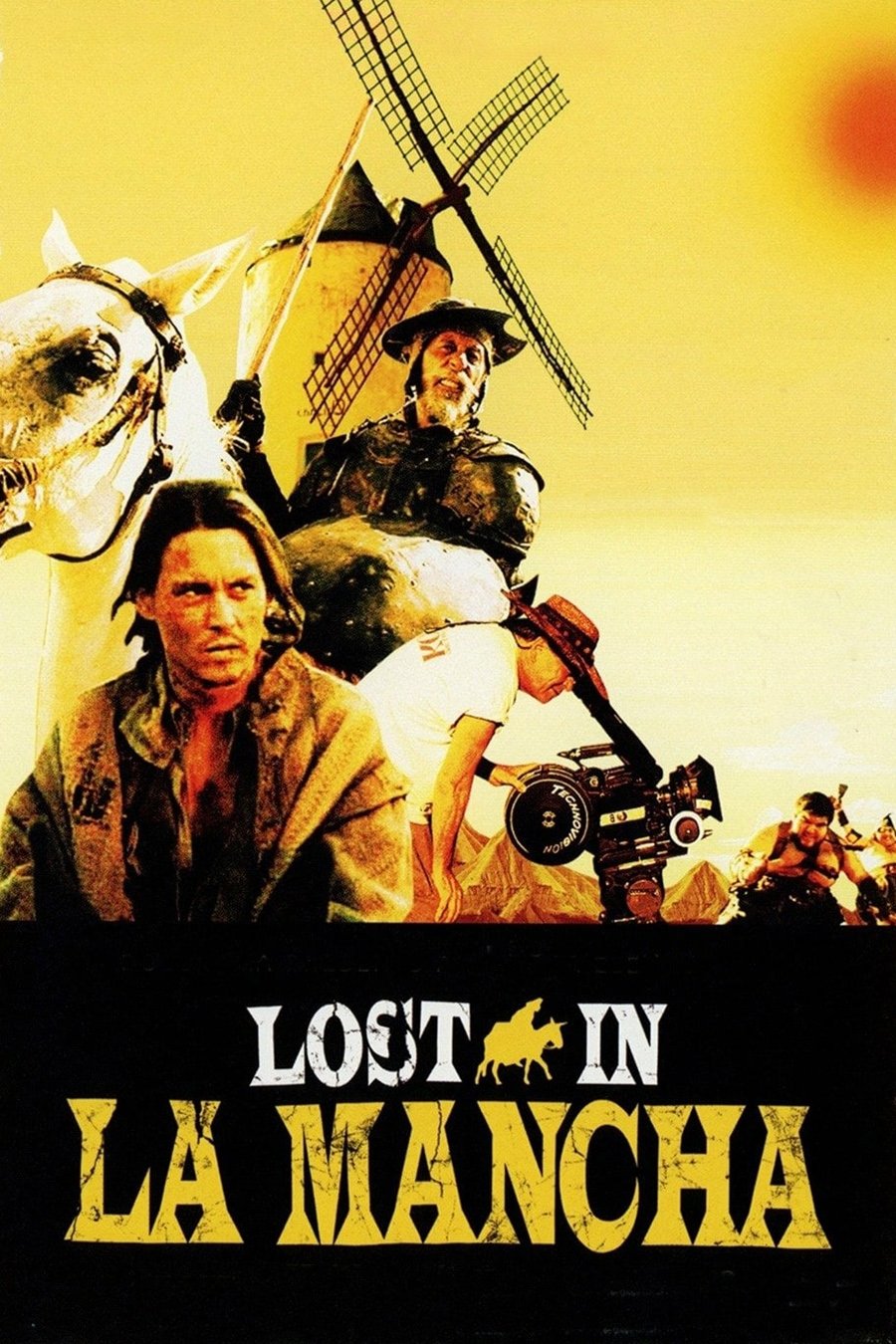
Fulton and Pepe's 2000 documentary captures Terry Gilliam's attempt to get The Man Who Killed Don Quixote off the ground. Back injuries, freakish storms, and more zoom in to sabotage the project.
Filmmaker Lawrence Shapiro discusses voice-over acting with the talented people behind the characters.
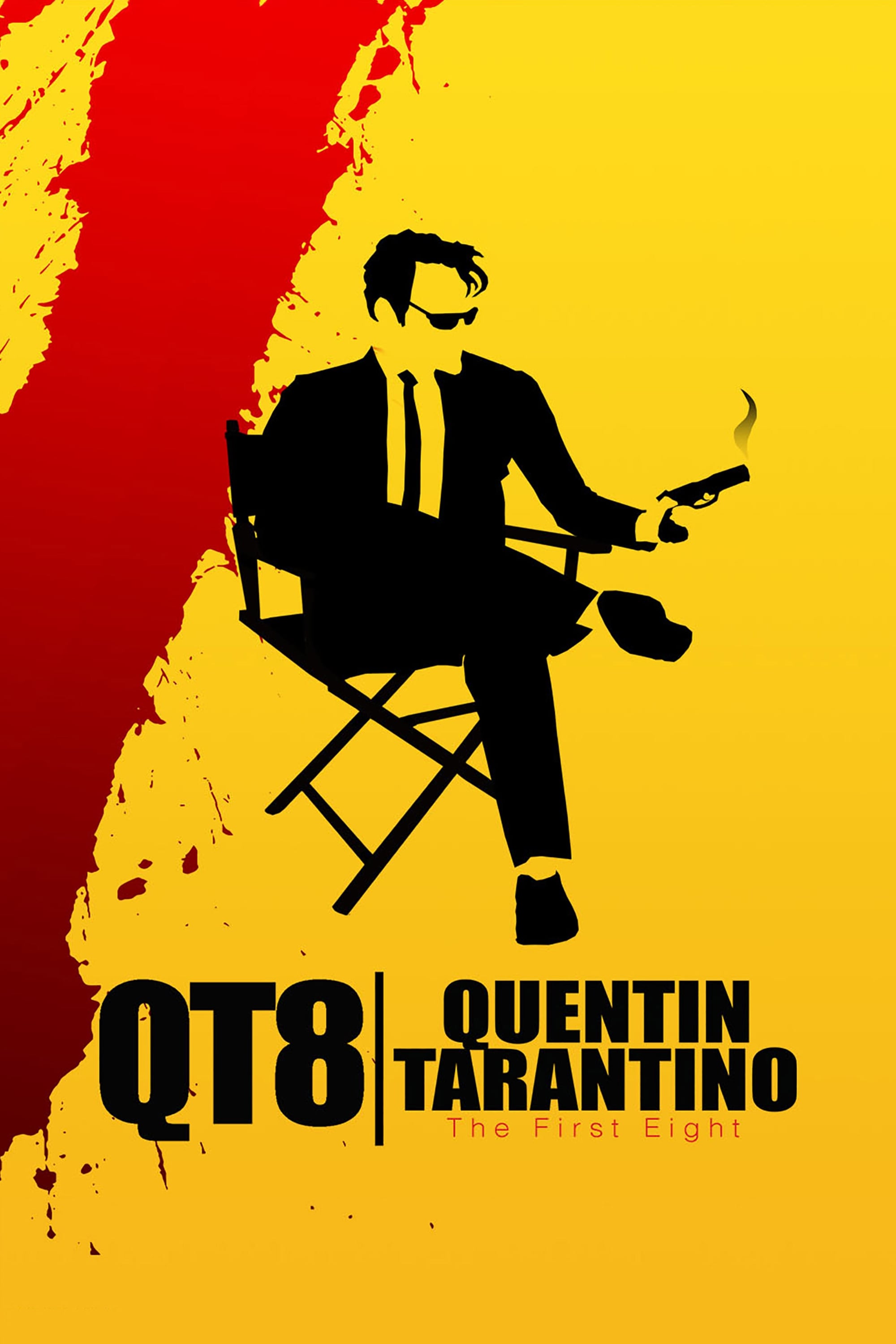
A detailed account of the life and artistic career of legendary filmmaker Quentin Tarantino, from his early days as a video club manager to the scandalous fall in disgrace of producer Harvey Weinstein. A story about how to shoot eight great movies and become an icon of modern pop culture.
A compilation of over 30 years of private home movie footage shot by Lithuanian-American avant-garde director Jonas Mekas, assembled by Mekas "purely by chance", without concern for chronological order.
Al Pacino's deeply-felt rumination on Shakespeare's significance and relevance to the modern world through interviews and an in-depth analysis of "Richard III."
In an intimate and joyful story of love in the face of loss, celebrated poets Andrea Gibson and Megan Falley find strength—and unexpected hilarity—in what might be their final year together.
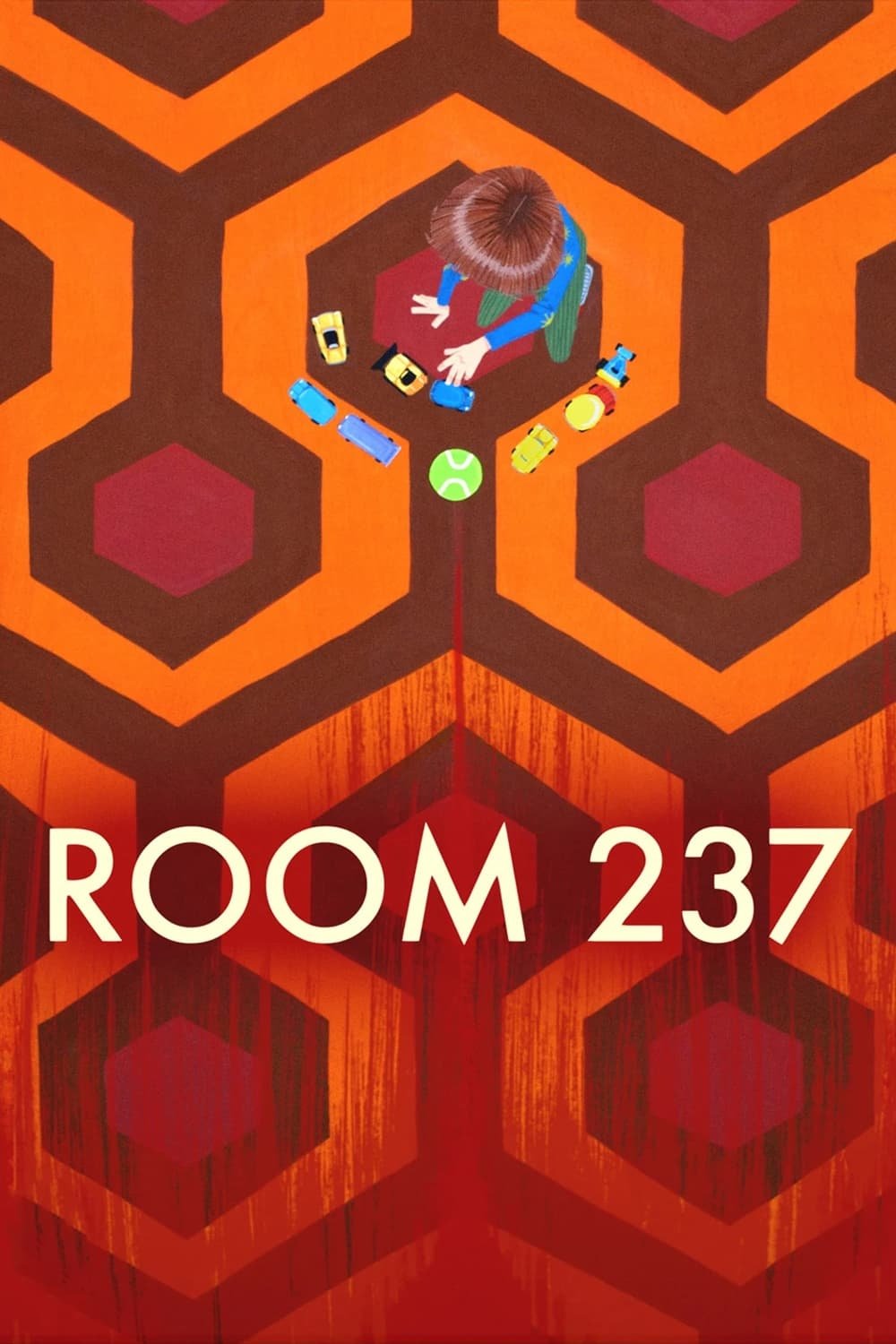
A subjective documentary that explores various theories about hidden meanings in Stanley Kubrick's classic film The Shining. Five very different points of view are illuminated through voice over, film clips, animation and dramatic reenactments.
Daniel Craig candidly reflects on his 15 year adventure as James Bond. Including never-before-seen archival footage from Casino Royale to the upcoming 25th film No Time To Die, Craig shares his personal memories in conversation with 007 producers, Michael G Wilson and Barbara Broccoli.
Director Michael Apted revisits the same group of British-born adults after a 7 year wait. The subjects are interviewed as to the changes that have occurred in their lives during the last seven years.
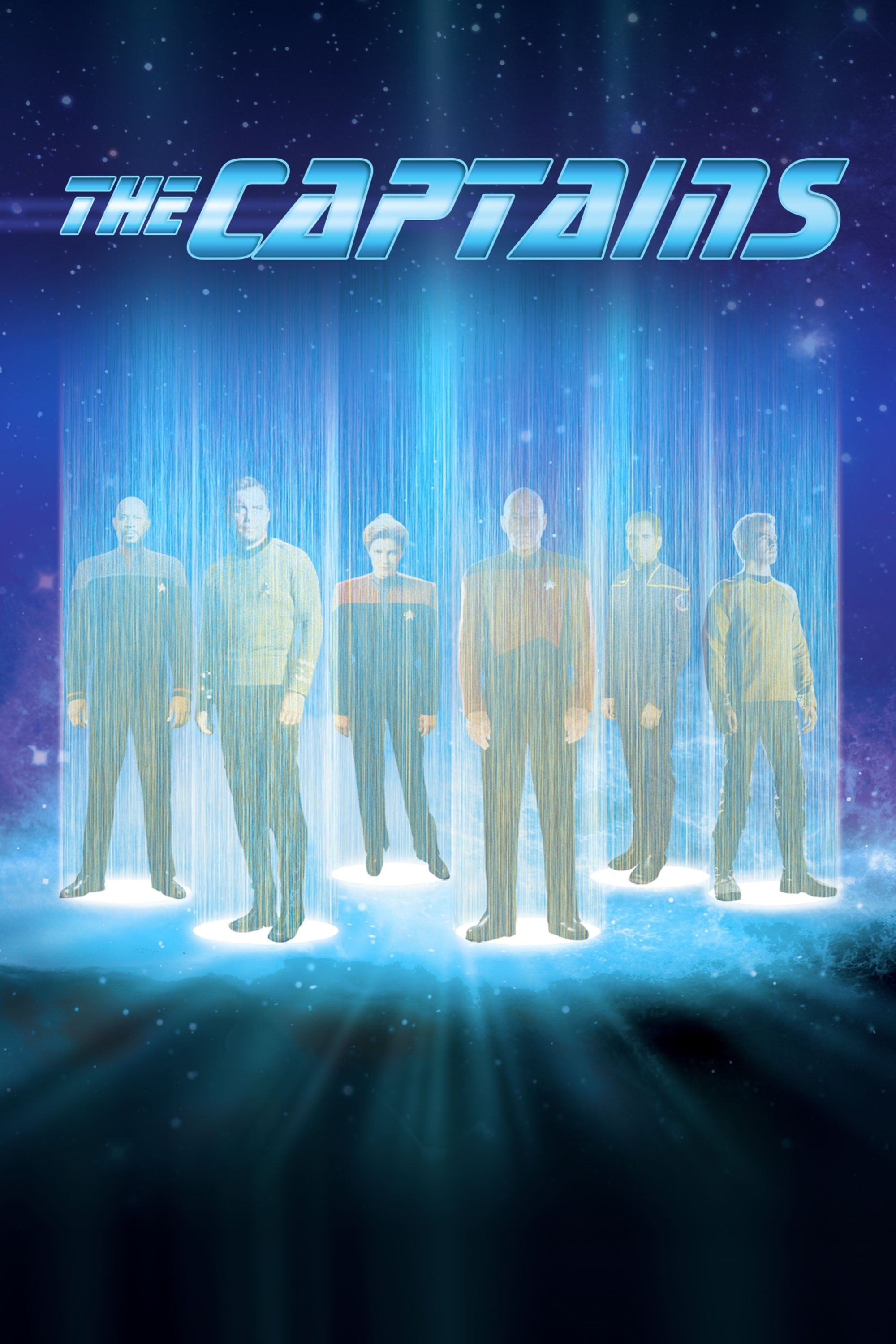
The Captains is a feature-length documentary film written and directed by William Shatner. The film follows Shatner as he interviews the other actors who have portrayed starship captains in the Star Trek franchise.