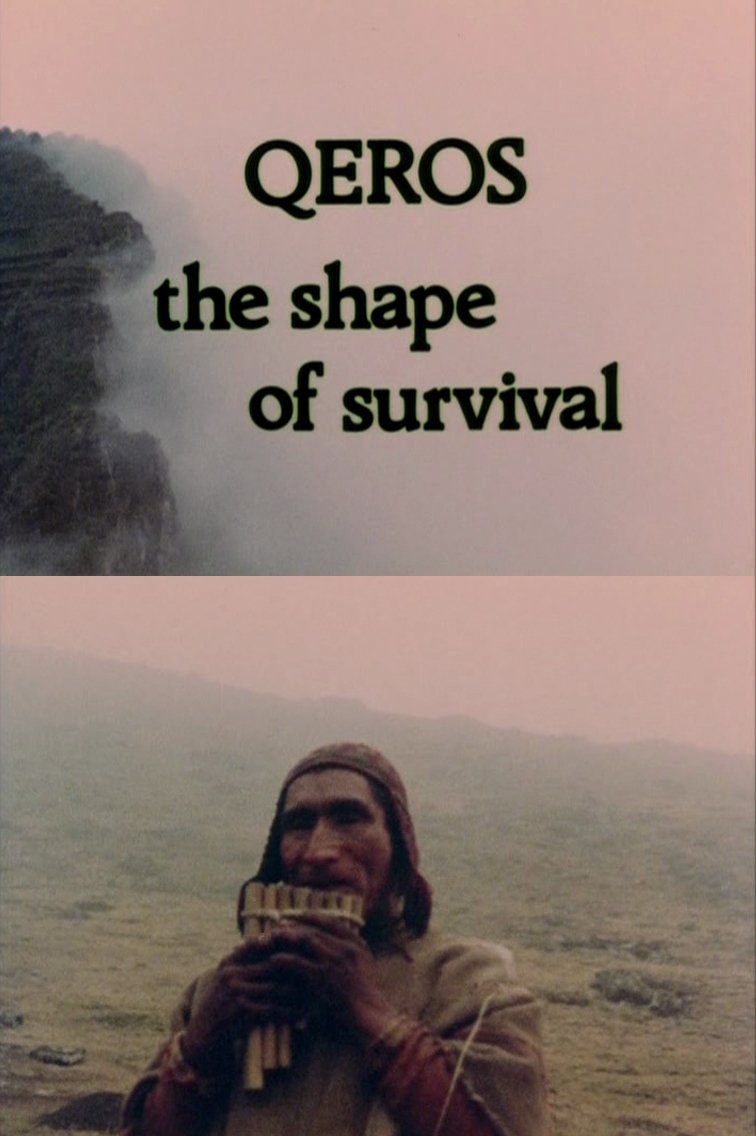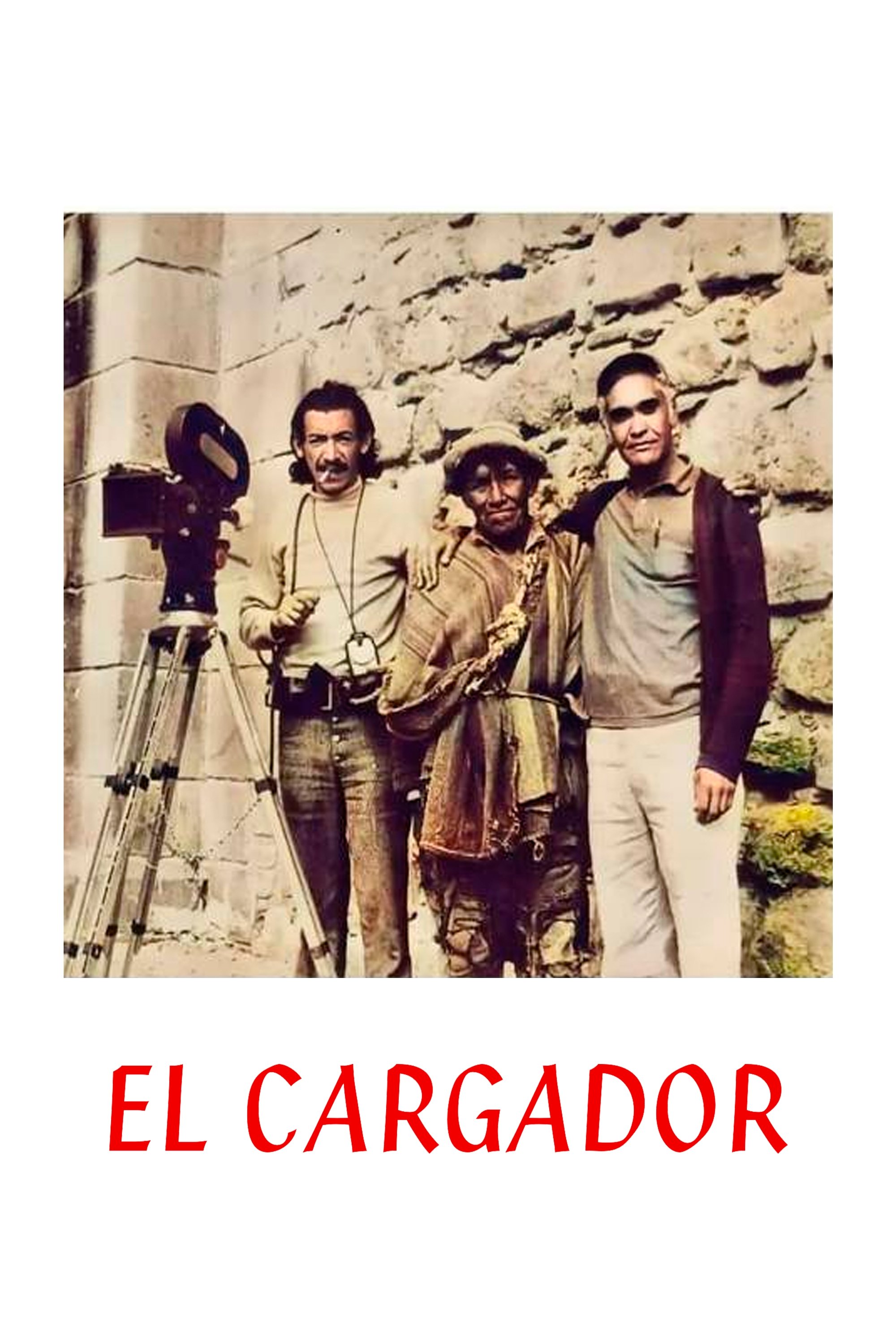
Dramatic testimony of Gregorio Condori Mamani, who works as a porter in Cusco, Peru. Despite the huge effort they make everyday for a few coins, porters fall and find death in the streets.
Social & External
Himself
Voice in Spanish
A boy realizes that he could help his parents by doing things around the house.
On the day young Alan receives his driver's license, Officer Hal Jackson visits the Dixon farm to sternly lecture the family on the dangers of carelessness at railroad crossings.
Old short about the importance of good platform posture and how we can improve it through the simple knee test.
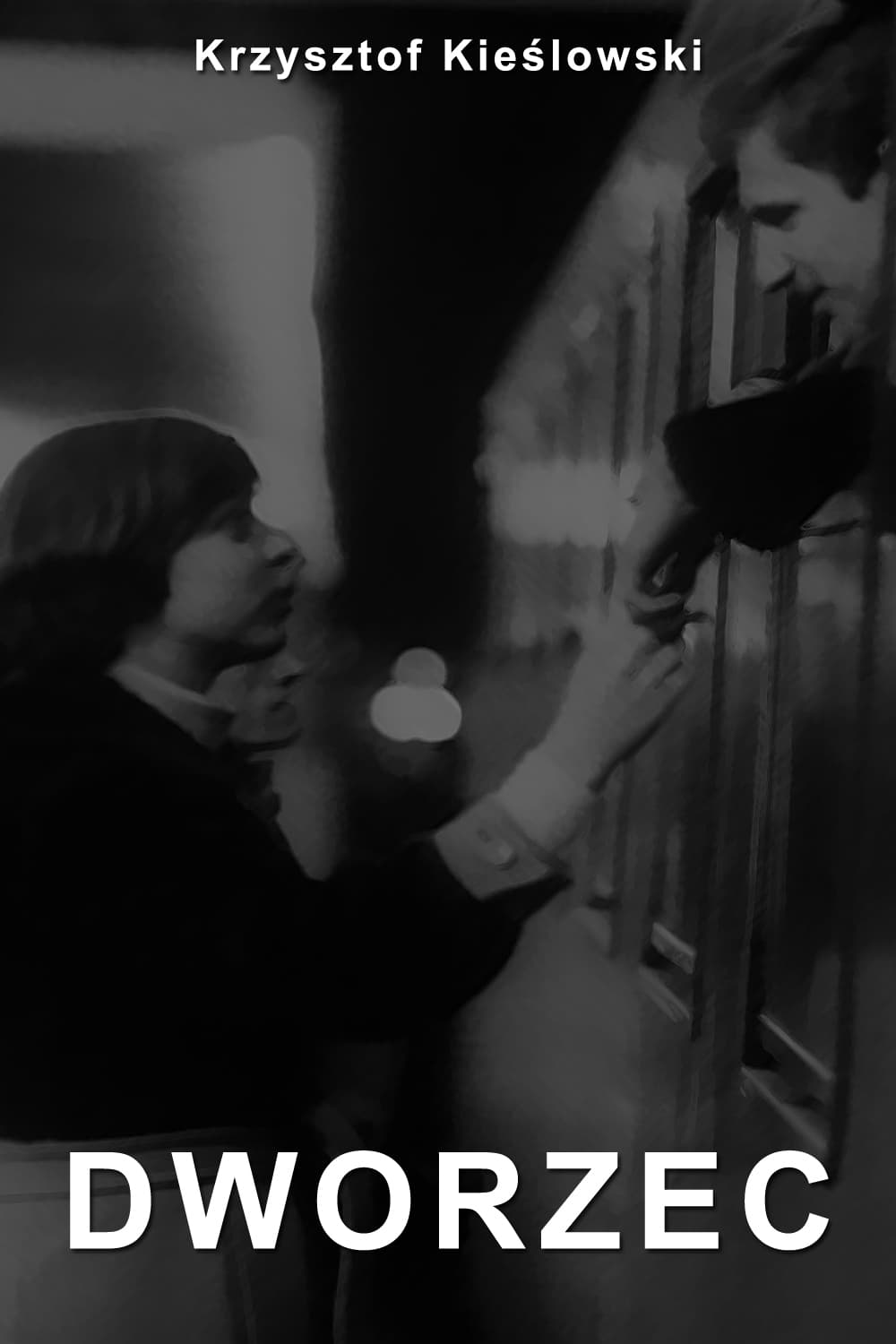
Elie Wiesel, a survivor from Sighet, a town from which a thousand Jews were deported to the ovens of Auschwitz, returns, unknown and unseen, a silent witness to the town where he was born and grew up.
During his 1923 visit to Cairo, Prince Leopold III of Belgium climbed the Cheops pyramid. The film was shot by Tullio Chiarini, Italian photographer, cinematographer and correspondent in Cairo and Alexandria.
A newly discovered film showing Tamara Karsavina dancing Mikhail Fokine’s ‘La Danse du Flambeau’ (‘The Torch Dance’). This performance was filmed in 1909. Tamara Karsavina’s shoes are not reinforced at the tip like today’s pointe shoes; she may have had cotton or wool stuffed into the toes of her shoes. (https://nycdancestuff.wordpress.com/2013/08/01/tamara-karsavina-michel-fokines-la-danse-du-flambeau-1909/)
"Le Défilé" is a short film of Regine Chopinot & Jean-Paul Gaultier's collaborations, from a retrospective exhibit by the same name.
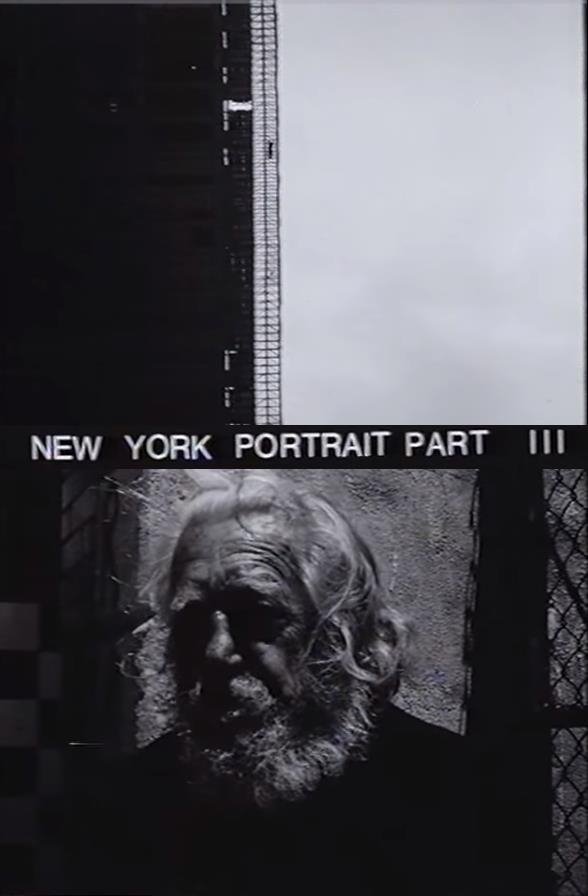
Impressions of New York City. Experimental short.
After receiving an anonymous phone call, the cops pick up a young woman who is wandering around alone in the desert. She tells them that she was given a lift by a stranger, who abandoned her there. Or are there more sides to one story? Part of a series of scare movies called Under the Law, distributed by Disney in the 1970s.
A woman from the Ashanti tribe bathes her child in a shallow bowl.
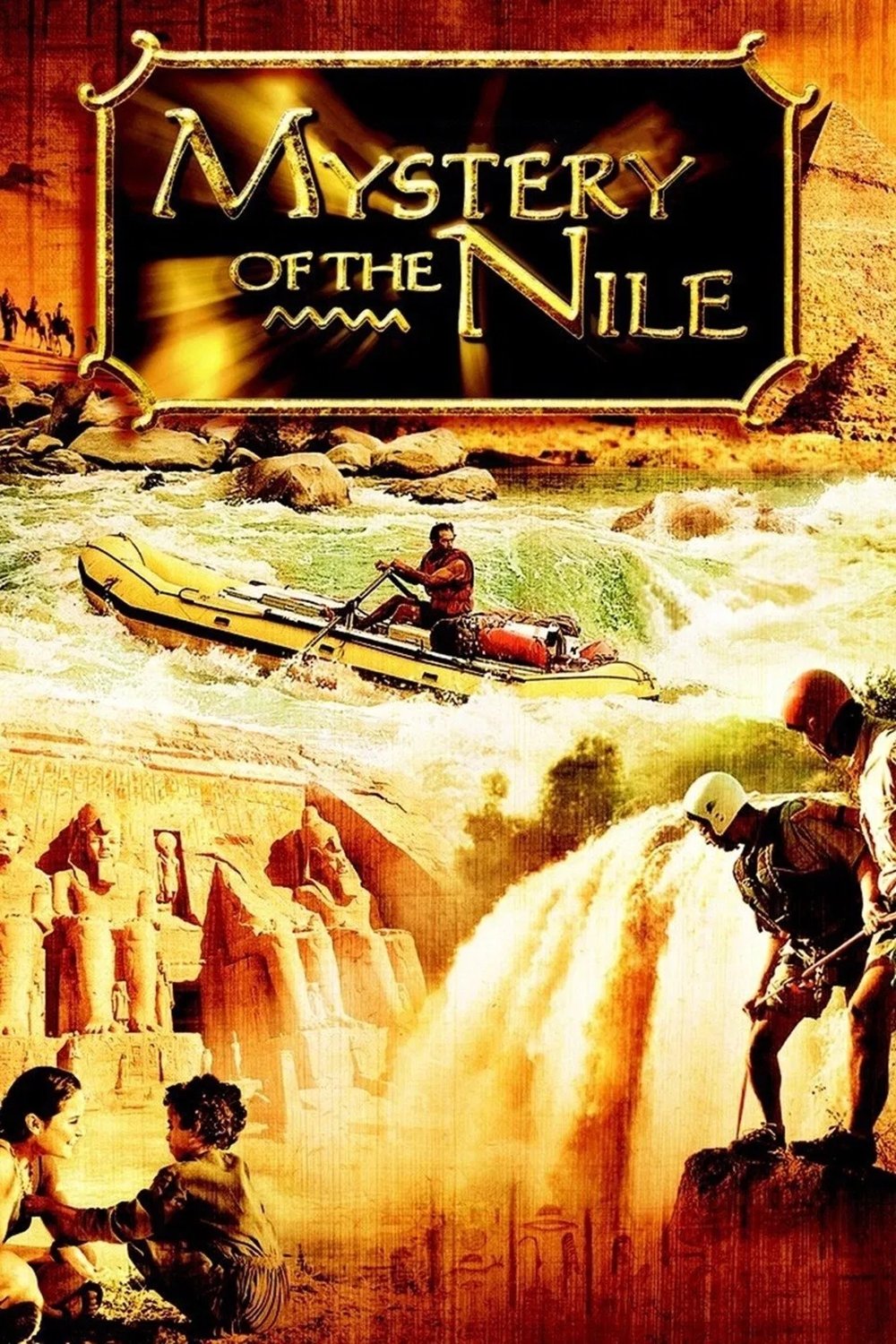
Travellers, nomads and salesmen make their way along a dam next to the Nile.
In this color-tinted short, we first see a close-up of a red rose, perfectly formed. Then, we see the rose held by a young woman who is wearing a bright yellow dress. She's the second beauty. Behind her is a slow dissolve to the US flag, tinted in red, white, and blue, blowing in the wind. Behind the flag is a star-lit sky.
The camera scrolls through a landscape to reveal the aftermath of a huge gas explosion.
A panoramic shot, making a full circle, at the 1900 Paris Exposition. It begins and ends looking at the front of the Palace of Electricity. As it pans, first we see a workman hosing down the promenade. Men and women walk past, all wearing hats. We see the base of the Eiffel Tower, which the Palace faces. A couple strolls. A mother and daughter walk passed, father is slightly ahead wearing a boater. Three men in uniform walk toward the camera as it comes to a stop facing the Palace.
“Showing the entire height of this wonderful structure from the base of the dome and return, with the great Paris Exposition in the background, looking down Champs de Mars. A most realistic picture.” According to Edison film historian Charles Musser, this film features the first camera tilt among the company's surviving oeuvre.
Taken while ascending some 2,000 yards into the clouds, and represents a most diversified view of the city of San Francisco, the Golden Gate, Pacific Ocean, and surrounding country for miles. The huge balloon from which this picture was taken is 75 feet in diameter, 250 feet in circumference and about 105 feet high, and it requires some 150,000 feet of gas to raise it from the ground.
“One of the most interesting places in the vicinity of Niagara Falls is the Whirlpool Rapids, where the immense volume of water which passes from the Falls, speeds along through its rocky and tortuous passage towards the ocean. The camera in securing this picture was placed at the front end of a train ascending the grade at a very rapid rate of speed. The combined motion of the train in one direction and the water in the opposite direction, the latter impeded and interrupted in its course by the rocky path through which it flows, sending beautiful masses of spray and foam many feet in the air, makes an impression on the audience long to be remembered.” (Edison film catalog)
The film is a panorama shot-scene lasting just under a minute. The panorama film, as coined by Lumière, is a moving-camera shot--usually accomplished by placing the camera on a moving transport, such as a boat or train.
“A marvelously clear picture taken from the top of the elevator of the Eiffel Tower during going up and coming down of the car. This wonderful tower is 1,000 feet in height, and the picture produces a most sensational effect. As the camera leaves the ground and rises to the top of the tower, the enormous white city opens out to the view of the astonished spectator. Arriving at the top of the tower, a bird's eye view of the Exposition looking toward the Trocadero, and also toward the Palace of Electricity, is made, and the camera begins its descent. The entire trip is shown on a 200-foot film. 30.00. We furnish the ascent in 125 foot film.” (Edison film catalog)