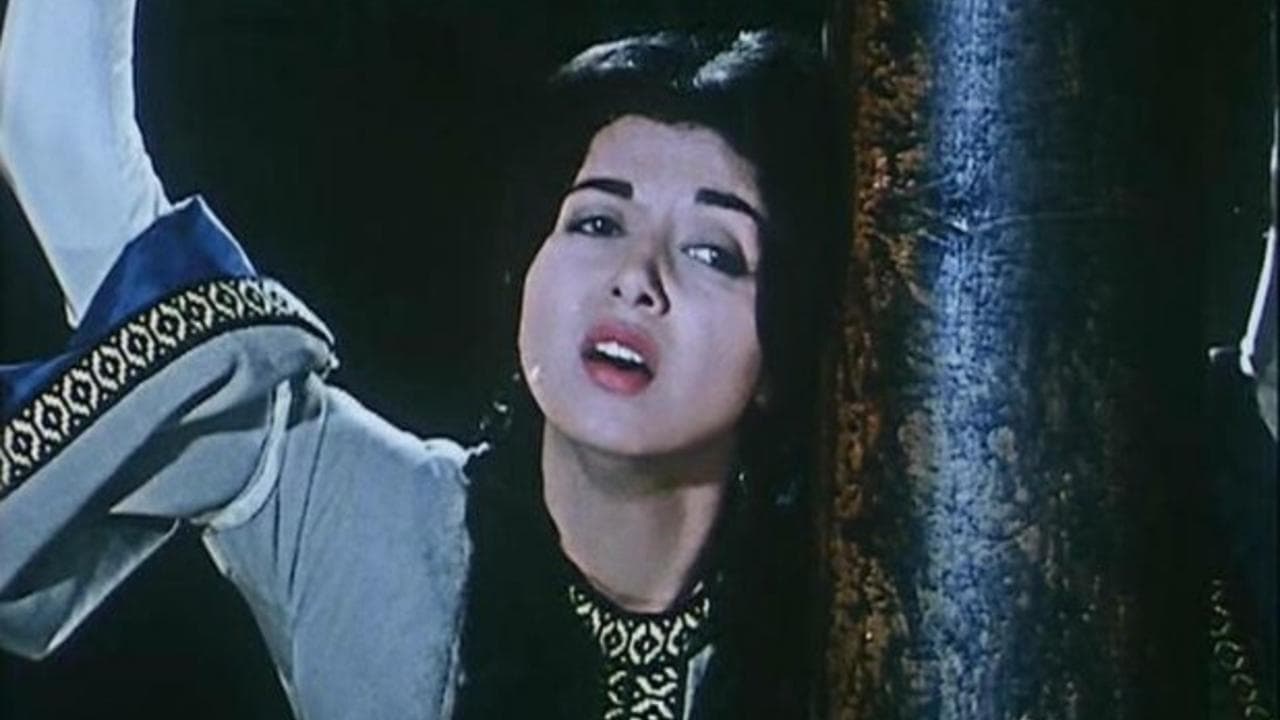
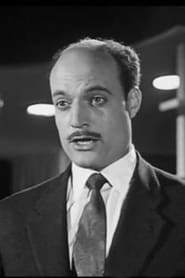
Rabi'a al-Adawiyya is a classic film from 1963 based on the life of the early Sufi saint and poet Rabi'a al-Adawiyya, also known as Rabi'a al Basri, in the second Islamic century.
Social & External
The people behind it
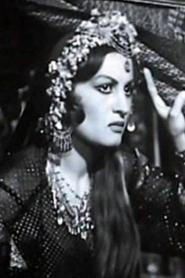
Nabila Obeid
Rabi'a Al Adawia
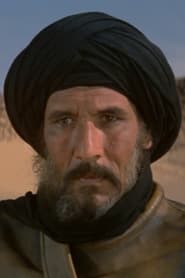
Farid Shawqy
Khalil
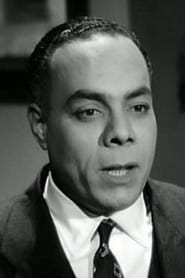
Emad Hamdy
Issam El-Din
Hussein Reyaad
Sheikh Thuban
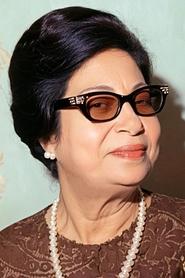
Umm Kulthum
Ghina'
Abdallah Ghaith
thief
Salwa Mahmoud
Abida
Abdel Ghani Qamar
slave trader
Hassan Hamed
Sherifa Maher
Dalal
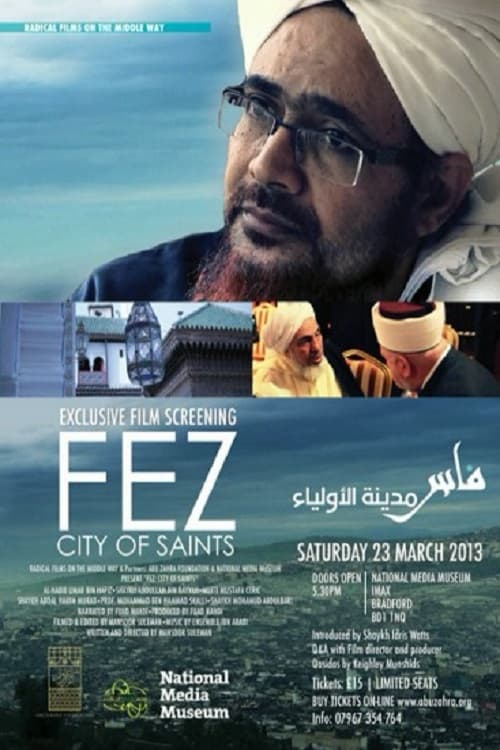
This exclusive documentary follows the journey of some of the worlds leading Muslim thinkers in a gathering that took place at the heart of an ancient Islamic city It was Habib Umar's first trip to the Maghreb and the film captures his travels and responses as he journeys through a land brimming with spirituality, knowledge and vast history. From the serene courtyards of the University of Qarawiyyin to busling souk streets, from walled city of Fez to the mountainous sanctuary of Moulay Idris, the film shares the spiritual secrets of the places and their stories. The beauty of the great city of Fez, founded by descendants of the Noble Prophet (May Allah swt shower blessings upon him), is shared by a visitor who is himself a direct descendant of that great household. The result is a moving meeting of two traditions that form the very core of great Islamic narrative.
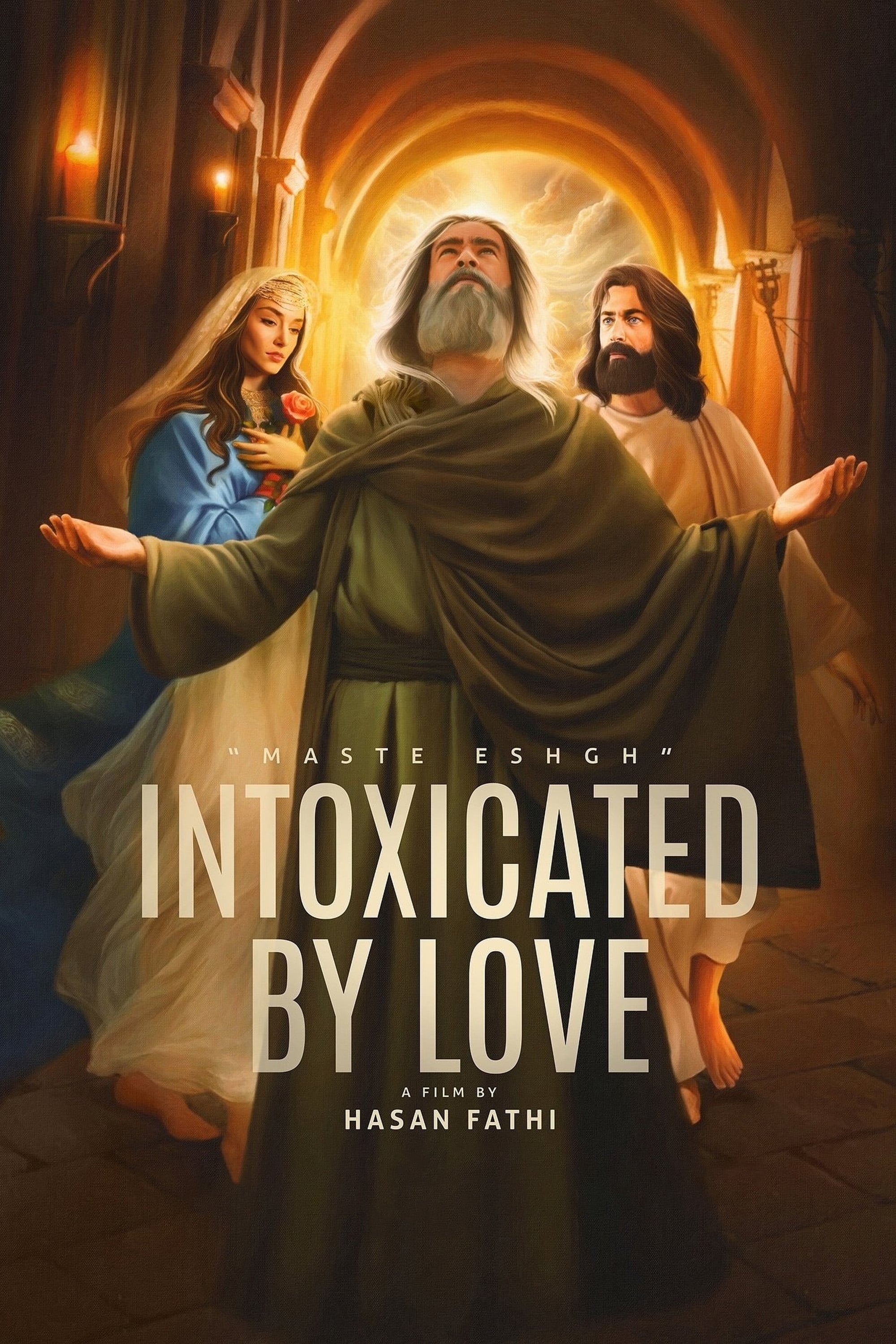
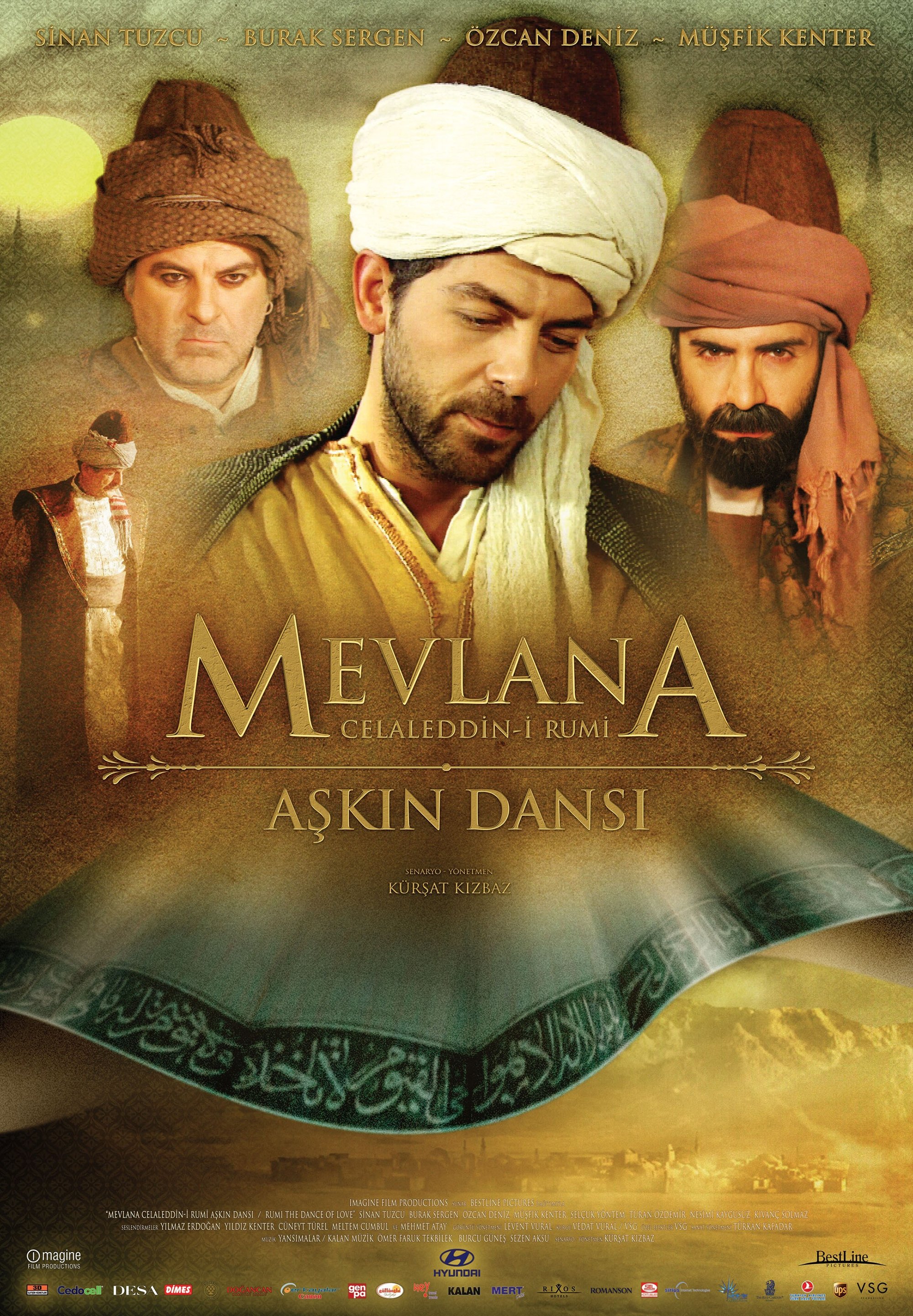
Story of Rumi, his friendship with Shams Tabrizi, the love he had for him and the great influence of Shams over him in his life, his poetry and his love for God.
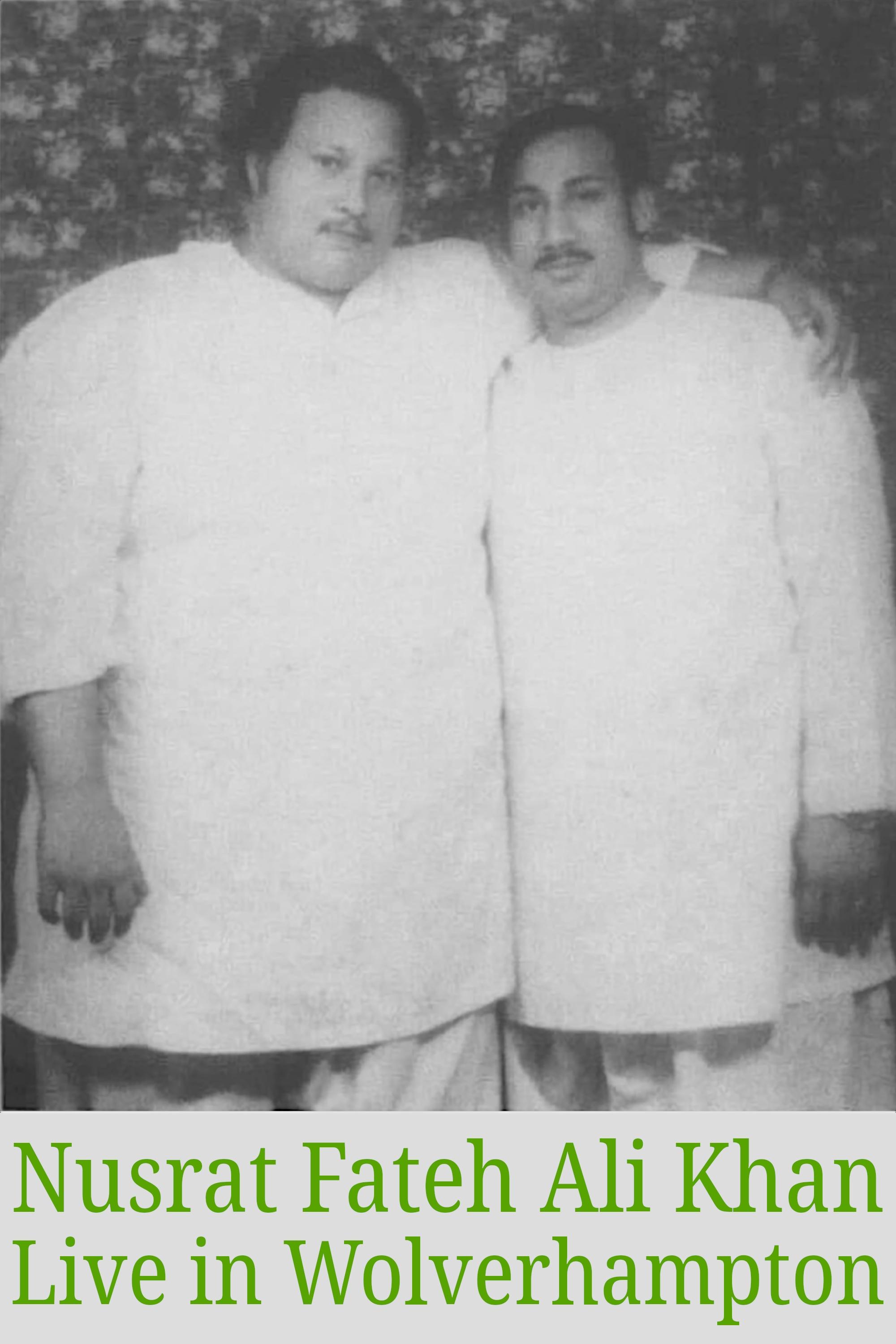
Taken from DVD Volume 9, this documentary features the legendary Ustad Nusrat Fateh Ali Khan live in concert during his 1985 UK tour. Recorded at Wolverhampton’s Wulfrun Civic Hall on October 25, 1983, the film captures his mesmerizing performance. Known as the "Shahenshah of Qawwali," Nusrat revolutionized the Sufi devotional music tradition with his powerful vocals, intricate improvisations, and deep spiritual expression. Originally produced by Oriental Star Agencies Ltd. in 2004.
For reasons unknown, a flautist and an astronomer find themselves drawn to one another. But, when the flautist stumbles upon a secret regarding his late father, the two wind up in a celestial duel against the ancient Master Flautist for earth's future.
The Sufi and the Scientist is the collective story of Sufi healer Sayyid Arif Hussain, the medieval Sufi Sheikh Haji Ali, and Dr. Thornton Streeter, a scientist working in the realm of human consciousness.
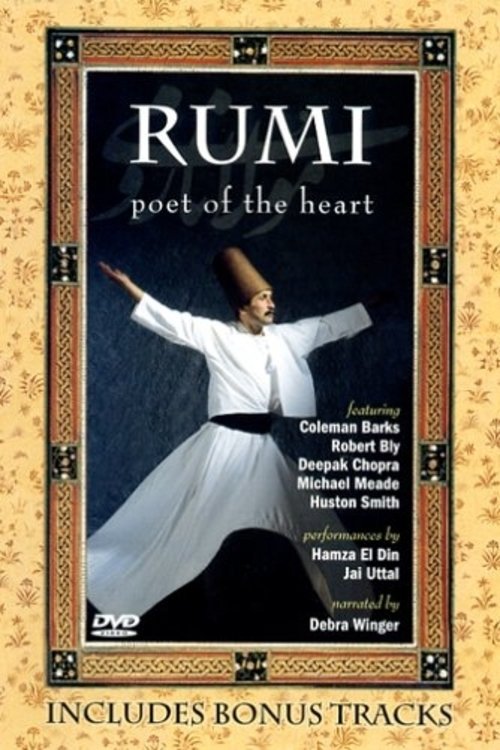
In 1244, Jelaluddin Rumi, a Sufi scholar in Konya, Turkey, met an itinerant dervish, Shams of Tabriz. A powerful friendship ensued. When Shams died, the grieving Rumi gripped a pole in his garden, and turning round it, began reciting imagistic poetry about inner life and love of God. After Rumi's death, his son founded the Mevlevi Sufi order, the whirling dervishes. Lovers of Rumi's poems comment on their power and meaning, including religious historian Huston Smith, writer Simone Fattal, poet Robery Bly, and Coleman Barks, who reworks literal translations of Rumi into poetic English. Musicians accompany Barks and Bly as they recite their versions of several of Rumi's ecstatic poems.
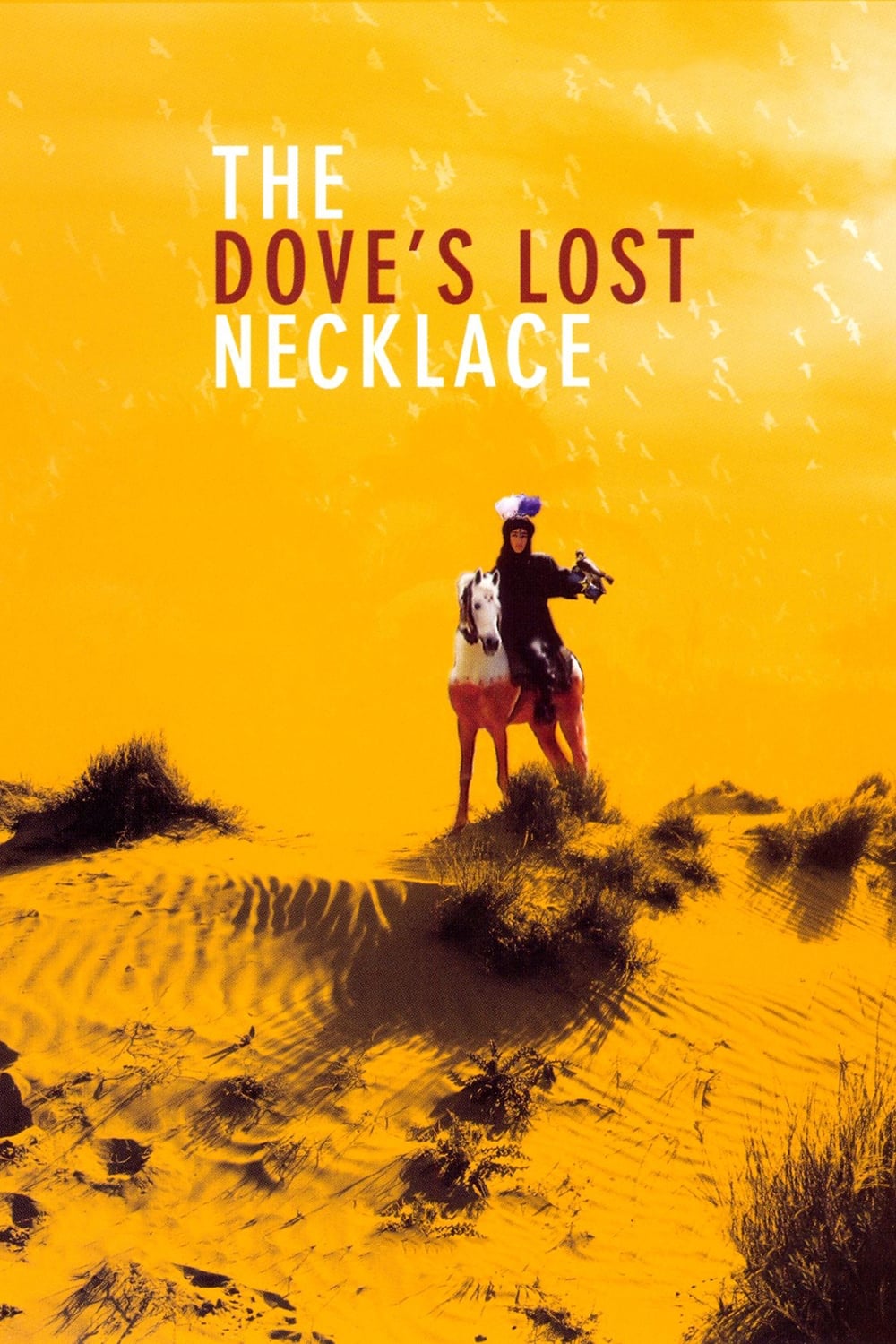
A man (played by the filmmaker Nacer Khemir) returns home to Tunis to bury his mother. After the burial, his father gives him an "amana" to be handed to a certain Sheikh named Muhyiddin. Taken by his father's request, the man immediately sets out on an epic journey to find the long lost Sheikh and deliver the "amana."
A young teacher arrives to take over a village school isolated in the shimmering desert. Legendary figures materialize out of wells and the desert itself, groups of children hurry through a labyrinth of underground corridors, and the teacher is whisked away to a mysterious rendezvous and never returns.
The story revolves around Hassan, who is studying Arabic calligraphy from a grand master. Coming across a manuscript fragment, Hassan searches for the missing pieces, believing that once he finds them, he will learn the secrets of love.
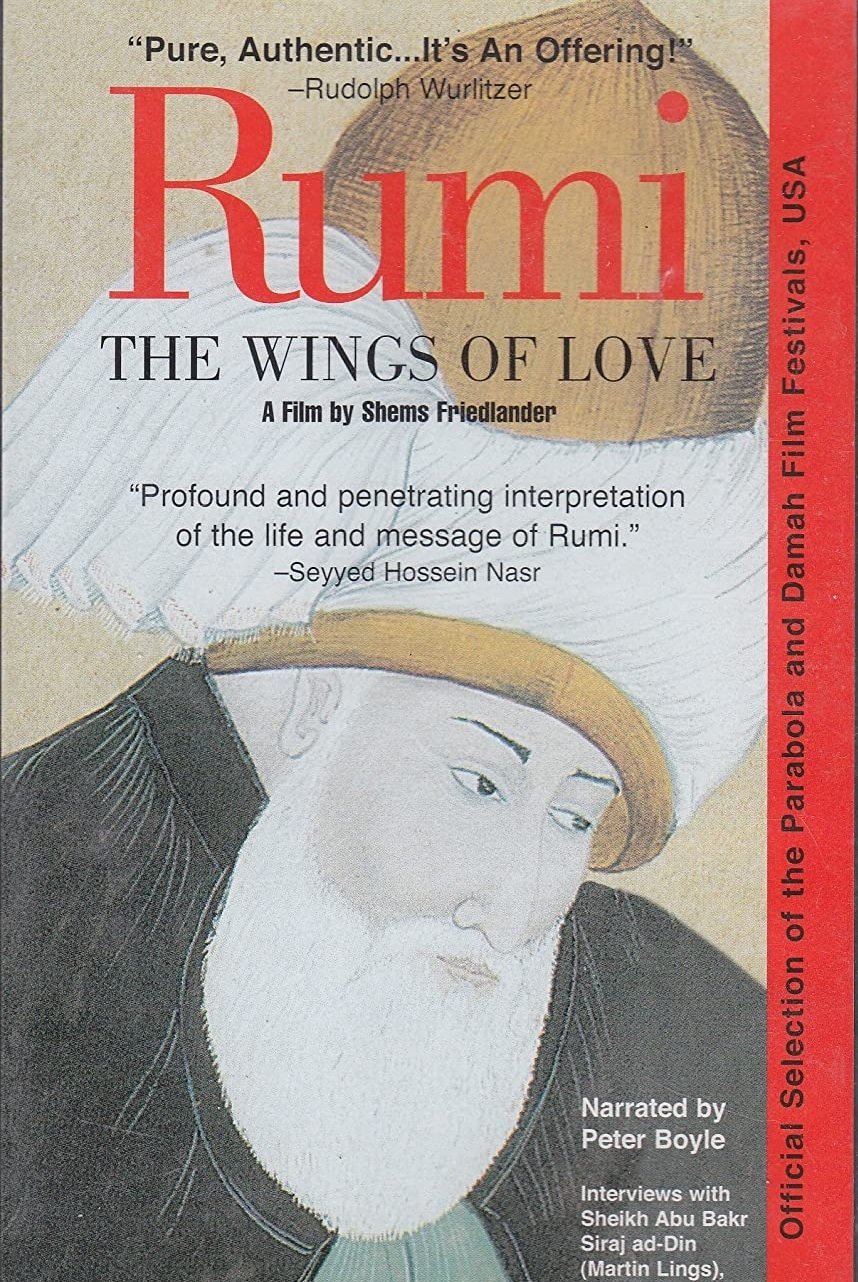
Creened in several international film festivals, as well as the Musée de L’Homme in Paris, this film takes viewers into a secret world rarely seen by outsiders. Nearly eight centuries after his death, Mevlana Jalaluddin Rumi, Sufi master and mystical poet, is ever-present in the whirling ceremony of today’s Mevlevi dervishes. The Halveti zikr, Mevlevi semas, and the Gharib, or secret, sema-not seen for over 100 years-were filmed in Cairo, Istanbul, and the Garden of Rumi in Konya. This unique footage set to Mevlevi music is enhanced by interviews with Sheikh Abu Bakr Siraj ad-Din (Martin Lings), Islamic philosopher and author Seyyed Hossein Nasr, and Sheikh Omer Tugrel Inancer, who reveals the hidden meaning of the reed flute.
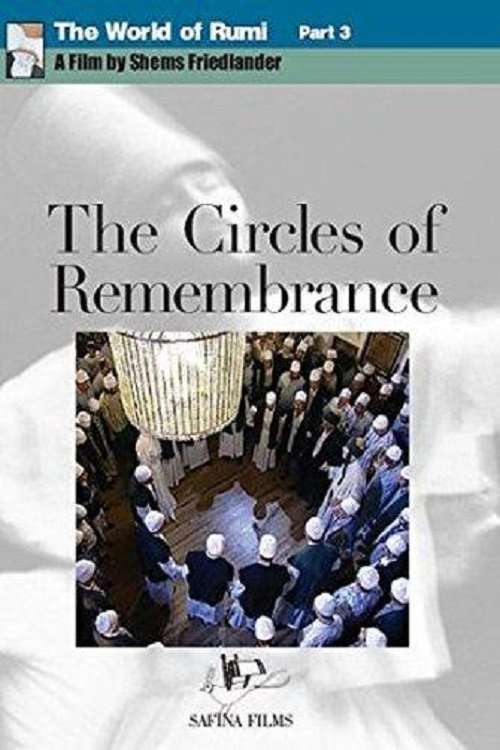
The Circles of Remembrance is an 82 minute journey into what is usually a hidden world of Sufism. This documentary explores "zikr" ceremonies in Cairo, Istanbul, Morocco, and the U.S., along with interviews with some of the most prominent Sufi scholars and musicians, on the outer and secret meaning of the remembrance of God. Martin Lings, Seyyed Hossein Nasr, Gai Eaton, Sheikh Ali Gomma, T.J. Winter,and Tosun Bayrak are among those interviewed.
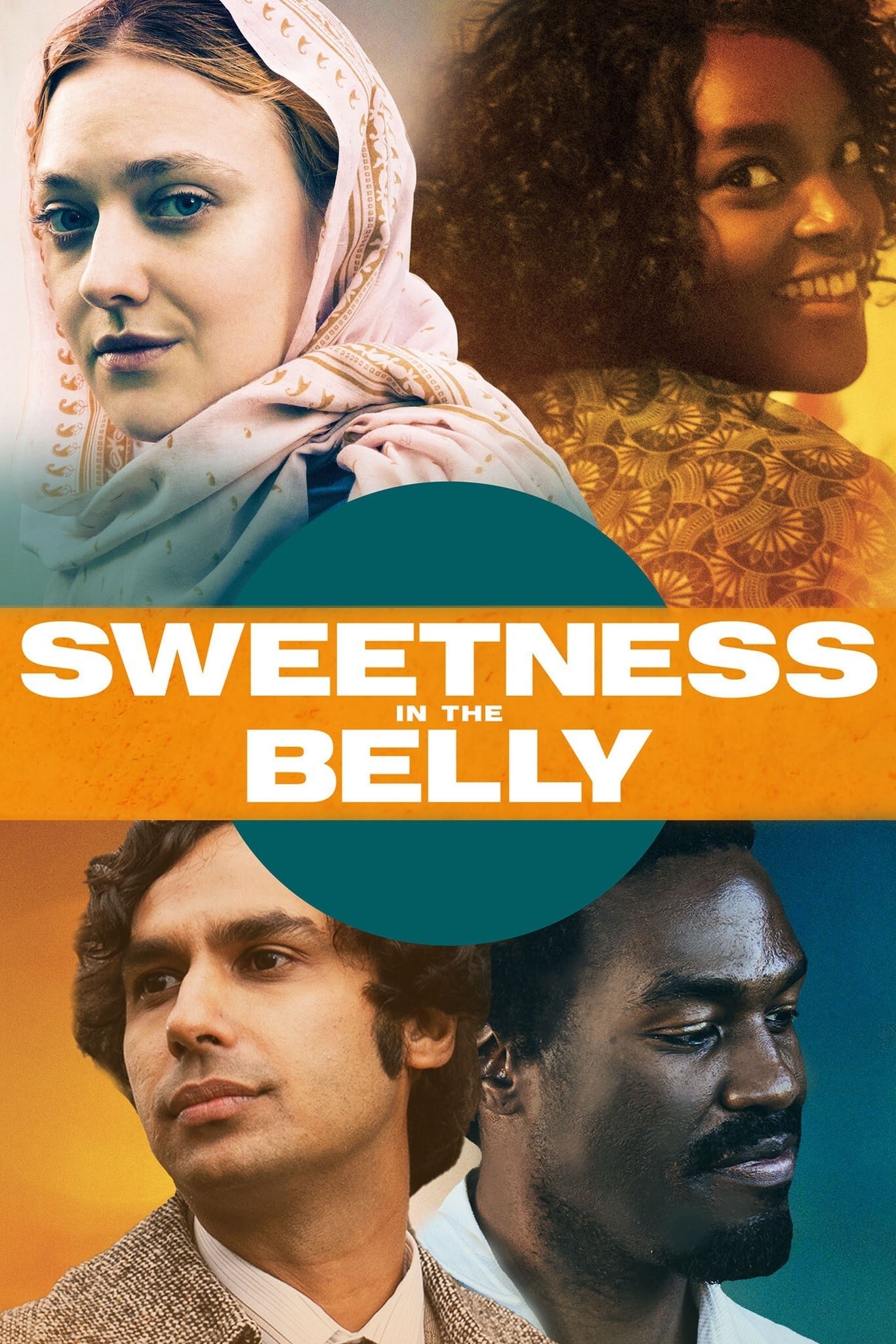
Orphaned in Africa as a child, Lilly escapes to England as a refugee, fleeing civil war in Ethiopia. Lost in this cold new world, Lilly embraces the immigrant community in London, attempting to reunite people with their scattered families. But as her friend Amina discovers, Lilly's mission isn't purely selfless: a passionate lost love affair is revealed.
A dramatised documentary about the life of Rumi, a Persian mystical poet whose images of universal love and divine mystery continue to be celebrated more than 700 years after his death.
This VHS video includes two short documentaries by Elda Hartley. In the first, THE ART OF MEDITATION, Alan Watts gives us techniques and advice for meditating. Elda Hartley herself narrates the second film, MEDITATION: THE JOURNEY INWARD, which exposes viewers to different cultural approaches to meditation. Hartley then discusses how meditation enriches one's life, and what it can reveal to us.
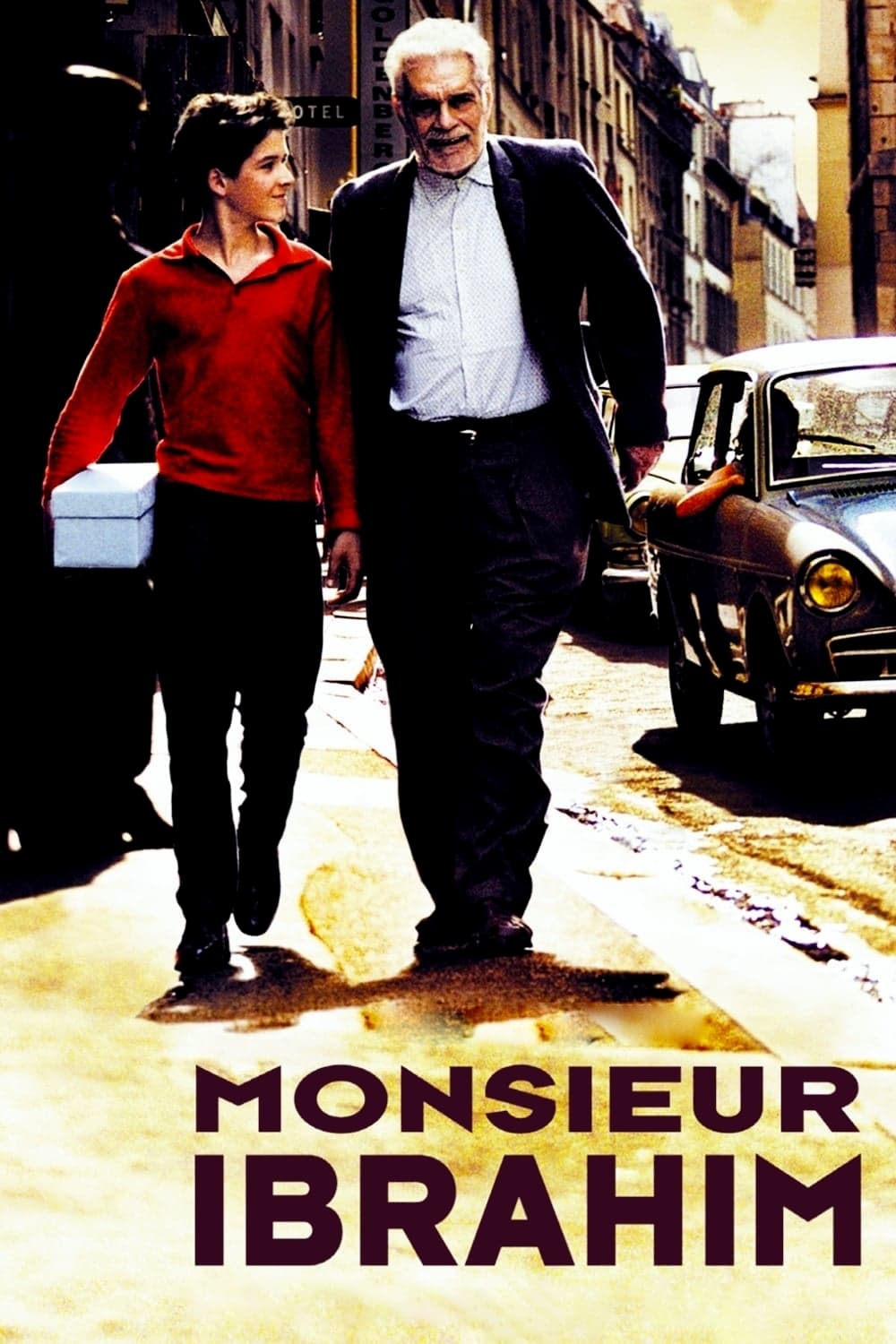
Paris, 1960s. Momo, a resolute and independent Jewish teenager who lives with his father, a sullen and depressed man, in a working-class neighborhood, develops a close friendship with Monsieur Ibrahim, an elderly Muslim who owns a small grocery store.
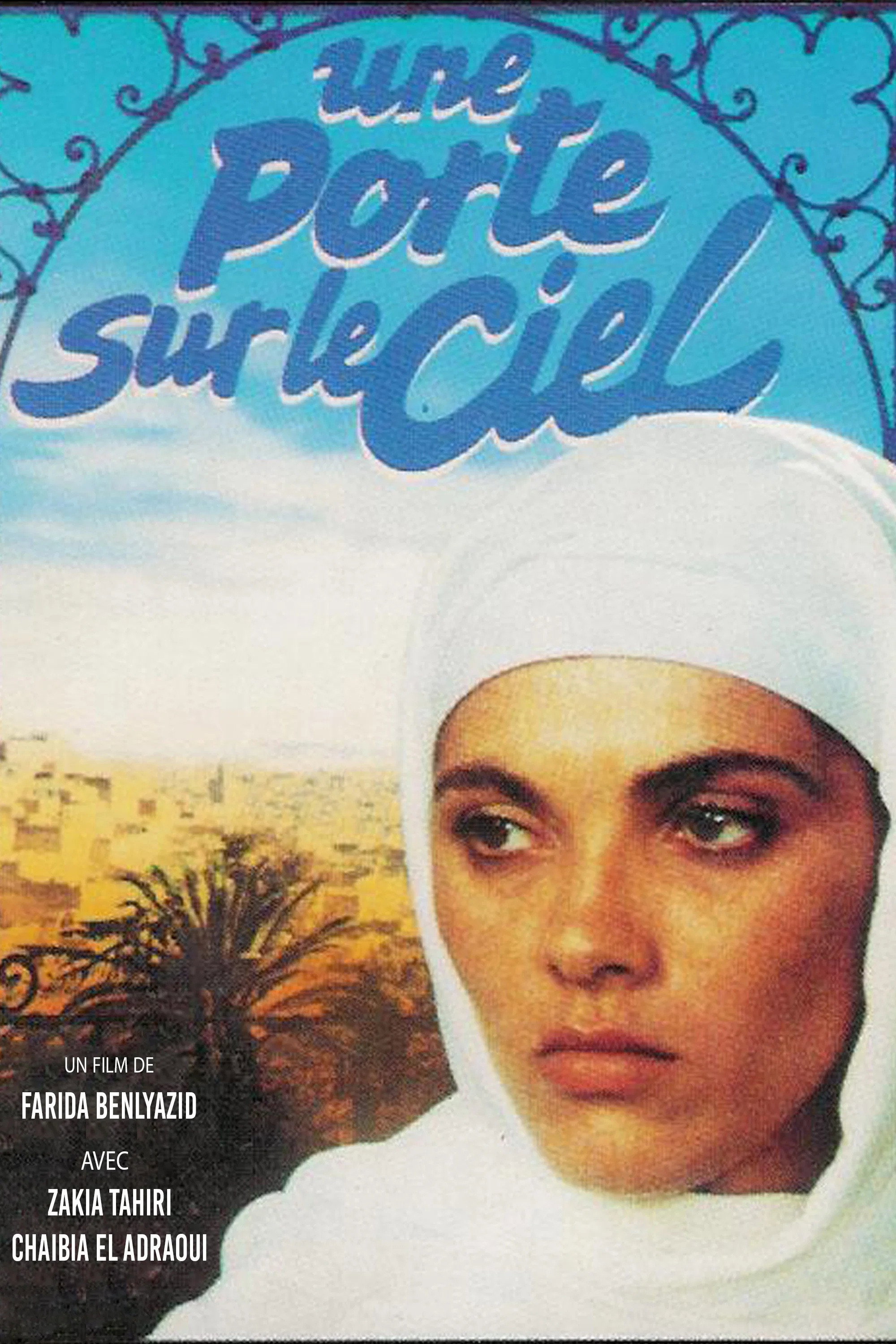
In this Sufi tale, Nadia, a young Moroccan emigre returns from Paris to Fez to visit her dying father. At his funeral, she is overcome by the voice of mystic Kirana chanting the Koran. A powerful friendship develops between the two women as they decide to turn the father's palace into a shelter for Muslim women.
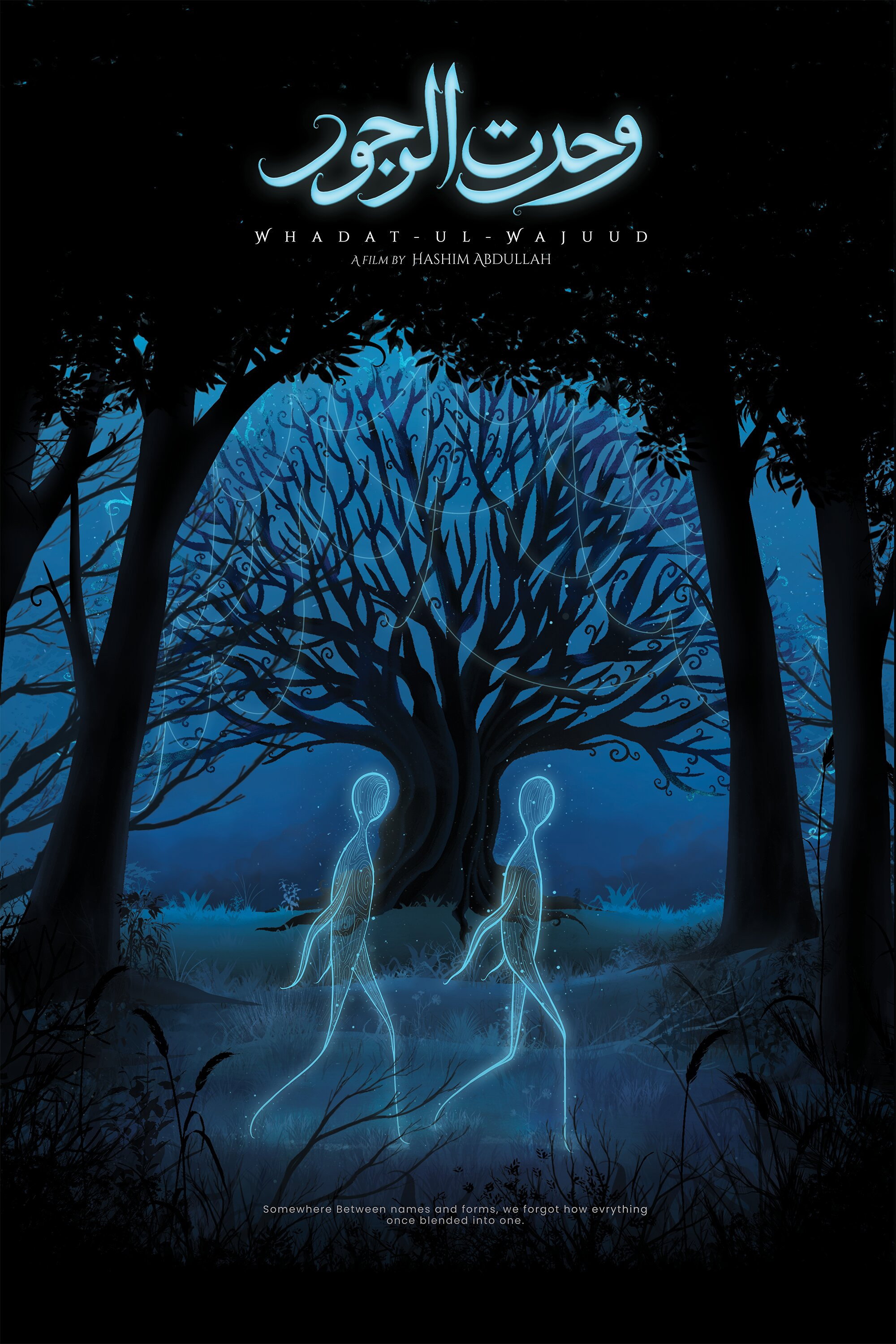
Wahdat-ul-Wujood explores the concept of oneness and the human journey through separation, conflict, and return. Inspired by the philosophy of Wahdat al-Wujood (Unity of Being), the film reflects on how all existence emerges from a single source but becomes fragmented through identity, ego, and the divisions created by the world. The story begins in a cosmic void, where two souls emerge from a singular thread, symbolizing unity in its purest form. As they descend into history and move through different eras of the subcontinent, they become increasingly distant through war, cultural conflict, and shifting identities. Transitioning from abstract cosmic spaces to contemporary Pakistan, the film mirrors both a personal and collective search for meaning and connection. Through poetic storytelling and symbolic imagery, the film ultimately leads the souls back toward oneness, suggesting that beneath all separation, humanity remains deeply connected.
Two students in the West Bank are forced to return home to Gaza, where their love defies tradition. To reach his lover, Qays graffitis poetry across town. A modern retelling of the famous ancient Sufi parable Majnun Layla.
Living from the Heart: Universalist Sufism in America, directed by Chuck Davis and Netanel Miles-Yépez, offers an introduction to the mystical path of Sufism as expressed in the universalist Sufi teachings of Hazrat Inayat Khan by contemporary Sufi teachers in America. The film contextualizes Sufism as a spiritual path of the heart, addressing the distinction between Islamic Sufism and Universalist Sufism, and introduces viewers to Sufi teachings on Love, Beauty, Music, God, and the Sufi practices of Zikr (remembrance) and Pilgrimage.
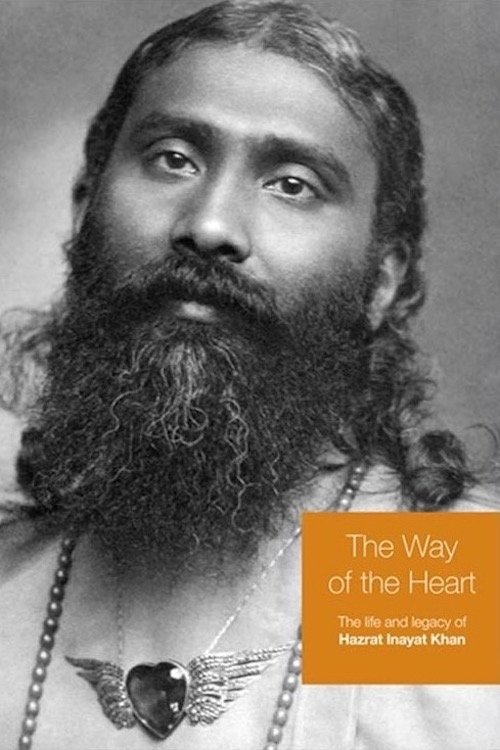
The Way of the Heart is the story of a spiritual master who brought the wisdom of Sufism to the West in 1910. Today the message of love, harmony, and beauty that Hazrat Inayat Khan gave to a troubled world is more urgently needed than ever. Award-winning filmmaker Mischa Scorer weaves a tapestry of music, sound, and compelling images together with the testimony of many contemporary Western Sufis to evoke the magical atmosphere of a consummate mystic.
The story of fifteenth century Czech icon and warlord, Jan Zizka, who defeated armies of the Teutonic Order and the Holy Roman Empire.
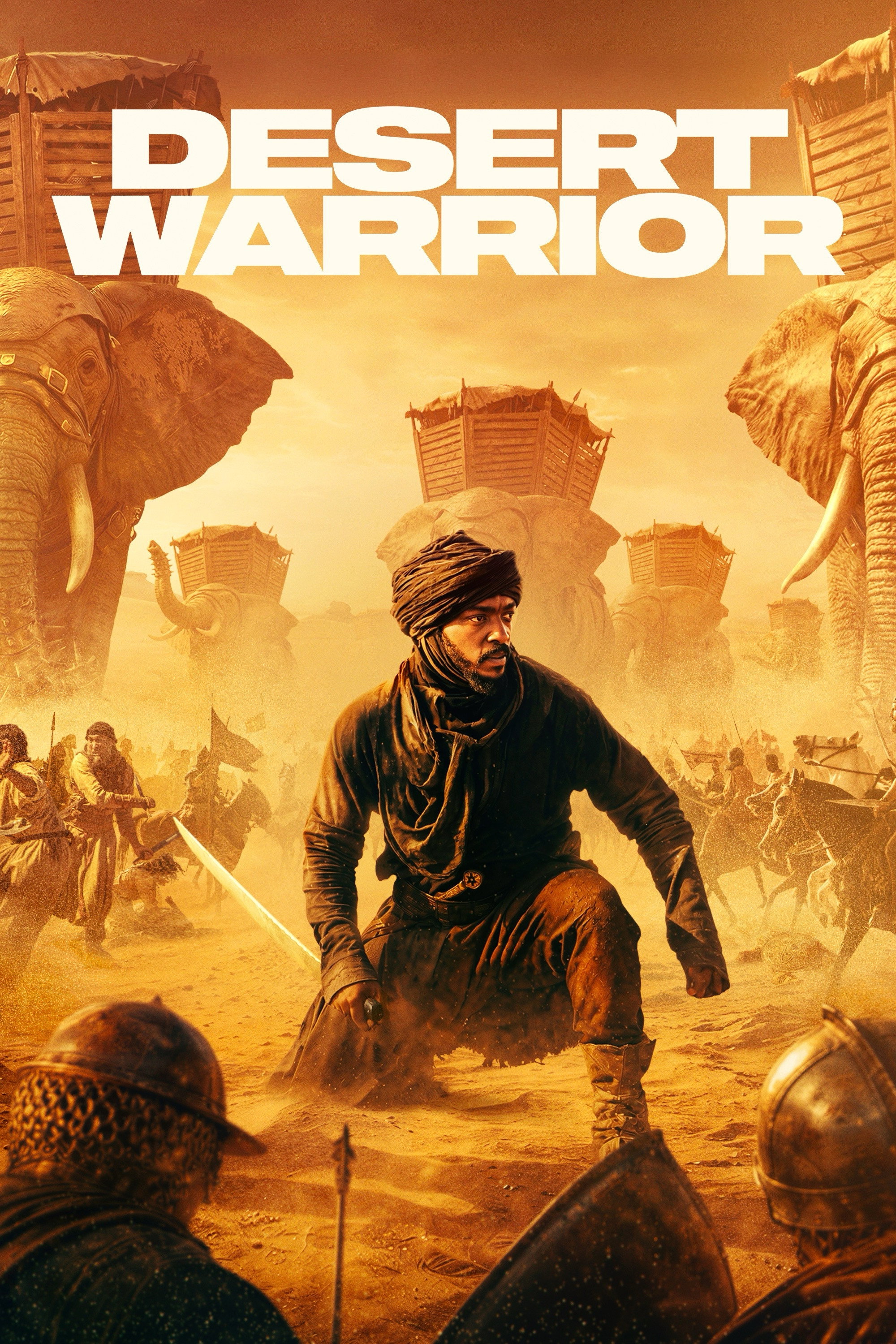
In 7th-century Arabia, Princess Hind becomes a warrior to defy the ruthless Emperor Kisra. Forged into a warrior and aided by legendary bandit Hanzala, Hind unites warring tribes for a last stand—the historic Battle of Dhi Qar—that will change history.
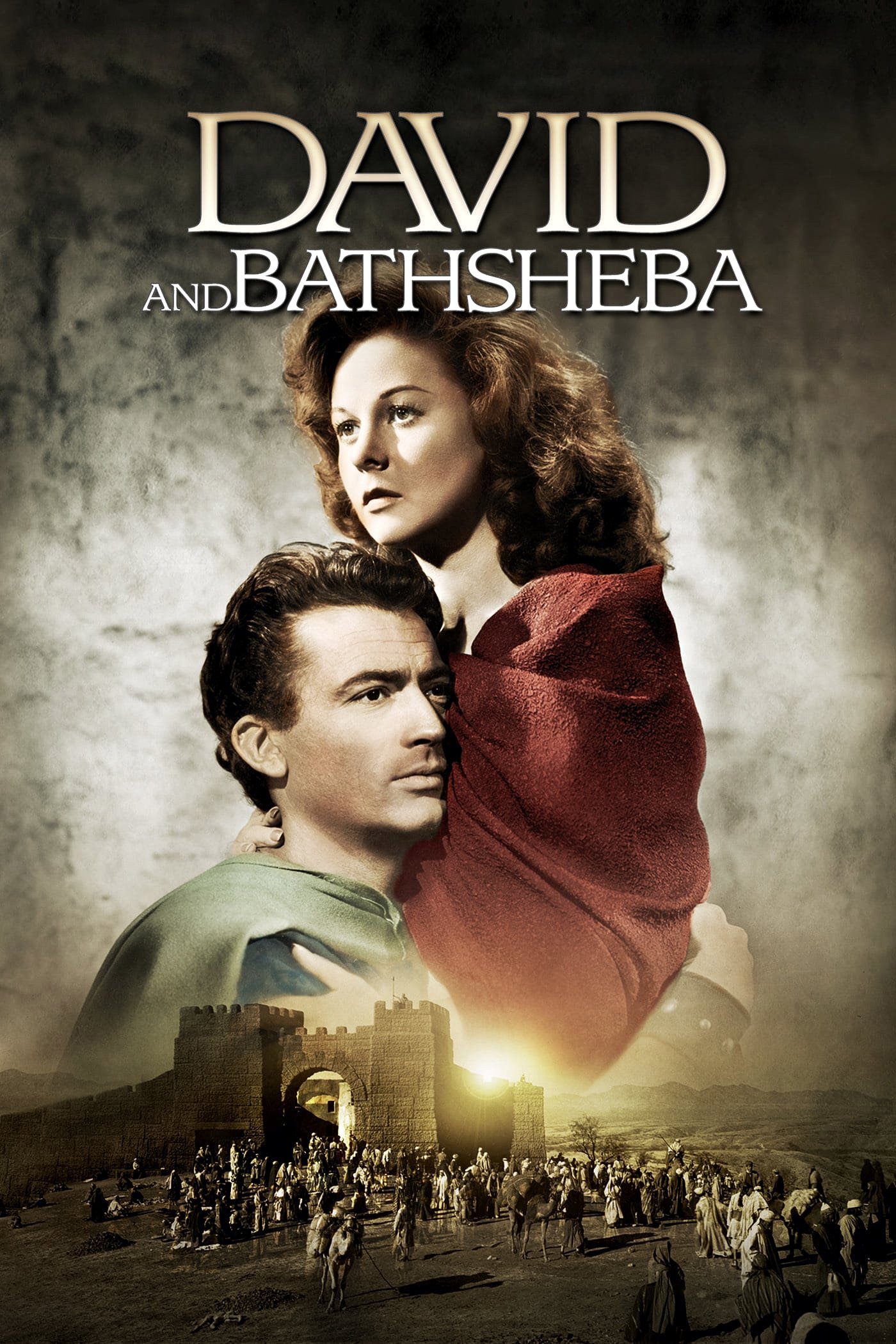
King David enters into an adulterous affair with the beautiful Bathsheba, which has tragic consequences for his family and Israel.
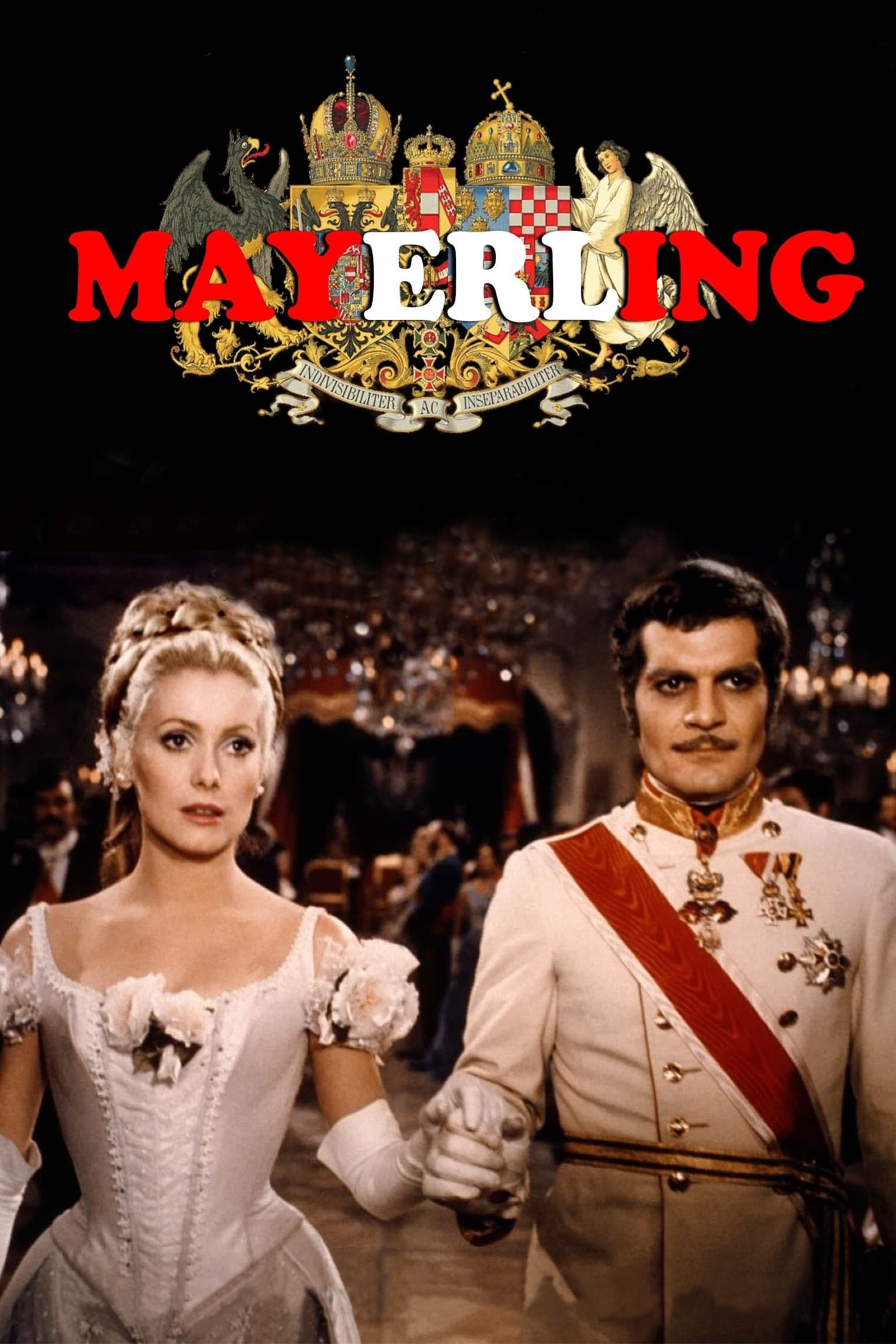
Crown Prince Rudolf of Austria clashes with his father, Emperor Franz Joseph I of Austria, over implementing progressive policies for their country. Rudolf soon feels he is a man born at the wrong time in a country that doesn't realize the need for social reform. The Prince of Wales, later to become Britain's King Edward VII, provides comic relief. Rudolf finds refuge from a loveless marriage with Princess Stéphanie by taking a mistress, Baroness Maria Vetsera. Their untimely demise at Mayerling, the imperial family's hunting lodge, is cloaked in mystery.
Robin of Loxley and his men stumble on a plot to overthrow Hubert Walter, King's Chancellor and Archbishop of Canterbury. The plotters, the Sheriff of Nottingham and the Earl of Newark, have set an ambush for Walter and Lady Marian Fitzwater. Will Robin get to them before it is too late?
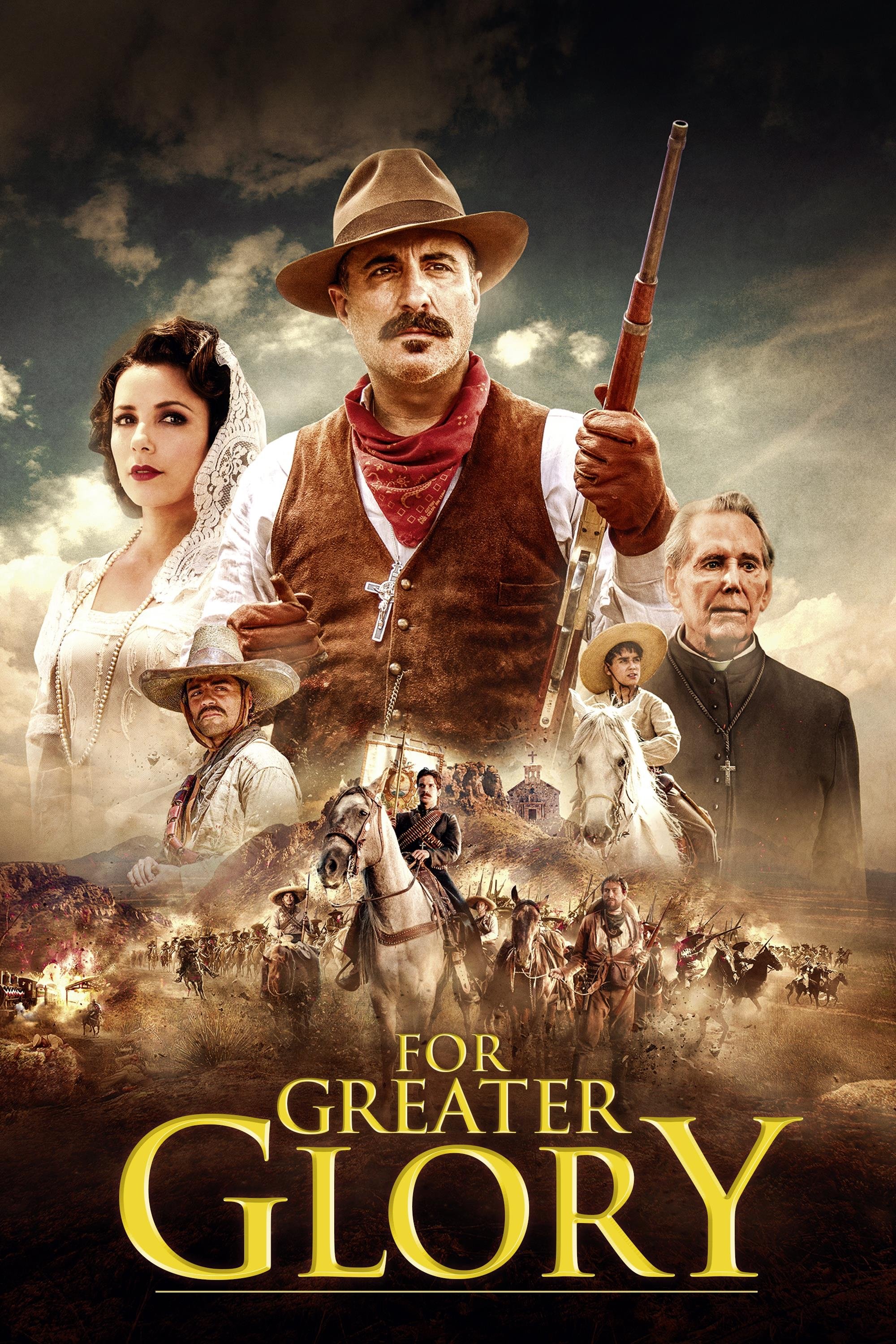
A chronicle of the Cristeros War (1926-1929), which was touched off by a rebellion against the Mexican government's attempt to secularize the country.
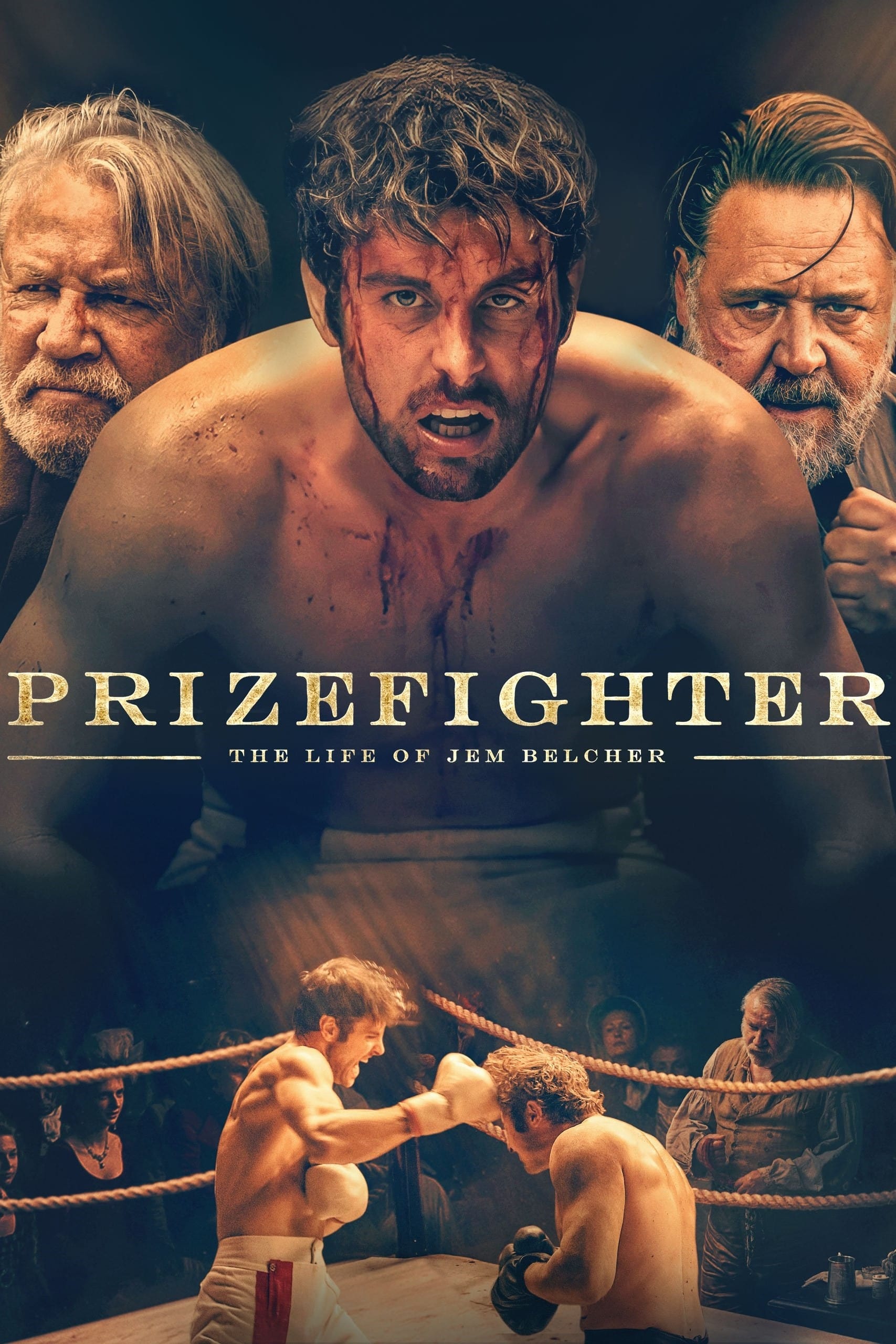
At the turn of the 19th century, Pugilism was the sport of kings and a gifted young boxer fought his way to becoming champion of England.
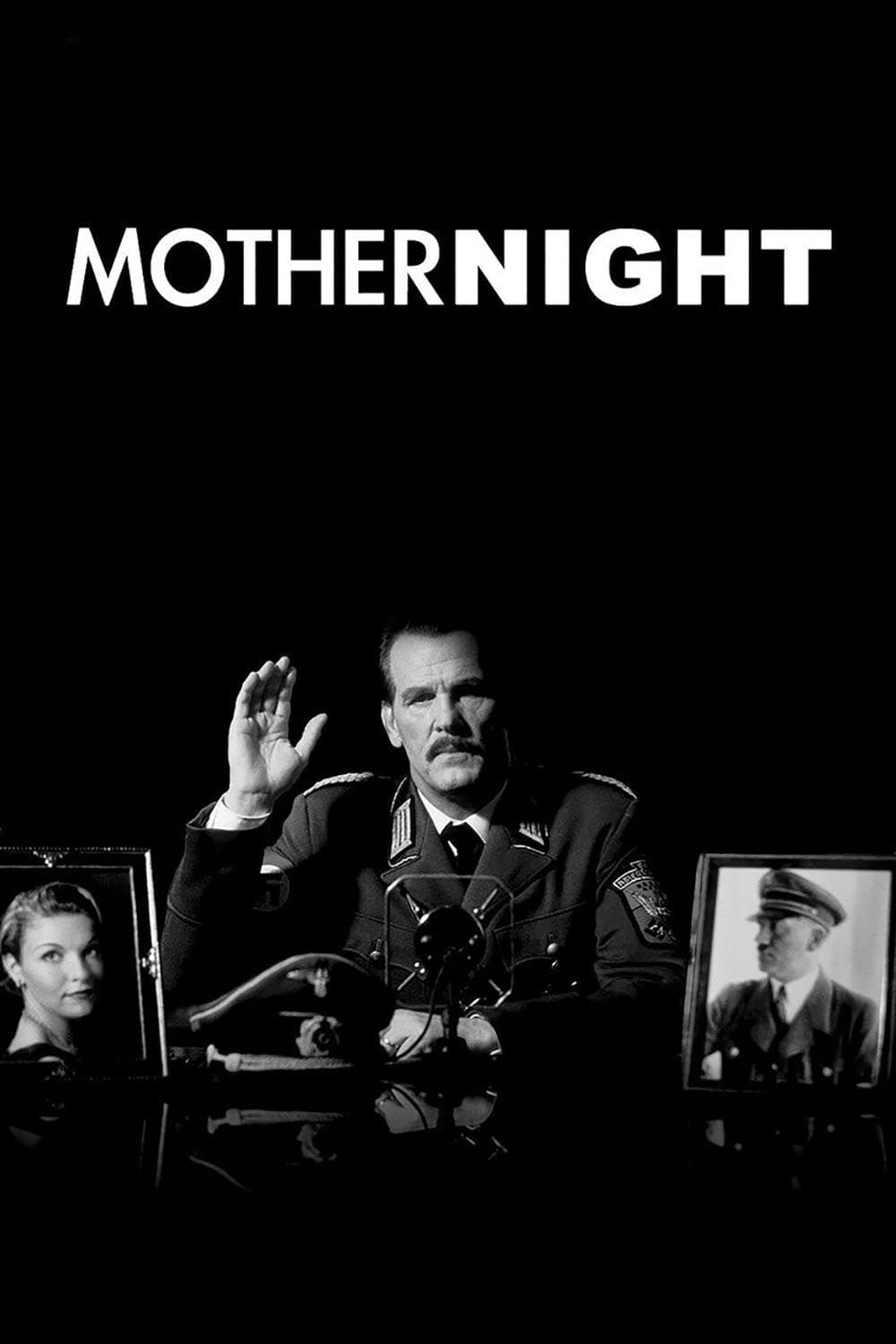
An American spy behind the lines during WWII serves as a Nazi propagandist, a role he cannot escape in his future life as he can never reveal his real role in the war.
Regent Horthy is the leader of Hungary and a German ally, but his favorable standing with Hitler changes as the war comes to an end. Forced to cede Hungary’s power or else witness the execution of his son, Regent Horthy gives up control of his country to the Nazis, who quickly move Hungarians to ghettos and death camps, with no hope in sight. But the despair changes when a young man named Elek emerges. Separated from his family during the relocations and aided by the woman he loves , Elek defies the enemy by becoming one of them. In a race against time, disguised as a Nazi Officer he embarks on a mission to save his family and thousands of his countrymen.
In 1973, a young gallery assistant goes on a wild adventure behind the scenes as he helps aging genius Salvador Dali prepare for a big show in New York.
A historical drama set in Roman Egypt, concerning philosopher Hypatia of Alexandria and her relationship with her slave Davus, who is torn between his love for her and the possibility of gaining his freedom by joining the rising tide of Christianity.
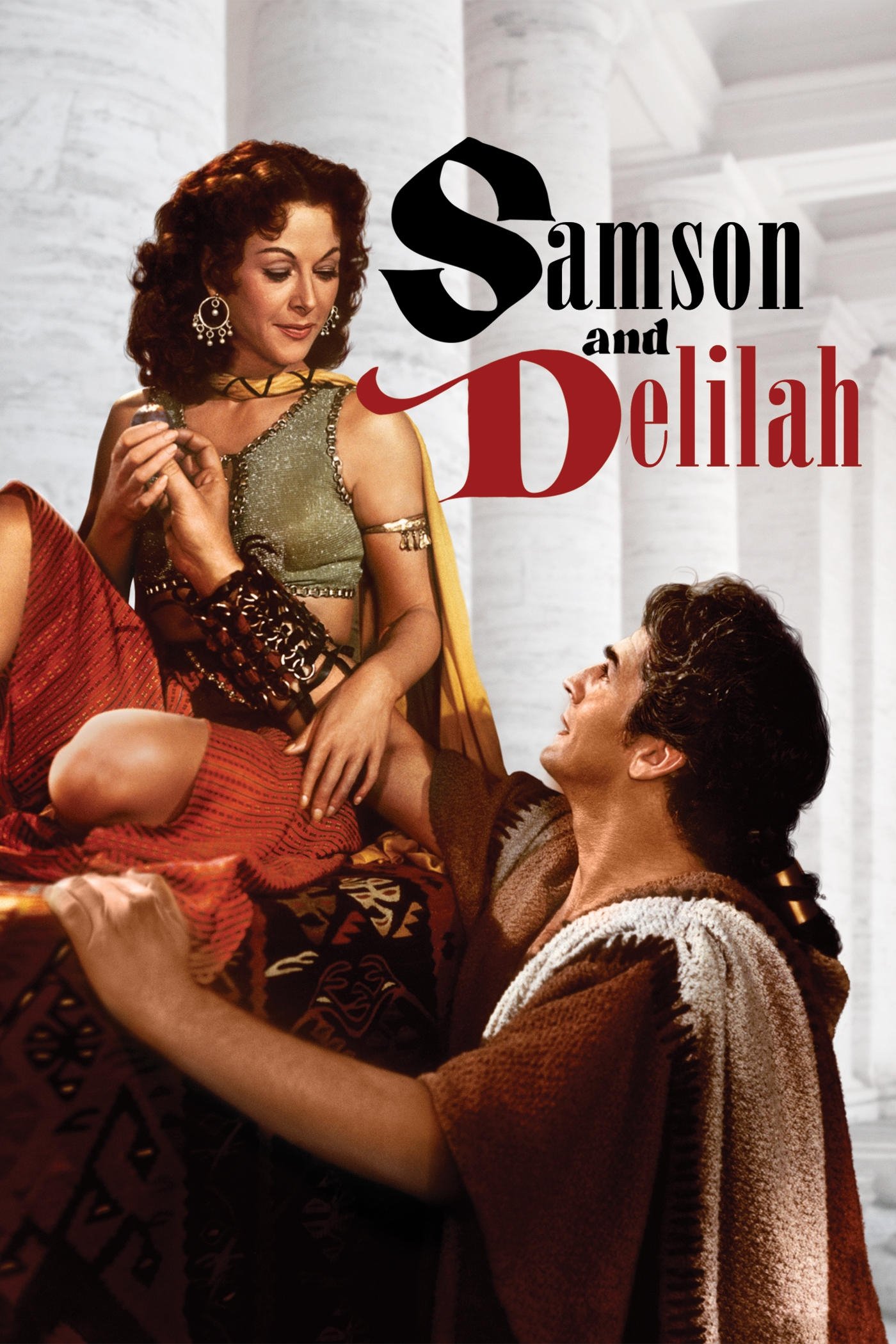
When strongman Samson rejects the love of the beautiful Philistine woman Delilah, she seeks vengeance that brings horrible consequences they both regret.
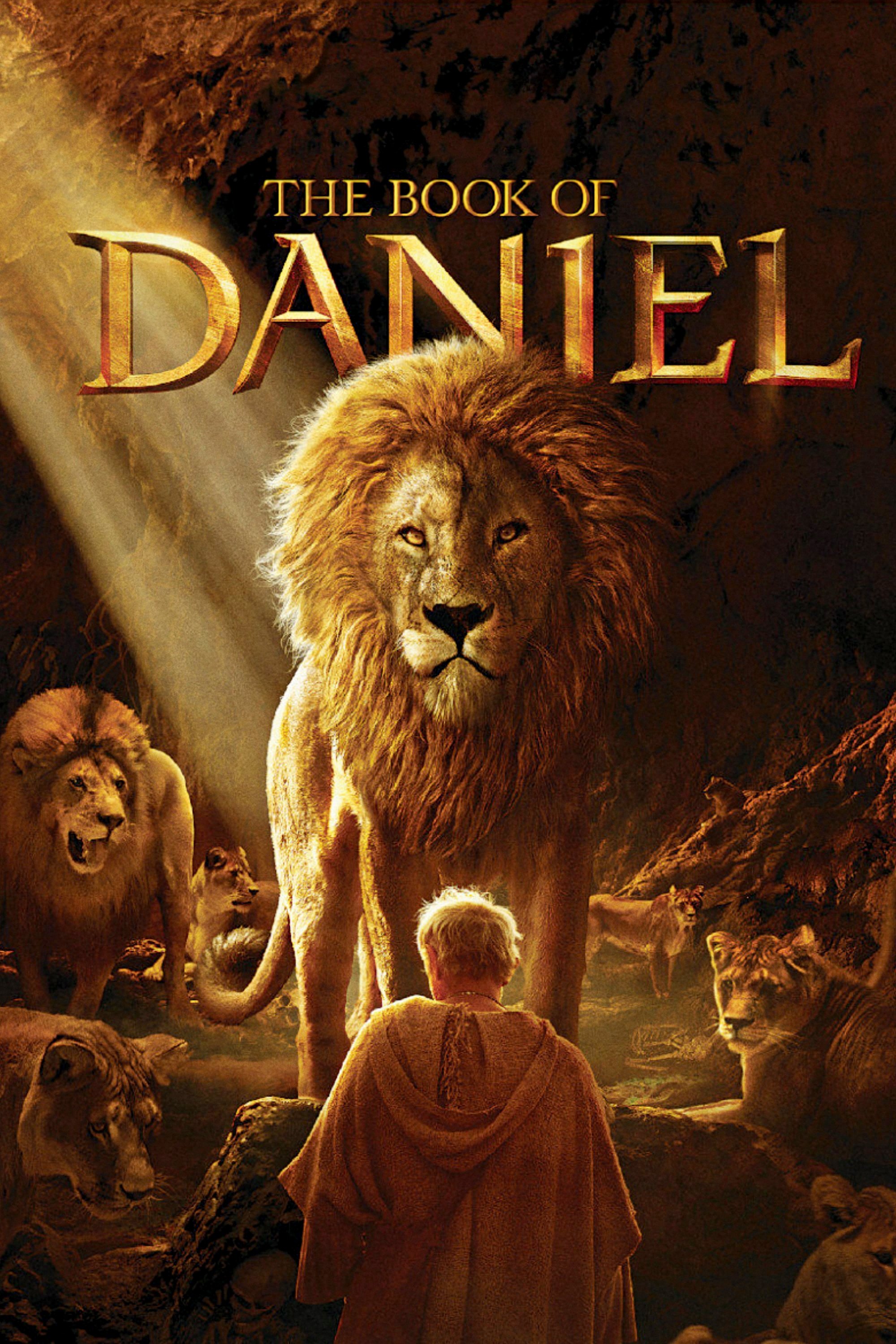
Taken into slavery after the fall of Jerusalem in 605 B.C., Daniel is forced to serve the most powerful king in the world, King Nebuchadnezzar. Faced with imminent death, Daniel proves himself a trusted Advisor and is placed among the king's wise men. Threatened by death at every turn Daniel never ceases to serve the king until he is forced to choose between serving the king or honoring God. With his life at stake, Daniel has nothing but his faith to stand between him and the lions' den.
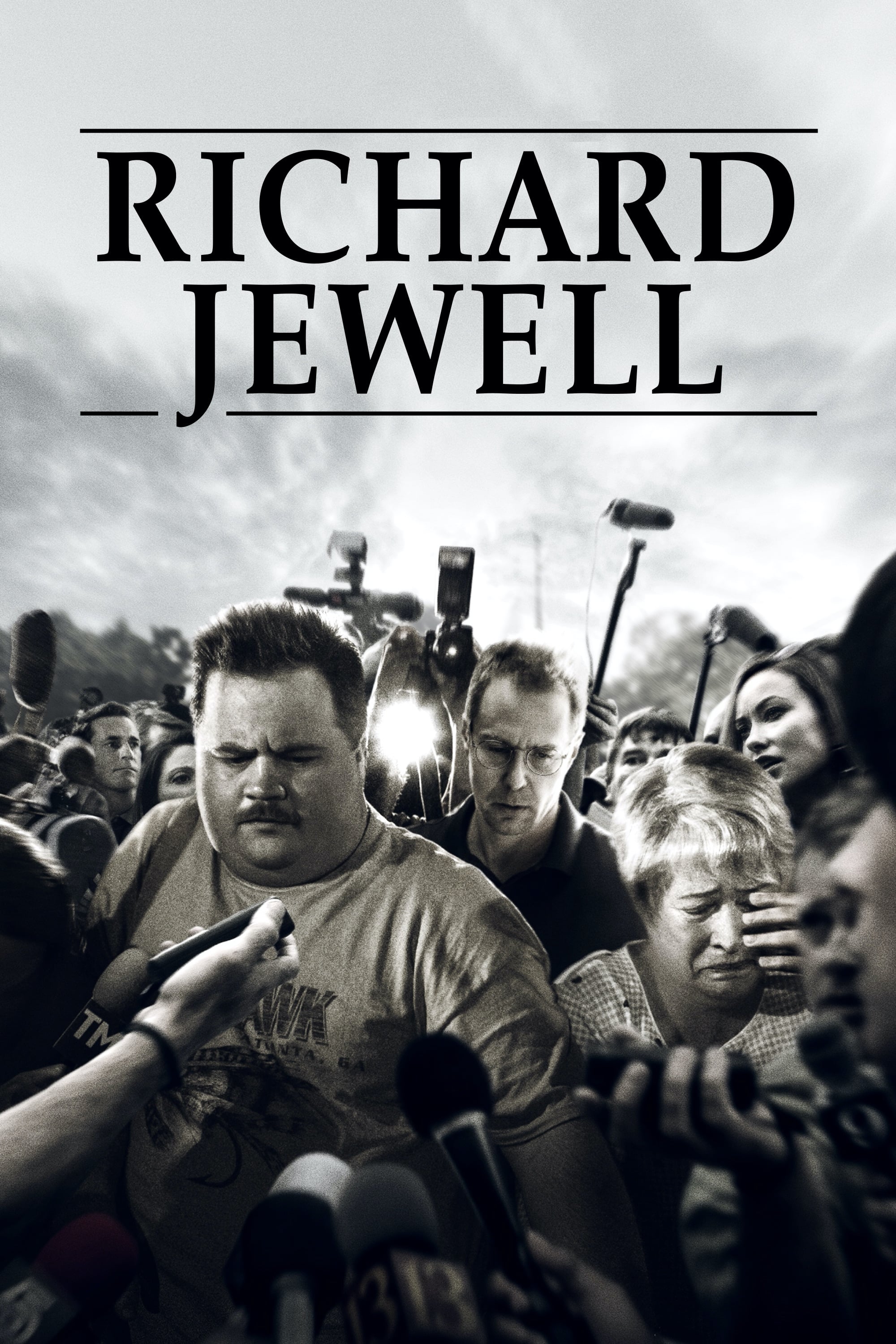
Richard Jewell thinks quick, works fast, and saves hundreds, perhaps thousands, of lives after a domestic terrorist plants several pipe bombs and they explode during a concert, only to be falsely suspected of the crime by sloppy FBI work and sensational media coverage.
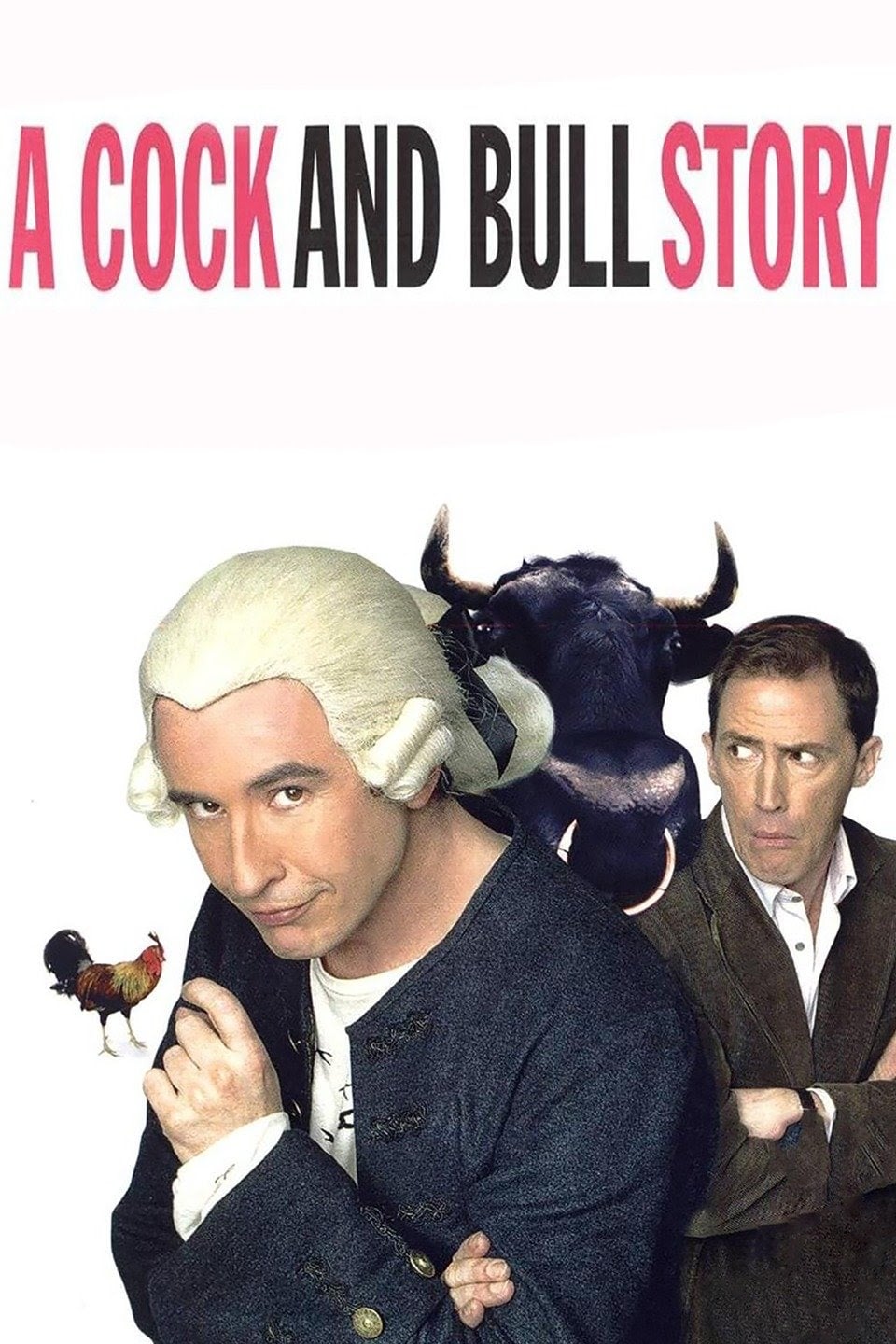
Steve Coogan, an arrogant actor with low self-esteem and a complicated love life, is playing the eponymous role in an adaptation of "The Life and Opinions of Tristram Shandy, Gentleman" being filmed at a stately home. He constantly spars with actor Rob Brydon, who is playing Uncle Toby and believes his role to be of equal importance to Coogan's.
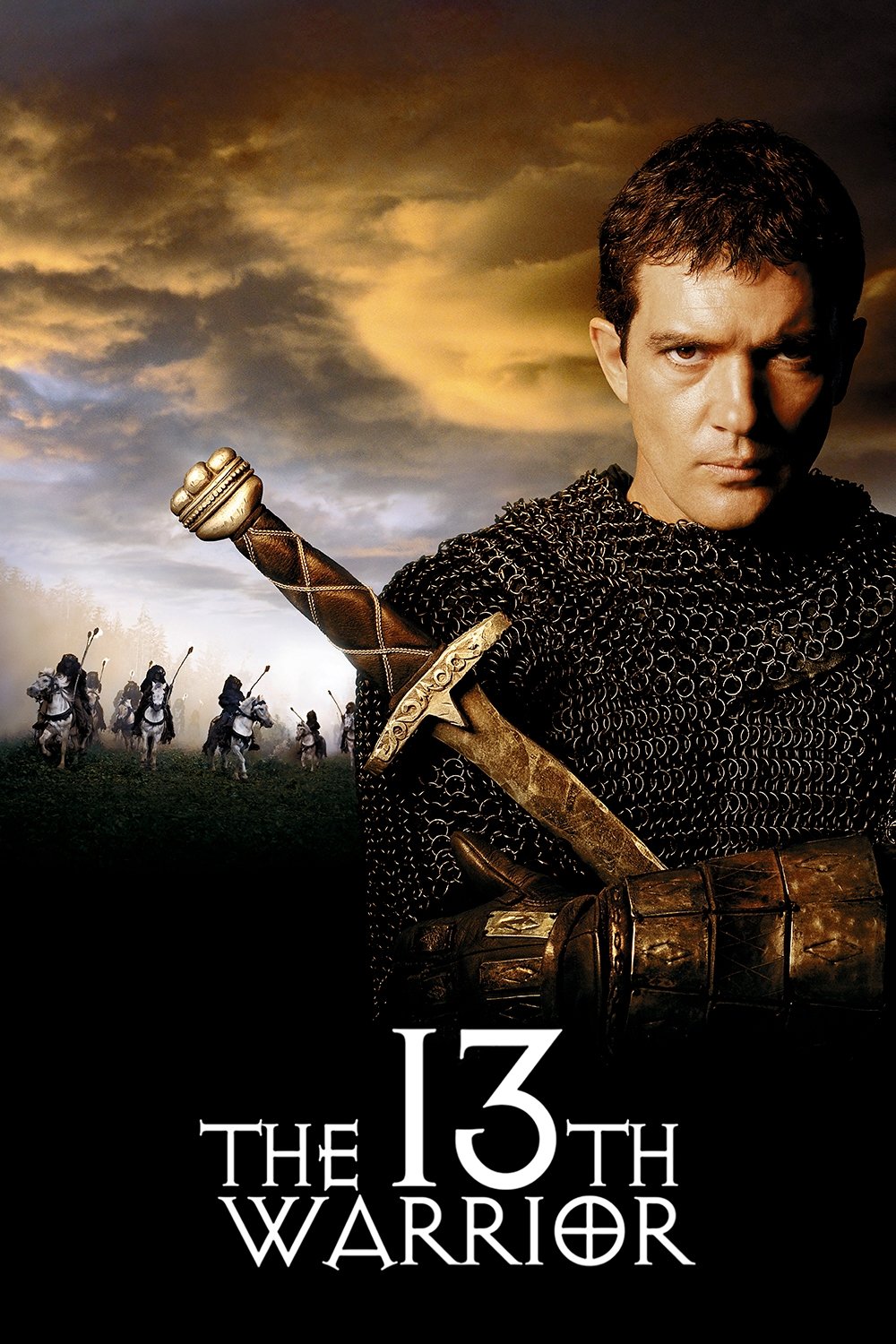
A Muslim ambassador exiled from his homeland joins a group of Vikings, initially offended by their behavior but growing to respect them. As they travel together, they learn of a legendary evil closing in and must unite to confront this formidable force.
During the Republican run of the 2008 Presidential election, candidate John McCain picks a relative unknown, Alaskan governor Sarah Palin, to be his running mate. As the campaign kicks into high gear, her lack of experience, in both political and media savvy, becomes a drain upon McCain and his strategists.
Eccentric British painter J.M.W. Turner lives his last 25 years with gusto and secretly becomes involved with a seaside landlady, while his faithful housekeeper bears an unrequited love for him.
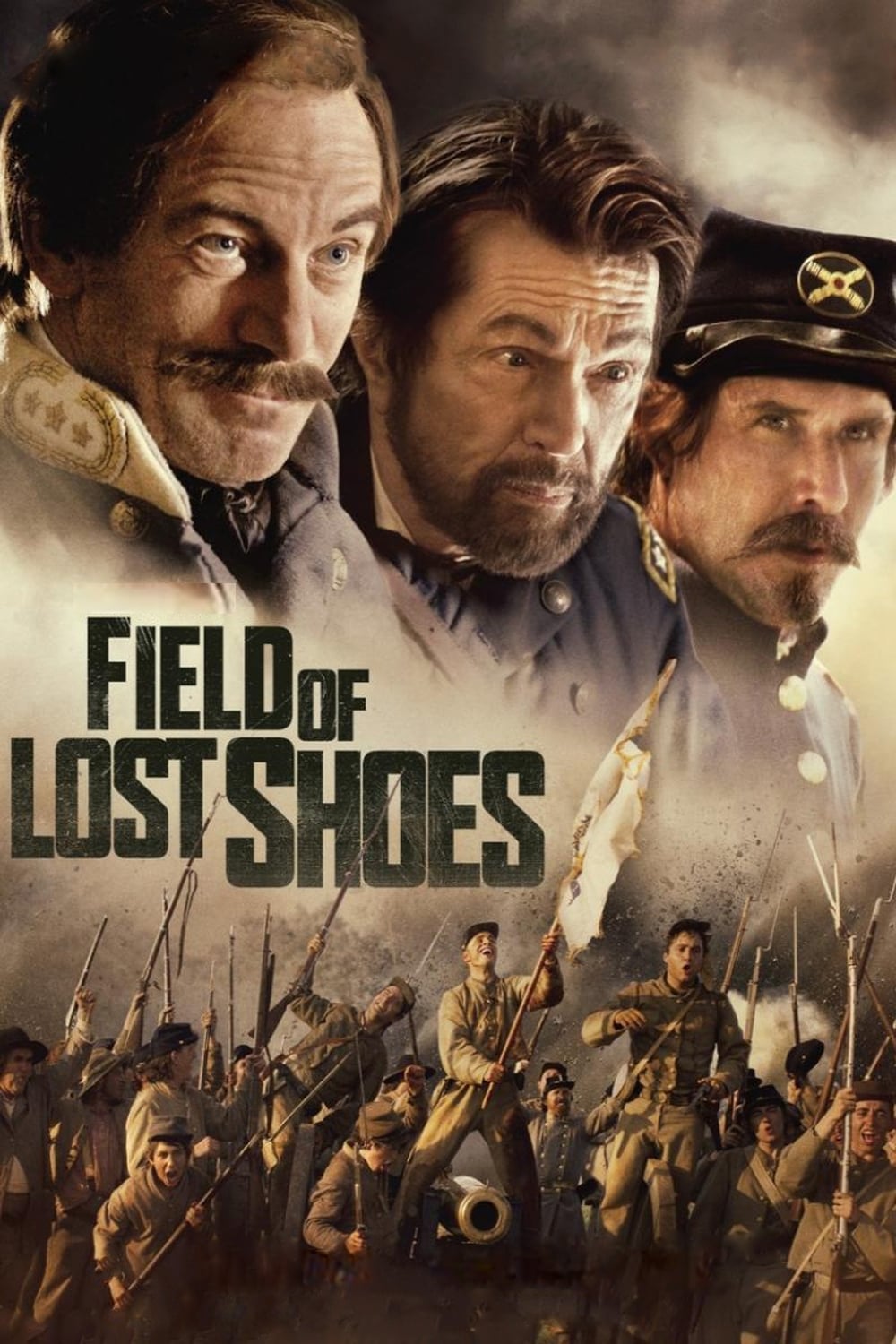
A group of teenage cadets sheltered from war at the Virginia Military Institute must confront the horrors of an adult world when they are called upon to defend the Shenandoah Valley.
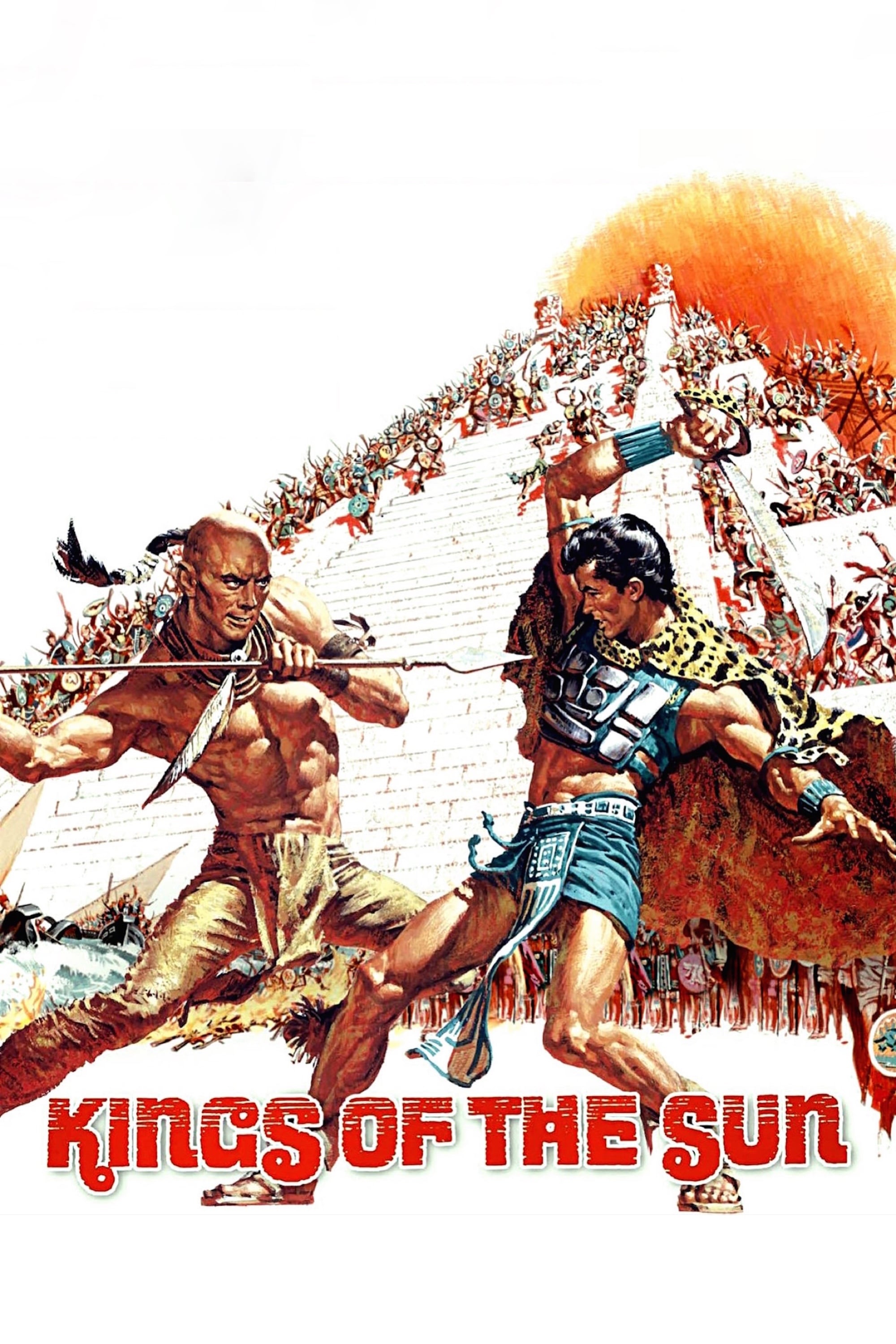
In order to flee from powerful enemies, young Mayan king Balam leads his people north across the Gulf of Mexico to the coast of what will become the United States. They build a home in the new land but come into conflict with a tribe of Native Americans led by their chief, Black Eagle, while both Balam and Black Eagle fall in love the beautiful Mayan princess Ixchel.