Social & External
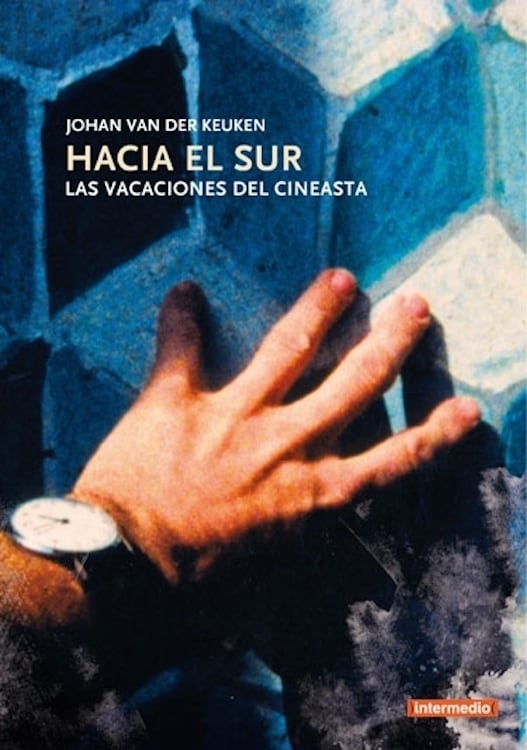
Johan van der Keuken went against the grain in 1980: from Amsterdam (on April 30 with the coronation riots and squatting actions) via Paris, southern France and Italy to Egypt. He made his personal travelogue in three parts for VPRO television. Later, he fused the three parts into one long movie.
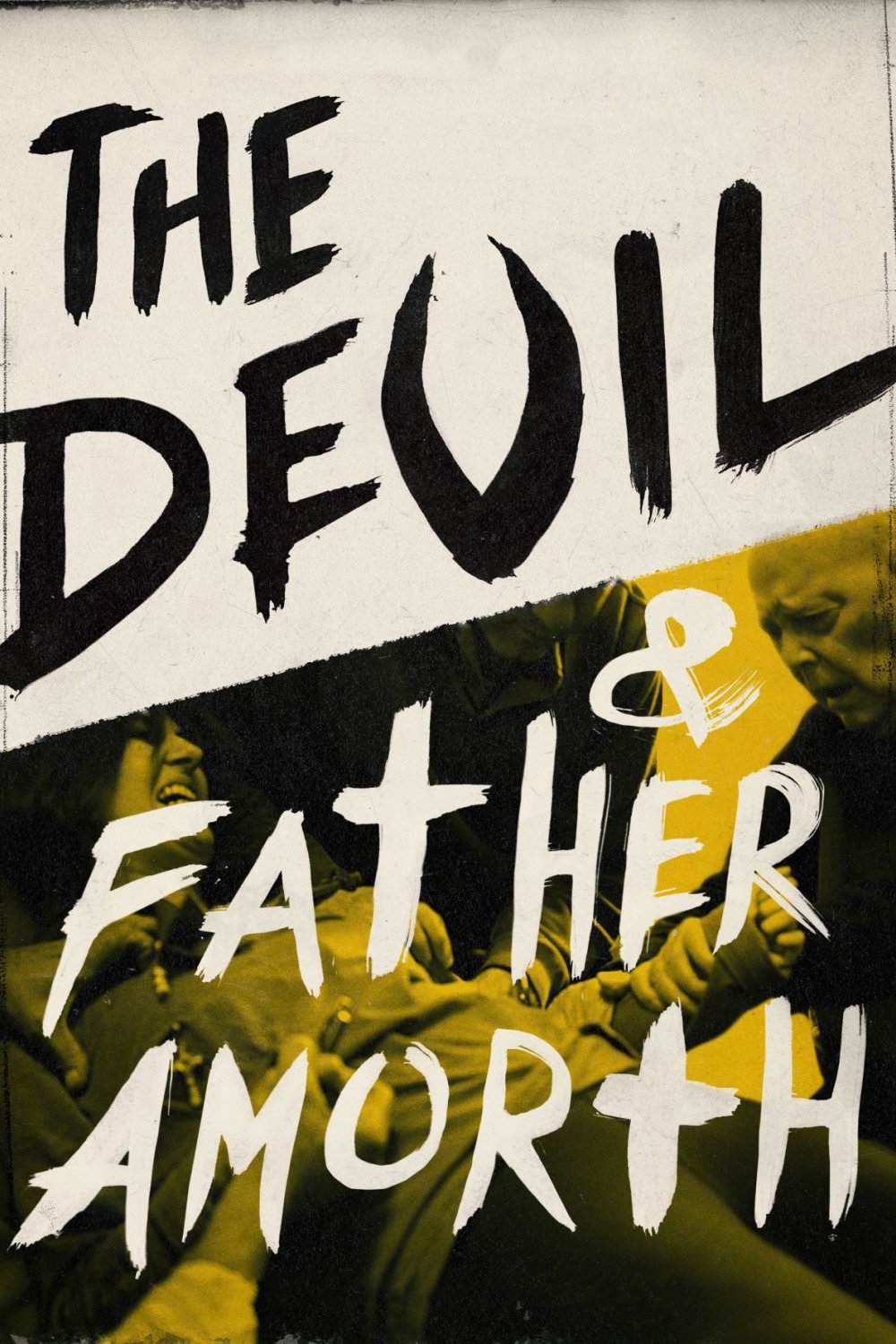
William Friedkin attends an exorcism with Father Gabriele Amorth, as he treats an Italian woman named Cristina for the ninth time. Prior to filming, Cristina had purportedly been experiencing behavioural changes and “fits” that could not be explained by psychiatry, and which became worse during Christian holidays.
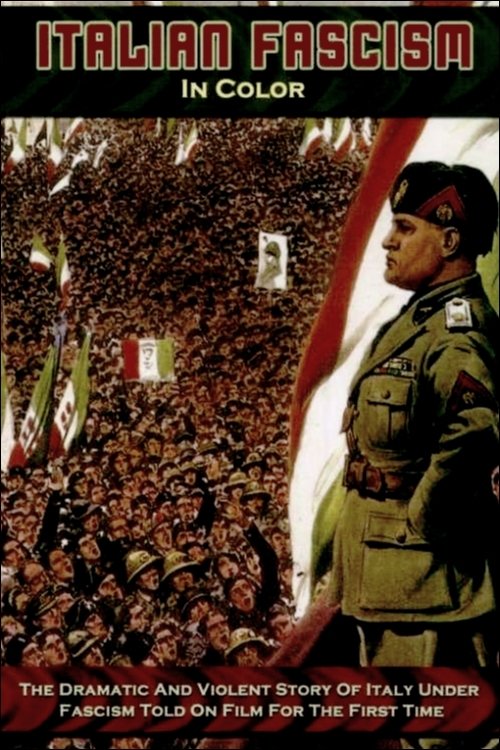
After the World War I, Mussolini's perspective on life is severely altered; once a willful socialist reformer, now obsessed with the idea of power, he founds the National Fascist Party in 1921 and assumes political power in 1922, becoming the Duce, dictator of Italy. His success encourages Hitler to take power in Germany in 1933, opening the dark road to World War II. (Originally released as a two-part miniseries. Includes colorized archival footage.)
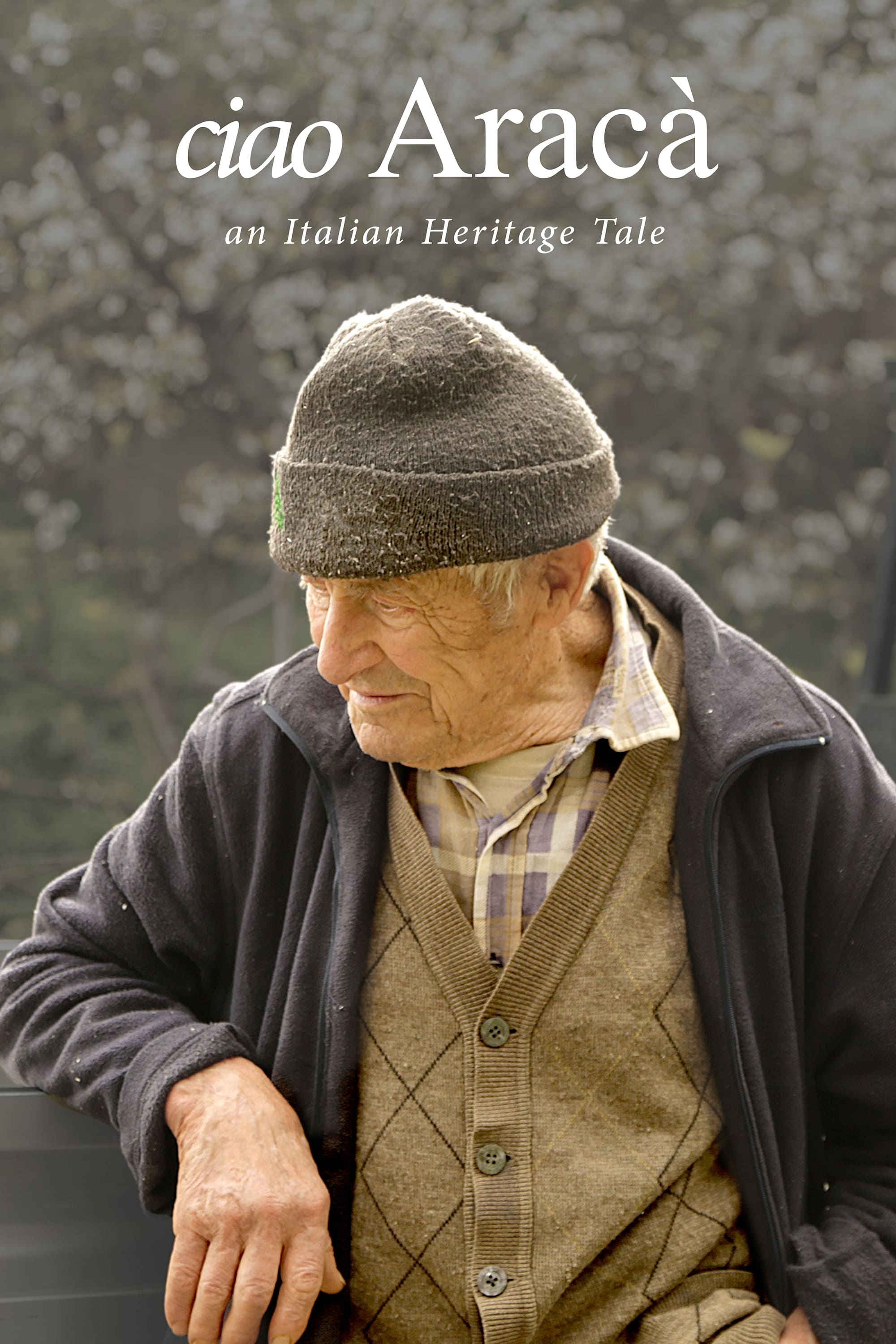
"...a charming depiction of life as I knew it with my grandparents in my own village..." Clara Caleo Green, Cinema Italia UK "The sum of the individual fates and life choices paints a picture, the validity of which extends far beyond this village." Joachim Manzin, Black Box This documentary records the thoughtful and emotional confrontation with time, change, loss and hope related by the members of a small community in the idyllic Ligurian countryside who are dealing with a rapidly changing agricultural industry, transformed by globalisation and technological advances and an increasing number of foreigners buying the empty houses in their village. Forgoing the use of music and voice over, the film lets Aracà's inhabitants tell their own stories and allows the audience to dive into the rich soundscape of the ligurian alpine countryside.
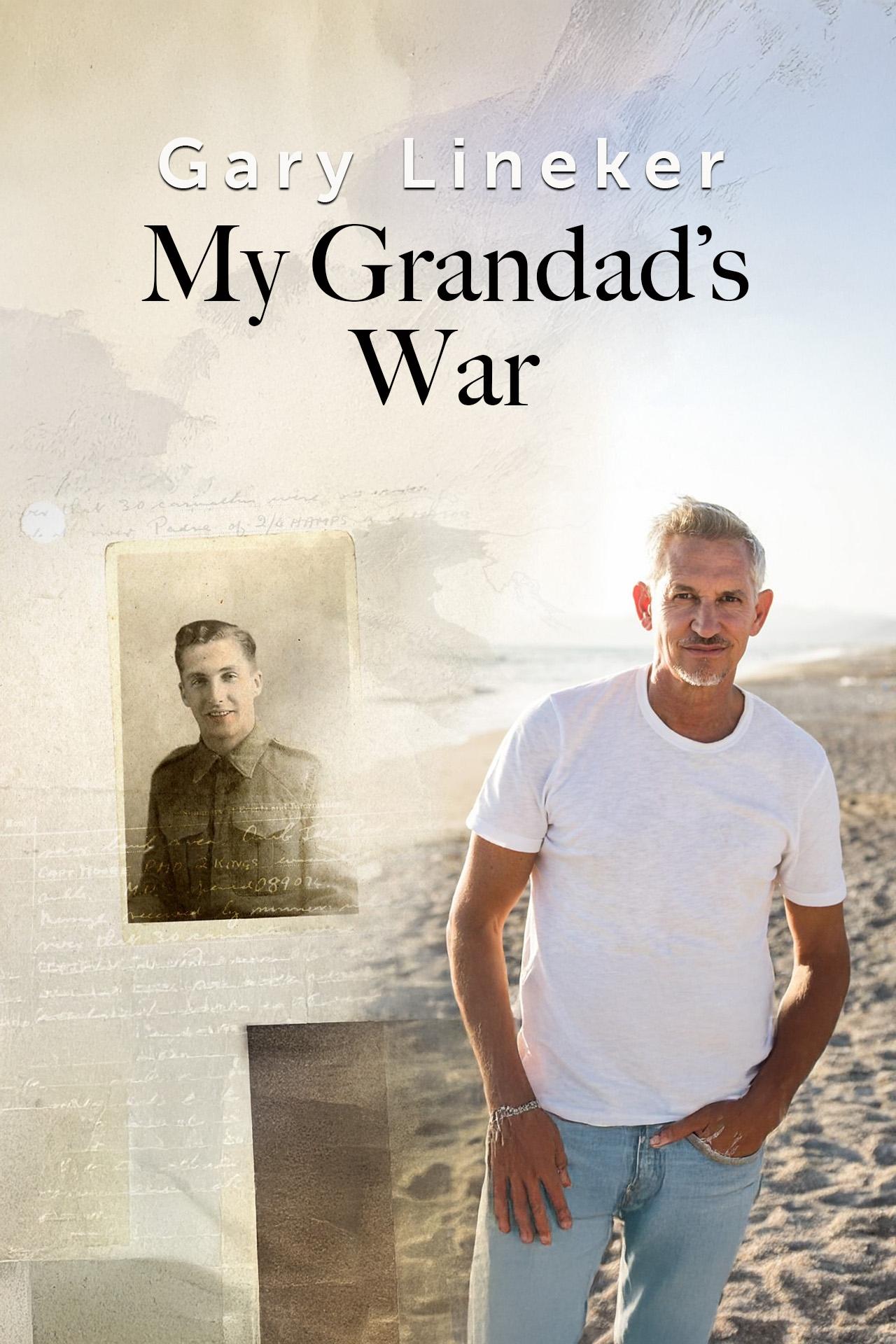
Presenter and former England football captain Gary Lineker follows in the footsteps of his grandfather, Stanley Abbs, to explore a brutal but often overlooked chapter of World War Two.
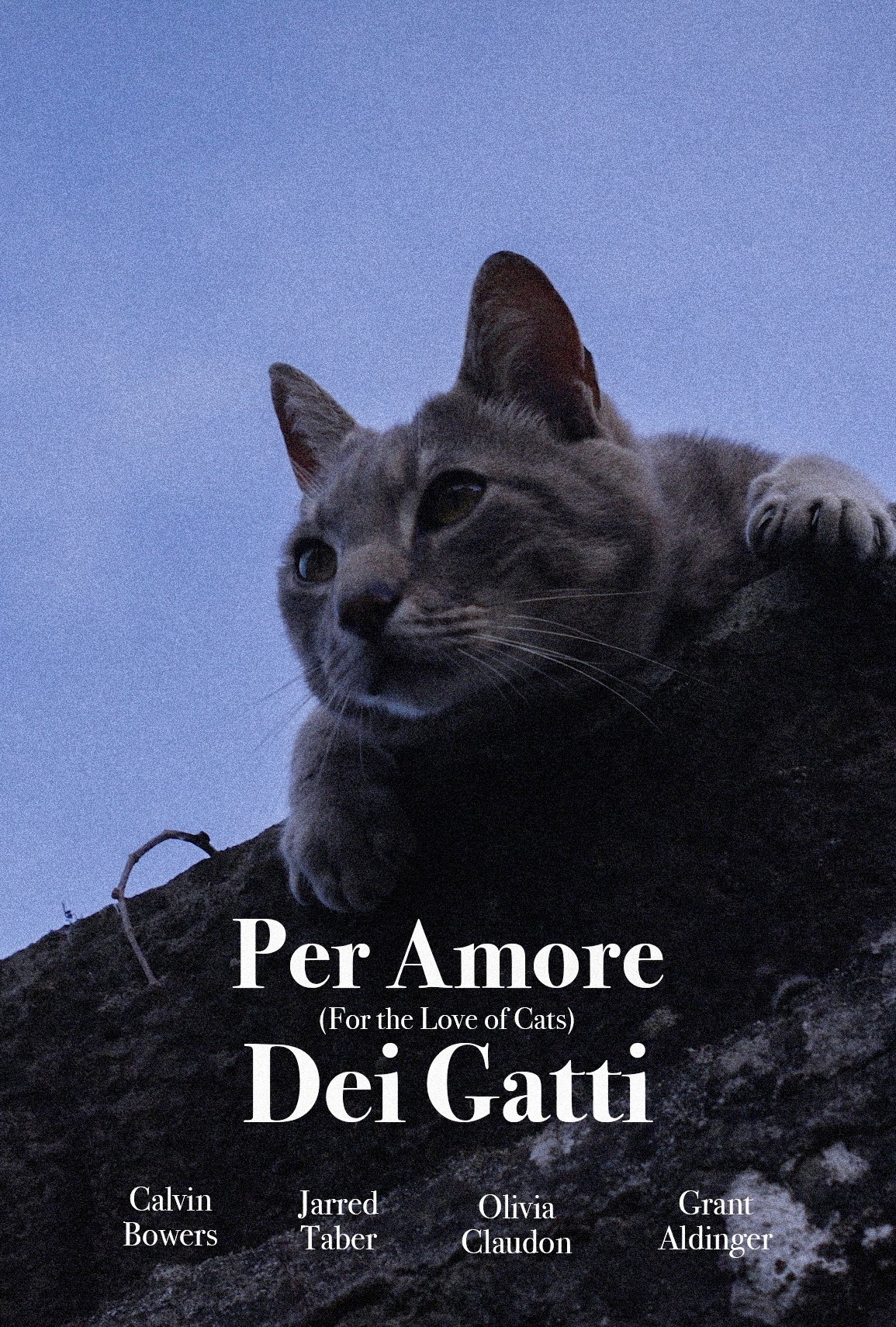
In the small mountain town of Barga, Italy, a group of four filmmakers speak with local cat lovers and immerse themselves in the unique world of street-trotting felines and Gattaras.
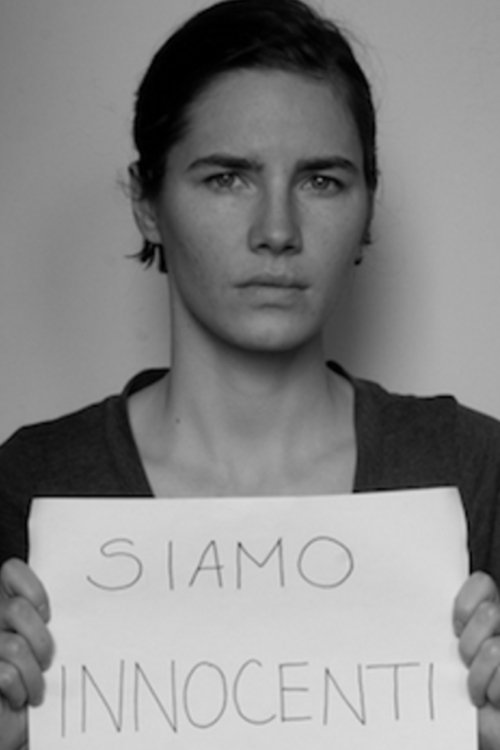
Amanda Knox served four years in an Italian prison for the murder of her British flatmate Meredith Kercher in Perugia in 2007, always insisting on her innocence. In 2011, she was acquitted on the basis of DNA evidence but prosecutors successfully appealed and her acquittal was struck down. In 2014 she was again found guilty in absentia after a retrial and sentenced to 28 years and six months in jail. The saga came to and end when Italy's highest court overturned the convictions of Ms Knox and her former boyfriend, Italian student Raffaele Sollecito in March 2015. Known burglar Rudy Guede was arrested a short time later following the discovery of his bloodstained fingerprints on Kercher's possessions. He was later found guilty of murder in a fast-track trial and is currently (as of 2019) serving a 16-year prison sentence.
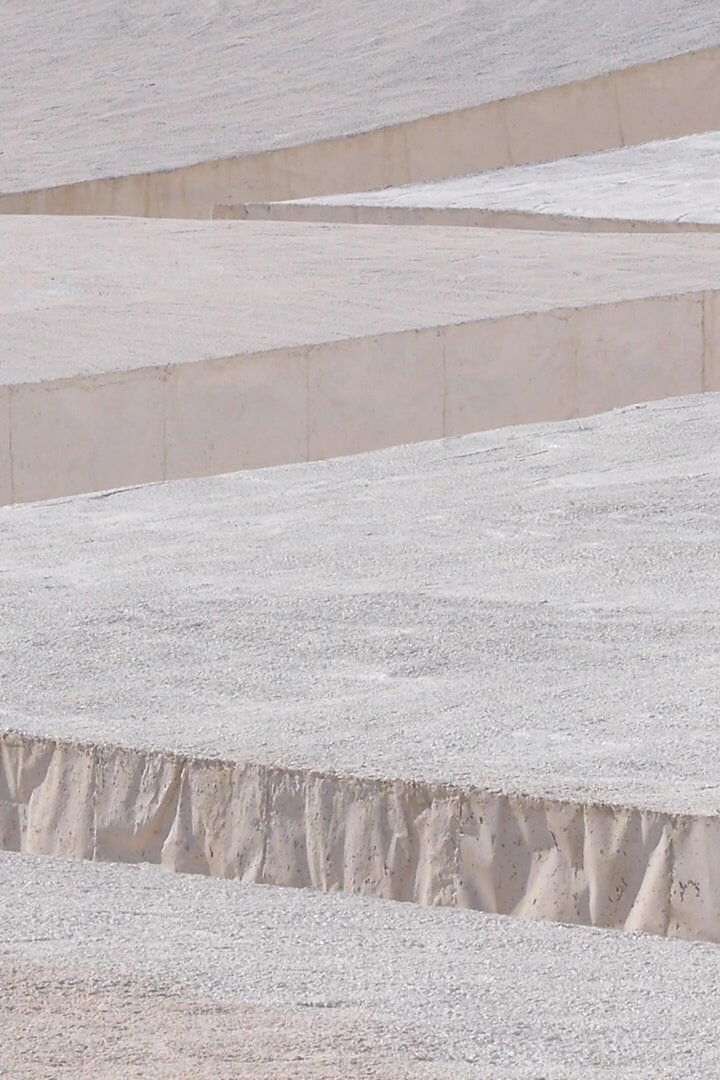
An enormous shroud of white cement covers a hillside in the remote of western Sicily. It is both land art and a memorial to the town of Gibellina that was devastated by an earthquake in January 1968. It’s a work by the Italian artist Alberto Burri. He covered the ruins of the town with white cement and fissures function as pathways that wind through an area of roughly 20 acres. Petra Noordkamp captures Il Grande Cretto di Gibellina by Alberto Burri as an experentiental work of art filled with a sense of place and history.
Uli Köhler and Nick Golücke have visited the protagonists of the 1990 World Cup 20 years after their championship win and looked back together. The Writers Nick Golücke and Uli Köhler have, 20 years after World Cup triumph of the German national soccer team in Rome in 1990, visited the protagonists of back then once again and indulge with them together in memories.
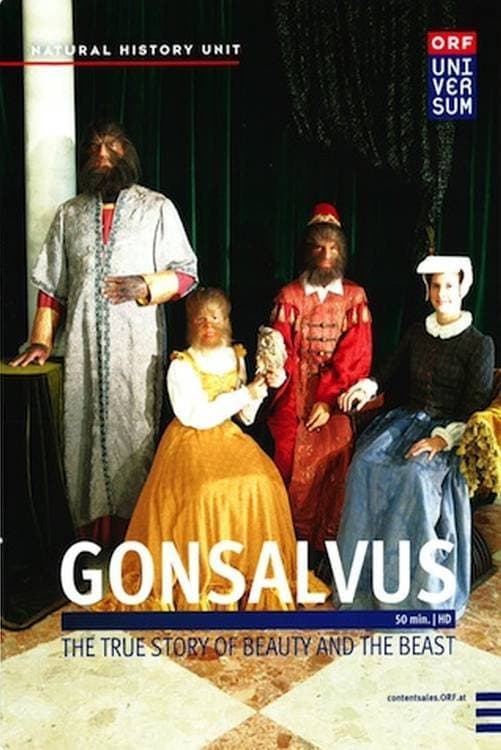
It's a condition known as "hypertrichosis" or "Ambras Syndrome," but in the 1500s it would transform one man into a national sensation and iconic fairy-tale character. His name: Petrus Gonsalvus, more commonly known today as the hairy hero of Beauty and the Beast.
A documentary about German tourists on vacation in Italy and various activities at their Italian vacation destination.
The film focuses on Ernesto Rossi (1897 – 1967), who was imprisoned by the fascist regime between 1930 and 1943 for his political ideas. Exiled on the island of Ventotene, he co-authored the Ventotene manifesto.
Examining the brutal murder of 21-year-old student Meredith Kercher in 2007.
A docu-film that traces the victorious ride of Mancini's Azzurri, from the debut match to the final against England. A troupe lived with the Azzurri for a month, to bring the spectators into the lives of the players and all the members of the staff, between training sessions, matches, travels and celebrations. An adventure told through the voices of the protagonists, who confided dreams, joys, pains and hopes to the cameras. "Blue Dream, the road to Wembley" is the completion of a project started a year ago together with the FIGC, to tell the national team's approach to the European Championships through the 4 episodes aired in the days immediately preceding the European Championship, bringing the new television language of the docu-series to one of the most important time slots of the first generalist network. "Blue Dream, the road to Wembley" is a project of the New Formats Development Department
The film follows Vincent Schiavelli as he returns to Polizzi Generosa, the very town in Sicily his grandparents emigrated from in 1901.
An extraordinary voyage of discovery to see the most impressive collection of works of art built up over two thousand years of history. VATICAN MUSEUMS 3D, a SKY production in collaboration with the Vatican Museums Directorate, for the very first time brings Ultra HD 4K/3D film cameras inside the Vatican Museums and the Sistine Chapel, to show the masterpieces in these collections as they have never been seen before.
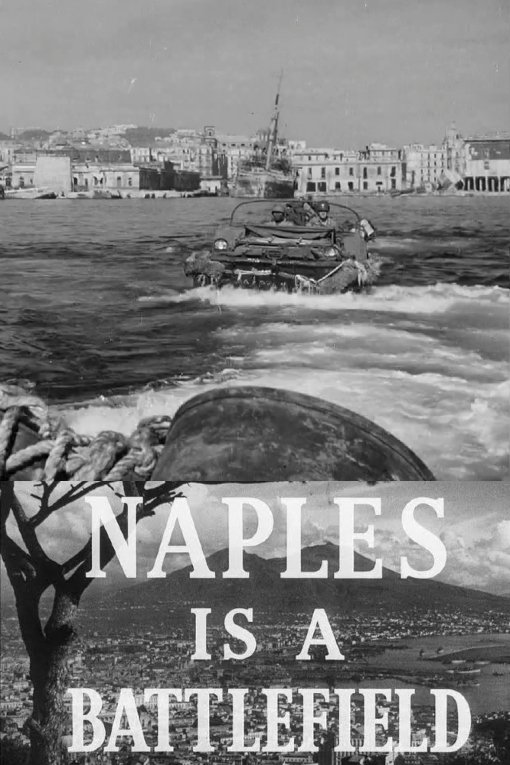
The capture of Naples, the first great European city to be liberated, revealed the magnitude of the tasks involved in re-creating the means of livelihood and the machinery of government in a devastated, starving and disease-ridden city.