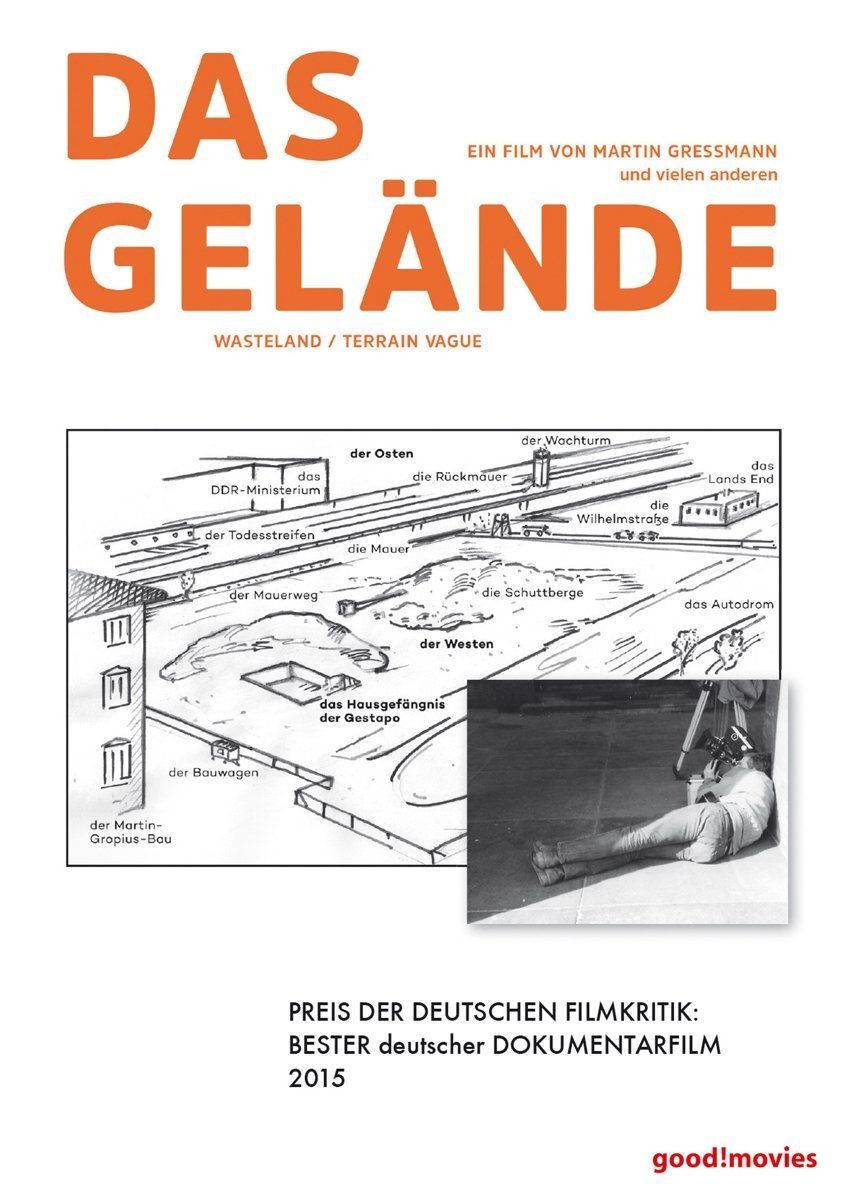
A long-term observation of the forgotten former “Gestapo grounds” in Berlin 1986-2013.
Social & External
The people behind it
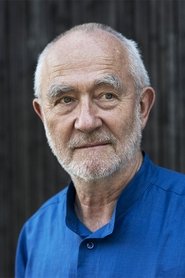
Peter Zumthor
Self
Horst Köhler
Ignatz Bubis
Self (archive footage)
Hanna-Renate Laurien
Michael Wildt
Rabbi Andreas Nachama
Dieter Hoffman-Axthelm
A documentary exploring the aftermath of the Berlin Wall's fall, the film features interviews in English and German with long-time residents and foreign visitors/residents from both sides of the former divide.
Gdańsk, Poland, September 1980. Lech Wałęsa and other Lenin shipyard workers found Solidarność (Solidarity), the first independent trade union behind the Iron Curtain. The long and hard battle to bring down communist dictatorship has begun.
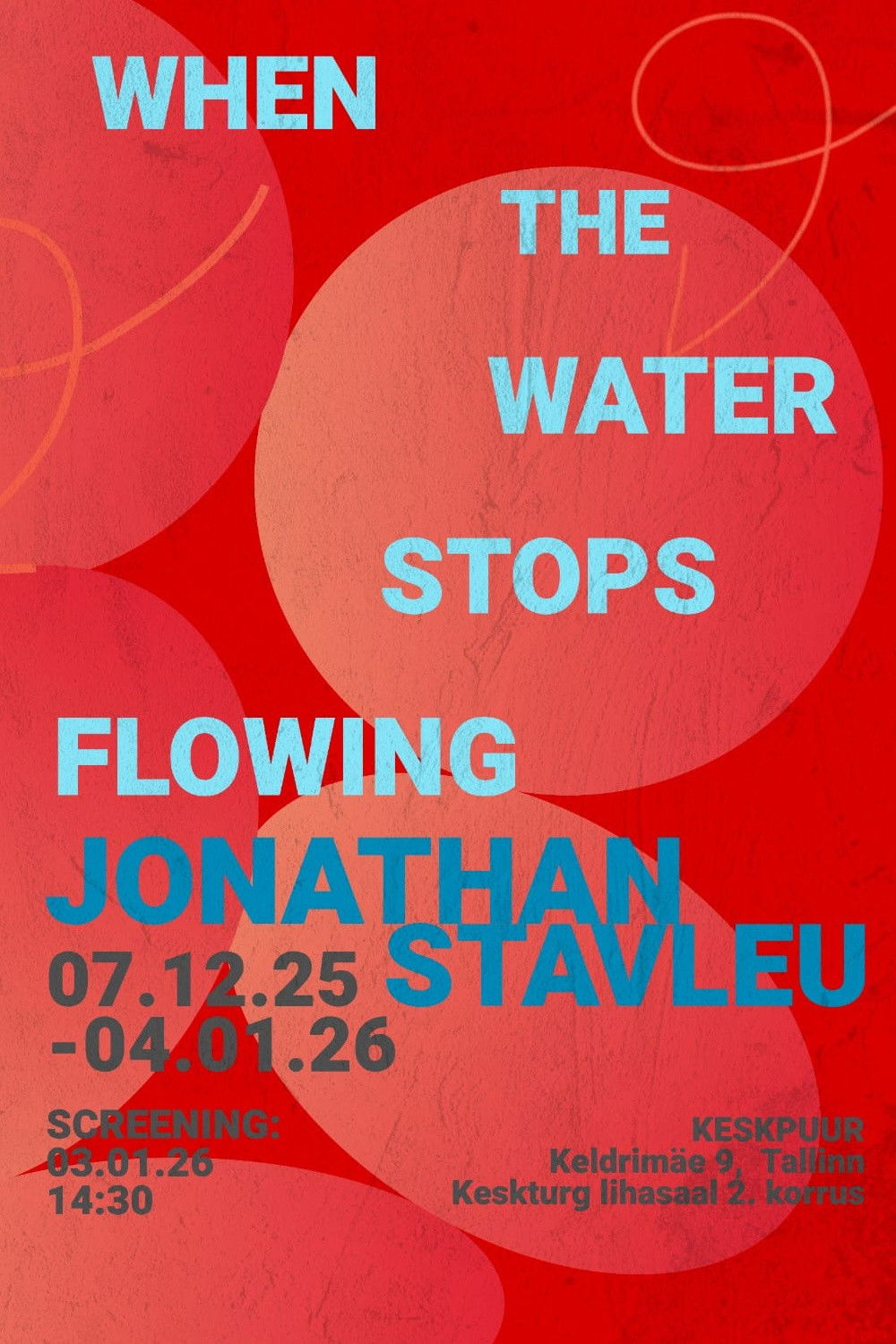
Jonathan Stavleu explores, in a stream-of-consciousness video essay, the relationship people have with water and what happens when access to it is taken away. For this work, he examines anecdotal histories he has heard from Estonians, as well as stories from his own family history in the Netherlands, weaving them together into a journal-like narrative.
Documentary short film about the afterlife of the remnants of the Berlin Wall.
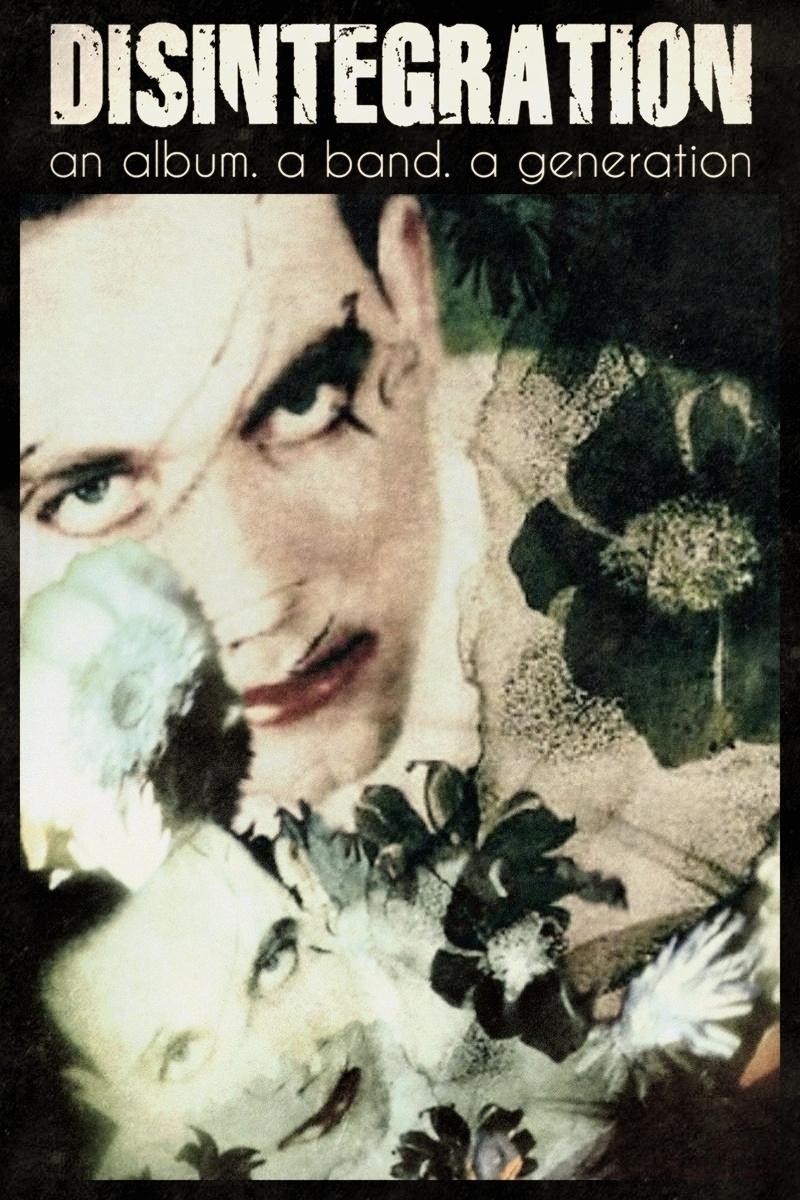
Over the course of a fifty-year career, the British band The Cure has released fourteen highly successful studio albums; but it was their 1989 album Disintegration, released during a pivotal year for Europe and the world, that would capture the imagination of so many fans.
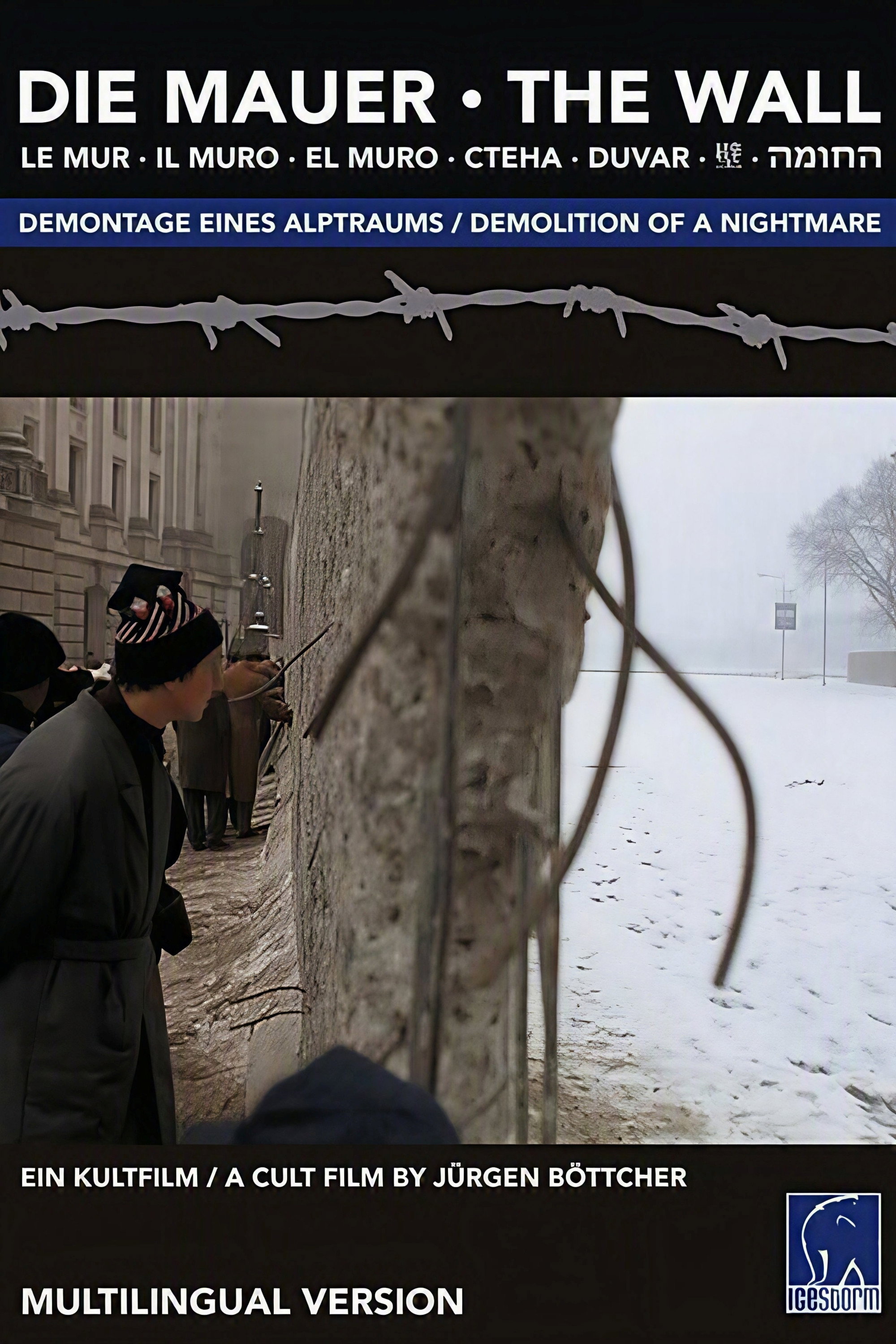
A documentary about the deconstruction of the Berlin Wall which makes no use of vocal commentary but instead focuses on visual elements. From the Potsdamer Platz to the Brandenburg Gate, the camera captures the historic events from all sides and different angles: on the one hand there are news reporters and tourists from all over the world taking pictures, children selling pieces of the wall to passers-by, and people celebrating New Year's Eve, on the other we see abandoned subway stations and officials with blank looks on their faces.
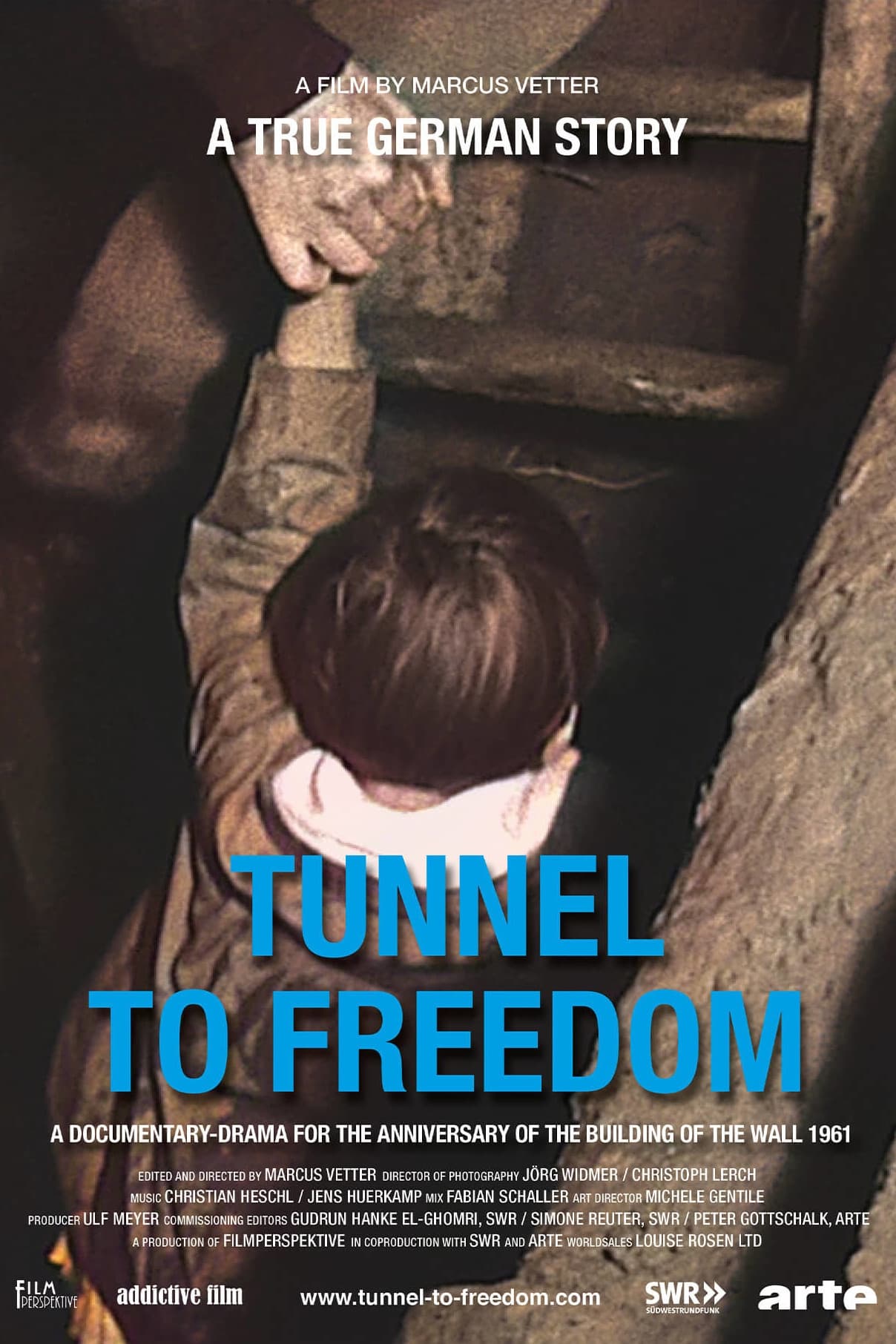
13 August 1961: the GDR closes the sector borders in Berlin. The city is divided overnight. Escape to the West becomes more dangerous every day. But on September 14, 1962, exactly one year, one month and one day after the Wall was built, a group of 29 people from the GDR managed to escape spectacularly through a 135-meter tunnel to the West. For more than 4 months, students from West Berlin, including 2 Italians, dug this tunnel. When the tunnel builders ran out of money after only a few meters of digging, they came up with the idea of marketing the escape tunnel. They sell the film rights to the story exclusively to NBC, an American television station.
Reveals an alternate history of the post-war world. This is a version of history where, in contrast to what we are all told, fascist ideology prevailed. The story of Klaus Barbie, Nazi torturer, American spy, tool of repressive right-wing regimes, is symbolic of the real relationship that the "Western" governments had with fascism and makes us see the world as it is today - and the politicians that inhabit it - in a different way.
The 5th anniversary of the inner-German wall to West Germany and West Berlin is on the agenda. The necessity of erecting the border is illustrated by comparing the situation in 1939 and the situation in the summer of 1961 with regard to the "threat of intervention" by the Western powers. Berlin people and GDR border guards are interviewed.
After the fall of the Berlin Wall, thousands of documents were hastily shredded by the dreaded GDR political police. 16,000 bags filled with six million pieces of paper were found. Thanks to the meticulous work of technology, the destinies of men and women who had been spied on and recorded without their knowledge could be reconstructed.
Docudrama telling the story of a building with a breath taking career that began in the empire, flourished in the Weimar Republic, perished in the Nazi dictatorship, and was rebuilt after its partial destruction.
In August 1961, a few railway cars and barbed wire divided East Germany from West. It was a barrier that would be extended and become increasingly more sophisticated, a technological counter to each escape attempt. Computer imagery reconstructs how the Berlin Wall grew from a meager obstacle to a 97 mile barrier of concrete slabs, watchtowers and guards.
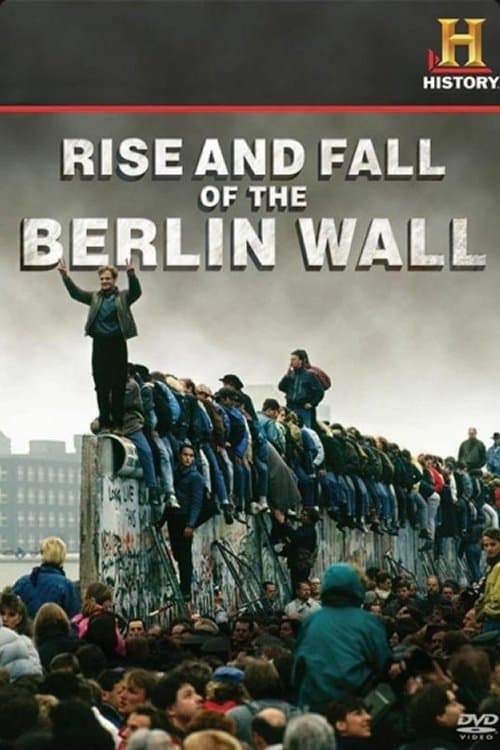
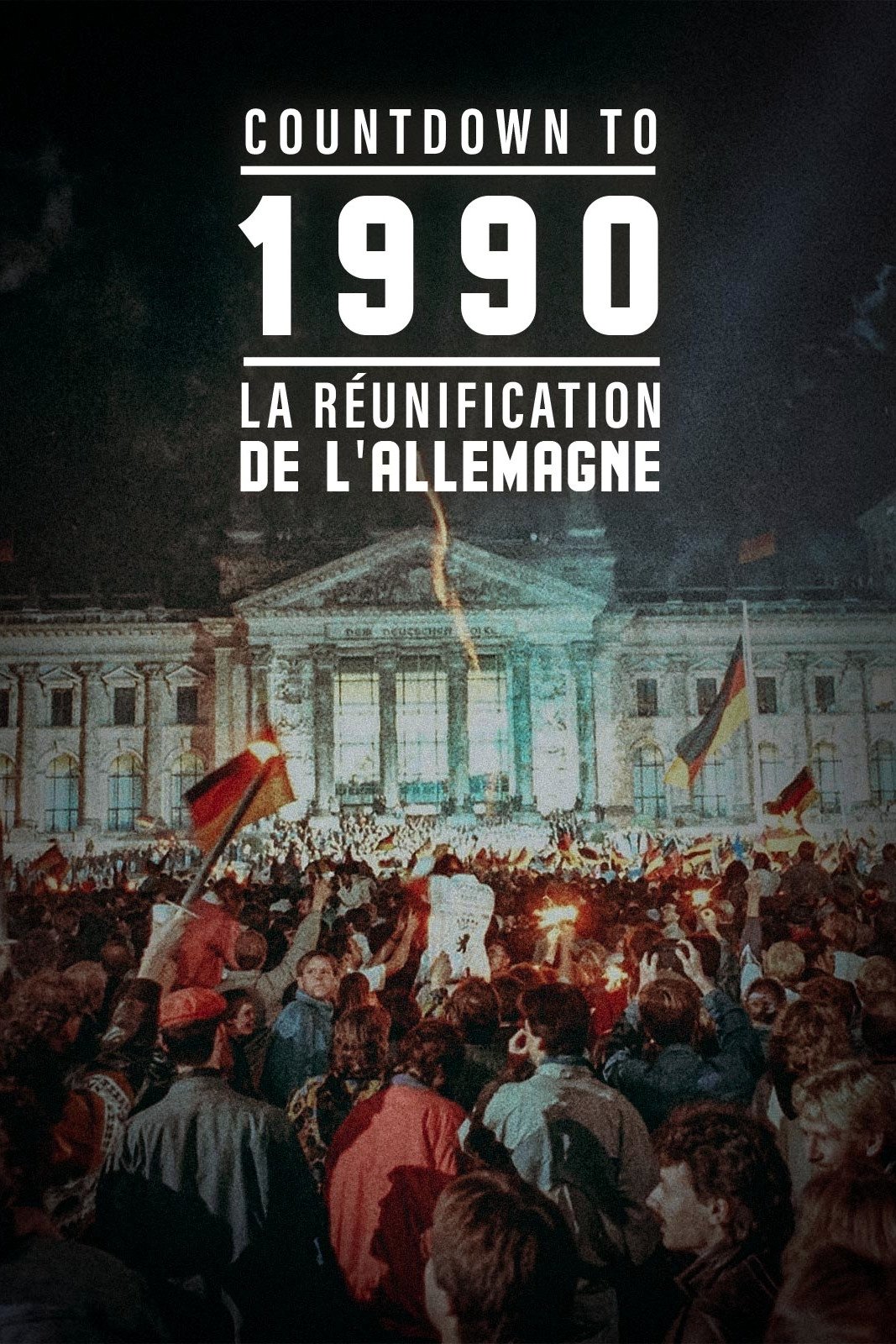
The Berlin Wall came down in 1989, bringing the reunification of Germany and an end to the Cold War. This documentary revisits the events surrounding the wall's historic collapse. Interviews with George Bush, Mikhail Gorbachev and Helmut Kohl offer insight into political maneuvering while firsthand accounts from Germans provide personal perspectives of this historic event that changed the world forever.
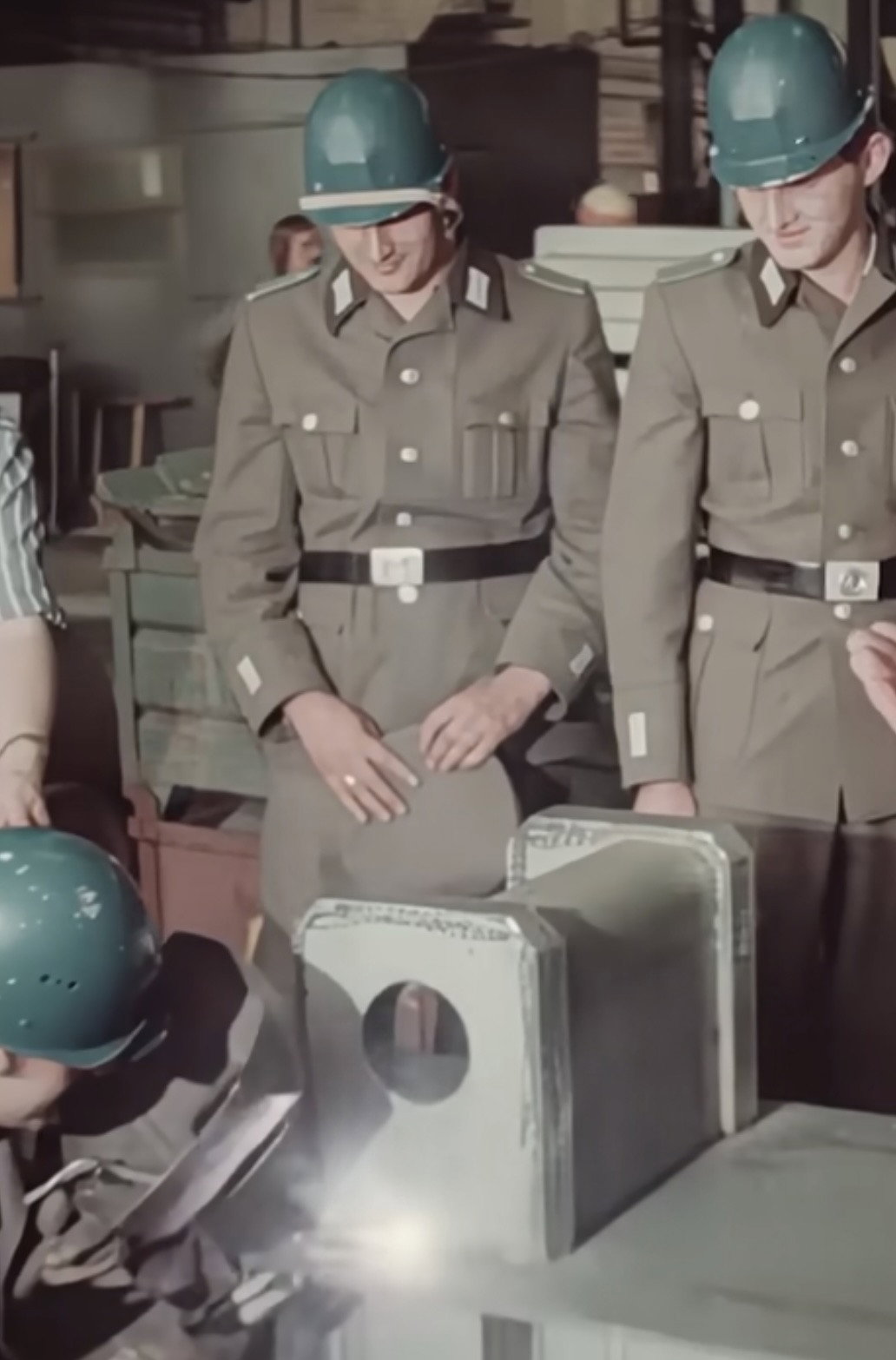
East German documentary/propaganda film about Berlin Wall border guards
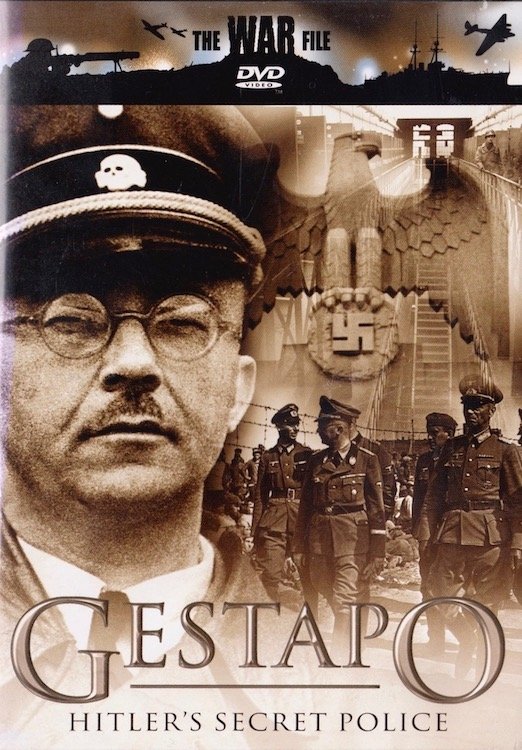
The rise and fall of Nazi Germany's terrifying secret police force from 1933 through 1945.
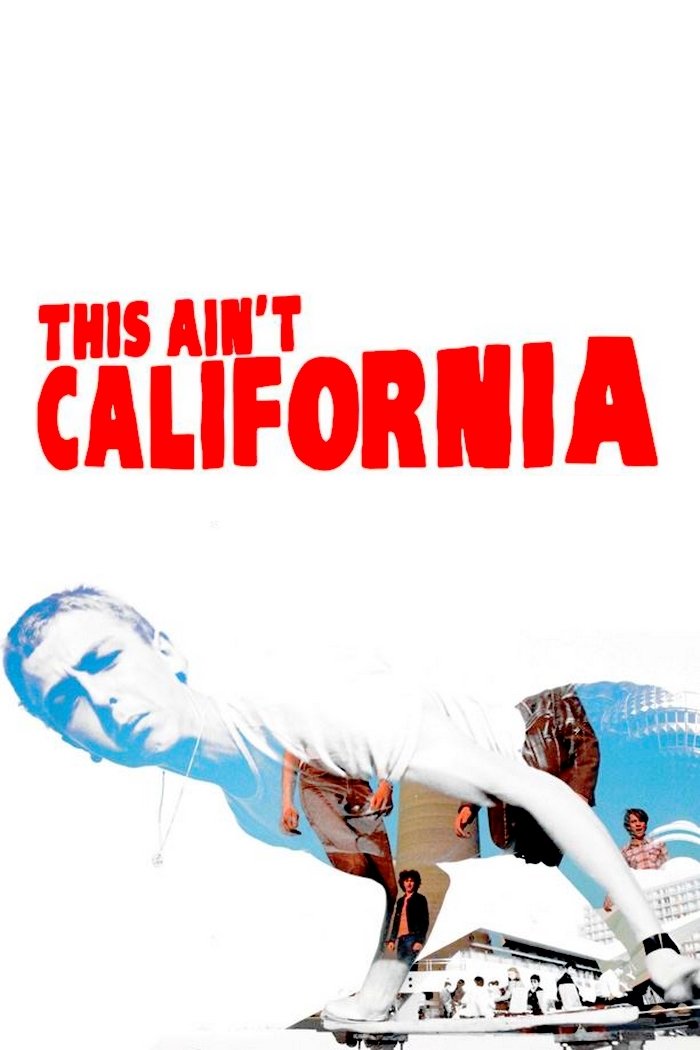
A retrospective look at the youth cultures born in the German Democratic Republic. A celebration of the lust for life, a contemporary trip into the world of skate, a tale on three heroes and their boards, from their childhood in the seventies, through their teenage rebellion in the eighties and the summer of 1989, when their life changed forever, to 2011.
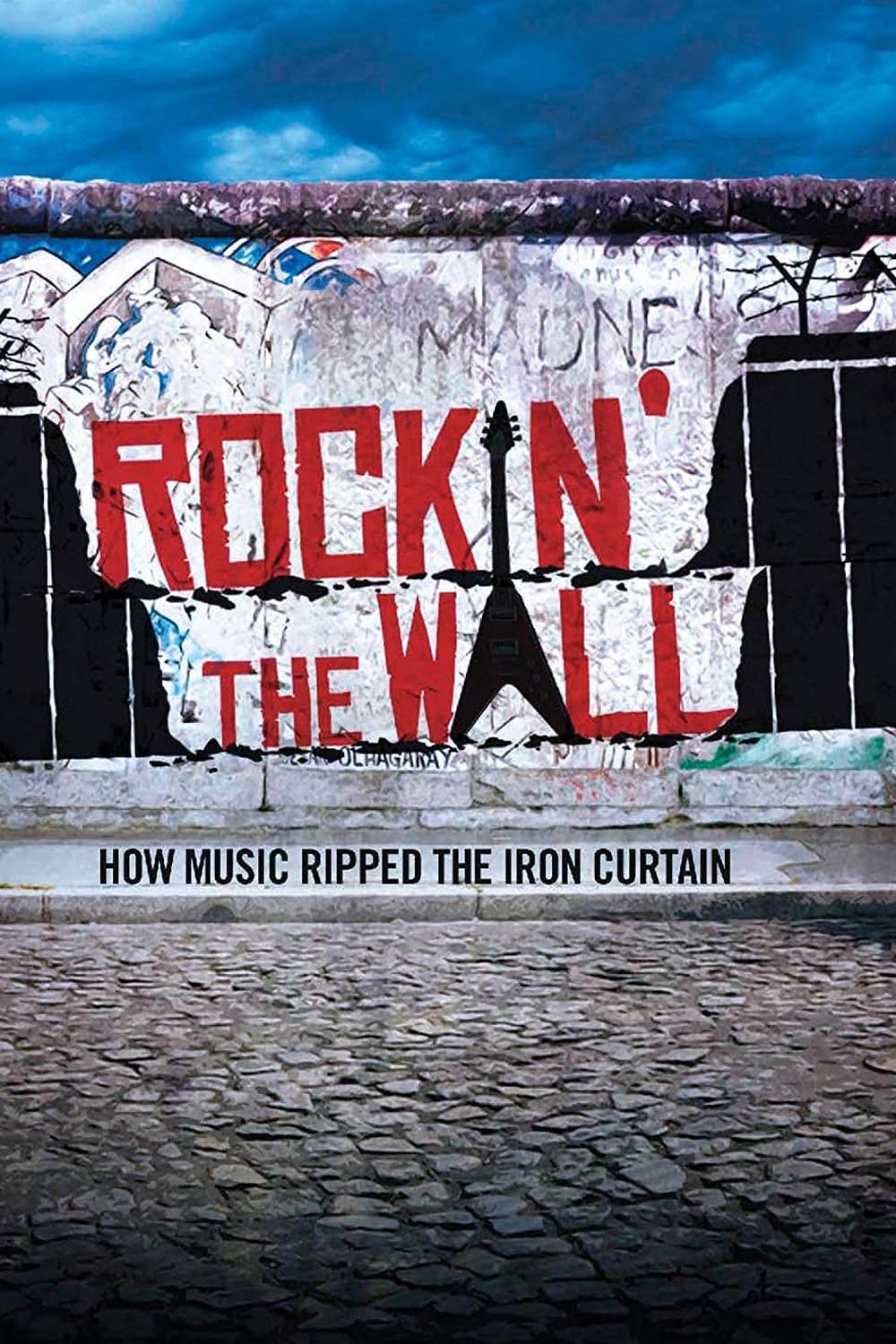
Rock and roll's part in bringing down the Berlin Wall and smashing the Iron Curtain is told from the perspective of rockers who played at the time, on both sides of the Wall, and from survivors of the communist regimes who recall the lifeline that rock music provided them.
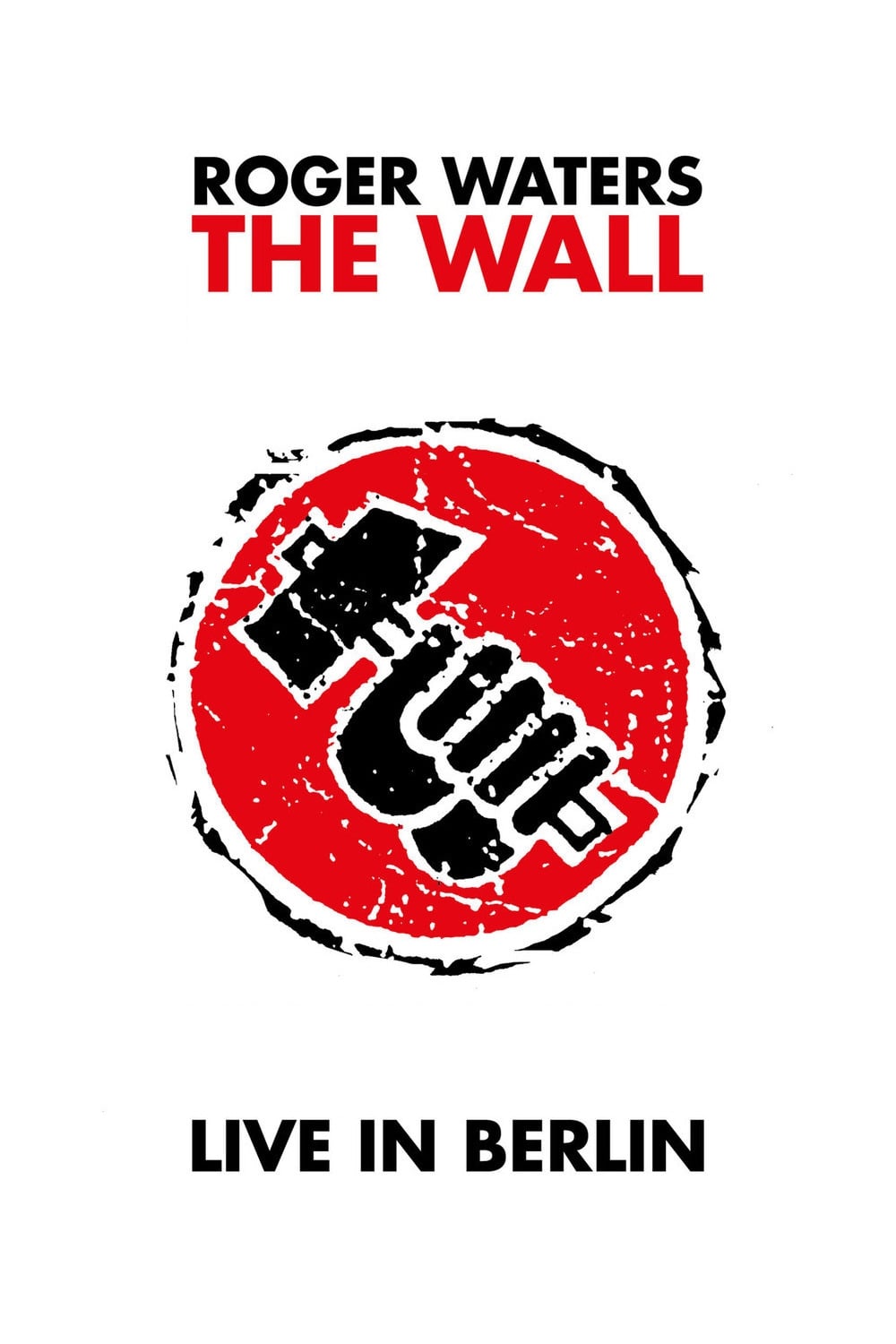
A global television broadcast of the event in which former Pink Floyd leader singer and composer Roger Waters led an all-star cast in a mammoth benefit performance of his acclaimed concept album, The Wall. Set in Berlin, Germany less than a year after the destruction of the hated Berlin Wall, Waters was accompanied by disparate talents such as Cyndi Lauper, James Galway, Joni Mitchell and Albert Finney in the classic dark musical tale of a rock star's descent into madness and back.
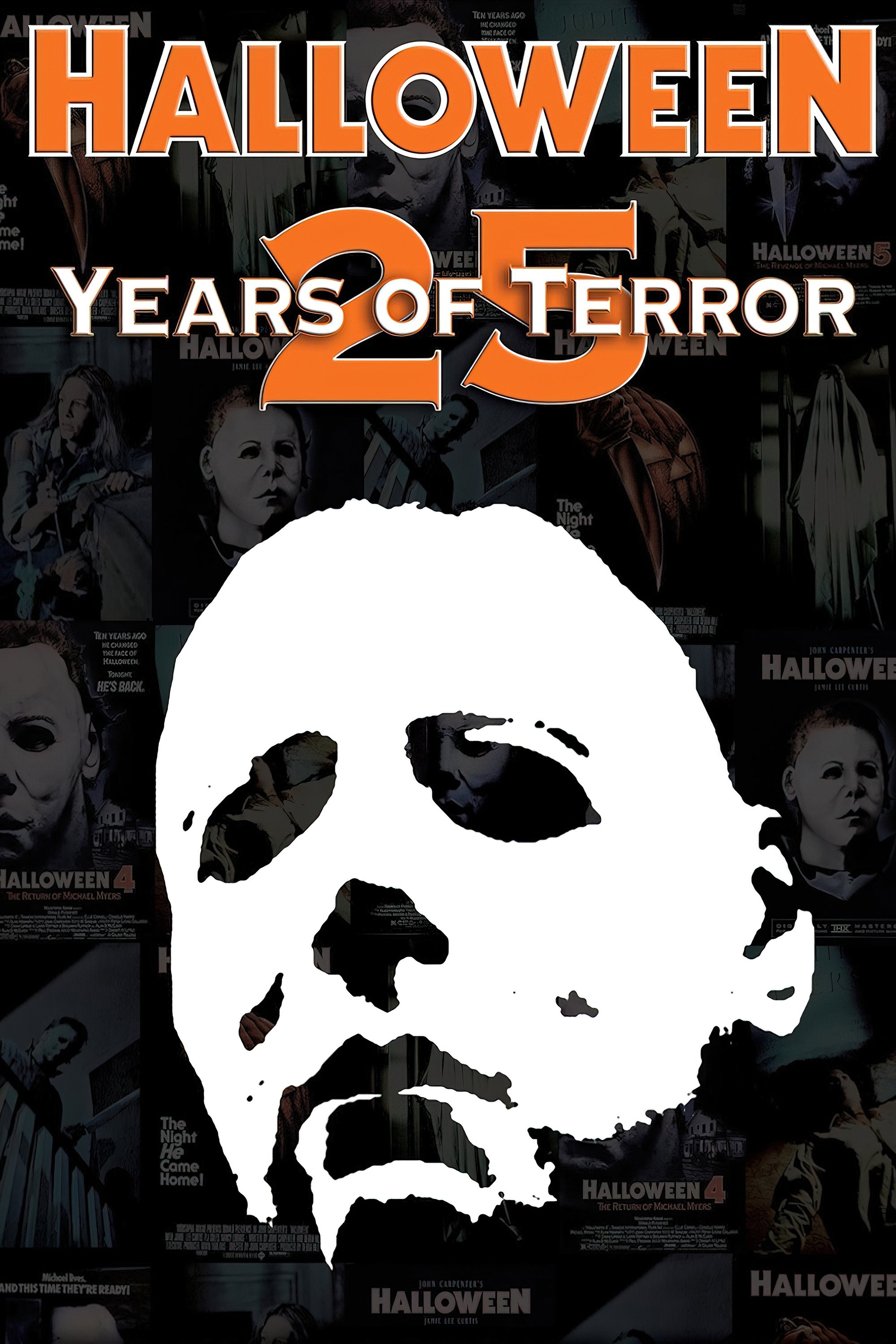
Follow the evolution of the 'Halloween' movies over the past twenty-five years. It examines why the films are so popular and revisits many of the original locations used in the films - seeing the effects on the local community. For the first time, cast, crew, critics and fans join together in the ultimate 'Halloween' retrospective.
Al Pacino's deeply-felt rumination on Shakespeare's significance and relevance to the modern world through interviews and an in-depth analysis of "Richard III."
Using the book 'Fragments', which collects Marilyn Monroe's poems, notes and letters, and with participation from the Arthur Miller and Truman Capote estates who have contributed more material, each of the actresses will embody the legend at various stages in her life.
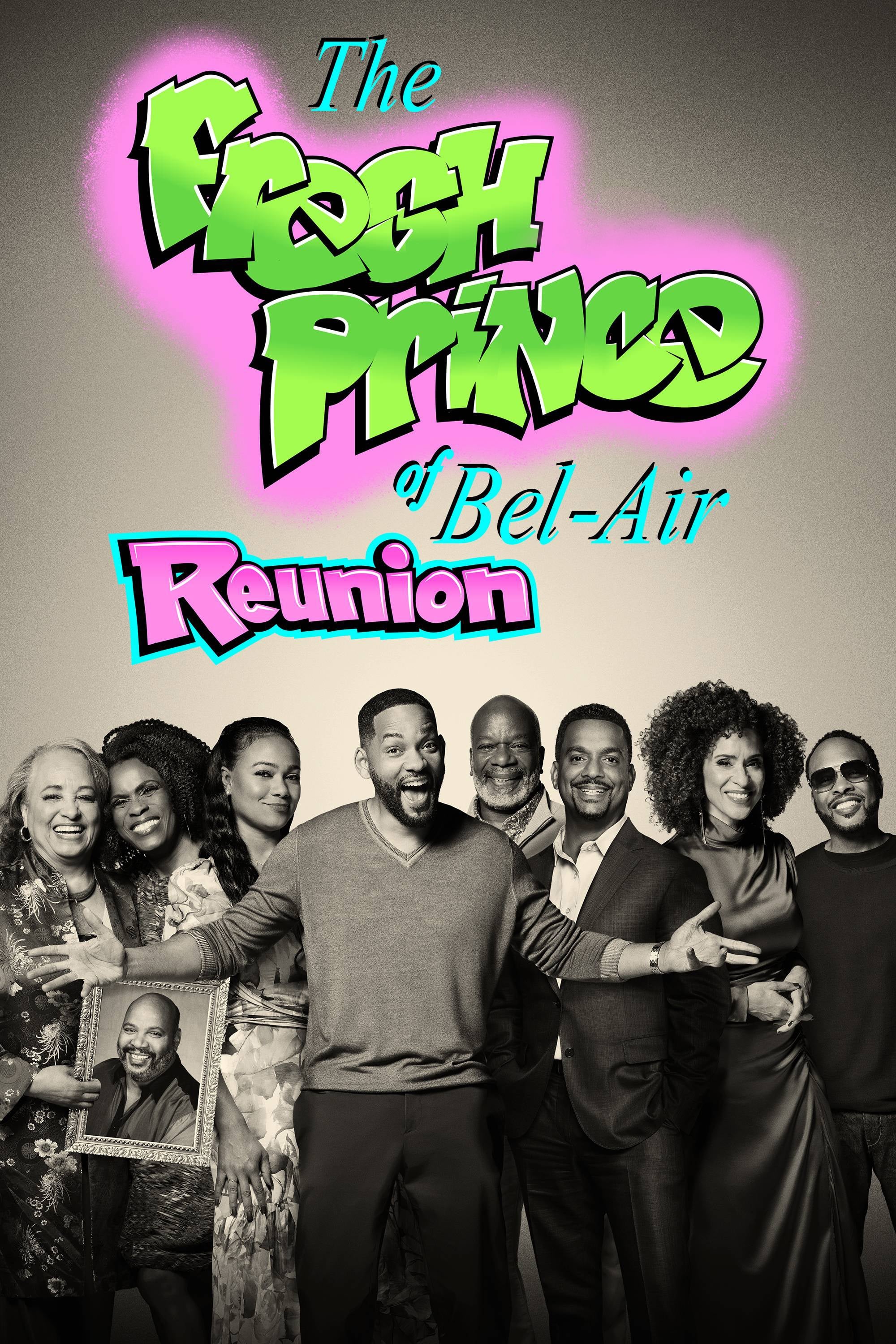
Join Will Smith, Tatyana Ali, Karyn Parsons, Joseph Marcell, Daphne Maxwell Reid, Alfonso Ribeiro and DJ Jazzy Jeff, for a funny and heartfelt night full of music and dancing in honor of the show that ran for six seasons and 148 episodes.
The life and career of an actor, artist, and icon. His own journey through his own camera.
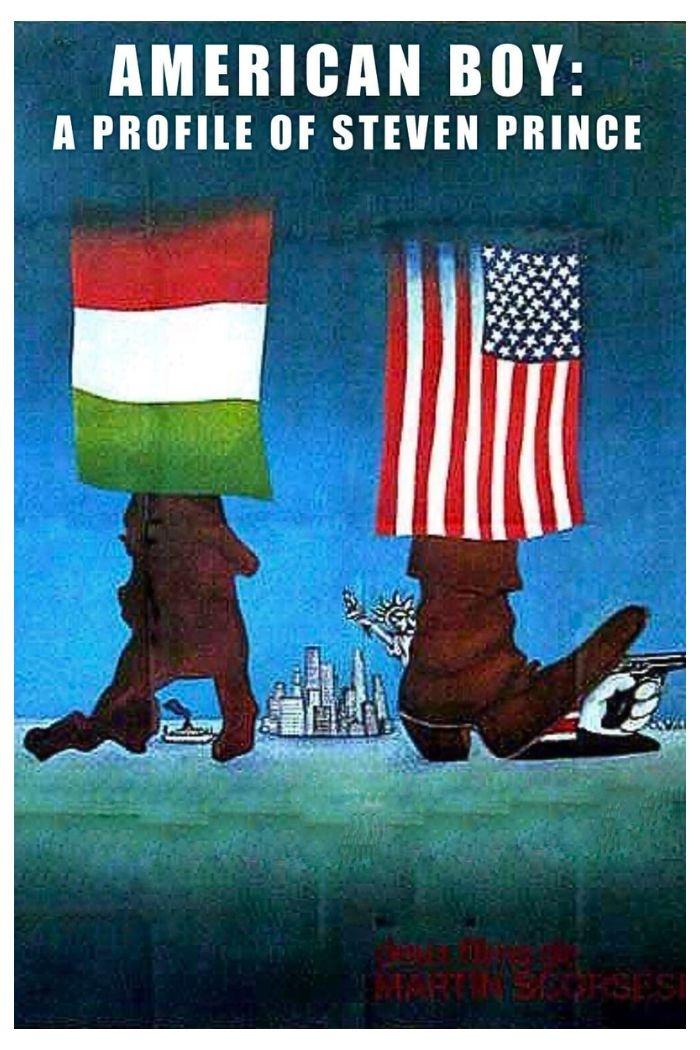
Martin Scorsese spends an evening with larger-than-life raconteur Steven Prince—a former drug addict, road manager for Neil Diamond, and actor—as he recounts stories from his colorful life.
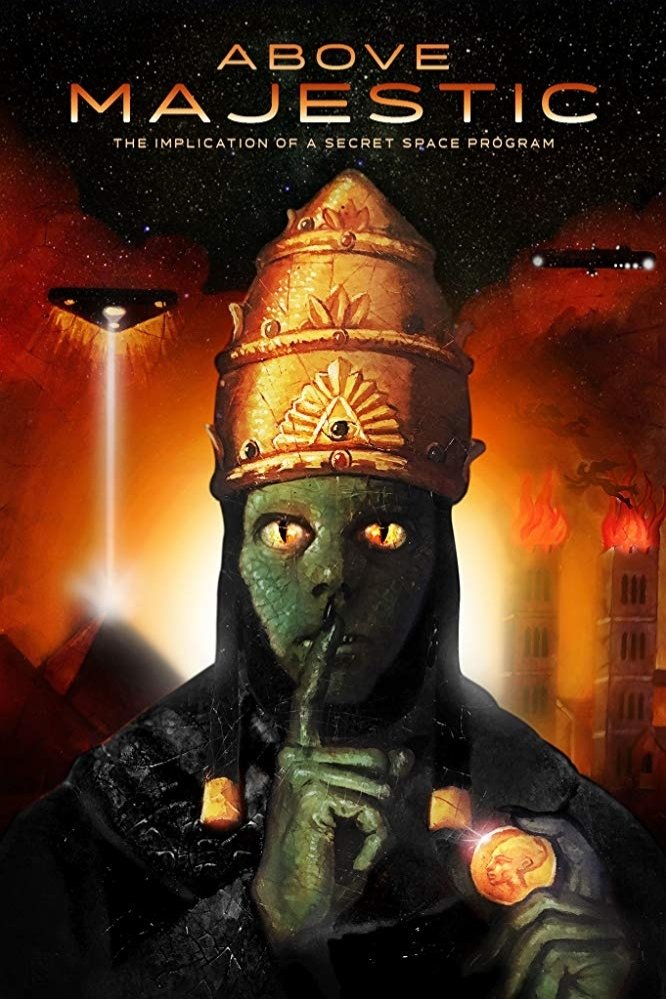
A look at the origins, history and conspiracies behind the "Majestic 12", a clandestine group of military and corporate figureheads charged with reverse-engineering extraterrestrial technology.
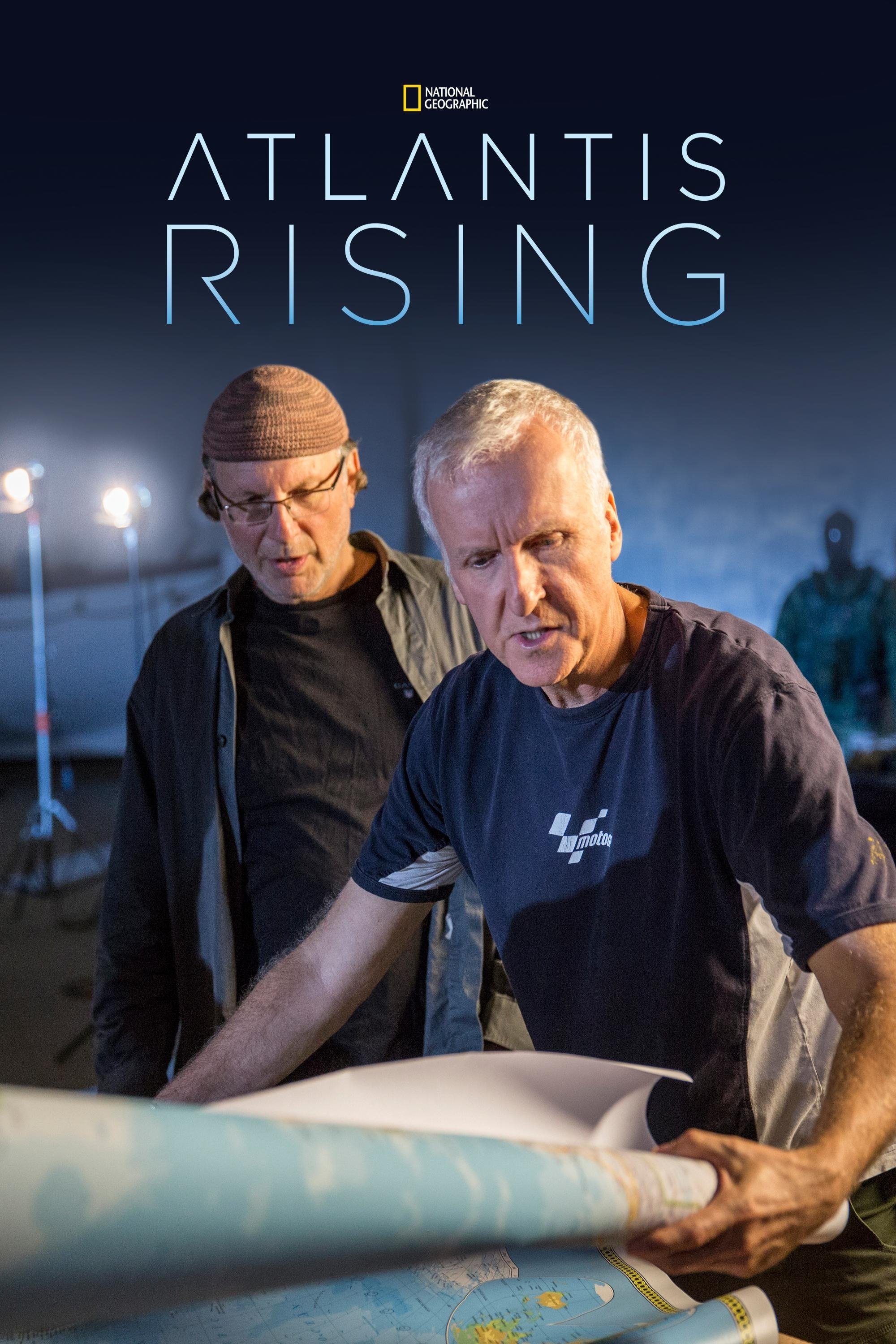
James Cameron and Simcha Jacobovici go on an adventure to find the lost city of Atlantis by using Greek philosopher Plato as a virtual treasure map.
A backstage and on-stage look at Justin Bieber during his rise to super stardom.
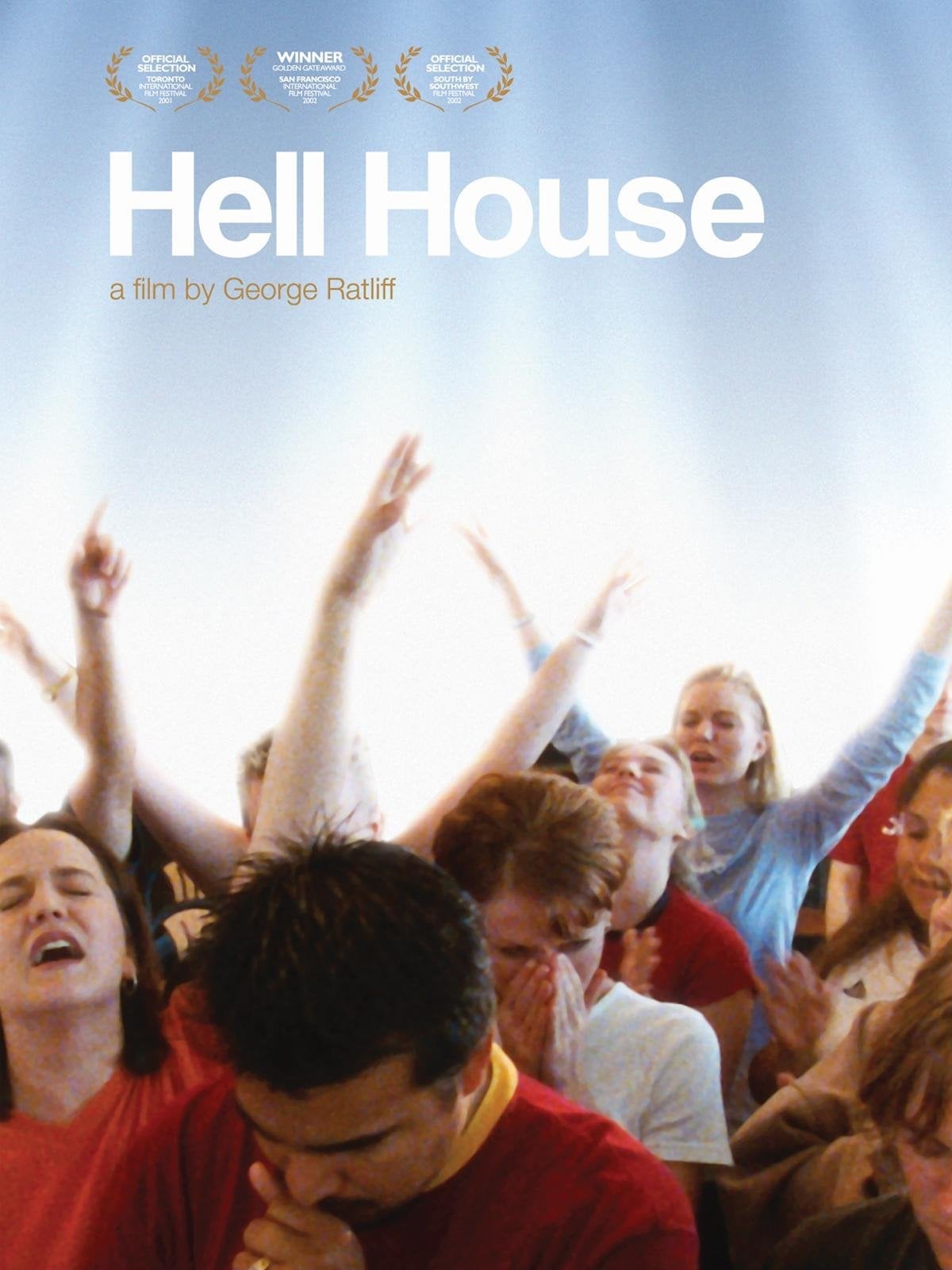
A look at the "Hell House" performed annually in October by the youth members of Trinity Church (Assemblies of God) in Cedar Hill, Texas (a Dallas suburb) — seen by over 10,000 visitors each year.
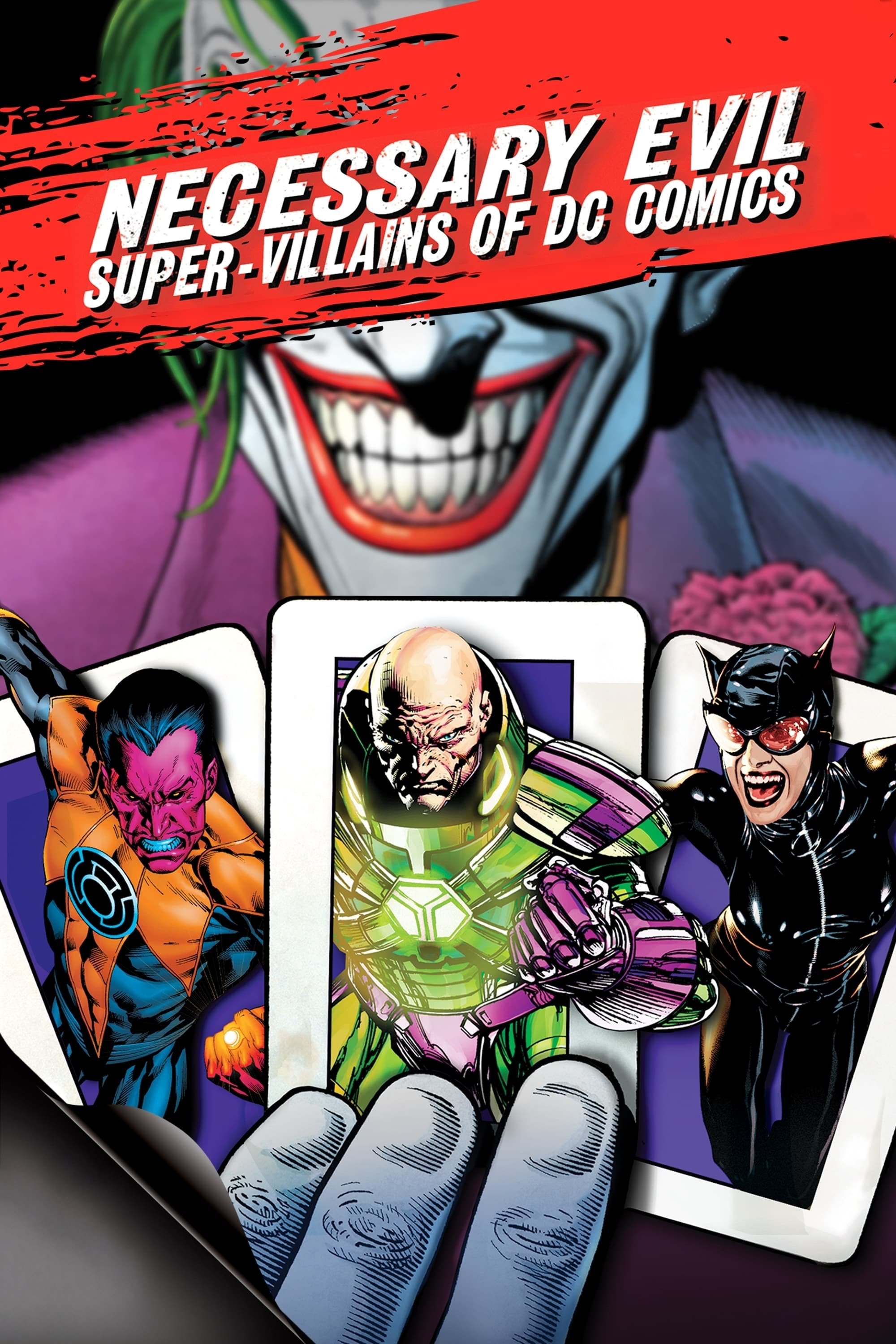
A documentary detailing the epic Rogues' Gallery of DC Comics from The Joker and Lex Luthor, Sinestro, Darkseid and more, this documentary will explore the Super Villains of DC Comics.
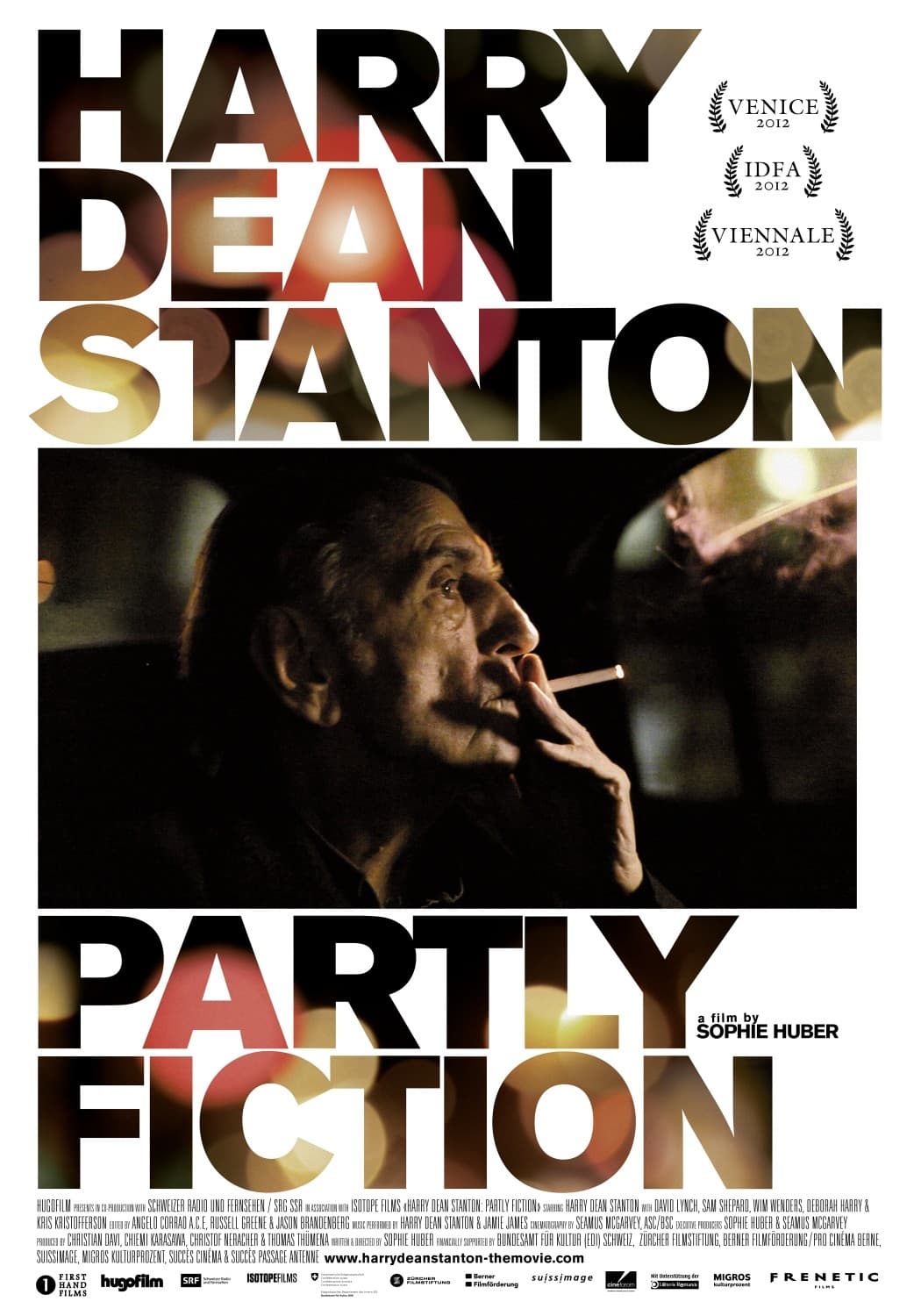
An impressionistic portrait of the iconic actor Harry Dean Stanton comprised of intimate moments, film clips from some of his 250 films and his renditions of American folk songs.
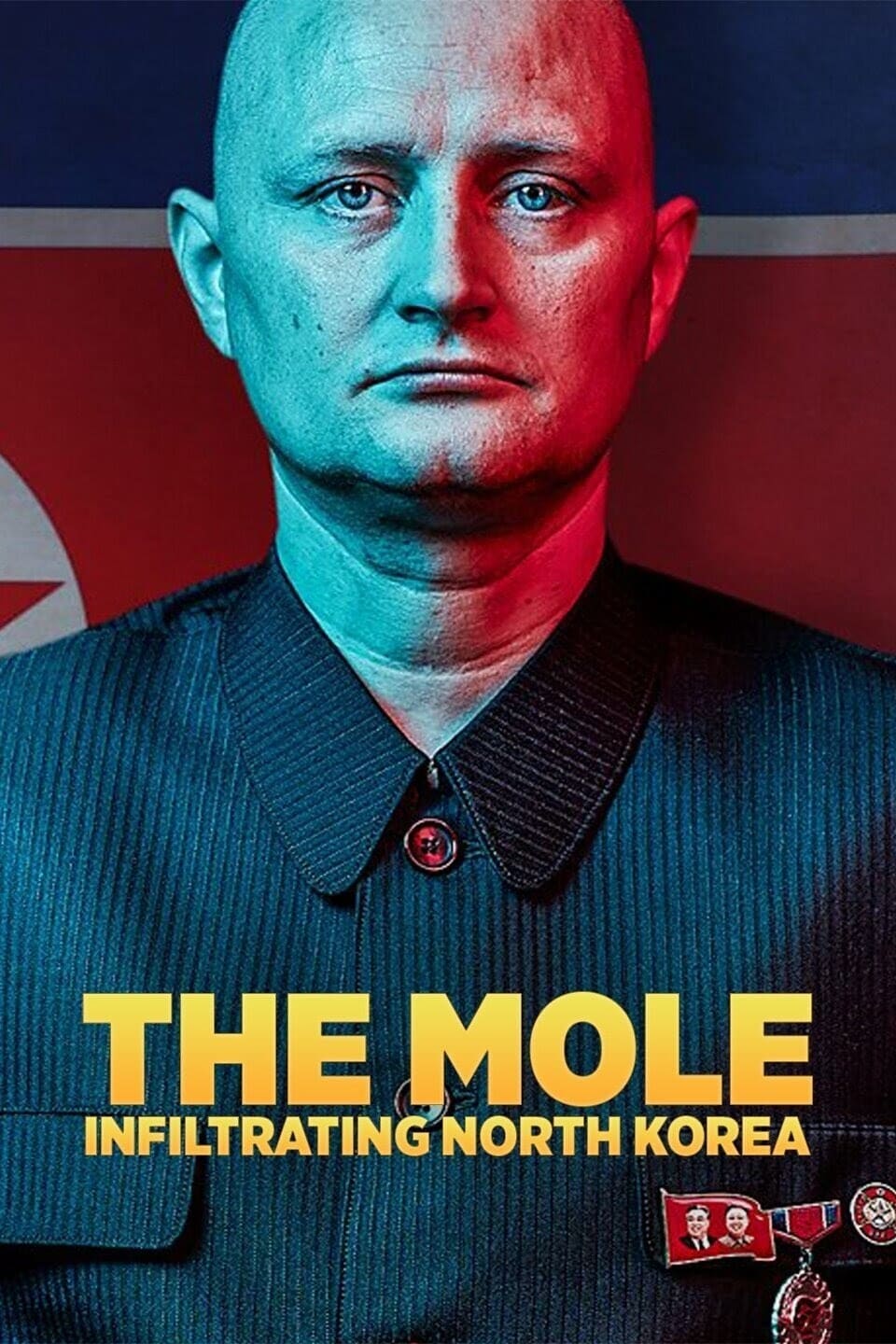
A real-life undercover thriller about two ordinary men who embark on an outrageously dangerous ten-year mission to penetrate the world's most secretive and brutal dictatorship: North Korea.
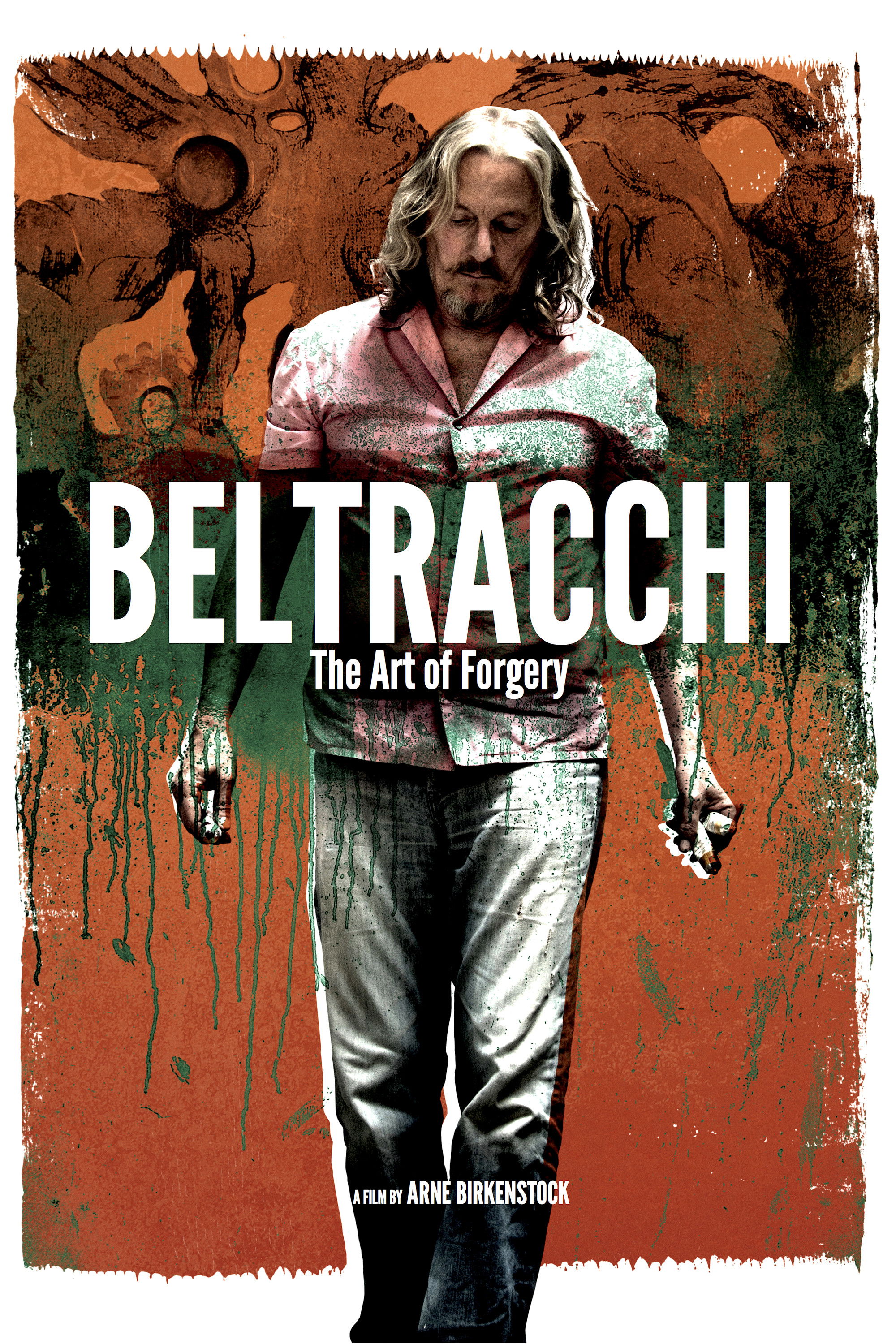
Wolfgang Beltracchi got away with forging art masterpieces for over 40 years. He may be egotistical and nihilistic, but his genius in undeniable. He managed to fool gallery owners, historians and investors with the stroke of a brush. This documentary follows his last days as a free man.
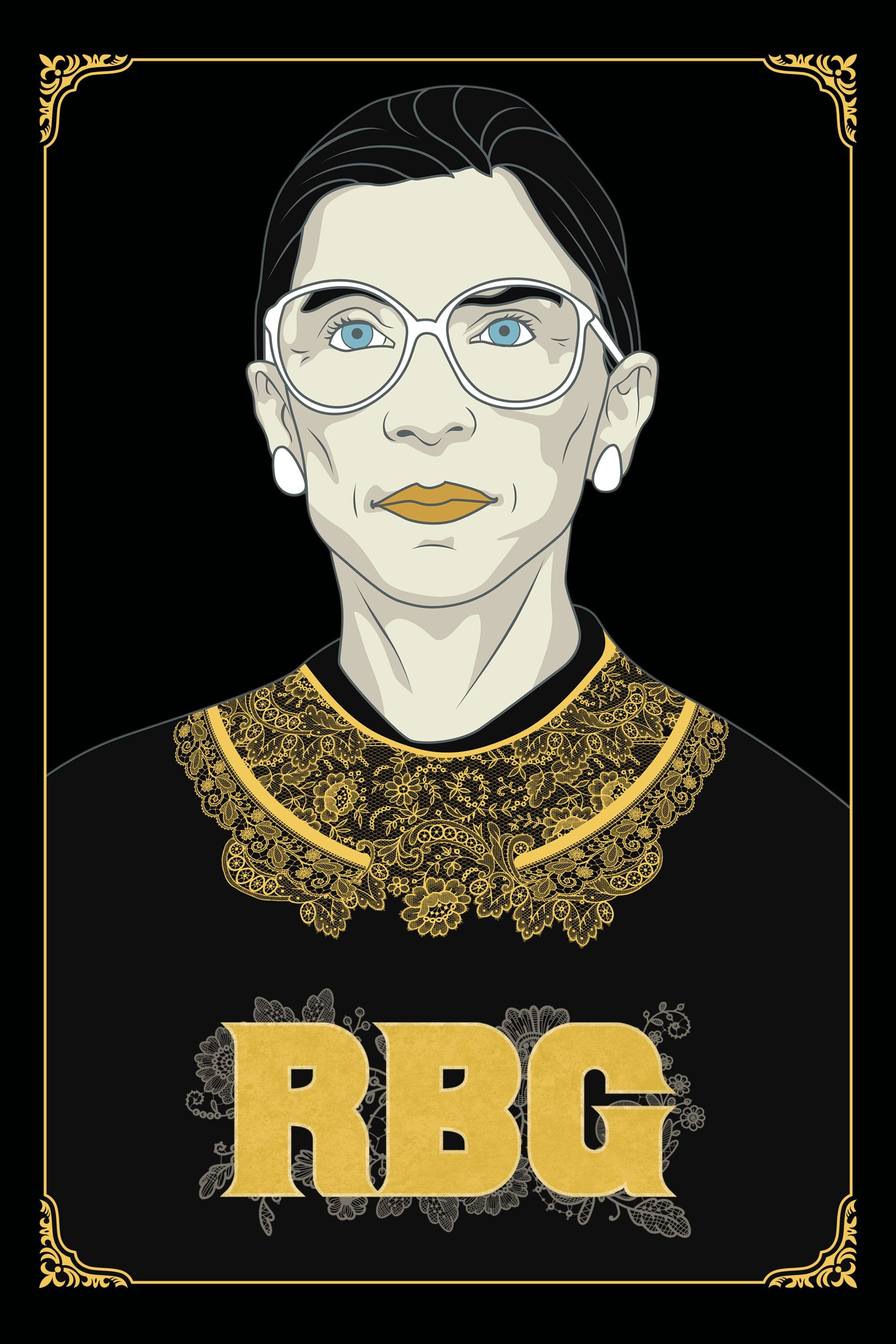
Justice Ruth Bader Ginsburg now 84, and still inspired by the lawyers who defended free speech during the Red Scare, Ginsburg refuses to relinquish her passionate duty, steadily fighting for equal rights for all citizens under the law. Through intimate interviews and unprecedented access to Ginsburg’s life outside the court, RBG tells the electric story of Ginsburg’s consuming love affairs with both the Constitution and her beloved husband Marty—and of a life’s work that led her to become an icon of justice in the highest court in the land.
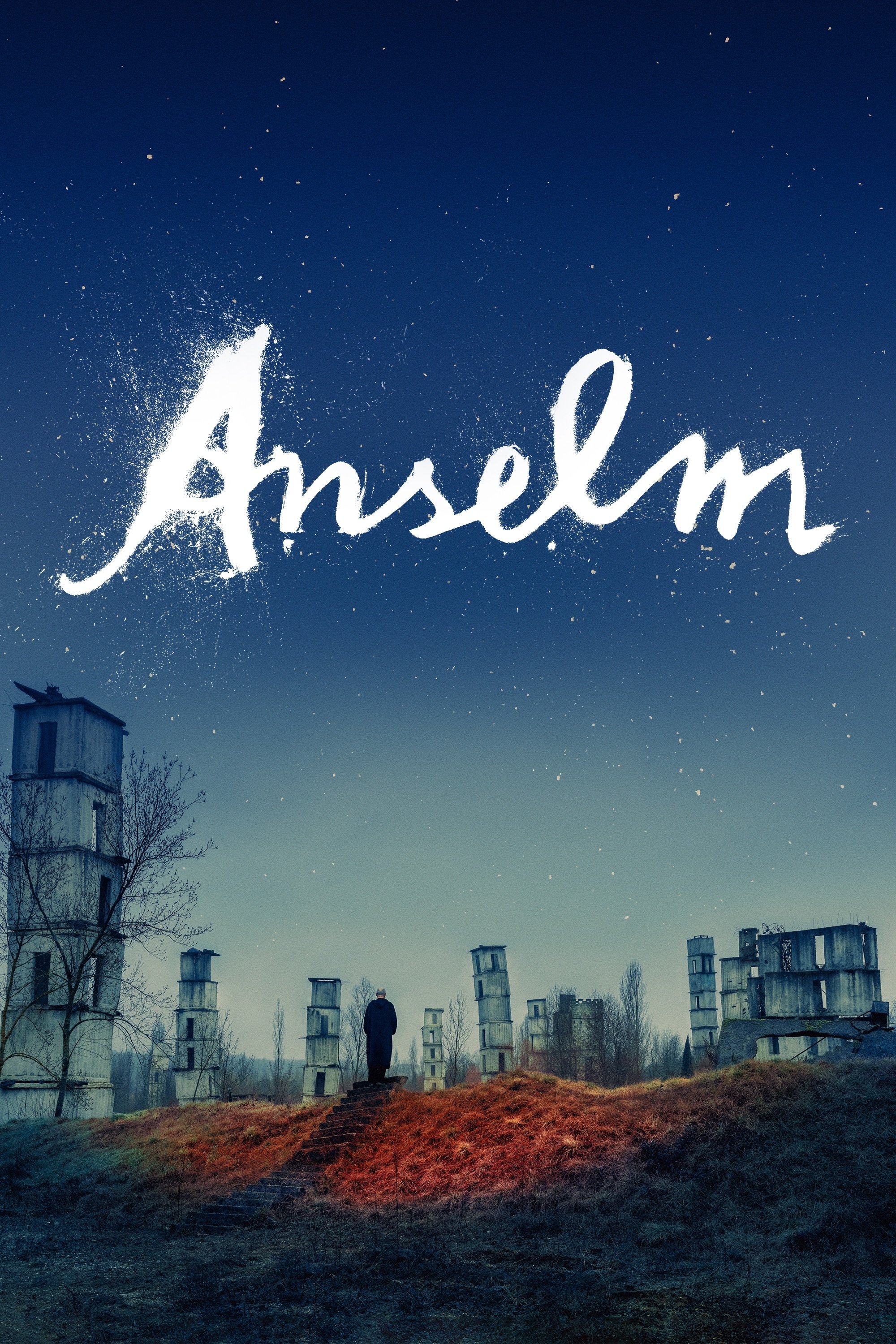
This unique cinematic experience dives deep into an artist’s work and reveals his life path, inspiration, and creative process. It explores his fascination with myth and history. Past and present are interwoven to diffuse the line between film and painting, allowing the audience to be completely immersed in the remarkable world of one of the greatest contemporary artists, Anselm Kiefer. Wim Wenders shot this unique portrait over the course of two years in stunning 3D.
A visual montage portrait of our contemporary world dominated by globalized technology and violence.
Musician and performance artist Laurie Anderson reflects on the deaths of her husband Lou Reed, her mother and her beloved dog.
The film follows adventurer Jeff Johnson as he retraces the epic 1968 journey of his heroes Yvon Chouinard and Doug Tompkins to Patagonia.