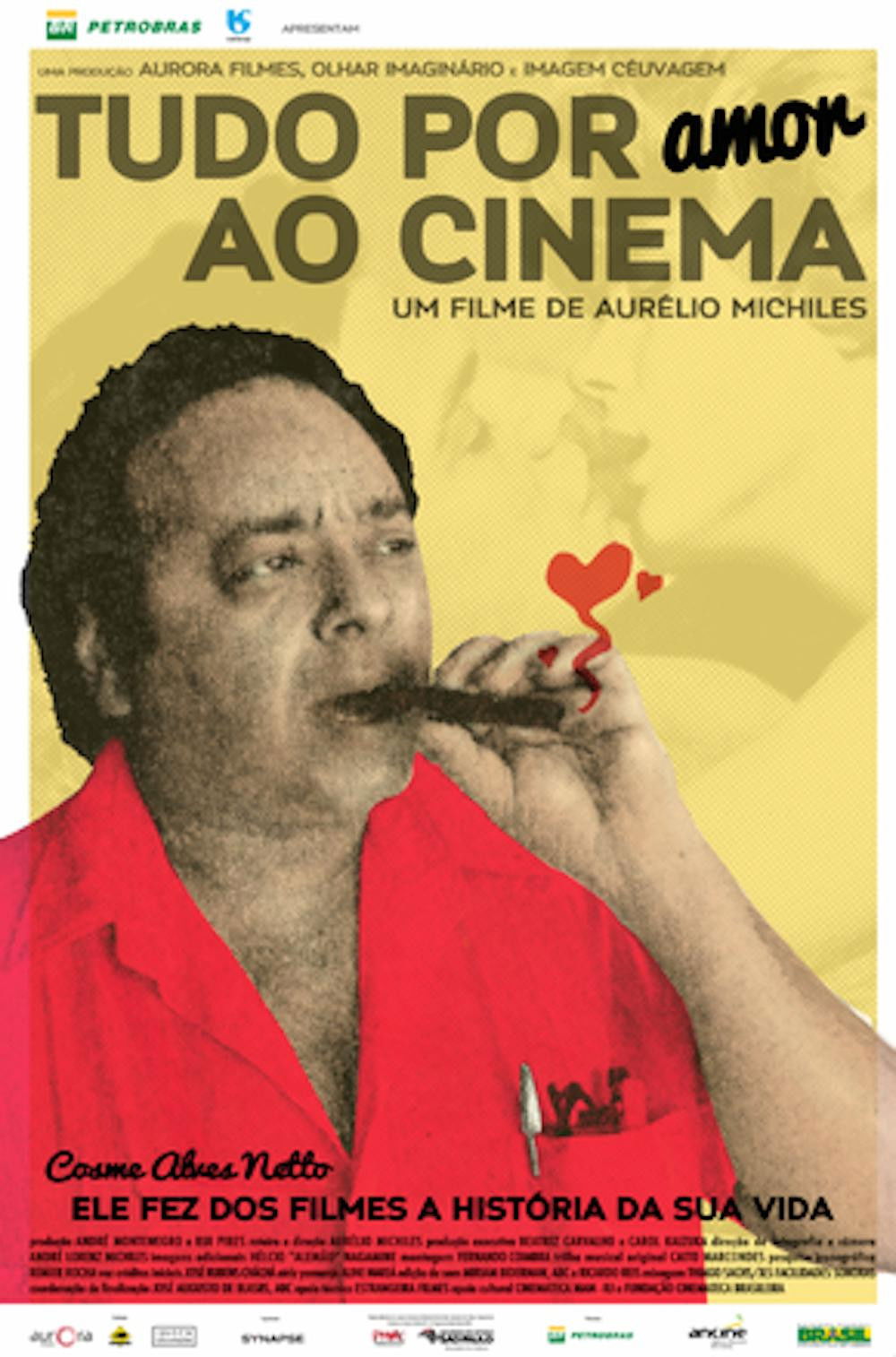
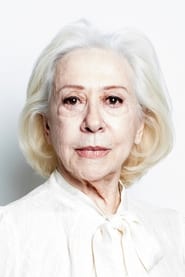
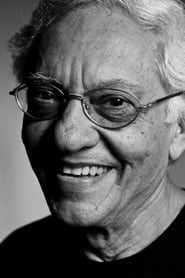
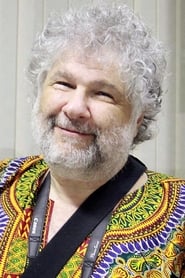
A documentary on Cosme Alves Netto (1937-1996), former head of the Cinematheque of the Museum of Modern Arts at Rio de Janeiro.
Social & External
The people behind it
Cosme Alves Netto
Self (archive footage)
Carlos Diegues
Self
Eduardo Coutinho
Nelson Pereira dos Santos
Fernanda Montenegro
Vladimir Carvalho
Silvio Tendler
José Carlos Avellar
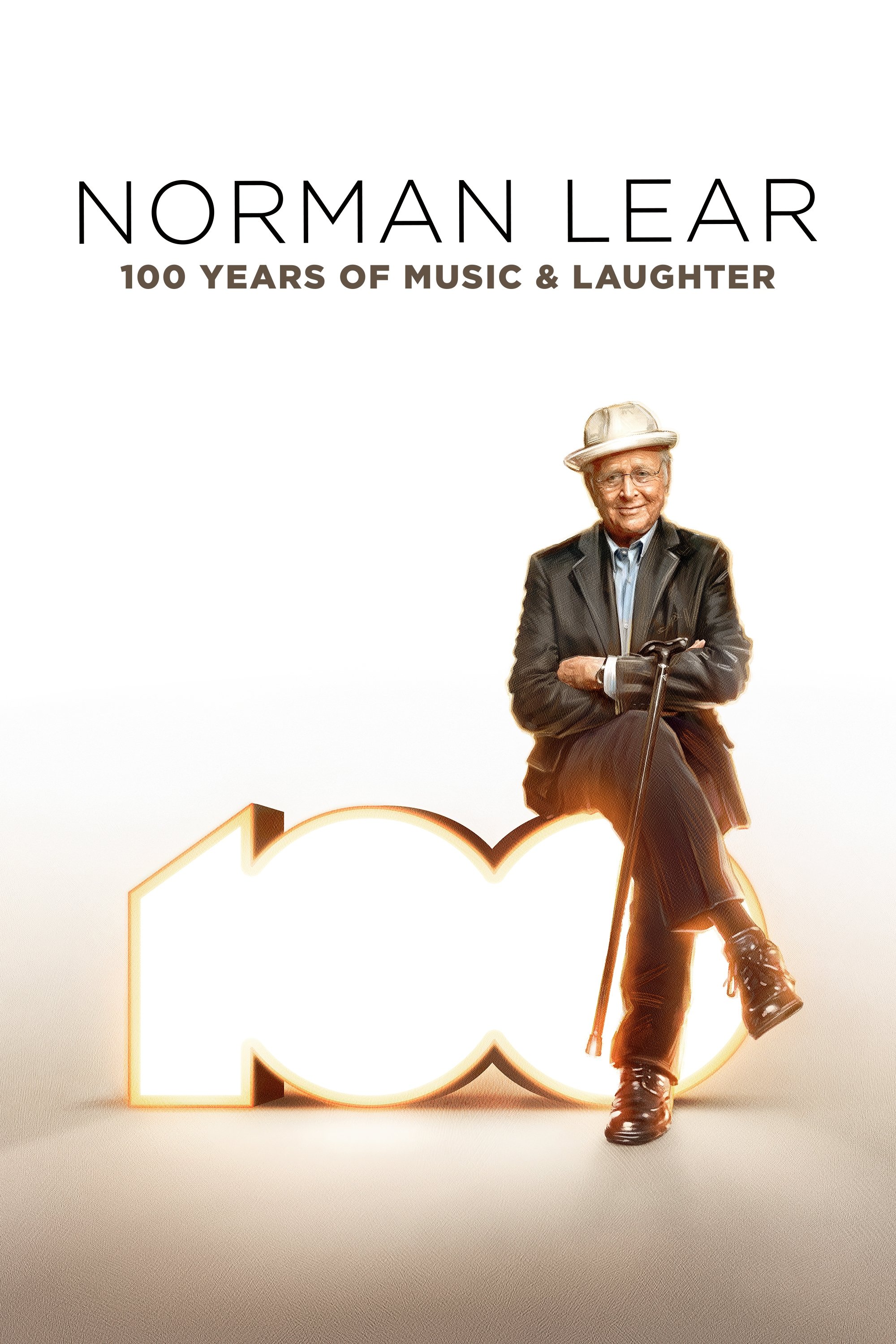
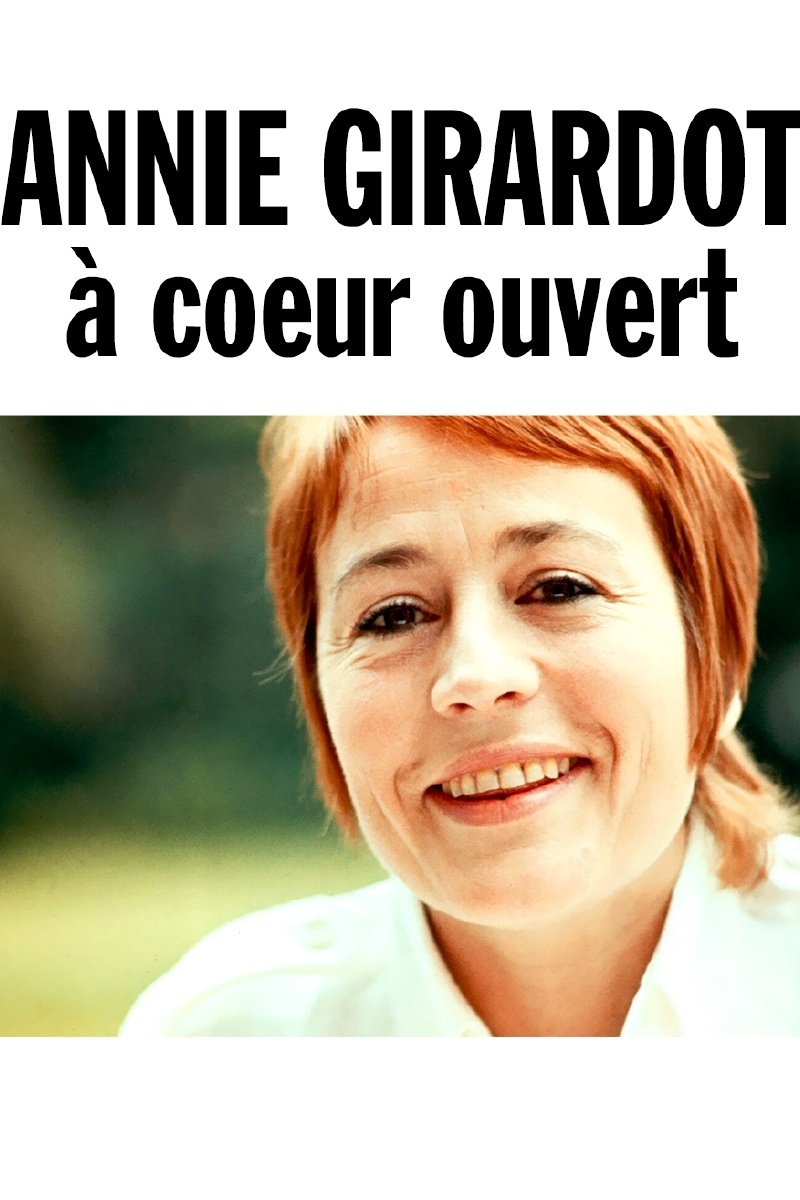
The one-night-only celebration honoring the life and legacy of the famed producer features intimate conversations, special performances and surprise reunions that pay homage to the man behind some of television’s greatest stories in celebration of his 100th birthday.
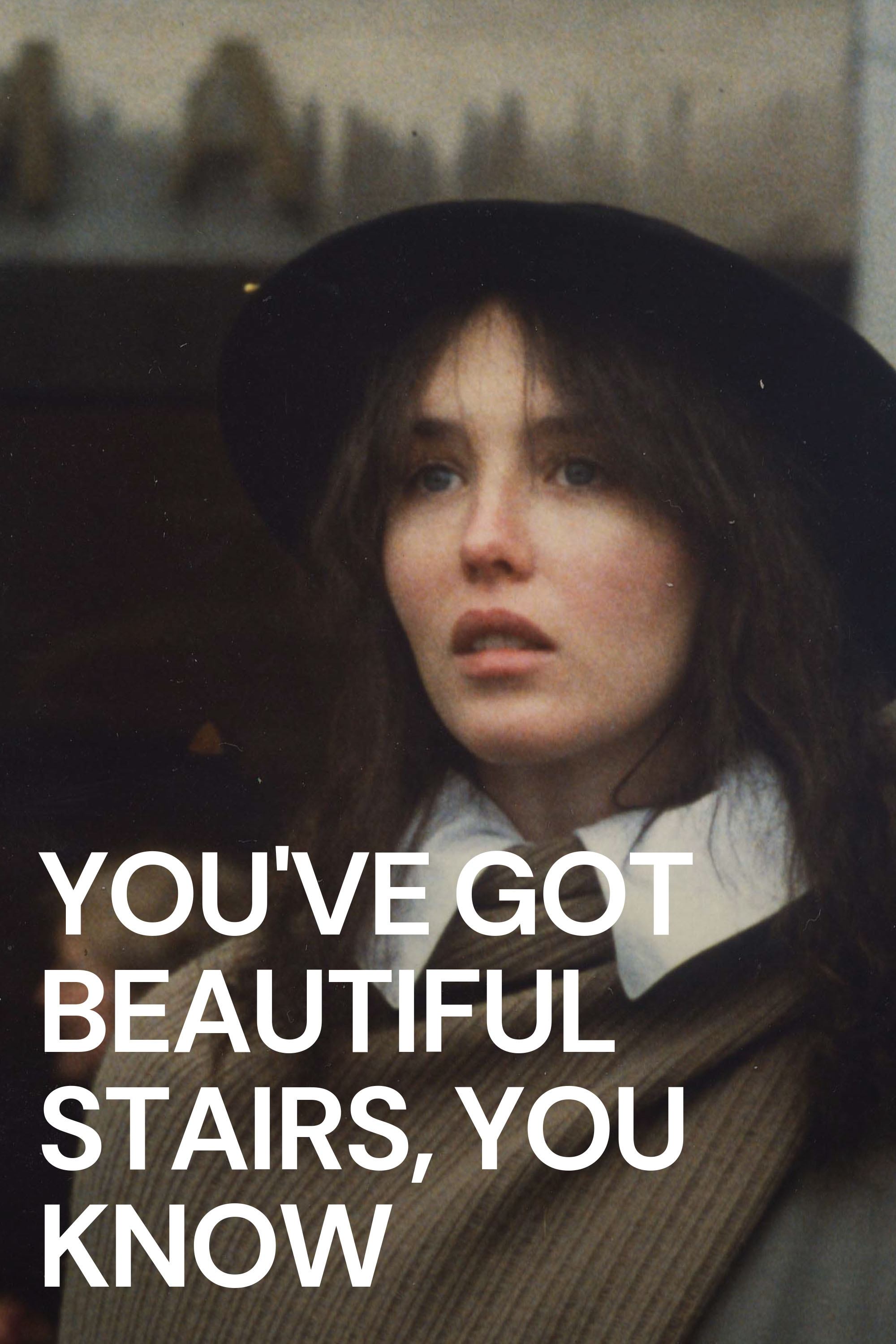
Short directed by Agnès Varda in 1986 on the occasion of the 50th anniversary of the French Cinematheque, presenting a contrast between the famous stairs from the place along with classic film images also revolving around stairs.
Ben Model discusses scoring music for silent movies.
Documentary about the Buster Keaton short Hard Luck (1921).
A discussion on restoring title cards to English from foreign source prints.
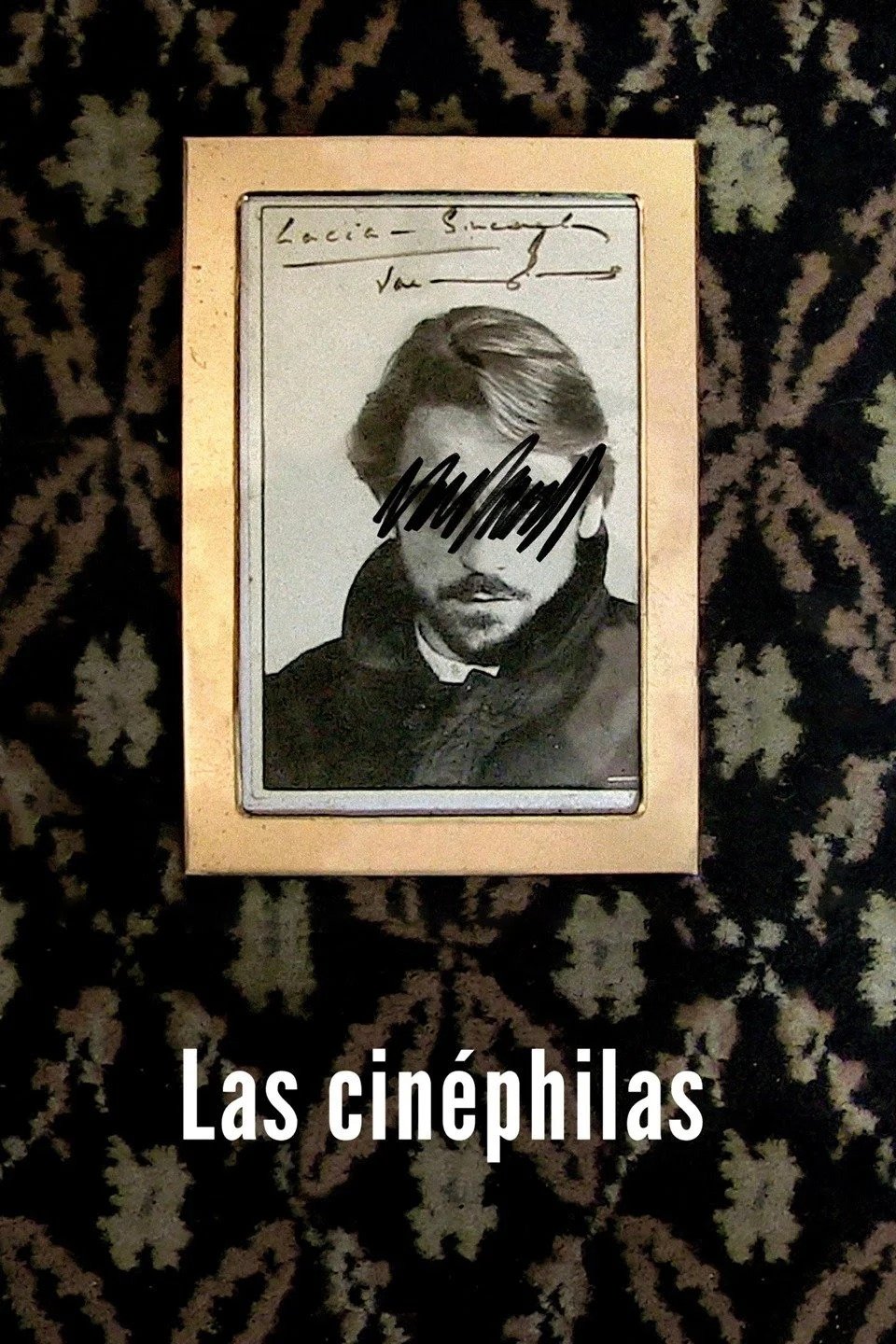
Six elderly retired women, two from Buenos Aires, Argentina; two from Montevideo, Uruguay; and two from Madrid, Spain, have something in common, despite their different interests and lives: they go to the movies almost every day.
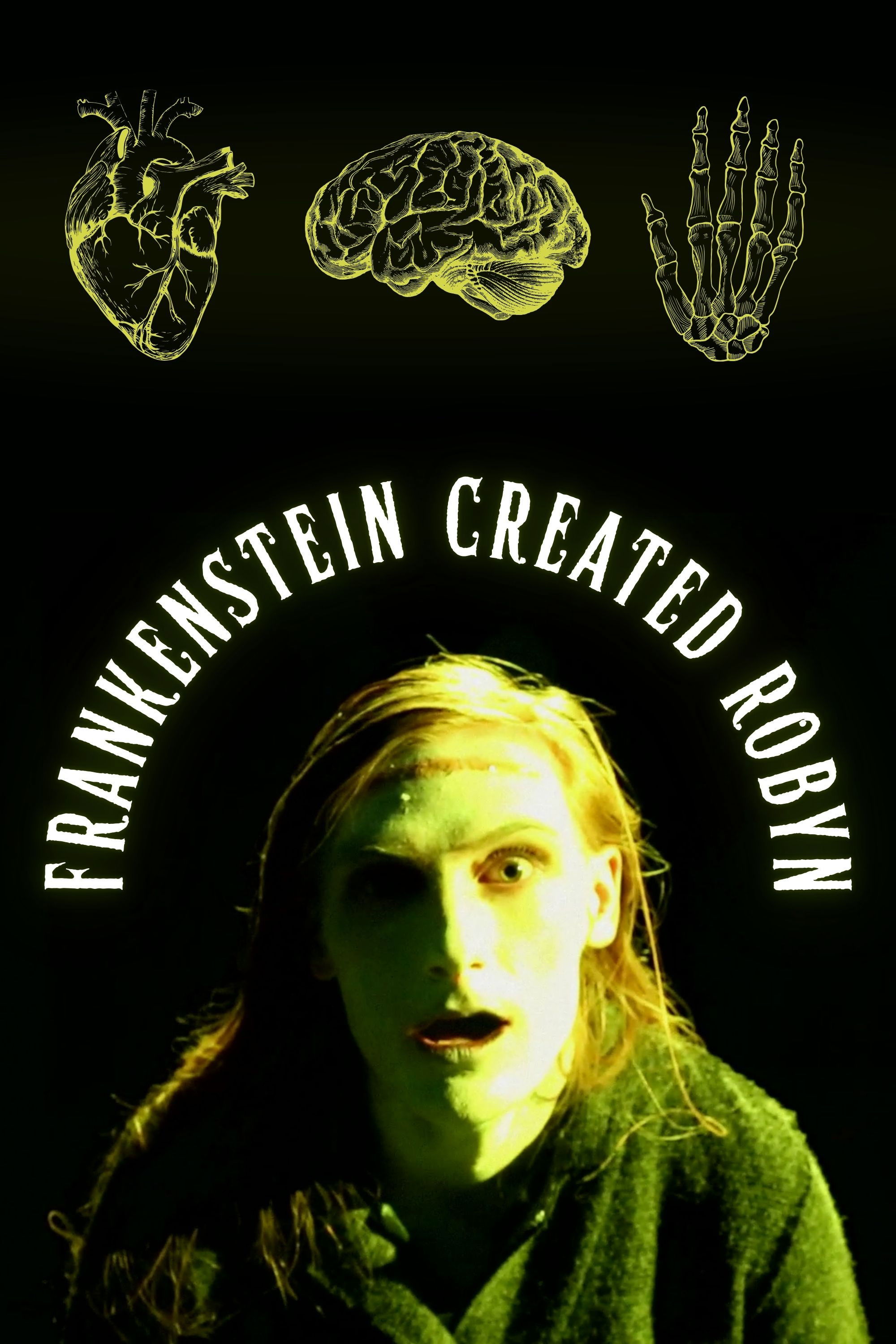
Actress and filmmaker Robyn Adams discusses her experiences with autism, gender identity, and learning to embrace her flaws. Also, she's Frankenstein's Monster now.
This documentary short-film follows the story of The White Bus Cinema based in Southend-on-Sea. They keep the process of projecting real celluloid film alive by showing films from their archive of over 3,000 films, ranging from Super 8, 16mm, and 35mm prints. The film argues why it's important to continue the shooting and projection process of film in our current age of digital shooting and projection in modern Hollywood, amidst the chaos of studios removing films from their streaming services.
This John Nesbitt's Passing Parade series short highlights the film preservation efforts of the Museum of Modern Art in New York. Several scenes from early newsreels are shown.
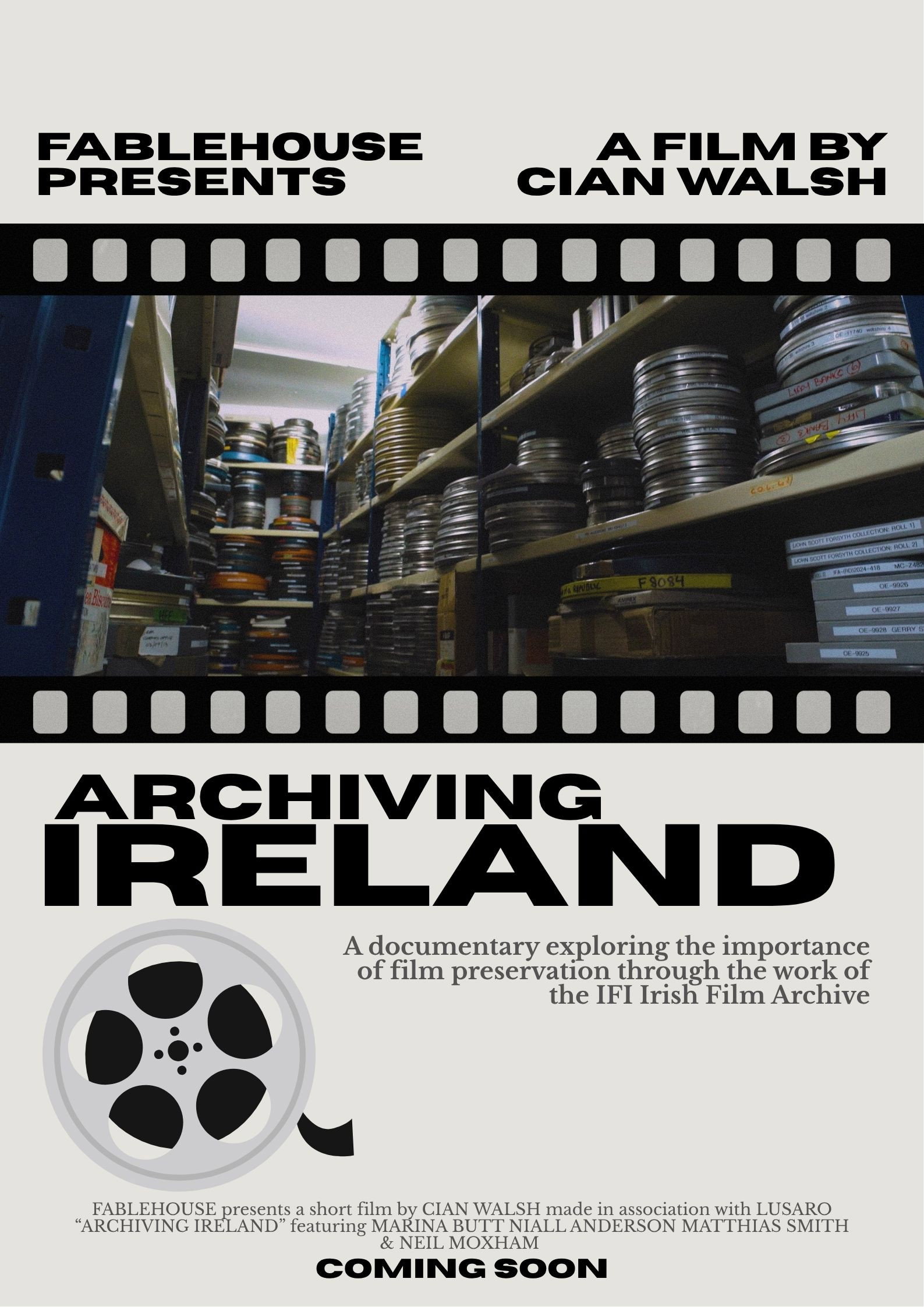
A documentary exploring the importance of film preservation through the work of the IFI Irish Film Archive
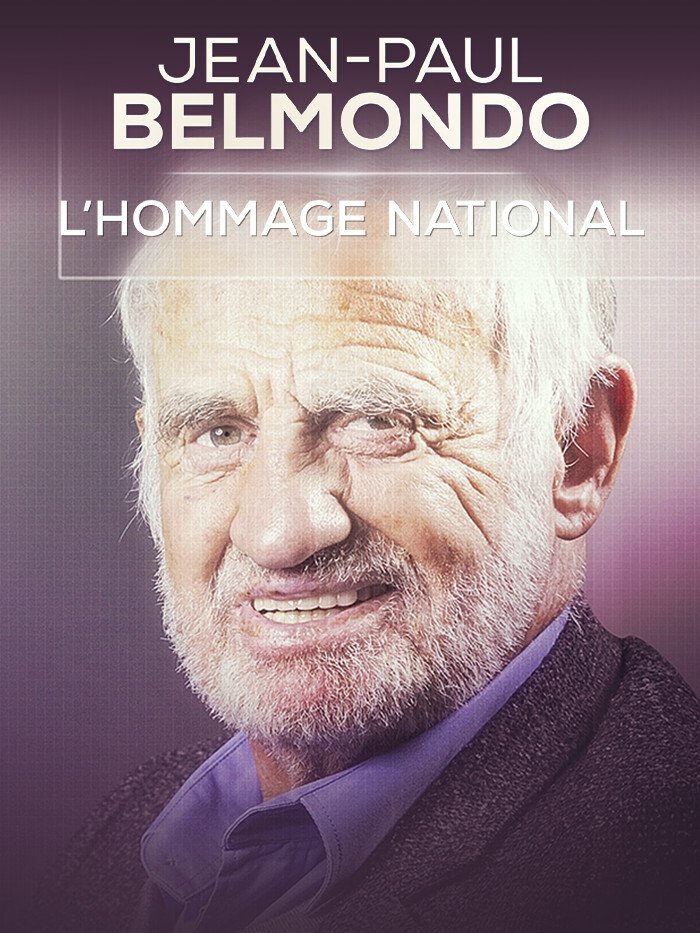
A ceremony celebrated in the courtyard of the Invalides, in the presence of the President of the Republic Emmanuel Macron, members of the Government, the actor's family and many personalities from entertainment and sport.
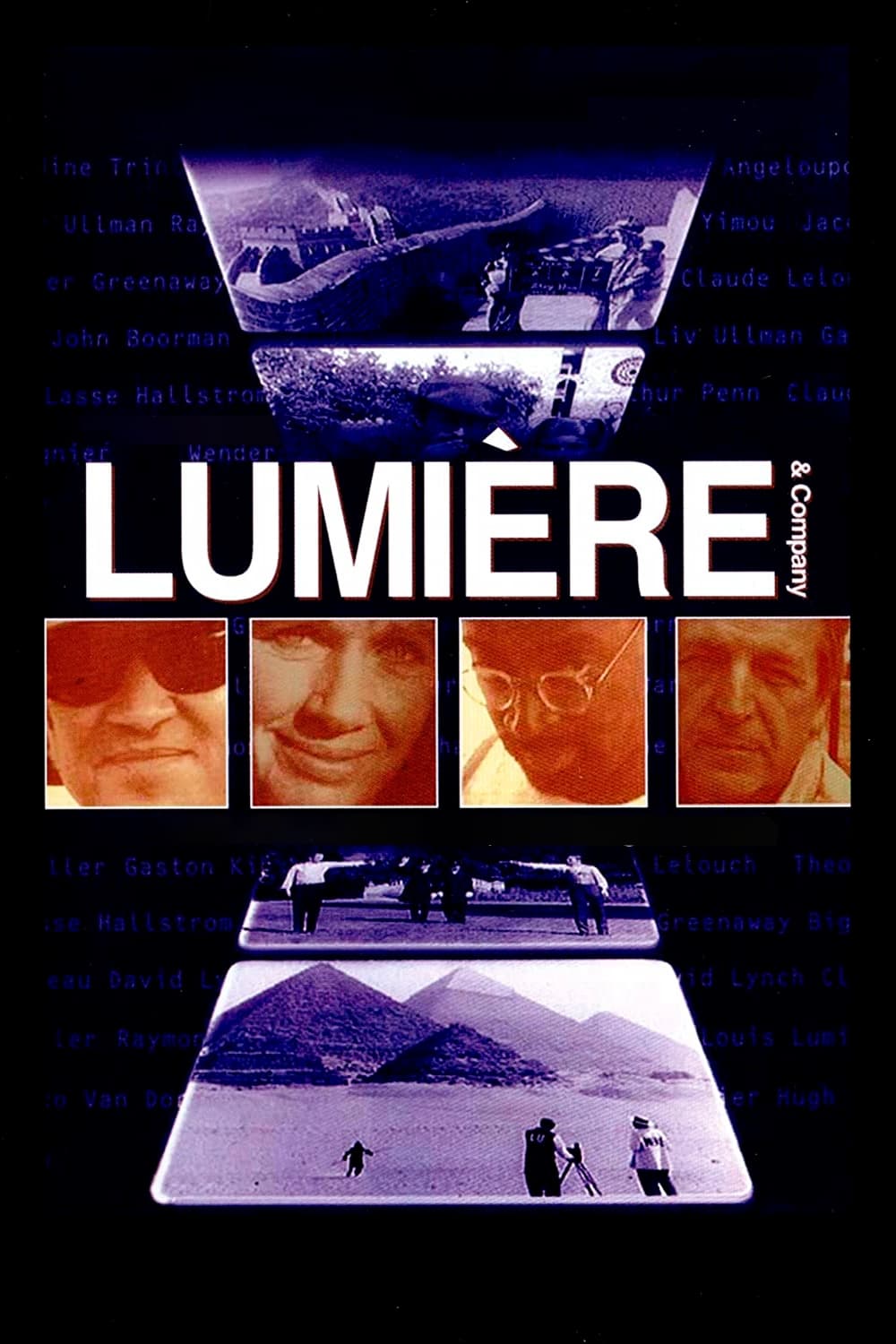
40 international directors were asked to make a short film using the original Cinematographe invented by the Lumière Brothers, working under conditions similar to those of 1895. There were three rules: (1) The film could be no longer than 52 seconds, (2) no synchronized sound was permitted, and (3) no more than three takes.
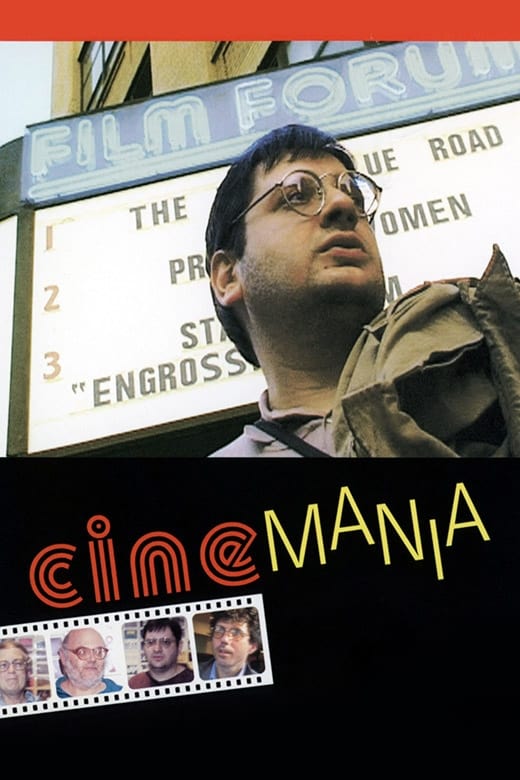
This documentary about the culture of intense cinephilia in New York City reveals the impassioned world of five obsessed movie buffs. These human encyclopedias of cinema see two to five films a day, and from 600 to 2,000 films per year. This is the story of their lives, their memories, their unbending habits and the films they love.
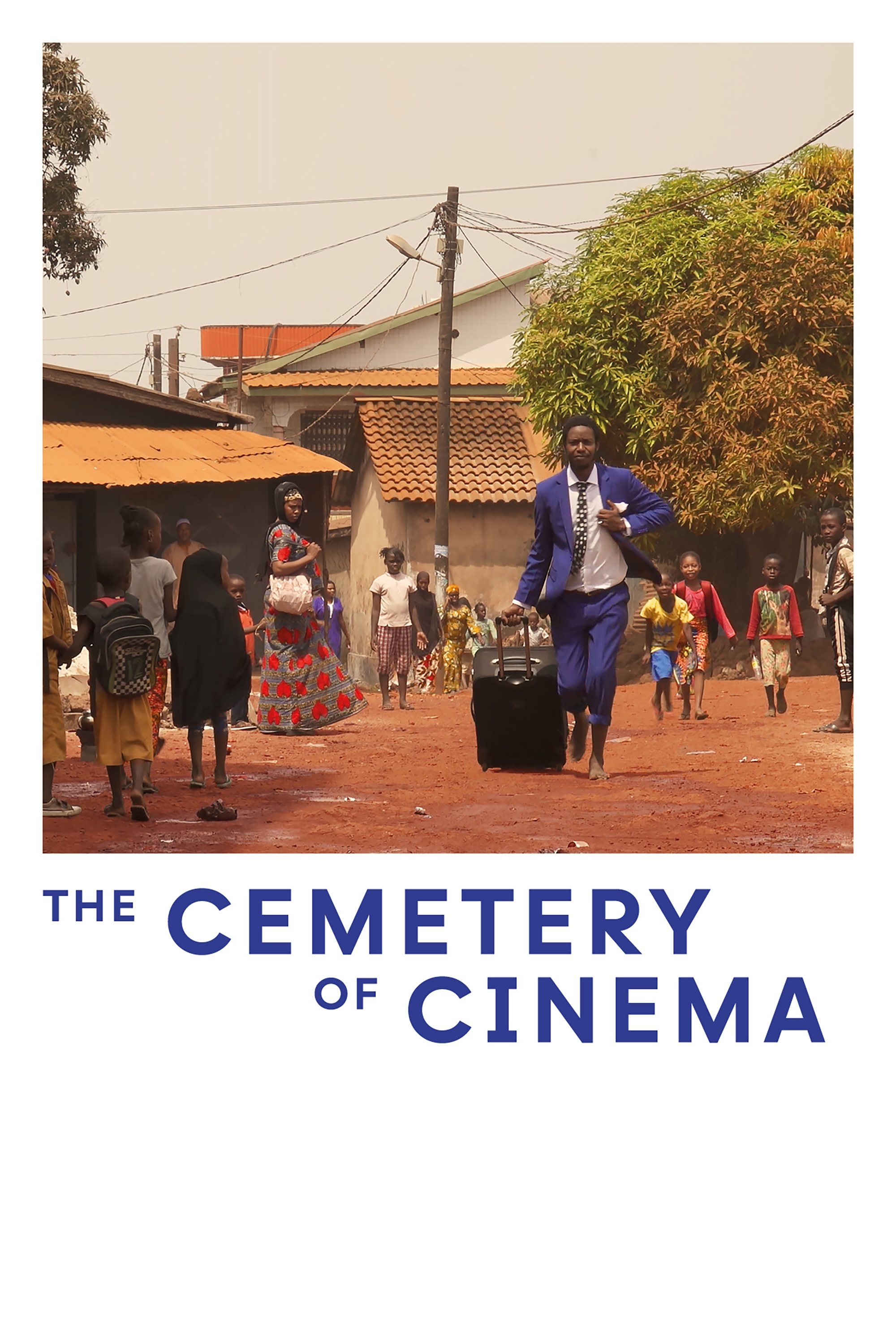
Thierno Souleymane Diallo sets out with his camera in search of the birth of filmmaking in Guinea. Charming and determined, he traces his country’s film heritage and history and reveals the importance of film archives.
Documentary on Day Dreams (1922), a Buster Keaton silent comedy.
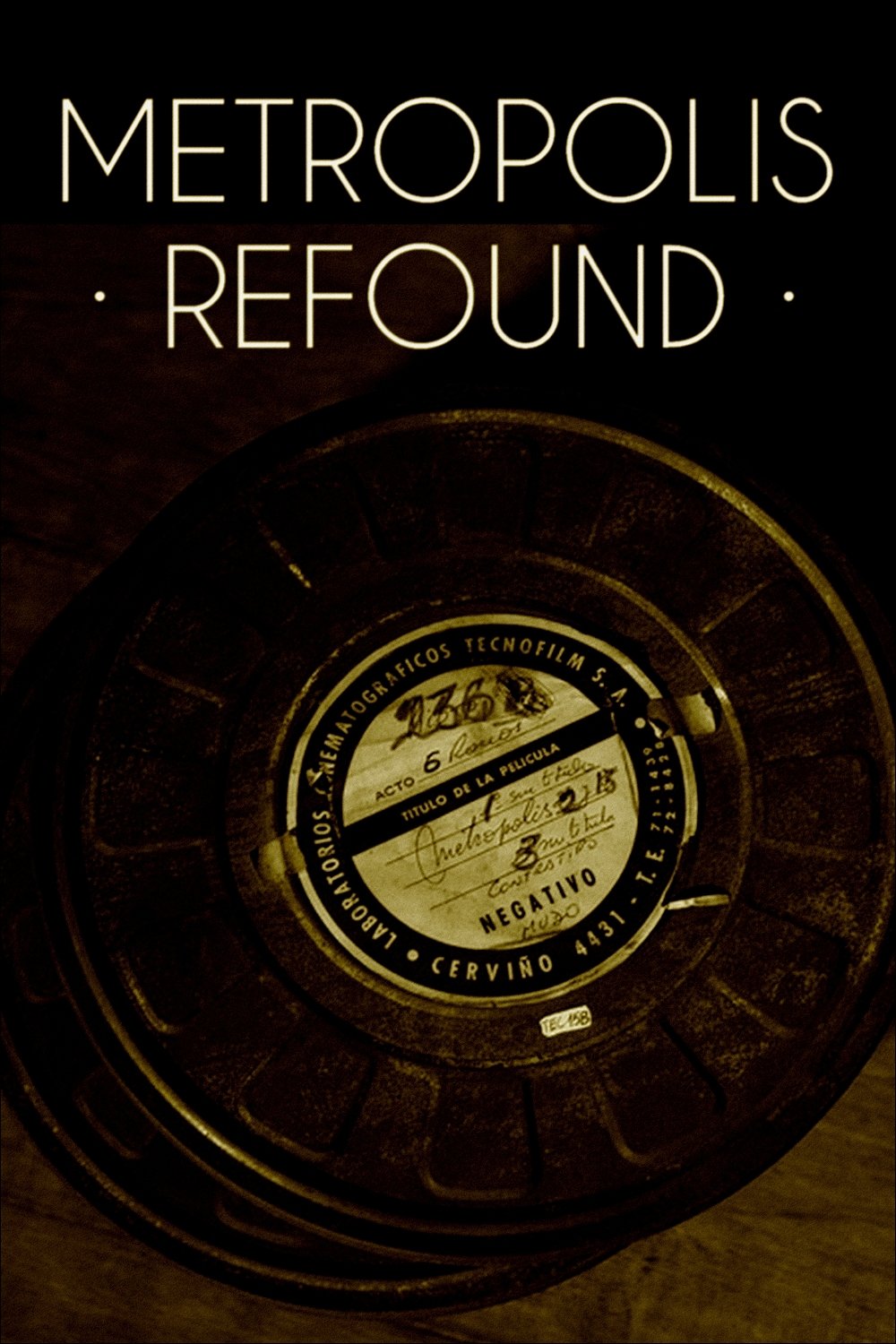
Argentinian film historians find a complete print of Fritz Lang's “Metropolis” (1927) at Buenos Aires Film Museum and take it to Germany for its restoration.
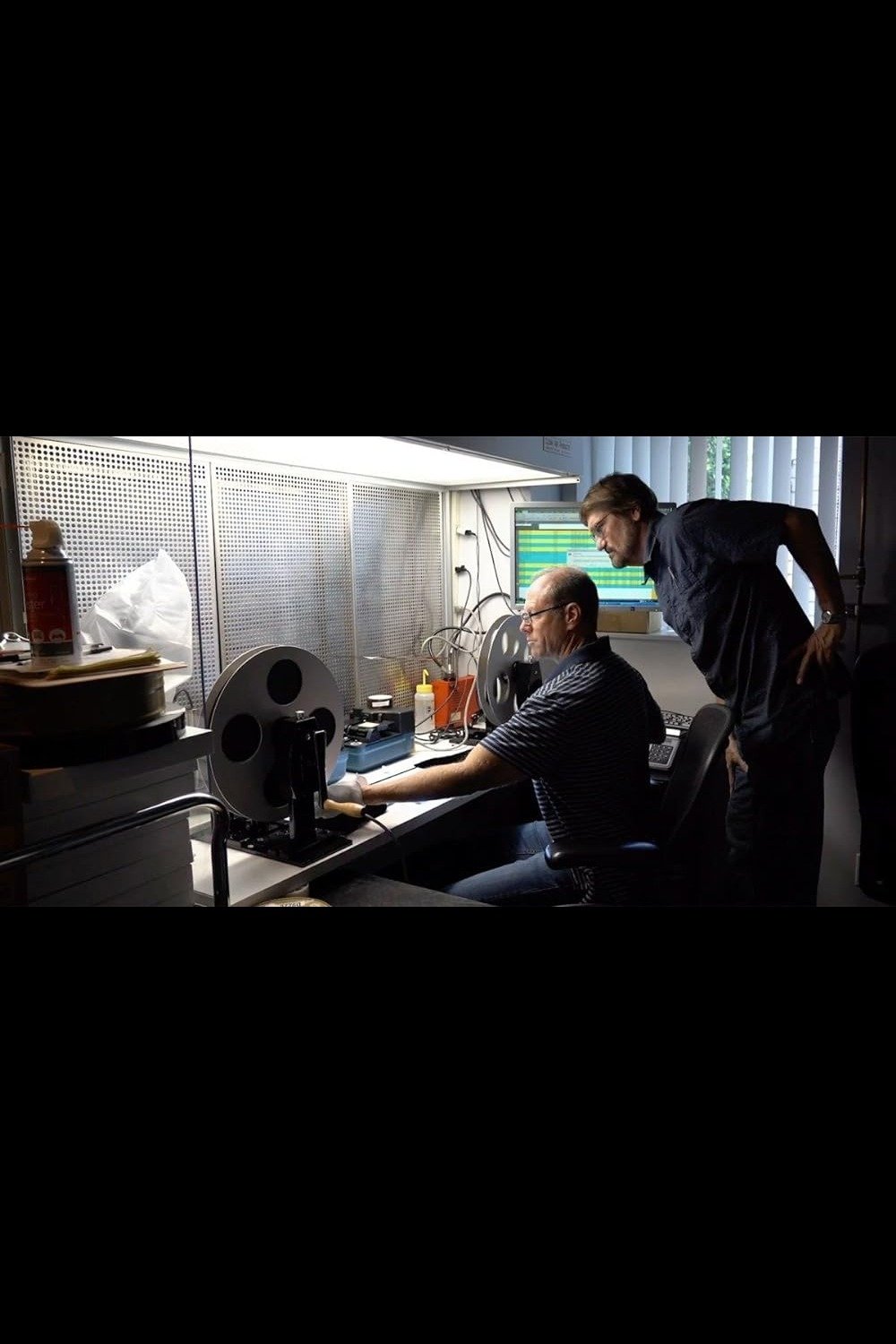
A comprehensive and fascinating behind-the-scenes look at the restoration process of restoring 3-strip Cinerama for the 1962 film "The Wonderful World of the Brothers Grimm".
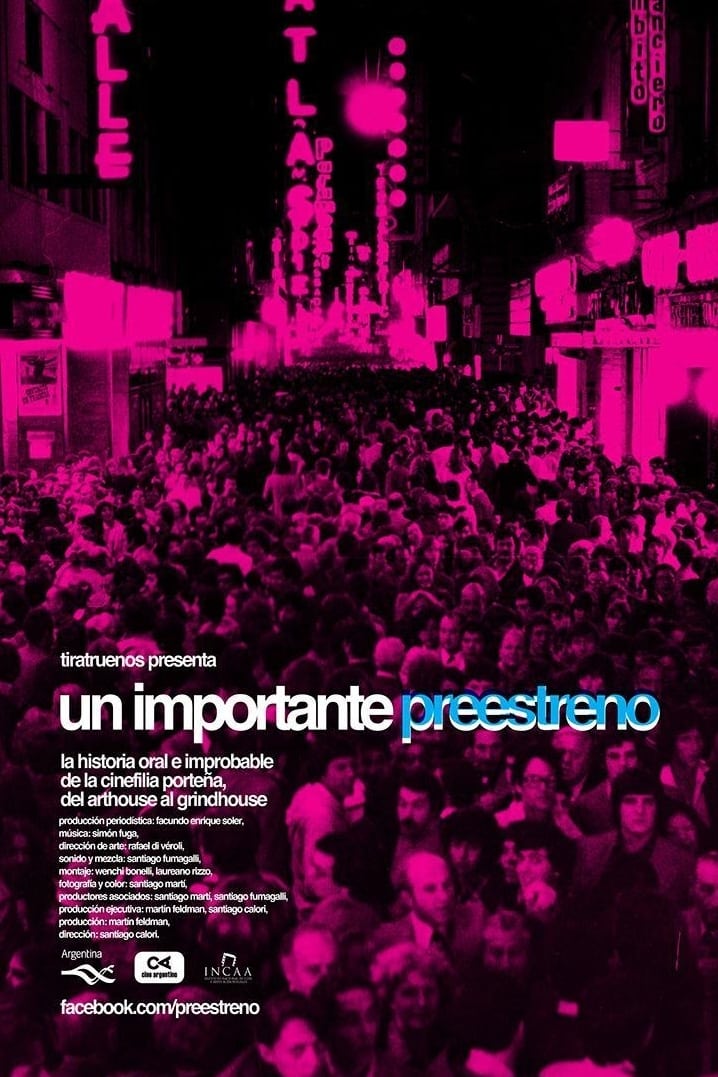
For many years, Buenos Aires, Argentina, was one of the best places in the world for a film buff; but from the mid-sixties onwards, successive authoritarian governments shaped the will of the spectators, dictating what could be seen and what could not, so that the true cinema lovers, in their desire to watch films, had no choice but to embark on the most extraordinary and strange adventures.
A poetic and dreamy visit of the French Cinémathèque's collection of devices.
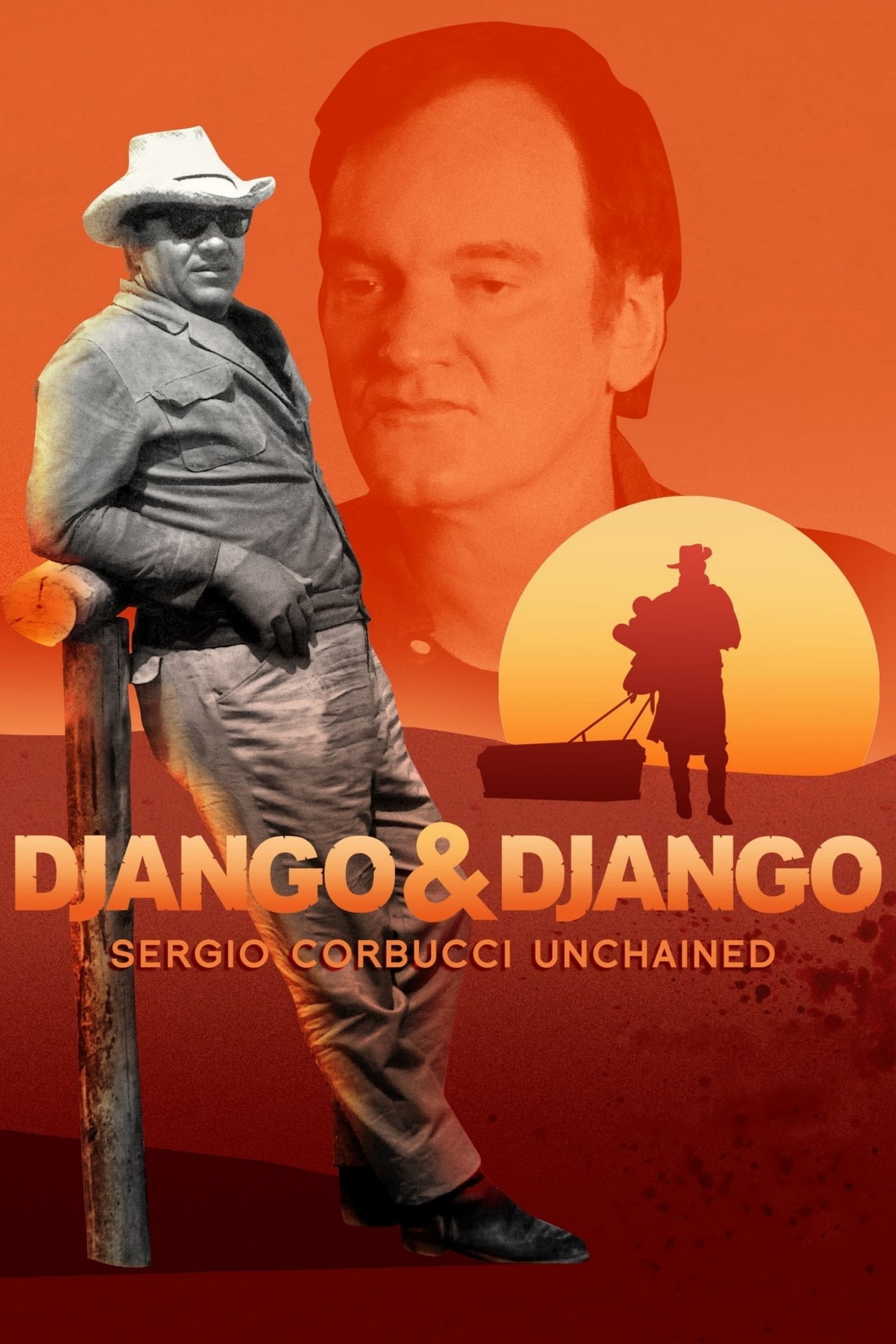
A tribute to Italian filmmaker Sergio Corbucci (1926-90), presented by American filmmaker Quentin Tarantino.
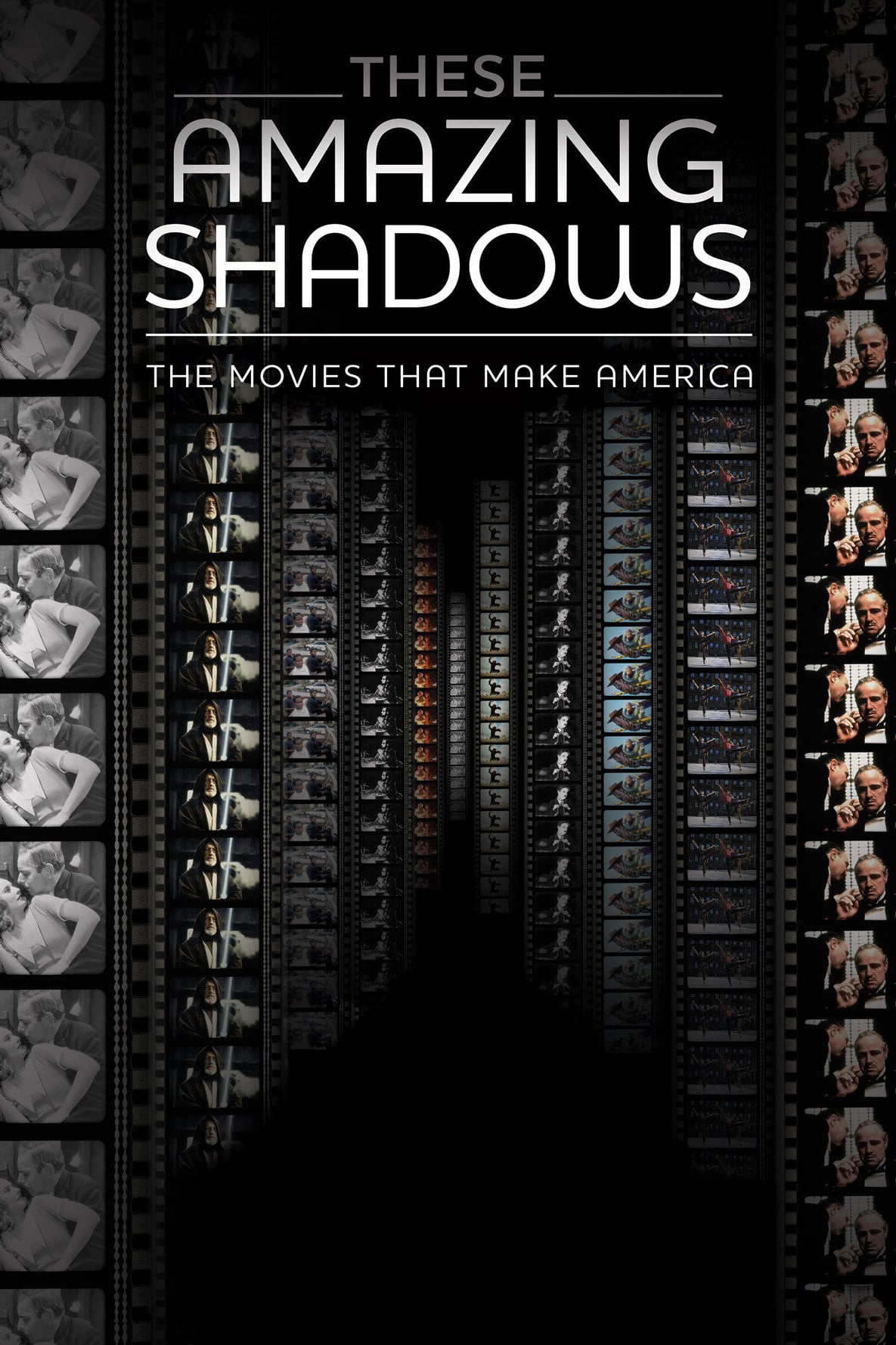
Tells the history and importance of The National Film Registry, a roll call of American cinema treasures that reflects the diversity of film, and indeed the American experience itself.
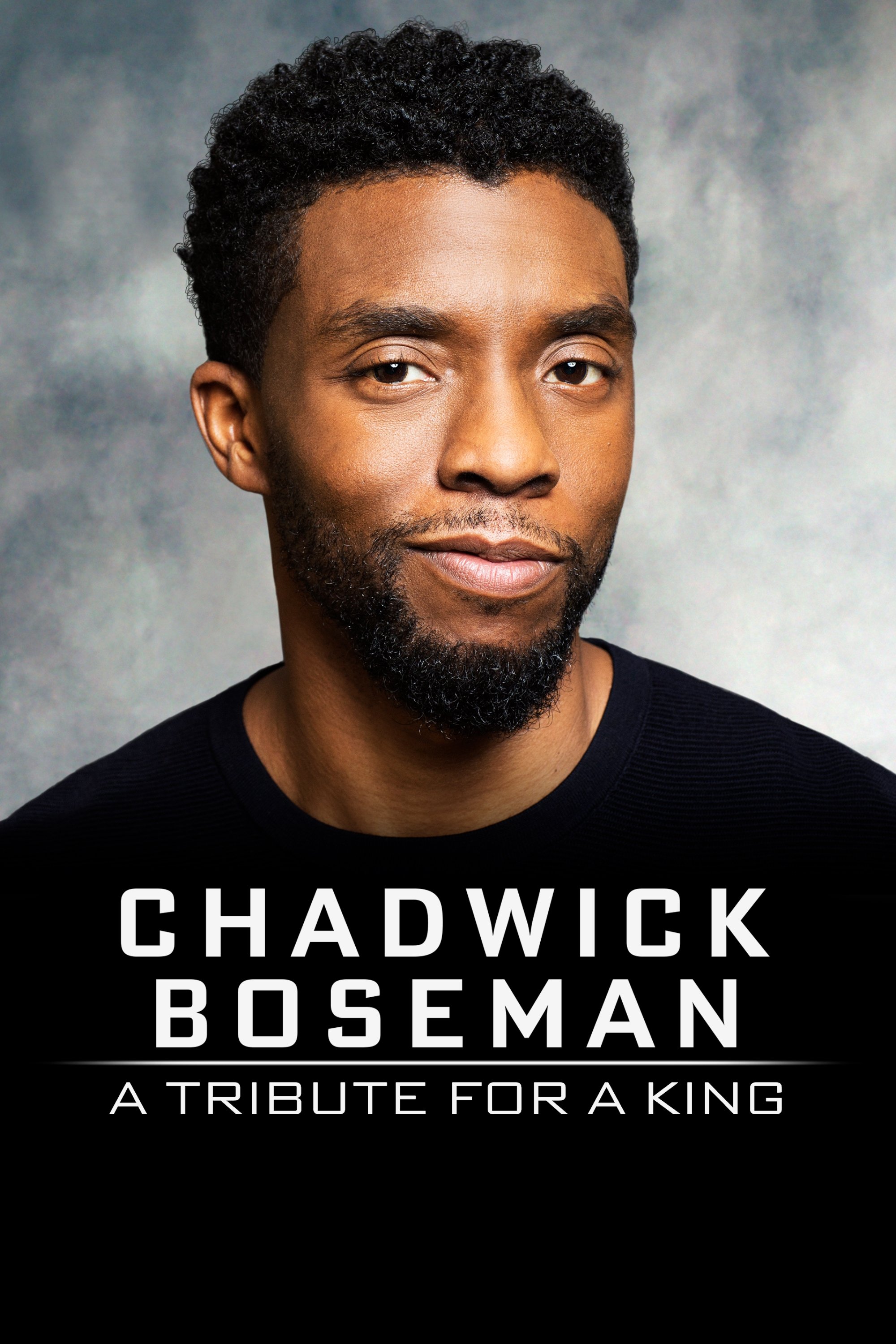
A tribute to Chadwick Boseman, celebrating his life and legacy.
A compilation of over 30 years of private home movie footage shot by Lithuanian-American avant-garde director Jonas Mekas, assembled by Mekas "purely by chance", without concern for chronological order.
A documentary about the making of David Fincher's 2008 film THE CURIOUS CASE OF BENJAMIN BUTTON. Virtually every element in the evolution of the Fincher's film is documented here, from the project's attachment to numerous other directors during the 1990s, to its shoot in 2006 and 2007 in New Orleans, to its complex, CGI-intensive postproduction process.
Director Michael Apted revisits the same group of British-born adults after a 7 year wait. The subjects are interviewed as to the changes that have occurred in their lives during the last seven years.
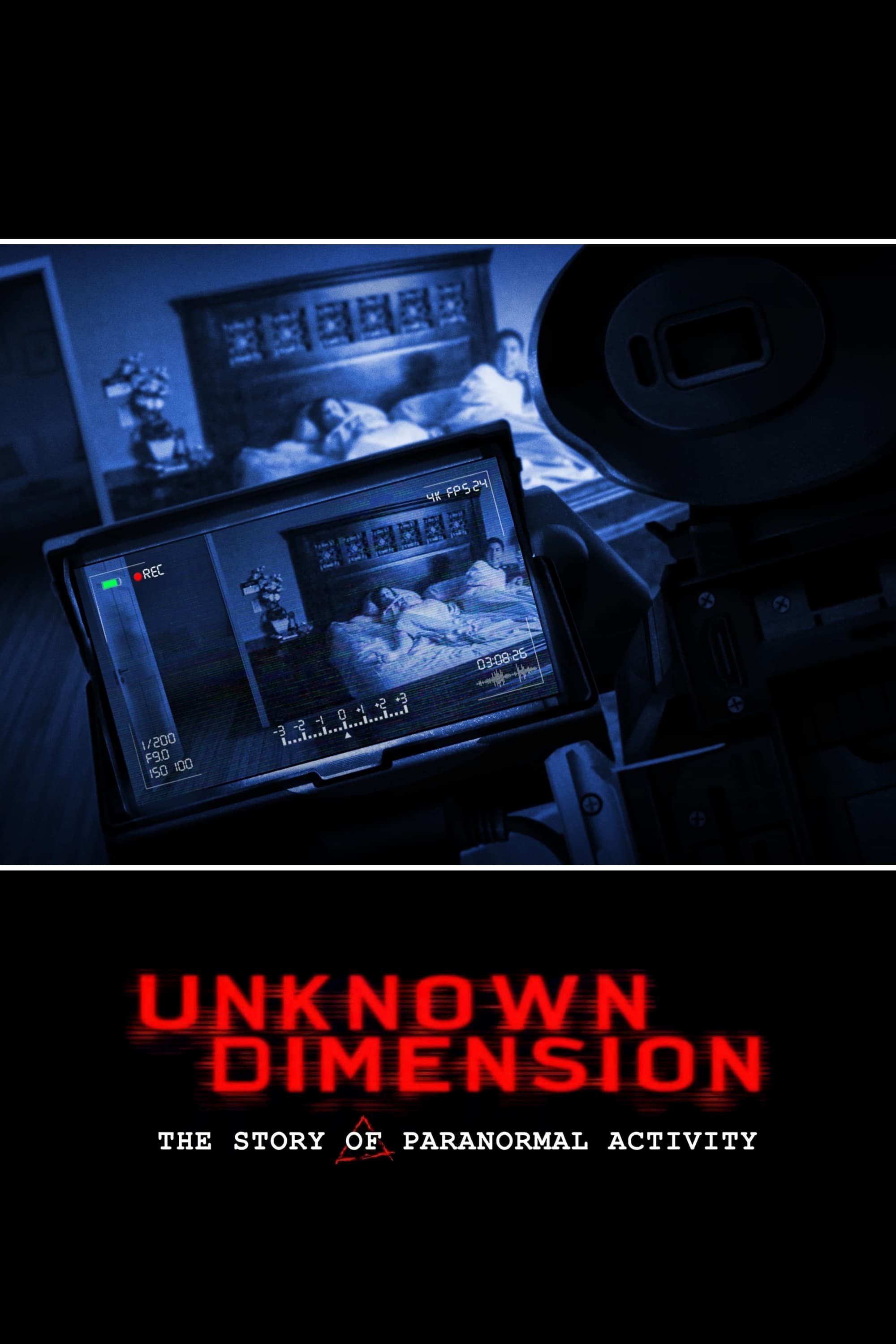
A deep dive into the making of the Paranormal Activity films with first time ever interviews with cast and crew, never-before-seen footage from the movies, and a preview of the seventh installment in the franchise.
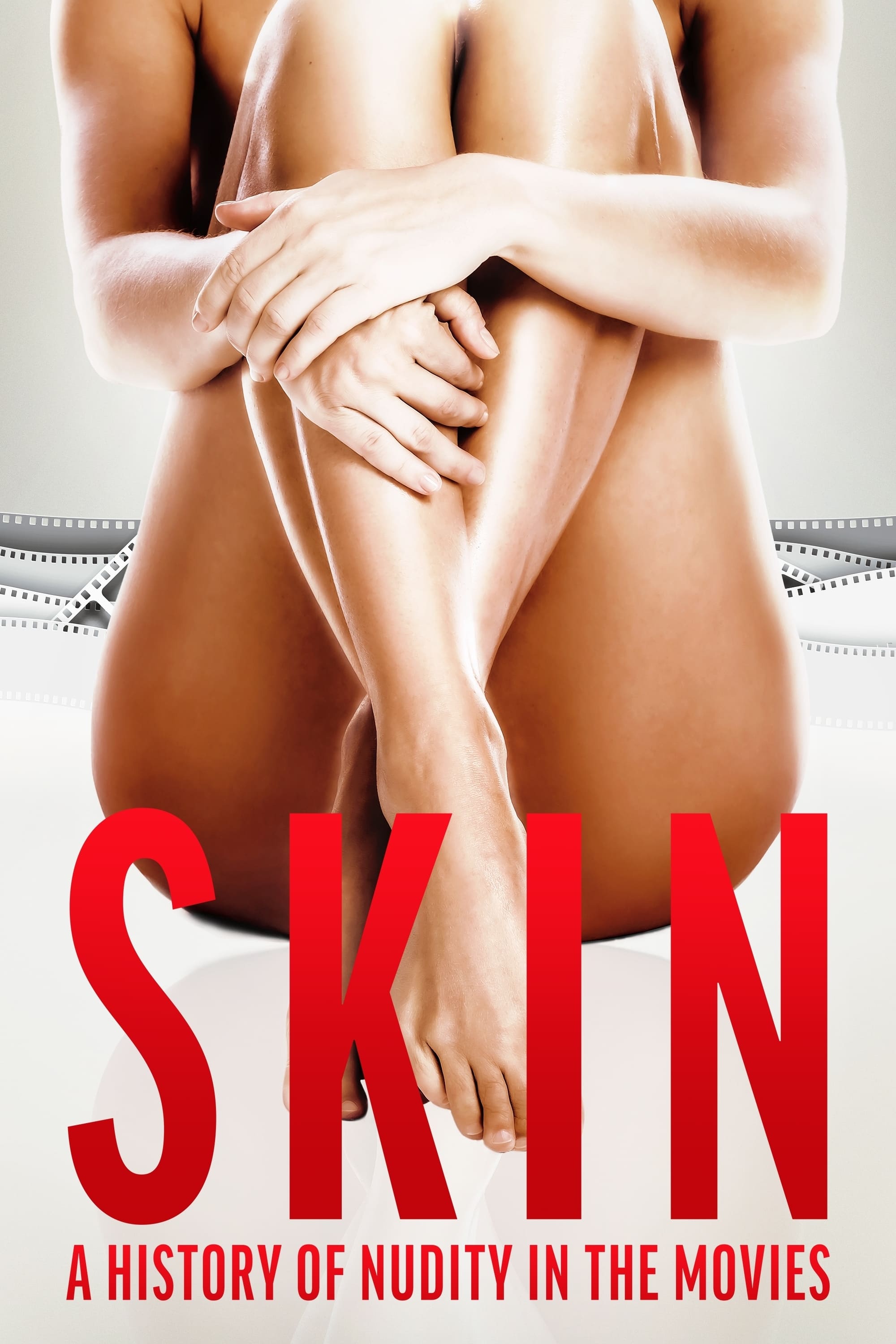
The definitive documentary on the history of nudity in feature films from the early silent days to the present, studying the changes in morality that led to the use of nudity in films while emphasizing the political, sociological and artistic changes that shaped that history. Skin will also study the gender inequality in presenting nude images in motion pictures and will follow the revolution that has created nude gender equality in feature films today.
This revealing documentary honors the legendary Sidney Poitier—iconic actor, filmmaker, and civil rights activist. Featuring interviews with Denzel Washington, Spike Lee, Halle Berry, and more.
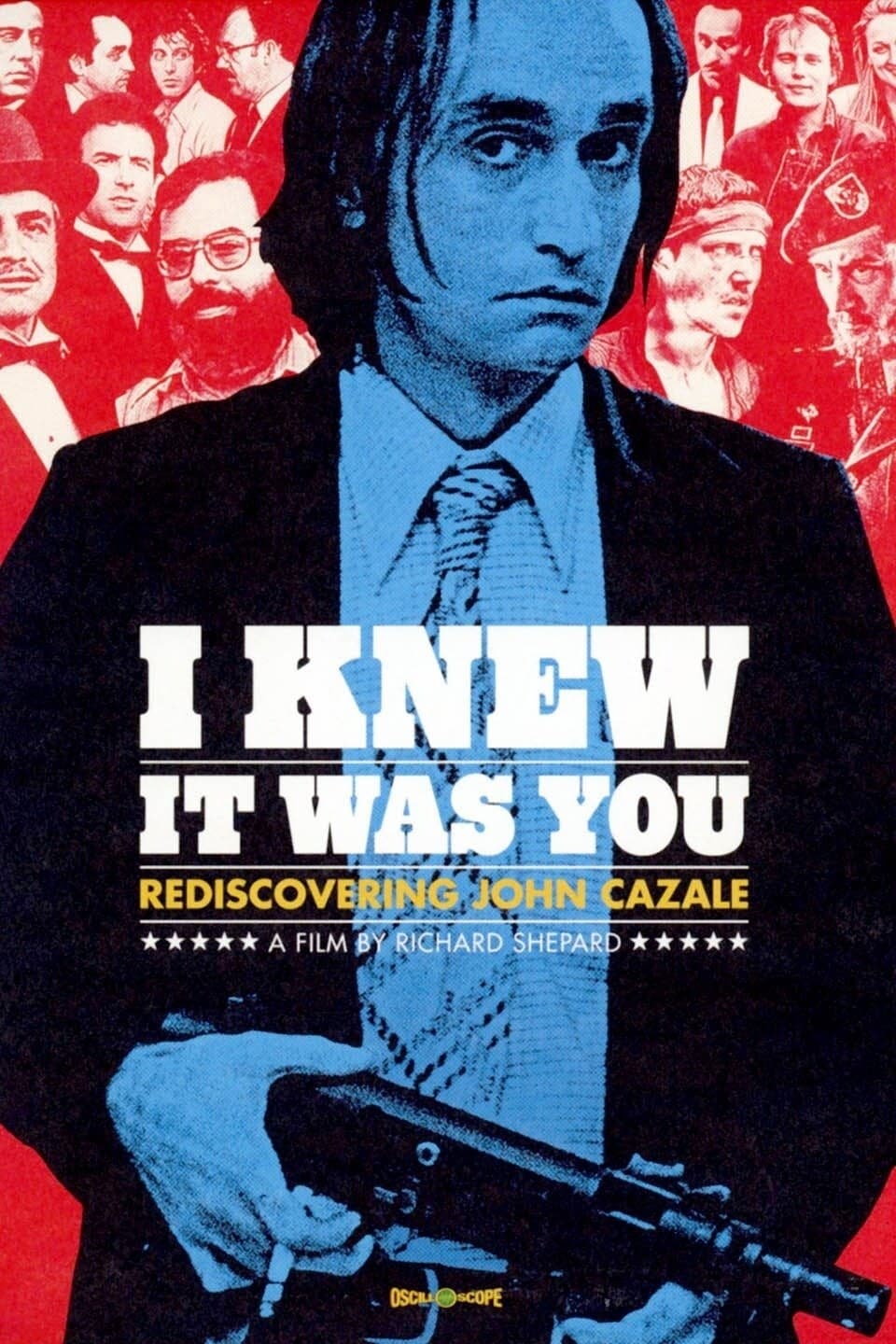
John Cazale was in only five films – The Godfather, The Conversation, The Godfather: Part II, Dog Day Afternoon and The Deer Hunter – each was nominated for Best Picture. Yet today most people don't even know his name. I KNEW IT WAS YOU is a fresh tour through movies that defined a generation.
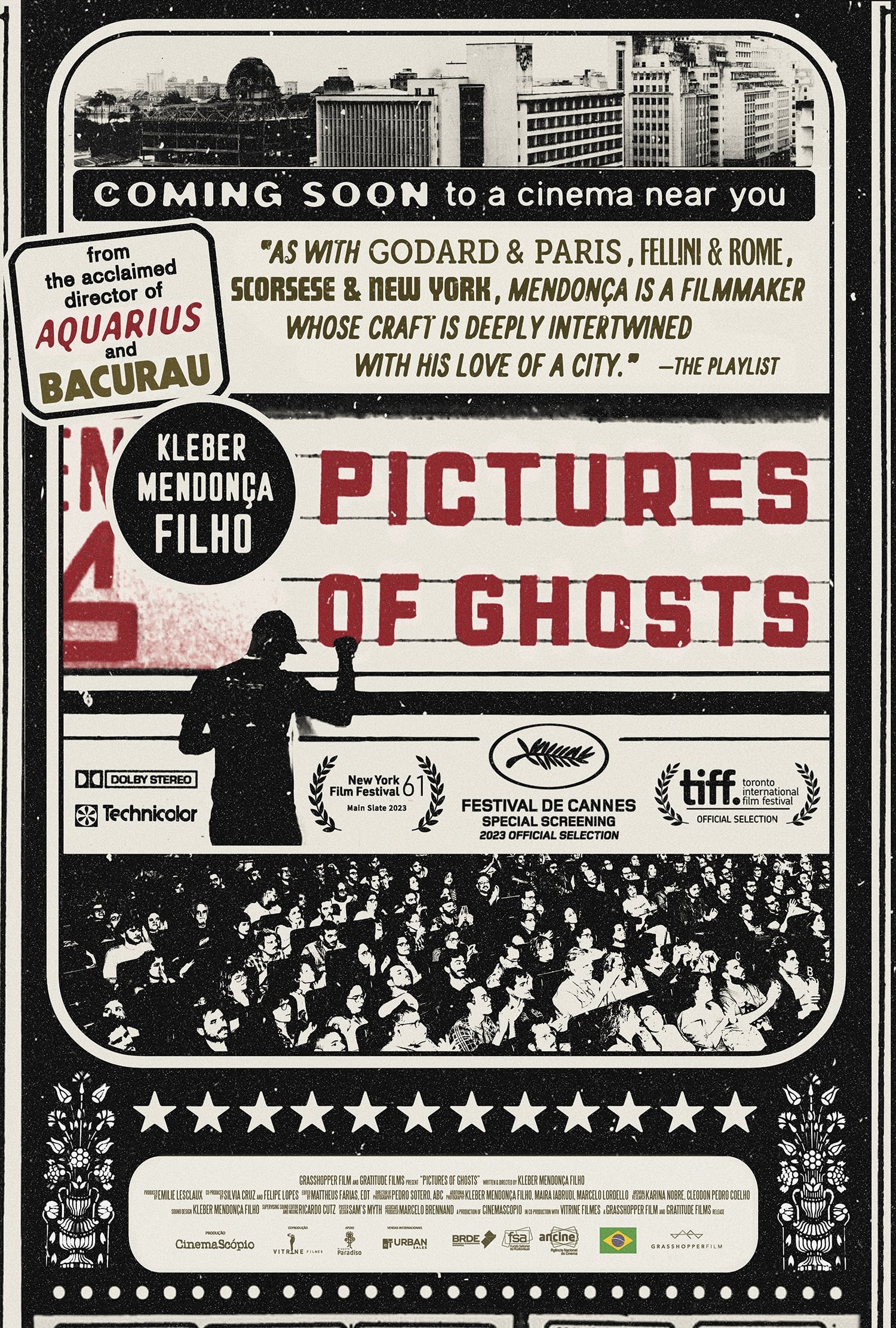
Downtown Recife’s classic movie palaces from the 20th century are mostly gone. That city area is now an archaeological site of sorts that reveals aspects of life in society which have been lost. And that’s just part of the story.
In an intimate and joyful story of love in the face of loss, celebrated poets Andrea Gibson and Megan Falley find strength—and unexpected hilarity—in what might be their final year together.
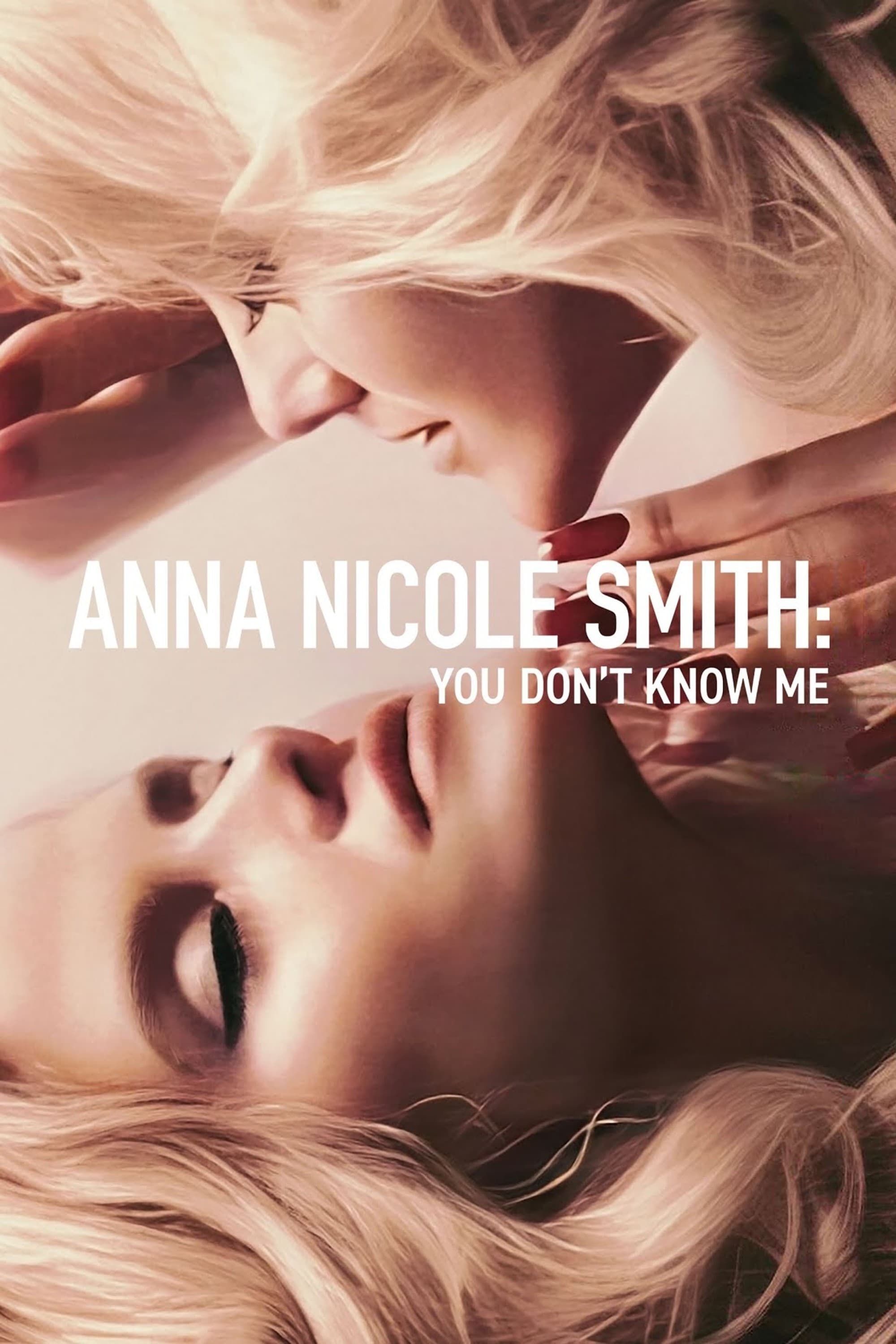
From the heights of her modeling fame to her tragic death, this documentary reveals Anna Nicole Smith through the eyes of the people closest to her.
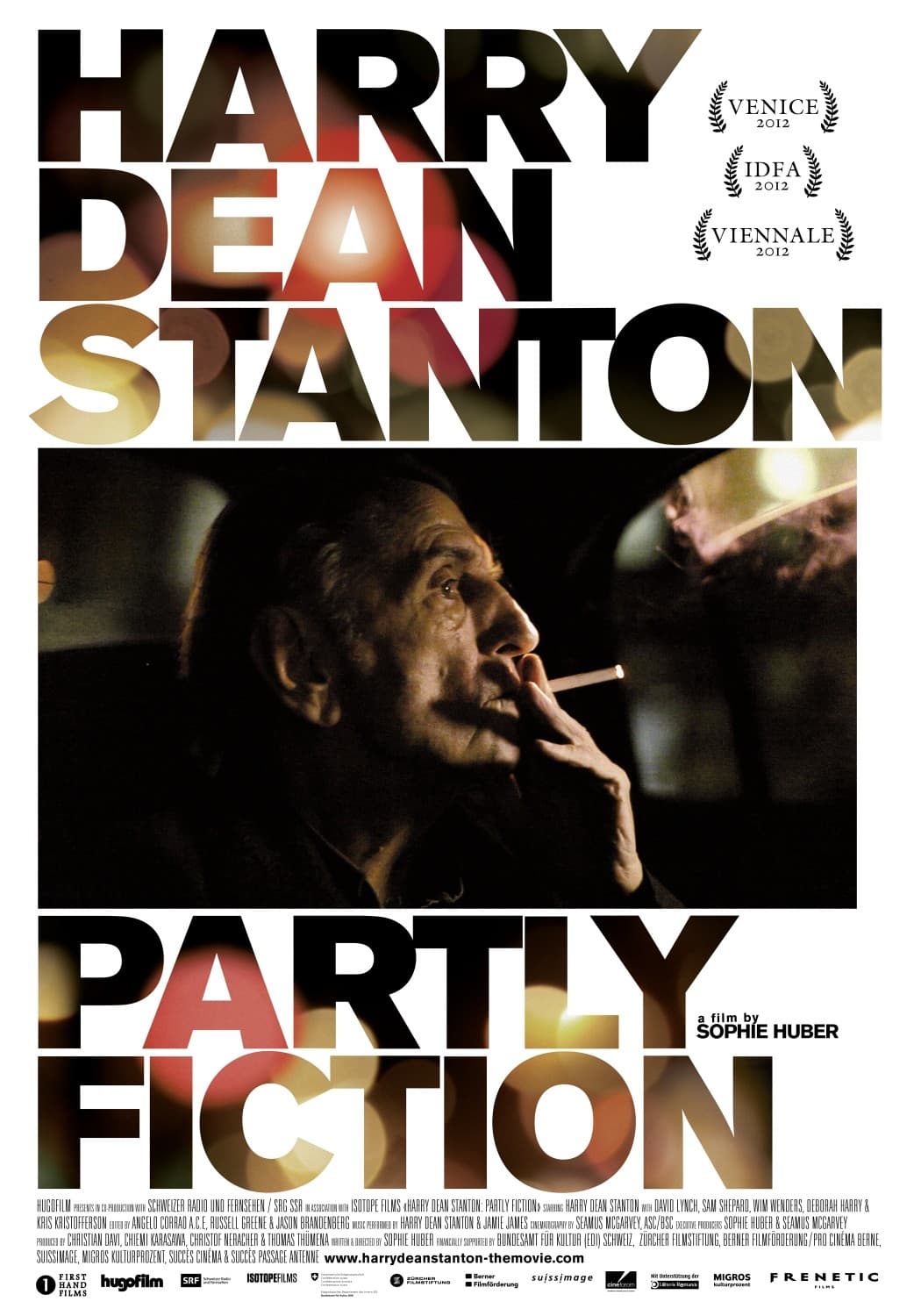
An impressionistic portrait of the iconic actor Harry Dean Stanton comprised of intimate moments, film clips from some of his 250 films and his renditions of American folk songs.
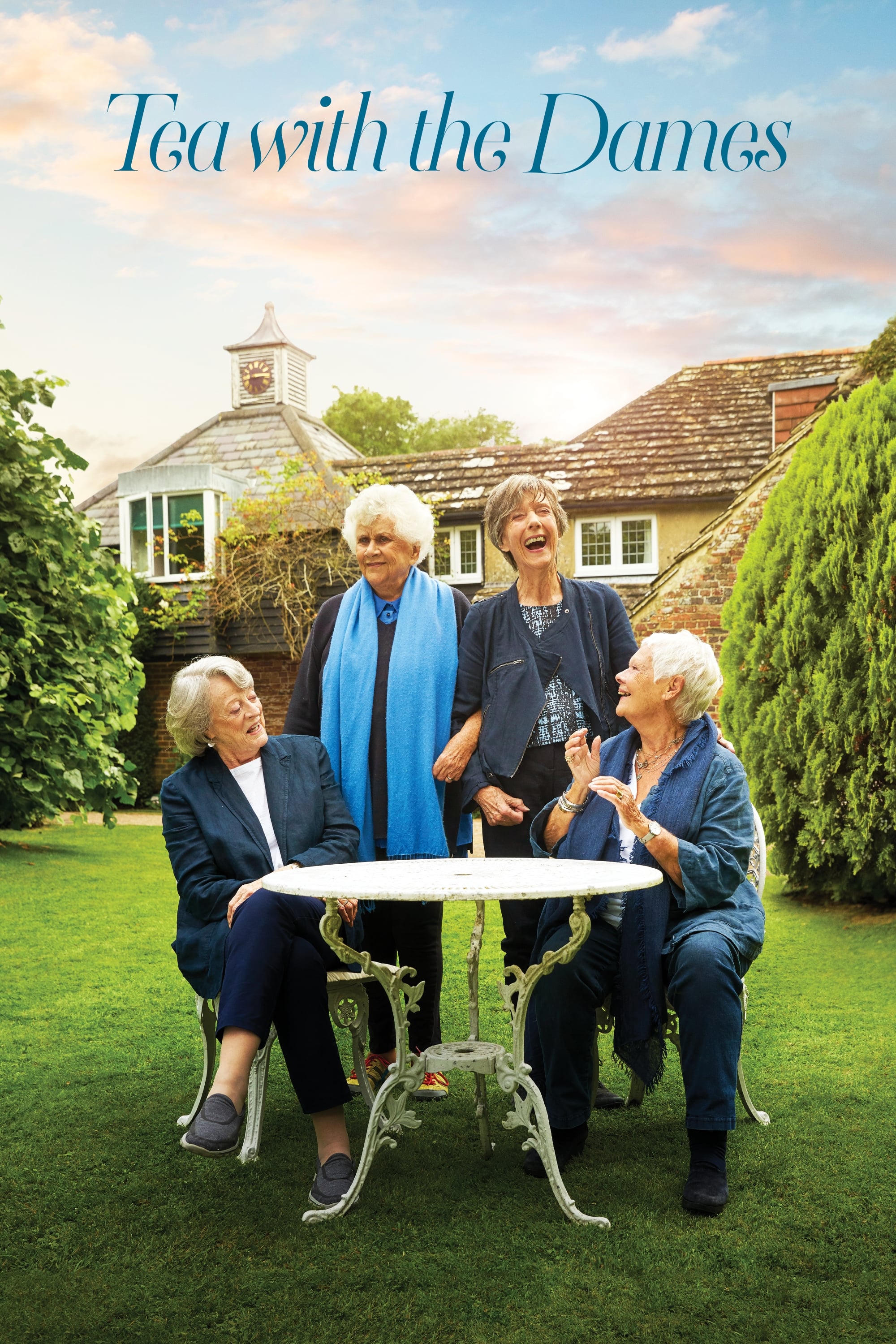
BBC Arena's documentary on the Dames of British Theatre and film featuring Maggie Smith, Eileen Atkins, Judi Dench and Joan Plowright on screen together for the first time as they reminisce over a long summer weekend in a house Joan once shared with Sir Laurence Olivier.
Daniel Craig candidly reflects on his 15 year adventure as James Bond. Including never-before-seen archival footage from Casino Royale to the upcoming 25th film No Time To Die, Craig shares his personal memories in conversation with 007 producers, Michael G Wilson and Barbara Broccoli.
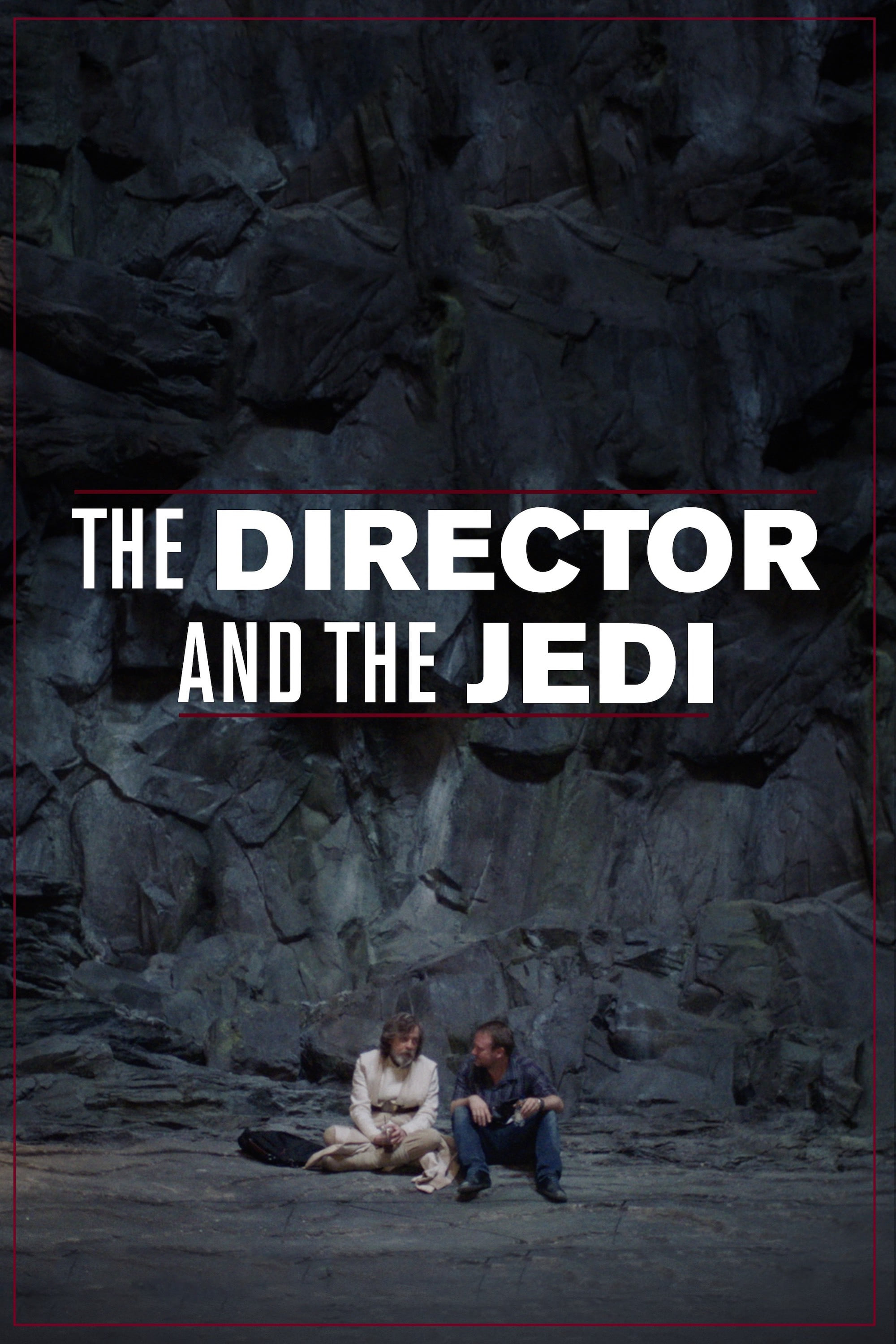
An intimate documentary delving into Rian Johnson's process as he comes in as a director new to the Star Wars universe.
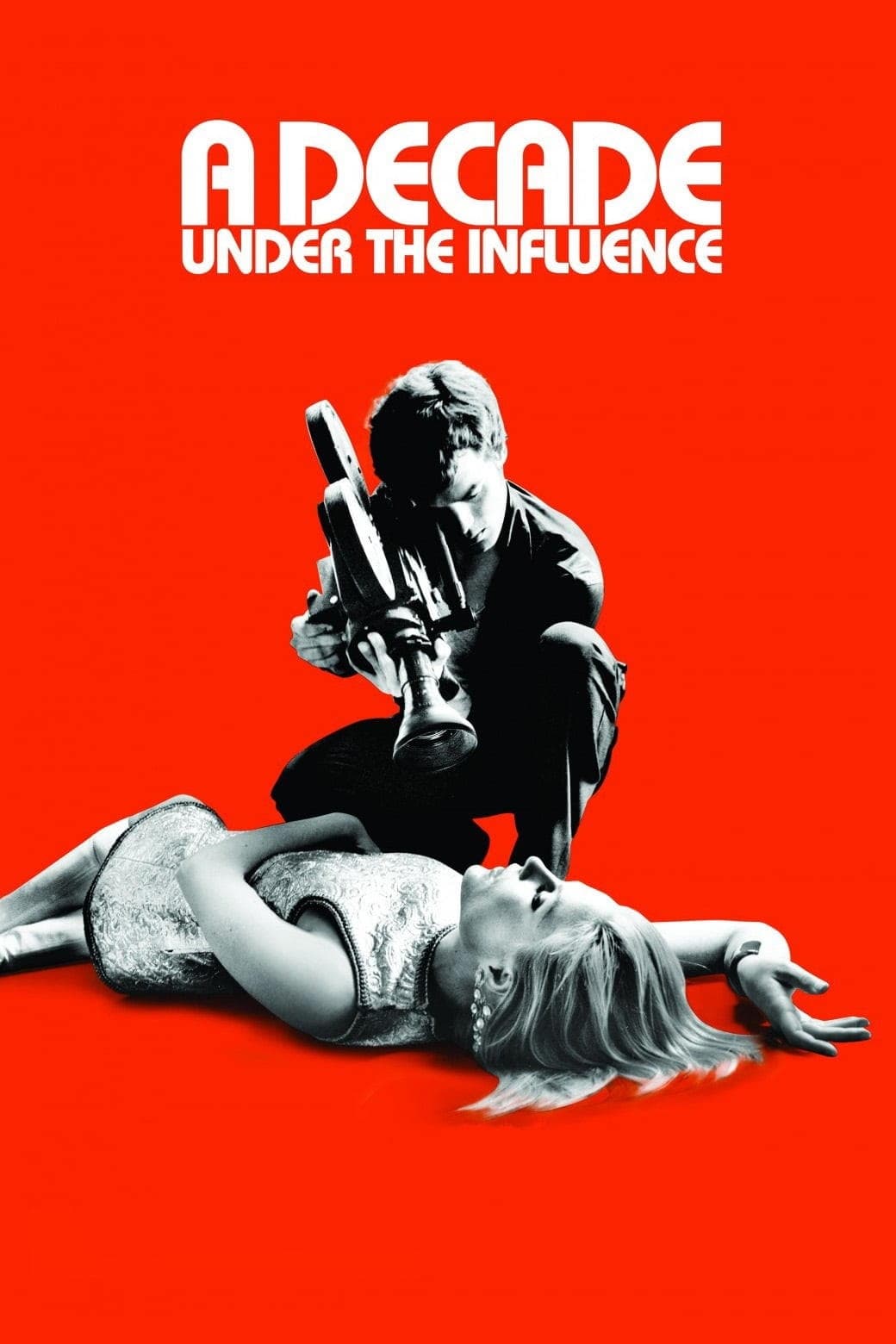
A documentary examining the decade of the 1970s as a turning point in American cinema. Some of today's best filmmakers interview the influential directors of that time.
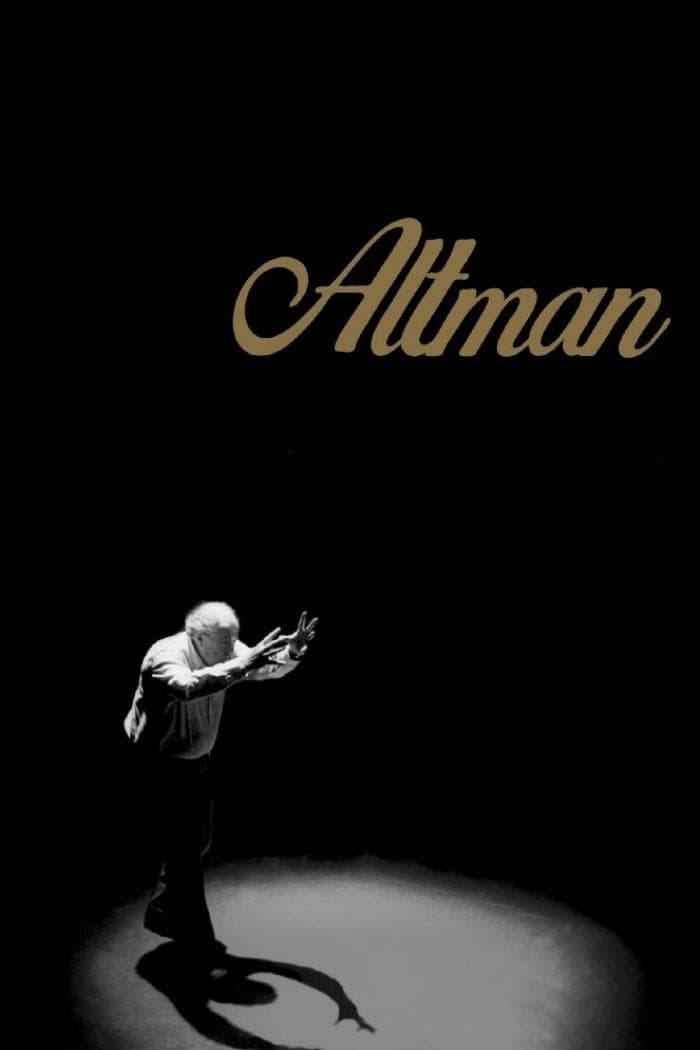
Robert Altman's life and career contained multitudes. This father of American independent cinema left an indelible mark, not merely on the evolution of his art form, but also on the western zeitgeist. With its use of rare interviews, representative film clips, archival images, and musings from his family and most recognizable collaborators, Altman is a dynamic and heartfelt mediation on an artist whose expression, passion and appetite knew few bounds.
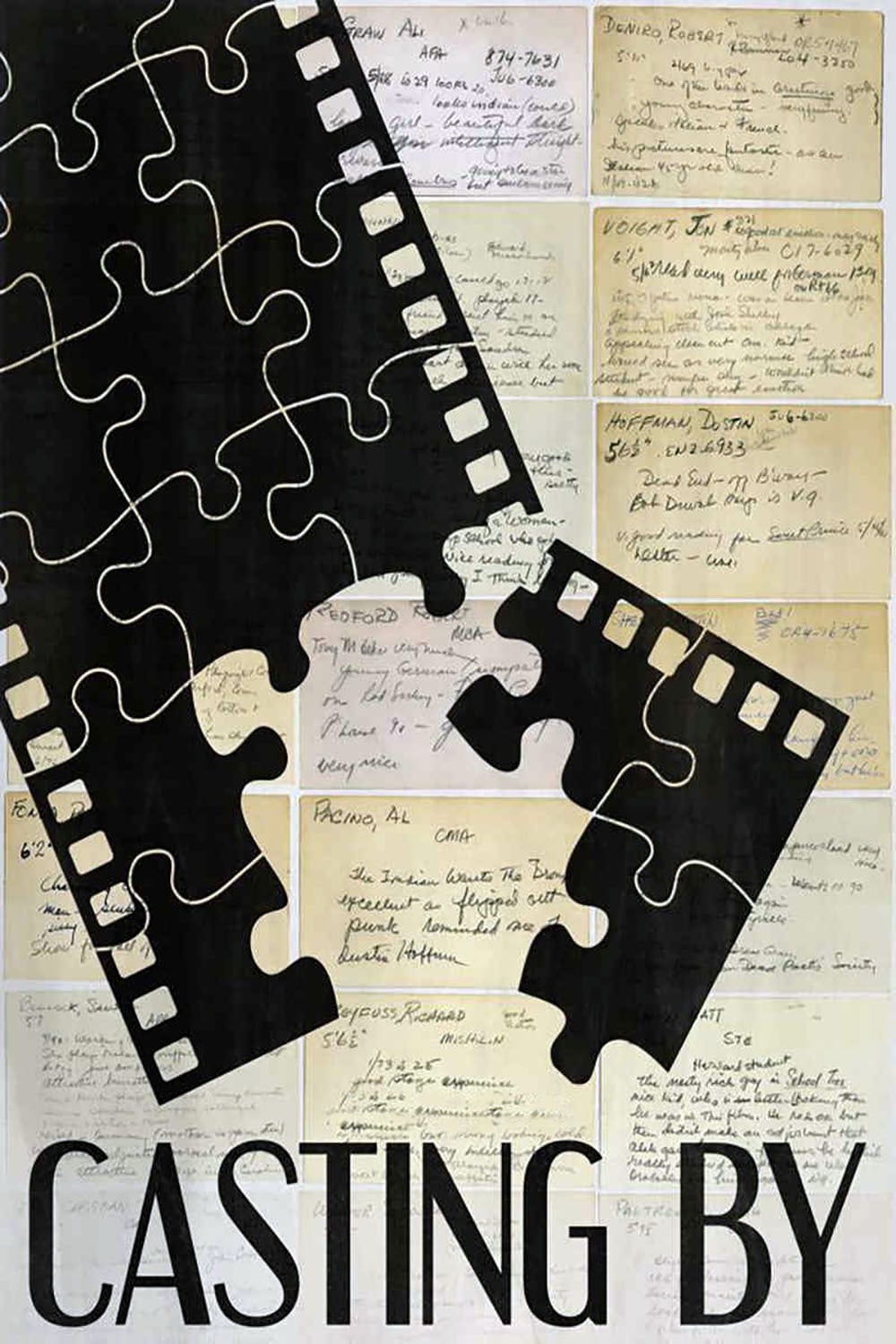
This essential new documentary pays tribute to the legacy of the late, legendary casting director Marion Dougherty and shines a light on one of the most overlooked and least understood crafts in filmmaking.