This documentary about Easy Rider was created by Nicholas Freand Jones and first aired on BBC2 in December 1995.
Social & External
Himself
Documentary of the Symposium on the Dialectics of Liberation and the Demystification of Violence, held in London, July 1967, organized by R.D.Laing, with Stokely Carmichael, Allen Ginsberg, Paul Goodman, Herbert Marcuse, John Gerassi, and many others. An important record of the spectrum of left-wing politics and personalities during the turbulent Sixties.
Documentary about veteran character actor Dick Miller, whose career in and outside of Hollywood has spanned almost 200 films across six decades, featuring a diverse range of interviews with directors, co-stars, and contemporaries.
Split into three parts and featuring interviews with the crew of SOUTHLAND TALES, including Richard Kelly, the story of how this film was made, screwed over in post-production and still technically is unfinished is told.
From 1957 —the year in which the Soviets put the Sputnik 1 satellite into orbit— to 1969 —when American astronaut Neil Armstrong walked on the surface of the moon—, the beginnings of the space conquest were depicted in popular culture: cinema, television, comics and literature of the time contain numerous references to an imagined future.
In 1981, a film about the misadventures of a German U-boat crew in 1941 becomes a worldwide hit almost four decades after the end of the World War II. Millions of viewers worldwide make Das Boot the most internationally successful German film of all time. But due to disputes over the script, accidents on the set, and voices accusing the makers of glorifying the war, the project was many times on the verge of being cancelled.
The filmmakers and lead actors of The Remains of the Day (1993) discuss how they came to make the film, and the subtle power of its execution.
The shooting diary of a film shot in France and in the United States. Using photos of Paris and of New York City, excerpts of his former films, statements by friends of his and shooting sequences of the film itself, tormented filmmaker Marcel Hanoun has made a heterogeneous and unclassifiable film about the difficulty of filming.
A short documentary looking at the making of the music for 'Transporter 2'.
A roller-coaster ride through the history of American exploitation films, ranging from Roger Corman's sci-fi and horror monster movies, 1960s beach movies, H.G. Lewis' gore-fests, William Castle's schlocky theatrical gimmicks, to 1970s blaxploitation, pre-"Deep Throat" sex tease films, Russ Meyer's bosom-heavy masterpieces, etc, etc. Over 25 interviews of the greatest purveyors of weird films of all kind from 1940 to 1975. Illustrated with dozens of films clips, trailers, extra footage, etc. This documentary as a shorter companion piece focusing on exploitation king David F. Friedman.
In the summer of 1963, François Mitterrand was going through a deep existential crisis. His political career was at a standstill and, after 19 years of marriage, the couple had grown apart. It was at this point that François Mitterrand met the woman who was to give new meaning to his life. Anne Pingeot, aged 19, was to become the companion of a lifetime, a woman who would be with him throughout his rise to power and who would remain by his side until his last breath. For the first time, Anne Pingeot has agreed to allow the fragments of this passionate love story — hundreds of letters and a diary — to be shown on television, before being donated to the National Library.
Charmian Carr, who played Liesl in The Sound of Music, takes a tour of the Austrian town of Salzburg, where the location shots of the movie were made. Includes behind-the-scenes footage from the making of the movie.
In 1928, as the talkies threw the film industry and film language into turmoil, Chaplin decided that his Tramp character would not be heard. City Lights would not be a talking picture, but it would have a soundtrack. Chaplin personally composed a musical score and sound effects for the picture. With Peter Lord, the famous co-creator of Chicken Run and Wallace & Gromit, we see how Chaplin became the king of slapstick comedy and the superstar of the movies.
A documentary that explores the myth behind the truth. Different people around the globe reinterpret the legend of Che Guevara at will: from the rebel living in Hong Kong fighting Chinese domination, to the German neonazi preaching revolution and the Castro-hating Cuban. Their testimonies prove that the Argentinian revolutionary's historical impact reverberates still. But like with all legends, each sees what he will, in often contradictory perspectives.

The dangers of LSD are driven home to teenagers in this classroom training film, which is "narrated" by an LSD tab. The "tab" tells kids that he is "a depth charge in the mind!" and various teenagers are shwn babbling about their LSD experiences. "Experts" are presented who warn that LSD makes kids "paint themselves green" and has various other horrible side effects, the most serious of which is that it gives users a police record, and that there is "no known way of getting your fingerprints out of a police file once they're in there."
A making-of documentary featurette found on the "Sinners" home video release.
In 1982, Wim Wenders asked 16 of his fellow directors to speak on the future of cinema, resulting in the film Room 666. Now, 40 years later, in Cannes, director Lubna Playoust asks Wim Wenders himself and a new generation of filmmakers (James Gray, Rebecca Zlotowski, Claire Denis, Olivier Assayas, Nadav Lapid, Asghar Farhadi, Alice Rohrwacher and more) the same question: “is cinema a language about to get lost, an art about to die?”
The international success of the film Das Boot by Wolfgang Petersen made U-96 one of the most famous submarines in cinematic history. But the true story of one of Hitler's most fearsome U-boats and its crew goes far beyond fiction. For the first time, this documentary sheds light on the reality behind the fiction through exclusive interviews with the makers and actors of Das Boot, as well as the last survivors of the time. In doing so, this documentary explores how Hitler's propaganda images may have influenced the visual and narrative force of Das Boot.
Documentary about the making of Juzo Itami's film "Tampopo" (1985).
The Classic Game Insights series presents in-depth interviews with game developers, providing detailed accounts of their work on a particular classic game and the creation process involved. Each film is independent and concentrates on either a single, specific game or a series of games, with the creator personally guiding you through their development journey. Amiga: Classic Game Insights Vol 1 offers 3 hours of content that explores a range of iconic Amiga games, this is an essential viewing experience for anyone with an interest in the Amiga computer, its games, or game design as a whole.
The story of Robert Pilatus and Fabrice Morvan, who became fast friends during their youth in Germany. With Rob coming from a broken home and Fabrice having left an abusive household, they shared a similar upbringing, as well as a future goal: to become famous superstars. In a few short years, their dreams came true. Rob and Fab, better known as Milli Vanilli, became the world's most popular pop duo in 1990 and won the GRAMMY for Best New Artist. However, their ascension to success came with a devastating price that ultimately led to their infamous undoing.
An investigation of how Hollywood's fabled stories have deeply influenced how Americans feel about transgender people, and how transgender people have been taught to feel about themselves.
Documentary about legendary Paramount producer Robert Evans, based on his famous 1994 autobiography.
Part jazz history, part true-crime tale, Kasper Collin’s new documentary employs extensive archival footage and new interviews to tell the tragic story of the magnificently talented trumpeter Lee Morgan and his common-law wife Helen, who murdered him in a New York bar in 1972.
A subjective documentary that explores various theories about hidden meanings in Stanley Kubrick's classic film The Shining. Five very different points of view are illuminated through voice over, film clips, animation and dramatic reenactments.
A documentary on the once promising American rock bands The Brian Jonestown Massacre and The Dandy Warhols. The friendship between respective founders, Anton Newcombe and Courtney Taylor, escalated into bitter rivalry as the Dandy Warhols garnered major international success while the Brian Jonestown Massacre imploded in a haze of drugs.
50 years after the legendary fest, Barak Goodman’s electric retelling of Woodstock, from the point of view of those who were on the ground, evokes the freedom, passion, community, and joy the three-day music festival created.
Fueled by a raging libido, Wild Turkey, and superhuman doses of drugs, Thompson was a true "free lance, " goring sacred cows with impunity, hilarity, and a steel-eyed conviction for writing wrongs. Focusing on the good doctor's heyday, 1965 to 1975, the film includes clips of never-before-seen (nor heard) home movies, audiotapes, and passages from unpublished manuscripts.
Chelios faces a Chinese mobster who has stolen his nearly indestructible heart and replaced it with a battery-powered ticker that requires regular jolts of electricity to keep working.
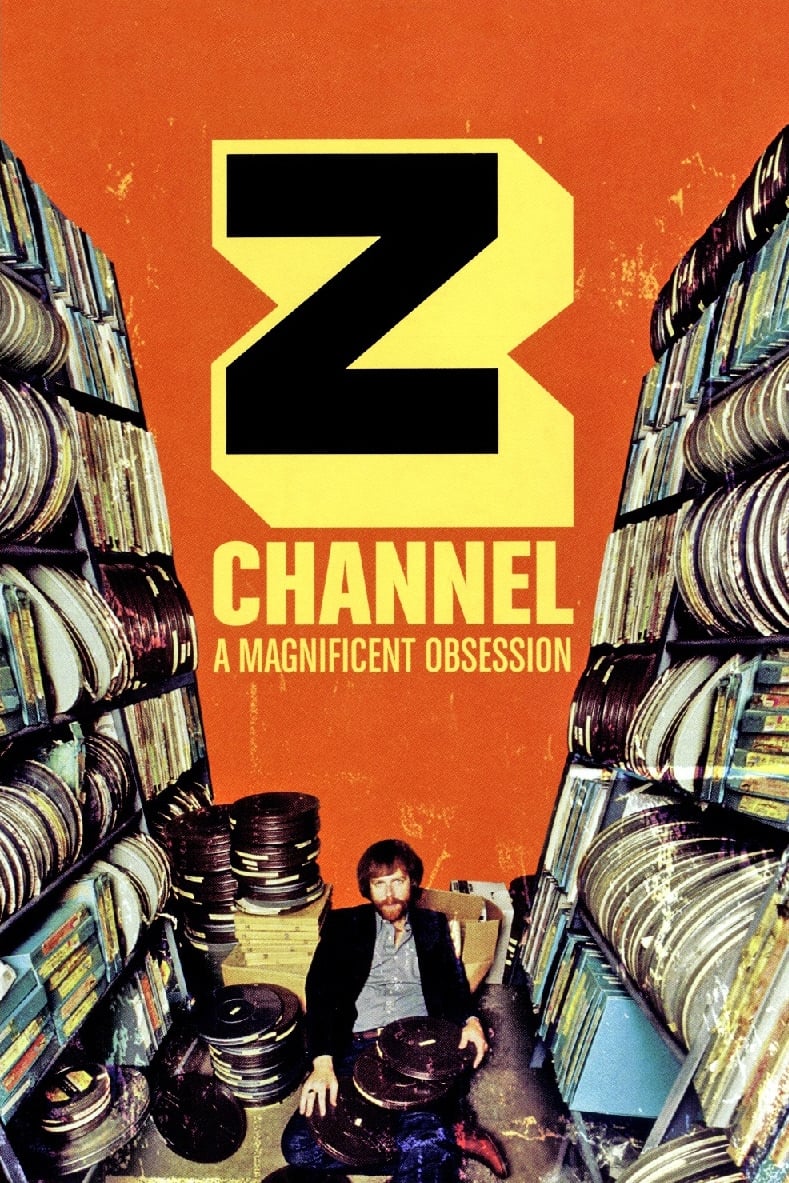
A documentary on the Z Channel, one of the first pay cable stations in the US, and its programming chief, Jerry Harvey. Debuting in 1974, the LA-based channel's eclectic slate of movies became a prime example of the untapped power of cable television.
Andrew Dominik's One More Time With Feeling is a remarkable black and white documentary which chronicles the creation of Nick Cave & The Bad Seeds' album Skeleton Tree. Originally a performance based concept, the film evolved into something much more significant as Dominik delved into the tragic backdrop of the writing and recording of the album. The result is stark, fragile and raw, and a true testament to an artist trying to find his way through the darkness. It documents the writing, recording and performing of Nick Cave & the Bad Seeds’ sixteenth studio album, Skeleton Tree.
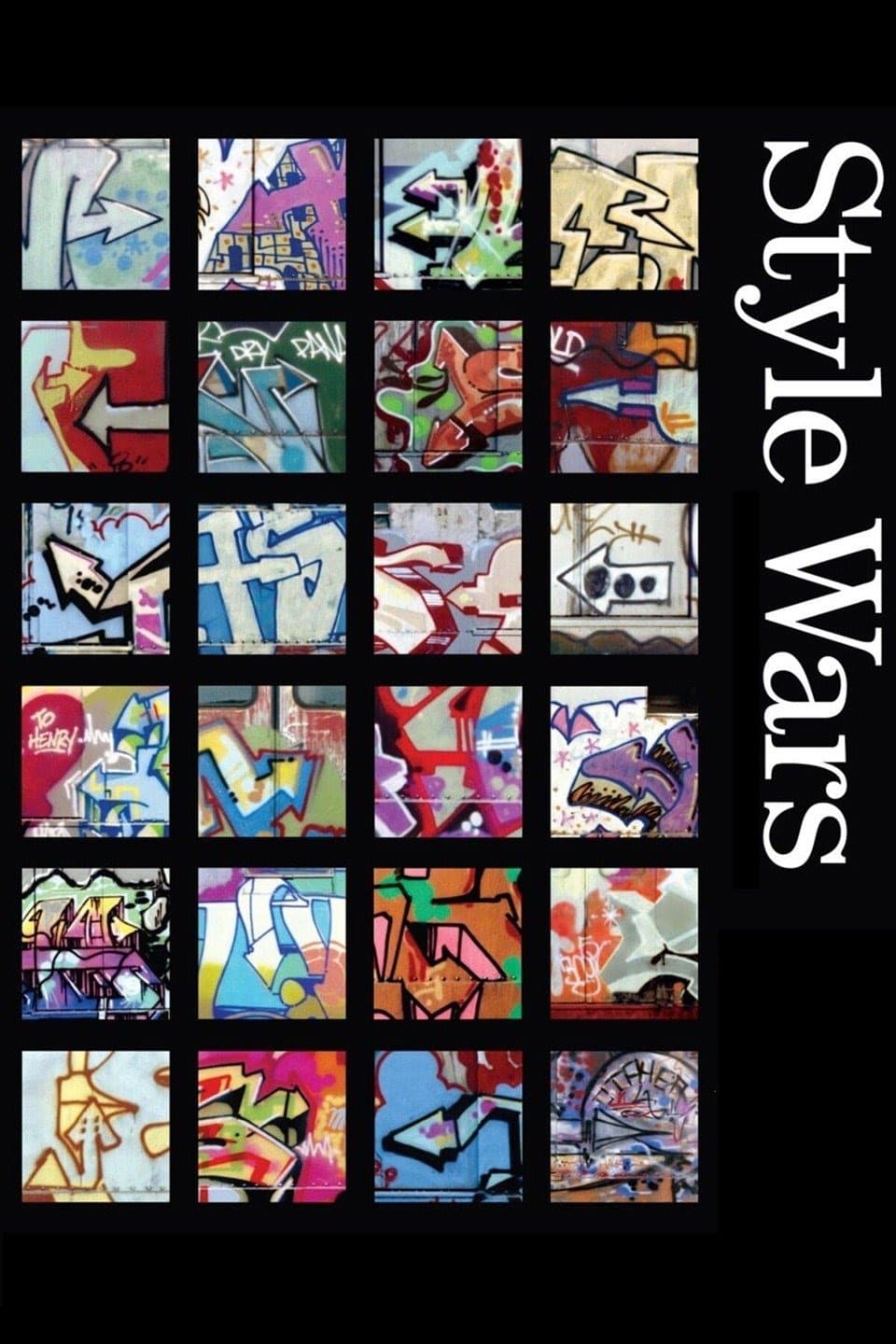
Tony Silver and Henry Chalfant's PBS documentary tracks the rise and fall of subway graffiti in New York in the late 1970s and early 1980s.
In this documentary, recovering addict and amputee John Wood finds himself in a stranger-than-fiction battle to reclaim his mummified leg from Southern entrepreneur Shannon Whisnant, who found it in a grill he bought at an auction and believes it therefore to be his rightful property.
Over the past 25 years, Lauren Greenfield's documentary photography and film projects have explored youth culture, gender, body image, and affluence. Underscoring the ever-increasing gap between the haves and the have-nots, portraits reveal a focus on cultivating image over substance, where subjects unable to attain actual wealth instead settle for its trappings, no matter their ability to pay for it.
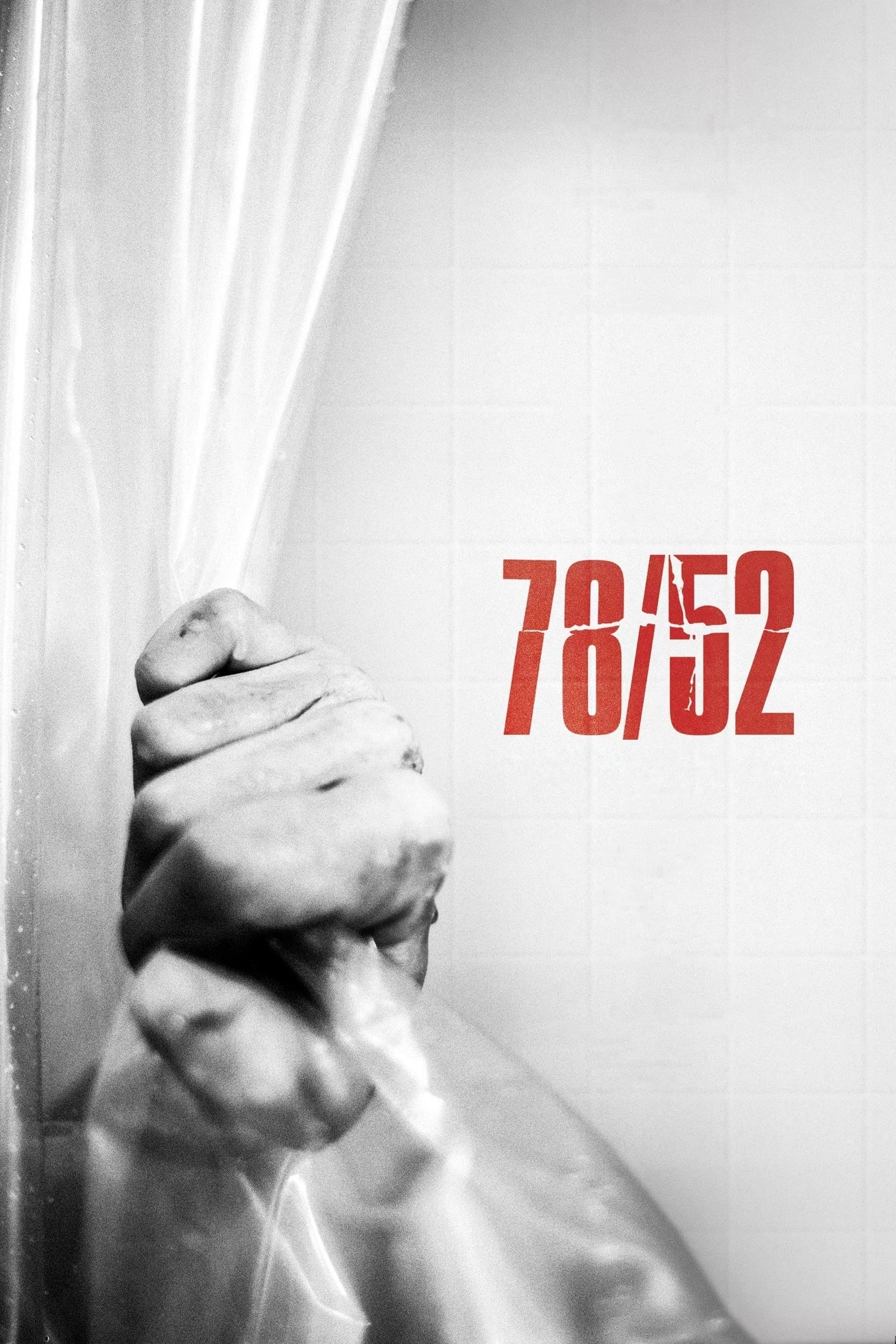
The most famous murder scene in movie history comprises 78 camera settings and 52 cuts: the shower scene in Alfred Hitchcock's Psycho. 78/52 tells the story of the man behind the curtain and his greatest obsession.
This searing investigative work shadows a group of activists risking unimaginable peril to confront the ongoing anti-LGBTQ program raging in the repressive and closed Russian republic. Unfettered access and a remarkable approach to protecting anonymity exposes this under-reported atrocity–and an extraordinary group of people confronting evil.
After her younger sister gets involved in drugs and is severely injured by contaminated heroin, a nurse sets out on a mission of vengeance and vigilante justice, killing drug dealers, pimps, and mobsters who cross her path.
When his wife and daughter are senselessly murdered, a grieving man finds himself caught up in a war between a group of charismatic vigilantes and the crime that infests their city.
One evening, Hammer gives a ride to Christina, an attractive hitchhiker on a lonely country road, who has escaped from the nearby lunatic asylum. Thugs waylay them and force his car to crash. When Hammer returns to semi-consciousness, he hears Christina being tortured until she dies. Hammer, both for vengeance and in hopes that "something big" is behind it all, decides to pursue the case.
Using previously unheard audiotapes recorded shortly after John Belushi’s death, director R.J. Cutler’s documentary feature examines the too-short life of the once-in-a-generation talent who captured the hearts and funny bones of devoted audiences.