Social & External
The people behind it
Ingo J. Biermann
er selbst
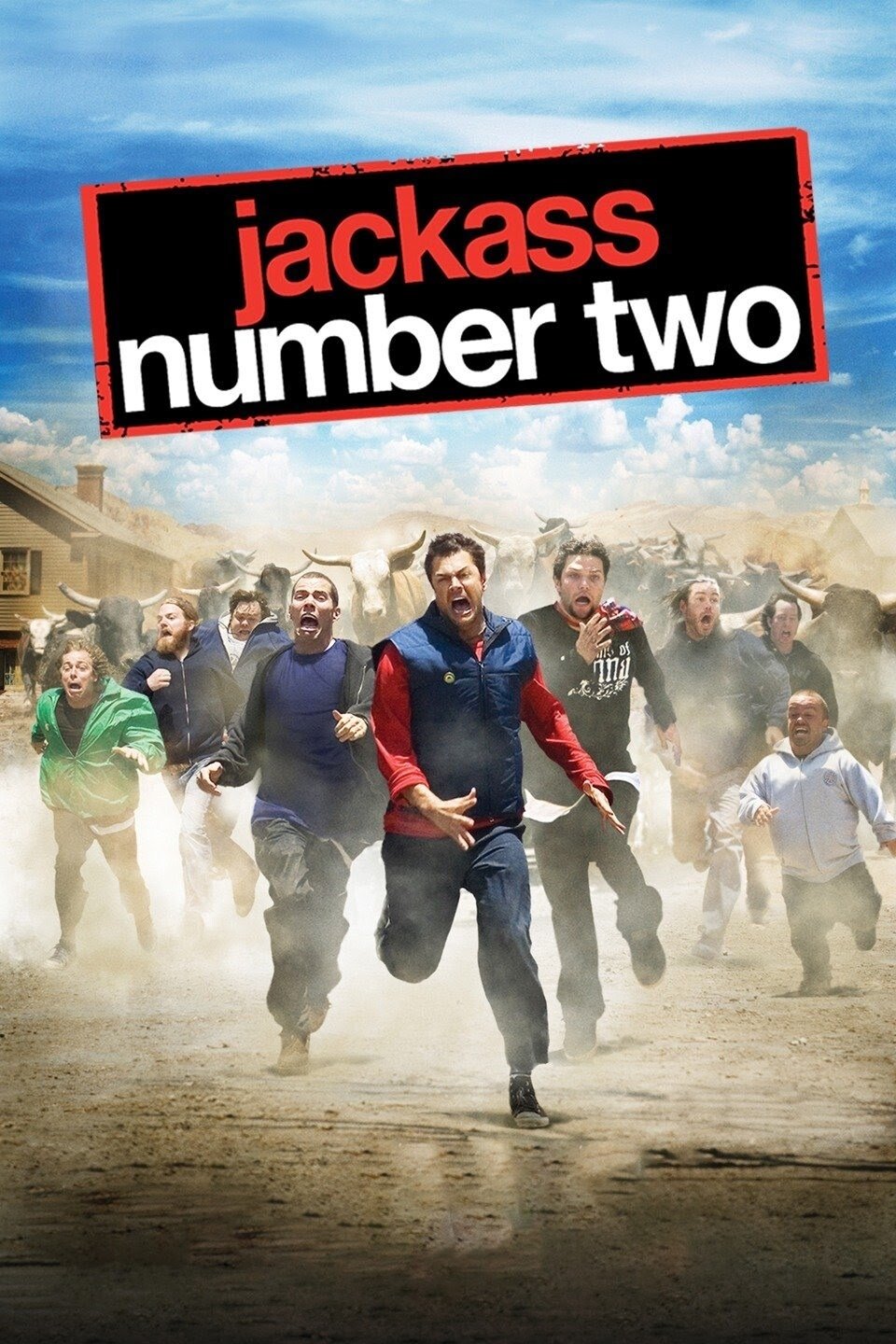
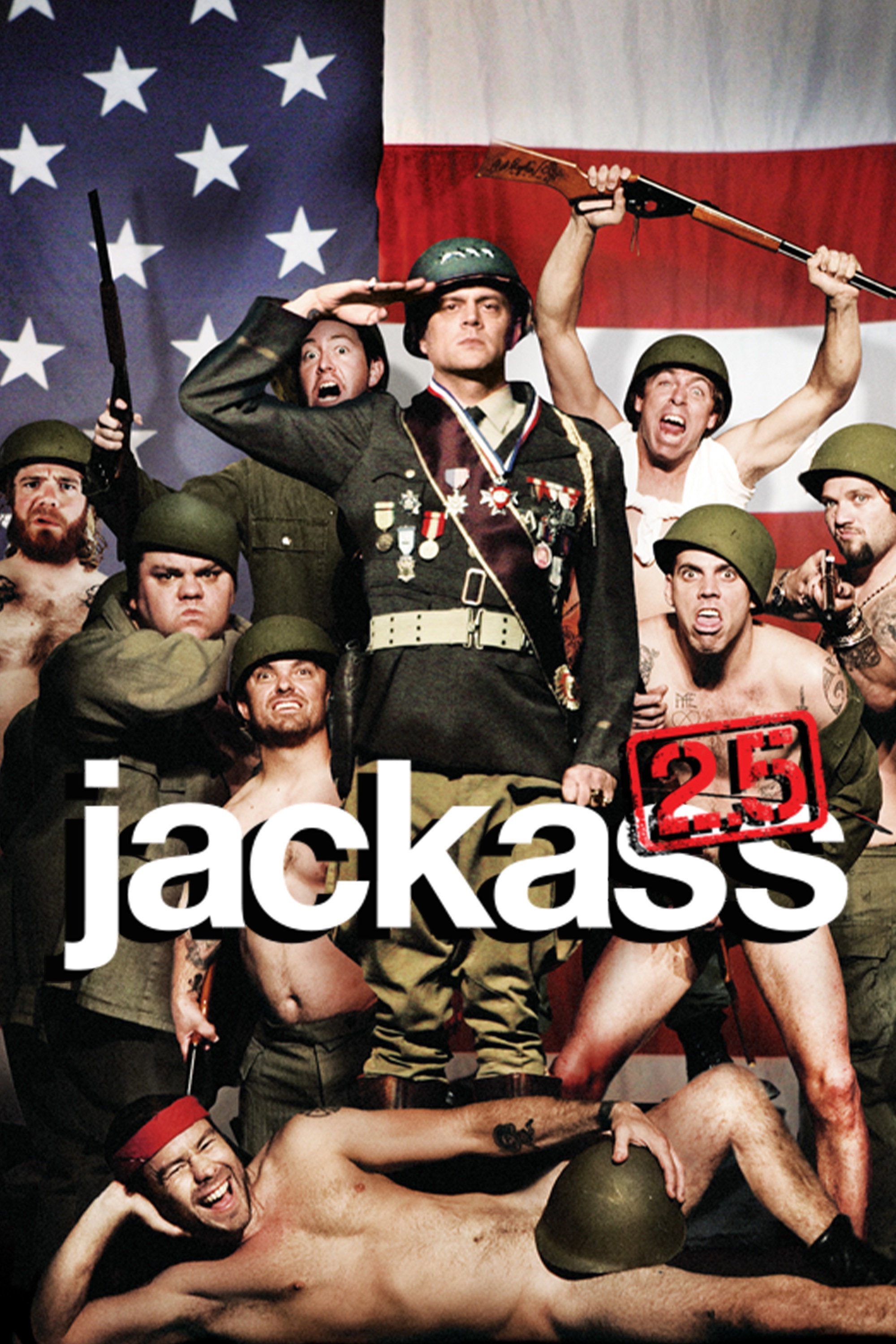
Jackass Number Two is a compilation of various stunts, pranks and skits, and essentially has no plot. Chris Pontius, Johnny Knoxville, Steve-O, Bam Margera, and the whole crew return to the screen to raise the stakes higher than ever before.
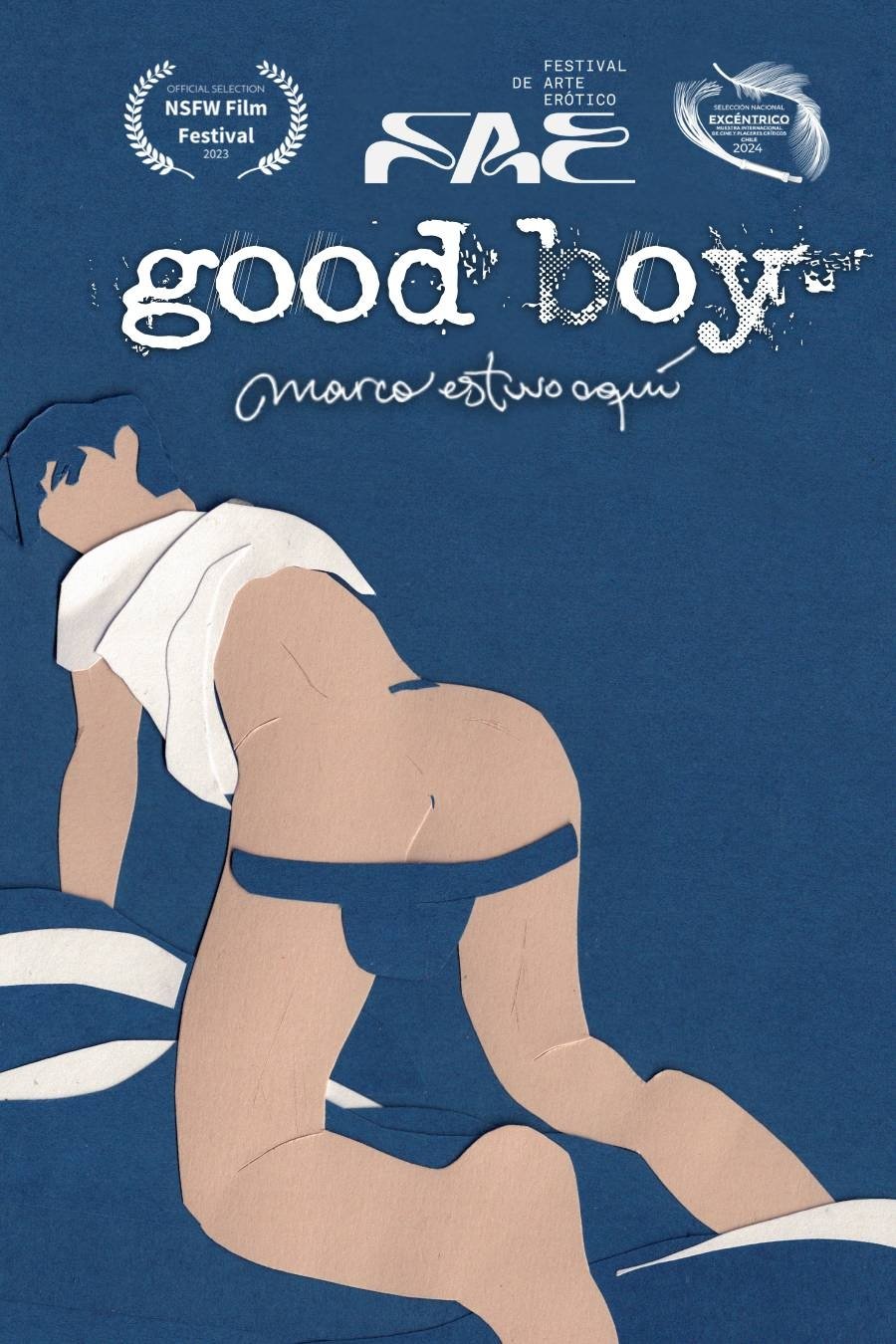
The author's erotic imagination is mixed between desire and magazine clippings, and the trade of collage becomes a ship that travels from outer space to the city itself.
Baldwin’s “pseudo-pseudo-documentary” presents a factual chronicle of US intervention in Latin America in the form of the ultimate conspiracy theory, combining covert action, environmental catastrophe, space aliens, cattle mutilations, killer bees, religious prophecy, doomsday diatribes, and just about every other crackpot theory broadcast through the dentures of the modern paranoiac.
An accurate depiction of the basic tenets of northern Mahayana Buddhism, cast into living or "experiential" form, consistent with powerful mantras heard on the soundtrack of the film. Tarthang Tulku, a Tibetan Lama, was the advisor.
Considerations on collage as a cognitive act in artists’ cinema. A pedagogical film adrift: 35mm photographs and other materials collected over the last fifteen years by artist Stefano Miraglia meet a text written by Baptiste Jopeck and the voice of Margaux Guillemard.
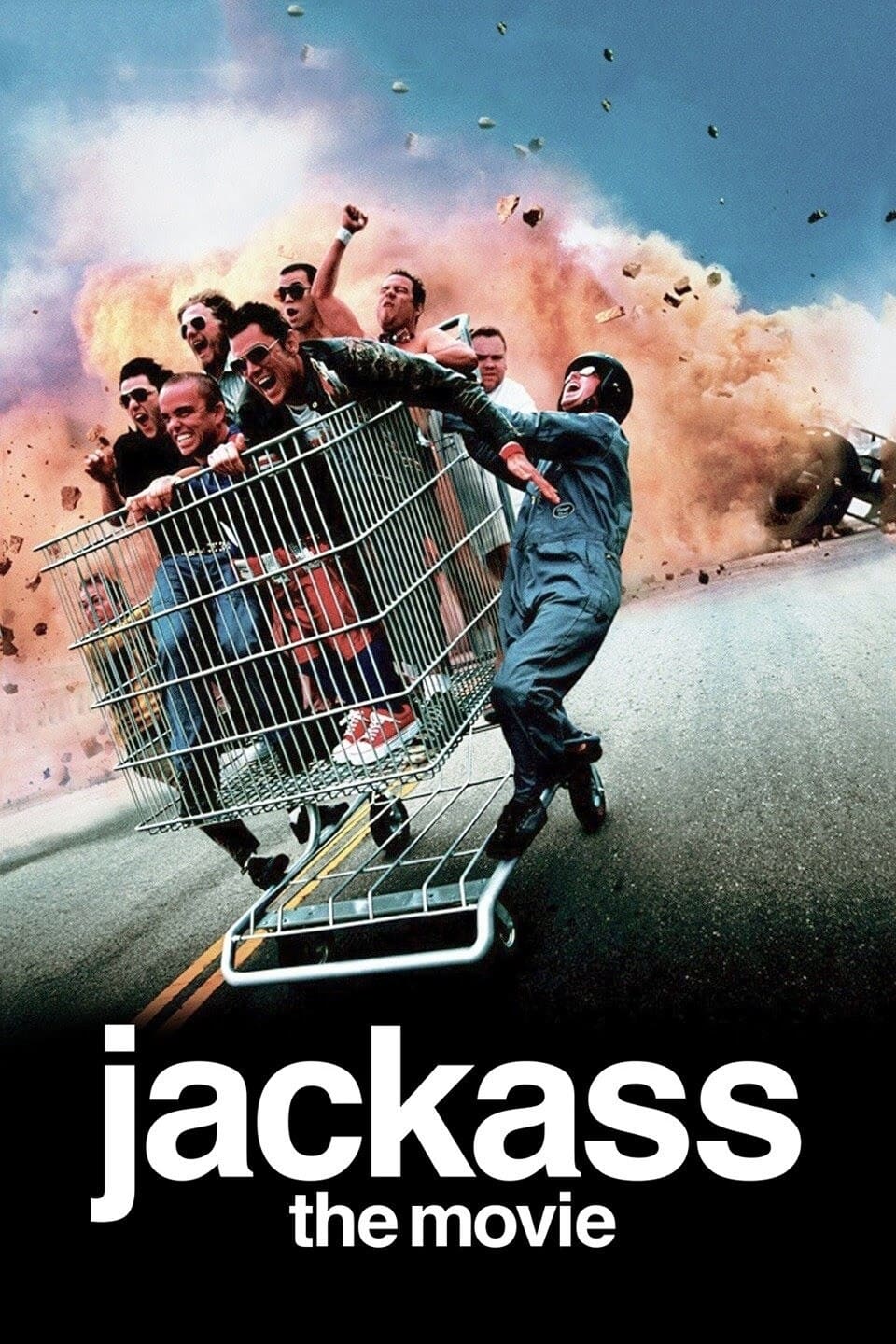
Johnny Knoxville and his band of maniacs perform a variety of stunts and gross-out gags on the big screen for the first time. They wander around Japan in panda outfits, wreak havoc on a once civilized golf course, they even do stunts involving LIVE alligators, and so on.
The crew have now set off to finish what as left over from Jackass 2.0, and in this version they have Wee Man use a 'pee' gun on themselves, having a mini motor bike fracas in the grocery mall, a sperm test, a portly crew member disguised as King Kong, as well as include three episodes of their hilarious adventures in India.
For this behemoth, Bressane took his opera omnia and edited it in an order that first adheres to historical chronology but soon starts to move backwards and forward. The various pasts – the 60s, the 80s, the 2000s – comment on each other in a way that sheds light on Bressane’s themes and obsessions, which become increasingly apparent and finally, a whole idea of cinema reveals itself to the curious and patient viewer. Will Bressane, from now on, rework The Long Voyage of the Yellow Bus when he makes another film? Is this his latest beginning? Why not, for the eternally young master maverick seems to embark on a maiden voyage with each and every new film!
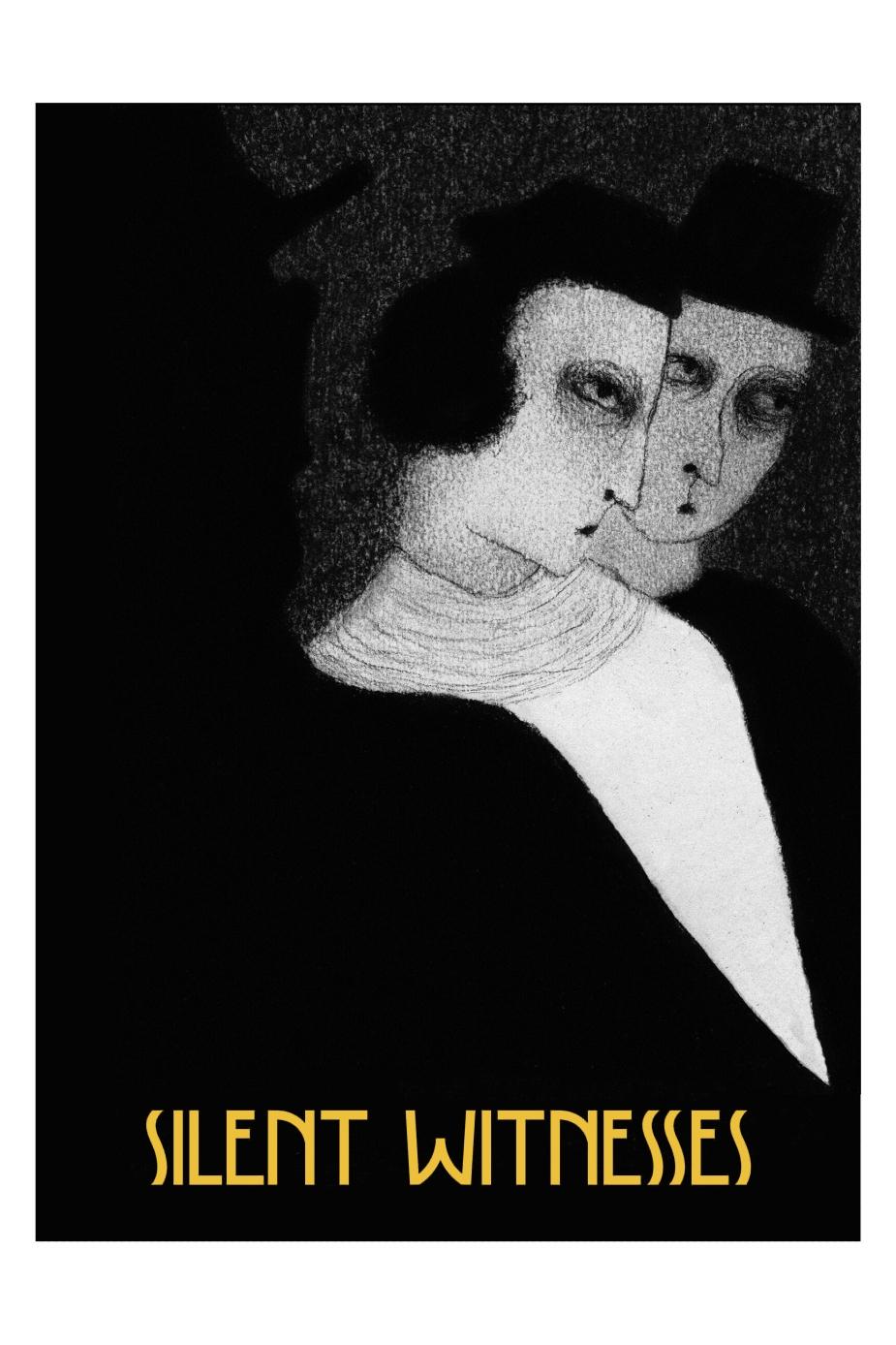
Mudos testigos is a cinematographic collage made from all the surviving material of Colombian silent films, re-editing the images in such a way as to create a single imaginary film: the impossible love story of Efraín and Alicia that traces the convulsive first half of the twentieth century in Colombia. Compiled by the late Luis Ospina and finished posthumously by Jeronimo Atehortúa.
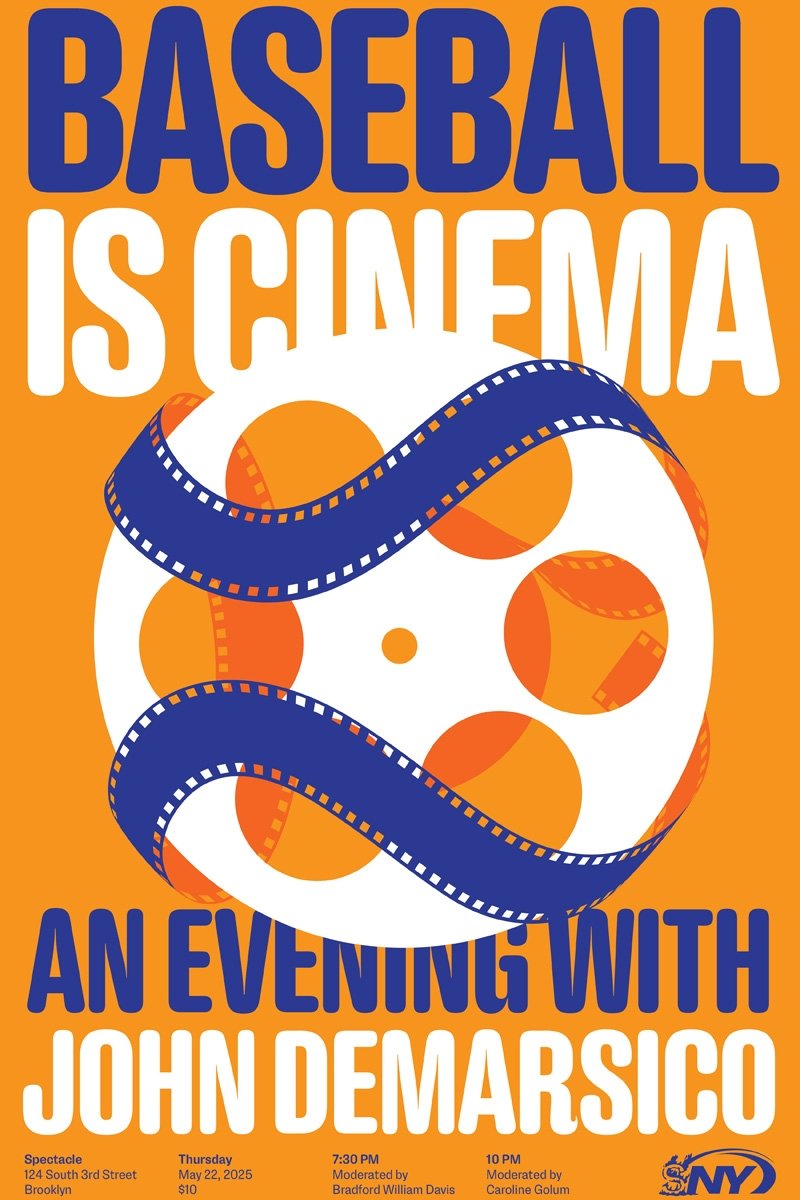
John DeMarsico’s showcase of the cinematic inspirations for the baseball broadcasts he directs at SNY for the New York Mets. DeMarsico pairs clips from some of his favorite films with sequences from his broadcasts that were directly inspired by those films.
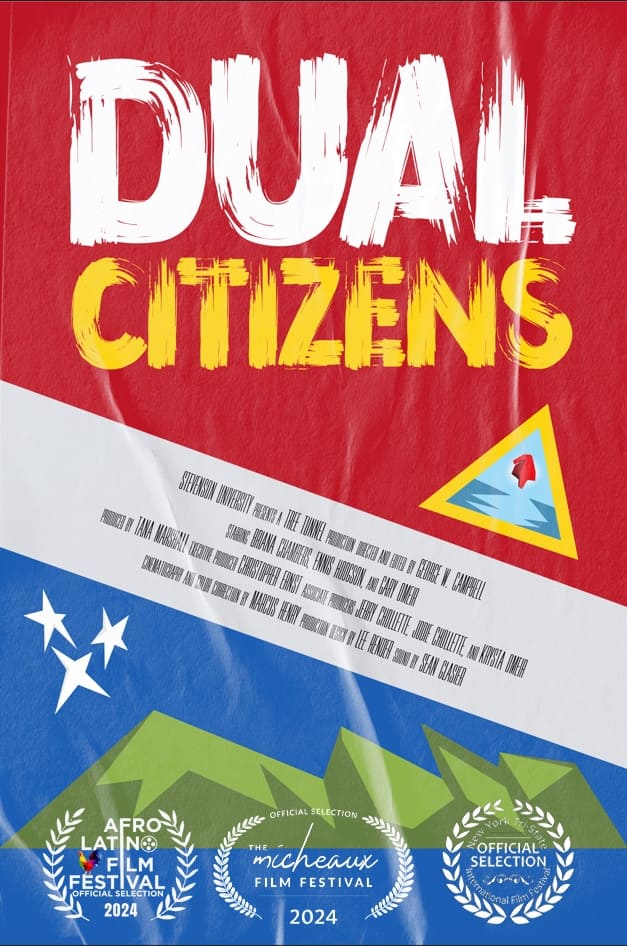
Three Nicaraguan-American artists from the Washington D.C. Metro area discuss growing up in two cultures and how it influences their art.
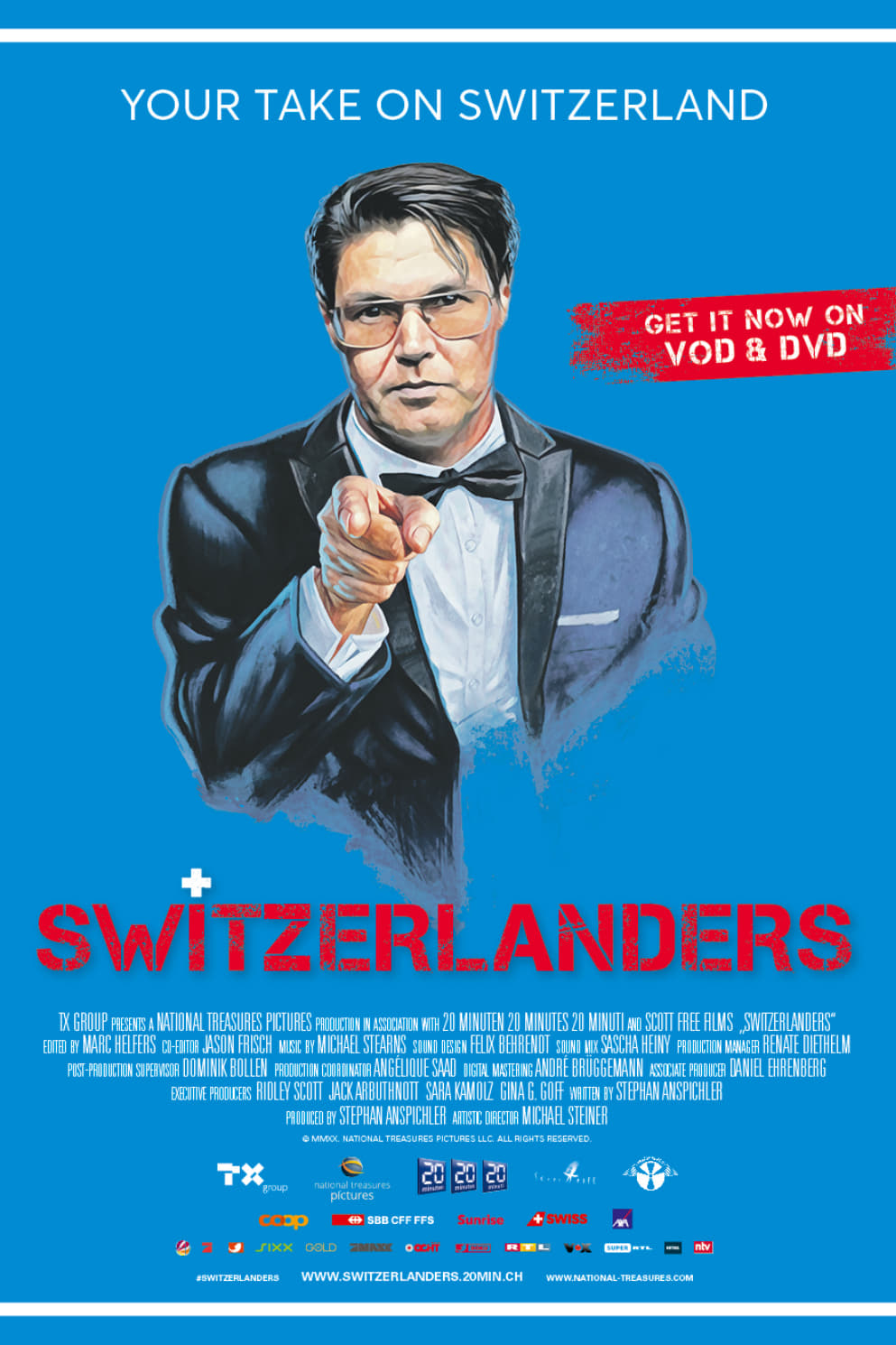
A cinematic time capsule with over 1,400 hours of submitted material from all regions of Switzerland gives unknown insights about the life of Swiss people in the politically and socially turbulent summer of 2019.
An intimate look into the life of composer Mikis Theodorakis from 1987 until 2017: comprising three decades, four continents, 100 locations and 600 hours of film material. The film interweaves personal moments with archive footage, documentary recordings and fictional pieces, all accompanied by Theodorakis’ music in jazz, classic, electro and rap versions.
EMPATHY (a digital love letter) is a short essay documentary, a heartbreaking comedy about a break-up, an attempt to concretize emotion and evoke empathy from a writer’s approach. After getting her heart crushed in a relationship, a woman writes a letter to the man she loves for a simple reason—to evoke his empathy towards her. Knowing the premise of human emotions, the woman starts her letter with her own life stories, follows with a blunt confession of affection, and ends with a cursing when she can’t handle the emotions anymore.
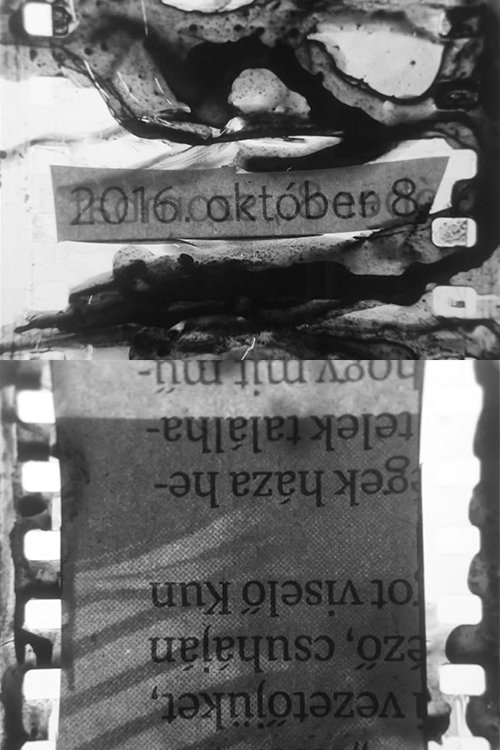
The title of the film is the date on which the editorial staff of Hungary’s largest opposition newspaper, Népszabadság, was fired. The filmmaker tore up copies of that day’s issue, layered them, and then turned them into an urgent collage expressing his yearning for the free expression of opposition viewpoints. The visible edges of the film emphasize the impossibility of presenting information in a complete context.
Produced by Alfred Higgins Productions with assistance from the University of Missouri-Columbia’s Academic Support Center Film Library, Keep America Beautiful, Inc., and Keep Los Angeles Beautiful, Inc., the 1963 short film A Land Betrayed examines the various ways people have spread the “cancer of ugliness” across America and offers call-to-action solutions to combat the nation-wide problem.
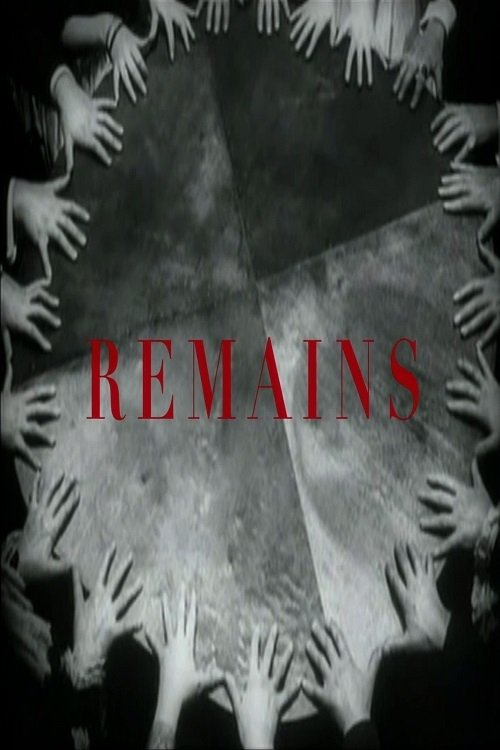
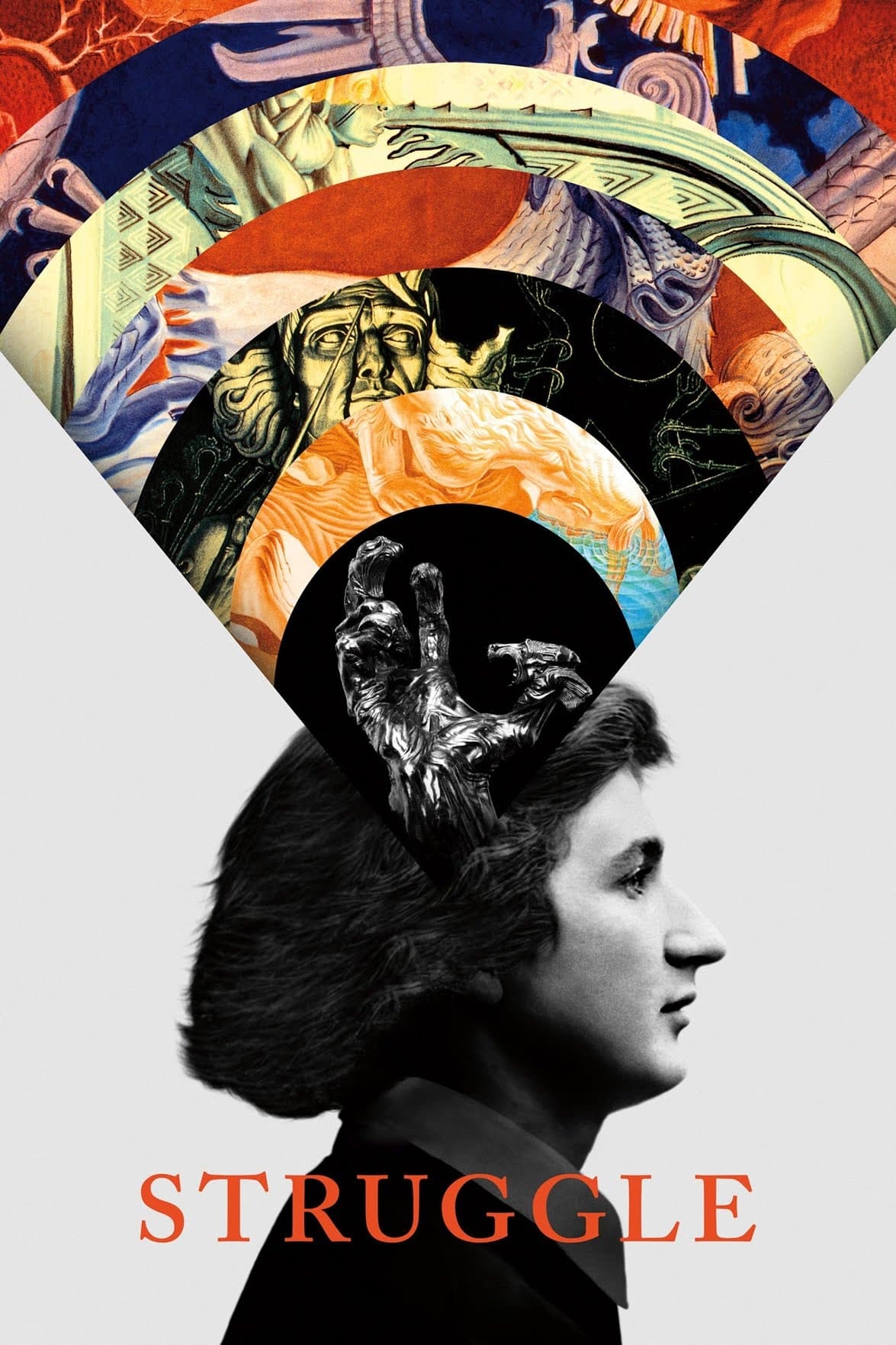
Something takes us underground, where gods and monsters are active, amid the ruins of a world they move around with their innumerable hands. Inspired by Fritz Lang and Richard Wagner, Remains is a daydream.
In 1914, the Czech architect Jan Letzel designed in the Japanese city of Hiroshima Center for the World Expo, which has turned into ruins after the atomic bombing in August 1945. “Atomic Dome” – all that remains of the destroyed palace of the exhibition – has become part of the Hiroshima memorial. In 2007, French sculptor, painter and film director Jean-Gabriel Périot assembled this cinematic collage from hundreds of multi-format, color and black and white photographs of different years’ of “Genbaku Dome”.
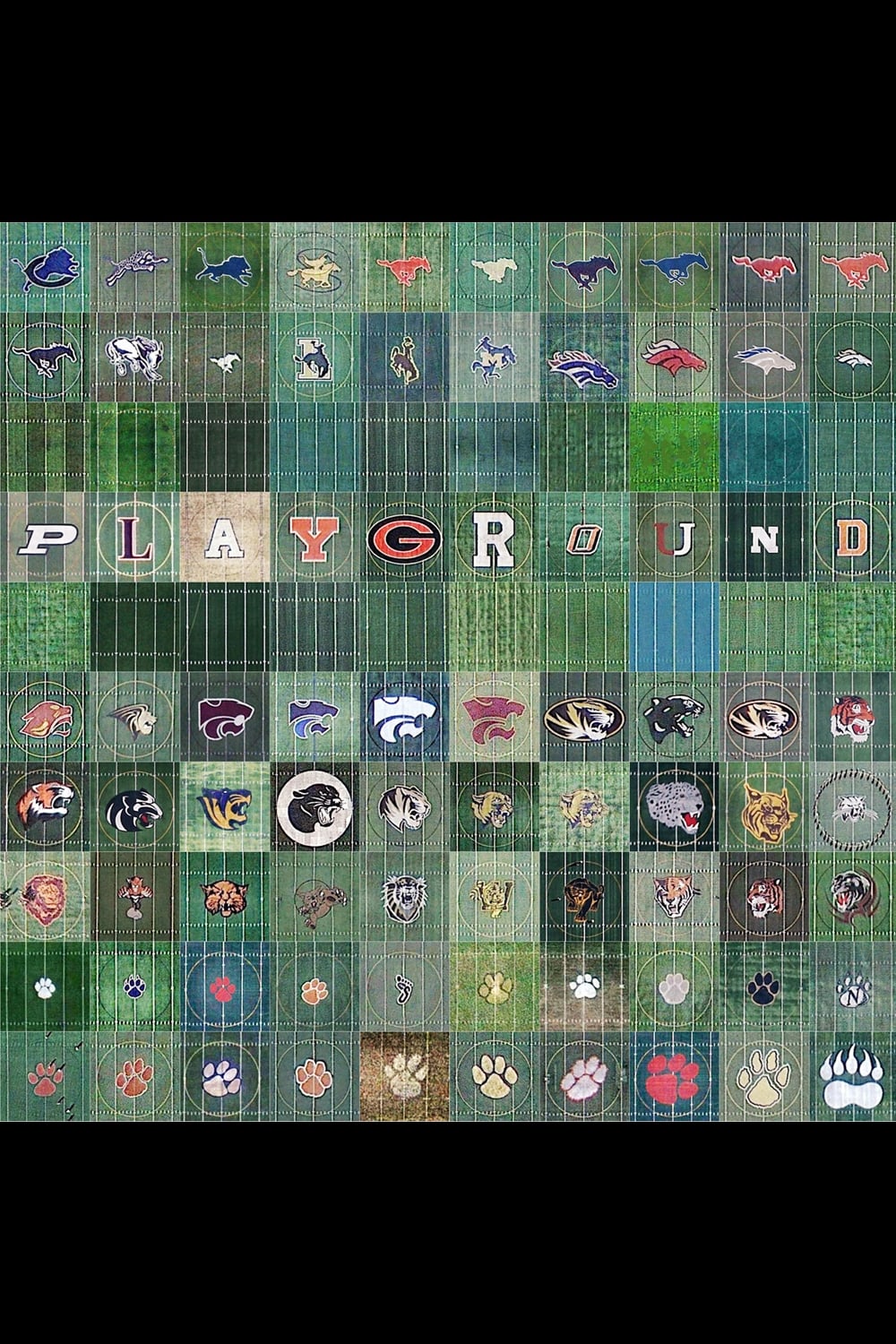
A battle between nature and culture, between organic rye-grass and artificial turf. American football is played on rectangular fields, 120 yards long and 160 feet wide. These dimensions defined the framework for this film. Made with images found in Google Earth. With music by Michel Banabila.
A visual montage portrait of our contemporary world dominated by globalized technology and violence.
The life and career of an actor, artist, and icon. His own journey through his own camera.
A documentary detailing the epic Rogues' Gallery of DC Comics from The Joker and Lex Luthor, Sinestro, Darkseid and more, this documentary will explore the Super Villains of DC Comics.
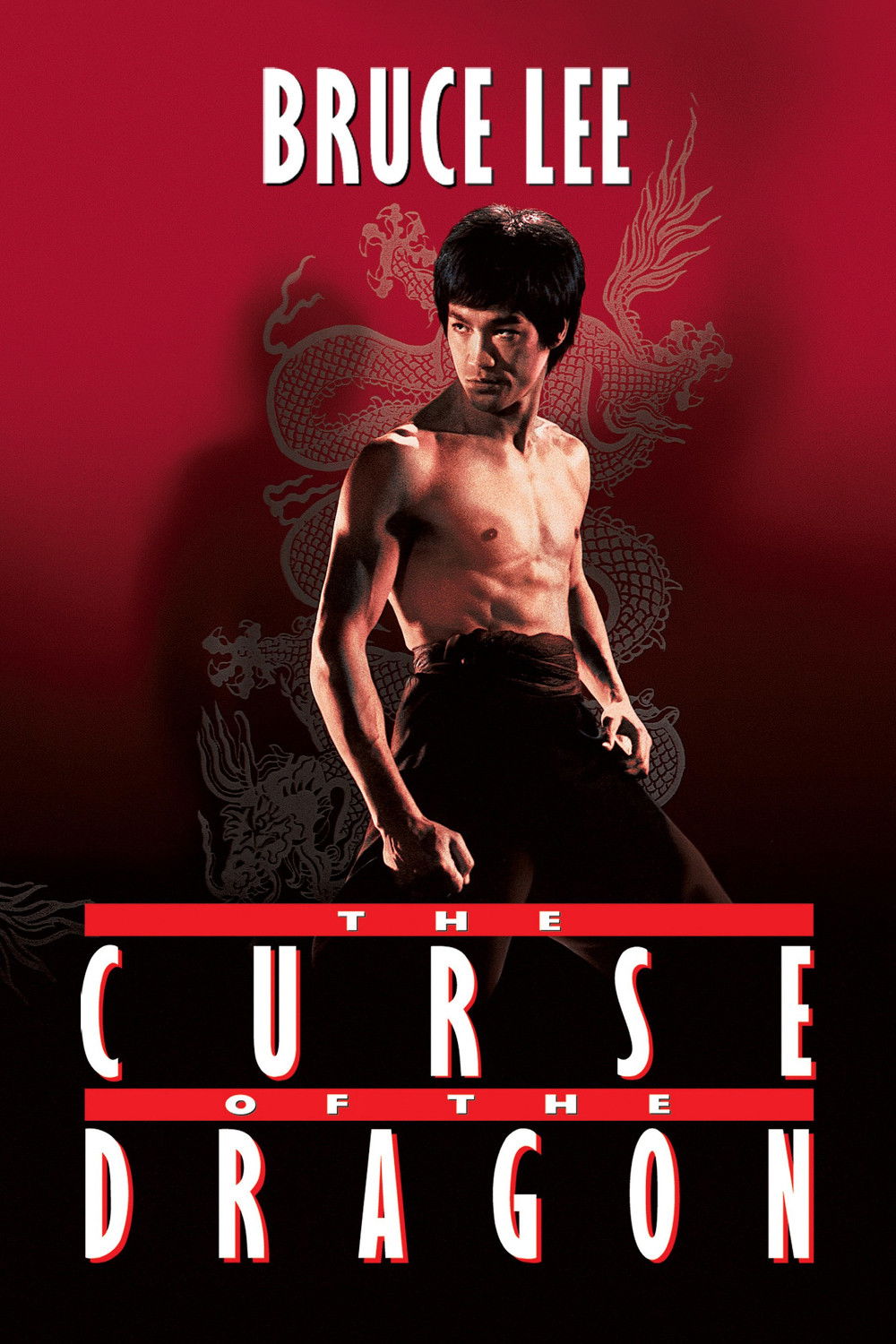
A 1993 documentary film about Bruce Lee. The film includes interviews from some of his fellow students and opponents who worked alongside him in his movies.
In an intimate and joyful story of love in the face of loss, celebrated poets Andrea Gibson and Megan Falley find strength—and unexpected hilarity—in what might be their final year together.
Artists in LA discover the work of forgotten Polish sculptor Stanislav Szukalski, a mad genius whose true story unfolds chapter by astounding chapter.
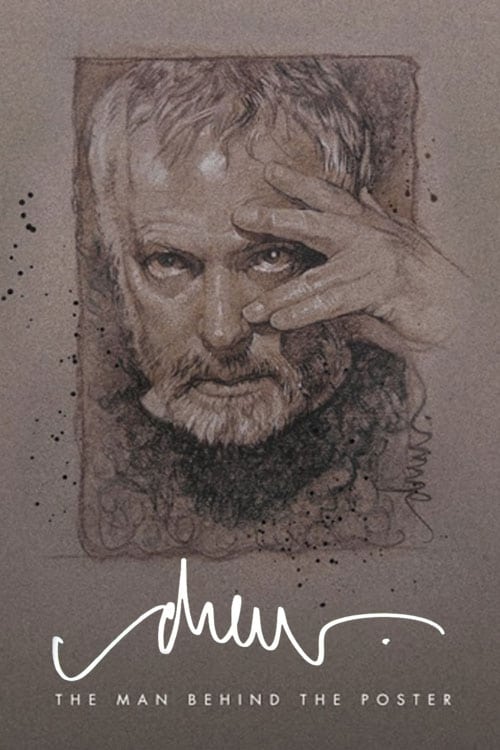
A documentary on legendary movie-poster artist Drew Struzan.
The life and career of one of comedy's most inimitable modern voices, Mr. Gilbert Gottfried.
The life of Mr. Spock, as well as that of Leonard Nimoy, the actor who played him for almost fifty years, written and directed by his son: Adam.
Through deeply personal interviews with her siblings and an examination of the photographs, letters, and belongings left behind, Mariska assembles a new portrait of her mother Jayne Mansfield, an extraordinary and complex woman.
NUDE explores perceptions of nudity in art by chronicling the creative process of photographer David Bellemere as he's commissioned by NU Muses founder Steve Shaw to shoot a fine art calendar of nude photographs.
An inside look at one of the most anticipated movie sequels ever with James Cameron and cast.
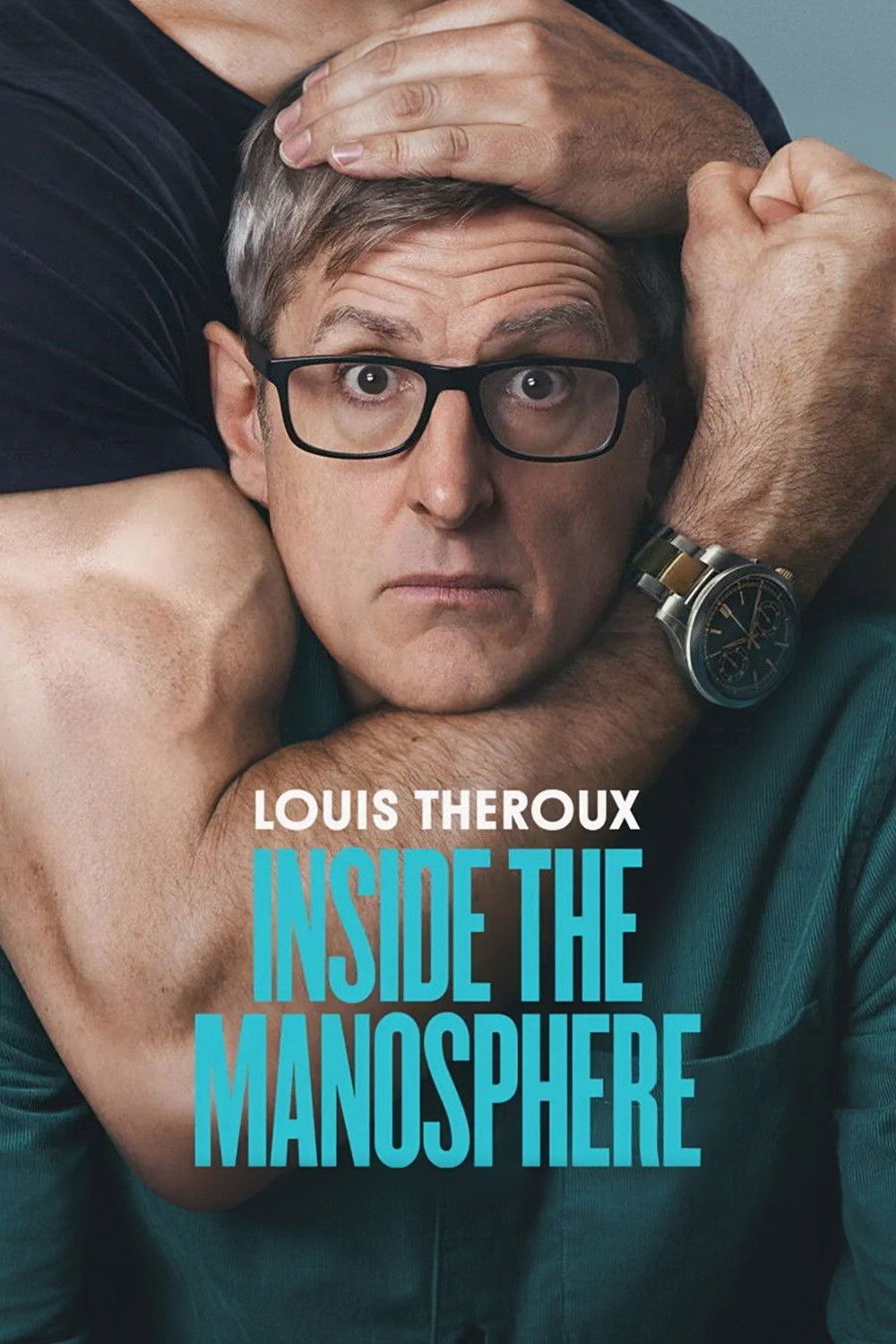
With rare access and no holds barred, the acclaimed documentarian investigates a growing ultra-masculine network and its controversial influencers.
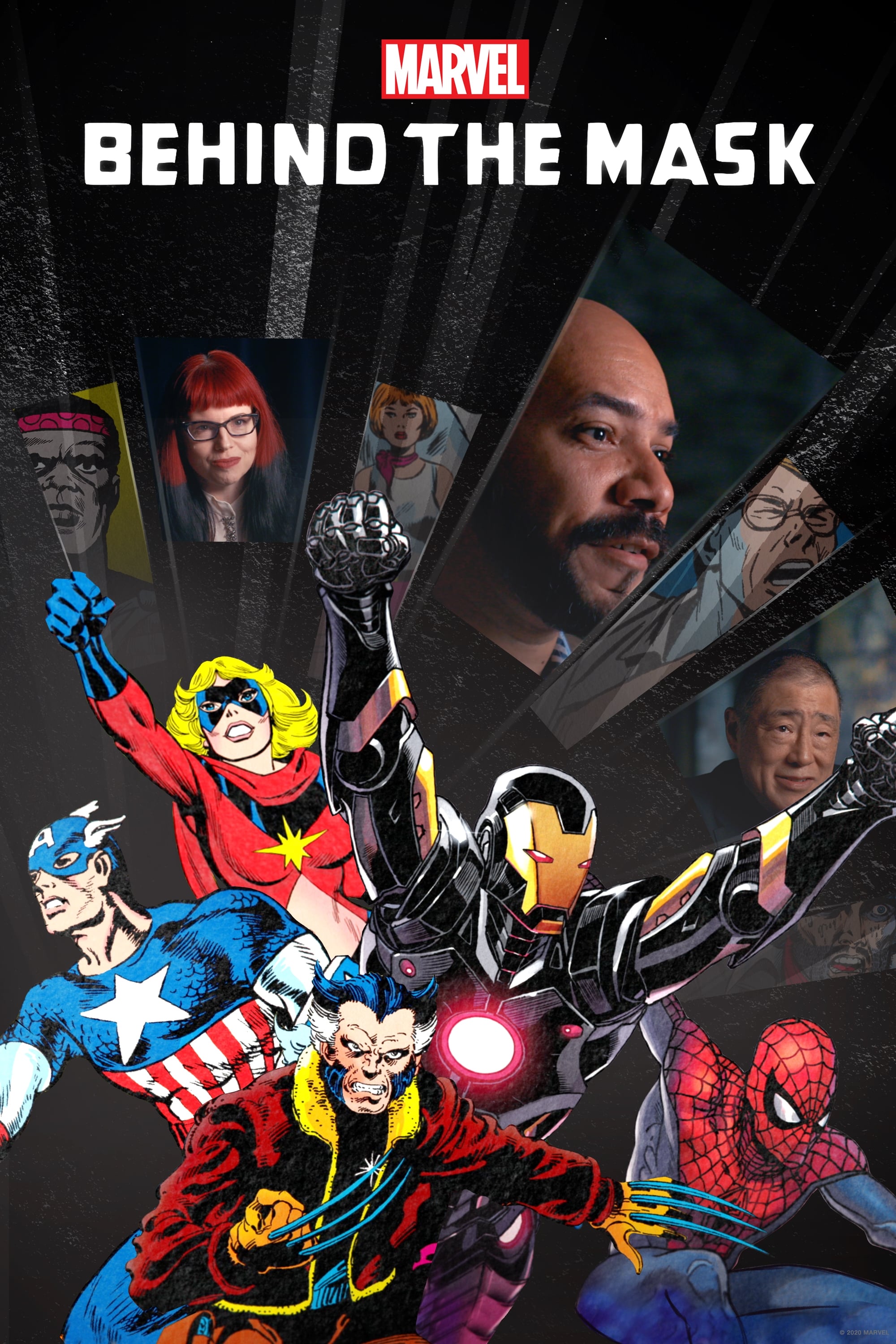
A documentary special that explores the power of identity behind the iconic superheroes we know and love today. These legendary Marvel creations and stories have not only reflected the world outside our window – they have become a reflection of our own identities and who we truly are.
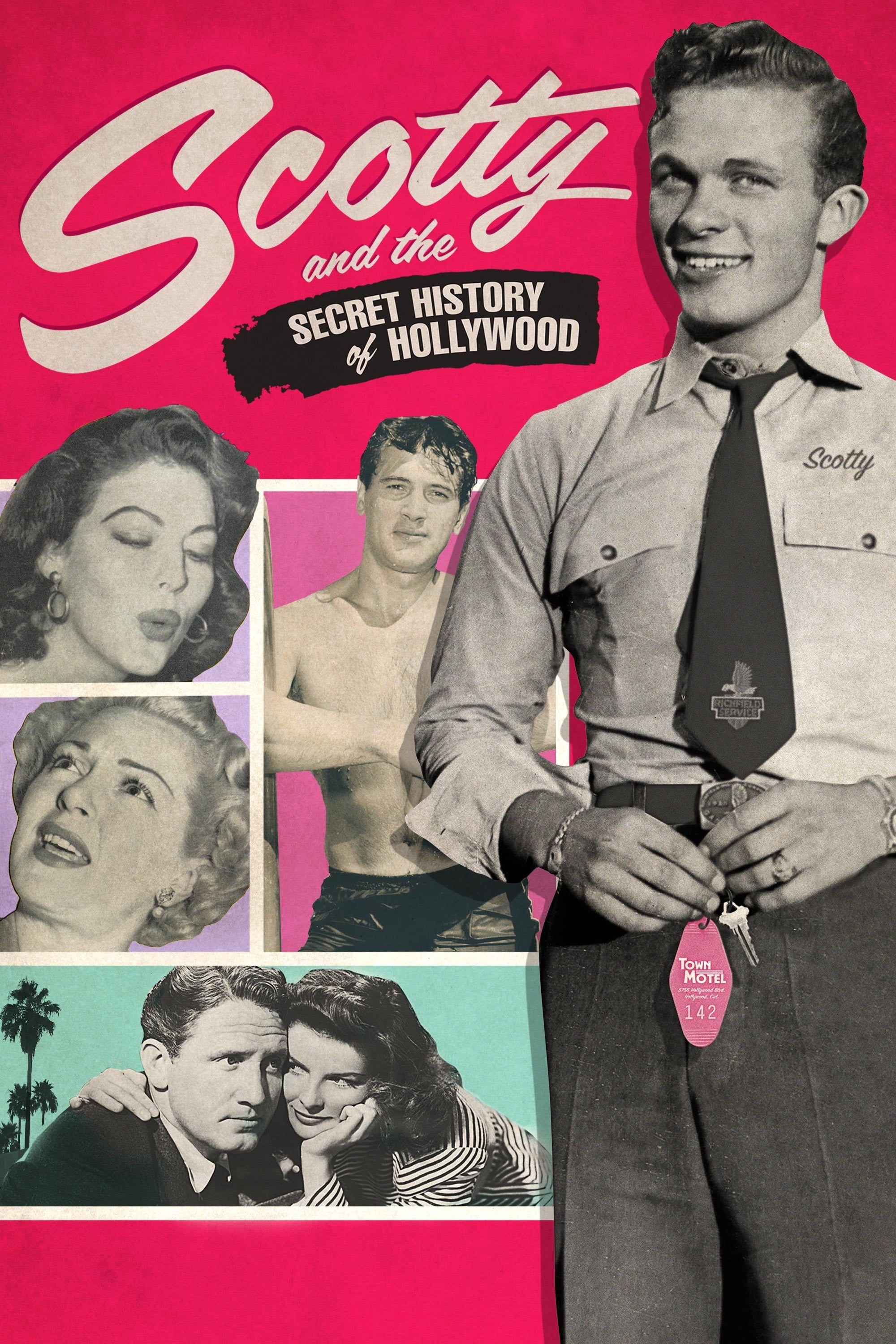
A deliciously scandalous portrait of unsung Hollywood legend Scotty Bowers, whose bestselling memoir chronicled his decades spent as sexual procurer to the stars.
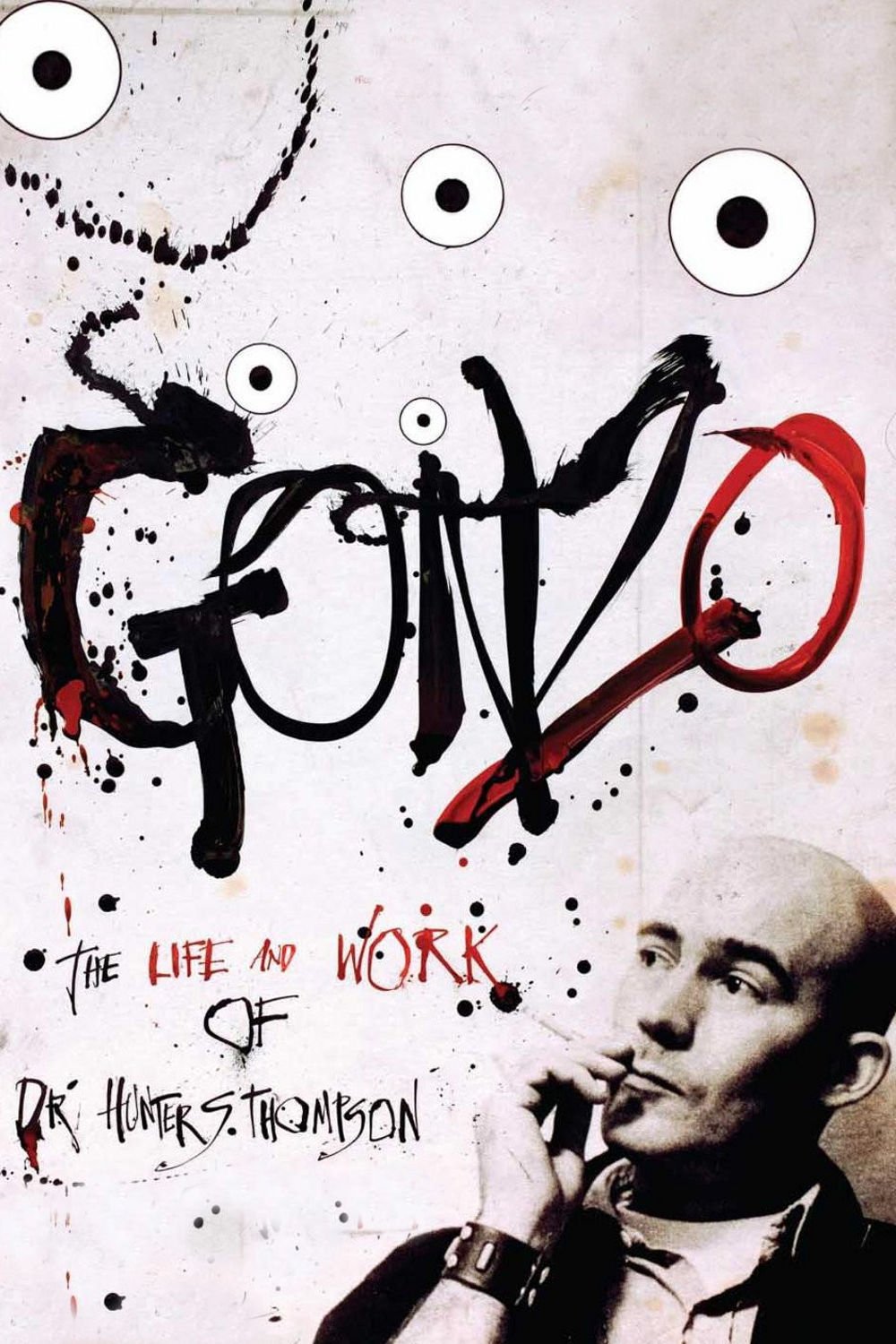
Fueled by a raging libido, Wild Turkey, and superhuman doses of drugs, Thompson was a true "free lance, " goring sacred cows with impunity, hilarity, and a steel-eyed conviction for writing wrongs. Focusing on the good doctor's heyday, 1965 to 1975, the film includes clips of never-before-seen (nor heard) home movies, audiotapes, and passages from unpublished manuscripts.
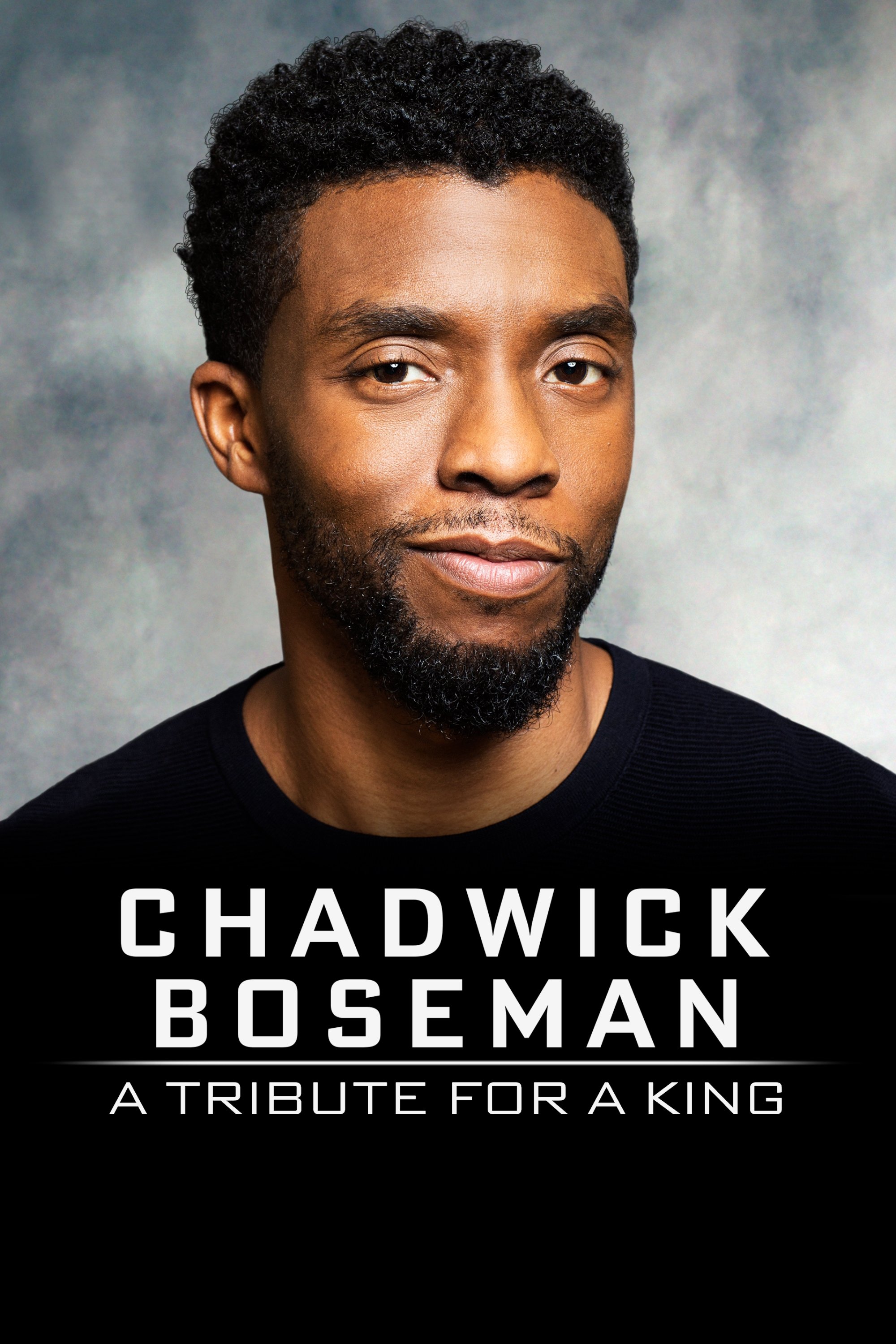
A tribute to Chadwick Boseman, celebrating his life and legacy.
A documentary on the expletive's origin, why it offends some people so deeply, and what can be gained from its use.
Alexander McQueen's rags-to-riches story is a modern-day fairy tale, laced with the gothic. Mirroring the savage beauty, boldness and vivacity of his design, this documentary is an intimate revelation of McQueen's own world, both tortured and inspired, which celebrates a radical and mesmerizing genius of profound influence.
The story of artist Lil Peep from his birth in Long Island and meteoric rise as a genre blending pop star & style icon, to his death due to an accidental opioid overdose in Arizona at just 21 years of age.