The biggest names in the country's film industry speak up about the evolution of Philippine films and how it has transformed today's industry.
Social & External
Self
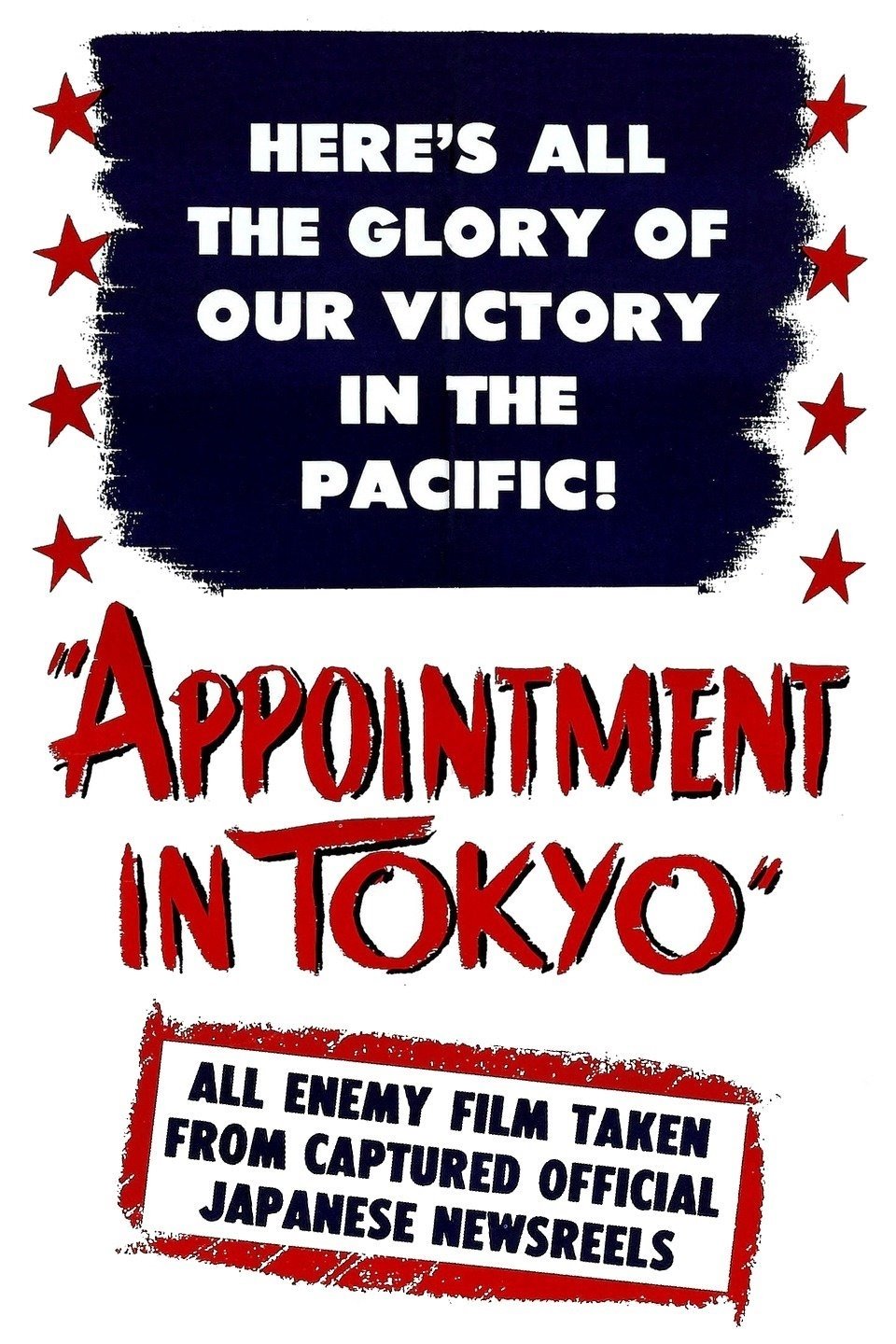
Produced by the Army Pictorial Service, Signal Corps, with the cooperation of the Army Air Forces and the United States Navy, and released by Warner Bros. for the War Activities Committee shortly after the surrender of Japan. Follow General Douglas MacArthur and his men from their exile from the Philippines in early 1942, through the signing of the instrument of surrender on the USS Missouri on September 1, 1945. Preserved by the Academy Film Archive in 2013.


A chronicle of the production problems — including bad weather, actors' health, war near the filming locations, and more — which plagued the filming of Apocalypse Now, increasing costs and nearly destroying the life and career of Francis Ford Coppola.
"Bagong Buhay" is a short experimental film that dispels the common belief that packing up and moving to a new place will magically improve one's quality of life. The film challenges this presumption by portraying two contrasting ways of life through objects and locations, encouraging viewers to think critically about the complexities of what makes a better life. In the Philippines, it's believed that relocating to a new area will bring about positive changes in one's existence. True satisfaction is a complex and multifaceted notion, and "Bagong Buhay" encourages us to ponder that relocating to a new place is not a surefire way to attain it.

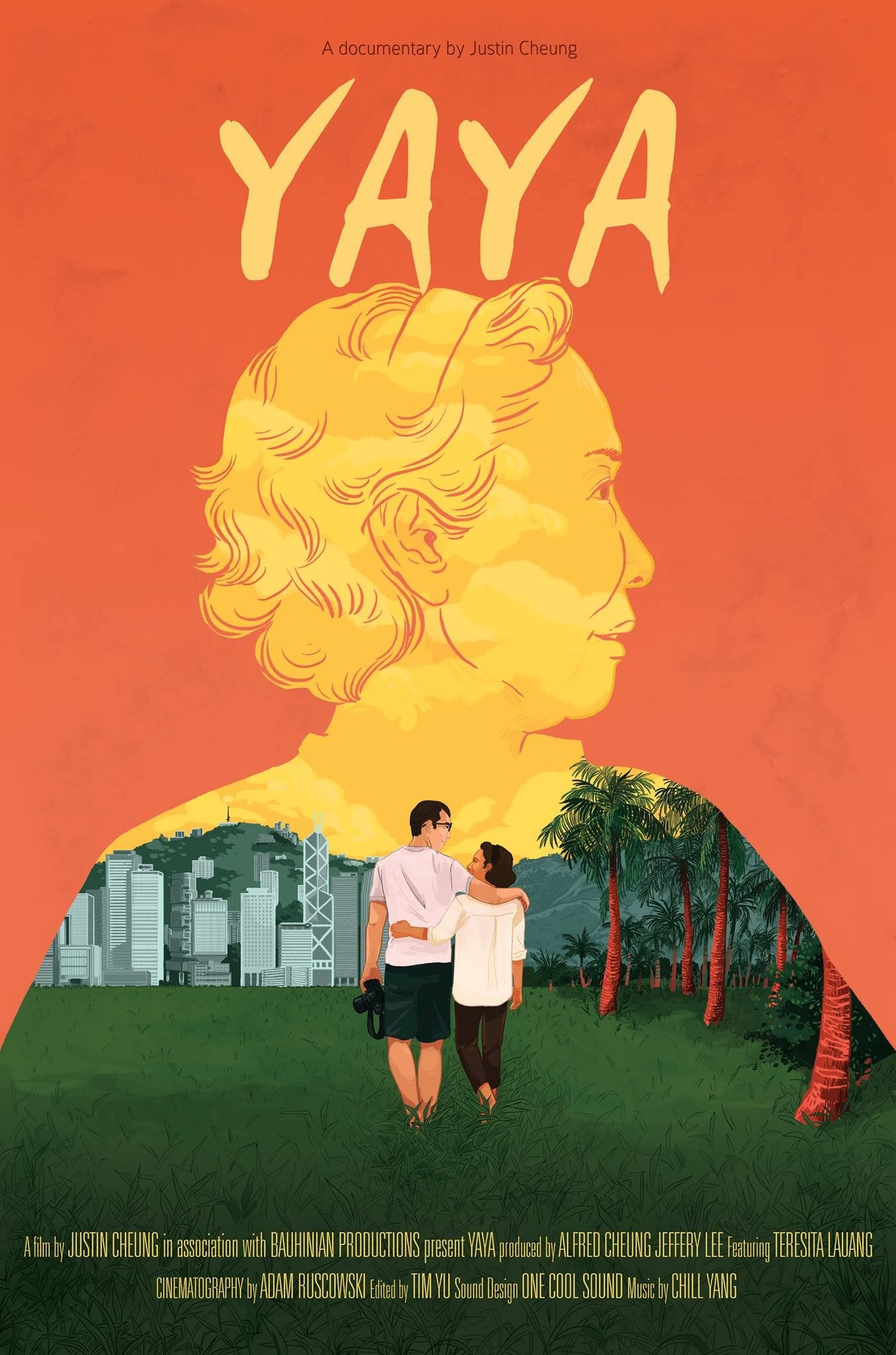
YAYA is a story about a filmmaker who explores the complex relationship between his family and the domestic worker who spent decades away from her family in the Philippines to raise his. This documentary is a tribute to all the domestic workers in Hong Kong, who has served as the backbone of Hong Kong's economy by unleashing a substantial female workforce into the economy and taken care of so many lives with love and care. You are all heroes in the hearts of the Hong Kong people. - Justin Cheung, the director
In the final decades of the 20th century, the Philippines was a country where low-budget exploitation-film producers were free to make nearly any kind of movie they wanted, any way they pleased. It was a country with extremely lax labor regulations and a very permissive attitude towards cultural expression. As a result, it became a hotbed for the production of cheapie movies. Their history and the genre itself are detailed in this breezy, nostalgic documentary.
Two Filipina victims of sexual abuse search the truth behind the finding of a renowned anthropologist: that merely a few generations ago, the Bontok Igorot lived in what seems an unthinkable utopia—a rape-less society.
Filmed in a village of the indigenous Mandaya people, located in a mountainous area of southeastern Mindanao, the country's second largest island, the documentary portrays the struggle of the Communist Party of the Philippines and its armed wing, the New People's Army, for the rights of indigenous Filipino peoples and the environment, which are constantly under threat from landowners, large logging companies and agribusiness.
The Philippines is visited by an average of 20~28 strong typhoons and storms every year. It is the most storm-battered country in the world. Last year, Typhoon Yolanda (Haiyan), considered the strongest storm in history, struck the Philipines, leaving in its path apocalyptic devastation.
Before 2NE1 achieved global success, Sandara was already a superstar in the Philippines.
When Jennifer Laude, a Filipina trans woman, is brutally murdered by a U.S. Marine, three women intimately invested in the case--an activist attorney, a transgender journalist and Jennifer's mother)--galvanize a political uprising, pursuing justice and taking on hardened histories of US imperialism.
A musical docudrama about the brave and outstanding Women of Malolos to whom Jose Rizal addressed his famous letter in Feb 22, 1898.
This documentary paints the life of former Philippine President Ramon Magsaysay (1953-1957), from being a simple mechanic, a wartime guerilla leader, and as president of the Philippines, leading up to his death in a plane crash in Mount Manunggal, Cebu.
Ed Gerlock, Romeo Mariano, and DJ De Guzman shares their experience in documenting a range of events in the decades of media censorship.
A travelogue documentary about the Agusan Marsh Wildlife Sanctuary
Ever wanted to go on a backpacking adventure around the Philippines? Me and my mate James are heading to the Philippines to travel for 3 weeks, but does it live up to the hype?
Before he became one of the world's greatest boxers, Emmanuel "Manny" Pacquiao was a young boy living a hand-to-mouth existence, trying to survive from one day to the next. When he discovers his natural talent for boxing, he embarks on a brutal and intense journey that takes him from the mountains of the Philippines to the streets of Manila, and must risk everything to become a champion - for himself, his family, and his country.
A brief account of the Spanish-American War (1898) and the end of the Spanish Empire in the Caribbean Sea and the Pacific Ocean.
The documentary serves as a tribute to National Artist for Cinema Gerardo de Leon in celebration of his Centennial Year. “Salamat sa Alaala.” is inspired by the music composed by the late film director when he was a teenager playing background music for silent movies in Manila theatres. The video opens up with a capsulated history of the birth of the Filipino movies followed by a series of shots of veteran actresses, the academe and the young generation of filmmakers affirming his unique qualities as a world-class film figure. Then we unravel his private life as a family man. The documentary is one way of thanking him for his lasting legacy in the art form he left behind.
The Philippine Basketball Association is producing: THE PBA: A NATION’s PASSION. For the first time in the history the PBA gathers the men and women who have shaped the landscape of professional basketball in the Philippines.
Sampaloc Lake - the most prominent of the seven lakes of San Pablo City has provided shelter, employment and inspiration to its immediate community for countless decades. In return, the natural resource suffered from indiscriminate use of the residents themselves and the consequences of rapid urbanization. Recently, the local government have implemented a clearing of all residential structures within the legal easement of the dying lake to pave the way for a tourism master plan that endeavors to balance revenue and environmental protection. In the eve of the clearing operations, film maker Dennis Empalmado documented the final musings of the residents, advocates, and artists whose lives revolved around the 99 hectare crater lake.