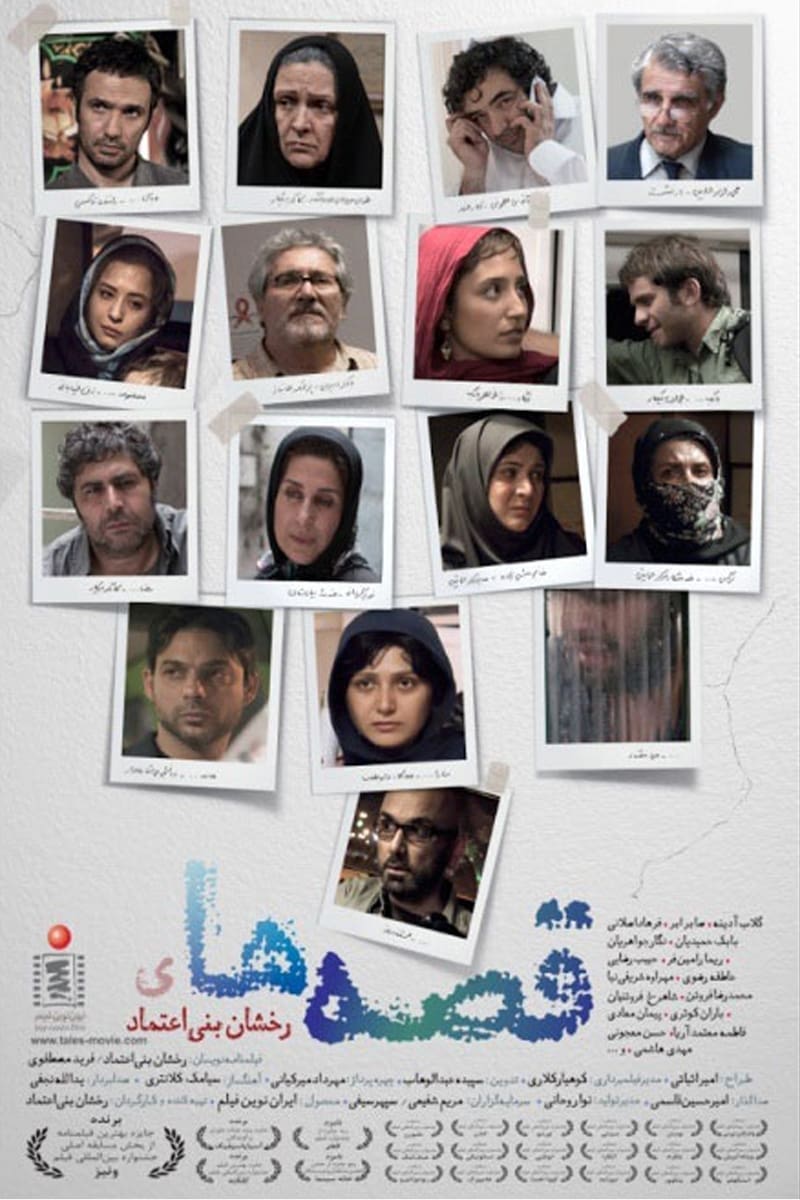
Hundred to one hundred (Persian: صدبرابرصد) is a 1995 Iranian film written and directed by Hossein Shahabi (Persian: حسین شهابی)
Social & External
Morovvati
Nobakht
Rahimi
Vakil
Aslani
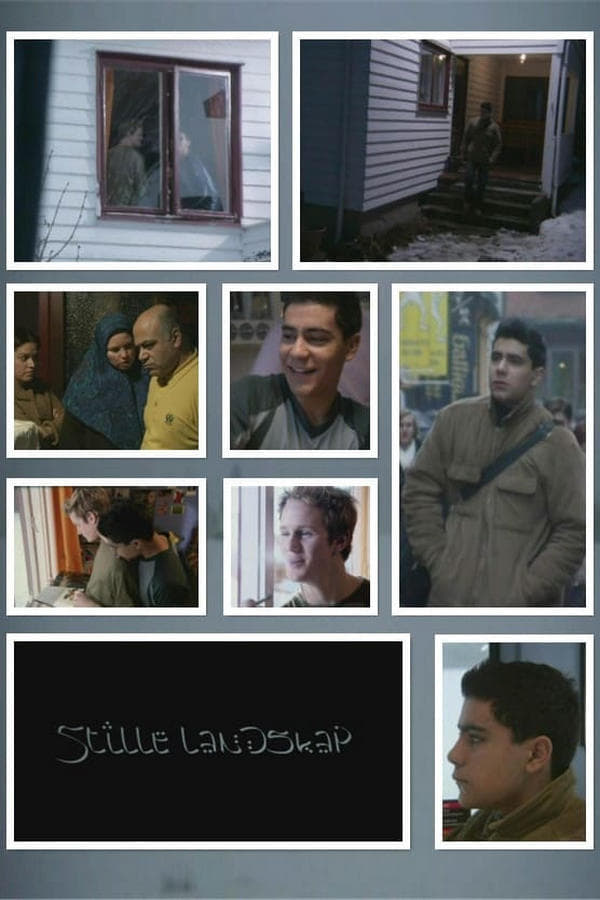
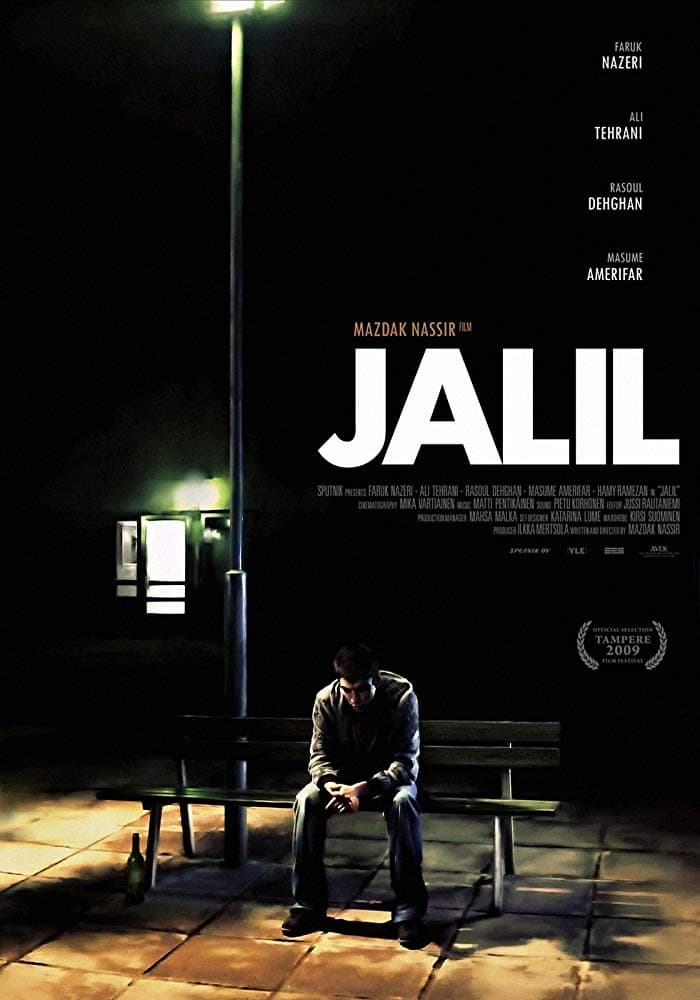
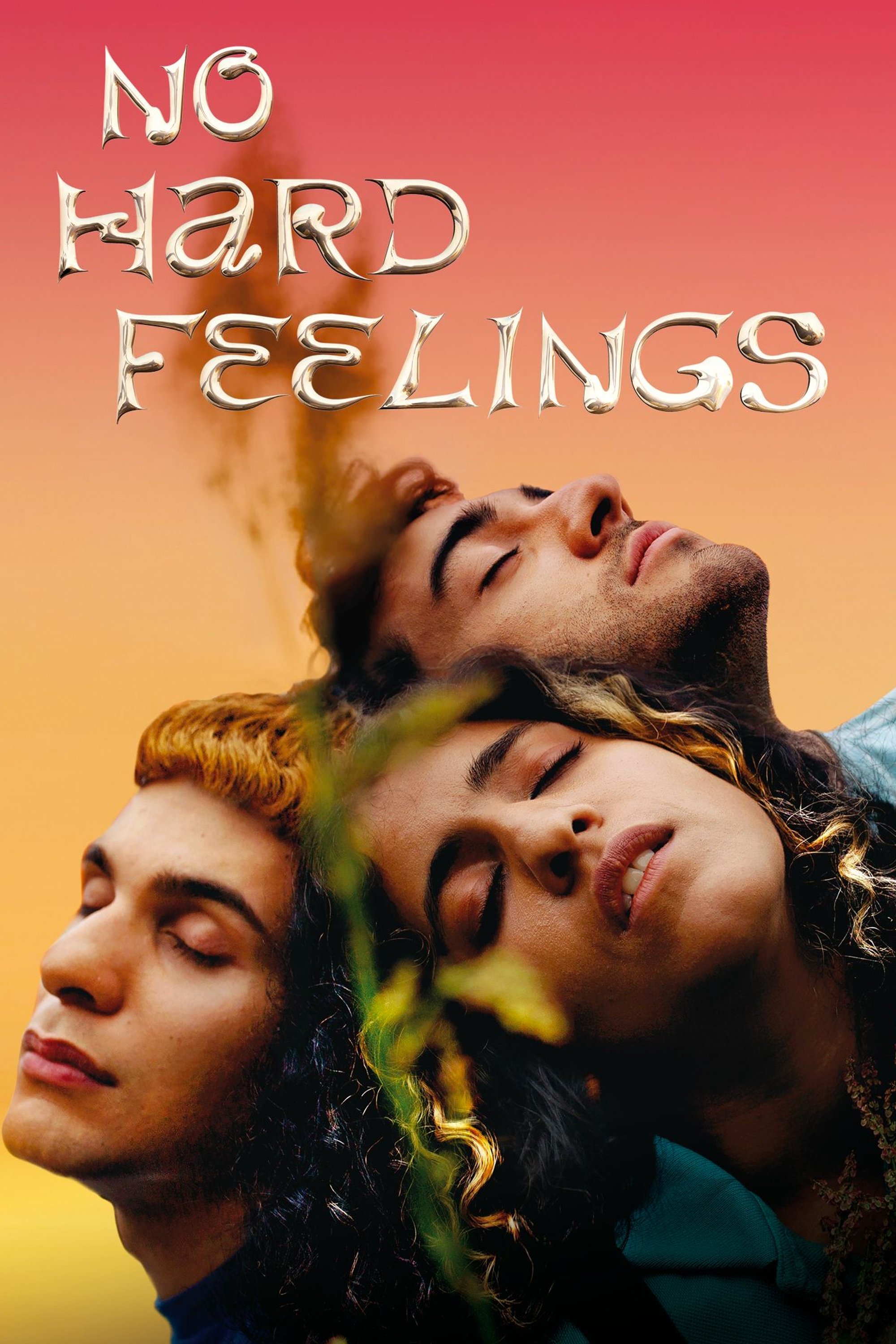
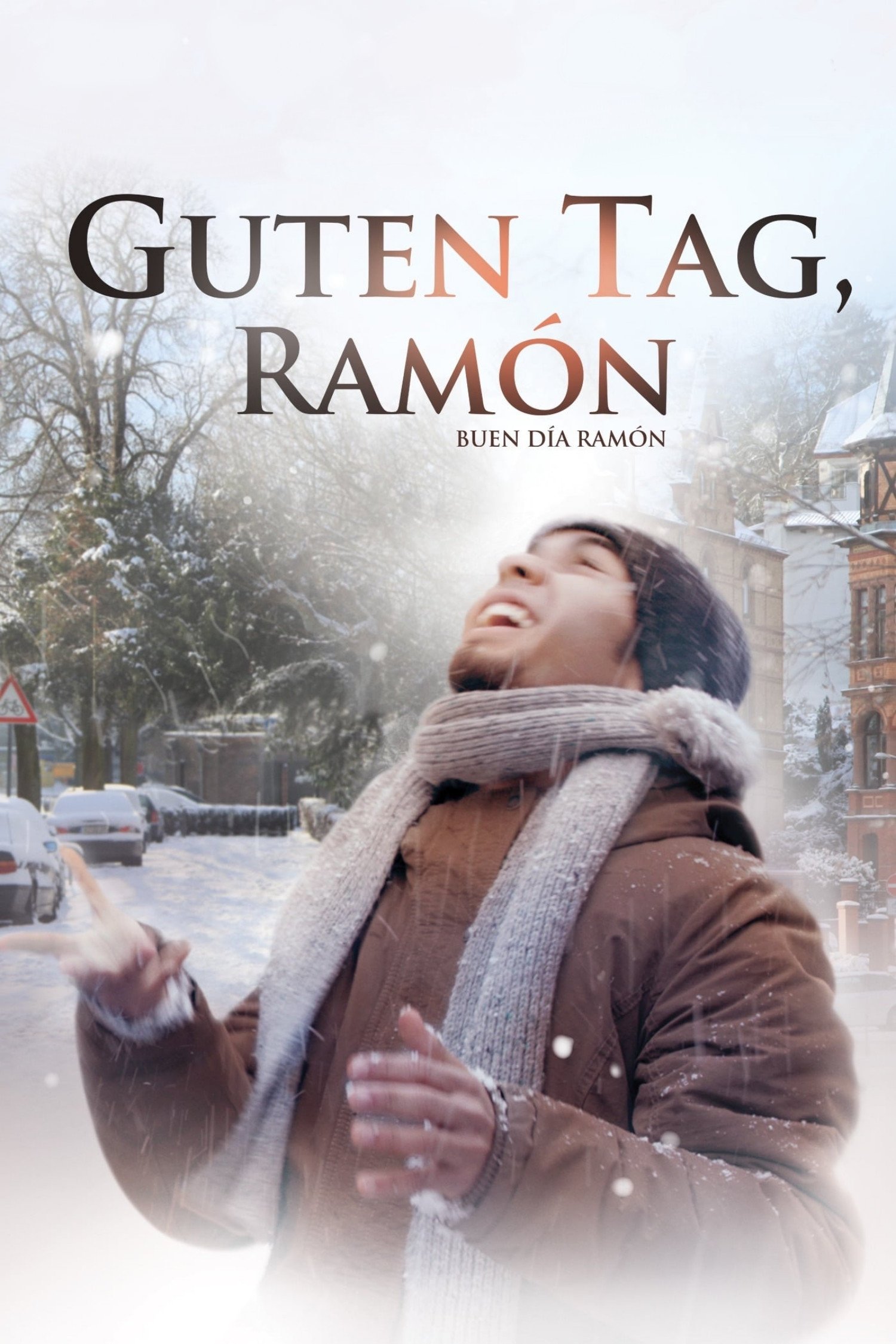
Bahman, Mahtab, Ramin and Donya Mehdipour are enjoying a perfect summer in a small Finnish town. Their routines are fractured by a negative decision on their application for asylum by the Finnish Immigration Service. But life must go on and the 13-year-old Ramin is about to enter an entirely new school, junior high. The Mehdipours use their last chance to appeal but continue their everyday lives, fuelled by their exceptionally positive outlook and attitude.
For forty years, Esfandiar has been unconcernedly preparing corpses for the journey to their final resting place. One day, whilst preparing a burial service, he's taken ill. Might he too be mortal?
Grief is an inheritance. Perhaps the sorrow you feel today once belonged to a woman who, a thousand years ago, watched a mountain of books burn in the fire of an invasion.
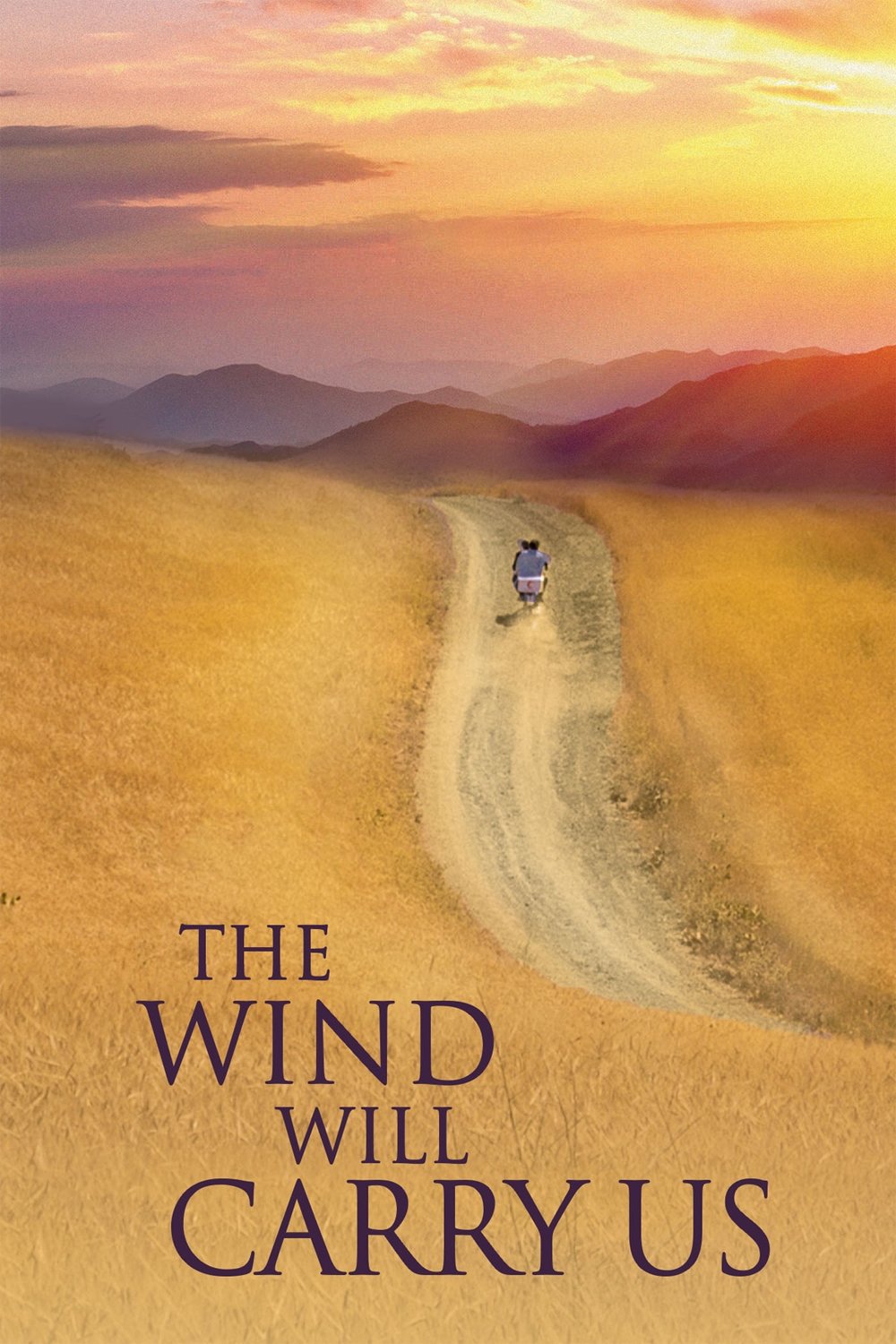
Irreverent city engineer Behzad comes to a rural Kurdish village in Iran to keep vigil for a dying relative. In the meanwhile the film follows his efforts to fit in with the local community and how he changes his own attitudes as a result.
A political allegory on four middle-class guys who pile into their car for a ski weekend. A brief stop at a picturesque vista leads to their chance discovery of a prominent rock formation it seems would be oh so easy to tip over, but...
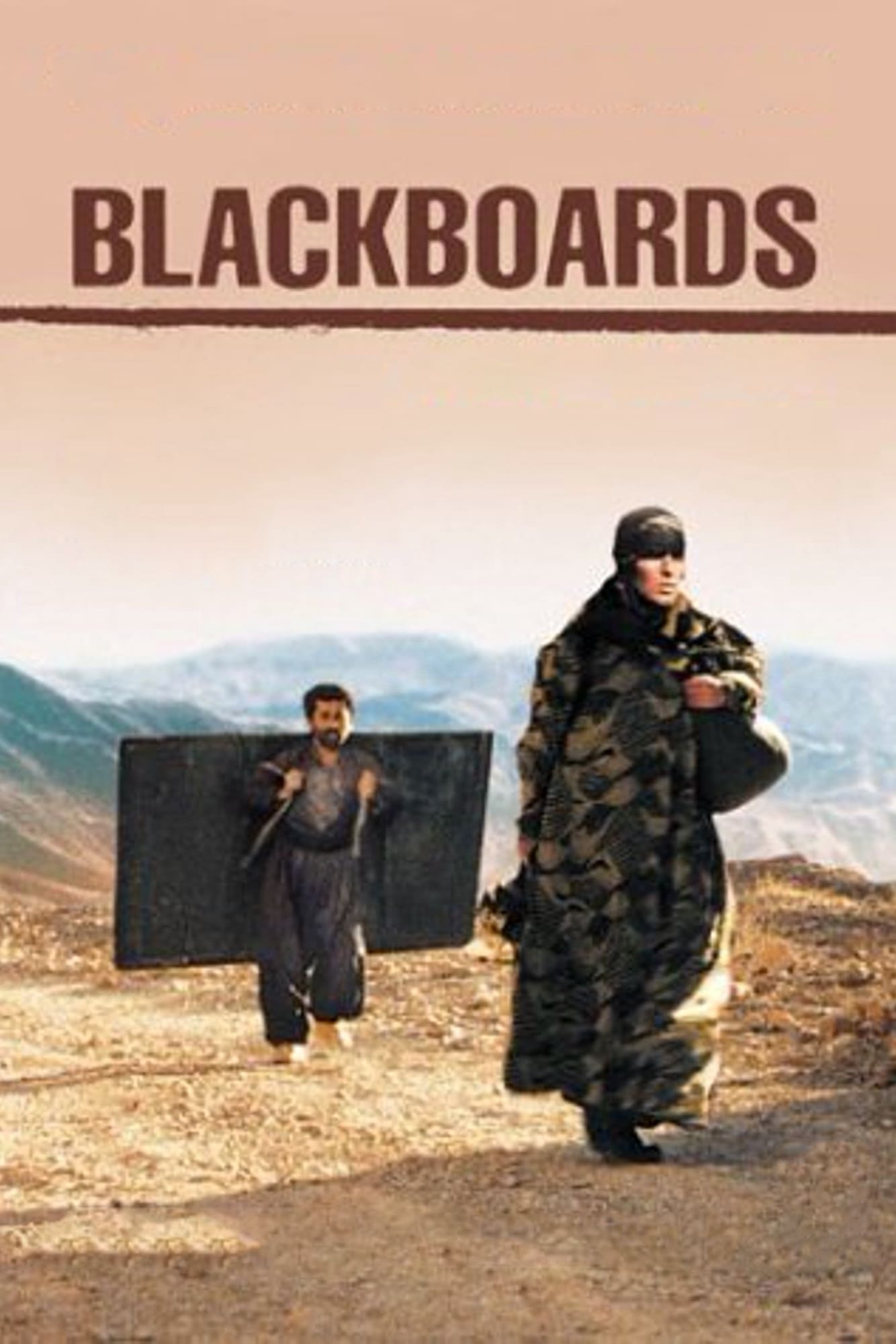
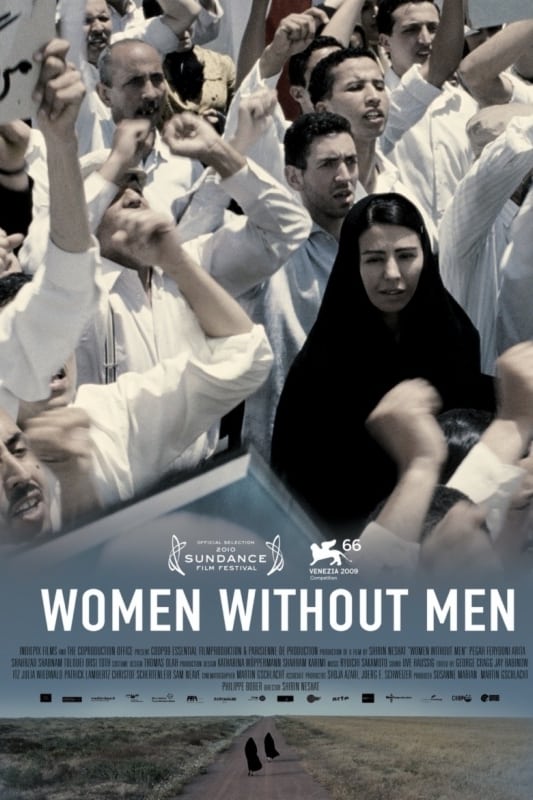
On a pilgrimage to Mashad from Tehran, a couple's transportation breaks down, far from any major town. The husband, a photographer, seeks help at a nearby village and encounters a teacher who offers to help. Whilst the husband and teacher go off to find a spare part, the wife, who used to be a teacher, takes over the teaching lessons in the village. It is clear that the children live there, in this strange deserted place, without any men, save the teacher and an old signal guard. As the day draws on, the children help to bring a new hope and life into the wife's heart.
Rouhi, a young bride-to-be, is hired as a maid for an affluent family in Tehran. Upon arriving, she is suddenly thrust into an explosive domestic conflict. The wife is convinced her husband is having an affair and enlists Rouhi as a spy, to follow her husband, and confirm her suspicions. What Rouhi discovers, however, threatens not only their marriage but her own future.
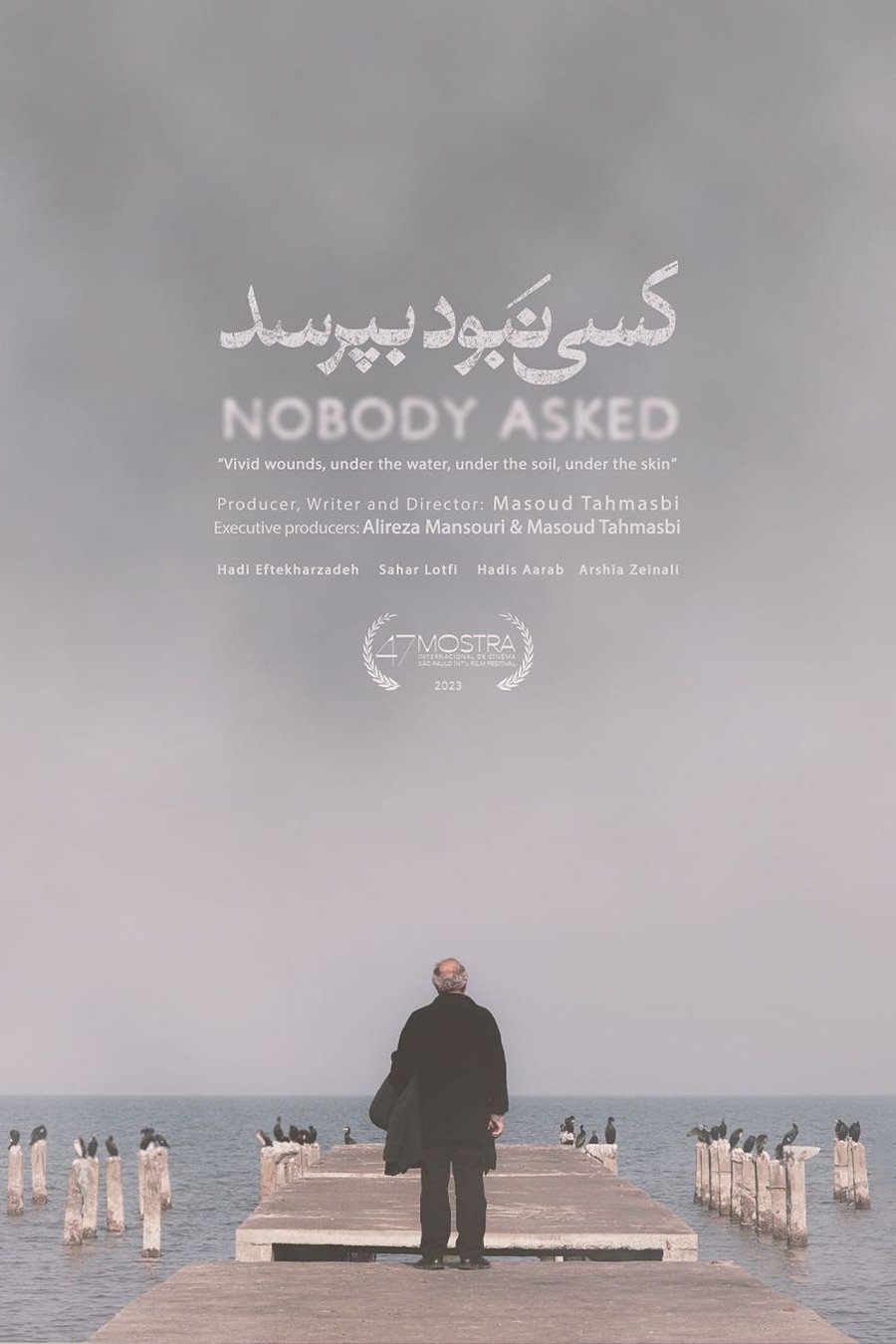
Youssef, a blind university professor, is suddenly diagnosed with a fatal disease and must undergo treatment in France. Back home, will he find the life he had before?
Olfat is raising her children in hardship. She has one daughter and one son called Yonos who works in Kerman copper mine. One day, she finds a note at home with this massage "My friends and I are going to enter the war as soldiers". After reading this note, Olfat and his friend's parents got worried about their sons. When operation Valfajr failed, they received news about Yonos's friend. Olfat is waiting for her son too. As she finds out that the Iraqi radio announces the Iranian captives' names, she ties a radio on her back and carries it everywhere.
A hacker group empty a bank account of a big strong person. The story goes on and now they must pay for that.
Makhmalbaf puts an advertisement in the papers calling for an open casting for his next movie. However when hundreds of people show up, he decides to make a movie about the casting and the screen tests of the would-be actors.
An old villager deeply in love with his cow goes to the capital for a while. While he's there, the cow dies and now the villagers are afraid of his possible reaction to it when he returns.
Against the tumultuous backdrop of Iran's 1953 CIA-backed coup d'état, the destinies of four women converge in a beautiful orchard garden, where they find independence, solace and companionship.
This social Iranian drama, directed by Flora Sam, centers on an old man named Yousef who resides in Kashan. He lives with his daughter, Samira, and his young grandson, Amir Ali. The main conflict arises when Yousef faces the difficult situation of being forced to leave his home. Despite the pressure and the necessity of the move, Yousef is deeply attached to his current house and strongly resists the idea of leaving at all. The film explores the emotional turmoil and challenges faced by the old man and his family as they deal with this impending displacement.
An official is sent from his home in Tehran to hear the final appeal of a woman sentenced to death, a political prisoner. The official's wife of nearly 20 years, Fereshteh Samimi, writes him a letter to read when he reaches the hotel - the story of her student days during the revolution of 1978. We see the story in flashbacks as he reads: she leaves her province on scholarship, joins a Communist youth group, avoids arrest, and comes under the sway of a suave older man, Roozbeh Javid, a literary-magazine editor. As she tells her husband about the hidden half of her life, Fereshteh asks that he listen to the woman facing execution, a woman and therefore one of Iran's hidden half.
A young couple have problems in their marriage.
Nahal is around thirty and in her fourth month of pregnancy. During a routine check-up she learns that her baby has died and she now faces a curettage abortion in two days’ time. When she tries to address the subject, neither her mother nor her husband give her a chance to speak.
As Raman prepares to migrate out of Iran, his friends plot the perfect way to celebrate his impending departure. However, their path is plagued with conflict; an unresolved argument over the accidental death of a friend and a conservative elder brother who looks upon their lives with disdain, further resolves to stop the celebration.
A yellow cab is driving through the vibrant and colourful streets of Tehran. Very diverse passengers enter the taxi, each candidly expressing their views while being interviewed by the driver who is no one else but the director Jafar Panahi himself. His camera placed on the dashboard of his mobile film studio captures the spirit of Iranian society through this comedic and dramatic drive…
Forough is a middle aged woman whose husband has temporarily married with another woman. Even though that was kept secret from her, but his action is considered legal in Iran. Now the husband is in prison, due to not being able to pay second wife’s “Mehrieh” (the bride’s marriage portion).The second wife intends to receive her Mehrieh by asking the court’s permission to sell his house. Forough, the first wife, in order to not lose her home, intends to sell all she has to pay for her husband’s debt and release him from the jail.
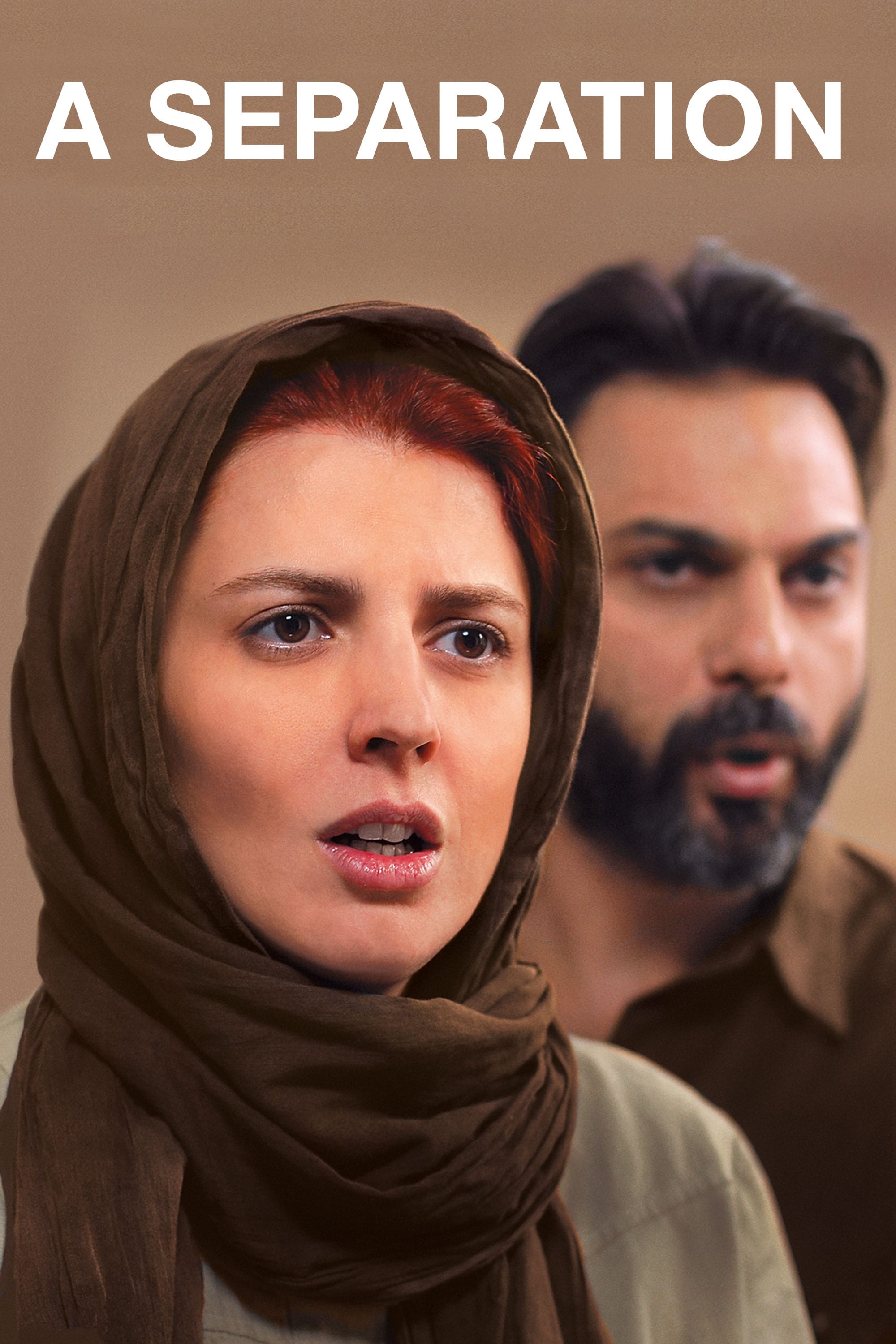
A married couple are faced with a difficult decision - to improve the life of their child by moving to another country or to stay in Iran and look after a deteriorating parent who has Alzheimer's disease.
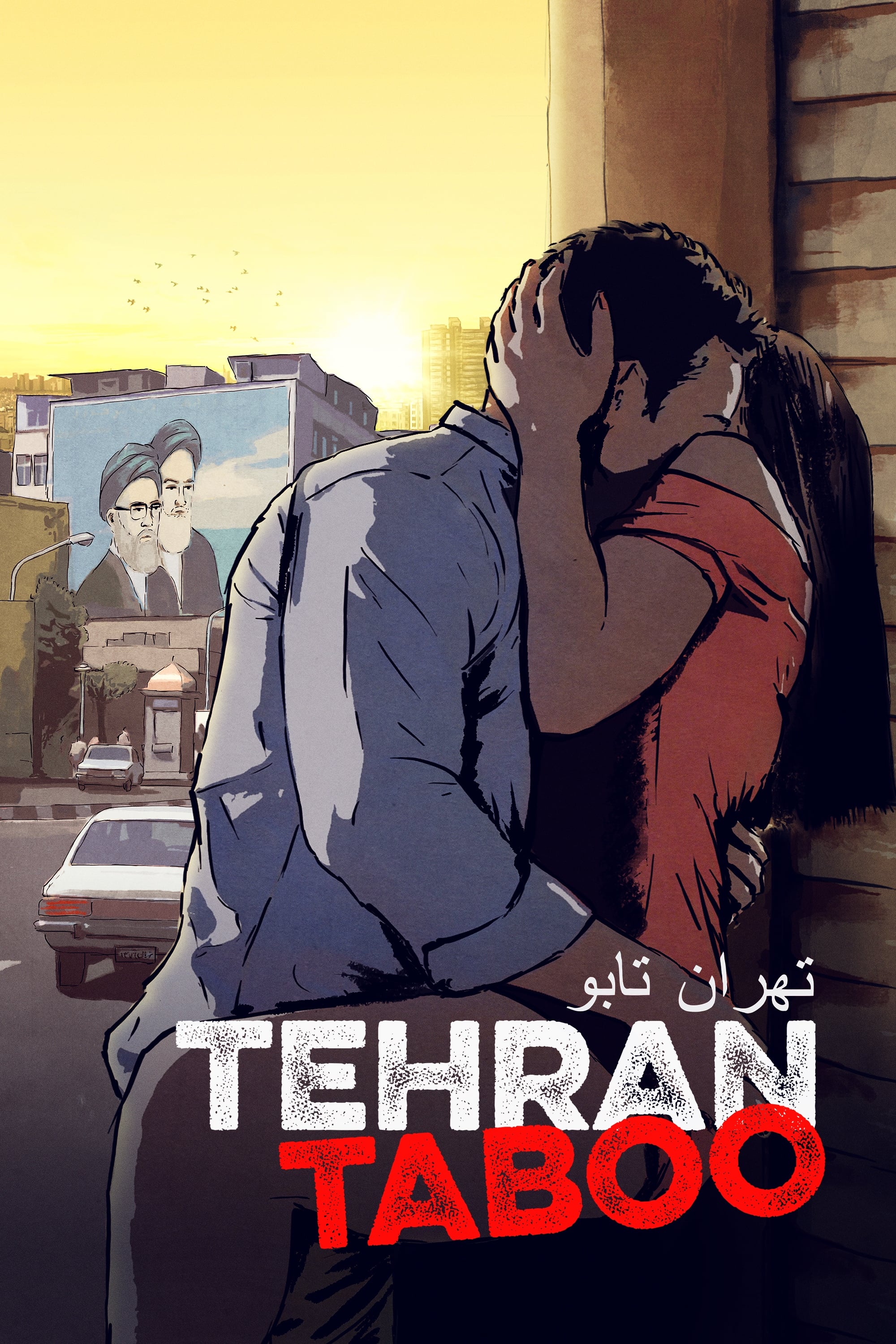
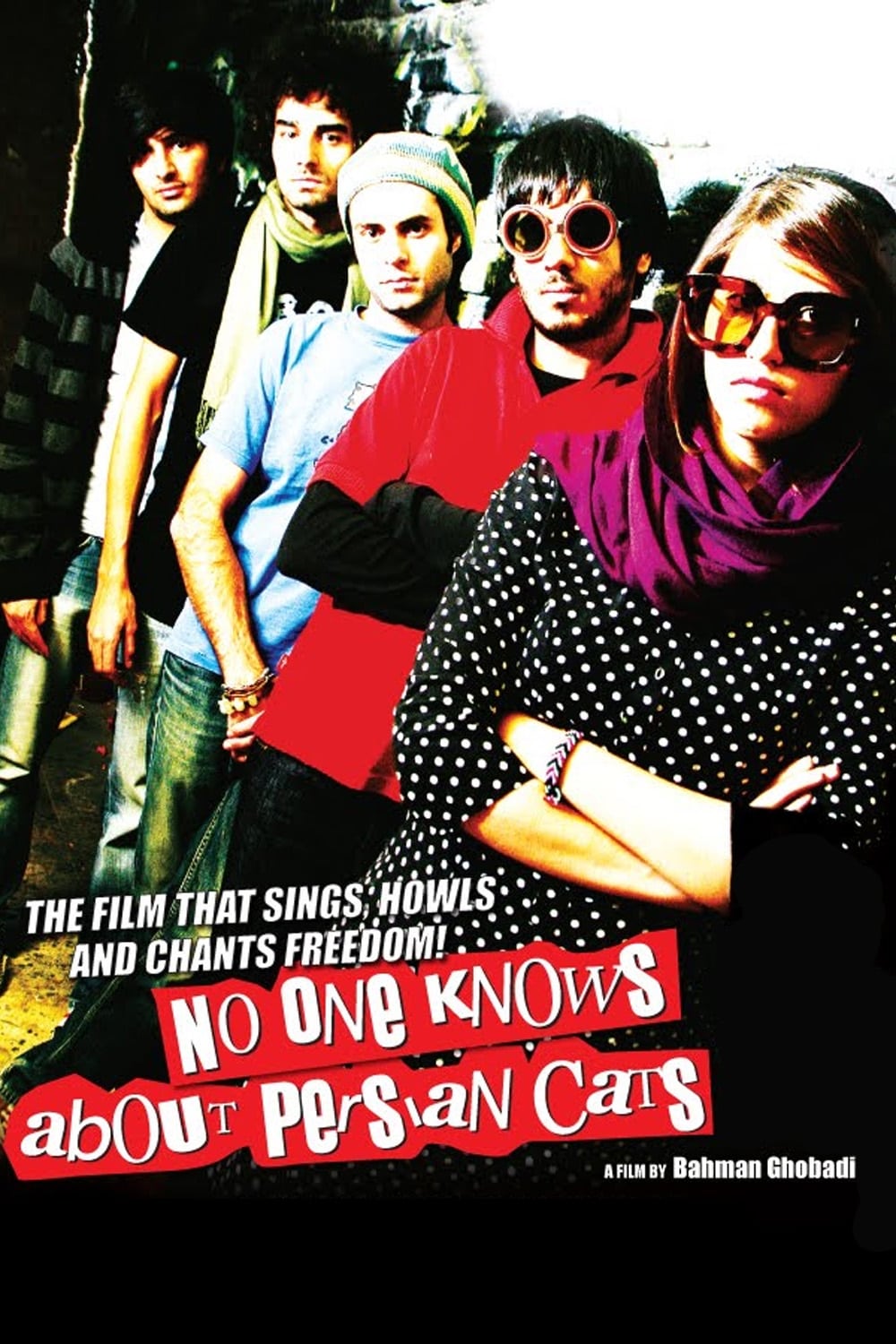
The lives of three strong-willed women and a young musician cross paths in Tehran’s schizophrenic society where sex, adultery, corruption, prostitution and drugs coexist with strict religious law. In this bustling modern metropolis, avoiding prohibition has become an everyday sport and breaking taboos can be a means of personal emancipation.
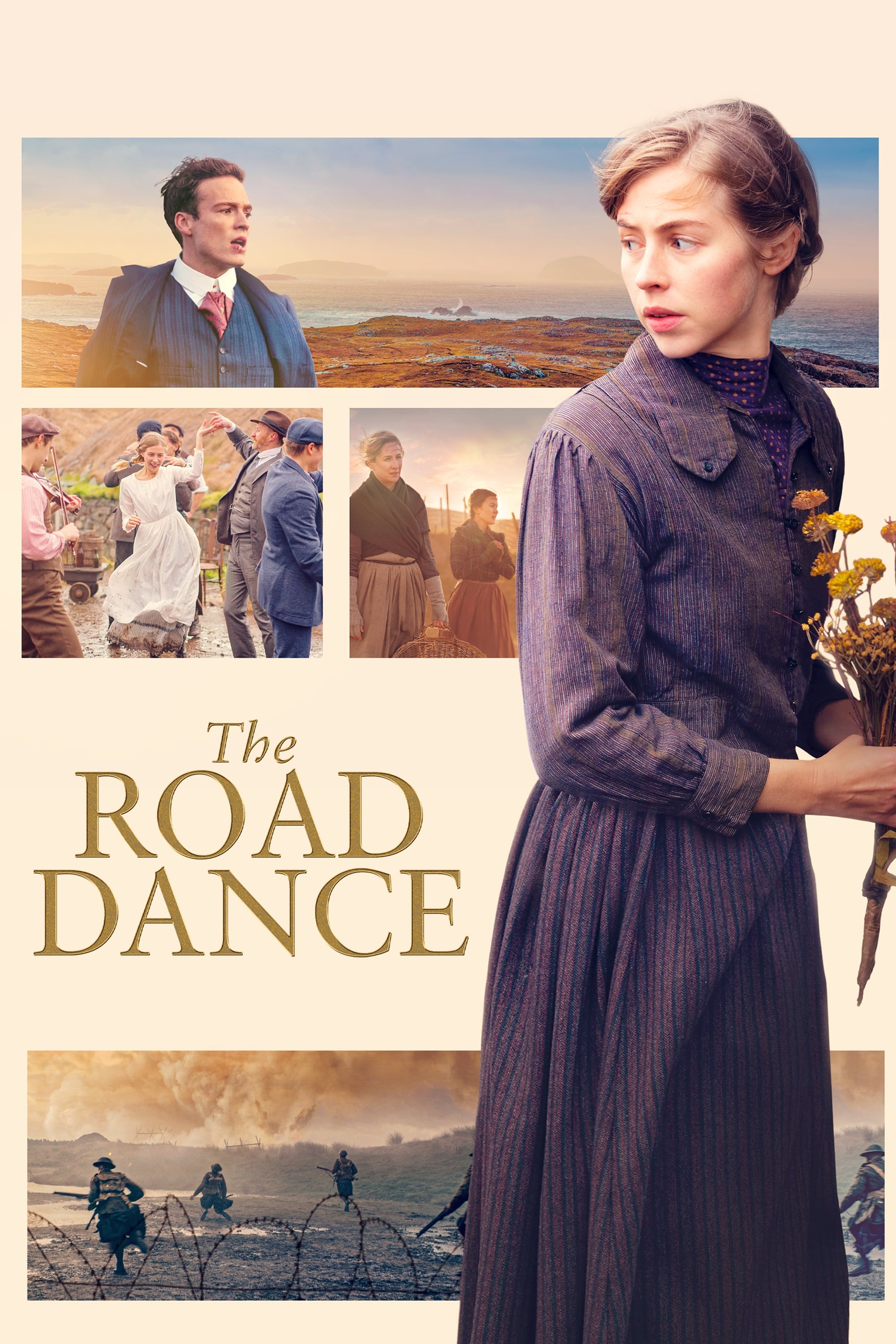
A young girl lives in the Outer Hebrides in a small village in the years just before WWI. Isolated and hard by the shore, her life takes a dramatic change when a terrible tragedy befalls her.
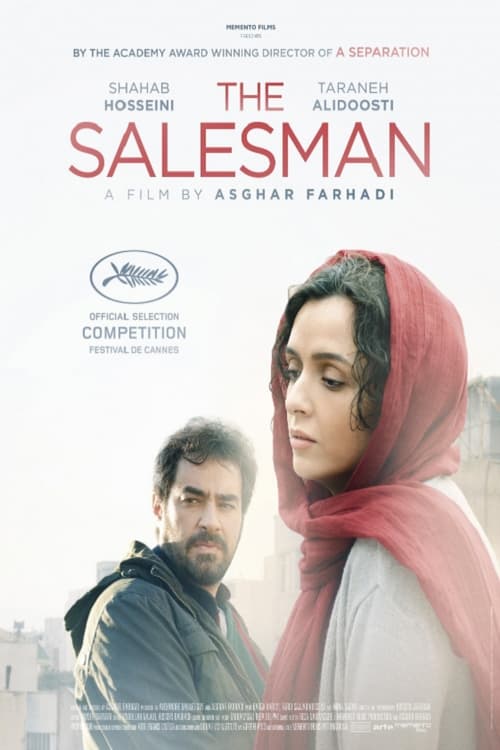
Forced out of their apartment due to dangerous works on a neighboring building, Emad and Rana move into a new flat in the center of Tehran. An incident linked to the previous tenant will dramatically change the young couple’s life.
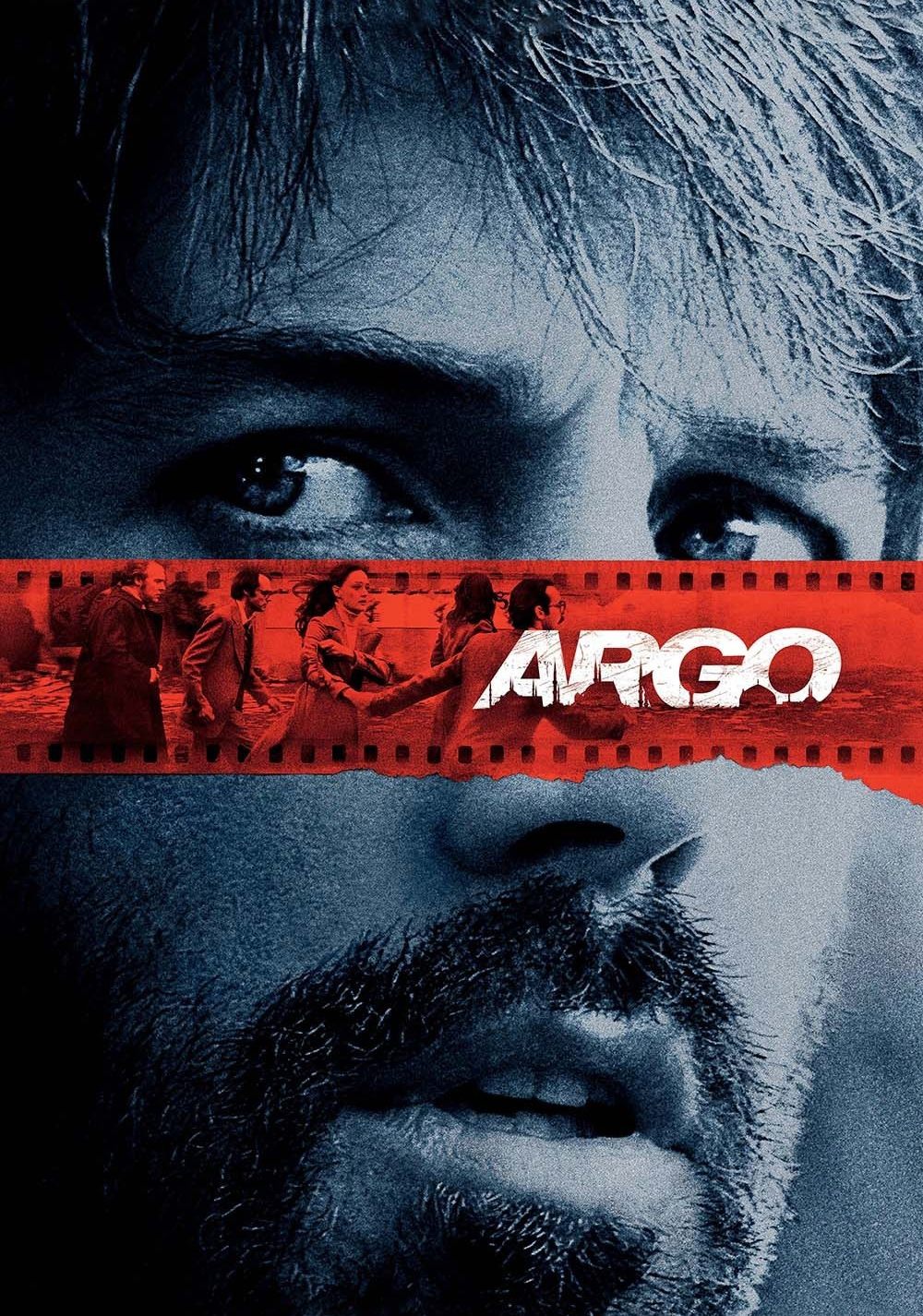
As the Iranian revolution reaches a boiling point, a CIA 'exfiltration' specialist concocts a risky plan to free six Americans who have found shelter at the home of the Canadian ambassador.
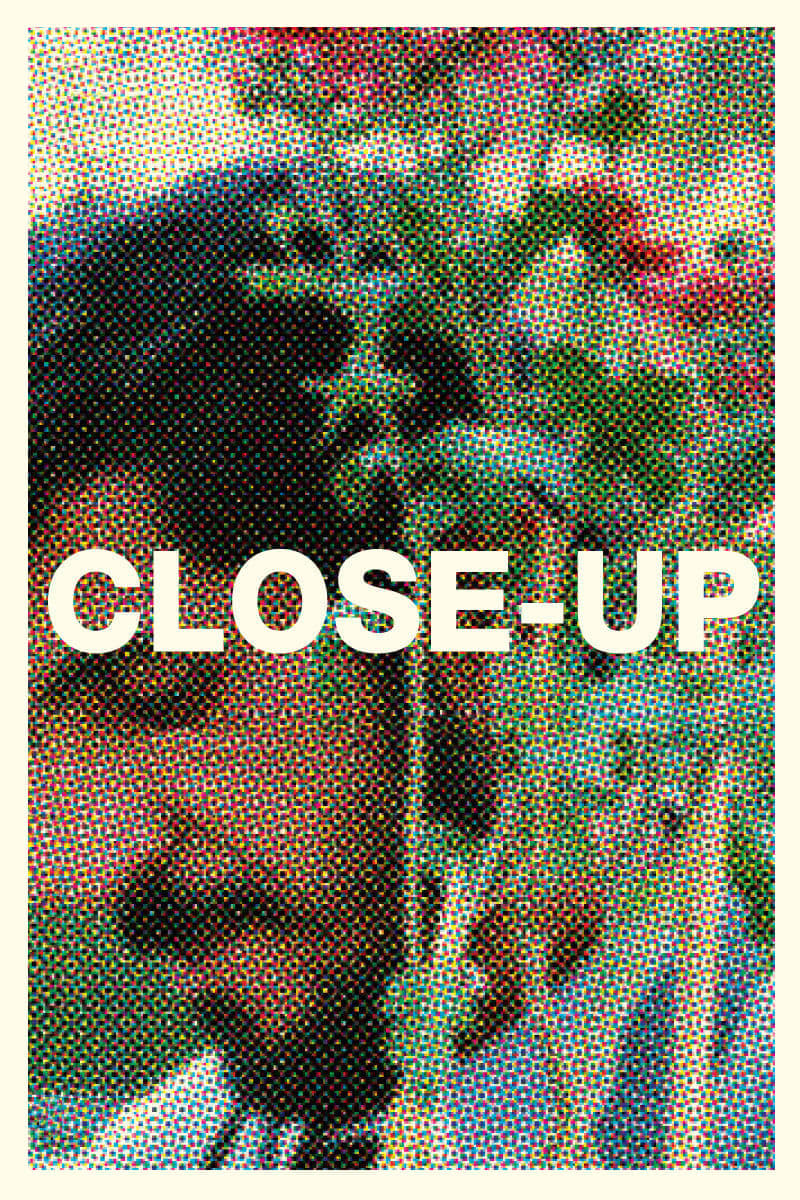
This fiction-documentary hybrid uses a sensational real-life event—the arrest of a young man on charges that he fraudulently impersonated the well-known filmmaker Mohsen Makhmalbaf—as the basis for a stunning, multilayered investigation into movies, identity, artistic creation, and existence, in which the real people from the case play themselves.
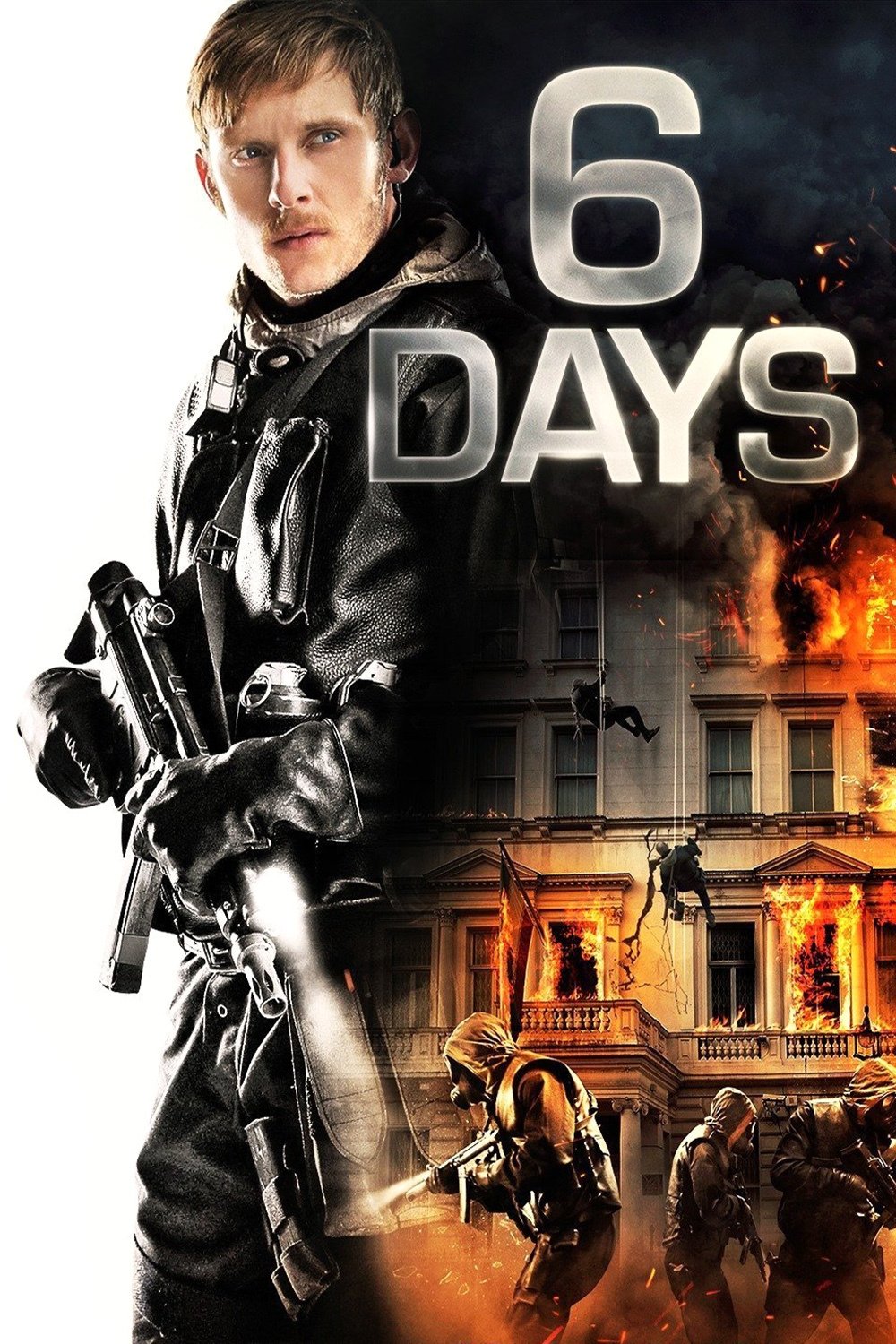
London, England, April 1980. Six terrorists assault the Embassy of Iran and take hostages. For six days, tense negotiations are held while the authorities decide whether a military squad should intervene.
In this adaptation of the critically acclaimed debut novel by Iranian American author Dalia Sofer, a secular Jewish family is caught up in the maelstrom of the 1979 Iranian Revolution.
In 1986 Iran, Sahebjam, whose car breaks down in a remote village, enters into a conversation with Zahra, who relays to him the story about her niece, Soraya, whose arranged marriage to an abusive tyrant ended in tragedy.
In 2009, Iranian Canadian journalist Maziar Bahari was covering Iran's volatile elections for Newsweek. One of the few reporters living in the country with access to US media, he made an appearance on The Daily Show with Jon Stewart, in a taped interview with comedian Jason Jones. The interview was intended as satire, but if the Tehran authorities got the joke they didn't like it - and it would quickly came back to haunt Bahari when he was rousted from his family home and thrown into prison.
A young Western woman is recruited by the Mossad to go undercover in Tehran where she becomes entangled in a complex triangle with her handler and her subject.
Sam Bowden is a small-town corporate attorney. Max Cady is a tattooed, cigar-smoking, Bible-quoting, psychotic rapist. What do they have in common? 14 years ago, Sam was a public defender assigned to Max Cady's rape trial, and he made a serious error: he hid a document from his illiterate client that could have gotten him acquitted. Now, the cagey Cady has been released, and he intends to teach Sam Bowden and his family a thing or two about loss.
Rory is an ambitious entrepreneur who brings his American wife and kids to his native country, England, to explore new business opportunities. After abandoning the sanctuary of their safe American suburban surroundings, the family is plunged into the despair of an archaic '80s Britain and their unaffordable new life in an English manor house threatens to destroy the family.
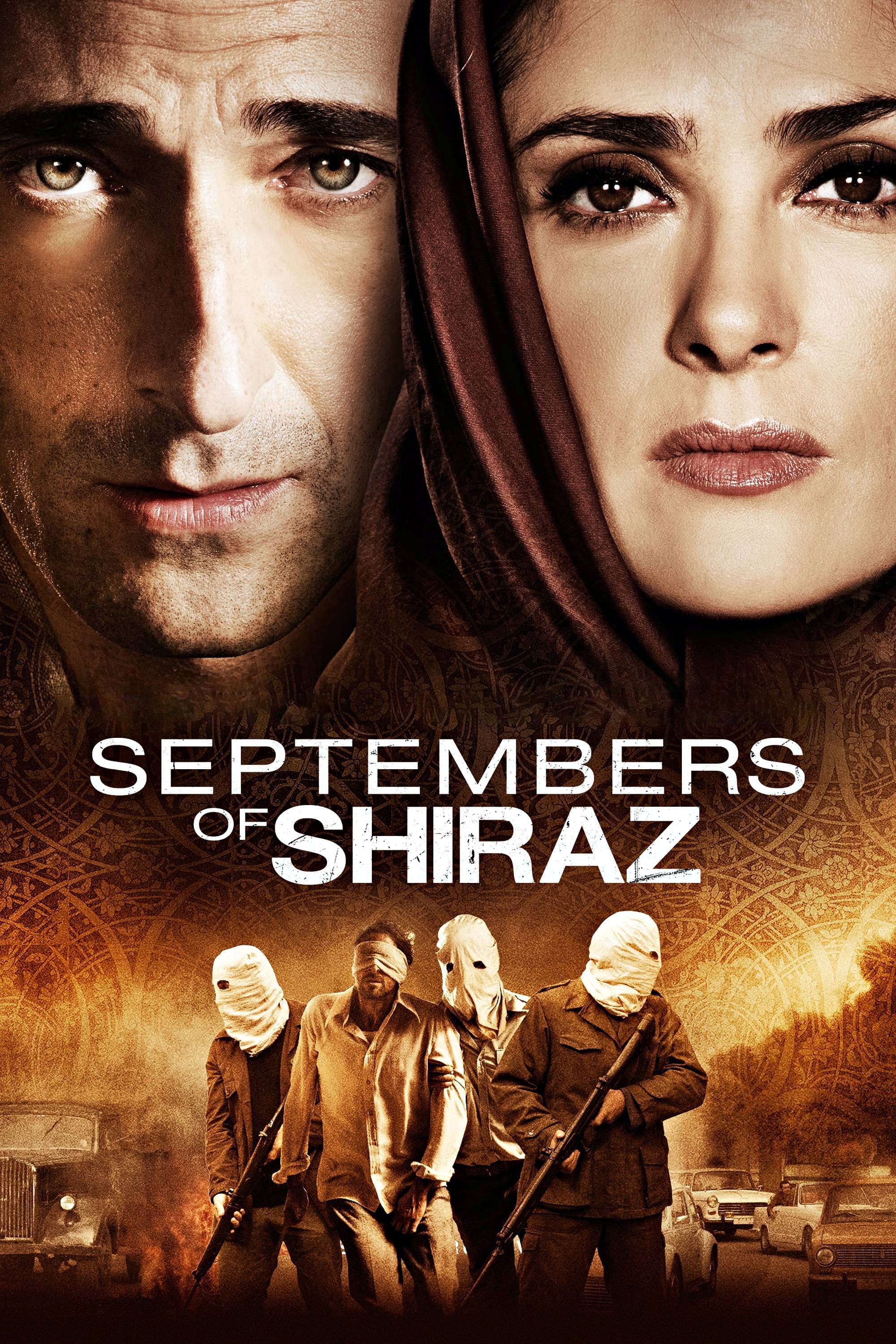
An American woman, trapped in Islamic Iran by her brutish husband, must find a way to escape with her daughter as well.
In the 70s two brothers battle killer waves, conservative society and ruthless bikers to kick-start the modern surf industry.
A Hawaiian teenage surfer shows off his skills when he takes to the snow slopes in Vermont.
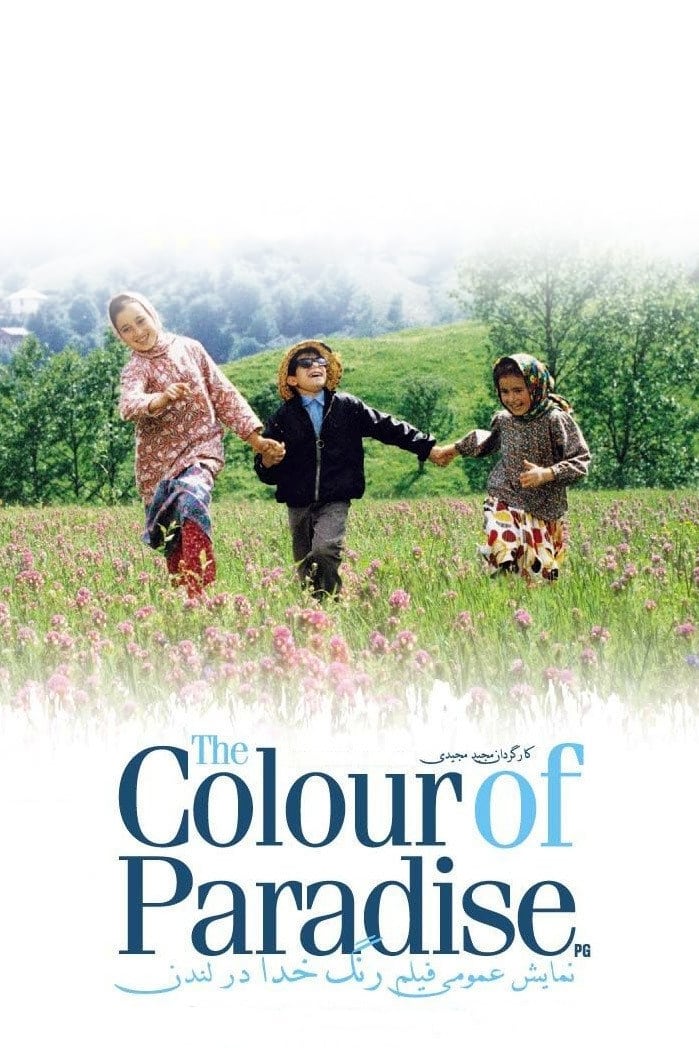
Mohammad joyfully returns to his tiny village on summer vacation from the Institute for the Blind, unaware of his widowed father's intentions to disown him in order to win the hand—and dowry—of a local woman. With the wedding swiftly approaching, Mohammad's future hangs precariously in the balance as his father struggles against his destiny, unable to see the wonder of life and love that's so clear to his son.
In a suburban landscape, the lives of several families interlace with loss, despair and personal crisis. Esther Gold has lost focus on all but caring for her comatose son, Paul, and neglects her daughter and husband. Lawyer Jim Train is devoted to his career, not his family. Helen Christianson wants to find a new spark in life, while Annette Jennings tries to rebuild hers.