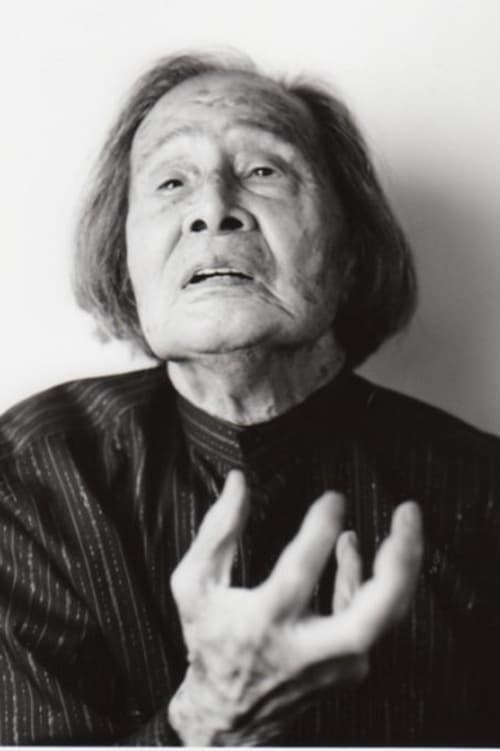
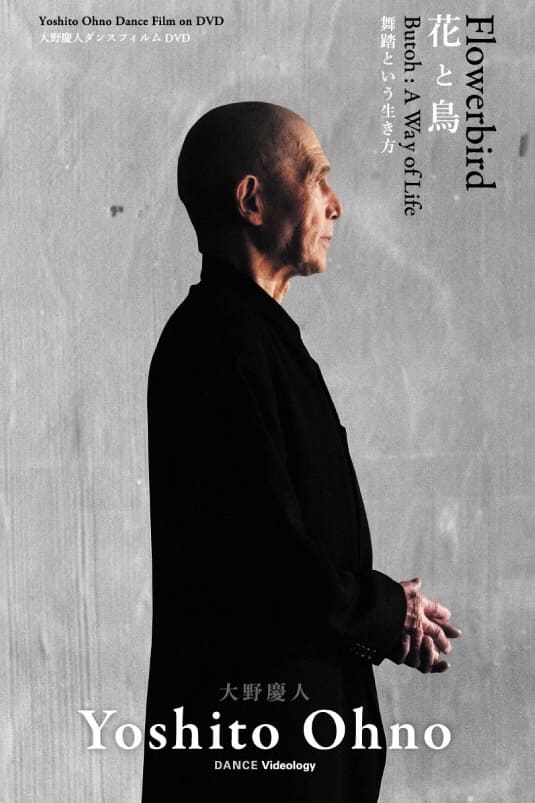
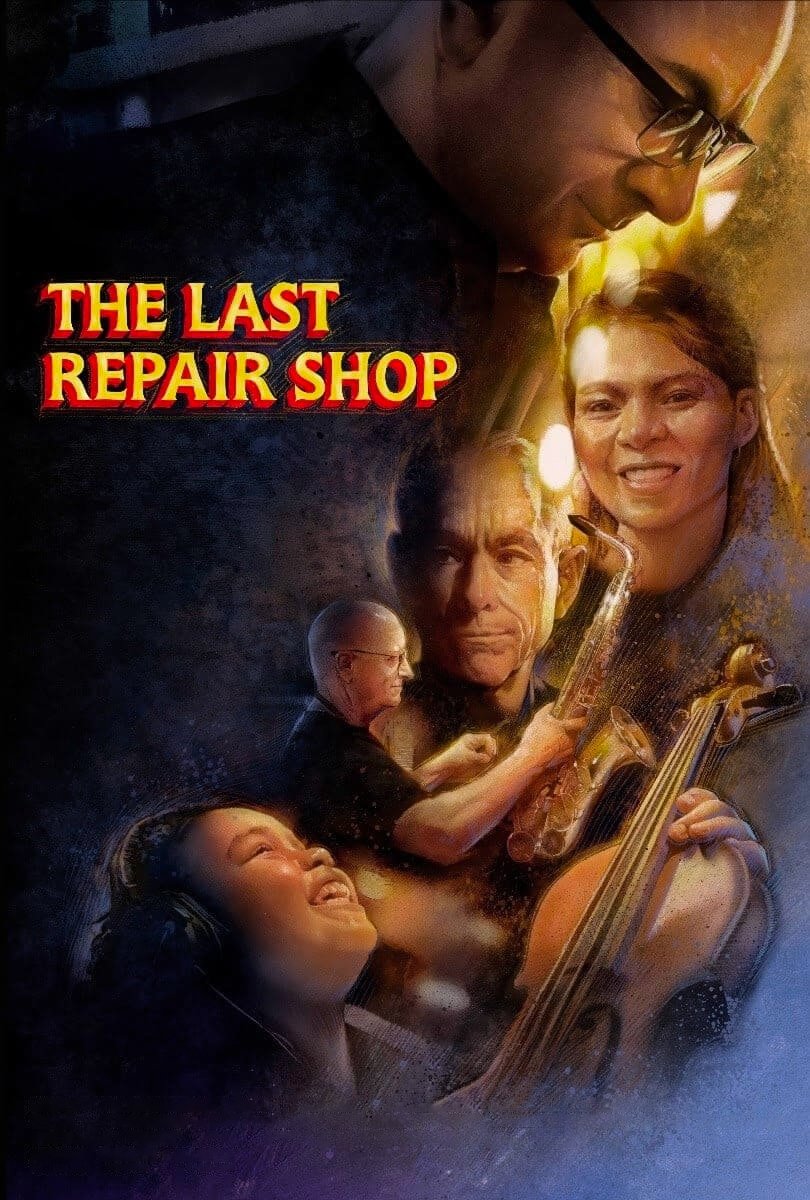
Peter Sempel's masterful poetic film tribute to butoh performer Kazuo Ohno.
Social & External
Unknown Role
Himself
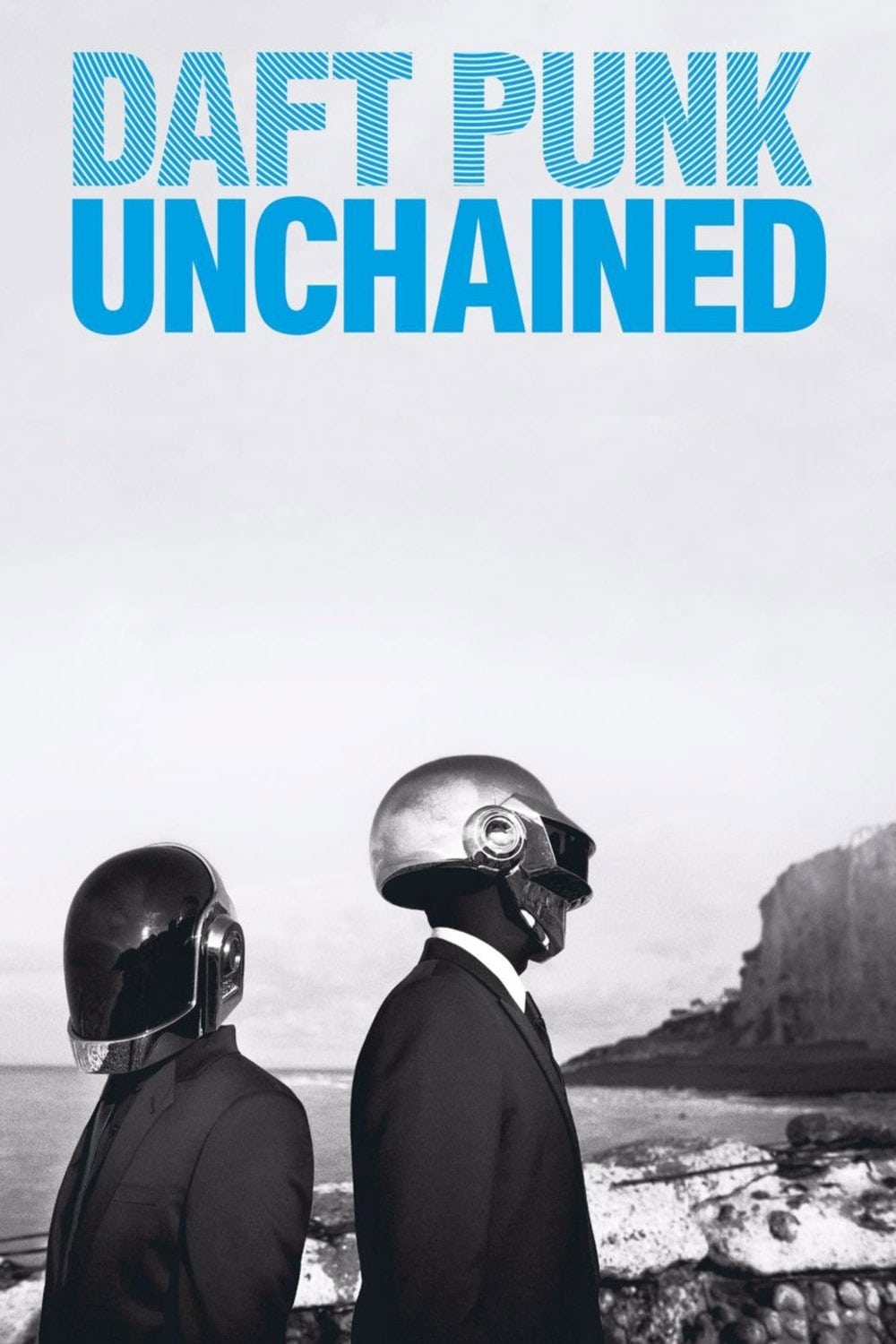
A multi-awarded 23 minute short film about pansexual punk rockers in a toxic relationship in London’s underground music scene
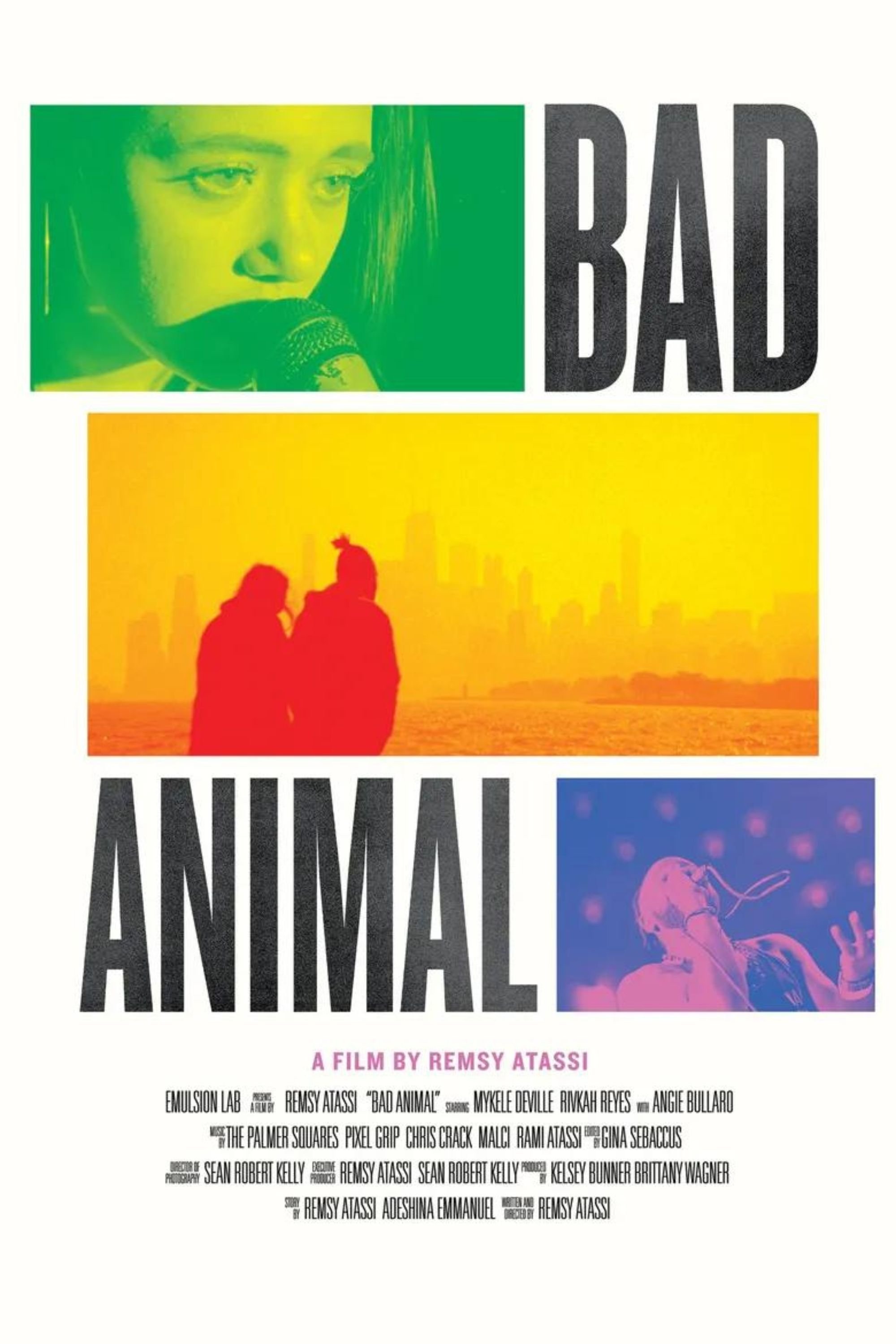
Everything changes for a rising hip-hop star, SEMBRÉ, and his manager, MARLENE, a talented indie artist in her own right; as they are dealing with the collapse of their five-year romance, a new producer shows up with a major record deal, forcing them to confront their past while navigating the price of loyalty and fame in the underground Chicago music scene.
A group of high school teens steal a van full of music equipment and pretend to be a band called "Truckstop" in order to stay on the road. When the band starts playing gigs, their sound is largely inconsistent and incoherent, however, over time the band becomes increasingly competent in their musicianship.
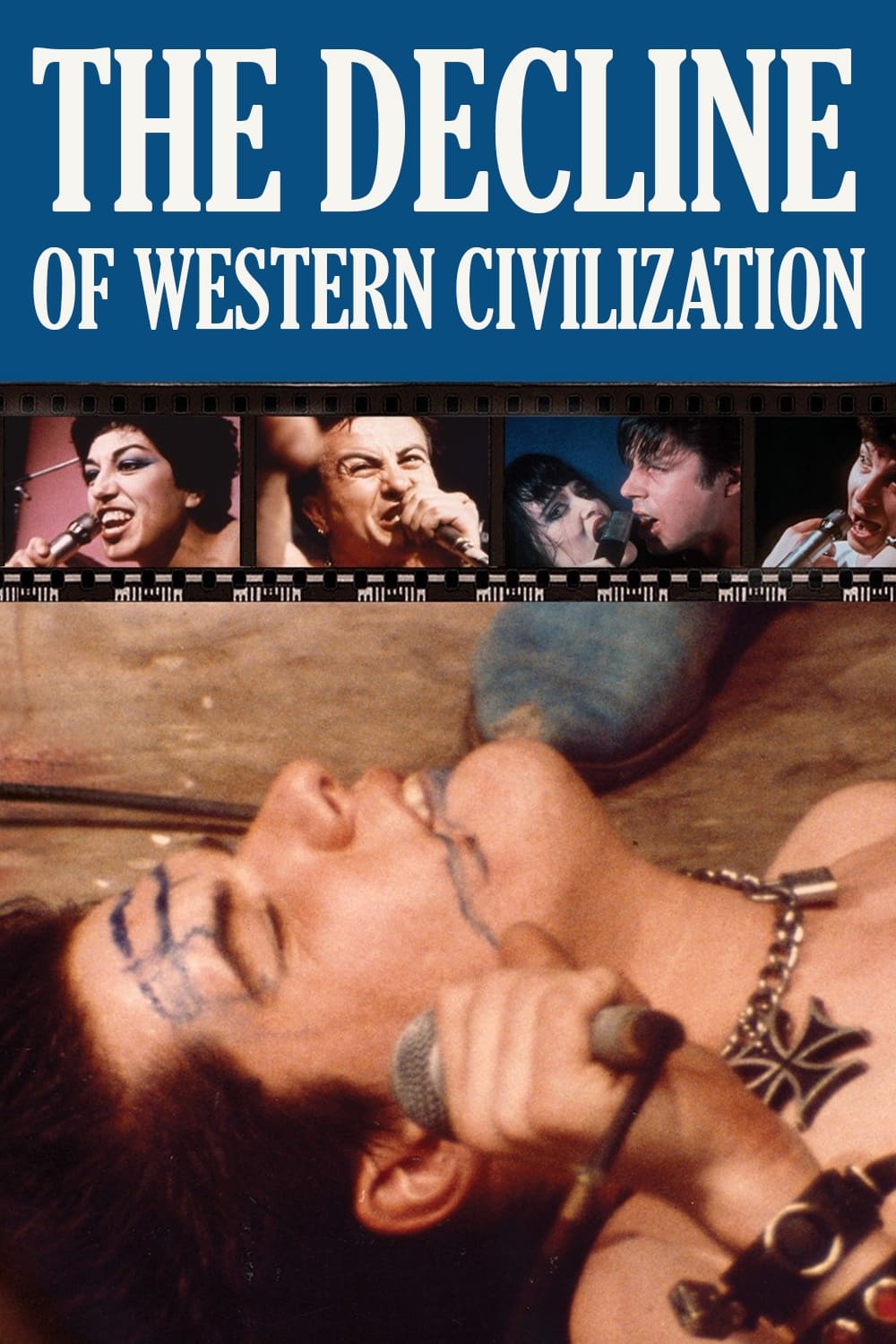
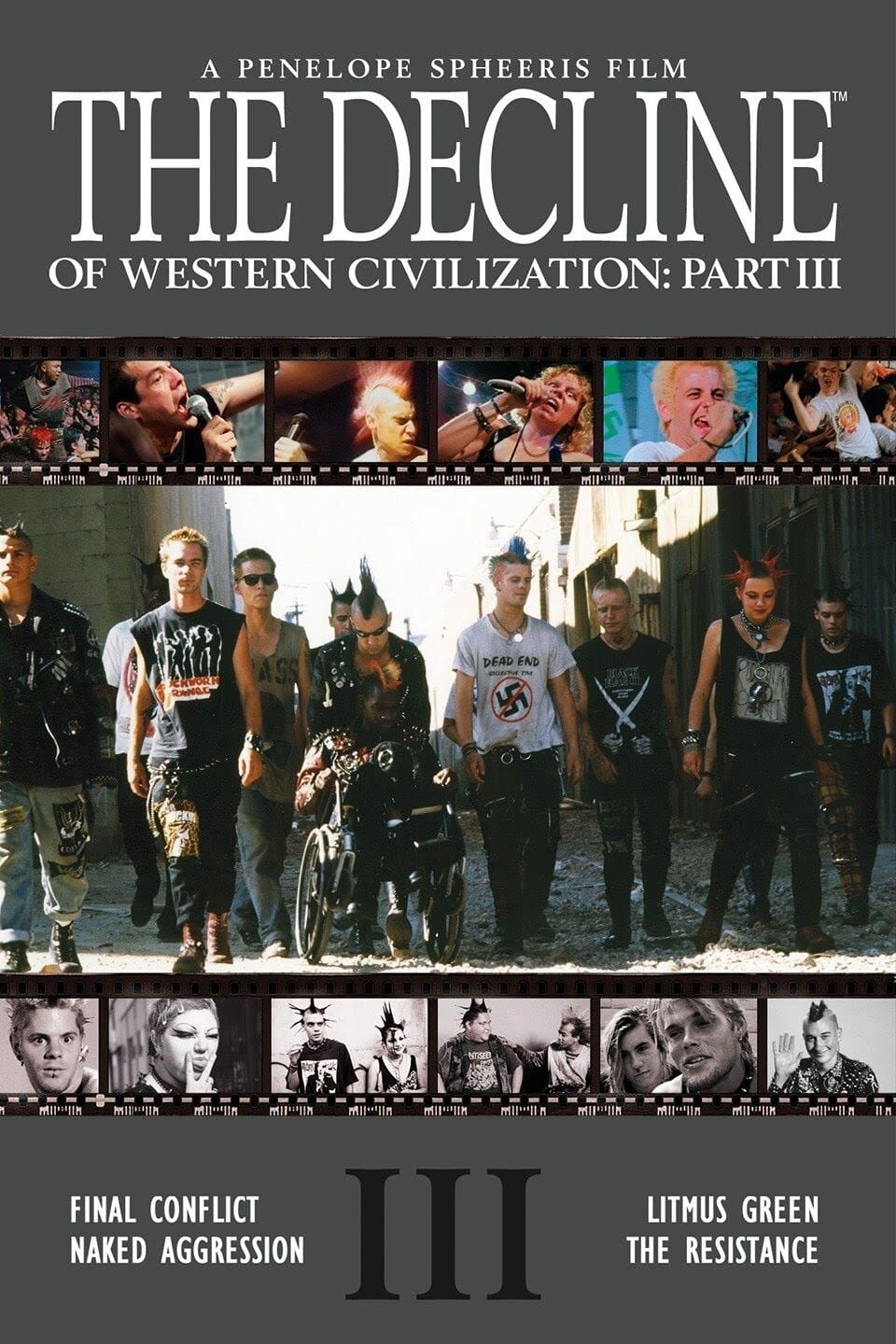
The Los Angeles punk music scene circa 1980 is the focus of this film. With Alice Bag Band, Black Flag, Catholic Discipline, Circle Jerks, Fear, Germs, and X.
Under the relentless sun, a killer stalks through the mountains, where the innocence of a young couple becomes prey. With no shadows to hide their fate, the hunt is a macabre game in broad daylight, where fear is not hidden in the darkness, but burns with the rawness of the unperturbed noon.
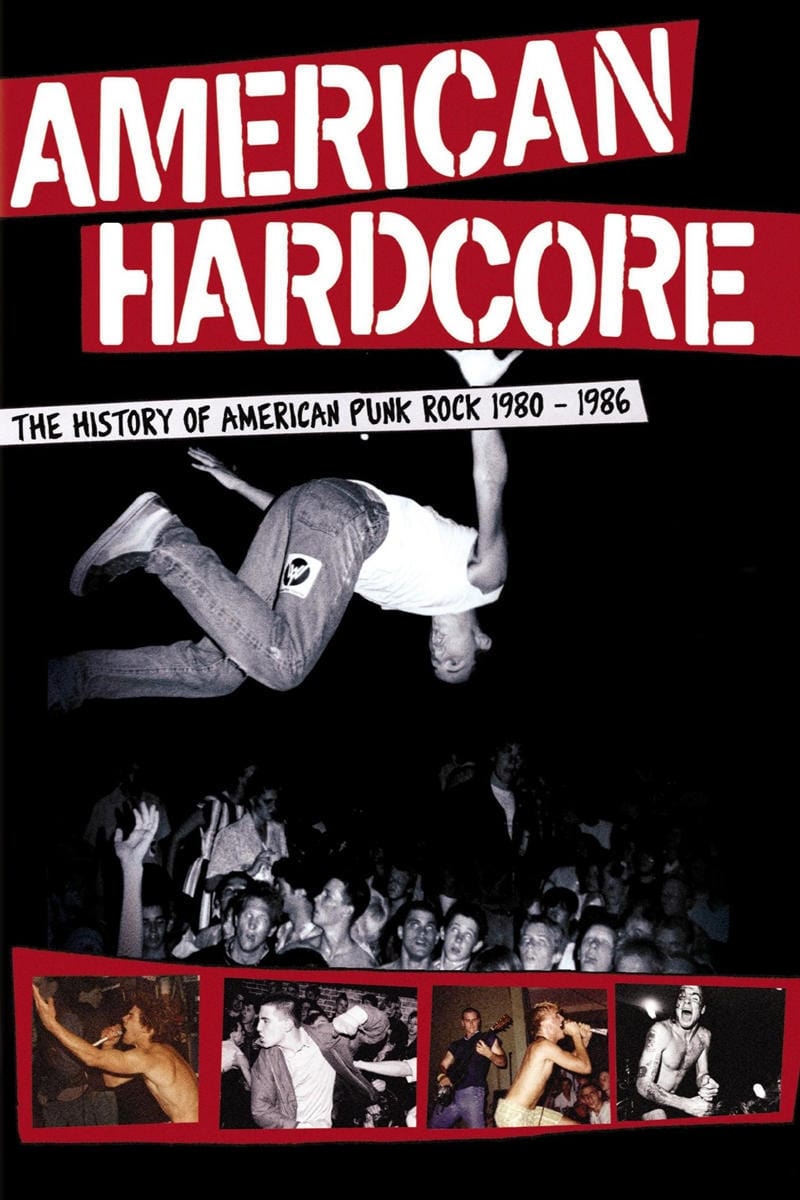
Inspired by Steven Blush's book "American Hardcore: A tribal history" Paul Rachman's feature documentary debut is a chronicle of the underground hardcore punk years from 1979 to 1986. Interviews and rare live footage from artists such as Black Flag, Bad Brains, Minor Threat, SS Decontrol and the Dead Kennedys.
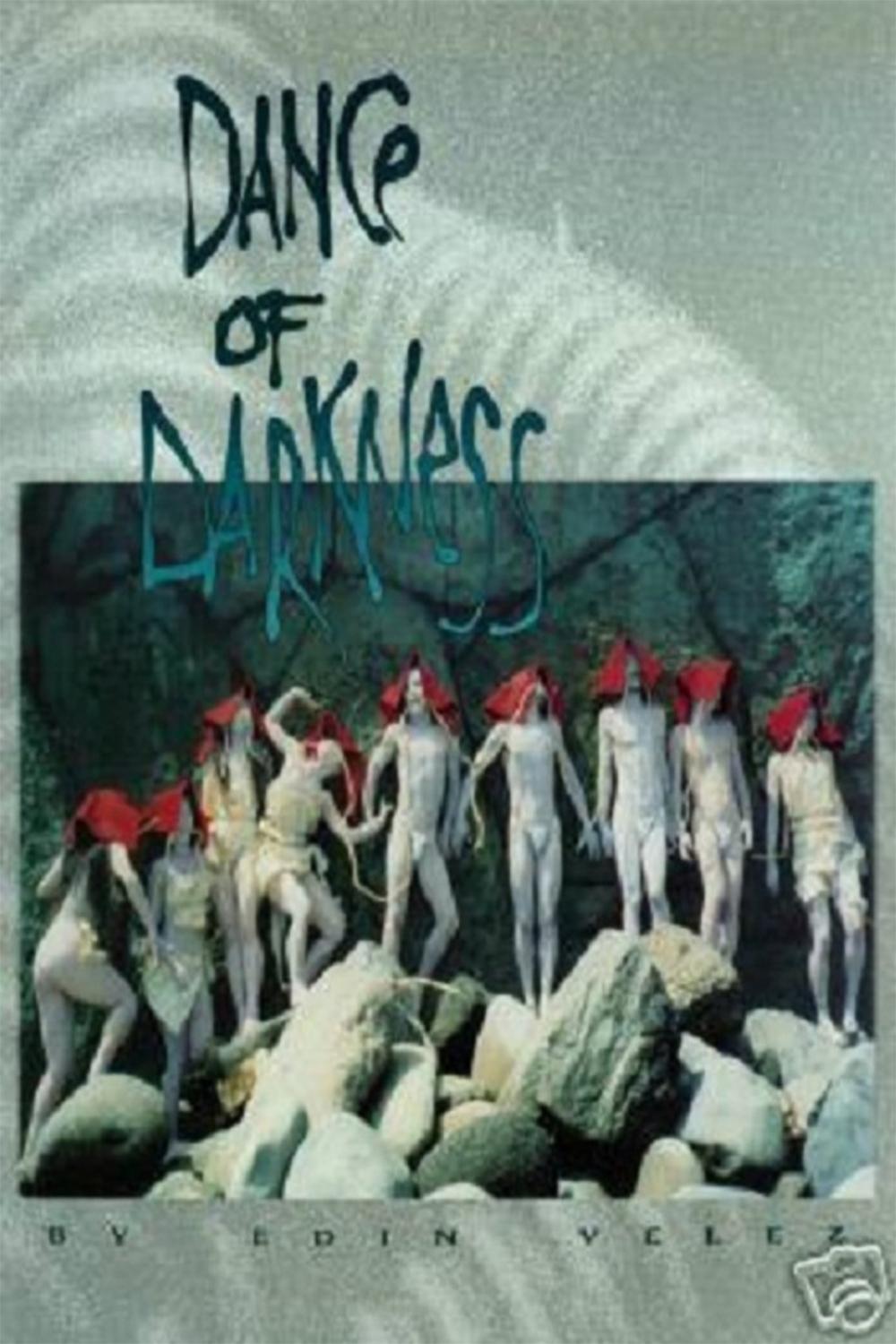
The dark sensibilities and cultural resonances of Butoh, the radical Japanese dance movement, are explored in this multilayered work. Profoundly rooted in both traditional and contemporary Japanese culture, Butoh arose in a spirit of revolt in the early 1960s. Characterized by frank sexuality and bodily distortions, Butoh transforms traditional dance movements into new forms, stripping away the taboos of contemporary Japanese culture to reveal a secret world of darkness and irrationality.
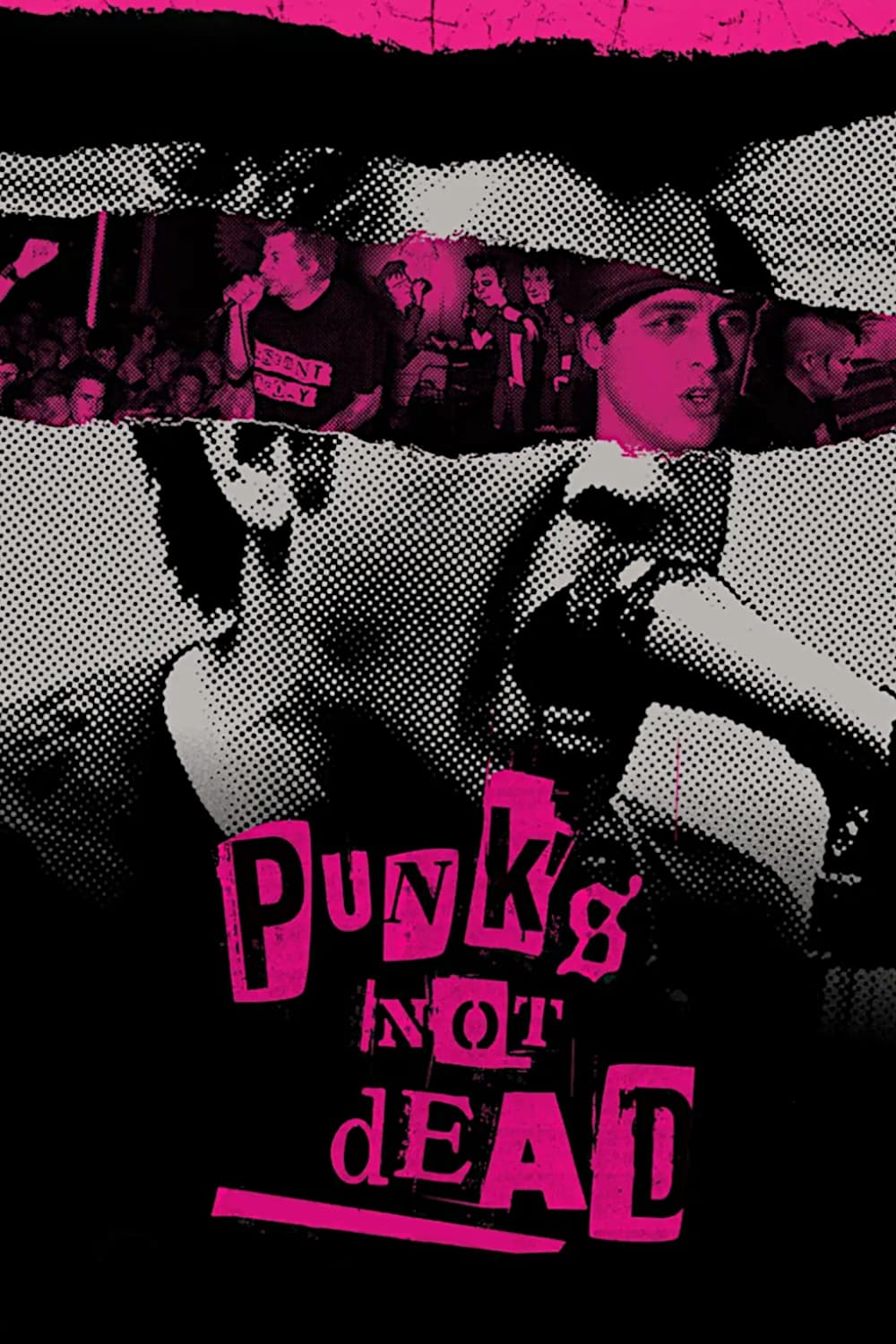
On the edge of the 30th anniversary of punk rock, Punk's Not Dead takes you into the sweaty underground clubs, backyard parties, recording studios, shopping malls and stadiums where punk rock music and culture continue to thrive.
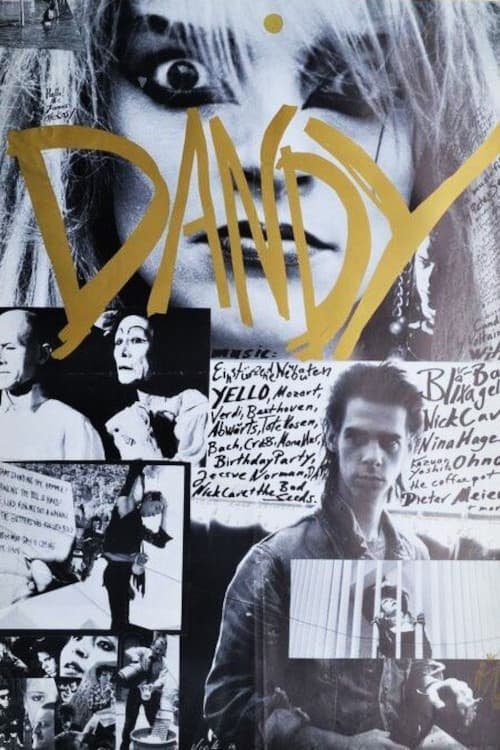
A selection of seemingly unconnected scenes featuring Nick Cave, Blixa Bargeld, Nina Hagen and Lene Lovich. Losely based on Voltaire's satire "Candide".
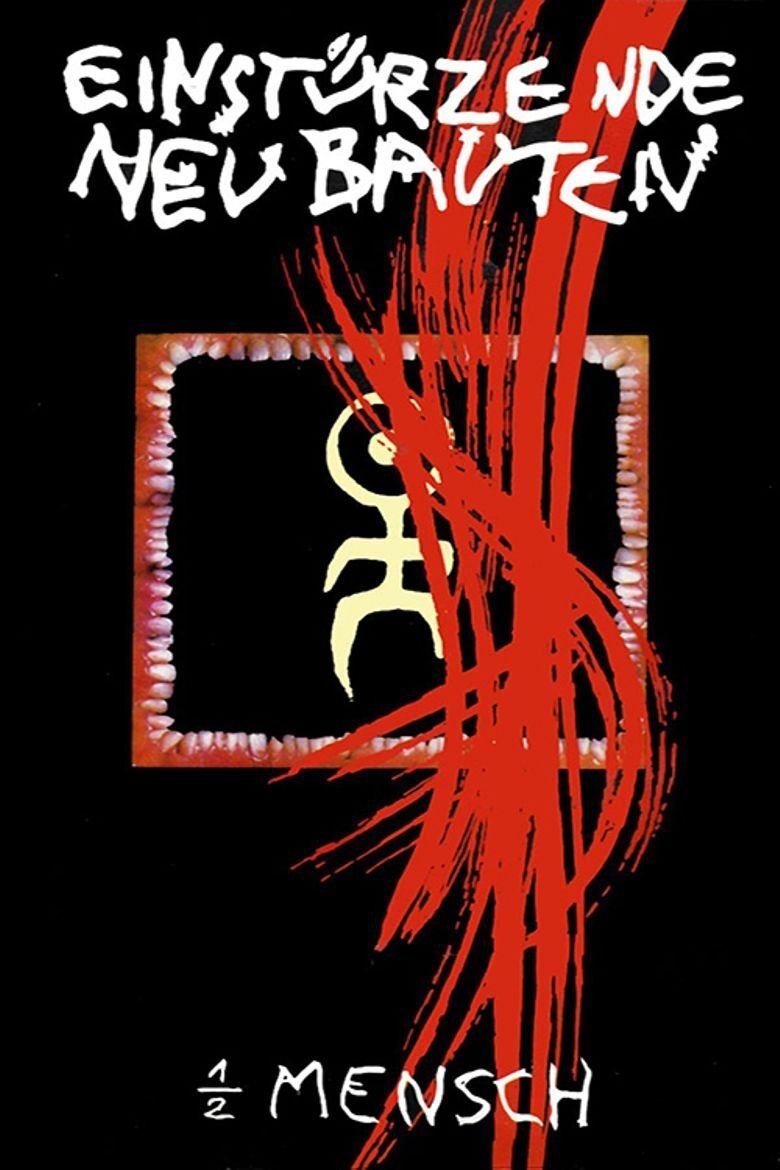
A visual documentary of Einstürzende Neubauten, the German underground band, by Japanese cult director Sogo Ishii, made during their 1985 tour of Japan. The band makes an elaborate and remarkably choreographed appearance in the ruins of an old ironworks which was scheduled for demolition; footage of same was incorporated into the movie and a brief appearance on stage.
A document of Tatsumi Hijikata's Butoh dance with Kazuo Ohno as the guest dancer shot in Hijikata's early period when he was emerging as the originator of Butoh. All of the male dancers are dressed up with evening suits and move gracefully, yet an intruder breaks up the whole scene abruptly. The film is worth seeing, even if just to see a memorable gay duet of Hijikata and Ohno. Overexposed, washed out images are sandwiched among normal ones.
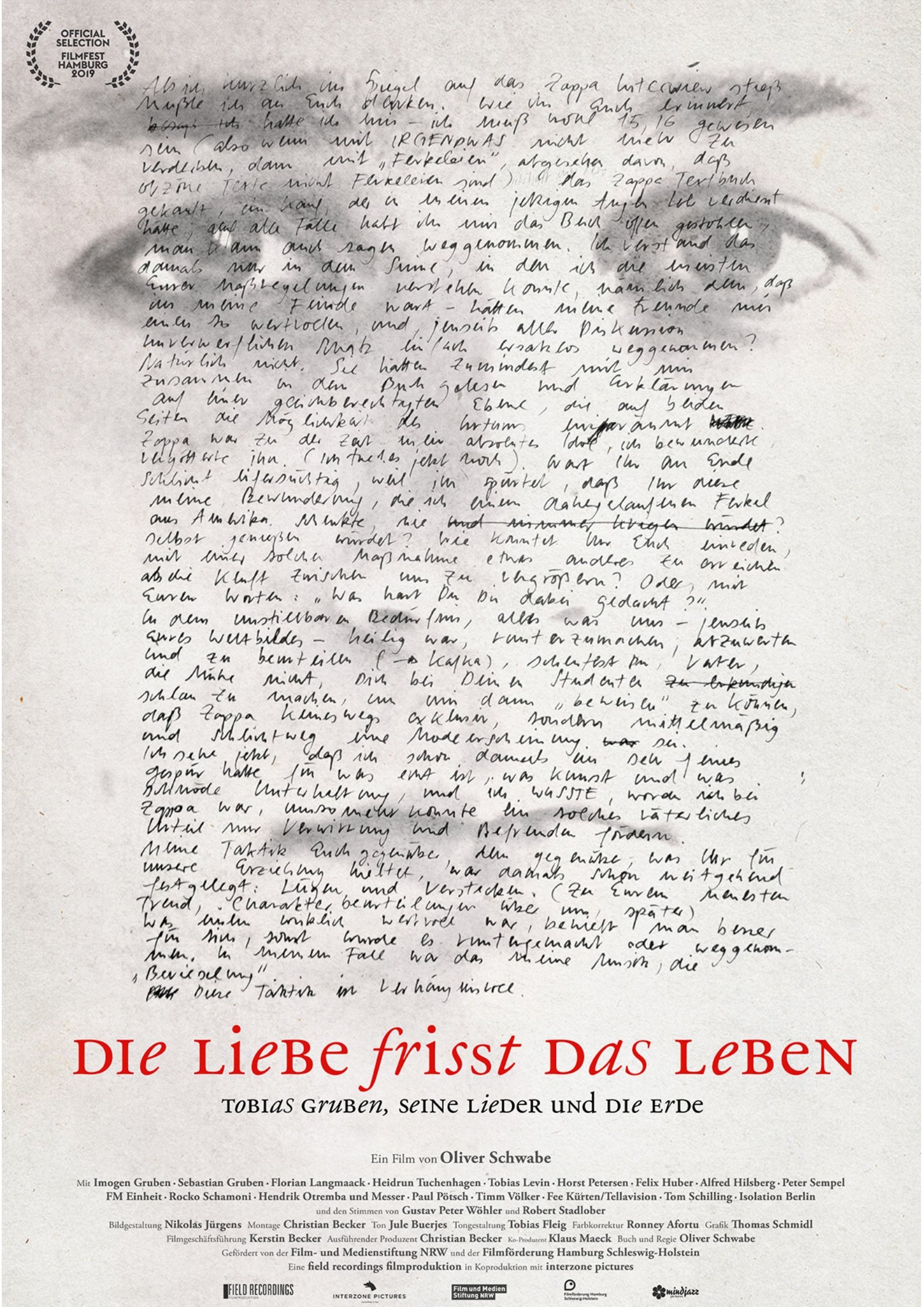
A documentary about the underground singer-songwriter Tobias Gruben, his upbringing and his musical career, featuring past live perfomances by himself and cover versions of his songs by contemporary artists.


A group of underground rap scene kids from South Florida work together to try to become famous rappers but struggle internally with personal issues regarding home life, growing up and their relationship as a group.
Marc with a C is the stage name of Orlando indie/DIY singer-songwriter Marc Sirdoreus and was formally a persona enacted on stage for over 20 years. This documentary covers their career using only filmed stage performances, interviews, and other video and audio releases published online by Marc or their audience. Made from a myriad of videos with view counts ranging from 15 to 30k, it chronicles their attempts to use music and lyrics to connect to and understand others, as well as their relationship to attention and performance as social media swallows up small artists to turn art into content.
Don't Bring A Dog shows a part of the New York underground music scene - rooted in the early eighties - existing apart from MTV and billboard charts. Music, interviews, sounds and pictures of the city blend into a collage. Don't Bring A Dog works like a time capsule of people and music in NY at a particular moment
At the end of the Cold War, something new arised that should influence an entire generation and express their attitude to life. It started with an idea in the underground subculture of Berlin shortly before the fall of the Wall. With the motto "Peace, Joy, Pancakes", Club DJ Dr. Motte and companions launched the first Love Parade. A procession registered as political demonstration with only 150 colorfully dressed people dancing to house and techno. What started out small developed over the years into the largest party on the planet with visitors from all over the world. In 1999, 1.5 million people took part. With the help of interviews with important organizers and contemporary witnesses, the documentary reflects the history of the Love Parade, but also illuminates the dark side of how commerce and money business increasingly destroyed the real spirit, long before the emigration to other cities and the Love Parade disaster of Duisburg in 2010, which caused an era to end in deep grief.
In April 2008, LRS toured across the USA and met some amazing female noise artists. This is what it is like to be a girl of noise.
"Butoh: Body on the Edge of Crisis" is a visually striking film portrait shot on location in Japan with the participation of the major Butoh choreographers and their companies. Although Butoh is often viewed as Japan's equivalent of modern dance, in actuality it has little to do with the rational principles of modernism. Butoh is a theater of improvisation which places the personal experiences of the dancer on center-stage. By reestablishing the ancient Japanese connection of dance, music, and masks, and by recalling the Buddhist death dances of rural Japan, Butoh incorporates much traditional theater. At the same time, it is a movement of resistance against the abandonment of traditional culture to a highly organized consumer-oriented society.
Mourning his past relationship, heartbroken college senior Austin Caldwell becomes obsessed with the "Big Break" song competition, convinced that the only way he'll be able to move on, is if he wins.